New Alternative Rock Albums
Discover the latest sounds shaking up the music scene with New Alternative Rock Albums. Dive into fresh releases from innovative artists redefining the genre, blending powerful lyrics and dynamic instrumentals for a unique listening experience. Whether you're a longtime fan or exploring new favorites, these albums offer an exciting mix of creativity and energy. Explore the newest additions to your collection and keep your playlist current with the most talked-about alternative rock albums available now.
Sort









How guitar textures and track sequences shape an album
New alternative rock albums bring fresh songwriting, distinctive guitar textures, and new perspectives to a genre defined more by creative freedom than by a single sound. Alternative rock spans the wiry rhythms of post-punk, the layered distortion of shoegaze, the direct emotional delivery of emo, and the melodic hooks of indie pop-rock. Some releases put a raw, close-miked vocal above a restless bass line; others build slowly through overlapping guitars, keyboards, and spacious percussion. That range makes the album format especially rewarding: an opening track can establish a mood that changes gradually through quieter interludes, unexpected arrangements, and a closing song that gives the whole sequence a different meaning. For listeners exploring new alternative rock music, useful distinctions include the balance between guitar and electronic instrumentation, the prominence of vocals, and whether the songs lean towards tight structures or extended passages. A bright melody can sit over jagged guitars, while a restrained performance can carry as much tension as a wall of distortion. Recent studio albums may develop an established musical direction or mark a substantial departure, whereas debut albums introduce a band’s approach to writing, performance, and production. New releases can also include live albums, expanded editions, and reissues, so a newly released edition does not necessarily contain newly written music. The track listing and edition description help distinguish a new studio recording from an older album presented in a different format. Alternative and indie rock frequently overlap, particularly in their emphasis on individual voices and inventive arrangements; New Indie Rock Releases offers a closely related area for listeners drawn to that mix of melody and experimentation. Across these styles, a full-length album gives songs room to speak to one another, whether it accompanies a familiar daily routine or becomes the focus of an uninterrupted listening session.
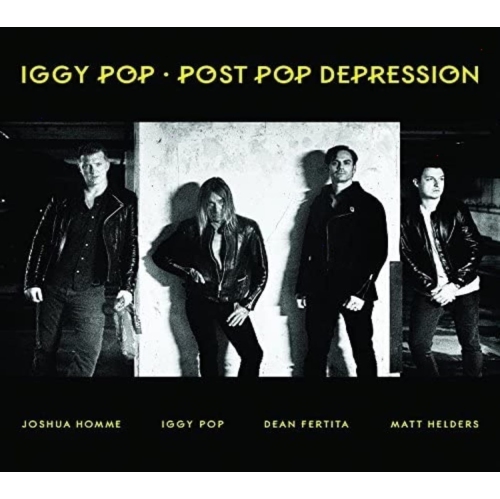
Physical alternative rock albums add a tactile dimension to that listening experience, with vinyl and CD offering different ways to enjoy the same musical work. A vinyl edition typically combines a grooved disc with an inner sleeve and outer jacket, sometimes accompanied by printed lyrics, photography, or other artwork. Its larger cover gives visual details space to stand out, from a hand-drawn illustration to a carefully composed band photograph. Turning the disc between sides introduces a natural pause, and the division of tracks can make each half feel like a distinct chapter. Vinyl playback requires a compatible turntable and an audio setup with the appropriate phono amplification, either built into a component or provided separately. Playback speed and disc size should match the edition’s specifications rather than assumptions based on appearance. CDs use optical playback and generally suit listeners who prefer straightforward track access, compact shelving, and fewer interruptions during an album. They may come in plastic cases or paperboard packaging, with booklets that provide lyrics, credits, and production details when included. Neither format guarantees a particular listening character on its own: the recording, mastering, playback equipment, and condition of the disc all contribute to what reaches the speakers or headphones. Different editions can also contain different mixes or additional tracks, making the stated contents more useful than packaging alone when comparing versions. Coloured vinyl can be visually appealing, but its appearance does not establish how it will sound. Similarly, a heavier disc is not, by itself, proof of better audio quality. For everyday use, the most suitable format is often the one that fits an existing player and listening habits. Someone who likes to settle into an album from beginning to end may appreciate the physical rhythm of vinyl, while a listener who frequently returns to particular songs may favour the direct navigation of a CD. Both formats can make artwork and printed credits part of the experience rather than an afterthought.
The lasting appeal of an alternative rock album often comes from details that emerge through repeated listening: a second vocal tucked behind the chorus, a bass part that changes under a repeated line, or a quiet ending that was easy to miss on the first play. Headphones can make those small arrangement choices easier to notice, while speakers allow the music to become a shared experience during an evening with friends or a relaxed meal at home. More forceful, rhythm-driven albums may suit a lively gathering, whereas sparse arrangements and slower tempos can work well for attentive solo listening. Lyrics, mood, and explicit-content information are useful considerations when an album will be played in a shared space or given to someone whose preferences are not fully known. As gifts, physical albums can suit dedicated collectors, concertgoers, and listeners beginning to build a music library. Format compatibility matters as much as musical taste: a vinyl album needs suitable playback equipment, and a CD requires a compatible disc player. An edition with a lyric booklet or substantial artwork may appeal to someone who enjoys reading along and exploring the people behind the recording, though included materials vary by edition. Proper handling helps these objects remain enjoyable over time. Vinyl is best held by its edges and label area, returned to a clean inner sleeve after use, and stored upright without tight pressure from neighbouring albums. A record brush and a cleaning method intended for vinyl help manage surface dust; household cleaners and rough cloths can damage playing surfaces. CDs should also be handled by the edges, kept in protective cases, and cleaned gently from the centre outwards with a suitable soft cloth when needed. Storage away from direct sunlight, heat sources, and damp areas helps protect discs, sleeves, and printed inserts. With considerate care, a physical album can remain part of a listening collection long after its initial release, carrying both the music and the visual identity that made it memorable.
Top selling and popular products
-
 Your price for this item is $15.32
-
 Your price for this item is $5.99
-
 Your price for this item is $16.29
-
 Your price for this item is $15.32
-
 Your price for this item is $24.68
-
 Your price for this item is $15.32
-
 Your price for this item is $15.32
-
 Your price for this item is $15.91
Discover more categories related to New Alternative Rock Albums



Top Collections:
Pokemon Centers, Best Cameras for Sports Photography, Kindle Devices, Samsung Galaxy Phones, Canon G7X Cameras, Pokémon 30th Celebration Cards, Refurbished Apple Laptops, iPhone 15 Apple, Laptops for Students, Budget Smartphones
Some products may be subject to Environmental Handling Fees
(EHF) depending on your province.
Learn more about EHFs.