New Classical Music Releases
Explore the latest in orchestral masterpieces and timeless compositions with New Classical Music Releases. Discover fresh interpretations from renowned artists, innovative ensembles, and rising talents that bring new life to beloved classics. Whether you’re expanding your collection or searching for the perfect gift for a music enthusiast, New Classical Music Releases offer an inspiring selection for every listener. Dive into the world of symphonies, concertos, and chamber works to elevate your listening experience.
Sort
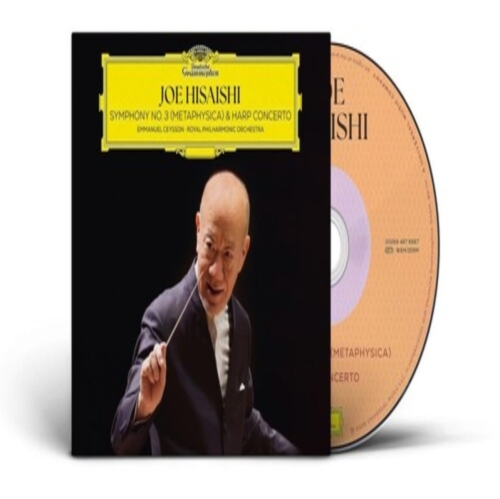


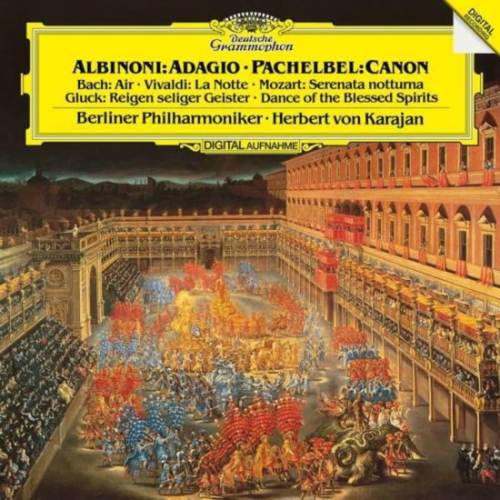
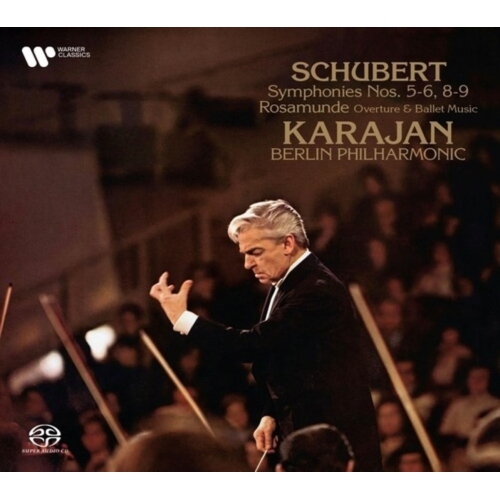


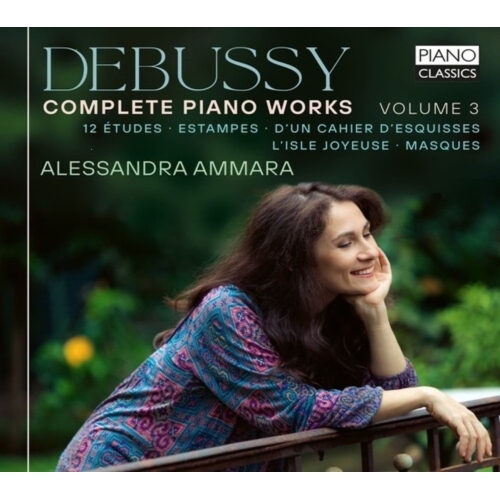


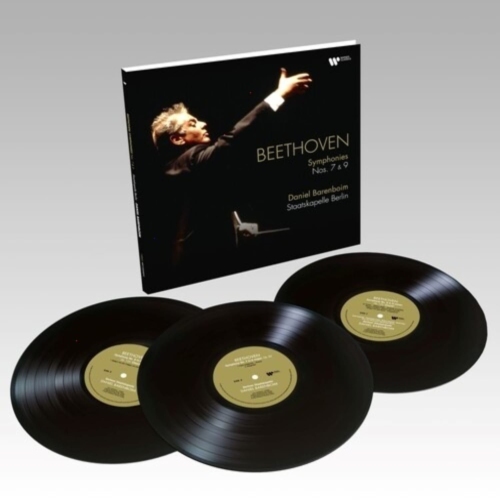


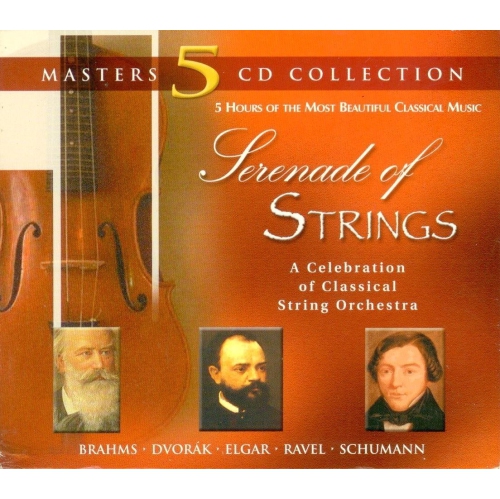

Familiar works take on new character with each recording
New classical music releases bring together newly recorded performances, first recordings of compositions, live concert albums, and fresh editions of recordings from earlier sessions. A new release does not necessarily mean newly written music: a familiar symphony can gain a different character through a conductor’s phrasing, an orchestra’s balance, or the sound of the recording space. Classical music also extends well beyond the historical Classical period, encompassing Renaissance vocal works, intricate Baroque counterpoint, expansive Romantic orchestral pieces, and contemporary compositions that explore unusual textures and instrumental combinations. That breadth gives each album a distinct identity. A solo piano recital may place delicate, songlike passages beside music with striking rhythmic energy, while a string quartet recording can make the exchange between four musicians feel almost conversational. Large orchestral albums offer another kind of experience, moving from a single exposed instrumental line to the weight of a full ensemble. Choral recordings draw attention to blended voices, diction, and the resonance of the room, while opera recordings combine singing, orchestration, and dramatic storytelling. Some releases focus on a single composer or major work; others connect several composers through an instrument, a historical period, a place, or a shared musical idea. Albums devoted to lesser-known repertoire can introduce music that sits outside the familiar concert programme, while new interpretations of established works allow listeners to hear details they may have missed before. A release built around contemporary writing may include a premiere recording, although that distinction should be stated in the album information rather than assumed from the release date. For someone building a classical music collection, these differences matter more than novelty alone. A compact recital, a complete orchestral cycle, and a vocal anthology serve different listening interests, whether the aim is to explore unfamiliar music, spend more time with a favourite instrument, or hear an established work from another musical perspective. The repertoire and performers together shape what makes a recording worth returning to.
The character of a classical recording depends on both the performance and the way that performance has been captured. In a close, detailed chamber recording, the attack of a bow or the decay of a piano note can be especially clear. A recording made in a larger hall may give the ensemble more space, with reverberation carrying the final chord after the musicians have stopped playing. Neither approach is automatically better; each changes the sense of distance, scale, and intimacy. Live concert recordings can preserve the momentum of a performance unfolding before an audience, sometimes including applause or small incidental sounds. Studio recordings may allow greater control over balance and repeated takes, though they can still retain a strong sense of spontaneity. Interpretation makes an equally important difference. Tempo affects the shape of a phrase, articulation changes whether a passage feels crisp or flowing, and the balance between sections can bring an inner melody into focus. Performances on instruments associated with an earlier period may offer different tone colours and playing approaches from those heard in a modern orchestra. Vocal releases add considerations such as voice type, language, ensemble size, and whether the recording presents a complete dramatic work or selected scenes and arias. Album descriptions and track lists help establish that scope: a collection of highlights is a different listening experience from an uninterrupted account of a complete opera, ballet, or large choral work. Longer compositions are often divided into movements across separate tracks, so continuous playback preserves their sequence and musical relationships more faithfully than shuffle mode. Classical recordings can reward attentive listening without requiring specialist knowledge. Following a melody as it passes from woodwinds to strings, hearing a quiet passage gather force, or noticing how a singer shapes a repeated line provides an accessible way into the music. Headphones can reveal small details, while speakers can give orchestral and choral recordings a broader sense of space. Comfortable listening levels leave room for the contrast between hushed passages and powerful climaxes.
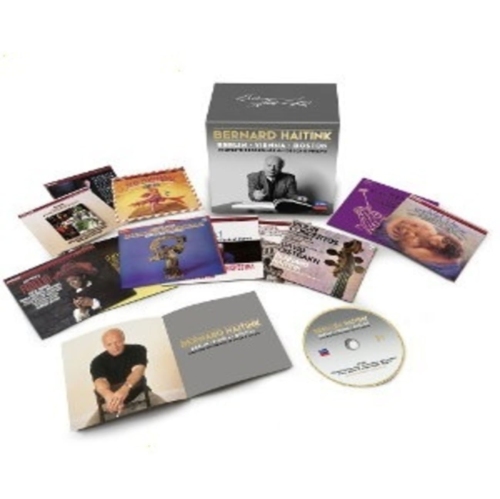
Physical classical music albums also offer a tangible way to collect, revisit, and give recorded performances. CDs and vinyl records have different playback requirements, storage needs, and handling characteristics, so the format is part of the listening experience rather than simply a packaging choice. Standard audio CDs require a compatible disc player or drive, while vinyl records require a turntable and a suitable audio setup. Longer works may span several discs or record sides; side breaks on vinyl can interrupt the flow of a composition, whereas a CD may accommodate a longer stretch of uninterrupted music. The edition’s contents determine whether it includes a complete work, selected movements, bonus material, or accompanying notes. Booklets can be particularly useful for classical releases, providing track timings, performer credits, background on the repertoire, and sometimes sung texts with translations. For vocal music, those texts can make the story or poetry easier to follow. Packaging varies from compact cases to larger sets, and shelf space becomes a practical consideration as a collection grows. Careful handling helps protect both the recording and its presentation. CDs are best held by their edges or centre opening and returned to their cases after listening. Vinyl benefits from clean inner sleeves, gentle handling at the edges, and upright storage away from direct sunlight and heat. A record-cleaning brush intended for vinyl can help remove loose dust before playback, while keeping the turntable stylus clean according to its manufacturer’s directions supports consistent sound. Scratches, dust, and worn packaging are avoidable sources of frustration, especially when quiet musical passages make unwanted noise more noticeable. As gifts, classical albums can suit an instrumental student, a choir member, a concertgoer, or someone who simply enjoys a particular musical sound; matching the format to the recipient’s playback equipment is just as important as matching the repertoire to their taste. Recordings centred on traditional melodies, acoustic instruments, or storytelling through song may also appeal to listeners exploring New Folk Music Releases. Across styles and formats, a thoughtfully chosen album offers something lasting: a performance that can become familiar through repeated listening while continuing to reveal a new phrase, texture, or emotional detail.
Top selling and popular products
-
 Your price for this item is $19.12
-
 Your price for this item is $15.8
-
 Your price for this item is $15.32
-
 Your price for this item is $19.12
-
 Your price for this item is $15.32
-
 Your price for this item is $15.28
-
 Your price for this item is $6.99
-
 Your price for this item is $148.47
Discover more categories related to New Classical Music Releases


Top Collections:
Pokemon Centers, Best Cameras for Sports Photography, Kindle Devices, Samsung Galaxy Phones, Canon G7X Cameras, Pokémon 30th Celebration Cards, Refurbished Apple Laptops, iPhone 15 Apple, Laptops for Students, Budget Smartphones
Some products may be subject to Environmental Handling Fees
(EHF) depending on your province.
Learn more about EHFs.