New Folk Music Releases
Explore the latest sounds and heartfelt melodies with New Folk Music Releases. Discover fresh tracks and albums from emerging artists and established favorites, all capturing the spirit and storytelling tradition of folk music. Whether you’re looking to expand your playlist or find the perfect gift for a music enthusiast, these new releases offer a wide range of styles and influences to suit every taste. Stay up to date with the newest additions and enjoy the rich harmonies and acoustic vibes that define today’s folk music scene.
Sort
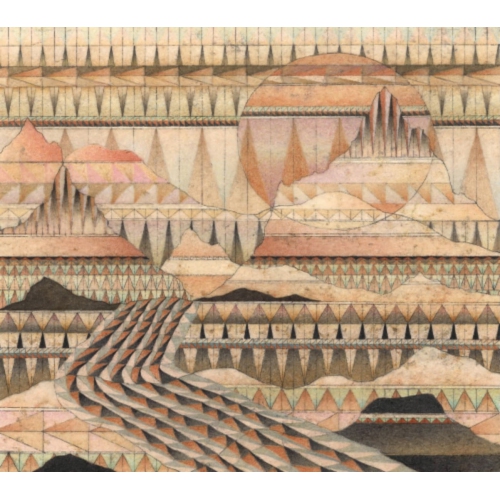

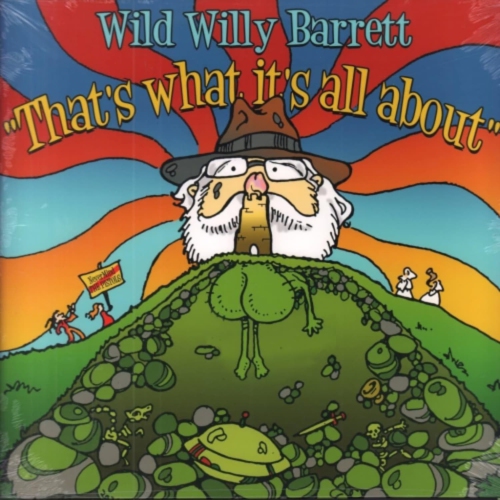
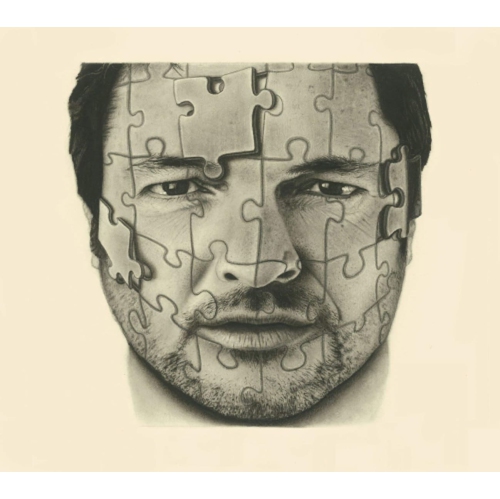
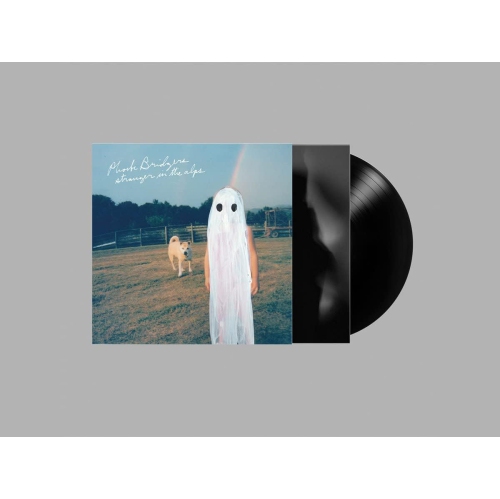
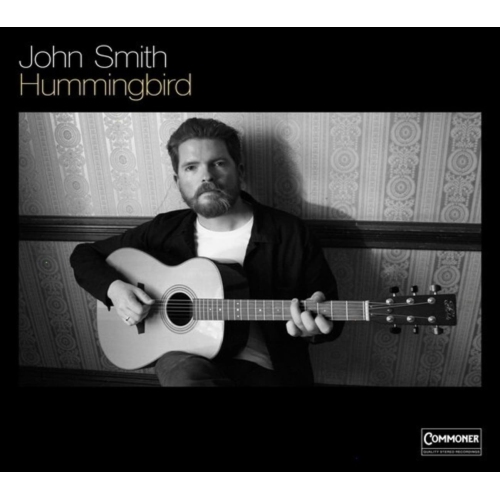
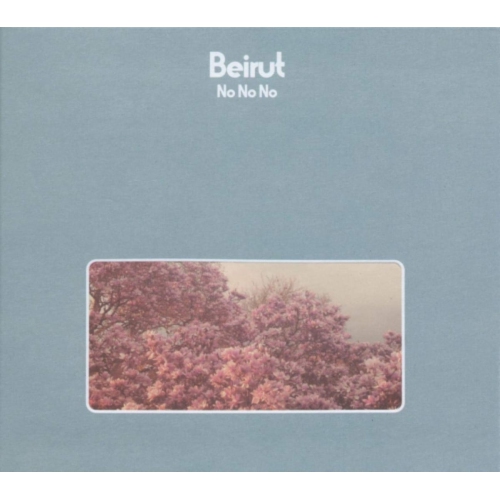
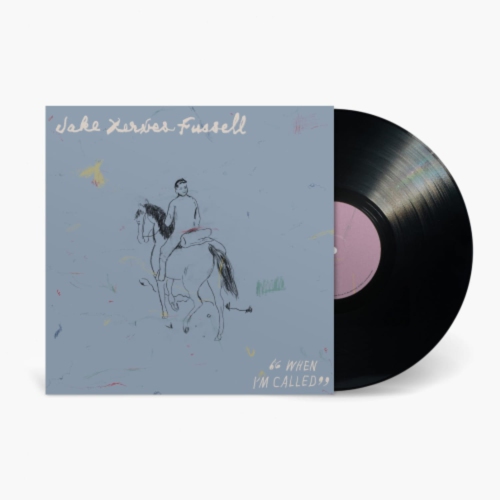
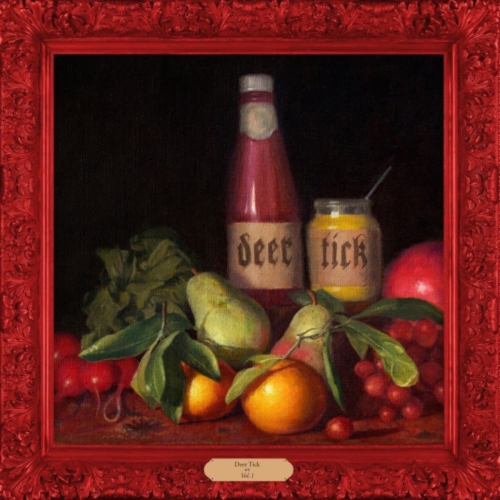
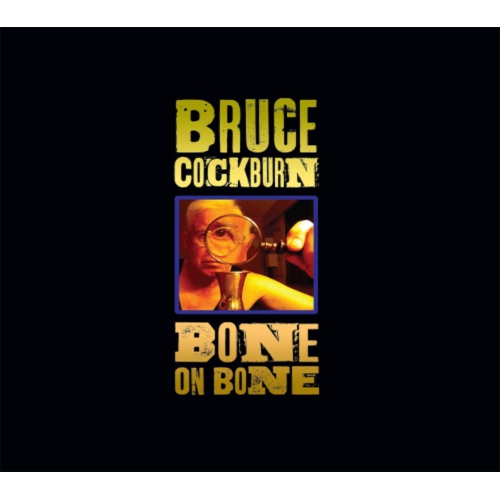
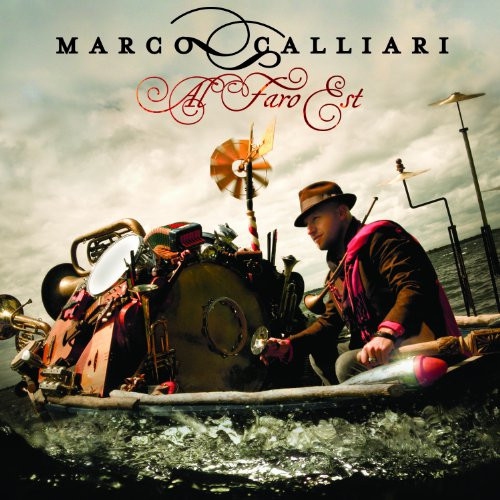

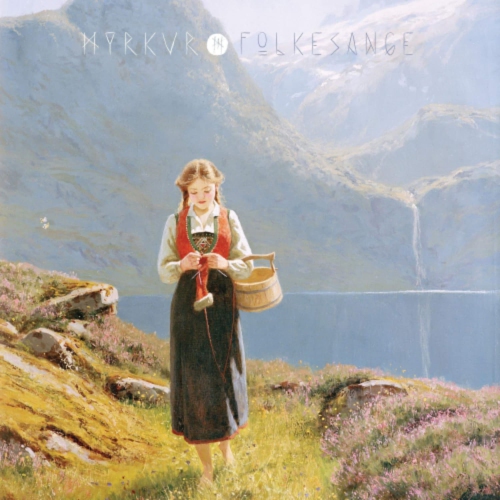
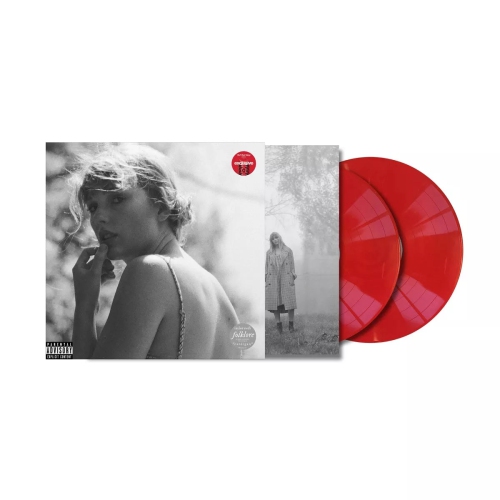

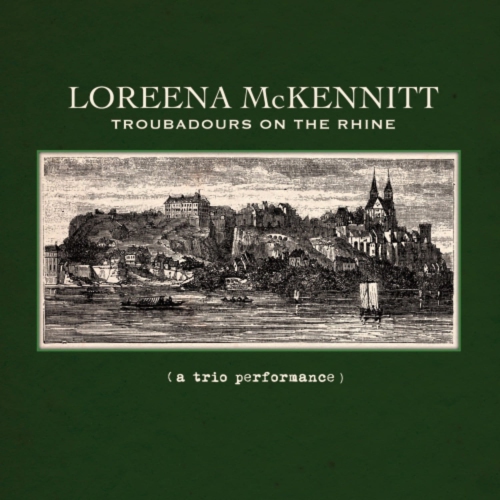

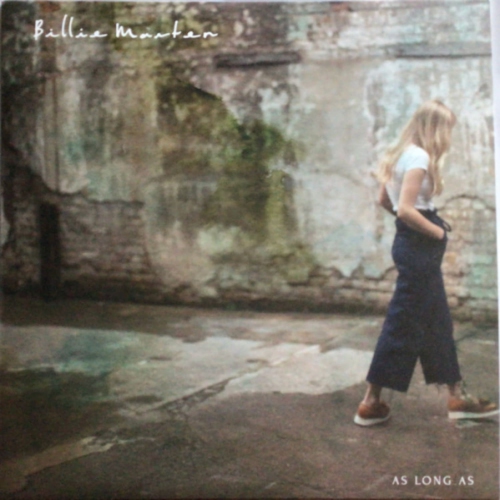
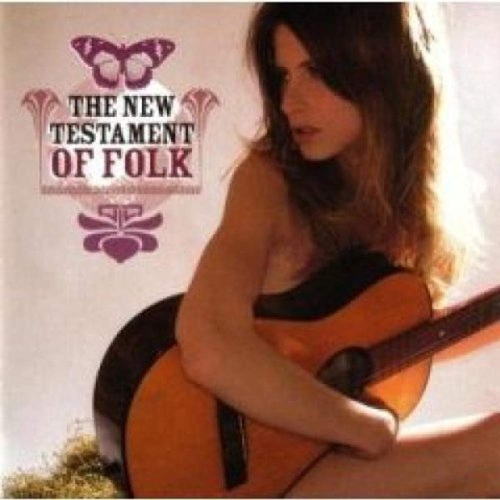
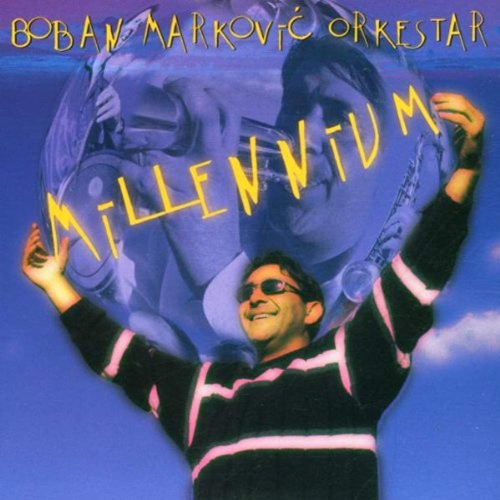
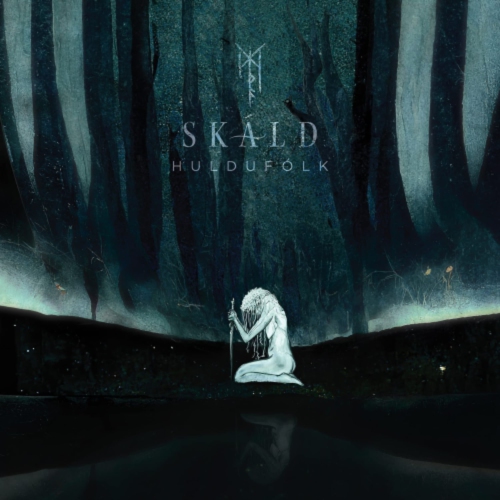
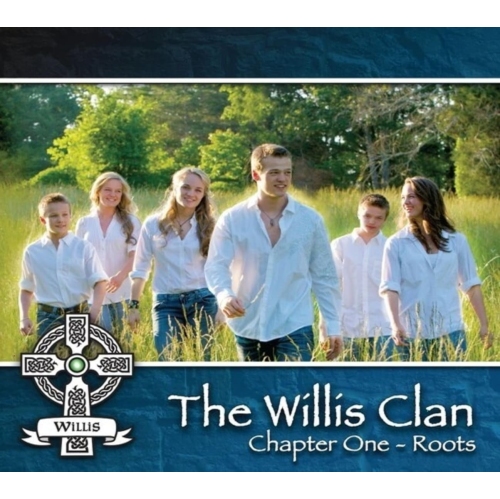
Fresh voices give traditional folk ballads new life
New folk music releases bring fresh voices, familiar acoustic textures, and new interpretations of songs that have travelled across generations. Folk is a broad musical tradition rather than a single sound: an album might centre on a singer and fingerpicked guitar, build around fiddle and banjo, or draw piano, percussion, and electric instruments into an intimate arrangement. Contemporary folk often places original songwriting at the forefront, while traditional releases may revisit ballads, dance tunes, and songs passed between performers over many years. Indie folk, folk-pop, and folk-rock extend that range, pairing storytelling with everything from understated harmonies to fuller band arrangements. These distinctions give listeners useful context without defining every album too narrowly. A spare vocal performance can carry as much emotional weight as a roomful of musicians, and a familiar melody can feel quite different when its tempo, phrasing, or accompaniment changes. For listeners exploring new folk albums, the appeal often lies in that balance between continuity and discovery: the sound of fingers moving across strings, a chorus that invites another listen, or a lyric that makes an ordinary experience feel sharply observed. Canadian folk also encompasses varied regional traditions and individual perspectives, with English-language, French-language, Indigenous, and other musical voices contributing to a wide-ranging field. Some releases foreground family stories and a sense of place; others explore friendship, separation, work, or the small details of everyday life. Instrumental albums offer another route into the genre, allowing the interplay of melody, rhythm, and musicianship to carry the narrative without words. New releases can include newly recorded studio albums, live performances, collaborations, and fresh editions of earlier material, so the release date alone does not establish when the music was first made. An album’s description and track listing help distinguish a new body of work from a reissue or compilation, especially for someone hoping to hear an artist’s latest songwriting rather than revisit an earlier period. That variety makes the category relevant both to longtime folk listeners and to people arriving through adjacent styles such as country, roots, bluegrass, or acoustic pop.
Physical folk albums offer different ways to spend time with the music, and the format shapes both playback and the experience of owning it. CDs suit listeners who appreciate a straightforward album sequence, direct track selection, and a compact collection that fits neatly on a shelf. A compatible CD player or disc drive is needed for playback; a device with a disc slot does not necessarily support audio CDs, so its stated capabilities matter. Vinyl brings a larger sleeve and a side-by-side listening rhythm that can make an album feel like a deliberate break in the day. It requires a compatible turntable and an appropriate audio setup, which may include a phono preamp, amplifier, and speakers depending on the equipment. Neither format guarantees a particular sound simply by being a CD or a vinyl pressing. Recording choices, mastering, pressing quality, equipment, and the condition of the disc all influence what reaches the listener. Folk’s quieter passages can make surface noise or playback problems particularly noticeable, especially when a voice or solo instrument sits against very little accompaniment. Packaging is also part of the appeal for many collectors. Depending on the edition, an album may include printed lyrics, musician credits, photographs, or notes explaining where a song originated and how the arrangement developed. Those details can add meaning to a traditional ballad or reveal the guest performer behind a memorable harmony. Materials and construction vary: CDs may come in rigid plastic cases or card sleeves, while vinyl typically pairs a record with an inner sleeve and outer jacket. Both benefit from careful handling and storage away from heat, direct sunlight, and damp conditions. Holding discs by their edges helps keep fingerprints off playing surfaces, and returning them to their sleeves or cases limits dust and scratches. Vinyl is best stored upright without excessive pressure, with a suitable record brush used to lift loose dust before playback. CDs can be wiped gently from the centre towards the edge with a clean, soft cloth. Good care helps preserve playback quality and keeps artwork and printed inserts enjoyable over repeated listening.
The most rewarding addition to a folk collection often reflects how someone actually listens. A person who follows lyrics closely may gravitate towards clear vocals, original songwriting, and editions with a lyric booklet, when included. Someone drawn to instrumental technique might prefer arrangements that leave room for fingerstyle guitar, fiddle variations, or the rhythmic exchange between acoustic players. Live albums can preserve audience response, spoken introductions, and small changes in timing that distinguish a performance from its studio counterpart, although the balance of music and between-song material varies. Studio albums may offer more controlled detail, layered harmonies, or arrangements that unfold gradually across several listens. For a quiet evening during the cooler months, an unhurried acoustic album can accompany reading or a shared meal without demanding the room’s full attention; through headphones, that same music may reveal breath, string resonance, and subtle vocal phrasing that background listening misses. More rhythmic folk arrangements can suit cooking, casual gatherings, or a drive, provided the chosen format works with the playback equipment being used. As gifts, folk albums can feel personal when they connect with a recipient’s interest in storytelling, a regional musical tradition, or a favourite instrument. Format compatibility is especially important here: a beautifully presented vinyl edition is most useful to someone who owns a turntable, while a CD makes sense for a listener with suitable home or vehicle playback. Collectors may also value the distinction between standard editions, expanded track lists, and reissues, but extra material is not automatically the best match for every listener. A focused album can be just as satisfying as a longer collection. For a broader view of music issued on disc, New Cd Releases provides a related category beyond folk. Within folk itself, attention to the recording type, musical approach, format, and included material helps connect a release with the person who will play it. The lasting appeal is often simple: a compelling performance, words worth hearing again, and an album that becomes familiar without losing its ability to surprise.
Top selling and popular products
-
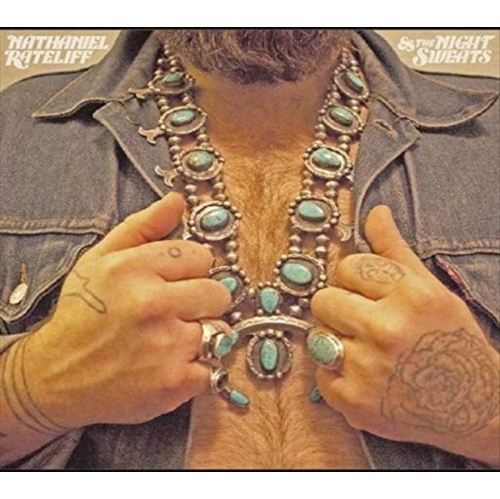 Your price for this item is $18.44
-
 Your price for this item is $19.98
-
 Your price for this item is $15.32
-
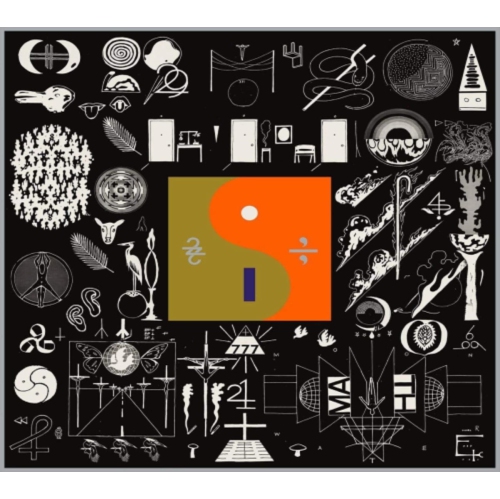 Your price for this item is $21.84
-
 Your price for this item is $15.38
-
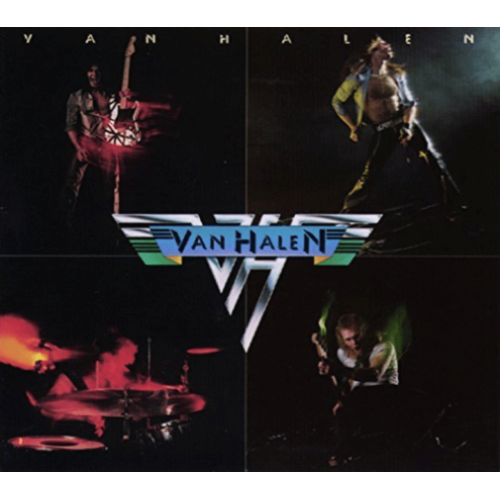 Your price for this item is $15.8
-
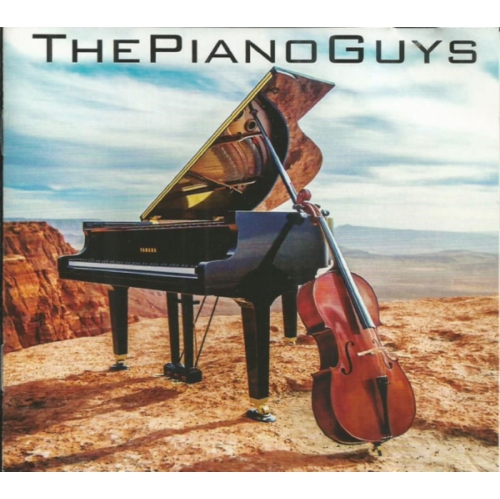 Your price for this item is $12.96
-
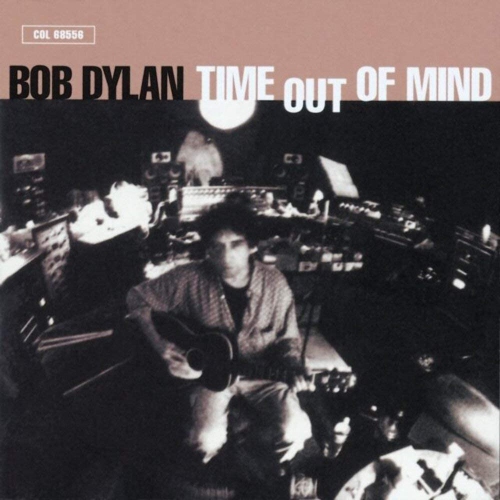 Your price for this item is $42.99
Discover more categories related to New Folk Music Releases


Top Collections:
Pokemon Centers, Best Cameras for Sports Photography, Kindle Devices, Samsung Galaxy Phones, Canon G7X Cameras, Pokémon 30th Celebration Cards, Refurbished Apple Laptops, iPhone 15 Apple, Laptops for Students, Budget Smartphones
Some products may be subject to Environmental Handling Fees
(EHF) depending on your province.
Learn more about EHFs.