Sony Music Albums
Get ready to immerse yourself in the world of music with our collection of Sony music albums. Whether you're a fan of rock, pop, hip-hop, or classical, we have an extensive selection of albums that will cater to your musical taste. From chart-topping hits to iconic classics, our Sony music albums offer a diverse range of genres and artists that will keep you entertained for hours on end. So sit back, relax, and let the music take you on a journey like never before.
Sort


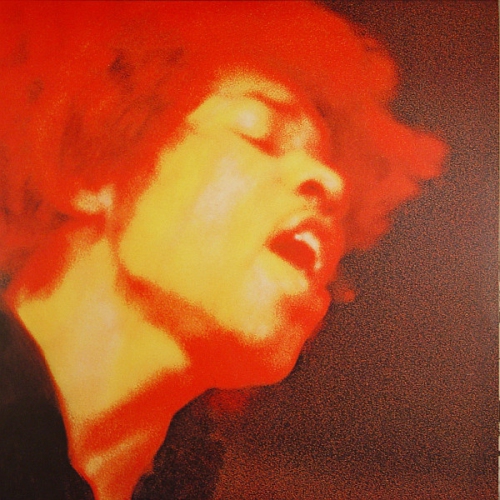





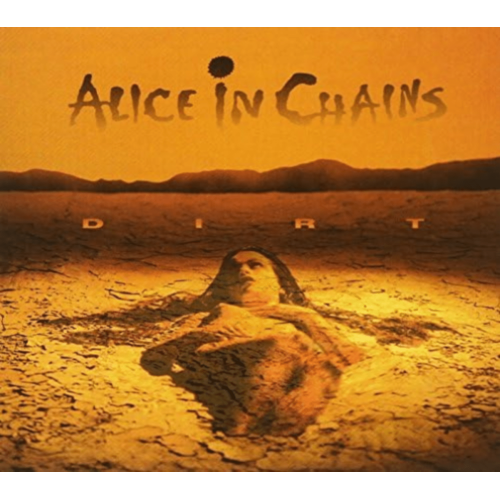
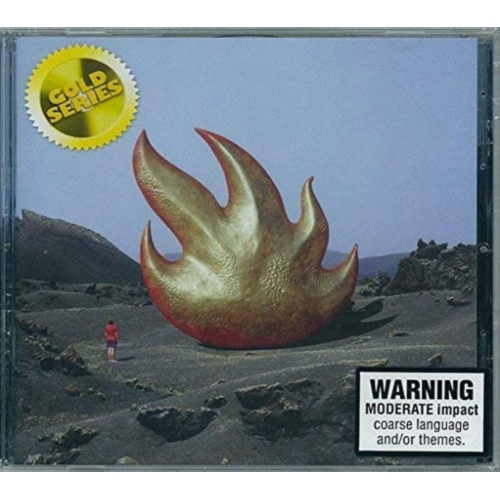
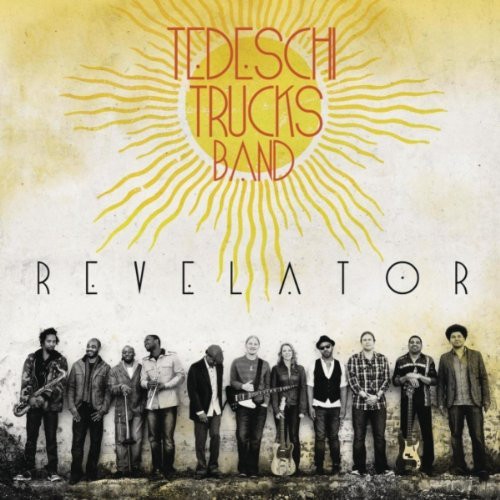


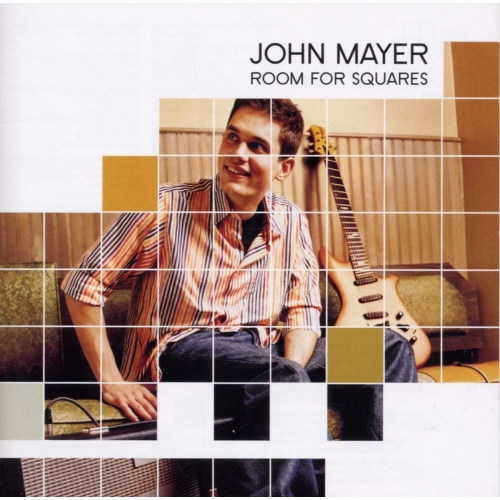

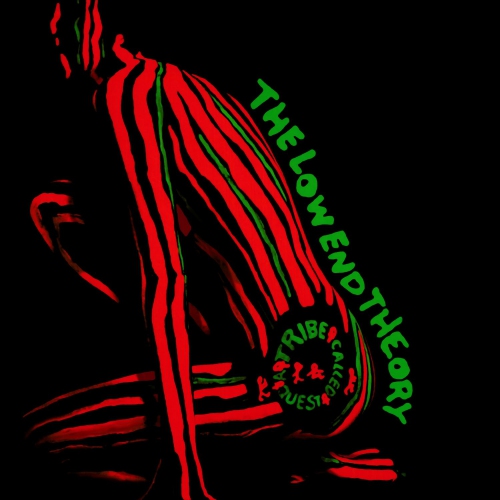



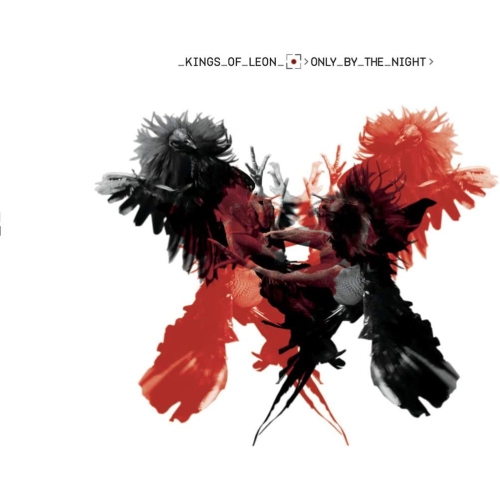
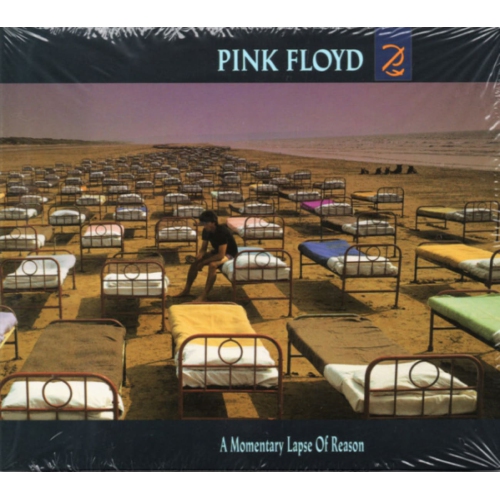

























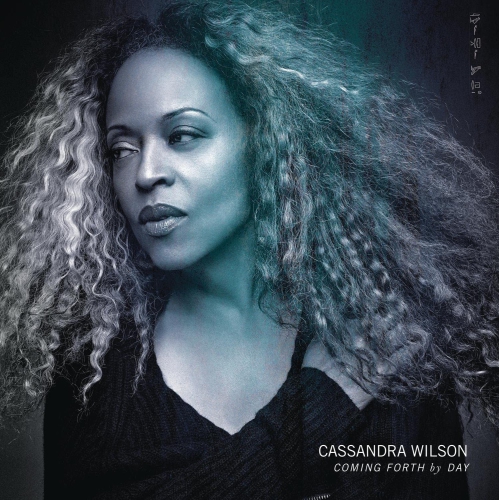
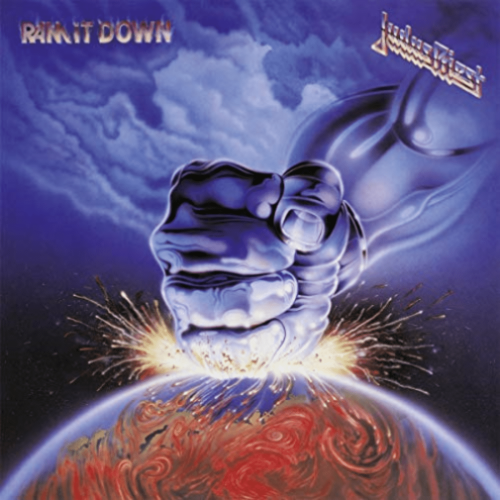

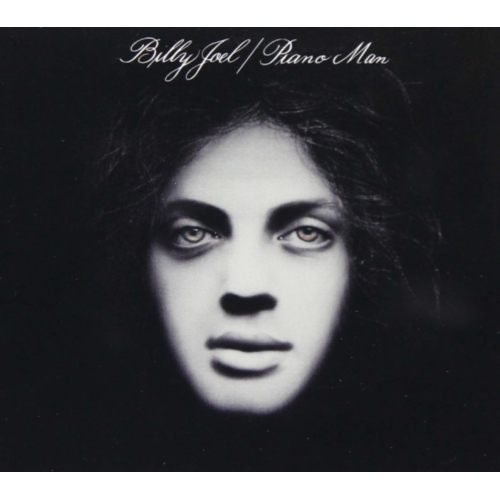


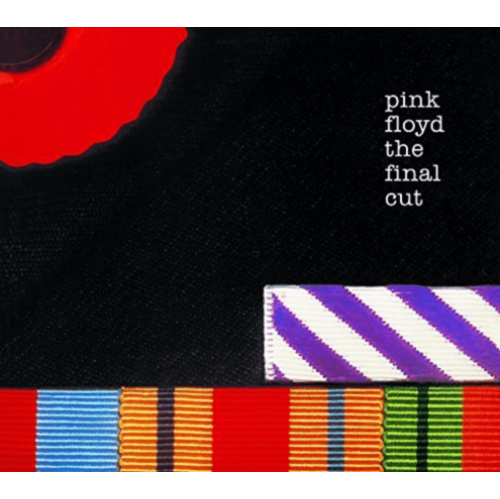
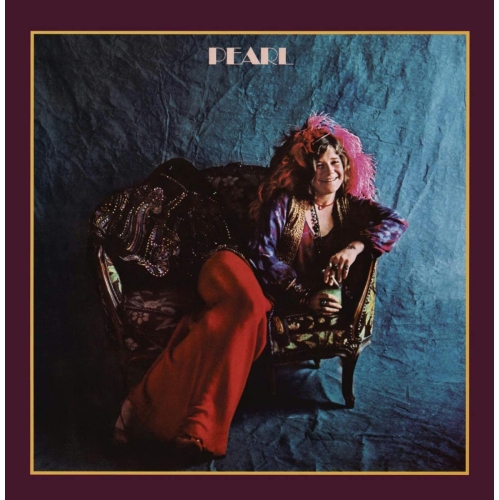
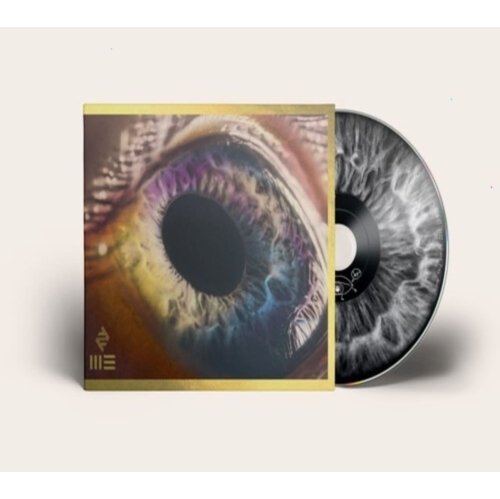



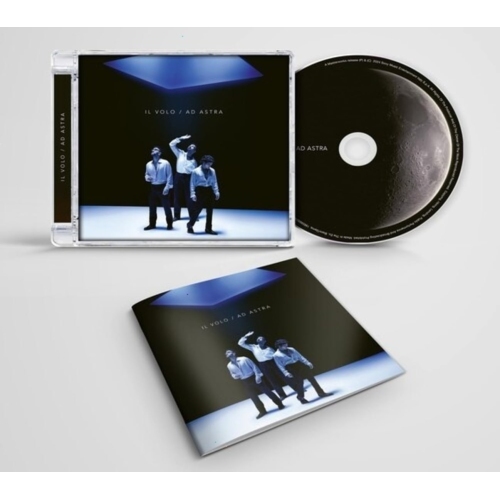


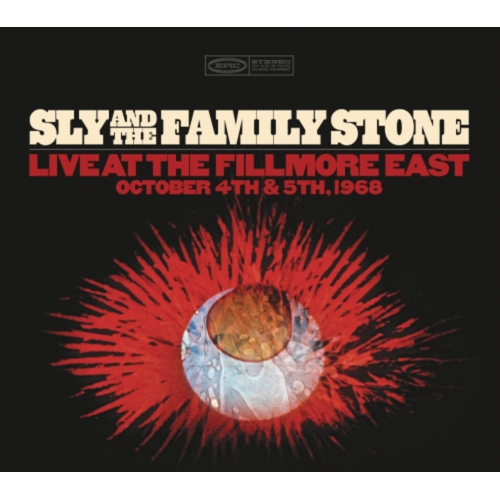

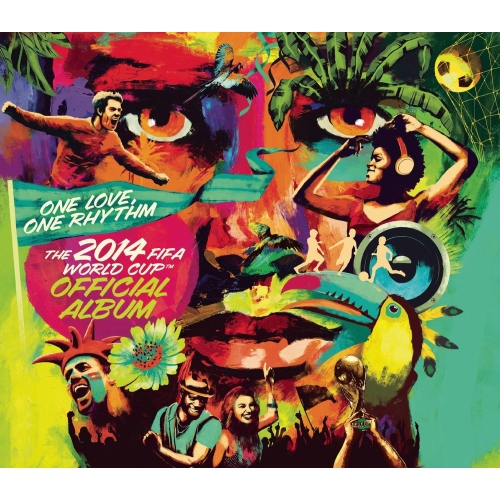


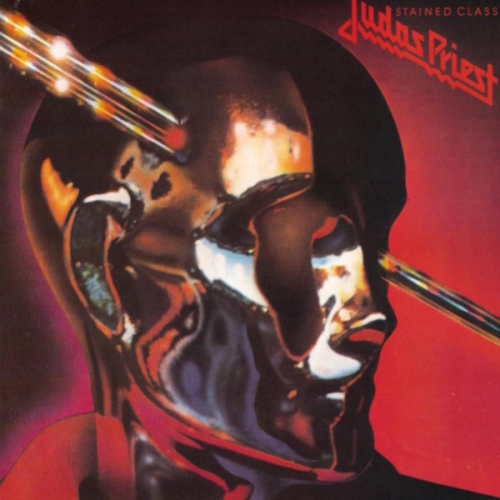



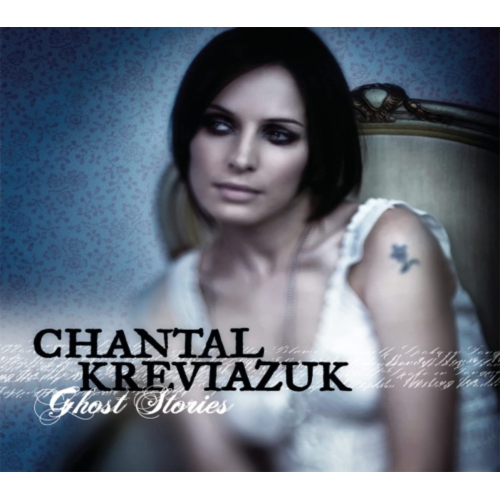



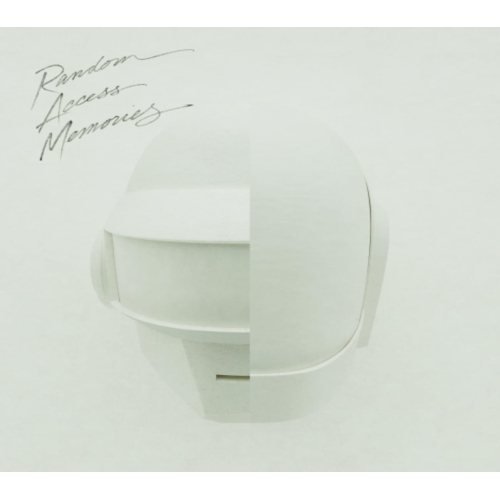






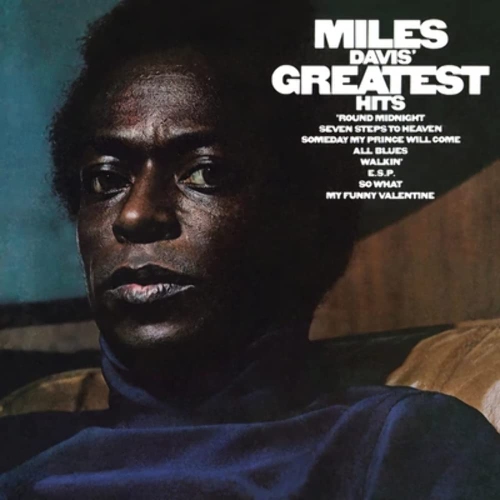




The lasting appeal of albums on CD and vinyl
Music albums on CD and vinyl bring recorded performances, artwork, and track sequencing together in a format that listeners can return to for years. A music label’s catalogue can encompass pop, rock, country, jazz, classical, R&B, hip-hop, and music from different parts of the world, with recordings ranging from an artist’s earliest work to later studio releases and live performances. Each type of album offers a different listening experience. A studio album often presents a carefully shaped collection of songs, while a live recording captures the interplay between performers, the sound of a venue, and the response of an audience. A greatest-hits compilation brings familiar tracks together, and a soundtrack connects music with the atmosphere and storytelling of a film or television series. Physical editions also give the music a visible place in a home, whether arranged alphabetically on a shelf or grouped by genre beside a listening setup. CDs are compact, easy to organize, and well suited to listeners who want direct track selection without turning a record over. A standard audio CD stores digital audio on a disc, typically made from polycarbonate with a reflective metal layer, and plays through a compatible CD player or disc drive that supports audio CDs. Some players connect to separate speakers or an amplifier, while others form part of an integrated system. Listening in a vehicle depends on whether its audio system includes a compatible disc player. CD booklets may contain lyrics, photographs, musician credits, and production notes, adding context that is easy to revisit while a favourite song plays. Protective cases help keep discs and printed inserts together, making this format practical for listeners who enjoy building a library without needing much shelf space. For shared households, a clearly organized CD collection also makes it simple to find a familiar album, follow its running order, and return it to the same place after listening.
Vinyl albums offer a more hands-on relationship with recorded music, from sliding a record out of its sleeve to placing the stylus at the beginning of a side. Records are generally made from polyvinyl chloride, and their grooves carry the information that a turntable’s cartridge converts into an audio signal. The larger jacket gives cover photography, illustrations, and typography room to stand out, while inner sleeves and inserts may extend the visual presentation. A full-length album can occupy one or several records, so its total playing time and number of sides affect how often the listener turns or changes the disc. Many LPs play at 33⅓ rpm, though some editions use 45 rpm; the speed printed on the label or packaging determines the appropriate setting. Playback also depends on the rest of the audio system. A turntable may have a built-in phono preamp, or it may require a separate one or a compatible phono input on an amplifier. Speakers and amplification complete the setup unless those functions are integrated into the player. These details matter for someone receiving an album as a gift, since a record needs suitable playback equipment rather than simply a place on a shelf. Vinyl’s appeal is not a promise that every pressing will sound better than every other format: mastering, pressing quality, record condition, cartridge setup, and speakers all influence the result. Care helps preserve both playback quality and packaging. Records benefit from upright storage, supportive shelving, and protection from direct sunlight and excessive heat. Handling them by the edges and centre label keeps fingers away from the grooves, while an appropriate record brush can remove loose dust before playback. Clean inner sleeves help limit contact with debris between listening sessions. CDs likewise benefit from careful handling at the edges and storage in their cases; when cleaning is needed, gentle strokes from the centre towards the outer edge are preferable to rubbing around the disc. With either format, careful storage protects the artwork as well as the recording.
Different editions of an album can reflect different priorities within a music collection. An original album programme keeps the focus on the release as first presented, while an expanded edition may add demos, alternate takes, live tracks, or other material that reveals more about the recording process. A remastered edition involves a new mastering treatment of existing recordings, whereas a remix revisits the balance or presentation of elements from the multitrack recording; those terms describe different kinds of work and are not interchangeable. Track listings, disc counts, language, and packaging descriptions help distinguish one edition from another without relying on cover artwork alone. For collectors, details such as a gatefold jacket, a substantial booklet, or coloured vinyl can be part of the attraction, although visual differences do not by themselves establish sound quality. For everyday listening, the most meaningful detail may simply be whether the album contains the performances and versions someone remembers. A familiar recording can make a thoughtful birthday, graduation, or housewarming gift, especially when its music connects with a shared concert, a memorable journey, or an artist the recipient has followed for years. Someone building a first collection may appreciate an accessible studio album, while a long-time fan may be more interested in the context supplied by detailed liner notes or previously released bonus material. Genre-focused collections have their own character, too: K-pop Albums connect music with distinctive visual concepts, and some physical editions include photo books or other printed components specified in their packaging descriptions. Across genres, albums can accompany a quiet evening of attentive listening, provide the soundtrack to time with friends, or become part of a personal archive of musical discoveries. The connection often extends beyond any single song: the opening track, the pacing between contrasting moods, the closing notes, and the artwork together give an album an identity that rewards repeat listening.
Top selling and popular products
-
 Your price for this item is $15.32
-
 Your price for this item is $5.99
-
 Your price for this item is $16.29
-
 Your price for this item is $15.32
-
 Your price for this item is $24.68
-
 Your price for this item is $15.32
-
 Your price for this item is $15.32
-
 Your price for this item is $15.91
Discover more categories related to Sony Music Albums


Top Collections:
Pokemon Centers, Best Cameras for Sports Photography, Kindle Devices, Samsung Galaxy Phones, Canon G7X Cameras, Pokémon 30th Celebration Cards, Refurbished Apple Laptops, iPhone 15 Apple, Laptops for Students, Budget Smartphones
Some products may be subject to Environmental Handling Fees
(EHF) depending on your province.
Learn more about EHFs.