Video Game Music Compilations
Video Game Music Compilations bring the unforgettable soundtracks of your favorite games into one immersive listening experience. Perfect for gaming enthusiasts and music lovers alike, these collections capture the excitement, nostalgia, and emotion of iconic game moments. Explore a wide selection of Video Game Music Compilations to relive epic adventures and add a unique soundtrack to your everyday life.
Sort



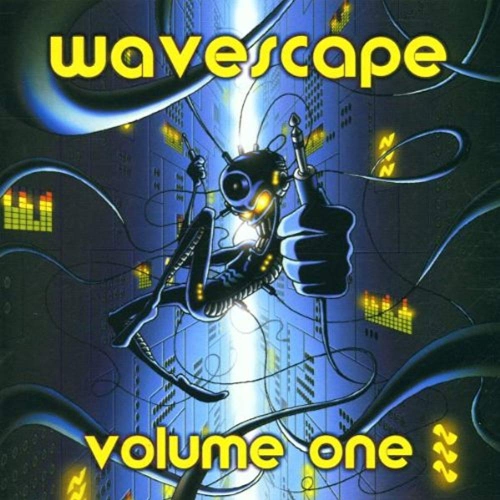
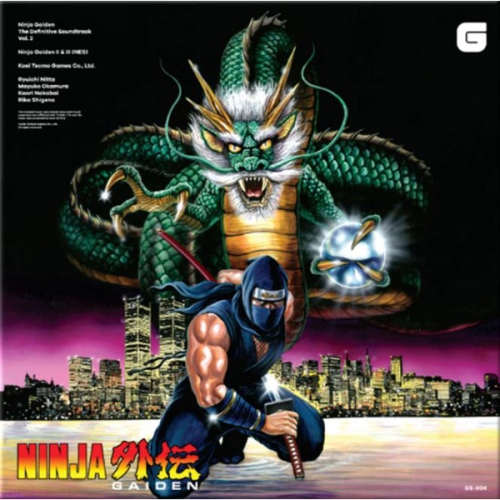
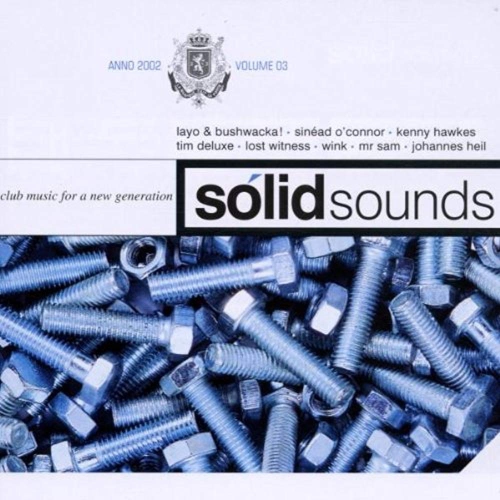
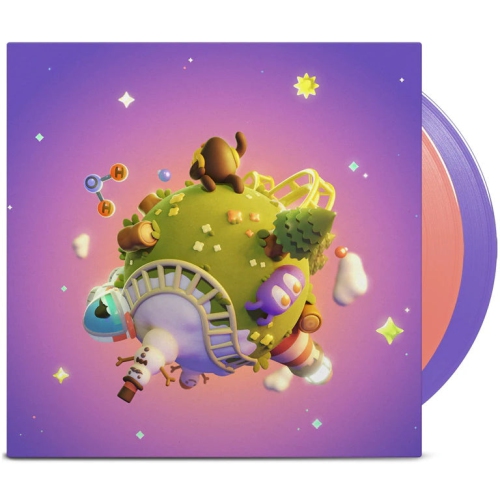


Familiar game themes meet fresh musical interpretations
Video game music compilations bring together selected tracks from gaming soundtracks, often connecting different games through a shared musical style, composer, genre, or era. Rather than following every scene from a single game, a compilation might move from an instantly recognizable opening theme to a quiet exploration melody, then finish with the driving rhythms of a boss battle. That variety is part of the appeal: these collections can capture the breadth of game music while giving familiar favourites a place alongside less familiar compositions. Common approaches include original soundtrack selections, orchestral and choral arrangements, retro chiptune collections, and reinterpretations built around piano, guitar, jazz ensembles, or electronic production. Original recordings preserve the sounds associated with gameplay, including the distinctive synthesizer tones and tightly programmed percussion of earlier consoles and arcade machines. Orchestral versions translate those melodies into strings, brass, woodwinds, and percussion, sometimes adding a choir for a larger, more theatrical sound. Chiptune compilations highlight the inventive melodies, pulse-wave textures, and rhythmic patterns associated with sound-chip composition. Music from the 8-bit and 16-bit eras can have quite different sonic qualities, so a shared retro label does not necessarily mean every track has the same texture. Remixes take another approach, reshaping familiar material through new beats, harmonies, instrumentation, or extended passages. These distinctions matter when the goal is to hear a theme exactly as remembered rather than discover a new interpretation. Track listings and performer credits help establish that difference, especially when several recordings use similar track titles. For listeners interested in how compilations relate to music from individual games, Game Soundtracks offers a related category. A compilation usually emphasizes selection and contrast, while an individual game's soundtrack can provide more of its musical narrative, including incidental cues and recurring themes. Both approaches let the music stand apart from the screen, where a carefully layered melody or an expressive instrumental passage can become easier to appreciate.
The character of a video game music compilation depends as much on its sequencing and performances as on the games represented. A collection built around adventure and role-playing music may favour long melodic lines, atmospheric passages, and dramatic orchestral peaks. One centred on arcade, racing, or action music may lean towards brisk tempos, insistent bass lines, and shorter, punchier pieces. Neither description is absolute, and compilations that cross genres can move between those moods in a single listening session. For background listening during reading, drawing, or desk work, a mostly instrumental collection with steady volume and gentle transitions may be a comfortable fit. A compilation intended for focused listening can make more room for sudden contrasts: a sparse solo piano theme followed by a full ensemble, or a delicate ambient passage opening into heavy percussion. Vocal tracks, spoken samples, and sound effects can also change the listening experience, so those details deserve attention when music is intended for a shared room. Families may want to check any content advisories, particularly on collections that include lyrics or dialogue. The scope of each selection matters, too. A medley joins several themes into a continuous performance, while a full-length arrangement gives one composition more space to develop. Some tracks closely follow the original structure; others expand a short gameplay loop into a piece with a distinct opening, middle, and ending. Performance credits can clarify whether a recording features live musicians, programmed instruments, or a combination of both. Recording and mastering choices also influence the result: a clean presentation may reveal quiet instrumental details, while a deliberately grainy electronic texture may be central to the music's identity. Headphones can make subtle layers easier to follow, whereas speakers let the collection become part of a relaxed evening or a gathering with friends. The best match comes from the listener's musical tastes, not simply from recognizing the greatest number of game titles.
Physical format adds another set of considerations for video game music collections, particularly when they are intended as gifts or part of a personal music library. CDs provide straightforward track selection on compatible players, making it easy to return to a favourite arrangement or hear a particular sequence without manually locating a groove. Vinyl records offer a side-by-side listening experience, with natural pauses that can encourage attention to the album's running order and artwork. Compatibility is essential: a CD requires equipment that supports audio CD playback, while a record needs a turntable capable of the specified speed and a suitable audio setup. A computer or game console should not be assumed to play a music disc without checking its supported formats. Packaging dimensions also affect how a collection fits on a shelf, especially with multi-disc sets, oversized sleeves, or accompanying booklets. Liner notes can add useful context through composer names, arrangement credits, musician details, and explanations of how the selections connect. Printed artwork and readable track information may matter to someone who enjoys browsing a collection as much as listening to it. Care helps preserve both the recordings and their packaging. Hold CDs by the edges or centre hole, return them to their cases after use, and avoid touching the playing surface. Store vinyl upright in protective sleeves, handle records by their edges and labelled centres, and remove surface dust with a brush designed for records. Keep both formats away from direct sunlight, excessive heat, and damp storage spaces, and avoid forcing tightly packed sleeves or cases onto a shelf. Paperboard jackets can develop worn corners with frequent handling, while plastic cases can crack if dropped; protective storage helps limit everyday damage. As gifts, video game music compilations can suit longtime players, soundtrack collectors, musicians, and listeners who enjoy instrumental music without necessarily knowing the source games. Familiarity with a recipient's preferred format and musical style makes the choice more personal. Someone who hums old arcade melodies may appreciate original electronic recordings, while a listener drawn to concert music may connect more readily with orchestral interpretations.
Top selling and popular products
-
 Your price for this item is $50.85
-
 Your price for this item is $15.28
-
 Your price for this item is $39.79
-
 Your price for this item is $54.99
-
 Your price for this item is $43.99
-
 Your price for this item is $51.85
-
 Your price for this item is $28.6
-
 Your price for this item is $40
Discover more categories related to Video Game Music Compilations

Top Collections:
Pokemon Centers, Best Cameras for Sports Photography, Kindle Devices, Samsung Galaxy Phones, Canon G7X Cameras, Pokémon 30th Celebration Cards, Refurbished Apple Laptops, iPhone 15 Apple, Laptops for Students, Budget Smartphones
Some products may be subject to Environmental Handling Fees
(EHF) depending on your province.
Learn more about EHFs.