Video Game Soundtrack CDs
Video Game Soundtrack CDs bring your favorite gaming moments to life with music that captures the excitement, emotion, and adventure of top titles. Perfect for collectors and fans alike, these CDs let you enjoy iconic melodies and immersive scores anytime, whether you're at home or on the go. Explore a wide selection of Video Game Soundtrack CDs to relive epic battles, memorable journeys, and unforgettable themes from beloved games. Enhance your audio collection and experience the power of video game music beyond the screen.
Sort
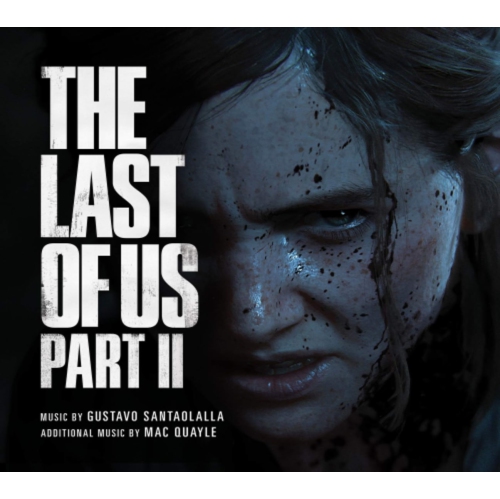
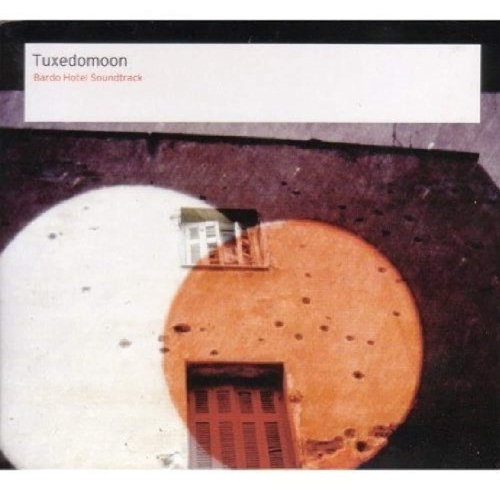
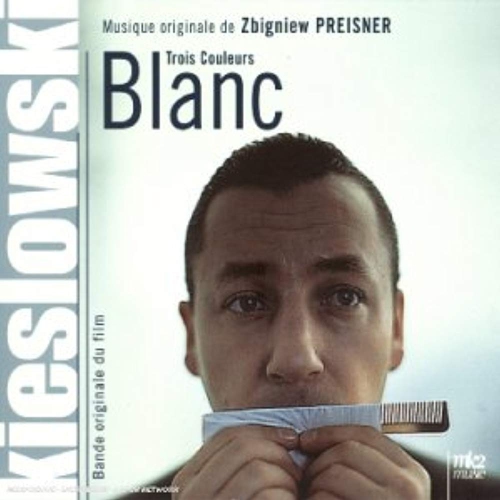
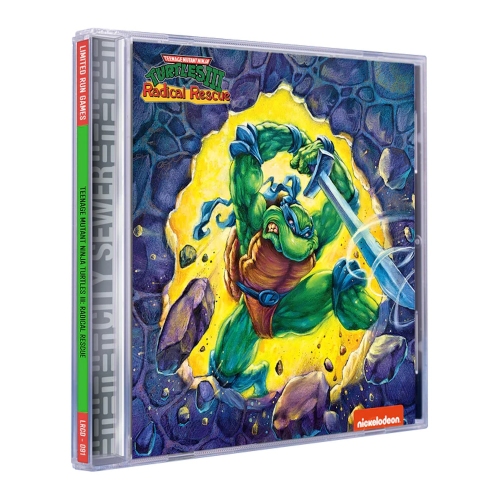
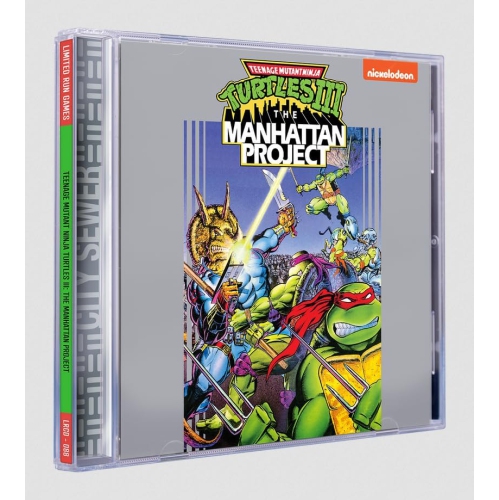
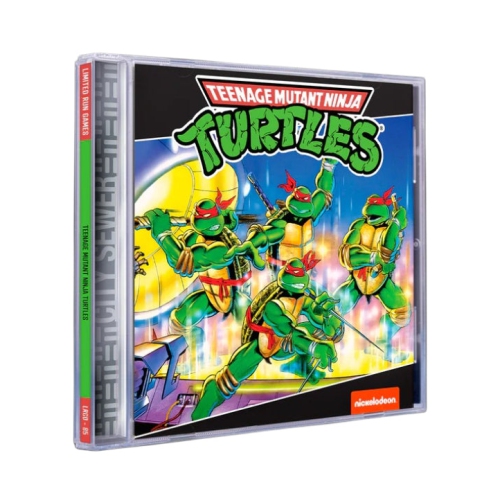
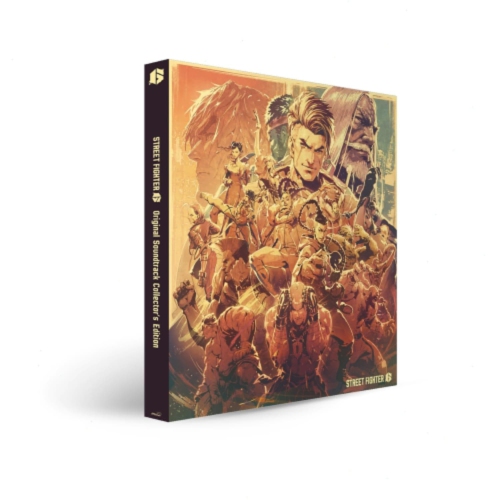
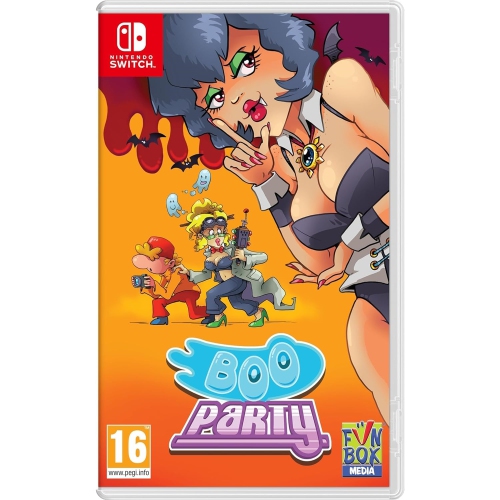
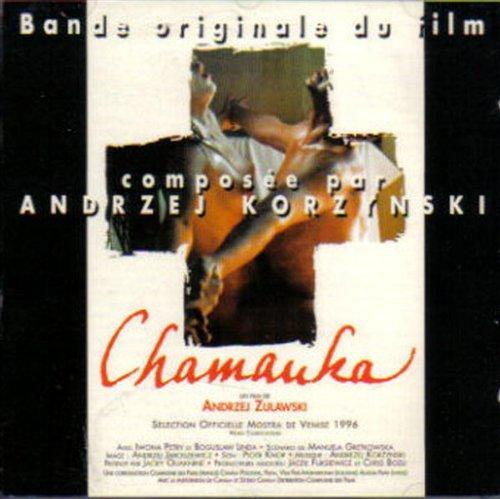
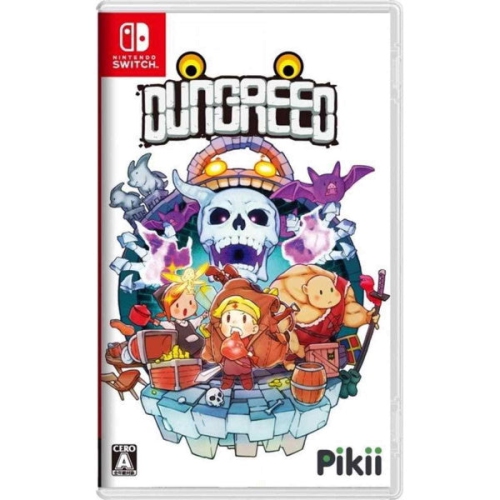

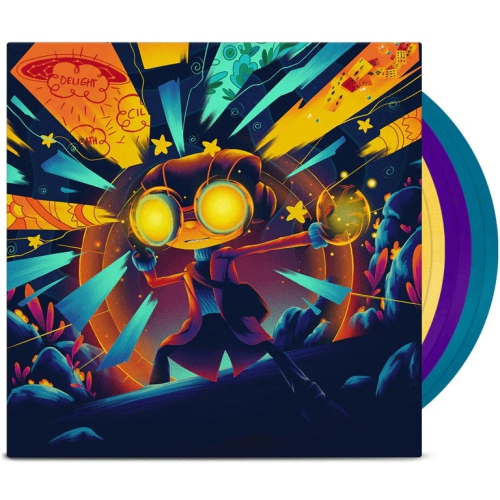
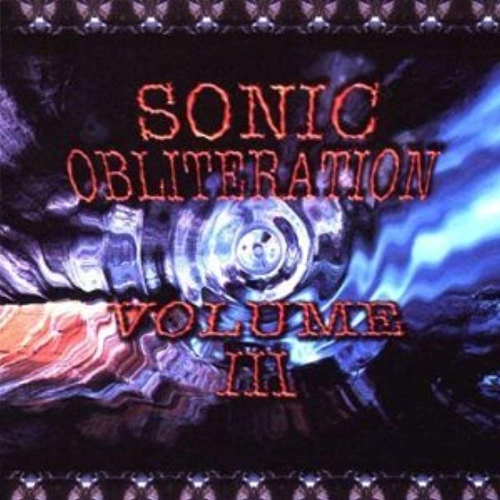
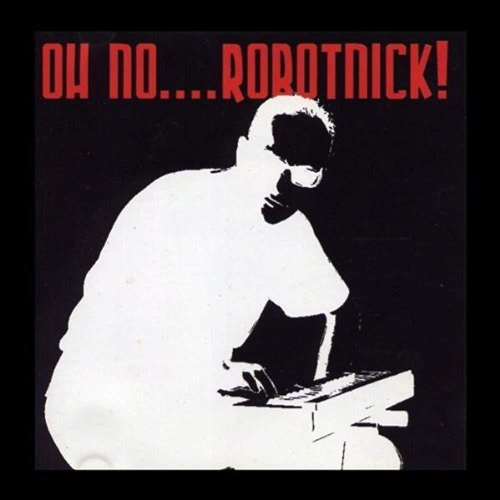
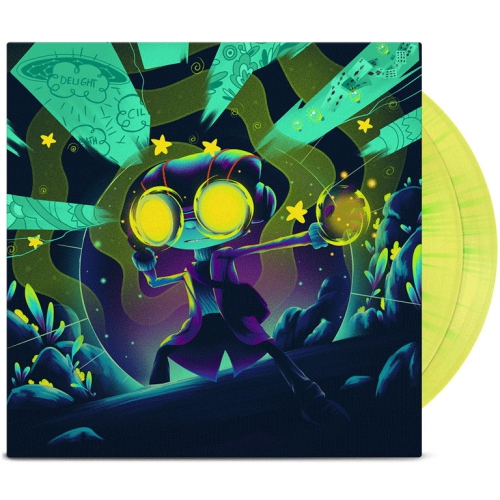
Game scores reveal new layers beyond the screen
Video game soundtrack CDs bring the music of interactive worlds into a physical album format, making it possible to enjoy a score without starting the game itself. These audio CDs can contain original in-game music, specially edited album versions, orchestral performances, piano arrangements, or songs featured in a game. An original soundtrack, often abbreviated as OST, generally centres on music created for a particular title, while an arranged album reinterprets that music through different instruments, performers, or musical styles. The distinction matters: a familiar battle theme played by a full orchestra can feel quite different from the synthesizer-driven version heard during play. Game music spans a wide range of sounds, from crisp chiptune melodies and layered electronic rhythms to intimate acoustic pieces, choral passages, and sweeping symphonic scores. Some albums capture the whole emotional arc of an adventure; others focus on a particular chapter, character, or selection of memorable themes. Quiet exploration music can suit reading or a focused afternoon at a desk, while driving percussion and dramatic boss themes lend themselves to more attentive listening. Away from dialogue and sound effects, small musical details become easier to notice: a bass line beneath a village melody, a recurring motif that links two characters, or a subtle change in instrumentation as a theme develops. For players, those details can bring back the feeling of reaching a new area or finishing a difficult encounter. For listeners who have never played the game, the same compositions can stand on their own as instrumental, vocal, or cinematic music. A soundtrack CD is therefore more than a keepsake associated with a favourite pastime. It is also a way to explore composers, ensembles, and musical traditions through a medium where melody often has to establish a place, signal danger, or make a brief moment linger.
The contents and presentation of a video game soundtrack CD help define the listening experience. A single-disc album may offer a carefully sequenced selection of highlights, while a multi-disc set has room for a much broader score, including shorter cues, alternate versions, and music from different locations. Disc count alone does not establish completeness, however; the track listing and edition description are more useful for understanding what an album includes. Games often use looping or adaptive music that changes in response to a player's actions, so a CD presentation may extend a passage, join several sections, or give a repeating cue a definite ending. A soundtrack album is not always an exact reproduction of every sound heard during play. Similarly, an album of licensed songs serves a different purpose from a release devoted to the original instrumental score, even when both are associated with the same game. Listeners drawn to a specific melody may care most about whether the familiar version is included, while those interested in performance may prefer newly recorded acoustic or orchestral interpretations. Collections that bring together music from several games offer another listening experience, connecting themes through a shared instrument, ensemble, genre, or musical mood. Video Game Music Compilations provide a broader route into that variety, particularly for listeners whose interests extend beyond one game world. Physical presentation adds another dimension to an album. Depending on the edition, packaging may include illustrated booklets, composer credits, track notes, lyrics, or artwork that complements the music. Those details can make a quiet listening session feel more connected to the creative work behind the score. Language also matters when printed material is part of the appeal: track names, lyrics, and liner notes may not all be in English. Clear track information is especially useful for instrumental albums, where remembering a tune is often easier than remembering its title.
As physical media, soundtrack CDs have practical qualities that matter for playback, storage, and long-term enjoyment. A conventional audio CD needs a compatible CD player or a disc drive and playback software that support audio CDs; a computer or game console should not be assumed to support them simply because it is used for games. Many laptops have no built-in optical drive, and disc support varies among consoles. For an established home audio setup, CDs offer straightforward album listening without depending on an internet connection. Playback quality still depends on the recording, mastering, player, and speakers or headphones, rather than on the format alone. Headphones can reveal delicate layers in ambient pieces, while speakers allow larger ensemble passages to fill a room. The discs themselves are typically made from polycarbonate with a thin reflective layer and a protective finish. Holding a disc by its outer edge or centre hole helps keep fingerprints away from its readable surface, and returning it to its case reduces exposure to dust and scratches. When cleaning is needed, a soft, lint-free cloth moved gently from the centre towards the edge is preferable to rubbing in circles. Both sides deserve careful handling, including the labelled surface. Cases are best kept away from direct sunlight, excessive heat, and damp conditions; paper booklets and card sleeves also benefit from dry, protected storage. Standard jewel cases, fold-out card packaging, and larger multi-disc cases take up different amounts of shelf space, which can matter when adding to an organized music collection. For gifting, the strongest connection is often the recipient's relationship with the music: a score from a game they replay, arrangements of melodies they practise on an instrument, or an album that recalls evenings spent playing together. A dedicated player may value the original recordings, a musician may enjoy hearing familiar themes reworked, and a physical-media collector may appreciate the artwork and printed credits alongside the audio. Matching the musical version and playback format to the listener makes a soundtrack CD a personal gift with a purpose beyond display.
Top selling and popular products
-
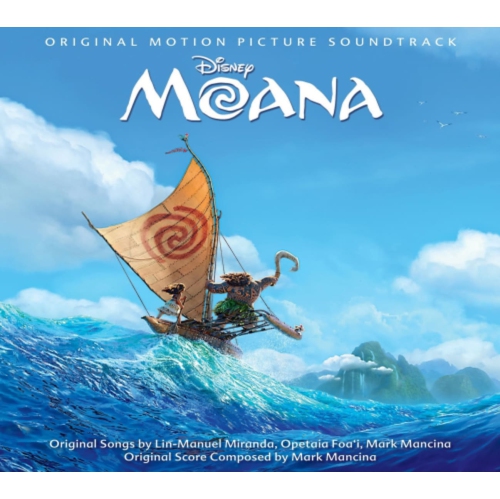 Your price for this item is $17.09
-
 Your price for this item is $40.21
-
 Your price for this item is $7
-
 Your price for this item is $15.2
-
 Your price for this item is $29.54
-
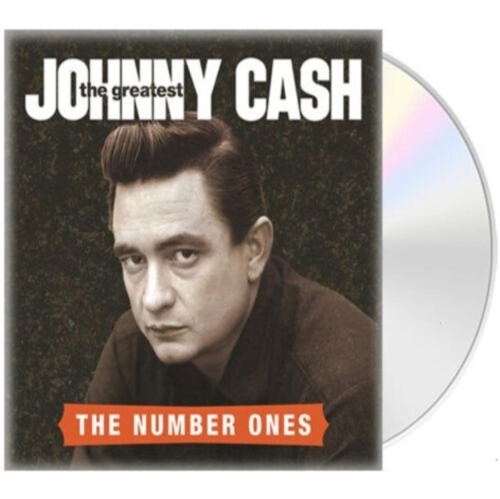 Your price for this item is $12.96
-
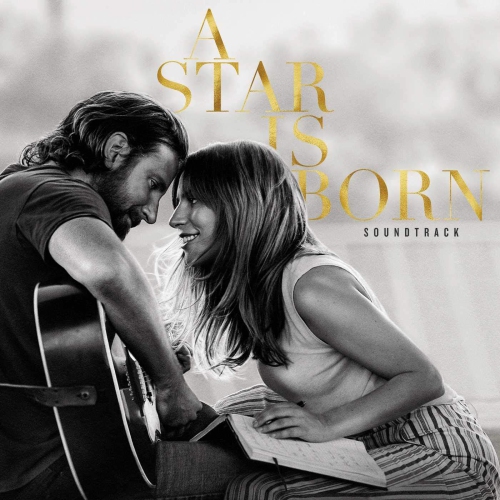 Your price for this item is $59.88
-
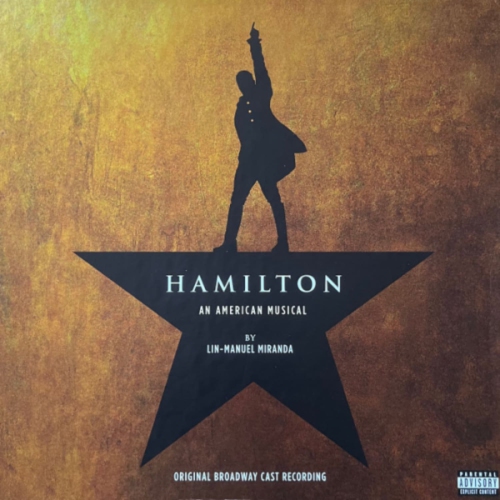 Your price for this item is $144.56
Discover more categories related to Video Game Soundtrack CDs

Top Collections:
Pokemon Centers, Best Cameras for Sports Photography, Kindle Devices, Samsung Galaxy Phones, Canon G7X Cameras, Pokémon 30th Celebration Cards, Refurbished Apple Laptops, iPhone 15 Apple, Laptops for Students, Budget Smartphones
Some products may be subject to Environmental Handling Fees
(EHF) depending on your province.
Learn more about EHFs.