Six String Guitars
Looking to unleash your inner rockstar? Look no further than our collection of six string guitars. Whether you're a seasoned musician or just starting out, these versatile instruments are perfect for any music enthusiast. From the rich and warm tones of acoustic guitars to the electrifying sounds of electric guitars, our selection has something for everyone. Explore our range of six string guitars and get ready to strum your way to musical greatness.
Sort
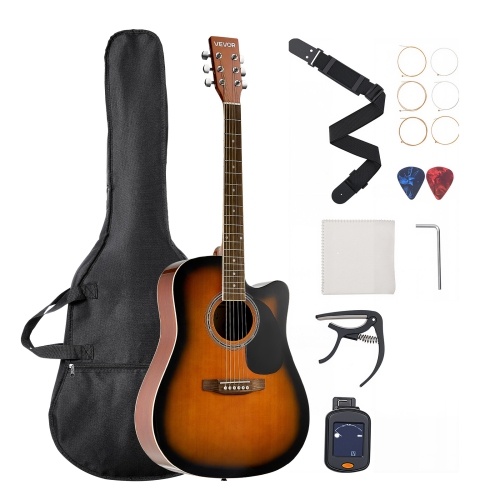
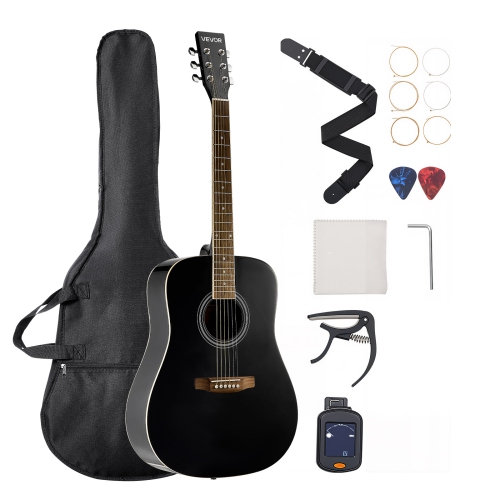
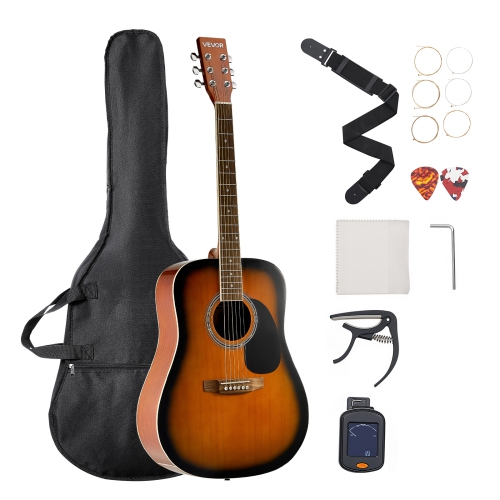
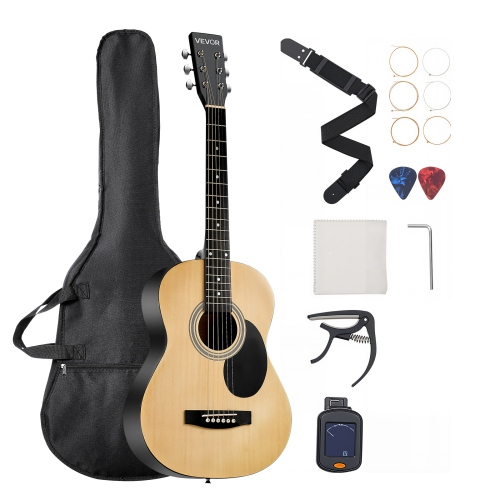
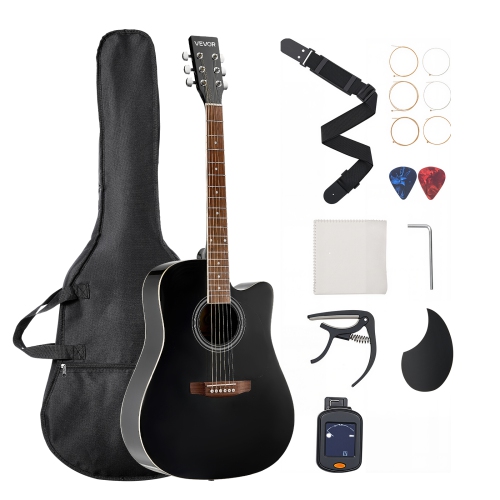
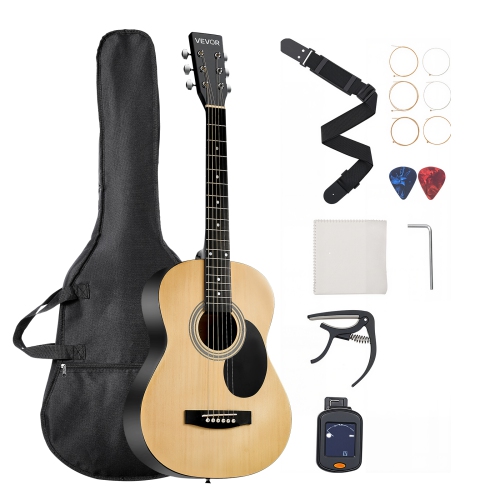
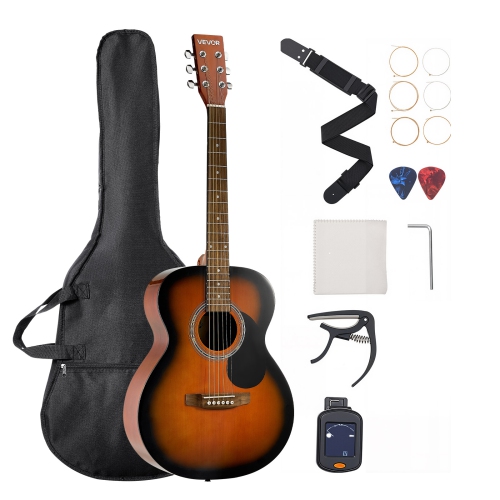





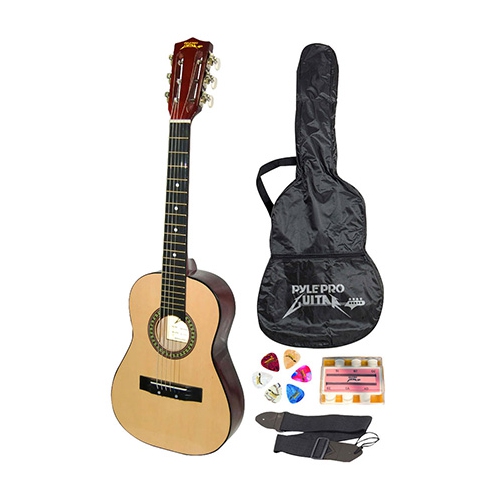

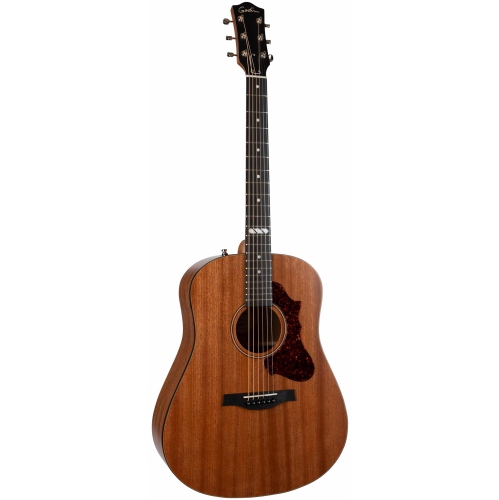


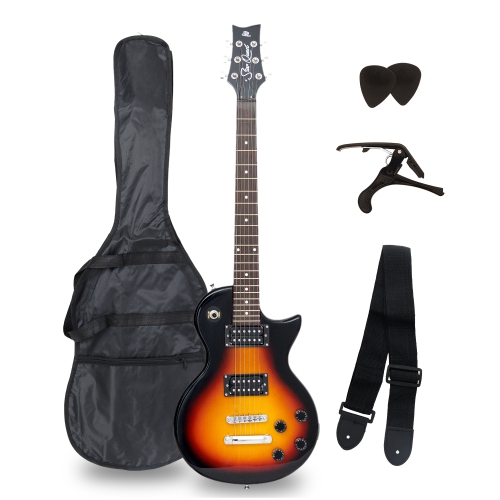
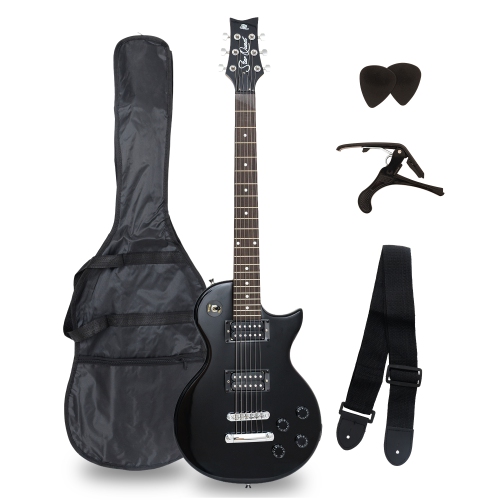


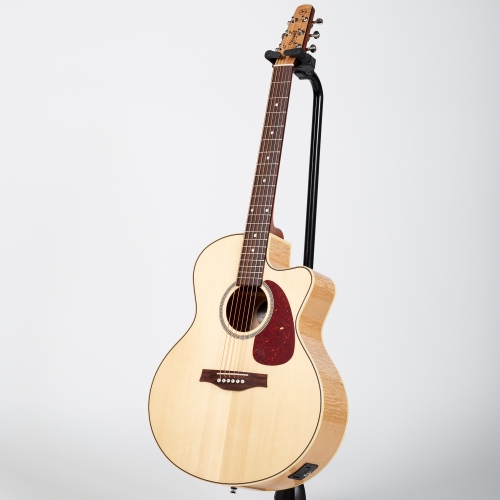
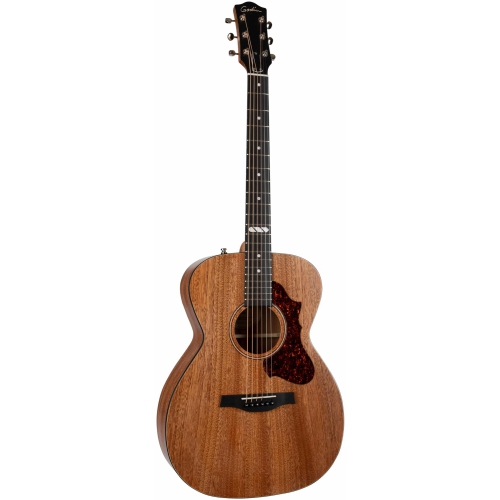
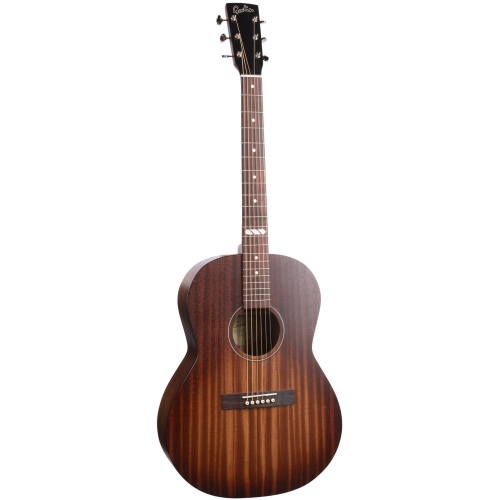

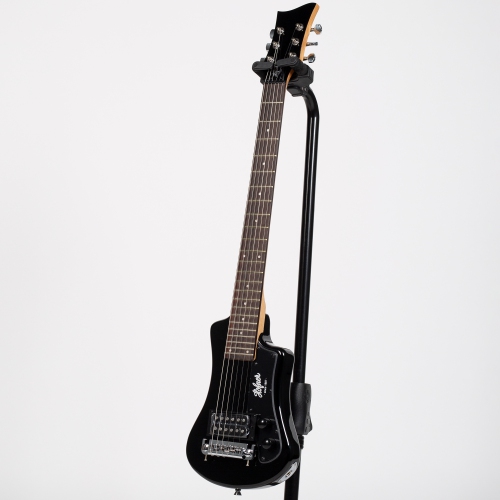

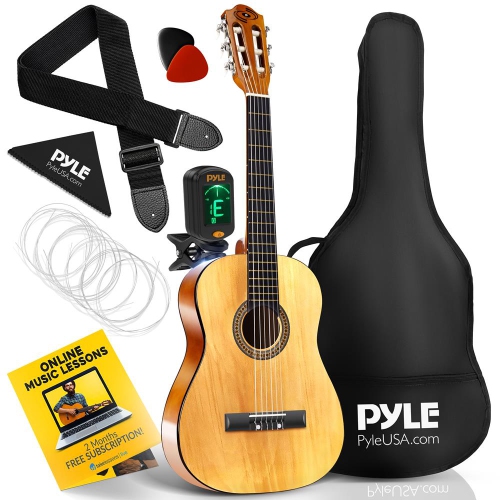





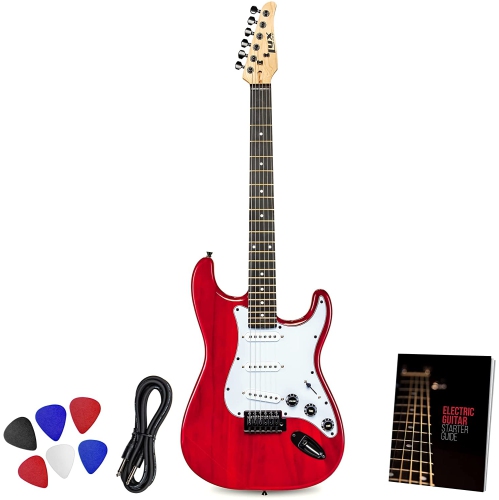


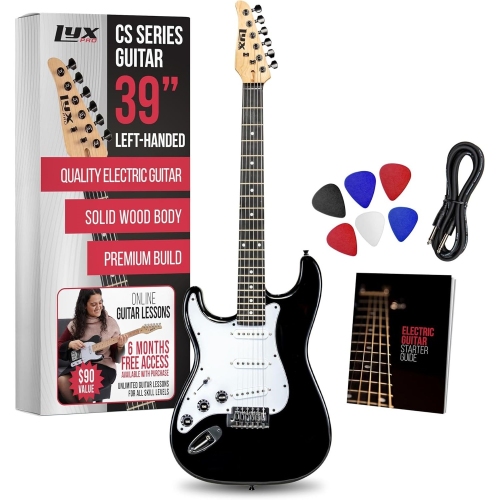
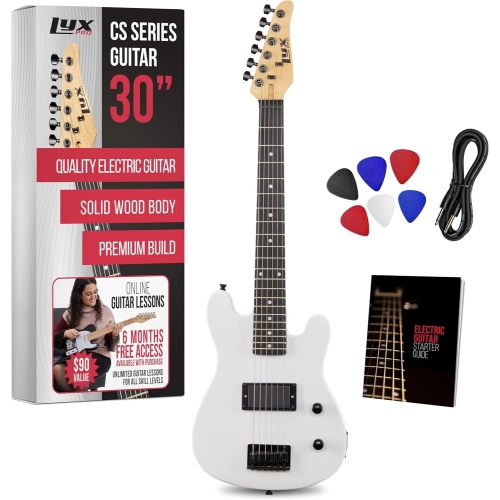
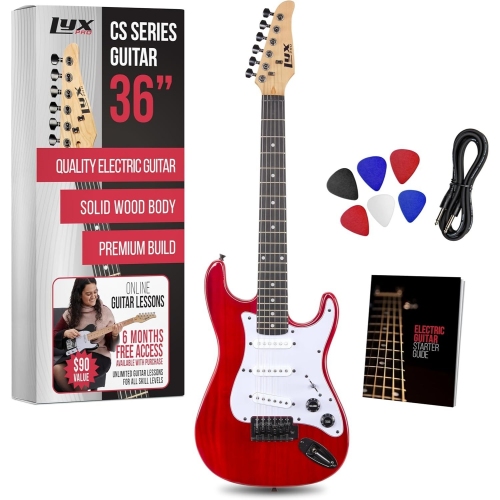

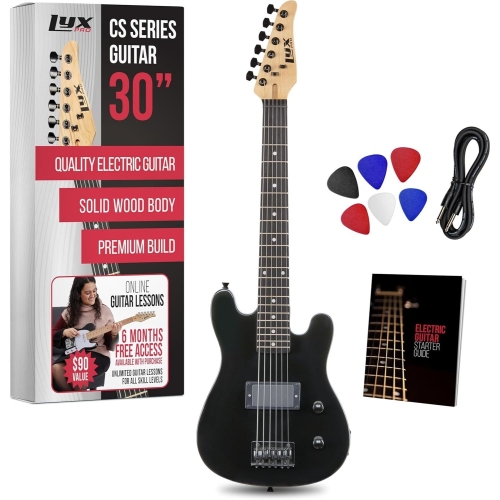

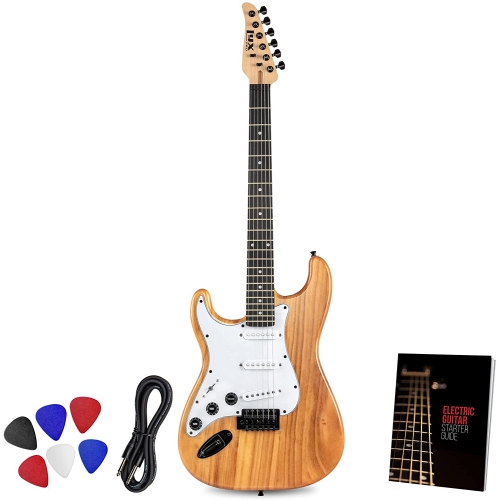


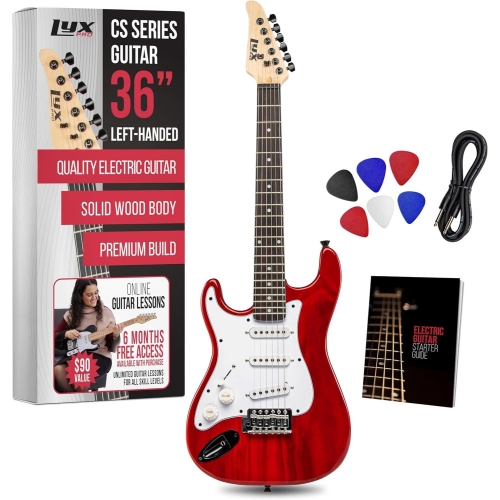
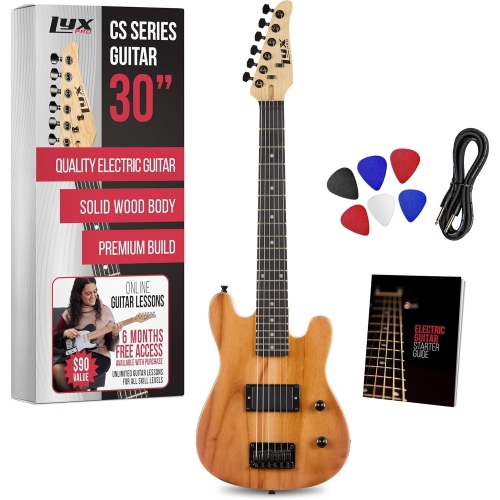

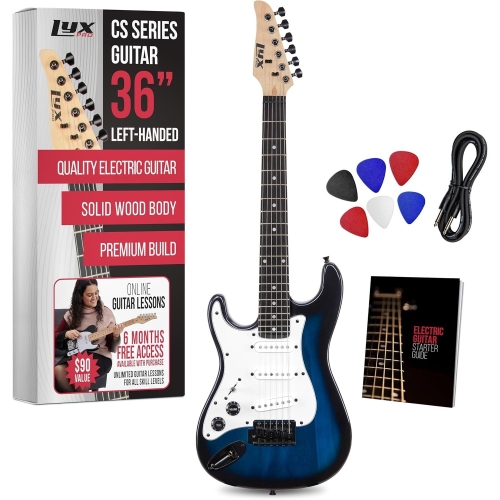
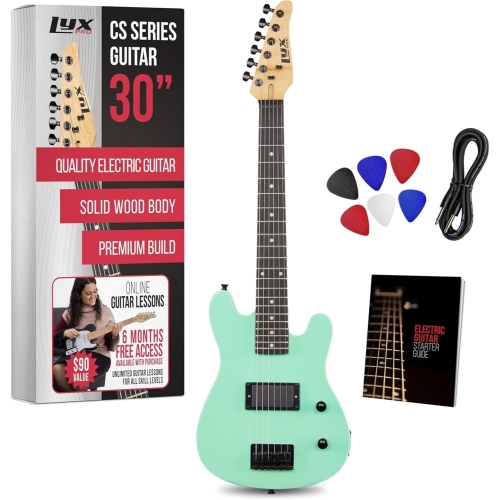
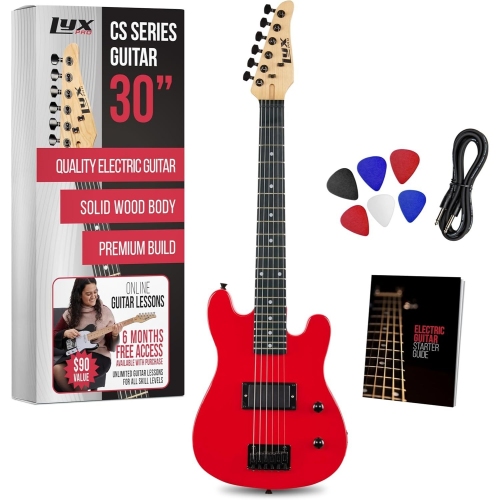


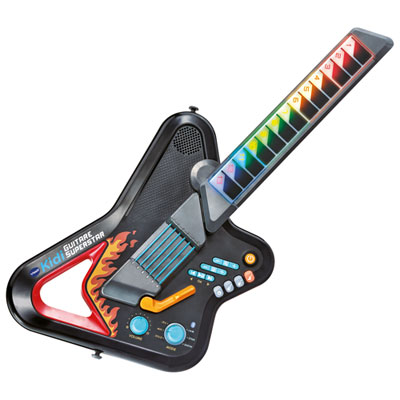
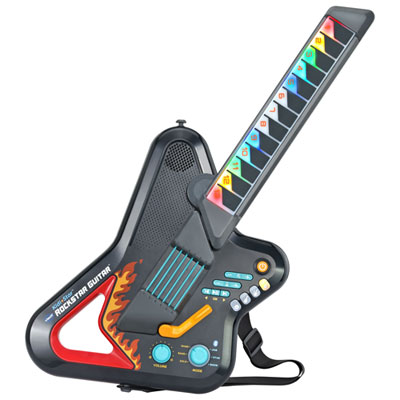
How guitar design shapes tone and playing comfort
Six-string guitars bring together melody, harmony, and rhythm in an instrument suited to everything from a first chord to a full stage performance. Standard six-string guitar tuning is E–A–D–G–B–E, ordered from the lowest-pitched string to the highest-pitched string. The sixth string is the thickest string, tuned to low E, while the first string is the thinnest, tuned to high E. This familiar layout supports open chords, movable chord shapes, fingerpicked patterns, and single-note leads across many musical styles. Although alternate tunings offer other possibilities, standard tuning provides a common starting point for lessons, songbooks, and playing with other musicians. Acoustic, classical, and electric guitars typically share these six string positions, but their construction gives each type a different feel and voice. Steel-string acoustic guitars produce sound through a vibrating top and hollow body, making them practical for singing along, practising without amplification, or playing with friends. Larger acoustic bodies often provide a fuller bass response, while smaller bodies can offer a more focused sound and a comfortable reach around the instrument. Nylon-string guitars, commonly associated with classical and flamenco music, have a softer feel under the fingers and a rounded tone that also suits many folk and contemporary arrangements. Their generally wider necks give individual notes more space, although that width can affect comfort for smaller hands. Materials contribute to the experience without telling the whole story. Spruce tops are often associated with clarity and a broad dynamic range, while cedar tops are often valued for a responsive touch. Solid-wood tops can develop tonal character with regular playing, while laminated construction can offer structural consistency and durability. Body shape, internal bracing, strings, and playing technique all influence the result. A gently picked accompaniment and a strongly strummed chorus can bring out very different qualities in the same guitar, so intended use matters as much as a list of wood species. For a singer accompanying a quiet verse, note separation may matter most; for a lively group singalong, projection and a strong rhythmic sound may take priority.
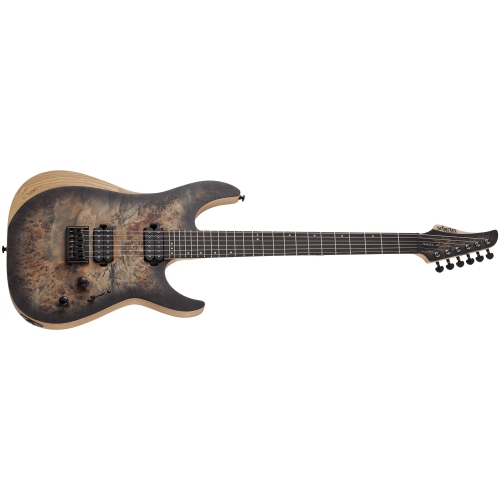
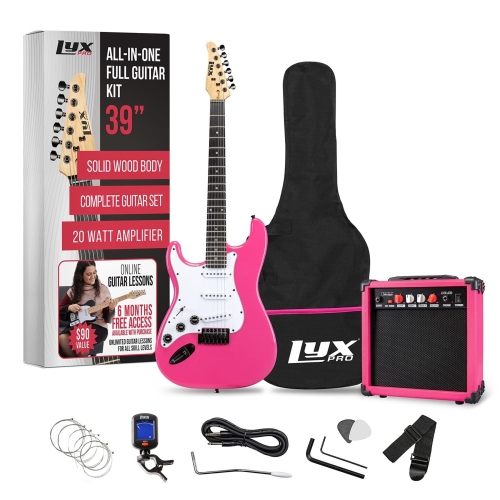
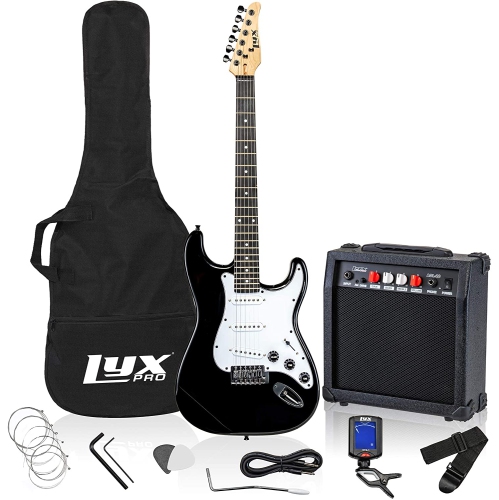
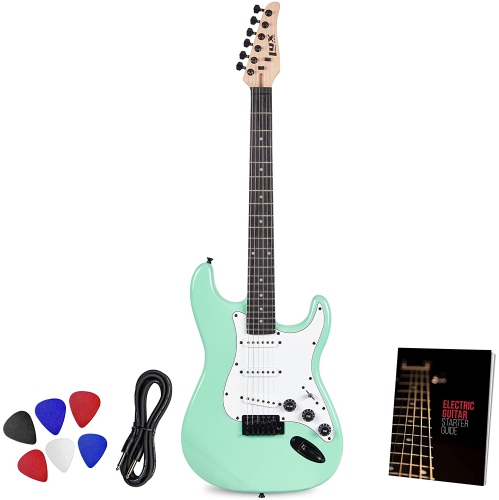
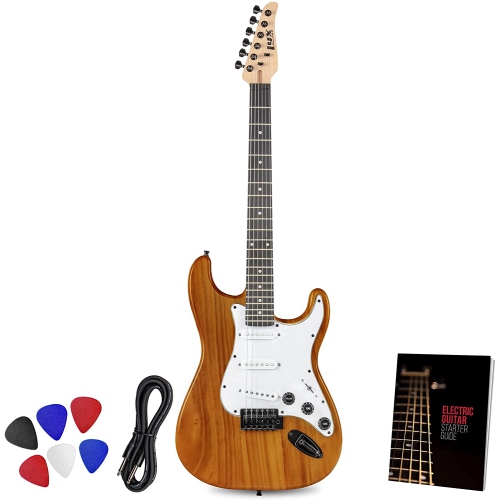
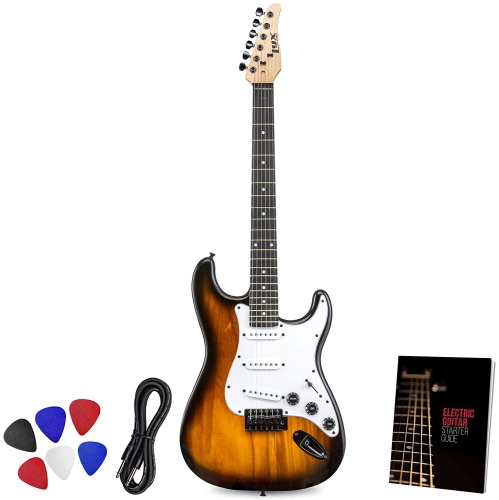
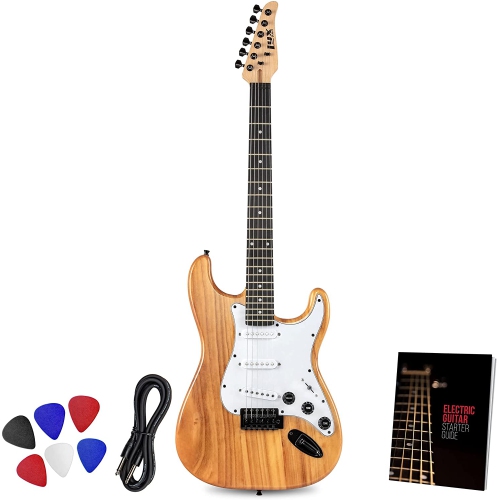
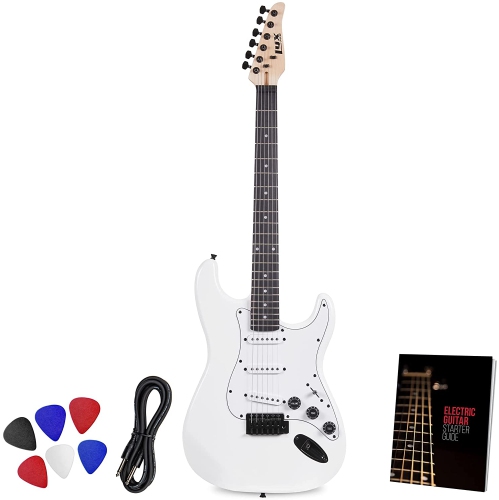
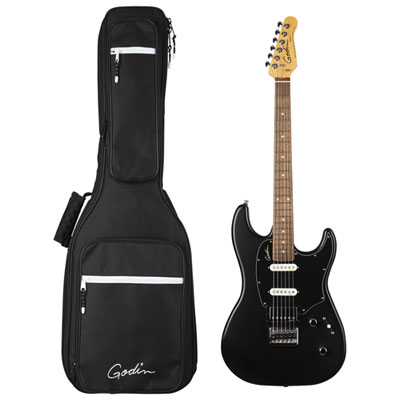
Electric six-string guitars offer another range of sounds, from clean, bell-like chords to sustained leads and heavily driven riffs. Their pickups convert string vibration into an electrical signal, which is shaped through an amplifier, effects, or a recording interface. Solid-body designs are common across rock, pop, country, blues, and many heavier styles. Semi-hollow and hollow-body construction can add a more resonant character, though feedback behaviour becomes an important consideration at higher volumes or gain levels. Single-coil pickups often deliver a bright, articulate response, while humbucking pickups generally offer a fuller sound and reduce the hum associated with traditional single-coil designs. Pickup placement, wiring, amplifier settings, and touch all influence the final tone, so these descriptions are useful starting points rather than fixed rules. Acoustic-electric guitars combine an acoustic body with onboard amplification features, allowing the same instrument to move from unamplified practice to a connected performance. Across these types, physical fit has a direct effect on how inviting a guitar feels. Body depth, weight, neck shape, and scale length influence posture, reach, and fretting effort. A shorter scale generally means lower string tension when tuning and string gauge are otherwise equal, while a longer scale can feel firmer. Nut width and string spacing affect how much room the fingers have for chords and fingerstyle passages. Action, the distance between the strings and the frets, also matters: excessively high action can make notes tiring to fret, while action that is too low for a player's technique can produce unwanted buzzing. A suitable setup helps balance comfort, clean notes, and playing style. For someone practising seated at home, a body that rests securely against the torso may be especially appealing. A performer who stands through rehearsals may place more emphasis on balanced weight and a comfortable strap. Left-handed construction, reduced-size bodies, and neck dimensions can also make an important difference, particularly for younger players or anyone whose reach makes a full-size instrument awkward.
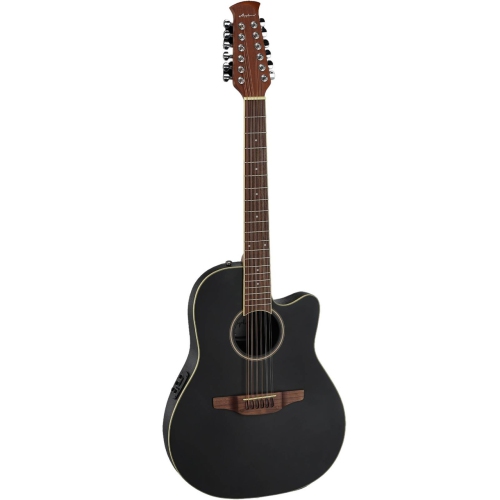
Daily care helps a six-string guitar remain comfortable, dependable, and enjoyable to play. A soft, clean cloth removes fingerprints and perspiration from the strings and finished surfaces after a session, while cleaning products need to suit the instrument's finish and fingerboard material. Fresh strings can restore clarity and a more consistent feel, but string type and gauge should match the guitar's design. Classical guitars intended for nylon strings should not be fitted with steel strings, whose higher tension can damage the instrument. Changes in string gauge or tuning may also call for setup adjustments, particularly when they noticeably affect neck relief, action, or intonation. Secure storage protects against knocks, and a supportive case is useful for lessons, rehearsals, and travel. Wooden instruments also benefit from appropriate humidity management, with an instrument humidifier used when needed and according to its instructions. A tuner, suitable picks, a comfortable strap, and a stand or case can support regular use without making the instrument itself more complicated. Electric playing may also involve an amplifier and cable, while headphones require equipment with a suitable headphone output or a compatible practice setup. For recording, an acoustic guitar can be captured with a microphone, while an electric guitar commonly connects through an amplifier or audio interface. Six-string guitars can be meaningful gifts for beginners, returning musicians, or experienced players exploring a different sound, especially when the recipient's preferred music, handedness, and physical comfort are considered. A familiar six-string layout offers a broad foundation, while players interested in a denser, chiming texture may also appreciate electric twelve-string guitars, which use six paired courses of strings. For everyday practice, songwriting, lessons, or performance, the lasting appeal of a six-string guitar lies in the connection between its feel, its sound, and the music someone wants to make.
Top selling and popular products
-
 Your price for this item is $494.49
-
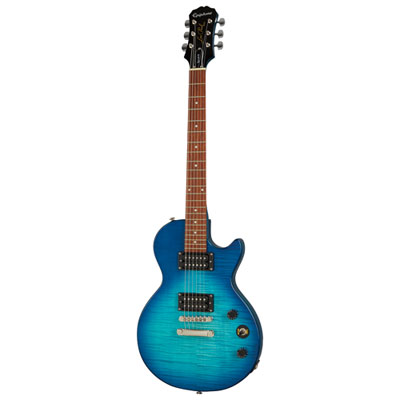 Your price for this item is $379.99
-
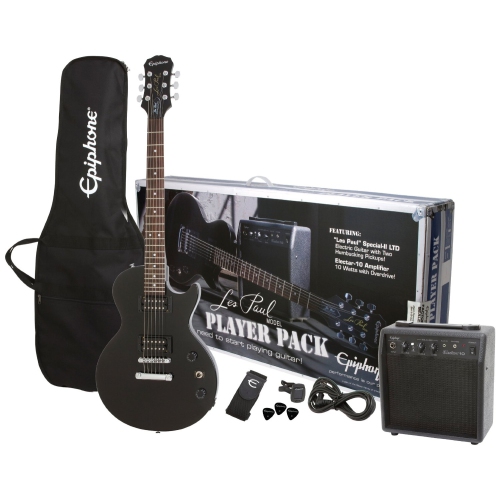 Your price for this item is $494.49
-
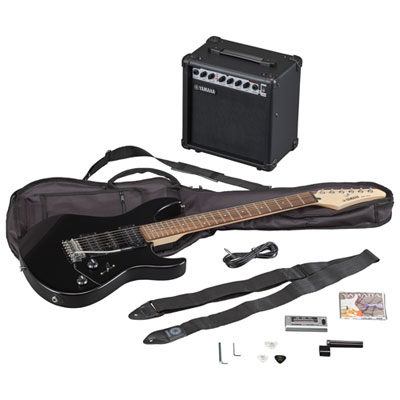 Your price for this item is $349.99
-
 Your price for this item is $395.99
-
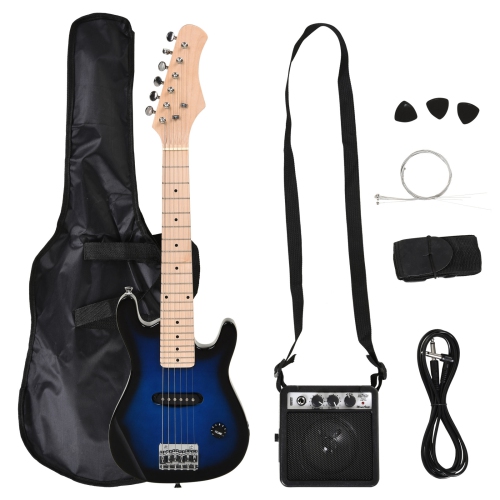 Your price for this item is $124.99
-
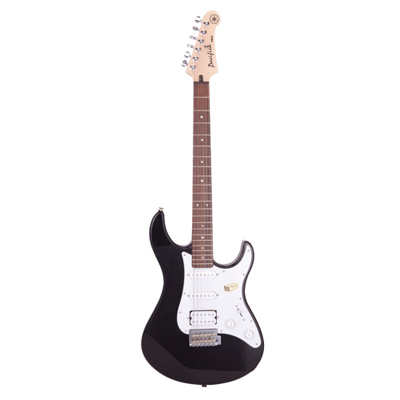 Your price for this item is $299.99
-
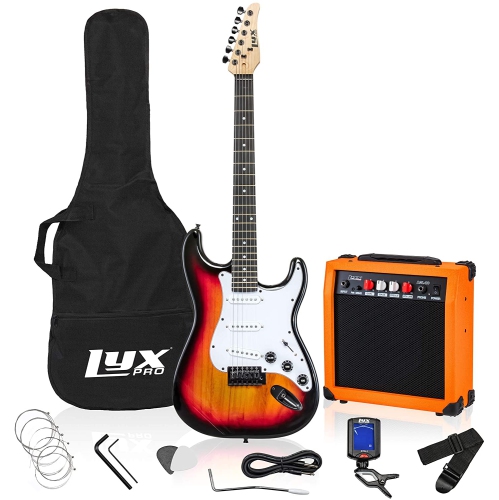 Your price for this item is $239.99
Discover more categories related to Six String Guitars
Top Collections:
Pokemon Centers, Best Cameras for Sports Photography, Kindle Devices, Samsung Galaxy Phones, Canon G7X Cameras, Pokémon 30th Celebration Cards, Refurbished Apple Laptops, iPhone 15 Apple, Laptops for Students, Budget Smartphones
Some products may be subject to Environmental Handling Fees
(EHF) depending on your province.
Learn more about EHFs.