88 Key Midi Keyboards
Looking to elevate your music production game? Look no further than our collection of 88-key MIDI keyboards. These versatile instruments offer a wide range of features and functionalities, allowing you to unleash your creativity and compose breathtaking melodies. Whether you're a beginner or a seasoned musician, these keyboards provide the perfect balance between performance and convenience. With their responsive keys, intuitive controls, and seamless integration with your favorite software, you'll be able to bring your musical vision to life like never before.
Sort

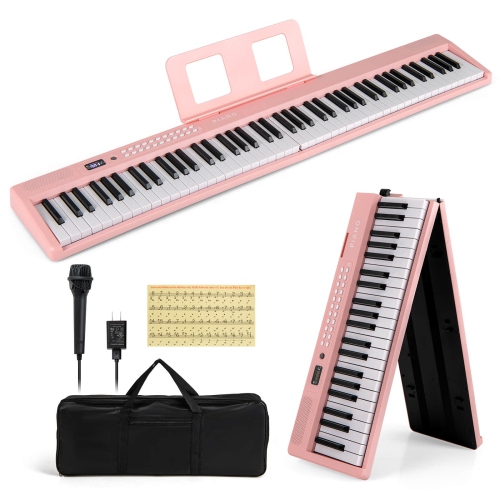
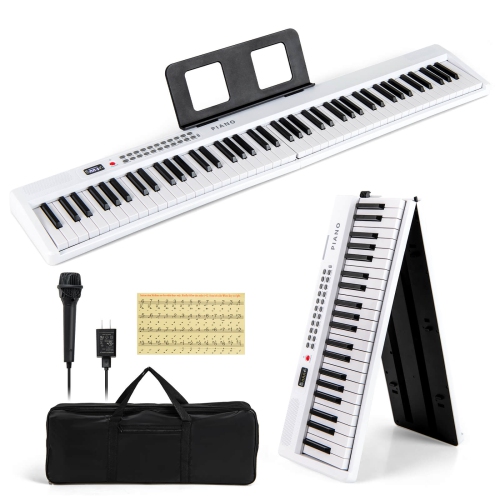
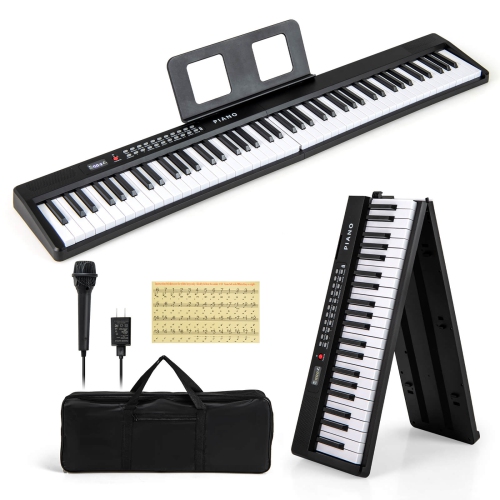
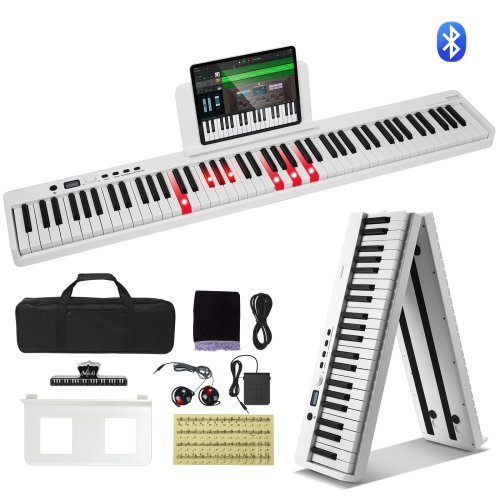
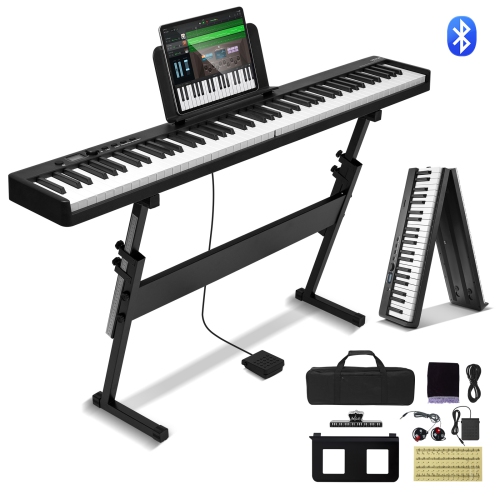
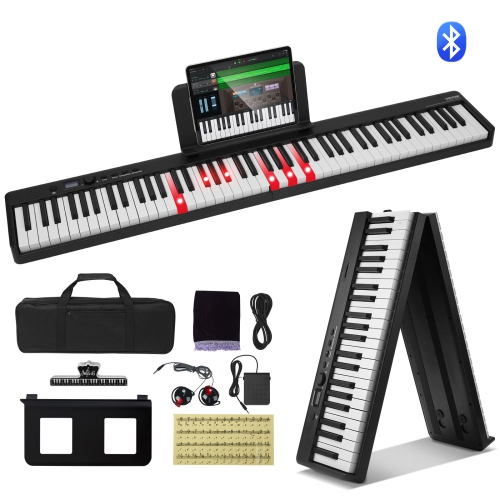
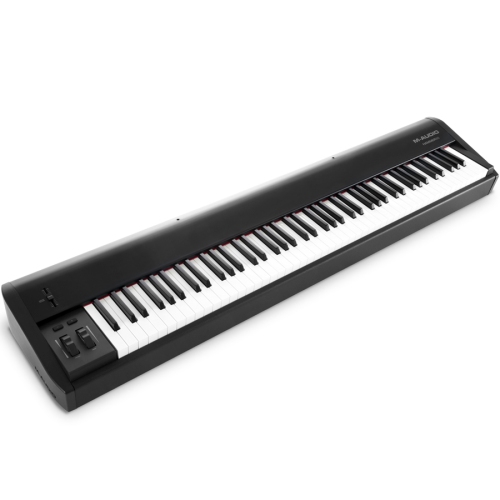

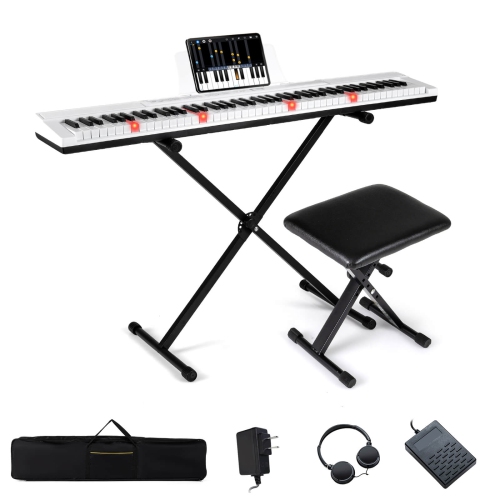
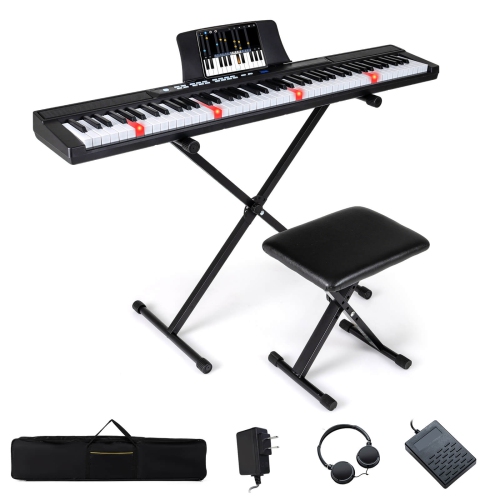
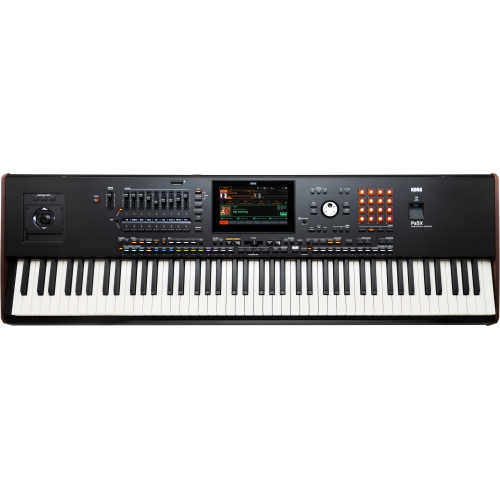
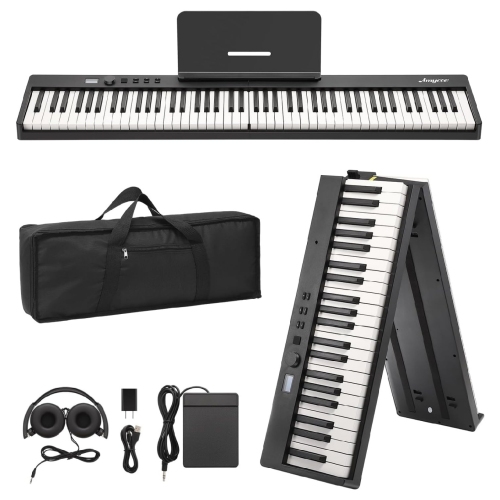
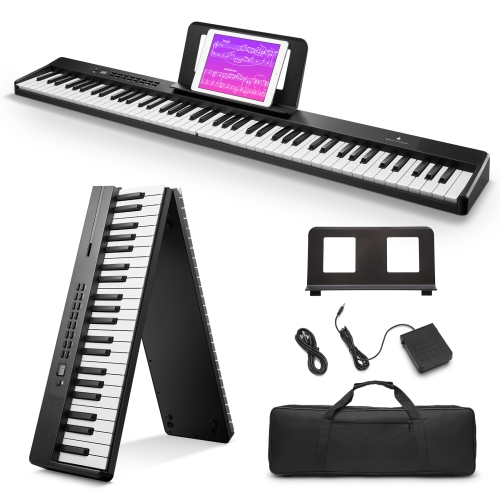
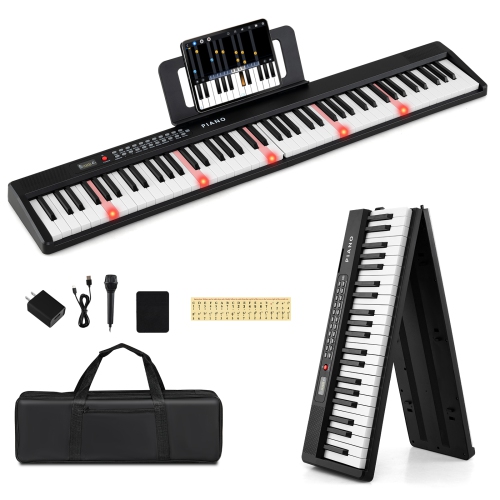
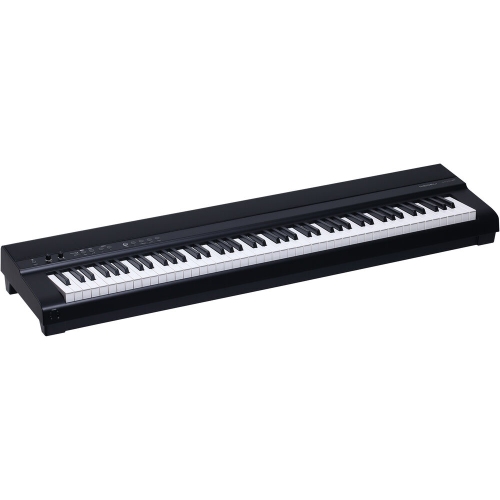
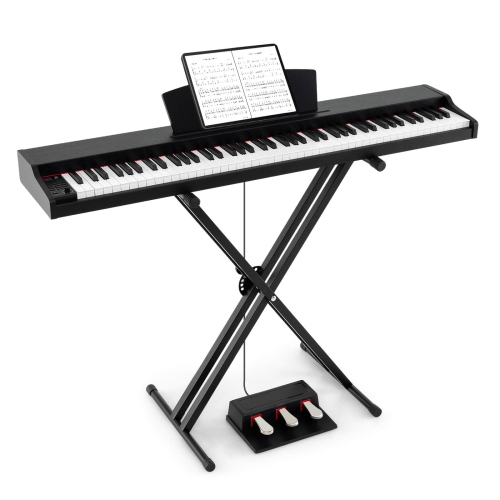
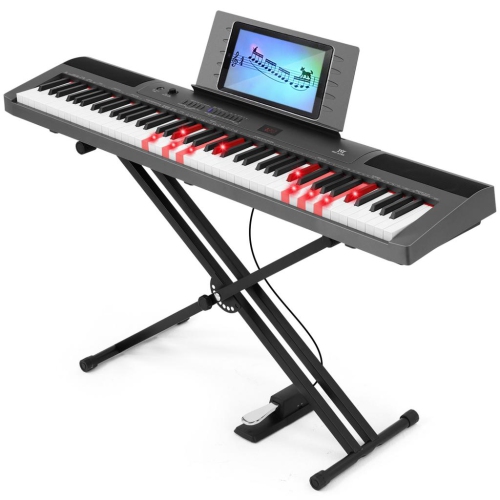
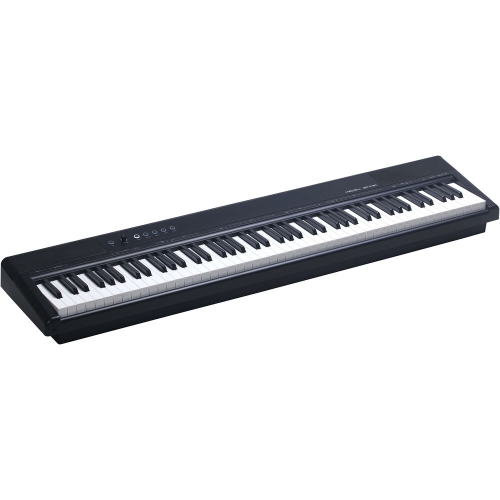
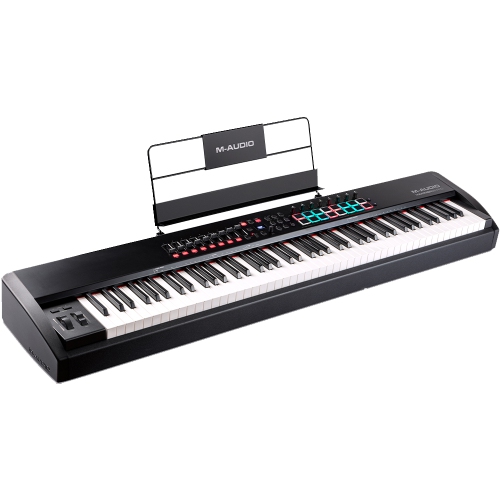
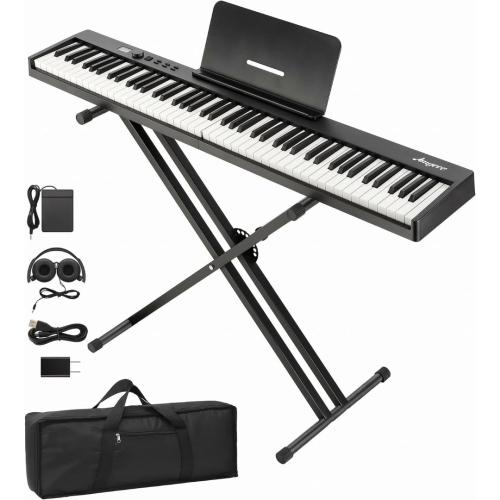

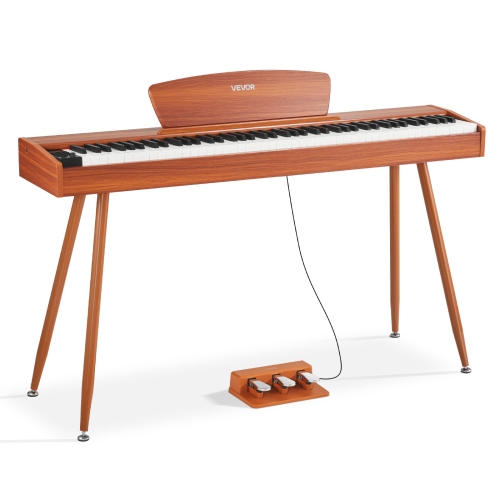
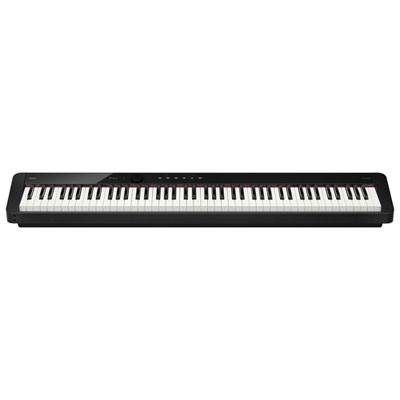
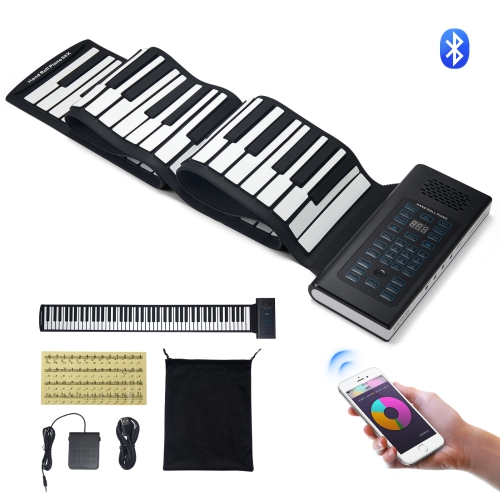
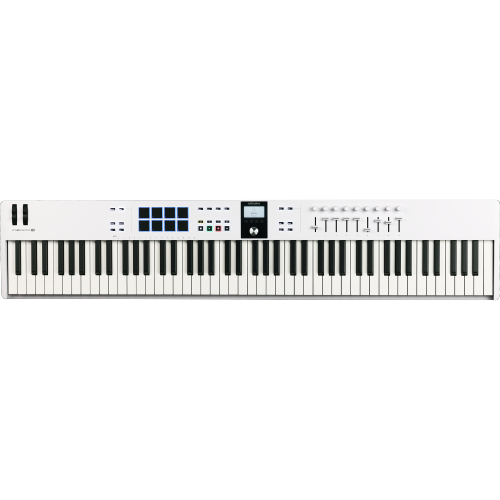
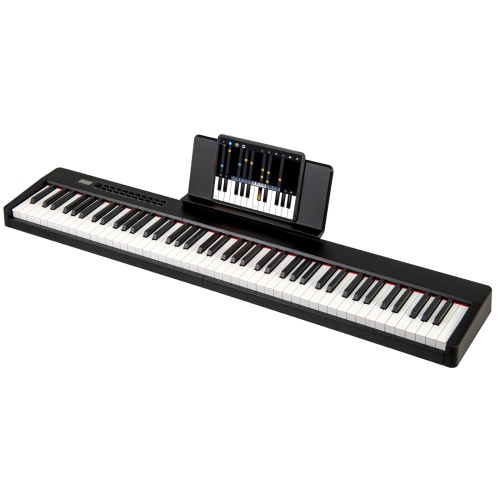
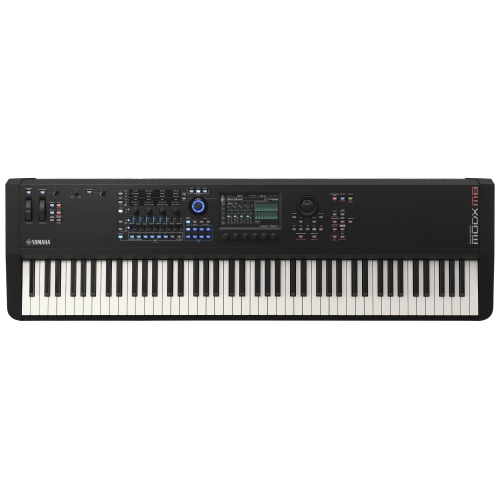
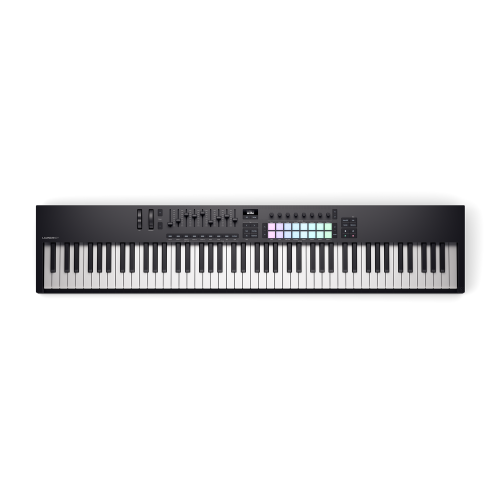
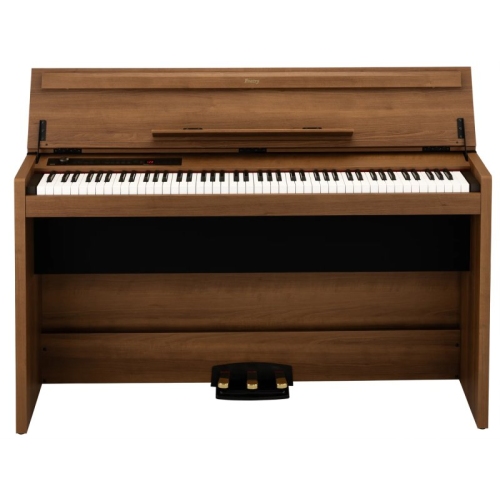
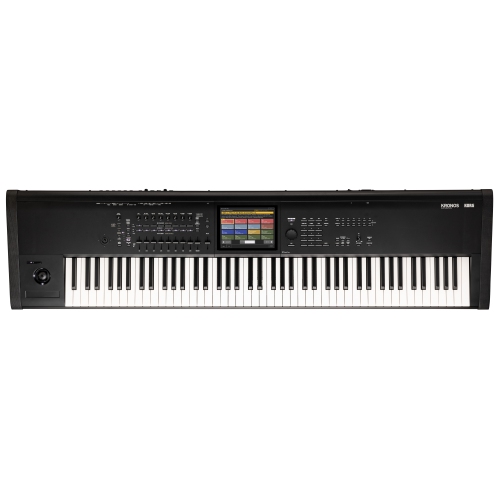
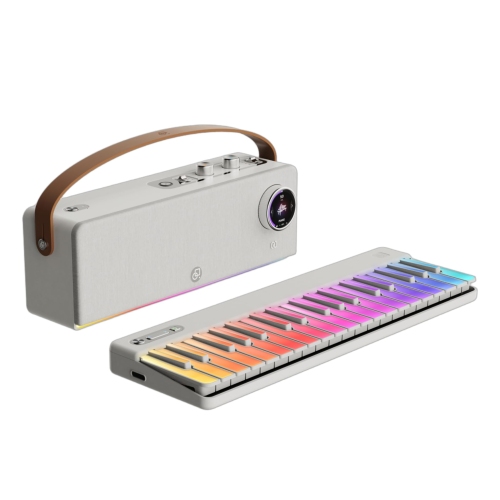
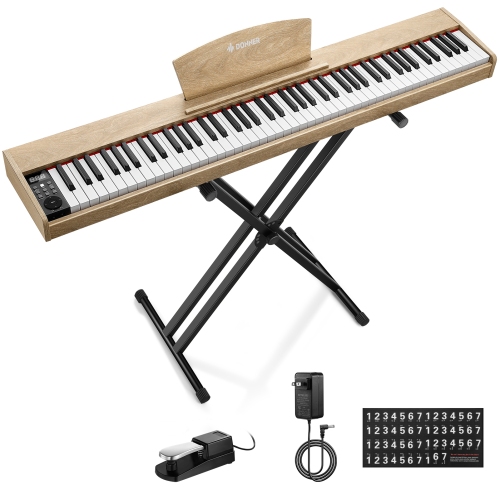
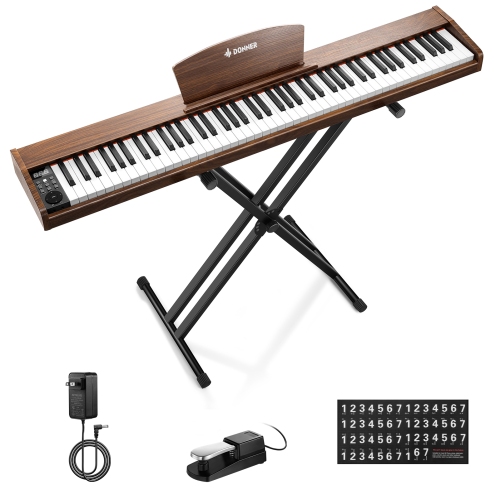
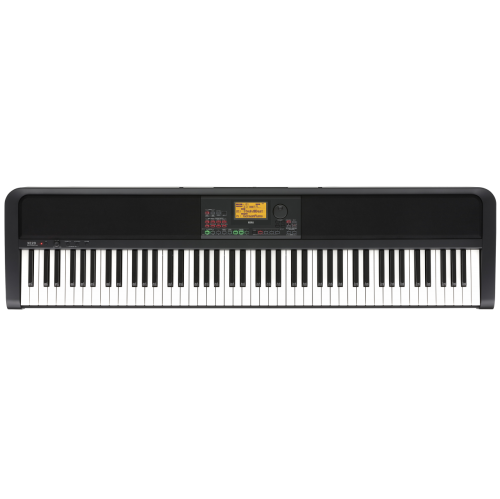

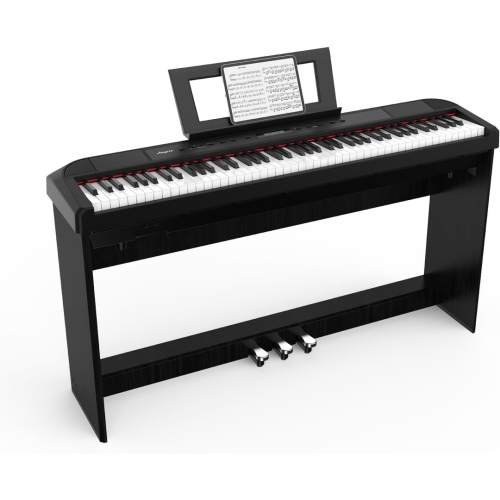
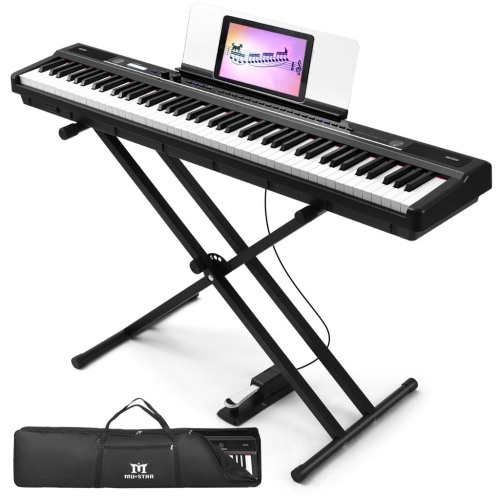

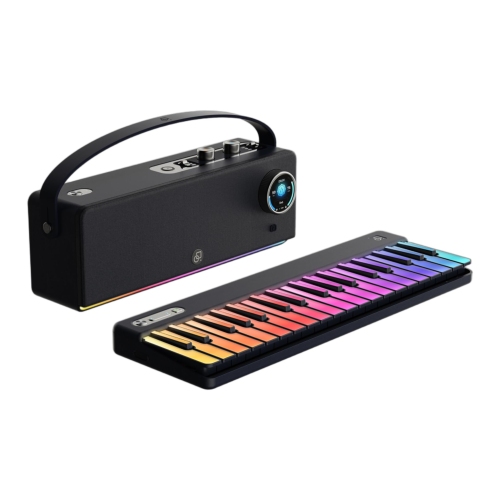
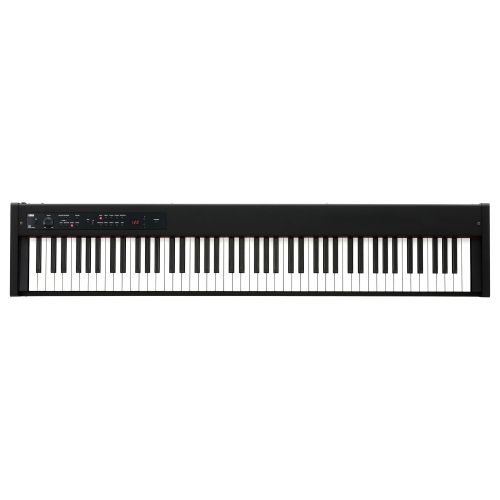
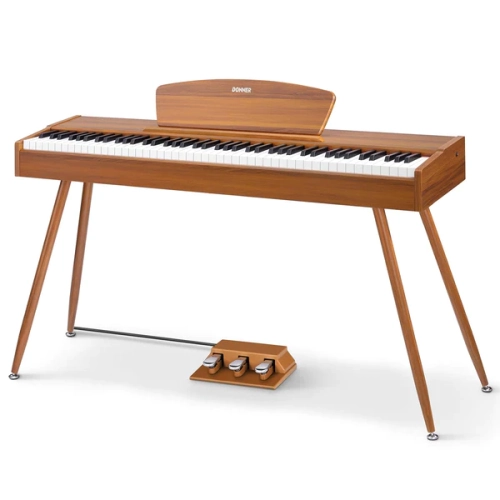
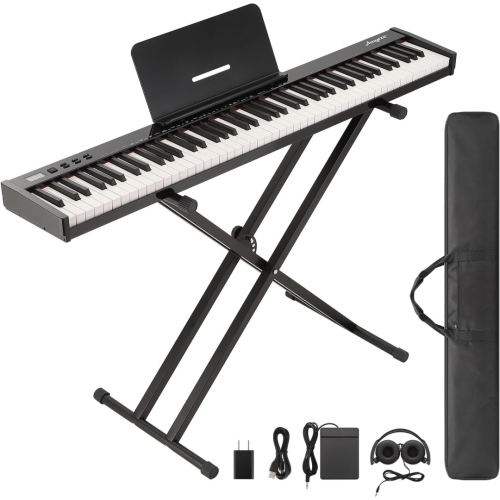
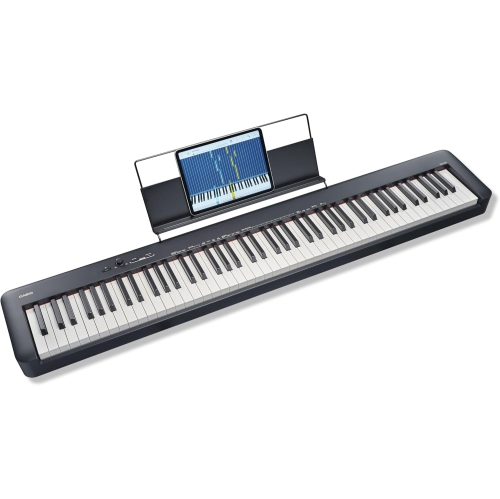
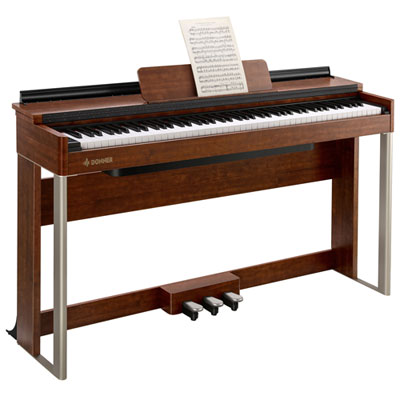
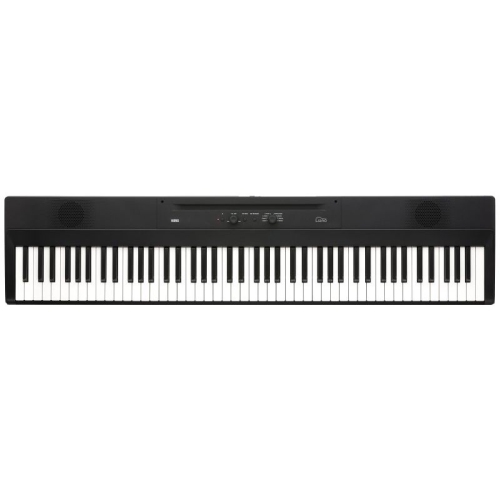
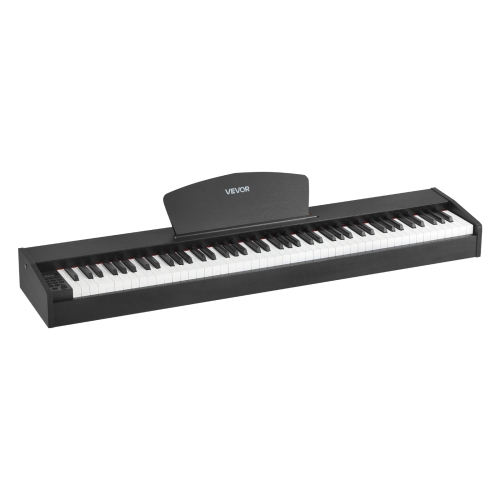
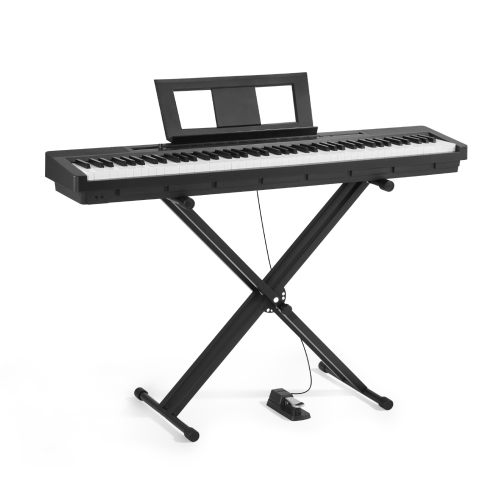
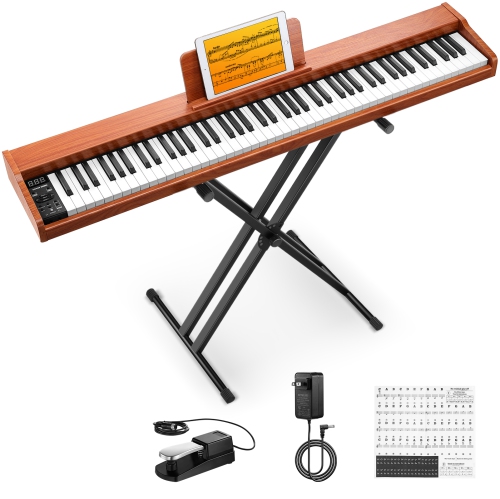
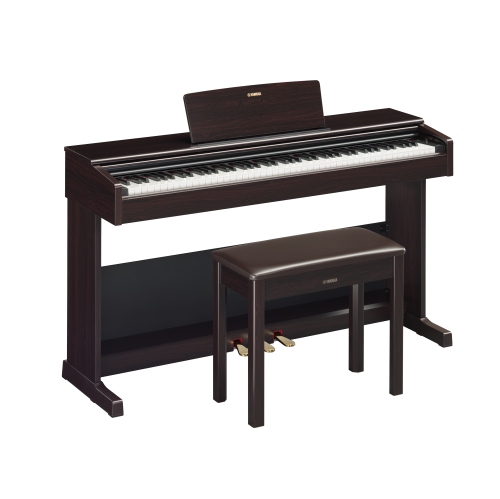
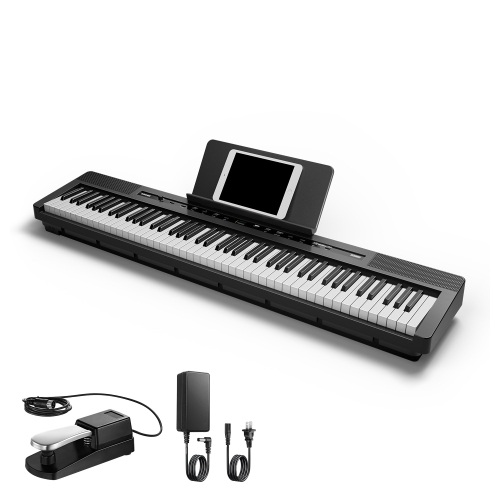
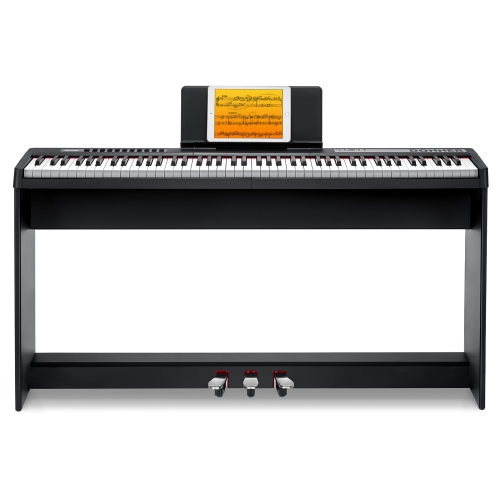
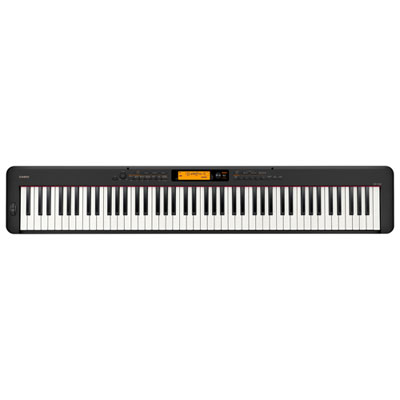
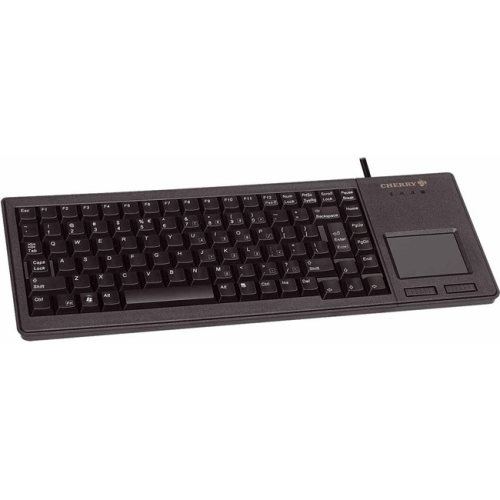
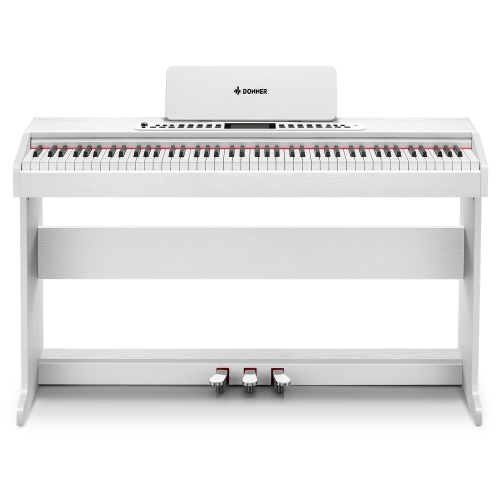
Full-range control for piano playing and music production
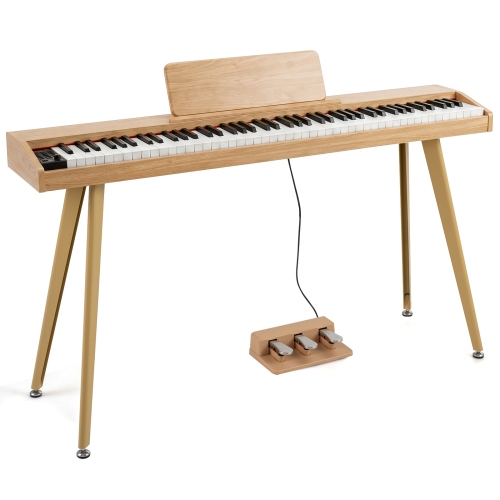
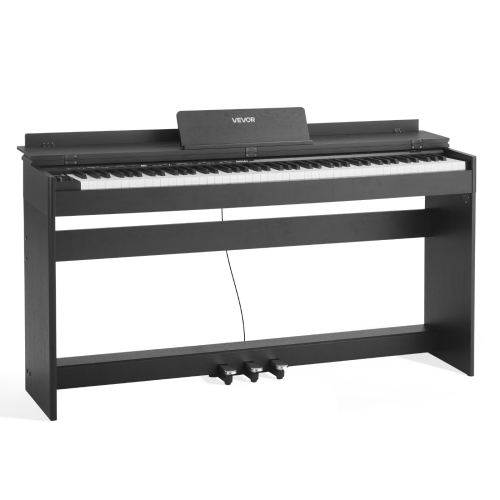
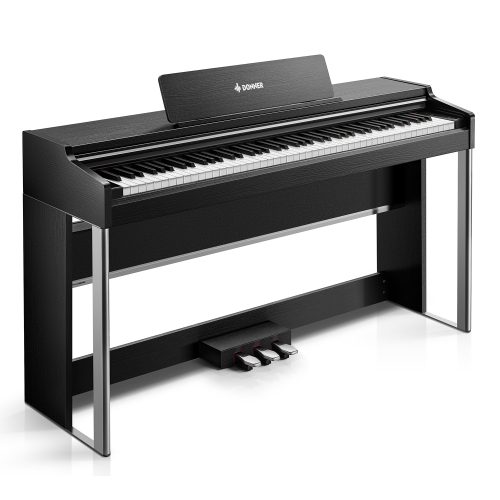
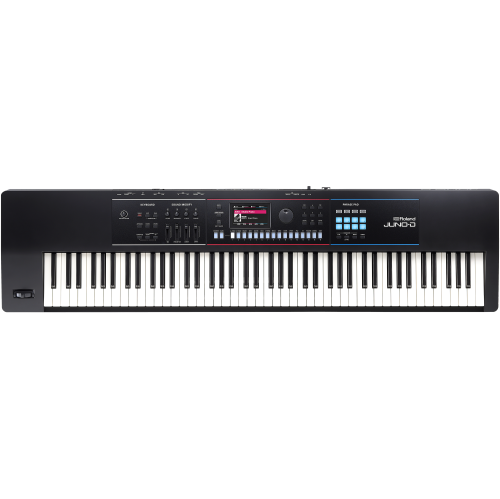
An 88-key MIDI keyboard gives you the full range of a traditional piano while adding the flexibility of computer-based music production. Unlike a digital piano or synthesizer, a MIDI keyboard typically does not create sound on its own; instead, it sends performance information to a computer, tablet, mobile device, or compatible sound module. Each key press can communicate pitch, timing, velocity, and other performance details, allowing you to play virtual pianos, orchestral instruments, electric keyboards, synthesisers, and software effects. The extended range is especially useful for players who want a familiar piano layout without having to shift octaves during a performance. It can also be a practical choice for arranging bass lines, chords, melodies, and layered parts across the same keyboard. Musicians setting up a home studio, songwriters working on arrangements, students developing piano technique, and performing artists who trigger software instruments can all benefit from this format. An 88-key MIDI keyboard may also be a thoughtful gift for someone who is moving from a smaller controller to a more complete playing surface, beginning music lessons, or building a recording setup during the cooler months when more creative time is spent indoors. Before choosing one, consider the available space carefully: a full-length keyboard can be substantially wider and heavier than a compact controller, so measure your desk, keyboard stand, or studio area and leave room for comfortable arm movement, a computer, and any other equipment you expect to use.
The key action is one of the most important differences between 88-key MIDI keyboards. Weighted and hammer-action keybeds are designed to replicate the resistance and movement of an acoustic piano, with a firmer feel that can support traditional finger technique, expressive dynamics, and realistic piano parts. Some models use graded weighting, making the lower keys feel heavier and the upper keys lighter, similar to the response of a full-size piano. This can be appealing to trained pianists or anyone who wants a convincing response when recording classical, jazz, film-score, or singer-songwriter material. Semi-weighted keyboards generally use a lighter spring-based action, making them easier to play for sustained sessions and quicker for repeated notes, organ parts, synth lines, and electronic music. Neither option is universally better; the right choice depends on how you play and what you want the keyboard to feel like under your fingers. If you regularly practise piano repertoire, weighted keys may feel more natural, while producers who spend more time adjusting software instruments and programming parts may prefer a lighter action. Also look at velocity sensitivity, aftertouch, pitch and modulation controls, octave or transpose buttons, and the placement of knobs, faders, pads, or transport controls. These features can make it easier to shape a performance without reaching for a mouse. A keyboard with a straightforward layout may suit a beginner, while a more control-focused design can be useful for recording, live looping, and mixing. Check the included software and operating system support as well, since some controllers offer deeper integration with popular digital audio workstations, while others rely on standard MIDI functions that work across a broad range of applications.
Connection options and everyday comfort deserve equal attention when comparing 88-key MIDI keyboards. USB connection is common for sending MIDI data to a computer, and some keyboards can draw power through the same cable, helping keep a compact setup tidy. Models with traditional five-pin MIDI connections can also communicate with external sound modules, digital pianos, drum machines, or other hardware, which may be important in a more extensive studio. If you plan to use a tablet or mobile device, confirm that the keyboard and device can receive enough power or that an appropriate adapter is available. Consider whether you need an expression pedal or sustain pedal input, particularly if you want piano-style control over note release and phrasing. A sustain pedal can make even a simple virtual piano feel more natural, while additional pedal inputs may support damper, sostenuto, expression, or custom software functions. The keyboard’s depth, weight, and included stand compatibility matter when you need to move it between a bedroom, rehearsal space, lesson room, or performance area. Players with limited room may prefer to store the keyboard vertically or use a folding stand, but always make sure it is supported securely before playing. If a full 88-key layout is more than your space or playing style requires, a smaller controller such as 37 Key Keyboards can offer a more portable alternative for basic melodies, compact production desks, and travel setups. For any size, headphones can provide focused practice without filling the room, while studio monitors or powered speakers can reveal the detail of software instruments during recording and playback. Taking time to match the key feel, controls, connections, software compatibility, and available space to your routine will help you choose an 88-key MIDI keyboard that feels comfortable from the first session and remains useful as your skills and music projects grow.
Top selling and popular products
-
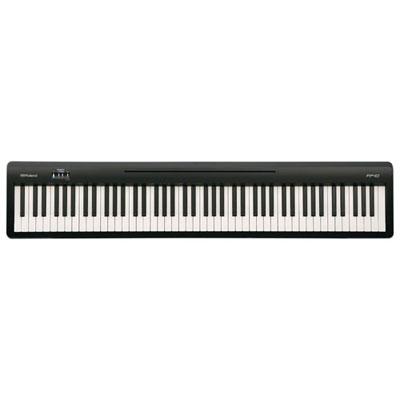 Your price for this item is $799.99
-
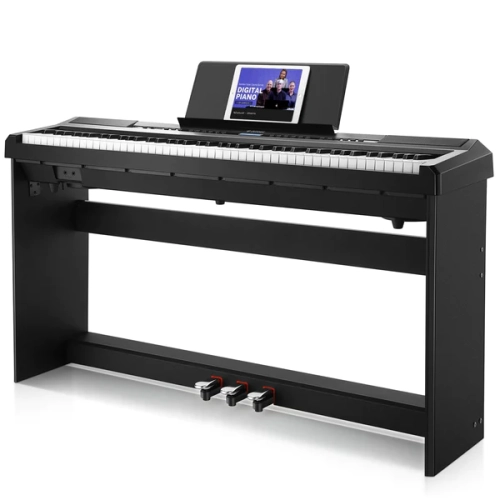 Your price for this item is $479.99
-
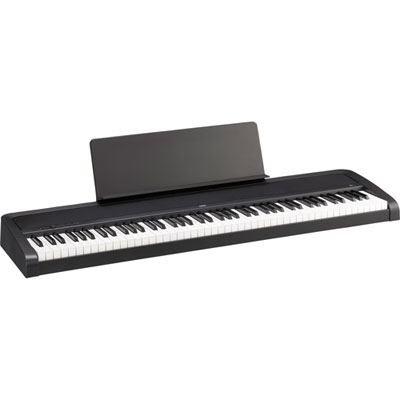 Your price for this item is $699.98
-
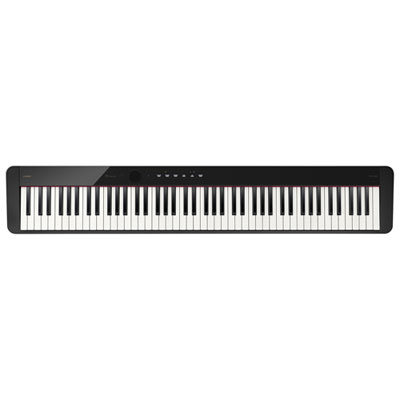 Your price for this item is $849.99
-
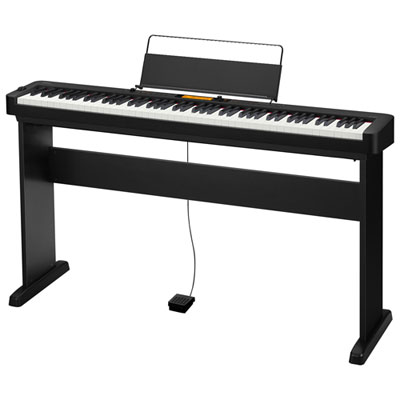 Your price for this item is $869.95
-
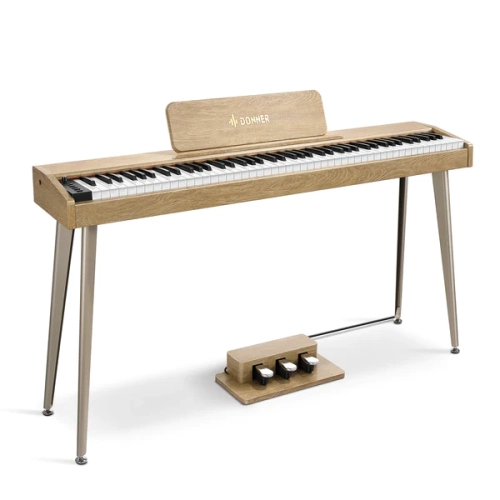 Your price for this item is $415.99
-
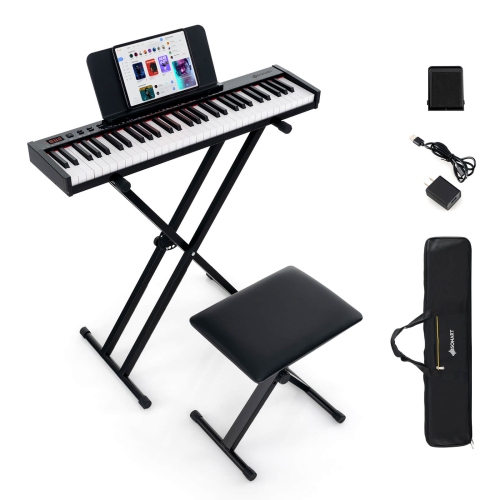 Your price for this item is $189.99
-
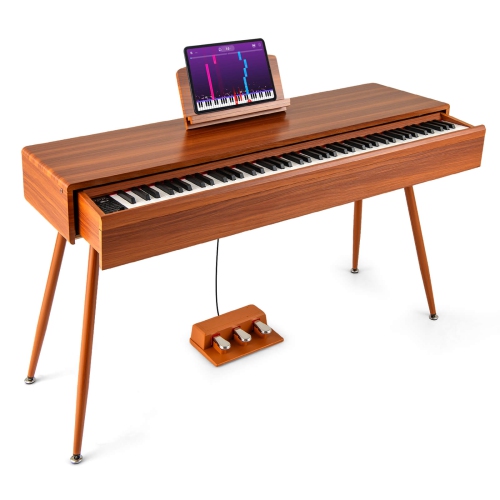 Your price for this item is $571.99
Discover more categories related to 88 Key Midi Keyboards

Top Collections:
Pokemon Centers, Best Cameras for Sports Photography, Kindle Devices, Samsung Galaxy Phones, Canon G7X Cameras, Pokémon 30th Celebration Cards, Refurbished Apple Laptops, iPhone 15 Apple, Laptops for Students, Budget Smartphones
Some products may be subject to Environmental Handling Fees
(EHF) depending on your province.
Learn more about EHFs.