61 Key Midi Keyboards
Looking to take your musical creativity to the next level? Look no further than our collection of 61-key MIDI keyboards. Designed for musicians and producers of all skill levels, these keyboards offer a versatile and dynamic way to compose, record, and perform music. With their compact size and extensive range of features, these MIDI keyboards are perfect for both studio use and live performances. Whether you're a beginner looking to learn the ropes or a seasoned musician in need of a professional-grade instrument, our selection has something for everyone.
Sort
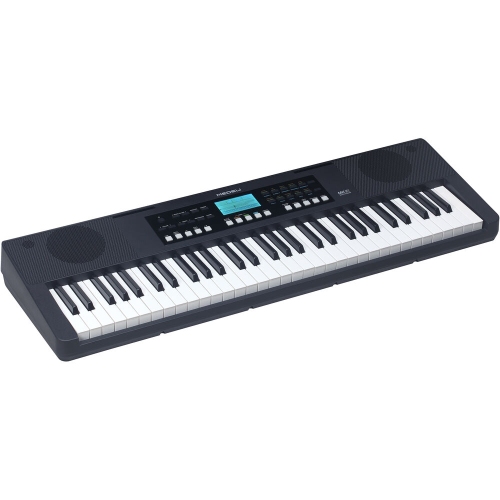
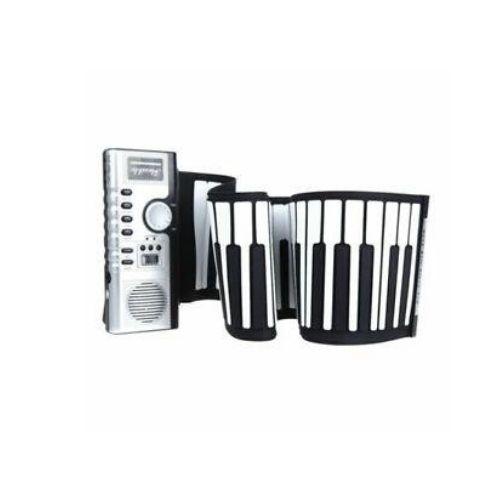
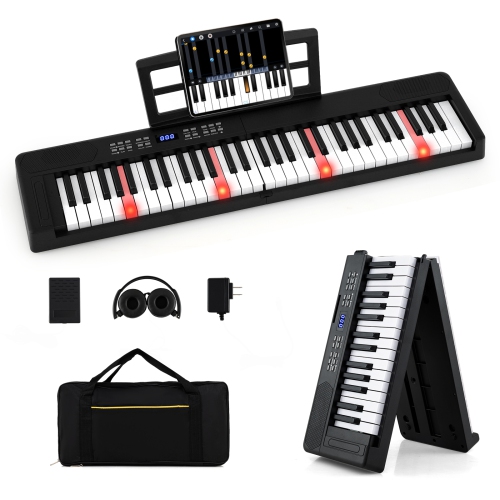
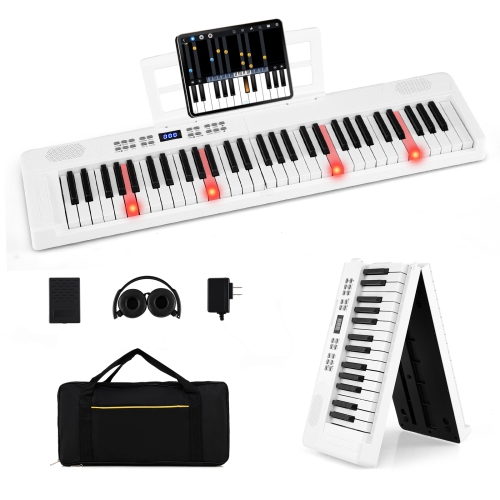
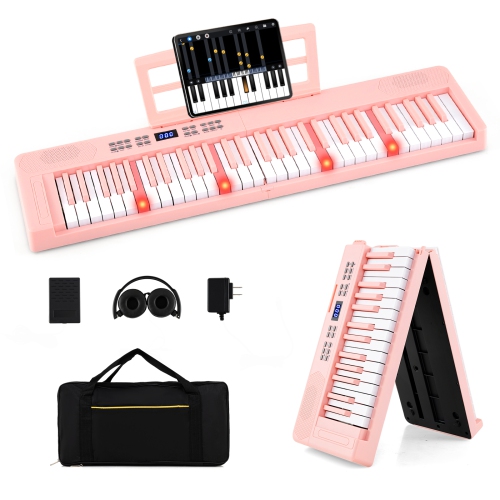
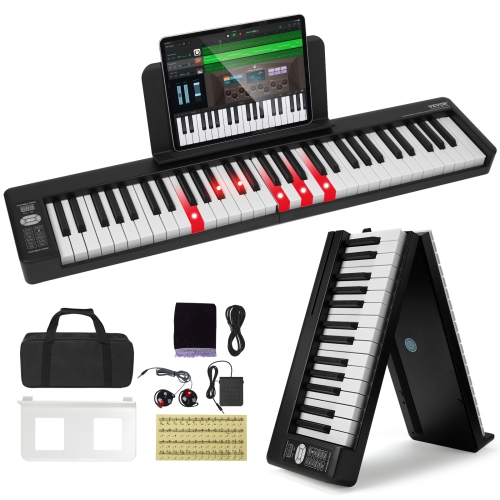
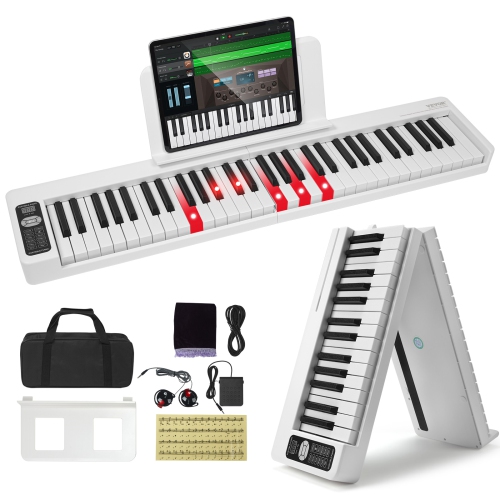

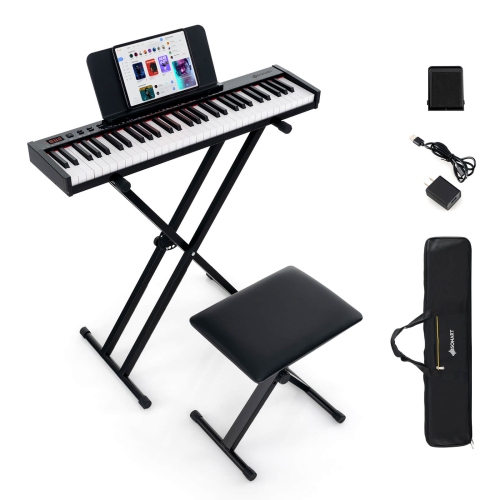

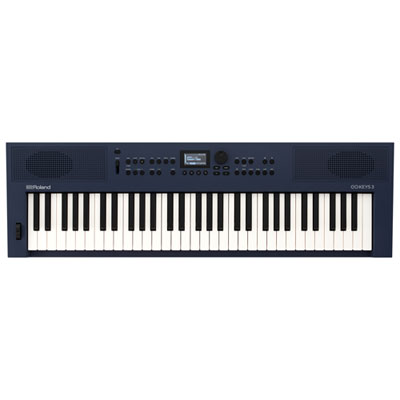
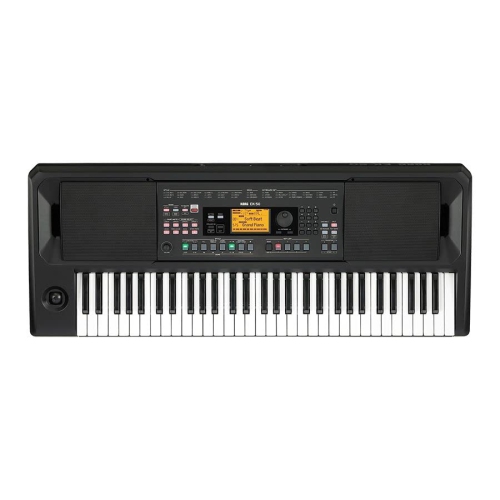
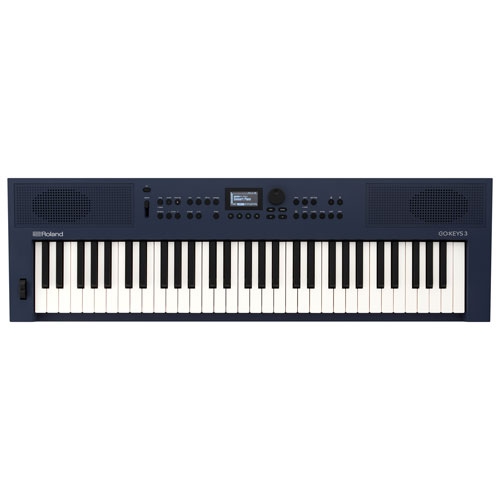
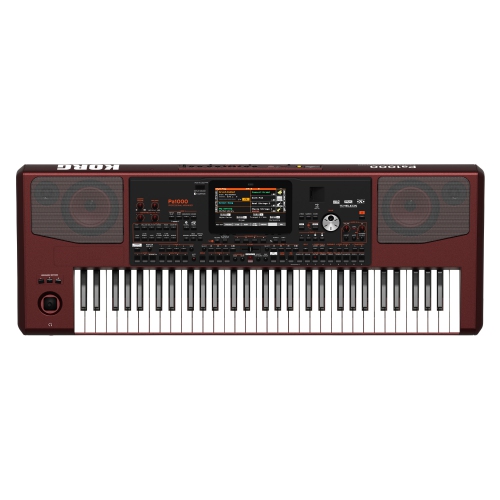
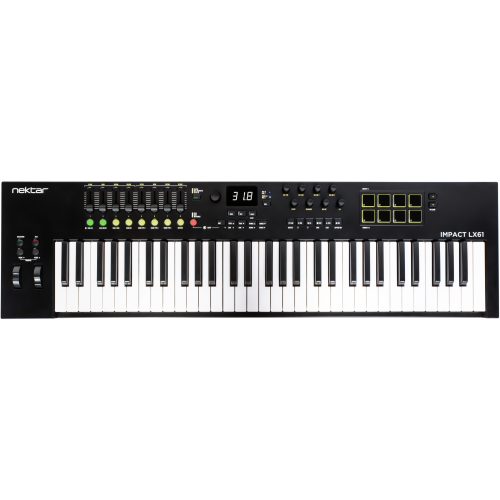

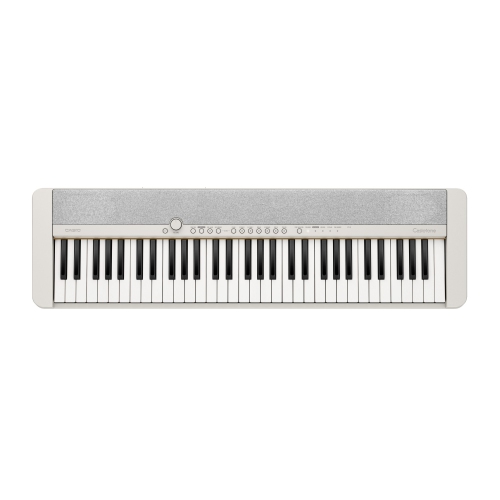
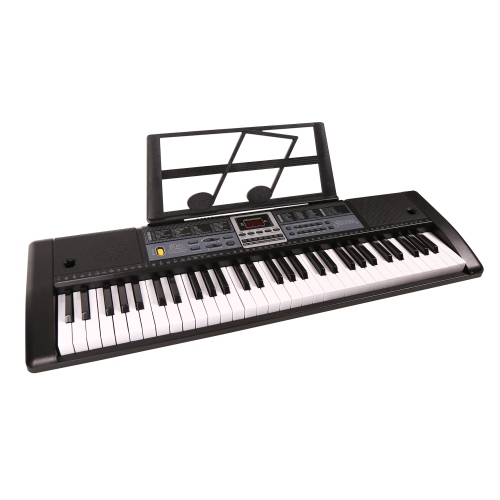
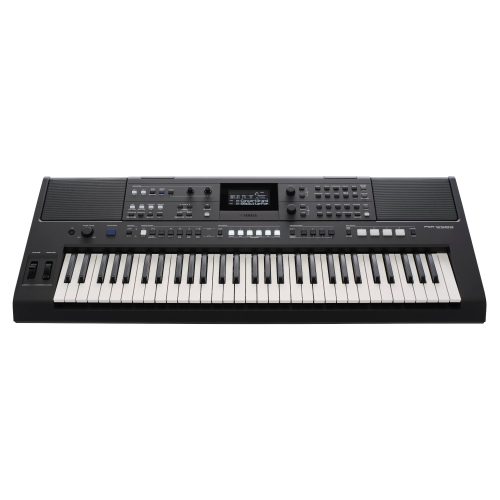
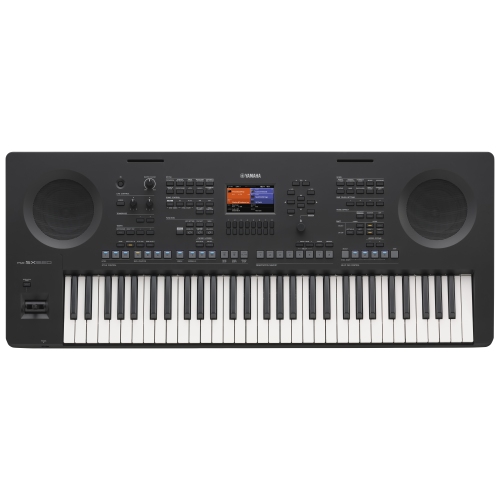
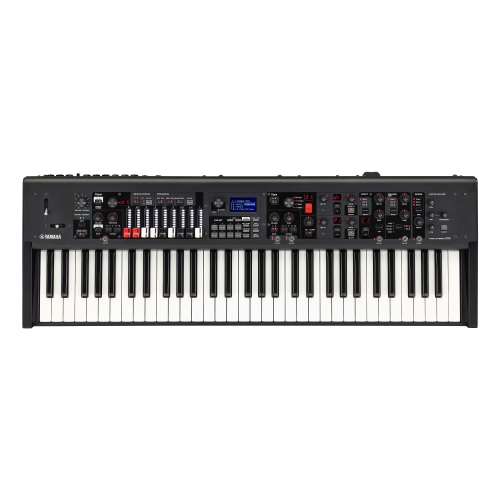
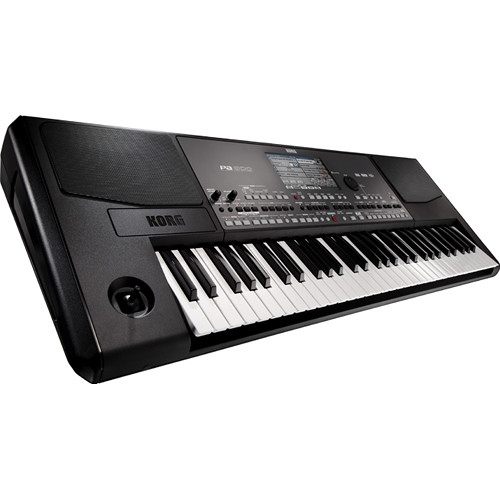
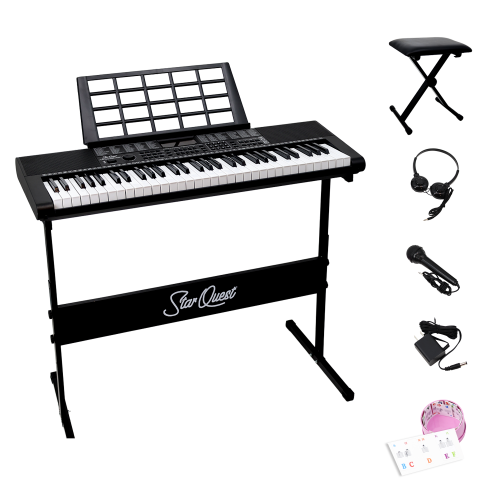
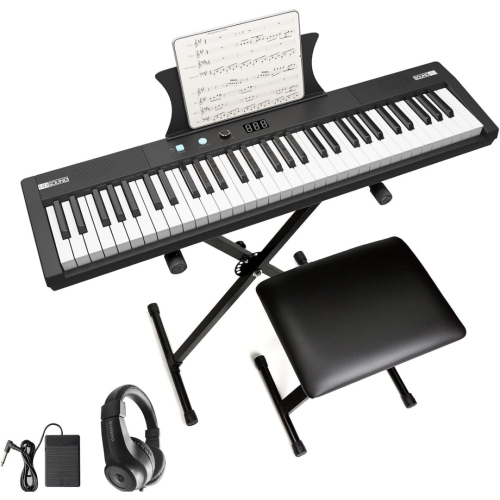
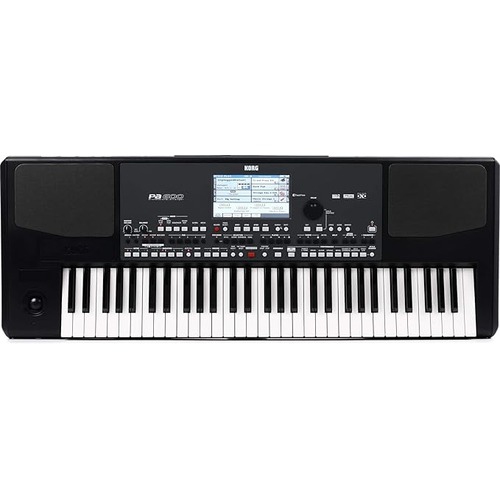
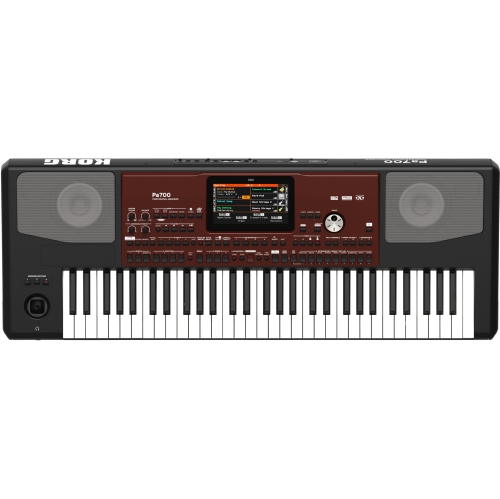
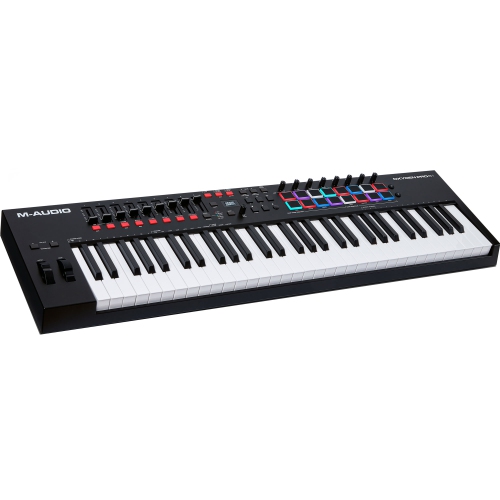
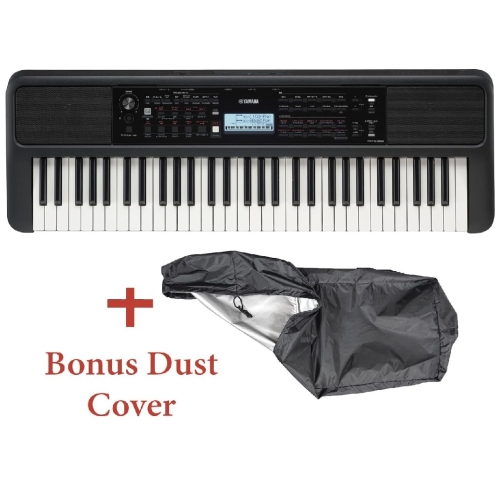
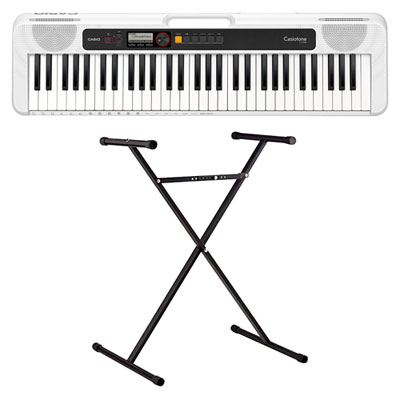
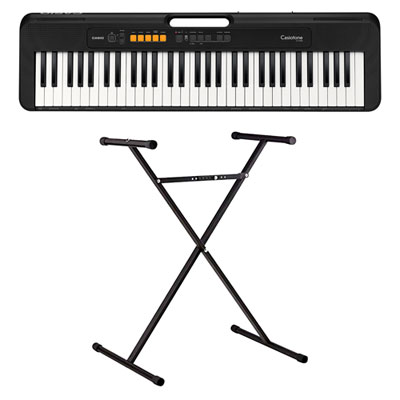
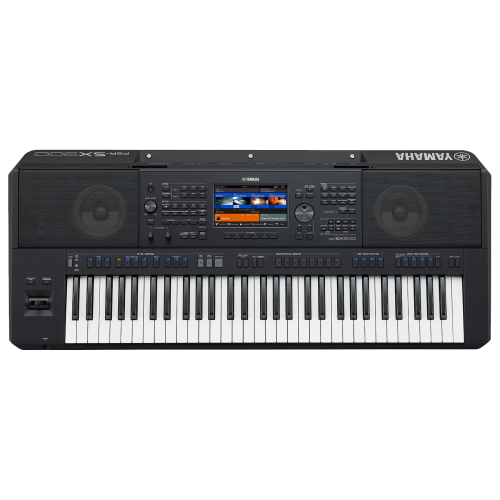
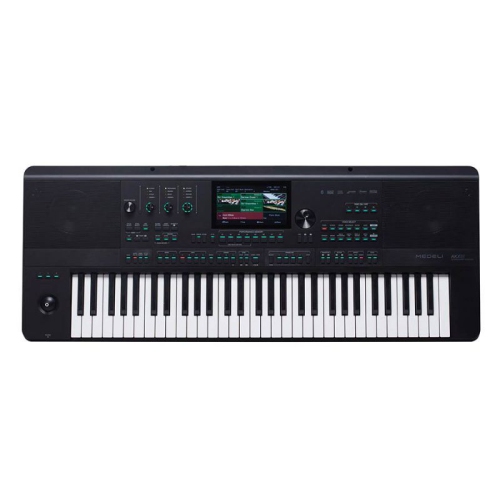
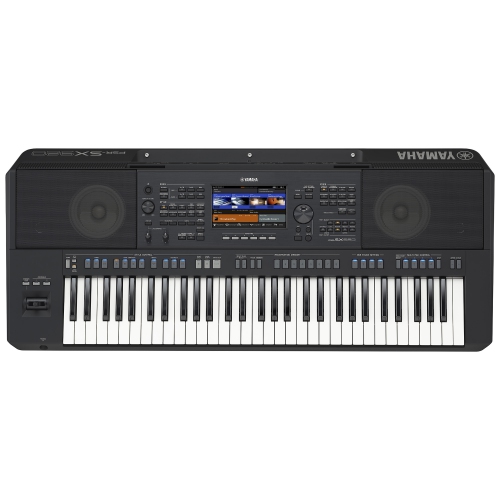
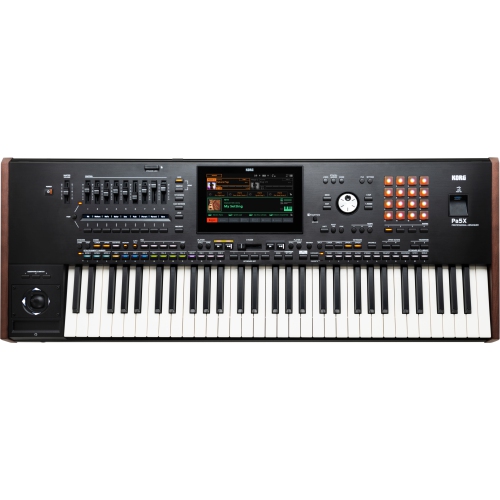

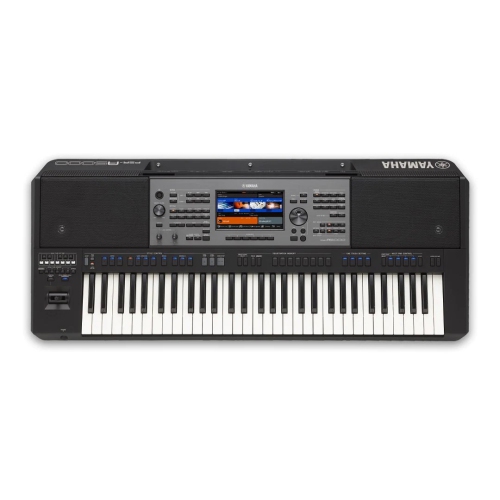
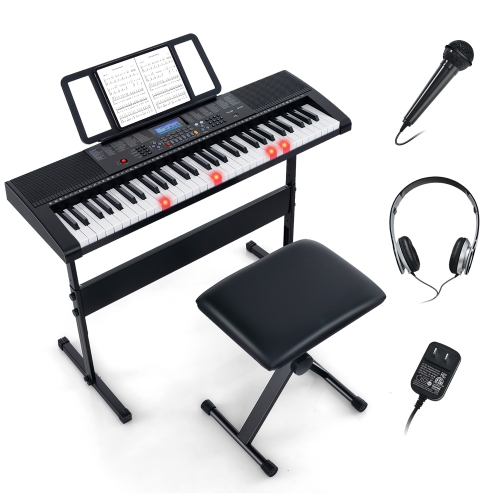

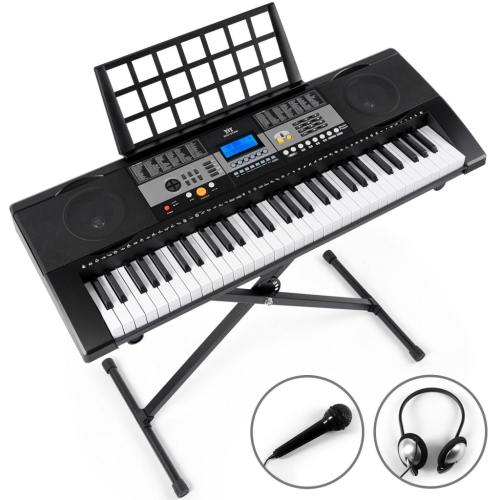
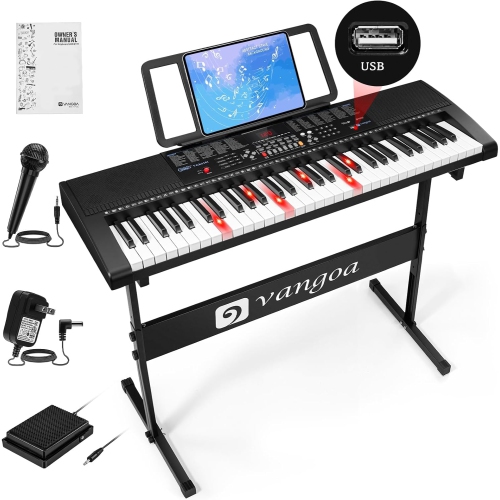
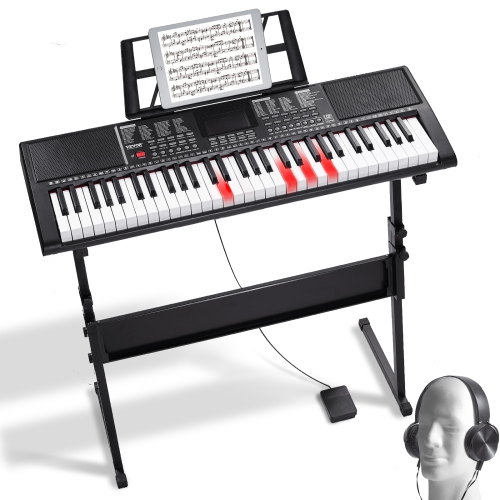
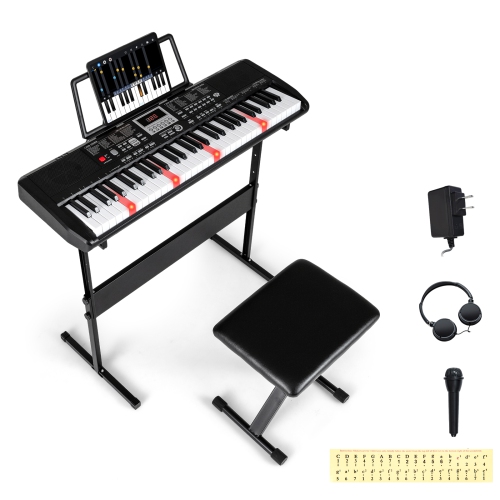
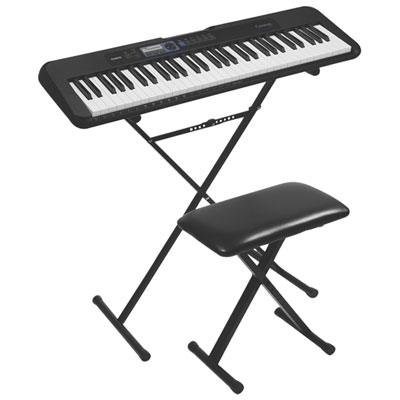
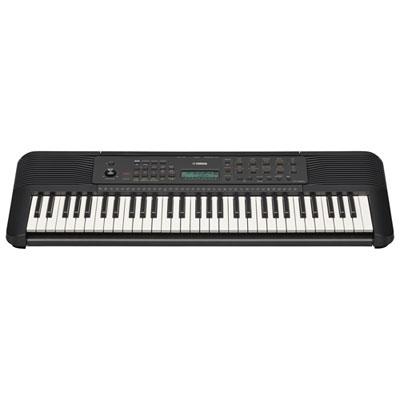
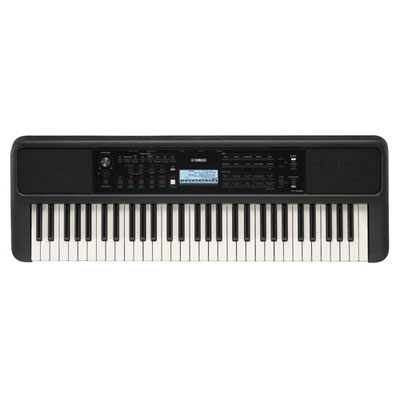
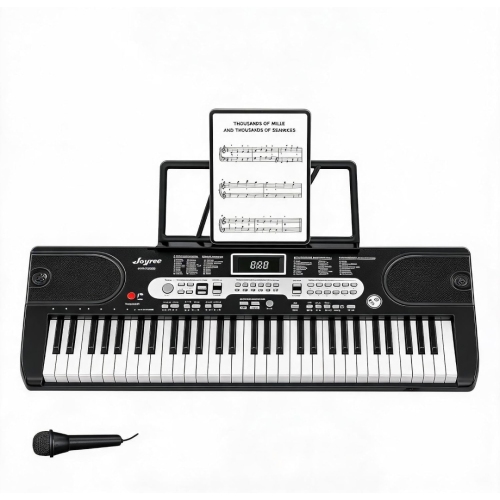
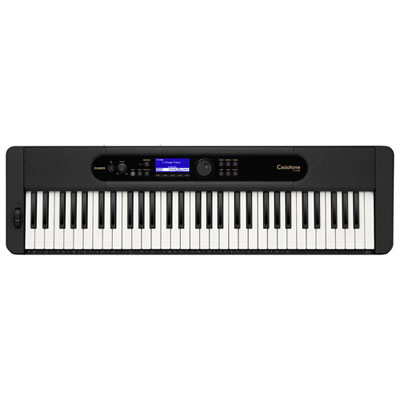
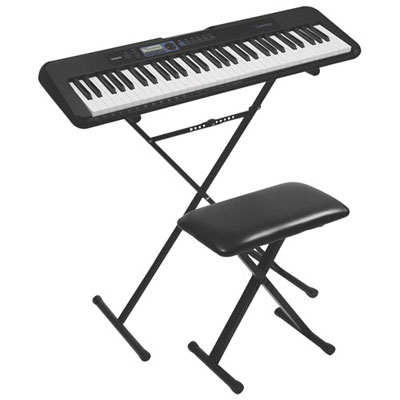
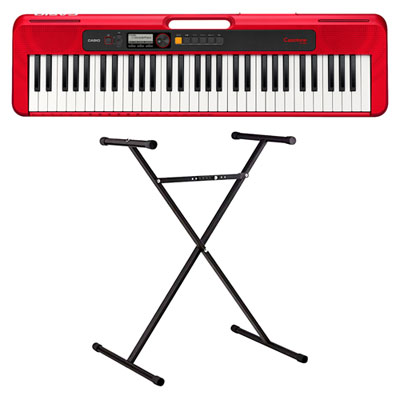

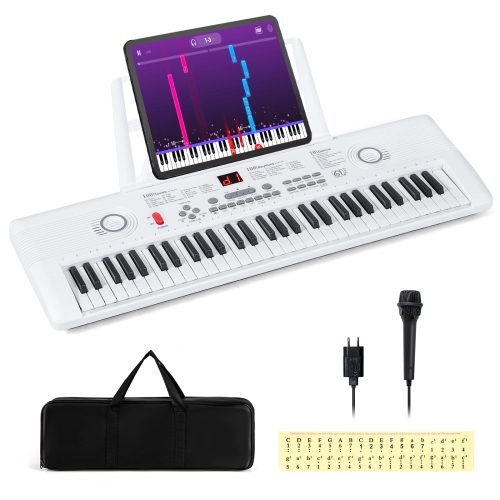
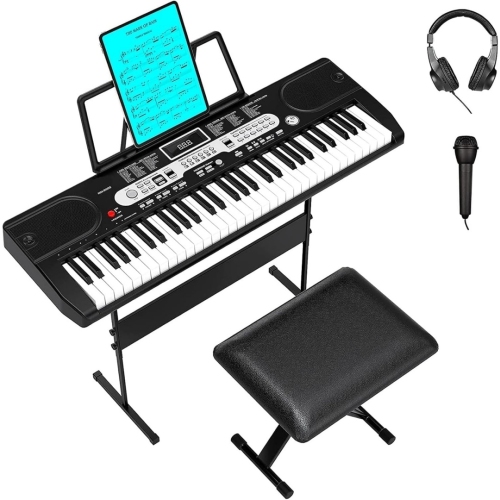
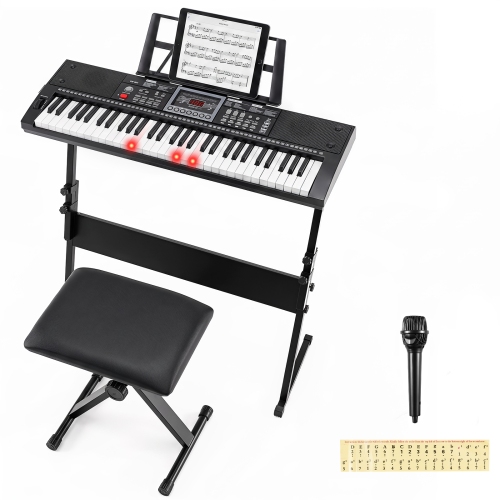
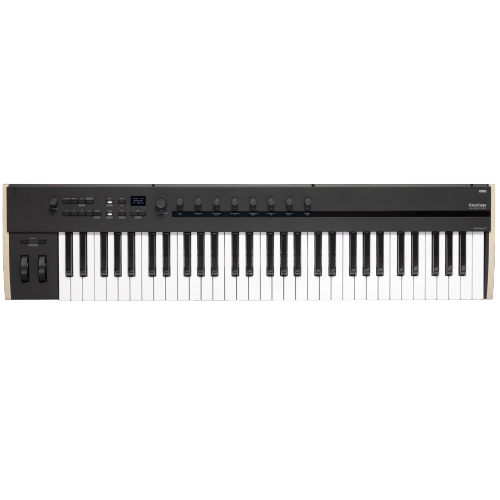
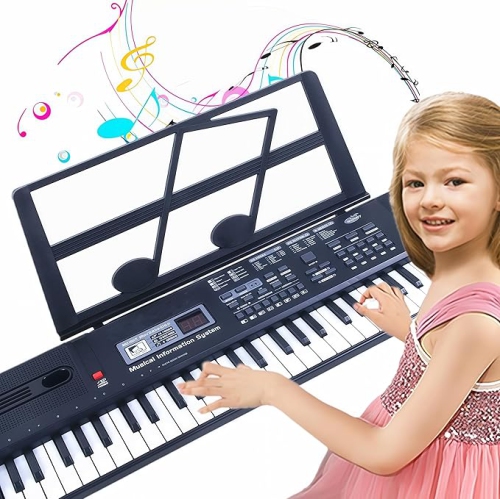

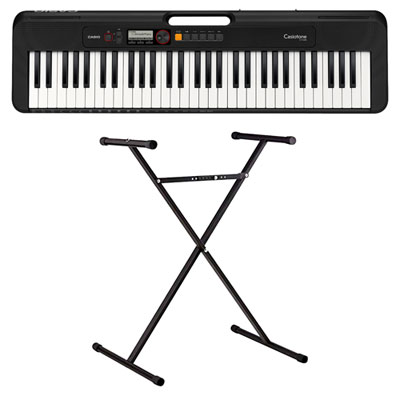
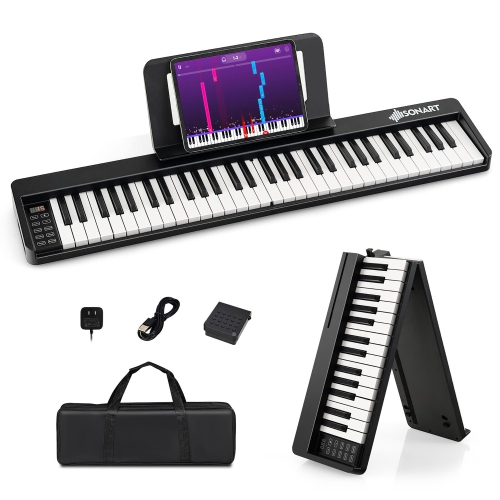
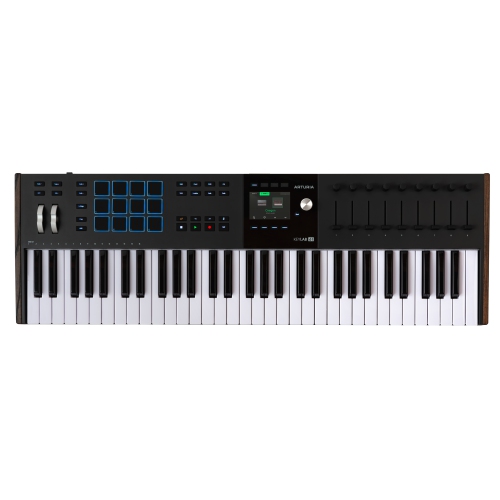

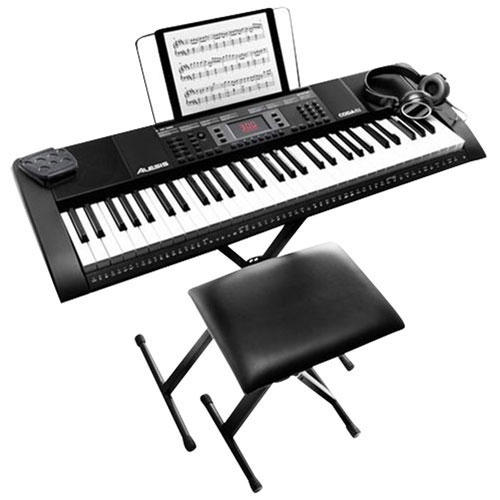
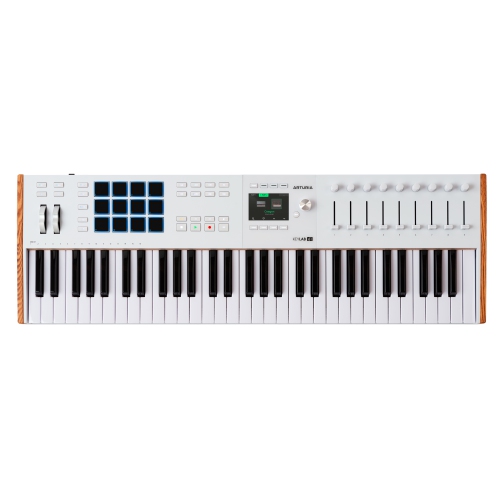
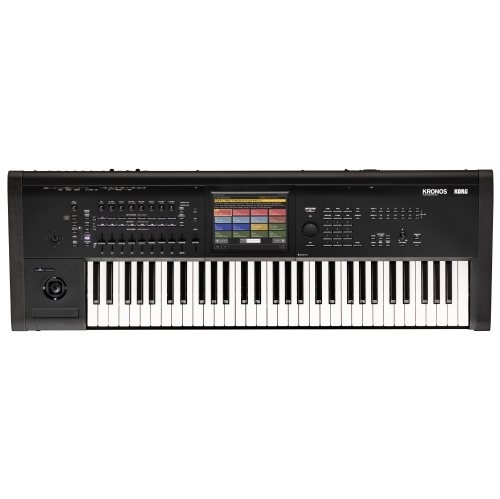
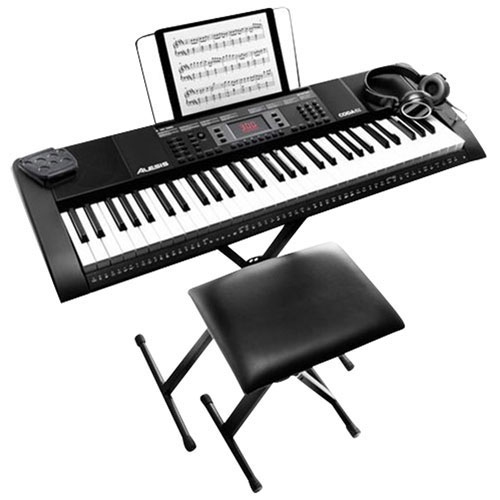
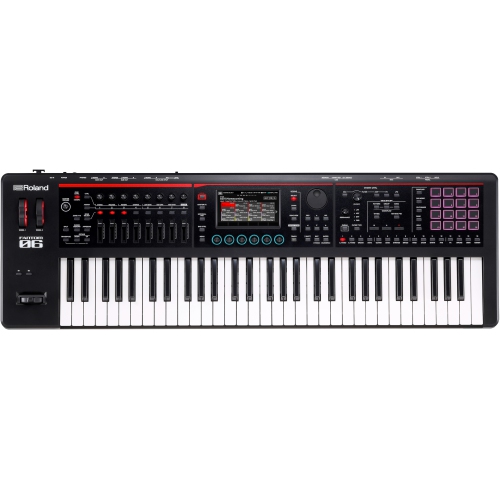
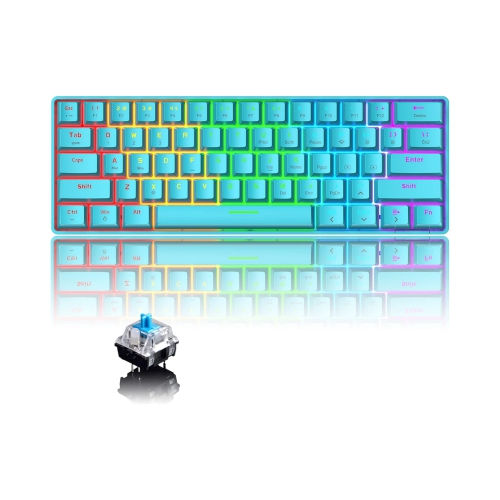
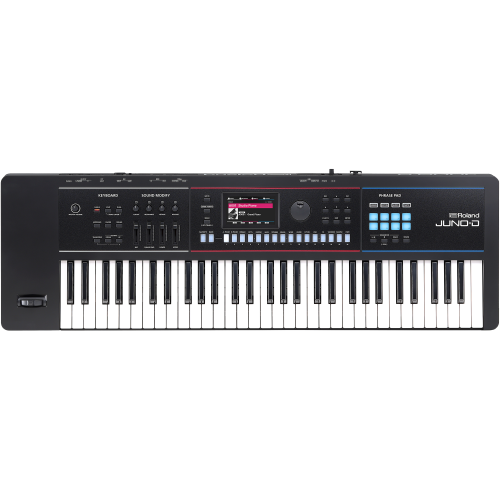
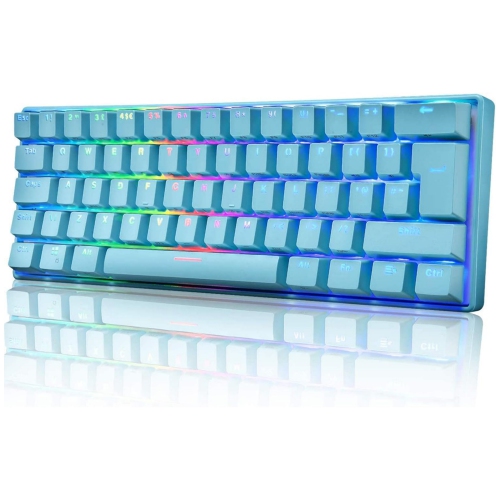
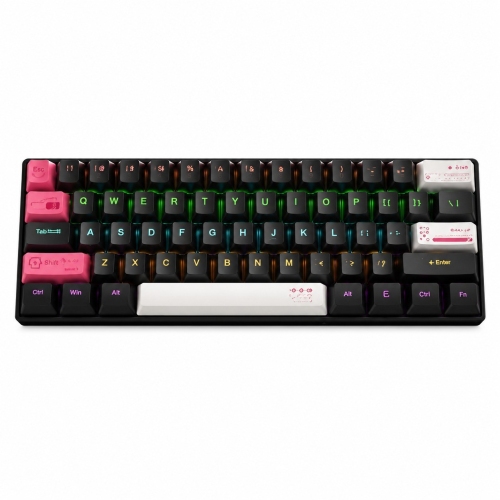
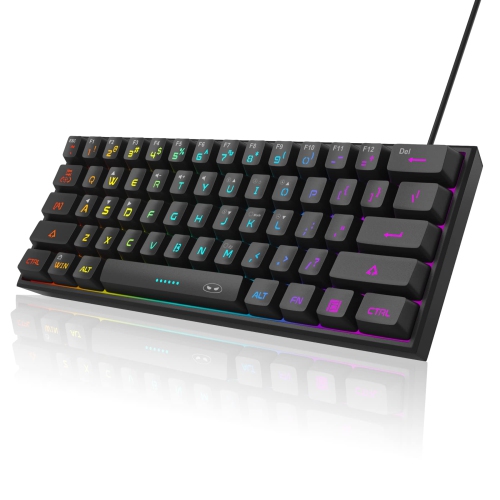
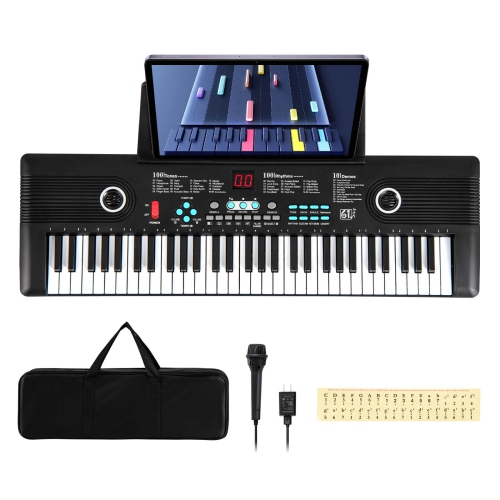
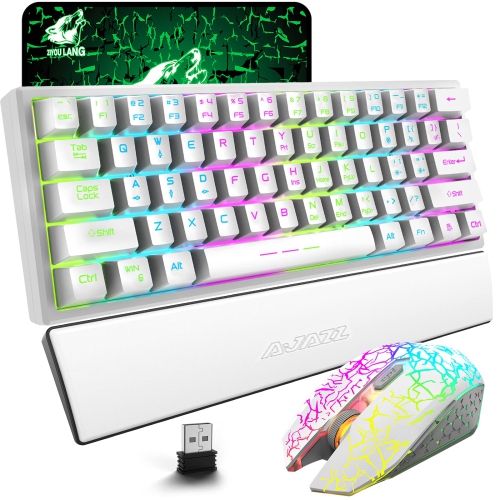
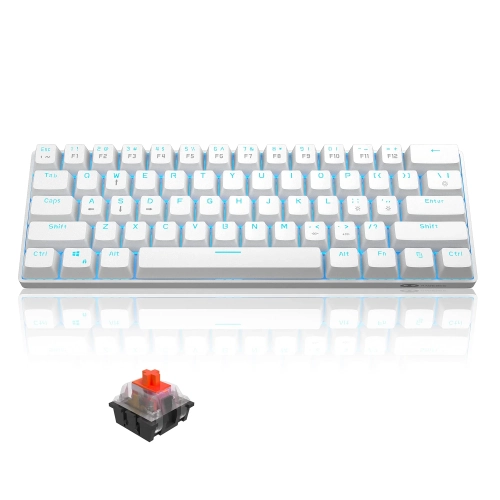
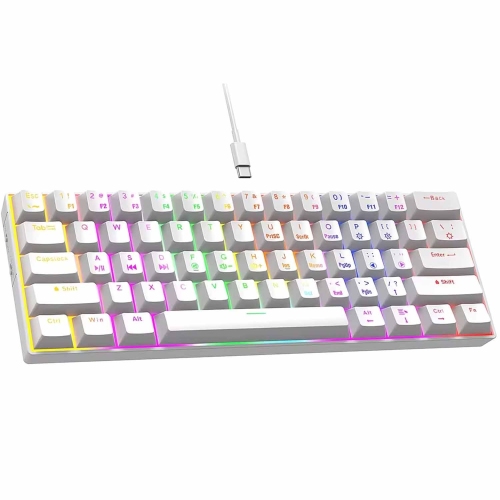
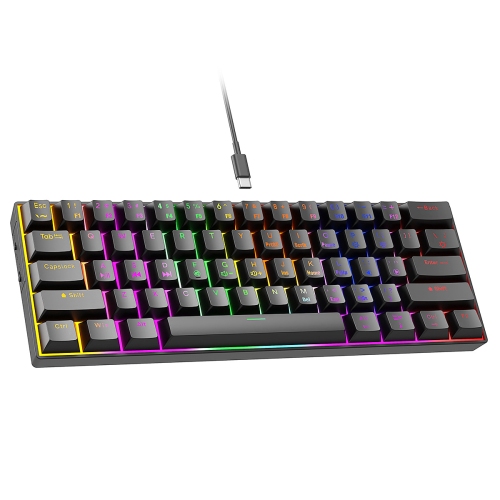
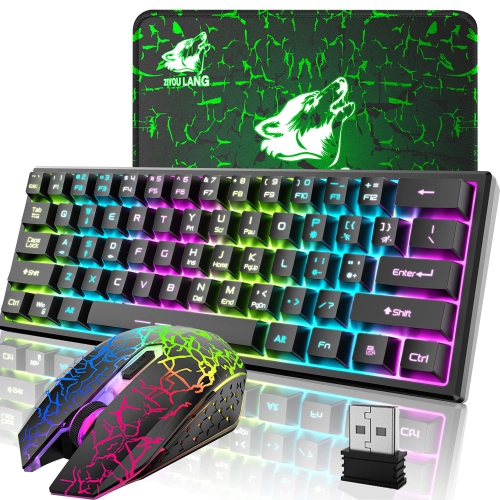
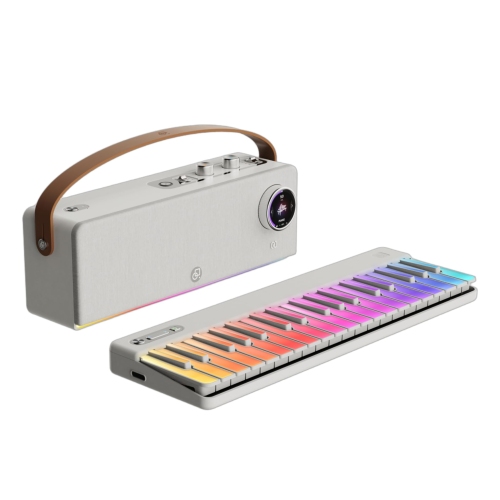
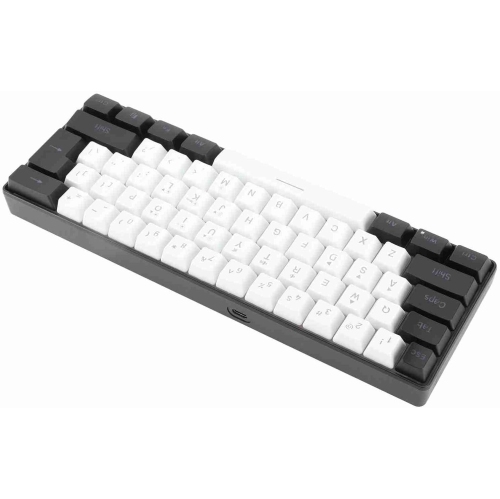
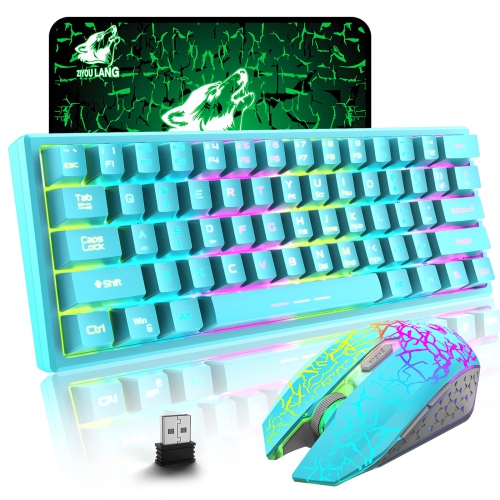
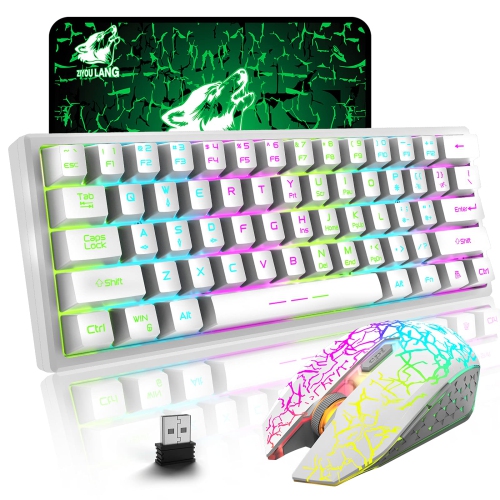
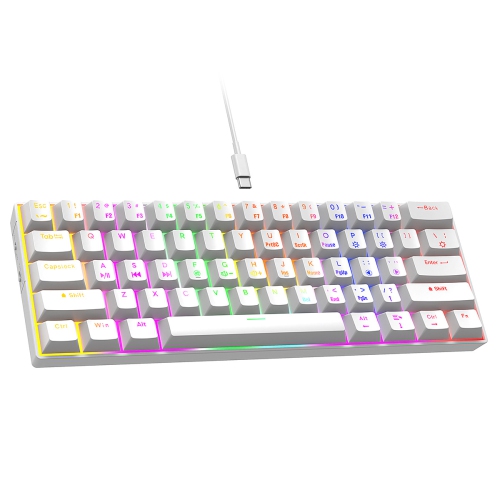
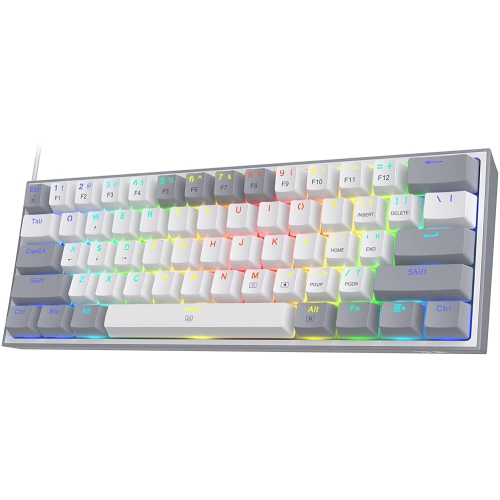
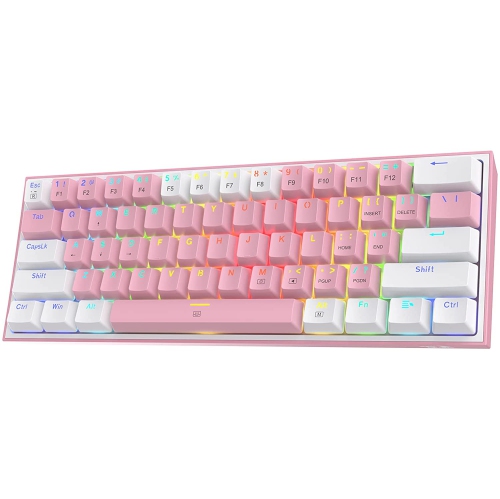
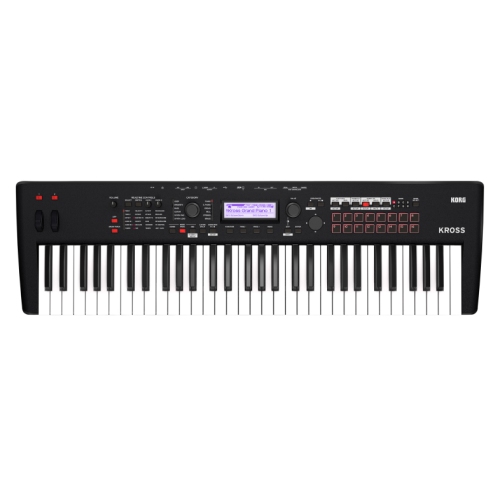
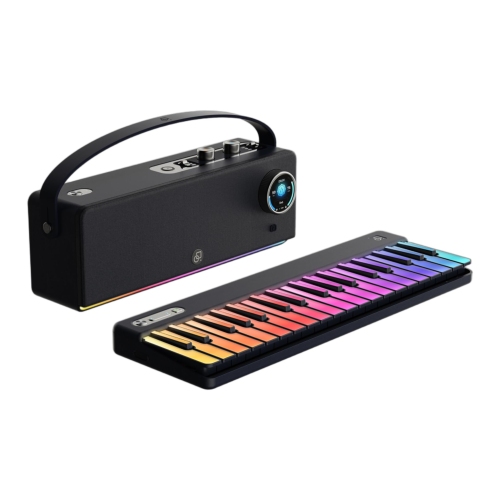
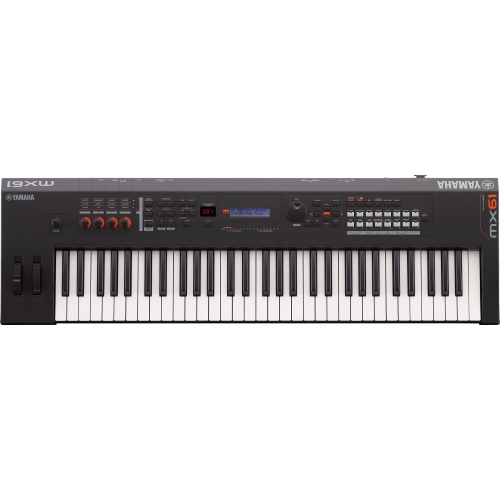
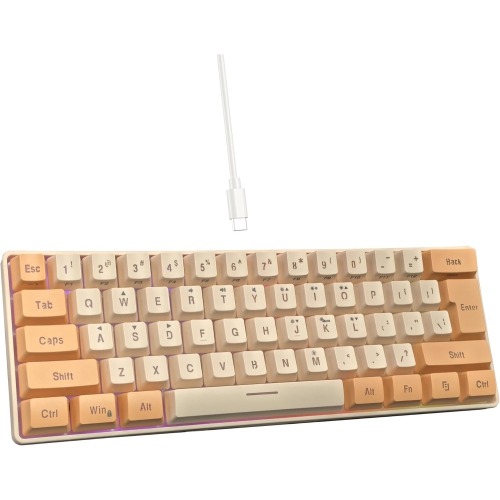
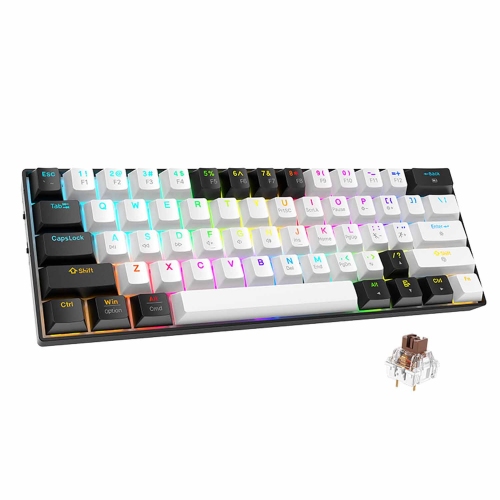
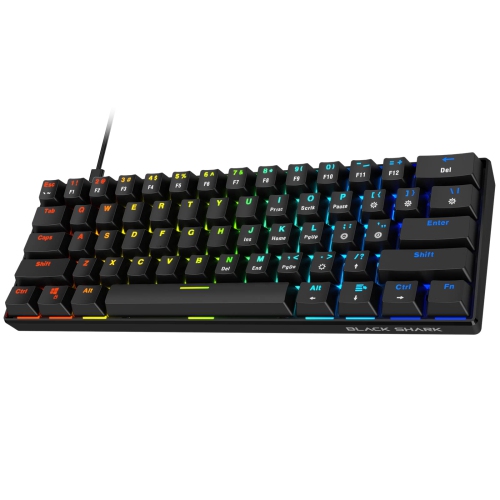


More range for expressive playing and hands-on music production
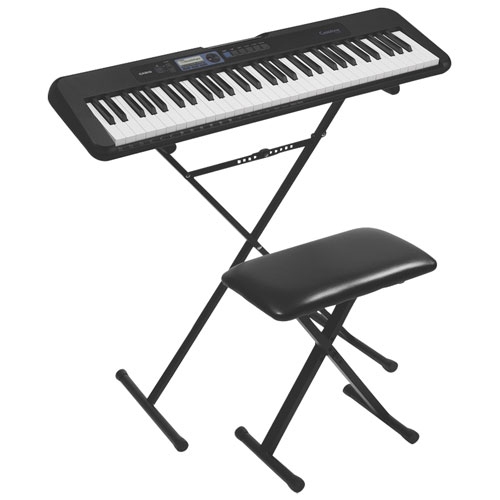
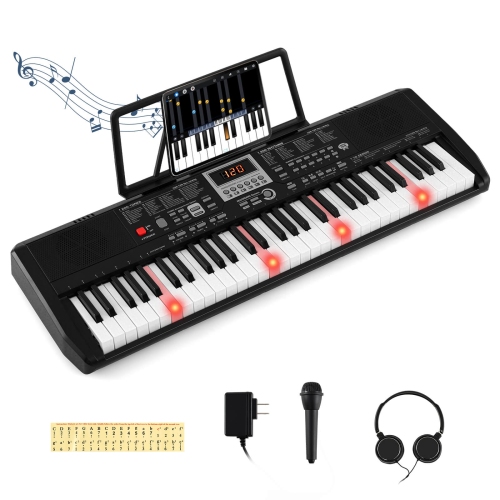
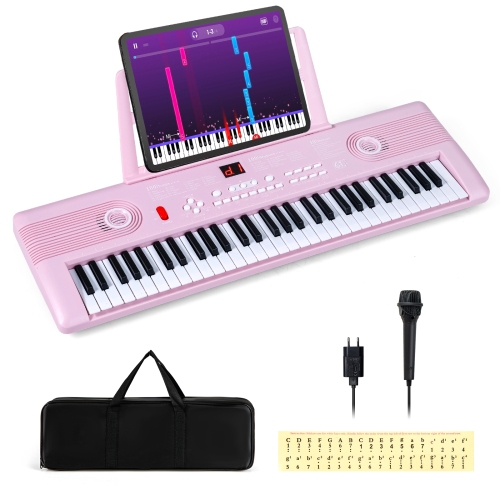
A 61-key MIDI keyboard gives you five full octaves in a format that balances expressive playing with practical use of space. That range is large enough for many two-handed parts, including bass notes in the left hand and chords, melodies, or layered sounds in the right, while remaining easier to place in a bedroom studio, home office, classroom, or live performance setup than a full-sized piano. Unlike a traditional keyboard or digital piano, a MIDI keyboard generally sends performance information to connected music software or external sound modules rather than producing sound on its own. Each key press can communicate note, velocity, timing, and other information, allowing you to play virtual pianos, synthesisers, organs, strings, drums, and sampled instruments from one central controller. This makes a 61-key model useful for producers building tracks from a desk, musicians arranging songs at home, students learning how electronic instruments work, and experienced players who want a flexible way to sketch ideas. It can also be a thoughtful gift for someone who is starting music production, especially when the recipient already has a computer, tablet, headphones, or recording software. A stand, sustain pedal, USB cable, or comfortable bench may also be useful additions, depending on the player’s setup and routine.
Key feel is one of the most important details to consider. Synth-action keys are typically light and responsive, making them well suited to quick melodies, repeated notes, electronic bass lines, and energetic parts that use plenty of pitch or modulation control. Semi-weighted keys add more resistance and can feel closer to the physical response of an acoustic piano, which may appeal to players who enjoy a firmer touch or who move between piano-based arrangements and electronic sounds. Some 61-key MIDI keyboards include velocity-sensitive keys, so playing softly or firmly changes the character of the sound; this can help a simple chord progression feel more human and dynamic. Look for pitch-bend and modulation controls if you want to shape synthesiser leads, pads, or orchestral parts while playing. A sustain-pedal input can help piano and keyboard players hold notes naturally, while octave controls are useful when a part needs to reach beyond the physical range. The layout also matters. A relatively slim keyboard can sit comfortably in front of a monitor, while a larger model with more controls may be better for a dedicated studio desk. If you are comparing different sizes, 49 Key Keyboards offer a more compact alternative with enough range for many lead, bass, and chord parts, whereas 61 keys provide extra room for fuller arrangements and two-handed playing.
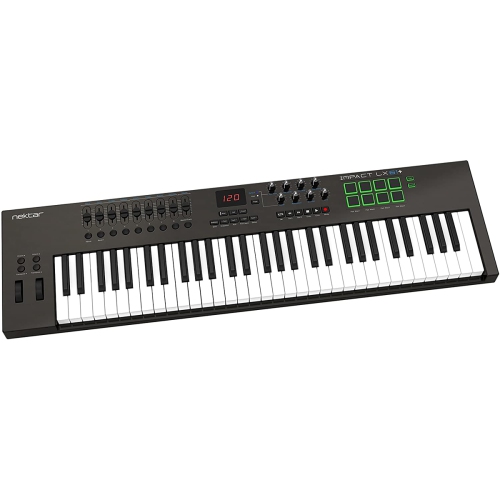
Controls beyond the keys can make a noticeable difference to how quickly an idea becomes a finished track. Assignable knobs and encoders let you adjust filter cutoff, resonance, reverb, delay, virtual instrument parameters, and other effects without reaching for a mouse. Faders can provide hands-on control over track volume or mixer levels, which is especially helpful during arrangement and mixing. Drum pads are useful for programming beats, triggering samples, launching clips, and tapping out rhythms when a traditional keyboard layout does not feel natural. Some controllers include arpeggiators, chord modes, scale guides, or transport buttons for starting, stopping, recording, and moving through a project. These features can be inspiring for beginners and convenient for experienced producers, but the best choice depends on how you work; a player who values an uncluttered setup may prefer a straightforward keyboard, while someone who spends hours shaping software instruments may appreciate a deeper control surface. Check compatibility with your preferred digital audio workstation and confirm whether the keyboard supports easy mapping or bundled software for a smoother start. USB connection is common for computer-based recording, while a standard five-pin MIDI output may be important if you plan to control an external synthesiser, drum machine, sound module, or other hardware. Also consider power requirements, operating system support, included cables, and the available desk or stand space before choosing. During the warmer and cooler parts of the year alike, a 61-key MIDI keyboard can become a dependable creative centre: headphones allow quiet late-evening practice, monitors reveal the detail of a carefully built mix, and a blank project can turn a few minutes at the keys into a melody worth developing.
Top selling and popular products
-
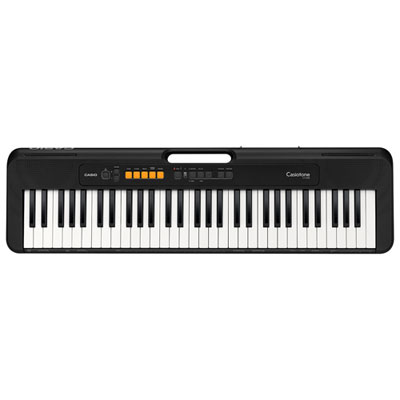 Your price for this item is $149.99
-
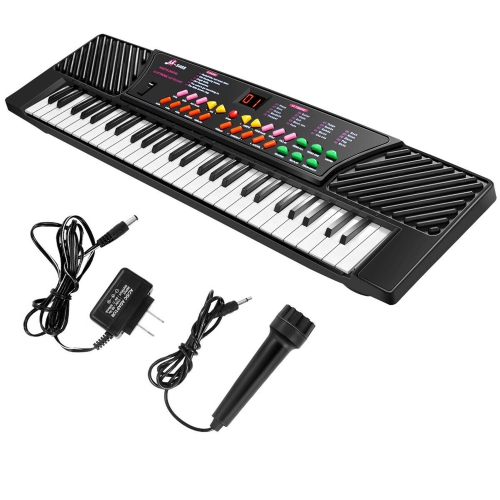 Your price for this item is $69.99
-
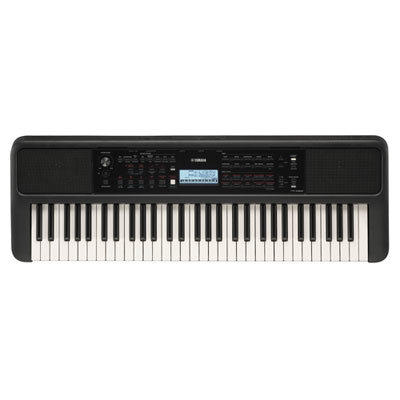 Your price for this item is $289.99
-
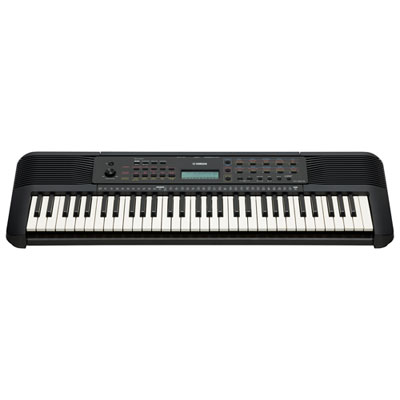 Your price for this item is $129.99
-
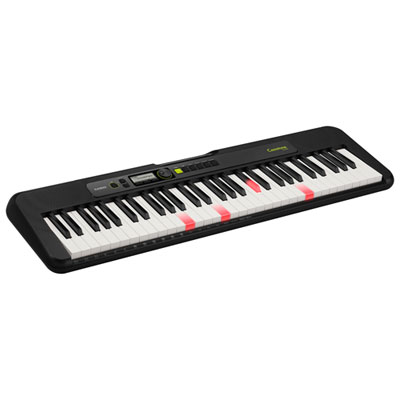 Your price for this item is $229.95
-
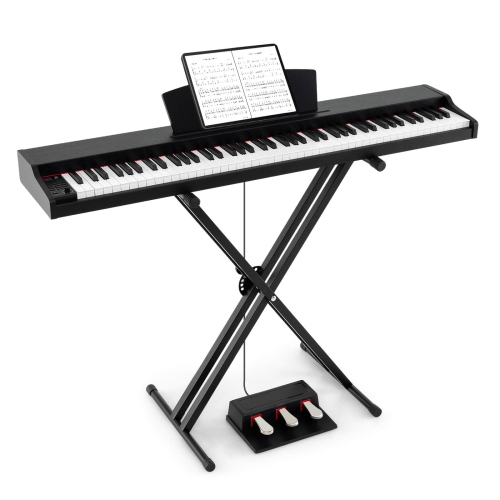 Your price for this item is $236.99
-
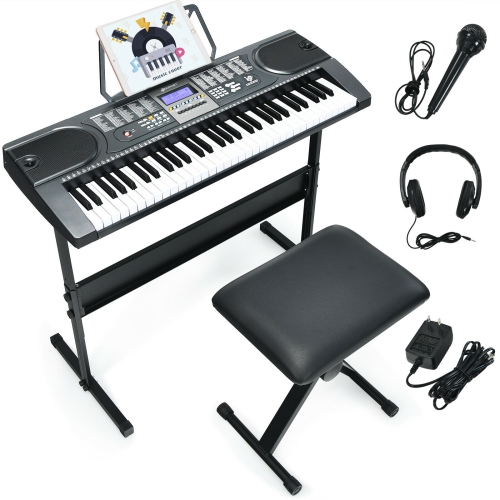 Your price for this item is $199.99
-
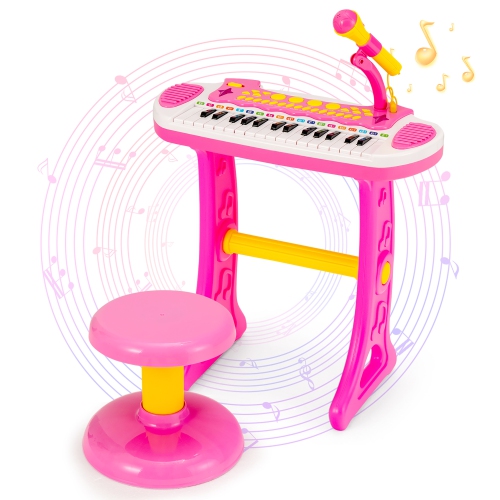 Your price for this item is $74.99
Discover more categories related to 61 Key Midi Keyboards
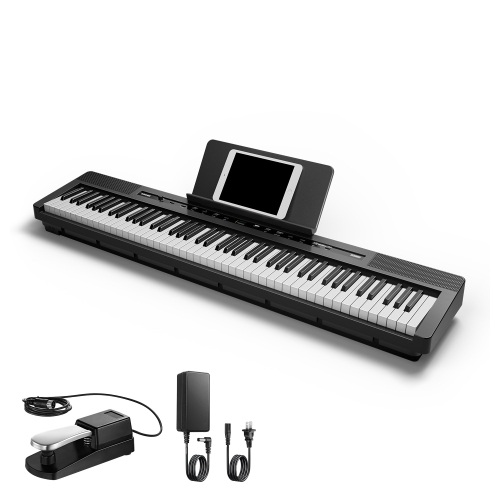

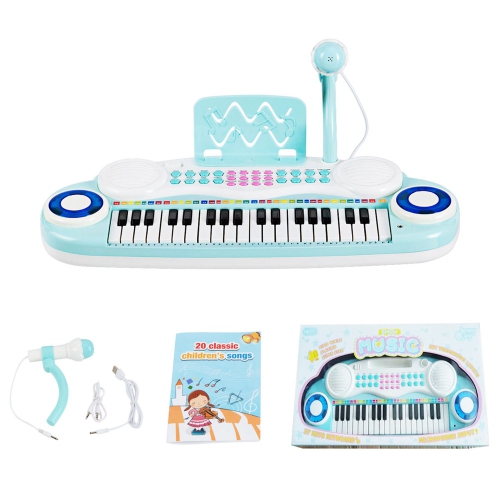
Top Collections:
Pokemon Centers, Best Cameras for Sports Photography, Kindle Devices, Samsung Galaxy Phones, Canon G7X Cameras, Pokémon 30th Celebration Cards, Refurbished Apple Laptops, iPhone 15 Apple, Laptops for Students, Budget Smartphones
Some products may be subject to Environmental Handling Fees
(EHF) depending on your province.
Learn more about EHFs.