Accessories for Musicians
Accessories for musicians are essential for enhancing every practice session, performance, and recording experience. Whether you’re a seasoned professional or just starting your musical journey, the right gear can make all the difference in achieving your creative goals. Explore a wide selection of accessories for musicians designed to support a variety of instruments and musical styles. Find everything you need to keep your setup organized, fine-tuned, and stage-ready so you can focus on making music.
Sort
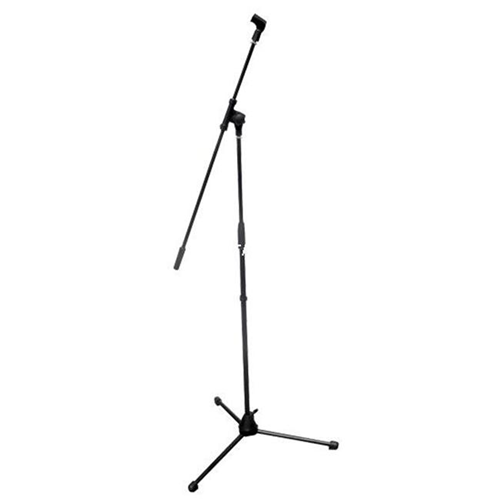
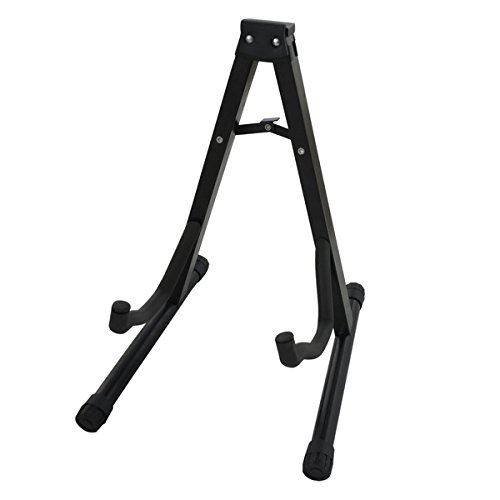
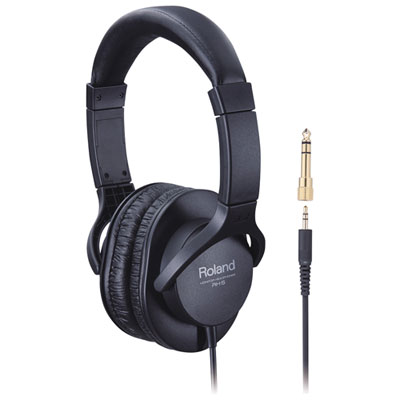
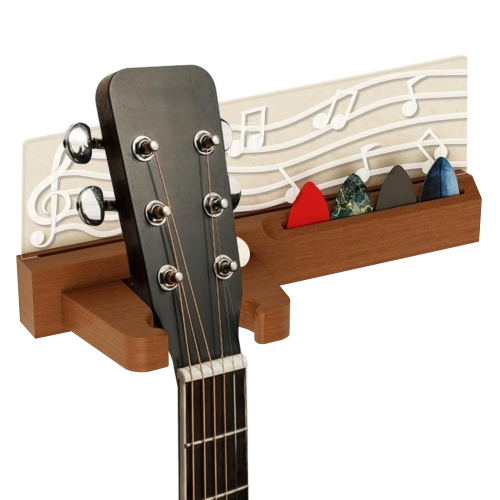







Small accessories that make practice and performance smoother
Accessories for musicians include tuning tools, practice aids, performance supports, connection essentials, and protective gear that help instruments stay playable and ready to use. Their value often becomes clear in small, familiar moments: a tuning display that is easy to read before a rehearsal, a comfortable strap during a long set, or sheet music held securely while both hands are occupied. The most useful accessories suit the instrument, the player’s technique, and the places where music happens. A beginner practising at home may benefit from straightforward tuning and timing tools, while an experienced performer may need dependable supports and connections that are quick to set up. Tuners vary in how they detect pitch; vibration-based designs can be useful around other instruments, while microphone-based tuning depends more on the surrounding sound. Display visibility, tuning range, and compatibility with the instrument’s register all affect everyday usefulness. Metronomes provide a steady reference for rhythm, with adjustable tempos and beat accents supporting everything from slow technical practice to more complex passages. Physical fit matters just as much as function. A strap needs suitable attachment points and enough adjustment to hold an instrument at a comfortable playing height, whether the musician sits or stands. Wider straps can distribute weight over a larger area, while the feel of woven fabric, leather, and padding influences comfort against clothing. Picks differ in thickness, texture, and flexibility, changing both the grip and the way a string responds. Replacement strings also need to match the instrument type, scale length, and suitable tension; similar-looking sets are not necessarily interchangeable. For fretted instruments, capo fit depends on neck width and fingerboard shape, with even pressure helping notes sound clearly without excessive force. These details make accessories more than finishing touches. They shape how easily a musician can settle into practice, move between passages, and concentrate on expression rather than an awkward fit or an unreliable adjustment. For shared instruments, simple adjustments and easy-to-clean contact surfaces can also make the transition between players more comfortable.
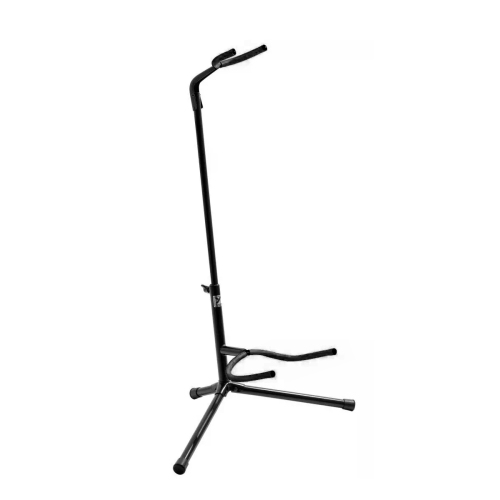
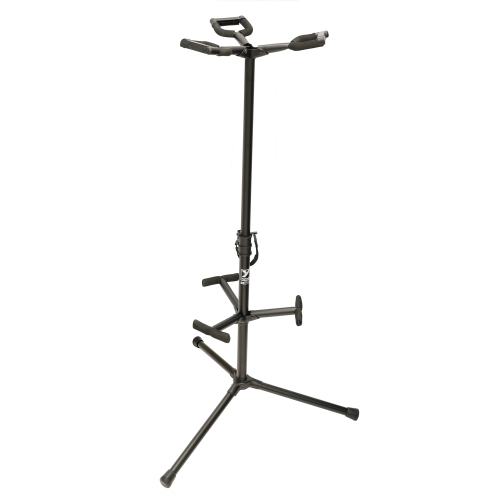
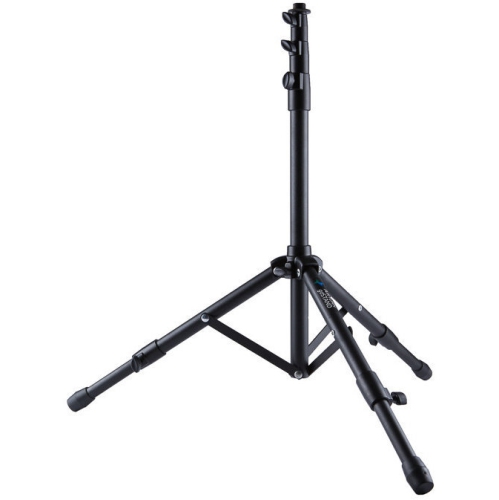
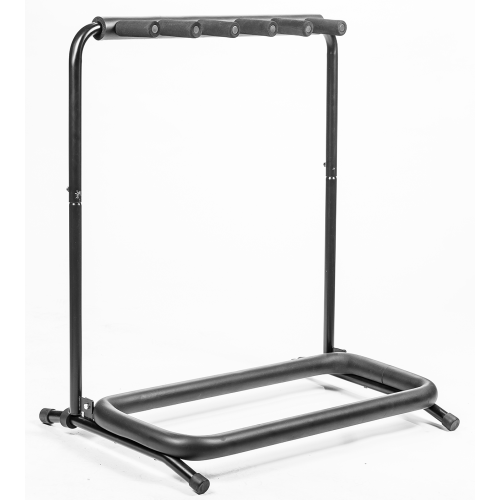
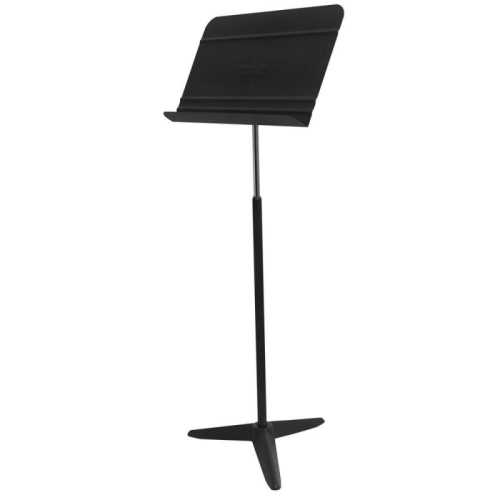
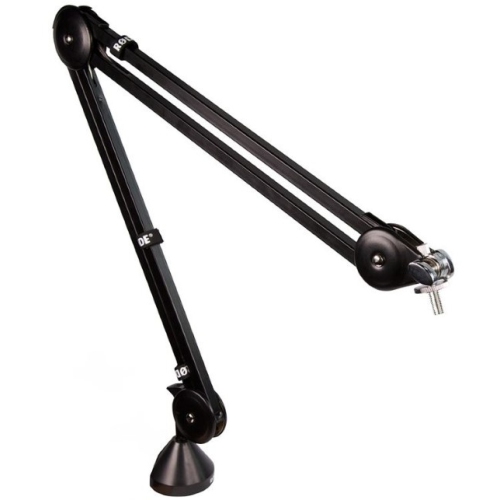
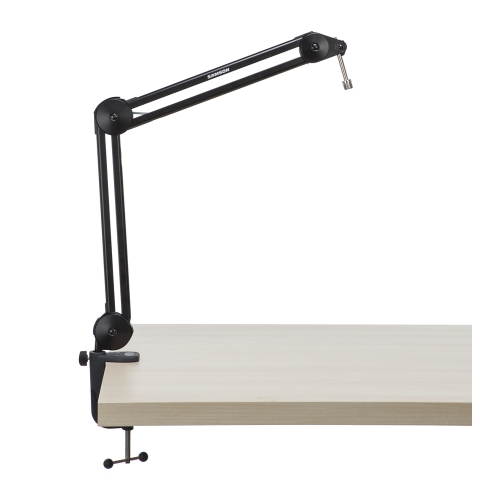
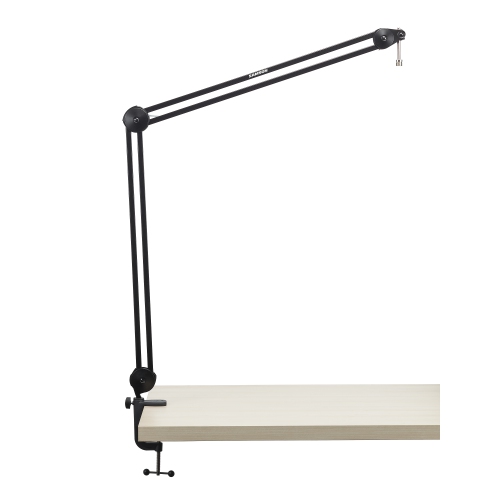
Practice and performance accessories help organize the space around an instrument as well as the sound coming from it. A music stand with an appropriate height range and a stable base keeps notation within a comfortable line of sight, reducing the need to lean forward during a long passage. Its ledge depth and page supports matter when holding a thick score rather than a few loose sheets. Instrument stands need the right support shape, weight capacity, and contact materials, particularly where padded surfaces touch a delicate finish. A compact rehearsal corner calls for a different footprint from a stage where cables, pedals, and microphone stands share the floor. Secure clamps, dependable adjustment points, and well-positioned legs help equipment remain steady without crowding the player. For amplified instruments and microphones, connection accessories deserve equal attention. Connector size and shape are only part of compatibility: the connection must also suit the signal type and the equipment at each end. Cable length affects how freely a performer can move, but unnecessary slack can become tangled around stand bases or chair legs. Flexible jackets and reinforced connector ends can help cables tolerate repeated setup and packing, while clear identification makes similar connections easier to distinguish. Microphone supports should accommodate the microphone’s weight and mounting requirements, especially when a boom arm extends over a keyboard or towards an acoustic instrument. Pop filters can soften bursts of air during vocal recording, and shock mounts can reduce mechanically transmitted vibration when correctly matched to the microphone. For musicians building a recording setup, Accessories for Music Production can complement performance essentials with tools for capturing and monitoring sound. Headphone comfort becomes important during repeated takes, while closed-back designs can help limit sound escaping towards a nearby microphone. In both rehearsal and recording spaces, accessible controls and tidy connections allow more attention to stay on the performance.
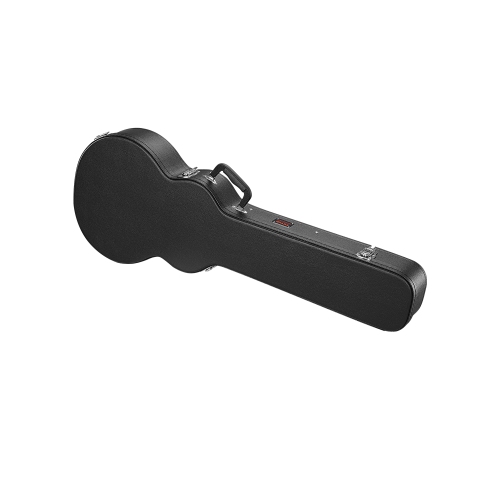
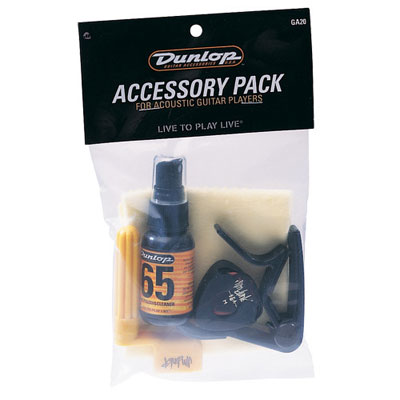
Protection and maintenance accessories support the less visible side of musicianship: carrying an instrument to lessons, putting it away after rehearsal, and keeping frequently handled surfaces clean. A case or bag should fit the instrument’s actual dimensions and shape, with enough support to limit movement inside. A soft, padded bag may be convenient for short journeys on foot, while a more rigid case offers greater resistance to knocks and compression during transport. Neither design replaces careful handling, and a secure closure, dependable handle, and comfortable carrying straps make a noticeable difference when an instrument travels regularly. Exterior fabric, stitching, zipper construction, and reinforcement around stress points influence how well a bag handles repeated use. Interior linings should be suitable for the instrument’s finish, with separate compartments keeping loose accessories away from delicate surfaces. Care supplies also need to suit the materials being maintained. Finished wood, unfinished fingerboards, plated metal, and lacquered surfaces can require different treatment, so a cleaner intended for one surface may be unsuitable for another. Soft, non-abrasive cloths help remove fingerprints and residue without aggressive rubbing, and instrument-specific maintenance tools make routine tasks easier when used as directed. String-changing accessories, organized storage for small parts, and protective covers can reduce the inconvenience of regular upkeep. Durability is not only about heavier construction; replaceable wear components, secure fasteners, and mechanisms that adjust smoothly can matter just as much. Accessories can also make thoughtful gifts for students, teachers, bandmates, and family members who play. The strongest match comes from knowing the recipient’s instrument and habits: whether they read printed scores, carry equipment between locations, practise quietly, or perform standing up. Personal preferences such as strap feel, pick flexibility, and carrying style are worth respecting, since these affect the experience every time the accessory is used. A well-matched accessory becomes part of a familiar routine, ready for the next lesson, rehearsal, recording session, or performance.
Top selling and popular products
-
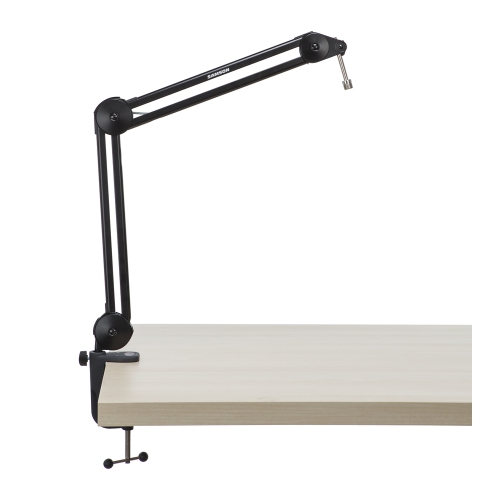 Your price for this item is $99.99
-
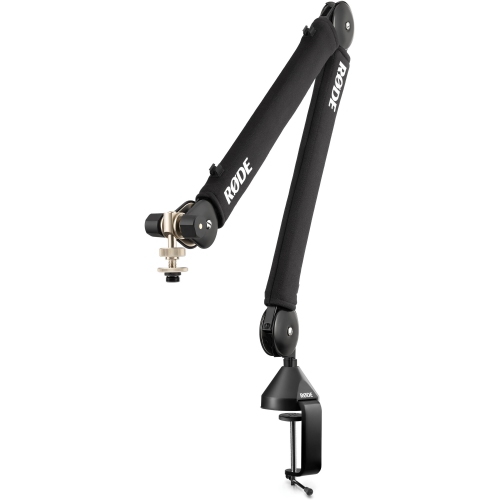 Your price for this item is $199
-
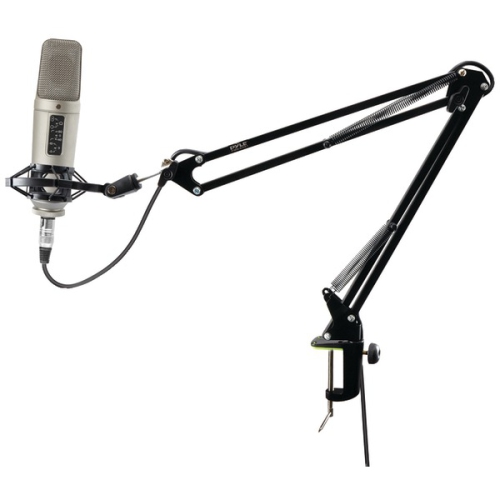 Your price for this item is $36.99
-
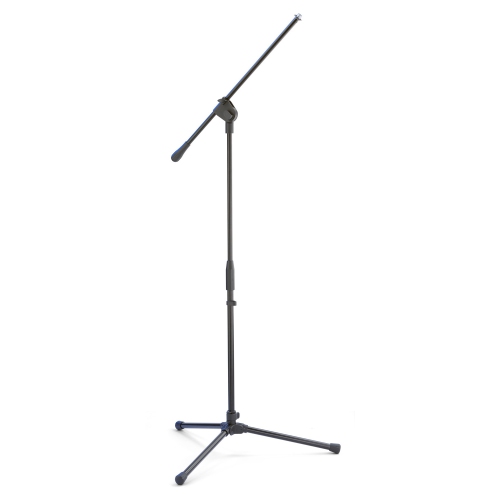 Your price for this item is $39.99
-
 Your price for this item is $149
-
 Your price for this item is $99.99
-
 Your price for this item is $249.99
-
 Your price for this item is $149.99
Discover more categories related to Accessories for Musicians


Top Collections:
Best Black Friday Deals This Year, Best Black Friday Deals On Electronics, Kindle Devices, Pokemon Centers, Best Black Friday Deals On Apple Products, Best Cameras for Sports Photography, Dyson Airwrap, Pokémon 30th Celebration Cards, Apple iPhone 17 Pro, Canon G7X Cameras
Some products may be subject to Environmental Handling Fees
(EHF) depending on your province.
Learn more about EHFs.