Acoustic Music Instruments
If you're a music enthusiast looking to create beautiful melodies, you've come to the right place. Our acoustic music instruments collection is a harmonious blend of craftsmanship and soulful sounds. From guitars and ukuleles to violins and cellos, we offer a wide range of acoustic instruments that will ignite your passion for music. Whether you're a seasoned musician or just starting your musical journey, our collection has something for everyone. Immerse yourself in the rich tones and timeless elegance of our acoustic music instruments and let your creativity soar.
Sort
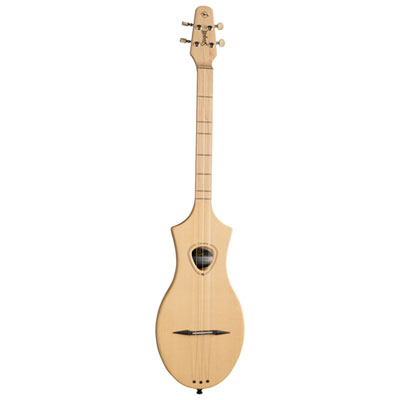
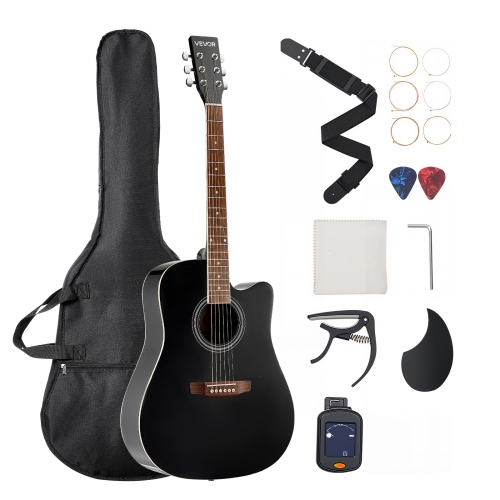
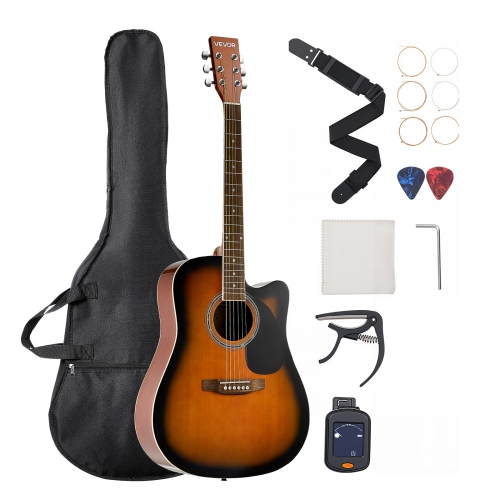
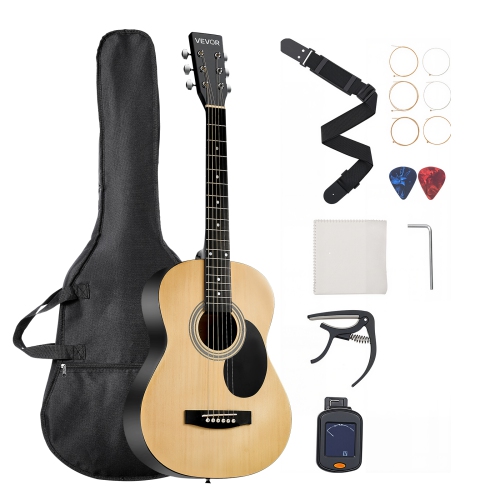
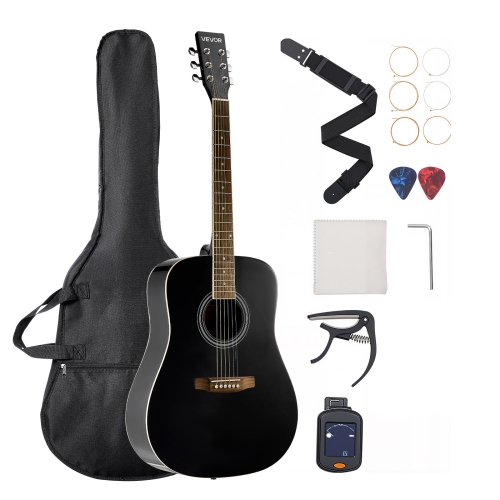
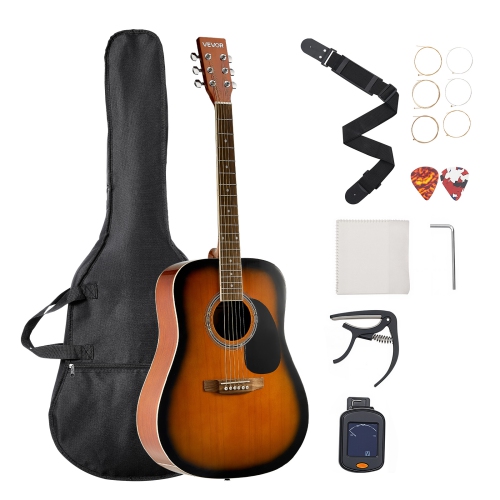
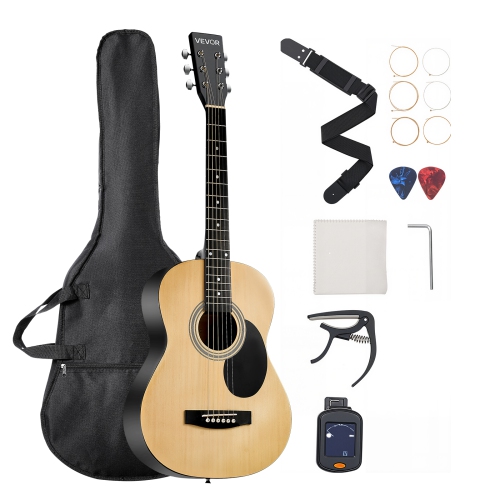
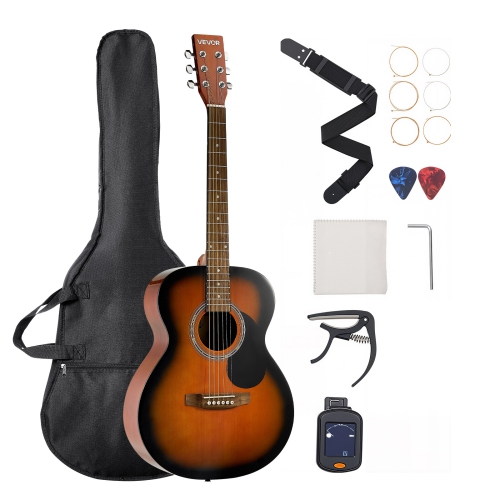



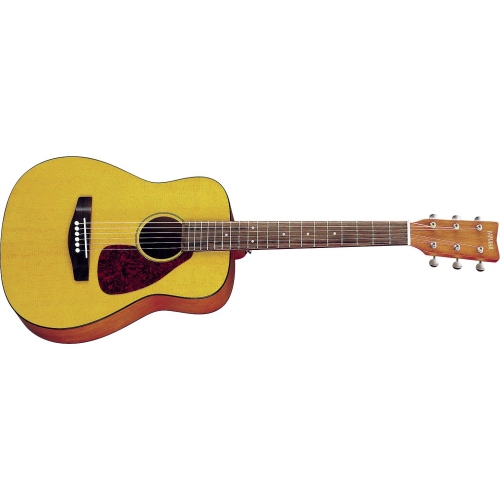
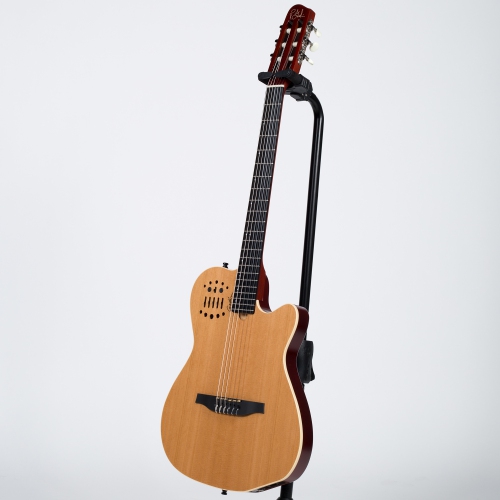
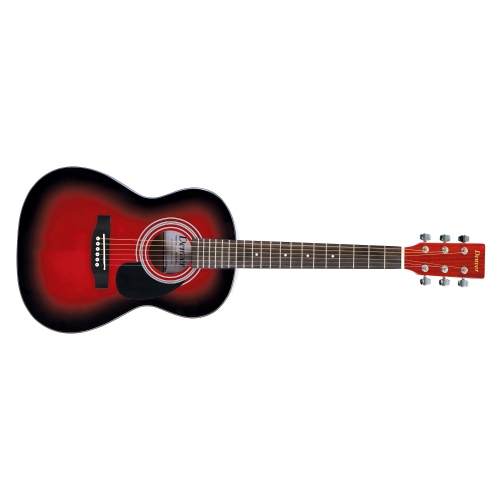
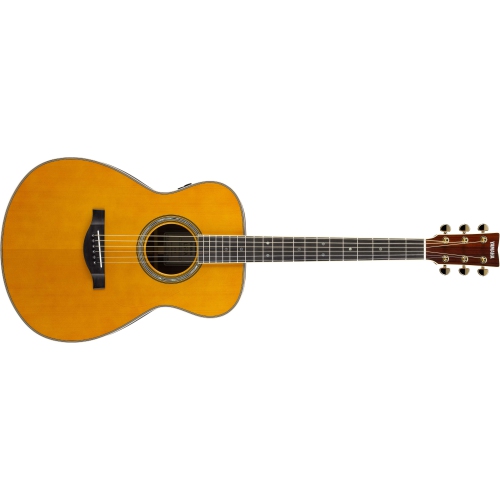








How resonance, fit, practice and care shape every note
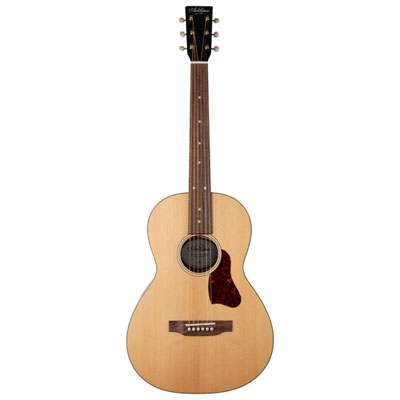
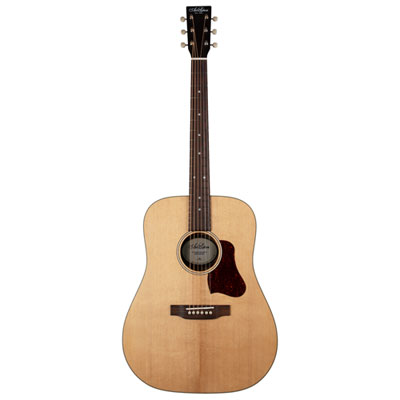
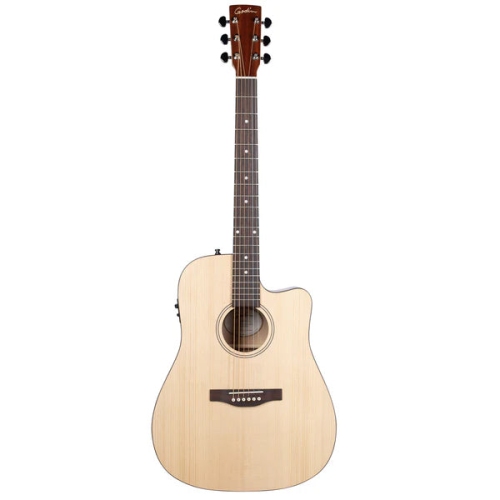
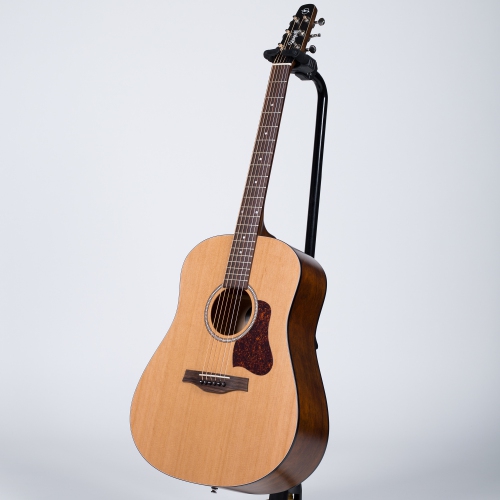
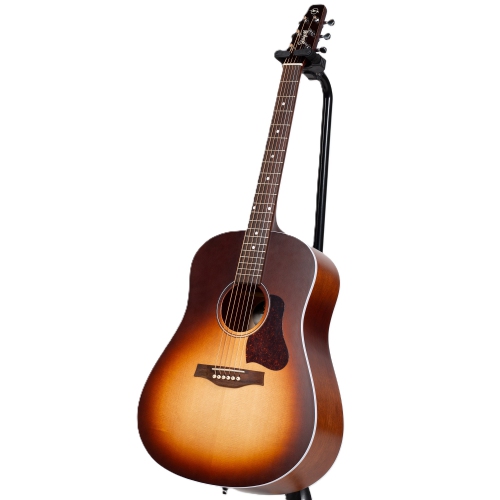
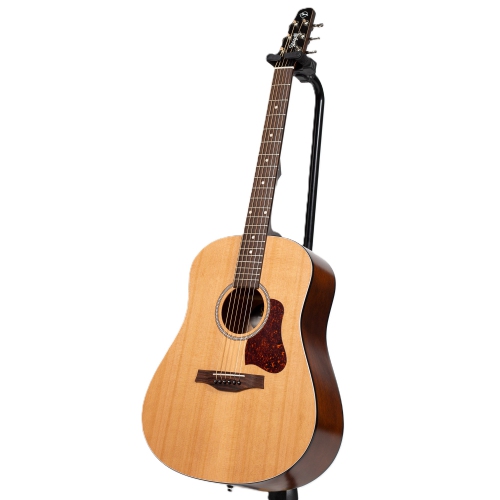
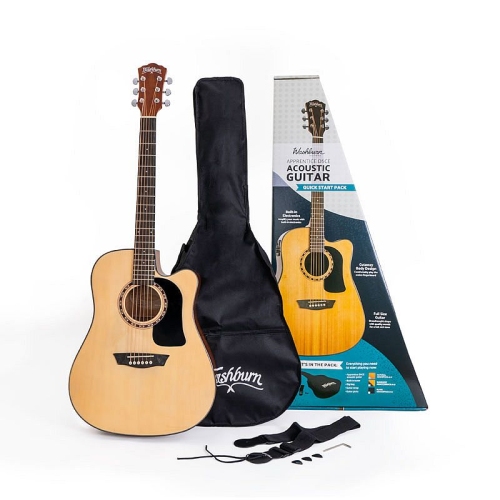
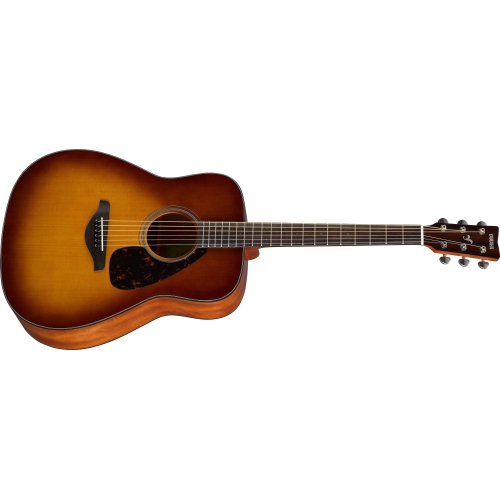
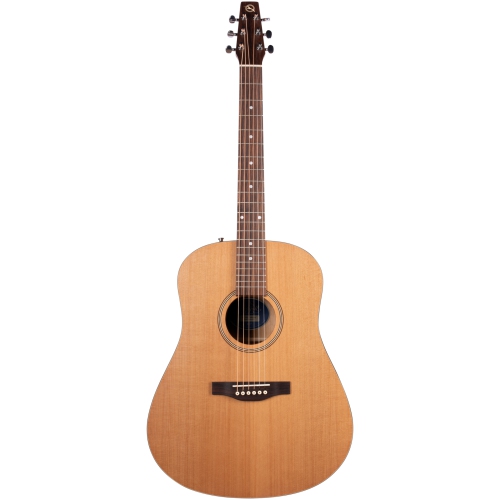
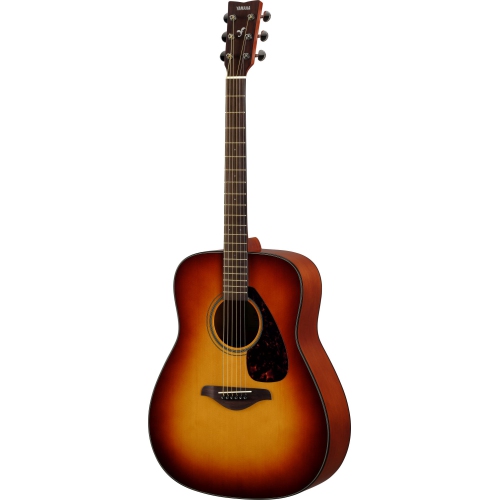
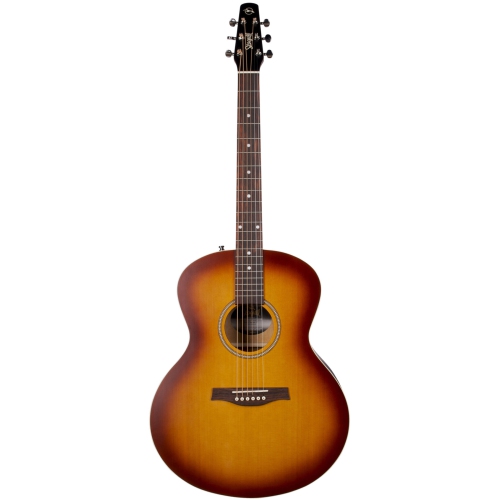
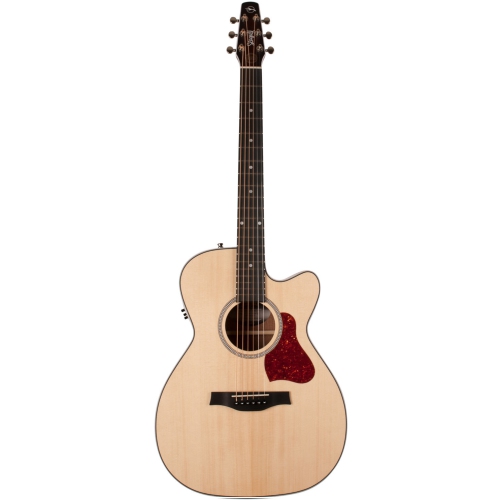
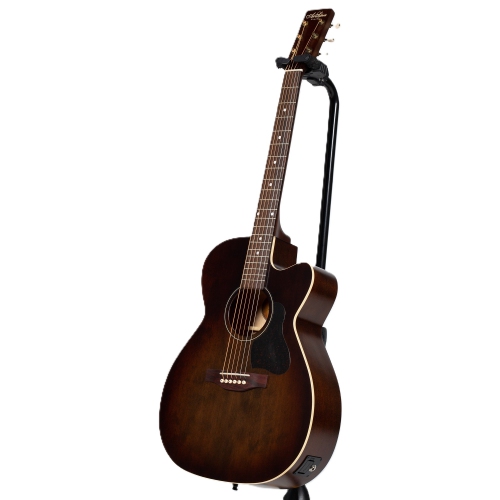
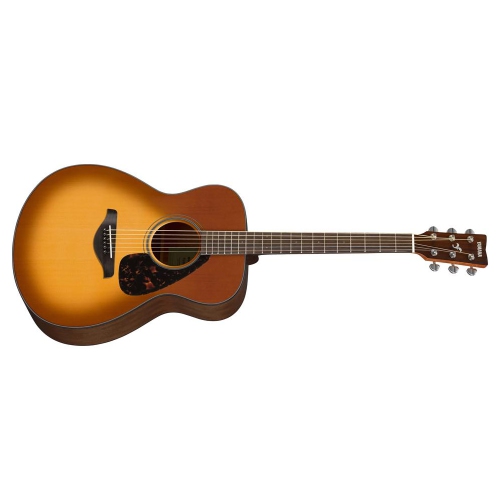
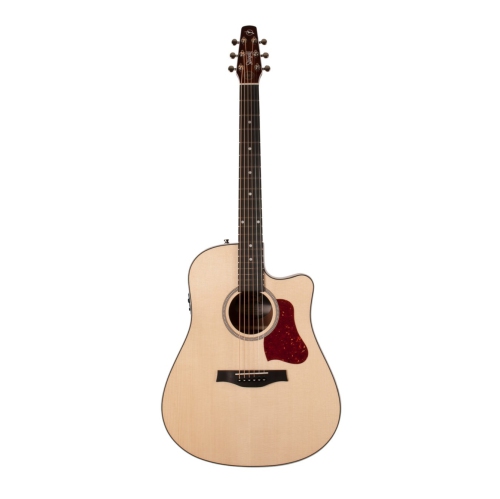
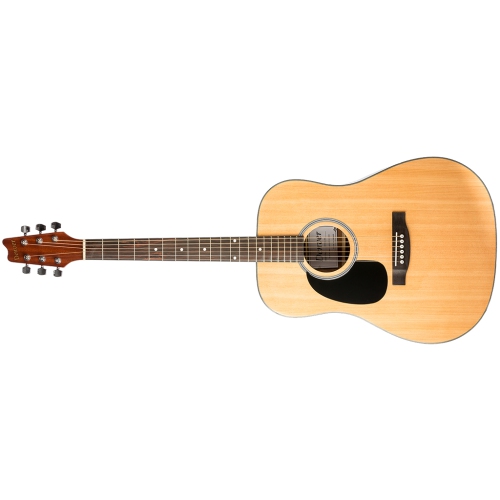
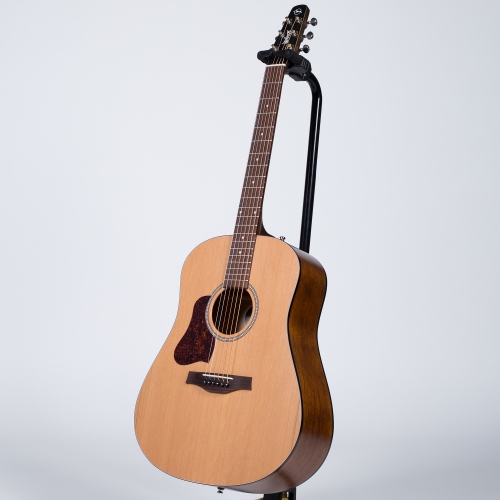
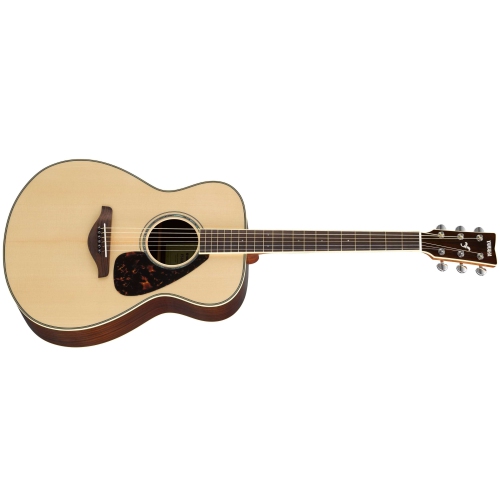
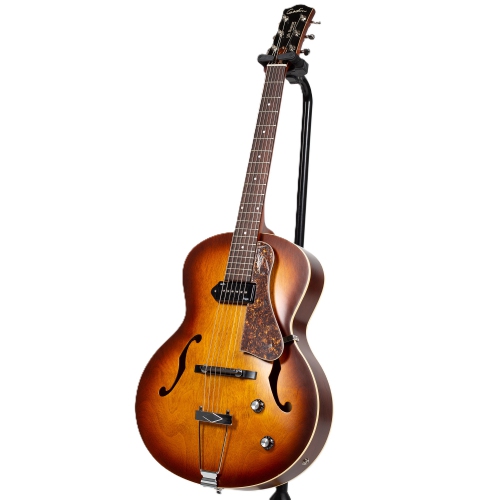
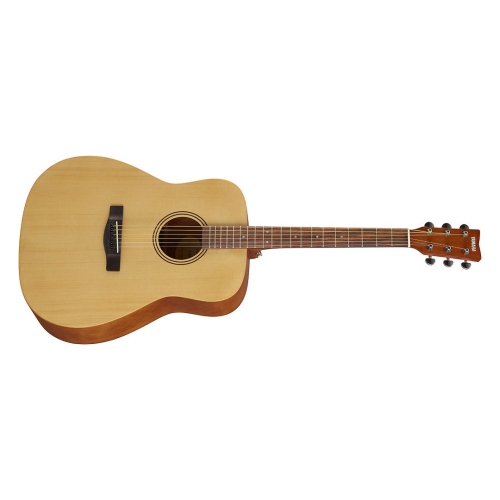
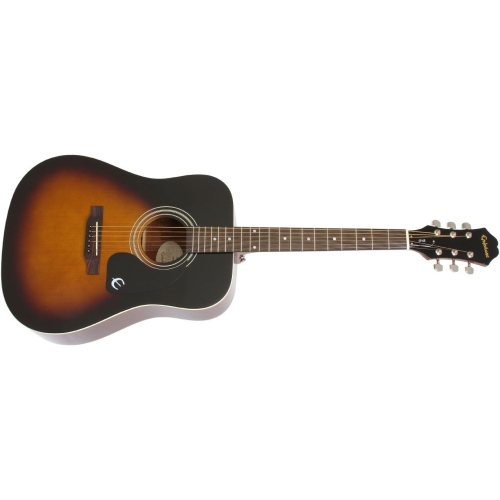
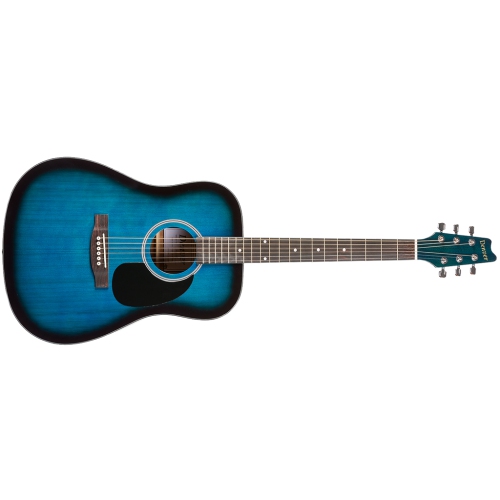
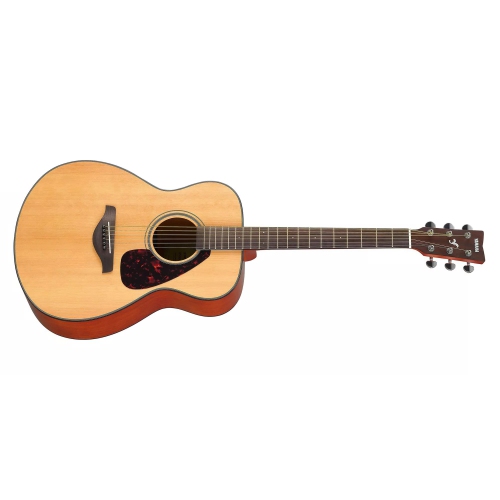
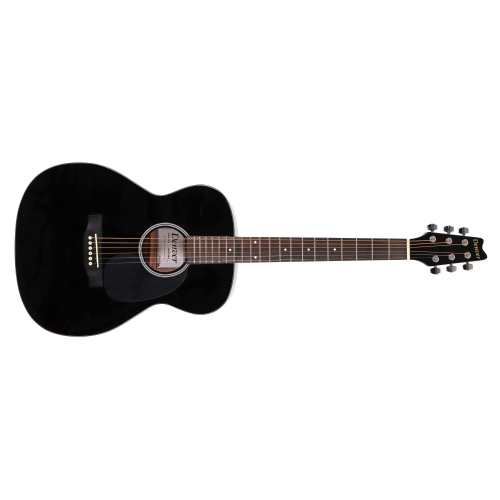
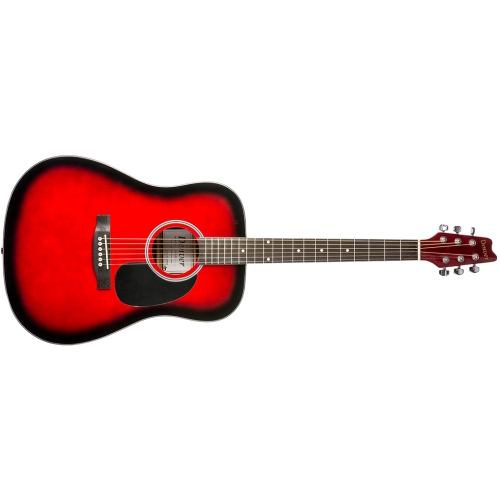
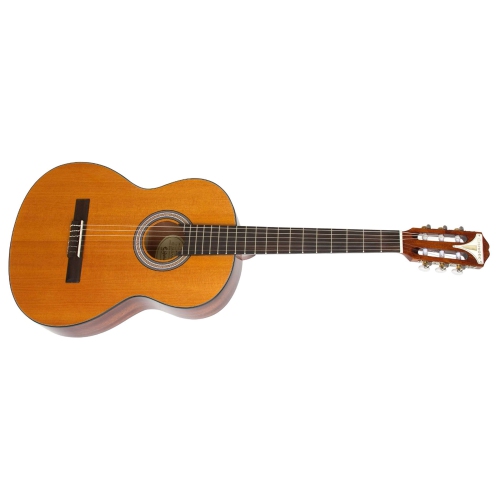
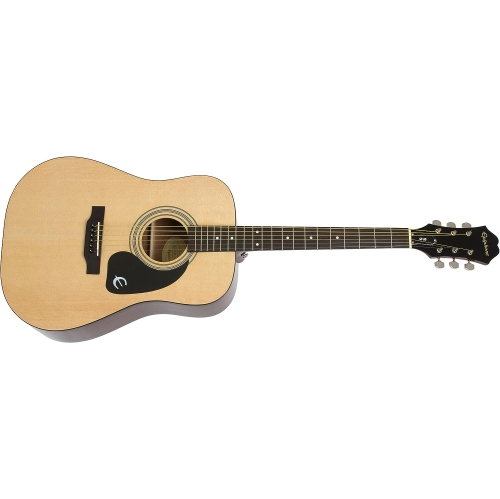
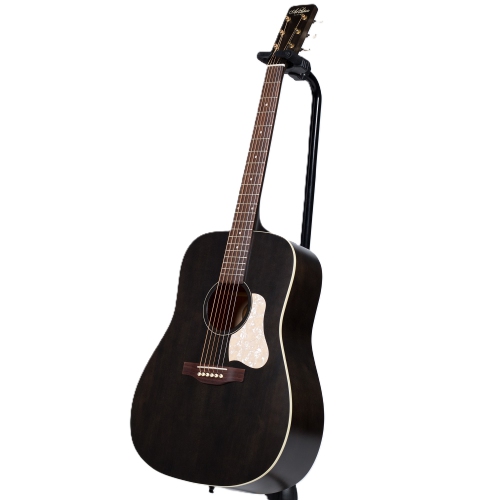
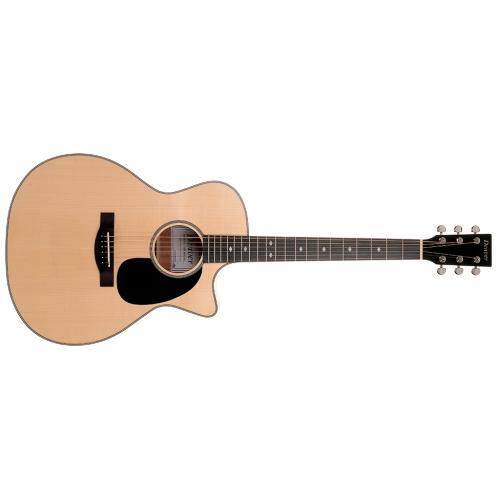
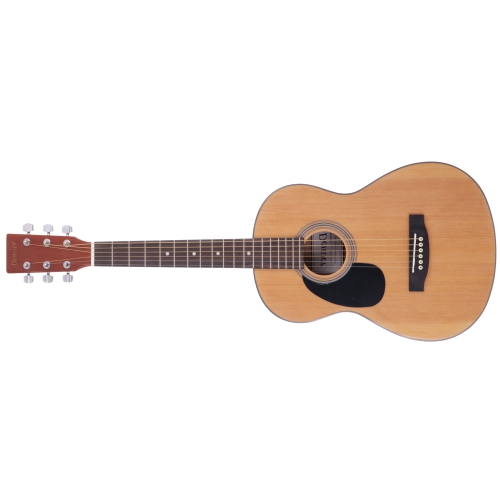
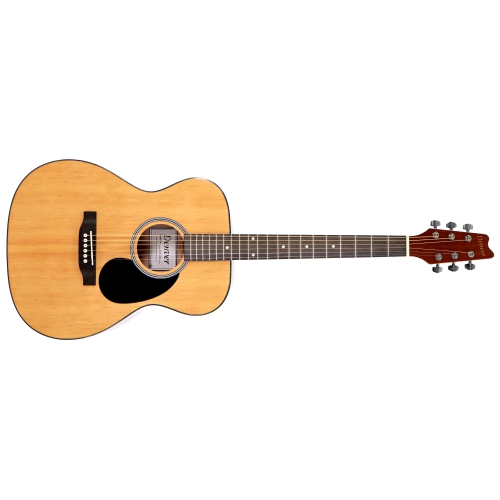
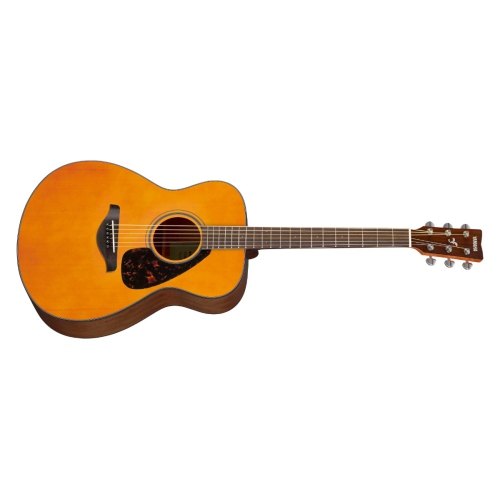
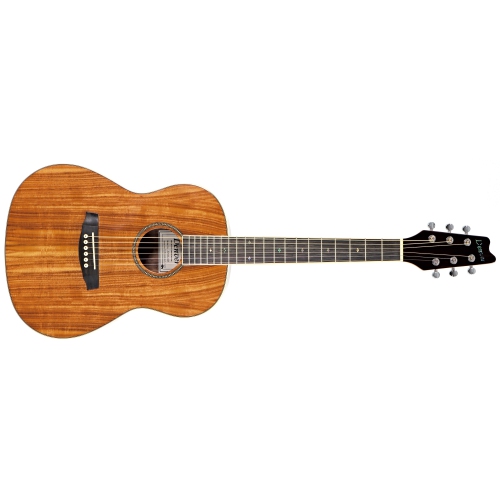
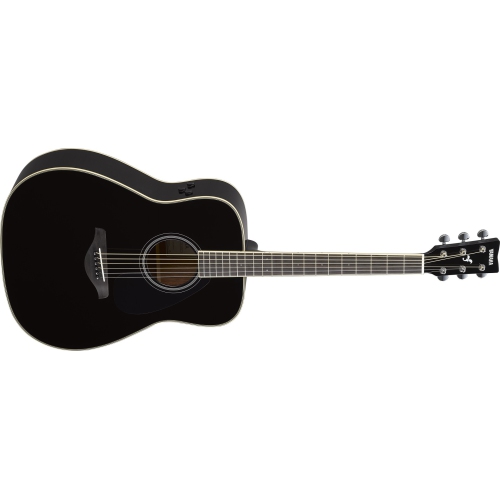
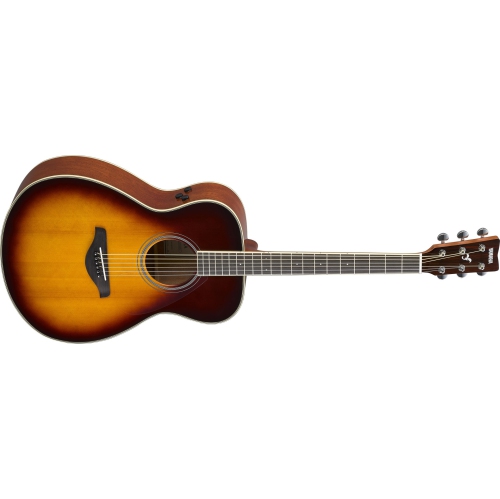
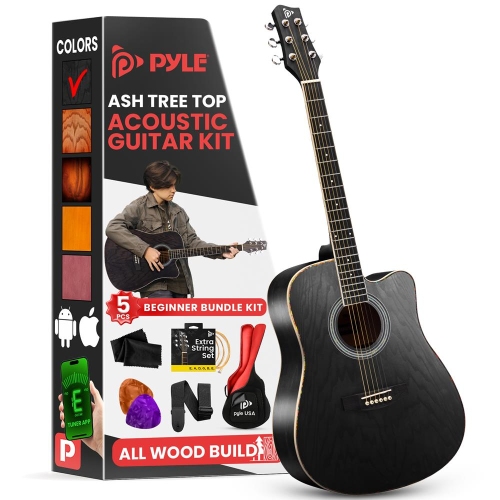
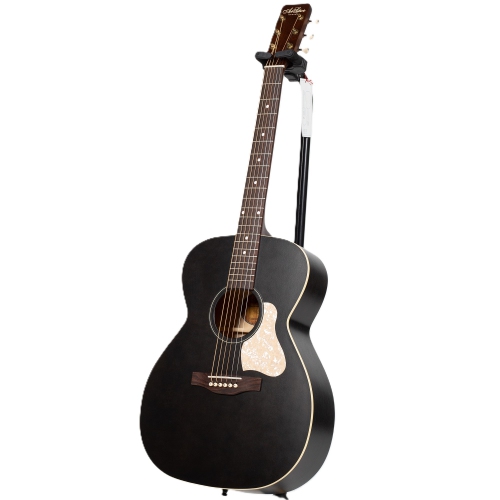
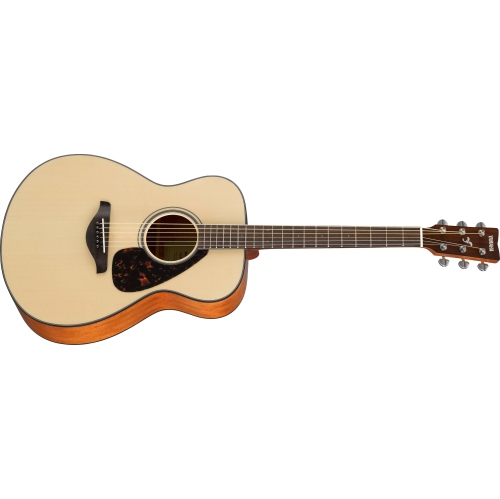
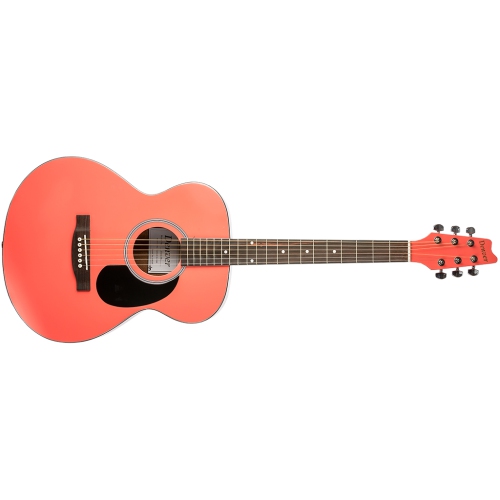
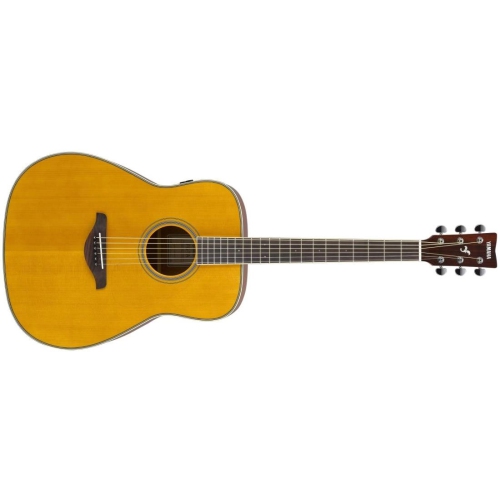
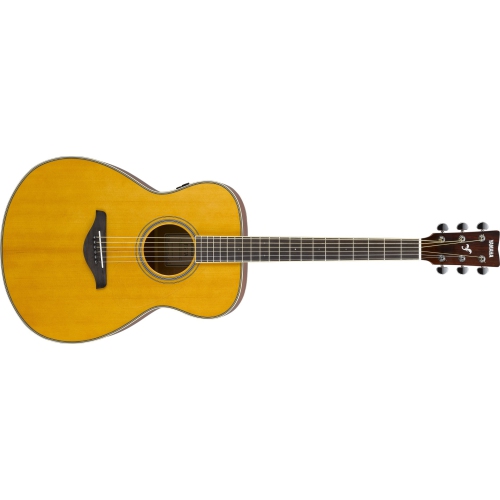
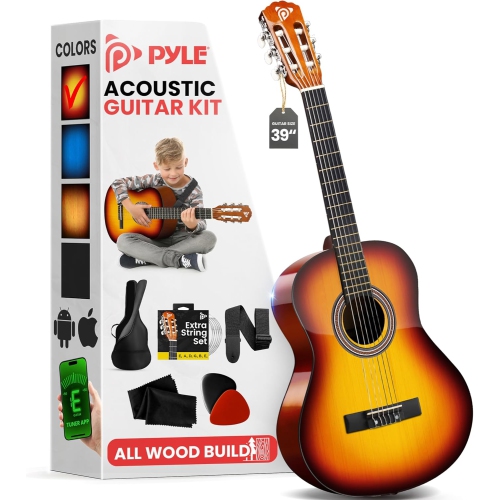
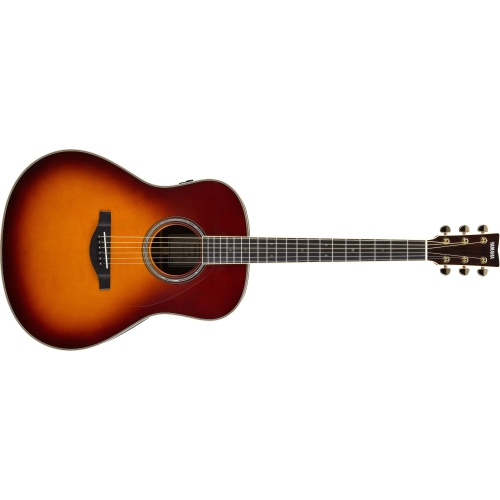
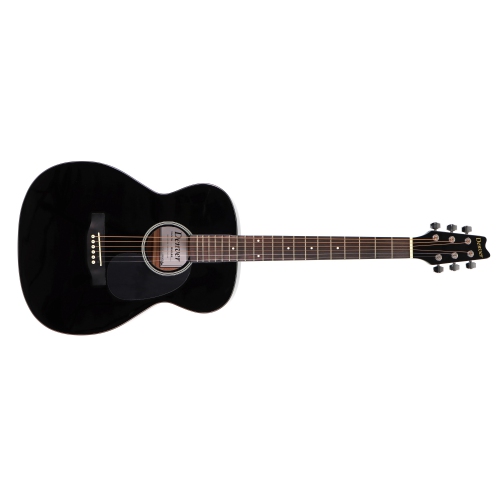
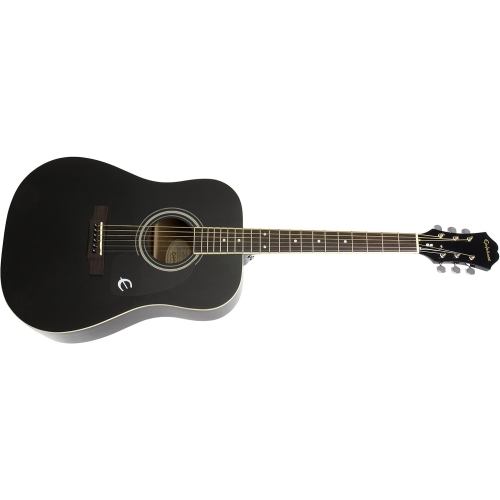
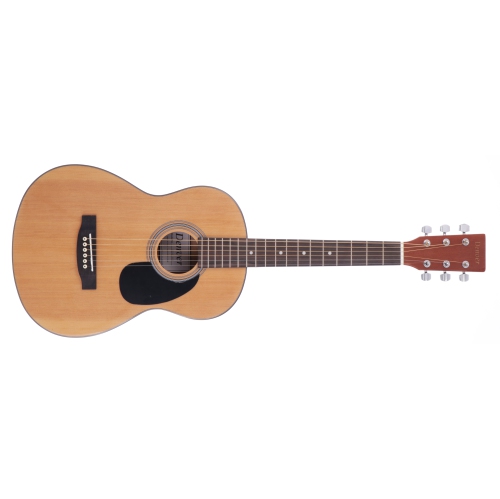
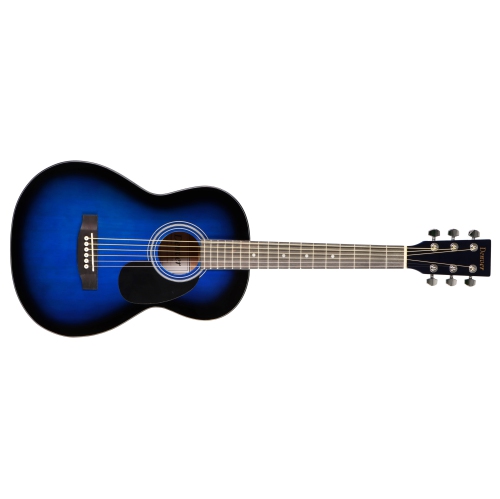
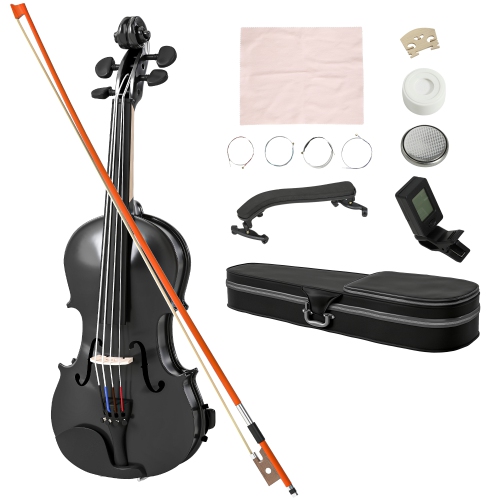
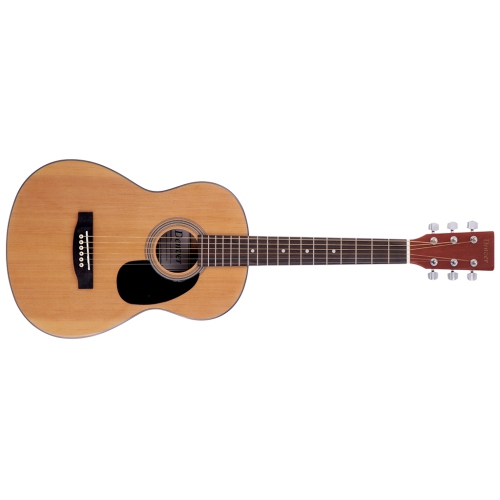
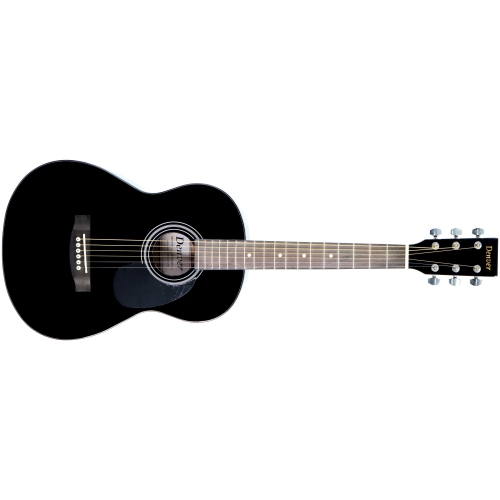
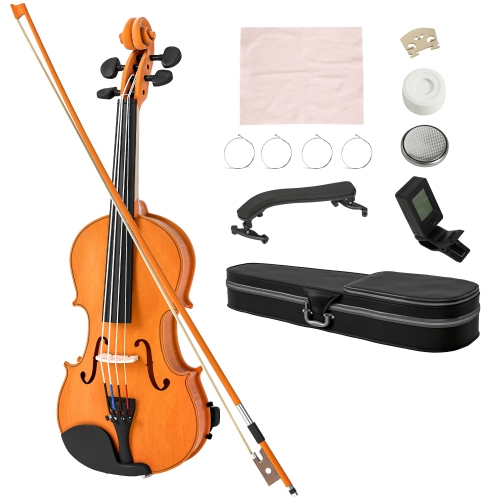
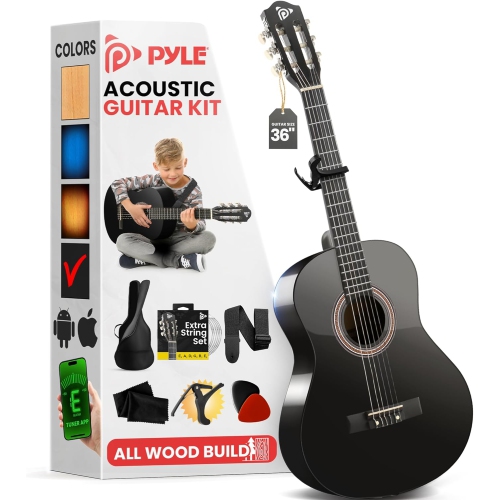
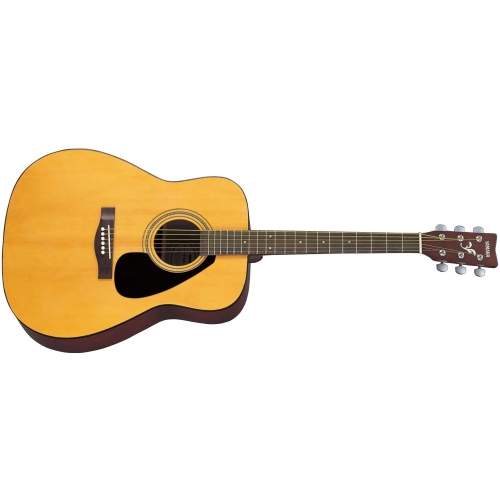
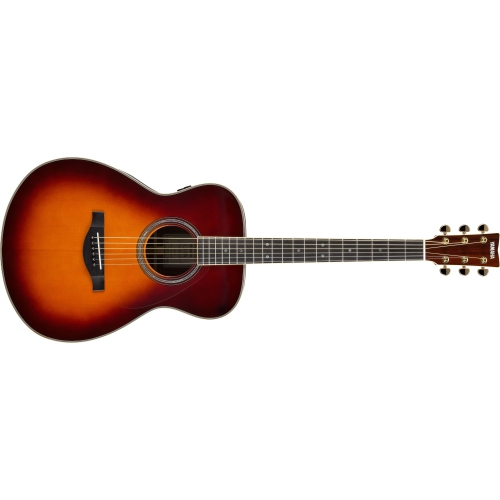
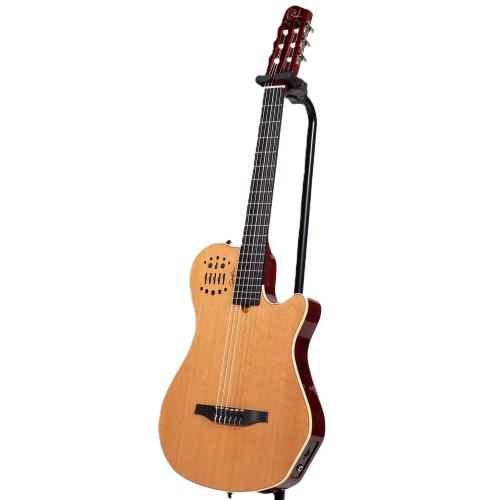
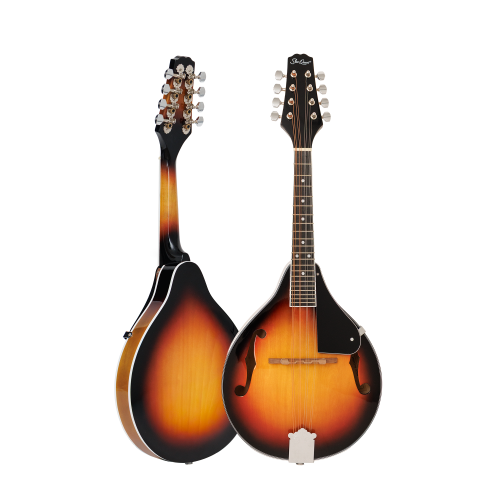
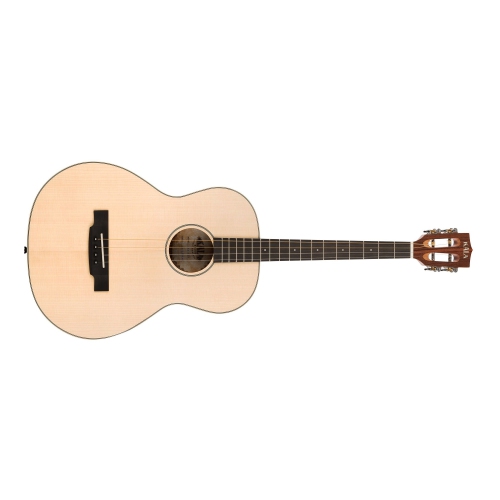
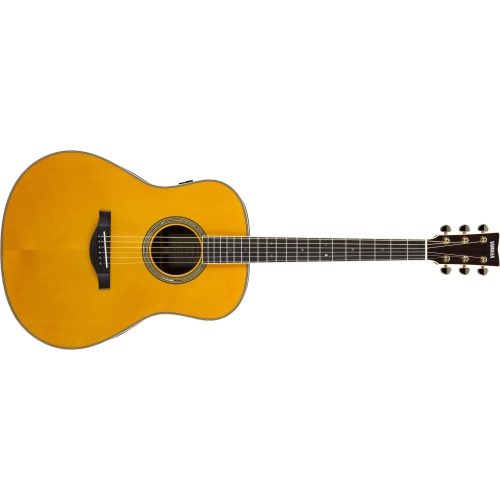
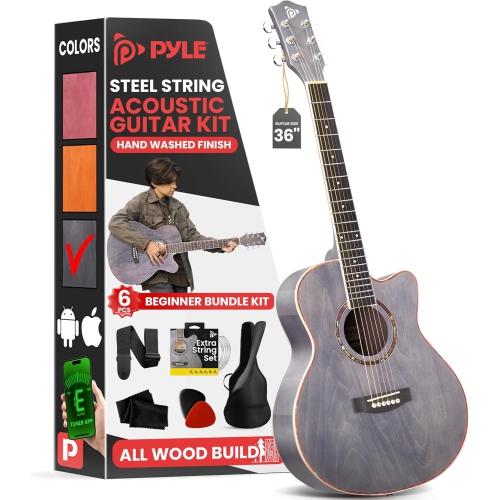
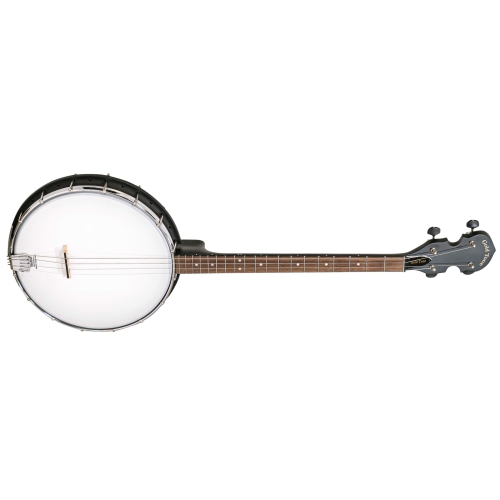
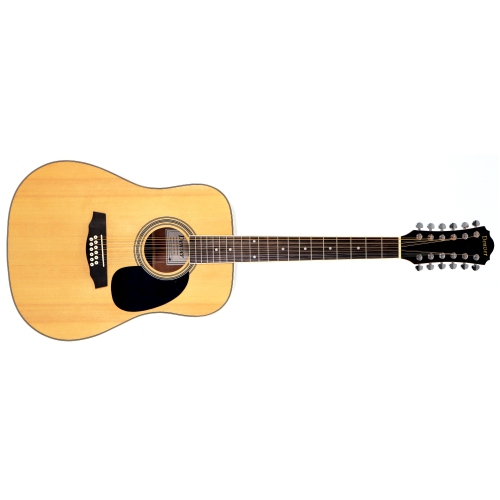
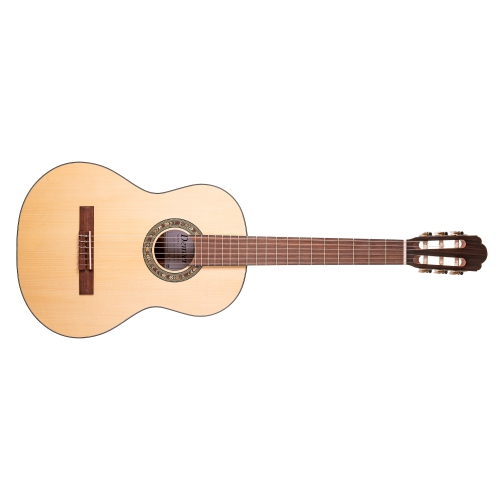
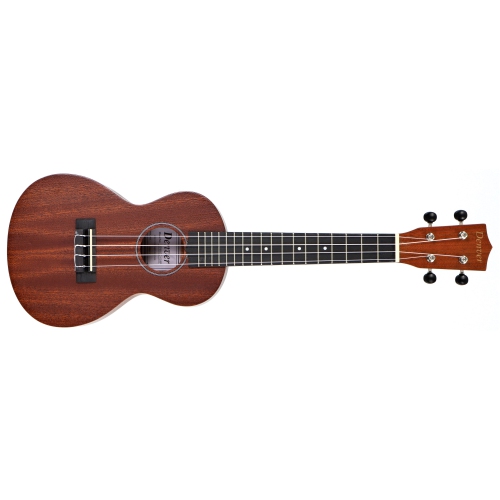
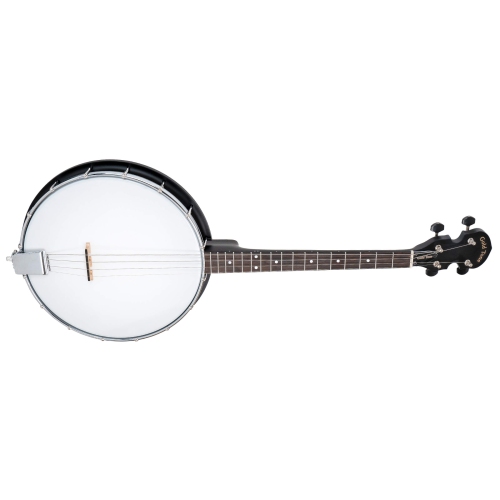
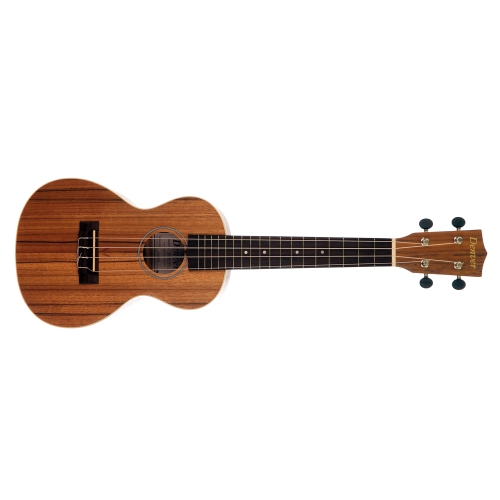
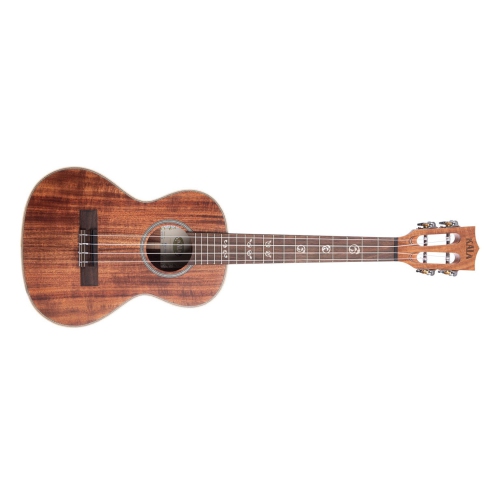
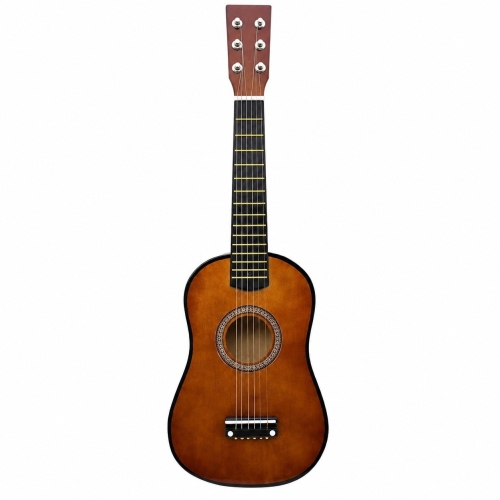
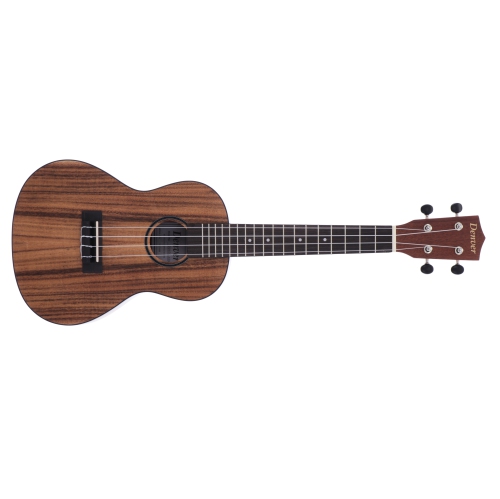
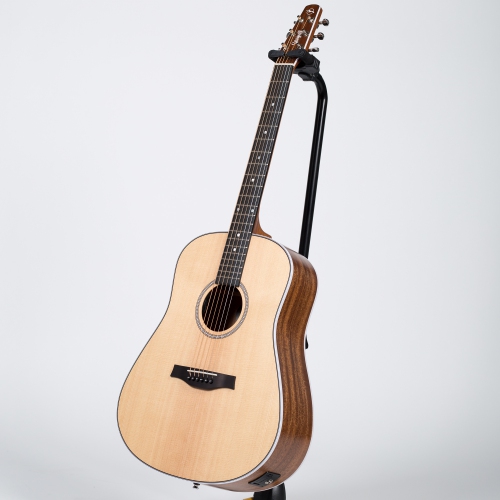
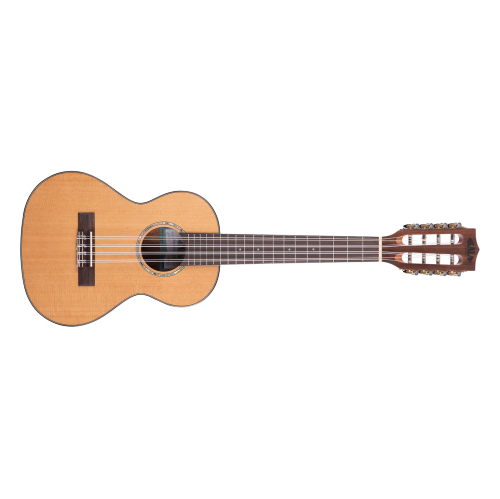
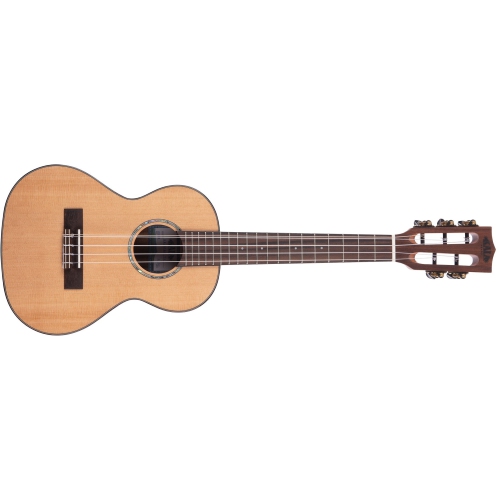
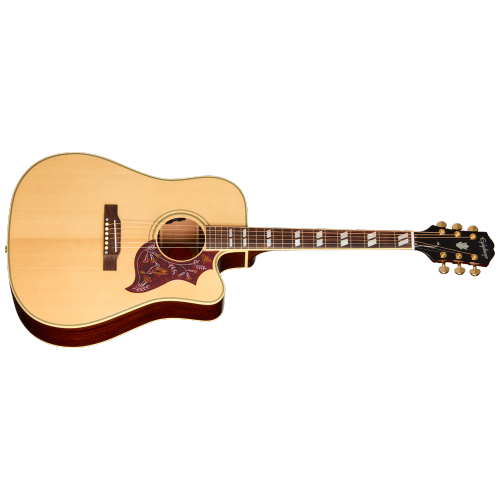
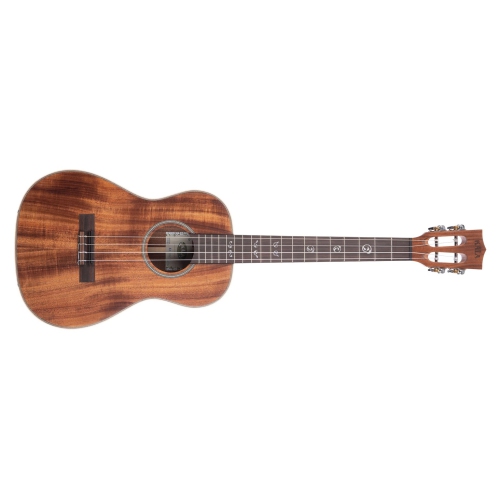
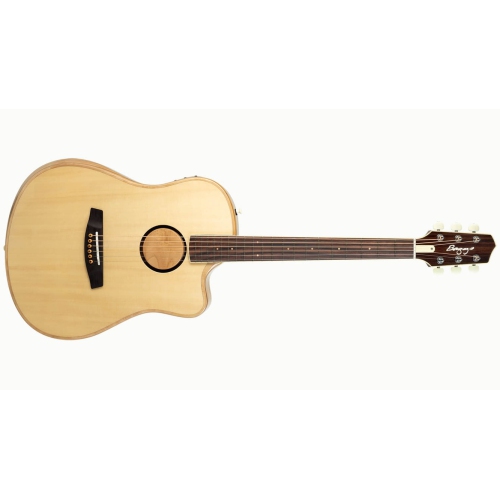
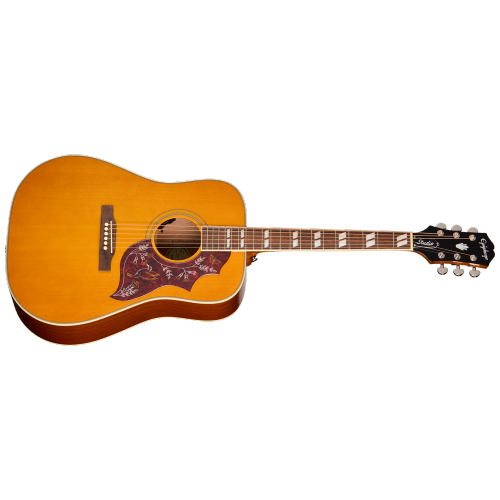
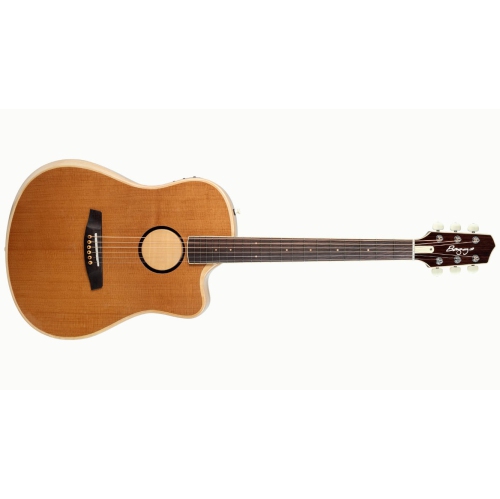
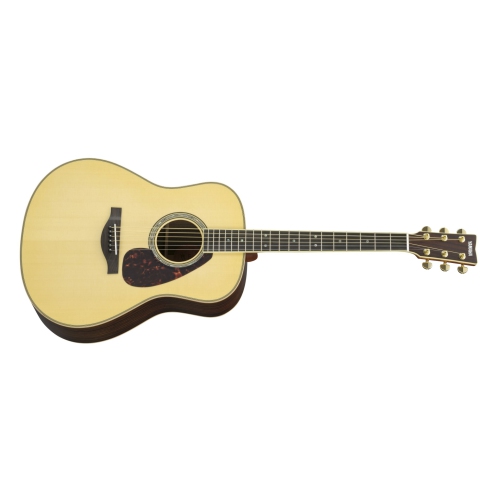
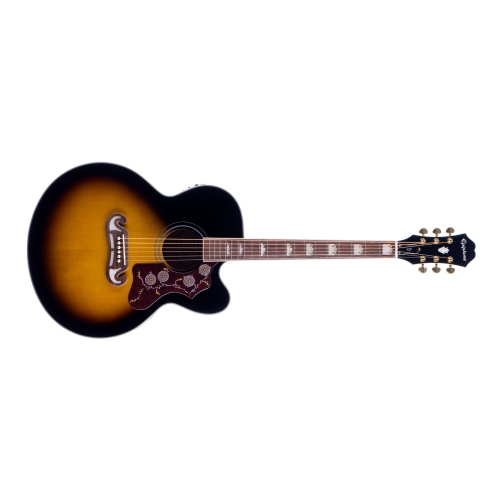
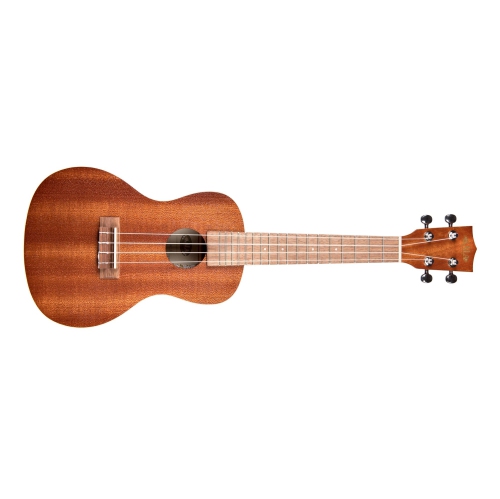
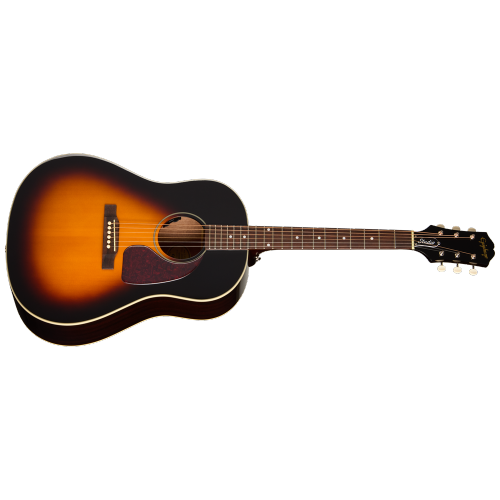
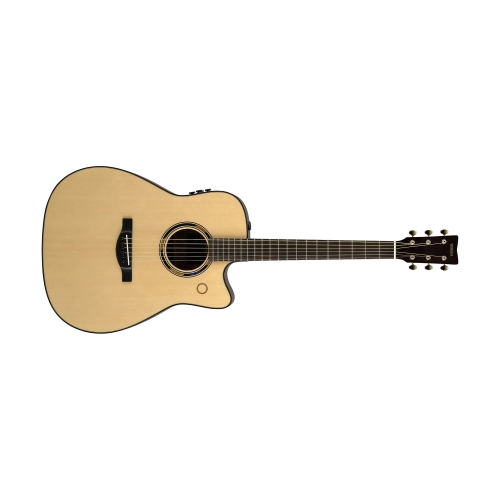
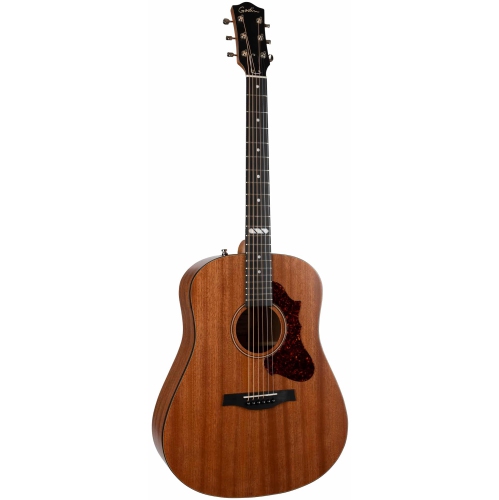
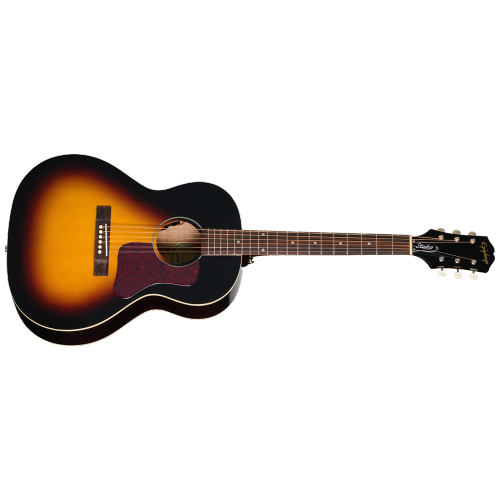
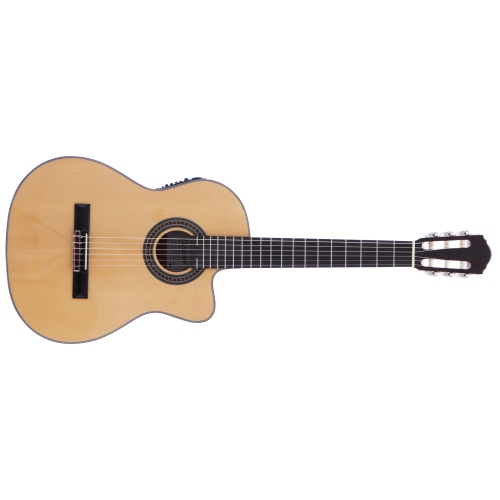
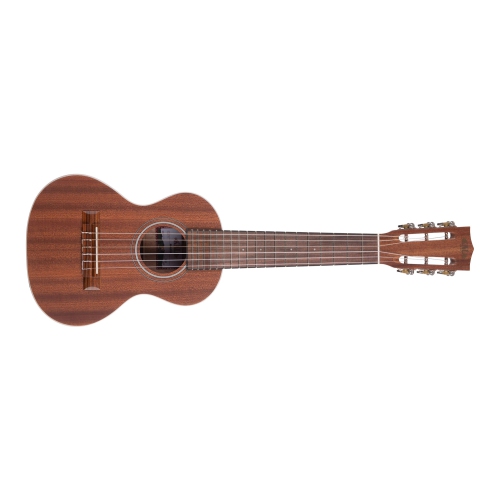
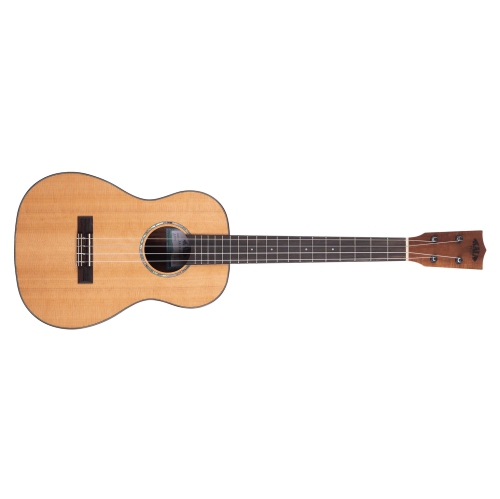
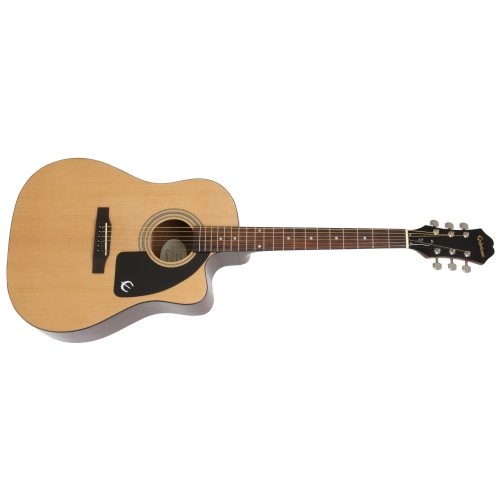
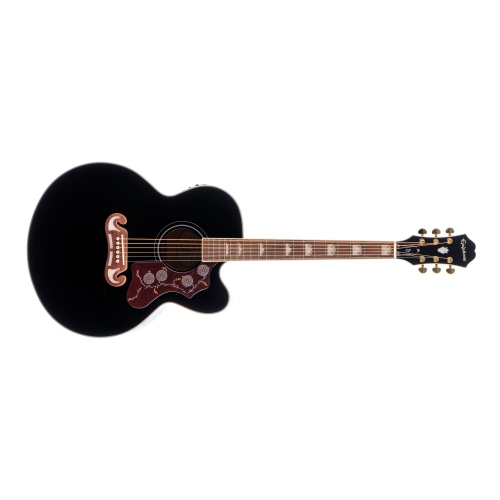
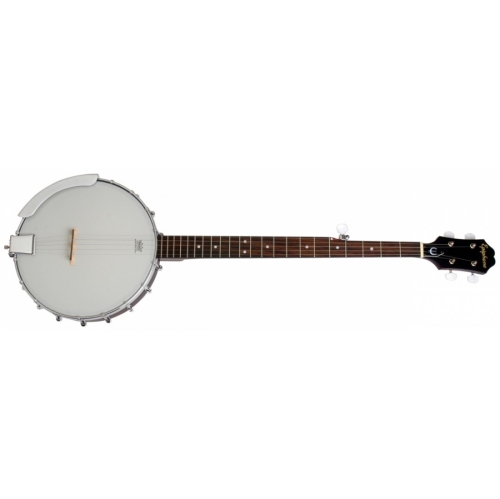
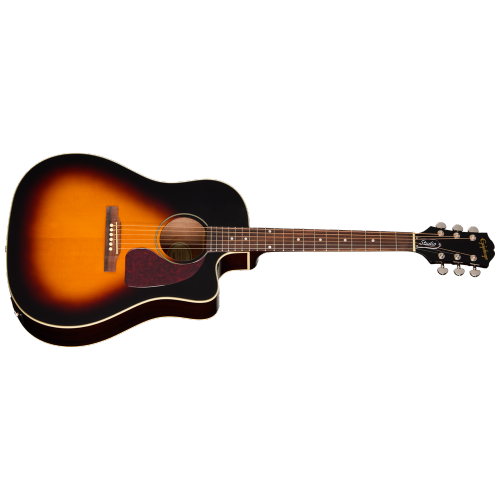
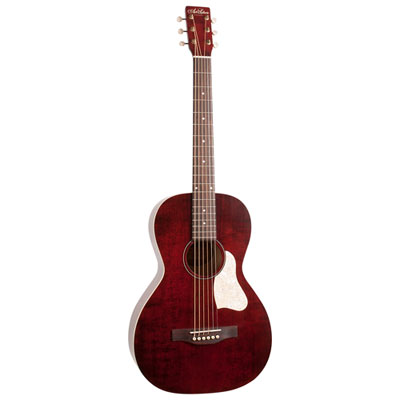
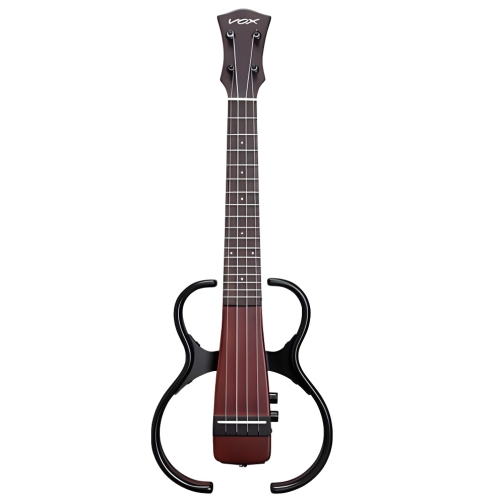
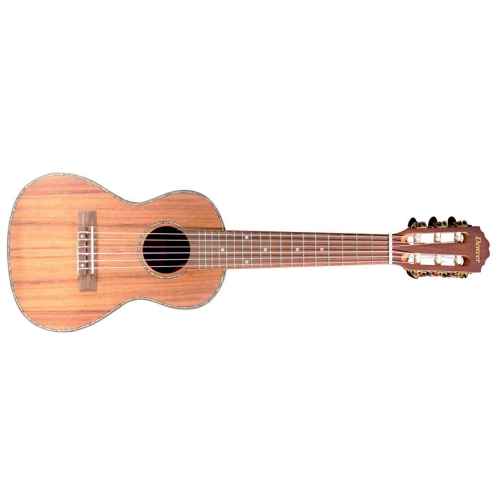
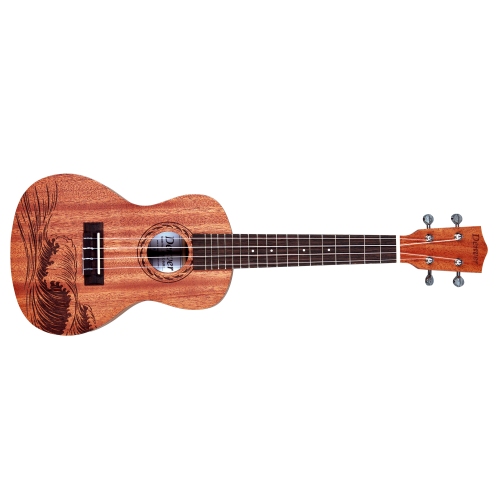
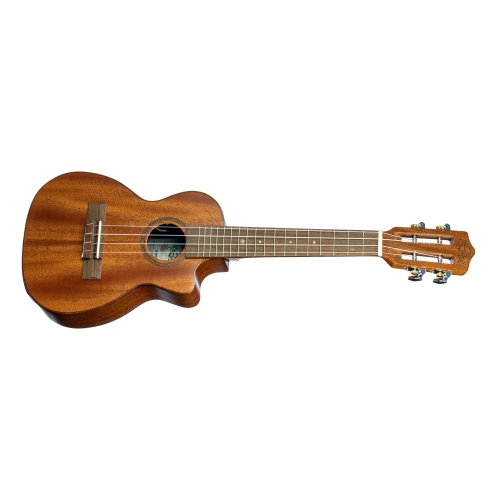
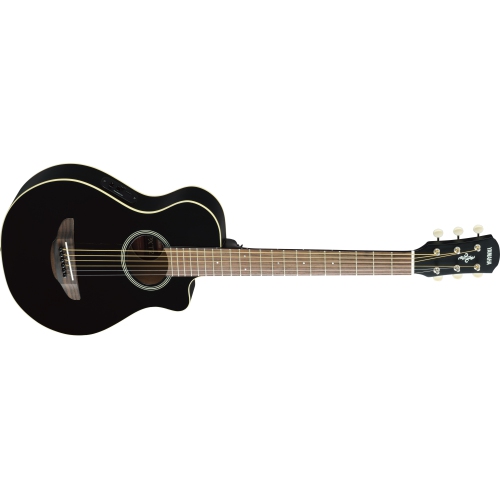
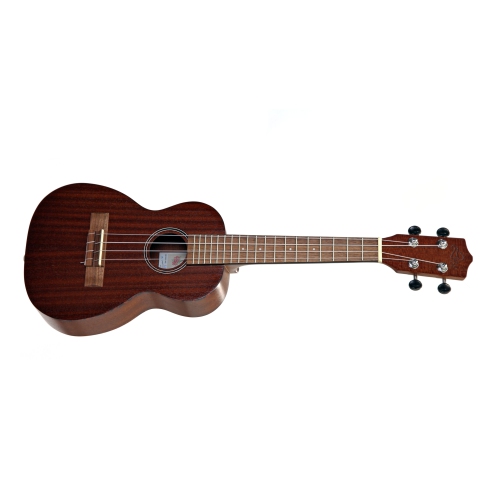
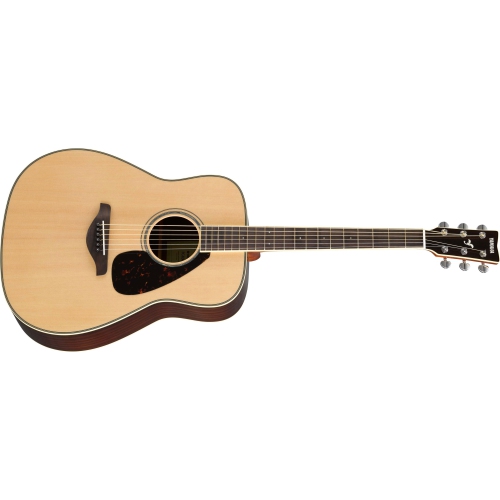
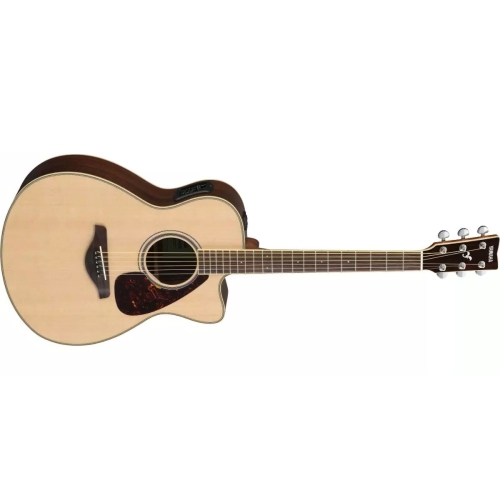
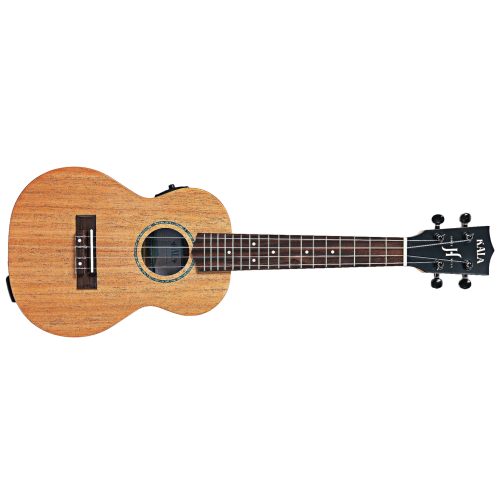
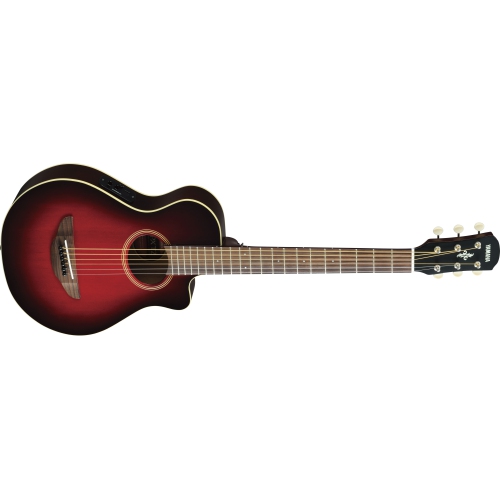
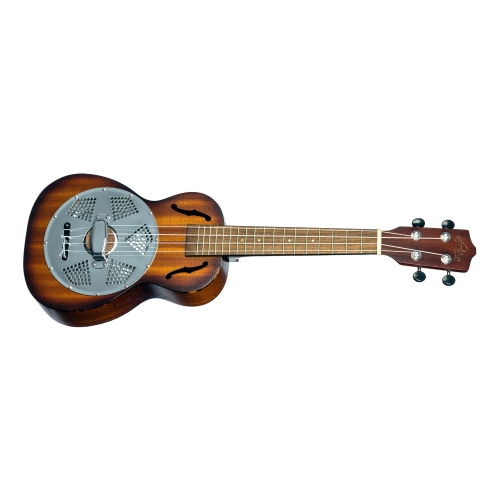
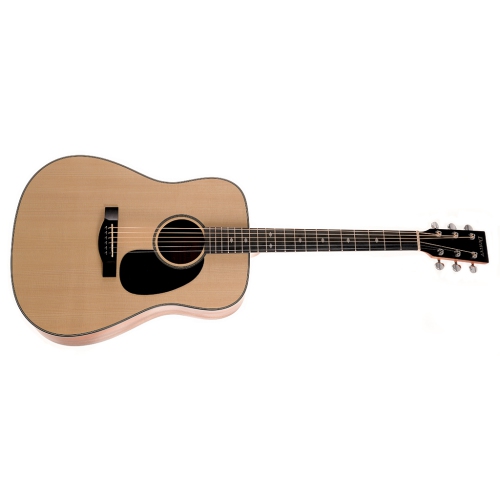
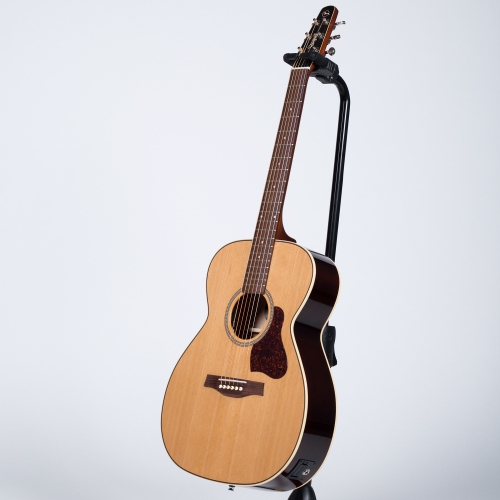
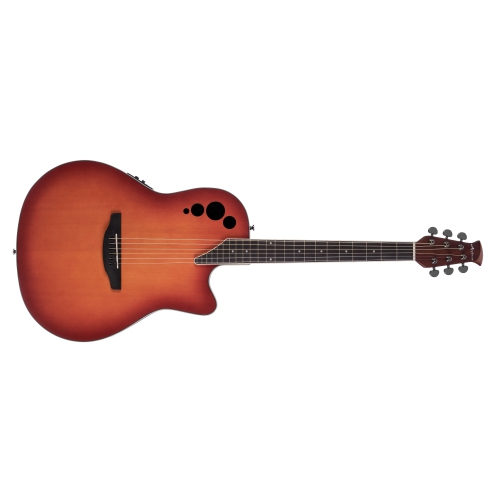
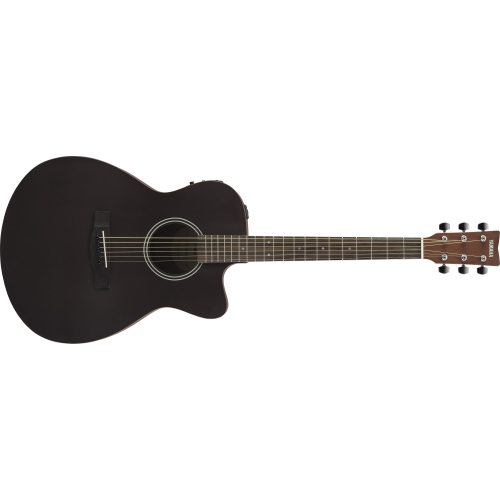
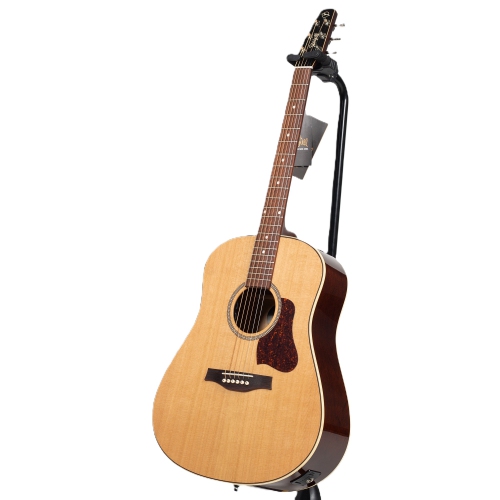
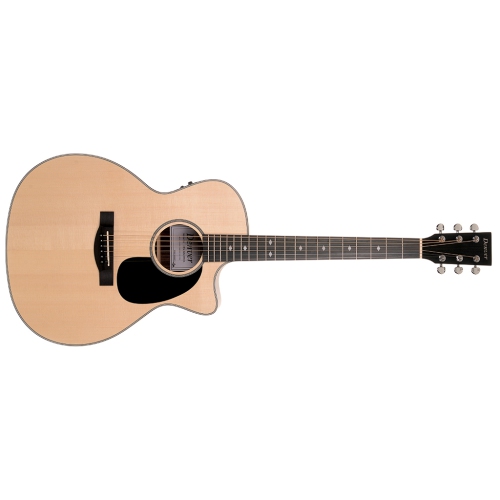
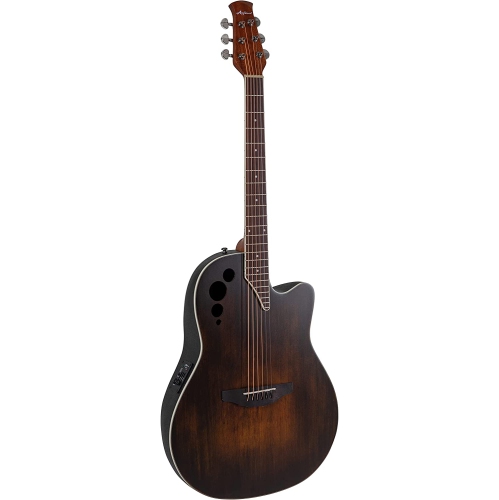
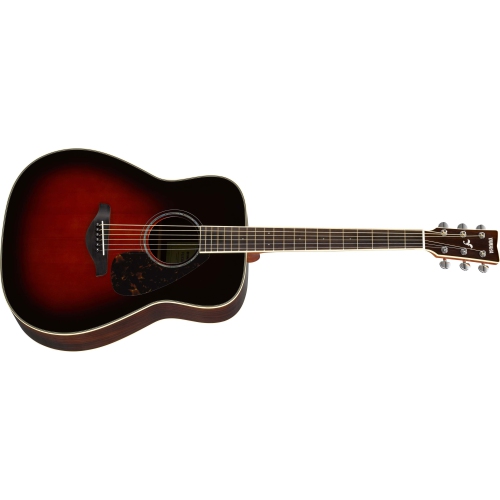
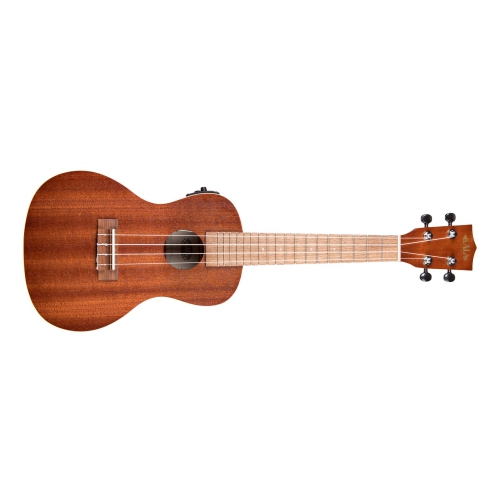
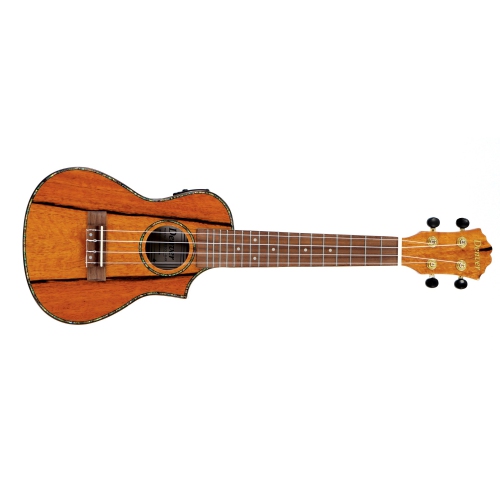
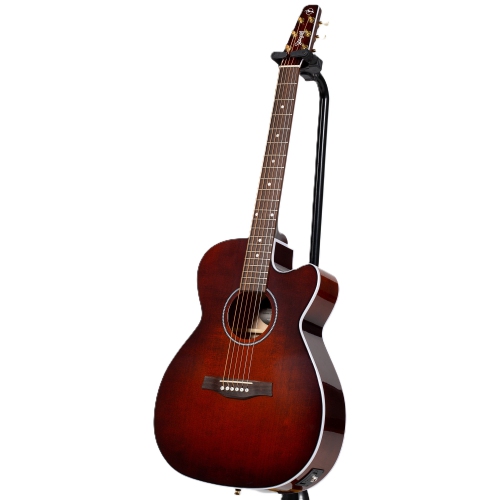
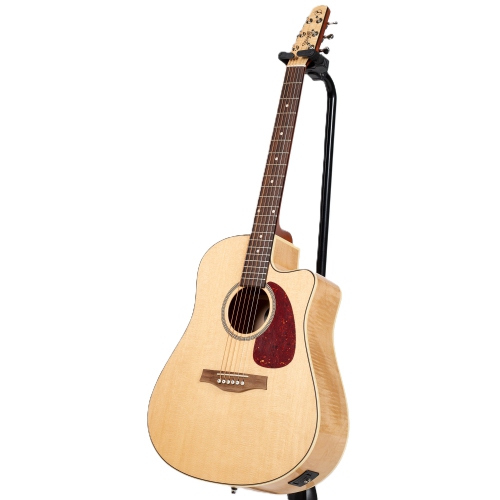
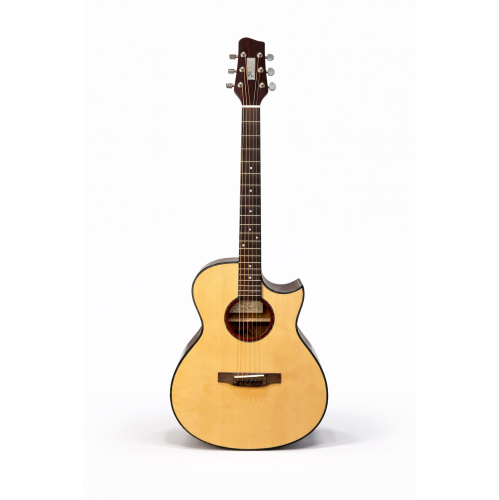
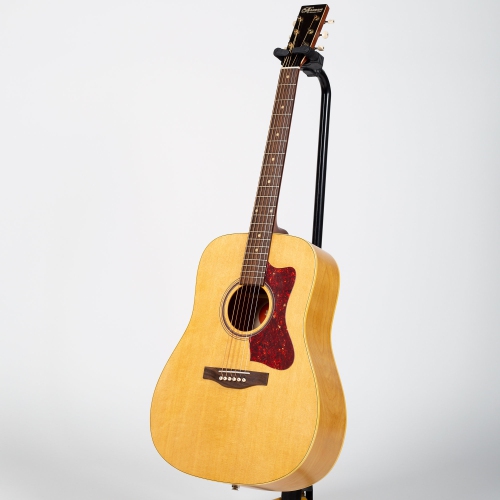
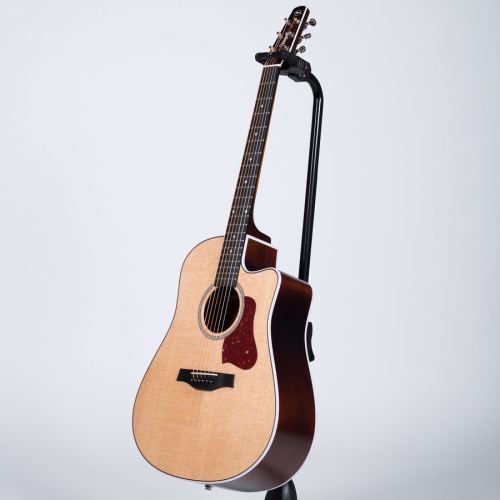
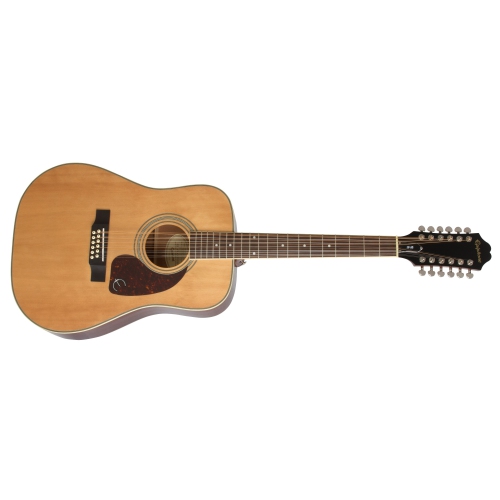
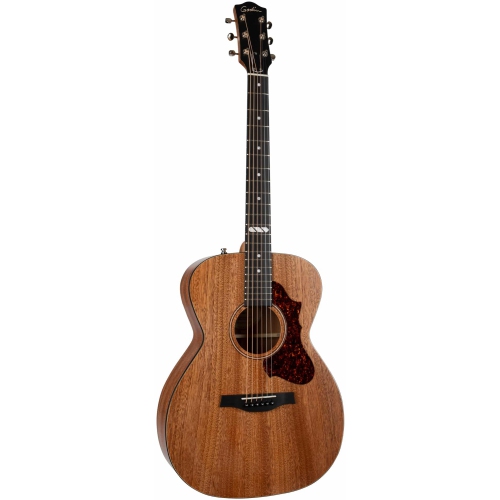
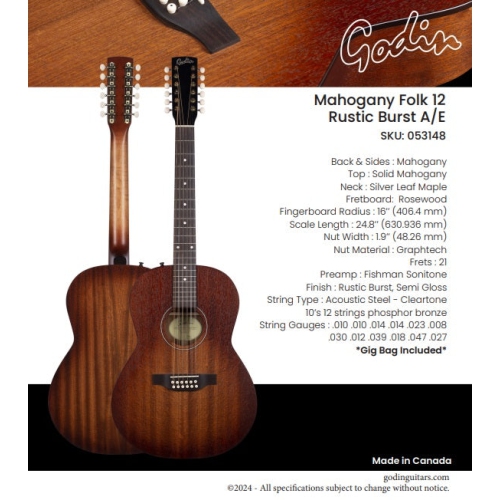
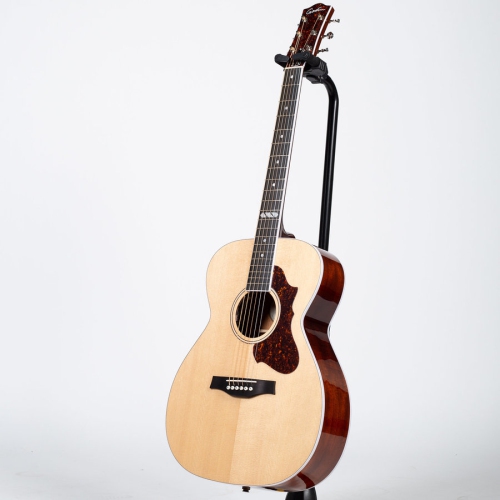
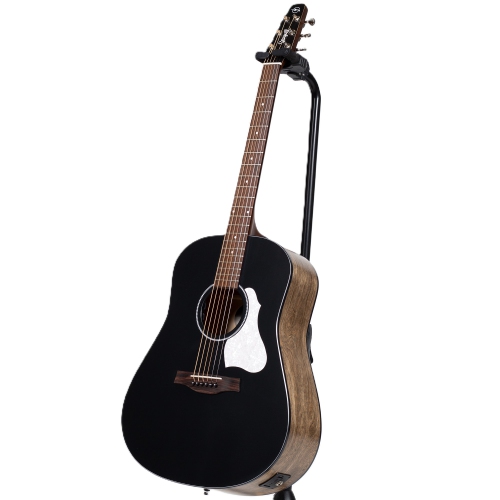
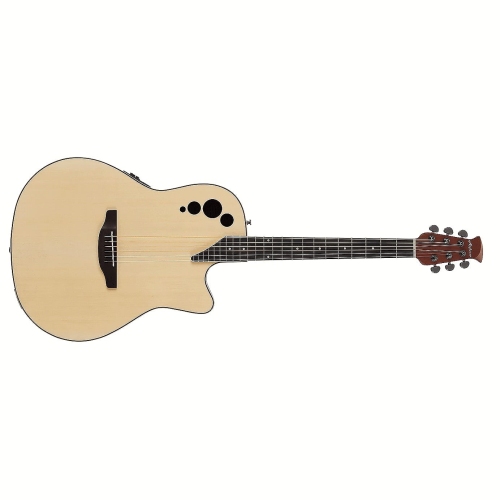
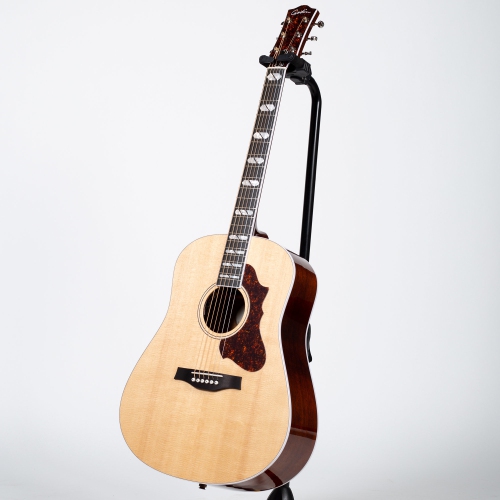
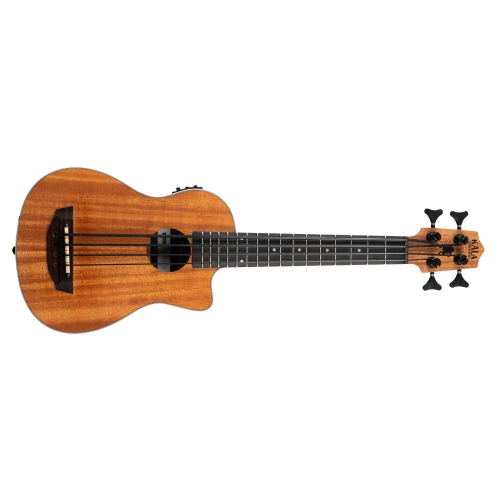
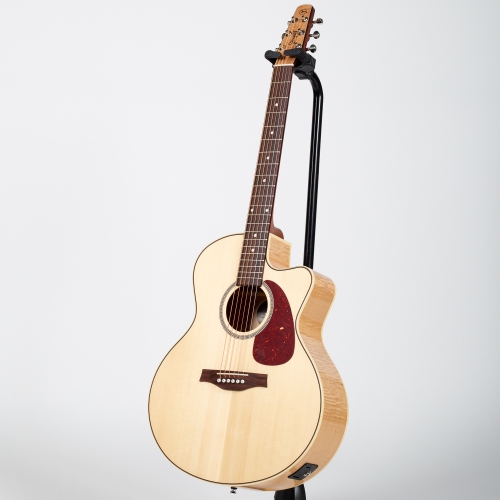
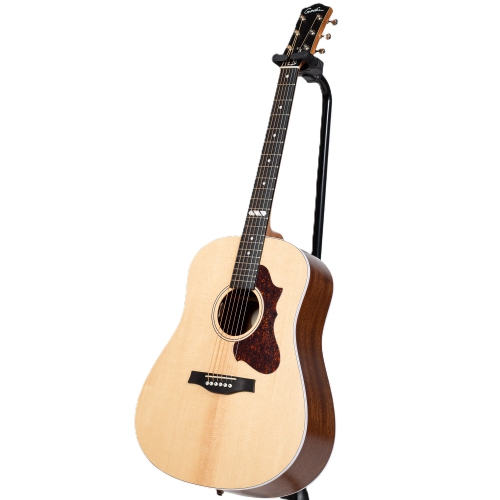
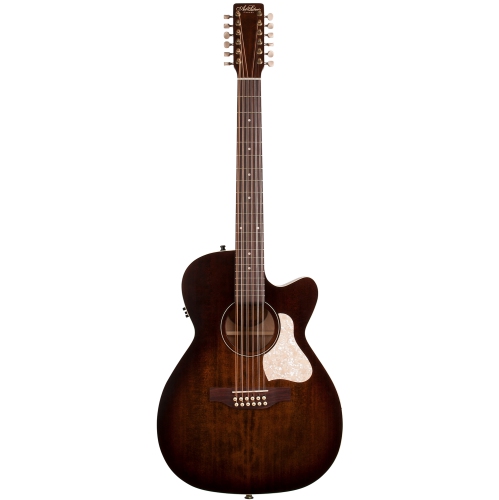
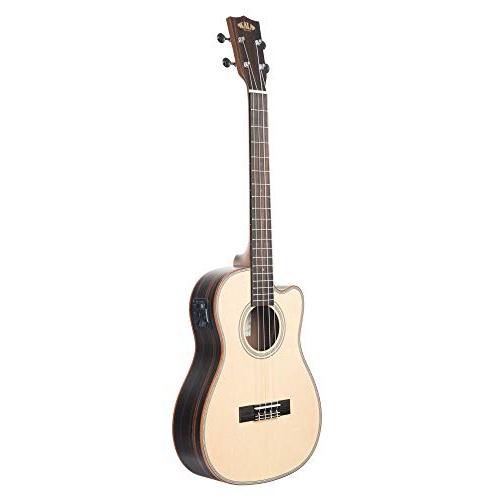
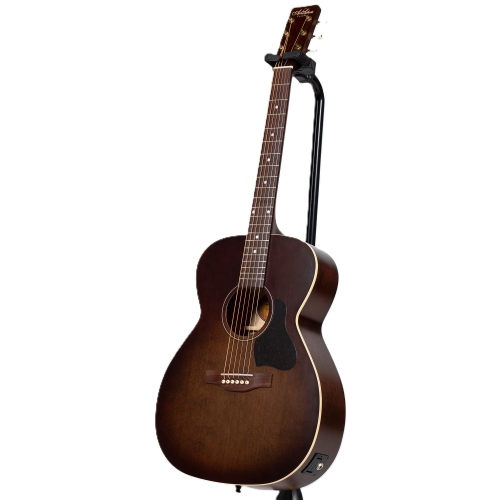
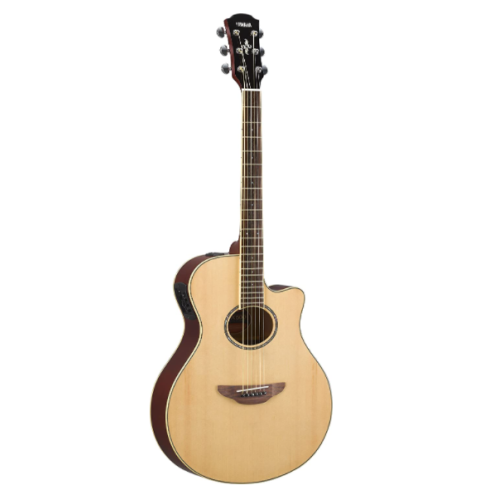
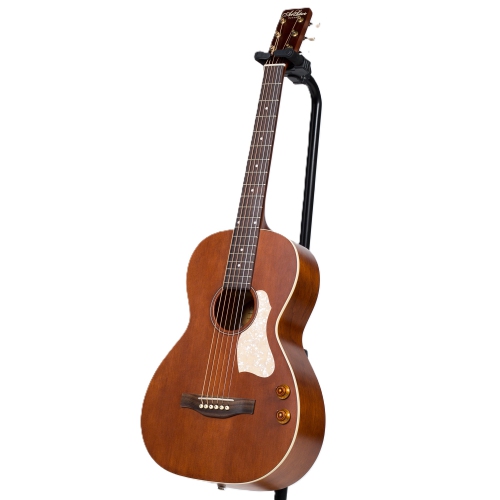
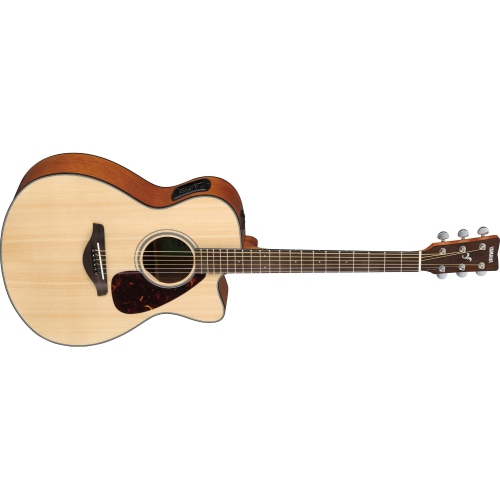
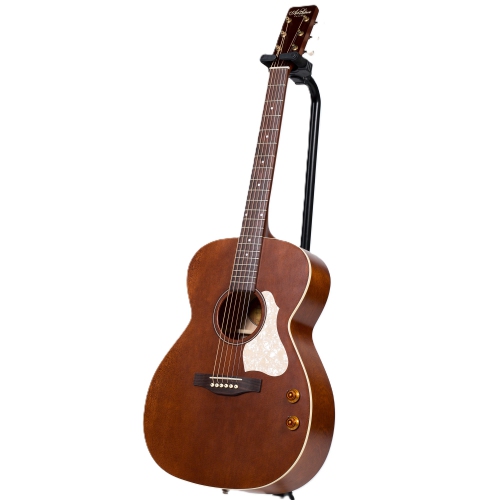
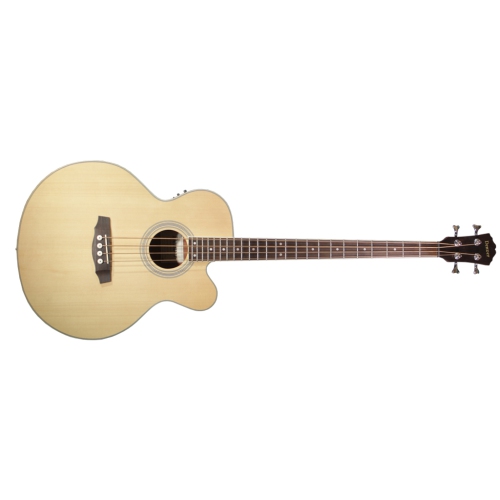
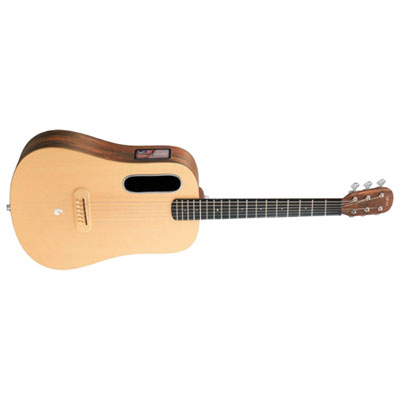
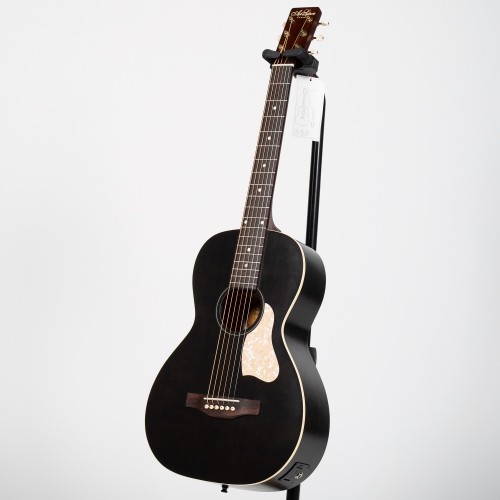
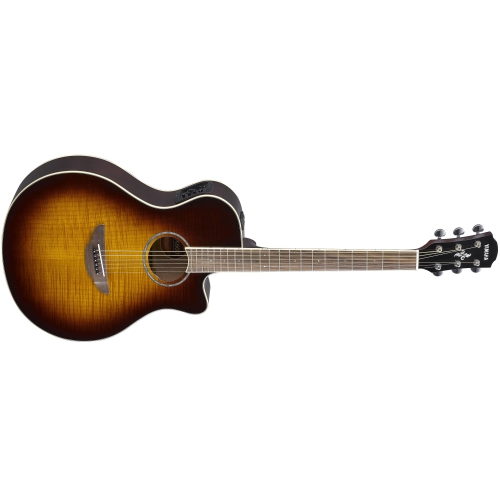
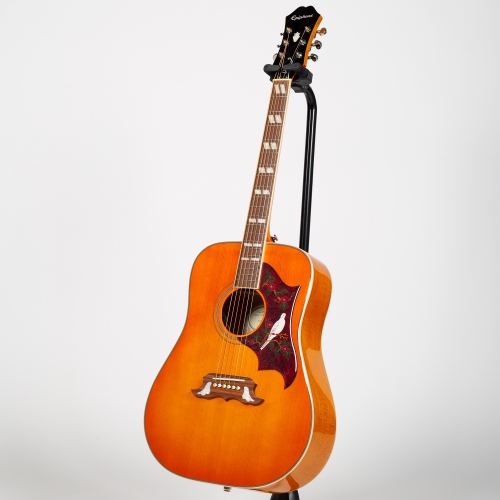
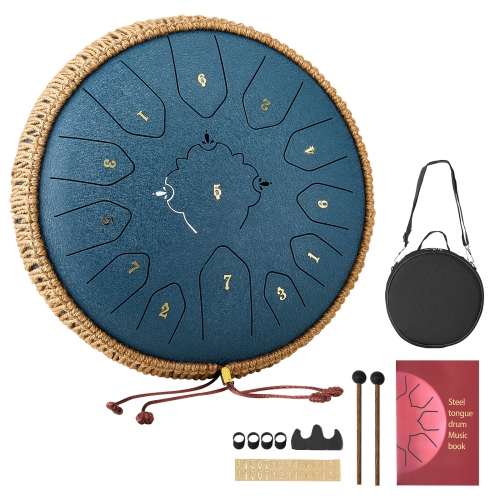
Acoustic music instruments create sound through physical resonance, air vibration and the natural movement of materials rather than relying on an electronic amplifier. When a player plucks, bows, strikes or blows, the resulting vibration travels through strings, membranes, reeds, air columns or a hollow body before moving into the room. A well-made acoustic instrument can feel remarkably alive in the hands: the top of a guitar responds beneath the picking hand, a violin seems to speak through its wooden body, and a drum sends a clear pulse through the floor. Acoustic guitars use steel or nylon strings stretched over a hollow wooden body, where the bridge transfers vibration to the soundboard and the internal chamber helps project the tone. Violins, violas and cellos use bowed or plucked strings over arched bodies, producing everything from a bright, agile voice to a deep, resonant warmth. Ukuleles offer a compact four-string format that is approachable for beginners and easy to carry to lessons, gatherings or a quiet afternoon outdoors. Mandolins and banjos are valued for their ringing, rhythmic character, while other stringed instruments bring their own playing techniques, tuning systems and musical traditions. For anyone choosing an instrument, consider the player’s experience, hand size, posture, preferred genres and the setting where it will be used. A comfortable neck, manageable weight and responsive action can make practice more inviting, especially for a first-time player. A beginner may appreciate an instrument that is straightforward to hold and tune, while an experienced musician may prioritize tonewood, scale length, string configuration, projection or the subtle feel of the finish. Fit matters as much as appearance: an instrument that feels natural against the body encourages regular practice and makes it easier to develop reliable technique.
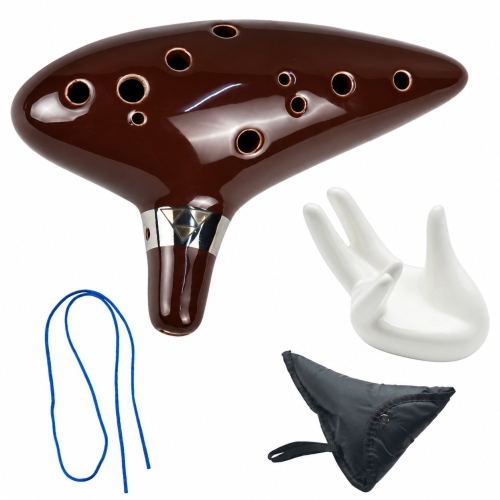
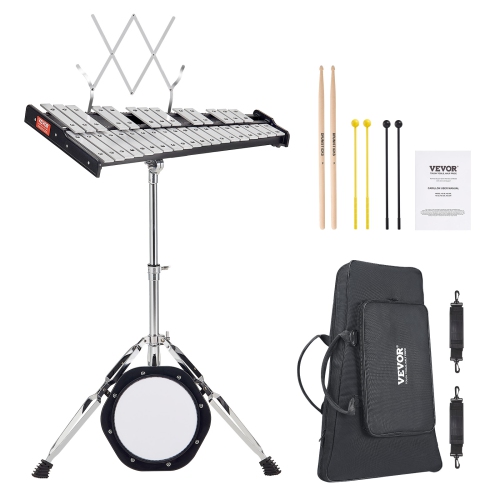
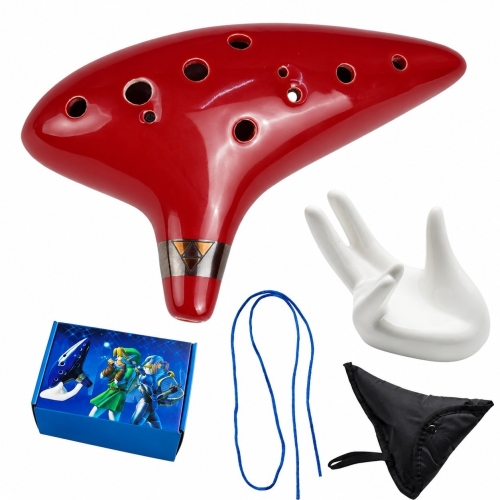
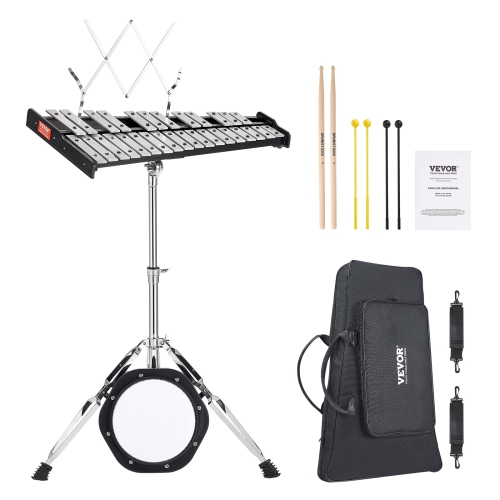
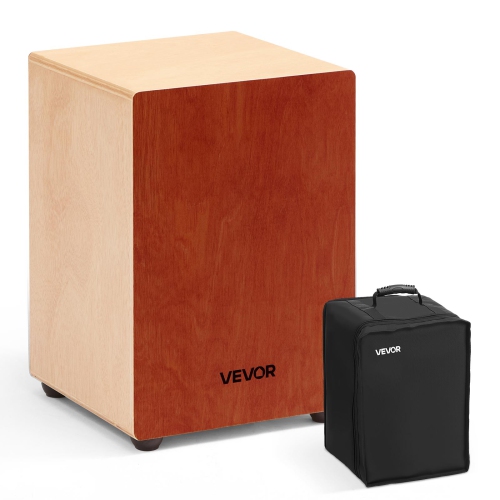
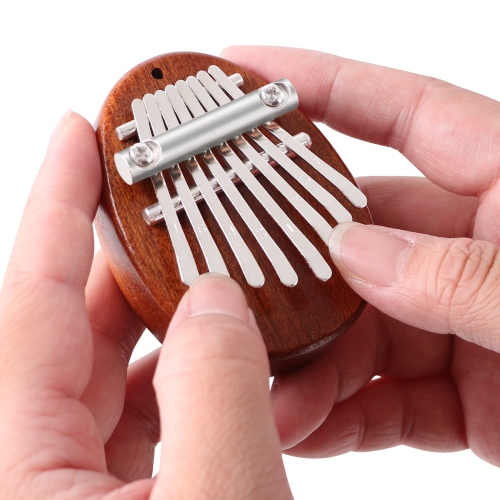
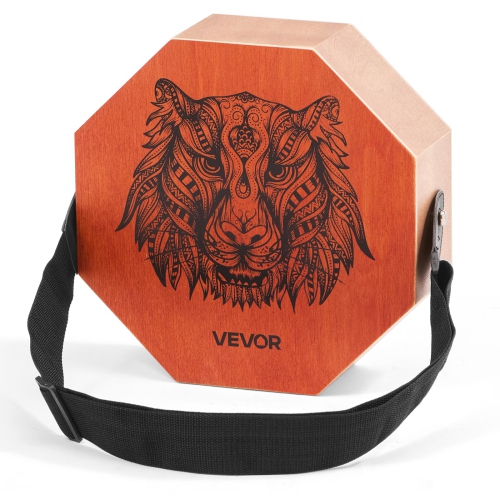
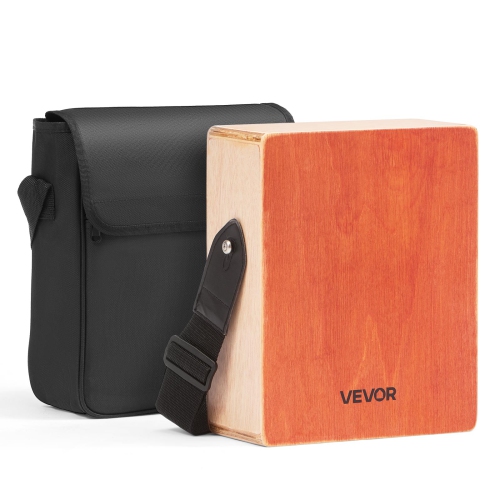
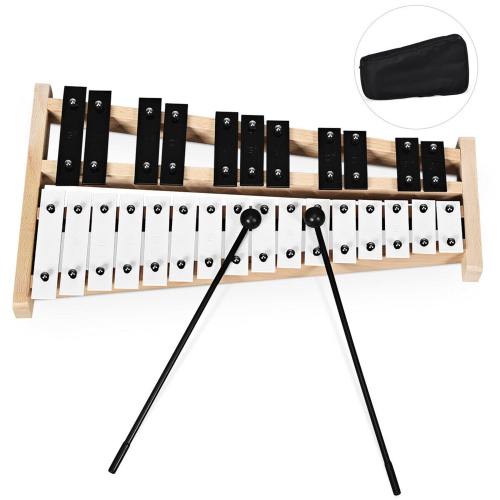
Wind and woodwind instruments produce sound when moving air interacts with an edge, opening, vibrating reed or set of valves. A flute creates a tone as the player directs air across an opening, while a recorder uses a built-in channel to guide the air towards an edge. Clarinets and similar reed instruments depend on a thin reed that vibrates against the mouthpiece, shaping a focused sound that can be soft and expressive or bright and energetic. Brass instruments use the player’s buzzing lips and the instrument’s tubing to create and project sound, making breath control, embouchure and posture important parts of the learning process. Acoustic percussion instruments create their voices when a stretched head, wooden surface, metal component or enclosed body is struck or shaken. Drums can provide the steady foundation of a song, while hand percussion and cajon-style instruments are useful for informal playing, rhythm practice and group sessions. An accordion produces sound by pushing air through free reeds with a bellows system, combining melody and accompaniment in a distinctive, hands-on format. These instruments can suit a wide range of players, from children beginning music lessons to adults returning to a creative interest after years away. They can also make thoughtful gifts for someone joining a school ensemble, exploring folk music, building a home practice routine or looking for a shared activity with family and friends. Before choosing, think about maintenance and the accessories needed for a complete setup, such as a case, stand, tuner, cleaning supplies, straps, reeds, sticks, a bow or a suitable seat. The intended environment matters too. A compact instrument may be ideal for an apartment or travel, while a larger instrument may be better suited to a dedicated music room. Consider volume, storage space and whether the player needs an instrument for solo practice, lessons, rehearsals, small gatherings or live performance without electronic amplification.
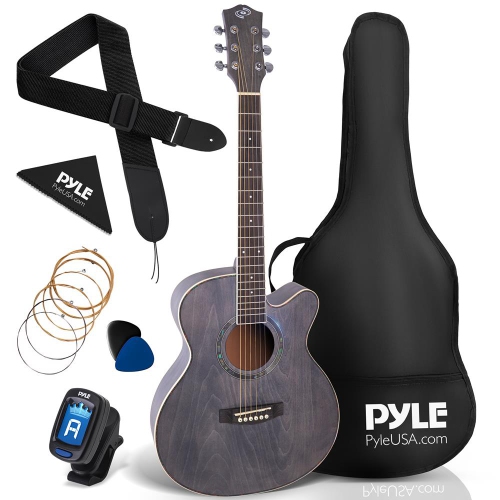
The most satisfying acoustic instruments tend to become part of a player’s everyday surroundings. They may sit within reach beside a reading chair, travel to a lesson during the cooler months or provide a gentle soundtrack while friends gather indoors. For beginners, setting a small and realistic practice routine is often more useful than trying to master too much at once. Ten focused minutes spent learning how to hold the instrument, produce a clean note and repeat a simple rhythm can build confidence quickly. Players should also pay attention to tuning, string or reed condition, moisture, temperature and safe storage, since these details can affect response and tone. Acoustic guitars may benefit from fresh strings and occasional setup work; bowed instruments need properly maintained bows and careful handling; wind instruments require regular cleaning and drying; and percussion surfaces should be protected from unnecessary impacts or extreme conditions. If you are selecting an acoustic guitar, exploring Acoustic Guitar Parts can also help you understand the practical components that influence playability and upkeep. Accessories are not merely extras: a correctly sized case makes transport easier, a dependable tuner supports good habits, and a comfortable strap or stand can help the player maintain a relaxed position. Acoustic music instruments also offer a tactile way to share music with others. A parent and child can learn a simple melody together, a new player can accompany singing around a table, or an experienced musician can use an unamplified instrument to explore dynamics and phrasing. Whether the goal is casual enjoyment, formal study, songwriting, cultural music-making or a meaningful gift, the right choice should feel inviting, sound pleasing in its intended space and suit the player’s body, interests and everyday routine.
Wind and woodwind instruments produce sound when moving air interacts with an edge, opening, vibrating reed or set of valves. A flute creates a tone as the player directs air across an opening, while a recorder uses a built-in channel to guide the air towards an edge. Clarinets and similar reed instruments depend on a thin reed that vibrates against the mouthpiece, shaping a focused sound that can be soft and expressive or bright and energetic. Brass instruments use the player’s buzzing lips and the instrument’s tubing to create and project sound, making breath control, embouchure and posture important parts of the learning process. Acoustic percussion instruments create their voices when a stretched head, wooden surface, metal component or enclosed body is struck or shaken. Drums can provide the steady foundation of a song, while hand percussion and cajon-style instruments are useful for informal playing, rhythm practice and group sessions. An accordion produces sound by pushing air through free reeds with a bellows system, combining melody and accompaniment in a distinctive, hands-on format. These instruments can suit a wide range of players, from children beginning music lessons to adults returning to a creative interest after years away. They can also make thoughtful gifts for someone joining a school ensemble, exploring folk music, building a home practice routine or looking for a shared activity with family and friends. Before choosing, think about maintenance and the accessories needed for a complete setup, such as a case, stand, tuner, cleaning supplies, straps, reeds, sticks, a bow or a suitable seat. The intended environment matters too. A compact instrument may be ideal for an apartment or travel, while a larger instrument may be better suited to a dedicated music room. Consider volume, storage space and whether the player needs an instrument for solo practice, lessons, rehearsals, small gatherings or live performance without electronic amplification.
The most satisfying acoustic instruments tend to become part of a player’s everyday surroundings. They may sit within reach beside a reading chair, travel to a lesson during the cooler months or provide a gentle soundtrack while friends gather indoors. For beginners, setting a small and realistic practice routine is often more useful than trying to master too much at once. Ten focused minutes spent learning how to hold the instrument, produce a clean note and repeat a simple rhythm can build confidence quickly. Players should also pay attention to tuning, string or reed condition, moisture, temperature and safe storage, since these details can affect response and tone. Acoustic guitars may benefit from fresh strings and occasional setup work; bowed instruments need properly maintained bows and careful handling; wind instruments require regular cleaning and drying; and percussion surfaces should be protected from unnecessary impacts or extreme conditions. If you are selecting an acoustic guitar, exploring Acoustic Guitar Parts can also help you understand the practical components that influence playability and upkeep. Accessories are not merely extras: a correctly sized case makes transport easier, a dependable tuner supports good habits, and a comfortable strap or stand can help the player maintain a relaxed position. Acoustic music instruments also offer a tactile way to share music with others. A parent and child can learn a simple melody together, a new player can accompany singing around a table, or an experienced musician can use an unamplified instrument to explore dynamics and phrasing. Whether the goal is casual enjoyment, formal study, songwriting, cultural music-making or a meaningful gift, the right choice should feel inviting, sound pleasing in its intended space and suit the player’s body, interests and everyday routine.
Top selling and popular products
-
 Your price for this item is $259.99
 -
 Your price for this item is $999.99
 -
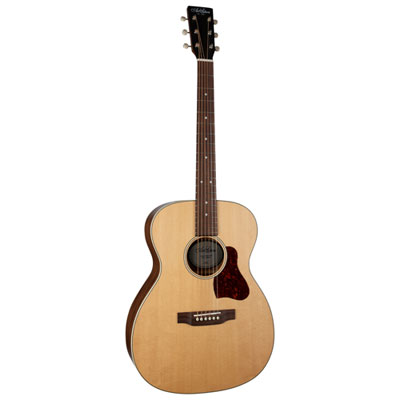 Your price for this item is $599.99
 -
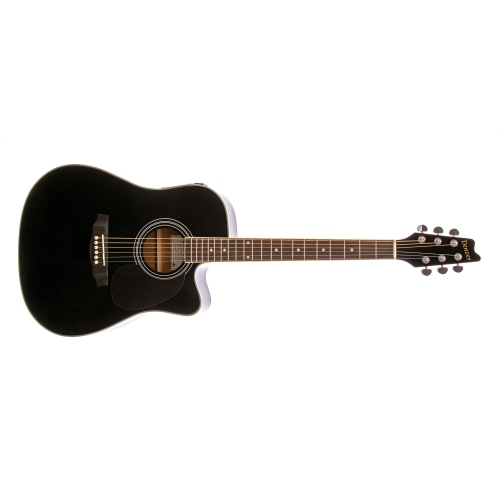 Your price for this item is $269.99
 -
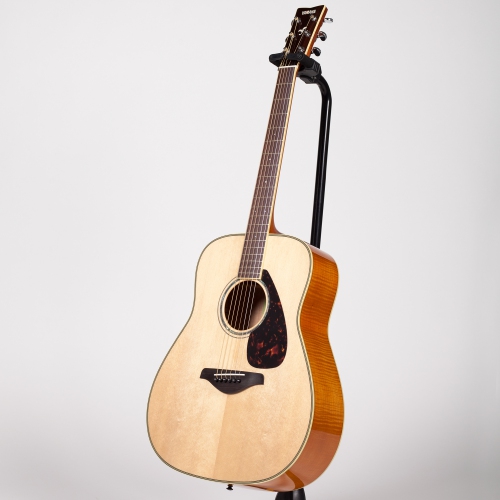 Your price for this item is $649.99
 -
 Your price for this item is $459.99
 -
 Your price for this item is $918.85
 -
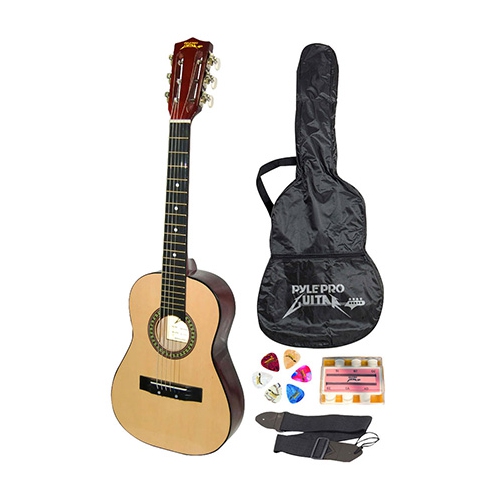 Your price for this item is $72.99
Discover more categories related to Acoustic Music Instruments
Top Collections:
Pokemon Centers, Kindle Devices, Best Budget Office Chairs, Canon G7X Cameras, Apple iPhones 16, Samsung Galaxy Phones, Refurbished Apple Laptops, Laptops for Students, iPhone 15 Apple, Budget Smartphones
Some products may be subject to Environmental Handling Fees
(EHF) depending on your province.
Learn more about EHFs.