Electric Music Instruments
Explore the world of electric music instruments and elevate your musical creativity to new heights. From electric guitars and keyboards to synthesizers and drum machines, our collection offers a wide range of options for musicians of all levels. Whether you're a seasoned performer looking to expand your sound or a beginner eager to dive into the world of electronic music, these cutting-edge instruments are sure to inspire your next hit song. Dive in and discover the perfect electric music instrument to take your music to the next level.
Sort

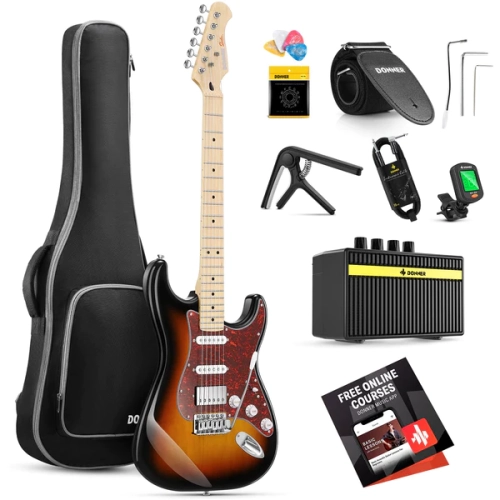
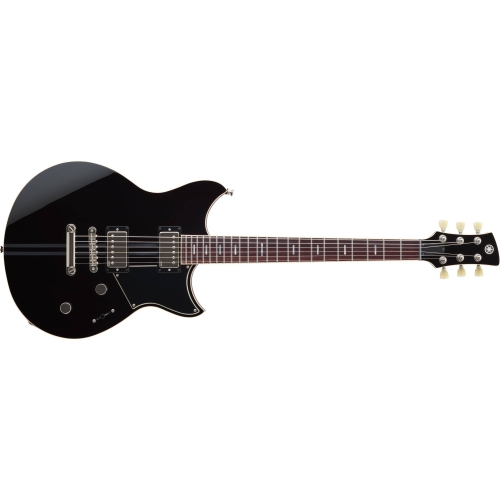
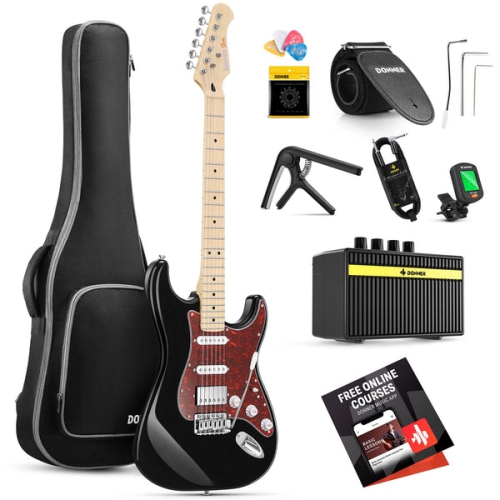
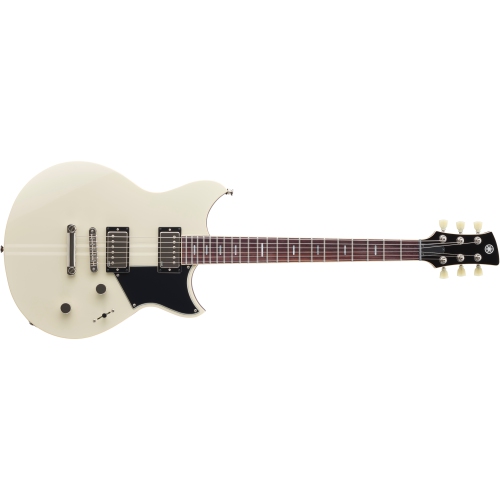
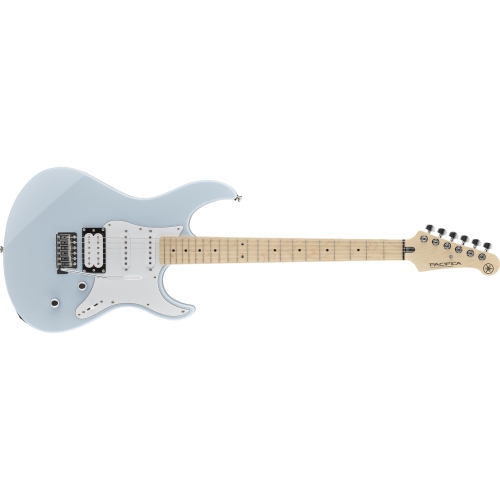

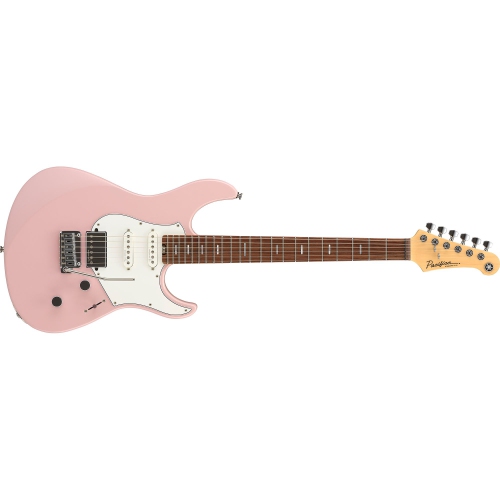
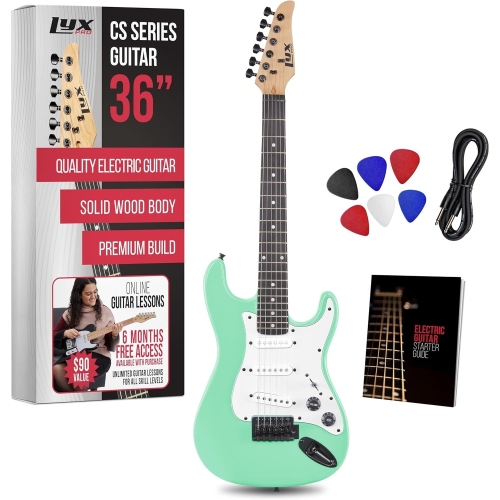
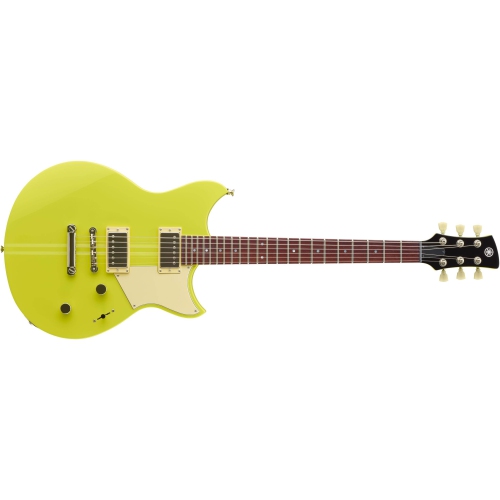
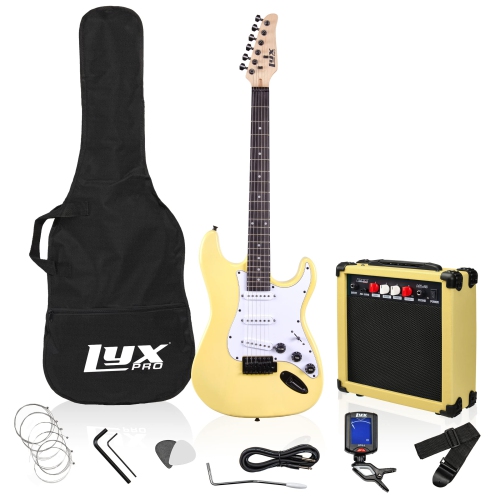
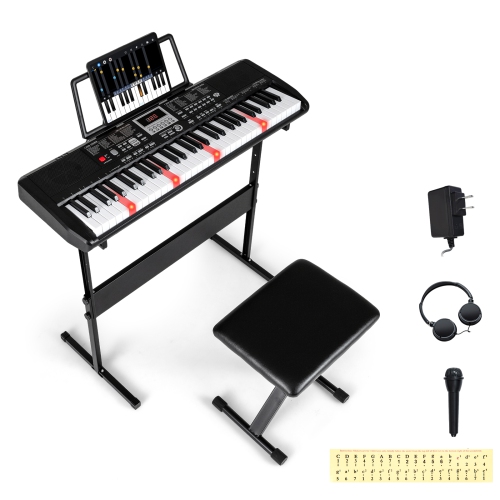
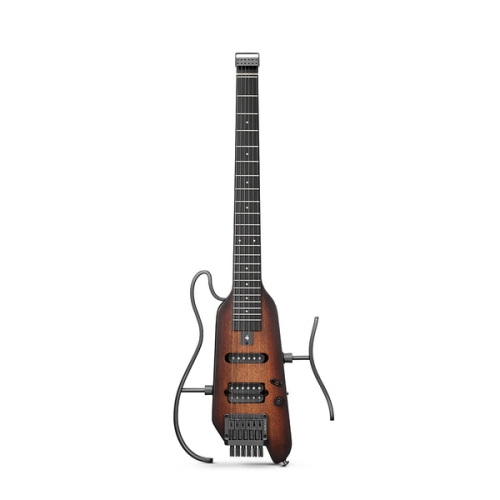
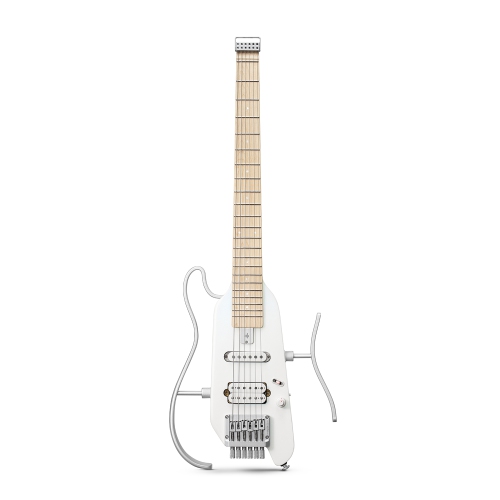
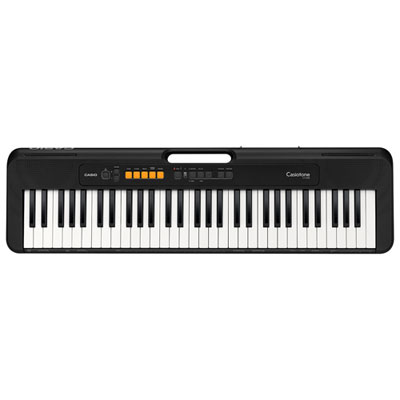
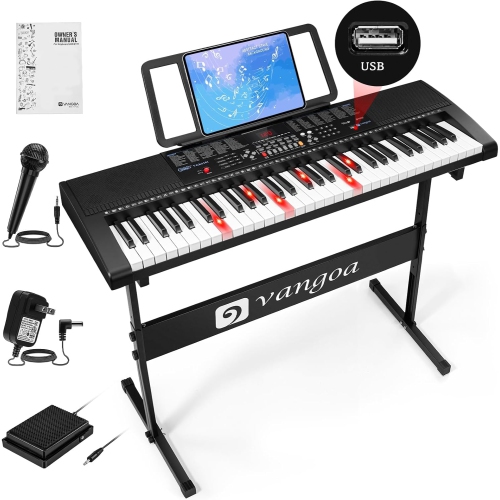
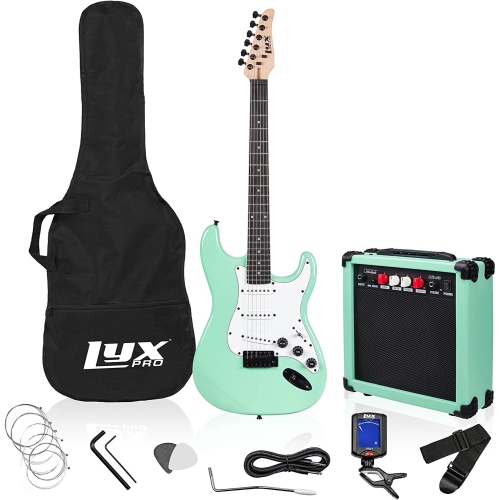
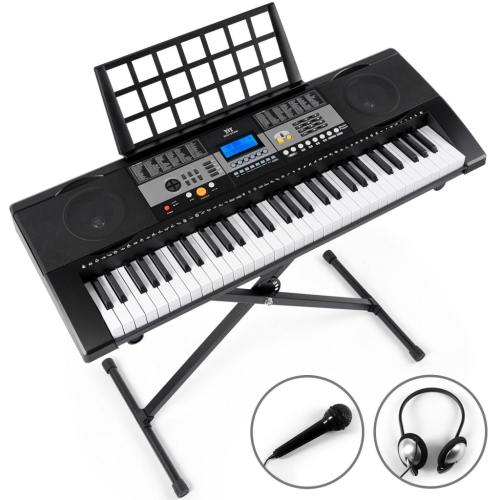
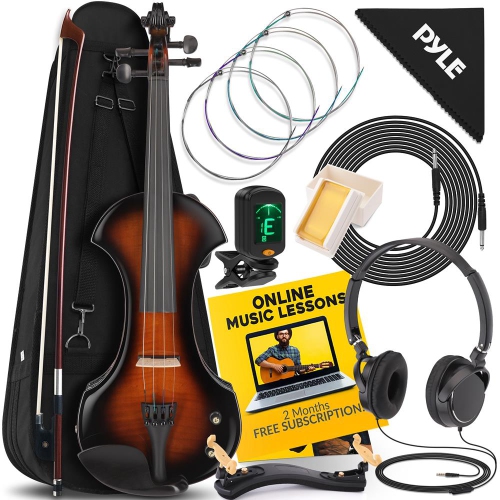
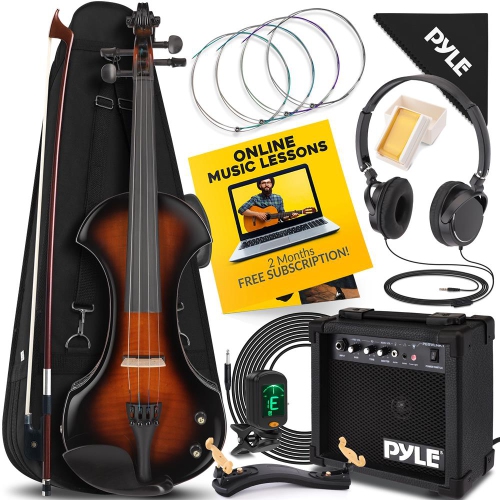
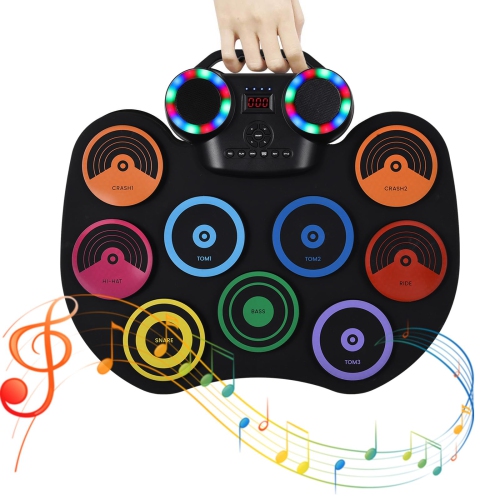
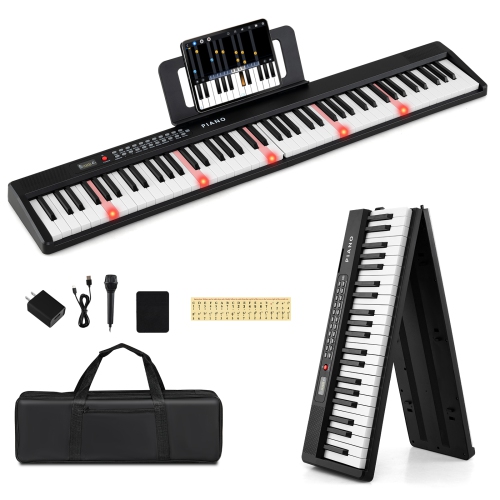
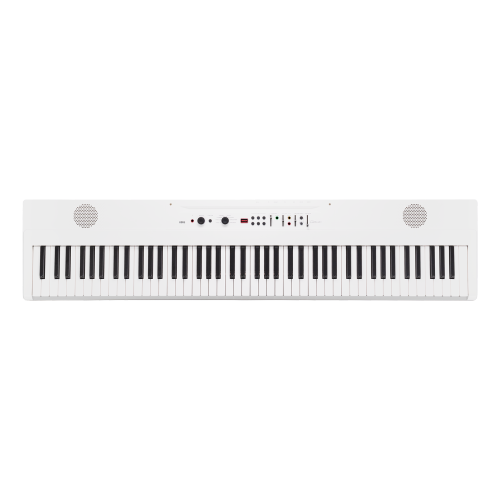
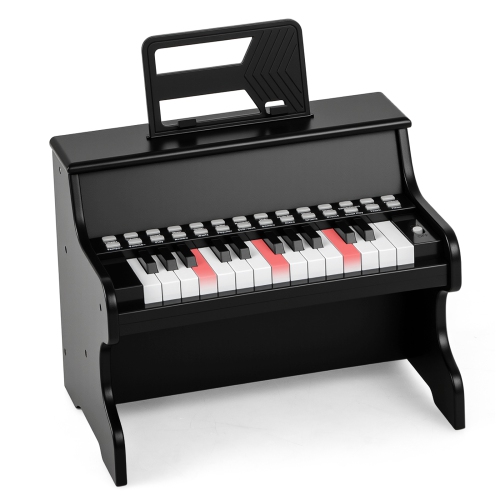
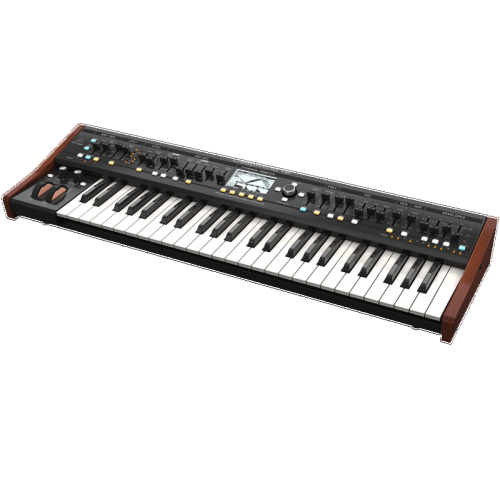
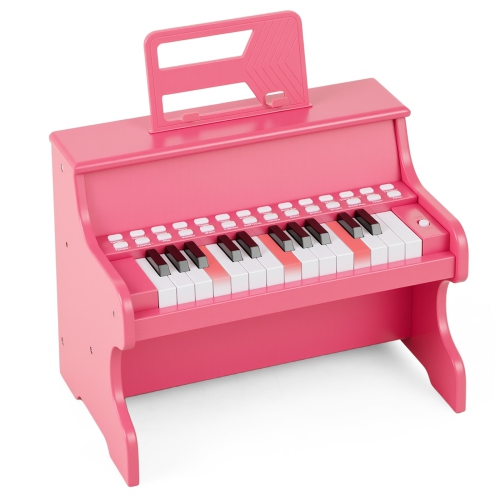
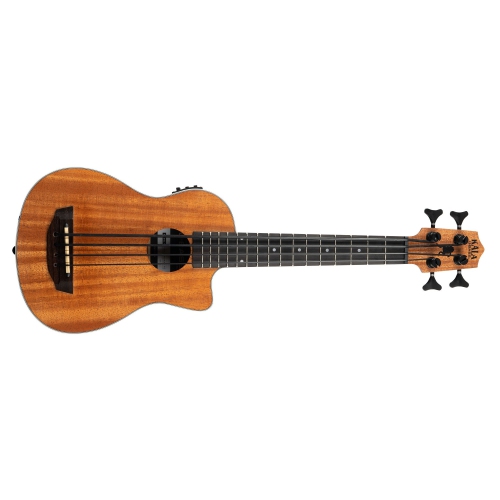
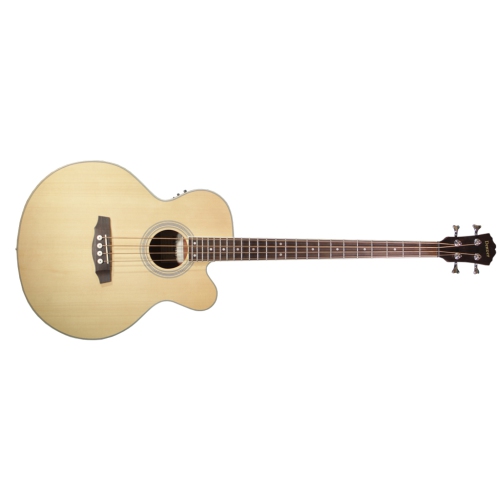
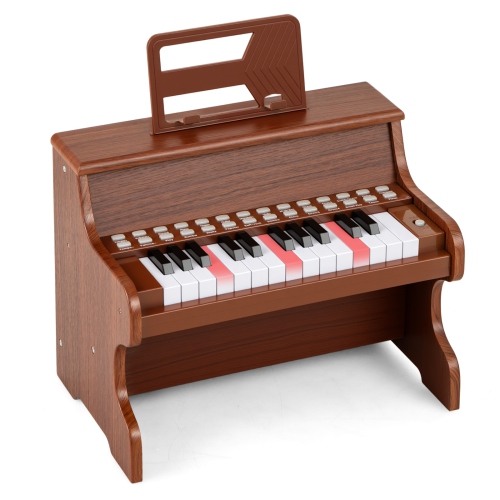
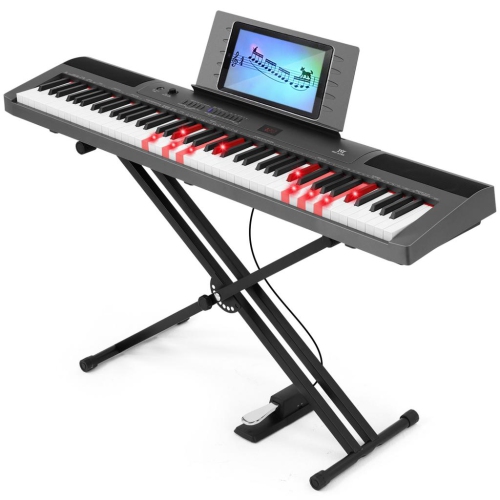
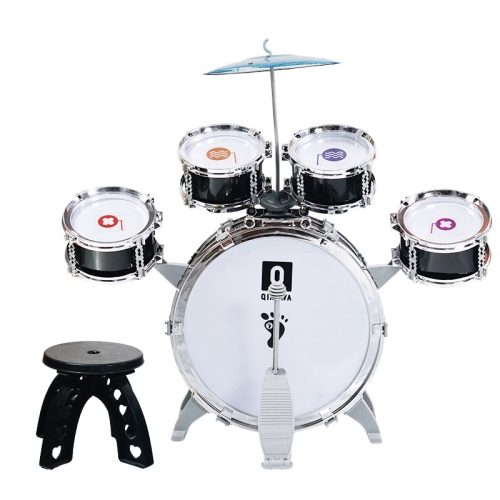
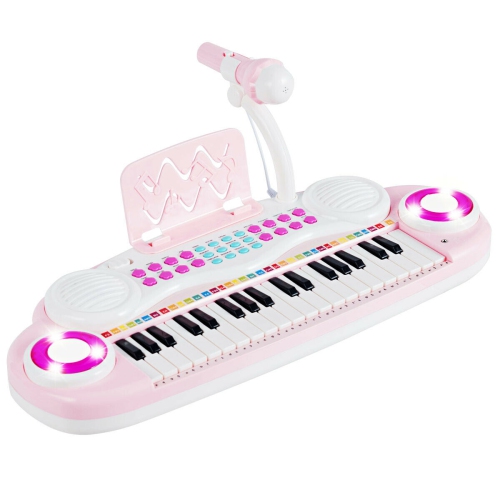
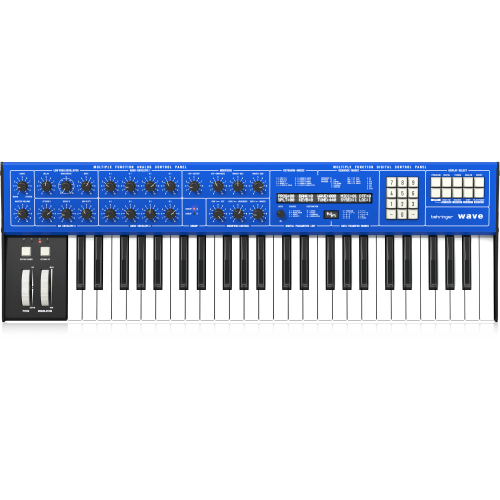
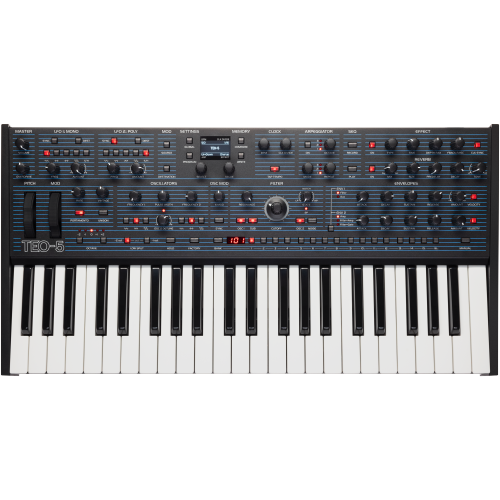
What shapes an instrument’s sound and playing feel
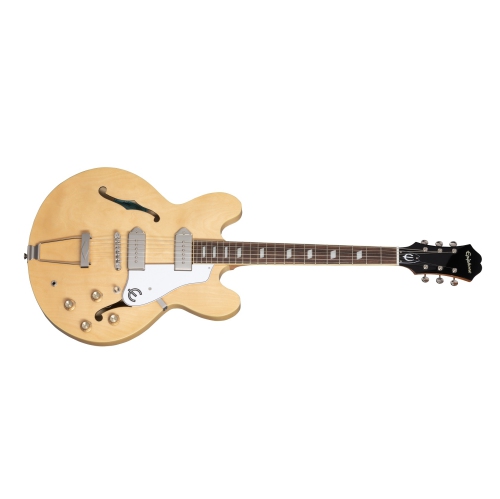
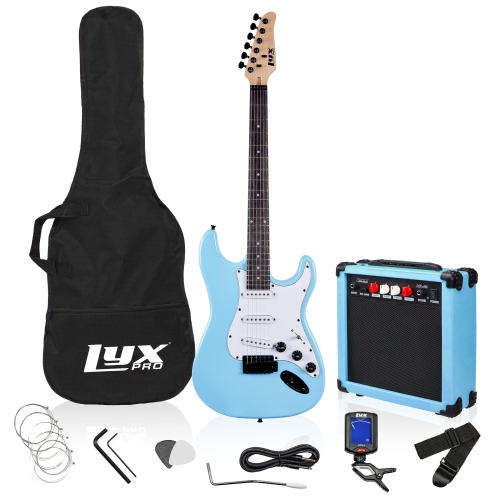
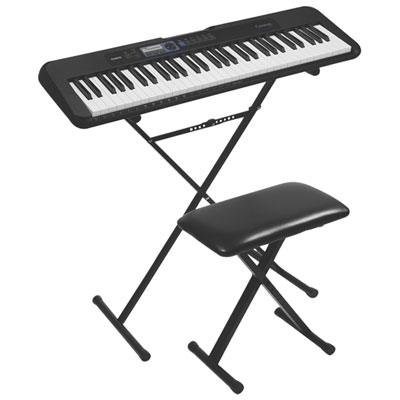
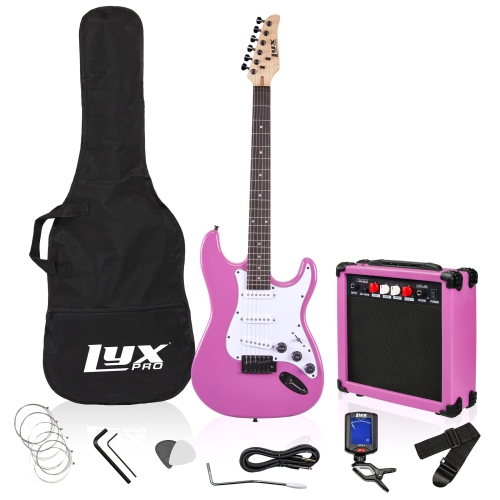
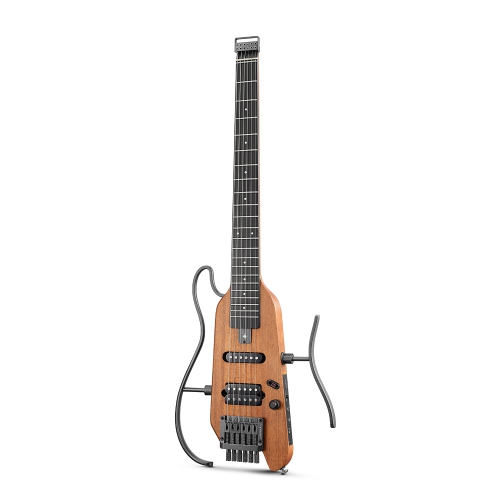
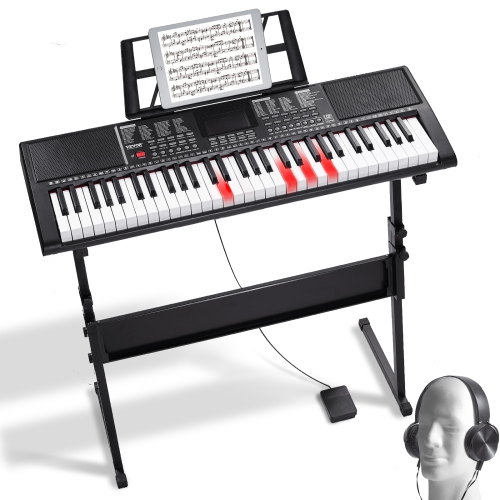
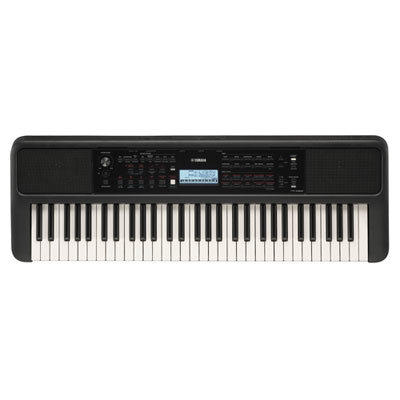
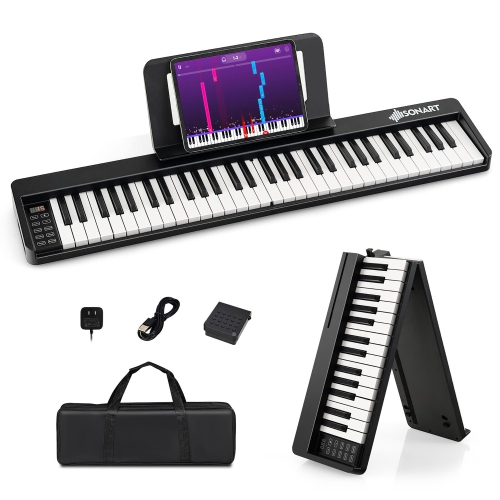
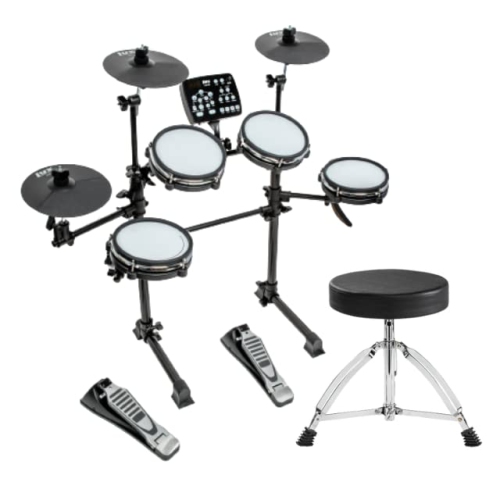
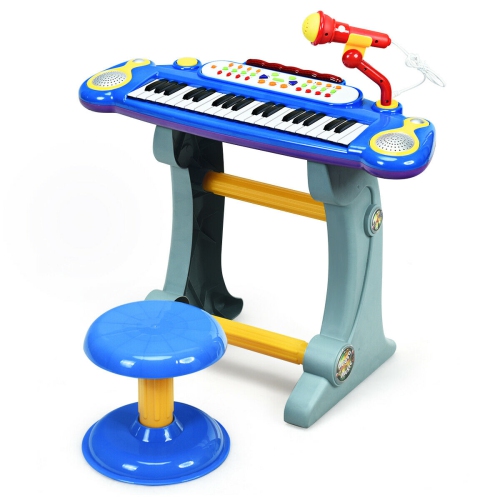
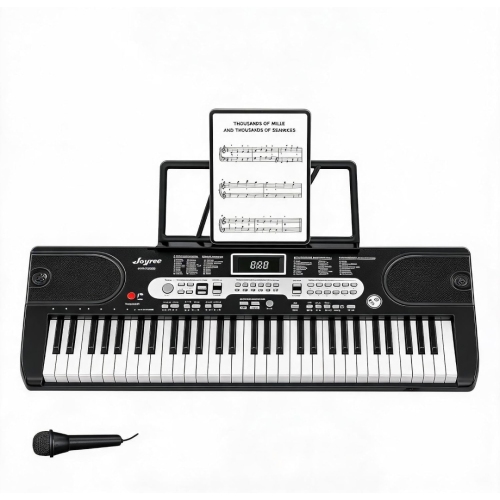
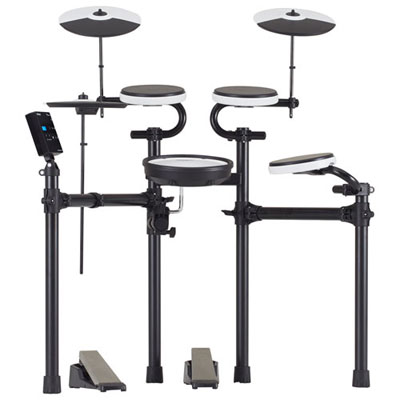
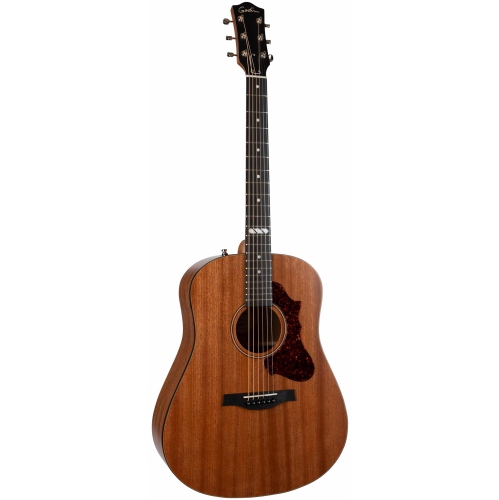
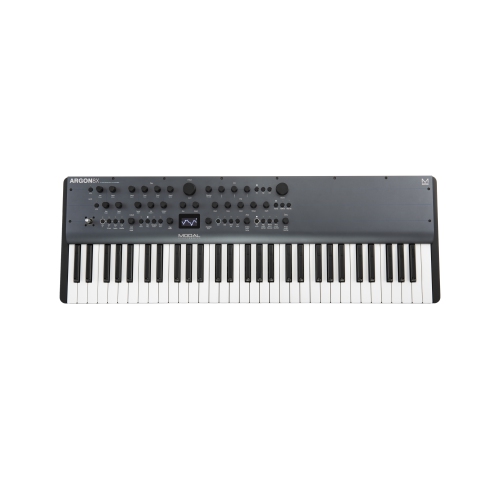
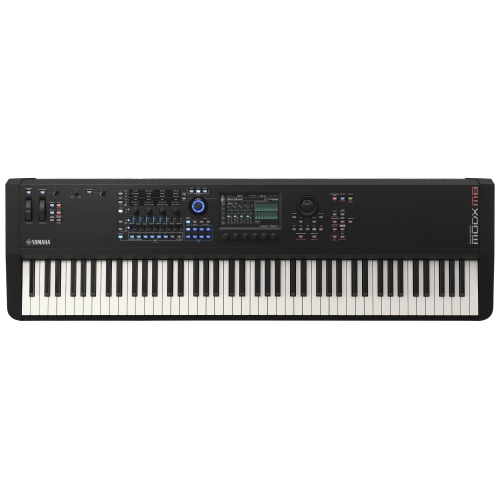
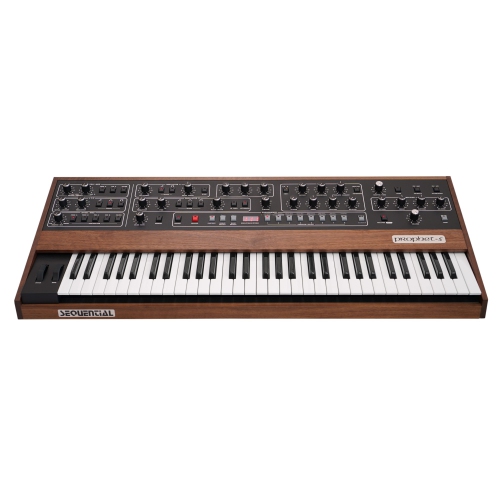
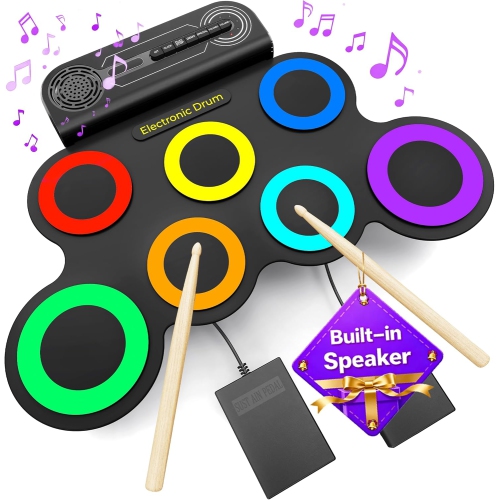
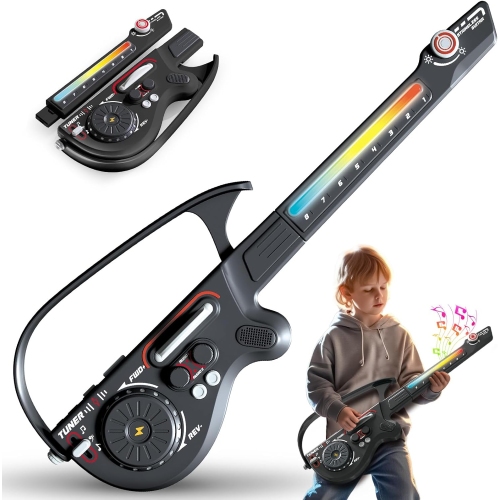
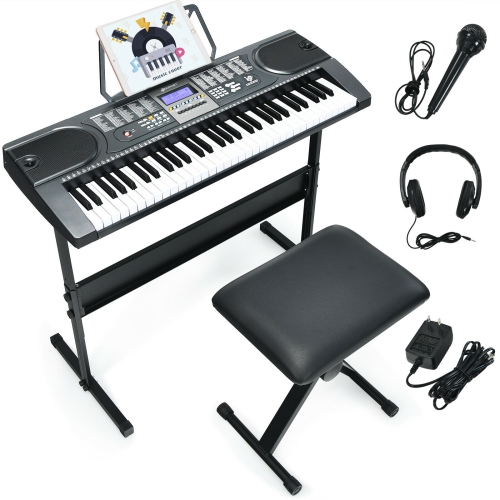
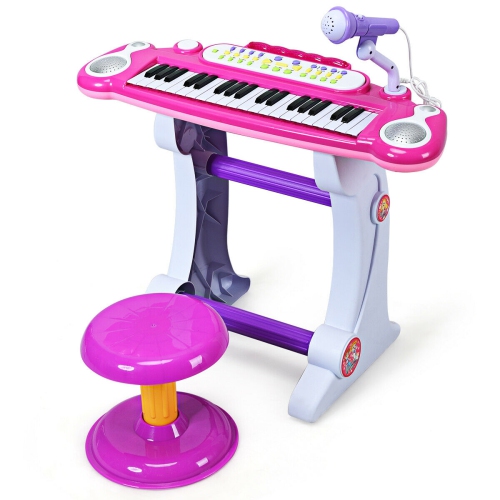
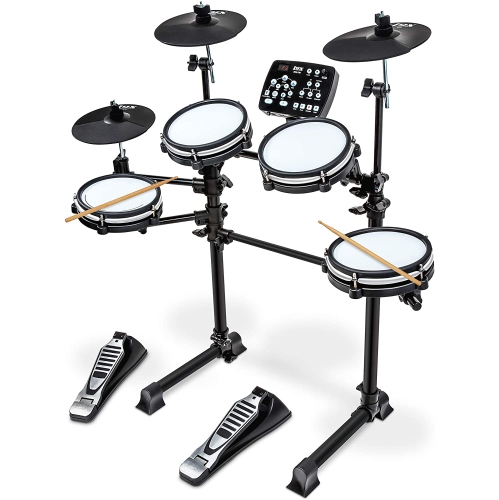
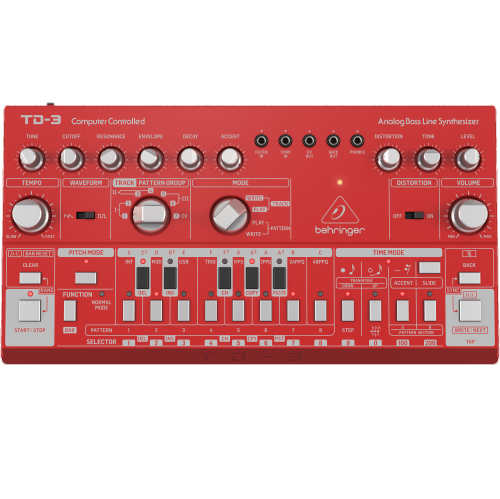
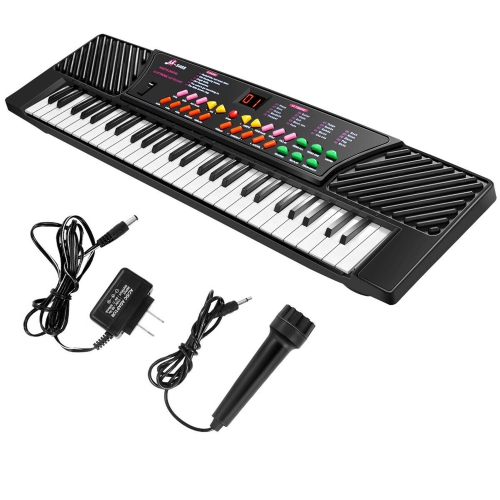
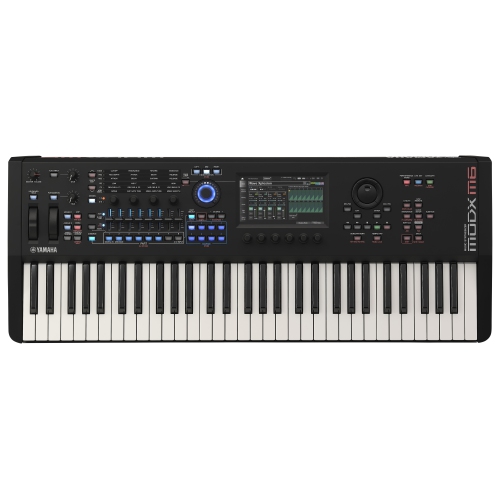
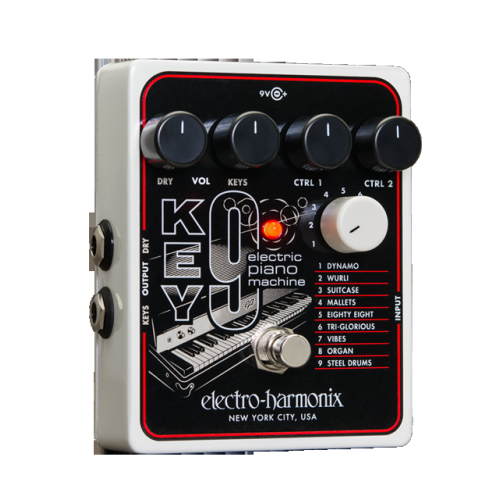
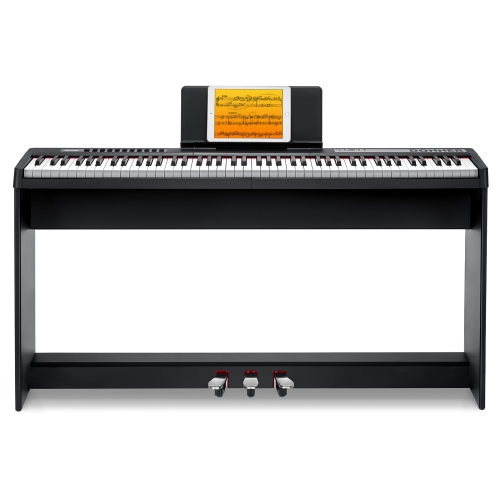
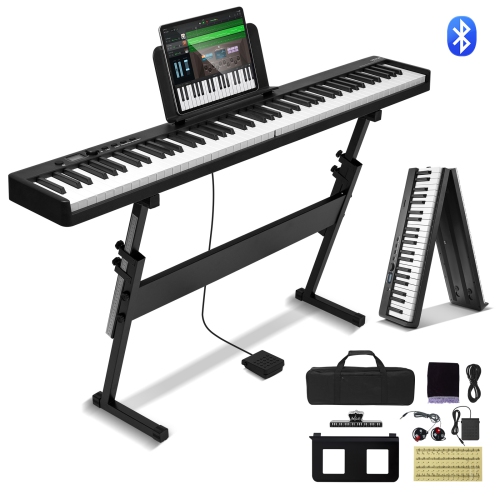
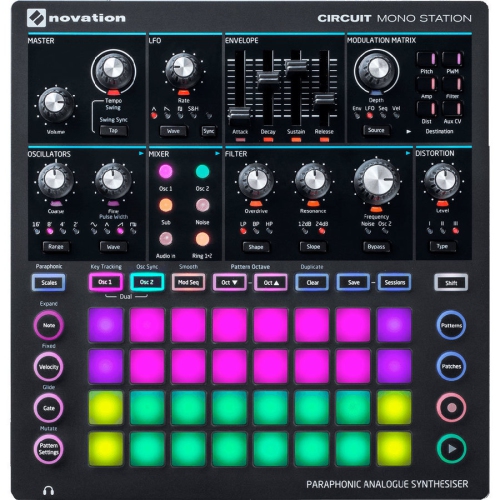
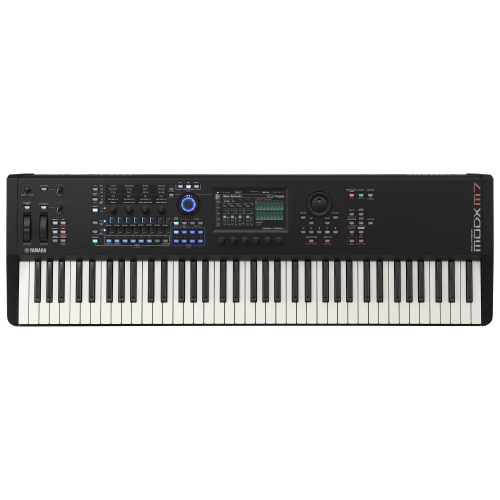
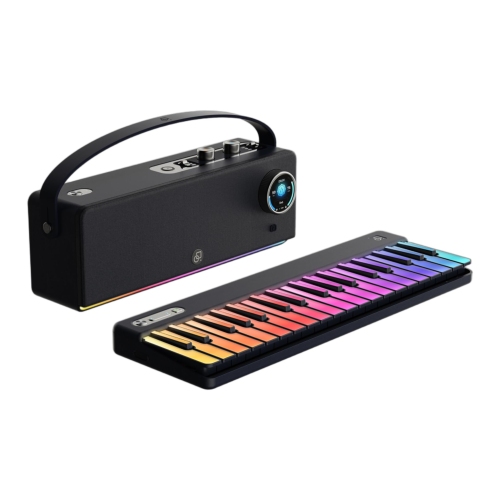
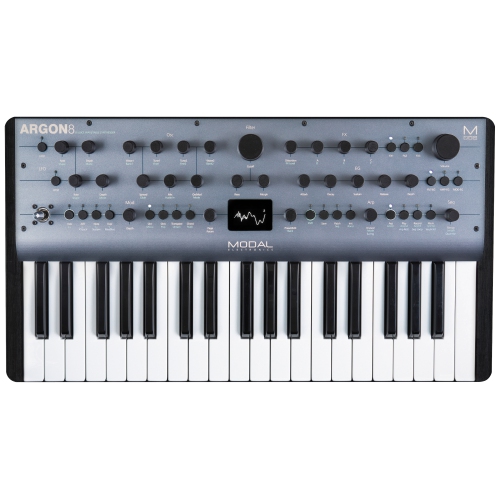
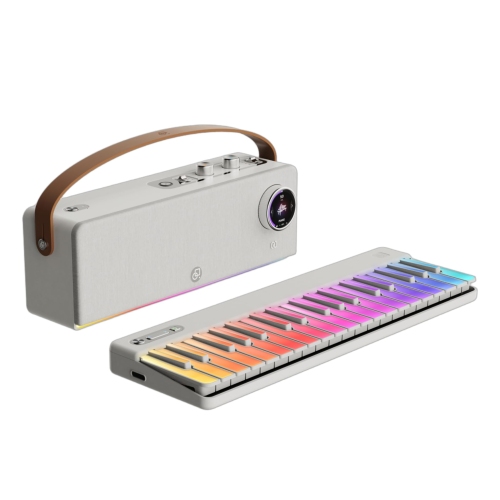
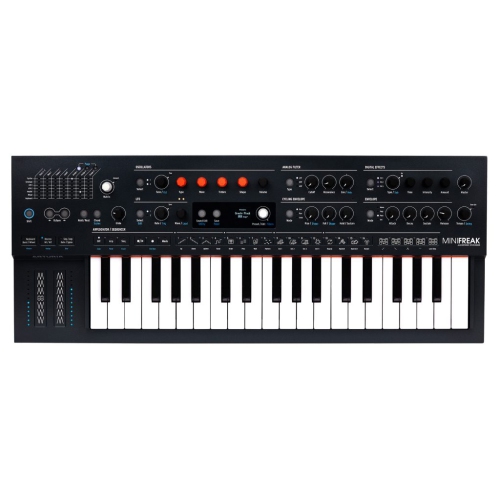
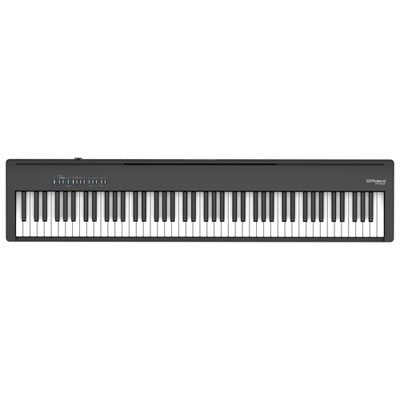
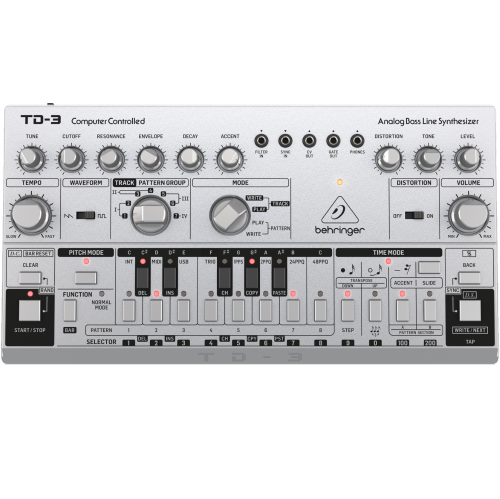
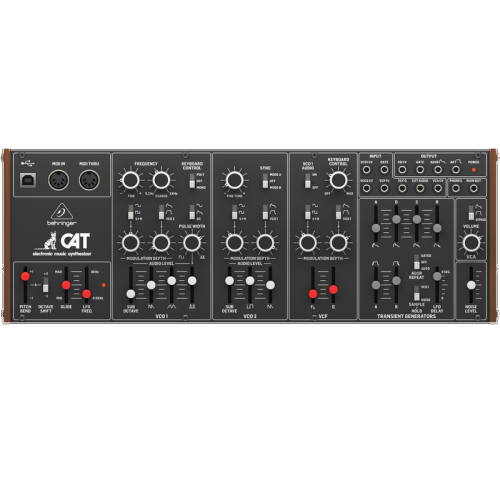
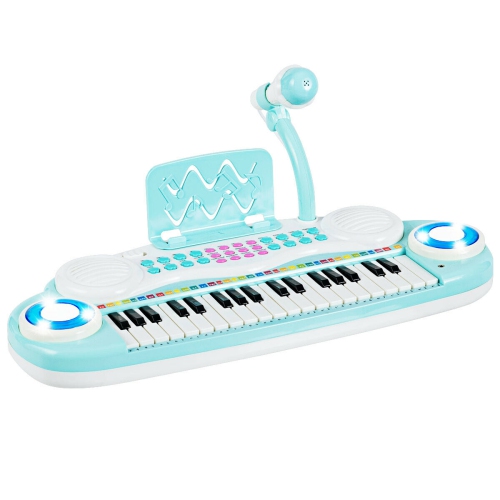
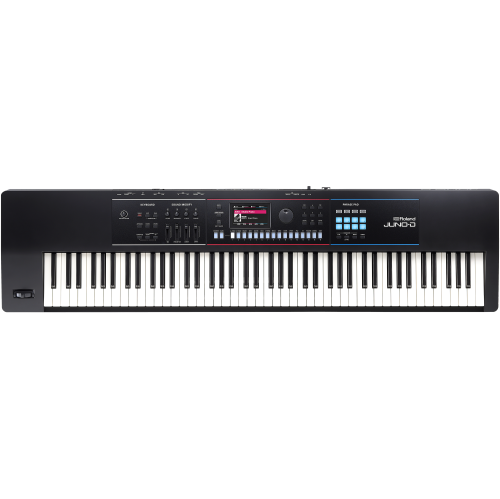
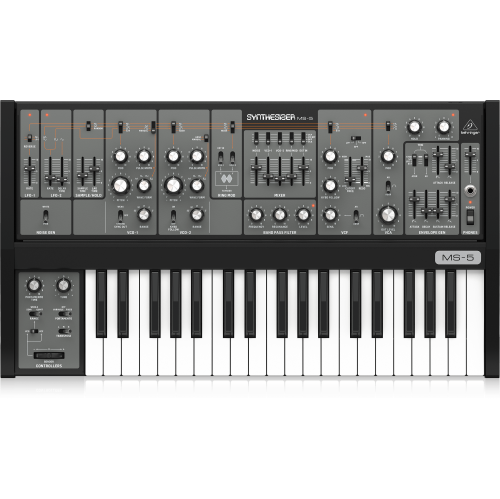
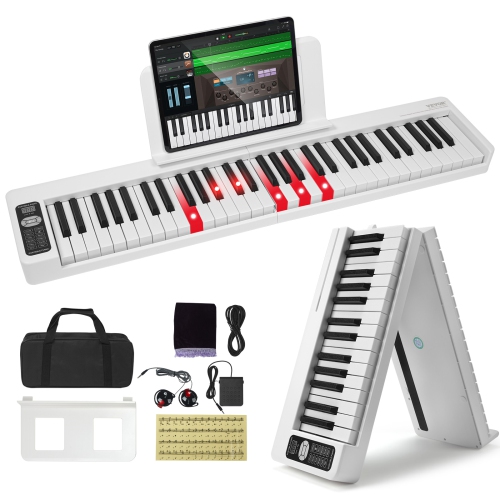
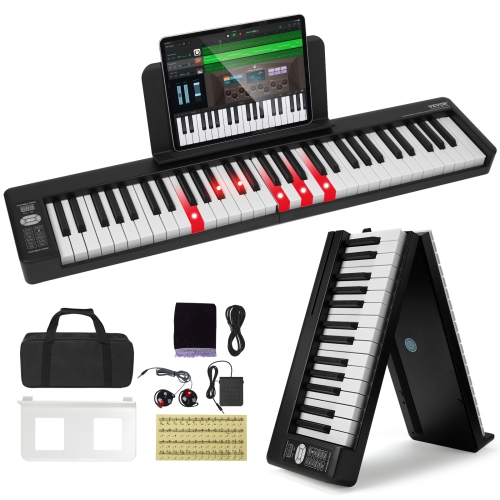
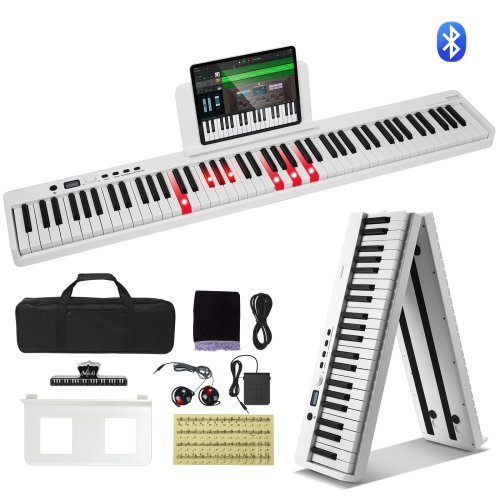
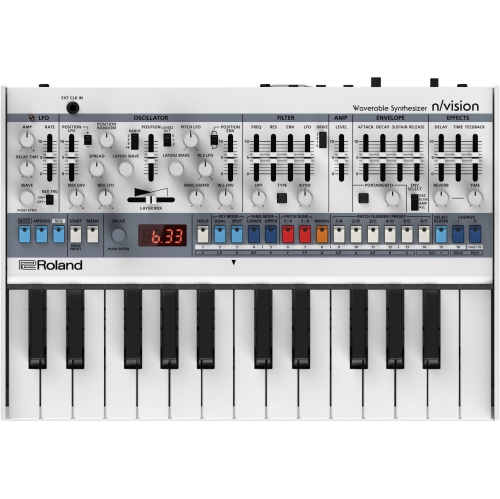
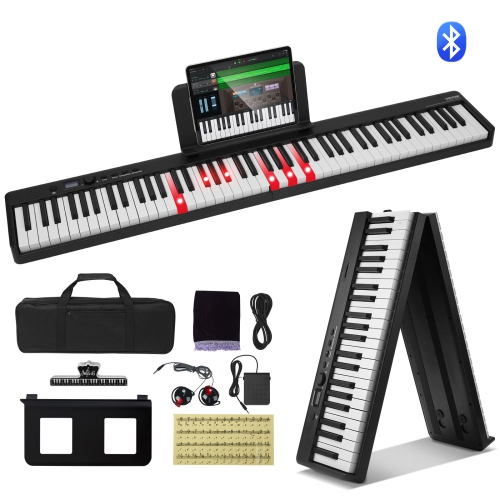
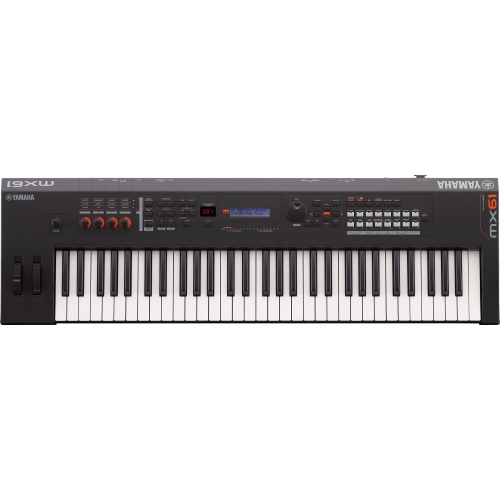
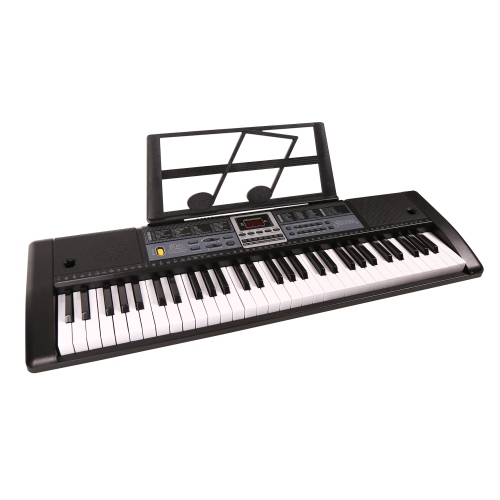
Electric music instruments use electrical signals to generate, modify, or amplify sound, giving musicians ways to explore everything from a clean guitar melody to a layered synthesizer arrangement. The category includes instruments that begin with a physical vibration, such as electric guitars and basses, as well as electronic instruments that create sound through circuitry or digital processing. On an electric guitar, pickups convert string vibrations into a signal that can travel to an amplifier or recording setup; the strings, playing technique, pickup design, and connected equipment all contribute to the result. Synthesizers take a different approach, using analogue circuits, digital sound engines, or a combination of the two to create and shape tones. Controls for filters, envelopes, and modulation can turn a simple note into a rounded bass line, a bright lead, or a slowly evolving texture. Digital pianos and electronic keyboards often focus on familiar instrument sounds, with sampled or modelled piano voices and, depending on their design, organ, string, and other sounds. Electronic drum kits translate strikes on pads into percussion sounds, while drum machines arrange beats into patterns that can repeat, change, and form the backbone of a composition. Grooveboxes combine several of these functions, bringing sequencing, percussion, and melodic parts into a single playing surface. Samplers capture or import audio and let the player trigger, trim, pitch, or rearrange it, making a short vocal phrase or a handclap part of a new musical idea. MIDI controllers belong alongside this equipment but serve a distinct purpose: their keys, pads, knobs, or sliders send performance instructions to compatible software or hardware, and many do not produce sound independently. These differences matter when matching an instrument to piano practice, songwriting, beat-making, or live performance. The broader Electronic Music category connects these approaches, from hands-on sound design to computer-based composition, while leaving room for players who simply want an expressive instrument to pick up and play.
The physical feel of an instrument can be just as important as its range of sounds. A pianist working on finger control may appreciate weighted keys that offer resistance closer to an acoustic piano, while a player programming quick synthesizer passages may prefer a lighter keyboard action. Touch sensitivity allows playing force to affect volume or tone, although its behaviour depends on the instrument and selected sound. Key size, keyboard length, and pedal support influence comfort and the music that can be played without changing octaves. Someone practising two-handed piano arrangements generally needs more room than a producer entering a bass line one note at a time. For electric guitars and basses, neck shape, string spacing, scale length, and overall weight affect how naturally the instrument sits in the hands. A comfortable seated position, a well-adjusted strap, and suitable string tension can make longer sessions less tiring. Electronic drum pads have their own feel: rubber surfaces and mesh heads offer different amounts of rebound and stick noise, and adjustable rack positions help bring the pads within comfortable reach. Headphone listening can reduce amplified sound in a shared home, but tapping pads, pressing pedals, and striking keys can still create audible mechanical noise. Construction also shapes everyday use. Wooden bodies and necks need stable storage conditions, while metal controls, sturdy sockets, and well-supported stands help equipment withstand repeated handling. Plastic housings can keep compact keyboards and controllers manageable to carry, though protection during transport remains important. A small instrument that fits beside a laptop suits composing at a desk; a larger keyboard or drum setup needs space for proper posture, cables, and accessories. For rehearsals and performances, dependable controls and a readable display can matter more than an extensive menu of features. Beginners benefit from a layout that makes core functions easy to understand, while experienced players may value deeper editing, expressive pedals, or the ability to save settings between sessions. The best fit is the instrument that supports the way its player actually practises and makes music.
Connections determine how electric music instruments fit into a home practice space, recording desk, or performance setup. Audio outputs carry sound to compatible speakers, amplifiers, mixers, or interfaces, while MIDI connections carry information such as which note was played and how strongly it was struck. USB may provide MIDI, audio, power, or some combination of these functions, so a USB socket alone does not confirm that an instrument can send recorded audio to a computer. A controller intended for software instruments also needs a compatible device and suitable software to turn its performance data into sound. Headphone sockets offer convenient personal listening when supported, and comfortable headphones make detailed practice easier without requiring room-filling volume. Electric guitars and basses commonly rely on instrument amplification, while keyboards and electronic drums generally benefit from equipment suited to their wider frequency range. For recording, an audio interface with the appropriate inputs can connect an instrument to music software, whether the goal is capturing a complete performance or building a song one part at a time. Power requirements deserve equal attention: some compact instruments support batteries or USB power, while others require a specified adaptor. Care is mostly practical and consistent. A soft, dry cloth removes fingerprints and dust from many exterior surfaces, and manufacturer-approved cleaning methods help protect finishes, keys, pads, and displays. Drinks kept away from playing surfaces reduce the chance of spills reaching switches or circuitry. Cables stored without tight bends, connectors handled by their plugs, and padded cases for travel help limit avoidable wear. Stringed instruments also need periodic tuning, fresh strings, and occasional adjustment as part of normal upkeep. For a gift, the recipient’s musical interests and existing setup provide useful direction: a piano learner, a guitarist joining a band, and a beat-maker working with a laptop have different needs. An instrument that works with their space, playing style, and connected equipment can become part of regular practice rather than something that takes too much effort to set up.
Top selling and popular products
-
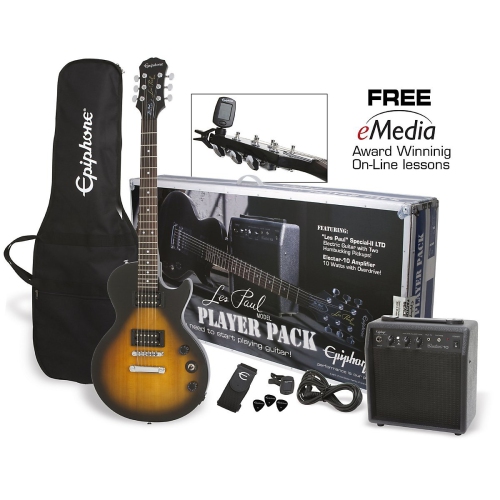 Your price for this item is $494.49
-
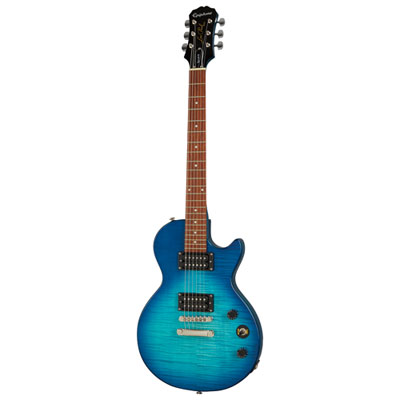 Your price for this item is $379.99
-
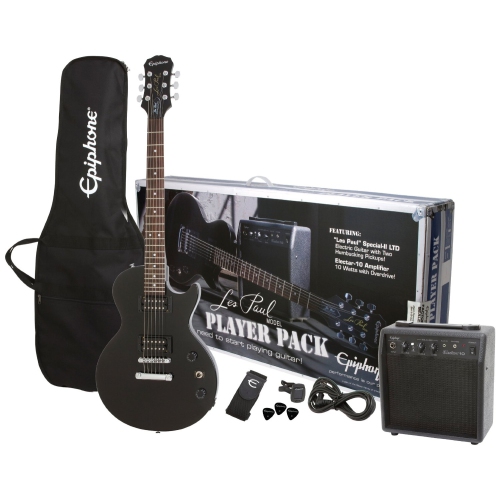 Your price for this item is $494.49
-
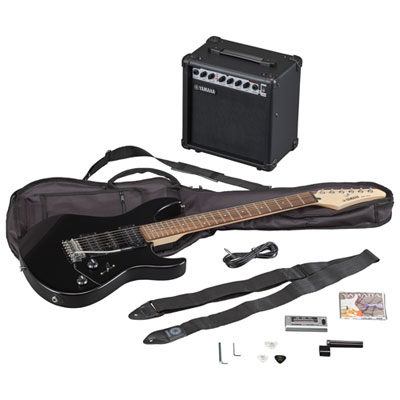 Your price for this item is $349.99
-
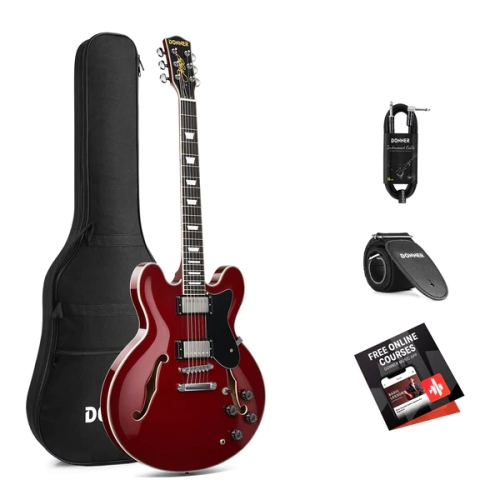 Your price for this item is $366.99
-
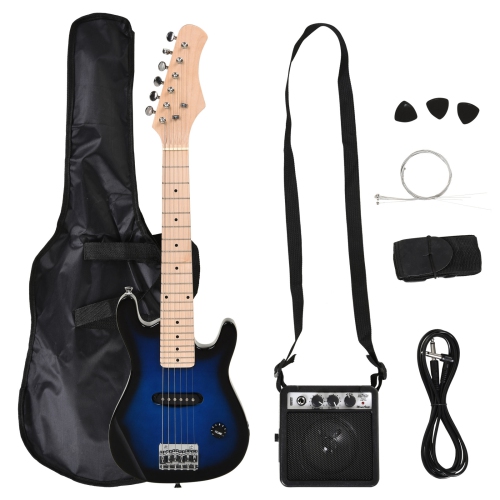 Your price for this item is $133.99
-
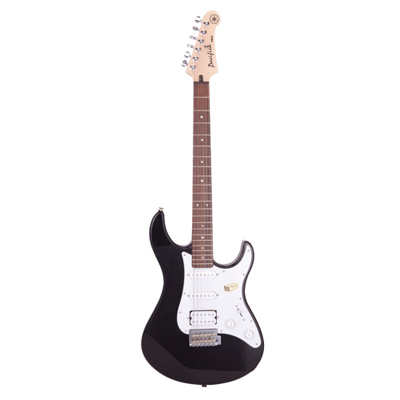 Your price for this item is $229.99
-
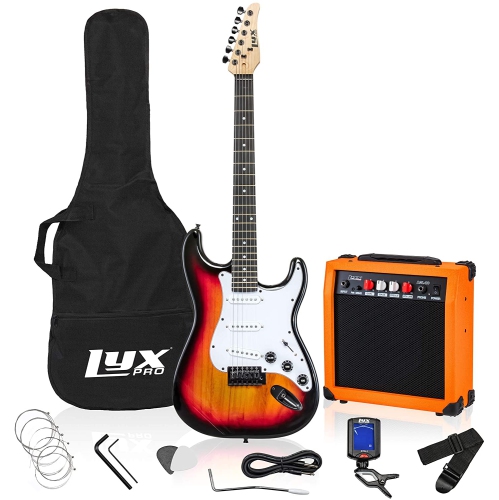 Your price for this item is $239.99
Discover more categories related to Electric Music Instruments
Top Collections:
Best Black Friday Deals This Year, Best Black Friday Deals On Electronics, Kindle Devices, Best Black Friday Deals On Apple Products, Best Budget Office Chairs, Best Cameras for Sports Photography, Dyson Airwrap, Canon G7X Cameras, Best Laptops for Writers, Samsung Galaxy Phones
Some products may be subject to Environmental Handling Fees
(EHF) depending on your province.
Learn more about EHFs.