Affordable Midi Keyboards
Looking to unleash your musical creativity without breaking the bank? Look no further than our collection of affordable midi keyboards. These versatile instruments offer a perfect balance of functionality and affordability, making them ideal for both beginners and seasoned musicians alike. Whether you're a pianist looking to experiment with electronic sounds or a producer in need of a compact yet powerful tool, our range of affordable midi keyboards has got you covered. Explore our selection today and discover the perfect keyboard to take your music to new heights.
Sort
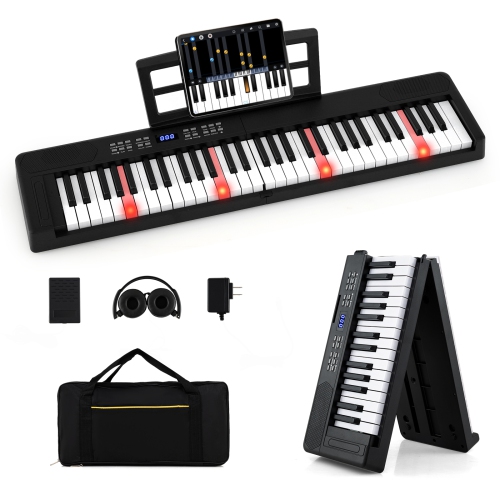
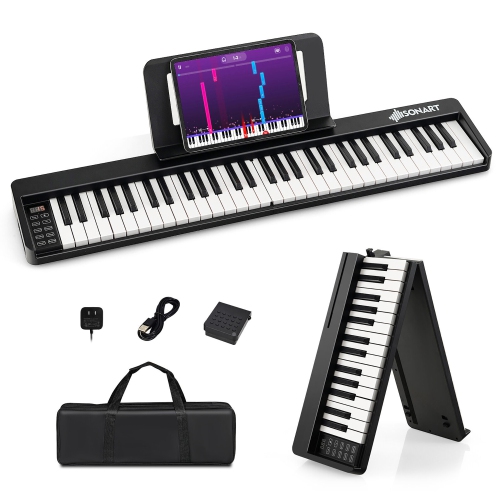
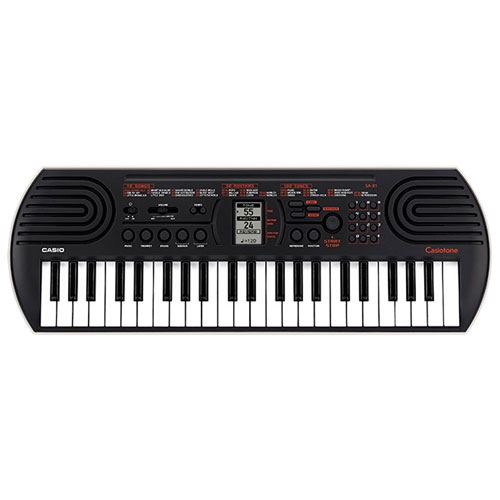
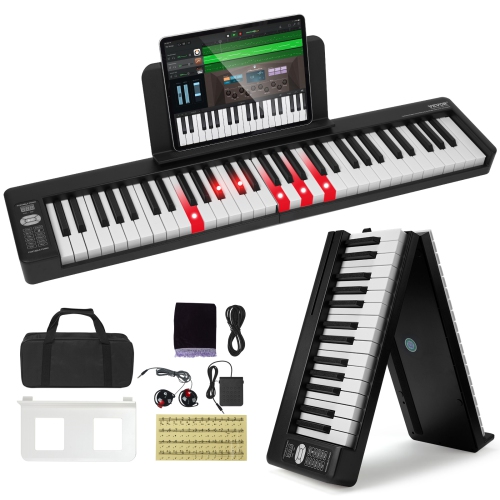
Hands-on music production without the studio-sized footprint
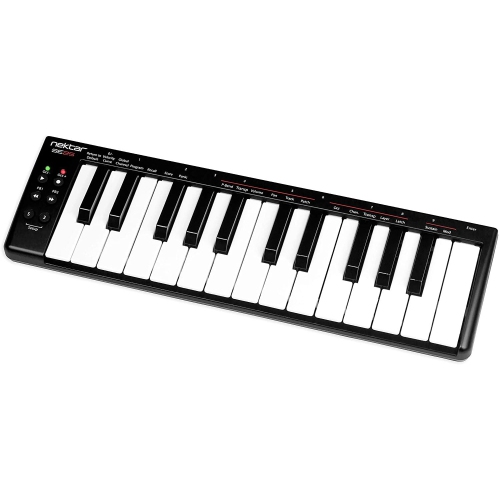
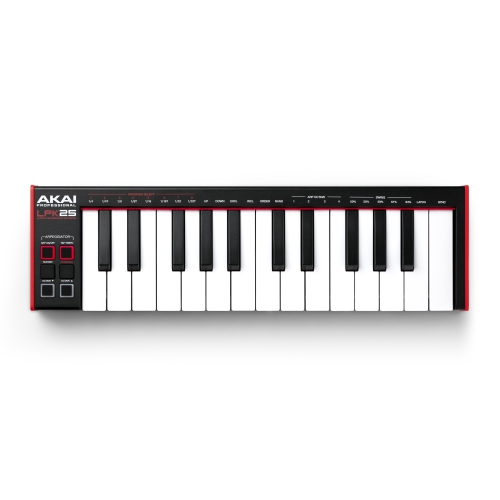
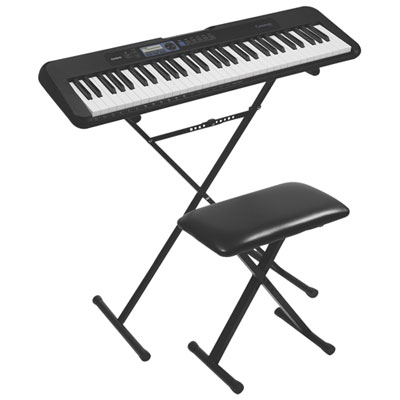
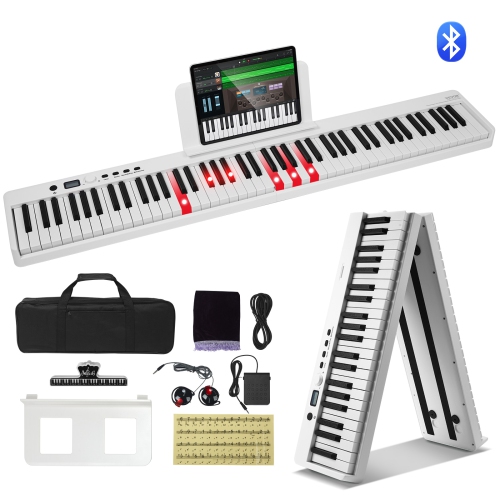
Affordable MIDI keyboards make it easier to bring hands-on control to music software without taking over a desk or stretching a creative budget. Unlike a traditional keyboard or digital piano, a MIDI keyboard does not usually produce sound on its own; it sends note and control information to a connected computer, tablet, or other compatible device running a digital audio workstation (DAW), virtual instrument, recording app, or music-making program. That makes this category useful for a wide range of players, from someone learning the basics of melody and chords to an experienced producer who wants a compact set of keys beside a larger studio setup. Many affordable models are priced between $40 and $130, with compact layouts, USB connectivity, and software support that can help new users get started quickly. A 25-key model can slip into a backpack and sit beside a laptop on a small apartment desk, while a 32-key or similar layout offers a little more room for two-handed playing without becoming difficult to carry. When browsing affordable MIDI keyboards, consider the kind of music you want to make and the space available for your setup. Mini keys are convenient for travel and beat production, but full-size keys may feel more familiar to someone who has taken piano lessons or prefers a traditional playing experience. Look for responsive keys, octave-shift buttons, pitch or modulation controls, and a layout that feels comfortable under your hands. USB-powered models can be especially convenient because one cable may handle both power and communication, reducing clutter during a rehearsal, classroom session, or late-night recording session. Compatibility is also important: check that the keyboard works with the operating system and music software you plan to use, whether that is a desktop DAW, a mobile music app, or a virtual instrument library. Included software can add value, but the most useful bundle is the one that matches your interests and is easy to install.
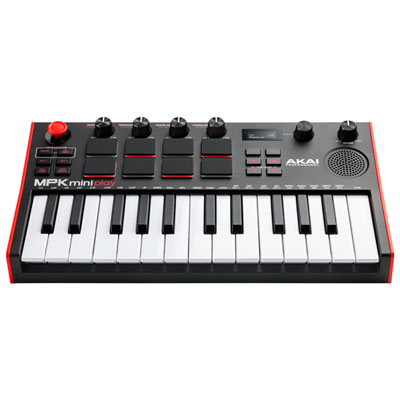
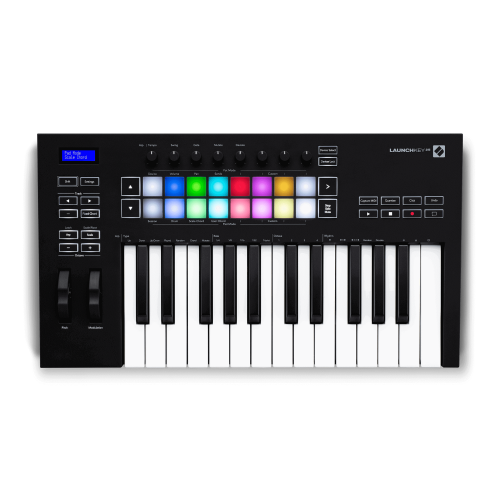
The right control layout depends on whether you mainly want to play notes or shape complete tracks from the keyboard. A straightforward keyboard with transport controls and octave buttons may be all that is needed for composing piano parts, bass lines, string arrangements, or simple melodies. Models with drum pads can make it easier to tap out kick drums, claps, hi-hats, and samples, particularly for beat makers who prefer finger drumming to clicking with a mouse. Assignable knobs and sliders are useful when adjusting a synthesizer filter, balancing effects, changing a software instrument’s tone, or automating volume and other settings while recording. An arpeggiator can turn held notes into repeating patterns, adding movement to electronic music and helping beginners experiment with rhythm and harmony. These extras are valuable when they support the way you work, but they should not distract from the feel of the keys or the overall size of the instrument. Someone who composes at a kitchen table may appreciate a slim keyboard with only the controls they use, while a bedroom producer with room for a dedicated setup may prefer pads, knobs, and deeper DAW integration. It is also worth checking whether the keys are velocity-sensitive, meaning the software responds differently when notes are played softly or firmly. This can make a simple part sound more expressive and gives a new player room to develop better technique. For people who travel, dimensions and weight matter just as much as the feature list. A compact keyboard can be kept in a laptop sleeve or carried to a friend’s studio, and quick plug-and-play operation means more time spent making music instead of troubleshooting connections. Those practical details are often what turn an inexpensive purchase into a piece of equipment that gets used regularly.
Affordable MIDI keyboards can be a thoughtful gift for a beginner musician, a student exploring music production, or a songwriter who wants a portable way to sketch ideas. They are also useful for creators who already own a computer and headphones but have been relying on a mouse to place every note on a digital piano roll. Even a short session can feel more immediate when chords are played with both hands: a rough melody can be tested, shifted into a different octave, and recorded before the idea disappears. During the cooler months, a compact setup can be especially inviting for making music at home, whether that means practising quietly at a desk, building a soundtrack for a video project, or experimenting with sounds after school or work. Before choosing, confirm the recipient’s preferred device, software, and playing experience, and think about whether portability or expanded controls will matter more. A beginner may benefit from a simple layout that feels approachable, while a beat maker may get more use from pads and knobs. It is also helpful to allow room in the budget for any accessories that may be needed, such as a USB adapter, headphones, a stand, or a compatible music app. Shoppers comparing related options can also explore Affordable Keyboards for additional compact instruments and keyboard choices. Whether it is used to learn chords, programme drums, control virtual instruments, or capture a melody on the go, an affordable MIDI keyboard can provide a tactile bridge between an idea and a finished recording while fitting comfortably into everyday creative spaces.
The right control layout depends on whether you mainly want to play notes or shape complete tracks from the keyboard. A straightforward keyboard with transport controls and octave buttons may be all that is needed for composing piano parts, bass lines, string arrangements, or simple melodies. Models with drum pads can make it easier to tap out kick drums, claps, hi-hats, and samples, particularly for beat makers who prefer finger drumming to clicking with a mouse. Assignable knobs and sliders are useful when adjusting a synthesizer filter, balancing effects, changing a software instrument’s tone, or automating volume and other settings while recording. An arpeggiator can turn held notes into repeating patterns, adding movement to electronic music and helping beginners experiment with rhythm and harmony. These extras are valuable when they support the way you work, but they should not distract from the feel of the keys or the overall size of the instrument. Someone who composes at a kitchen table may appreciate a slim keyboard with only the controls they use, while a bedroom producer with room for a dedicated setup may prefer pads, knobs, and deeper DAW integration. It is also worth checking whether the keys are velocity-sensitive, meaning the software responds differently when notes are played softly or firmly. This can make a simple part sound more expressive and gives a new player room to develop better technique. For people who travel, dimensions and weight matter just as much as the feature list. A compact keyboard can be kept in a laptop sleeve or carried to a friend’s studio, and quick plug-and-play operation means more time spent making music instead of troubleshooting connections. Those practical details are often what turn an inexpensive purchase into a piece of equipment that gets used regularly.
Affordable MIDI keyboards can be a thoughtful gift for a beginner musician, a student exploring music production, or a songwriter who wants a portable way to sketch ideas. They are also useful for creators who already own a computer and headphones but have been relying on a mouse to place every note on a digital piano roll. Even a short session can feel more immediate when chords are played with both hands: a rough melody can be tested, shifted into a different octave, and recorded before the idea disappears. During the cooler months, a compact setup can be especially inviting for making music at home, whether that means practising quietly at a desk, building a soundtrack for a video project, or experimenting with sounds after school or work. Before choosing, confirm the recipient’s preferred device, software, and playing experience, and think about whether portability or expanded controls will matter more. A beginner may benefit from a simple layout that feels approachable, while a beat maker may get more use from pads and knobs. It is also helpful to allow room in the budget for any accessories that may be needed, such as a USB adapter, headphones, a stand, or a compatible music app. Shoppers comparing related options can also explore Affordable Keyboards for additional compact instruments and keyboard choices. Whether it is used to learn chords, programme drums, control virtual instruments, or capture a melody on the go, an affordable MIDI keyboard can provide a tactile bridge between an idea and a finished recording while fitting comfortably into everyday creative spaces.
Top selling and popular products
-
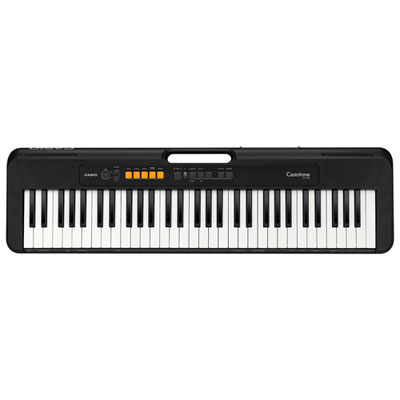 Your price for this item is $149.99
 -
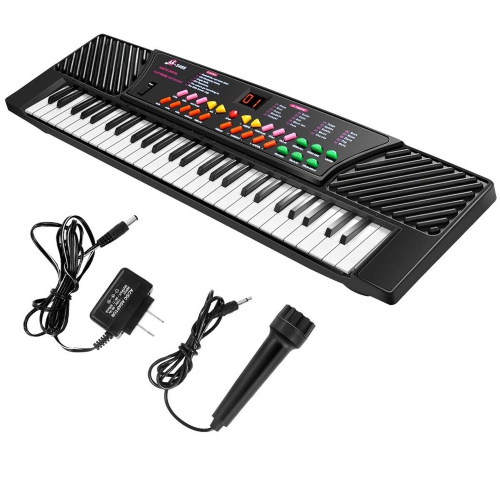 Your price for this item is $69.99
 -
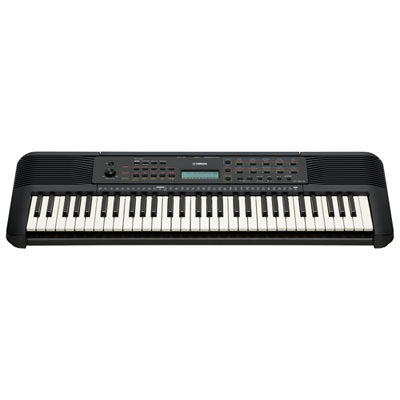 Your price for this item is $119.95
 -
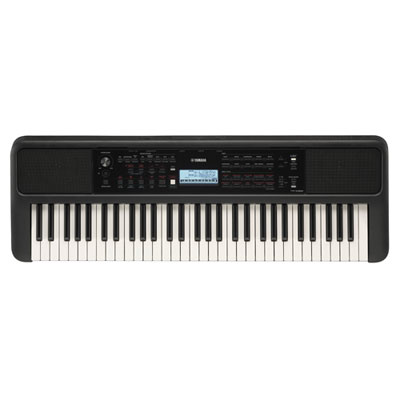 Your price for this item is $289.99
 -
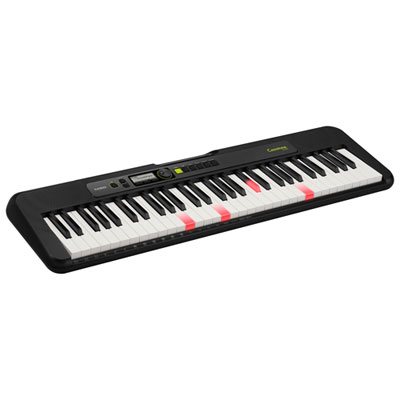 Your price for this item is $229.99
 -
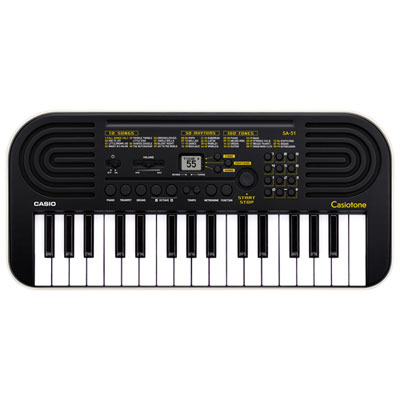 Your price for this item is $99.99
 -
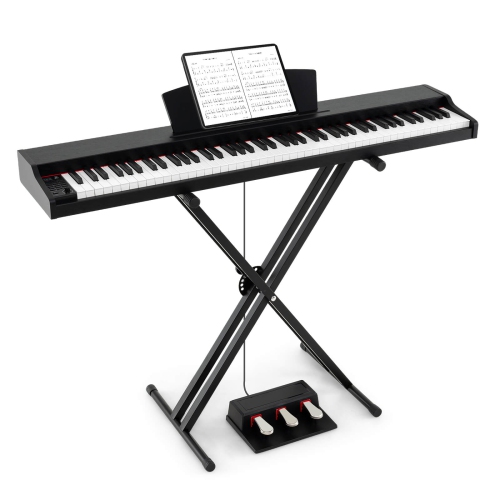 Your price for this item is $236.99
 -
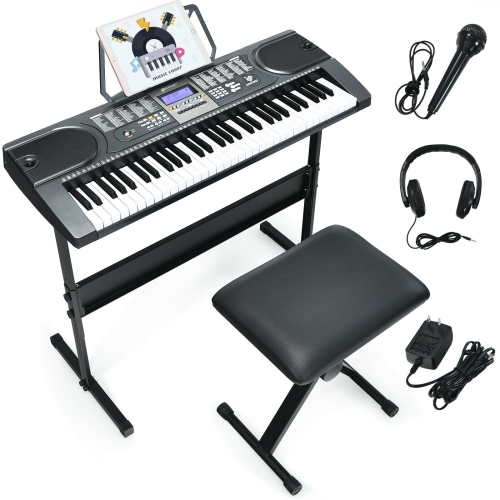 Your price for this item is $199.99
Discover more categories related to Affordable Midi Keyboards
Top Collections:
Pokemon Centers, Budget 4K TVs, Kindle Devices, Canon G7X Cameras, Apple iPhones 16, iPhone 15 Apple, Laptops for Business Work, Flip Phones, Xiaomi Phones, Refurbished Apple Laptops
Some products may be subject to Environmental Handling Fees
(EHF) depending on your province.
Learn more about EHFs.