Affordable Synthesizers
Looking to unleash your inner musician without breaking the bank? Look no further than our collection of affordable synthesizers. These versatile instruments offer endless possibilities for creating unique sounds, whether you're a beginner just starting to explore the world of electronic music or an experienced musician looking to expand your sonic palette. With their budget-friendly price tags and impressive features, these synthesizers prove that you don't have to sacrifice quality for affordability. Get ready to dive into a world of creativity and expression with our selection of affordable synthesizers.
Sort
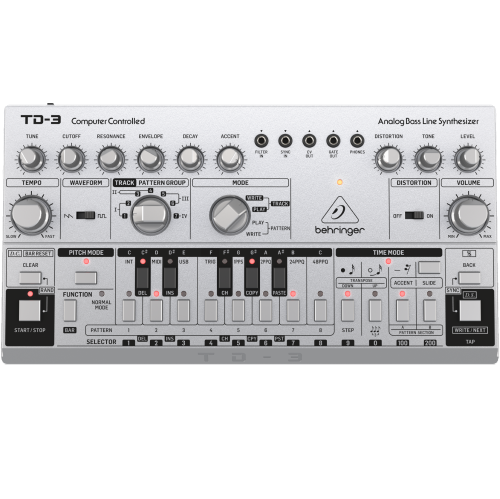


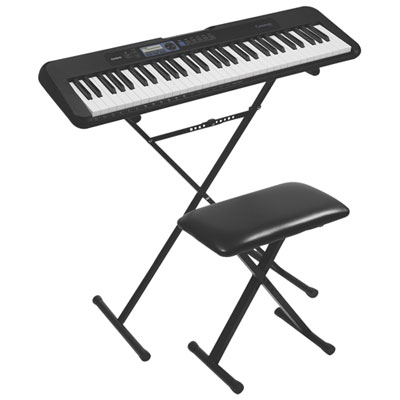
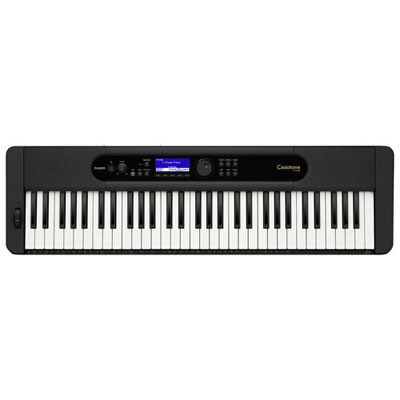
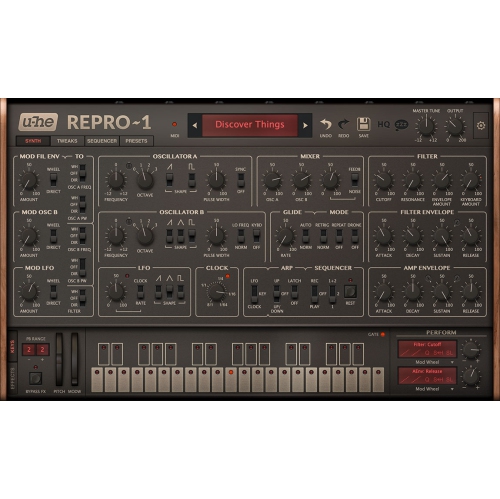
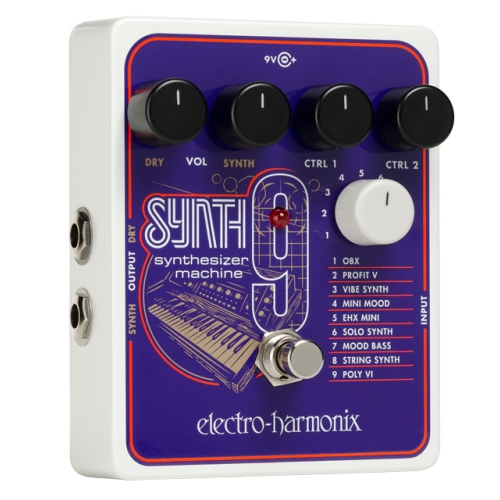
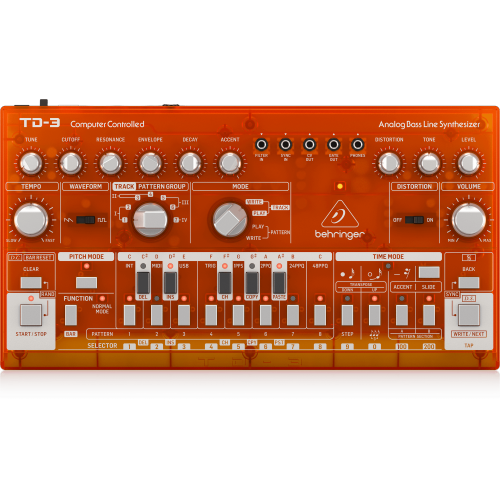
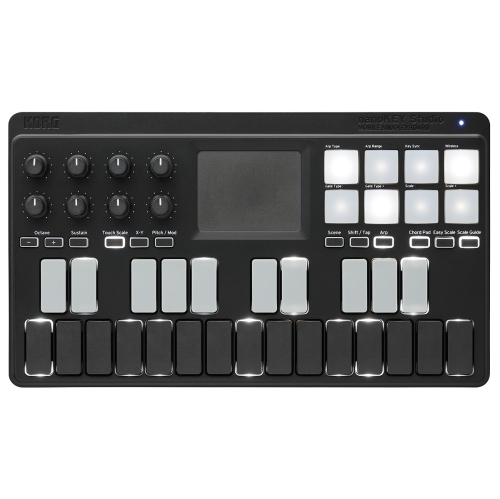
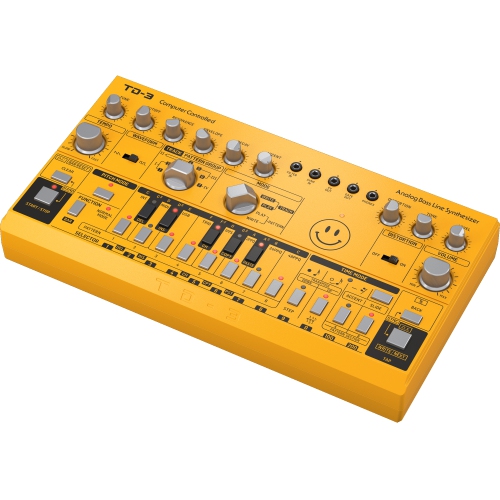
Hands-on sound design in a compact music setup
Affordable synthesizers make it easier to explore electronic music without committing to the cost, size, or complexity of a professional studio setup. These instruments can be compact enough for a desk, shelf, or backpack, yet offer plenty of room for experimentation with bass lines, melodies, chords, rhythms, and atmospheric textures. Entry-level options range from simple pocket-sized units priced under $100 to more capable instruments in the $100 to $350 range, with features that may include built-in speakers, rechargeable or battery power, headphone outputs, USB connectivity, onboard effects, and pattern-based sequencing. A synthesizer creates sound by shaping electronic signals, and even a small unit may provide access to oscillators, filters, envelopes, modulation controls, and performance effects. Turning a filter knob can make a bright tone sound soft and rounded; adjusting an envelope can change a short, percussive note into a slow, swelling pad. For a beginner, these controls offer an approachable way to learn the foundations of sound design by ear rather than through dense technical explanations. For an experienced musician, an affordable synthesizer can serve as a spontaneous sketchpad, a compact source of unusual sounds, or an extra voice alongside a larger keyboard, computer, drum machine, or recording system. The right choice depends on how you expect to play. A monophonic synthesizer produces one note at a time and is often well suited to bass, lead lines, sound effects, and expressive solo parts. Polyphonic models can play multiple notes together for chords, layered harmonies, and fuller arrangements, while paraphonic designs provide some of the character of multi-note playing with a different approach to note triggering and sound shaping. Digital instruments may offer several synthesis engines, presets, sampling-inspired tones, and extensive effects in a small package, while analogue and analogue-modeled designs are often appreciated for direct controls and rich, responsive tones. Some affordable synthesizers focus on immediate hands-on control, with dedicated knobs for pitch, cutoff, resonance, attack, decay, and other key parameters. Others place more emphasis on menus, sequencers, or preset selection. Neither approach is inherently better; a performer who enjoys shaping every note may prefer a clear control panel, while someone building complete patterns may value memory locations, automation, and a compact screen.
When comparing affordable synthesizers, start with the type of music and playing experience you want rather than the number of controls alone. Ambient musicians may look for generous effects, long release times, evolving modulation, and the ability to hold or layer tones. Producers making electronic dance music may prioritize a reliable sequencer, rhythmic pattern creation, punchy bass sounds, automation, and easy synchronization with other gear. A songwriter may prefer a small polyphonic instrument for trying chord progressions at a desk, while a beginner exploring music at home may benefit from built-in sounds, a speaker, and a straightforward layout that encourages regular practice. Key size and playing surface also matter. Mini keys are convenient for portable instruments, but they can feel different from a full-size keyboard, and some compact synthesizers use touch strips, button-style keys, or other performance controls instead of traditional keys. Check whether the instrument responds to velocity, pitch changes, or pressure if expressive playing is important. A built-in sequencer can record notes and rhythms so you can create a repeating foundation and play over it, which is especially useful when working alone. Look for the number of steps, pattern storage, tempo controls, and ways to edit or transpose sequences. Connectivity is equally important. USB may allow communication with a computer or tablet, while MIDI connections can link the synthesizer to a compatible keyboard, controller, drum machine, or recording setup. If you already use a computer-based music program, confirm that the instrument works with your preferred connection and consider whether an adapter is needed. Audio outputs, headphone support, speaker volume, and power options affect where the synthesizer can be used. A battery-powered unit can travel to a friend’s rehearsal space or a quiet corner during the cooler months, while a model that uses standard power may be better suited to a permanent desk setup. Also consider the learning curve: a small instrument with fewer voices may be more rewarding than a feature-heavy model that feels difficult to navigate. Spending time with a simple sequence, changing one parameter at a time, and saving sounds you enjoy can turn a modest setup into a personal library of useful tones.
Affordable synthesizers can be appealing gifts for first-time musicians, bedroom producers, students, songwriters, DJs, and anyone drawn to the tactile side of making music. They are also a thoughtful option for a creative person who already owns a computer but wants an instrument that feels more immediate than clicking through software menus. A compact synthesizer can sit beside a notebook and pair naturally with an evening spent developing melodies, or it can become the centrepiece of a small home setup where headphones keep practice convenient for shared living spaces. For younger players, adult supervision and age-appropriate features should be considered, particularly when an instrument includes small parts, cables, or advanced controls. For a more experienced recipient, check whether the synthesizer complements their existing equipment instead of duplicating it. Someone with a large keyboard may appreciate a portable sound module or unusual synthesis engine, while a musician who mainly works in software may enjoy hands-on knobs and a dedicated sequencer. If playing keys is part of the plan, a separate controller may add flexibility; shoppers comparing that type of setup can also explore Affordable Midi Keyboards. Headphones, a suitable cable, a stand, or a small audio interface may also help complete a practical setup, depending on the instrument’s connections. Before choosing, review the product specifications for polyphony, sound engines, sequencing, effects, power, dimensions, and included accessories. Think about whether the instrument will remain on a desk or travel regularly, and leave enough room for cables and comfortable control access. The most satisfying affordable synthesizer is one that invites you to reach for it often: a device that makes it easy to try a low bass pulse, layer a shimmering chord, record a short pattern, and hear an idea take shape within minutes. During the cooler months, that kind of accessible creative outlet can add character to home practice, casual jam sessions, and personal recording projects without requiring a full studio or extensive technical background.
When comparing affordable synthesizers, start with the type of music and playing experience you want rather than the number of controls alone. Ambient musicians may look for generous effects, long release times, evolving modulation, and the ability to hold or layer tones. Producers making electronic dance music may prioritize a reliable sequencer, rhythmic pattern creation, punchy bass sounds, automation, and easy synchronization with other gear. A songwriter may prefer a small polyphonic instrument for trying chord progressions at a desk, while a beginner exploring music at home may benefit from built-in sounds, a speaker, and a straightforward layout that encourages regular practice. Key size and playing surface also matter. Mini keys are convenient for portable instruments, but they can feel different from a full-size keyboard, and some compact synthesizers use touch strips, button-style keys, or other performance controls instead of traditional keys. Check whether the instrument responds to velocity, pitch changes, or pressure if expressive playing is important. A built-in sequencer can record notes and rhythms so you can create a repeating foundation and play over it, which is especially useful when working alone. Look for the number of steps, pattern storage, tempo controls, and ways to edit or transpose sequences. Connectivity is equally important. USB may allow communication with a computer or tablet, while MIDI connections can link the synthesizer to a compatible keyboard, controller, drum machine, or recording setup. If you already use a computer-based music program, confirm that the instrument works with your preferred connection and consider whether an adapter is needed. Audio outputs, headphone support, speaker volume, and power options affect where the synthesizer can be used. A battery-powered unit can travel to a friend’s rehearsal space or a quiet corner during the cooler months, while a model that uses standard power may be better suited to a permanent desk setup. Also consider the learning curve: a small instrument with fewer voices may be more rewarding than a feature-heavy model that feels difficult to navigate. Spending time with a simple sequence, changing one parameter at a time, and saving sounds you enjoy can turn a modest setup into a personal library of useful tones.
Affordable synthesizers can be appealing gifts for first-time musicians, bedroom producers, students, songwriters, DJs, and anyone drawn to the tactile side of making music. They are also a thoughtful option for a creative person who already owns a computer but wants an instrument that feels more immediate than clicking through software menus. A compact synthesizer can sit beside a notebook and pair naturally with an evening spent developing melodies, or it can become the centrepiece of a small home setup where headphones keep practice convenient for shared living spaces. For younger players, adult supervision and age-appropriate features should be considered, particularly when an instrument includes small parts, cables, or advanced controls. For a more experienced recipient, check whether the synthesizer complements their existing equipment instead of duplicating it. Someone with a large keyboard may appreciate a portable sound module or unusual synthesis engine, while a musician who mainly works in software may enjoy hands-on knobs and a dedicated sequencer. If playing keys is part of the plan, a separate controller may add flexibility; shoppers comparing that type of setup can also explore Affordable Midi Keyboards. Headphones, a suitable cable, a stand, or a small audio interface may also help complete a practical setup, depending on the instrument’s connections. Before choosing, review the product specifications for polyphony, sound engines, sequencing, effects, power, dimensions, and included accessories. Think about whether the instrument will remain on a desk or travel regularly, and leave enough room for cables and comfortable control access. The most satisfying affordable synthesizer is one that invites you to reach for it often: a device that makes it easy to try a low bass pulse, layer a shimmering chord, record a short pattern, and hear an idea take shape within minutes. During the cooler months, that kind of accessible creative outlet can add character to home practice, casual jam sessions, and personal recording projects without requiring a full studio or extensive technical background.
Top selling and popular products
-
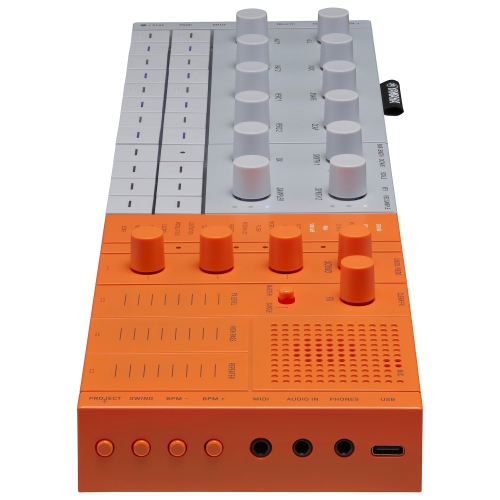 Your price for this item is $599.99
 -
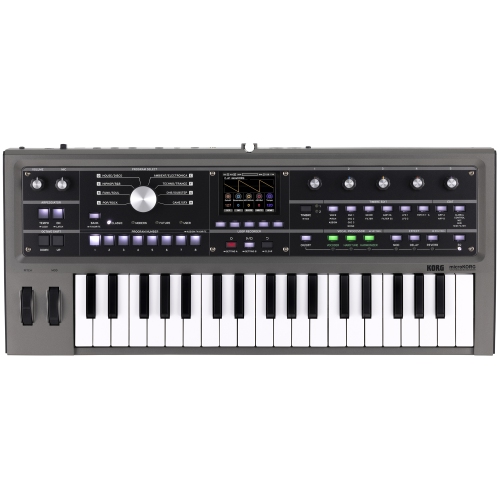 Your price for this item is $849.99
 -
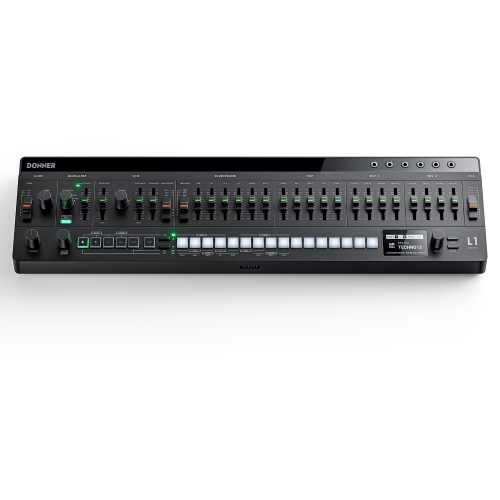 Your price for this item is $259.99
 -
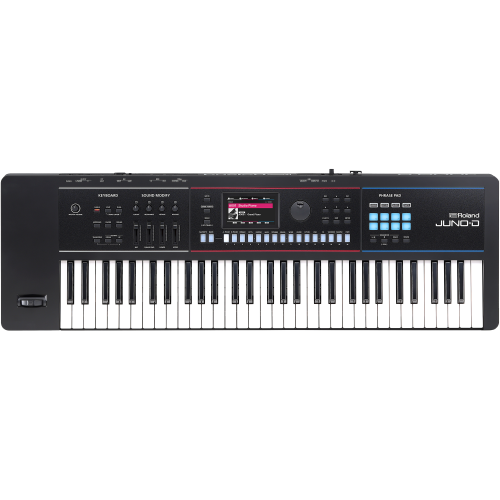 Your price for this item is $1299.99
 -
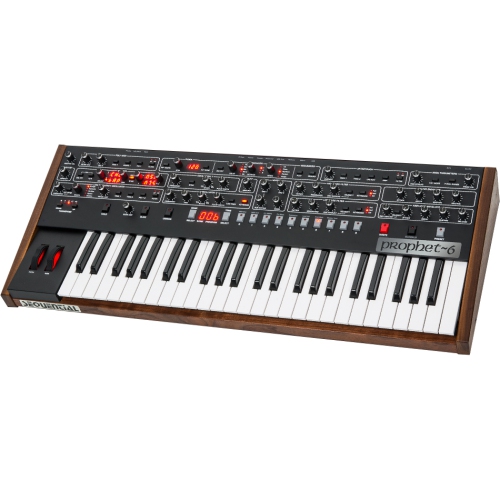 Your price for this item is $5069.99
 -
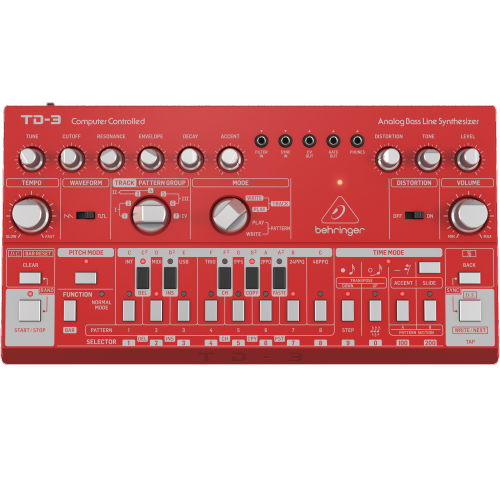 Your price for this item is $169
 -
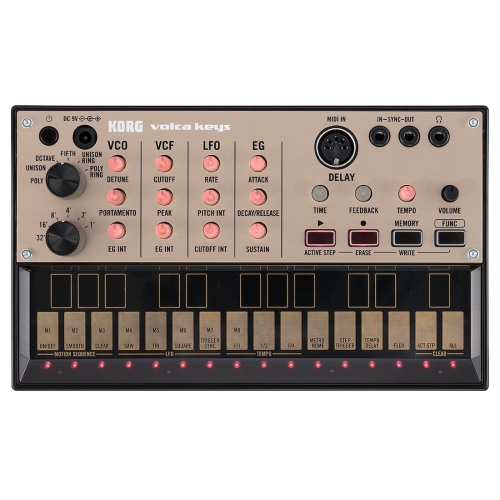 Your price for this item is $225
 -
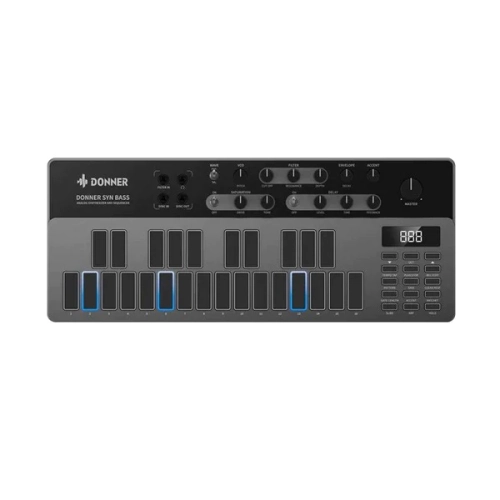 Your price for this item is $149.99
Discover more categories related to Affordable Synthesizers
Top Collections:
Pokemon Centers, Kindle Devices, Best Budget Office Chairs, Apple iPhones 16, Best Laptops for Writers, iPhone 15 Apple, Canon G7X Cameras, Refurbished Apple Laptops, Alarm Clock, Motorola Razr Phones
Some products may be subject to Environmental Handling Fees
(EHF) depending on your province.
Learn more about EHFs.