Analog Chorus Pedals
Looking to add a touch of vintage charm to your guitar sound? Look no further than our selection of analog chorus pedals. These versatile effects pedals offer a warm and lush modulation that can take your guitar playing to new heights. Whether you're a seasoned musician or just starting out, our range of analog chorus pedals provides the perfect solution for adding depth and dimension to your music. With their classic tones and easy-to-use controls, these pedals are sure to inspire creativity and enhance your overall sound. So, dive into our collection and find the perfect analog chorus pedal to elevate your guitar playing today!
Sort
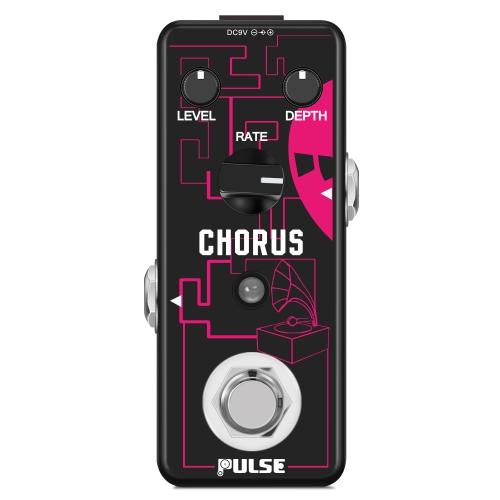
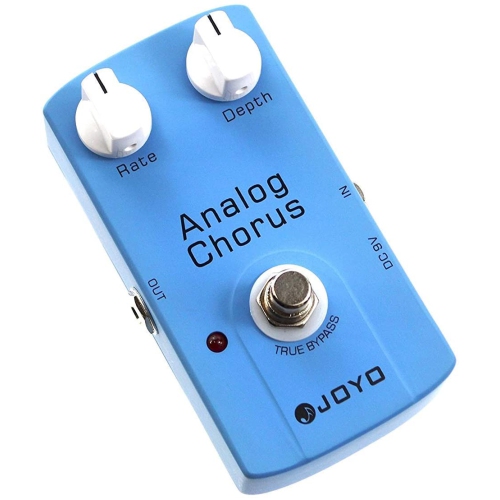
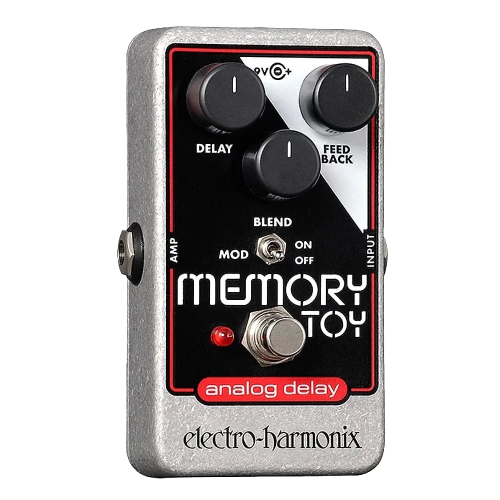
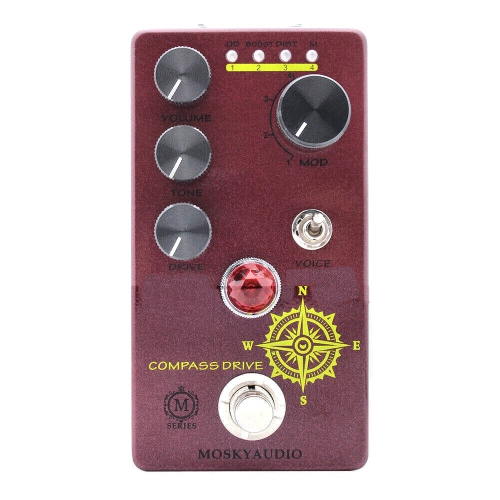
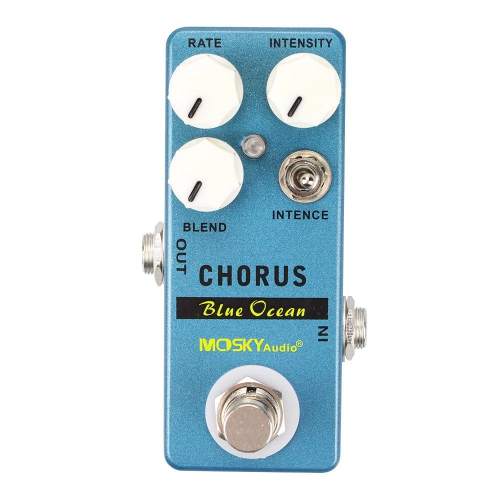
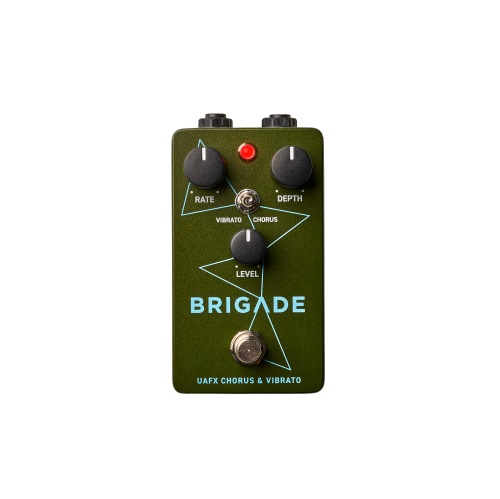
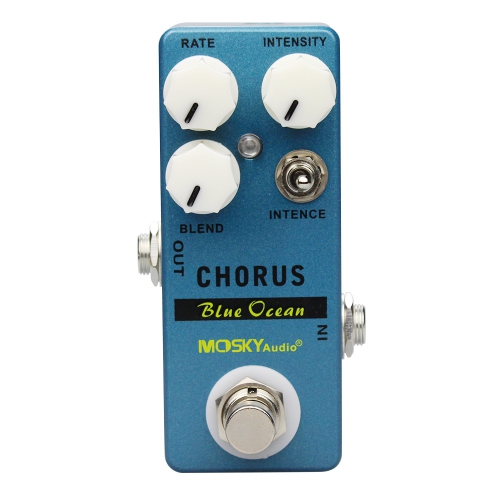
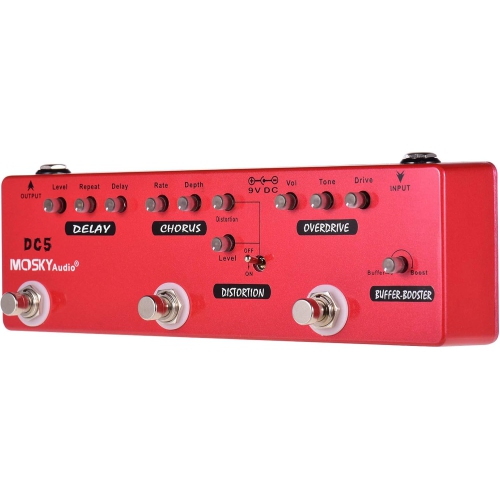
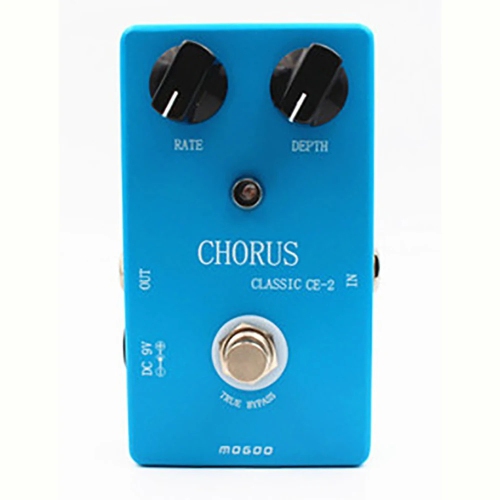
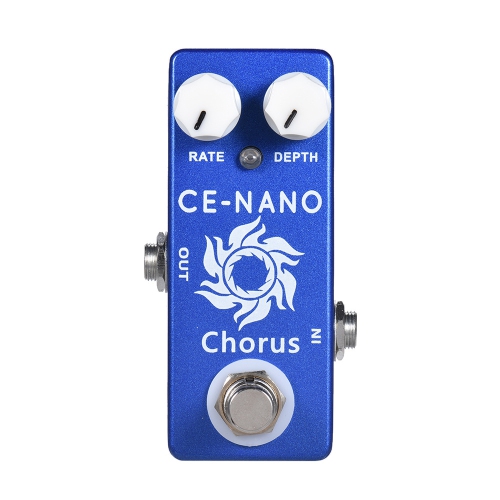
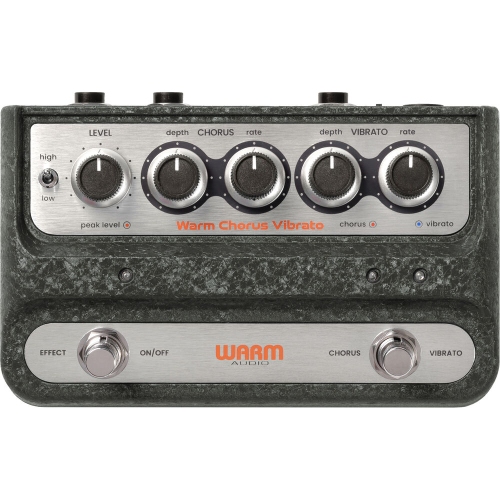
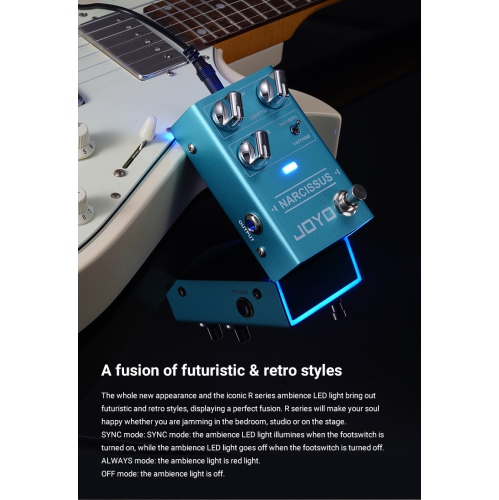
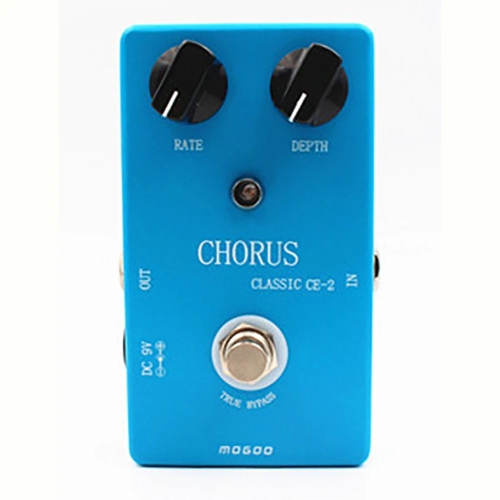
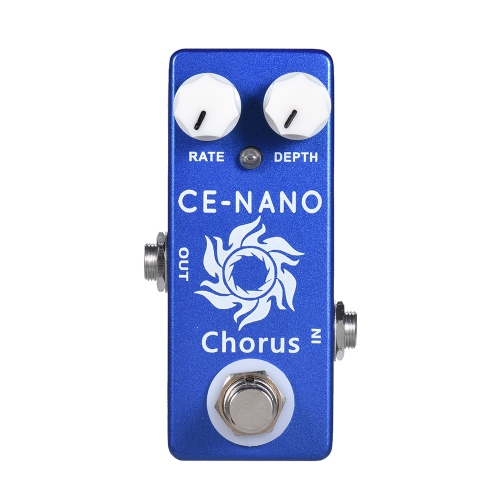
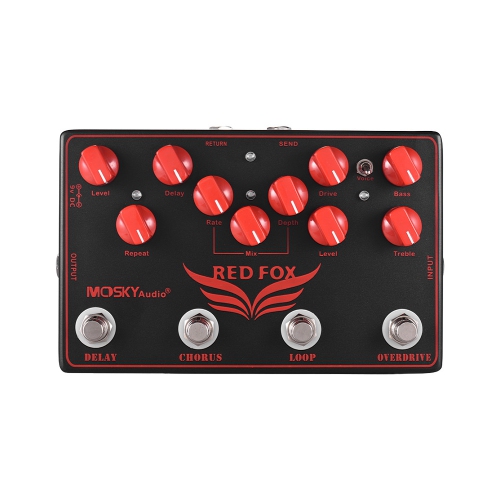
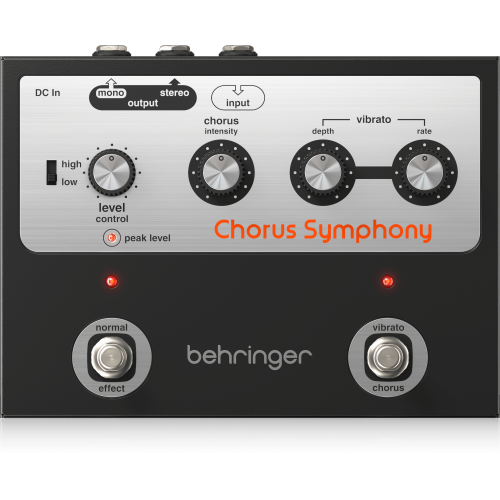
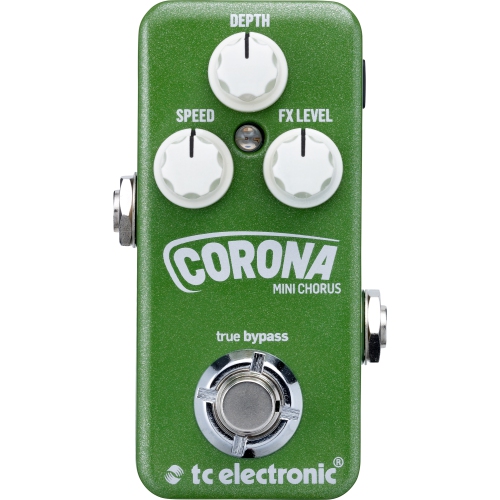
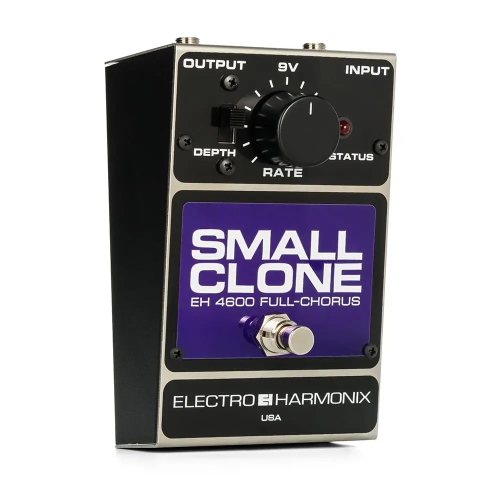
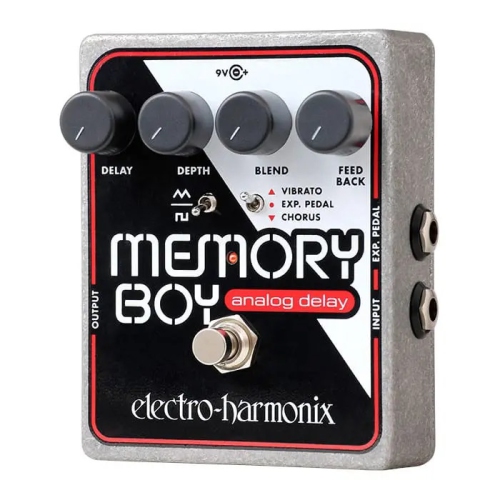
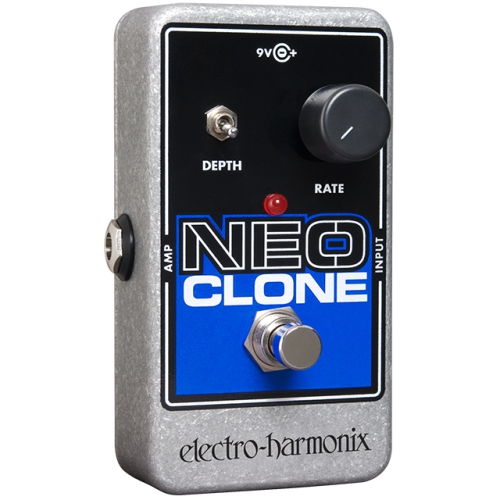
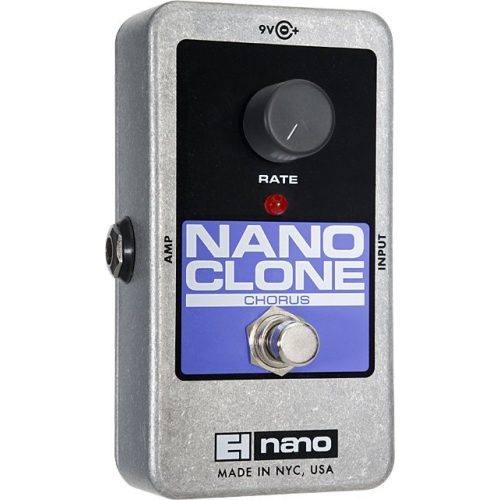

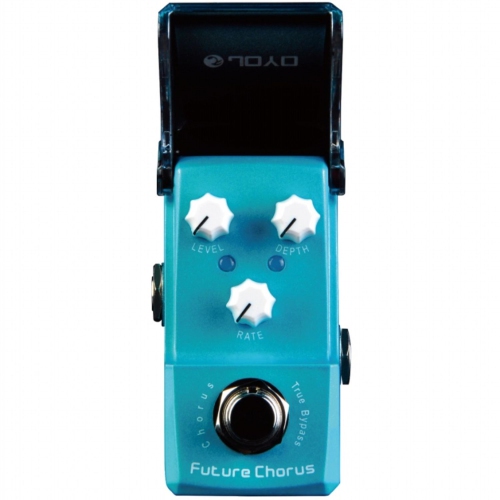
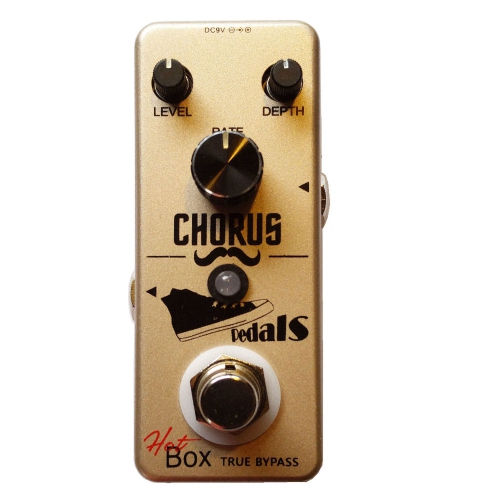
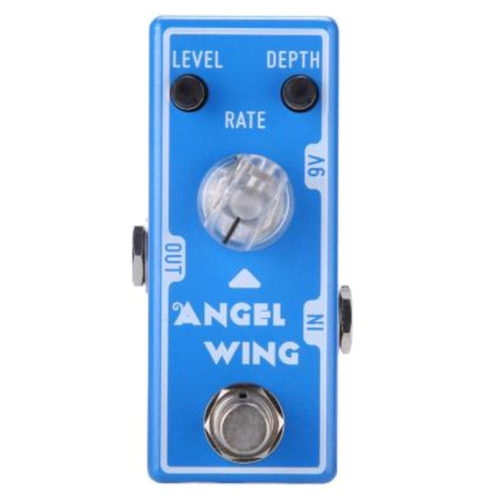
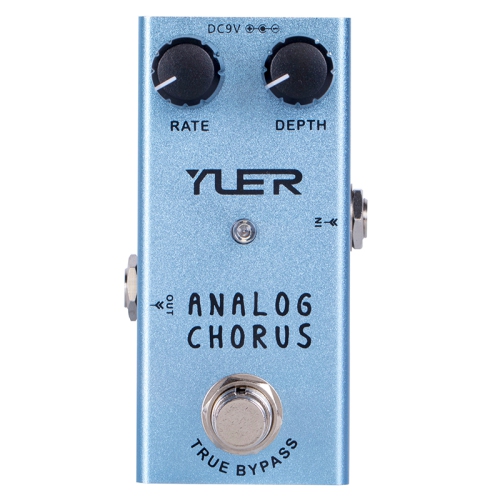
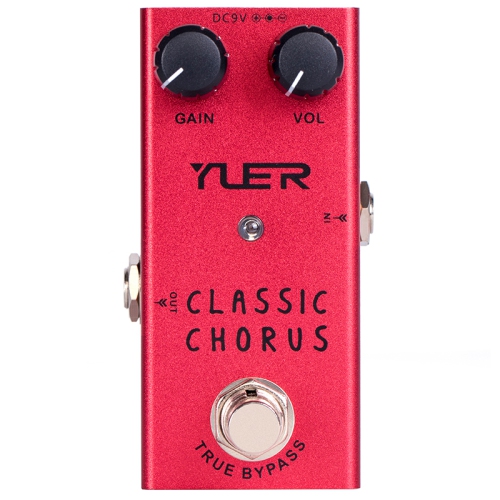
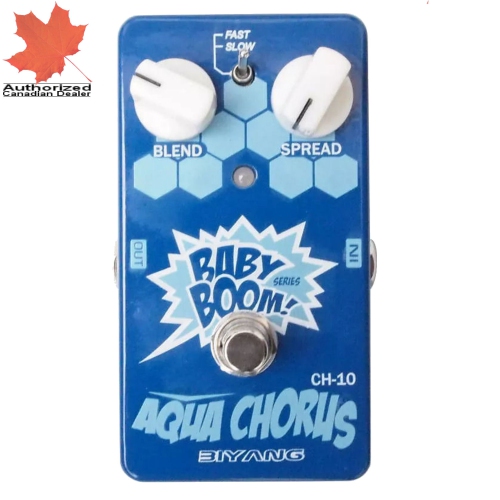
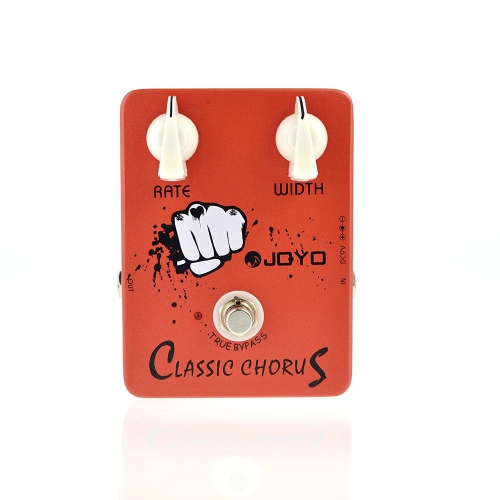
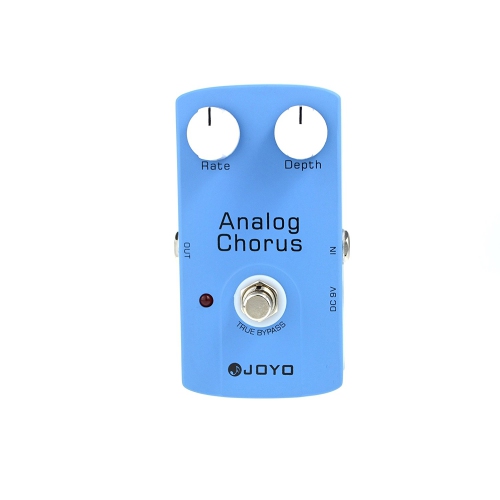
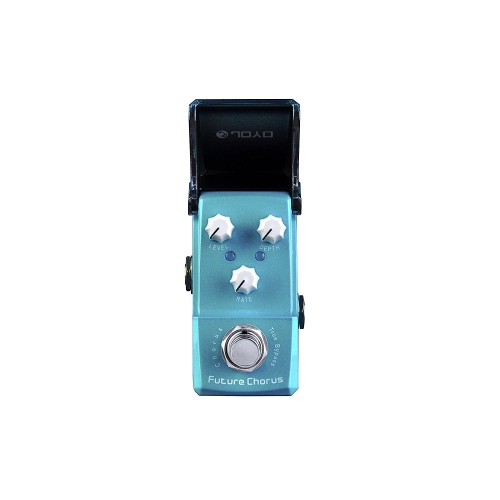
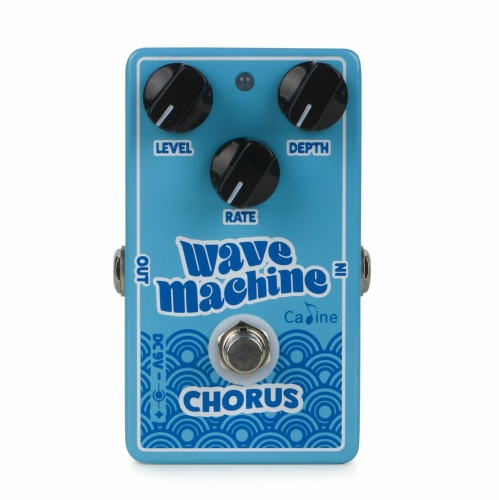
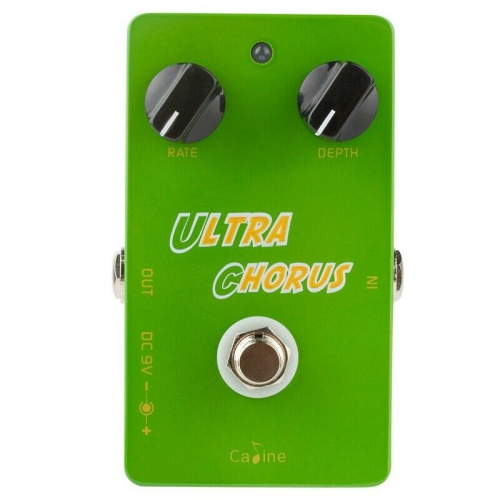
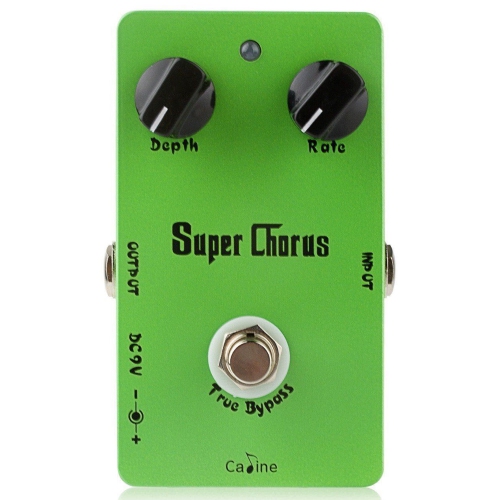
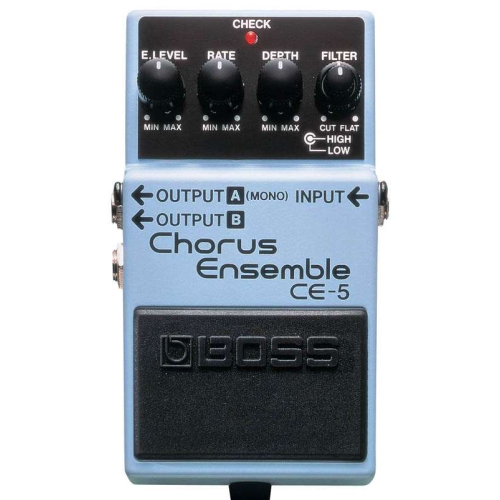
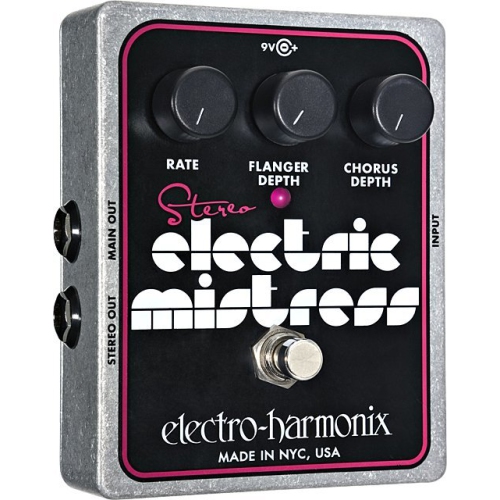
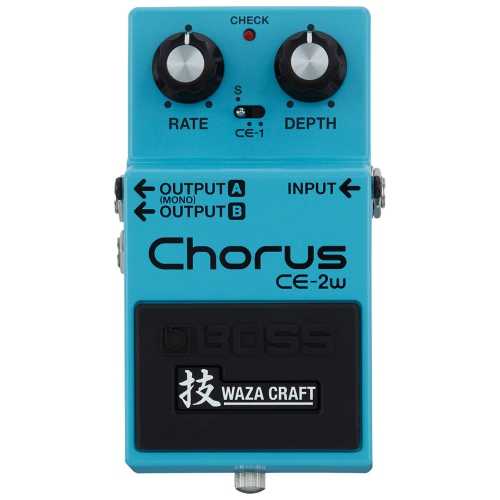
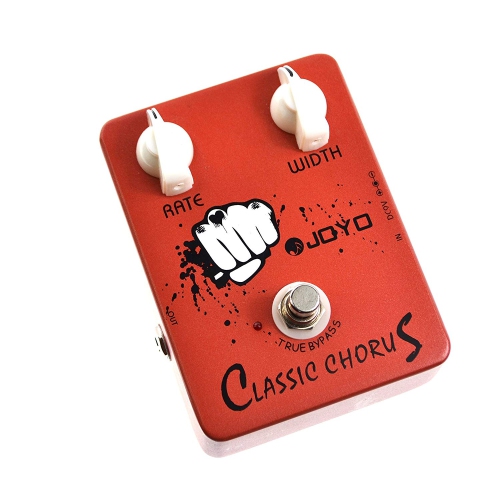
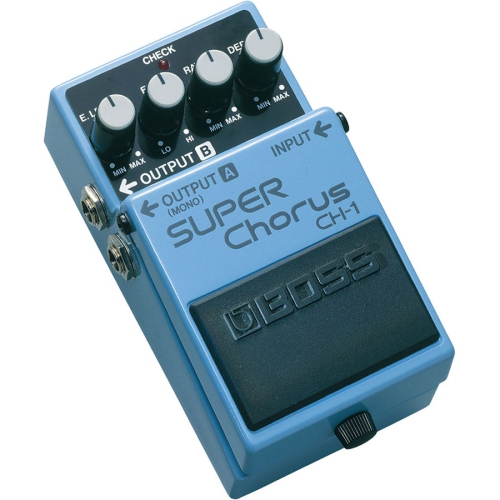
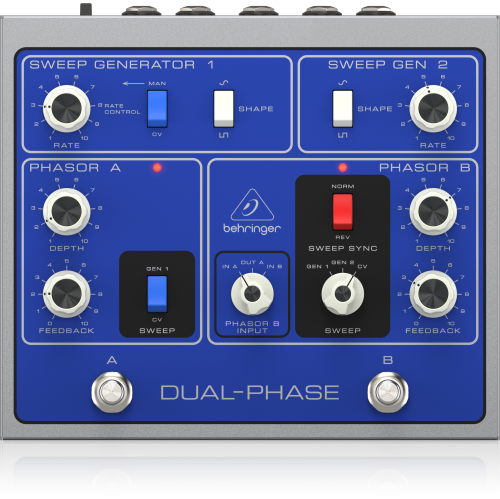
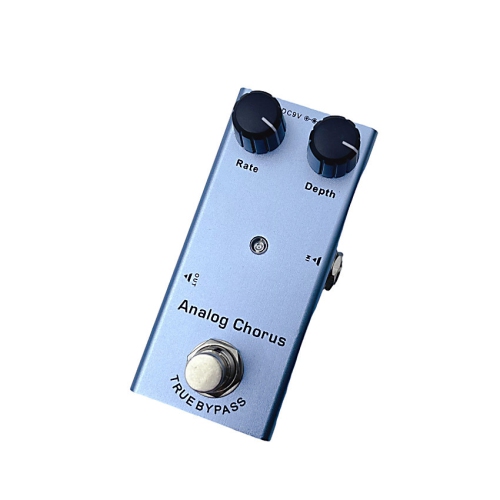
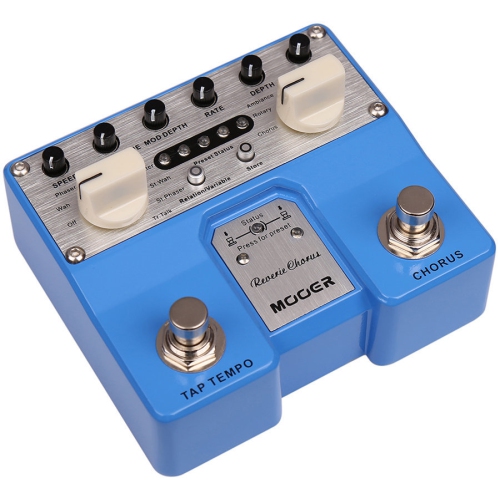
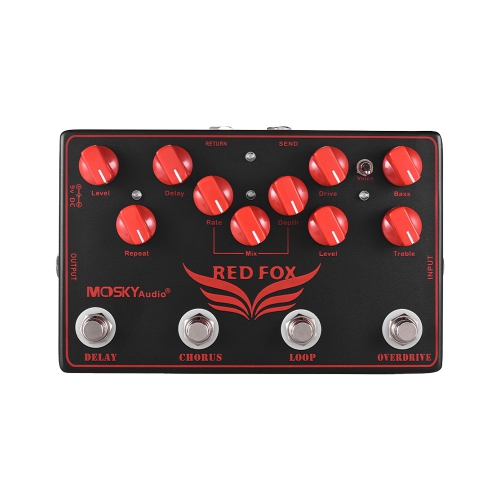
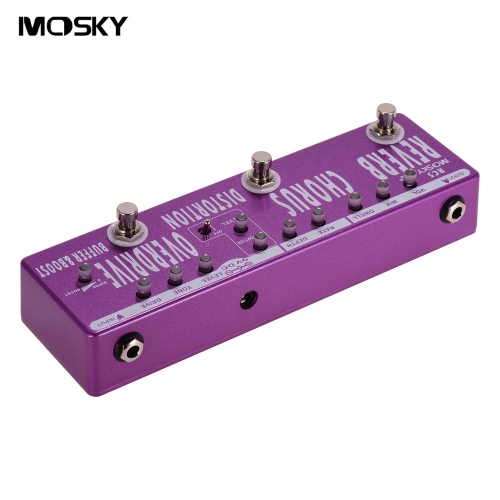

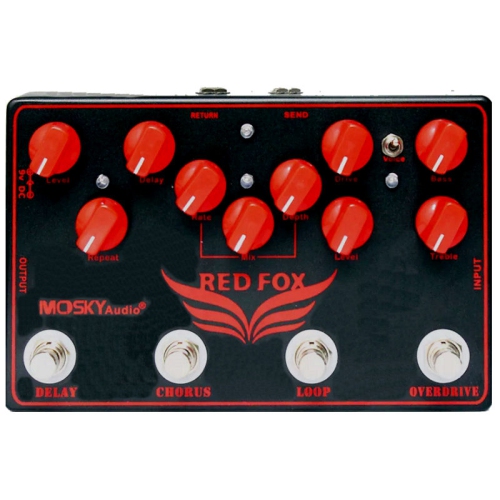
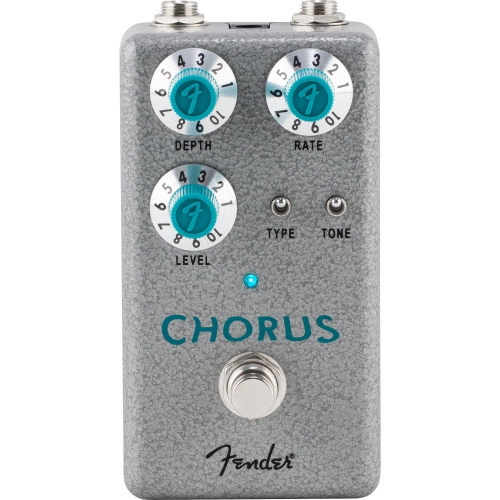
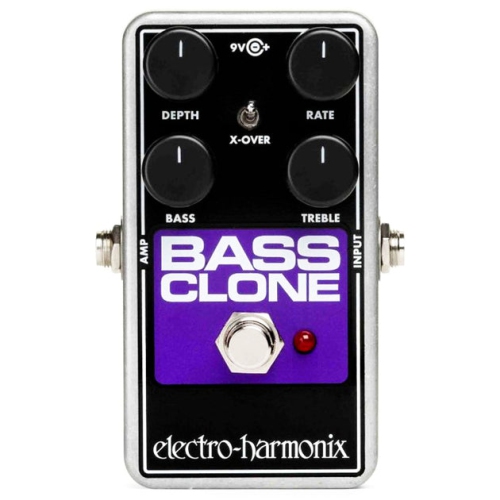
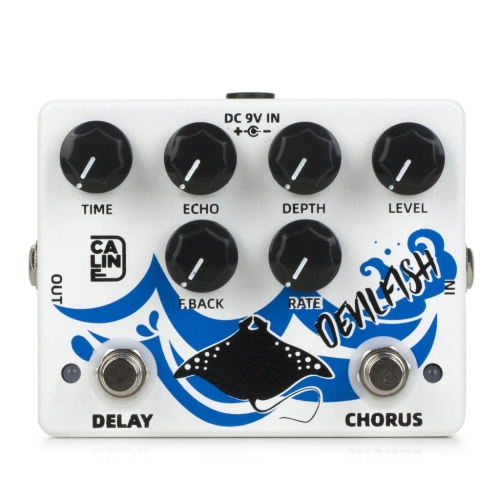
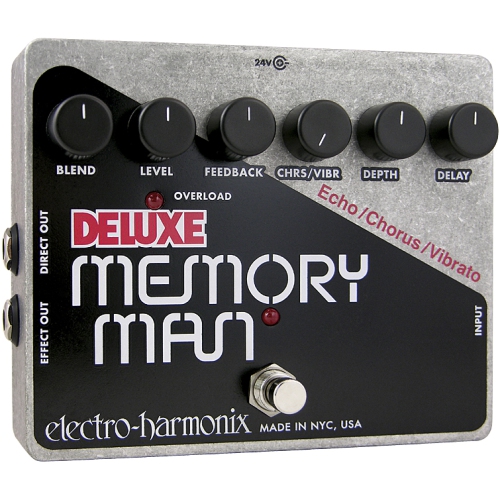
How subtle pitch shifts give your sound more dimension
Analog chorus pedals add movement and dimension to an instrument’s sound by blending the original signal with a very short, modulated delay. In a typical analog design, bucket-brigade device circuitry, often called BBD circuitry, passes the delayed signal through a series of electronic stages. As the delay time varies, the delayed sound shifts slightly in pitch against the dry signal, producing the familiar shimmer associated with chorus. The result can suggest two instruments playing the same part with tiny differences in tuning and timing, rather than a distinct repeating echo. Analog chorus is often associated with warm, rounded modulation, partly because filtering within the circuit shapes the delayed signal’s high frequencies. That character varies between designs: some sound soft and understated, while others deliver a pronounced swirl with a slightly grainy edge. For guitarists, a gentle setting can give clean chords extra body without hiding the attack of each string. A more noticeable effect can turn picked arpeggios into flowing, layered passages or add a wavering texture to distorted rhythm parts. Bass players may use chorus to bring movement to melodic lines, while keyboard players can use a compatible pedal to animate an otherwise static sound. The effect has a place in pop, rock, post-punk, alternative music, and spacious instrumental arrangements, but it is not tied to one style. Its appeal lies in how easily a single part can feel fuller without adding another performance. Within the broader family of Analog Guitar Pedals, chorus occupies a useful space between subtle tonal enhancement and clearly audible modulation. Unlike vibrato, which usually presents the pitch-modulated sound without the original dry signal, chorus typically combines both. Unlike flanging, it generally uses a longer short-delay range and less pronounced feedback, creating a softer sense of motion rather than a strong, sweeping metallic effect. These distinctions help explain why chorus works equally well as an occasional accent and as a regular part of an instrument’s voice.
The controls on an analog chorus pedal determine how that movement fits into a musical part. Rate, sometimes labelled speed, sets how quickly the modulation cycles, while depth controls the extent of the delay-time variation and its resulting pitch movement. A slow rate with modest depth can add a barely moving halo around open chords; increasing the depth makes the detuning more obvious, and faster settings can create a lively wobble. Where provided, a mix or effect-level control adjusts the balance or amount of chorus against the dry sound, although the exact behaviour depends on the circuit. Tone controls and frequency filters can be especially useful when matching the effect to different instruments. Reducing high frequencies in the effected signal may soften bright pickups, while keeping lower frequencies less affected can help bass notes retain their definition. Not every pedal offers these adjustments, and a simpler layout can be an advantage for someone who wants a familiar sound with minimal setup. Connection options deserve equal attention. A mono pedal suits a straightforward instrument-to-amplifier arrangement, while stereo outputs can spread the effect across two suitable signal paths. Stereo operation varies by design, however: outputs may carry different modulated signals or separate dry and effected sounds, so the connection layout matters more than the number of sockets alone. An analog audio path does not automatically mean mono operation, just as stereo operation does not automatically indicate digital processing. Pedal placement also changes the result. Chorus before overdrive feeds a moving signal into the distortion stage, often producing a blended, textured sound. Chorus after overdrive tends to make the modulation more apparent around the already distorted tone. An amplifier’s effects loop may offer another placement option, provided its signal level is compatible with the pedal. For keyboards, active instruments, or other stronger signal sources, input headroom is worth checking because excessive level can cause unwanted clipping. The most useful sound is one that supports the part: clearly defined picking, a steady bass foundation, or deliberately seasick bends each call for a different balance.
Physical design and electrical compatibility affect how comfortably an analog chorus pedal fits into everyday playing. Metal enclosures are common because they protect the circuitry from ordinary bumps and repeated handling, but lasting durability also depends on the quality of the footswitch, sockets, knobs, and internal assembly. A compact housing can leave space for other effects on a crowded pedalboard, although closely spaced controls may be harder to adjust during a performance. Larger knobs, readable markings, and a clearly visible status light can make small changes easier in a dim rehearsal room or onstage. Socket placement matters too: top-mounted and side-mounted connections require different amounts of clearance once patch cables and power leads are attached. Power requirements should always match the manufacturer’s specifications for voltage, polarity, and current; the familiar shape of a power socket is not proof of compatibility. Battery operation, when supported, can suit a simple setup, while a suitable isolated pedalboard supply may help reduce power-related noise. Analog BBD circuits can introduce some hiss, particularly with stronger effect settings, but excessive hum or buzz may also come from power distribution, cables, or nearby electrical interference. Bypass design is another practical consideration. True bypass removes the effect circuitry from the audio path when switched off, while a well-designed buffered bypass can help maintain signal strength through longer cable runs; neither approach is automatically best for every setup. Routine care is straightforward: wipe the enclosure with a soft, dry cloth, keep liquids away from openings, and avoid pulling on cables to disconnect them. A padded case or secured pedalboard helps protect knobs and sockets during transport. If a battery will not be used for an extended period, removing it can prevent damage from leakage. For a guitarist or bassist receiving chorus as a gift, compatibility with their instrument, power supply, and existing board is more useful than an elaborate feature list. A dependable pedal with an appropriate control layout can serve a beginner exploring modulation, a home player building layered arrangements, or a performing musician who needs a repeatable sound underfoot.
The controls on an analog chorus pedal determine how that movement fits into a musical part. Rate, sometimes labelled speed, sets how quickly the modulation cycles, while depth controls the extent of the delay-time variation and its resulting pitch movement. A slow rate with modest depth can add a barely moving halo around open chords; increasing the depth makes the detuning more obvious, and faster settings can create a lively wobble. Where provided, a mix or effect-level control adjusts the balance or amount of chorus against the dry sound, although the exact behaviour depends on the circuit. Tone controls and frequency filters can be especially useful when matching the effect to different instruments. Reducing high frequencies in the effected signal may soften bright pickups, while keeping lower frequencies less affected can help bass notes retain their definition. Not every pedal offers these adjustments, and a simpler layout can be an advantage for someone who wants a familiar sound with minimal setup. Connection options deserve equal attention. A mono pedal suits a straightforward instrument-to-amplifier arrangement, while stereo outputs can spread the effect across two suitable signal paths. Stereo operation varies by design, however: outputs may carry different modulated signals or separate dry and effected sounds, so the connection layout matters more than the number of sockets alone. An analog audio path does not automatically mean mono operation, just as stereo operation does not automatically indicate digital processing. Pedal placement also changes the result. Chorus before overdrive feeds a moving signal into the distortion stage, often producing a blended, textured sound. Chorus after overdrive tends to make the modulation more apparent around the already distorted tone. An amplifier’s effects loop may offer another placement option, provided its signal level is compatible with the pedal. For keyboards, active instruments, or other stronger signal sources, input headroom is worth checking because excessive level can cause unwanted clipping. The most useful sound is one that supports the part: clearly defined picking, a steady bass foundation, or deliberately seasick bends each call for a different balance.
Physical design and electrical compatibility affect how comfortably an analog chorus pedal fits into everyday playing. Metal enclosures are common because they protect the circuitry from ordinary bumps and repeated handling, but lasting durability also depends on the quality of the footswitch, sockets, knobs, and internal assembly. A compact housing can leave space for other effects on a crowded pedalboard, although closely spaced controls may be harder to adjust during a performance. Larger knobs, readable markings, and a clearly visible status light can make small changes easier in a dim rehearsal room or onstage. Socket placement matters too: top-mounted and side-mounted connections require different amounts of clearance once patch cables and power leads are attached. Power requirements should always match the manufacturer’s specifications for voltage, polarity, and current; the familiar shape of a power socket is not proof of compatibility. Battery operation, when supported, can suit a simple setup, while a suitable isolated pedalboard supply may help reduce power-related noise. Analog BBD circuits can introduce some hiss, particularly with stronger effect settings, but excessive hum or buzz may also come from power distribution, cables, or nearby electrical interference. Bypass design is another practical consideration. True bypass removes the effect circuitry from the audio path when switched off, while a well-designed buffered bypass can help maintain signal strength through longer cable runs; neither approach is automatically best for every setup. Routine care is straightforward: wipe the enclosure with a soft, dry cloth, keep liquids away from openings, and avoid pulling on cables to disconnect them. A padded case or secured pedalboard helps protect knobs and sockets during transport. If a battery will not be used for an extended period, removing it can prevent damage from leakage. For a guitarist or bassist receiving chorus as a gift, compatibility with their instrument, power supply, and existing board is more useful than an elaborate feature list. A dependable pedal with an appropriate control layout can serve a beginner exploring modulation, a home player building layered arrangements, or a performing musician who needs a repeatable sound underfoot.
Top selling and popular products
-
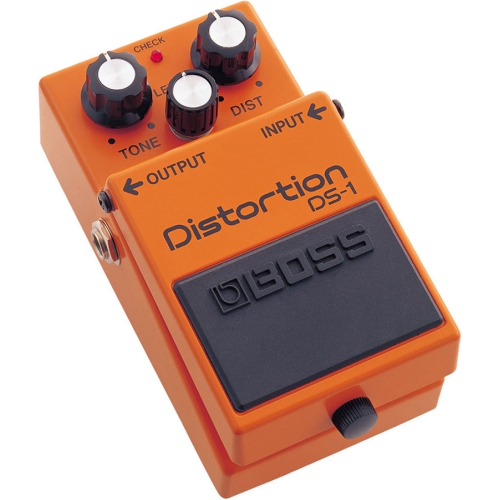 Your price for this item is $89.99
 -
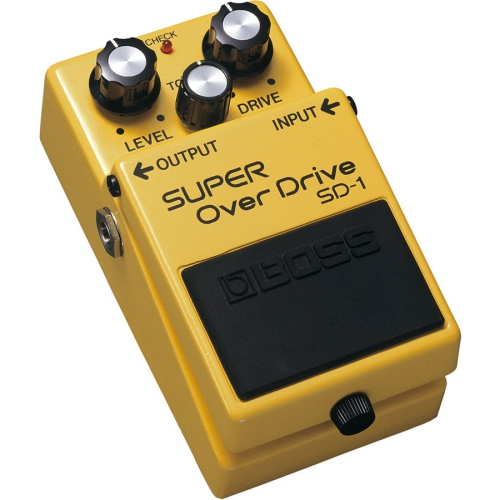 Your price for this item is $89.99
 -
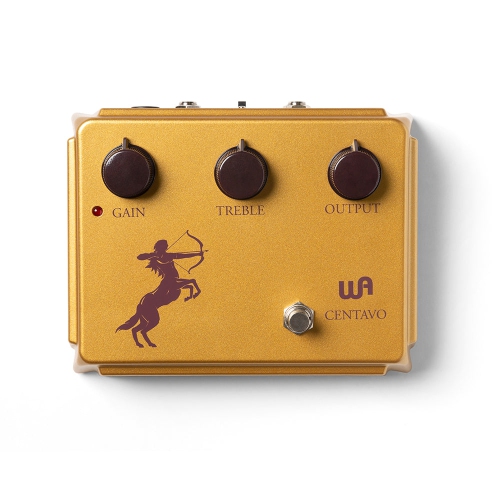 Your price for this item is $289
 -
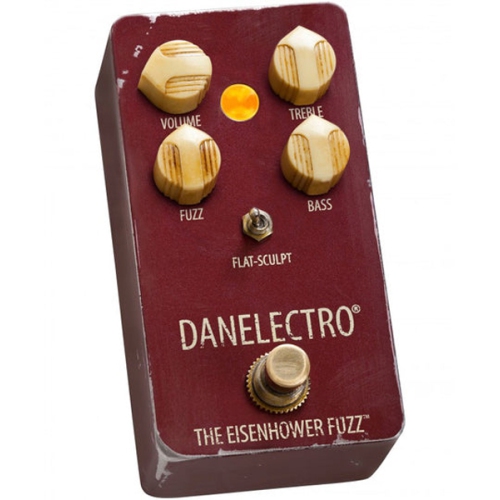 Your price for this item is $164.99
 -
 Your price for this item is $209.99
 -
 Your price for this item is $249.99
 -
 Your price for this item is $249.99
 -
 Your price for this item is $599.99
Discover more categories related to Analog Chorus Pedals
Top Collections:
Pokemon Centers, Kindle Devices, Best Budget Office Chairs, Apple iPhones 16, Canon G7X Cameras, iPhone 15 Apple, Alarm Clock, Refurbished Apple Laptops, Flip Phones, Best Laptops for Writers
Some products may be subject to Environmental Handling Fees
(EHF) depending on your province.
Learn more about EHFs.