Bass Cases
Protect your bass guitar in style with our selection of high-quality bass cases. Whether you're a gigging musician, a studio enthusiast, or simply looking to safeguard your instrument at home, we have a variety of options to suit your needs. From rugged hardshell cases to lightweight gig bags, our collection offers durability, security, and convenience for musicians of all levels. Browse through our range of bass cases to find the perfect fit for your beloved instrument and hit the road or stage with peace of mind.
Sort
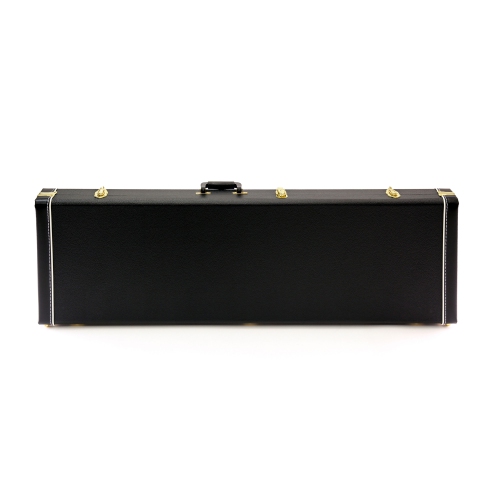
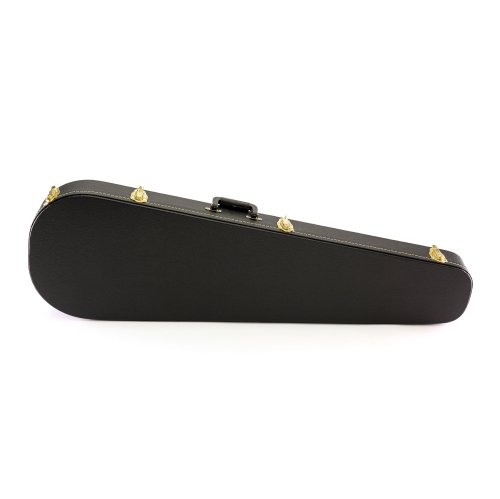
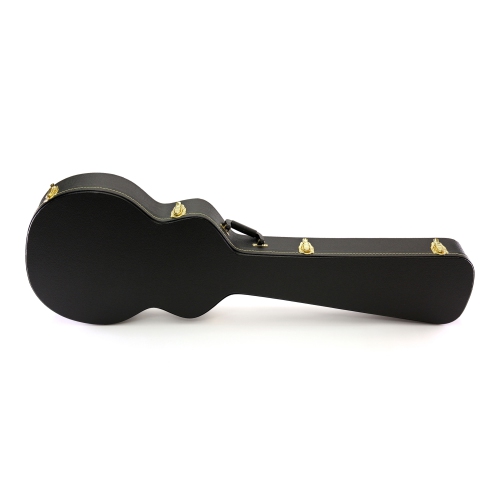
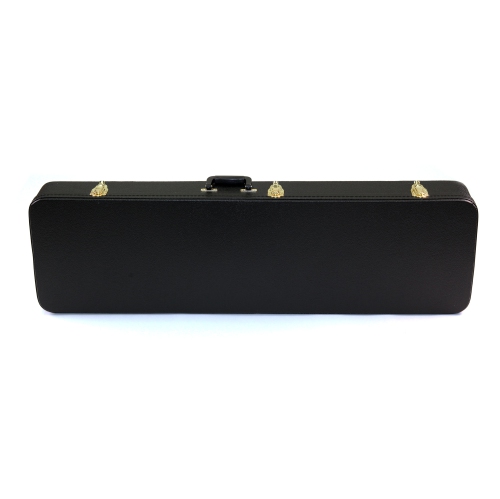
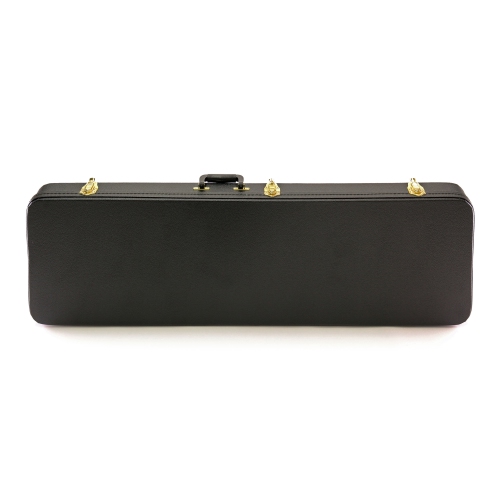
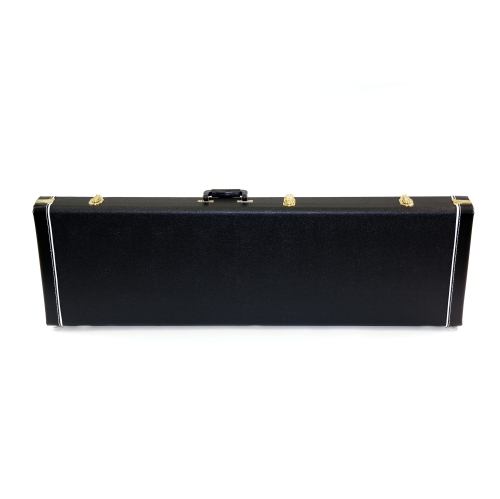
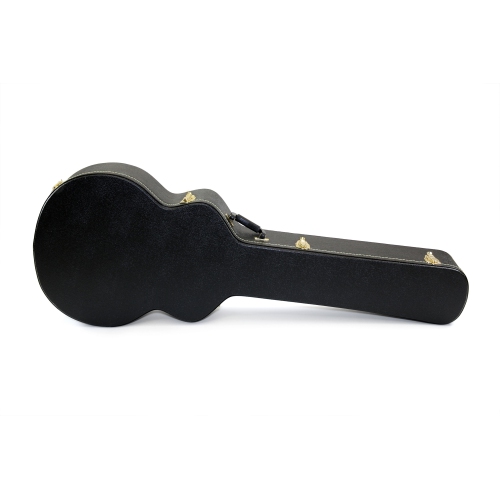

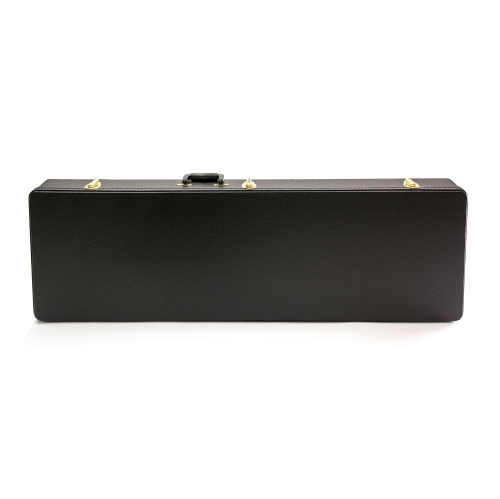
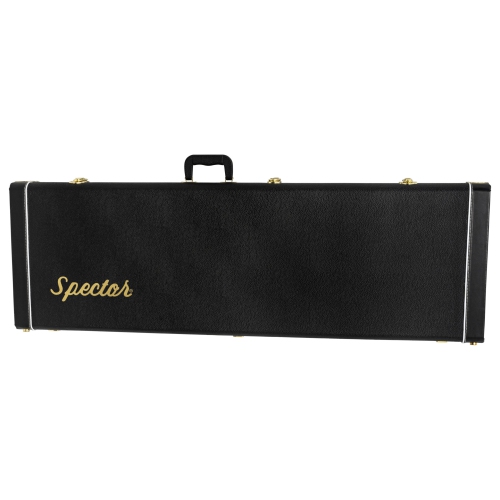
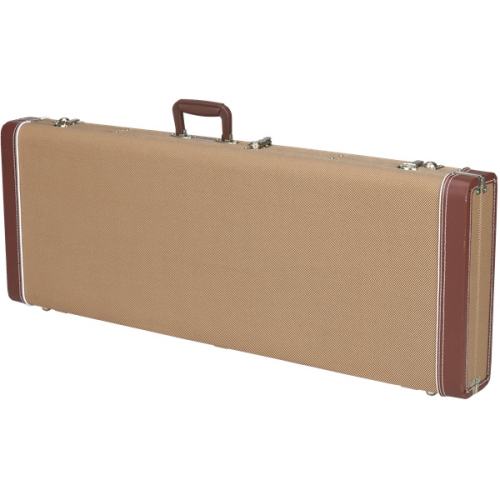
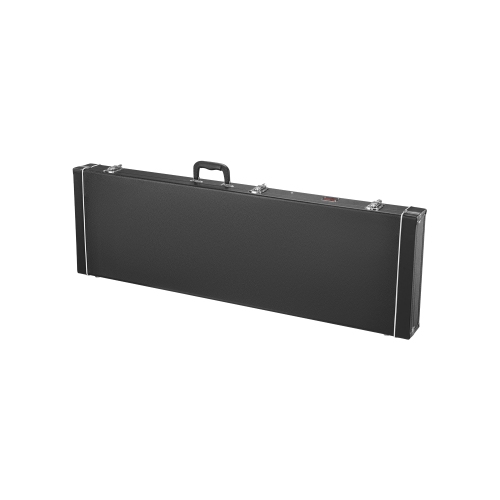
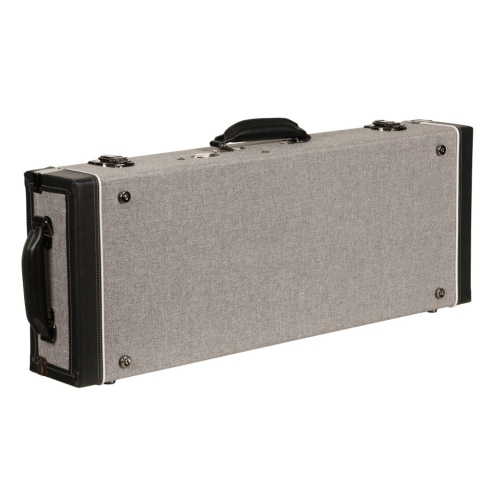
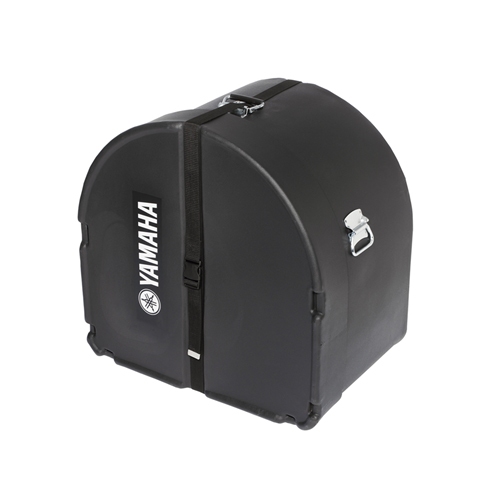
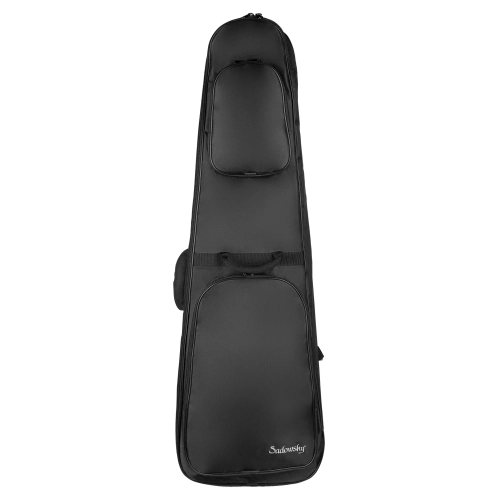
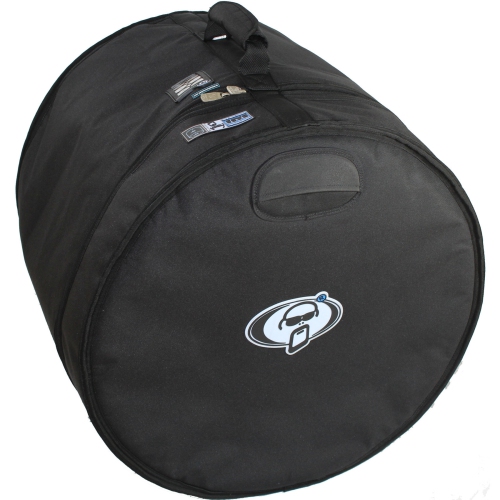
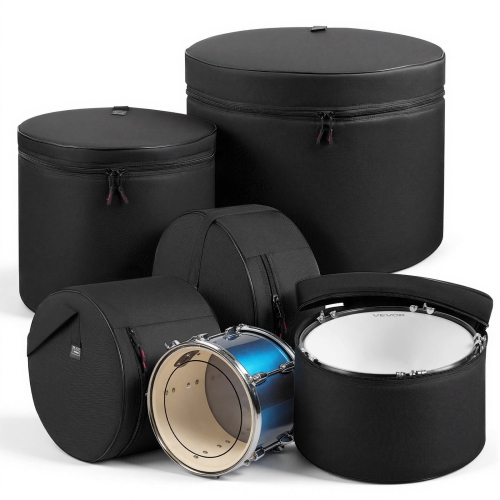
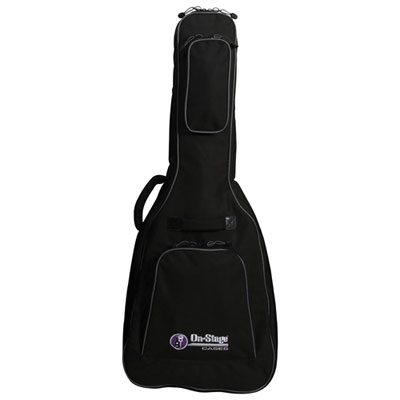
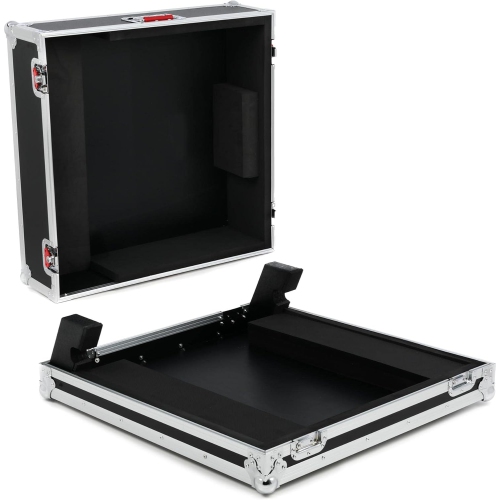
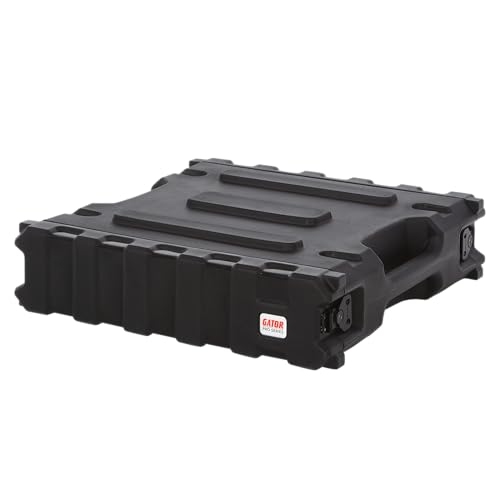
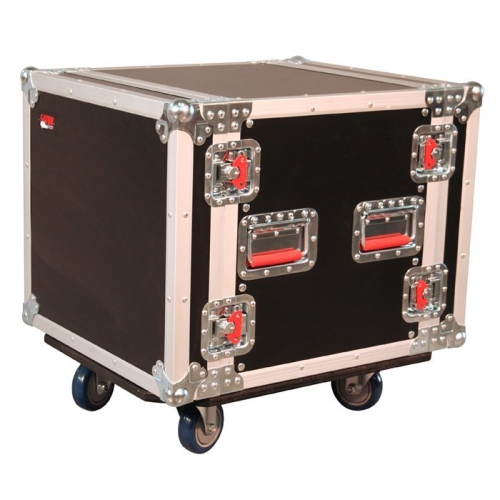




Protection that fits your bass and your routine
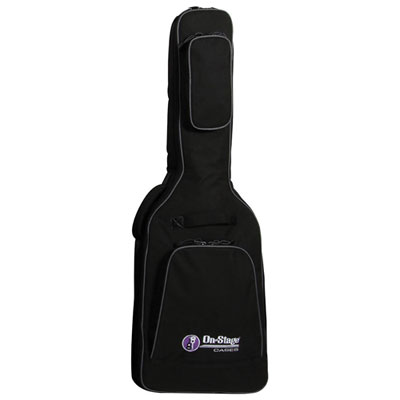
Bass cases give bass guitars a dedicated place for storage and transport, helping protect the body, neck, headstock, and hardware from the knocks and scuffs that come with regular playing. Their longer proportions distinguish them from most guitar cases, while the interior shape determines how securely an instrument sits inside. The category includes rigid hardshell cases, padded gig bags, and semi-rigid designs that combine a structured shell with a fabric exterior. Each construction suits a different routine. A bassist walking to a lesson or taking public transit may appreciate a lightweight gig bag with padded shoulder straps, especially when carrying a small accessory bag as well. Someone loading instruments beside amplifiers and speaker cabinets may prefer the firmer barrier of a hardshell case. Semi-rigid cases can offer a middle ground for players who want more structure without the bulk of a traditional wooden case. Common exterior materials include woven nylon or polyester, moulded plastics, and wood covered with a protective outer layer. Inside, foam cushioning and soft lining help separate the instrument from the shell and limit rubbing against its finish. Protection depends on the complete construction, not just one material or the thickness of the padding. Reinforced edges, a stable base, secure closures, and well-positioned neck support all contribute to how a case handles everyday use. Hard cases can resist compression better than soft bags, but their added weight matters during longer walks or repeated trips between a vehicle and a rehearsal room. A padded bag is easier to carry and store, though it generally offers less protection against crushing. For travel involving baggage handling, ordinary gig bags and standard hardshell cases should not automatically be treated as flight cases. A design intended for that level of handling has different structural demands, and airline baggage requirements still apply. At home, a case also keeps dust away and gives the instrument a defined storage space between practice sessions.
Fit is central to a bass case’s usefulness because two instruments with the same number of strings can have very different outlines. Four-string, five-string, and six-string basses may vary in body width, neck width, headstock size, and overall length, while short-scale and long-scale instruments do not necessarily share the same case requirements. Scale length describes the vibrating length of the strings, so it is not a substitute for the instrument’s full dimensions. Acoustic bass guitars usually need a deeper interior than solid-body electric basses, and offset bodies, extended upper horns, or unusual headstocks may require a particular interior shape. A well-matched case supports the instrument without forcing it into position or leaving enough space for it to slide around. The neck support should cradle the neck securely, while the headstock, tuning machines, bridge, and control knobs need adequate clearance. A lid that closes only when pressed down can place unwanted pressure on parts of the instrument. Contoured interiors provide a close fit for compatible body shapes, whereas more open interiors may use adjustable padding or support blocks to accommodate different dimensions. Neither approach is universally better; compatibility with the actual bass is what matters. Interior fabric should feel smooth, with no exposed fasteners or rough seams against the finish. Storage compartments add convenience for a tuner, spare strings, picks, or a compact instrument cable, provided those accessories remain separated from the bass. Loose metal parts can scratch a body or rattle against hardware during transport. External pockets on gig bags can hold sheet music and small essentials, but overfilling them can make the bag awkward to carry. Carrying features deserve equal attention: a balanced handle reduces the tendency for a long case to tip, and adjustable backpack straps help position a gig bag comfortably. Strong stitching, reinforced attachment points, smooth-running zippers, and latches that close positively are practical details that become noticeable after many journeys. The right combination makes packing up after rehearsal feel straightforward rather than like another piece of equipment to wrestle with.
A bass case becomes part of a musician’s routine, whether the instrument travels to weekly lessons, band rehearsals, recording sessions, or live performances. Students benefit from manageable carrying weight and simple closures, while gigging players may place greater value on durable corners, dependable handles, and accessory storage that keeps essential equipment together. Teachers and musicians moving between several locations often appreciate a case that can be opened without a struggle and set down securely during a busy changeover. For a bassist receiving a case as a gift, the instrument’s dimensions and the player’s usual travel arrangements are more useful starting points than appearance alone. A sleek exterior is appealing, but a compatible interior and comfortable carrying system are what make the gift useful over time. In a home recording space, instrument storage sits alongside other equipment needs; musicians assembling a desktop recording computer may also explore Black Cases for housing their computer components. The bass case itself needs only a little regular care to remain pleasant to use. Dust and grit can collect in lining, pockets, and zipper tracks, so gentle cleaning helps prevent debris from rubbing against the instrument or interfering with closures. Exterior cleaning methods depend on the material, and the case manufacturer’s care recommendations help avoid damage to coverings, adhesives, or trim. Any damp cleaning should be followed by thorough drying before the bass goes back inside. Handles, straps, hinges, and latches are worth checking periodically, since a loose attachment can turn an otherwise sturdy case into an unreliable carrying option. During storage or transport, keeping heavy equipment off the case reduces unnecessary pressure, even with a rigid shell. Secure placement also limits sliding and tipping when travelling by vehicle. Locks can discourage casual access, but they do not replace careful handling or secure storage. With a suitable fit, sound construction, and sensible care, a bass case supports the everyday rhythm of owning an instrument: packing it after practice, carrying it to the next session, and opening it again with everything where it belongs.
Top selling and popular products
-
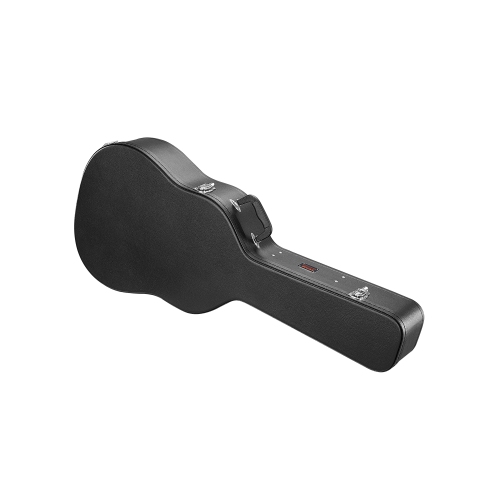 Your price for this item is $124.9
-
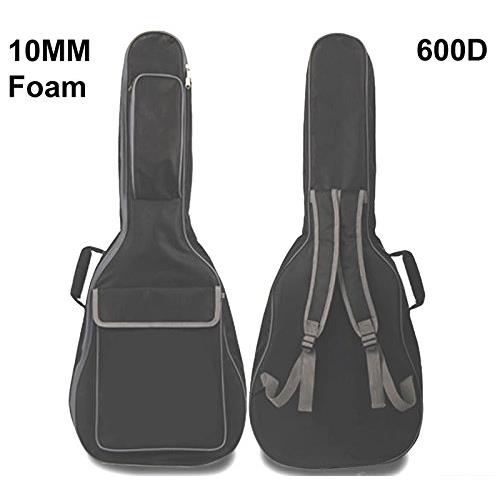 Your price for this item is $39.99
-
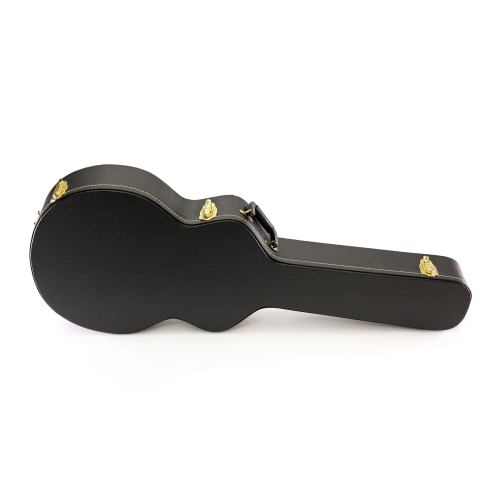 Your price for this item is $139
-
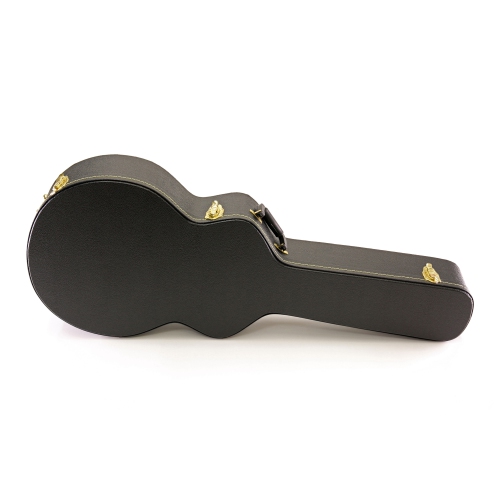 Your price for this item is $139
-
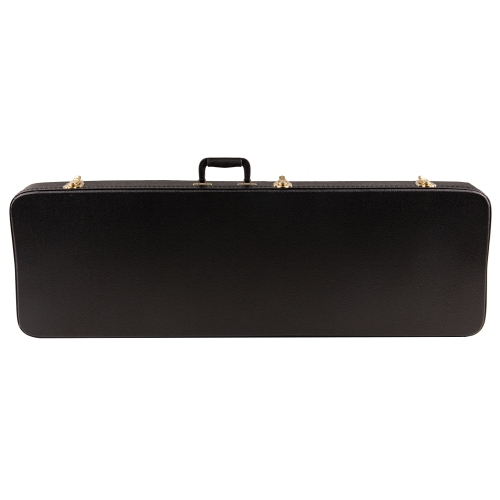 Your price for this item is $139
-
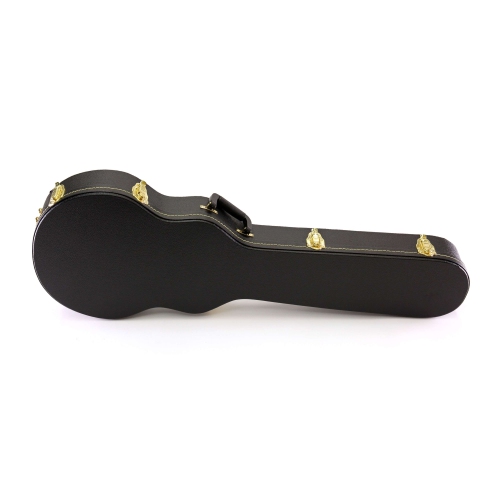 Your price for this item is $129
-
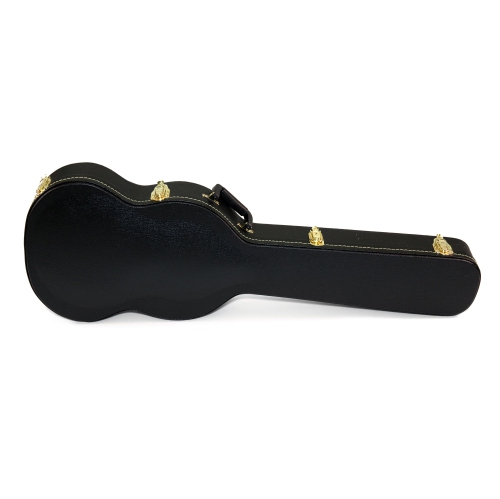 Your price for this item is $149
-
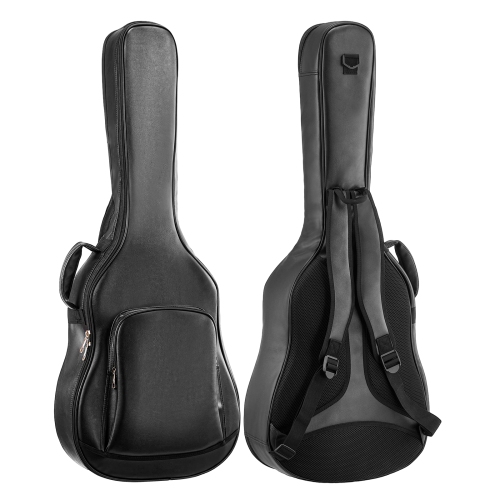 Your price for this item is $68.99
Discover more categories related to Bass Cases


Top Collections:
Best Black Friday Deals This Year, Best Black Friday Deals On Electronics, Kindle Devices, Pokemon Centers, Best Black Friday Deals On Apple Products, Best Cameras for Sports Photography, Dyson Airwrap, Pokémon 30th Celebration Cards, Apple iPhone 17 Pro, Canon G7X Cameras
Some products may be subject to Environmental Handling Fees
(EHF) depending on your province.
Learn more about EHFs.