Bass Guitar Speakers
Elevate your musical performance with top-quality bass guitar speakers designed to deliver rich, powerful sound. Whether you're a seasoned musician or just starting, finding the right speaker is essential for achieving that deep, resonant bass tone. Our selection of bass guitar speakers offers a variety of options to suit different styles and preferences, ensuring that every note you play is heard with clarity and precision. Explore our range to discover the perfect match for your instrument and take your sound to the next level.
Sort





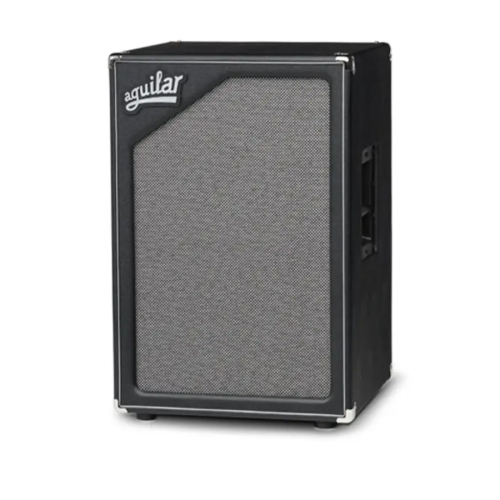
Full bass tone takes more than speaker size
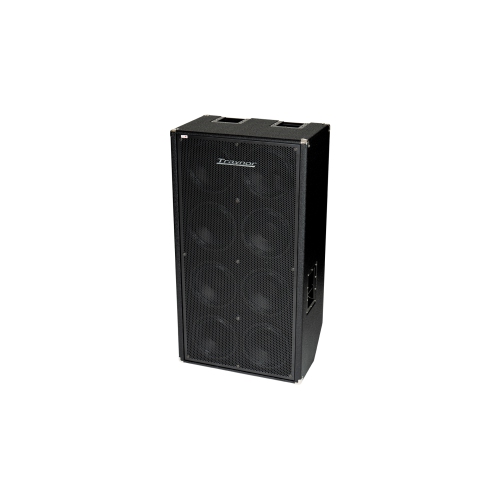
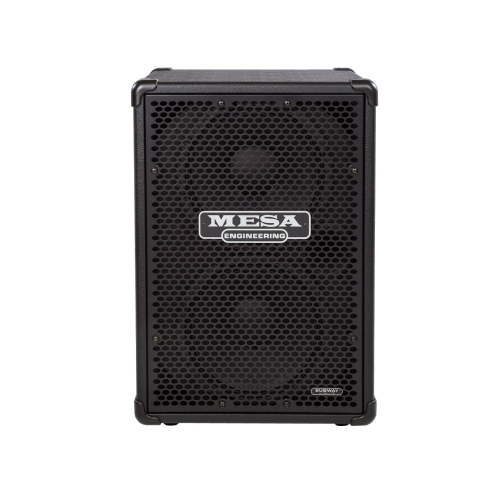
Bass guitar speakers give an electric bass its audible weight, texture, and presence, turning an amplifier’s output into the low notes and upper harmonics that carry a bass line. Unlike speakers intended mainly for electric guitar, bass drivers are built to handle substantial low-frequency movement while preserving enough mid-range detail for individual notes to remain distinct. That balance matters whether the sound is a rounded fingerstyle groove, the sharp edge of a pick, or the percussive snap of slap playing. The term bass guitar speaker can mean a replacement driver installed inside an enclosure or, more broadly, a complete speaker cabinet connected to a bass amplifier. A raw driver needs a suitable enclosure and amplification; a conventional passive cabinet also needs an amplifier and does not accept an instrument signal directly as a complete playing setup. With bass cabinets, the enclosure, drivers, ports, and any high-frequency components work together to shape the sound. Common speaker diameters include 10-inch, 12-inch, and 15-inch sizes. A 10-inch configuration is often associated with punch and clear articulation, a 12-inch design with a blend of fullness and definition, and a 15-inch design with substantial low-end weight. Those descriptions are useful starting points rather than fixed rules: cone diameter alone does not determine speed, depth, or loudness. Cabinet tuning, cone excursion, driver sensitivity, and the number of speakers can make two setups with the same speaker size sound quite different. A compact enclosure may keep a practice space manageable, while a larger multi-speaker cabinet can provide greater output capability for rehearsals and performances. For a bassist playing alongside drums, useful mid-range projection can matter as much as deep extension, helping the bass remain audible without filling every gap in the mix. Players using five-string basses, lower tunings, or octave effects may also value controlled low-frequency response, although reproducing the deepest fundamentals at high volume places greater demands on both the driver and the enclosure.
Matching bass speakers to an amplifier involves more than comparing wattage figures. Speaker power handling describes how much input a driver or cabinet can tolerate under specified test conditions; it is not a direct measurement of loudness, and ratings labelled continuous, program, or peak are not interchangeable. Sensitivity indicates how efficiently a speaker converts power into sound, so a more sensitive design can produce greater output with the same amplifier power under comparable conditions. Impedance, expressed in ohms, is equally important. The combined load of connected cabinets must suit the amplifier’s stated requirements, and adding a second cabinet can change that load. Many solid-state bass amplifiers specify a minimum impedance, while valve amplifiers commonly require a matching output connection; the amplifier’s documentation should govern the setup. A higher-wattage amplifier is not automatically harmful, nor does a lower-wattage amplifier guarantee protection. Excessive level, heavy bass boost, and sustained distorted output can stress speakers, making suitable matching and sensible operation essential. For replacement bass guitar speakers, physical fit includes the mounting cutout, bolt pattern, overall depth, and clearance behind the magnet, not just the advertised cone size. The replacement driver’s electrical and mechanical characteristics must also suit the enclosure’s internal volume and port tuning. An otherwise well-made driver installed in an unsuitable box may sound thin, uneven, or strained. A like-for-like replacement or a manufacturer-approved alternative can reduce uncertainty, particularly in cabinets containing multiple drivers or a crossover network. Cabinet connections deserve the same attention: speaker outputs require suitable speaker cable rather than an instrument lead, even where the plugs appear similar. For a rehearsal setup that moves between rooms, clearly labelled connections and accessible sockets make assembly less awkward. A built-in tweeter or horn can add string noise, pick attack, and slap detail, while an adjustable high-frequency level lets the player soften that edge. These features affect how the speaker supports a musical style, from a warm, restrained accompaniment to a bright bass part that needs to cut through layered instruments.
Construction influences both the character of bass guitar speakers and how comfortably they fit into everyday playing. Many bass drivers use treated paper cones, with surrounds and suspension components designed to support repeated cone movement. Cone material is only one part of the design; magnet strength, voice-coil construction, suspension behaviour, and ventilation also contribute to performance and durability. Ceramic magnets are common, while neodymium designs can reduce carrying weight without automatically changing a speaker’s tonal quality in a predictable way. For complete cabinets, plywood construction, internal bracing, secure handles, and protective corners can be valuable when equipment is regularly loaded into a vehicle or carried through venue doorways. Other cabinet materials can also work well, especially where portability is less important than a stable setup in one room. A rigid enclosure helps limit unwanted panel vibration, and a sturdy grille protects vulnerable cones from knocks during transport. Weight distribution and handle placement deserve attention alongside the listed dimensions: a cabinet that fits a practice room may still be difficult to lift up a narrow staircase. Covers help protect exterior finishes from dust and scuffs, while keeping drinks away from grilles, ports, and amplifier connections reduces the chance of accidental damage. Routine care is straightforward: wipe exterior surfaces with a soft, dry cloth, avoid pressing on exposed cones, and inspect cables and fittings for wear. New rattles, buzzing, or scraping sounds warrant checking before further high-volume use rather than simply turning up the amplifier. Bass speakers suit learners building a dedicated practice setup, experienced musicians refining their stage sound, and players restoring a familiar cabinet whose original driver has worn out. They can also be a thoughtful gift for a bassist when the intended amplifier, enclosure, and connection requirements are already known. In a small rehearsal room, the right setup supports clear notes and manageable volume; on stage, it provides reliable monitoring and enough projection for the performance. Across these uses, a good match brings out the instrument’s character while fitting the player’s space, transport needs, and preferred sound.
Top selling and popular products
-
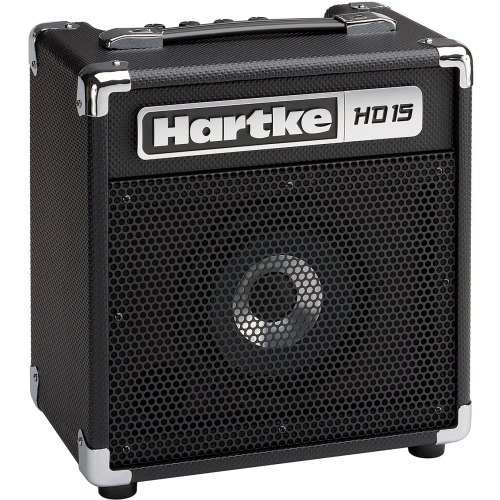 Your price for this item is $189.99
-
 Your price for this item is $219.99
-
 Your price for this item is $769
-
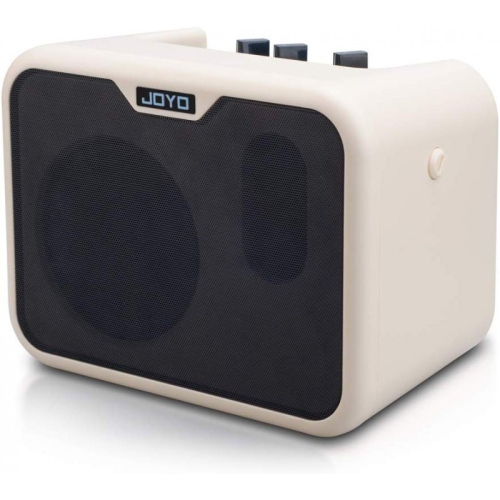 Your price for this item is $89.8
-
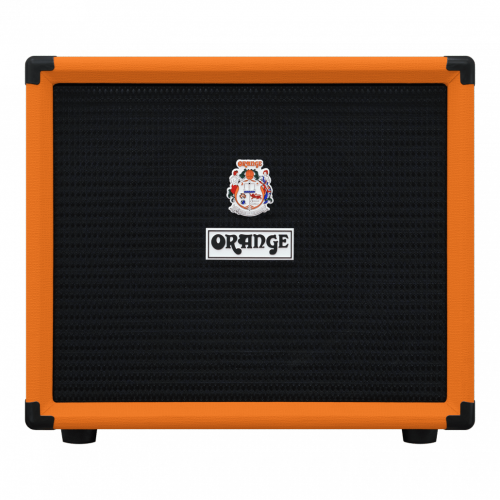 Your price for this item is $849
-
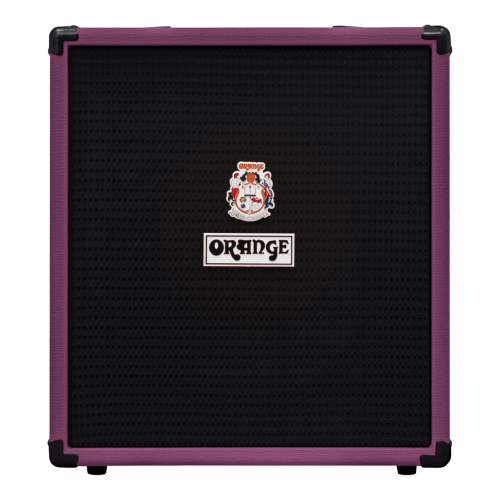 Your price for this item is $499
-
 Your price for this item is $1379
-
 Your price for this item is $2079
Discover more categories related to Bass Guitar Speakers

Top Collections:
Pokemon Centers, Best Cameras for Sports Photography, Kindle Devices, Samsung Galaxy Phones, Canon G7X Cameras, Pokémon 30th Celebration Cards, Refurbished Apple Laptops, iPhone 15 Apple, Laptops for Students, Budget Smartphones
Some products may be subject to Environmental Handling Fees
(EHF) depending on your province.
Learn more about EHFs.