Guitar Cabinet Speakers
Elevate your sound experience with our selection of guitar cabinet speakers, designed to bring depth and clarity to every note. Whether you're a seasoned musician or an aspiring guitarist, the right cabinet speaker can make all the difference in your performance. Explore a variety of sizes and configurations to find the perfect match for your amplifier and musical style. From practice sessions to live gigs, guitar cabinet speakers are essential for delivering powerful sound that resonates with audiences. Discover options that suit your needs and enhance your music journey today.
Sort


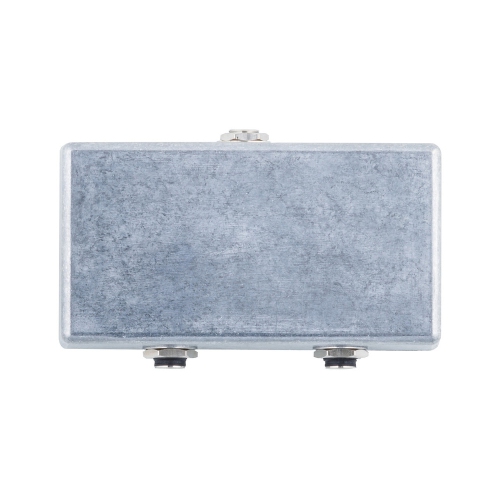


How cabinet design and speaker specs shape your sound
Guitar cabinet speakers are designed to shape the sound of an electric guitar as much as they reproduce it. Unlike full-range speakers intended to deliver music with a neutral response, guitar speakers are voiced to emphasize the instrument’s expressive midrange while naturally easing off the extreme highs and lows. That familiar character can add warmth to clean chords, bite to overdriven riffs, and a focused edge to heavier distortion. A cabinet speaker may be built into an enclosure with one or more drivers, or it may be sold as a replacement speaker for a compatible cabinet. Either way, the speaker and cabinet work together to influence projection, resonance, volume, and feel. A 1x12 cabinet, with one 12-inch speaker, is a practical choice for bedrooms, rehearsal spaces, recording rooms, and smaller performances because it can provide a full guitar sound without taking up as much floor space as a larger enclosure. A 2x12 cabinet uses two speakers to create a broader sound stage and can offer additional volume, fullness, and low-end authority while remaining easier to transport than a 4x12 setup. A 4x12 cabinet is the classic large-format option for players who need strong projection, a substantial low end, and the visual and sonic presence associated with larger stages. Cabinet size alone does not determine sound quality, so it is helpful to consider the entire signal chain, including the guitar, pedals, amplifier head, and playing environment. A compact cabinet can sound impressively rich when paired with the right amplifier, while a larger cabinet may be more than necessary for home use. During the cooler months, a well-matched cabinet can also make a practice room feel more engaging, helping players settle in with a familiar guitar, a short set list, and the satisfying response of a real speaker moving air.
Compatibility should be the first consideration when choosing guitar cabinet speakers. Check the amplifier head’s recommended speaker impedance, usually expressed in ohms, and confirm that the cabinet’s rating matches the amplifier’s requirements. Using an unsuitable impedance can affect performance and may cause equipment damage, particularly with tube amplifiers. Power handling is equally important: the speaker or cabinet should be able to manage the amplifier’s output, with enough headroom for the way the rig will be played. A higher power rating does not automatically produce a better tone, but it can provide greater confidence at louder settings. Sensitivity, measured in decibels, gives an indication of how efficiently a speaker converts amplifier power into volume; a more sensitive speaker can sound louder with the same amplifier setting. Cabinet construction also plays a major role. Closed-back enclosures tend to produce a tighter, punchier low end and a more direct response, which suits articulate rhythm playing, classic rock, and concentrated high-gain tones. Open-back designs allow more sound to spread through the room and can feel airy, lively, and spacious, especially for clean playing, blues, roots music, and lower-volume setups. Vented or ported cabinets use openings to extend low-frequency response within a compact enclosure, though the result depends on the cabinet’s design and the speaker installed inside it. It is also important to distinguish guitar speakers from bass speakers and full-range PA speakers. Guitar speakers are intentionally coloured for electric guitar, while bass speakers are built to handle deeper frequencies and often use different driver designs; a full-range speaker may reproduce a wider spectrum but will not necessarily provide the same natural compression or musical breakup. For replacement parts, review the speaker diameter, mounting dimensions, terminal type, impedance, and power handling before ordering. Players comparing individual drivers can browse Electric Guitar Speakers to explore options intended for electric guitar applications.
Guitar cabinet speakers can serve many kinds of players, from someone building a first amplifier stack to an experienced guitarist refining a recording or performance rig. They are useful for home practice when a player wants the response and movement of a separate cabinet rather than relying solely on a small combo amplifier. They can also be valuable in rehearsal spaces, where a properly sized cabinet helps a guitar remain defined alongside drums, bass, keyboards, and vocals. For live use, consider the cabinet’s dimensions, weight, handle placement, and available connections, since a great-sounding enclosure is less convenient when it is difficult to carry between a vehicle, stage, and storage area. A cabinet can be a thoughtful gift for a guitarist who has recently purchased an amplifier head, is upgrading from a basic practice setup, or is experimenting with different speaker voices. Gift shoppers may want to confirm the recipient’s amplifier specifications and preferred cabinet size before choosing, as impedance and power compatibility matter more than appearance. Players who record at home may appreciate a smaller cabinet that fits comfortably in a treated room, while those preparing for larger venues may favour a 2x12 or 4x12 design for added projection. Tone preferences are personal: one guitarist may enjoy a smooth, rounded response for clean arpeggios and sustained lead lines, while another may prefer firm lows and pronounced upper mids that make palm-muted patterns and dense chords stand out. Speaker configuration, cabinet construction, amplifier pairing, and playing volume can all change the result, so listening impressions should be balanced with practical specifications. A well-chosen guitar cabinet speaker can become the dependable centre of a rig, responding to every pick attack, volume adjustment, and pedal change with a distinct character that encourages longer practice sessions and more confident performances.
Top selling and popular products
-
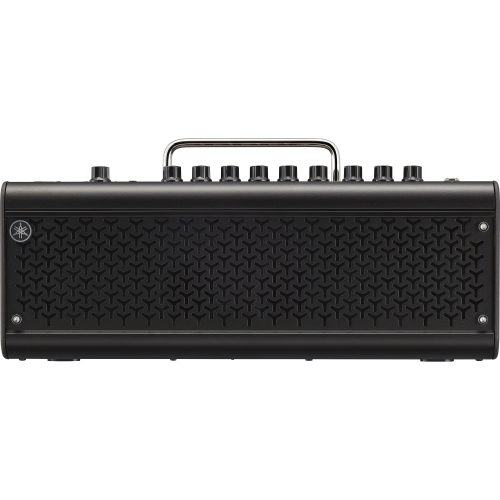 Your price for this item is $599.99
-
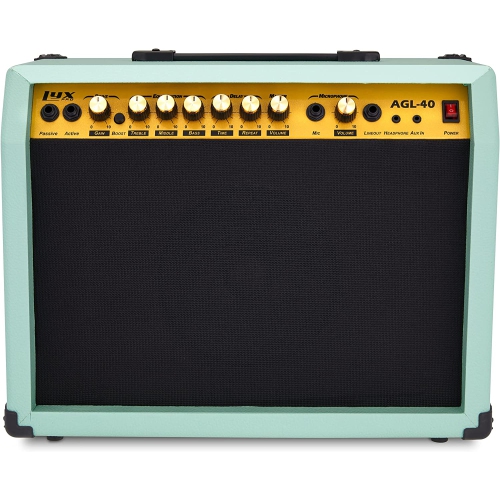 Your price for this item is $159.99
-
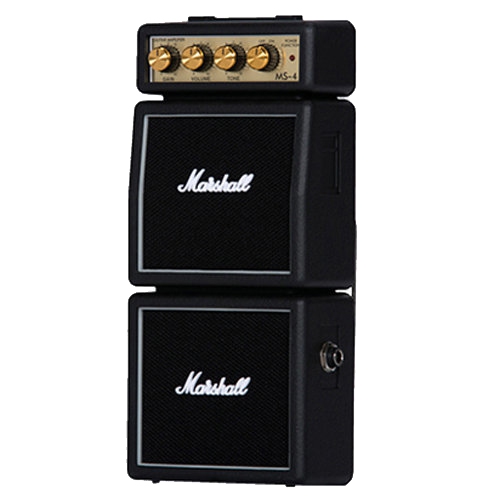 Your price for this item is $99.99
-
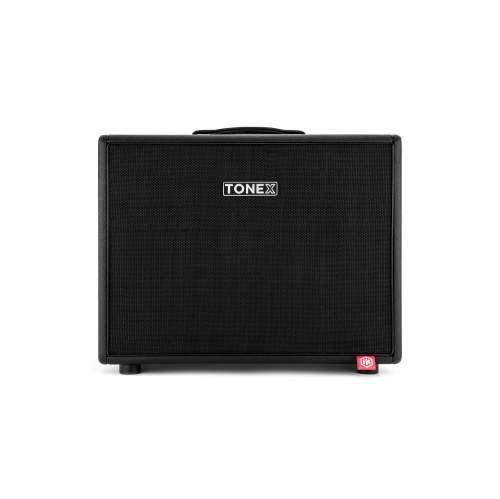 Your price for this item is $1119
-
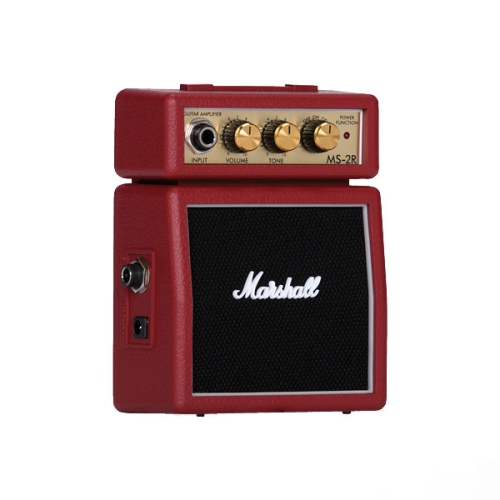 Your price for this item is $79.99
-
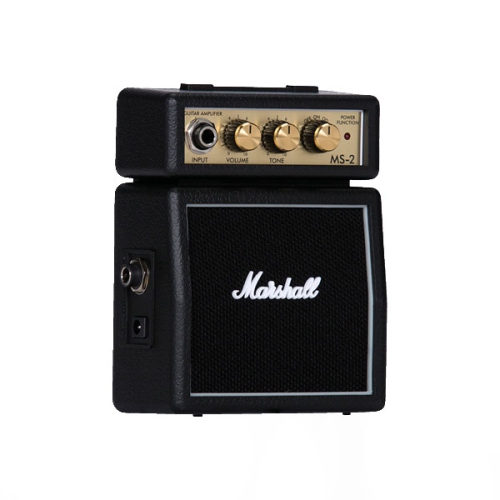 Your price for this item is $79.99
-
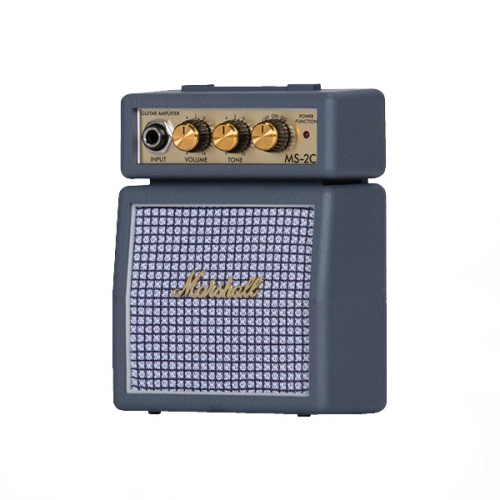 Your price for this item is $79.99
-
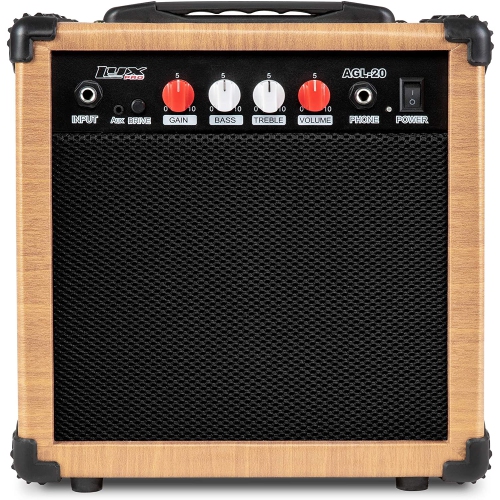 Your price for this item is $159.99
Discover more categories related to Guitar Cabinet Speakers
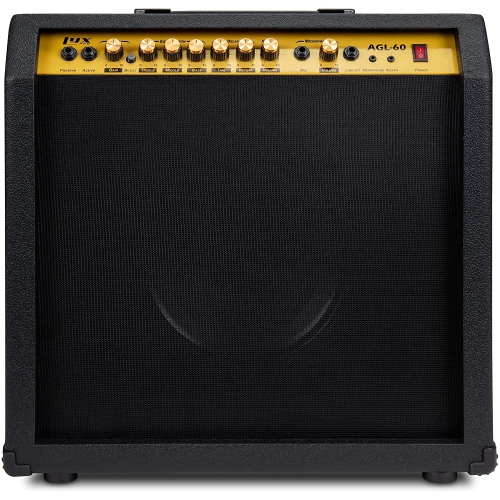


Top Collections:
Pokemon Centers, Best Cameras for Sports Photography, Kindle Devices, Samsung Galaxy Phones, Canon G7X Cameras, Pokémon 30th Celebration Cards, Refurbished Apple Laptops, iPhone 15 Apple, Laptops for Students, Budget Smartphones
Some products may be subject to Environmental Handling Fees
(EHF) depending on your province.
Learn more about EHFs.