Bass Guitar Strings
Whether you're a seasoned pro or just starting out on your musical journey, finding the perfect set of bass guitar strings is essential for achieving that perfect sound. From bright and punchy tones to deep and resonant vibes, the right strings can make all the difference in your playing experience. Explore our wide selection of bass guitar strings designed to cater to every style and genre, ensuring that you can find the ideal match for your musical preferences.
Sort




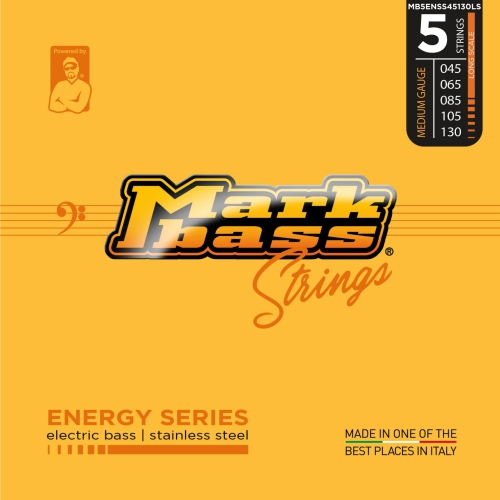
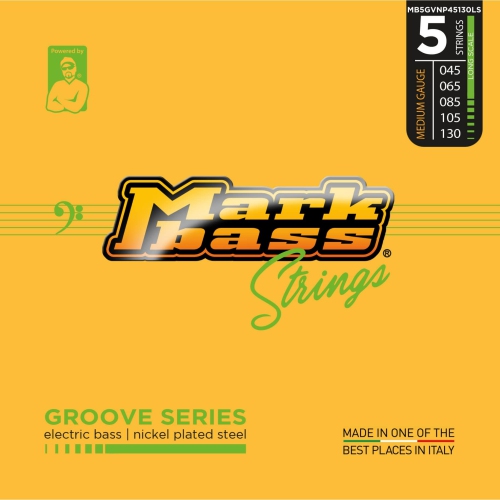
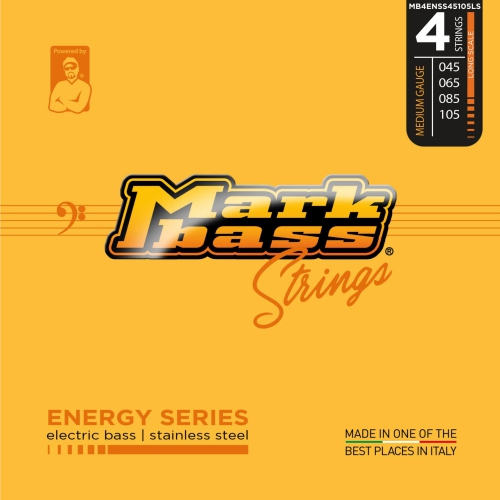
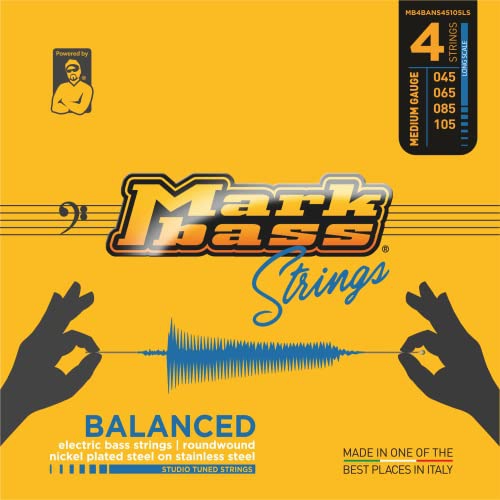






How string types and gauges shape your sound
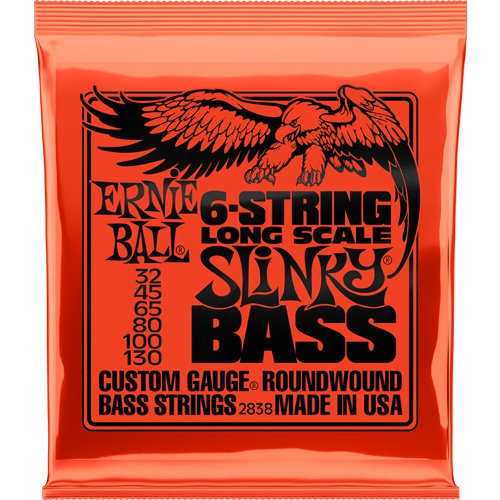
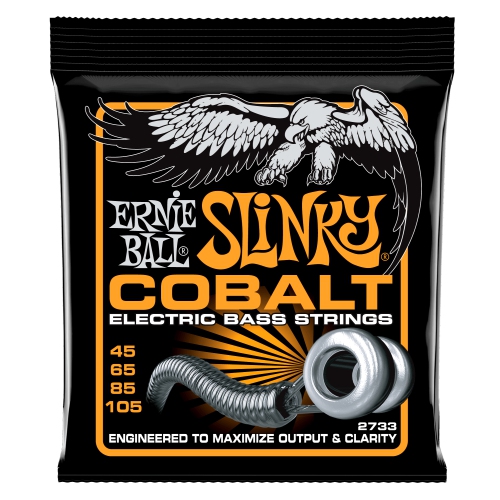
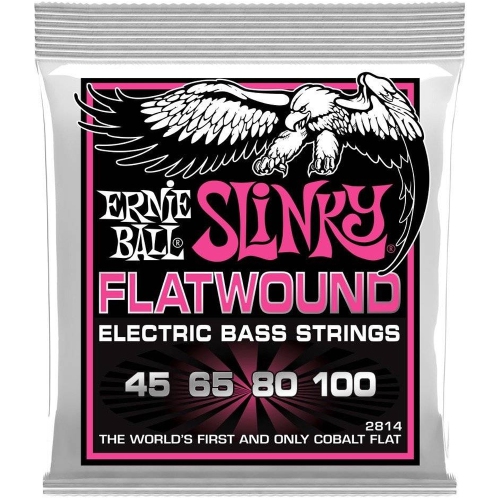
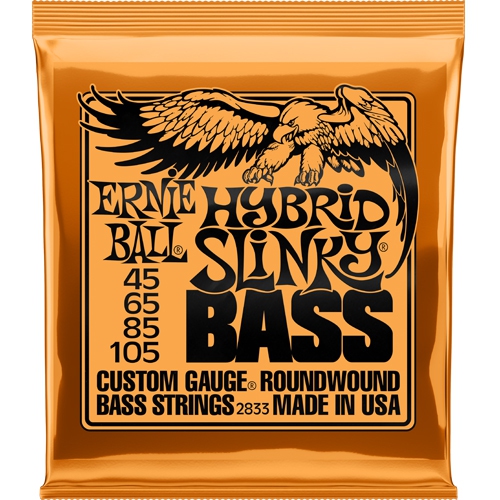
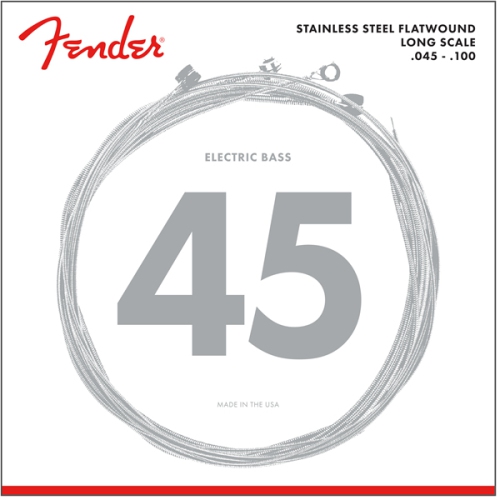
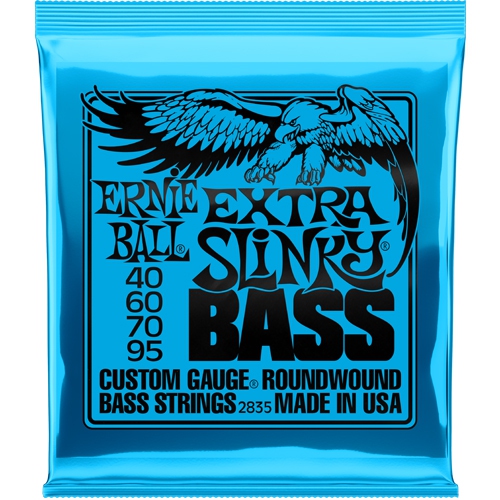
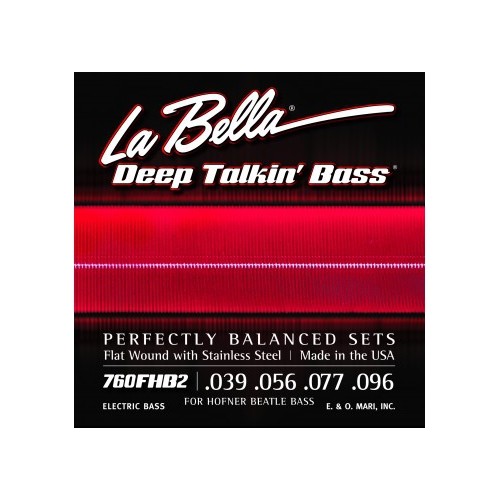
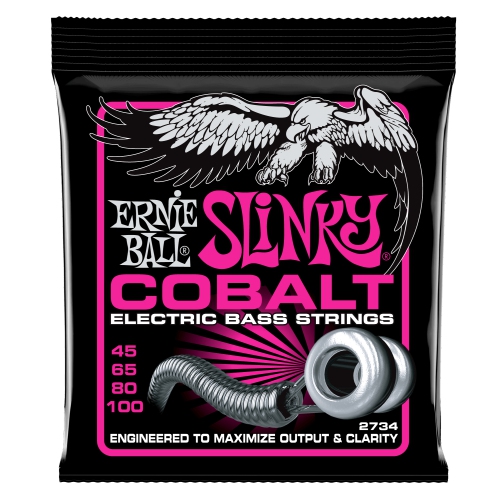
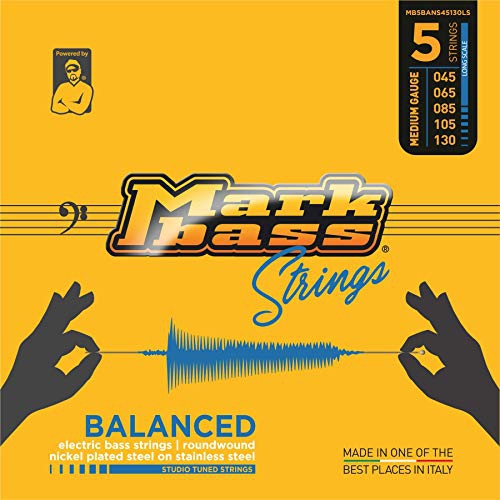
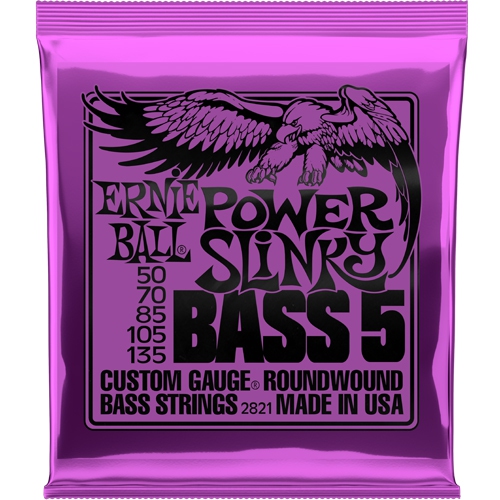
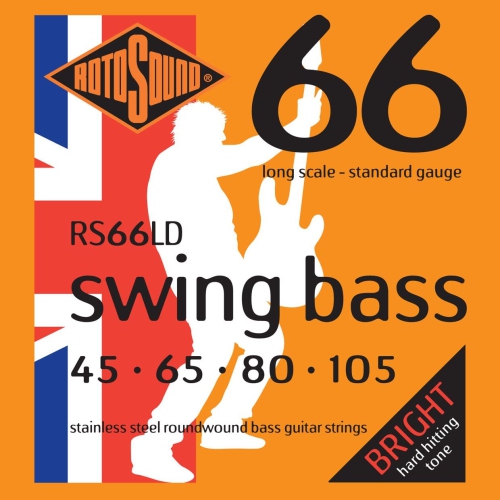
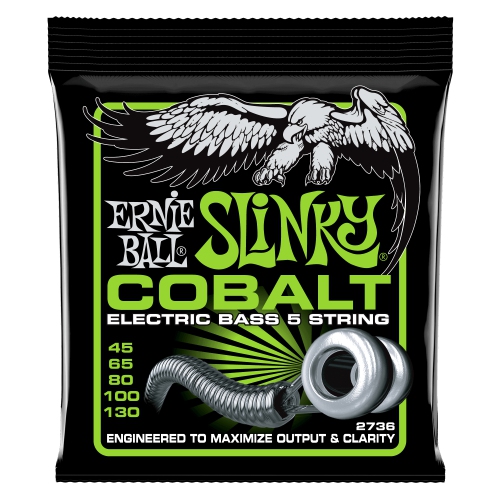
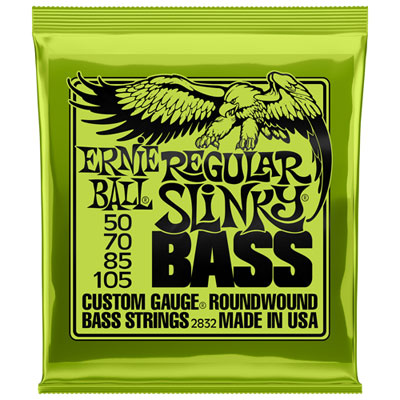
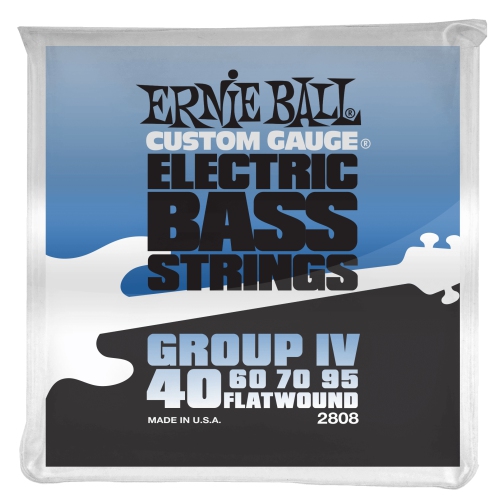
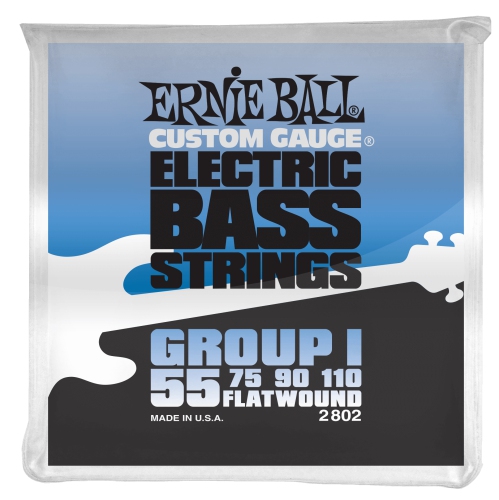
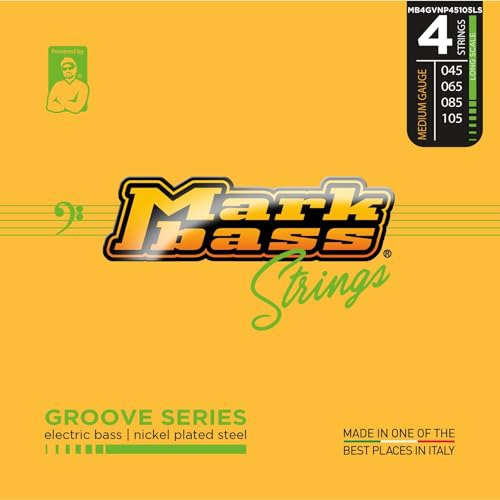
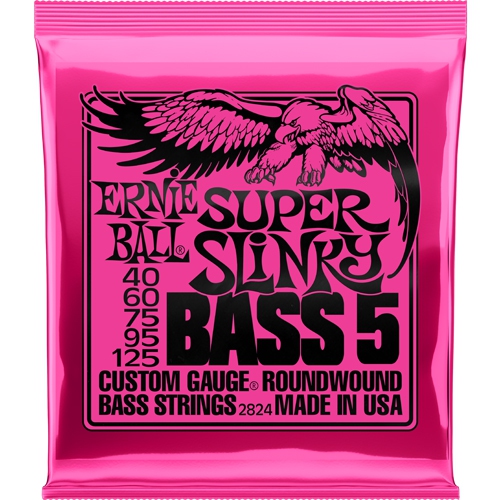
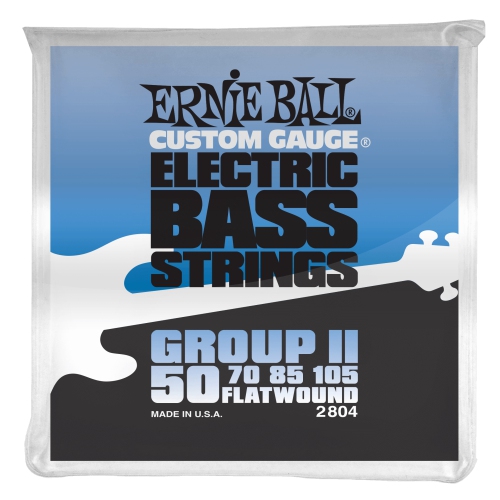
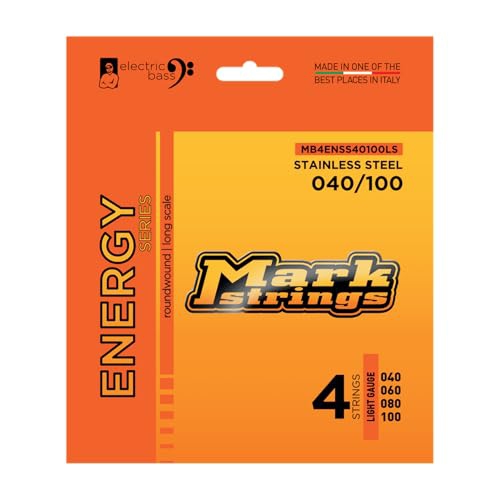
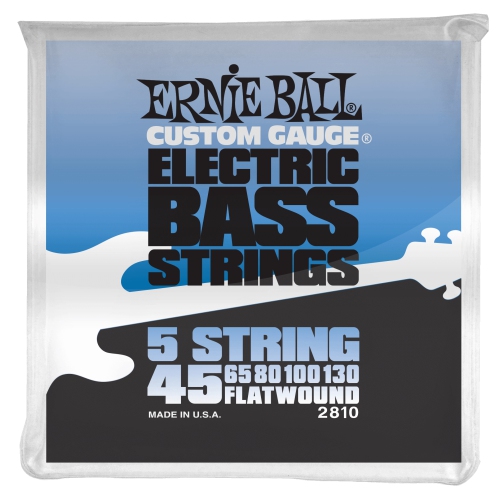
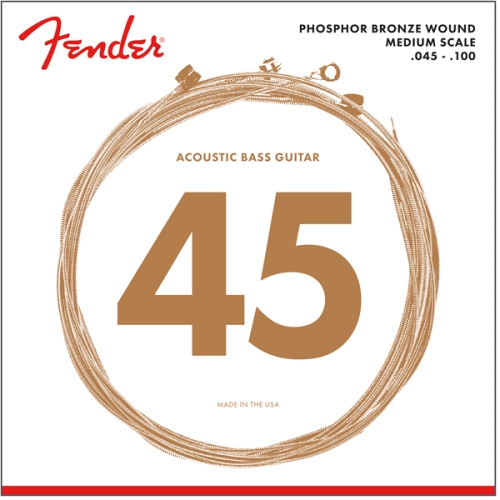
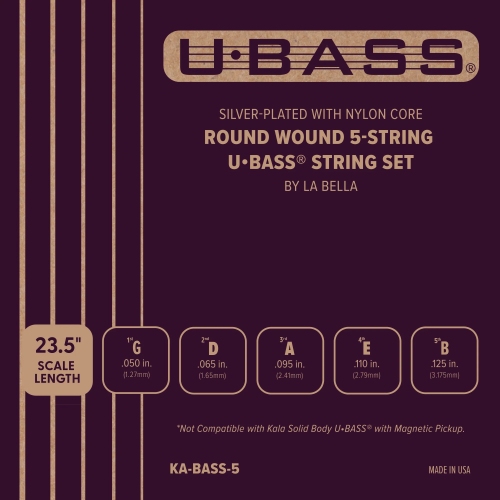
Bass guitar strings have a major effect on how an instrument sounds, feels, and responds under the fingers. Whether you are replacing worn strings, experimenting with a different tone, or putting together a thoughtful gift for a bassist, choosing the right set starts with understanding the basics. Roundwound strings have a textured outer wrap that produces a bright, punchy sound with plenty of harmonics, making them a versatile choice for rock, pop, funk, country, and slap playing. Flatwound strings have a smooth, polished surface and create a warmer, deeper, more muted tone with little to no finger squeak. They are often associated with jazz, soul, blues, and vintage-inspired playing, although many modern bassists enjoy them for their comfortable feel and controlled response. Tapewound strings are wrapped in nylon tape, giving them an especially smooth surface, a mellow voice, and a feel that can resemble an upright acoustic bass. Coated strings include a thin polymer layer designed to help protect the winding from sweat, skin oils, and everyday wear, which can help them retain their tone for longer. Their initial cost may be higher, but they can be a practical option for players who practise frequently, perform regularly, or prefer changing strings less often. String material also influences the character of the instrument. Nickel-plated steel is generally known for a balanced sound, a softer feel, and broad compatibility with many playing styles, while stainless steel tends to produce a brighter, sharper, and more aggressive tone. Stainless steel can also feel firmer and may be more abrasive on older or delicate frets, so players with vintage instruments may want to consider the condition of their bass before making a change. For a dependable replacement, many players begin with roundwound nickel-plated steel strings because they offer a useful middle ground between clarity, warmth, comfort, and versatility. Players looking for a more distinctive voice can explore flatwound, tapewound, coated, or stainless steel options to suit their technique and musical setting. A bassist who performs in a lively rock group may appreciate the extra edge and definition of a bright roundwound set, while someone recording mellow soul lines may prefer the rounded thump of flatwounds. These details make bass guitar strings a practical gift for beginners, experienced musicians, students, and anyone building a home recording setup. They are also easy to pair with a new instrument, such as one from the Bass Guitars collection, when assembling a complete setup for practice or performance.
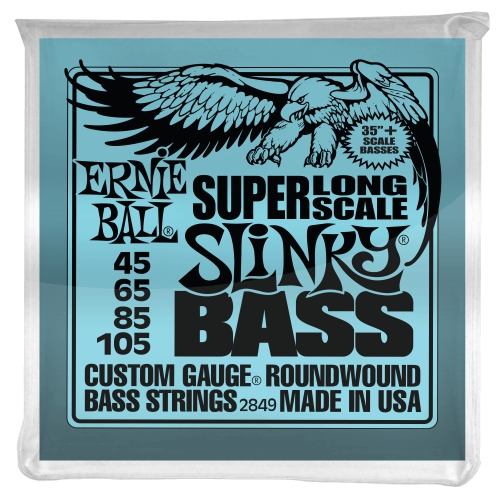
String gauge is another important consideration because it affects tension, playability, volume, and intonation. Lighter gauges can feel easier to fret and bend, which may suit newer players, fast melodic parts, or bassists who prefer a responsive touch. Heavier gauges generally provide greater tension, a fuller low end, and a firm feel that can work well for aggressive playing or tunings below standard pitch. Medium or regular gauges are a familiar starting point for many four-string basses, but the ideal choice depends on the player’s technique, tuning, and instrument setup. Always check whether a set is made for a four-, five-, or six-string bass, and confirm the scale length before ordering; a set intended for a long-scale instrument may not fit a short-scale bass properly, while strings that are too short can leave insufficient winding around the tuning posts. The core diameter, winding length, ball-end construction, and manufacturer’s recommended compatibility can all matter, particularly for basses with through-body stringing or unusual bridge designs. Players who switch gauge or construction may need to adjust the truss rod, bridge saddles, pickup height, or intonation, so a professional setup can help the instrument perform at its best. Fresh strings should be installed with clean hands, gently stretched, and tuned gradually to reduce slipping. Wiping them down after playing can help remove moisture and residue, while storing the bass in a stable indoor environment helps protect both the strings and the instrument during warmer or cooler weather. A dull, uneven, corroded, or difficult-to-tune set is often a sign that replacement time has arrived, although the right interval varies with playing frequency, perspiration, string type, and tonal preference. Regular performers may keep an extra set in their gig bag, and students can benefit from having a spare set available before lessons, rehearsals, or school performances. When selecting bass guitar strings from a product assortment, compare the winding style, material, coating, gauge, scale length, string count, and intended tuning rather than relying on appearance alone. Matching those specifications to the instrument and the player’s sound goals makes it easier to find a comfortable set that delivers reliable tone from quiet practice sessions through full-volume rehearsals and live performances.
String gauge is another important consideration because it affects tension, playability, volume, and intonation. Lighter gauges can feel easier to fret and bend, which may suit newer players, fast melodic parts, or bassists who prefer a responsive touch. Heavier gauges generally provide greater tension, a fuller low end, and a firm feel that can work well for aggressive playing or tunings below standard pitch. Medium or regular gauges are a familiar starting point for many four-string basses, but the ideal choice depends on the player’s technique, tuning, and instrument setup. Always check whether a set is made for a four-, five-, or six-string bass, and confirm the scale length before ordering; a set intended for a long-scale instrument may not fit a short-scale bass properly, while strings that are too short can leave insufficient winding around the tuning posts. The core diameter, winding length, ball-end construction, and manufacturer’s recommended compatibility can all matter, particularly for basses with through-body stringing or unusual bridge designs. Players who switch gauge or construction may need to adjust the truss rod, bridge saddles, pickup height, or intonation, so a professional setup can help the instrument perform at its best. Fresh strings should be installed with clean hands, gently stretched, and tuned gradually to reduce slipping. Wiping them down after playing can help remove moisture and residue, while storing the bass in a stable indoor environment helps protect both the strings and the instrument during warmer or cooler weather. A dull, uneven, corroded, or difficult-to-tune set is often a sign that replacement time has arrived, although the right interval varies with playing frequency, perspiration, string type, and tonal preference. Regular performers may keep an extra set in their gig bag, and students can benefit from having a spare set available before lessons, rehearsals, or school performances. When selecting bass guitar strings from a product assortment, compare the winding style, material, coating, gauge, scale length, string count, and intended tuning rather than relying on appearance alone. Matching those specifications to the instrument and the player’s sound goals makes it easier to find a comfortable set that delivers reliable tone from quiet practice sessions through full-volume rehearsals and live performances.
Top selling and popular products
-
 Your price for this item is $36.21
 -
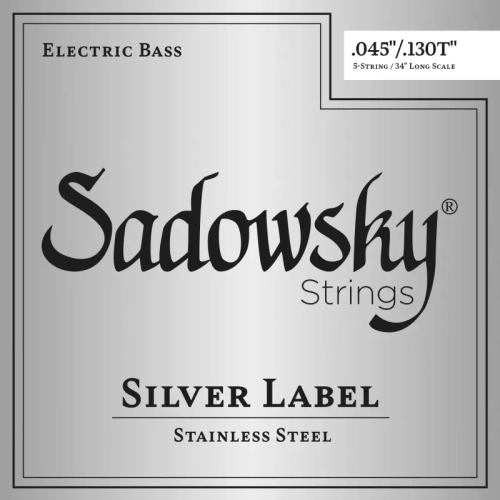 Your price for this item is $36.99
 -
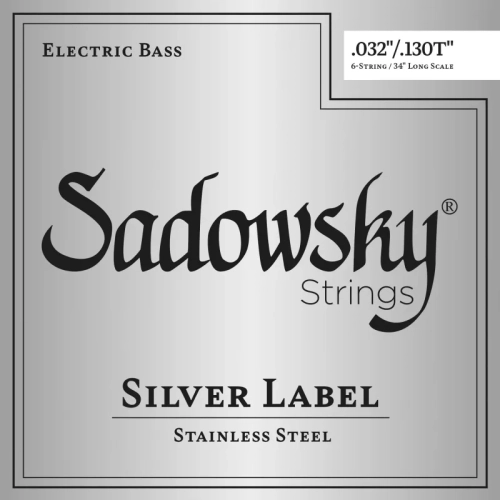 Your price for this item is $42.99
 -
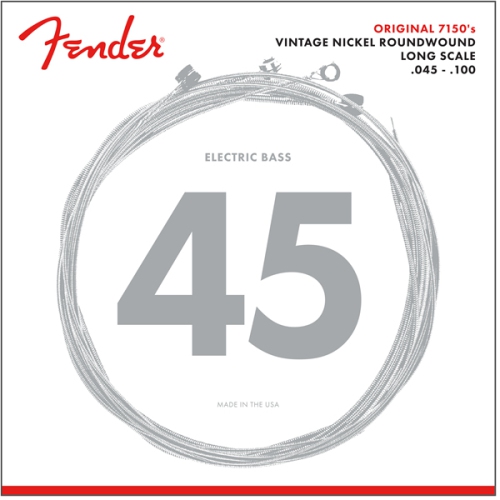 Your price for this item is $33.99
 -
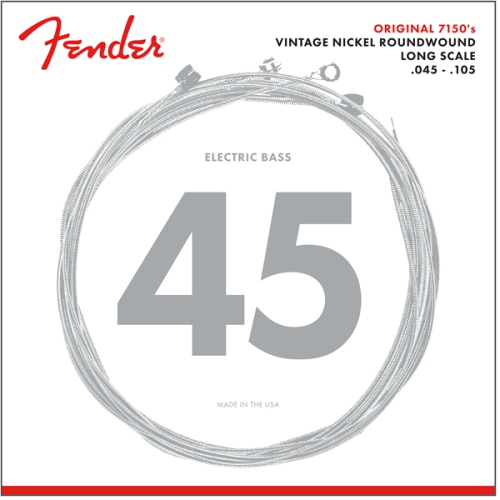 Your price for this item is $33.99
 -
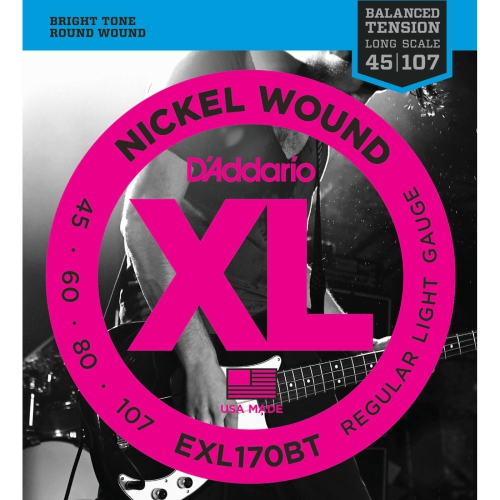 Your price for this item is $29.49
 -
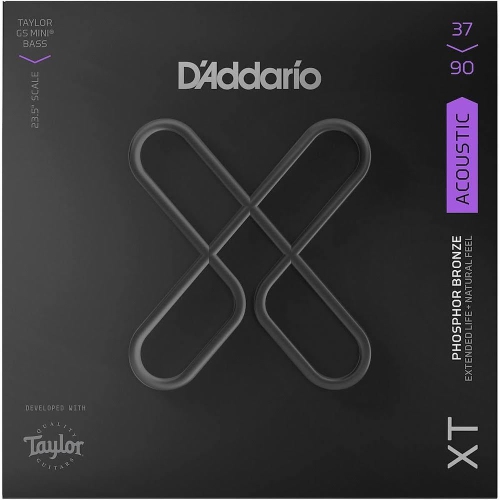 Your price for this item is $33.59
 -
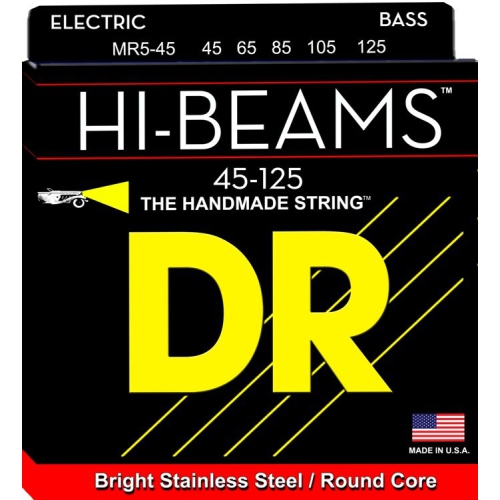 Your price for this item is $52.89
Discover more categories related to Bass Guitar Strings
Top Collections:
Pokemon Centers, Best Cameras for Sports Photography, Kindle Devices, Samsung Galaxy Phones, Canon G7X Cameras, Pokémon 30th Celebration Cards, Refurbished Apple Laptops, iPhone 15 Apple, Laptops for Students, Budget Smartphones
Some products may be subject to Environmental Handling Fees
(EHF) depending on your province.
Learn more about EHFs.