Single Guitar Strings
Elevate your guitar playing experience with our extensive selection of single guitar strings. Whether you're a professional musician or a hobbyist, finding the right string can make all the difference in your sound and performance. Our curated collection offers a variety of options to suit every style and preference, ensuring you achieve the perfect tone. Dive into our range of single guitar strings and discover the ideal match for your instrument today.
Sort



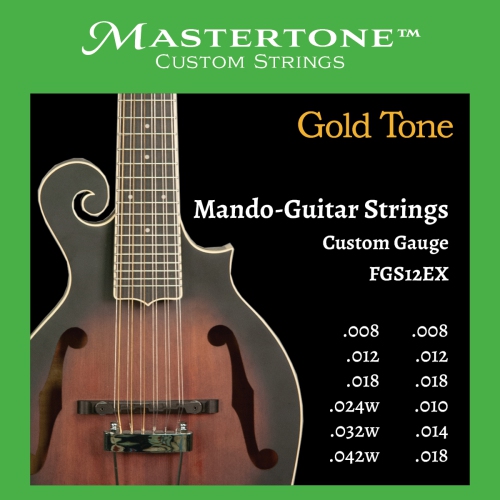

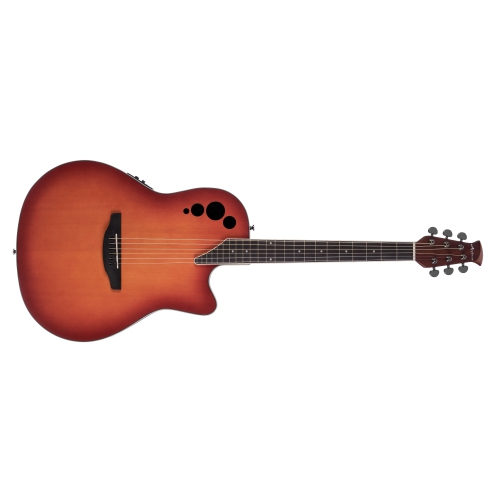

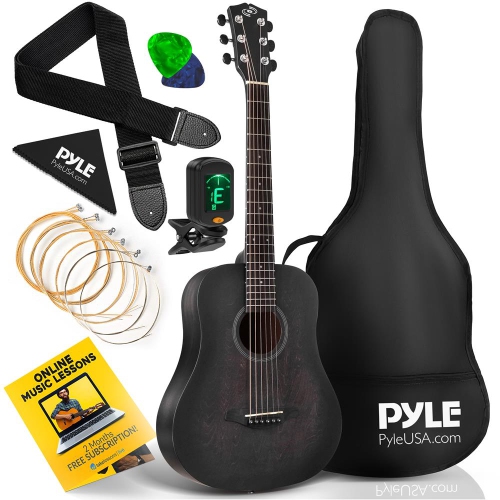
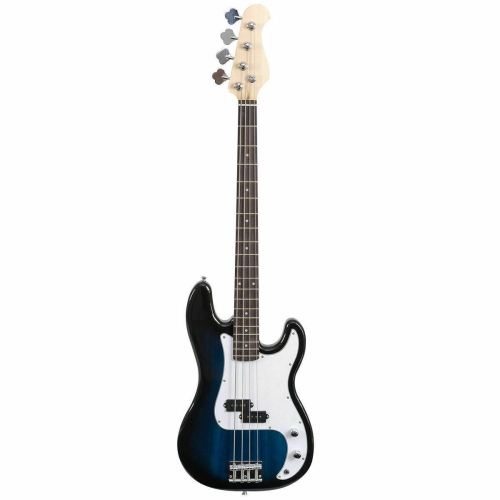
The right replacement string keeps your guitar playing
Single guitar strings are a practical way to keep an instrument playable without replacing an entire set. They are sold individually in specific gauges and constructions, making them useful when one string breaks during practice, rehearsal, recording, or a performance. A snapped high string can bring a playing session to an abrupt stop, while a worn or corroded string may sound dull long before the rest of the set needs replacing. Keeping a few frequently used singles in an instrument case, gig bag, or music room can make these small repairs much less disruptive. Individual strings commonly cost about $1 to $3 CAD each, depending on their gauge, winding, material, and intended guitar type. They can also be a cost-conscious choice when only one replacement is needed. Before ordering, check the string package or your guitar’s specifications carefully. Electric guitar strings are designed with the instrument’s pickups and bridge in mind, while acoustic guitar strings are made for the construction and resonance of steel-string acoustic instruments. Classical guitars generally require nylon strings rather than steel, so a single steel string should not be used as a substitute. It is also important to replace a string with the same or a compatible gauge when maintaining the original feel of a complete set. A mismatch can affect tension, tuning stability, fretboard feel, and the way the guitar responds under the picking hand.
Gauge refers to the thickness of a string, usually expressed in thousandths of an inch, and it has a noticeable effect on playability and tone. Thinner strings tend to bend more easily and can feel comfortable for newer players, lead guitarists, players with a lighter touch, or anyone who prefers a flexible response. Thicker strings can offer a fuller feel and may suit players who use stronger picking, alternate tunings, or a more substantial rhythm sound, although they can require more finger pressure. When buying a single, match the number printed on the old string or compare it with the gauges listed for the current set. Plain steel strings are typically used for the thinner treble strings, often in gauges around .007 to .018, while thicker bass strings are usually wound and may begin around .022 or higher. Wound strings have a core wrapped with another metal wire, allowing a heavier string to remain flexible enough to play. The winding can be round, flat, or another specialised profile, and these differences may influence brightness, texture, sustain, and finger noise. The material matters as well: strings intended for electric guitars commonly use magnetic metals that interact properly with pickups, while acoustic guitar strings are selected for their projection and tonal balance. Players building a custom set can combine individual gauges to suit alternate tunings, unusual scale lengths, slide playing, or a personal preference for a lighter treble side and heavier bass side. Those experimenting with a custom combination should remember that changing several gauges at once can alter neck tension and setup, so a guitar technician may be helpful when making a significant change.
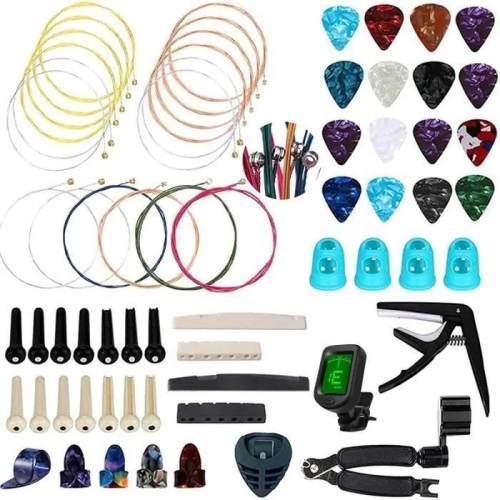
Single guitar strings can be useful for a wide range of players, from someone replacing the first string that has ever broken to an experienced guitarist fine-tuning a carefully developed setup. They are a sensible addition to a musician’s repair kit and can also make a thoughtful gift for a guitarist who practises regularly, performs at local venues, records at home, or enjoys maintaining their own instruments. A small selection of correctly matched singles is easy to store alongside a tuner, picks, a string winder, and other compact accessories. For a player who uses a lighter setup or prefers a particular treble gauge, individual strings can help maintain that feel without requiring a full change every time a single string fails. They are also useful during the cooler months and as the weather warms, when a guitar may experience changes in temperature and humidity that affect tuning and string life. Store spare strings in their original packaging in a dry place, and note the gauge and guitar type on the case if several sets are kept together. When installing a replacement, unwind the broken string carefully, inspect the bridge and nut for sharp edges or debris, and bring the new string up to pitch gradually. Stretching and retuning may be needed before the string settles. If you are unsure which replacement to choose, compare the instrument’s make and model, the existing string set, the tuning you use, and whether the guitar is electric, acoustic, or classical. Players who prefer a lighter feel may also want to browse Light Guitar Strings while comparing individual gauges. With the right match, a single replacement can restore a familiar response, dependable tuning, and the clear, lively sound that makes the guitar enjoyable to play.
Gauge refers to the thickness of a string, usually expressed in thousandths of an inch, and it has a noticeable effect on playability and tone. Thinner strings tend to bend more easily and can feel comfortable for newer players, lead guitarists, players with a lighter touch, or anyone who prefers a flexible response. Thicker strings can offer a fuller feel and may suit players who use stronger picking, alternate tunings, or a more substantial rhythm sound, although they can require more finger pressure. When buying a single, match the number printed on the old string or compare it with the gauges listed for the current set. Plain steel strings are typically used for the thinner treble strings, often in gauges around .007 to .018, while thicker bass strings are usually wound and may begin around .022 or higher. Wound strings have a core wrapped with another metal wire, allowing a heavier string to remain flexible enough to play. The winding can be round, flat, or another specialised profile, and these differences may influence brightness, texture, sustain, and finger noise. The material matters as well: strings intended for electric guitars commonly use magnetic metals that interact properly with pickups, while acoustic guitar strings are selected for their projection and tonal balance. Players building a custom set can combine individual gauges to suit alternate tunings, unusual scale lengths, slide playing, or a personal preference for a lighter treble side and heavier bass side. Those experimenting with a custom combination should remember that changing several gauges at once can alter neck tension and setup, so a guitar technician may be helpful when making a significant change.
Single guitar strings can be useful for a wide range of players, from someone replacing the first string that has ever broken to an experienced guitarist fine-tuning a carefully developed setup. They are a sensible addition to a musician’s repair kit and can also make a thoughtful gift for a guitarist who practises regularly, performs at local venues, records at home, or enjoys maintaining their own instruments. A small selection of correctly matched singles is easy to store alongside a tuner, picks, a string winder, and other compact accessories. For a player who uses a lighter setup or prefers a particular treble gauge, individual strings can help maintain that feel without requiring a full change every time a single string fails. They are also useful during the cooler months and as the weather warms, when a guitar may experience changes in temperature and humidity that affect tuning and string life. Store spare strings in their original packaging in a dry place, and note the gauge and guitar type on the case if several sets are kept together. When installing a replacement, unwind the broken string carefully, inspect the bridge and nut for sharp edges or debris, and bring the new string up to pitch gradually. Stretching and retuning may be needed before the string settles. If you are unsure which replacement to choose, compare the instrument’s make and model, the existing string set, the tuning you use, and whether the guitar is electric, acoustic, or classical. Players who prefer a lighter feel may also want to browse Light Guitar Strings while comparing individual gauges. With the right match, a single replacement can restore a familiar response, dependable tuning, and the clear, lively sound that makes the guitar enjoyable to play.
Top selling and popular products
-
 Your price for this item is $259.99
 -
 Your price for this item is $279.99
 -
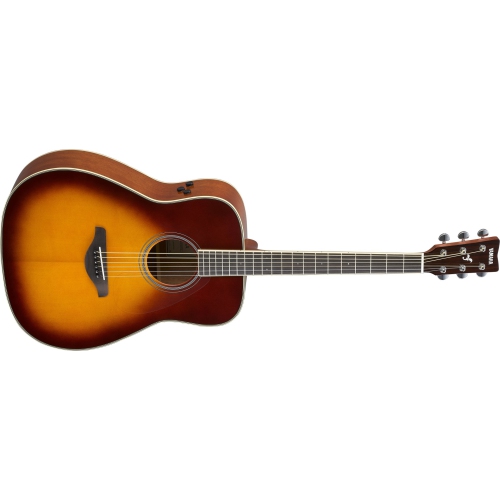 Your price for this item is $999.99
 -
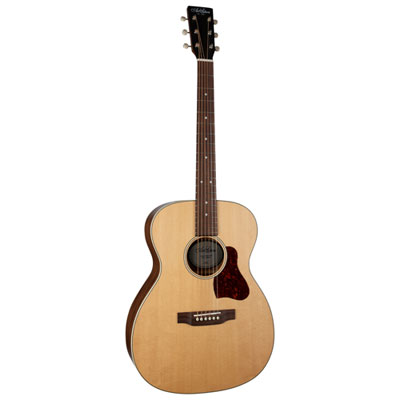 Your price for this item is $599.99
 -
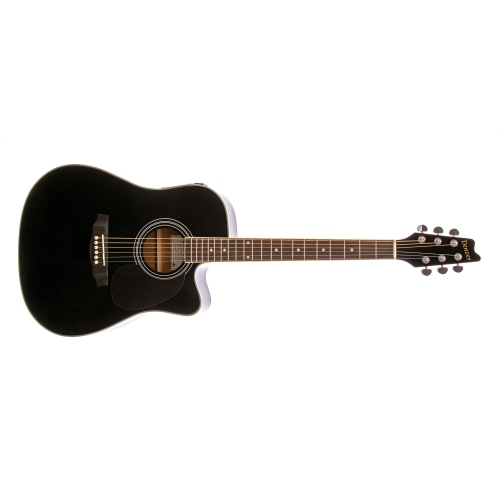 Your price for this item is $269.99
 -
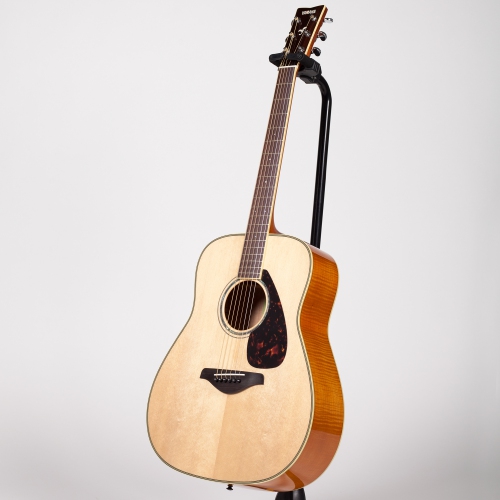 Your price for this item is $649.99
 -
 Your price for this item is $459.99
 -
 Your price for this item is $918.85
Discover more categories related to Single Guitar Strings
Top Collections:
Pokemon Centers, Best Cameras for Sports Photography, Kindle Devices, Samsung Galaxy Phones, Canon G7X Cameras, Pokémon 30th Celebration Cards, Refurbished Apple Laptops, iPhone 15 Apple, Laptops for Students, Budget Smartphones
Some products may be subject to Environmental Handling Fees
(EHF) depending on your province.
Learn more about EHFs.