Bass Tuners
Our selection of bass tuners offers a variety of options to help you achieve the perfect pitch every time. Whether you're a seasoned musician or just starting out, having a reliable bass tuner is essential for maintaining the quality of your sound. Explore our range of bass tuners designed to meet the needs of players at any skill level, so you can keep your bass guitar sounding its best during every jam session and performance.
Sort
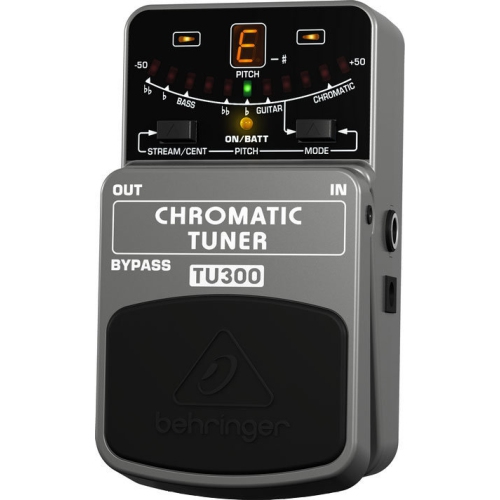
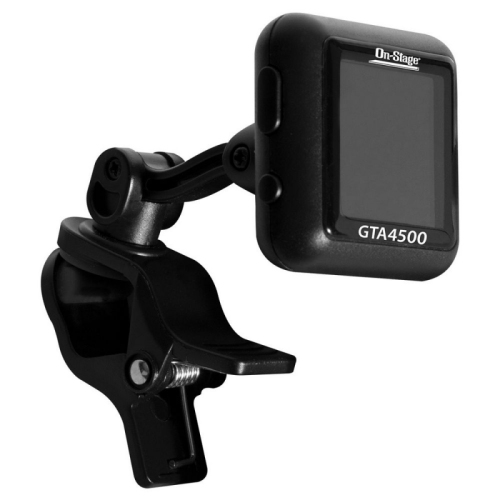
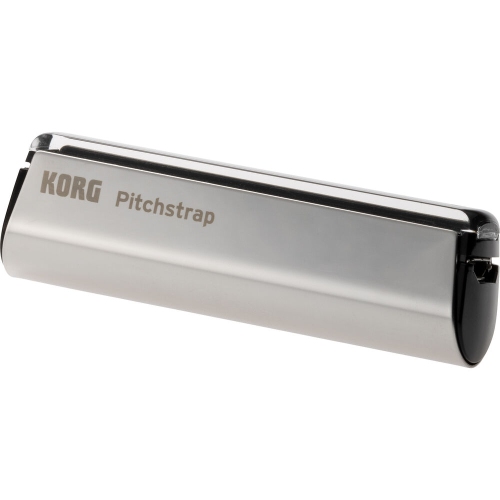

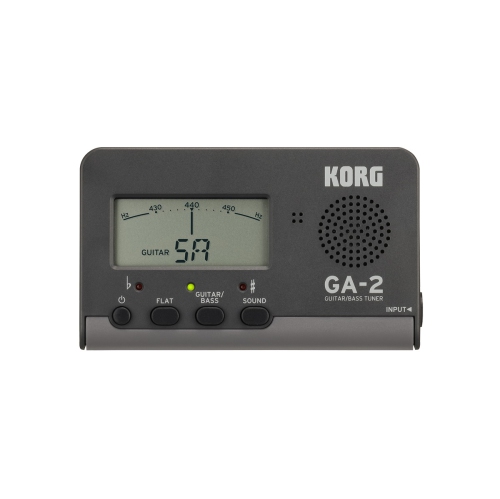
Reliable tuning support for practice stages and studio sessions
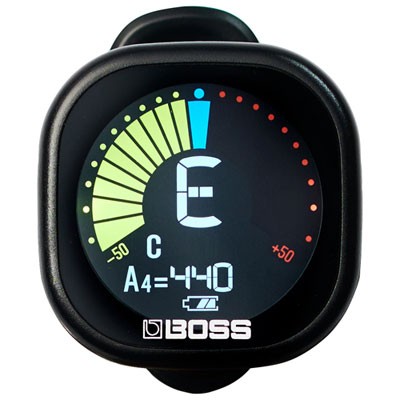
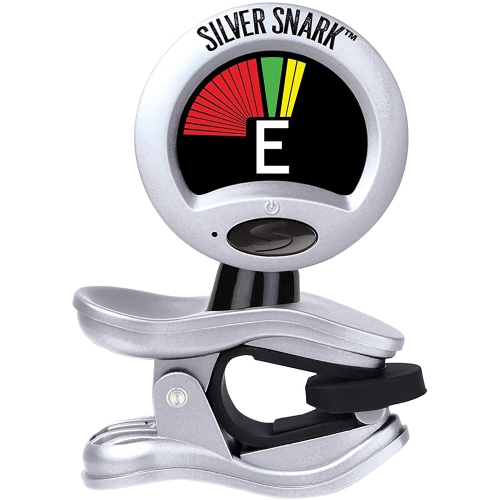
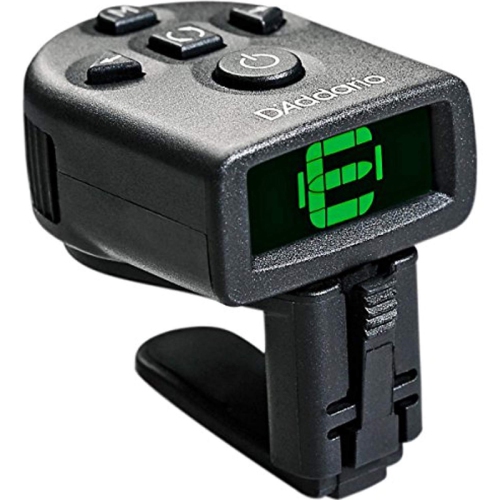
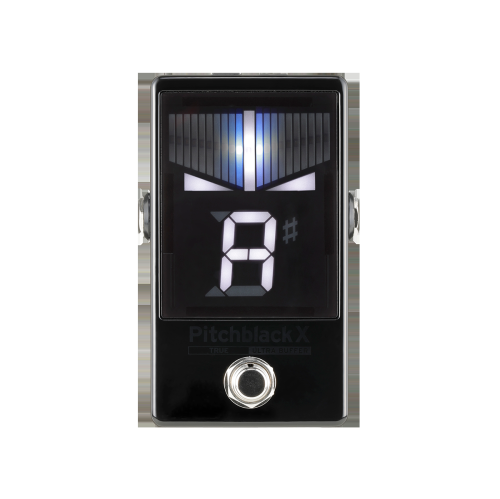
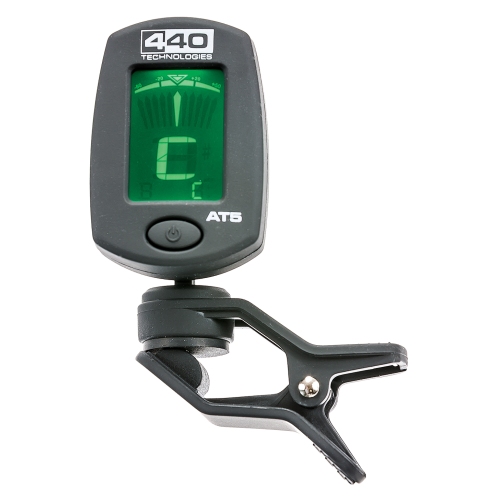
Bass tuners help bass players keep every note steady, clear, and ready to sit properly in a mix. The term can refer to electronic tuning devices, such as clip-on tuners and floor pedals, or to the mechanical tuning machines fitted to a bass headstock. Electronic tuners detect the pitch of each open string and show whether it is sharp, flat, or in tune, making them useful before rehearsal, during practice, and between songs at a performance. Bass-specific models are designed to recognise the instrument’s lower frequencies, which can be difficult for a general-purpose tuner to track quickly and accurately. Clip-on tuners sense vibrations through the instrument rather than relying on a microphone, so they work well in busy rehearsal rooms, backstage areas, and quiet practice spaces. Their compact size makes them easy to leave in a gig bag, while a bright display can be helpful in dim venues or during evening performances. Pedal tuners are a practical choice for players with a pedalboard or a regular live setup. They can be placed in the signal chain and commonly include a mute function, allowing the player to tune silently without sending string noise through an amplifier or sound system. A clear display, responsive tracking, durable footswitch, and easy-to-read tuning indicators are useful features for anyone who needs dependable results while moving quickly between songs. Players who use alternate tunings, extended-range basses, or heavier strings may also appreciate a tuner that responds consistently across a wider low-frequency range. For beginners, an electronic bass tuner can make the connection between what they hear and what the display shows easier to understand, helping develop listening skills and a more reliable tuning routine.
Mechanical tuning machines are a different type of bass tuner and are intended as replacement or upgrade hardware for the headstock. These components hold the strings in place and adjust their tension when the tuning buttons are turned. When choosing replacement tuning machines, compatibility should be the first consideration: mounting holes, screw positions, post dimensions, orientation, string spacing, and the overall layout of the headstock all need to match the instrument. Tuning machines that look similar may still require different measurements or modifications, so checking the bass manufacturer’s specifications and comparing the existing hardware is an important step. Gear ratio also affects the feel of tuning. A higher ratio generally provides finer adjustment with each turn, which can be helpful when making small corrections or setting up alternate tunings. Enclosed designs can offer a protected mechanism, while open-gear styles may suit players looking for a particular appearance or a lighter feel. Weight is another consideration, especially on basses that already feel headstock-heavy. Lightweight tuning machines may help preserve a comfortable balance while standing, reducing the tendency for the neck to drop when the player relaxes their fretting hand. Some replacement tuners include a lever-operated drop mechanism that allows a selected string to be lowered to another note quickly, which is useful for songs that move between standard and alternate tunings. Mechanical tuners are commonly selected by experienced players, repair technicians, and musicians restoring an older instrument, but they can also be a thoughtful gift for a bassist who enjoys instrument maintenance or is preparing a well-used bass for rehearsals and performances. Installation may require careful measurement and suitable tools, and some instruments benefit from professional fitting to avoid damage to the headstock or finish.
The best bass tuner for a particular player depends on how, where, and how often the instrument is used. A student who practises at home may prefer a simple clip-on tuner that is quick to attach and store, while a touring musician may favour a rugged pedal tuner with silent operation and a display that remains visible under stage lighting. A bassist who owns several instruments may value a compact tuner that can move easily between cases, or a pedal that stays permanently connected to an amplifier and effects setup. Players who record at home can use a tuner to check each string before laying down a track, helping prevent tuning drift from becoming more noticeable as the part develops. Tuning should also be checked after changing strings, transporting the instrument, adjusting the bridge or neck, and moving between rooms with different temperatures. Fresh strings can settle during their first period of use, and regular checks help maintain consistent pitch as they stretch. Bassists shopping for replacement tuning machines should compare the existing hardware carefully rather than choosing only by appearance, while those shopping for electronic tuners should consider display visibility, detection range, power source, portability, and whether silent tuning is important. A tuner pairs naturally with other maintenance essentials, including a reliable set of Bass Strings, so players can keep their instrument prepared for lessons, rehearsals, recording sessions, casual jam nights, and live performances. Whether purchased for a new player, an experienced musician, or someone building a practical bass setup, the right tuner supports confident playing by making accurate pitch easy to check whenever it matters.
Mechanical tuning machines are a different type of bass tuner and are intended as replacement or upgrade hardware for the headstock. These components hold the strings in place and adjust their tension when the tuning buttons are turned. When choosing replacement tuning machines, compatibility should be the first consideration: mounting holes, screw positions, post dimensions, orientation, string spacing, and the overall layout of the headstock all need to match the instrument. Tuning machines that look similar may still require different measurements or modifications, so checking the bass manufacturer’s specifications and comparing the existing hardware is an important step. Gear ratio also affects the feel of tuning. A higher ratio generally provides finer adjustment with each turn, which can be helpful when making small corrections or setting up alternate tunings. Enclosed designs can offer a protected mechanism, while open-gear styles may suit players looking for a particular appearance or a lighter feel. Weight is another consideration, especially on basses that already feel headstock-heavy. Lightweight tuning machines may help preserve a comfortable balance while standing, reducing the tendency for the neck to drop when the player relaxes their fretting hand. Some replacement tuners include a lever-operated drop mechanism that allows a selected string to be lowered to another note quickly, which is useful for songs that move between standard and alternate tunings. Mechanical tuners are commonly selected by experienced players, repair technicians, and musicians restoring an older instrument, but they can also be a thoughtful gift for a bassist who enjoys instrument maintenance or is preparing a well-used bass for rehearsals and performances. Installation may require careful measurement and suitable tools, and some instruments benefit from professional fitting to avoid damage to the headstock or finish.
The best bass tuner for a particular player depends on how, where, and how often the instrument is used. A student who practises at home may prefer a simple clip-on tuner that is quick to attach and store, while a touring musician may favour a rugged pedal tuner with silent operation and a display that remains visible under stage lighting. A bassist who owns several instruments may value a compact tuner that can move easily between cases, or a pedal that stays permanently connected to an amplifier and effects setup. Players who record at home can use a tuner to check each string before laying down a track, helping prevent tuning drift from becoming more noticeable as the part develops. Tuning should also be checked after changing strings, transporting the instrument, adjusting the bridge or neck, and moving between rooms with different temperatures. Fresh strings can settle during their first period of use, and regular checks help maintain consistent pitch as they stretch. Bassists shopping for replacement tuning machines should compare the existing hardware carefully rather than choosing only by appearance, while those shopping for electronic tuners should consider display visibility, detection range, power source, portability, and whether silent tuning is important. A tuner pairs naturally with other maintenance essentials, including a reliable set of Bass Strings, so players can keep their instrument prepared for lessons, rehearsals, recording sessions, casual jam nights, and live performances. Whether purchased for a new player, an experienced musician, or someone building a practical bass setup, the right tuner supports confident playing by making accurate pitch easy to check whenever it matters.
Top selling and popular products
-
 Your price for this item is $25.99
 -
 Your price for this item is $35.99
 -
 Your price for this item is $26.99
 -
 Your price for this item is $27.49
 -
 Your price for this item is $20.99
 -
 Your price for this item is $139.99
 -
 Your price for this item is $14.99
 -
 Your price for this item is $72.99
Discover more categories related to Bass Tuners

Top Collections:
Pokemon Centers, Kindle Devices, Best Cell Phones Under $500, Alarm Clock, Canon G7X Cameras, iPhone 15 Apple, Apple iPhones 16, Laptops for Students, iPhone 14 256GB, Budget Smartphones
Some products may be subject to Environmental Handling Fees
(EHF) depending on your province.
Learn more about EHFs.