Bass Machines
Looking to elevate your audio experience with deep, powerful bass? Our bass machines collection features a range of top-of-the-line products designed to deliver thumping lows and immersive sound quality. Whether you're a music enthusiast, a movie buff, or a gaming fanatic, these cutting-edge devices are sure to take your entertainment to the next level. Explore our selection of bass-centric equipment and bring the excitement of booming sound right into your living space.
Sort
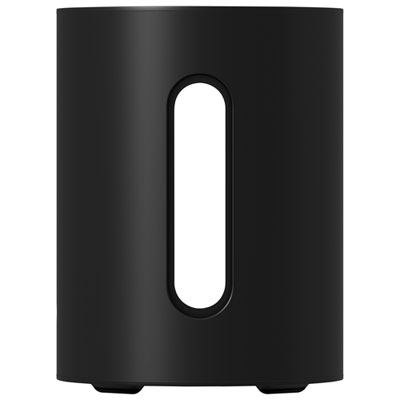
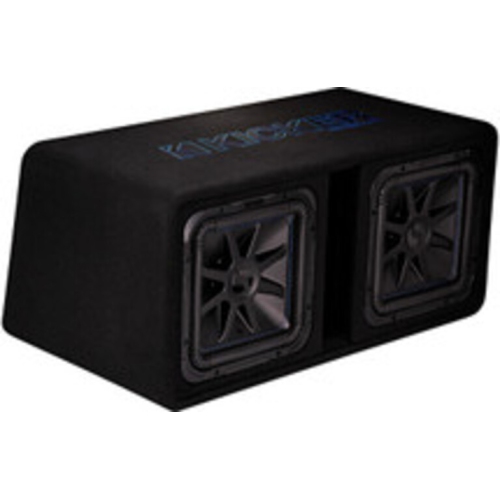
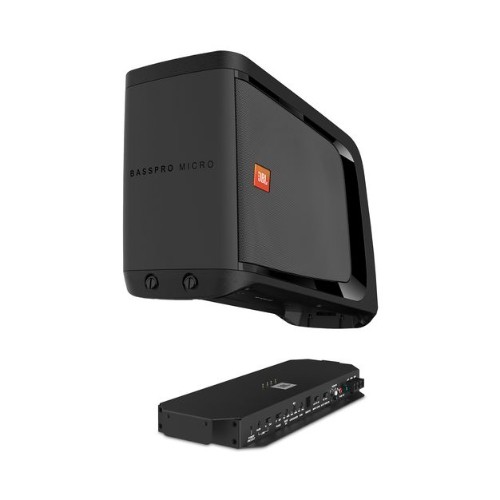
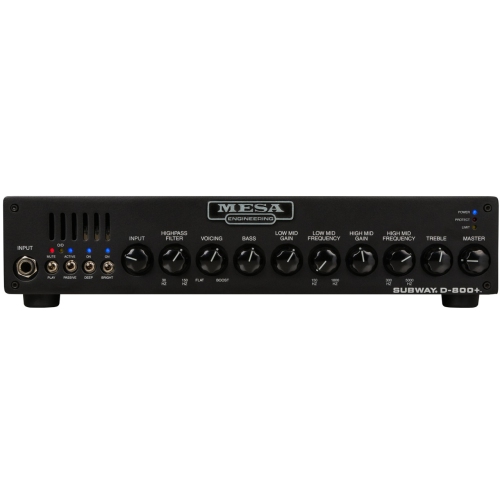
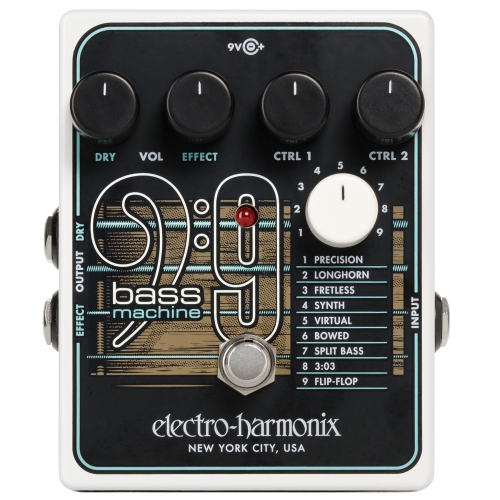
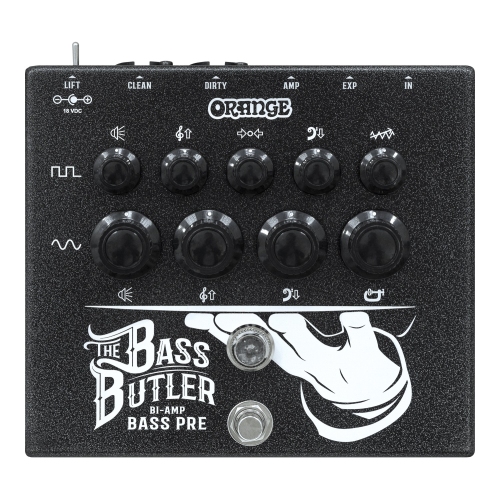
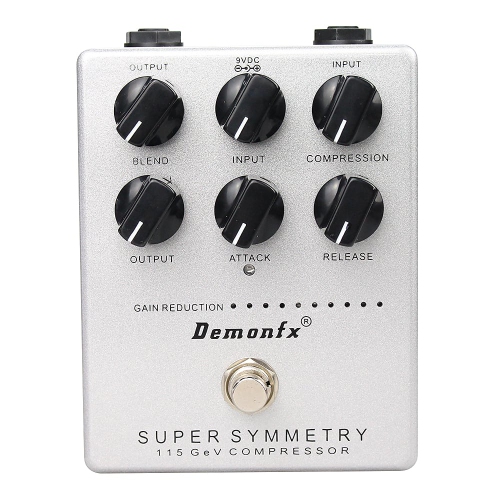

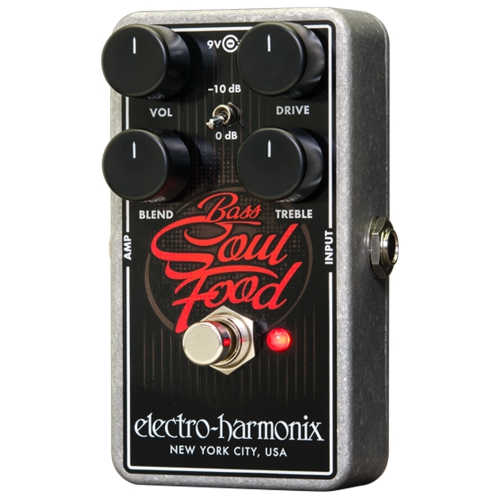
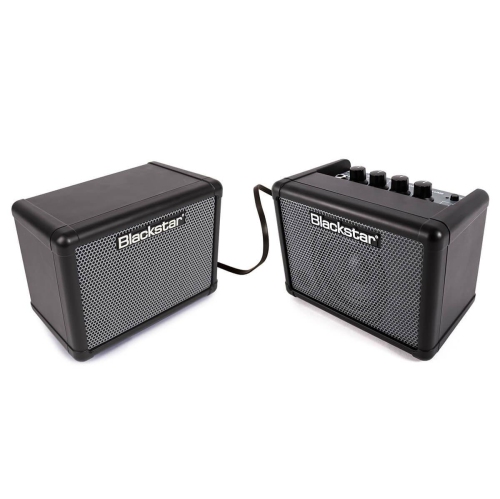
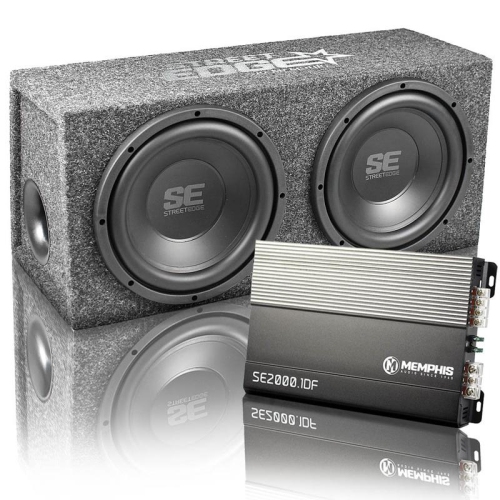
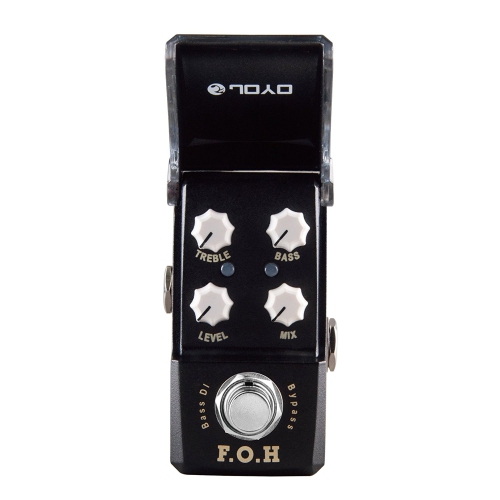
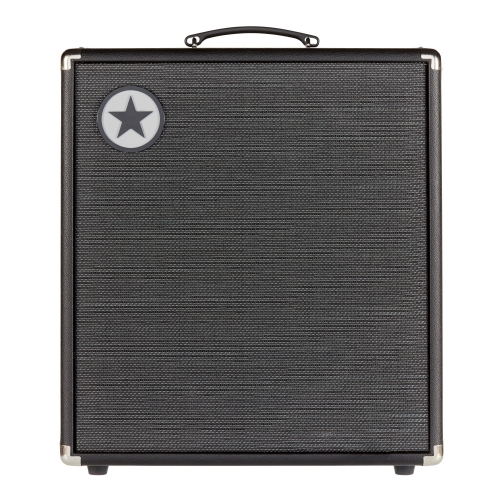
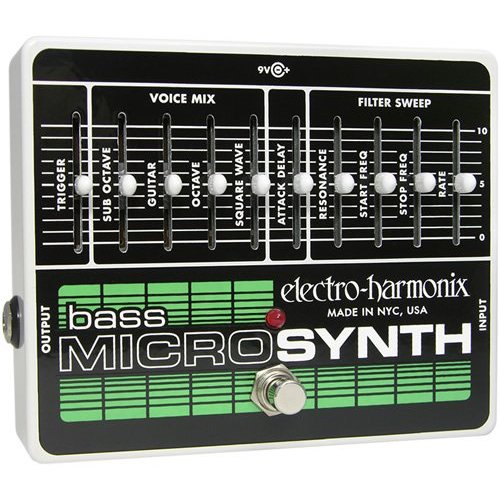

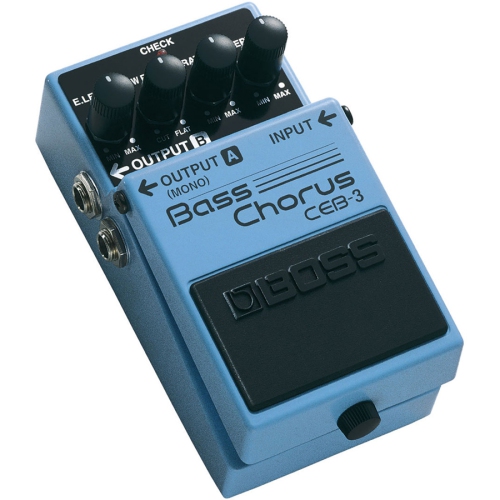
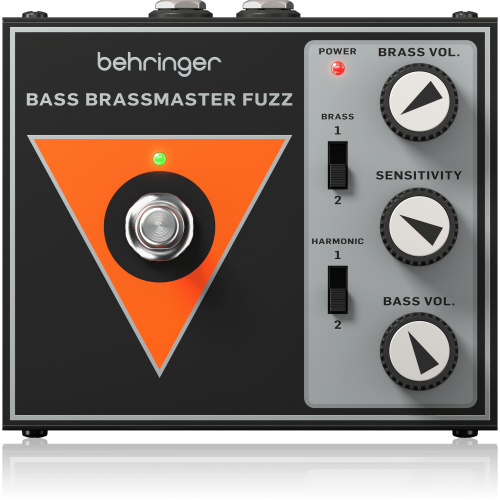
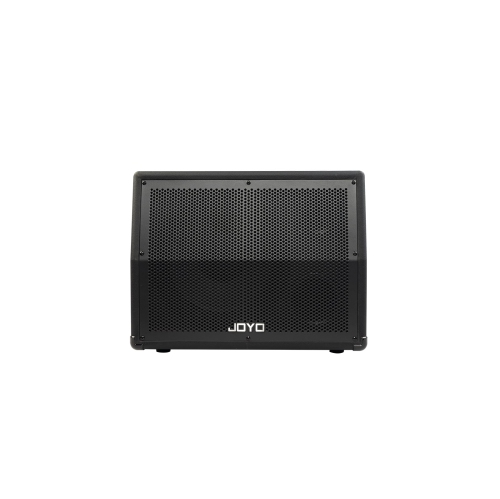
Three ways to shape and control powerful low-end sound
“Bass machines” can describe several types of music equipment, so this collection brings together products that help create, shape, or maintain a powerful low-end sound. In some cases, the term refers to bass guitar machine heads, also called tuning pegs, tuning keys, or tuning gears. These mechanical parts sit on the headstock and control the tension of each string, making them essential for accurate tuning and dependable performance. Replacement machine heads can be useful when original hardware has become stiff, loose, noisy, or difficult to adjust, and they can also be part of a bass guitar restoration or custom build. When choosing tuning hardware, check the number of strings, mounting-hole dimensions, post diameter, screw placement, string-post orientation, and whether the set is designed for a particular headstock layout. The tuning ratio can affect how precisely a player can make small adjustments, while the overall size and weight may influence balance. Vintage-style clover keys can complement a classic instrument, whereas compact or lightweight designs may suit players who want to reduce strain on the headstock. A careful fit is important: even a well-made set may require different bushings, screws, or minor installation work. Players who are comfortable with instrument maintenance may handle a straightforward replacement, but a professional setup can help protect the neck, align the posts, and ensure the strings pass smoothly across the nut. For a bassist who rehearses often, performs live, or keeps a spare instrument ready, reliable machine heads can make tuning between songs feel quick and predictable rather than like a battle with slipping hardware.
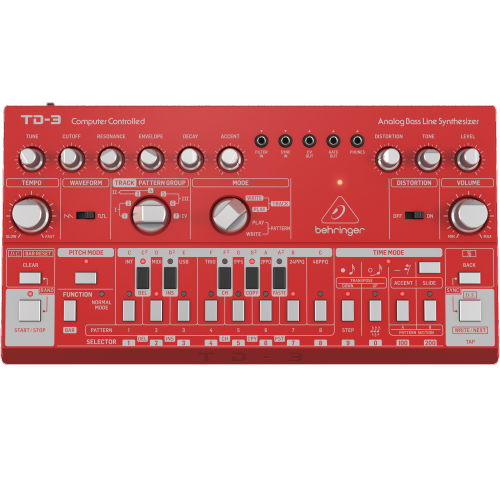
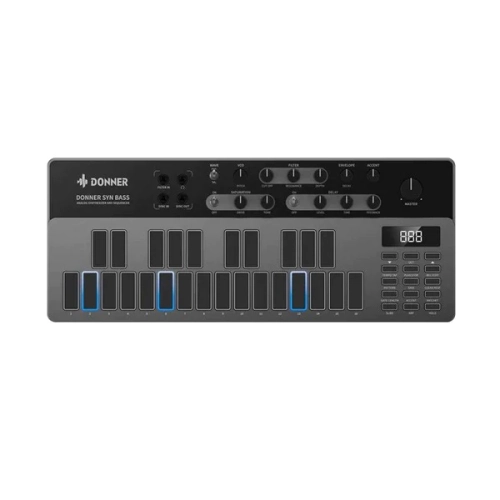
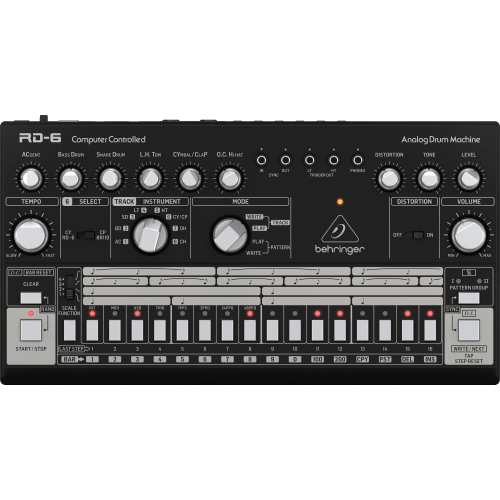
The phrase can also refer to compact electronic instruments built specifically for bass sounds. Bass synthesizers and electronic bass workstations use oscillators, filters, envelopes, sequencers, and modulation controls to produce tones ranging from rounded sub-bass and warm vintage-style pulses to sharp, resonant sequences that cut through a dense mix. A compact unit may be especially appealing to electronic musicians, producers, keyboard players, DJs, and songwriters who want hands-on control without opening a computer. These instruments are often used for acid-inspired patterns, dance arrangements, cinematic drones, hip-hop lines, experimental sound design, and layered recordings. Before choosing one, consider the type of control you prefer. Physical knobs and sliders make it easy to adjust pitch, resonance, cutoff, decay, and accent settings while a sequence is playing, which can make a simple pattern feel alive. Built-in sequencing may be useful for creating repeating bass lines, while MIDI, USB, or other connectivity can help integrate the instrument with a larger studio setup. Check the available outputs, power requirements, speaker compatibility, memory functions, and synchronization options if you plan to use multiple electronic instruments together. A small desktop synth can fit beside a laptop or mixer, making it convenient for a spare-room studio, and it can also be a thoughtful gift for someone beginning to explore synthesis. During the warmer months, it can be easy to carry a compact setup to a rehearsal space or creative gathering; during the cooler months, it can provide an inviting way to experiment indoors, with a pair of headphones and a short loop turning an otherwise quiet evening into a productive session.
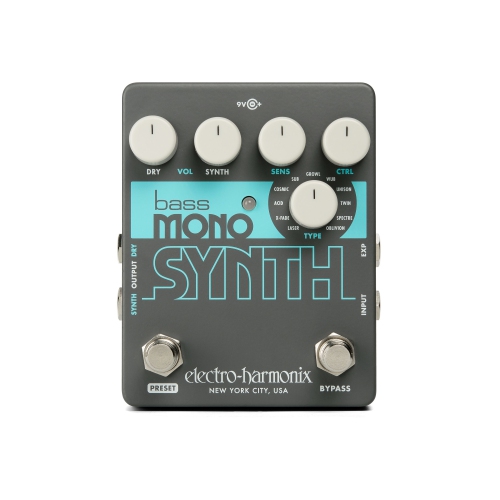
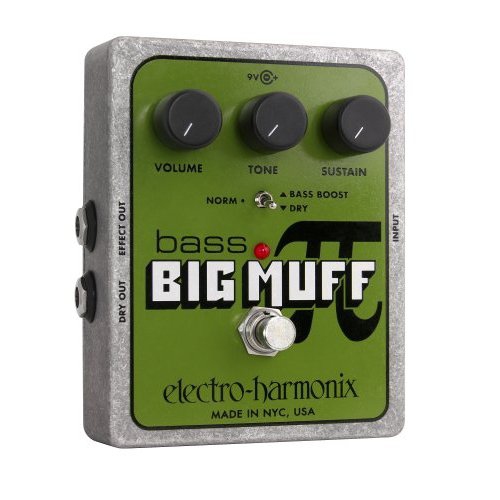
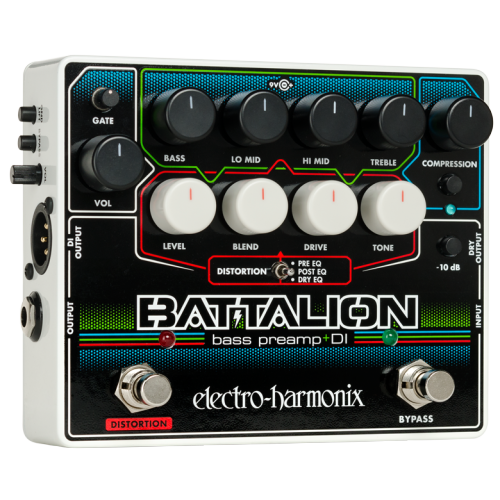
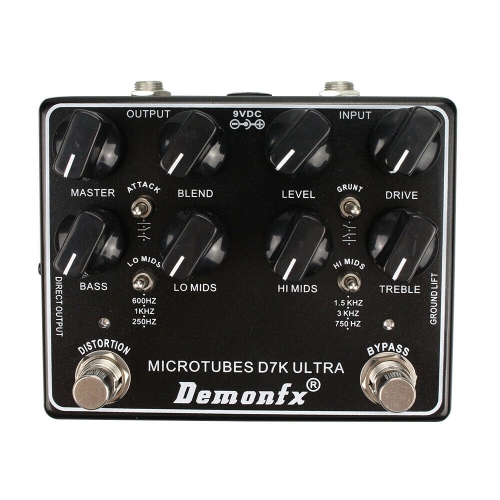
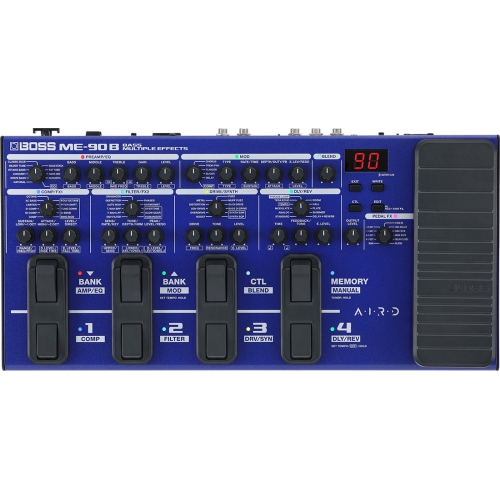
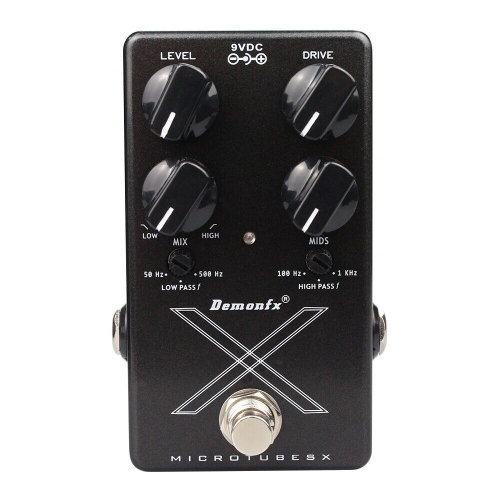
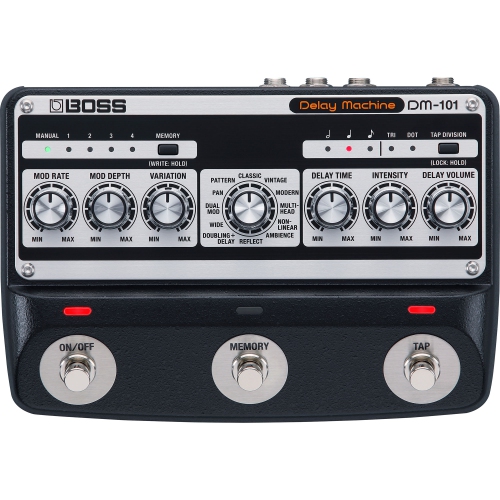
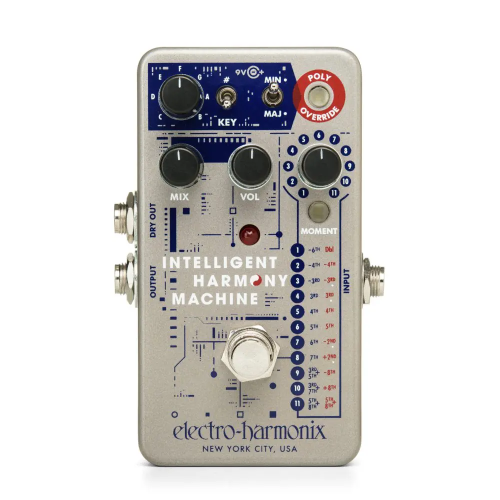
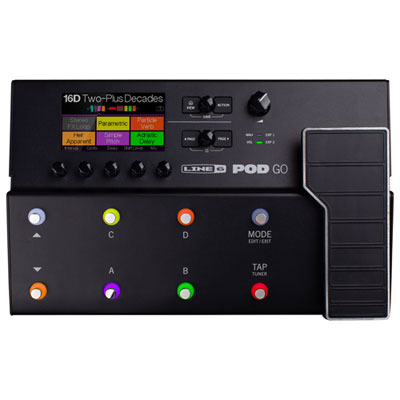
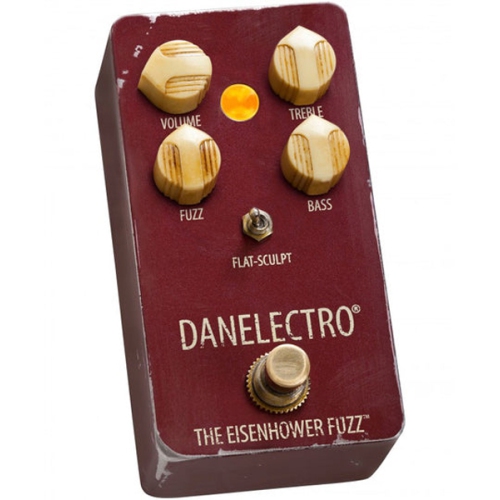
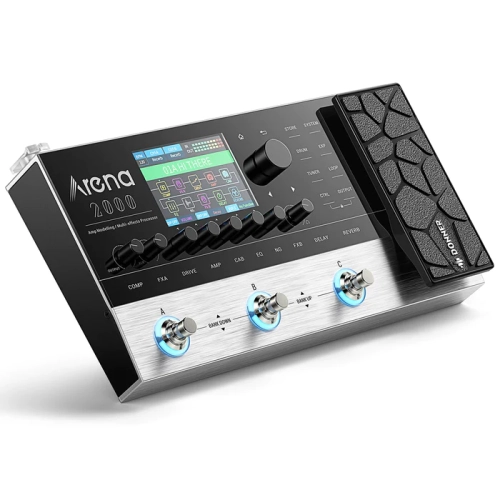
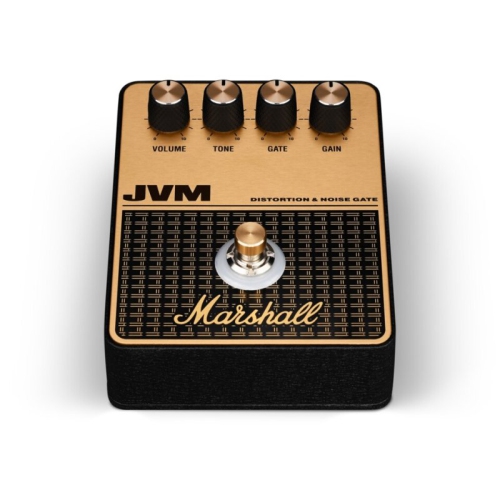
Another common interpretation is a guitar-to-bass effects pedal, sometimes called a bass emulator or bass synthesizer pedal. These pedals take the signal from a standard electric guitar and transform it into a range of lower-register sounds, allowing one player to add bass-style parts without bringing a separate bass guitar to every rehearsal or performance. Depending on the design, the effect may create deep, clean tones, picked bass textures, octave-down sounds, synth-like pulses, or more heavily processed voices. They can be useful for guitarists building solo arrangements, recording musicians who need a quick low-end layer, performers working with limited stage space, and songwriters testing the foundation of a new track. Tracking and response are important considerations, since the pedal may react differently to single notes, chords, bends, palm muting, and fast playing. A clean signal, suitable pickup setting, and consistent technique can help the effect respond more naturally. It is also worth checking whether the pedal offers separate dry and effected outputs, blend controls, presets, footswitch operation, or compatibility with an amplifier, audio interface, or pedalboard. Bass-focused effects can be explored alongside the broader selection of Bass Effects Units, including tools for distortion, compression, chorus, filtering, and other forms of tone shaping. For gift giving, these products can be a distinctive choice for a guitarist, home-recording enthusiast, or electronic music fan, particularly when the recipient enjoys experimenting rather than settling into one familiar sound. Whether the goal is to keep a bass guitar in tune, build a pulsing synthetic groove, or turn a guitar into a convincing low-end instrument, the right bass machine should match the player’s setup, musical style, technical comfort, and available space.
The phrase can also refer to compact electronic instruments built specifically for bass sounds. Bass synthesizers and electronic bass workstations use oscillators, filters, envelopes, sequencers, and modulation controls to produce tones ranging from rounded sub-bass and warm vintage-style pulses to sharp, resonant sequences that cut through a dense mix. A compact unit may be especially appealing to electronic musicians, producers, keyboard players, DJs, and songwriters who want hands-on control without opening a computer. These instruments are often used for acid-inspired patterns, dance arrangements, cinematic drones, hip-hop lines, experimental sound design, and layered recordings. Before choosing one, consider the type of control you prefer. Physical knobs and sliders make it easy to adjust pitch, resonance, cutoff, decay, and accent settings while a sequence is playing, which can make a simple pattern feel alive. Built-in sequencing may be useful for creating repeating bass lines, while MIDI, USB, or other connectivity can help integrate the instrument with a larger studio setup. Check the available outputs, power requirements, speaker compatibility, memory functions, and synchronization options if you plan to use multiple electronic instruments together. A small desktop synth can fit beside a laptop or mixer, making it convenient for a spare-room studio, and it can also be a thoughtful gift for someone beginning to explore synthesis. During the warmer months, it can be easy to carry a compact setup to a rehearsal space or creative gathering; during the cooler months, it can provide an inviting way to experiment indoors, with a pair of headphones and a short loop turning an otherwise quiet evening into a productive session.
Another common interpretation is a guitar-to-bass effects pedal, sometimes called a bass emulator or bass synthesizer pedal. These pedals take the signal from a standard electric guitar and transform it into a range of lower-register sounds, allowing one player to add bass-style parts without bringing a separate bass guitar to every rehearsal or performance. Depending on the design, the effect may create deep, clean tones, picked bass textures, octave-down sounds, synth-like pulses, or more heavily processed voices. They can be useful for guitarists building solo arrangements, recording musicians who need a quick low-end layer, performers working with limited stage space, and songwriters testing the foundation of a new track. Tracking and response are important considerations, since the pedal may react differently to single notes, chords, bends, palm muting, and fast playing. A clean signal, suitable pickup setting, and consistent technique can help the effect respond more naturally. It is also worth checking whether the pedal offers separate dry and effected outputs, blend controls, presets, footswitch operation, or compatibility with an amplifier, audio interface, or pedalboard. Bass-focused effects can be explored alongside the broader selection of Bass Effects Units, including tools for distortion, compression, chorus, filtering, and other forms of tone shaping. For gift giving, these products can be a distinctive choice for a guitarist, home-recording enthusiast, or electronic music fan, particularly when the recipient enjoys experimenting rather than settling into one familiar sound. Whether the goal is to keep a bass guitar in tune, build a pulsing synthetic groove, or turn a guitar into a convincing low-end instrument, the right bass machine should match the player’s setup, musical style, technical comfort, and available space.
Top selling and popular products
-
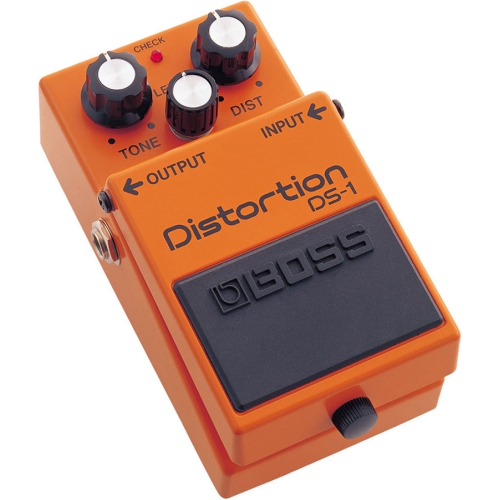 Your price for this item is $89.99
 -
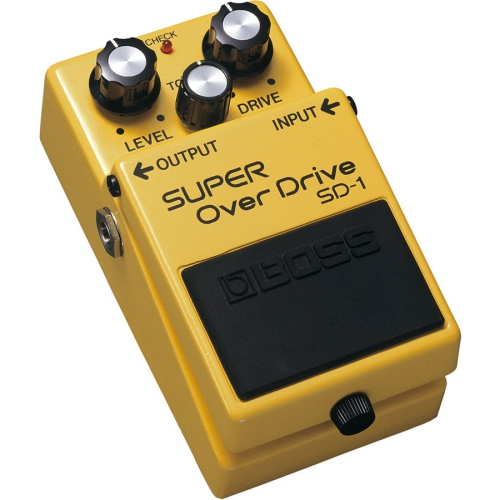 Your price for this item is $89.99
 -
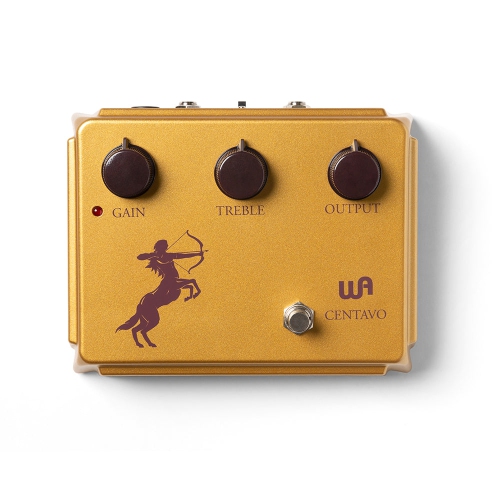 Your price for this item is $289
 -
 Your price for this item is $589.99
 -
 Your price for this item is $164.99
 -
 Your price for this item is $209.99
 -
 Your price for this item is $249.99
 -
 Your price for this item is $599.99
Discover more categories related to Bass Machines
Top Collections:
Pokemon Centers, Kindle Devices, Best Budget Office Chairs, Apple iPhones 16, Best Laptops for Writers, iPhone 15 Apple, Canon G7X Cameras, Refurbished Apple Laptops, Alarm Clock, Motorola Razr Phones
Some products may be subject to Environmental Handling Fees
(EHF) depending on your province.
Learn more about EHFs.