Beginner Acoustic Electric Guitars
If you're a beginner, or if you're looking to upgrade your skills, you might want to consider an acoustic-electric guitar. These are the instruments that combine the best of both worlds: the sound of an acoustic guitar with the ease of an electric guitar. They're also more comfortable to play than you might think. Here are some great options for beginner acoustic-electric guitars.
Sort
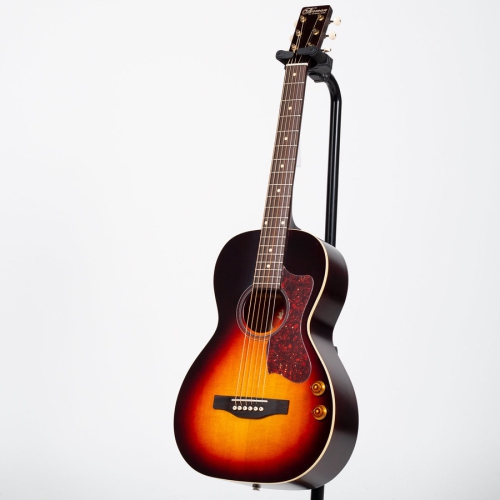
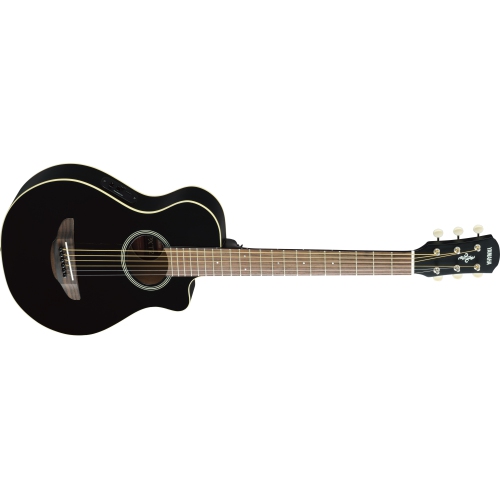
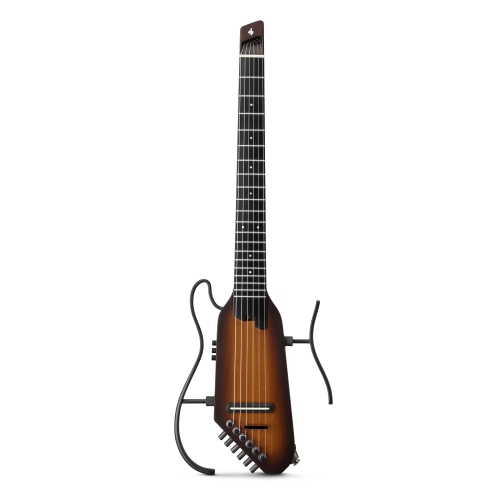
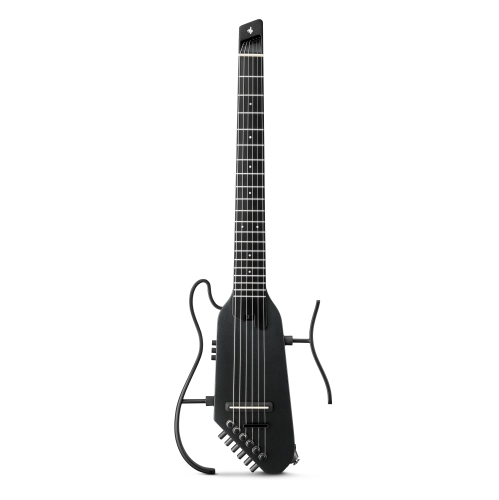
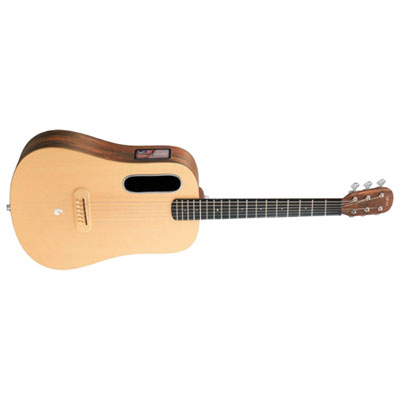
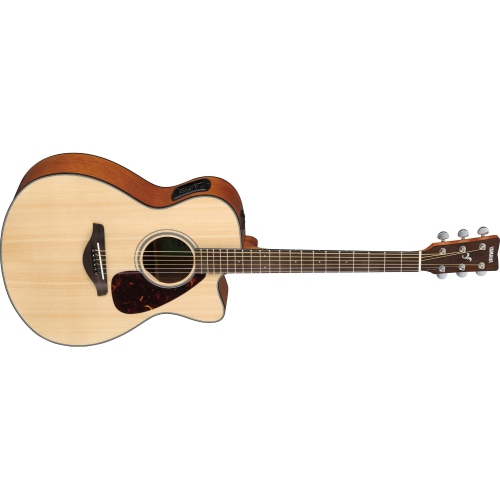
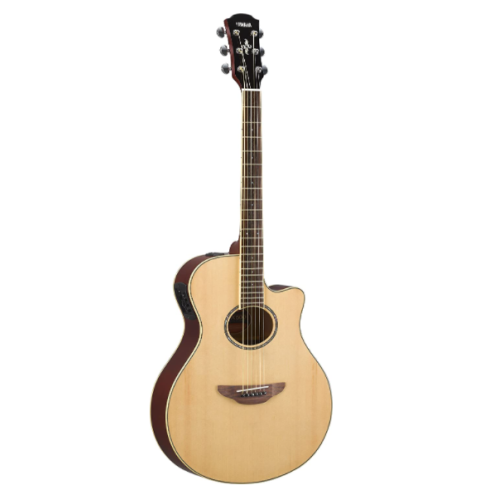
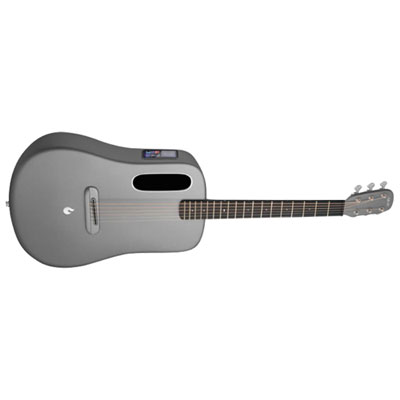
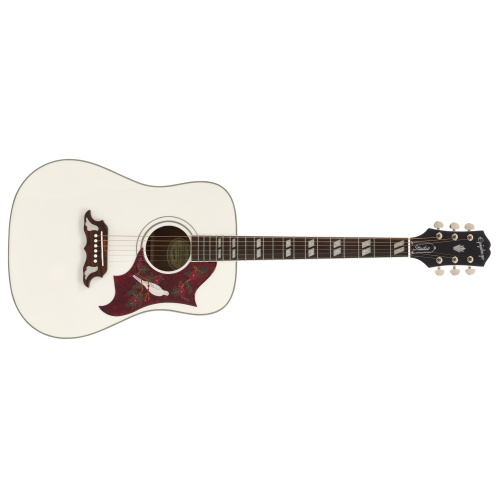
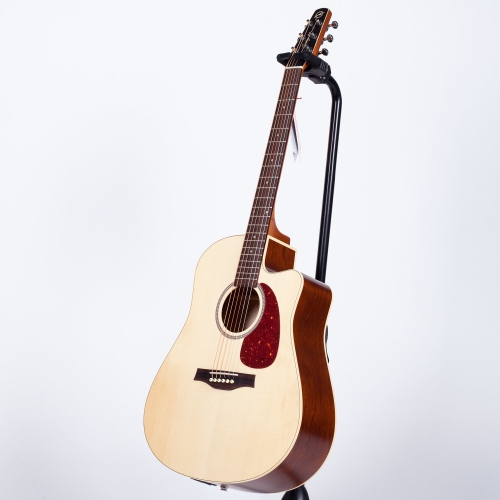
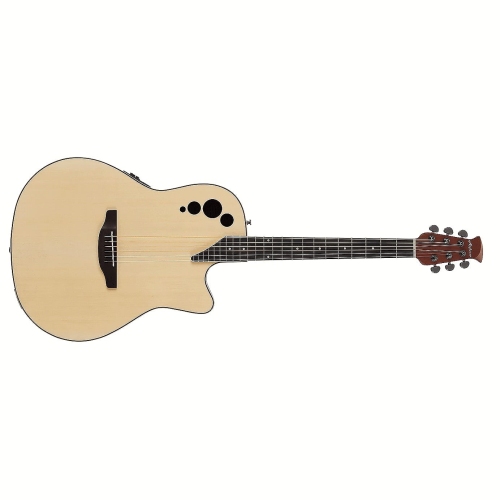

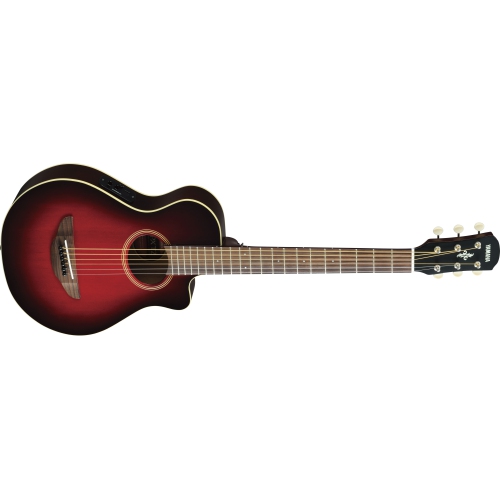
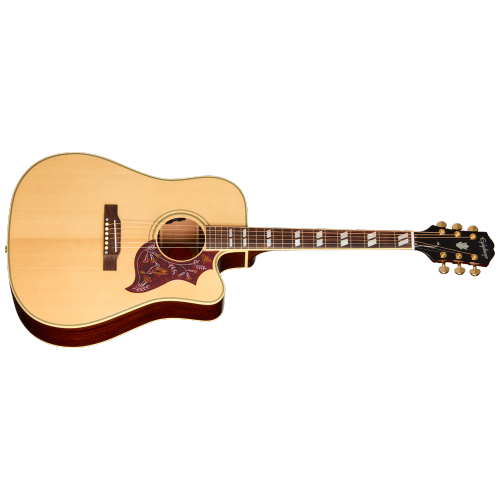
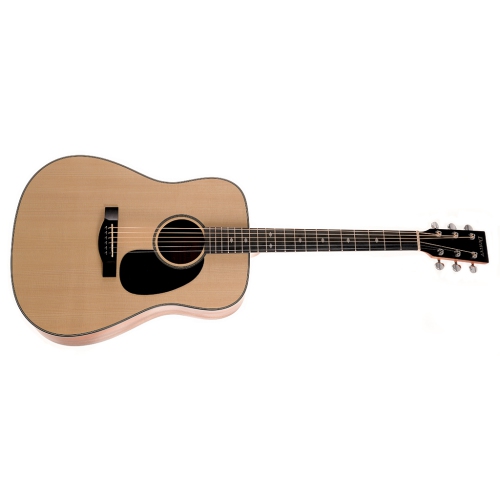
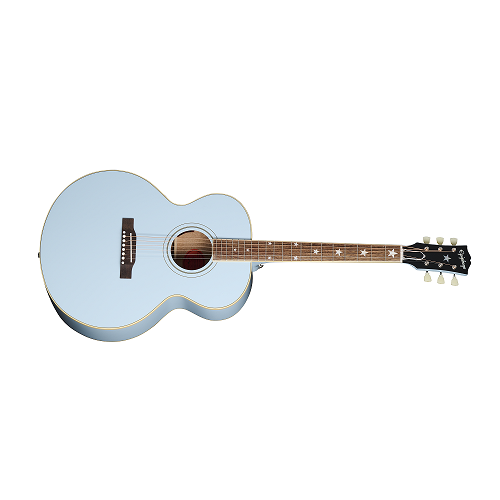
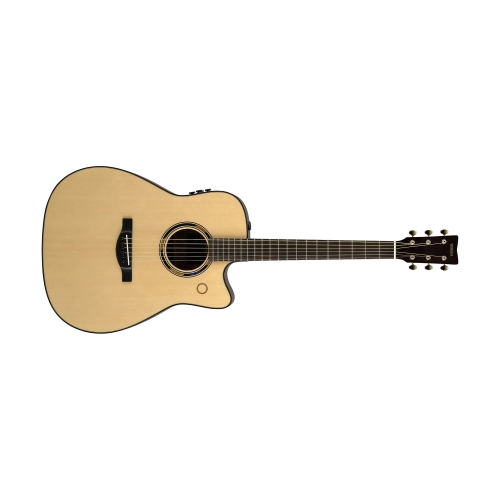
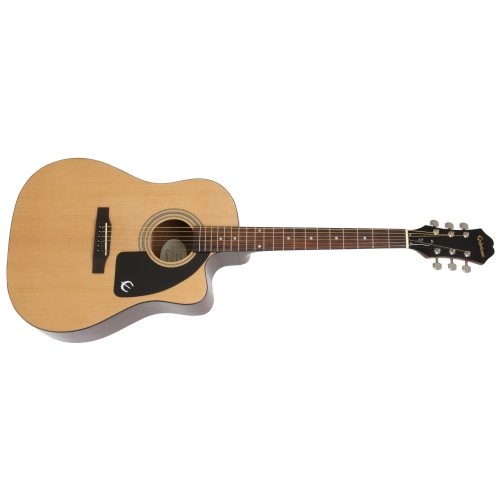
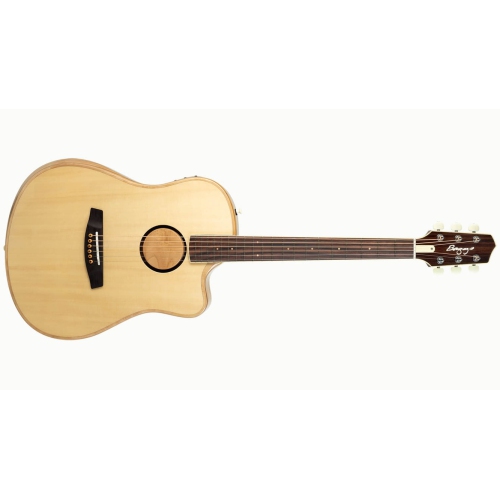
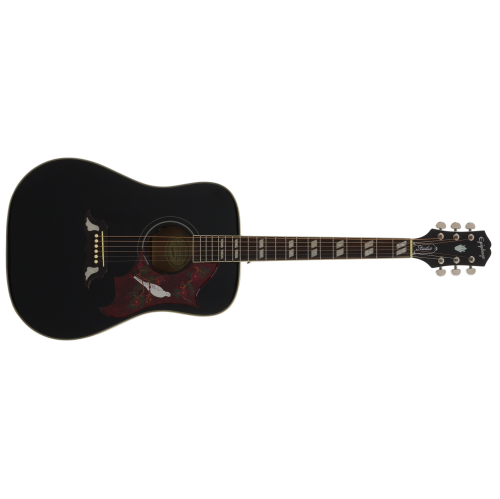
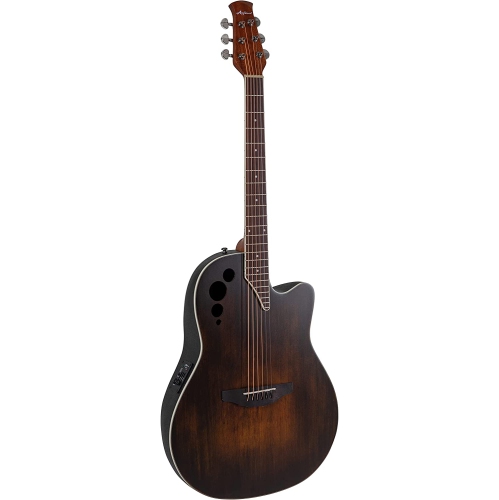
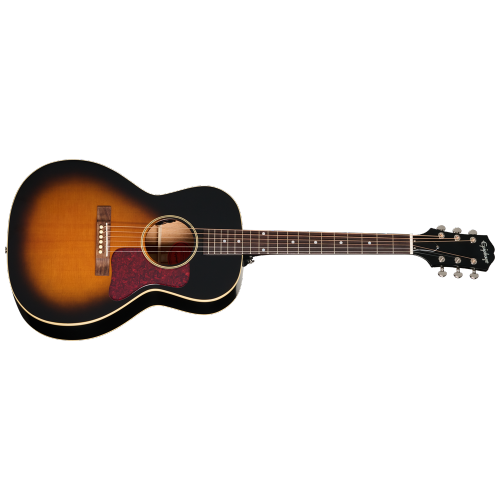

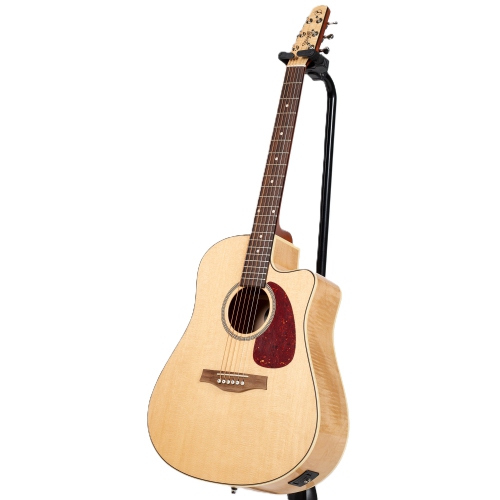
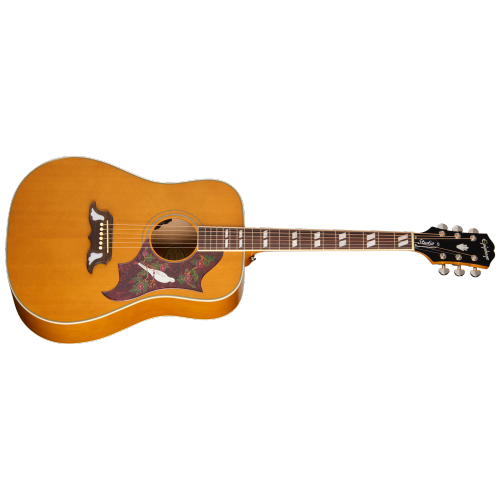
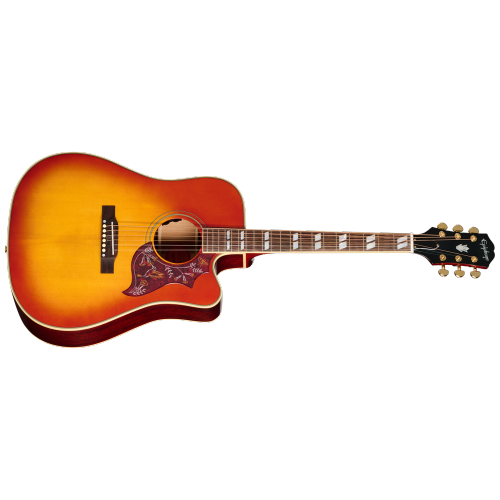
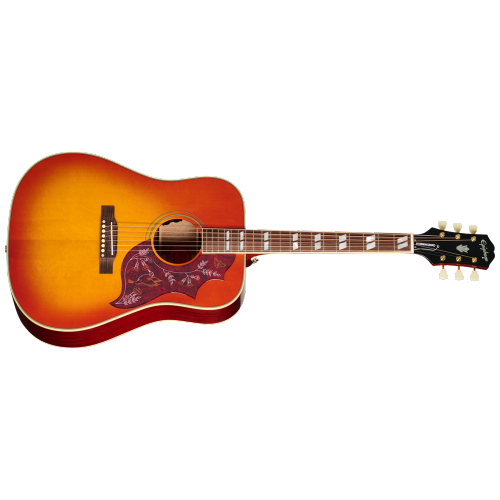
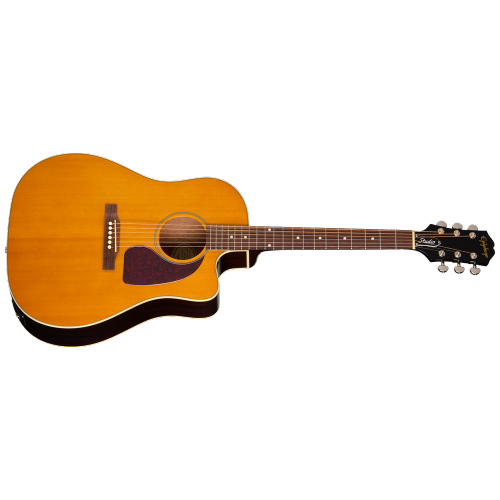
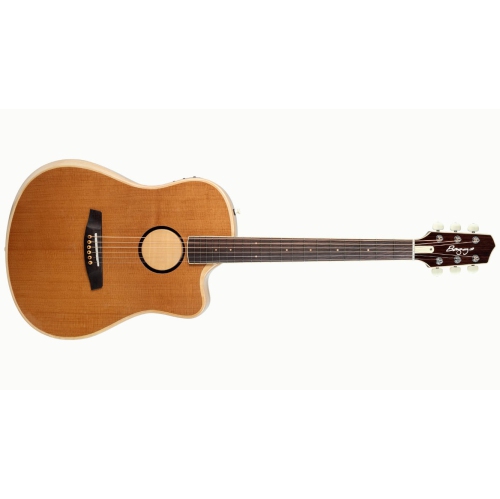
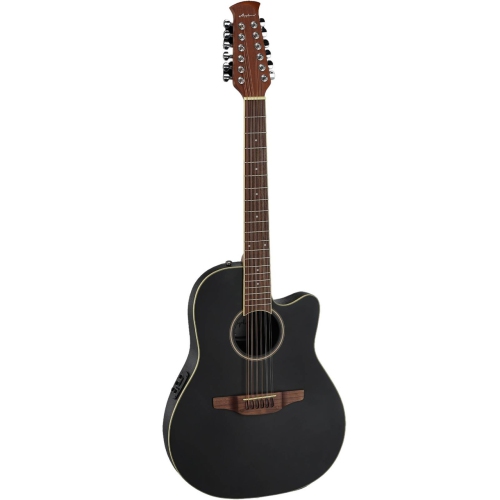
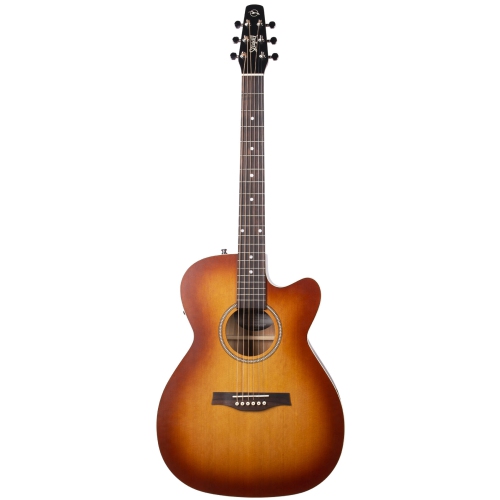
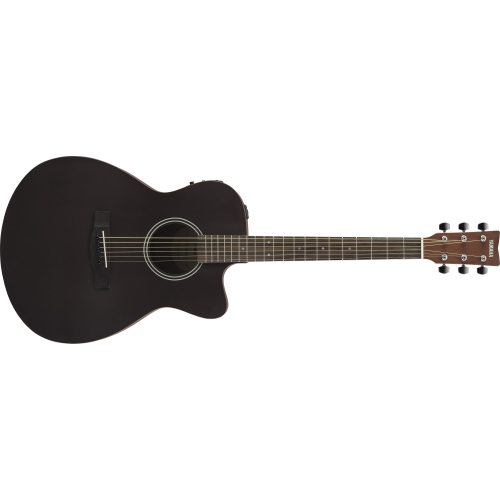
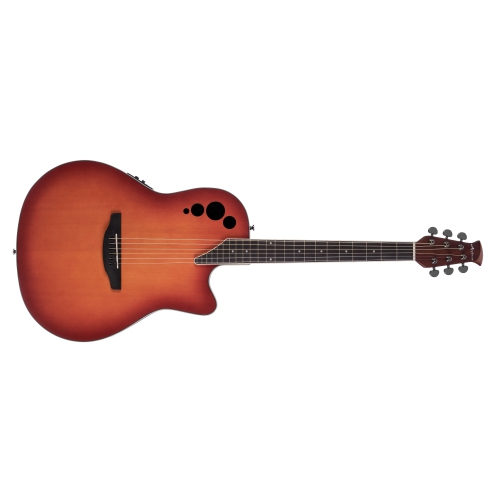
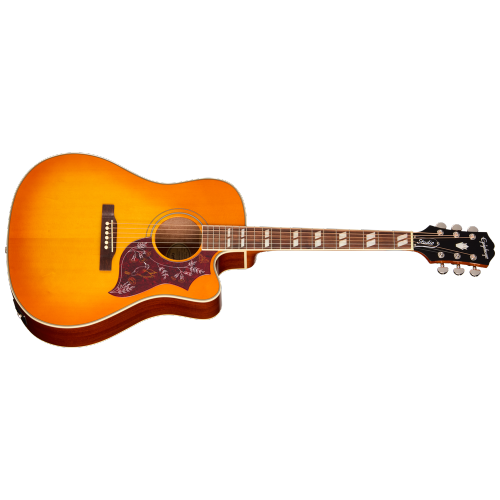
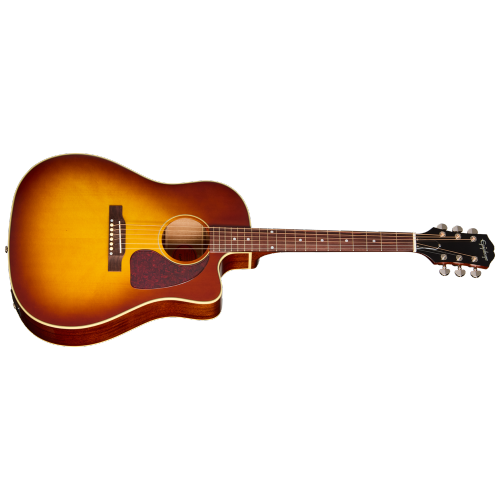
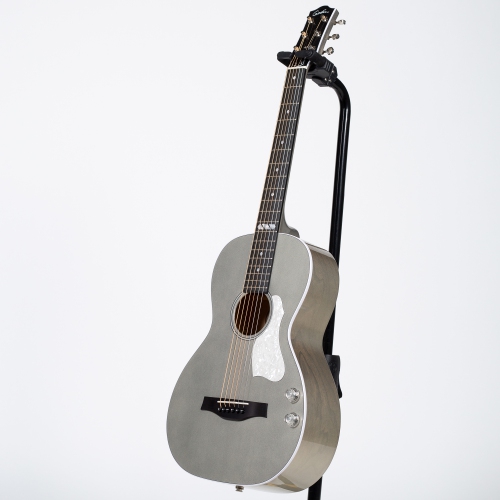
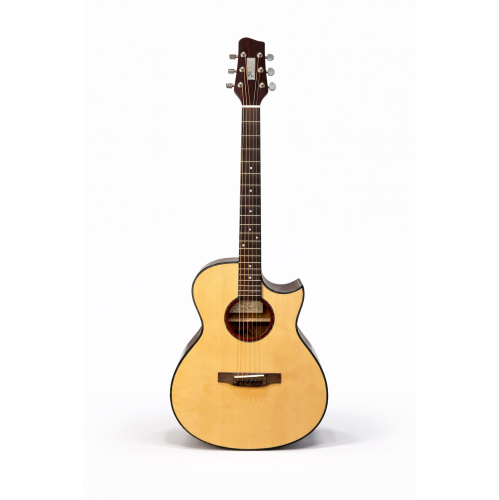
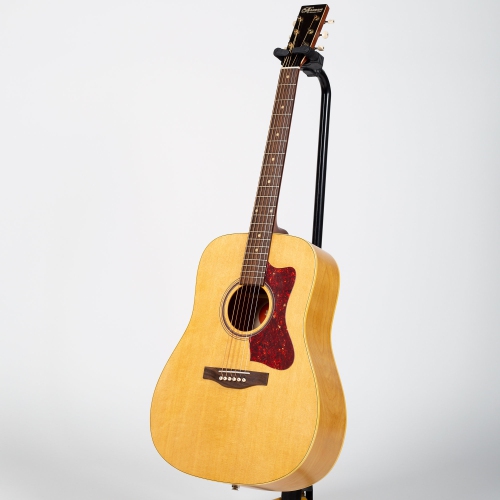
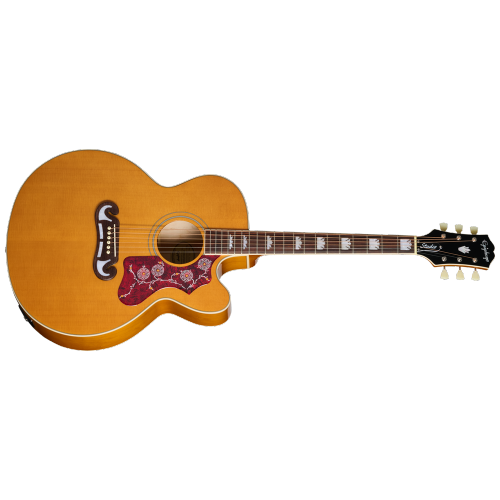
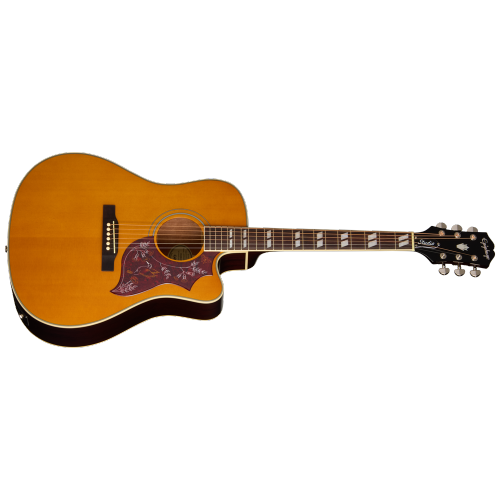
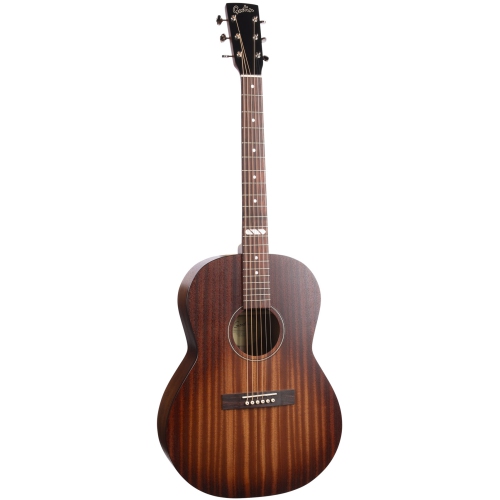
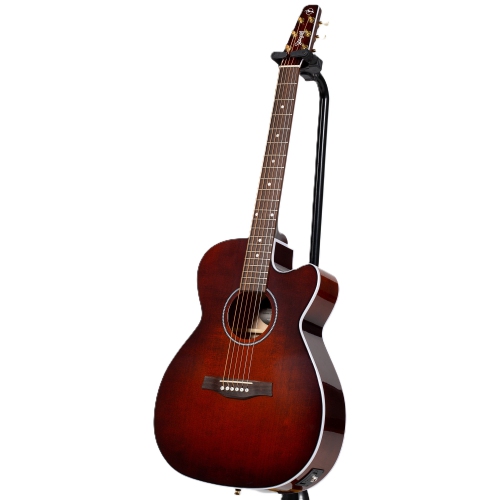
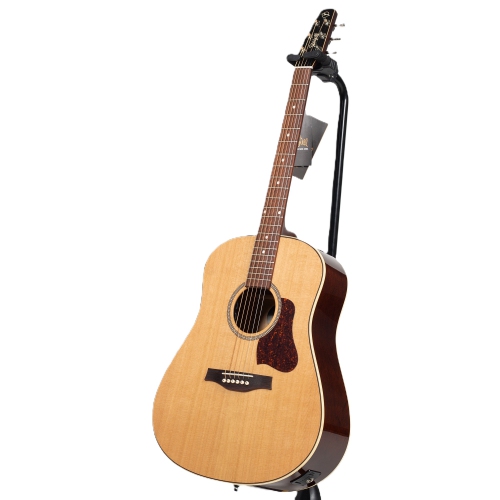
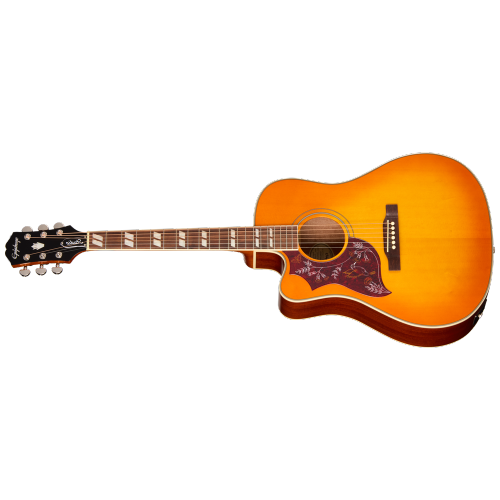
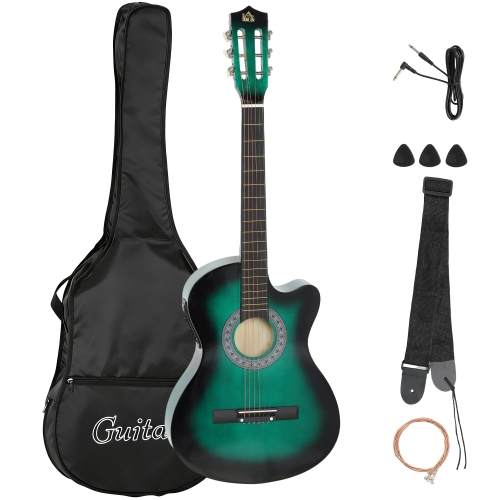
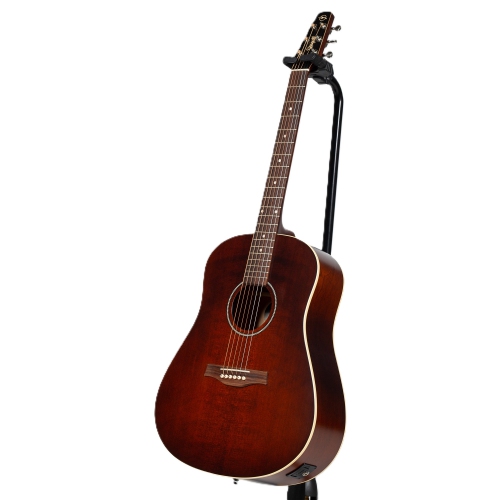
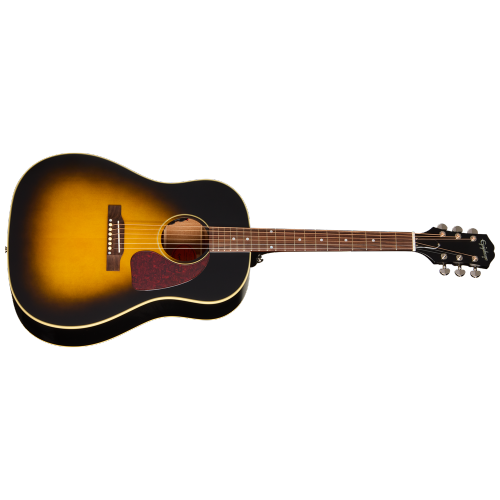
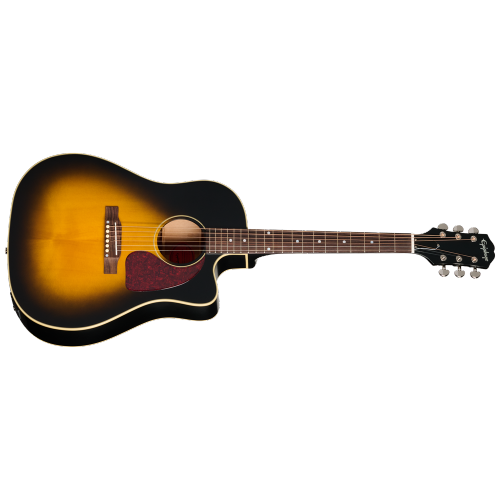
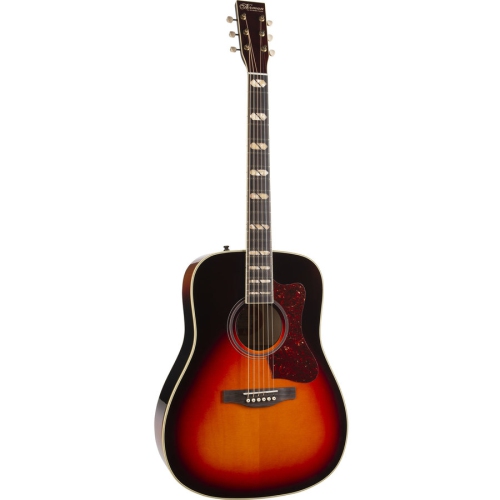
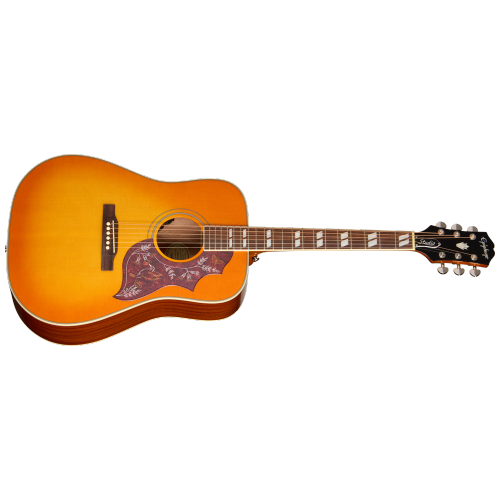
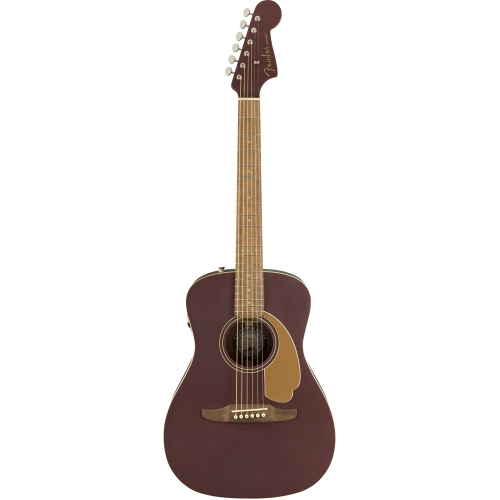
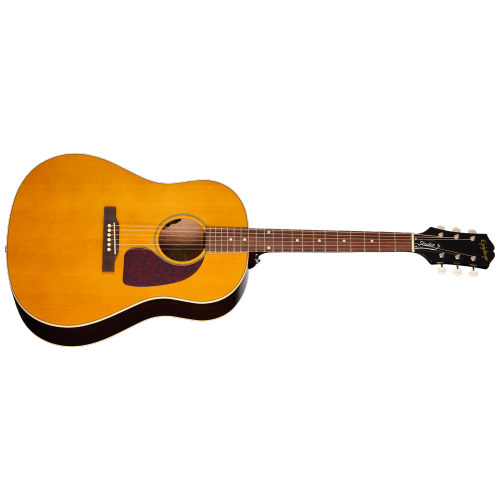
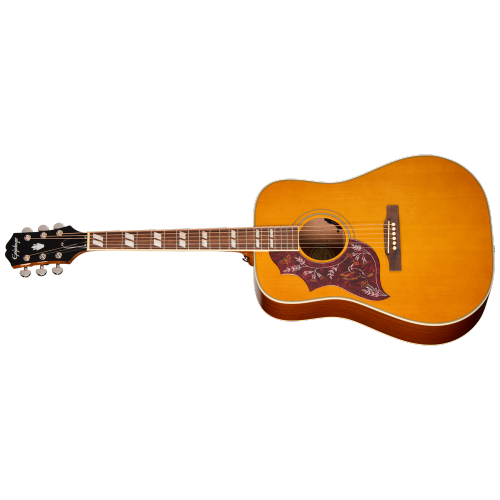

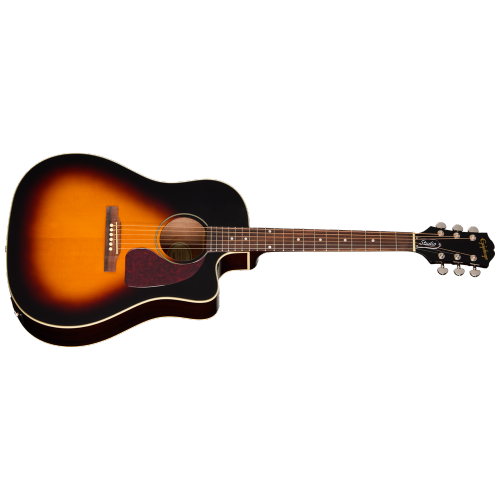
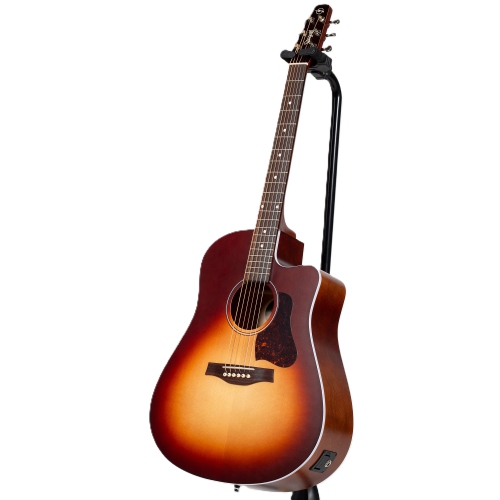
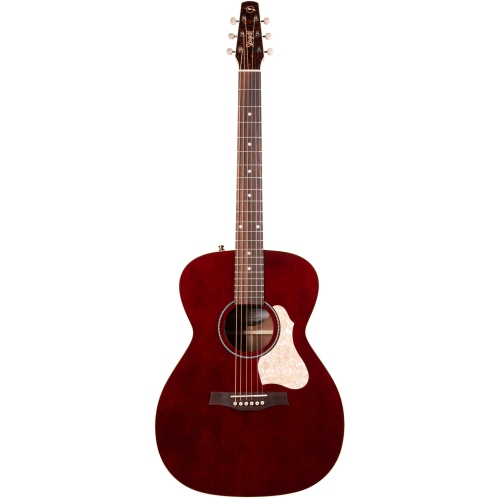
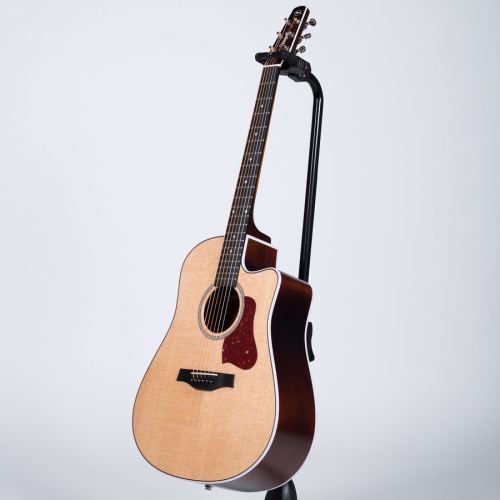
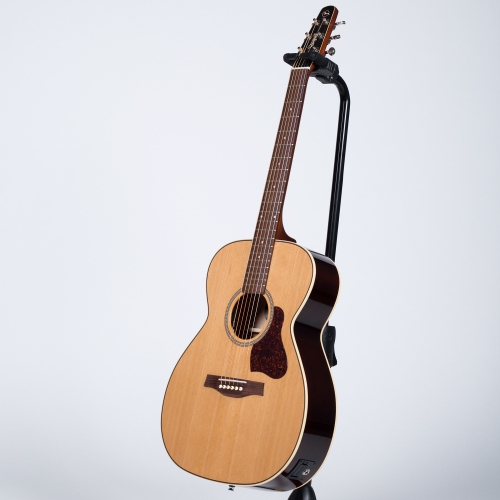
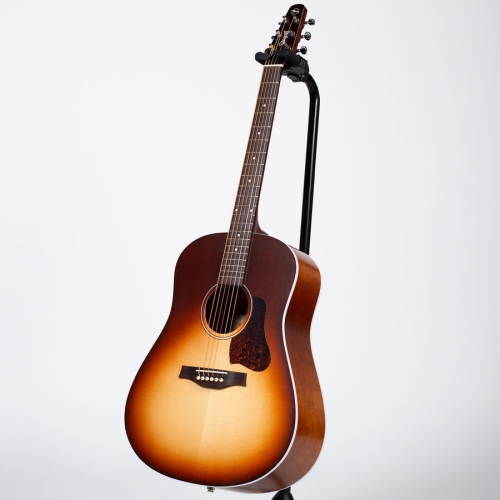
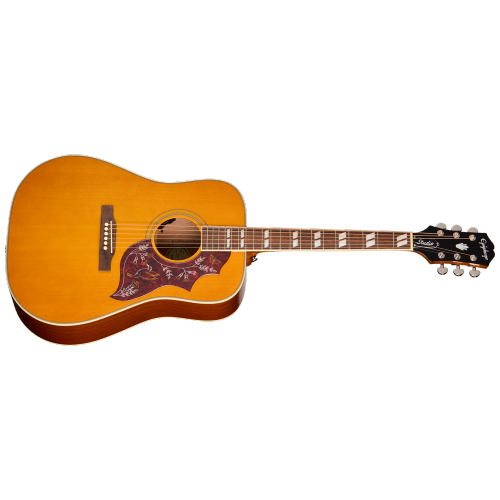
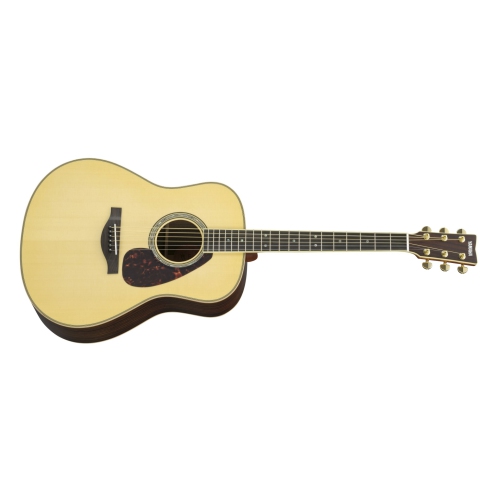
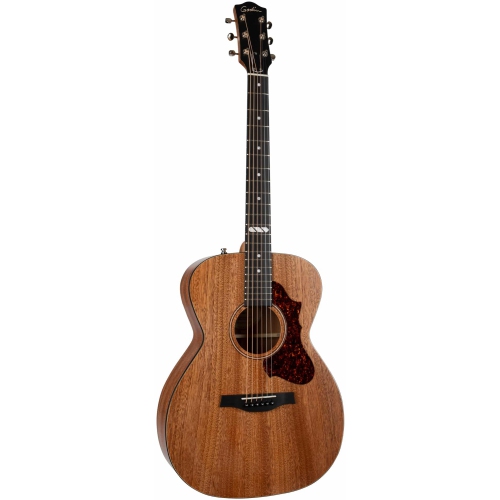
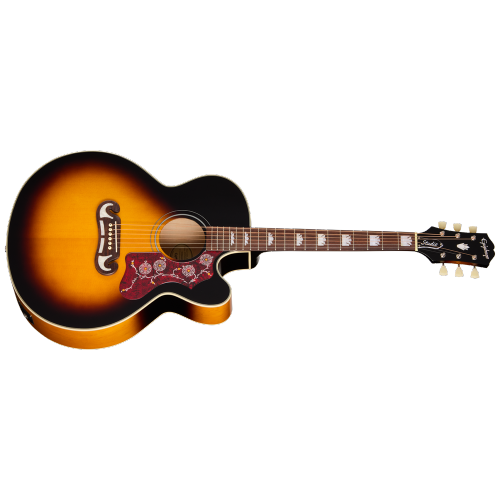
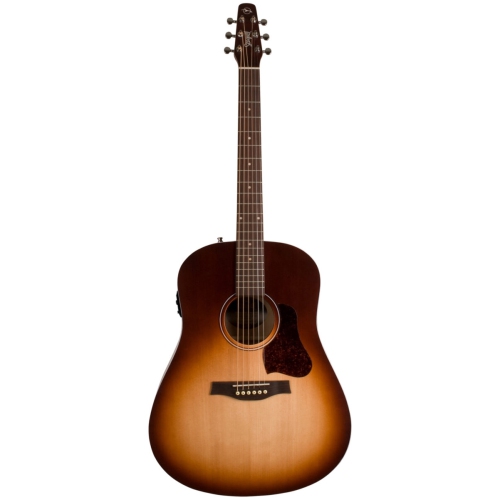
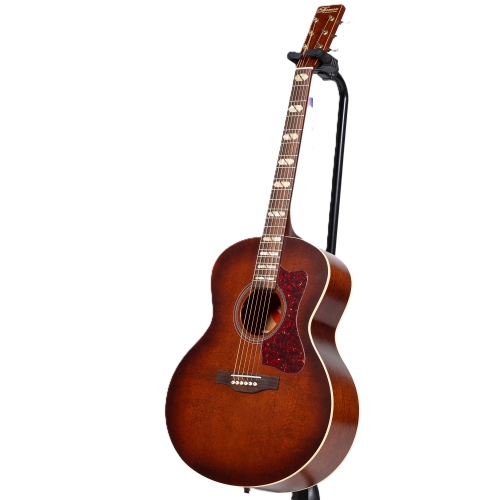

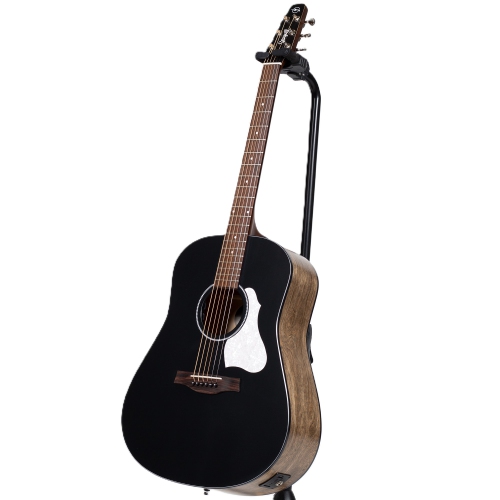

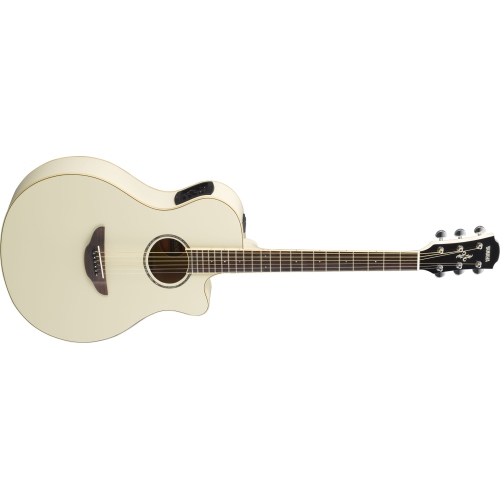
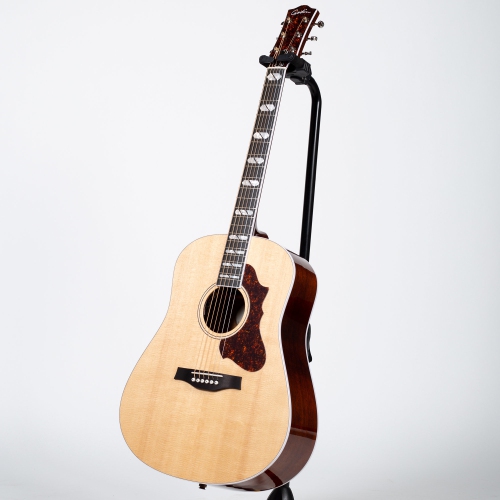
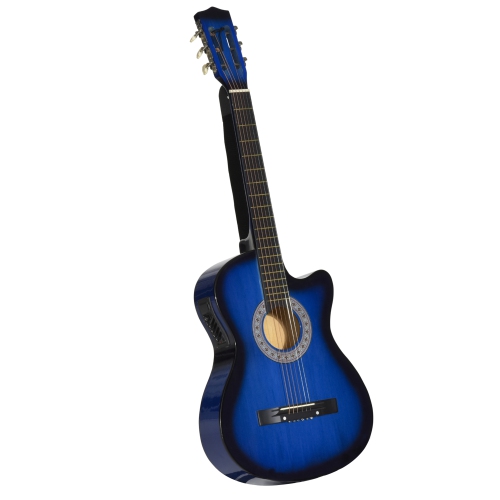

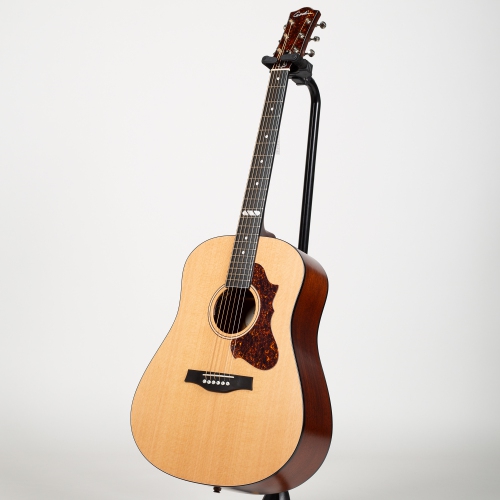

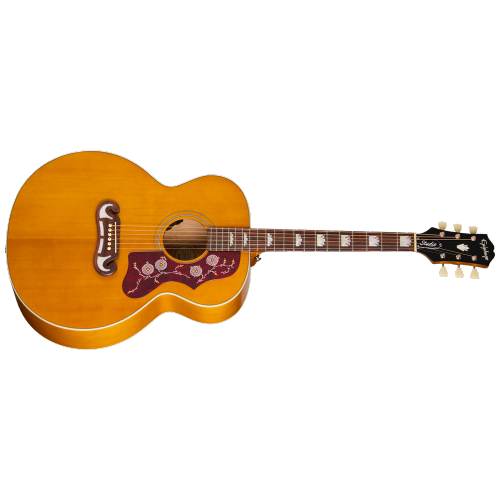
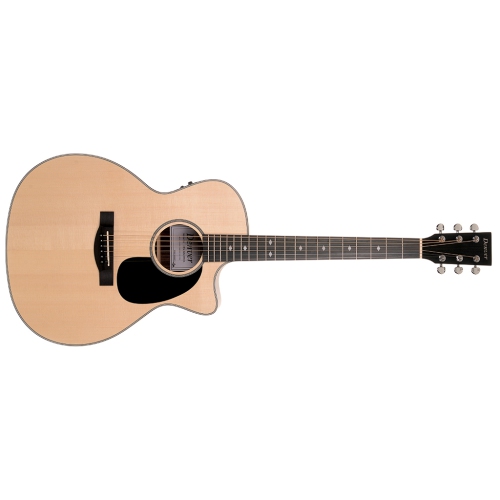
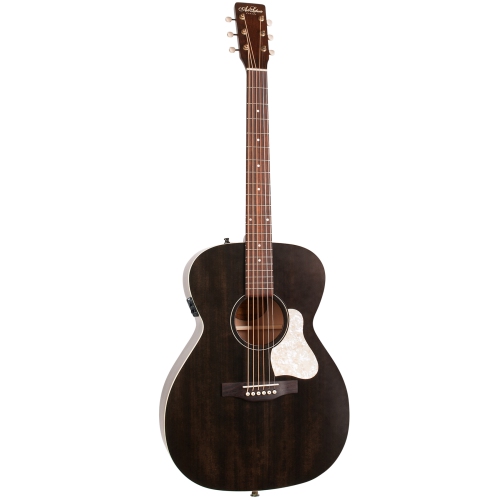
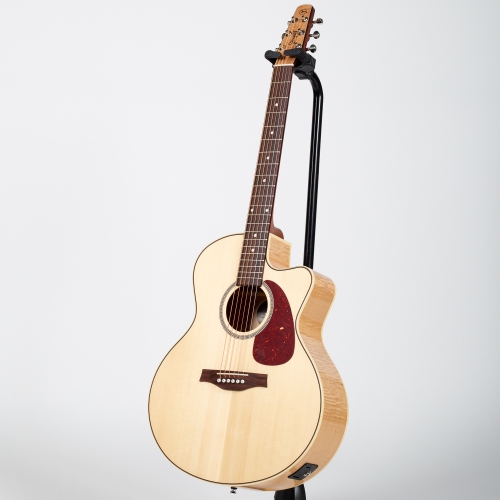
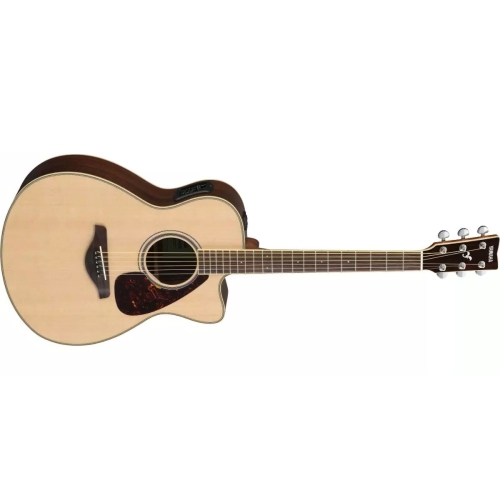
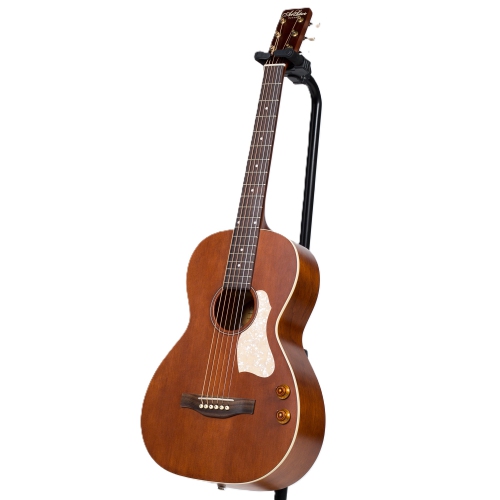
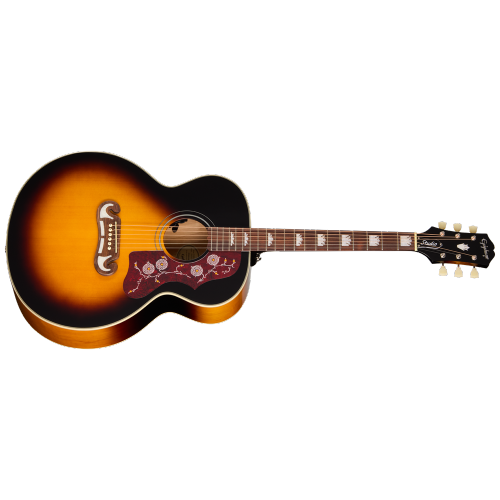
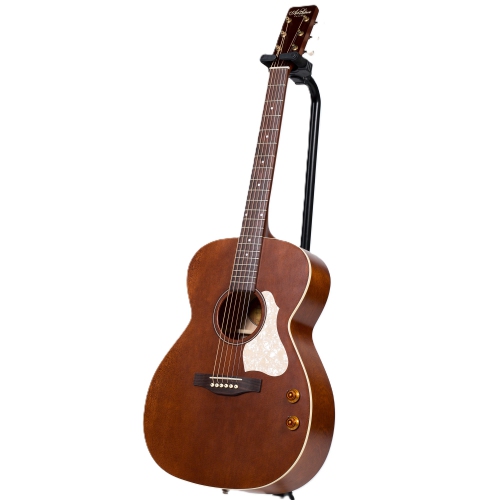
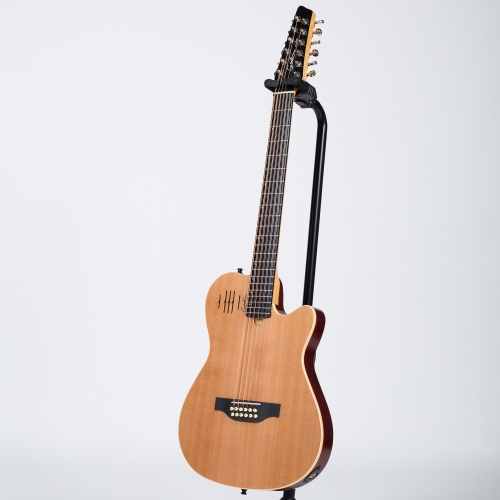
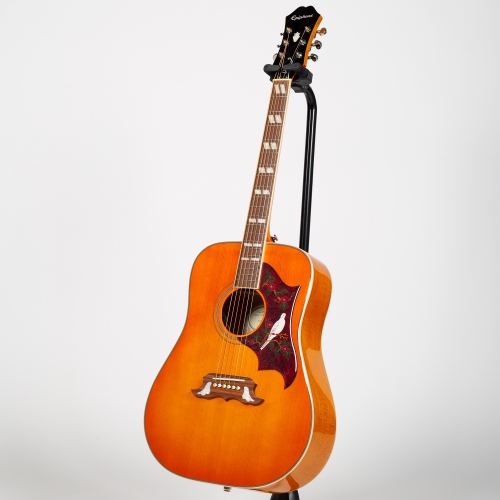
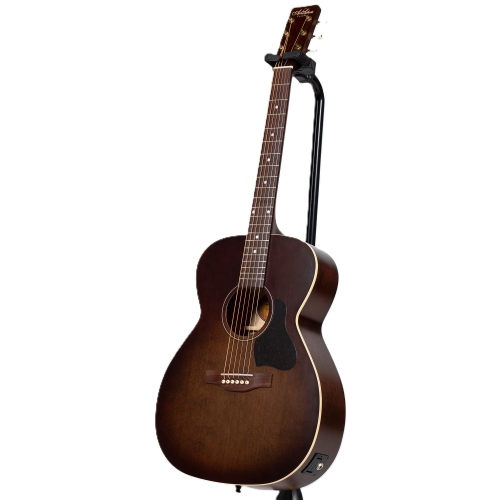
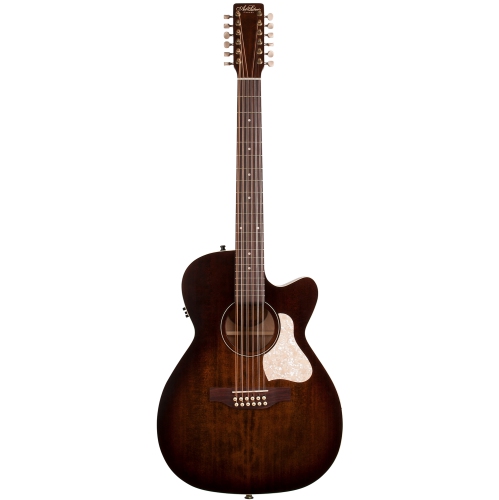
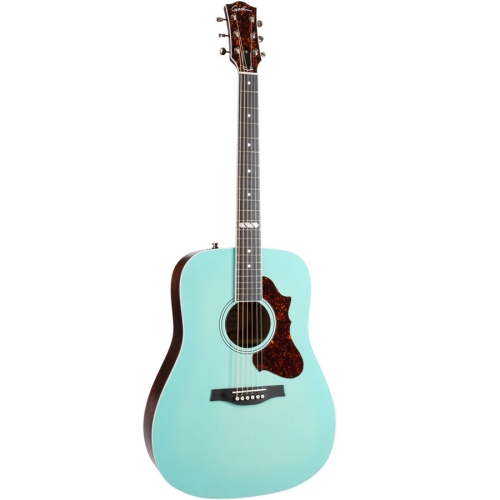
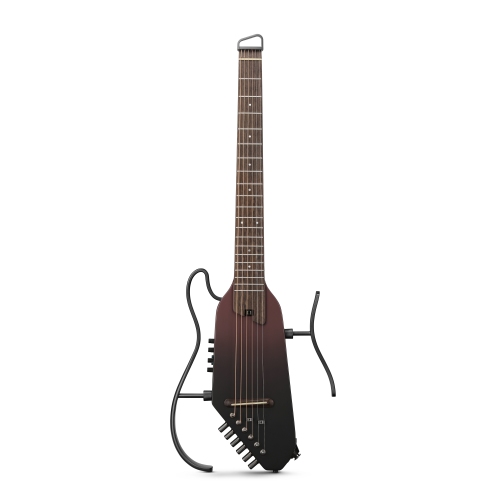
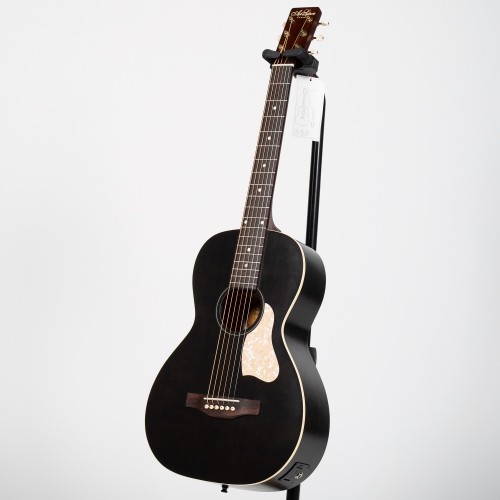
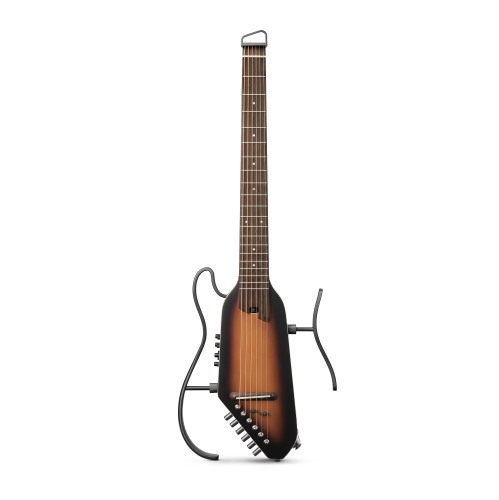
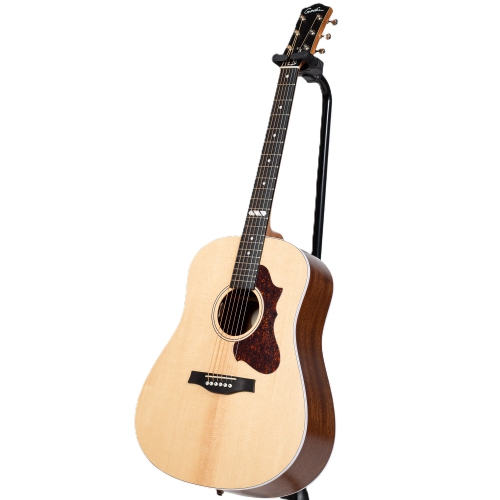


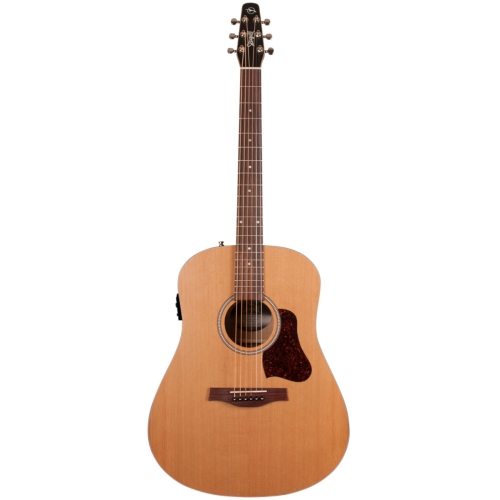
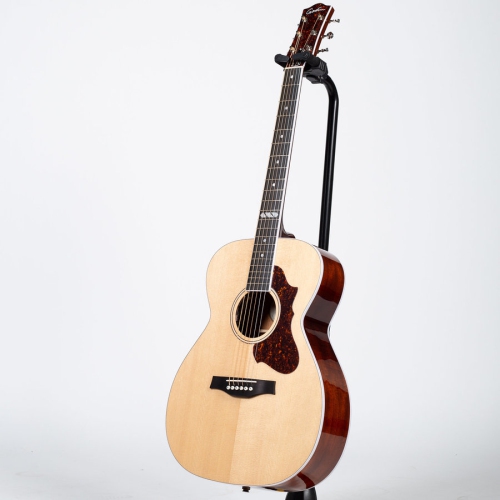
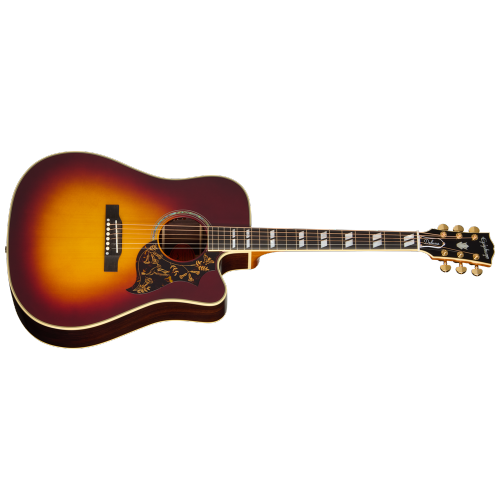
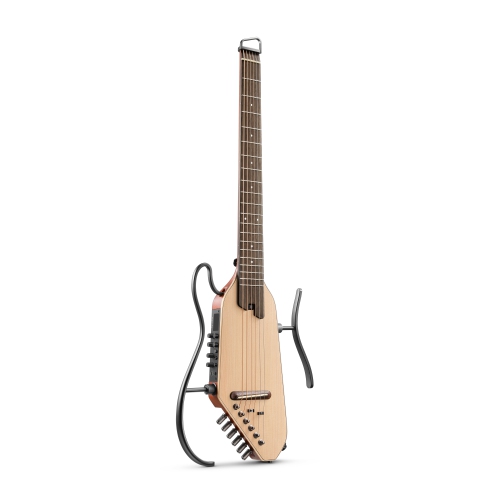
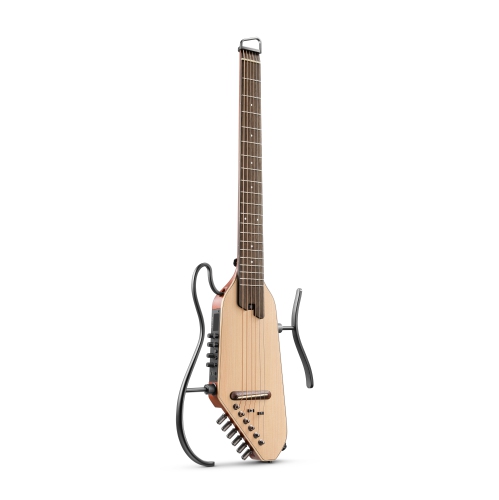
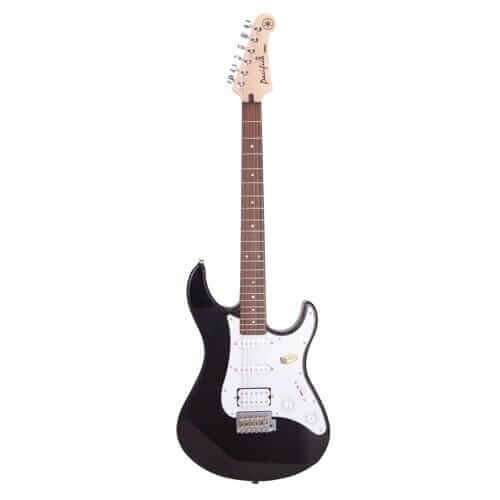
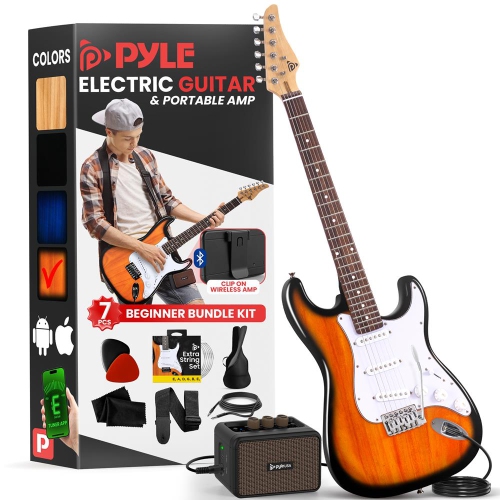
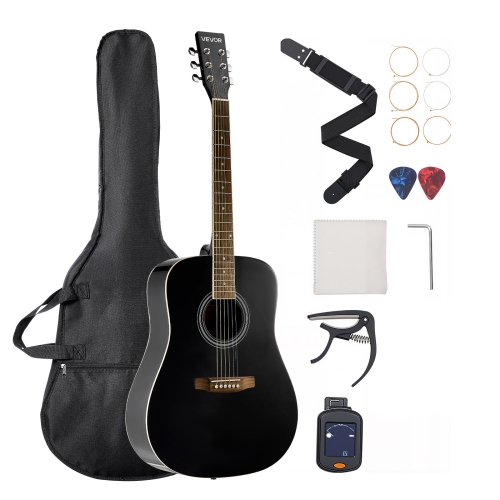
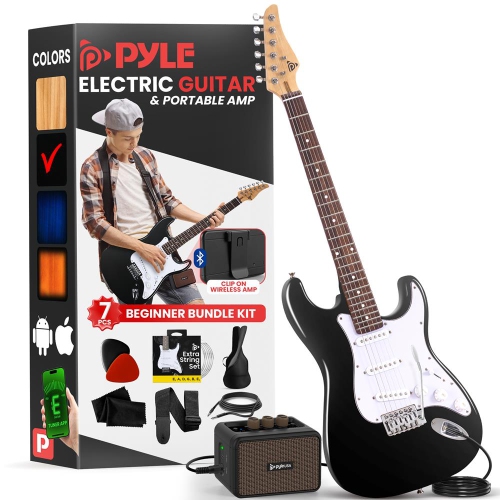
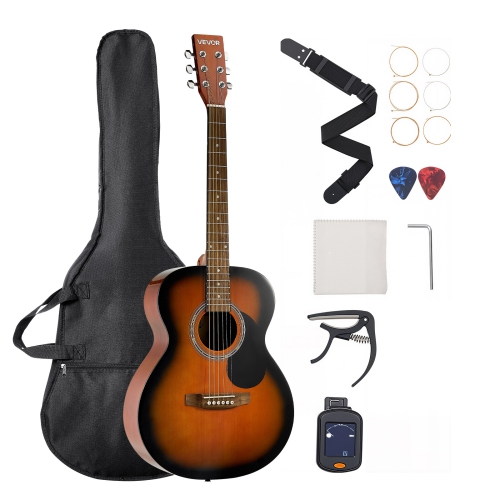
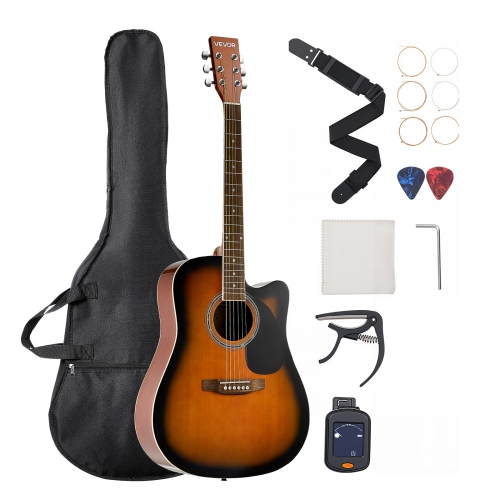
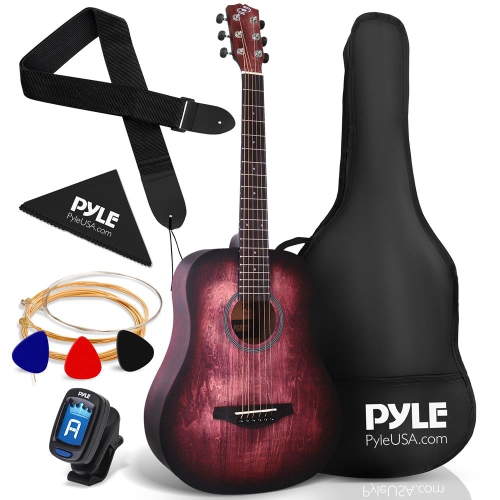
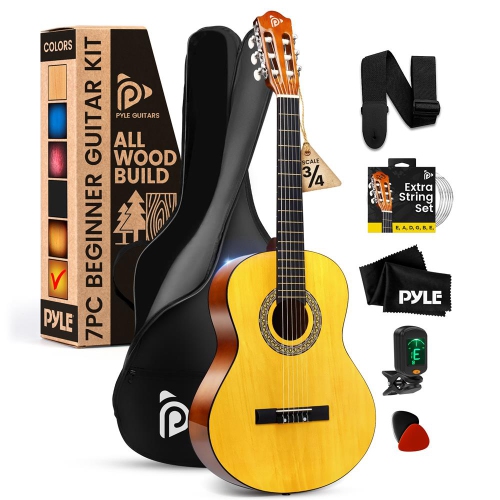
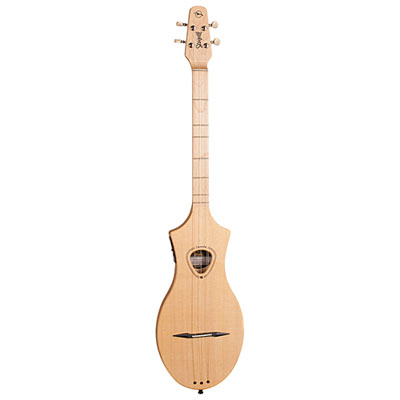
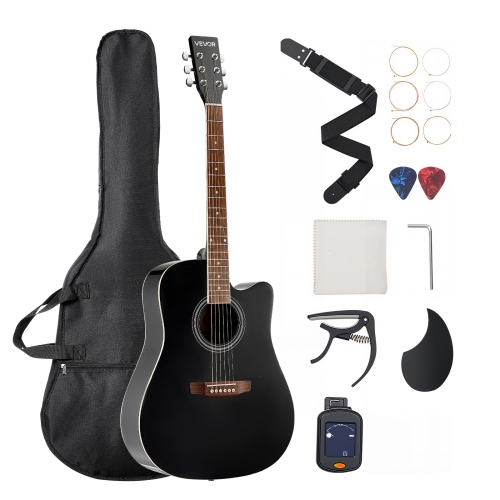
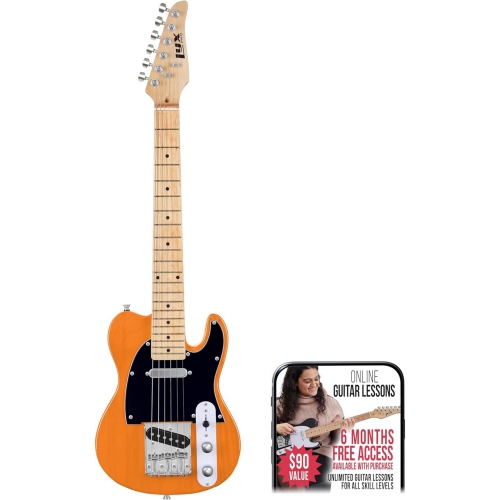
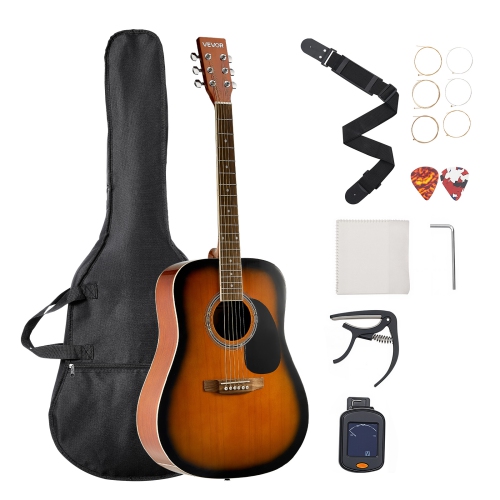
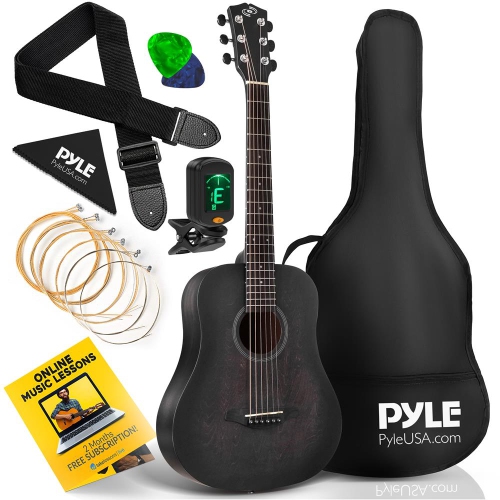
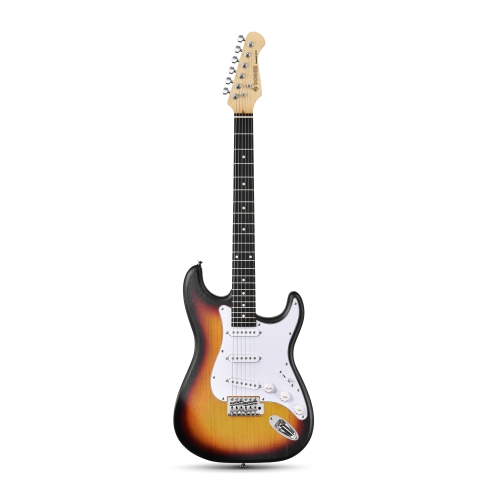
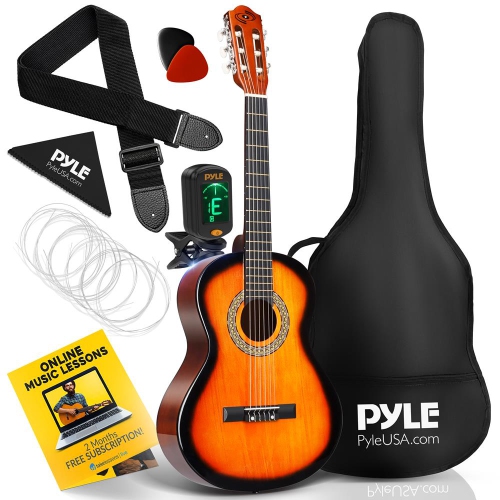
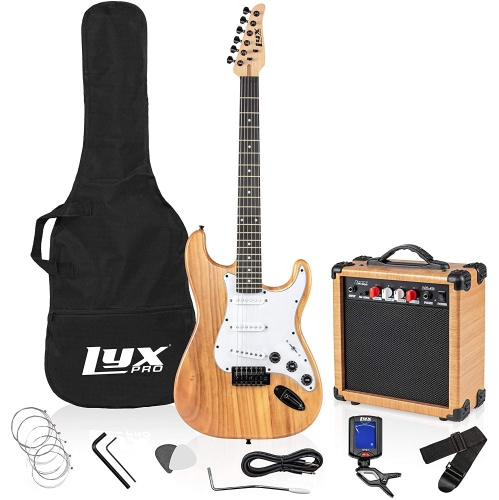
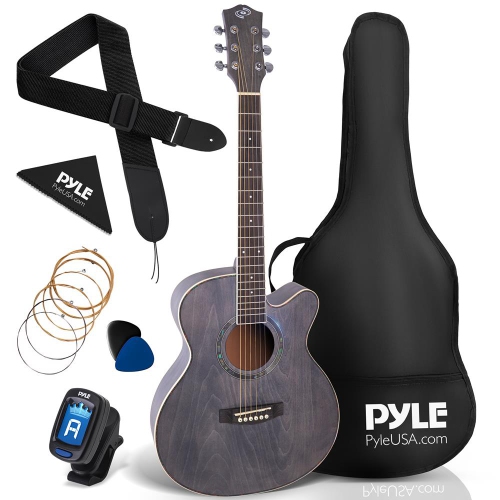
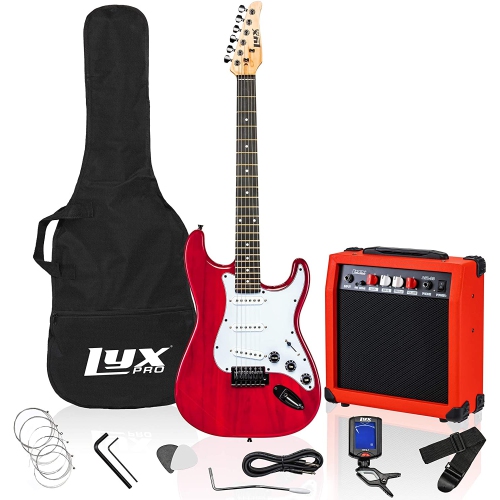
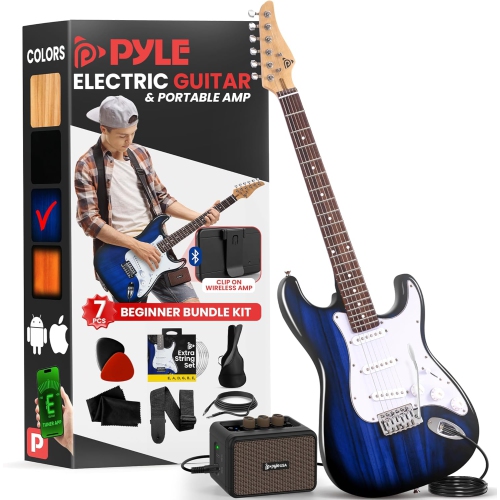

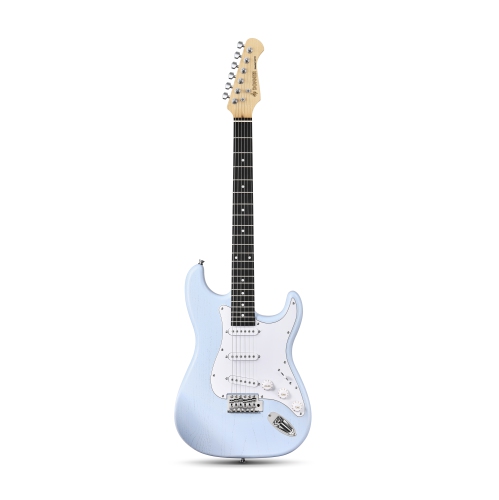
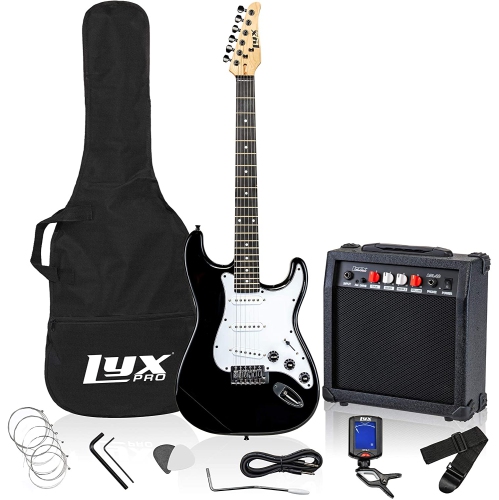
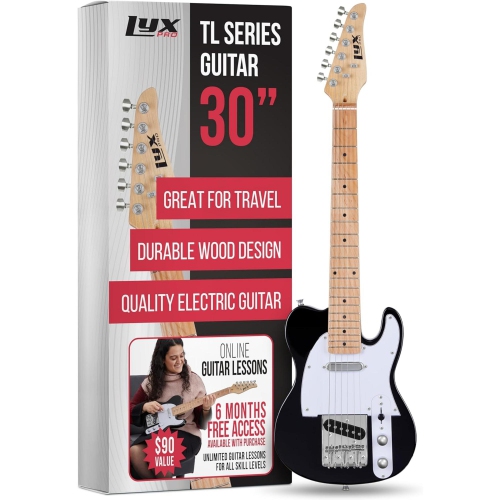
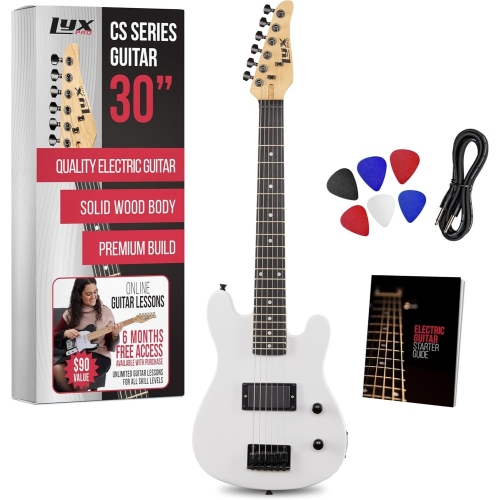
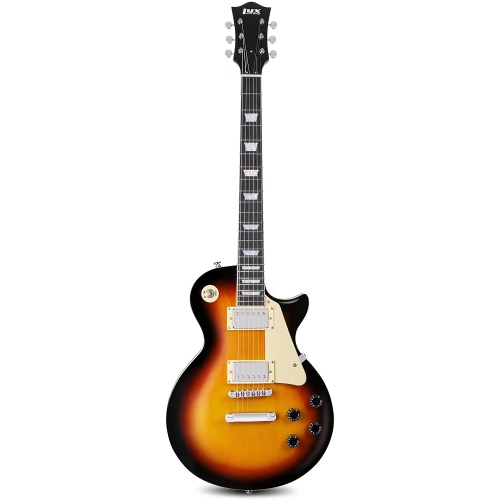
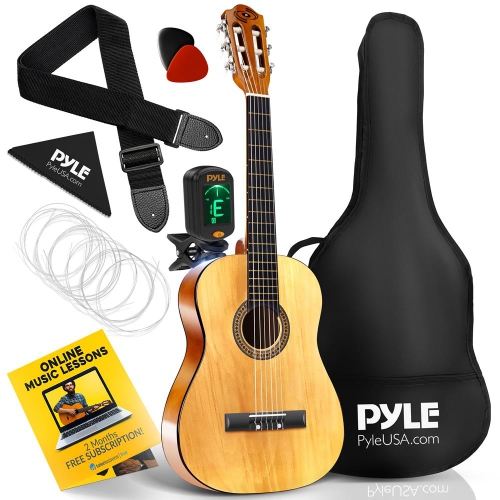
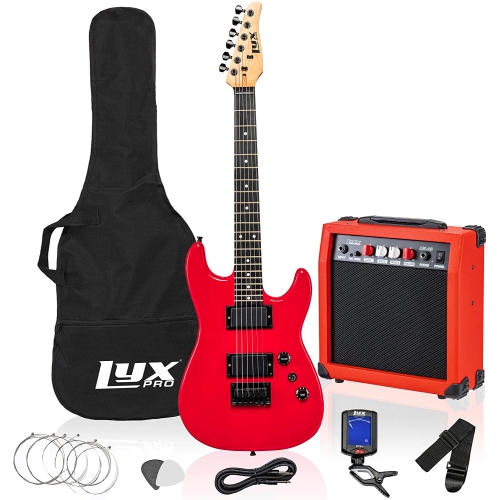
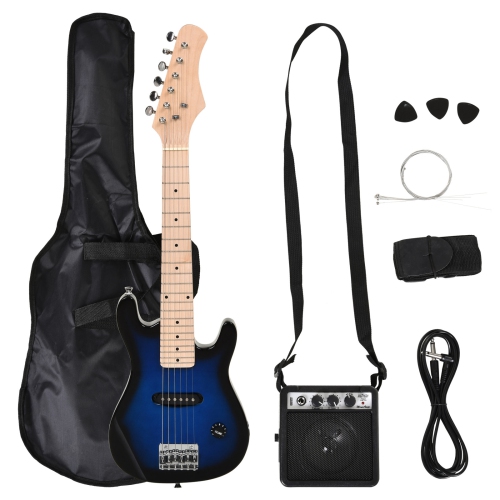
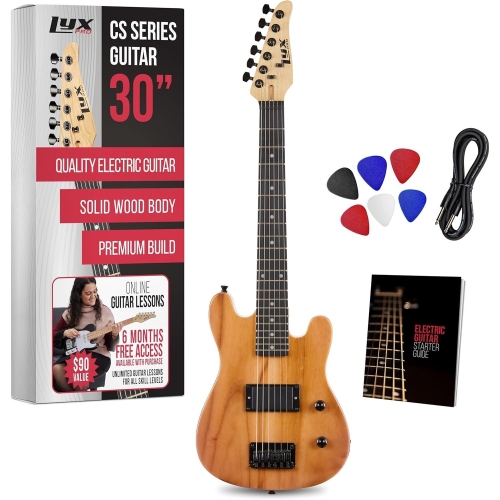
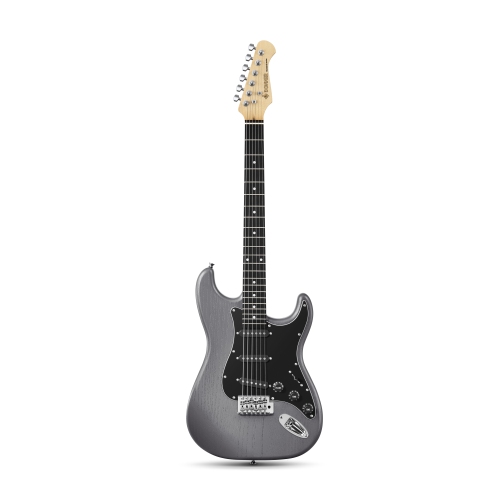
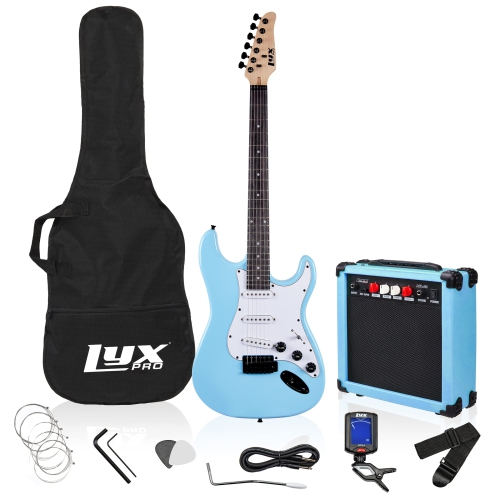

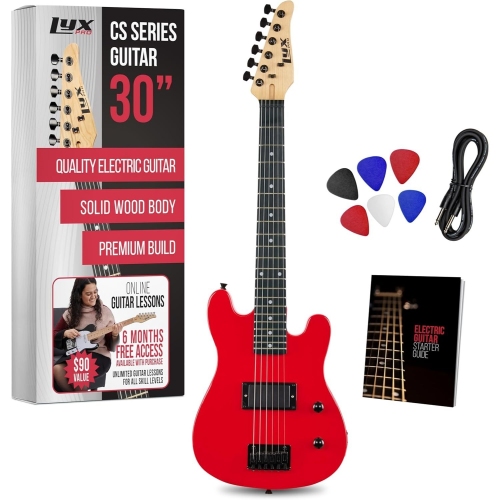
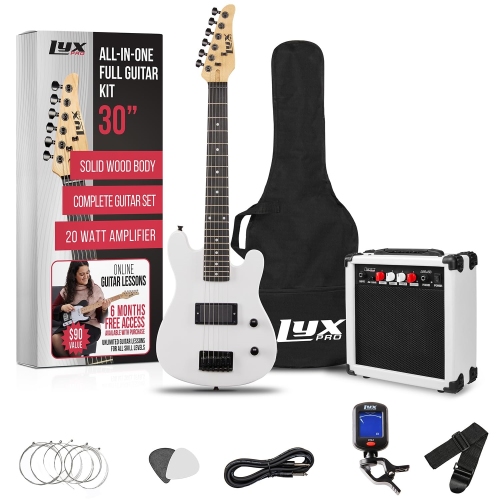
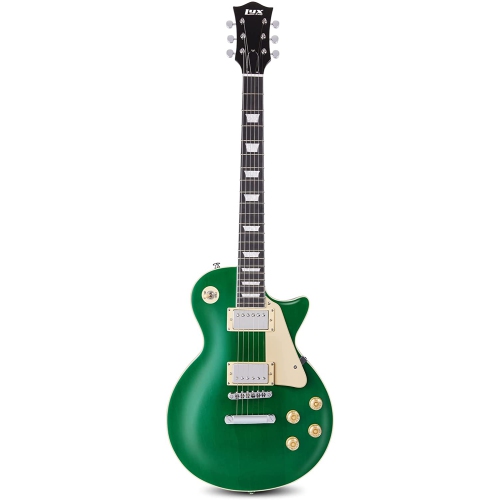
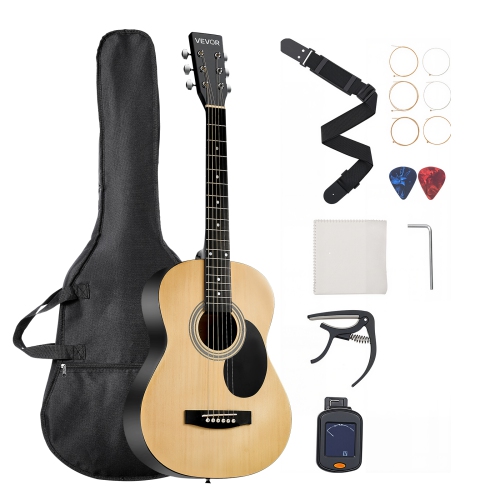
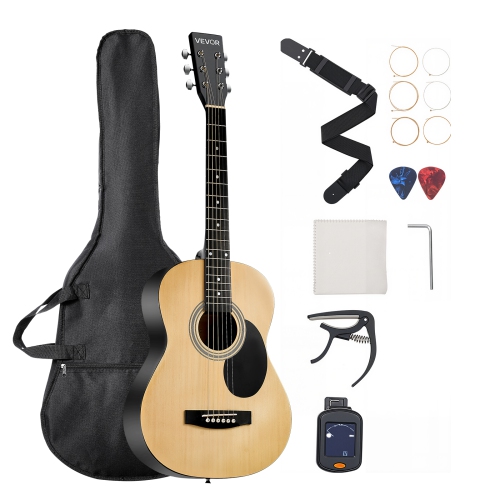
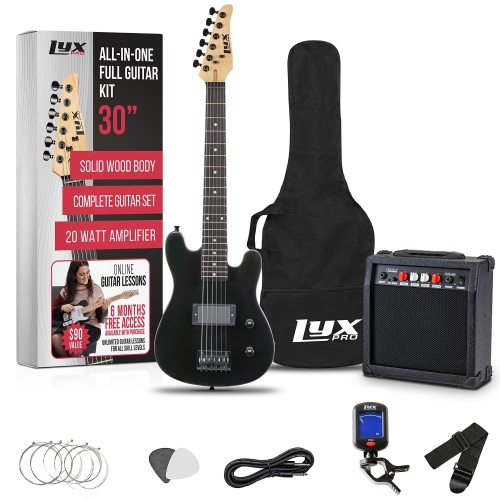
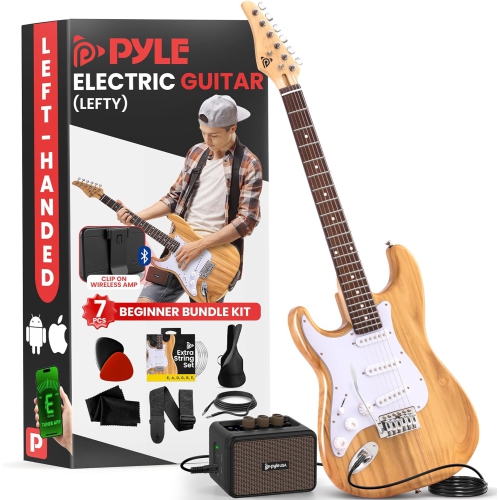
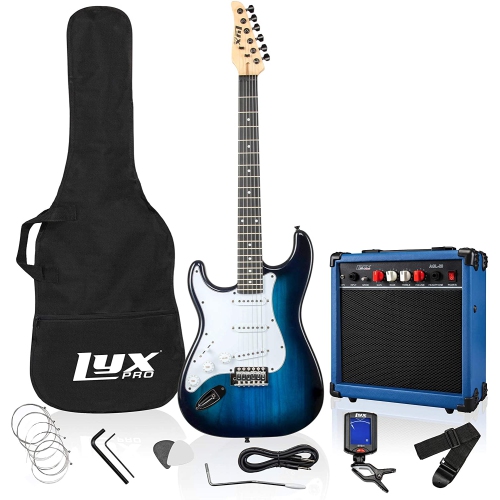

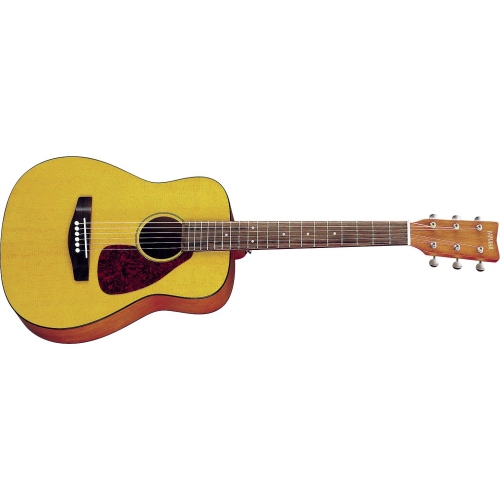
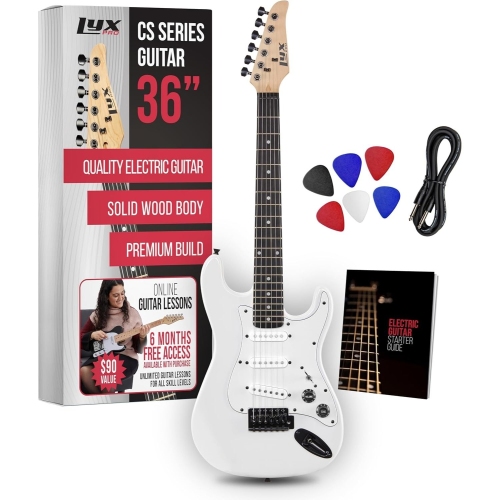
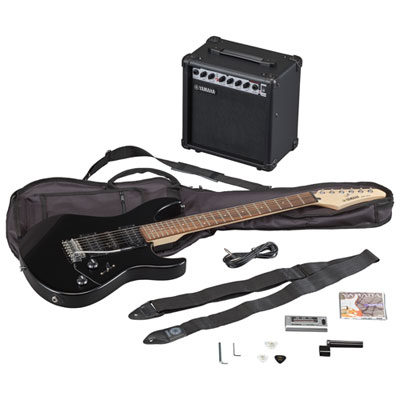
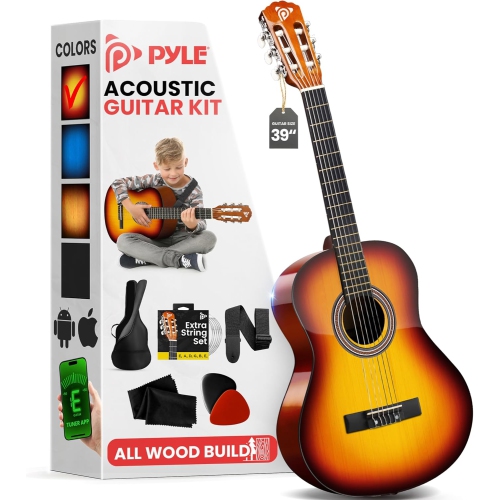

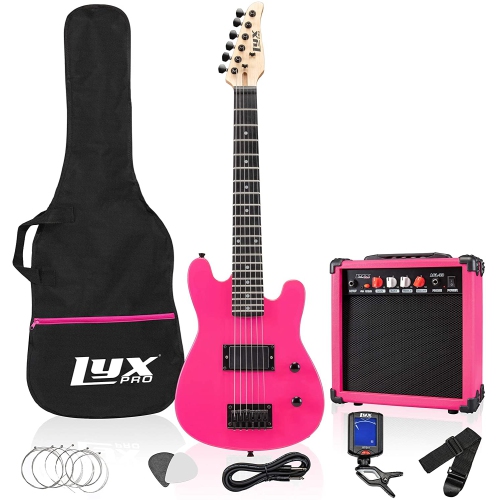
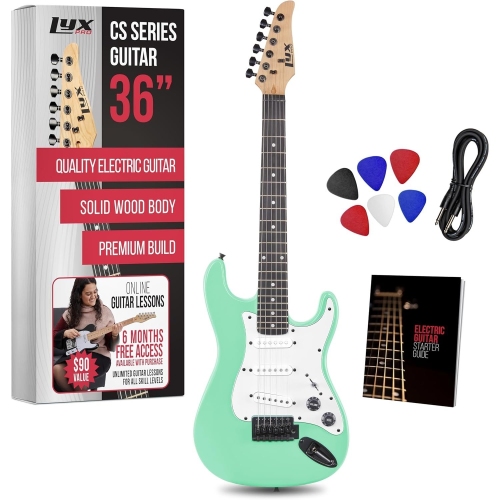
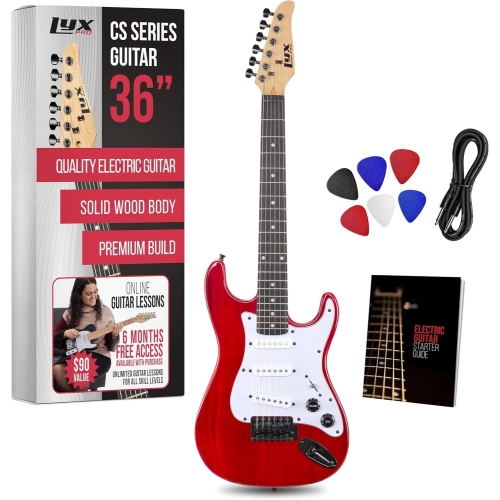
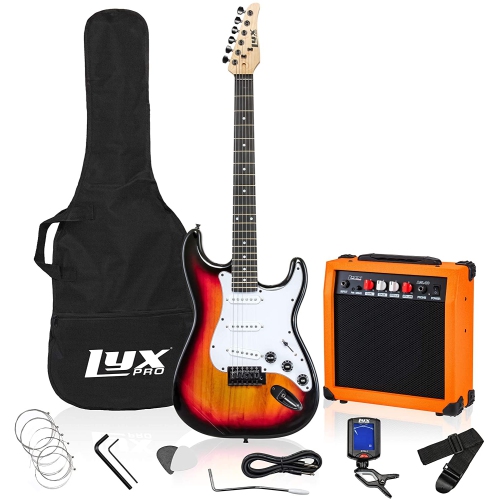
From quiet practice to amplified playing, beginners can grow
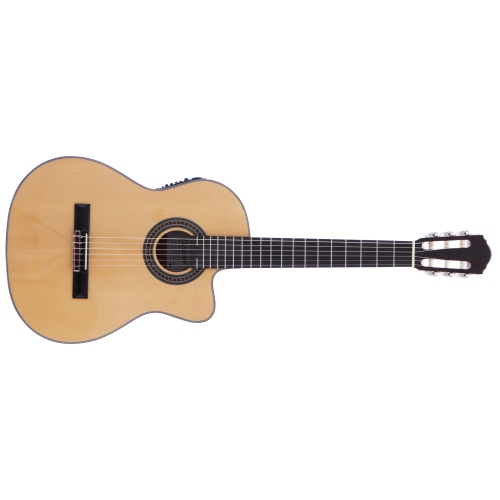
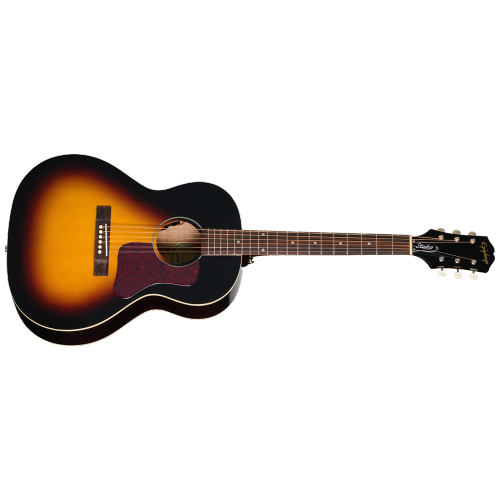
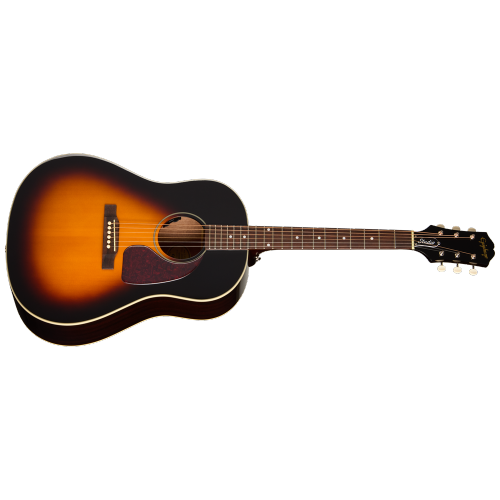
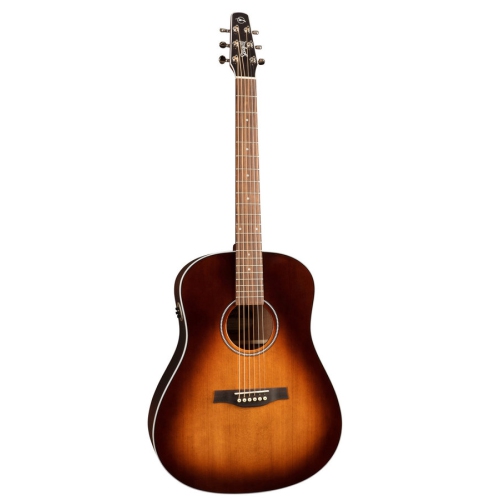
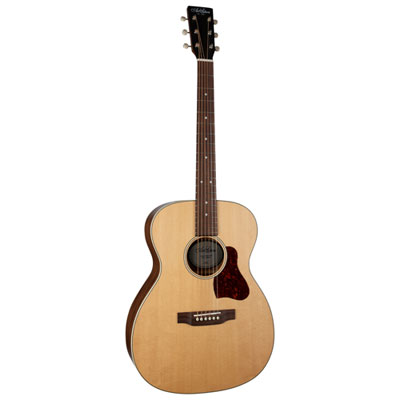
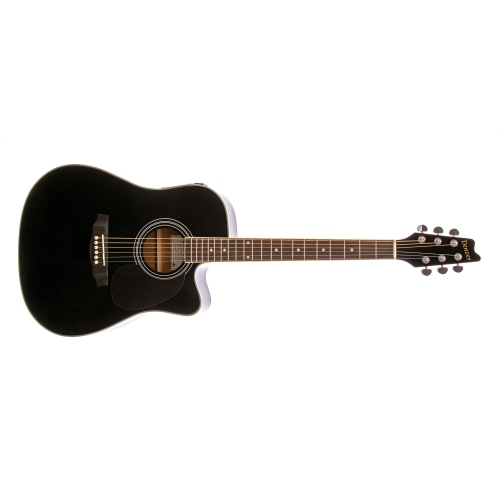
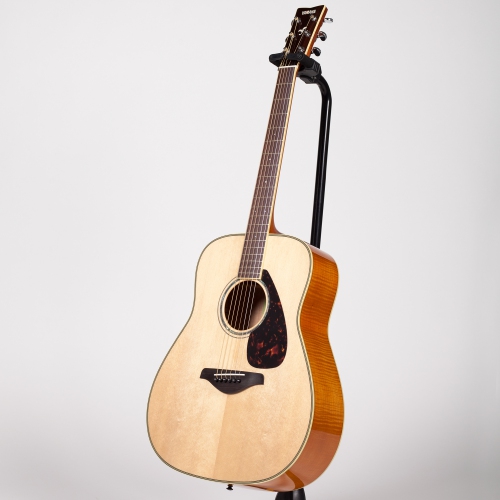
Beginner acoustic electric guitars offer a practical starting point for anyone who wants the warm, natural sound of an acoustic instrument with the added flexibility of amplification. They can be played unplugged in a living room, bedroom, classroom or around a campfire, then connected to an amplifier or sound system for rehearsals, performances and recording. This makes them especially useful for new players who are still discovering how they want to play. An acoustic electric guitar can support quiet practice with familiar chord shapes, while its built-in electronics make it easier to join a group, play along with other musicians or share music in a larger space. These guitars can also be thoughtful gifts for a beginner, a student taking lessons, a singer-songwriter or someone returning to music after years away. When choosing one, consider the player’s comfort, musical interests and available space as much as appearance. Full-size guitars often provide a rich, resonant sound and a familiar feel for adult players, while smaller body styles may be easier to hold for younger musicians or anyone with a shorter reach. Dreadnought-style bodies are known for their strong projection and full low end, whereas concert and auditorium shapes can feel more balanced against the body and offer a comfortable option for fingerpicking or extended practice. A cutaway removes part of the upper body near the neck, giving the fretting hand easier access to the higher frets. That feature can be helpful for players who want to explore melodies, lead lines and more advanced chord voicings as their confidence grows.
The electronics are another important part of an acoustic electric guitar. Many beginner-friendly models include an onboard pickup and preamp, allowing the guitar to be connected to an amplifier without installing additional equipment. Controls may include volume, bass, treble and tone adjustment, helping players shape the sound for a small room, rehearsal space or stage. An integrated tuner is particularly useful for beginners because it provides a convenient way to check tuning before practice or performance. New players often spend more time building hand strength and learning chord changes when their instrument is properly tuned, and a built-in tuner keeps that process simple. A guitar with a cutaway and onboard electronics can also grow with the player, supporting basic strumming at first and more varied playing later. Look at the neck profile, fretboard width and overall balance before making a decision, since these details affect how naturally the instrument sits in the hands. The strings should feel manageable, the frets should be easy to reach and the body should not feel awkward when the player is seated or standing. Acoustic tone is shaped by the body, bracing and tonewood, with spruce commonly used for a clear, versatile sound that responds well to both gentle fingerpicking and energetic strumming. Other tonewoods can offer a warmer, darker or more pronounced character. Finish and styling are personal choices, but comfort and playability are likely to have the greatest effect on how often a beginner picks up the guitar.
Starter bundles can be a convenient choice when the player needs more than the instrument itself. Depending on the set, a bundle may include a gig bag for carrying and storage, a strap for standing practice, picks in different thicknesses, a cable for connecting to an amplifier and an extra set of strings. Some packages also include a compact amplifier, making it possible to plug in and hear the guitar’s amplified sound without assembling a separate setup. This can be helpful for a first-time player who wants a ready-to-use arrangement for lessons, rehearsals or casual performances. A gig bag protects the guitar from everyday bumps and makes it easier to take to a teacher’s studio, music room or a friend’s home, while a strap can help the player maintain a steady position during standing practice. If the guitar is being given as a gift, an all-in-one package can remove the guesswork involved in finding compatible accessories. Players who already own an amplifier or accessories may prefer a guitar-only option, leaving more room to choose equipment based on their own sound and playing style. It is also worth considering where the guitar will be stored, how often it will be transported and whether the player plans to practise through an amplifier or mostly play acoustically. Keeping the instrument in a stable indoor environment, wiping the strings after use and replacing worn strings when the sound becomes dull can help maintain a comfortable playing experience. For those considering a different instrument style, Electric Guitars for Beginners provide another approachable route into guitar playing, particularly for musicians drawn to amplified tones, effects and band-oriented music. For anyone seeking one instrument that can move from quiet practice to amplified performance, beginner acoustic electric guitars combine accessibility, versatility and room to develop new skills.
The electronics are another important part of an acoustic electric guitar. Many beginner-friendly models include an onboard pickup and preamp, allowing the guitar to be connected to an amplifier without installing additional equipment. Controls may include volume, bass, treble and tone adjustment, helping players shape the sound for a small room, rehearsal space or stage. An integrated tuner is particularly useful for beginners because it provides a convenient way to check tuning before practice or performance. New players often spend more time building hand strength and learning chord changes when their instrument is properly tuned, and a built-in tuner keeps that process simple. A guitar with a cutaway and onboard electronics can also grow with the player, supporting basic strumming at first and more varied playing later. Look at the neck profile, fretboard width and overall balance before making a decision, since these details affect how naturally the instrument sits in the hands. The strings should feel manageable, the frets should be easy to reach and the body should not feel awkward when the player is seated or standing. Acoustic tone is shaped by the body, bracing and tonewood, with spruce commonly used for a clear, versatile sound that responds well to both gentle fingerpicking and energetic strumming. Other tonewoods can offer a warmer, darker or more pronounced character. Finish and styling are personal choices, but comfort and playability are likely to have the greatest effect on how often a beginner picks up the guitar.
Starter bundles can be a convenient choice when the player needs more than the instrument itself. Depending on the set, a bundle may include a gig bag for carrying and storage, a strap for standing practice, picks in different thicknesses, a cable for connecting to an amplifier and an extra set of strings. Some packages also include a compact amplifier, making it possible to plug in and hear the guitar’s amplified sound without assembling a separate setup. This can be helpful for a first-time player who wants a ready-to-use arrangement for lessons, rehearsals or casual performances. A gig bag protects the guitar from everyday bumps and makes it easier to take to a teacher’s studio, music room or a friend’s home, while a strap can help the player maintain a steady position during standing practice. If the guitar is being given as a gift, an all-in-one package can remove the guesswork involved in finding compatible accessories. Players who already own an amplifier or accessories may prefer a guitar-only option, leaving more room to choose equipment based on their own sound and playing style. It is also worth considering where the guitar will be stored, how often it will be transported and whether the player plans to practise through an amplifier or mostly play acoustically. Keeping the instrument in a stable indoor environment, wiping the strings after use and replacing worn strings when the sound becomes dull can help maintain a comfortable playing experience. For those considering a different instrument style, Electric Guitars for Beginners provide another approachable route into guitar playing, particularly for musicians drawn to amplified tones, effects and band-oriented music. For anyone seeking one instrument that can move from quiet practice to amplified performance, beginner acoustic electric guitars combine accessibility, versatility and room to develop new skills.
Top selling and popular products
-
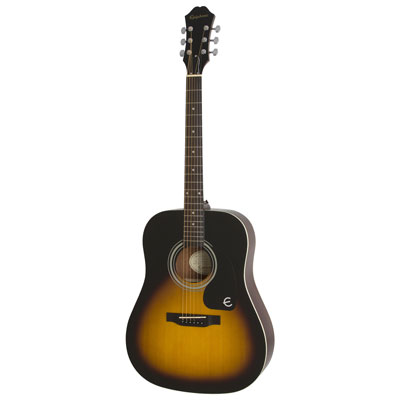 Your price for this item is $259.99
 -
 Your price for this item is $279.99
 -
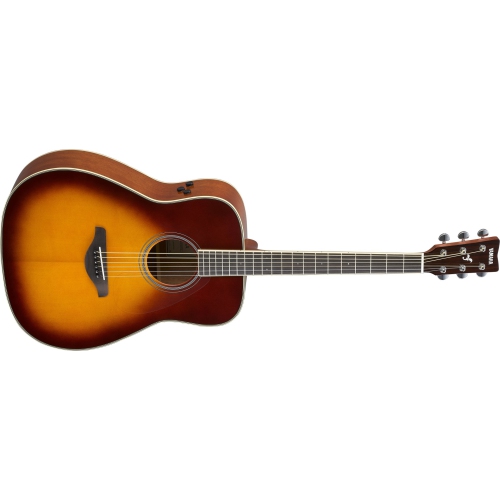 Your price for this item is $999.99
 -
 Your price for this item is $599.99
 -
 Your price for this item is $269.99
 -
 Your price for this item is $649.99
 -
 Your price for this item is $459.99
 -
 Your price for this item is $918.85
Discover more categories related to Beginner Acoustic Electric Guitars
Top Collections:
Pokemon Centers, Best Cameras for Sports Photography, Kindle Devices, Samsung Galaxy Phones, Canon G7X Cameras, Pokémon 30th Celebration Cards, Refurbished Apple Laptops, iPhone 15 Apple, Laptops for Students, Budget Smartphones
Some products may be subject to Environmental Handling Fees
(EHF) depending on your province.
Learn more about EHFs.