Acoustic Guitars for Beginners
The acoustic guitar is one of the most popular instruments in the world. It's versatile, it's easy to learn, and it sounds great. If you're thinking about starting to play an acoustic guitar or just want to upgrade your current one, consider these acoustic guitars for beginners. Here are some great options available on the market.
Sort
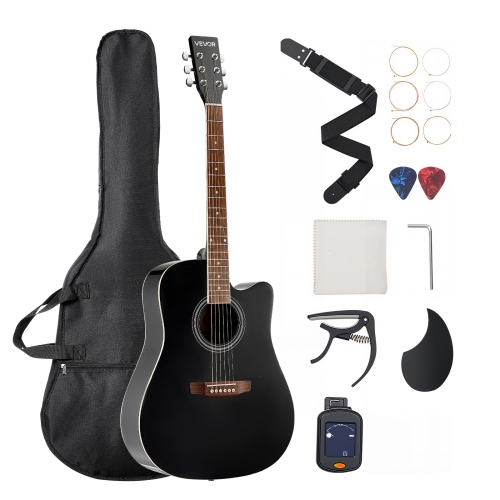
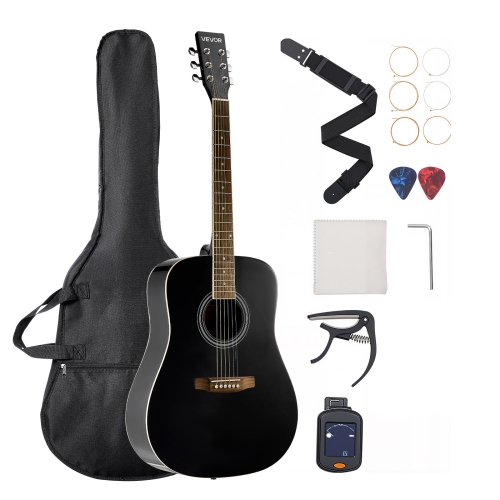
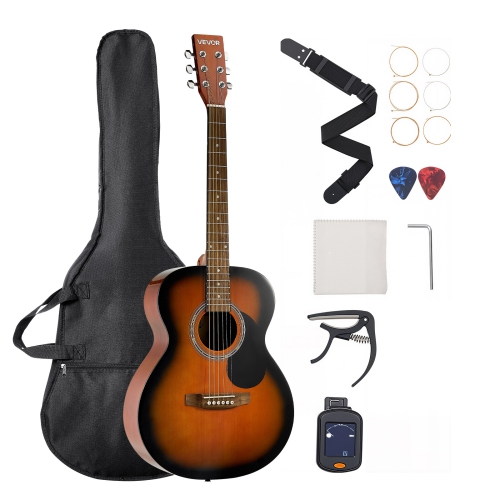
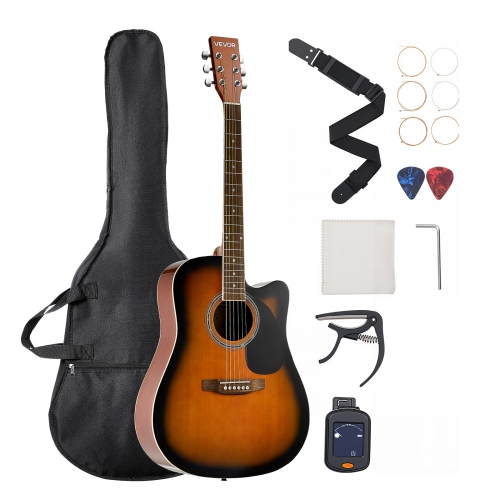
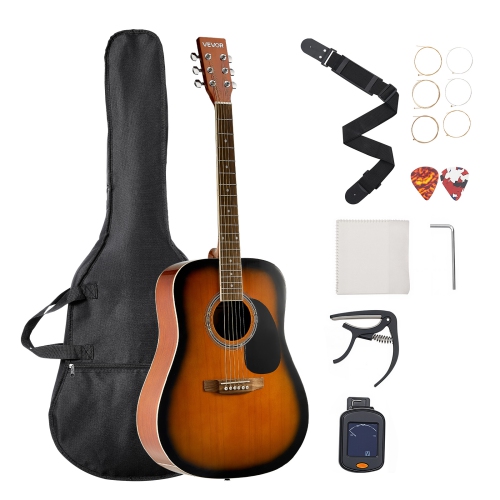
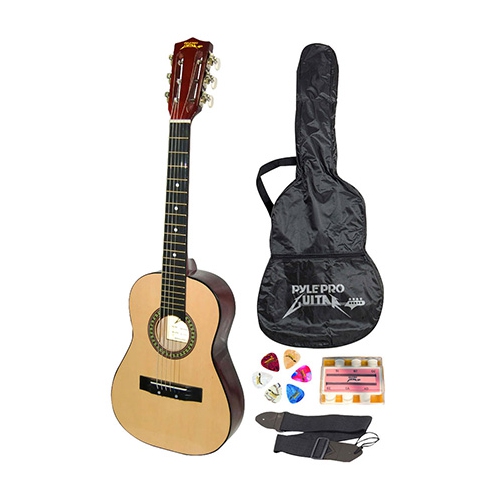
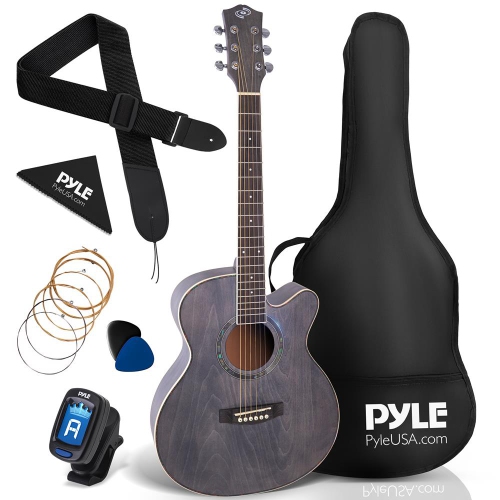
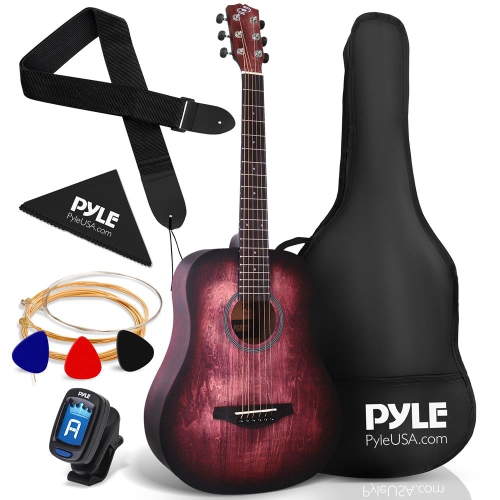
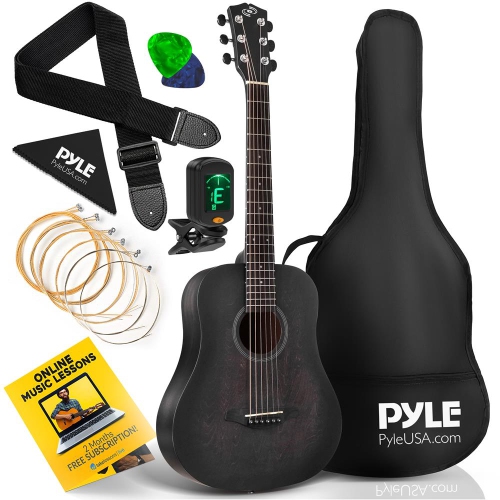
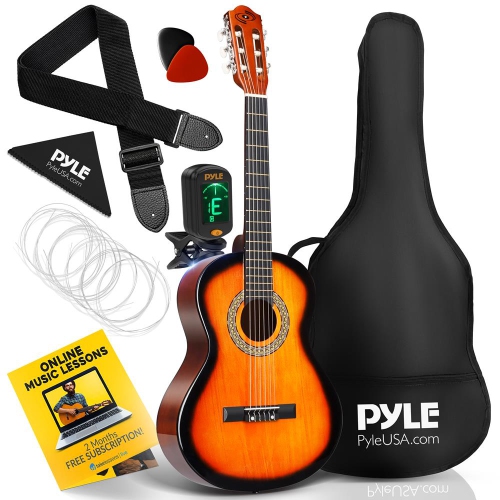
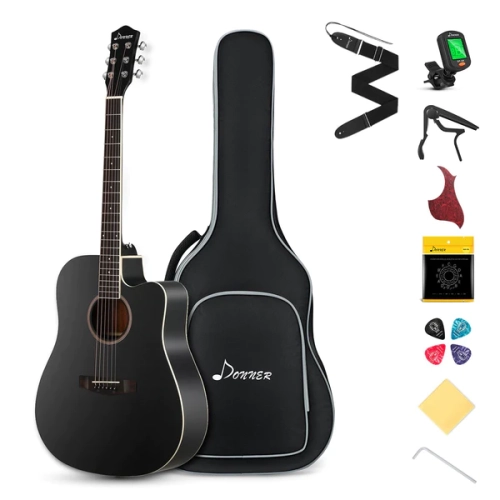
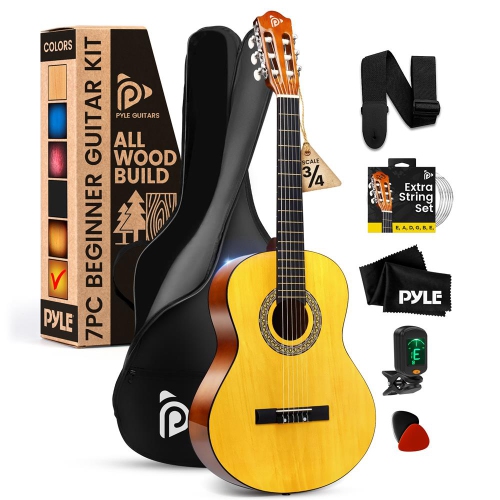
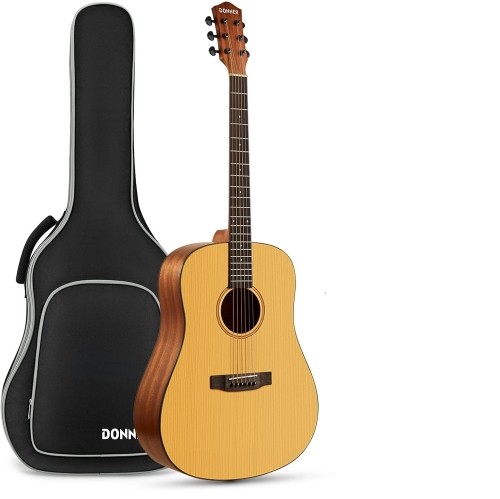
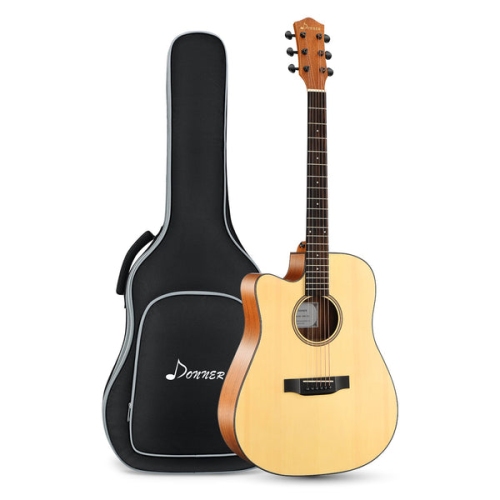
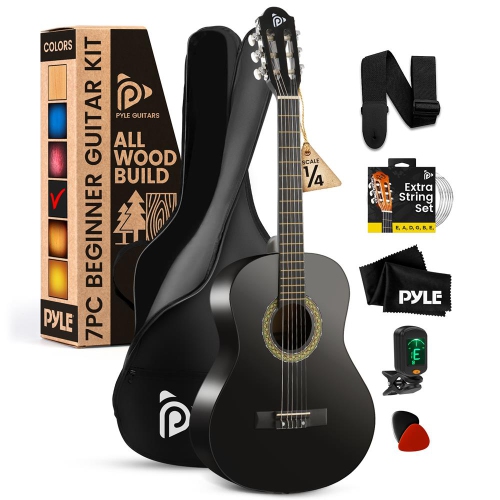
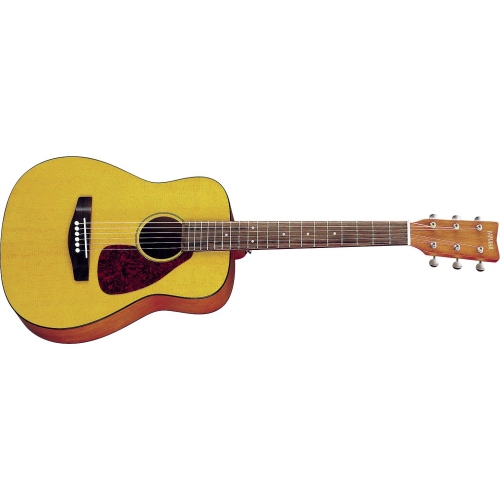
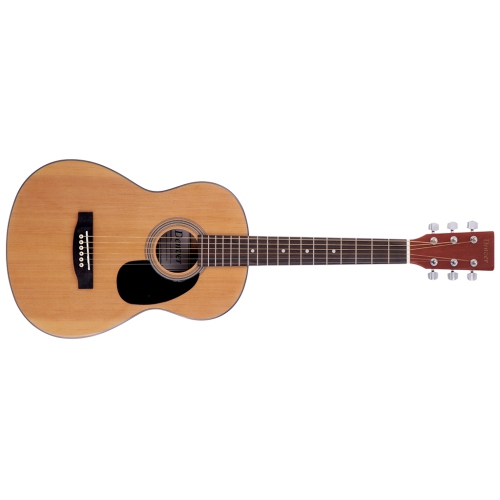
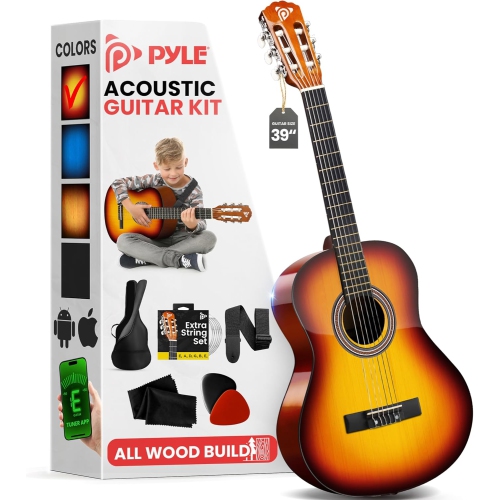
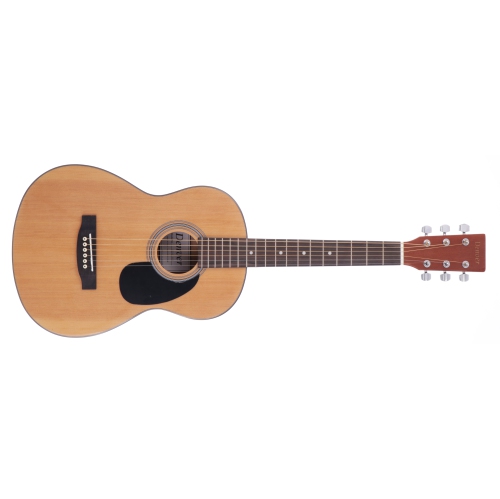

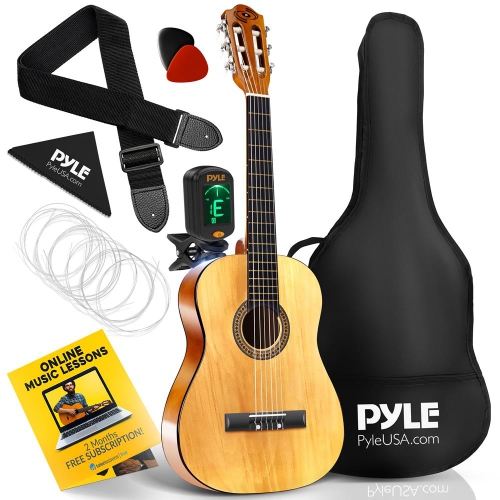
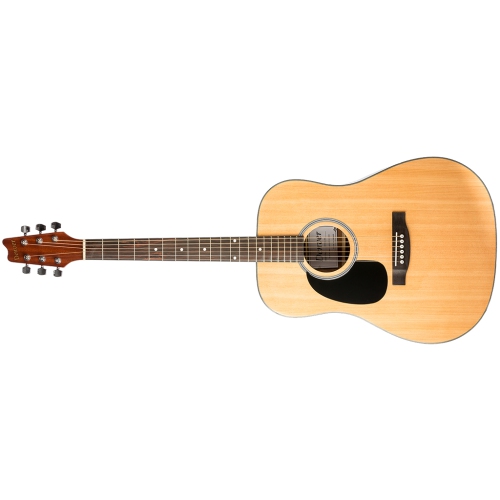
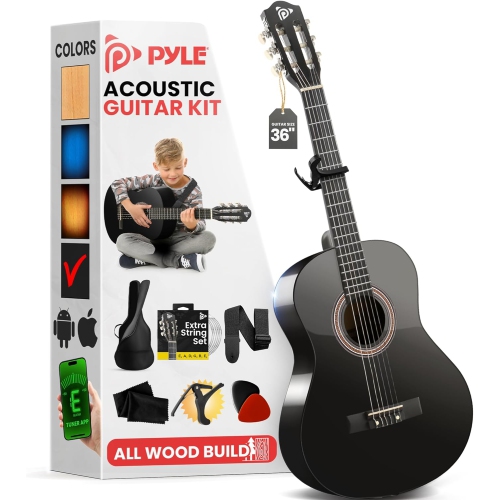
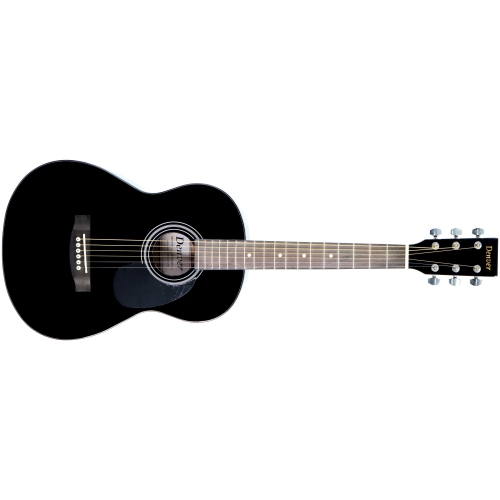
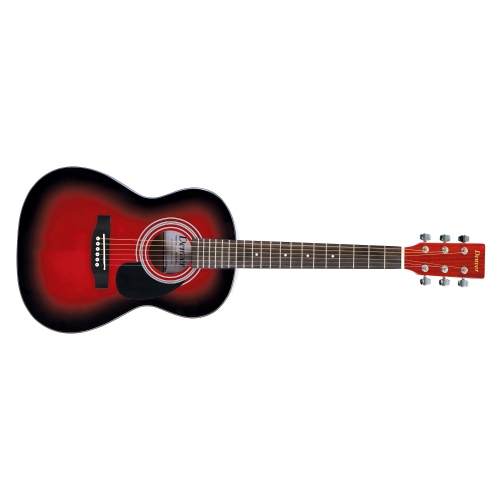
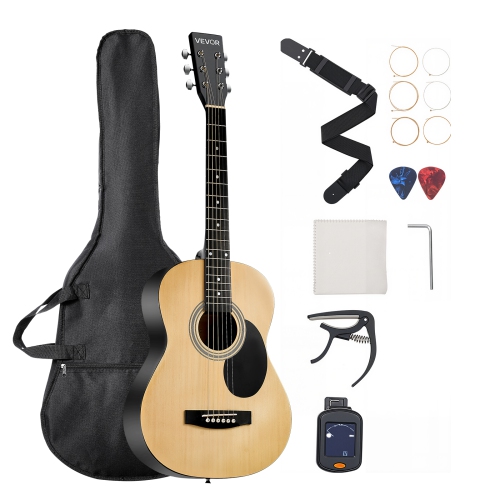
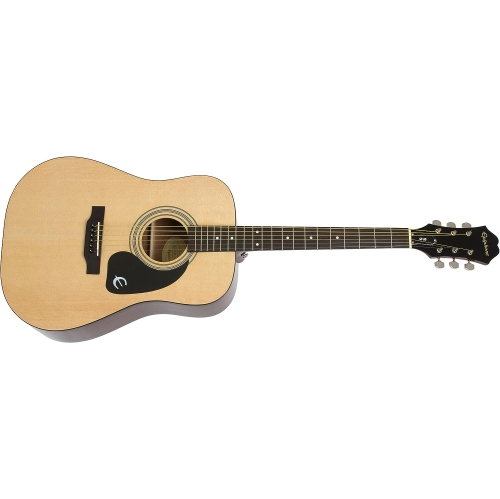
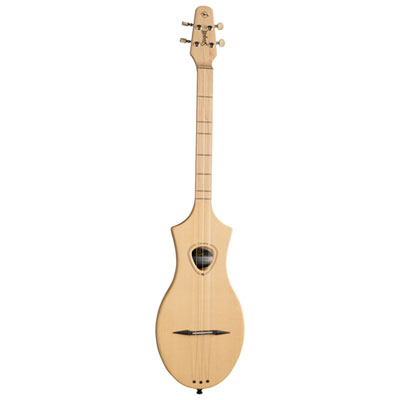
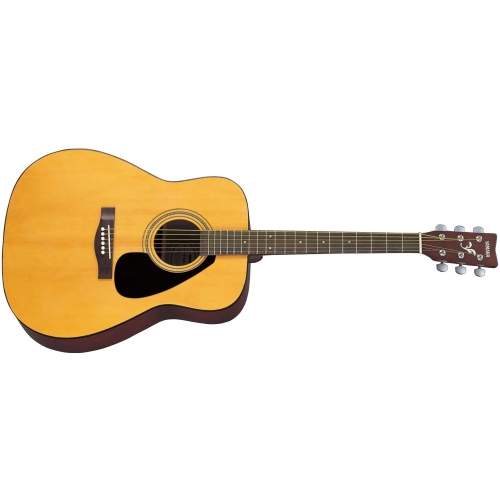
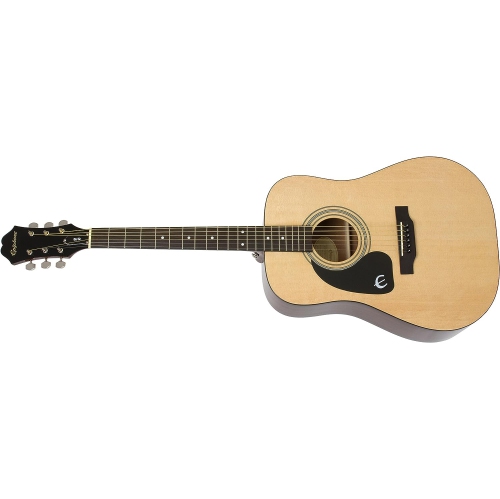
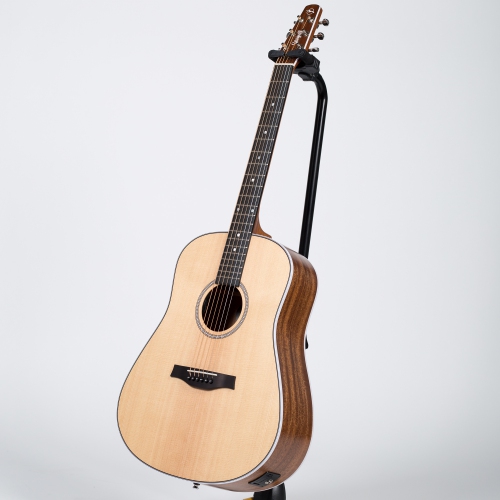
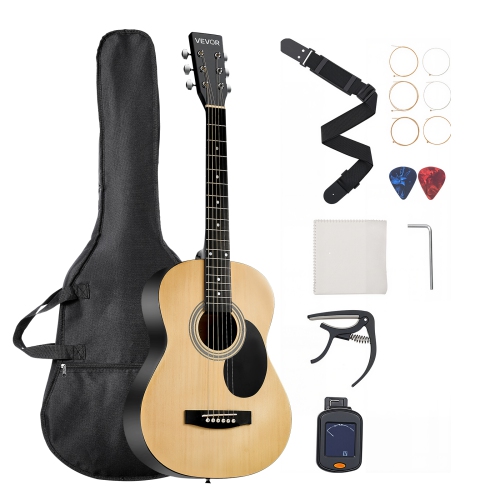
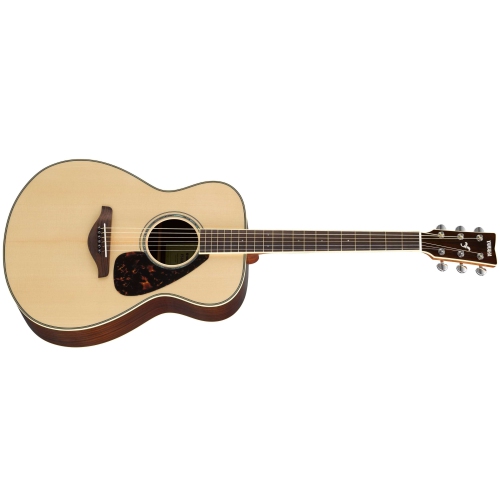
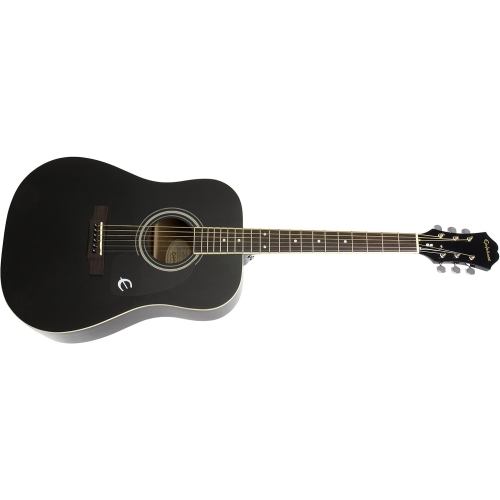
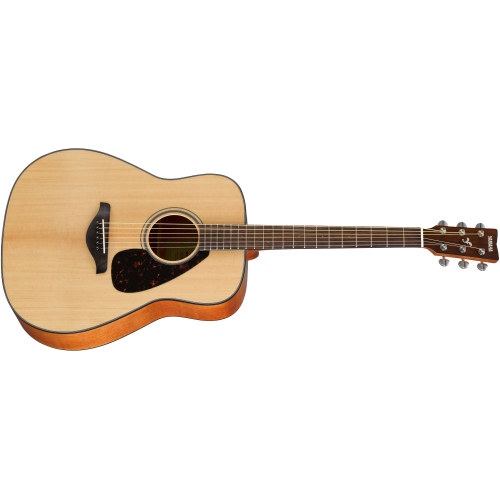
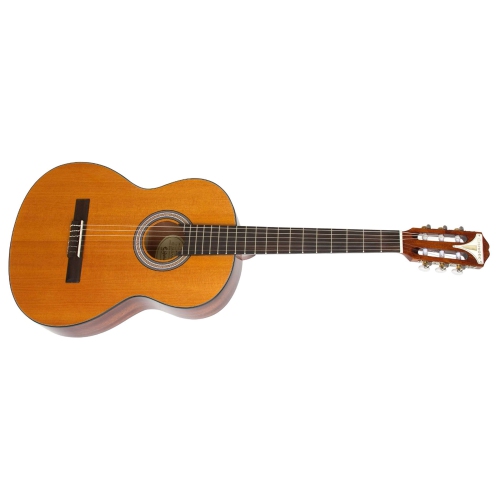
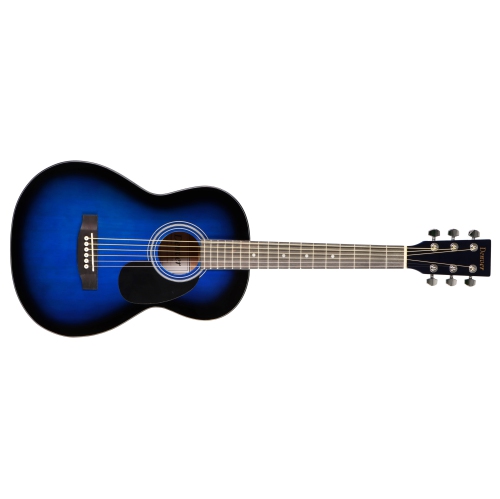
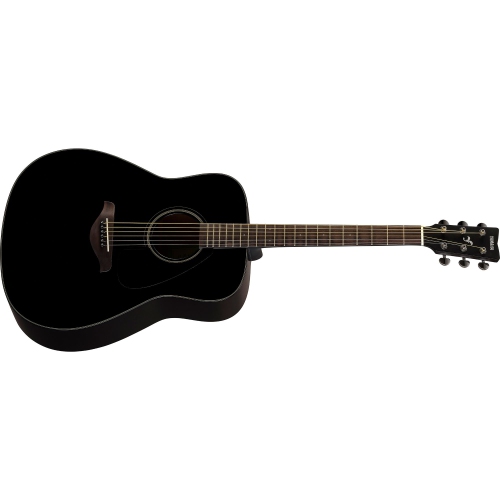
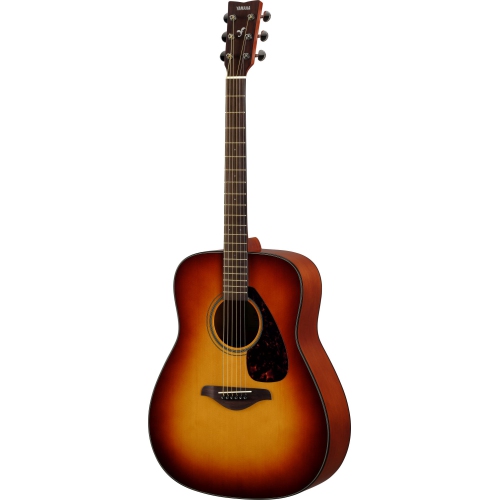
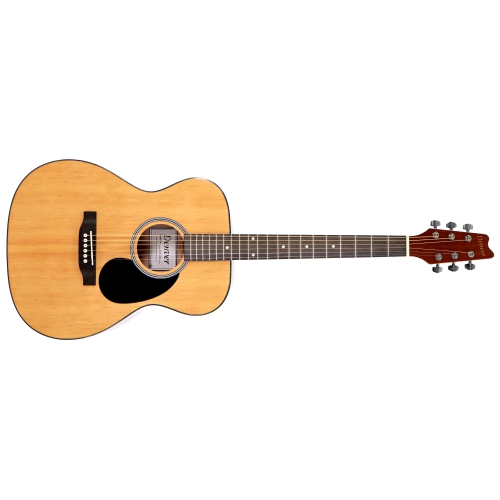
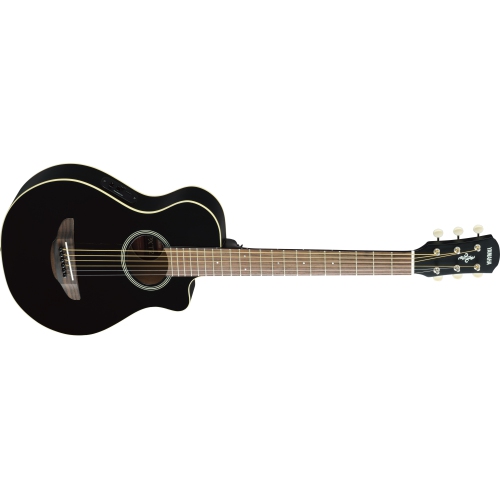
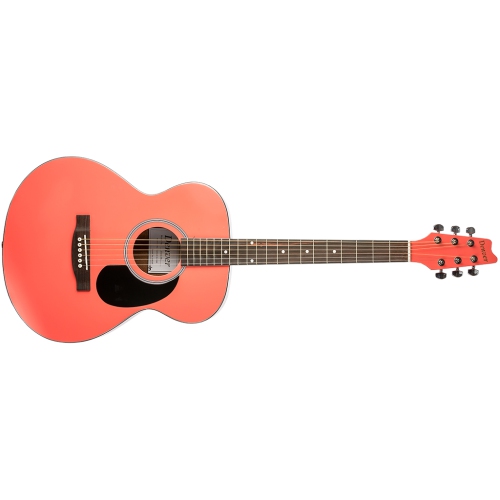
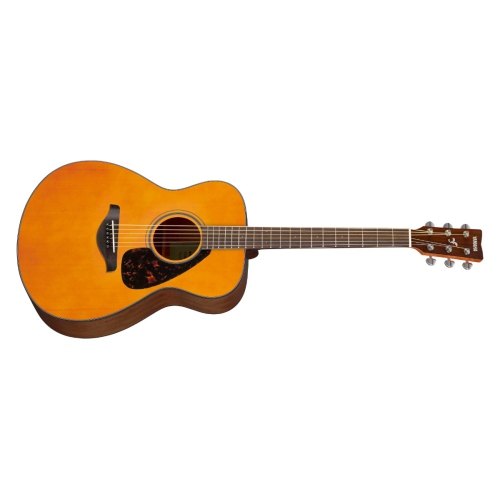
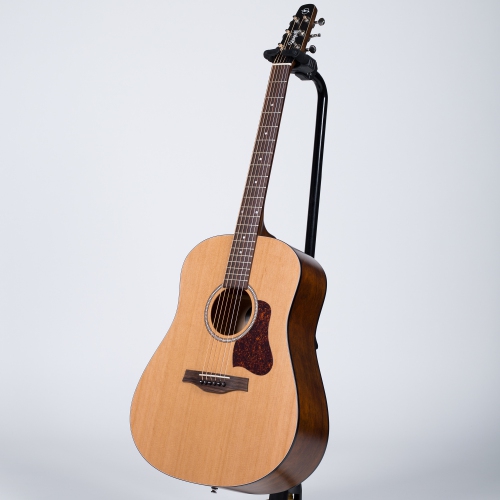
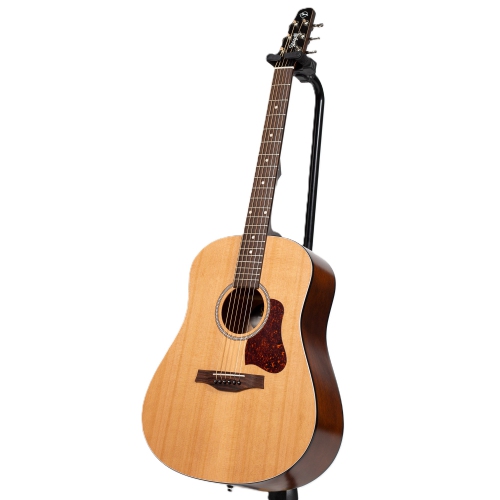
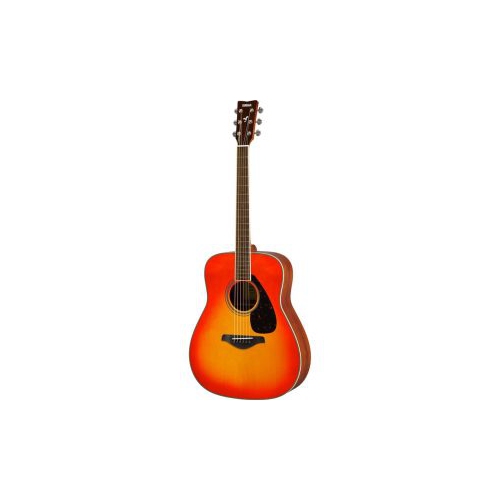
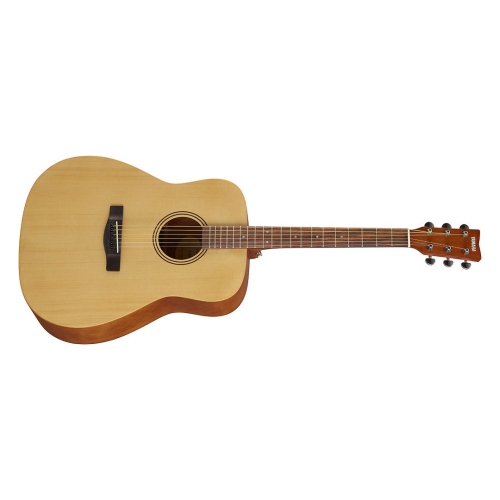
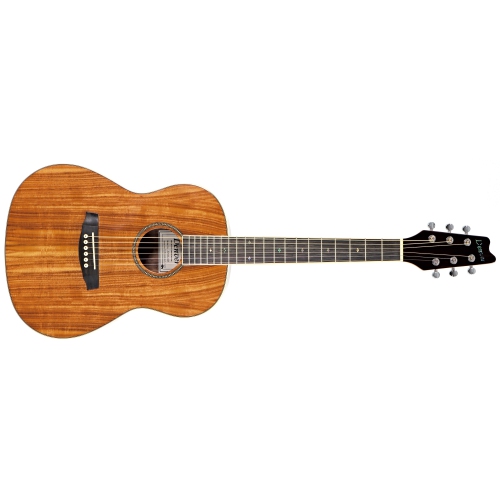
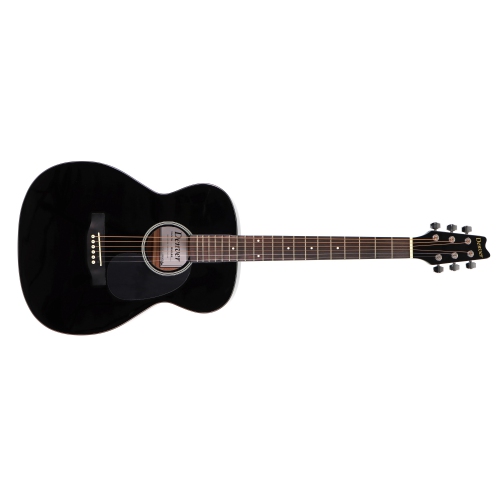
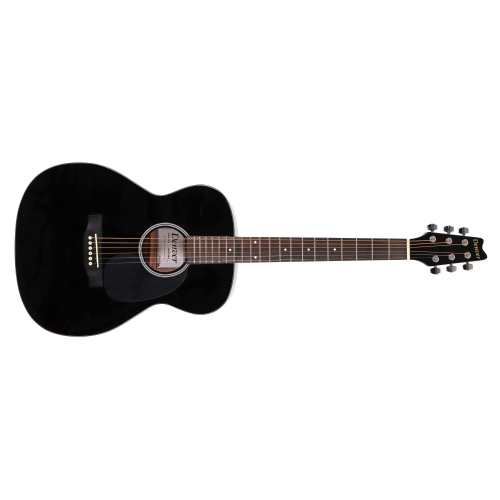
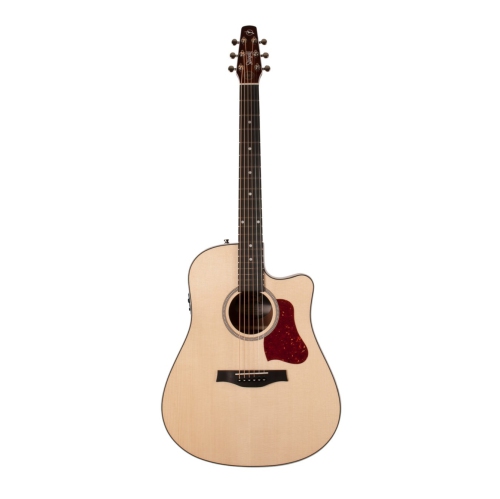
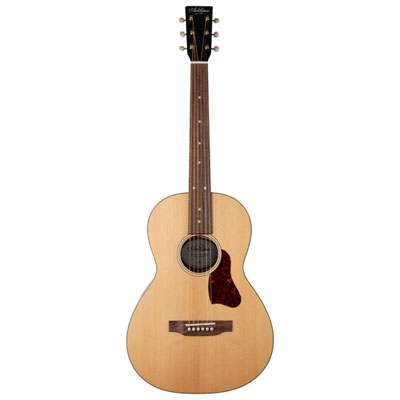
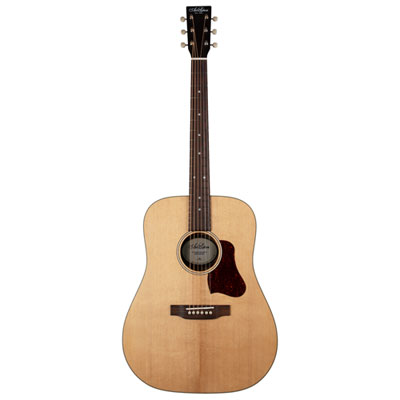
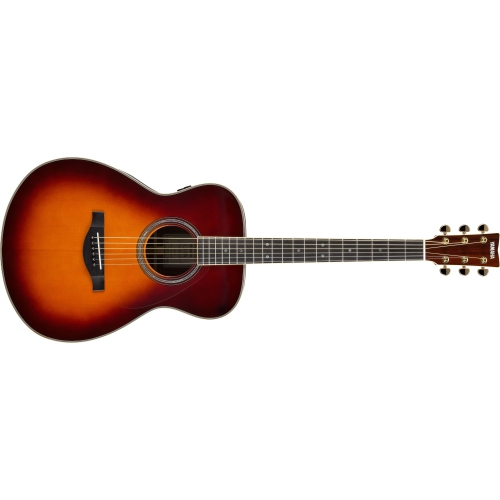
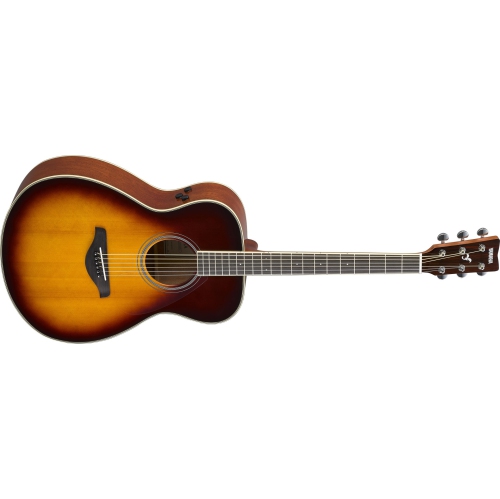
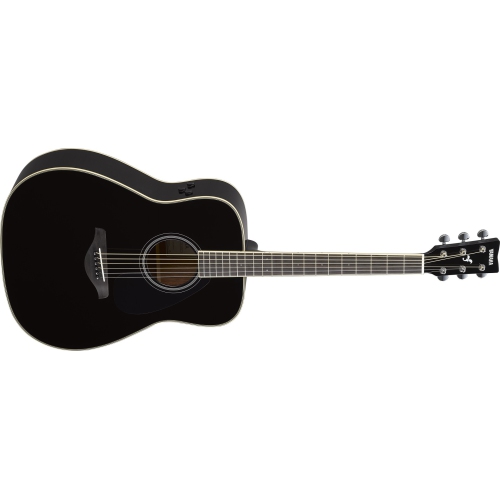
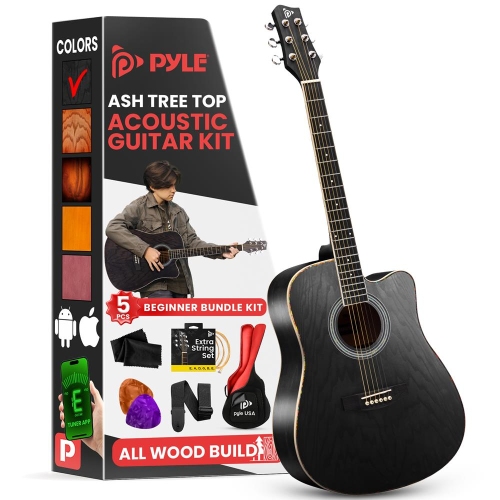
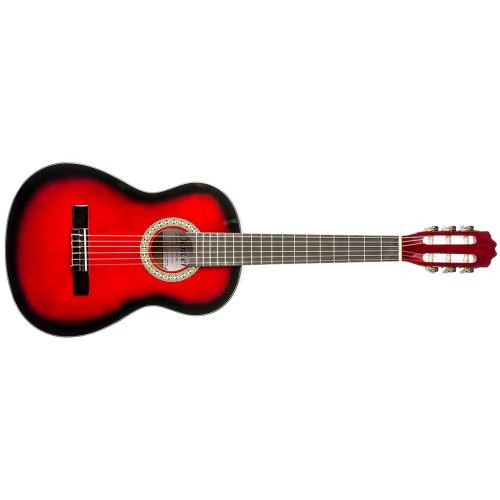
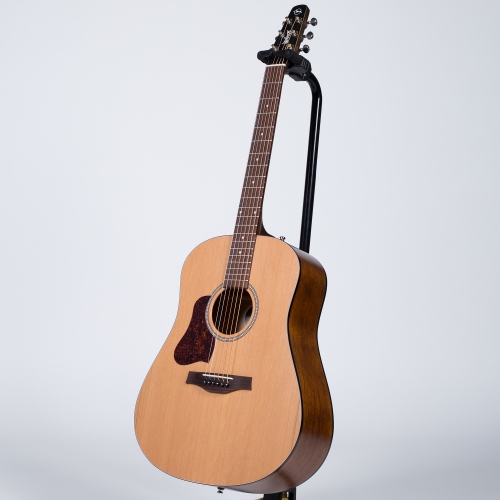
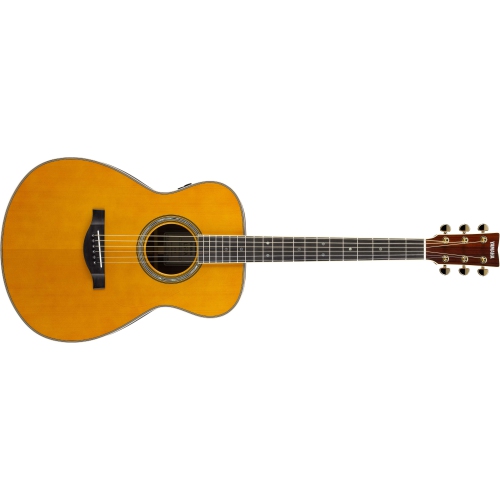
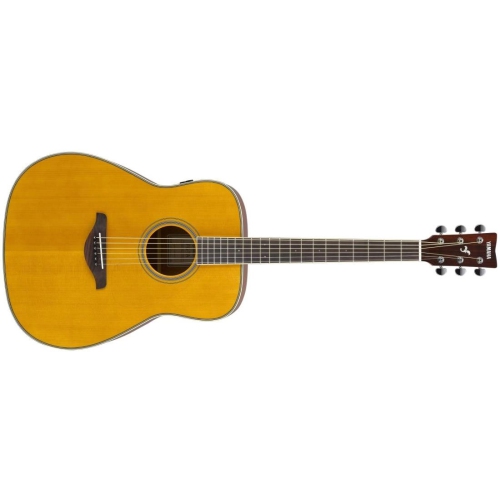
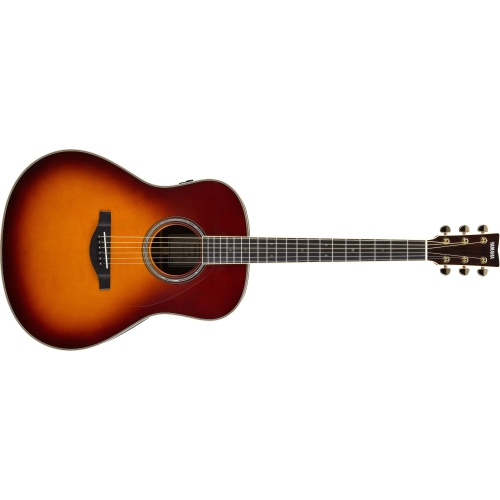
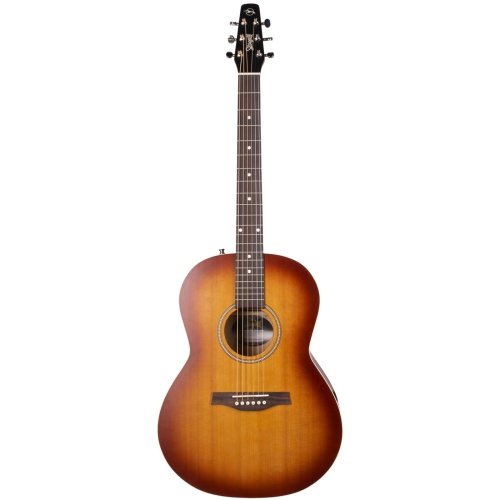
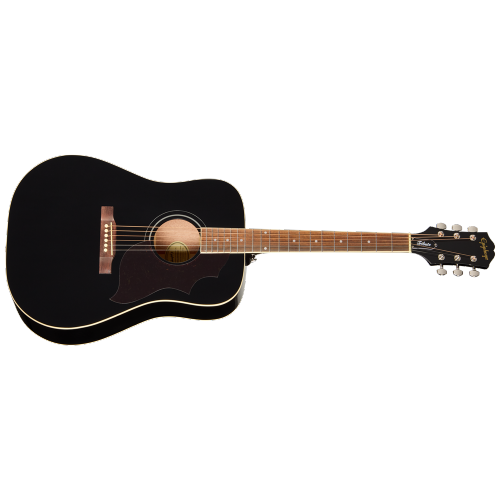
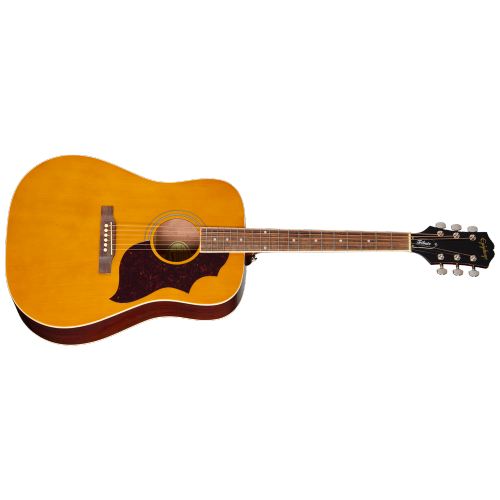

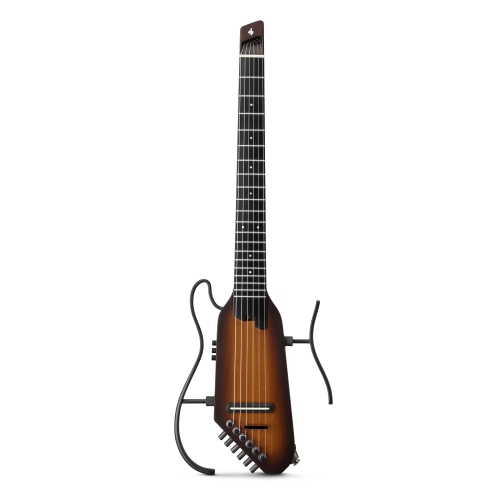

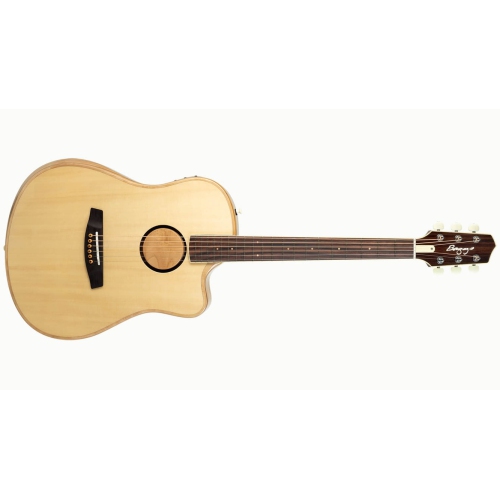

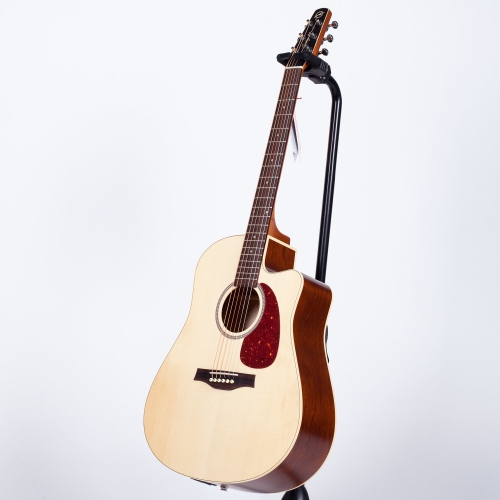
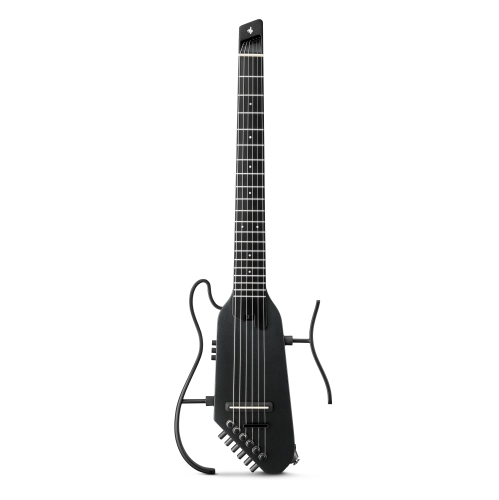
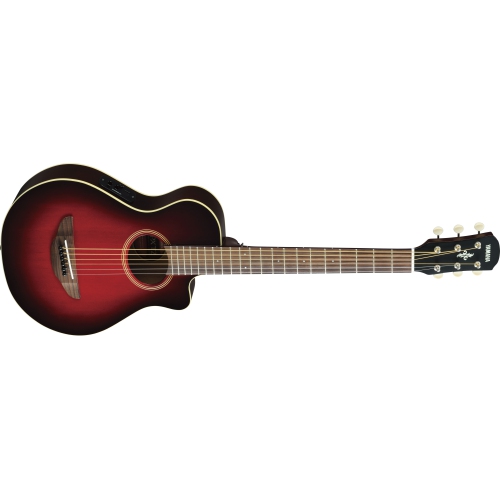
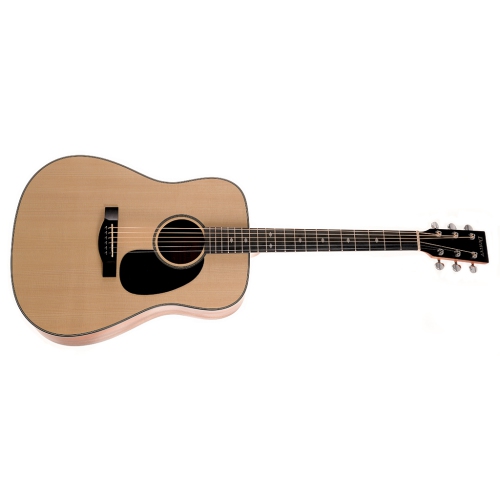
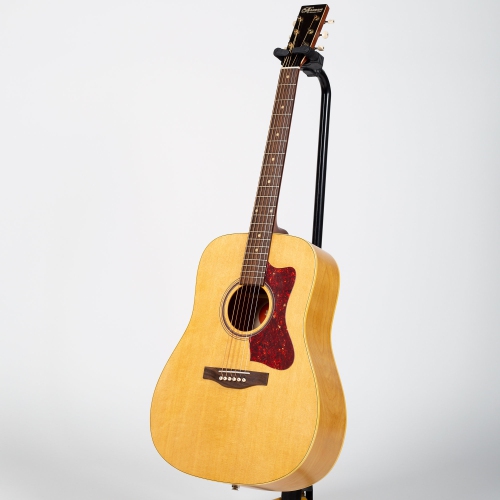
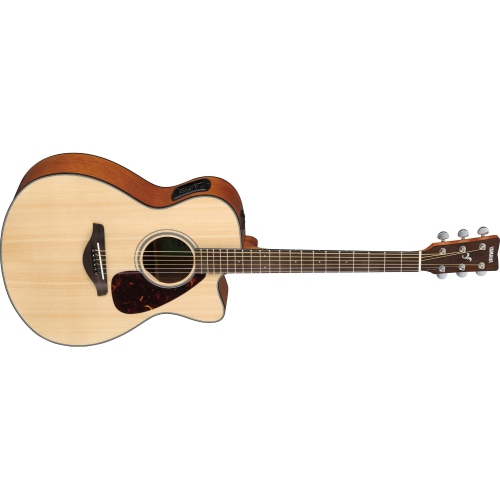
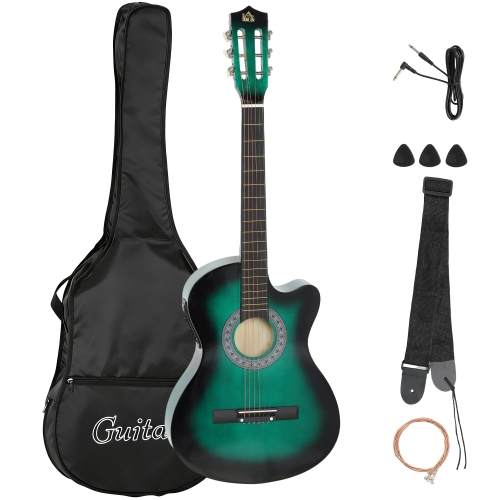
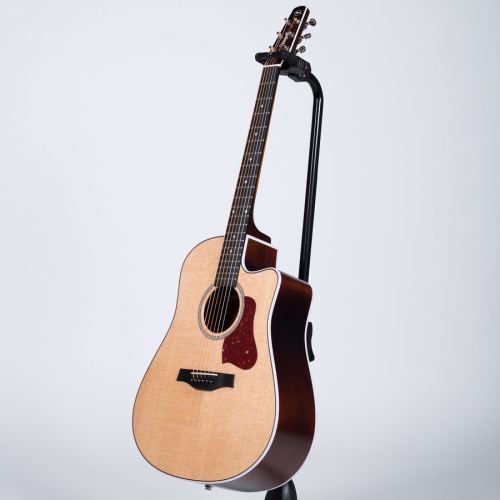
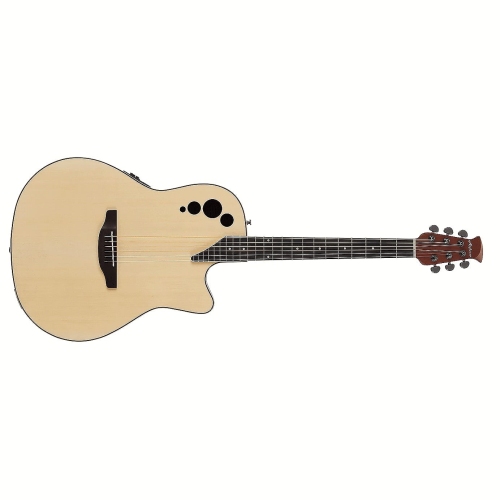
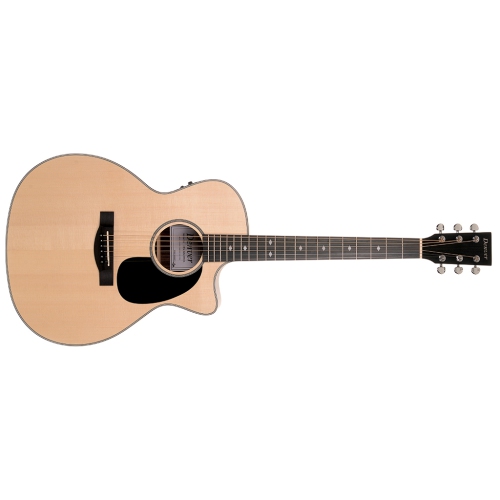
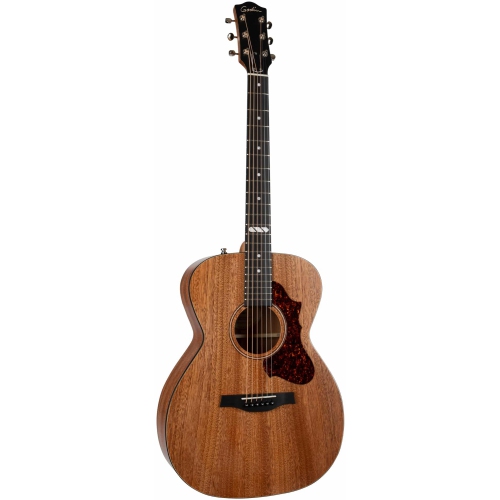
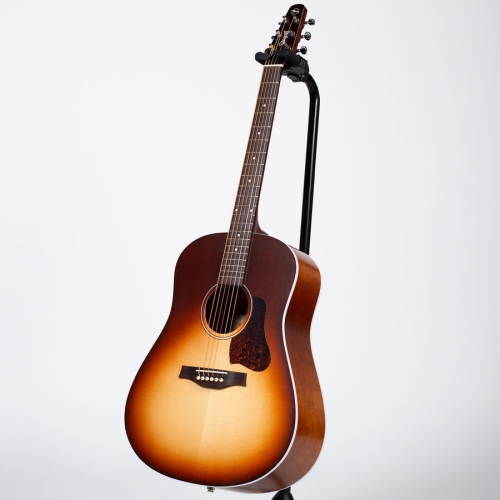
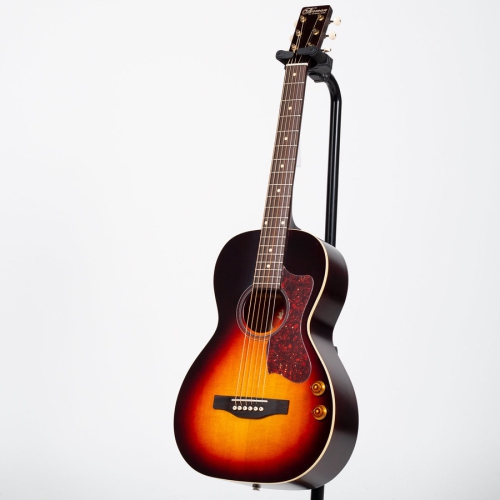
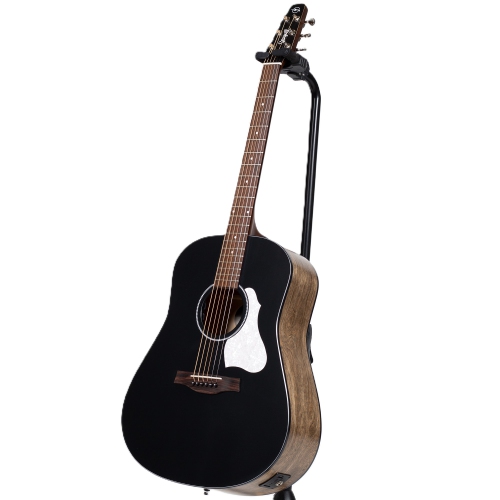
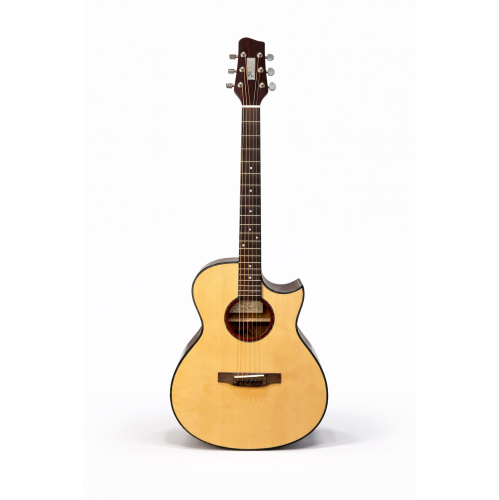
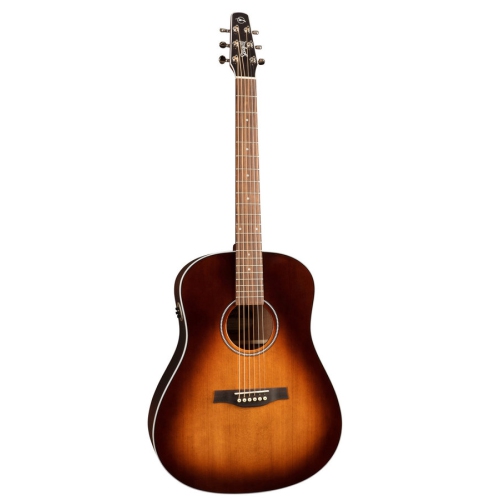
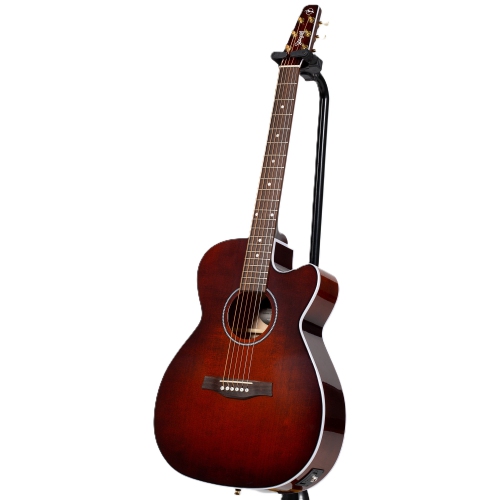
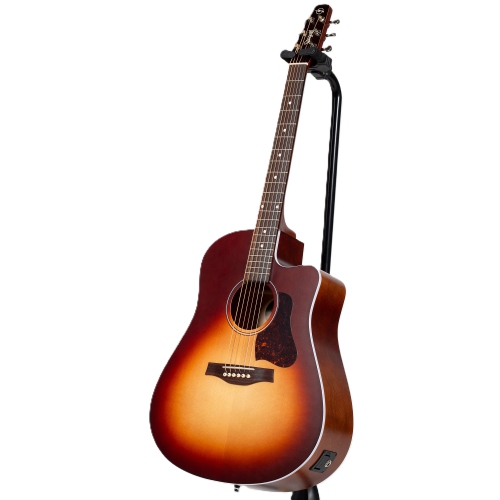

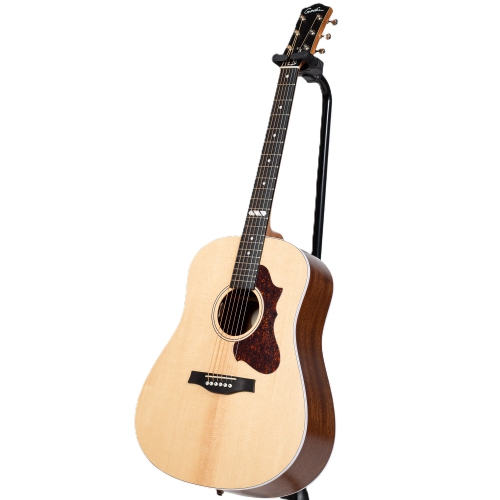

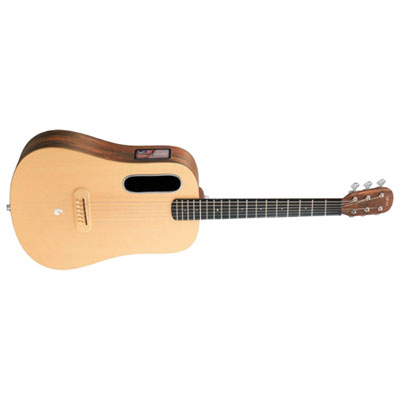
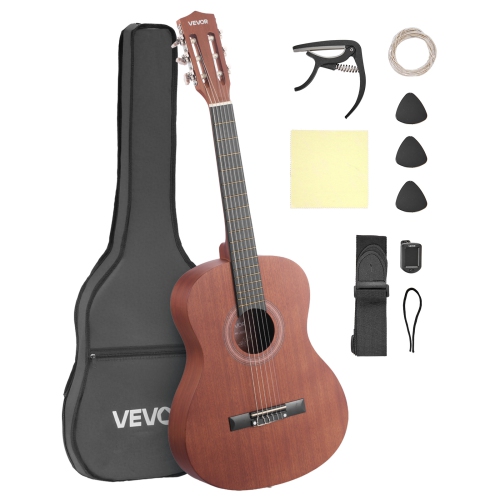
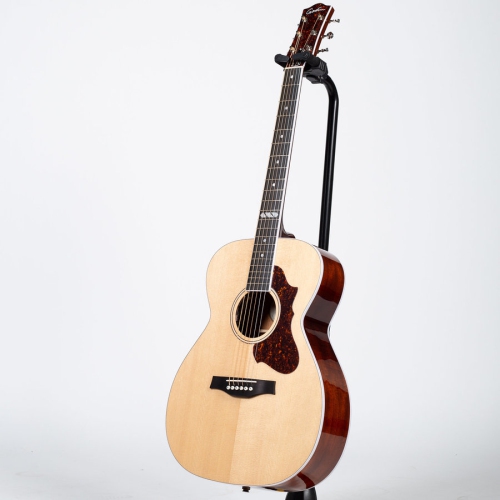
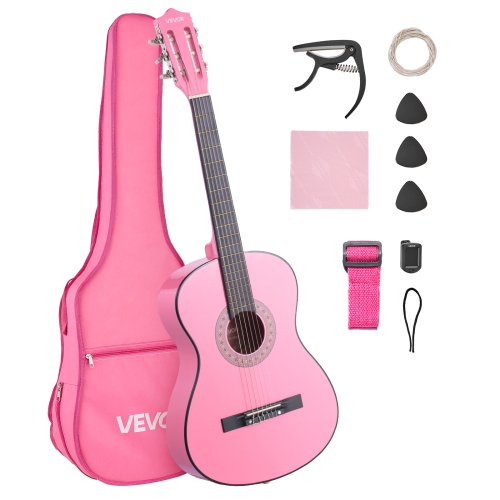
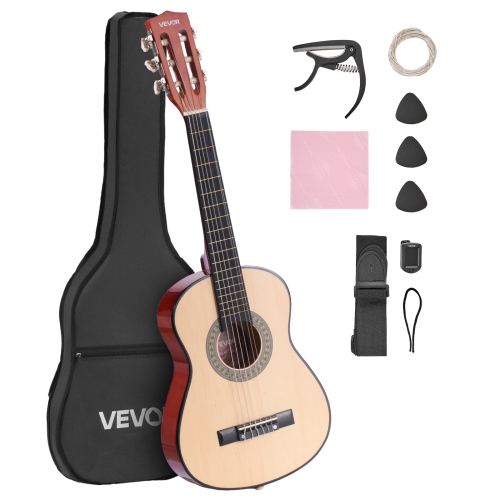

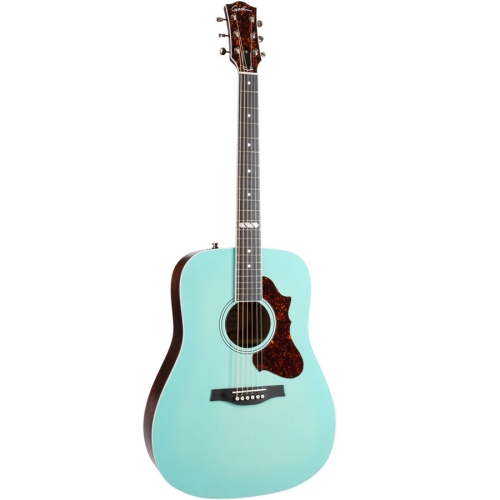
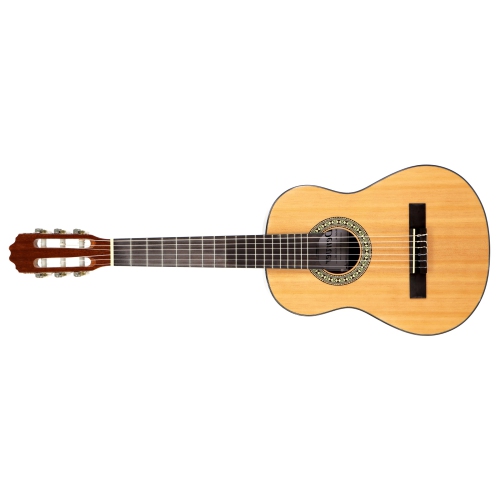
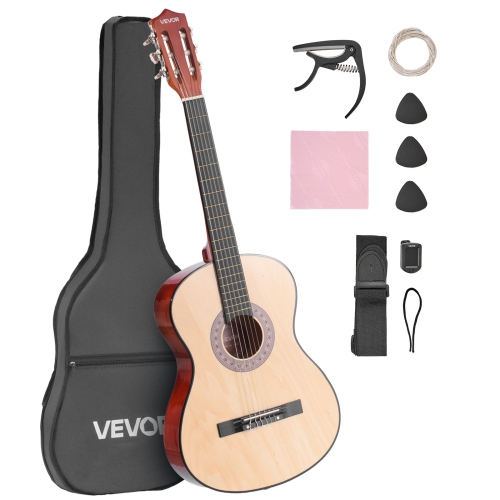
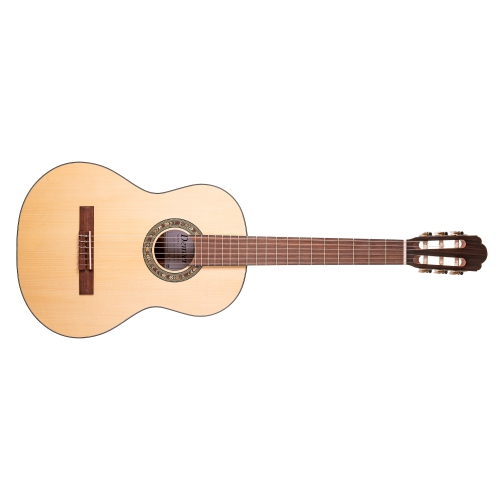
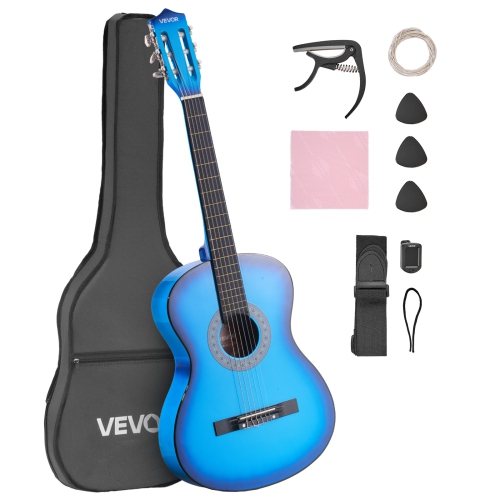
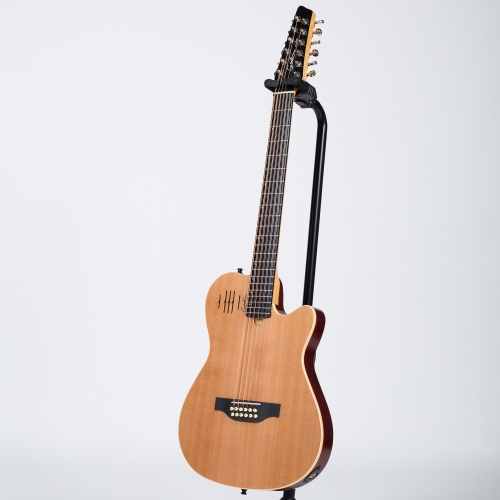
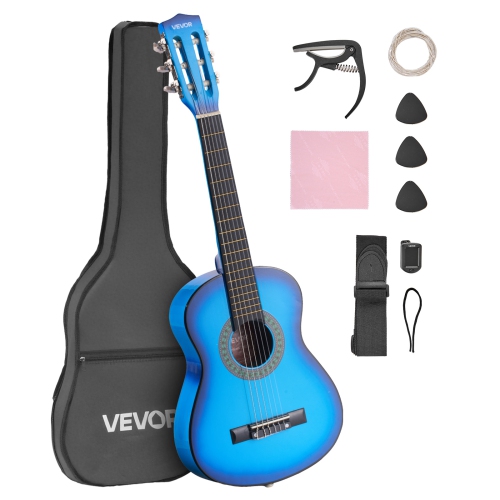
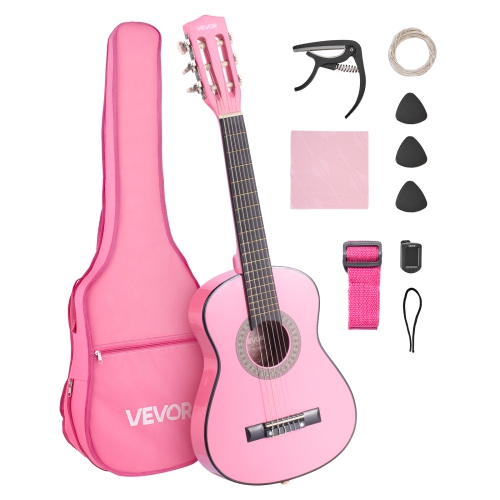
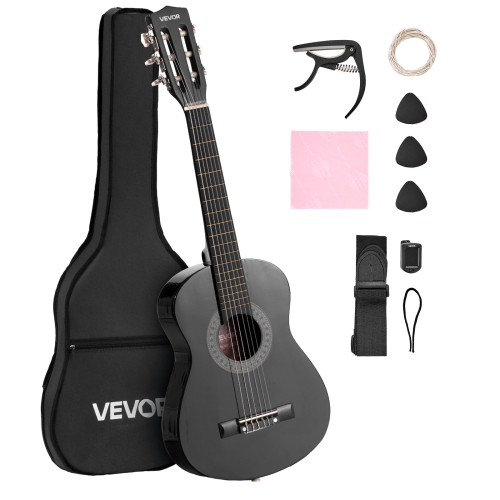
What makes a first guitar comfortable and encouraging to play
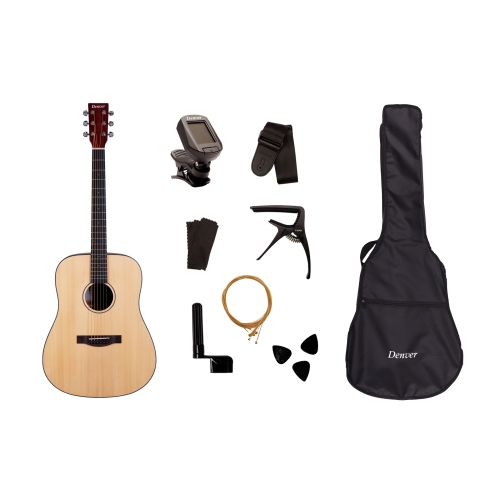
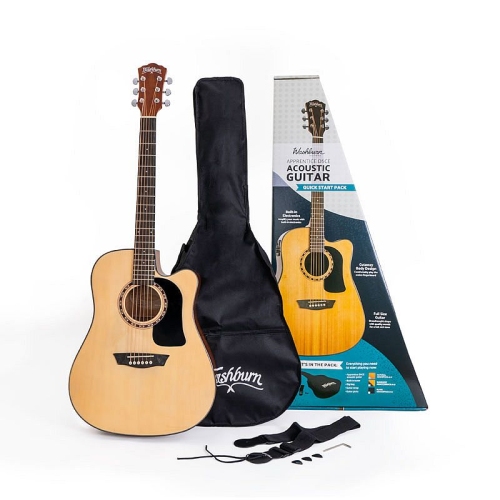
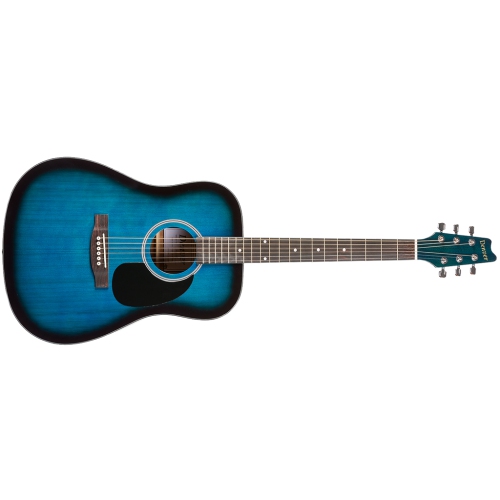
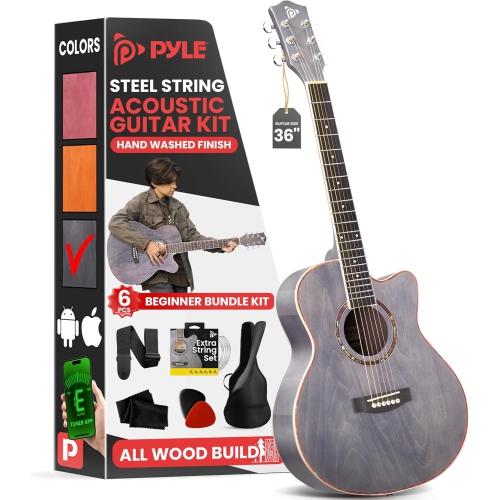
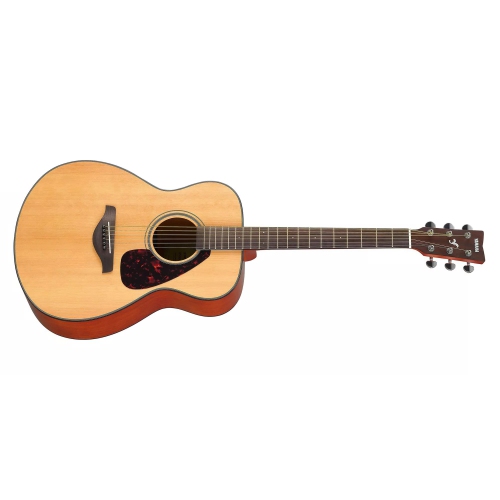
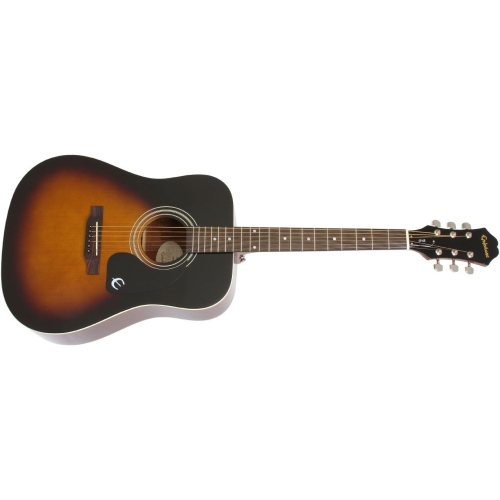
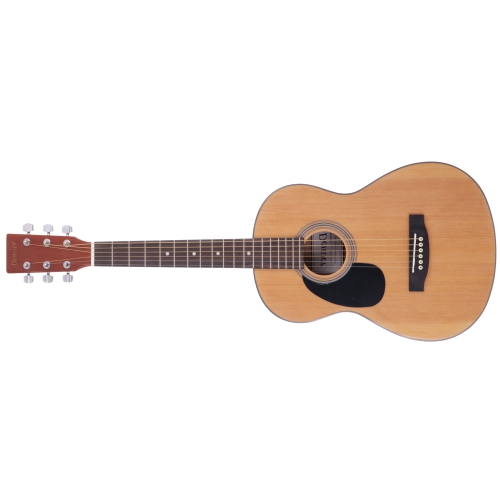
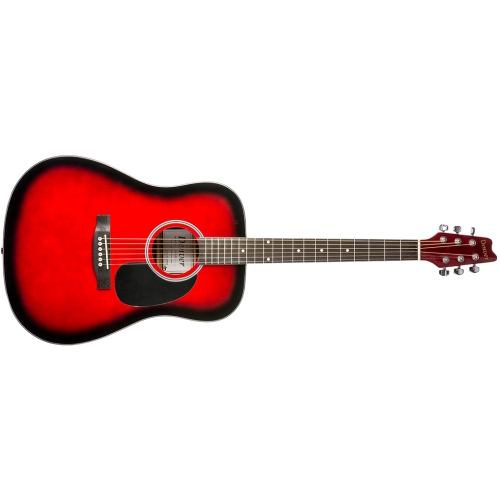
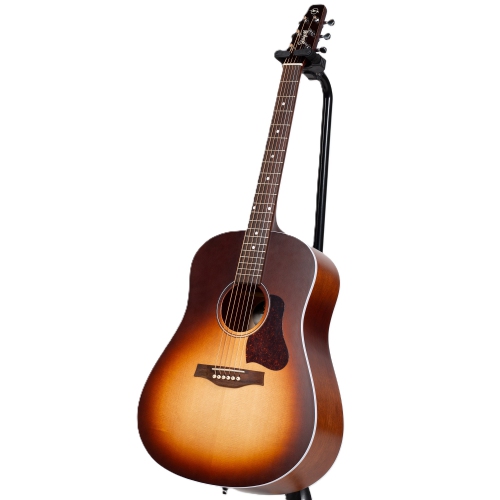
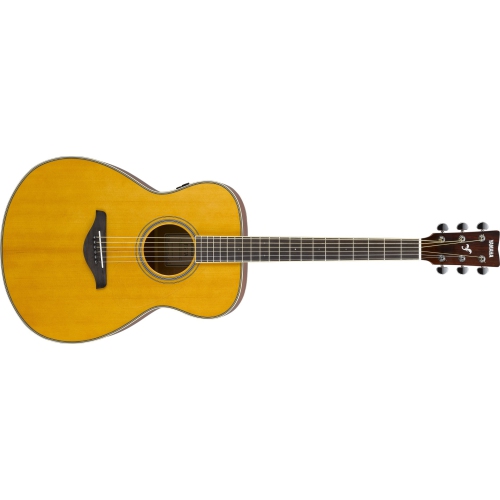
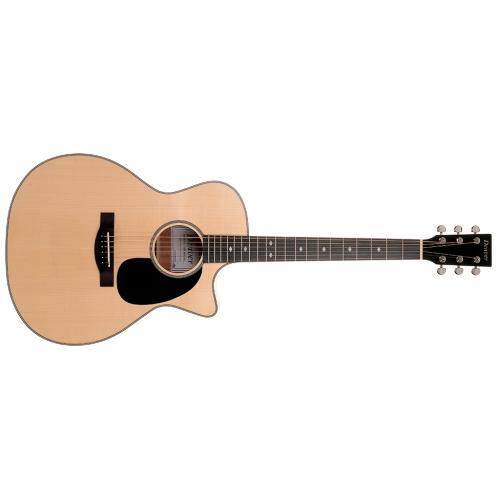
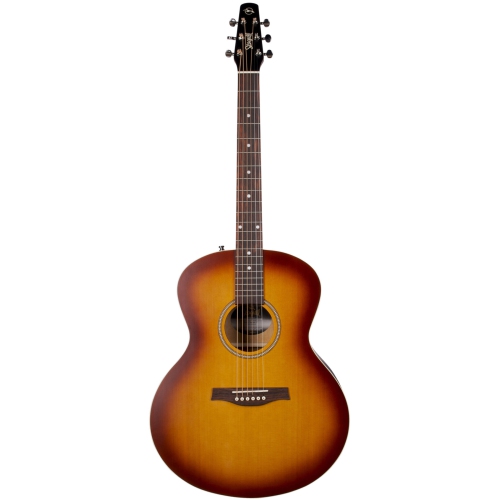
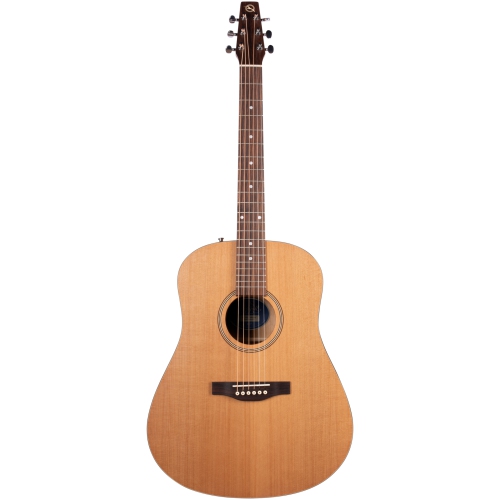
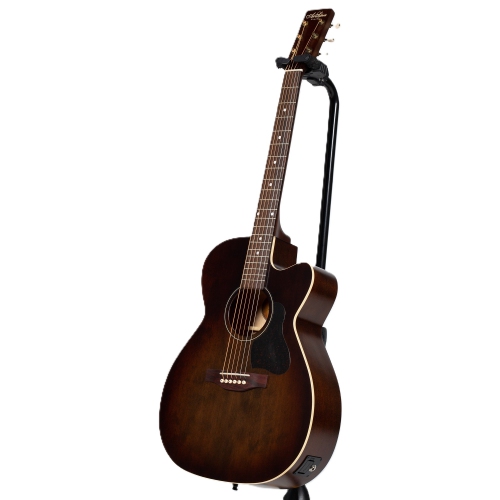
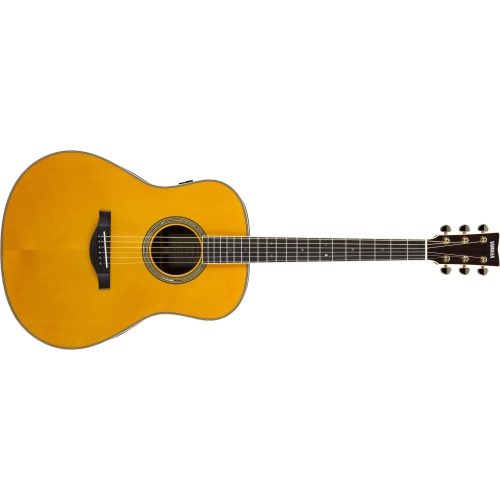
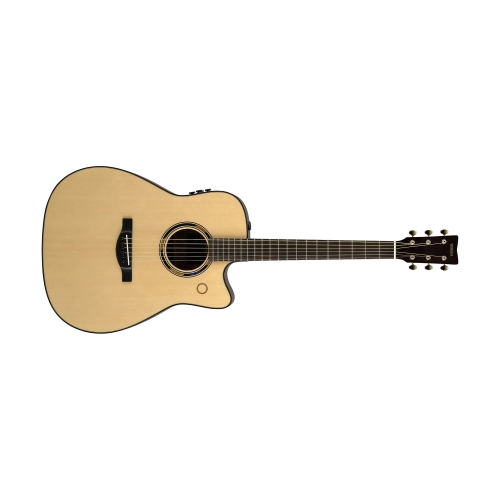
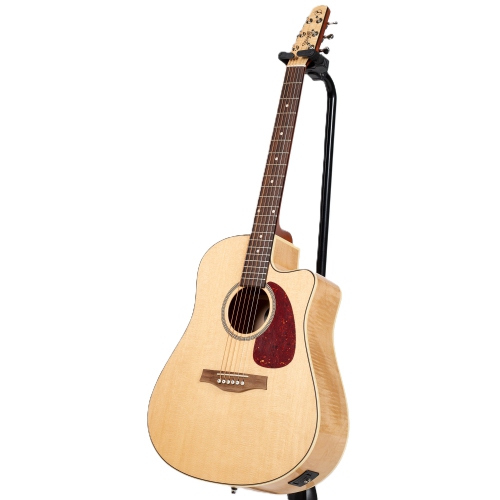
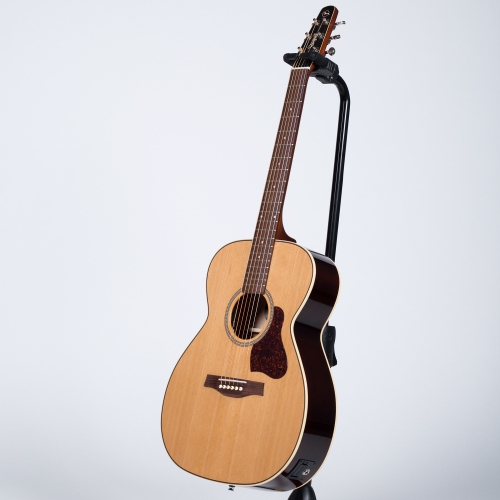
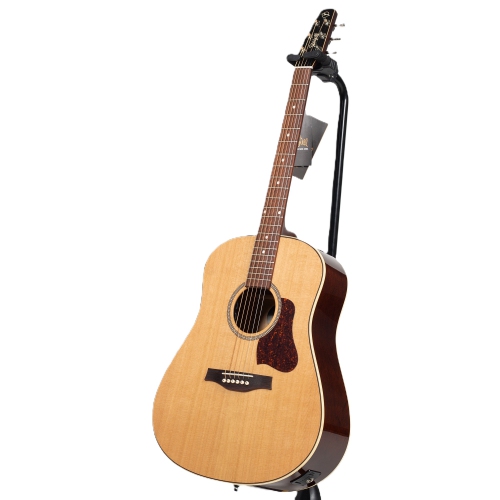
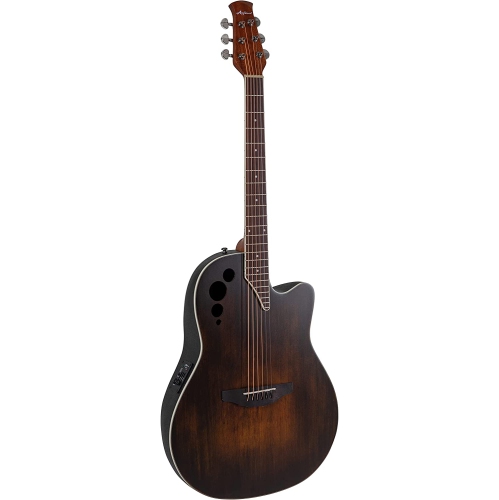
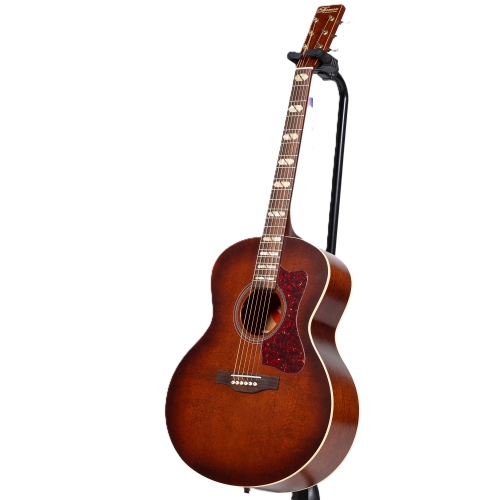
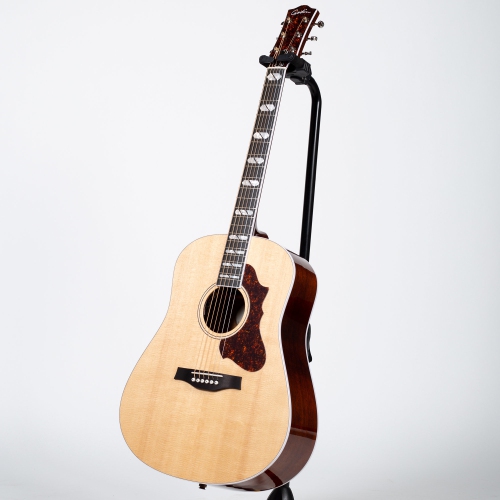
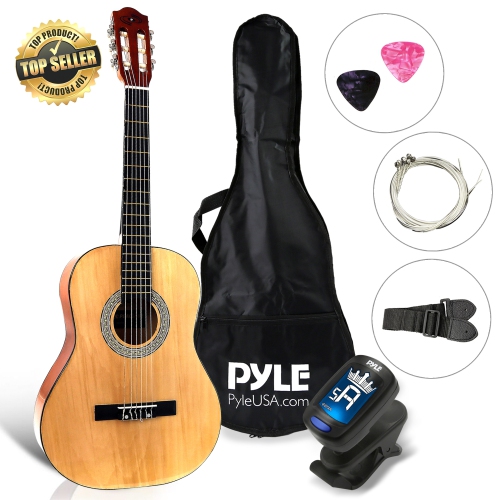
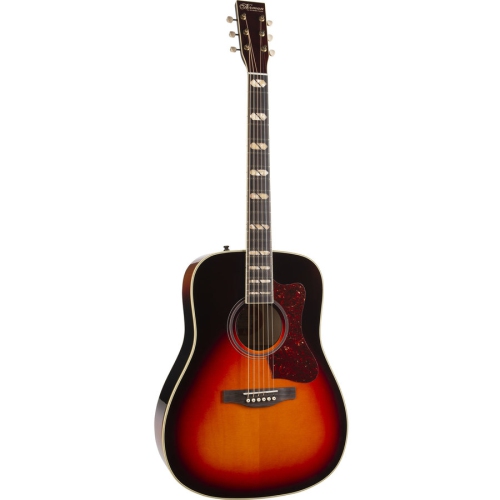
Choosing an acoustic guitar for a beginner is about finding an instrument that feels comfortable, stays in tune and encourages regular practice. A well-chosen first guitar should make it easier to form chords, strum steadily and enjoy the natural warmth of an unplugged performance. Full-size acoustic guitars are a versatile choice for teens and adults, offering a familiar balance of volume, resonance and playing space for folk, pop, country and many other styles. Smaller-bodied guitars can be a better fit for children, younger players, petite musicians or anyone who wants an instrument that is easy to carry to lessons, gatherings or a cottage. Body shape also affects comfort and sound: a dreadnought-style body typically produces a strong, full tone, while concert and orchestra shapes may feel easier to hold and can offer a more balanced response. When comparing acoustic guitars for beginners, pay attention to the neck profile, the width of the fretboard and the distance between the strings and frets. A neck that feels comfortable in the hand can make the first chords less frustrating, while reasonable string height, often called action, can make notes easier to press. A local music shop can check or adjust the setup if the strings feel unusually difficult to fret. The top wood and overall construction influence the guitar’s character, too. Spruce is a popular choice for a clear, lively sound that can become richer as the instrument is played, while other tonewoods may provide a warmer or more rounded response. For a first instrument, playability and tuning stability are usually more important than choosing the most elaborate materials or features. Beginners benefit from a guitar that responds predictably, sounds pleasant during simple strumming and feels inviting enough to pick up for a few minutes each day. Explore Beginner Guitars to compare styles and find an instrument suited to a new player’s comfort, musical interests and available space.
String choice is another important consideration. Steel-string acoustic guitars are common for folk, rock, country and popular music, with a bright, projecting sound that works well for strumming and simple picking patterns. They can feel firm on unaccustomed fingertips, so mild soreness during the first couple of weeks is normal for many new players. Short, relaxed practice sessions allow fingertips to gradually become more comfortable without turning learning into an unpleasant experience. Nylon-string guitars have softer-feeling strings and wider necks, making them appealing to players interested in classical, flamenco or gentle fingerstyle music. They may also suit someone who prefers a softer touch, although the wider fretboard can require a little more reach. Whichever style is selected, a clip-on digital tuner is a useful companion because accurate tuning helps chords sound pleasant and trains the ear to recognize pitch. A strap can provide added stability while playing standing up, and picks in a few thicknesses let a beginner discover whether a softer or firmer feel works best. A spare set of the correct strings, a padded gig bag and a simple guitar stand can round out a practical starter setup. These accessories can be especially helpful when an acoustic guitar is given as a birthday, graduation or holiday gift, since the recipient can begin playing without having to gather every essential item separately. A beginner guitar can suit a wide range of people: a child discovering music at home, a teenager learning familiar songs with friends, an adult returning to an old interest or a first-time musician looking for a creative activity during the cooler months. It is also a thoughtful choice for someone who enjoys singing, writing lyrics or bringing music to a campfire, living room or informal gathering. Before purchasing, consider the player’s height, hand size, preferred genres and where the instrument will be stored. A guitar that is visible, safely supported and easy to reach is more likely to become part of a comfortable daily routine.
Learning acoustic guitar rewards patience and consistency more than long, demanding practice sessions. Beginning with five or ten minutes of chord shapes, gentle strumming and tuning can build useful habits without overwhelming a new player. Fingertip soreness should ease with regular breaks, and pressing harder than necessary can make playing more difficult, so a relaxed hand position is worth developing from the outset. Early lessons often focus on foundational chords, changing between two shapes smoothly and keeping a steady rhythm before introducing more complex techniques. A metronome app or simple counting can help with timing, while beginner-friendly songbooks, lessons and instructional videos can provide structure between practice sessions. It is normal for the first few attempts to sound uneven; clean chord changes usually arrive gradually as the fingers learn where to move. Keeping the guitar properly tuned, wiping dust from the strings after playing and storing it away from extreme heat, cold or sudden humidity changes can help maintain a consistent playing experience. New players should also check that the tuning machines turn smoothly and that the bridge, nut and frets appear secure. If buzzing, uncomfortable action or persistent tuning problems make practice discouraging, a professional setup may make a noticeable difference. The best acoustic guitar for a beginner is ultimately one that matches the player’s body, musical goals and willingness to practise, rather than simply the instrument with the most features. As the weather warms or indoor routines become more appealing during cooler months, an acoustic guitar can provide an accessible way to learn, unwind and share music with family and friends. With a comfortable fit, stable tuning and the right basic accessories, a first guitar can support progress from tentative open chords to confident strumming and personal songs.
String choice is another important consideration. Steel-string acoustic guitars are common for folk, rock, country and popular music, with a bright, projecting sound that works well for strumming and simple picking patterns. They can feel firm on unaccustomed fingertips, so mild soreness during the first couple of weeks is normal for many new players. Short, relaxed practice sessions allow fingertips to gradually become more comfortable without turning learning into an unpleasant experience. Nylon-string guitars have softer-feeling strings and wider necks, making them appealing to players interested in classical, flamenco or gentle fingerstyle music. They may also suit someone who prefers a softer touch, although the wider fretboard can require a little more reach. Whichever style is selected, a clip-on digital tuner is a useful companion because accurate tuning helps chords sound pleasant and trains the ear to recognize pitch. A strap can provide added stability while playing standing up, and picks in a few thicknesses let a beginner discover whether a softer or firmer feel works best. A spare set of the correct strings, a padded gig bag and a simple guitar stand can round out a practical starter setup. These accessories can be especially helpful when an acoustic guitar is given as a birthday, graduation or holiday gift, since the recipient can begin playing without having to gather every essential item separately. A beginner guitar can suit a wide range of people: a child discovering music at home, a teenager learning familiar songs with friends, an adult returning to an old interest or a first-time musician looking for a creative activity during the cooler months. It is also a thoughtful choice for someone who enjoys singing, writing lyrics or bringing music to a campfire, living room or informal gathering. Before purchasing, consider the player’s height, hand size, preferred genres and where the instrument will be stored. A guitar that is visible, safely supported and easy to reach is more likely to become part of a comfortable daily routine.
Learning acoustic guitar rewards patience and consistency more than long, demanding practice sessions. Beginning with five or ten minutes of chord shapes, gentle strumming and tuning can build useful habits without overwhelming a new player. Fingertip soreness should ease with regular breaks, and pressing harder than necessary can make playing more difficult, so a relaxed hand position is worth developing from the outset. Early lessons often focus on foundational chords, changing between two shapes smoothly and keeping a steady rhythm before introducing more complex techniques. A metronome app or simple counting can help with timing, while beginner-friendly songbooks, lessons and instructional videos can provide structure between practice sessions. It is normal for the first few attempts to sound uneven; clean chord changes usually arrive gradually as the fingers learn where to move. Keeping the guitar properly tuned, wiping dust from the strings after playing and storing it away from extreme heat, cold or sudden humidity changes can help maintain a consistent playing experience. New players should also check that the tuning machines turn smoothly and that the bridge, nut and frets appear secure. If buzzing, uncomfortable action or persistent tuning problems make practice discouraging, a professional setup may make a noticeable difference. The best acoustic guitar for a beginner is ultimately one that matches the player’s body, musical goals and willingness to practise, rather than simply the instrument with the most features. As the weather warms or indoor routines become more appealing during cooler months, an acoustic guitar can provide an accessible way to learn, unwind and share music with family and friends. With a comfortable fit, stable tuning and the right basic accessories, a first guitar can support progress from tentative open chords to confident strumming and personal songs.
Top selling and popular products
-
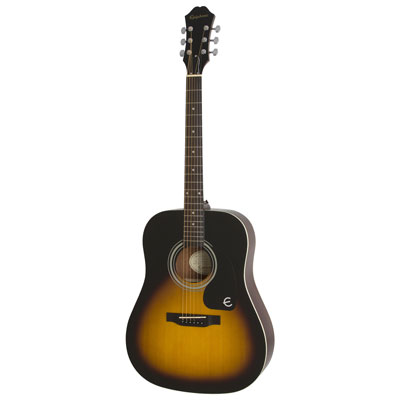 Your price for this item is $259.99
 -
 Your price for this item is $279.99
 -
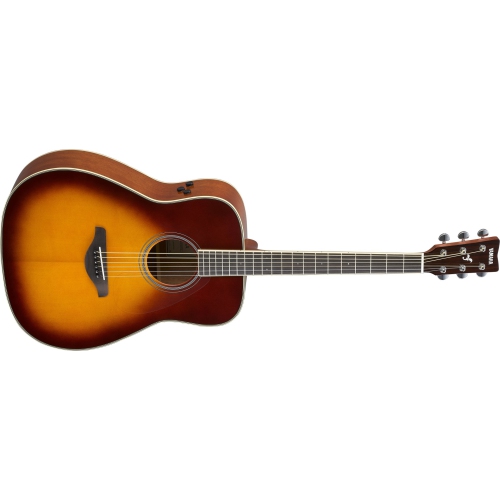 Your price for this item is $999.99
 -
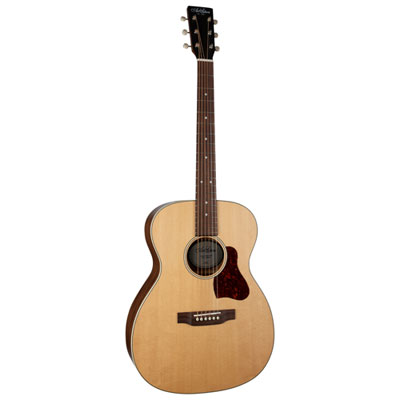 Your price for this item is $599.99
 -
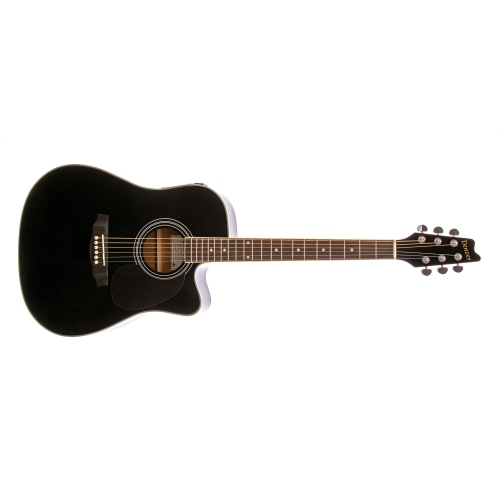 Your price for this item is $269.99
 -
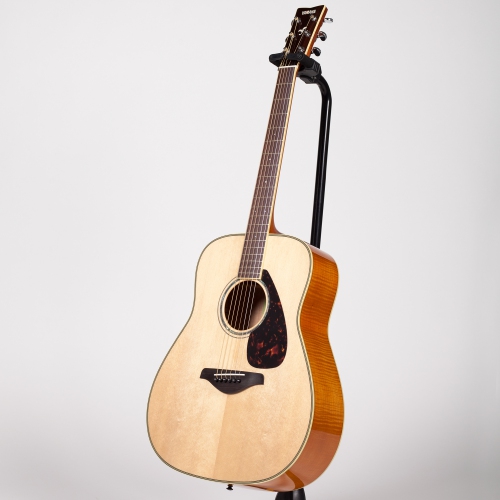 Your price for this item is $649.99
 -
 Your price for this item is $459.99
 -
 Your price for this item is $918.85
Discover more categories related to Acoustic Guitars for Beginners
Top Collections:
Pokemon Centers, Best Cameras for Sports Photography, Kindle Devices, Samsung Galaxy Phones, Canon G7X Cameras, Pokémon 30th Celebration Cards, Refurbished Apple Laptops, iPhone 15 Apple, Laptops for Students, Budget Smartphones
Some products may be subject to Environmental Handling Fees
(EHF) depending on your province.
Learn more about EHFs.