Beginner Digital Pianos
If you're looking to embark on your musical journey with a digital piano, look no further! These beginner digital pianos are designed to ignite your passion for music and provide you with the perfect platform to hone your skills. Whether you're a complete novice or have dabbled in piano playing before, our range of entry-level options offers exceptional quality, intuitive features, and affordability.
Sort
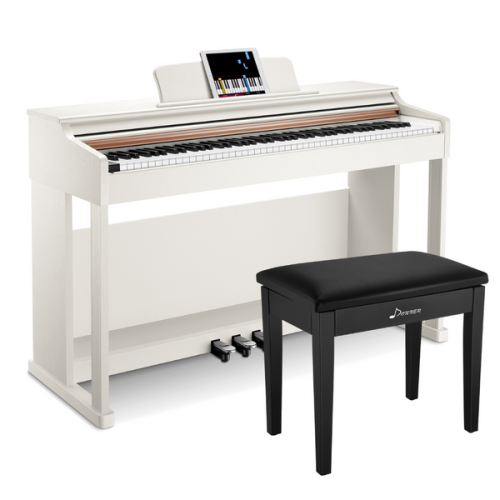
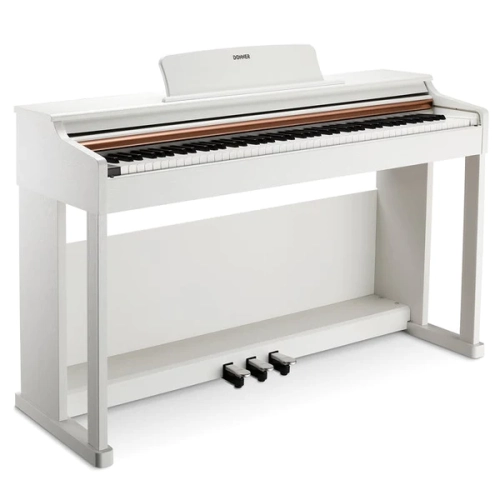
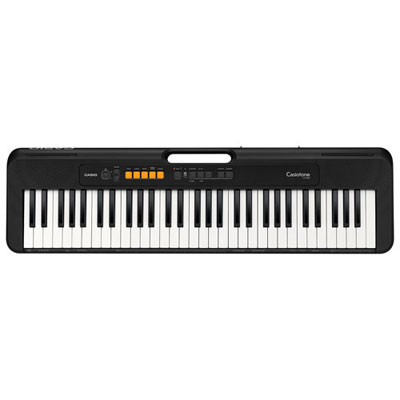
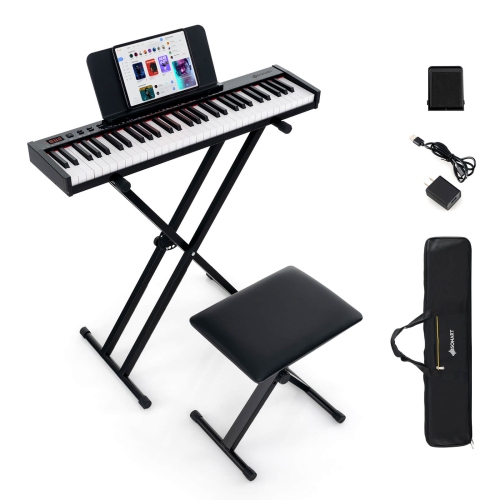
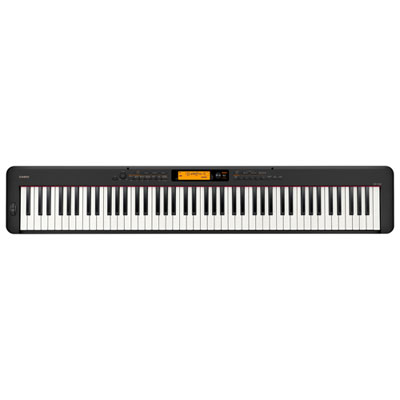
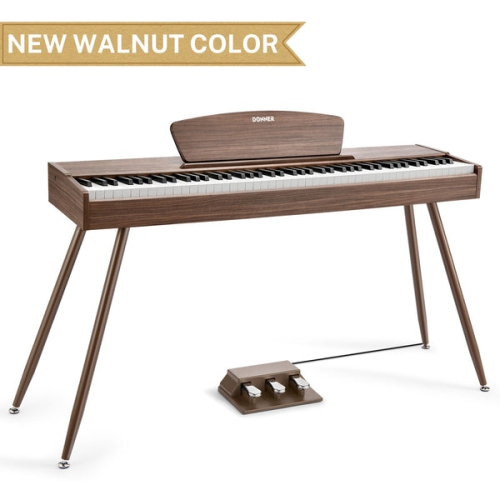
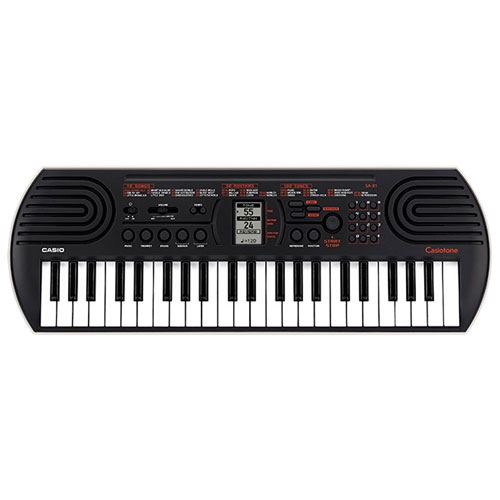
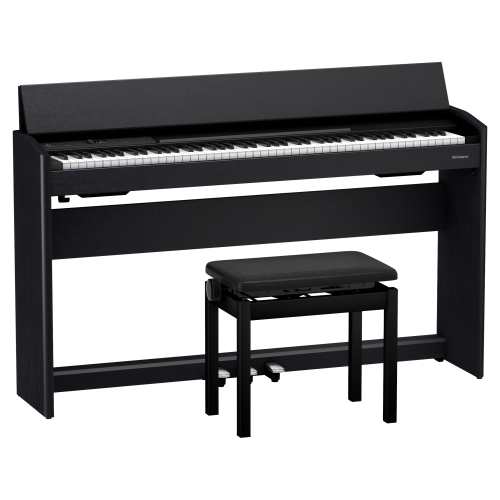

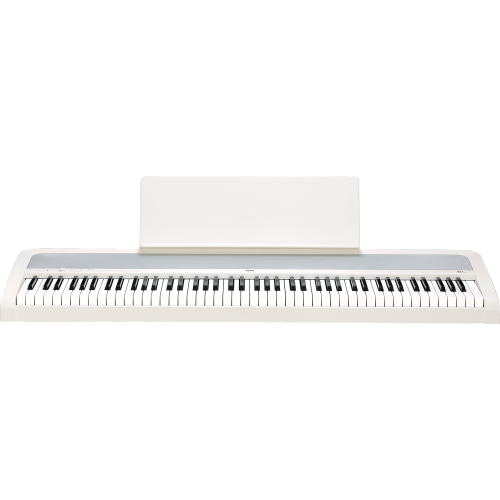
Weighted keys and thoughtful setup support lasting progress
Beginner digital pianos offer a welcoming way to start learning, practise regularly, and enjoy making music at home without the size or maintenance requirements of an acoustic piano. They can suit children taking their first lessons, adults returning to music after years away, and anyone who wants a creative hobby that fits into a bedroom, home office, apartment, or shared living space. They also make thoughtful gifts for students and aspiring musicians, particularly when the instrument is chosen with comfort, sound, and long-term learning in mind. A digital piano can be used for structured lessons, casual evening playing, songwriting, sight-reading, and building confidence one familiar melody at a time. Many beginners find that having an instrument close by makes practice feel more natural: a few scales before breakfast, a short lesson after school, or a quiet session with headphones during the cooler months. Unlike a basic keyboard designed mainly for experimenting with sounds, a beginner digital piano is intended to provide a more piano-like playing experience, helping new players develop habits that can continue as their skills grow. Models with 88 keys provide the complete range of a traditional piano, from the deep bass notes on the left to the bright upper register on the right. This full range is especially useful for students following lessons or sheet music, since they will not need to change octaves as their repertoire becomes more advanced. A shorter keyboard may be easier to place in a small room, but a full-size instrument can prevent the need to upgrade when a learner begins exploring more demanding pieces.
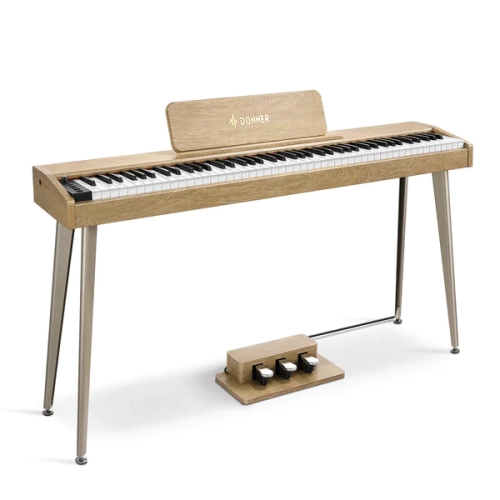
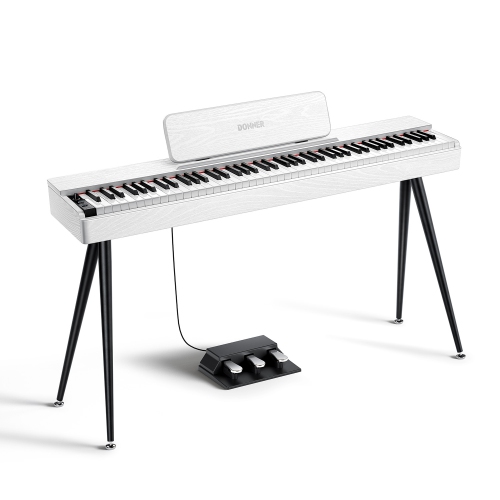
Key feel is one of the most important considerations when choosing among beginner digital pianos. Fully weighted keys with hammer action are designed to recreate the resistance and response of an acoustic piano, with a firmer feel in the lower register and a lighter touch as the notes move higher. This resistance encourages proper finger control and helps learners understand how the pressure of each key affects volume and expression. Beginners who start on very light keys may find the transition to an acoustic piano more difficult, while weighted action can support better technique from the beginning. Touch sensitivity is also valuable because it allows the instrument to respond differently to a gentle press and a stronger one, making quiet passages and expressive melodies feel more natural. A sustain pedal is another essential feature. Pressing it allows notes to ring after the keys are released, creating smooth connections between chords and helping players reproduce the rich, flowing sound heard in many piano pieces. Some digital pianos include a pedal, while others may require one to be purchased separately, so it is worth checking what is included before completing a setup. A stable stand and a properly sized bench are equally important. The keyboard should sit at a comfortable height, with the player’s shoulders relaxed, elbows slightly open, and wrists level rather than bent sharply upward or downward. A supportive seat makes longer practice sessions more comfortable, while a sturdy stand helps keep the instrument secure during enthusiastic playing. For homes where space is limited, a portable design can be stored or moved between rooms with less effort. Furniture-style consoles may be a better match for a dedicated music area, offering a more permanent appearance and convenient space for a pedal unit. Headphone compatibility can make practice easier in apartments or busy households, allowing a learner to repeat a tricky passage without disturbing others. Built-in speakers are useful for shared listening, while recording functions, metronomes, lesson features, and accompaniment sounds can add variety to practice without replacing the fundamentals of good technique.
When comparing beginner digital pianos, consider how the instrument will be used each day rather than focusing only on the number of extra sounds or effects. A first-time student may benefit most from realistic key action, a full 88-key layout, a sustain pedal, and a clear piano tone. Someone who plans to move the instrument between rooms may place greater value on manageable weight, a compact profile, and straightforward controls. A parent buying for a child may want a durable setup that can accommodate growth, while an adult learner may appreciate headphone use, recording tools, or connectivity for digital lessons and music apps. Bluetooth or USB features can make it easier to play along with instructional material, save recordings, or connect to compatible devices, but these additions should complement a solid playing experience rather than distract from it. Sound quality also matters, especially when the player will practise frequently. Listen for a piano tone that remains clear across the keyboard, with enough depth in the lower notes and brightness in the upper notes without becoming harsh. Polyphony, which refers to the number of notes an instrument can reproduce at once, can affect how smoothly sustained notes, layered sounds, and complex chords are handled. A metronome is helpful for developing steady timing, and simple recording functions can let learners hear their progress and notice areas that need more attention. Digital pianos can also be a practical choice for gifting because they support an interest that grows over time rather than being used only once. Pairing an instrument with a stand, bench, headphones, or sheet music can create a more complete and comfortable starting setup. For households exploring several kinds of music, a piano can sit alongside other accessible instruments, including [Beginner Guitars](https://www.bestbuy.ca/en-ca/shop/musical-instruments/beginner-guitars/beginner-guitars), giving family members different ways to practise and play together. Whether it is used for formal study, relaxed creativity, accompanying singing, or learning a favourite melody by ear, a well-chosen beginner digital piano should feel inviting each time the lid or cover is opened. The best fit is one that matches the player’s available space, learning goals, preferred feel, and daily routine, while offering enough range and realism to remain useful as confidence develops.
Key feel is one of the most important considerations when choosing among beginner digital pianos. Fully weighted keys with hammer action are designed to recreate the resistance and response of an acoustic piano, with a firmer feel in the lower register and a lighter touch as the notes move higher. This resistance encourages proper finger control and helps learners understand how the pressure of each key affects volume and expression. Beginners who start on very light keys may find the transition to an acoustic piano more difficult, while weighted action can support better technique from the beginning. Touch sensitivity is also valuable because it allows the instrument to respond differently to a gentle press and a stronger one, making quiet passages and expressive melodies feel more natural. A sustain pedal is another essential feature. Pressing it allows notes to ring after the keys are released, creating smooth connections between chords and helping players reproduce the rich, flowing sound heard in many piano pieces. Some digital pianos include a pedal, while others may require one to be purchased separately, so it is worth checking what is included before completing a setup. A stable stand and a properly sized bench are equally important. The keyboard should sit at a comfortable height, with the player’s shoulders relaxed, elbows slightly open, and wrists level rather than bent sharply upward or downward. A supportive seat makes longer practice sessions more comfortable, while a sturdy stand helps keep the instrument secure during enthusiastic playing. For homes where space is limited, a portable design can be stored or moved between rooms with less effort. Furniture-style consoles may be a better match for a dedicated music area, offering a more permanent appearance and convenient space for a pedal unit. Headphone compatibility can make practice easier in apartments or busy households, allowing a learner to repeat a tricky passage without disturbing others. Built-in speakers are useful for shared listening, while recording functions, metronomes, lesson features, and accompaniment sounds can add variety to practice without replacing the fundamentals of good technique.
When comparing beginner digital pianos, consider how the instrument will be used each day rather than focusing only on the number of extra sounds or effects. A first-time student may benefit most from realistic key action, a full 88-key layout, a sustain pedal, and a clear piano tone. Someone who plans to move the instrument between rooms may place greater value on manageable weight, a compact profile, and straightforward controls. A parent buying for a child may want a durable setup that can accommodate growth, while an adult learner may appreciate headphone use, recording tools, or connectivity for digital lessons and music apps. Bluetooth or USB features can make it easier to play along with instructional material, save recordings, or connect to compatible devices, but these additions should complement a solid playing experience rather than distract from it. Sound quality also matters, especially when the player will practise frequently. Listen for a piano tone that remains clear across the keyboard, with enough depth in the lower notes and brightness in the upper notes without becoming harsh. Polyphony, which refers to the number of notes an instrument can reproduce at once, can affect how smoothly sustained notes, layered sounds, and complex chords are handled. A metronome is helpful for developing steady timing, and simple recording functions can let learners hear their progress and notice areas that need more attention. Digital pianos can also be a practical choice for gifting because they support an interest that grows over time rather than being used only once. Pairing an instrument with a stand, bench, headphones, or sheet music can create a more complete and comfortable starting setup. For households exploring several kinds of music, a piano can sit alongside other accessible instruments, including [Beginner Guitars](https://www.bestbuy.ca/en-ca/shop/musical-instruments/beginner-guitars/beginner-guitars), giving family members different ways to practise and play together. Whether it is used for formal study, relaxed creativity, accompanying singing, or learning a favourite melody by ear, a well-chosen beginner digital piano should feel inviting each time the lid or cover is opened. The best fit is one that matches the player’s available space, learning goals, preferred feel, and daily routine, while offering enough range and realism to remain useful as confidence develops.
Top selling and popular products
-
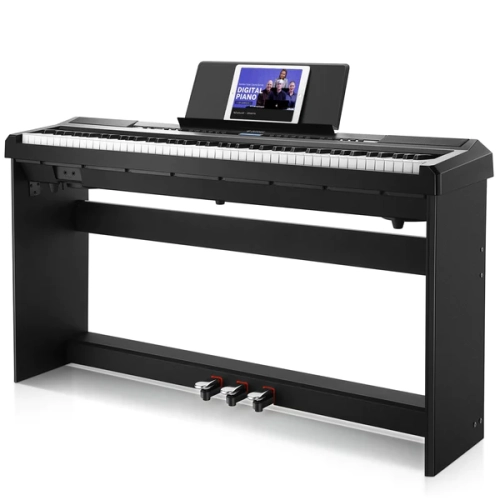 Your price for this item is $479.99
 -
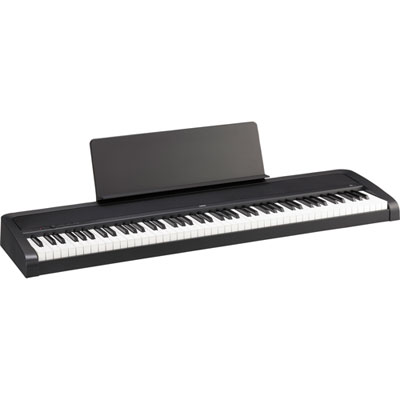 Your price for this item is $699.98
 -
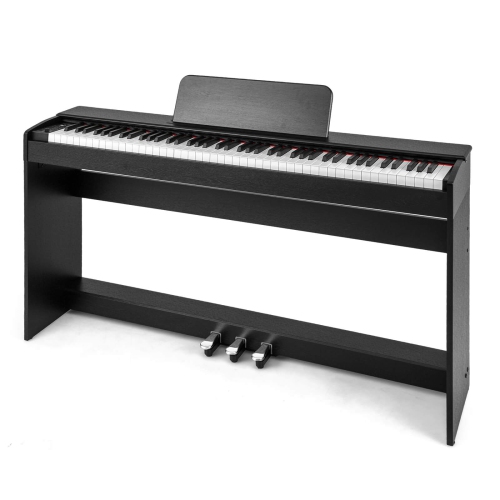 Your price for this item is $393.99
 -
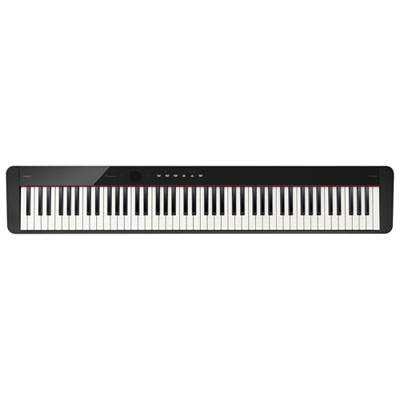 Your price for this item is $849.99
 -
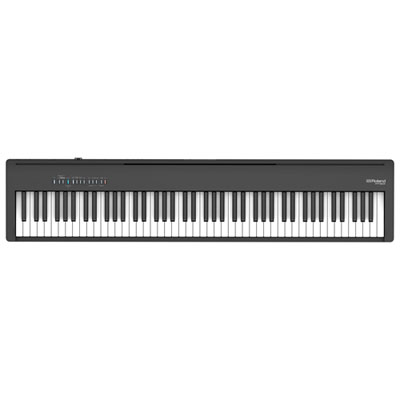 Your price for this item is $1199.99
 -
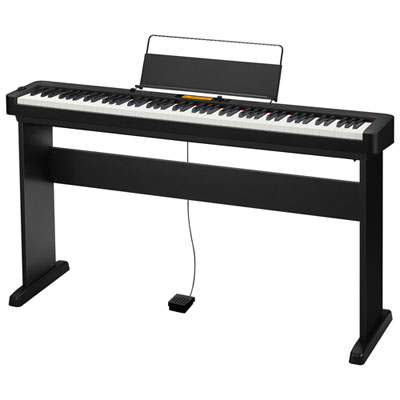 Your price for this item is $869.99
 -
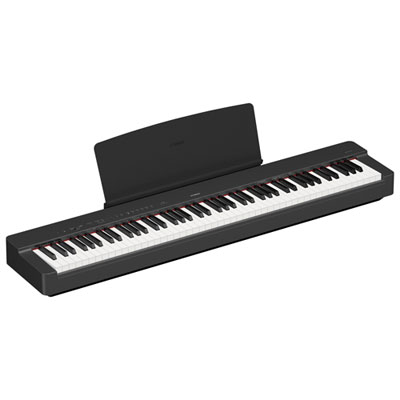 Your price for this item is $899.99
 -
 Your price for this item is $415.99
Discover more categories related to Beginner Digital Pianos
Top Collections:
Pokemon Centers, Best Camera Tripods Under $100, Vlogging Cameras for Beginners, Kindle Devices, Best Electric Toothbrushes Under $100, Portable Solar Power Stations for Emergency, Best Wrist Fitness Trackers, Samsung Z Fold, Back To School Wireless Presentation Clickers, Canon G7X Cameras
Some products may be subject to Environmental Handling Fees
(EHF) depending on your province.
Learn more about EHFs.