Digital Drums for Beginners
Are you ready to unleash your inner rockstar? Look no further than our selection of digital drums for beginners. Whether you're a complete novice or just starting your musical journey, these digital drums are designed to help you learn and develop your drumming skills with ease. From realistic sound quality to customizable features, these digital drums offer an immersive drumming experience right in the comfort of your own home. Get ready to feel the rhythm and embark on an exciting musical adventure with our collection of digital drums for beginners. Also check out our selection of Drum Headphones for even more great options!
Sort
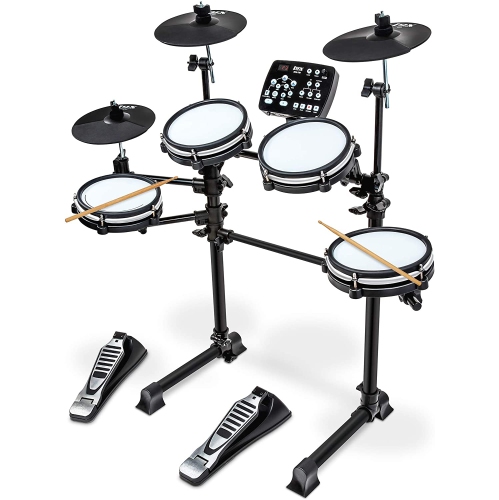
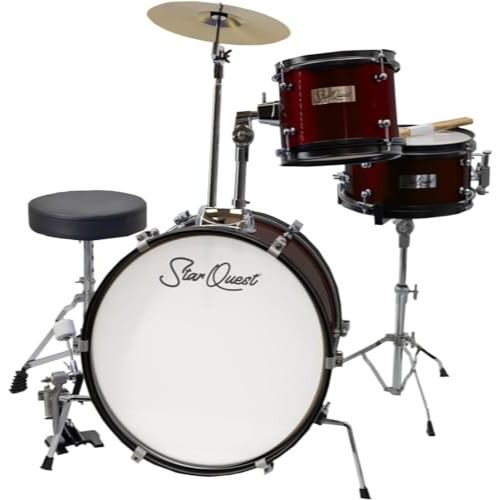
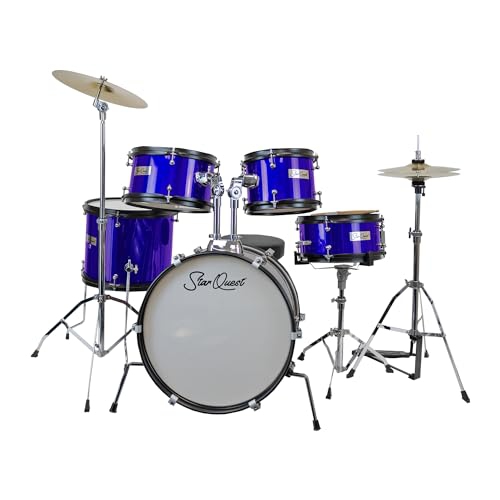
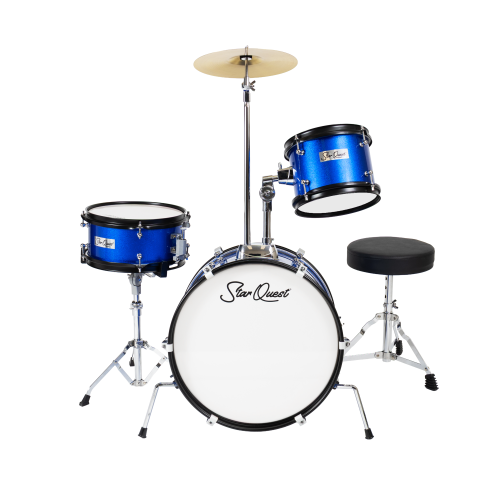
A familiar drum layout with room to grow
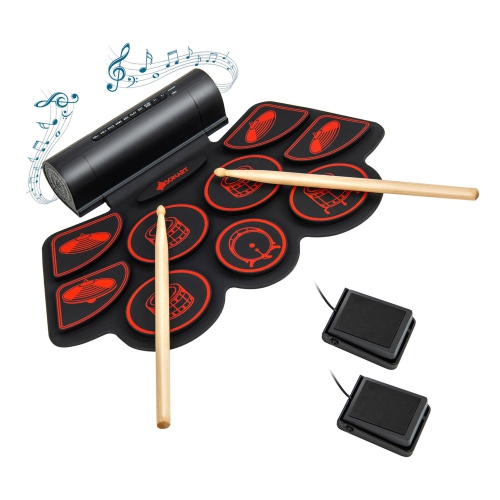
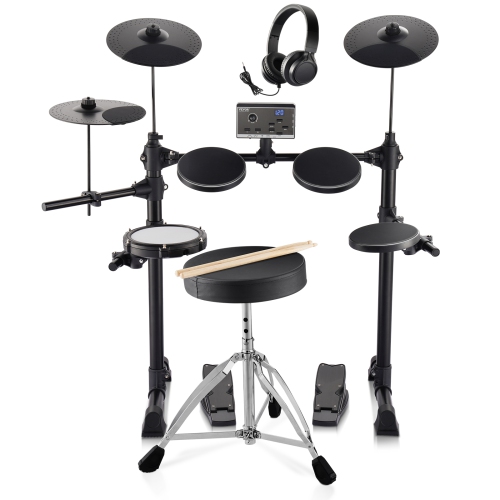
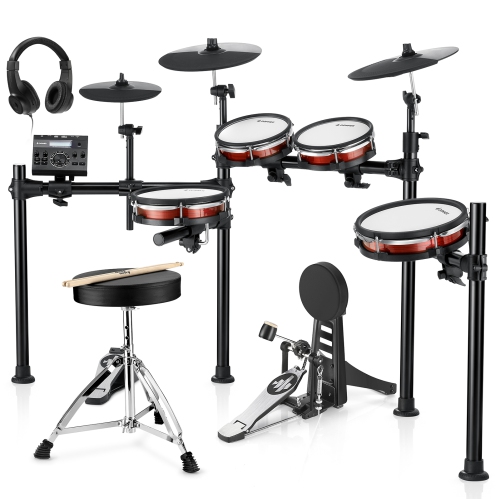
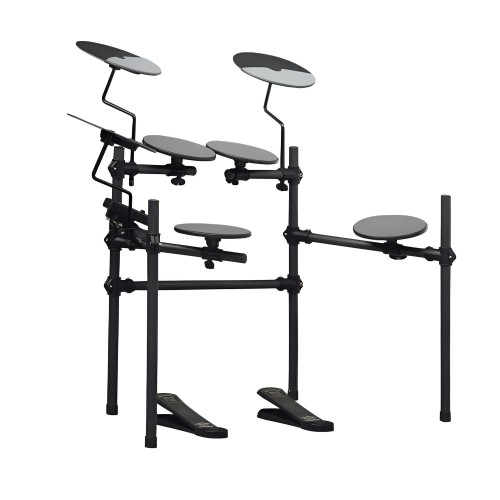
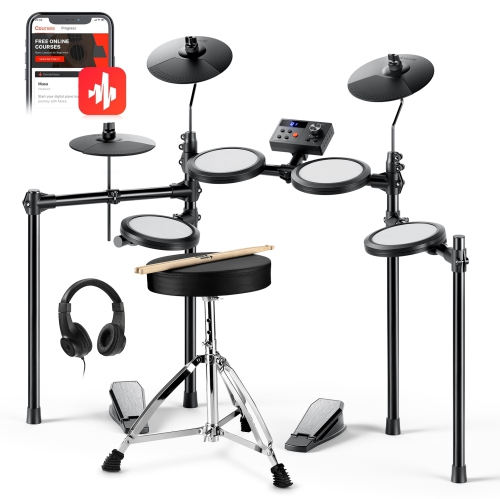
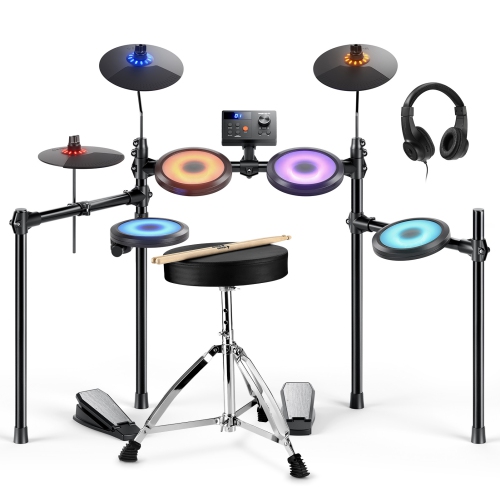
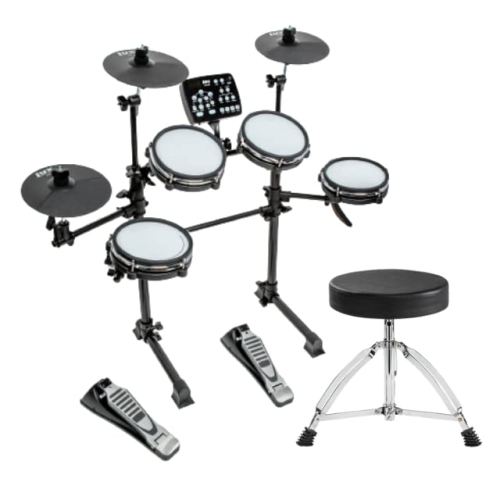
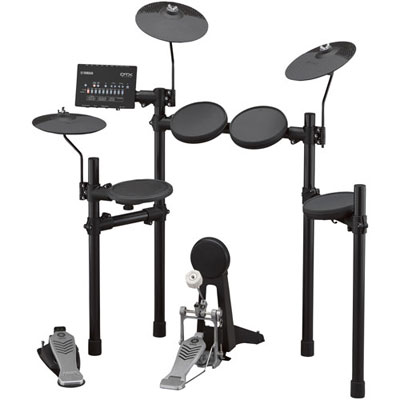
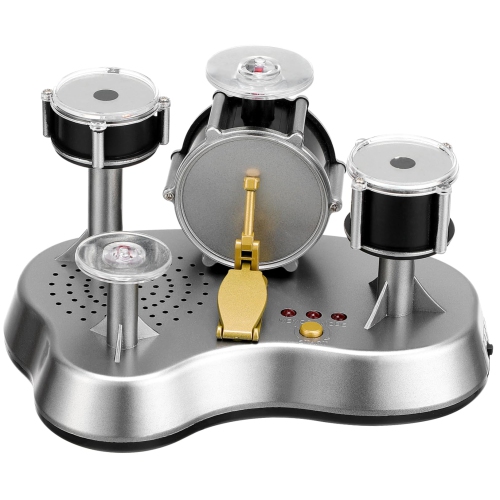
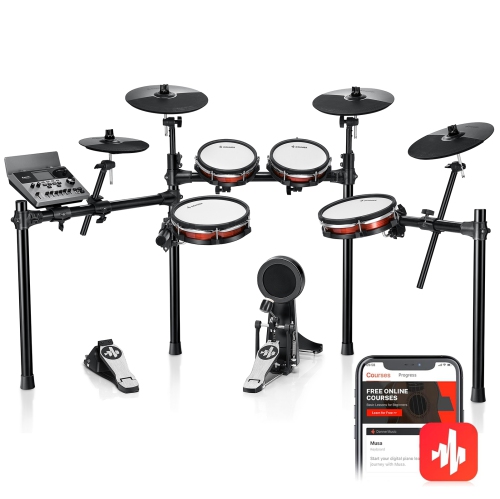
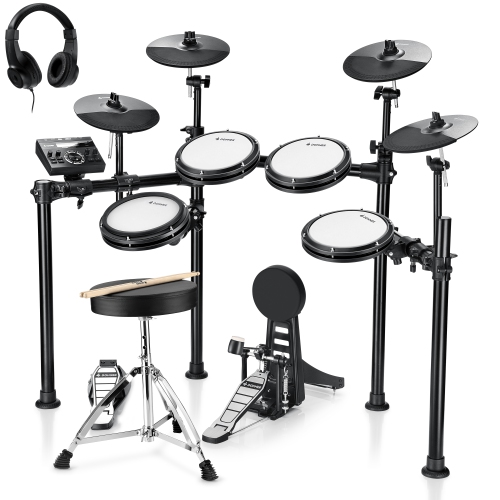
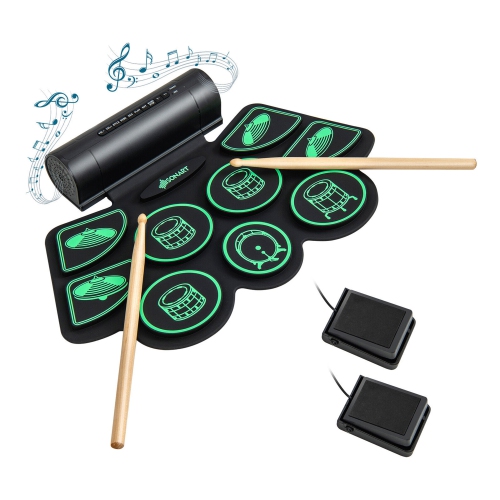
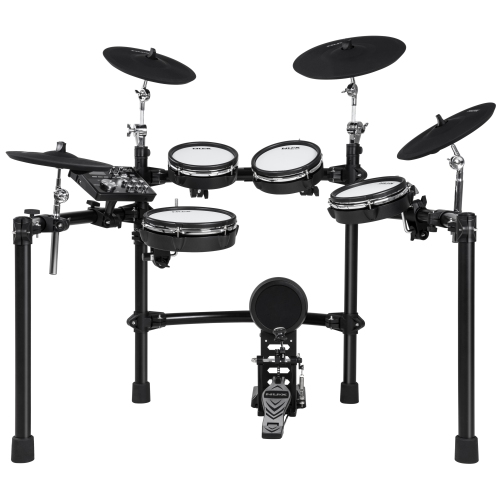
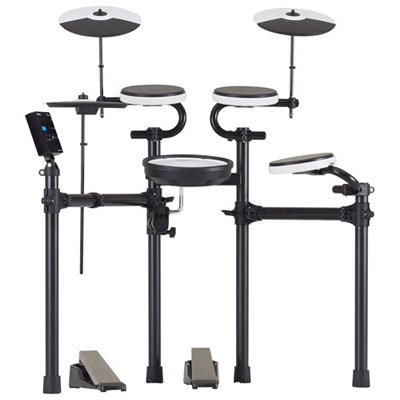
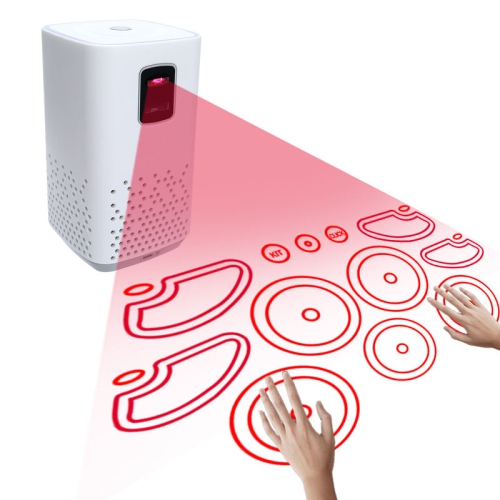
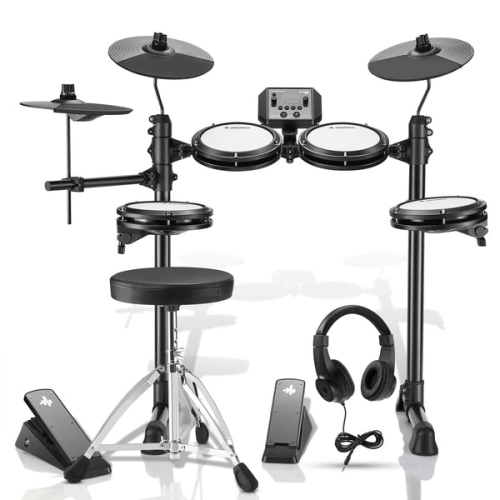
Digital drums for beginners bring the familiar layout of a drum kit into a format that suits learning at home, from a child’s first steady beat to an adult returning to music after years away. Often called electronic drum kits, these instruments use sensors in the drum and cymbal pads to trigger sounds in a connected sound module. A typical kit includes a snare pad, tom pads, cymbal pads, a hi-hat control pedal, and a bass drum pedal or trigger, although configurations vary. The module supplies the drum sounds and lets the player adjust listening volume through headphones or a suitable speaker. That combination gives new drummers room to explore different musical styles without changing instruments: a tight pop beat, a roomy rock sound, and a softer jazz pattern can all come from the same set of pads. For someone beginning lessons, a kit arranged like an acoustic drum set provides a practical place to develop coordination between hands and feet. Smaller tabletop digital drums offer a different experience, with several playing surfaces gathered into one compact unit. They can suit casual rhythm practice or a small room, but their layout does not always provide the same movement patterns as a full kit. The most useful beginner features support regular playing rather than simply adding more sounds. A clear display, easy-to-reach volume controls, a built-in metronome, and straightforward sound selection help keep attention on the beat. Play-along tracks and timing exercises, where included, give practice a sense of direction, whether the goal is keeping a steady pulse or moving smoothly from the snare to the toms. Touch-sensitive pads also matter: when the kit responds to softer and harder strikes with appropriate changes in volume, beginners can start learning expression alongside basic rhythm. A comfortable, responsive setup can remain useful as simple patterns develop into longer songs and more confident playing.
Pad materials and physical fit shape how a beginner electronic drum kit feels every time it is played. Rubber pads generally have a firm, consistent rebound and a durable playing surface that stands up well to regular practice. Mesh heads offer a springier response, often with adjustable tension, and can feel closer to an acoustic drumhead, though the feel varies with pad construction and settings. Neither material makes a kit completely silent. Stick contact creates an audible tapping sound, while bass drum pedals can send vibration through the floor. Headphones keep the module’s drum sounds private, but someone in the next room or the flat below may still hear the physical impact. A stable mat can help keep the rack and pedals from sliding; reducing sound transmission through a shared floor may require purpose-built isolation, and results depend on the building. Pad size is another practical consideration. Larger playing surfaces provide more room for developing aim, while a compact arrangement may be easier to fit beside a desk. Adjustable rack height and pad angles help the snare, toms, and cymbals sit within a relaxed reach. For younger players, that means checking that both feet can reach the pedals while seated securely, rather than stretching forward from the edge of a chair. Adults also benefit from enough adjustment to avoid hunched shoulders or cramped knees. A height-adjustable drum stool supports a balanced playing position and leaves the legs free to operate the pedals. Bass drum designs deserve attention as well: a pedal striking a separate kick pad gives a different physical response from a switch-style pedal without a beater. Both can support early coordination practice, but a kick pad and compatible pedal more closely resemble the action of an acoustic bass drum. A firm rack, secure clamps, and pedals that stay put make the whole setup feel more dependable. The space needed includes not only the frame but also the stool, the player’s elbows, and room to step in and out without catching a cable.
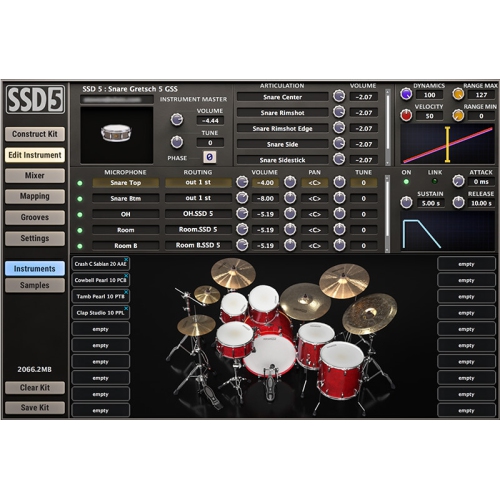
Sound options and connections can make digital drums useful beyond the first few lessons, especially for beginners who enjoy playing along with music. A headphone output is central to home practice, while an auxiliary audio input or Bluetooth audio, where supported, can bring a song from a compatible device into the listening mix. Bluetooth audio and Bluetooth MIDI serve different purposes, so the connection type matters more than the presence of the name alone. Likewise, USB-MIDI usually sends performance information to a computer or compatible app rather than carrying the module’s actual drum sound; USB audio requires separate support. These distinctions become useful when a player wants to hear a lesson track, use virtual drum sounds, or save a performance. For responsive practice, wired headphones connected to the module generally avoid the delay that wireless audio can introduce. Comfortable ear cups and a cable long enough to stay clear of the sticks help during longer sessions, with listening volume kept at a sensible level. Built-in speakers are not a standard feature across full electronic kits, and playing aloud may require a compatible powered speaker or drum amplifier. Included accessories also vary, making the stool, headphones, sticks, bass drum pedal, and power supply worth checking as part of a complete setup. For a gift recipient, these practical details can make the difference between an instrument that is ready for a first rhythm and one that needs additional equipment. Everyday care is straightforward but important: clean, smooth drumsticks help protect playing surfaces, cables should have enough slack for adjustments without hanging underfoot, and clamps need secure tightening without excessive force. Dust can usually be removed with a soft, dry cloth, with cleaning methods for pads and mesh heads kept to the manufacturer’s directions. A folding frame may make a shared room easier to use, though repeated packing involves moving pads and reconnecting cables on some designs. Whether the kit stays in a dedicated music corner or comes out for evening practice, comfortable placement, accessible controls, and dependable construction help make drumming a natural part of the household routine.
Pad materials and physical fit shape how a beginner electronic drum kit feels every time it is played. Rubber pads generally have a firm, consistent rebound and a durable playing surface that stands up well to regular practice. Mesh heads offer a springier response, often with adjustable tension, and can feel closer to an acoustic drumhead, though the feel varies with pad construction and settings. Neither material makes a kit completely silent. Stick contact creates an audible tapping sound, while bass drum pedals can send vibration through the floor. Headphones keep the module’s drum sounds private, but someone in the next room or the flat below may still hear the physical impact. A stable mat can help keep the rack and pedals from sliding; reducing sound transmission through a shared floor may require purpose-built isolation, and results depend on the building. Pad size is another practical consideration. Larger playing surfaces provide more room for developing aim, while a compact arrangement may be easier to fit beside a desk. Adjustable rack height and pad angles help the snare, toms, and cymbals sit within a relaxed reach. For younger players, that means checking that both feet can reach the pedals while seated securely, rather than stretching forward from the edge of a chair. Adults also benefit from enough adjustment to avoid hunched shoulders or cramped knees. A height-adjustable drum stool supports a balanced playing position and leaves the legs free to operate the pedals. Bass drum designs deserve attention as well: a pedal striking a separate kick pad gives a different physical response from a switch-style pedal without a beater. Both can support early coordination practice, but a kick pad and compatible pedal more closely resemble the action of an acoustic bass drum. A firm rack, secure clamps, and pedals that stay put make the whole setup feel more dependable. The space needed includes not only the frame but also the stool, the player’s elbows, and room to step in and out without catching a cable.
Sound options and connections can make digital drums useful beyond the first few lessons, especially for beginners who enjoy playing along with music. A headphone output is central to home practice, while an auxiliary audio input or Bluetooth audio, where supported, can bring a song from a compatible device into the listening mix. Bluetooth audio and Bluetooth MIDI serve different purposes, so the connection type matters more than the presence of the name alone. Likewise, USB-MIDI usually sends performance information to a computer or compatible app rather than carrying the module’s actual drum sound; USB audio requires separate support. These distinctions become useful when a player wants to hear a lesson track, use virtual drum sounds, or save a performance. For responsive practice, wired headphones connected to the module generally avoid the delay that wireless audio can introduce. Comfortable ear cups and a cable long enough to stay clear of the sticks help during longer sessions, with listening volume kept at a sensible level. Built-in speakers are not a standard feature across full electronic kits, and playing aloud may require a compatible powered speaker or drum amplifier. Included accessories also vary, making the stool, headphones, sticks, bass drum pedal, and power supply worth checking as part of a complete setup. For a gift recipient, these practical details can make the difference between an instrument that is ready for a first rhythm and one that needs additional equipment. Everyday care is straightforward but important: clean, smooth drumsticks help protect playing surfaces, cables should have enough slack for adjustments without hanging underfoot, and clamps need secure tightening without excessive force. Dust can usually be removed with a soft, dry cloth, with cleaning methods for pads and mesh heads kept to the manufacturer’s directions. A folding frame may make a shared room easier to use, though repeated packing involves moving pads and reconnecting cables on some designs. Whether the kit stays in a dedicated music corner or comes out for evening practice, comfortable placement, accessible controls, and dependable construction help make drumming a natural part of the household routine.
Top selling and popular products
-
 Your price for this item is $240.64
 -
 Your price for this item is $785.99
 -
 Your price for this item is $605.99
 -
 Your price for this item is $99.99
 -
 Your price for this item is $459
 -
 Your price for this item is $719.99
 -
 Your price for this item is $248.88
 -
 Your price for this item is $309.99
Discover more categories related to Digital Drums for Beginners

Top Collections:
Pokemon Centers, Kindle Devices, Best Budget Office Chairs, Apple iPhones 16, Best Laptops for Writers, iPhone 15 Apple, Canon G7X Cameras, Refurbished Apple Laptops, Alarm Clock, Motorola Razr Phones
Some products may be subject to Environmental Handling Fees
(EHF) depending on your province.
Learn more about EHFs.