Bluegrass Instruments
Whether you're a seasoned musician or a beginner looking to explore the world of bluegrass music, our collection of bluegrass instruments has everything you need to create beautiful melodies and authentic sounds. From traditional acoustic guitars and banjos to mandolins and dobros, each instrument is crafted with precision and quality to ensure optimal performance and lasting durability. Dive into the rich history and soulful tunes of bluegrass music with our wide selection of instruments that cater to players of all skill levels.
Sort
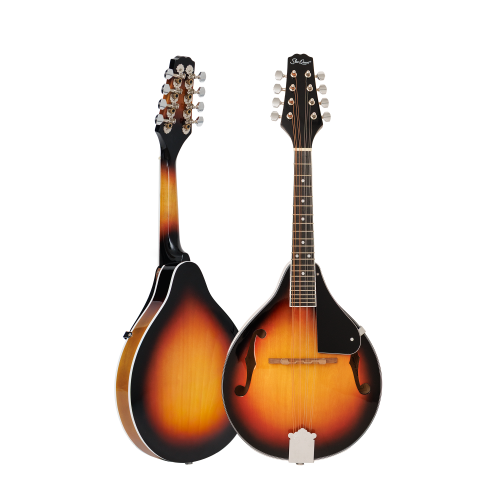


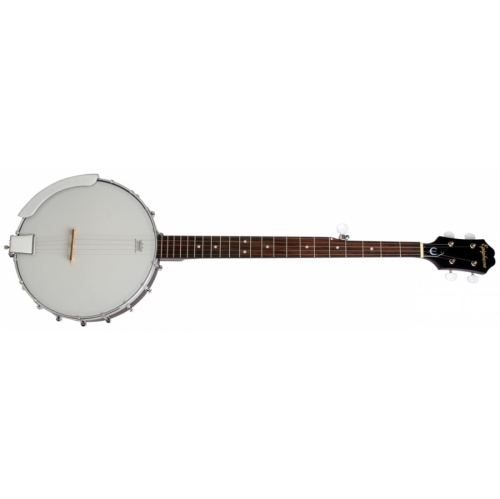

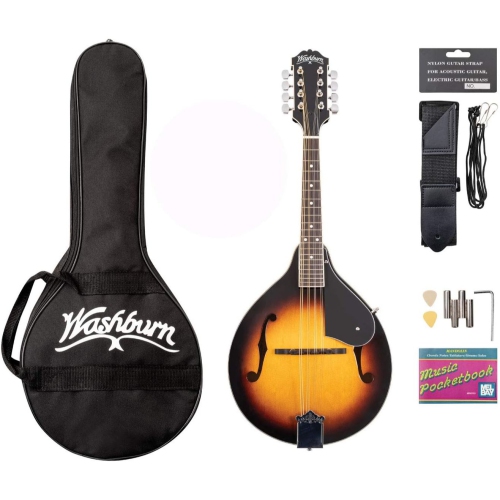


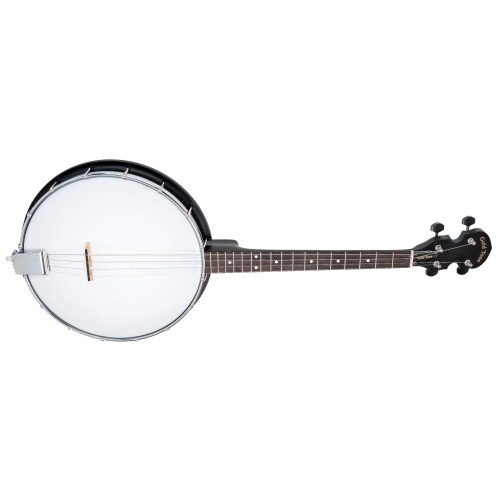
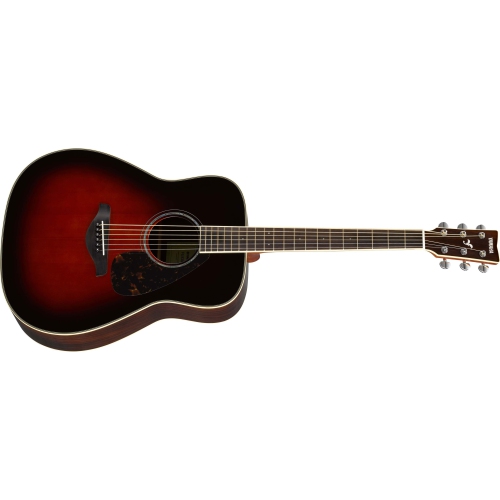


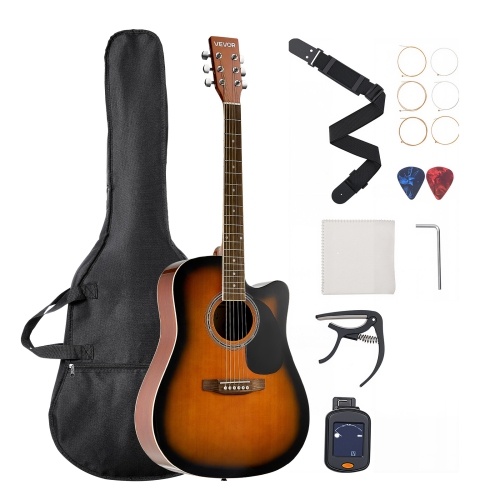


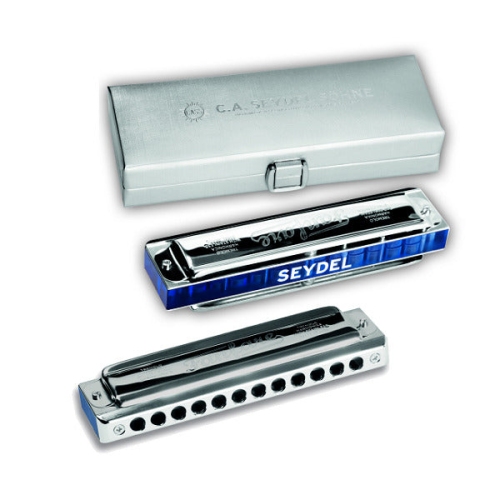
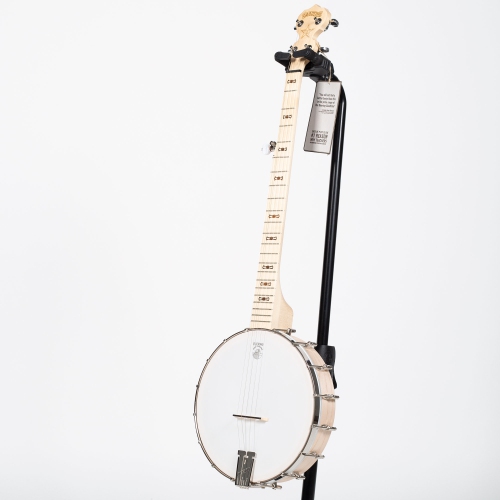
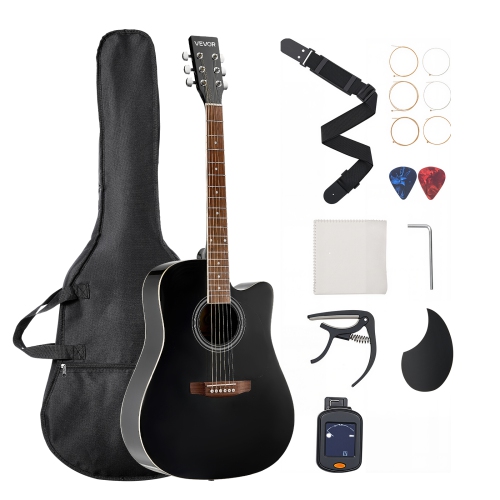
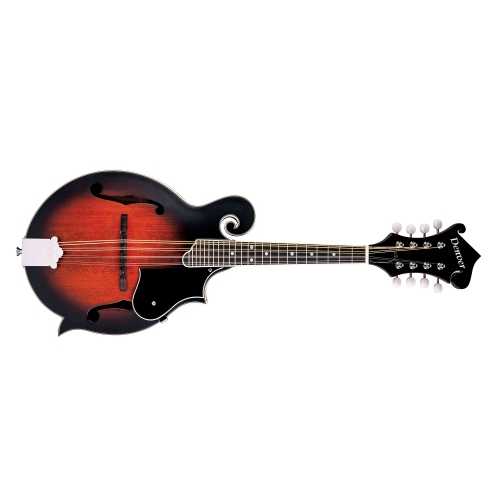


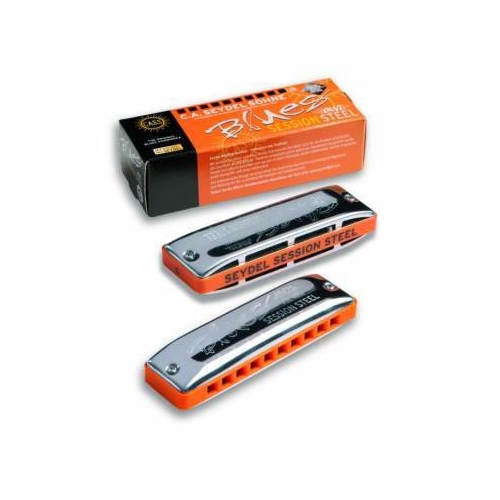


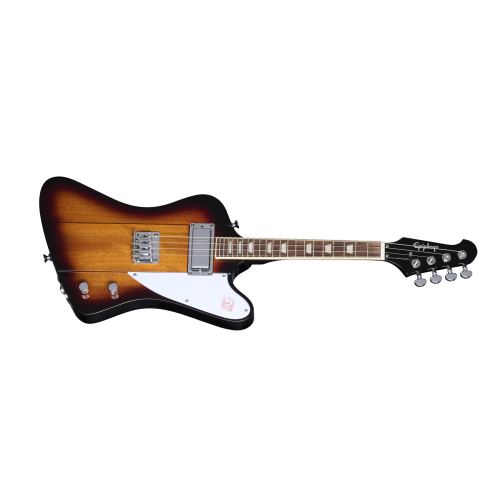


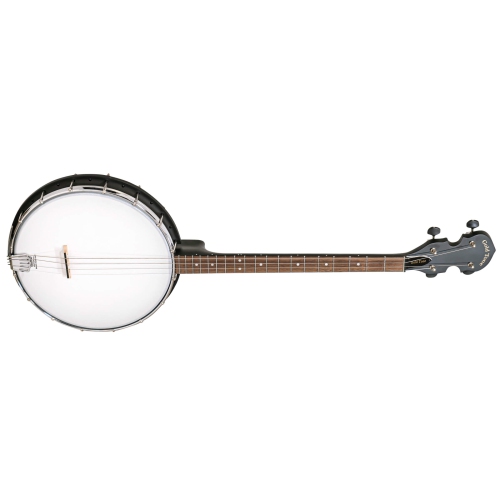

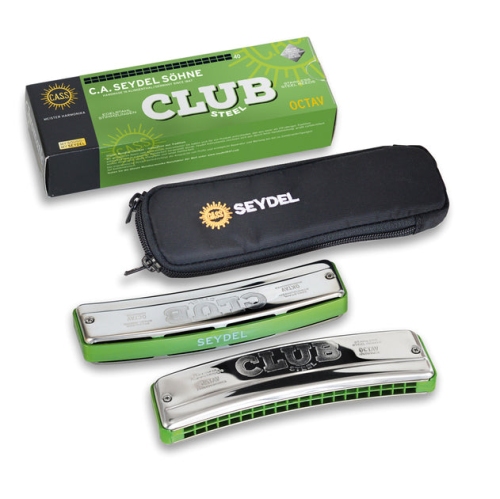


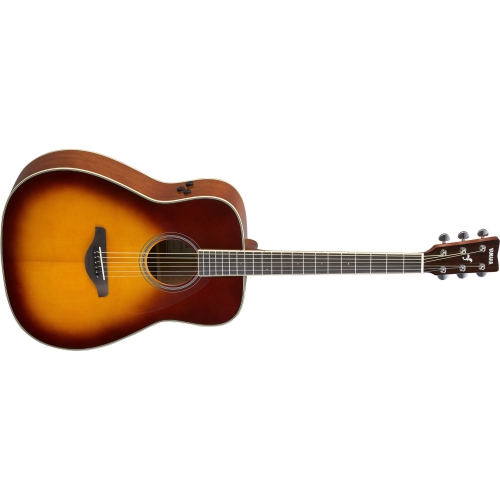

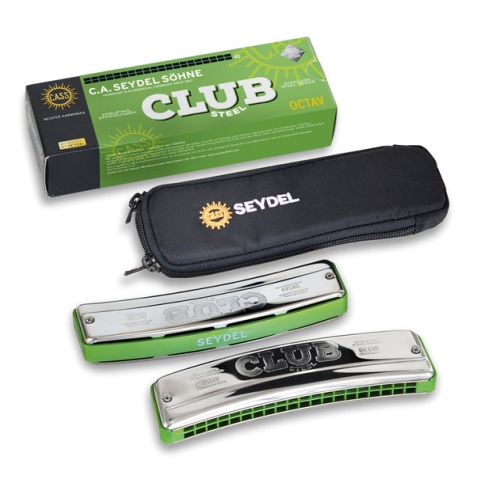




How each instrument shapes the bluegrass ensemble sound
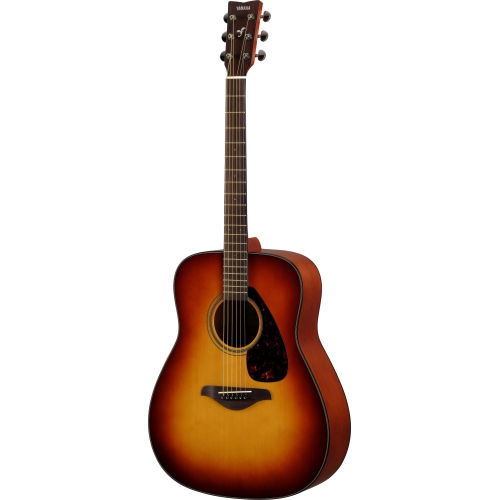
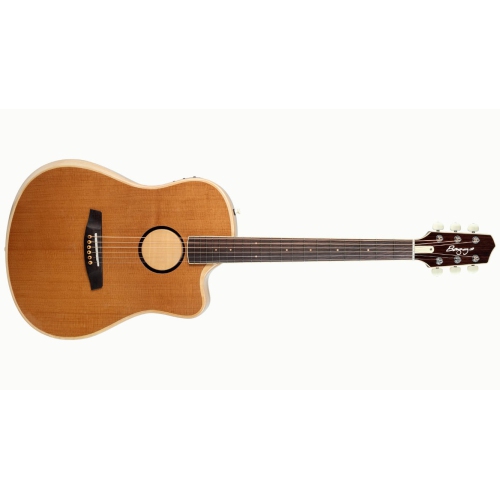
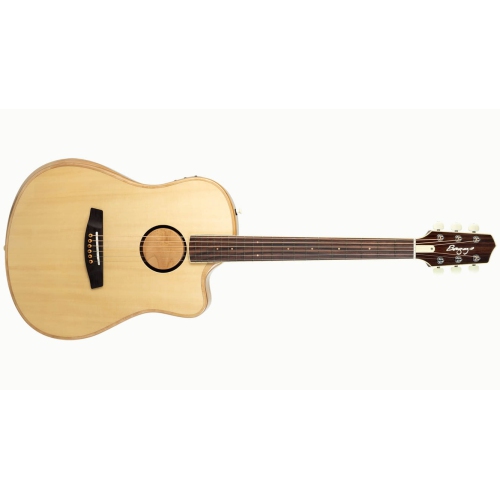
Bluegrass instruments bring together a distinctive acoustic sound built on rhythm, melody, quick picking and close ensemble playing. The traditional lineup includes five-string banjo, acoustic guitar, mandolin, fiddle and upright bass, with resonator guitar often added for its ringing, sliding tone. Each instrument has a clear role, yet the music comes alive through the way those roles overlap. The banjo is often described as the engine of bluegrass, producing bright, rolling fingerpicked patterns and crisp accents that keep the arrangement moving. An acoustic guitar provides the harmonic and rhythmic foundation, with flatpicked chords, bass runs and steady timing supporting the rest of the group. The mandolin adds a sharp off-beat chop between vocal phrases and can step forward for quick, expressive melodies. Fiddle playing brings soaring lines, harmony parts and a warm, singing quality, while the upright bass anchors the low end and gives the ensemble its heartbeat. A resonator guitar, sometimes called a dobro, uses a metal cone inside its body to create a focused, metallic voice that suits slide playing and sustained lead notes. Together, these acoustic instruments create the lively push and pull associated with bluegrass, from a quiet front-porch picking session to a full performance in a hall, community space or outdoor gathering. Browsing the wider selection of Band Instruments can also help shoppers compare related choices when they are building a complete musical setup or looking for an instrument that suits a different style of playing.
Choosing among bluegrass instruments starts with the player’s musical interests, physical comfort and preferred way of learning. A five-string banjo can suit someone who enjoys intricate picking patterns and wants an instrument with a bright, energetic voice, though beginners should consider neck width, string spacing, tuning stability and whether the instrument feels comfortable during longer practice sessions. Acoustic guitar is often a practical starting point for new musicians because it supports singing, chord practice and many other styles in addition to bluegrass. Look for a comfortable body shape, a neck that feels manageable and a tone that remains clear when playing both gentle chords and more pronounced flatpicked runs. The mandolin has a compact body and a high, penetrating voice, making it useful for melody lines, rhythmic chopping and harmony work. Its paired strings require firm, accurate fretting, so setup and playability matter, particularly for someone developing finger strength. A fiddle has the same basic physical structure as a violin, but bluegrass players use folk-style bowing, slides, double-stops and rhythmic phrasing to create a different character. New players may appreciate an instrument that is properly adjusted, with comfortable action and a bow that responds smoothly. Upright bass is a larger commitment in both size and technique, but it is central to the pulse of a bluegrass group and can be rewarding for players who enjoy listening closely, holding a steady tempo and supporting an ensemble. Resonator guitar is a strong choice for anyone drawn to expressive slide melodies and a distinctive singing tone. Shoppers should also consider the accessories and practical details that make regular playing easier, including picks, rosin, strings, straps, stands, tuners, cases and cleaning supplies. A well-fitting case is especially useful when an instrument travels between lessons, rehearsals and performances, while a reliable tuner helps players arrive ready to play with others.
Bluegrass instruments can make thoughtful gifts for beginners, experienced musicians, singers who want to accompany themselves and families who enjoy making music together. They also suit players who like hands-on hobbies, traditional acoustic sounds or the social energy of learning a part and joining an informal jam. For a first instrument, matching the choice to the recipient’s goals is more helpful than choosing solely by appearance. Someone who enjoys rhythm and singing may connect with acoustic guitar; a player fascinated by fast picking may prefer banjo; a melody-focused musician may gravitate toward mandolin or fiddle; and a listener with a strong sense of timing may enjoy the grounded role of upright bass. Consider where the instrument will be played as well. Apartment dwellers may need a manageable practice routine and a secure storage solution, while someone with a dedicated music room may have more space for a full-size instrument, stand and amplifier-free acoustic setup. During the cooler months, stable indoor storage away from radiators, vents and sudden temperature changes can help protect wood instruments from unnecessary stress. New musicians often progress more comfortably when they begin with manageable sessions, learn basic tuning and practise slowly before increasing speed. In a group setting, listening is just as important as playing: guitar and bass establish the pulse, mandolin reinforces the off-beats, banjo fills the spaces with rolling patterns, fiddle carries melodies and resonator guitar adds vocal-like slides. A thoughtfully chosen instrument can therefore become more than a gift or a new possession; it can be an invitation to practise, share songs, attend local sessions and build lasting musical confidence one phrase at a time.
Top selling and popular products
-
 Your price for this item is $56.99
-
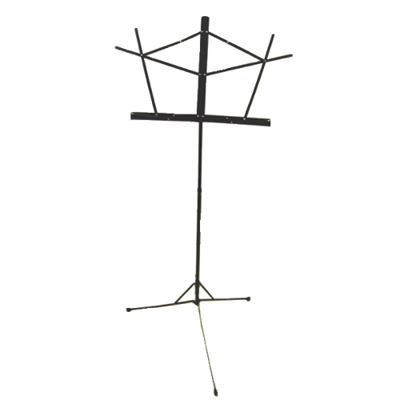 Your price for this item is $29.99
-
 Your price for this item is $379
-
 Your price for this item is $599.99
-
 Your price for this item is $206.99
-
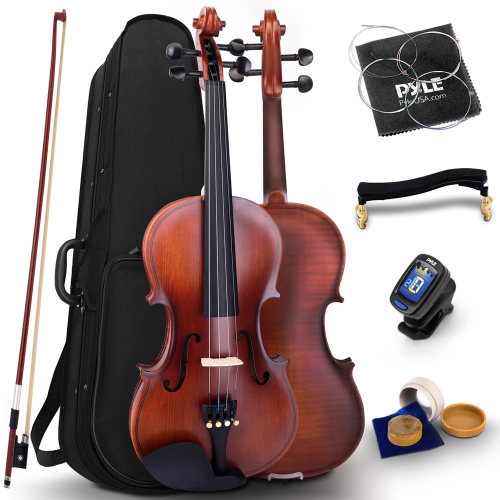 Your price for this item is $159.99
-
 Your price for this item is $629.99
-
 Your price for this item is $2475
Discover more categories related to Bluegrass Instruments

Top Collections:
Pokemon Centers, Best Cameras for Sports Photography, Kindle Devices, Samsung Galaxy Phones, Canon G7X Cameras, Pokémon 30th Celebration Cards, Refurbished Apple Laptops, iPhone 15 Apple, Laptops for Students, Budget Smartphones
Some products may be subject to Environmental Handling Fees
(EHF) depending on your province.
Learn more about EHFs.