Blues Music Instruments
Immerse yourself in the soulful world of blues music with an exceptional range of blues music instruments available at Best Buy Canada. Whether you're a seasoned musician or just starting your journey into this iconic genre, our selection caters to all skill levels and preferences. Explore guitars, harmonicas, keyboards, and more, each designed to bring out the rich, emotive tones that define blues music. With the right instrument in hand, you can capture the heart and soul of blues, creating melodies that resonate with passion and authenticity. Discover the perfect companion for your musical expression among our diverse collection of blues music instruments today.
Sort
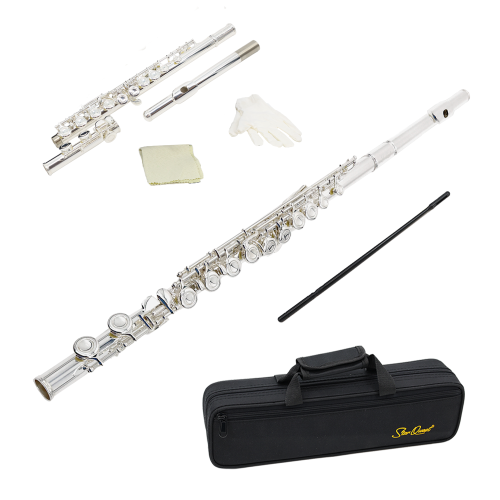
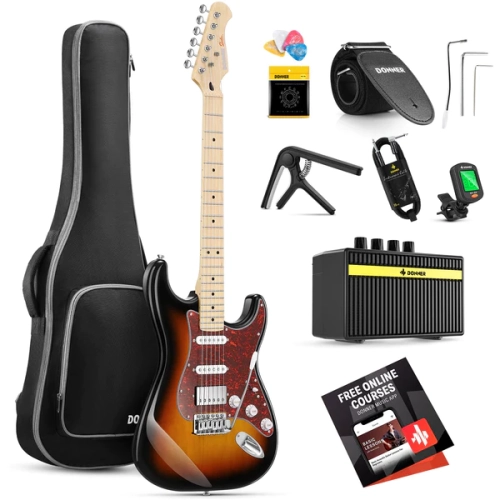

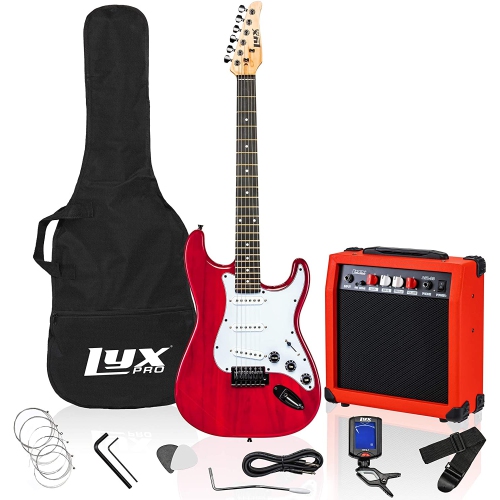
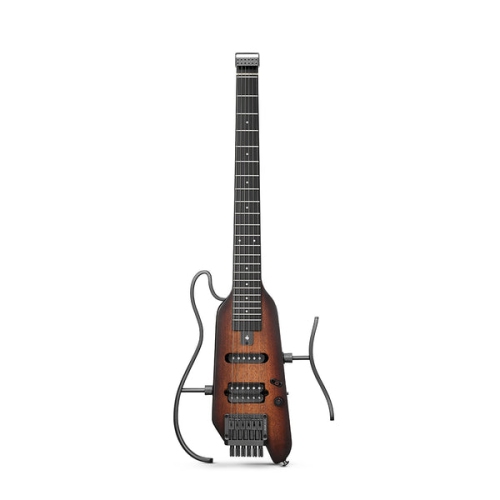
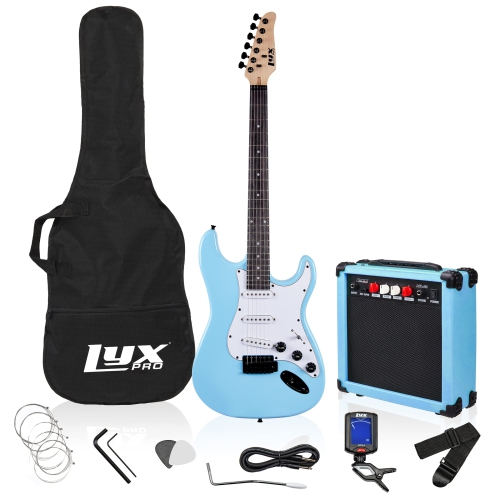
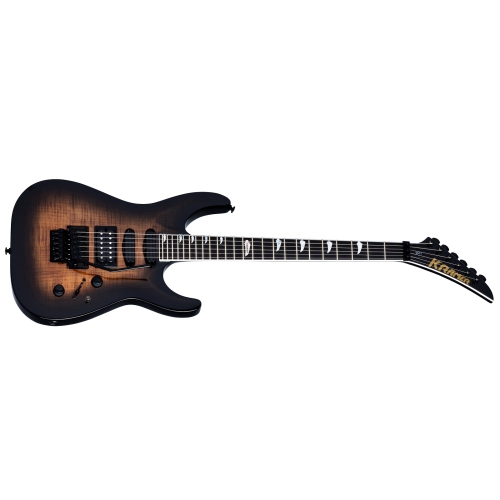
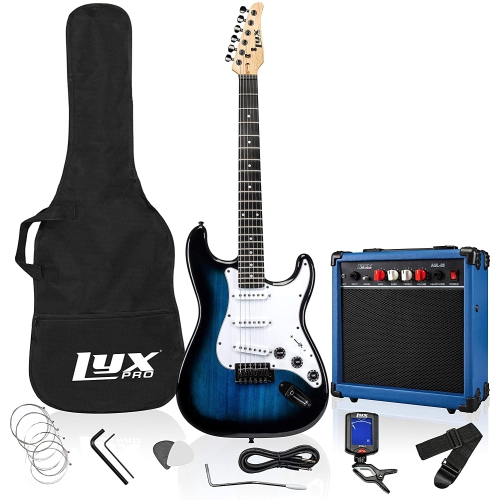
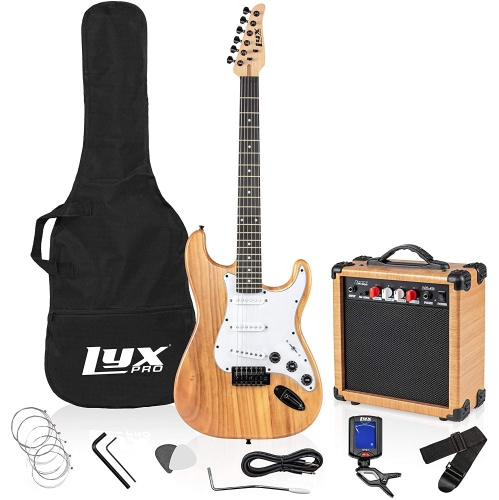
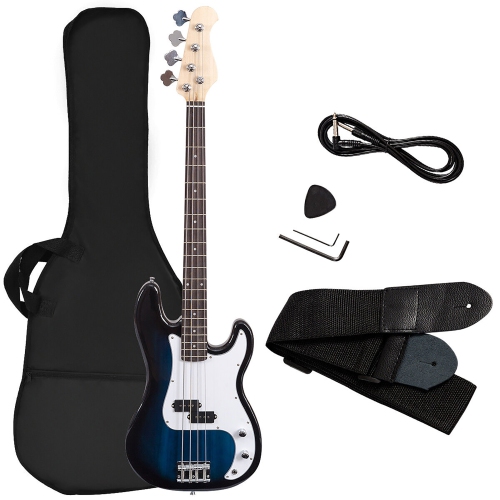
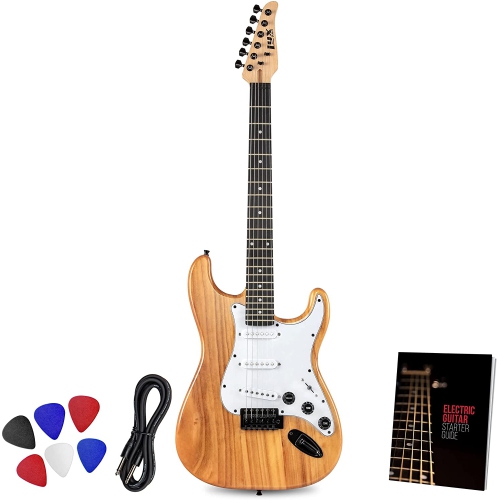
From bent notes to backbeats, blues begins with feeling
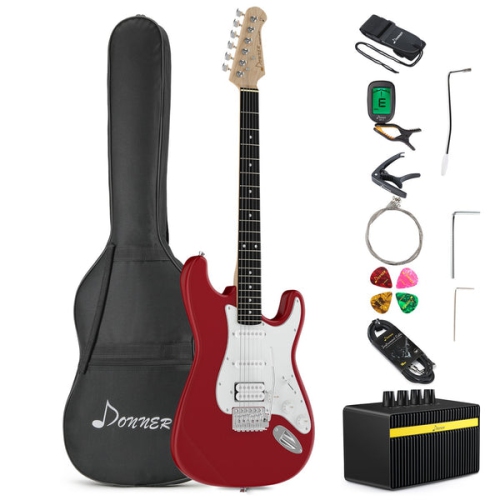
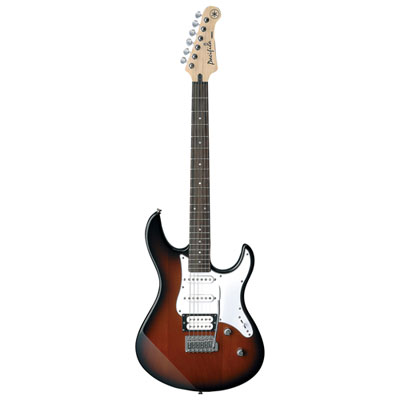
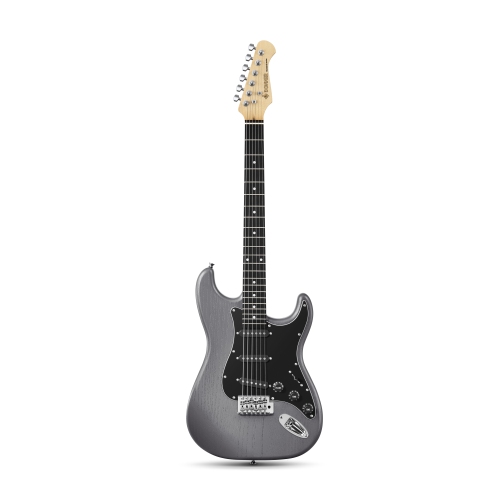
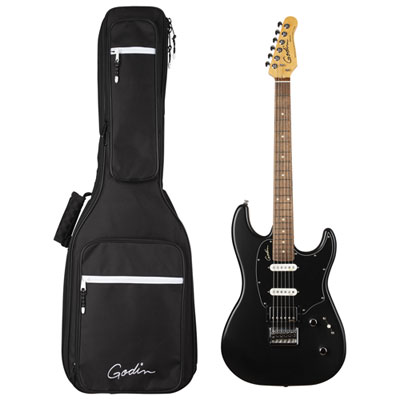
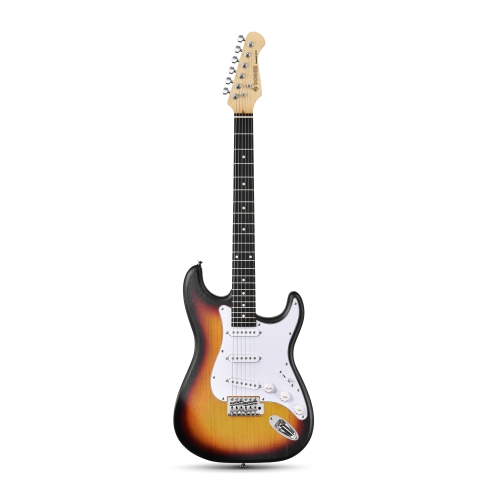
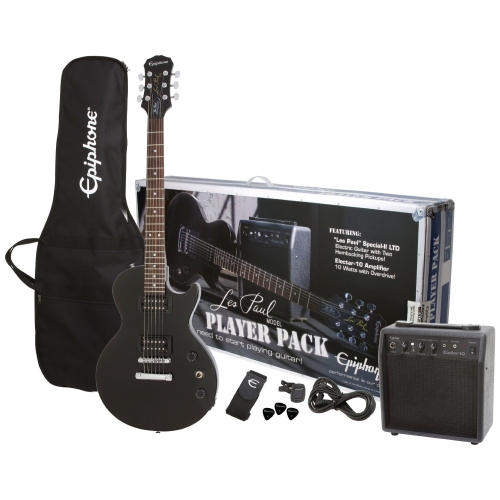
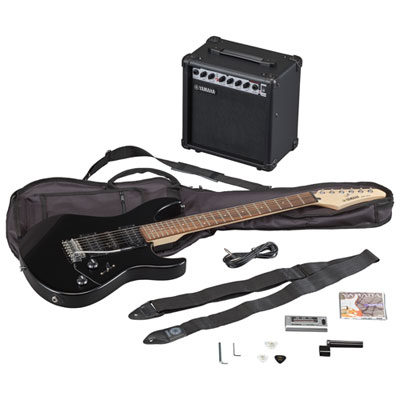
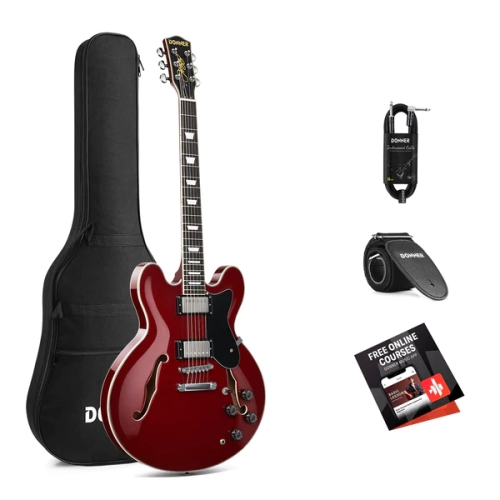
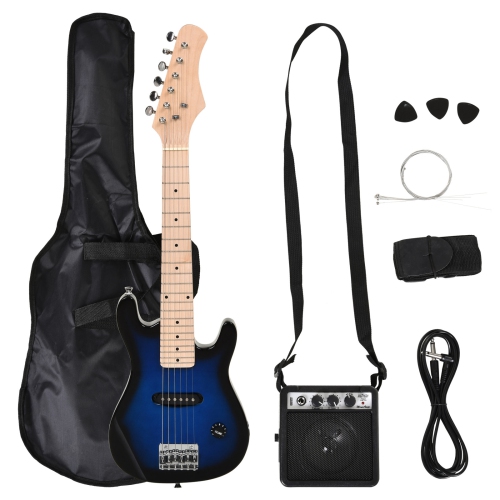
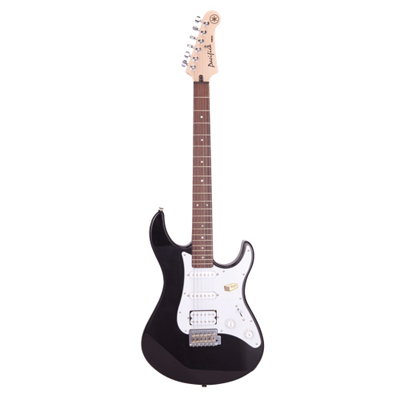
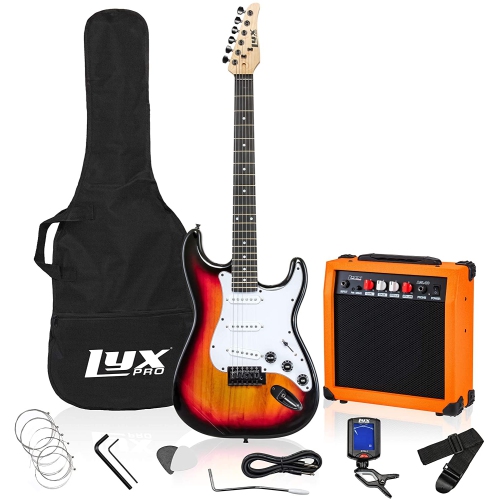
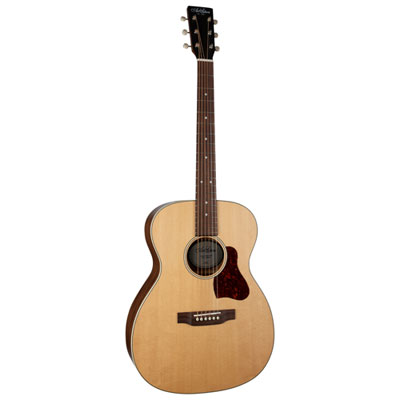
Blues music instruments are defined less by a single sound than by the conversation between rhythm, melody, and feeling. Guitar, harmonica, piano, bass, and drums form the best-known foundation, while instruments such as the resonator guitar, banjo, washboard, and diddley bow add distinctive character rooted in early rural and acoustic blues. A guitar may carry a low, humming rhythm beneath a vocal line, then answer it with a bent note or a brief slide phrase that seems to linger in the air. Acoustic guitars suit unplugged playing, porch sessions, and intimate songwriting, while electric guitars offer greater volume and a broad range of tones for rehearsals, small performances, and full-band settings. Resonator guitars bring a bright, metallic quality that works especially well for slide techniques. When choosing a guitar for blues, consider the player’s experience, preferred playing style, comfort with the instrument’s body shape, and whether amplification will be part of the setup. A beginner may appreciate an instrument that feels comfortable and responds easily, while a more experienced player may be looking for particular tonal qualities, pickup options, or room for expressive techniques such as string bending, vibrato, and slide playing.
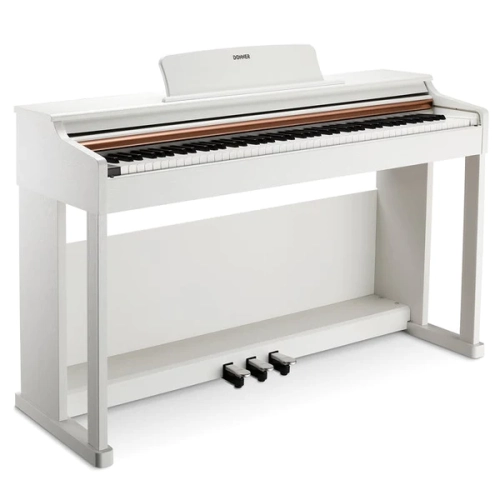
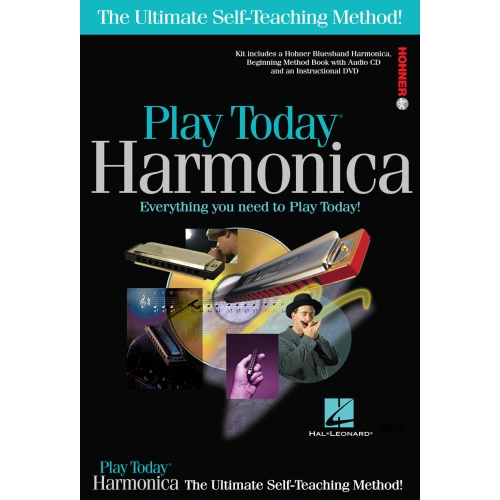
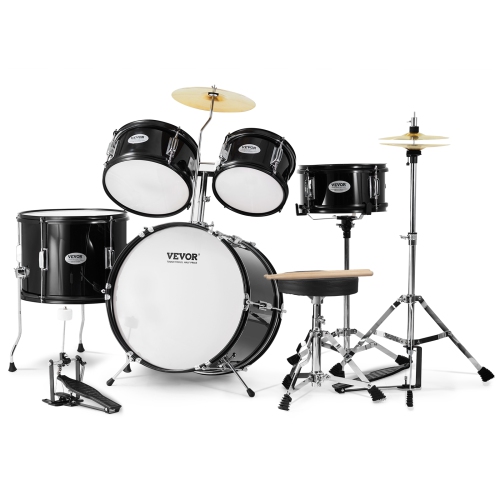
The harmonica, often called a blues harp, is one of the most accessible ways to bring a blues voice into a song. Its compact size makes it easy to keep within reach during a guitar performance, and its expressive bends can imitate a vocal wail, answer a lyric, or fill the spaces between chords. Harmonica players should pay attention to key, since different keys are commonly used for blues positions and accompanying other musicians. A harmonica can be a thoughtful gift for a new musician, a songwriter, or someone drawn to the sound of classic juke-joint and folk performances, particularly because it is portable and does not require a large playing area. Piano contributes another essential blues language, from slow, spacious chords to energetic boogie-woogie patterns that roll steadily beneath the melody. Digital pianos and keyboards can be practical for homes, practice rooms, and multi-instrument setups, while full-size weighted keys may provide a more familiar feel for players developing finger strength and control. Bass and drums complete the pulse of a blues ensemble. Upright bass is associated with early and acoustic styles, offering a warm, resonant foundation, while electric bass guitar is well suited to amplified groups and modern blues arrangements. A drum kit or compact percussion setup keeps time through a steady backbeat, syncopated accents, and subtle changes in intensity. For any of these instruments, consider available space, portability, sound levels, the player’s physical comfort, and the accessories needed for regular practice.
Blues instruments also offer plenty of room for exploration beyond the core band setup. A washboard can add a crisp, percussive texture when played with thimbles or other finger picks, making it a lively choice for informal performances, roots ensembles, and group music-making. The banjo appears in early country and rural blues traditions, where its bright attack and repeating patterns can contrast beautifully with a slower vocal or slide guitar line. The diddley bow, a simple single-string instrument with deep historical ties to early blues, introduces the fundamentals of pitch, rhythm, and expressive movement in an uncomplicated format. These instruments can appeal to curious beginners, collectors of traditional music equipment, and experienced players who want to add an unusual texture to recordings or jam sessions. They may also make memorable gifts for musicians who enjoy discovering the stories behind different forms of music. Those exploring closely related roots styles may also find useful inspiration in Bluegrass Instruments, particularly when comparing acoustic stringed instruments and hand-played percussion. As the weather warms, blues instruments can move easily from a living-room practice space to a backyard gathering, while during the cooler months they provide a rewarding way to keep playing indoors. Whether the goal is learning a first twelve-bar progression, accompanying vocals, building a home recording setup, or joining a local ensemble, the right instrument should feel inviting in the hands and support the player’s natural way of making music.
The harmonica, often called a blues harp, is one of the most accessible ways to bring a blues voice into a song. Its compact size makes it easy to keep within reach during a guitar performance, and its expressive bends can imitate a vocal wail, answer a lyric, or fill the spaces between chords. Harmonica players should pay attention to key, since different keys are commonly used for blues positions and accompanying other musicians. A harmonica can be a thoughtful gift for a new musician, a songwriter, or someone drawn to the sound of classic juke-joint and folk performances, particularly because it is portable and does not require a large playing area. Piano contributes another essential blues language, from slow, spacious chords to energetic boogie-woogie patterns that roll steadily beneath the melody. Digital pianos and keyboards can be practical for homes, practice rooms, and multi-instrument setups, while full-size weighted keys may provide a more familiar feel for players developing finger strength and control. Bass and drums complete the pulse of a blues ensemble. Upright bass is associated with early and acoustic styles, offering a warm, resonant foundation, while electric bass guitar is well suited to amplified groups and modern blues arrangements. A drum kit or compact percussion setup keeps time through a steady backbeat, syncopated accents, and subtle changes in intensity. For any of these instruments, consider available space, portability, sound levels, the player’s physical comfort, and the accessories needed for regular practice.
Blues instruments also offer plenty of room for exploration beyond the core band setup. A washboard can add a crisp, percussive texture when played with thimbles or other finger picks, making it a lively choice for informal performances, roots ensembles, and group music-making. The banjo appears in early country and rural blues traditions, where its bright attack and repeating patterns can contrast beautifully with a slower vocal or slide guitar line. The diddley bow, a simple single-string instrument with deep historical ties to early blues, introduces the fundamentals of pitch, rhythm, and expressive movement in an uncomplicated format. These instruments can appeal to curious beginners, collectors of traditional music equipment, and experienced players who want to add an unusual texture to recordings or jam sessions. They may also make memorable gifts for musicians who enjoy discovering the stories behind different forms of music. Those exploring closely related roots styles may also find useful inspiration in Bluegrass Instruments, particularly when comparing acoustic stringed instruments and hand-played percussion. As the weather warms, blues instruments can move easily from a living-room practice space to a backyard gathering, while during the cooler months they provide a rewarding way to keep playing indoors. Whether the goal is learning a first twelve-bar progression, accompanying vocals, building a home recording setup, or joining a local ensemble, the right instrument should feel inviting in the hands and support the player’s natural way of making music.
Top selling and popular products
-
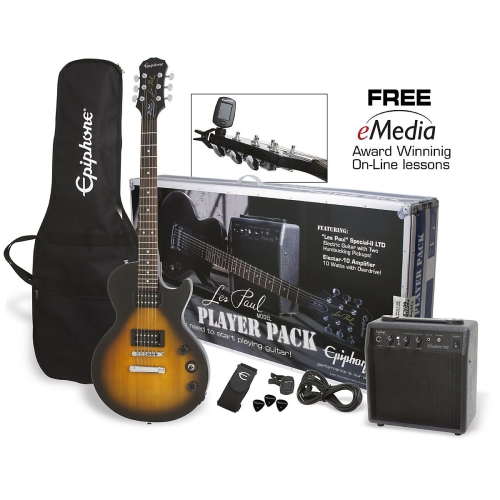 Your price for this item is $494.49
 -
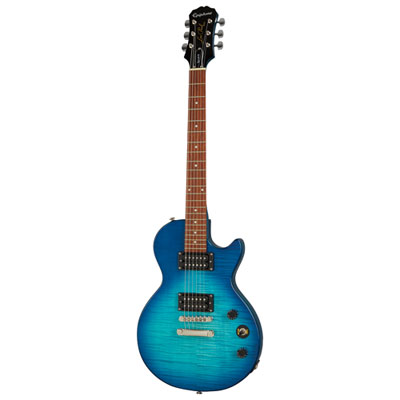 Your price for this item is $379.99
 -
 Your price for this item is $494.49
 -
 Your price for this item is $349.99
 -
 Your price for this item is $395.99
 -
 Your price for this item is $124.99
 -
 Your price for this item is $299.99
 -
 Your price for this item is $239.99
Discover more categories related to Blues Music Instruments
Top Collections:
Pokemon Centers, Best Cameras for Sports Photography, Kindle Devices, Samsung Galaxy Phones, Canon G7X Cameras, Pokémon 30th Celebration Cards, Refurbished Apple Laptops, iPhone 15 Apple, Laptops for Students, Budget Smartphones
Some products may be subject to Environmental Handling Fees
(EHF) depending on your province.
Learn more about EHFs.