Children's Xylophones
Whether your little one is a budding musician or simply loves exploring different sounds, these children's xylophones are sure to hit all the right notes. Designed with vibrant colors and durable materials, these xylophones are perfect for introducing your child to the world of music. From basic models for beginners to more advanced options for those ready to take their skills to the next level, we have a wide range of choices to suit every young musician's needs.
Sort
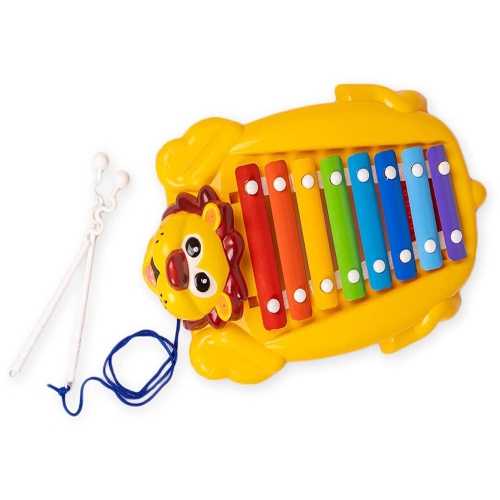
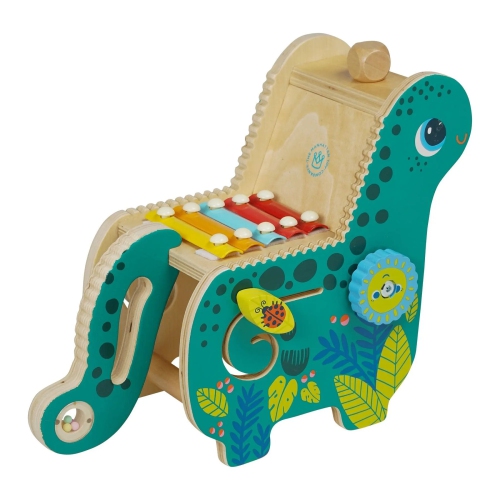
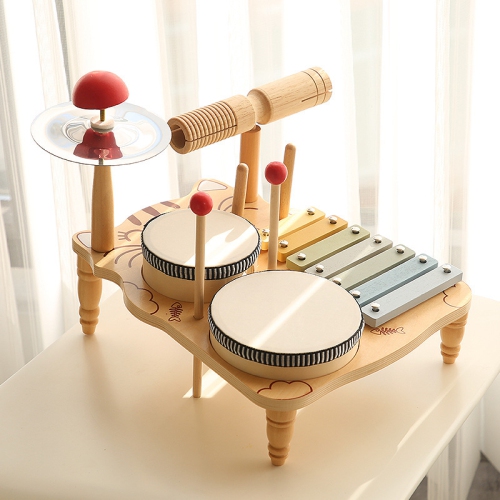
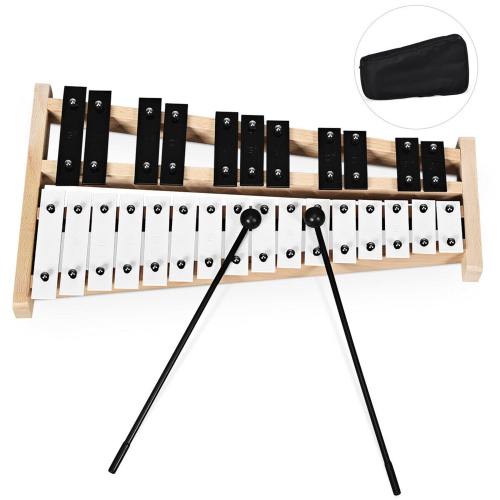

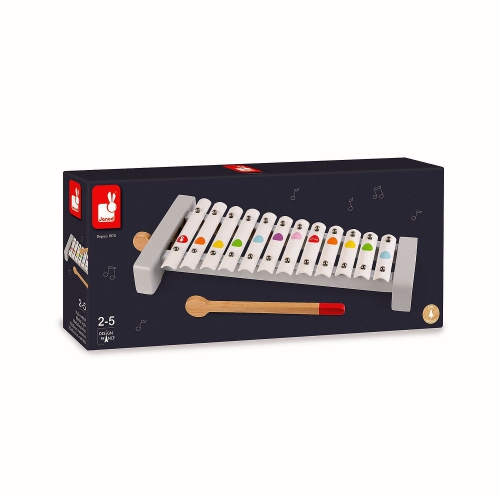
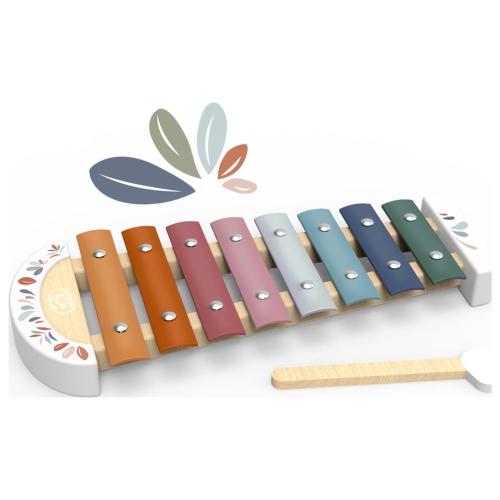
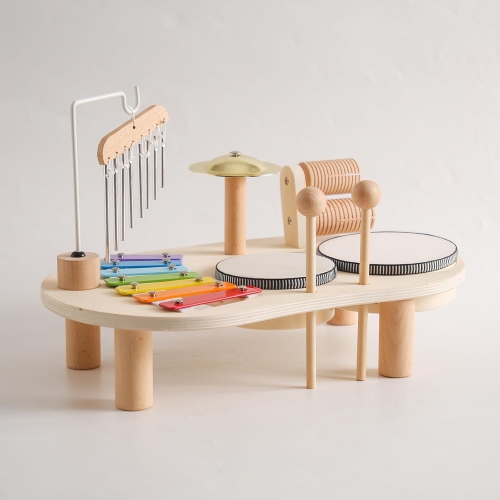
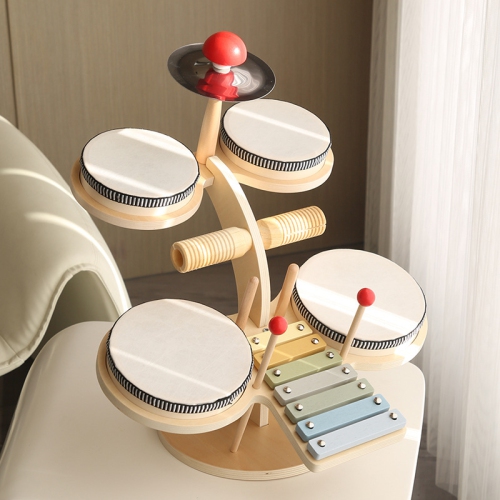
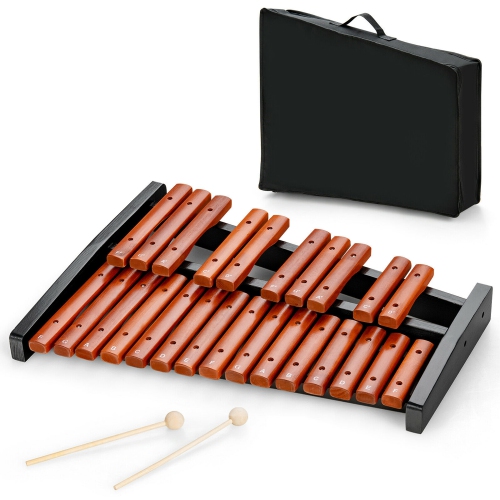
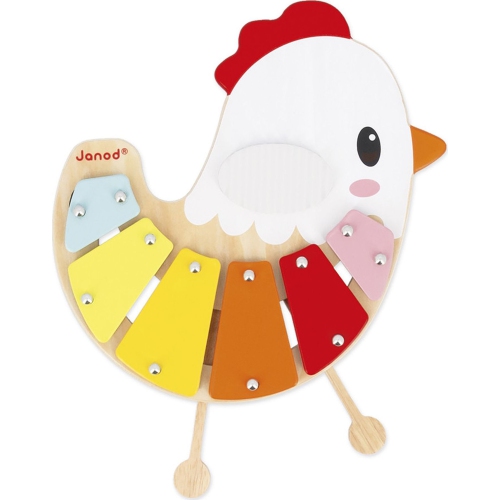
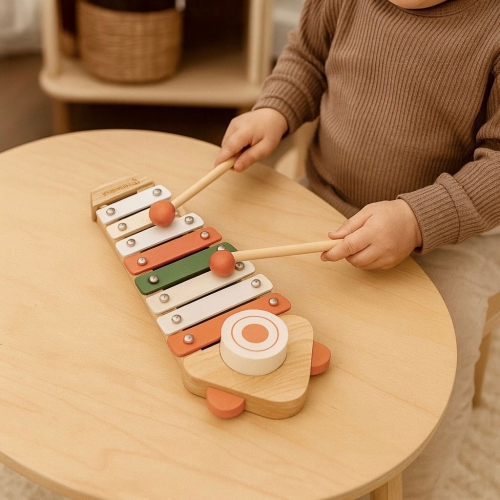
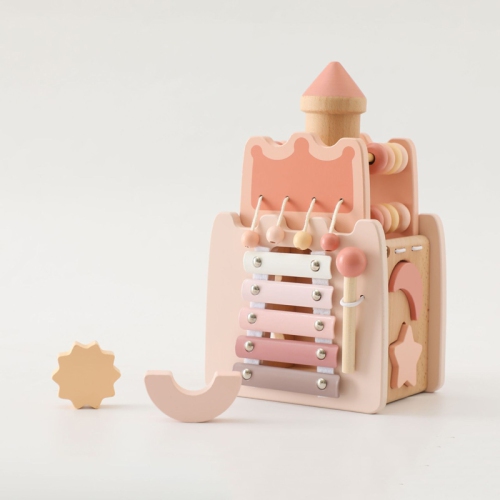
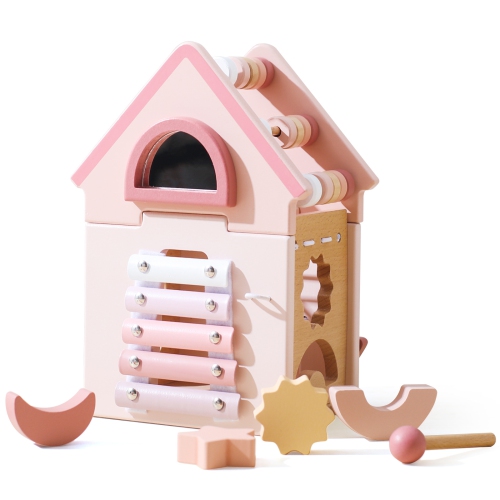
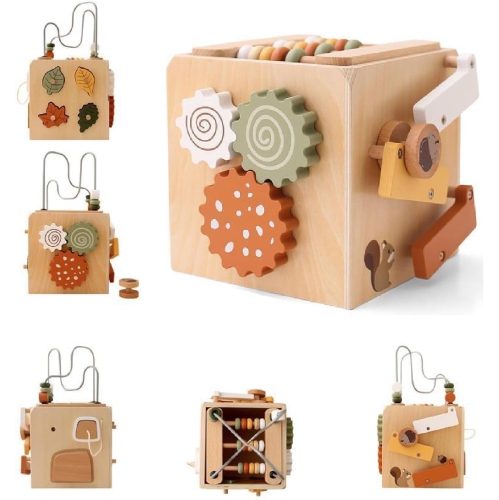
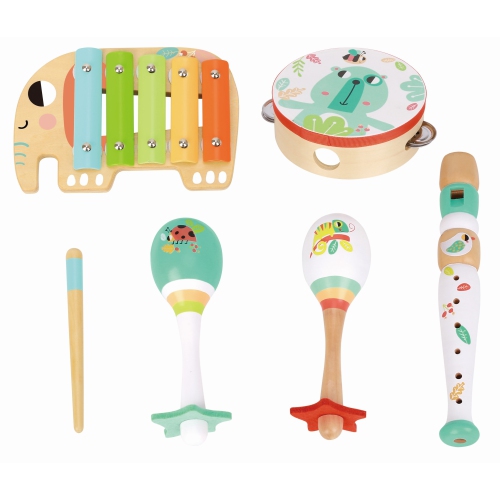
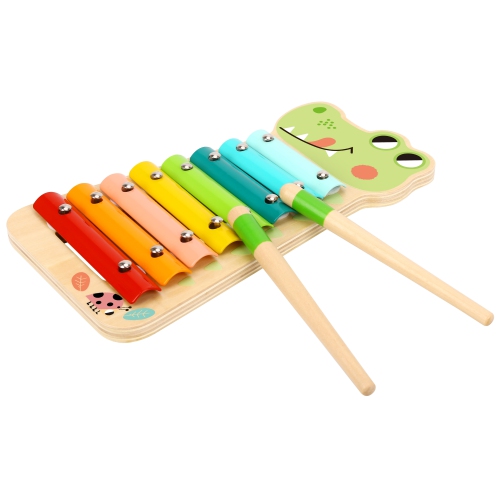
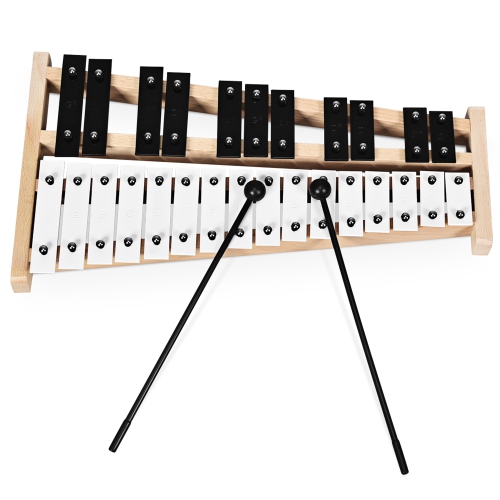
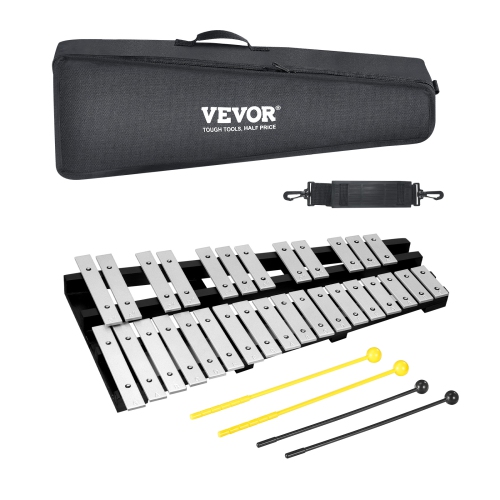
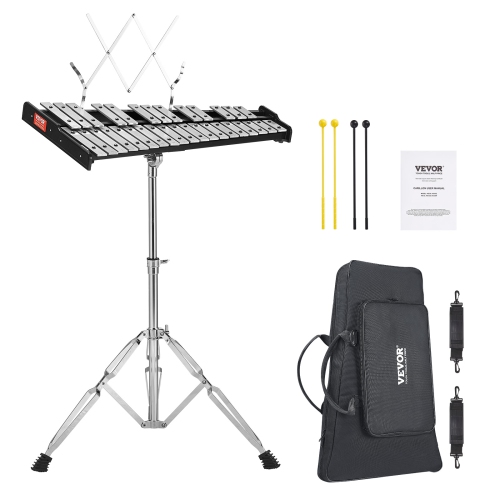
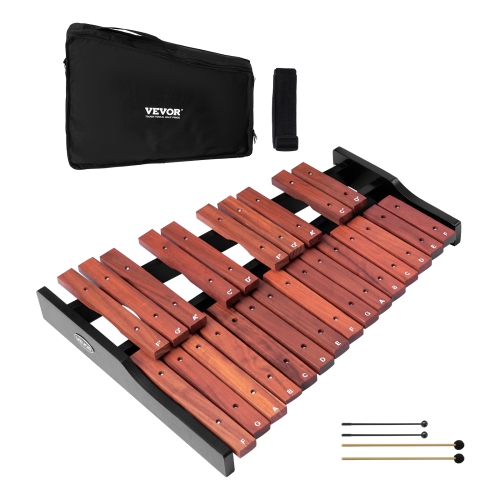
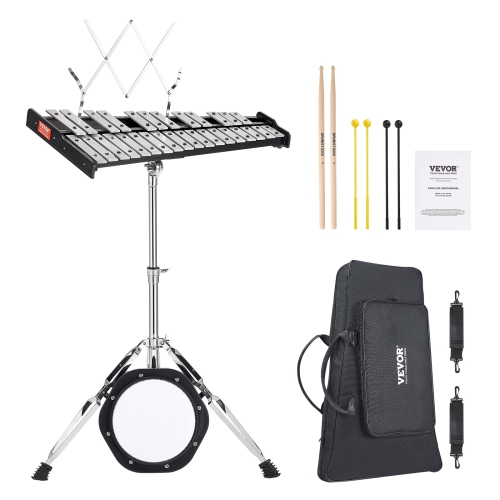
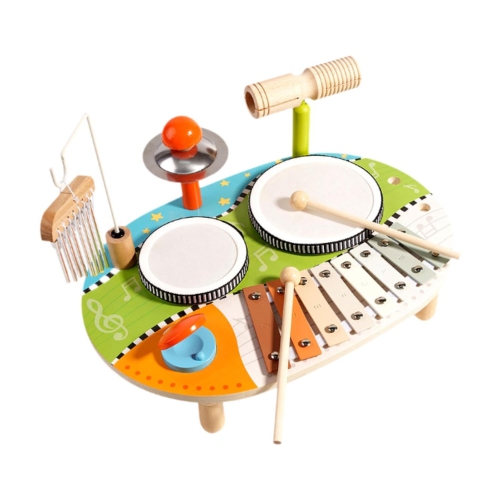
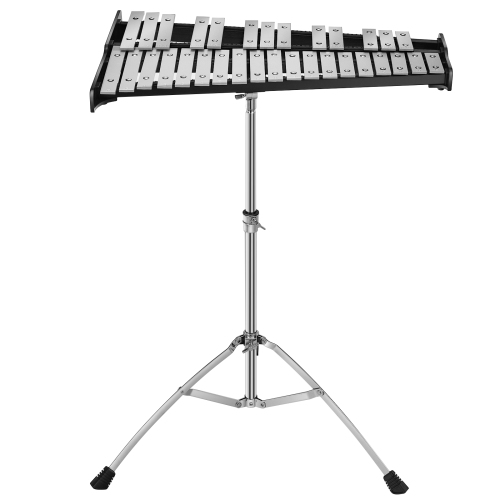
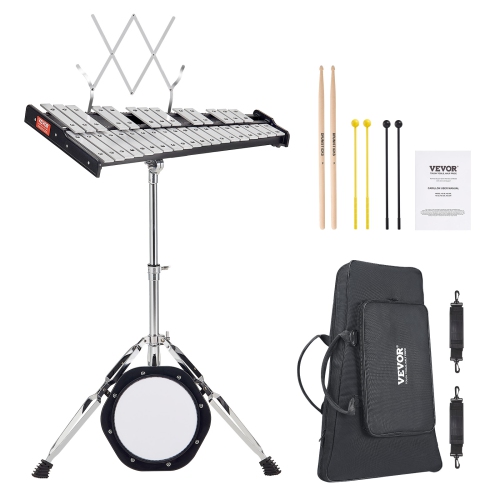
A playful first step into melodies and rhythm
Children’s xylophones introduce young learners to music through a simple, hands-on format that is easy to understand and enjoyable to explore. With a row of colourful or polished bars and a pair of child-sized mallets, these instruments let children create clear tones by tapping, experimenting, and listening to the results. They do not need to read music or follow a formal lesson to get started; a toddler can begin by discovering the difference between a high note and a low note, while an older child can gradually learn familiar melodies and simple rhythms. Children’s xylophones are commonly chosen for ages 12 months and up, with some designs better suited to babies who are just developing coordination and others intended for preschoolers and early elementary-aged musicians. Age guidance is an important starting point, particularly when selecting a first instrument, because the size of the bars, weight of the mallets, number of notes, and overall construction can all affect how comfortably a child plays. Look for a sturdy design that can sit securely on a table or floor, with mallets that are easy for small hands to grip. Rounded edges, securely fitted parts, and clearly stated manufacturer recommendations are also worth checking before purchase. Some instruments have a compact eight-note layout that is ideal for first musical discoveries, while others offer a broader range for children who are ready to play more complete tunes. For families comparing options, a children’s xylophone can be a practical first step before moving into other child-friendly instruments, including Children's Pianos.
The choice between a traditional wooden xylophone and an electronic learning model often comes down to the child’s age, playing style, and the kind of activity parents want to encourage. Wooden instruments tend to offer a straightforward, tactile experience: the child strikes a bar, hears a note, and begins to connect movement with sound. Their natural, toy-like appearance can fit comfortably in a playroom, and some include storage for the mallets so the pieces are less likely to disappear beneath a sofa or into a toy bin. Metal-key designs can produce bright, resonant tones and may be a good fit for children who enjoy repeating patterns, copying songs, or exploring a fuller musical scale. Electronic xylophones may add lights, songs, sound effects, or different learning levels, which can help hold the attention of a child who benefits from visual prompts and guided play. These features can be useful for practising note order, following a melody, and building confidence, although an instrument with fewer distractions may be preferable for a child who enjoys open-ended play. Some 2-in-1 designs combine a xylophone with another age-appropriate activity, such as a pounding bench, giving younger children more than one way to practise hand-eye coordination. Volume is another useful consideration, especially in smaller homes or shared spaces. Acoustic instruments allow adults to manage the sound through play location and supervision, while electronic models may include volume controls or an on/off switch. It is also helpful to check whether the mallets are attached, stored on the instrument, or removable, since loose accessories can be misplaced and should be used with appropriate supervision.
Children’s xylophones make thoughtful gifts for birthdays, family celebrations, and seasonal gatherings because they offer both immediate entertainment and room for new skills to develop over time. A young child may begin with a few enthusiastic taps, then start arranging notes into repeated patterns, copying a sibling, or creating a short “concert” for family members. During the cooler months, when indoor play becomes a larger part of the day, a xylophone can add an active, creative option to the usual books, building toys, and screen-based activities. Adults can join in by tapping a steady beat, singing along, or inviting the child to play one note at the end of each line of a familiar song. These simple games support listening, turn-taking, memory, rhythm, and fine motor control without making practice feel like a lesson. When choosing a gift, consider where the instrument will be used, how much storage space is available, and whether the recipient prefers independent discovery or guided activities. A compact xylophone may suit a bedroom, playroom, or travel bag, while a larger model with more notes may be better for a dedicated music corner. Prices commonly range from about $20 to $50, depending on the materials, number of keys, electronic features, and included activities. Whatever the format, the best choice is one that feels inviting in a child’s hands and can withstand enthusiastic play. Store the mallets with the instrument when possible, wipe the bars with a soft dry or lightly damp cloth as needed, and keep the xylophone in a place where it can be reached easily but played safely. With regular opportunities to explore sound, children can turn a simple row of notes into songs, stories, and lively moments shared with the people around them.
The choice between a traditional wooden xylophone and an electronic learning model often comes down to the child’s age, playing style, and the kind of activity parents want to encourage. Wooden instruments tend to offer a straightforward, tactile experience: the child strikes a bar, hears a note, and begins to connect movement with sound. Their natural, toy-like appearance can fit comfortably in a playroom, and some include storage for the mallets so the pieces are less likely to disappear beneath a sofa or into a toy bin. Metal-key designs can produce bright, resonant tones and may be a good fit for children who enjoy repeating patterns, copying songs, or exploring a fuller musical scale. Electronic xylophones may add lights, songs, sound effects, or different learning levels, which can help hold the attention of a child who benefits from visual prompts and guided play. These features can be useful for practising note order, following a melody, and building confidence, although an instrument with fewer distractions may be preferable for a child who enjoys open-ended play. Some 2-in-1 designs combine a xylophone with another age-appropriate activity, such as a pounding bench, giving younger children more than one way to practise hand-eye coordination. Volume is another useful consideration, especially in smaller homes or shared spaces. Acoustic instruments allow adults to manage the sound through play location and supervision, while electronic models may include volume controls or an on/off switch. It is also helpful to check whether the mallets are attached, stored on the instrument, or removable, since loose accessories can be misplaced and should be used with appropriate supervision.
Children’s xylophones make thoughtful gifts for birthdays, family celebrations, and seasonal gatherings because they offer both immediate entertainment and room for new skills to develop over time. A young child may begin with a few enthusiastic taps, then start arranging notes into repeated patterns, copying a sibling, or creating a short “concert” for family members. During the cooler months, when indoor play becomes a larger part of the day, a xylophone can add an active, creative option to the usual books, building toys, and screen-based activities. Adults can join in by tapping a steady beat, singing along, or inviting the child to play one note at the end of each line of a familiar song. These simple games support listening, turn-taking, memory, rhythm, and fine motor control without making practice feel like a lesson. When choosing a gift, consider where the instrument will be used, how much storage space is available, and whether the recipient prefers independent discovery or guided activities. A compact xylophone may suit a bedroom, playroom, or travel bag, while a larger model with more notes may be better for a dedicated music corner. Prices commonly range from about $20 to $50, depending on the materials, number of keys, electronic features, and included activities. Whatever the format, the best choice is one that feels inviting in a child’s hands and can withstand enthusiastic play. Store the mallets with the instrument when possible, wipe the bars with a soft dry or lightly damp cloth as needed, and keep the xylophone in a place where it can be reached easily but played safely. With regular opportunities to explore sound, children can turn a simple row of notes into songs, stories, and lively moments shared with the people around them.
Top selling and popular products
-
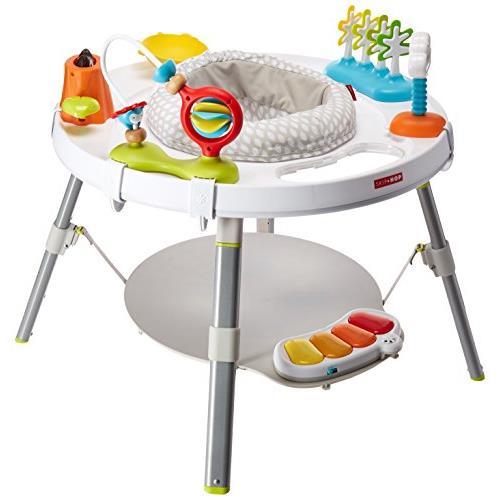 Your price for this item is $299.13
 -
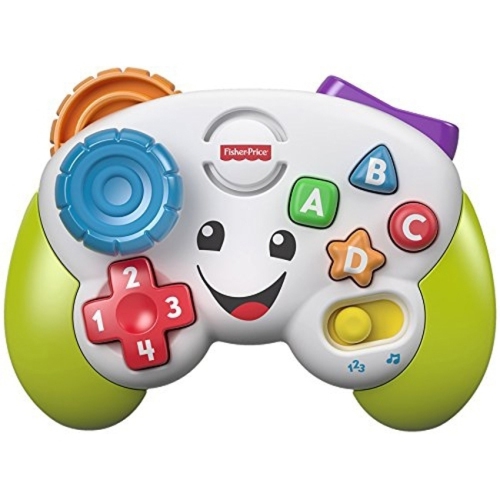 Your price for this item is $24.28
 -
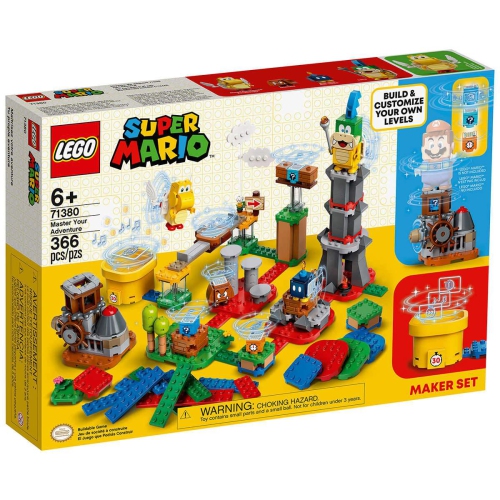 Your price for this item is $103.27
 -
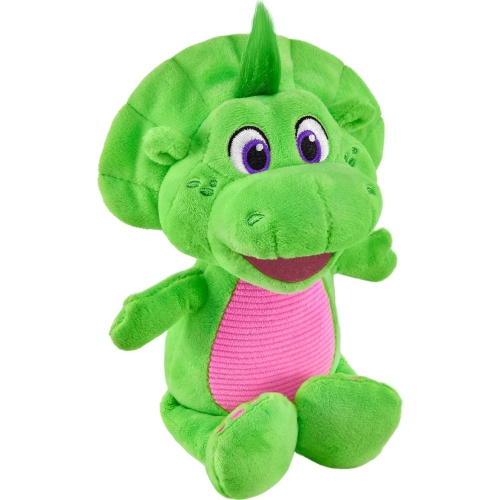 Your price for this item is $17.24
 -
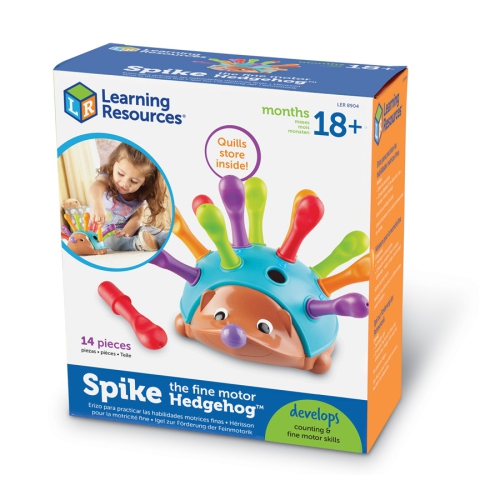 Your price for this item is $56.13
 -
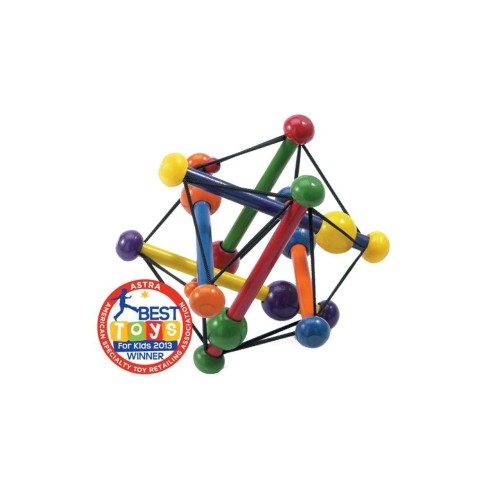 Your price for this item is $29.99
 -
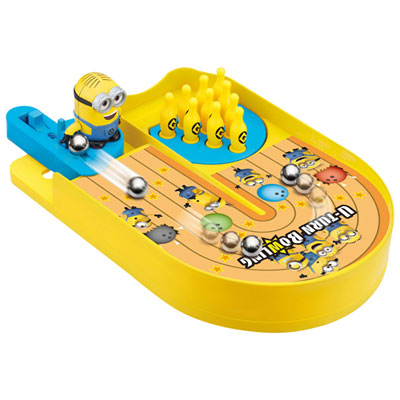 Your price for this item is $19.99
 -
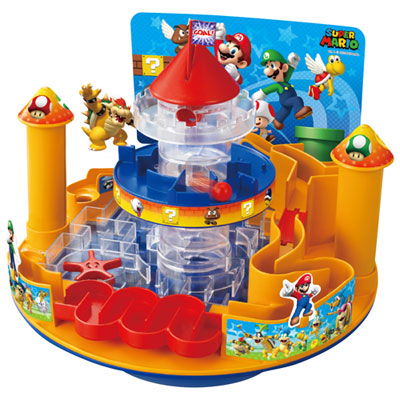 Your price for this item is $39.99
Discover more categories related to Children's Xylophones
Top Collections:
Pokemon Centers, Kindle Devices, Best Budget Office Chairs, Apple iPhones 16, Best Laptops for Writers, iPhone 15 Apple, Canon G7X Cameras, Refurbished Apple Laptops, Alarm Clock, Motorola Razr Phones
Some products may be subject to Environmental Handling Fees
(EHF) depending on your province.
Learn more about EHFs.