Metal Xylophones
Looking to add a touch of musical magic to your home or studio? Look no further than our collection of metal xylophones. With their shimmering tones and captivating melodies, these instruments are perfect for musicians of all ages and skill levels. Whether you're a seasoned percussionist or just starting out on your musical journey, our selection of metal xylophones offers a wide range of options to suit your needs. From compact portable models to larger, more intricate designs, we have the perfect xylophone to help you create beautiful music. Explore our collection today and unlock your inner maestro!
Sort
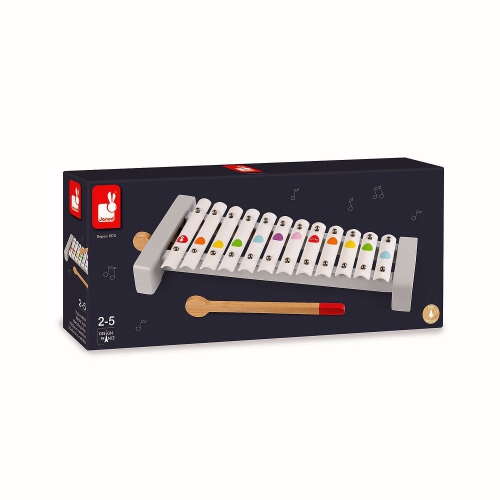
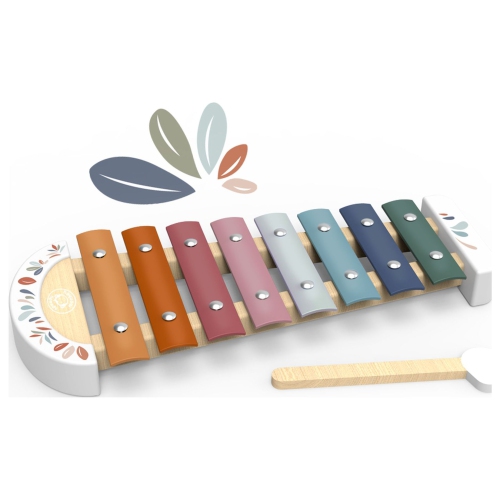
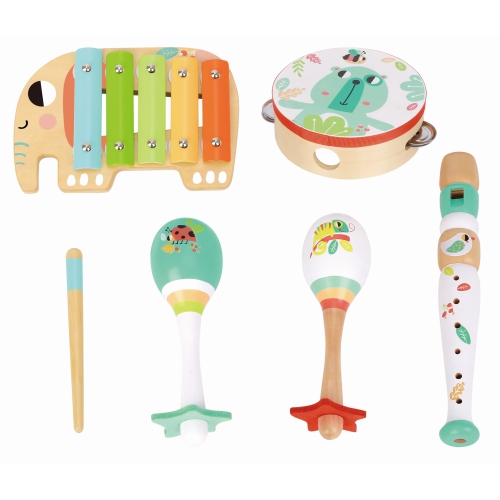

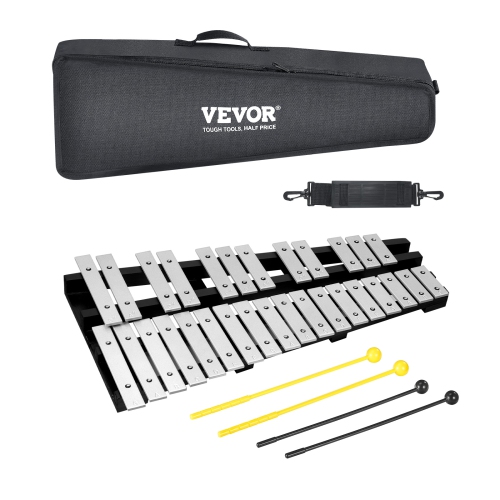
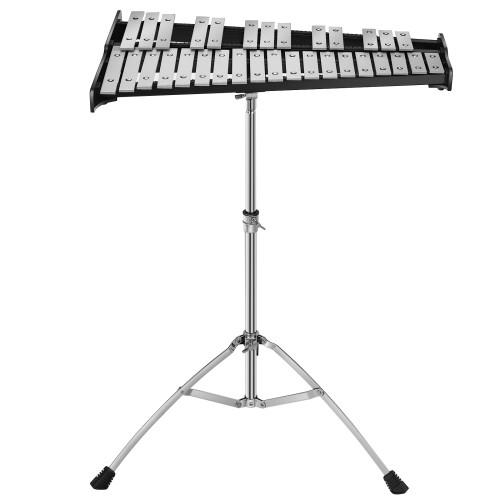
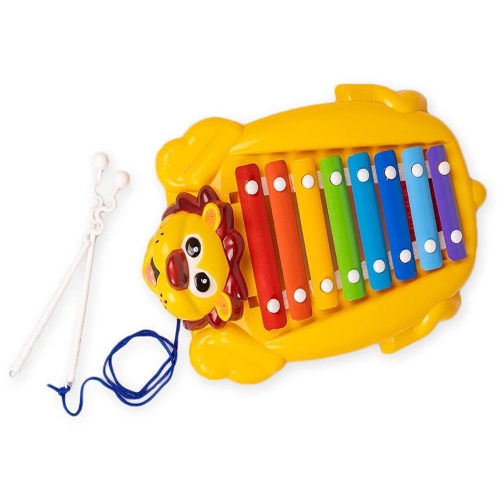
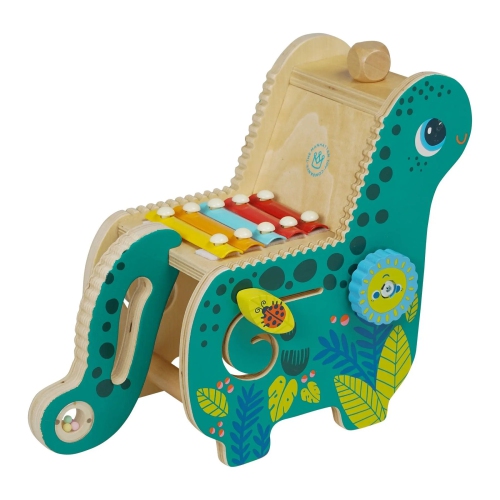
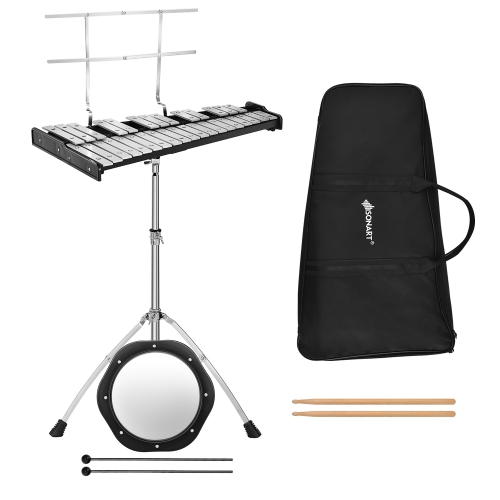
Why metal-bar instruments can sound so different
Metal xylophones are melodic percussion instruments with tuned metal bars that produce notes when struck with mallets. Although “metal xylophone” is a familiar shopping term, an instrument with metal bars is technically a metallophone; a true xylophone has wooden bars. A glockenspiel is a type of metallophone known for its high-pitched, bell-like sound, while larger classroom metallophones can have a lower, more rounded voice. These differences help explain why instruments with similar-looking rows of bars may sound quite different. Metal bars generally produce a bright attack and a lingering ring, making individual notes easy to hear in a simple melody or rhythmic pattern. The length, thickness, material, and tuning of each bar influence its pitch and tone, while the frame and any resonating space beneath the bars affect how the sound carries. Compact instruments may have a single row of notes suited to familiar tunes, while chromatic layouts include sharps and flats, often arranged in two rows resembling a piano keyboard. A diatonic layout contains notes from a particular scale and can feel more approachable for early musical play, although it offers fewer options for songs in other keys. Note range matters as much as the number of bars: two instruments with the same bar count may cover different pitches or support different melodies. For someone learning from sheet music, clearly identified notes and reliable tuning are more useful than a large assortment of brightly coloured bars alone. Colour coding can make note patterns easier to follow, but it is not a substitute for checking the musical range and intended use. Within the broader family of Xylophone Percussion Instruments, metal-bar designs appeal to listeners who enjoy a clear, ringing tone and players who want a direct connection between a mallet strike and an audible note.
Construction makes a noticeable difference to how a metal xylophone feels during everyday play. Steel and aluminium are common bar materials, with tone shaped by the alloy, dimensions, tuning, and overall design rather than the material name alone. Wooden frames can provide a substantial base, while moulded plastic housings can make smaller instruments lighter to carry between a cupboard, table, and play area. Secure bar mounts help maintain spacing and allow the bars to vibrate properly; loose fittings, bent bars, or contact with nearby objects can introduce rattles or shorten the sound. Metal bars are not automatically indestructible, and their tuning and finish can be affected by rough handling. For young children, age suitability, smooth edges, stable construction, and the treatment of small or removable parts deserve particular attention. Mallets also affect both sound and comfort. A hard mallet head generally creates a sharper attack, while a softer head can produce a gentler tone, but the appropriate type depends on the instrument. Mallets that are too heavy or made from an unsuitable material can damage bars or encourage unnecessarily forceful playing. Comfortable handles and manageable lengths make it easier for small hands to strike one bar without catching its neighbour. For an older learner practising alternating strokes, the distance between bars and the amount of clear playing space can be just as important as the instrument’s overall size. A compact tabletop format suits short sessions at a dining table, whereas a larger instrument needs enough room for both hands to move freely. Carry cases, secure mallet storage, and manageable weight are useful considerations when an instrument travels to lessons or shared music sessions. On a table, a stable position with unobstructed bars supports cleaner sound and helps prevent the instrument from sliding during play. Even a small metal-bar instrument can sound surprisingly bright in a quiet room, so its ringing character matters when it will share space with conversation or other instruments.
Metal xylophones suit a wide range of musical activities, from a child exploring high and low notes to an adult working through a melody by ear. For beginners, the visible arrangement of pitches makes musical relationships tangible: moving along the bars changes pitch, repeating one note establishes a pulse, and alternating hands introduces coordination. A short tune played slowly can reveal whether each strike lands cleanly, while a familiar song provides a practical reason to learn note names and steady timing. In classrooms and group music sessions, a simple repeating pattern can accompany singing without requiring every participant to play the full melody. Instruments with removable bars may allow a teacher to limit the available notes for a particular activity, provided the removed pieces are stored safely. More experienced players may place greater emphasis on accurate tuning, consistent tone across the range, and a layout suited to reading music or playing with others. A musical gift is most useful when its complexity matches the recipient: a younger child may benefit from a straightforward layout, while someone already taking lessons may need specific notes or a wider range. Care is generally uncomplicated, but the combination of metal bars, mounting materials, and a wooden or plastic base calls for attention to the manufacturer’s cleaning directions. A soft, dry cloth can remove dust and fingerprints; soaking the instrument or spraying cleaner directly onto it can damage finishes, fittings, or the frame. Dry storage helps protect metal components from corrosion, and a fitted case can limit knocks during transport. Keeping mallets together reduces the temptation to use household objects that could mark the bars. Regular attention to loose fasteners, worn mallet heads, and damaged edges helps keep the instrument comfortable to handle. With a suitable range, sound, and construction, a metal xylophone can become a familiar part of music-making, whether it is brought out for a few carefully played notes or a longer practice session.
Top selling and popular products
-
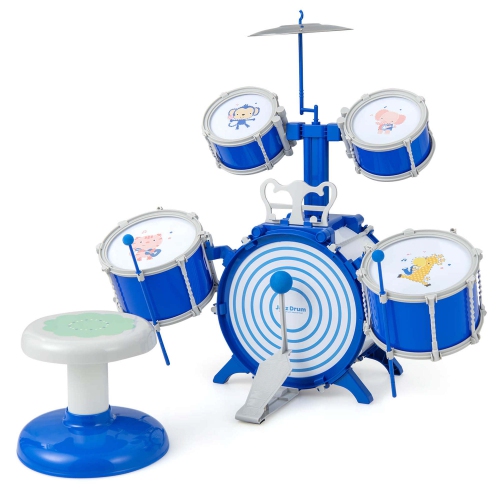 Your price for this item is $74.99
-
 Your price for this item is $89.99
-
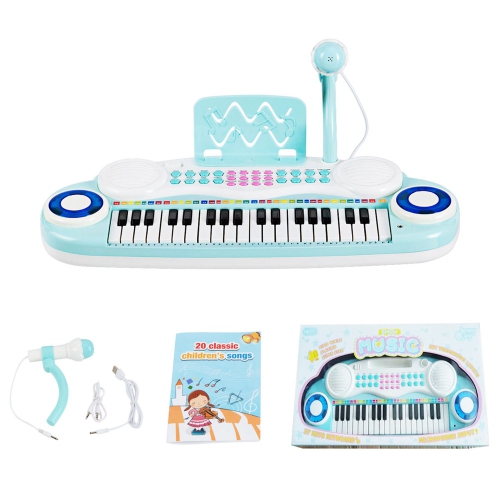 Your price for this item is $64.99
-
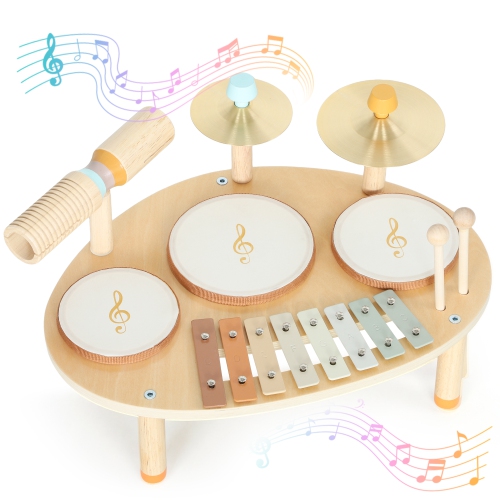 Your price for this item is $48.99
-
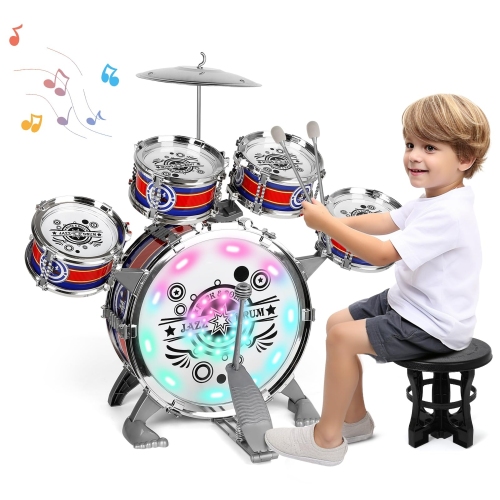 Your price for this item is $24.99
-
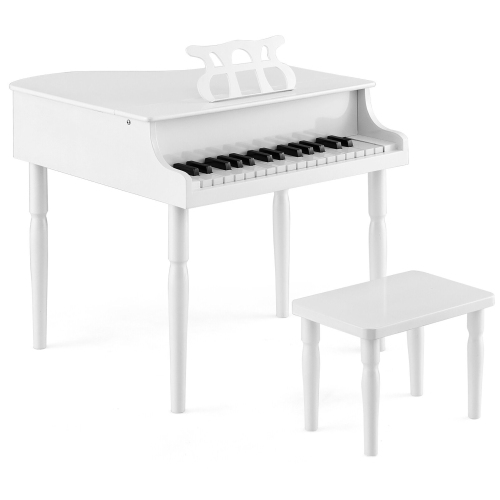 Your price for this item is $129.99
-
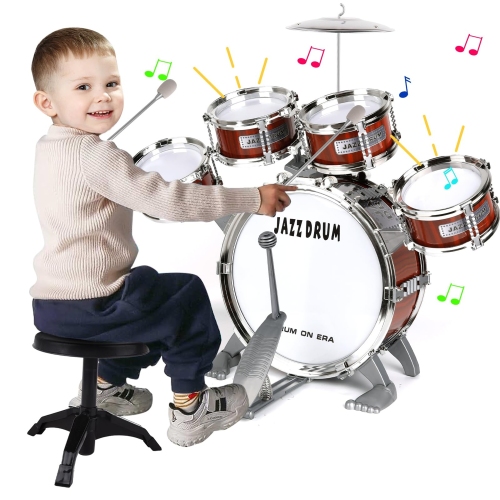 Your price for this item is $24.99
-
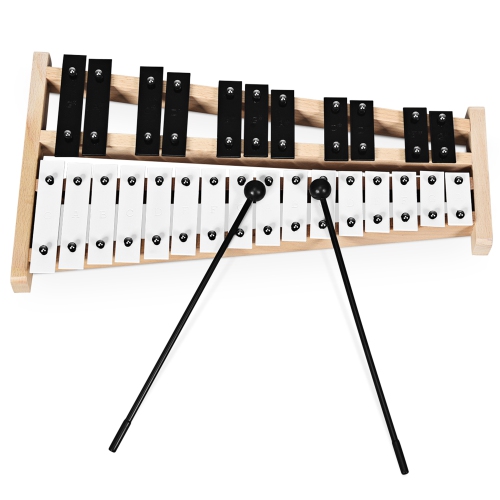 Your price for this item is $64.99
Discover more categories related to Metal Xylophones
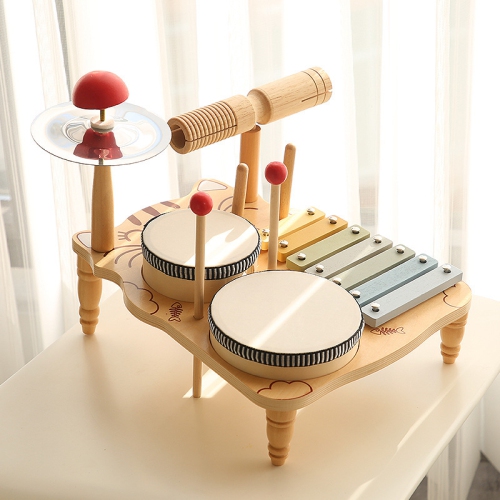
Top Collections:
Best Black Friday Deals This Year, Best Black Friday Deals On Electronics, Kindle Devices, Pokemon Centers, Best Black Friday Deals On Apple Products, Best Cameras for Sports Photography, Dyson Airwrap, Pokémon 30th Celebration Cards, Apple iPhone 17 Pro, Canon G7X Cameras
Some products may be subject to Environmental Handling Fees
(EHF) depending on your province.
Learn more about EHFs.