Classic Electric Guitars
Explore a timeless collection of classic electric guitars that embody the essence of rock 'n' roll history and musical innovation. Whether you're a seasoned musician or just starting your journey in the world of music, these iconic instruments offer a rich tonal palette and exceptional playability. From sleek designs to vintage finishes, each electric guitar showcases meticulous craftsmanship and cutting-edge technology, making them a must-have for any music enthusiast.
Sort
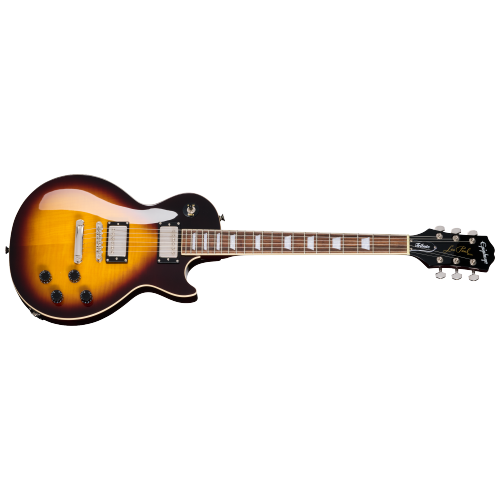
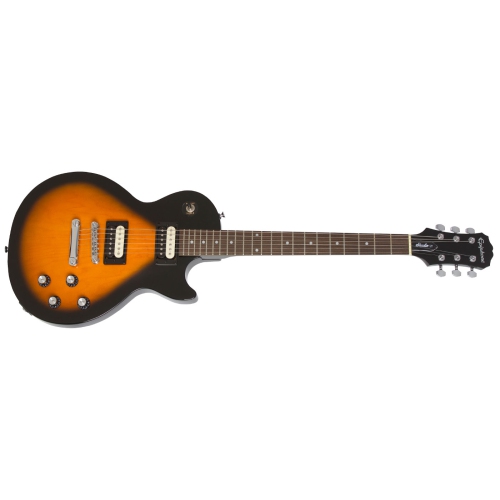
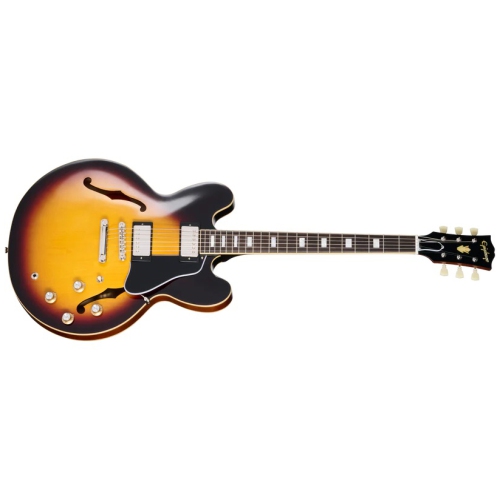
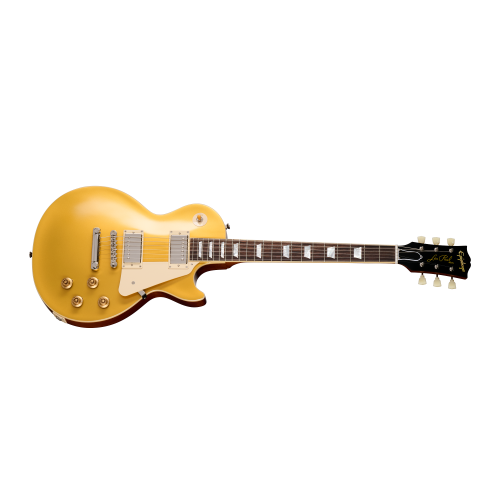

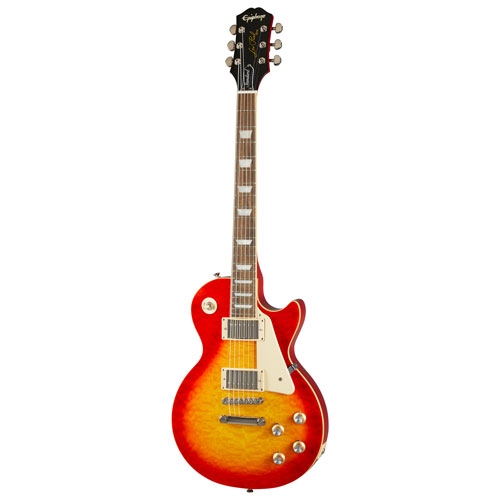
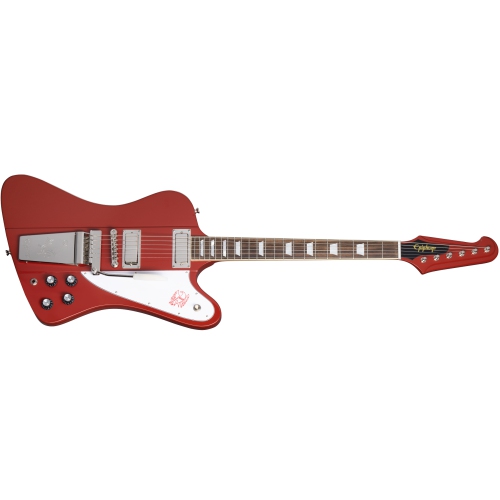
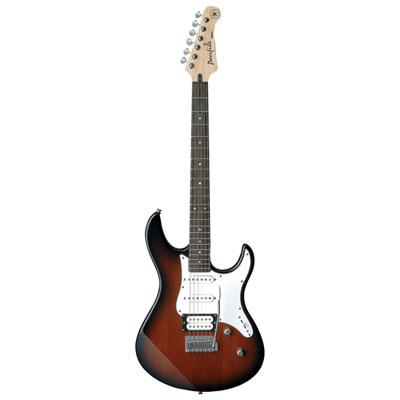
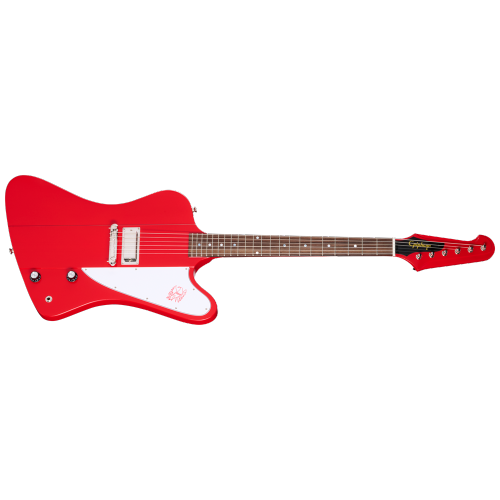


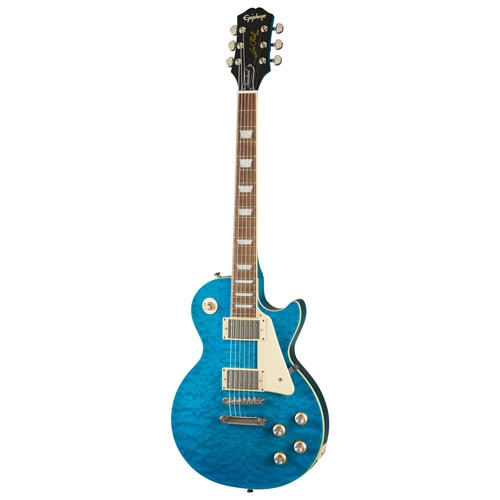

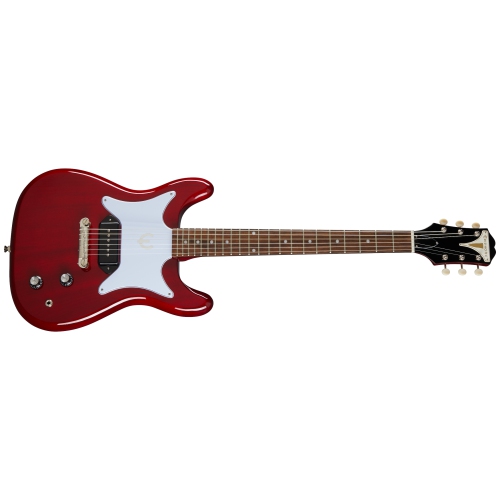
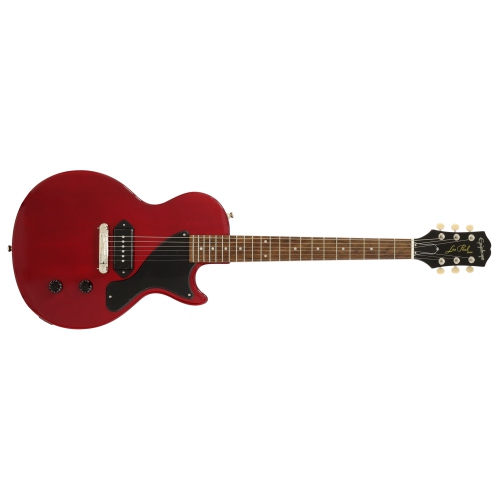
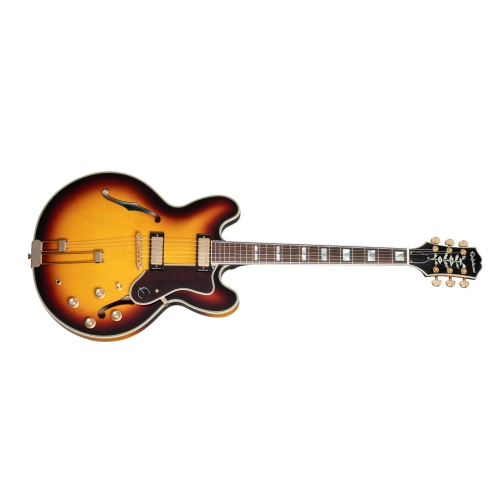
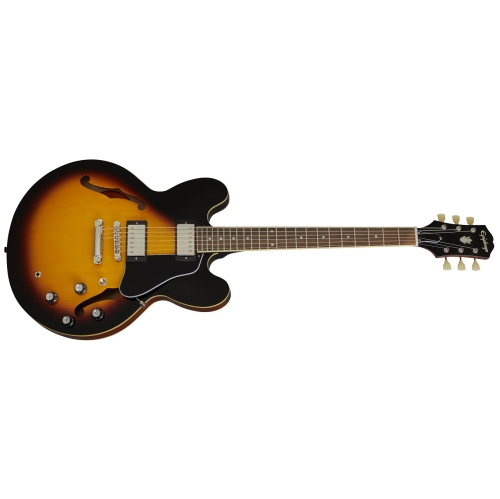

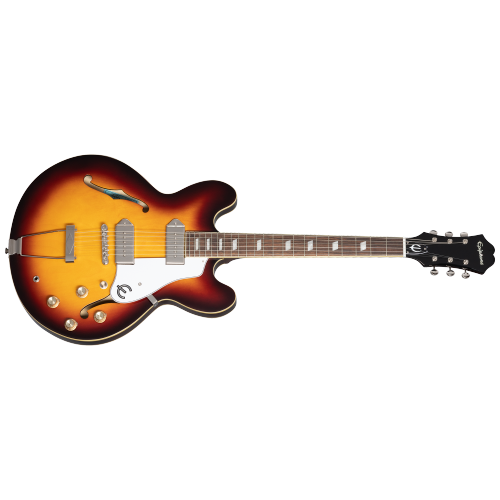
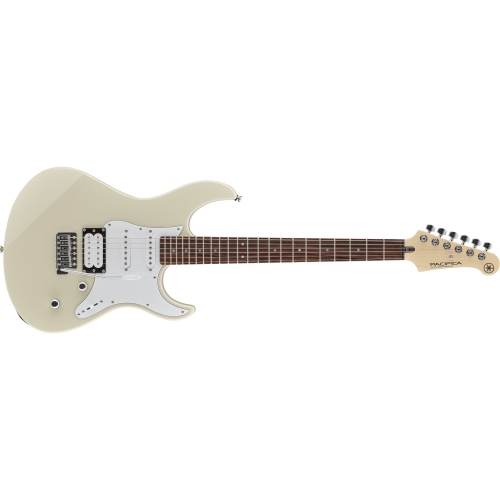
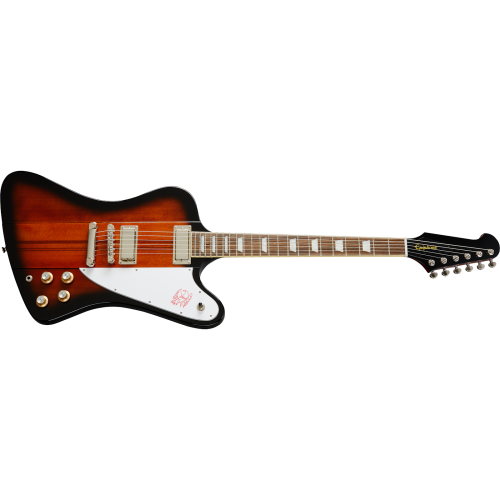


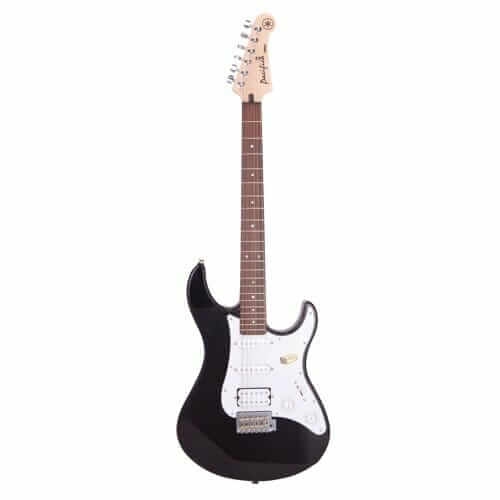

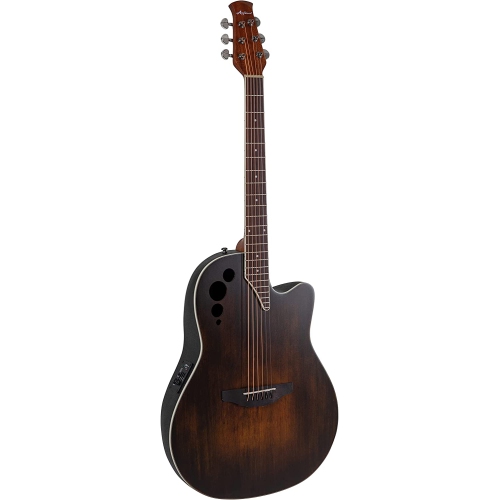
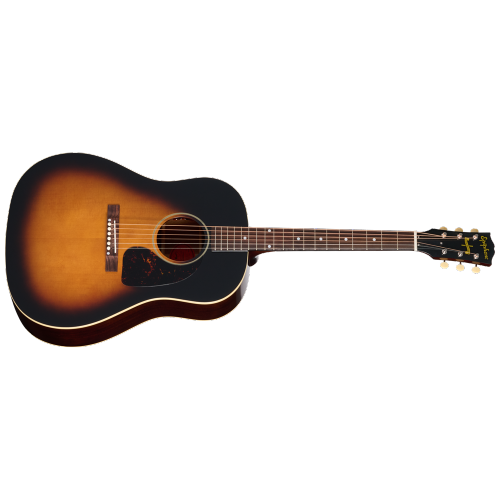
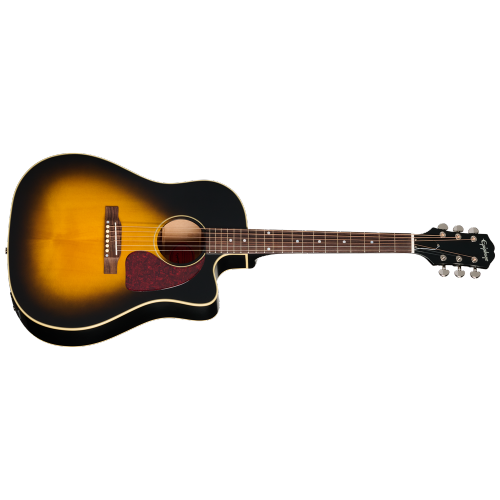

Why classic guitar designs offer more than vintage looks
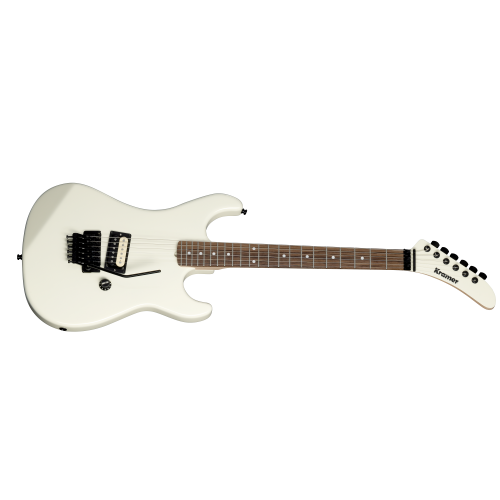
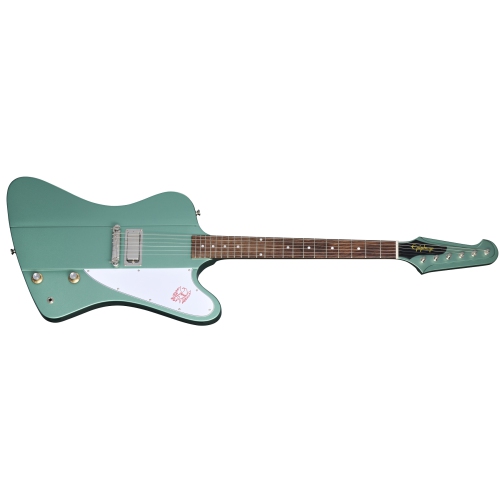
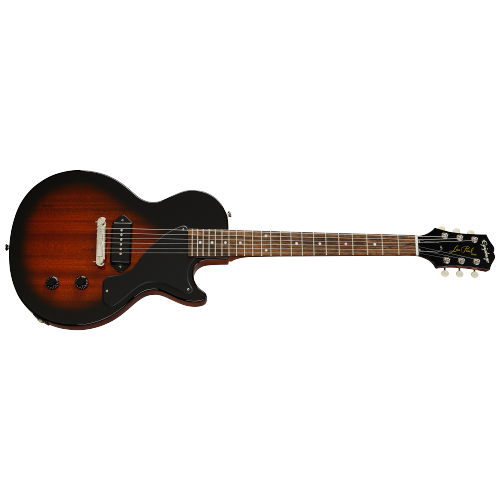
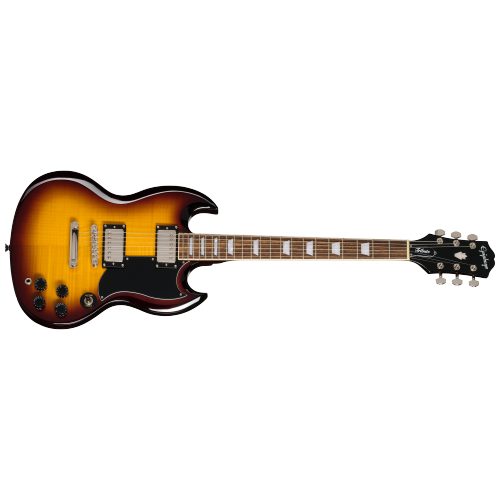
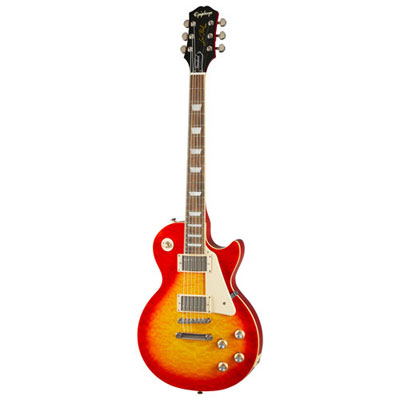
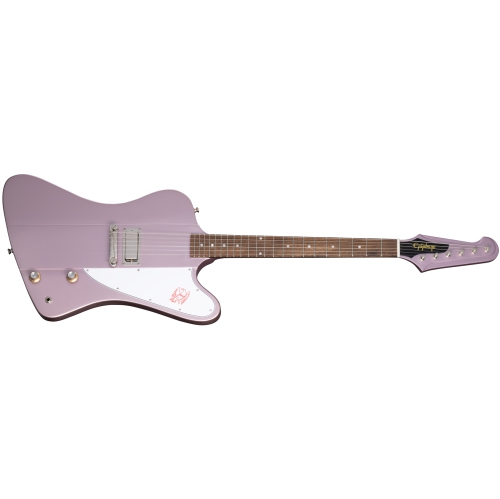
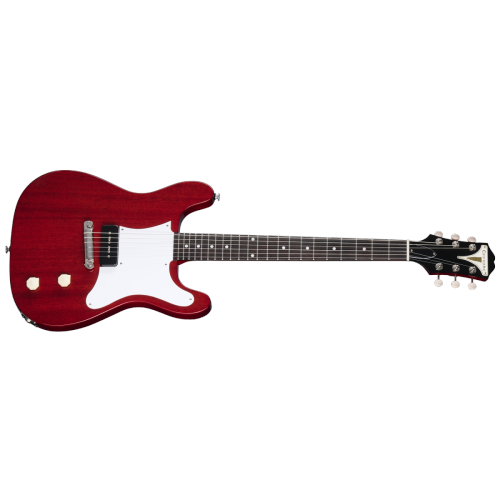
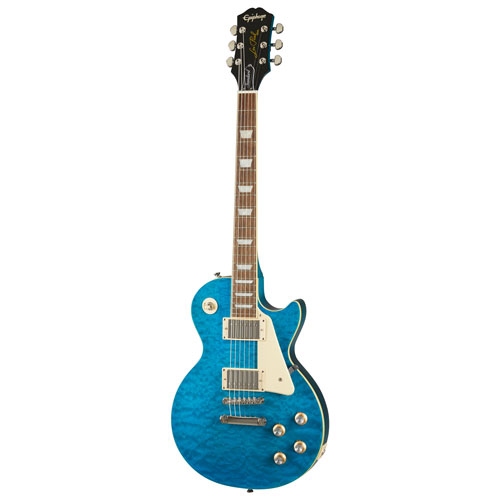
Classic electric guitars are instruments built around enduring body shapes, pickup layouts, and playing characteristics associated with the electric guitar’s formative decades, particularly the 1950s and 1960s. Their appeal reaches beyond a vintage appearance: these designs helped establish the sounds of rock, blues, country, soul, and pop, and remain useful for everything from clean rhythm parts to expressive, overdriven solos. “Classic” describes a design tradition rather than necessarily the age of an instrument, so a newly made guitar can have classic styling without being a vintage collectible. It also differs from “classical,” which usually refers to a nylon-string acoustic guitar. Within the broader world of Classic Guitars, electric designs offer a distinctive connection between the instrument, amplification, and the player’s touch. Solid-body electric guitars generally handle louder amplification and higher gain with less susceptibility to feedback than hollow-body designs. Semi-hollow guitars typically combine hollow sections with a solid centre block, offering a different weight and resonance while helping control feedback. Fully hollow electric guitars often appeal to players seeking a responsive feel for jazz, blues, and cleaner accompaniment, though feedback requires more attention at amplified volumes. Pickup configuration is another defining feature. Single-coil pickups are commonly associated with bright attack, clear note separation, and the wiry snap heard in country leads and crisp rhythm playing. Humbuckers use paired coils to reduce certain types of electrical hum and often deliver a fuller, thicker sound suited to sustained blues phrases and heavier rock parts. These are tendencies rather than fixed rules: pickup construction, placement, amplifier settings, and picking technique all influence the result. A bridge pickup usually brings more bite, while a neck pickup often sounds rounder. Volume and tone controls can soften an edge or clean up an overdriven sound, giving a familiar-looking instrument considerable range without changing guitars between songs.
The feel of a classic electric guitar matters just as much as its silhouette or finish. Alder, ash, mahogany, and maple are among the woods used in traditional electric guitar construction, with rosewood, maple, and ebony commonly found on fingerboards. Different materials contribute to weight, stiffness, appearance, and the instrument’s response, but wood species alone cannot reliably predict its amplified sound. Construction, hardware, strings, and electronics all play a part. A contoured body can sit comfortably against the ribs during a seated practice session, while a carved top or a thicker body may create a noticeably different playing position. Single-cutaway and double-cutaway shapes provide different approaches to upper-fret access, especially where the neck joins the body. For someone spending an hour practising chord changes, the neck profile, fingerboard width, fret size, and overall balance may prove more important than decorative details. A fuller neck can feel supportive in the palm; a slimmer profile may suit a player who prefers less material beneath the thumb. Neither is automatically better for small hands, because comfort also depends on reach and technique. Scale length—the vibrating string length between the nut and bridge—affects fret spacing and string tension. With comparable strings and tuning, a shorter scale generally feels looser, while a longer scale tends to feel firmer. Fingerboard curvature and fretwork influence comfort for chord shapes, bends, and lead passages, alongside string height and setup. Fixed bridges offer a straightforward arrangement for players who rarely use pitch effects. Vibrato bridges allow shimmering chords and expressive dips, but their tuning stability depends on the bridge design, string installation, and a properly adjusted nut. Finish colour, pickguard shape, and metal hardware give classic designs much of their visual identity, yet practical details deserve equal attention. A guitar that balances well on a strap and keeps its controls within easy reach is easier to settle into, whether the setting is a lesson, rehearsal room, or small stage.
Classic electric guitars can suit first-time players, returning musicians, regular performers, and home songwriters, provided the instrument matches the person’s playing needs. A beginner benefits from comfortable string height, dependable tuning, and controls that are easy to understand. An experienced player might want a contrasting pickup sound for layered recordings, a familiar neck feel for long sets, or a bridge that supports a particular style of expression. Someone playing clipped funk chords may favour clear attack and balanced output, while a blues player may value how smoothly the guitar moves from a gentle phrase to a gritty bend as picking pressure increases. Electric guitars generally need an amplifier, a suitable headphone-capable device, or an audio interface with appropriate monitoring to deliver their intended amplified sound. Headphones cannot usually connect directly to a standard guitar output. A cable, supportive strap, picks, and tuner are practical companions, while a padded gig bag or fitted hard case helps protect the instrument during storage and transport. As a gift, a classic-style electric guitar can mark a musical milestone or support a long-standing interest, though handedness, body weight, preferred neck shape, and existing equipment are worth understanding beforehand. Long-term care is straightforward but important. Wiping strings and hardware with a clean, dry cloth after playing helps remove perspiration and residue. Cleaning products should be suitable for the specific finish, and fingerboard treatments should match the material rather than being applied indiscriminately. Strings need replacement as they lose clarity, develop corrosion, or stop holding tuning reliably; the interval varies with playing time and handling. A stable storage location, suitable humidity, and a secure stand or case help protect wooden components and finishes. Durable construction does not eliminate the need for occasional adjustment: changing string gauge can affect neck relief, intonation, and vibrato bridge balance. A professional setup can address these relationships and make fretting and bending more comfortable. With thoughtful care and a good fit, a classic electric guitar can remain a dependable musical companion as a player’s skills, repertoire, and sound develop.
Top selling and popular products
-
 Your price for this item is $494.49
-
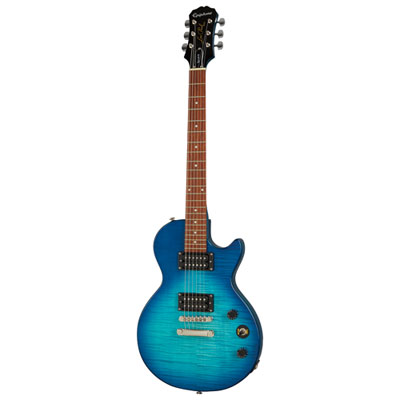 Your price for this item is $379.99
-
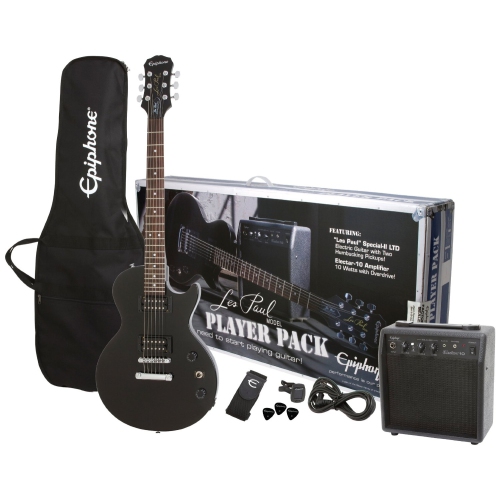 Your price for this item is $494.49
-
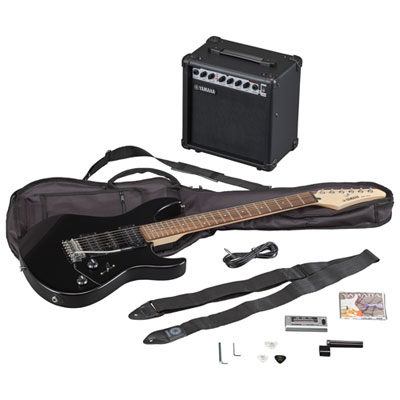 Your price for this item is $349.99
-
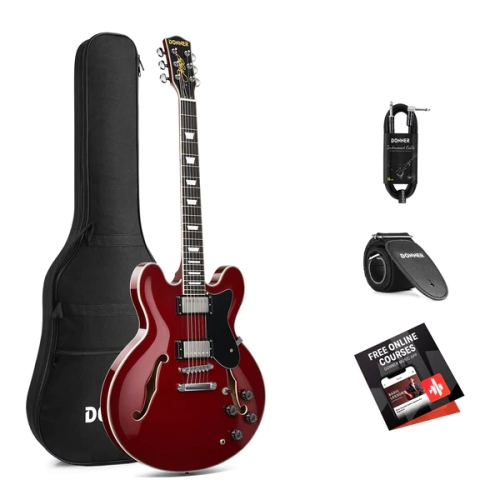 Your price for this item is $395.99
-
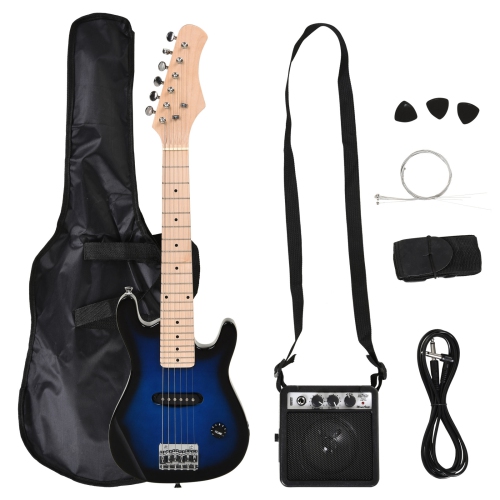 Your price for this item is $124.99
-
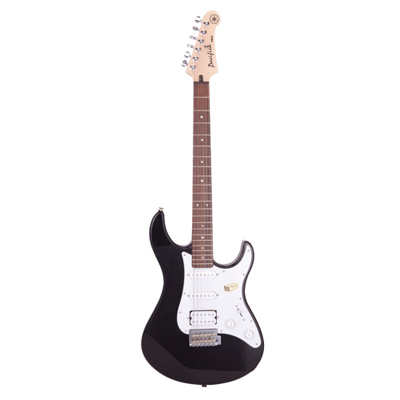 Your price for this item is $299.99
-
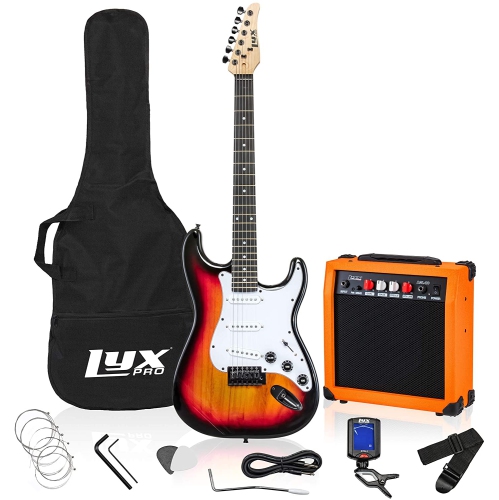 Your price for this item is $239.99
Discover more categories related to Classic Electric Guitars
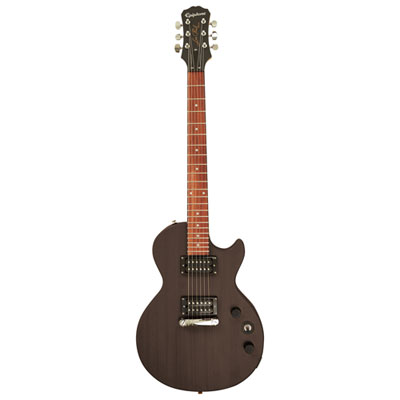
Top Collections:
Pokemon Centers, Best Cameras for Sports Photography, Kindle Devices, Samsung Galaxy Phones, Canon G7X Cameras, Pokémon 30th Celebration Cards, Refurbished Apple Laptops, iPhone 15 Apple, Laptops for Students, Budget Smartphones
Some products may be subject to Environmental Handling Fees
(EHF) depending on your province.
Learn more about EHFs.