Vintage Electric Guitars
Looking to add a touch of timeless charm to your musical repertoire? Look no further than our collection of vintage electric guitars. These iconic instruments have stood the test of time, delivering unparalleled sound and style that never goes out of fashion. Whether you're a seasoned musician or just starting out, our selection of vintage electric guitars offers a wide range of options to suit every taste and playing style. From classic designs to rare finds, explore our collection and discover the perfect vintage electric guitar to elevate your musical journey.
Sort
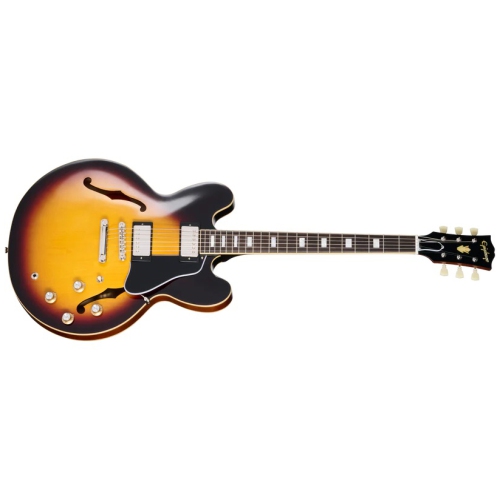
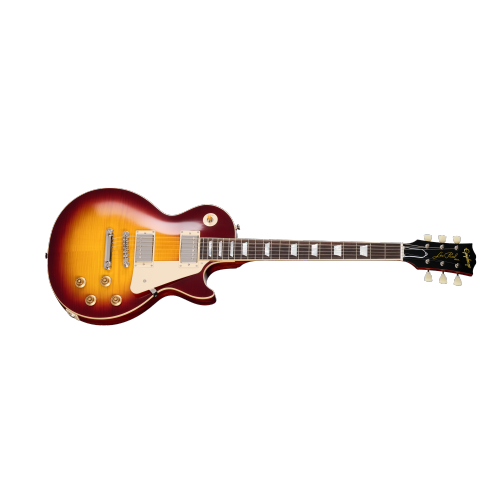
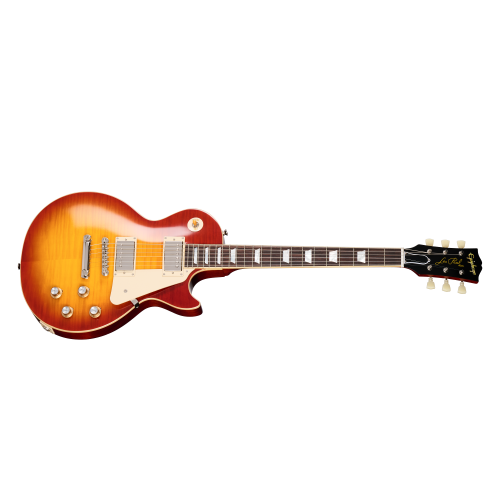
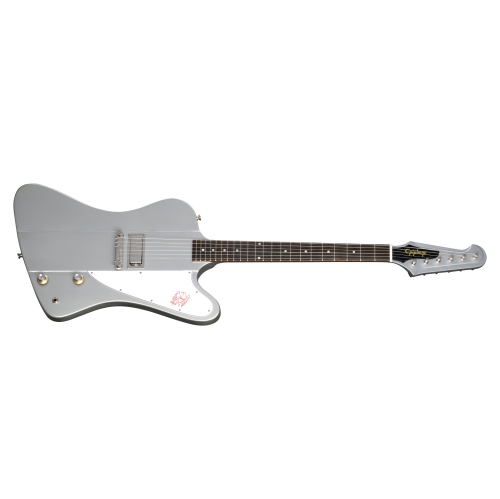
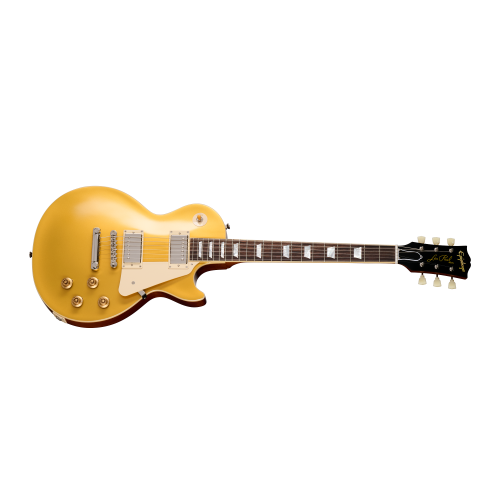
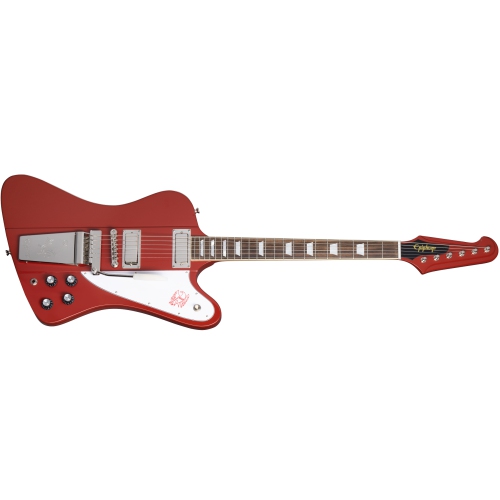

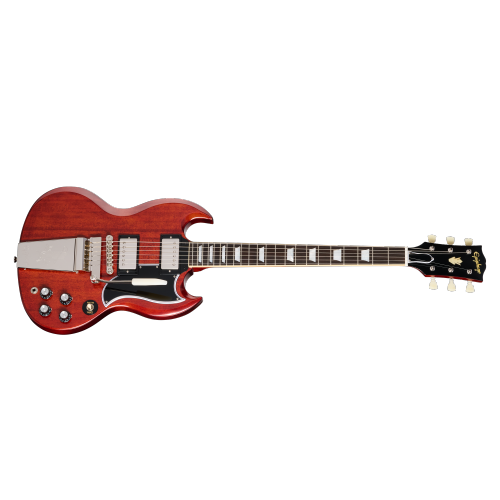
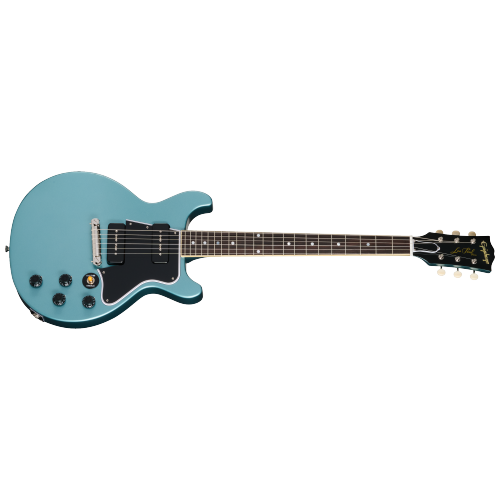
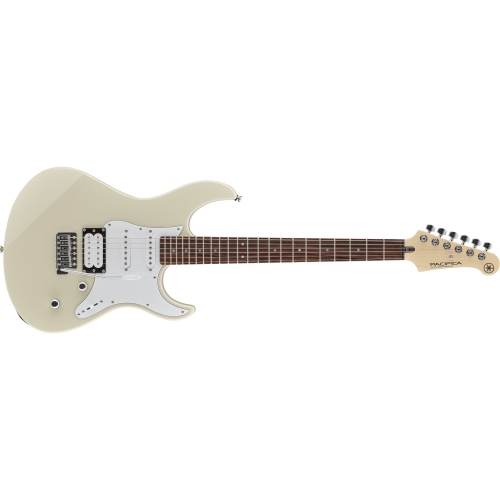
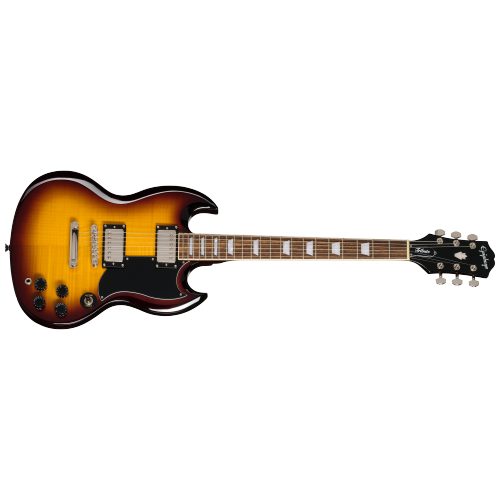
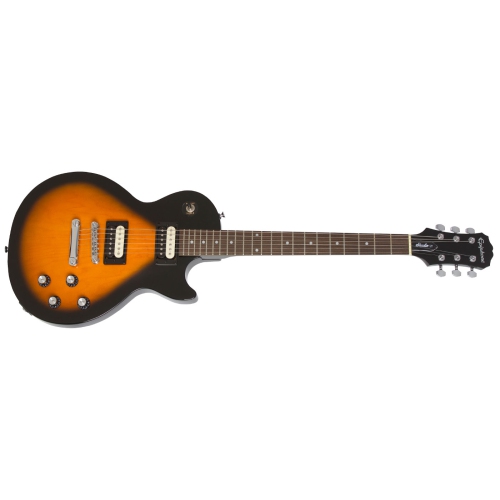

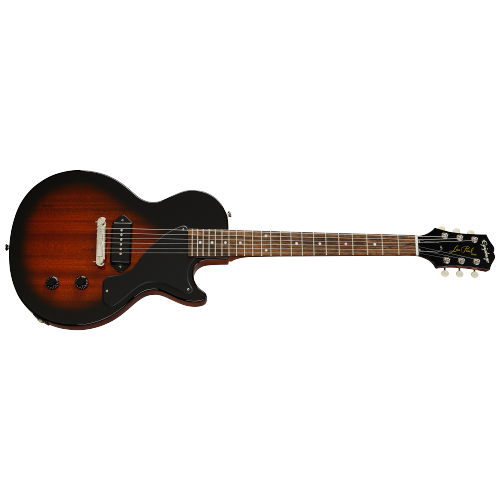
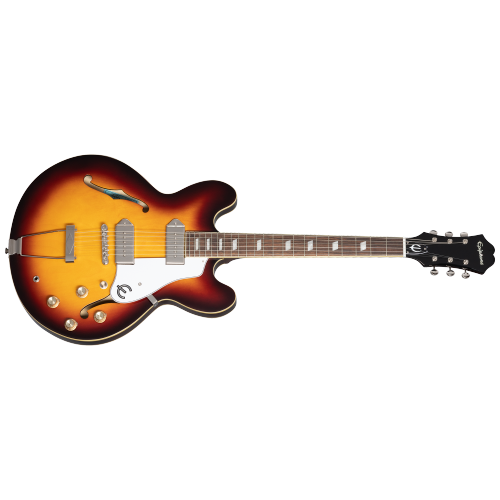
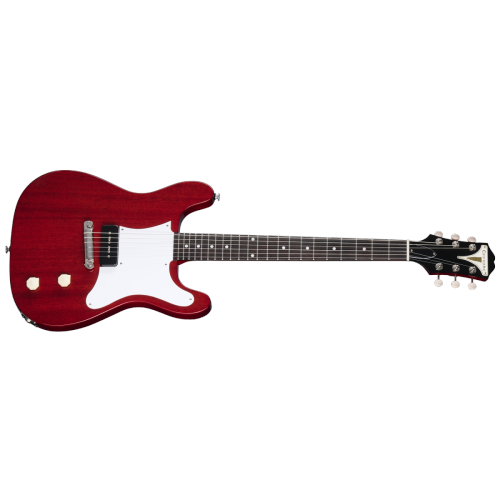
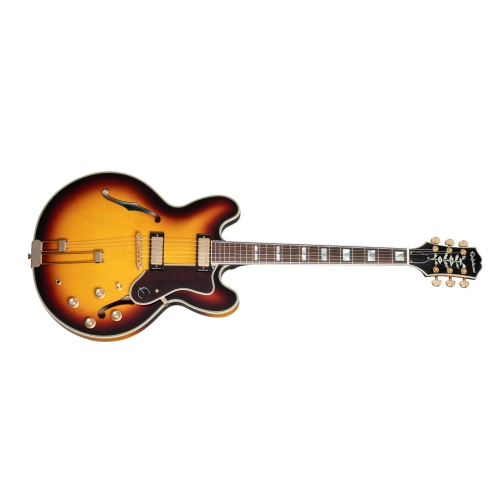
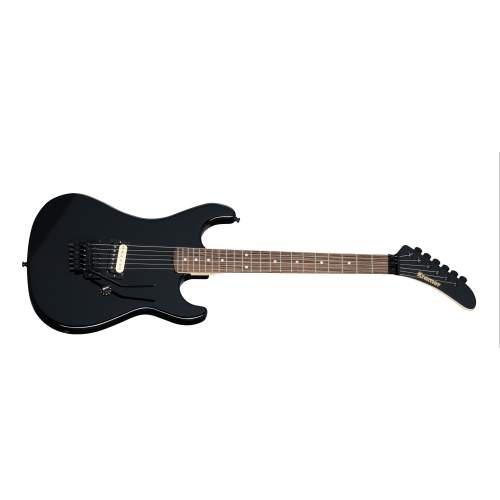
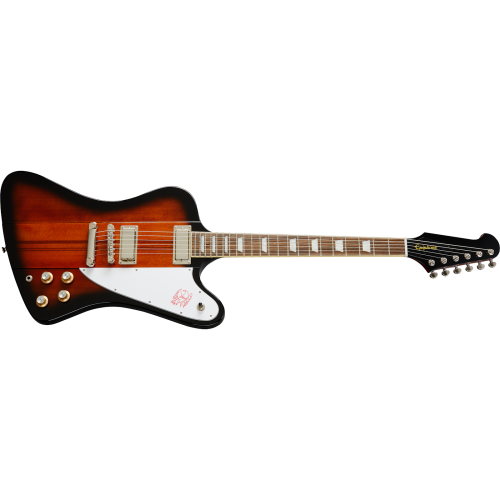
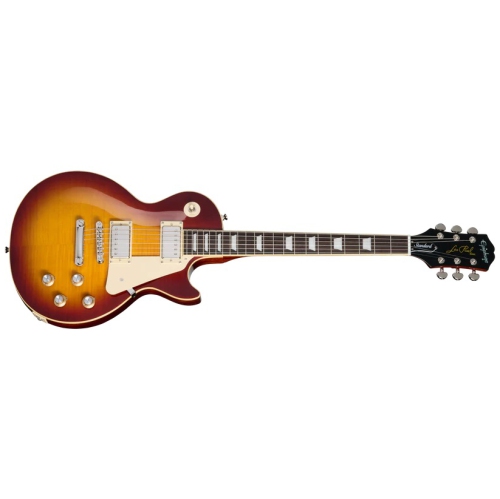


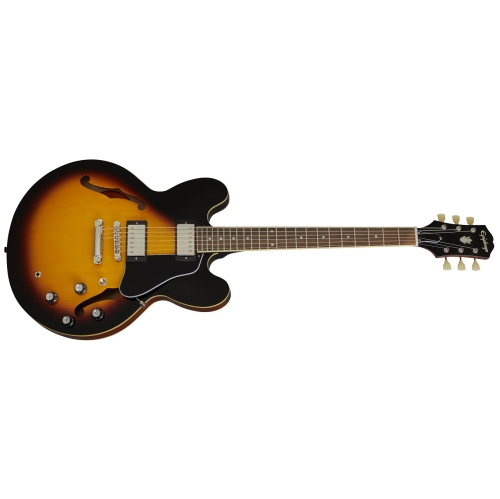

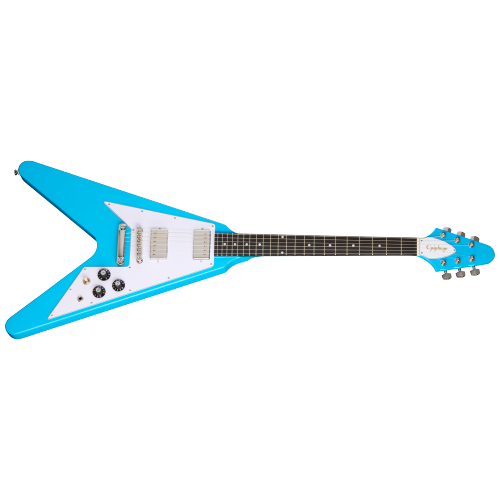
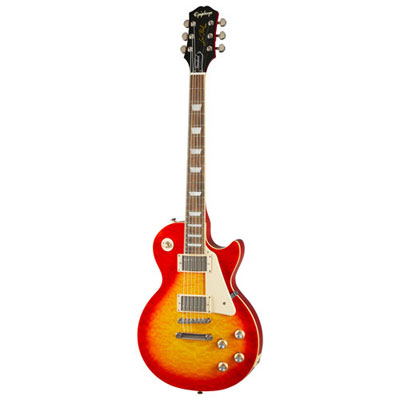

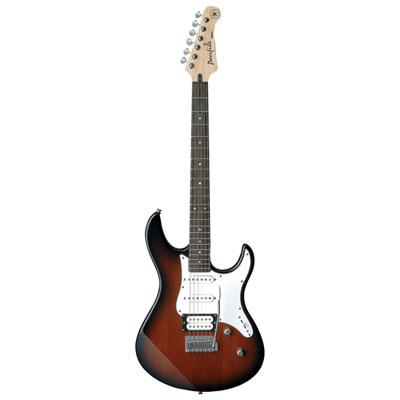


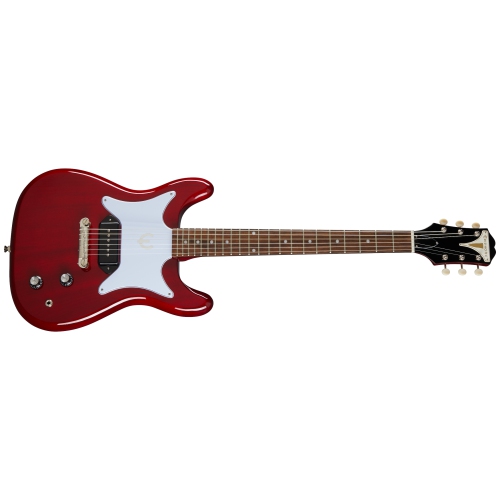
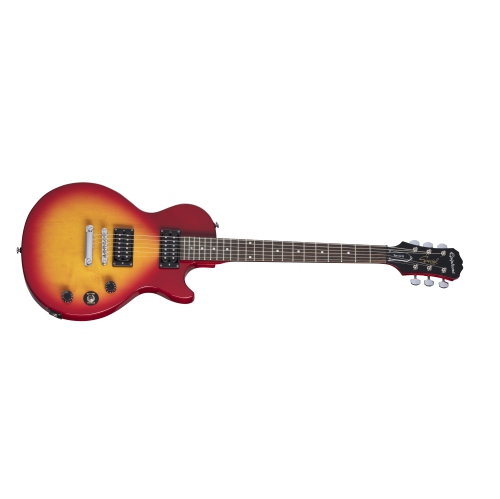
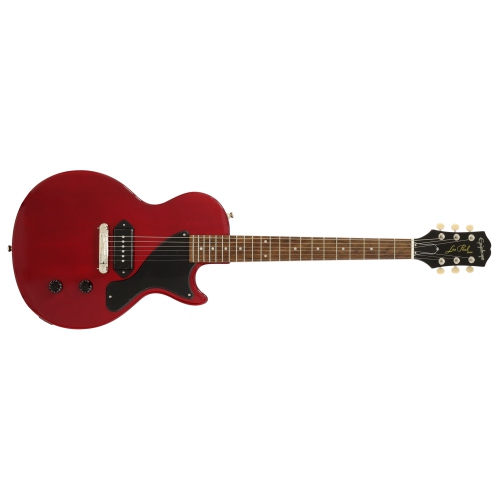
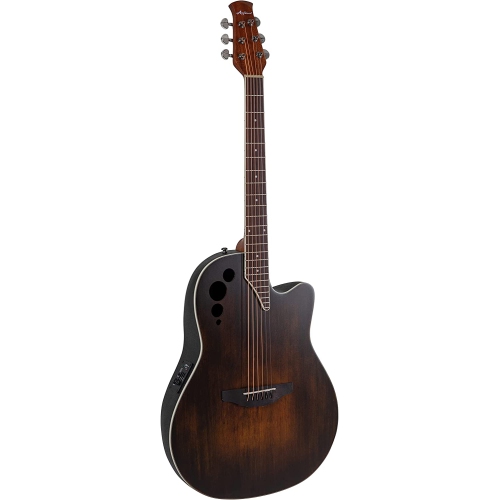

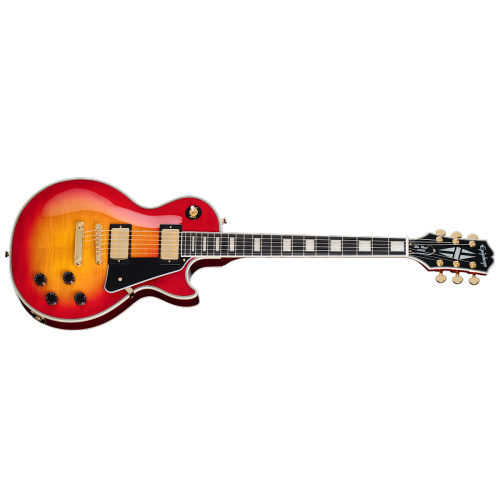
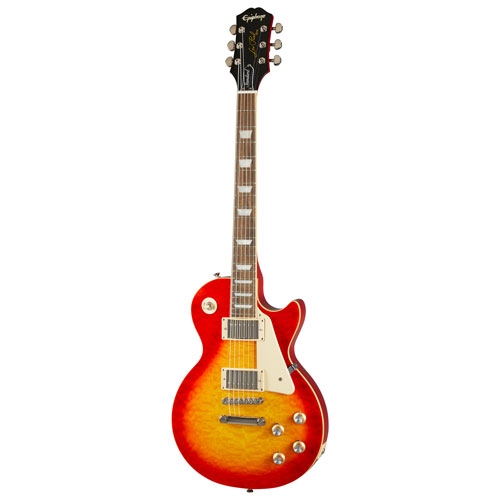
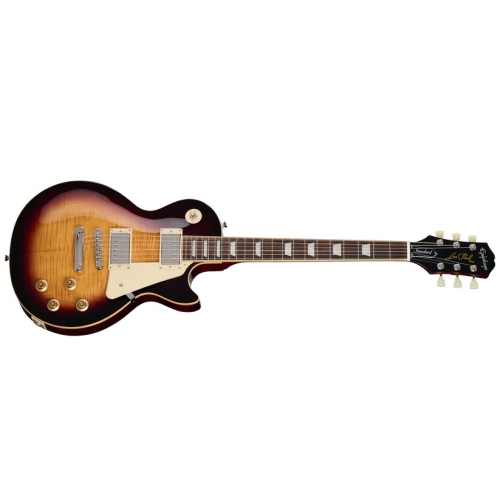
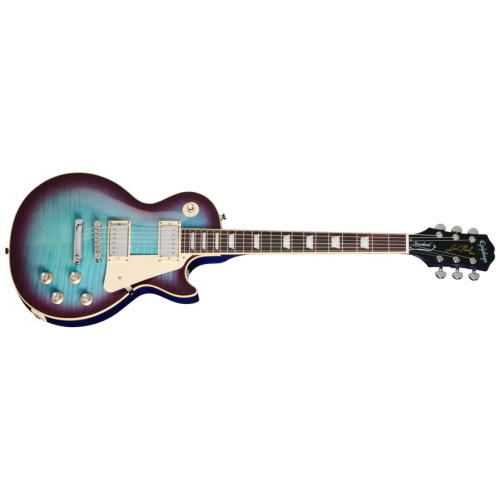
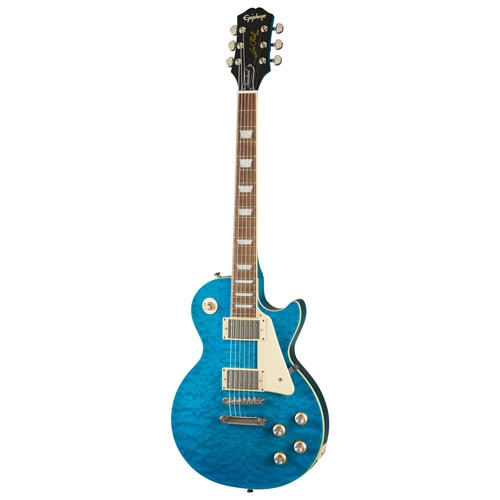
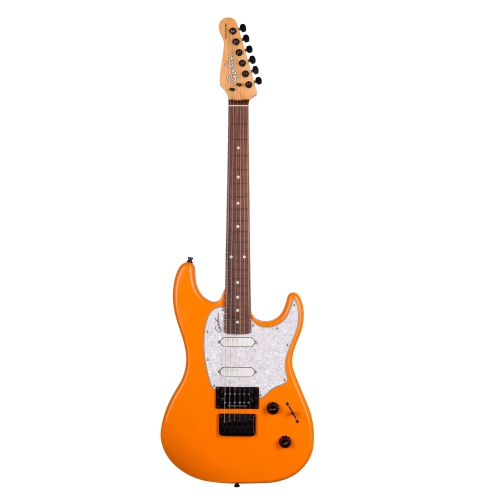
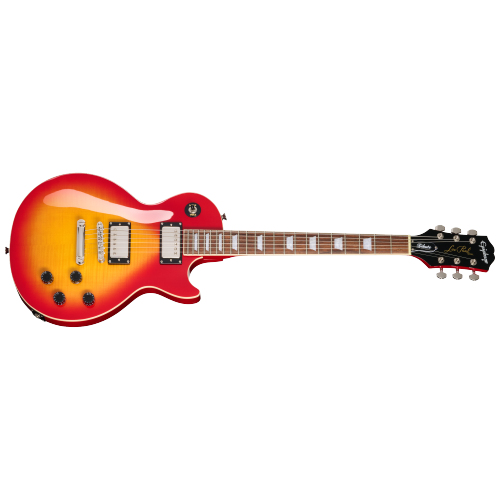
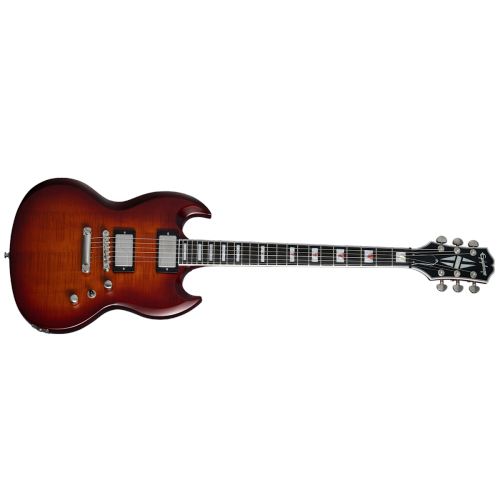

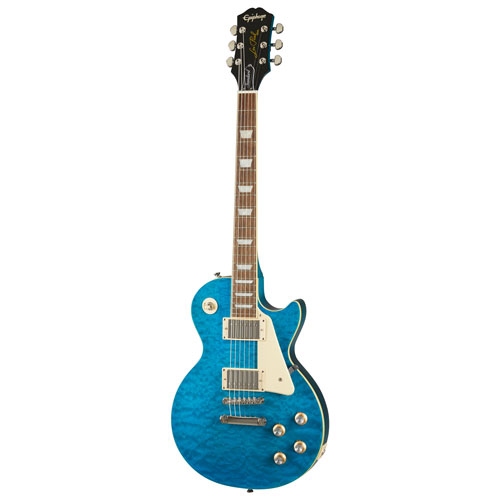
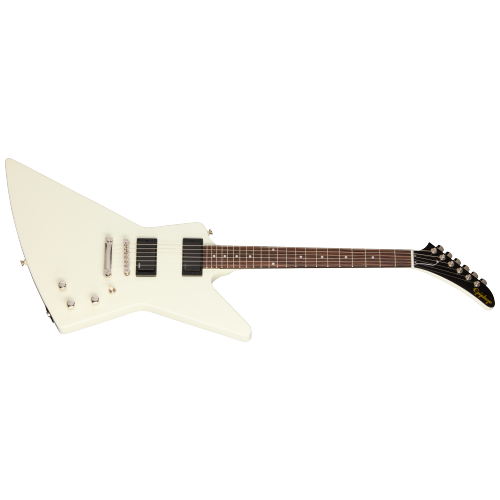

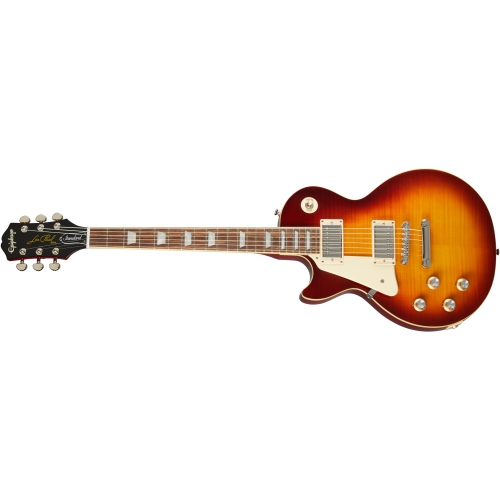
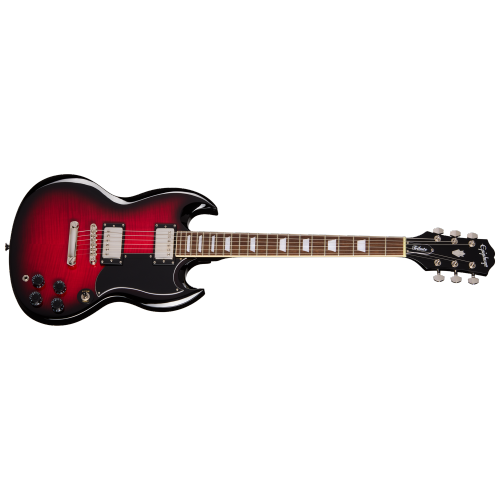
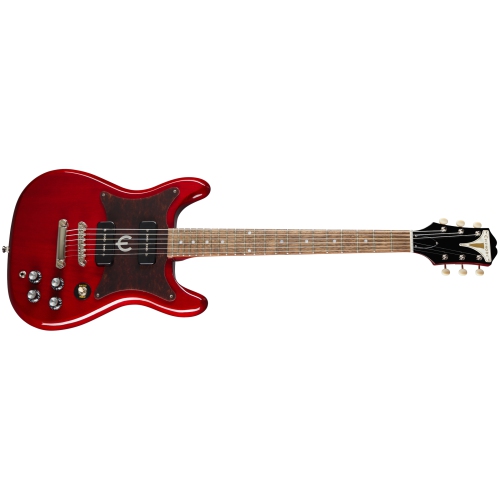


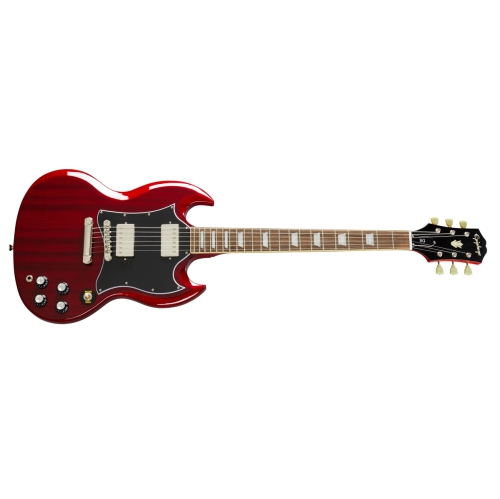


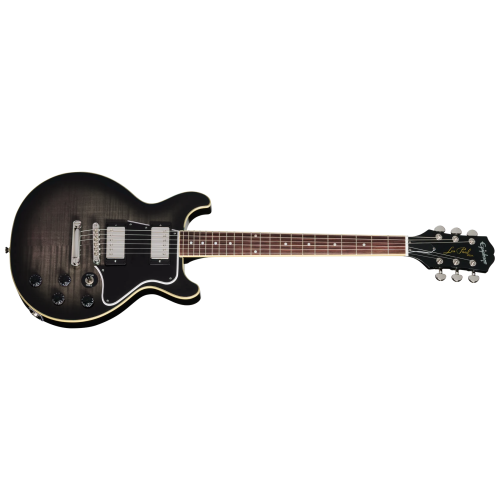
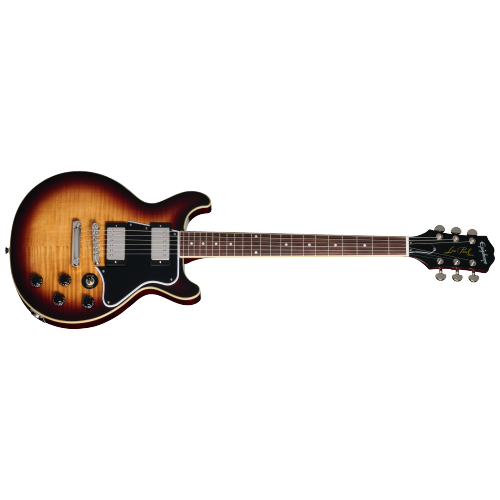

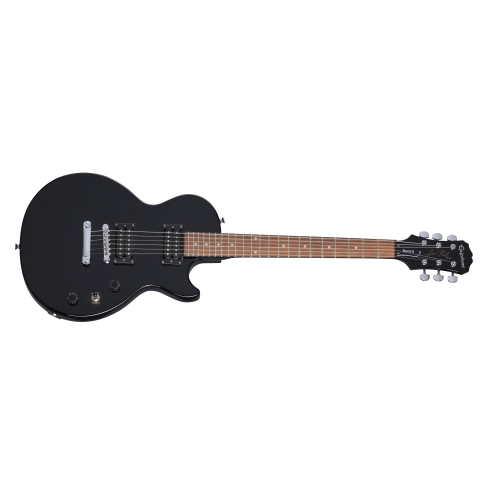
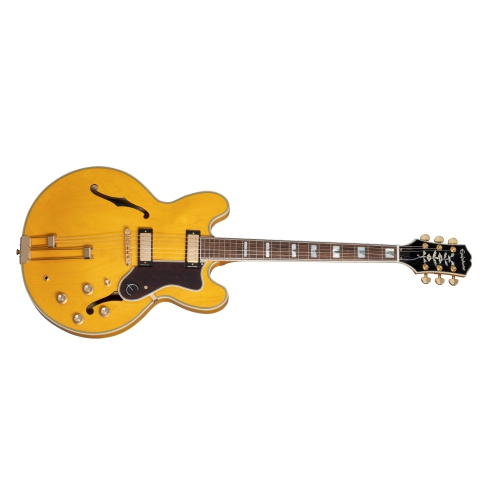
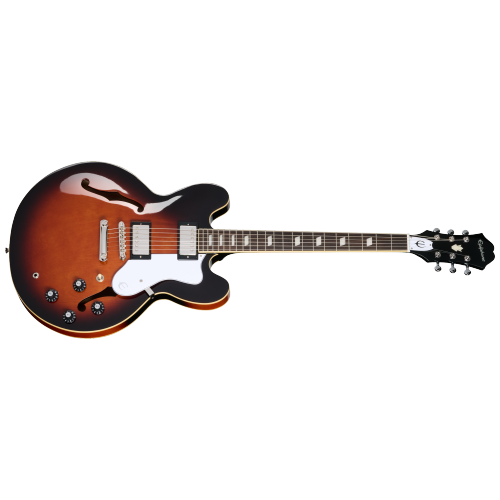
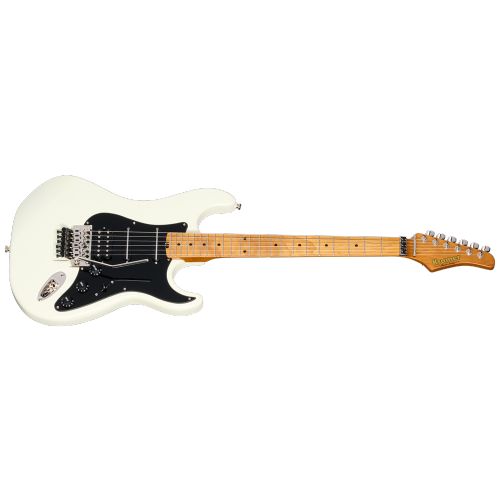
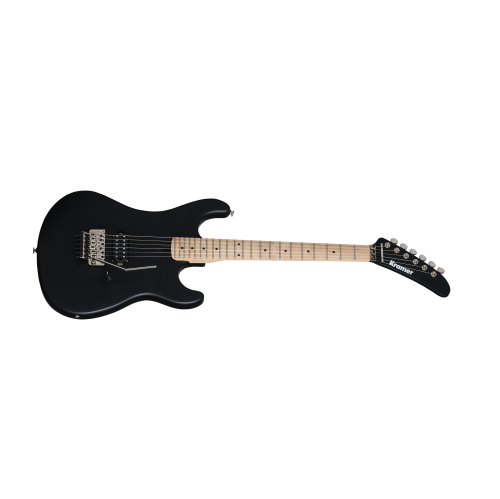






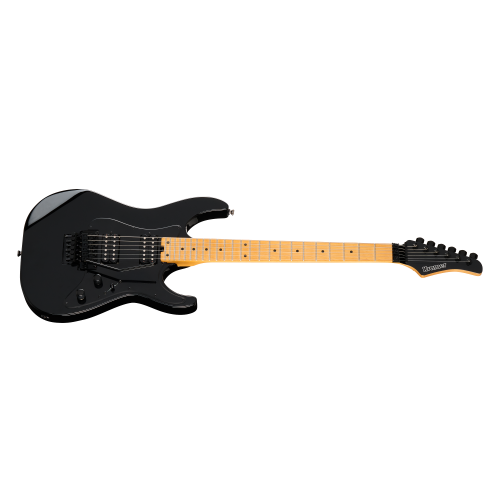


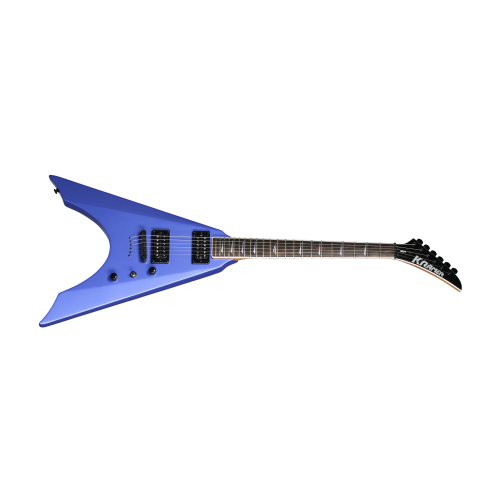
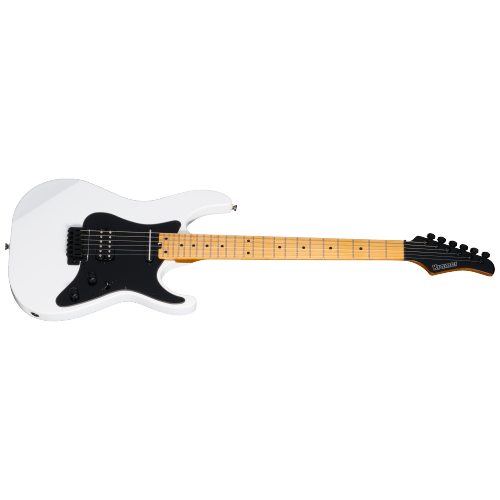
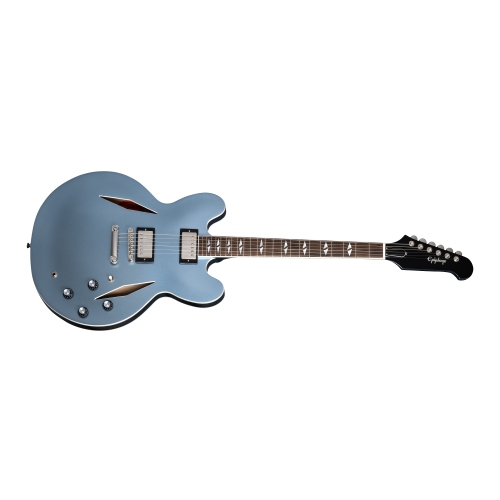

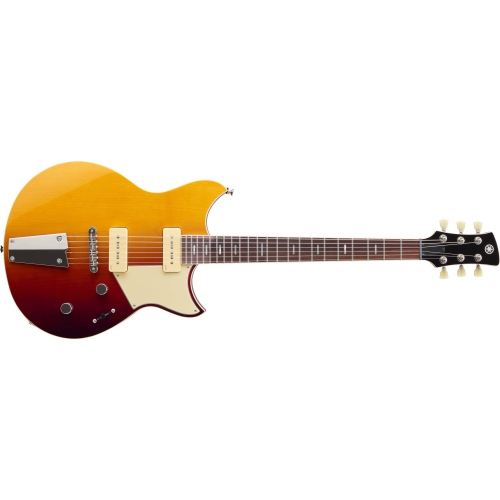
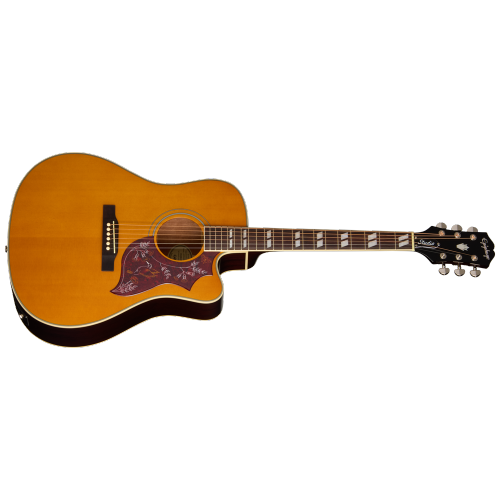
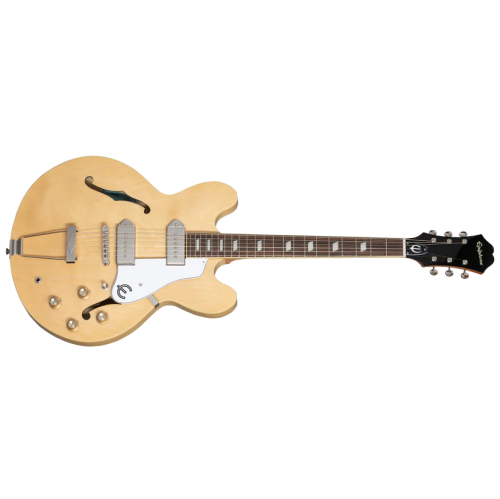
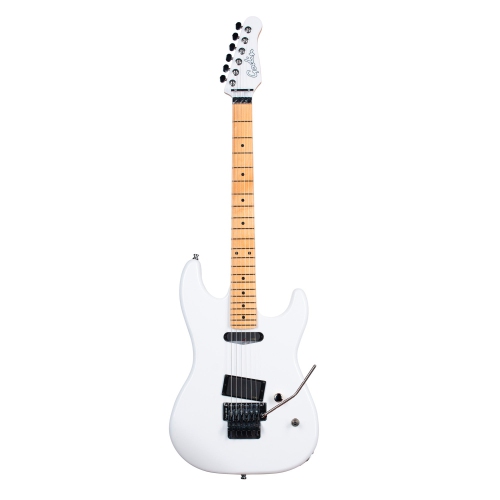

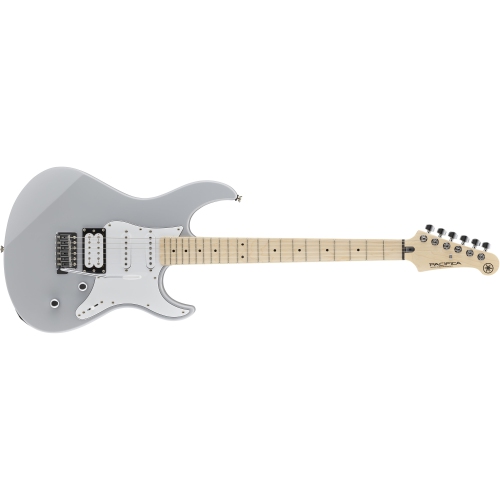
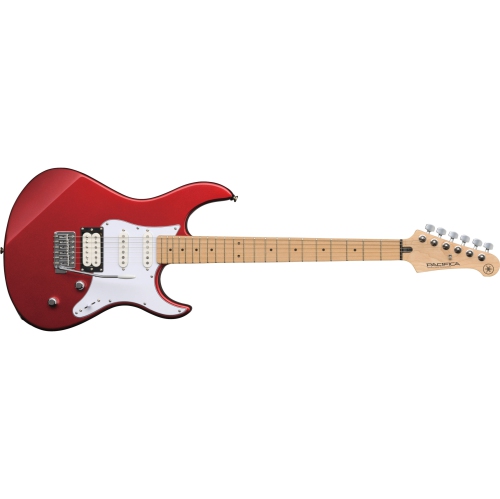

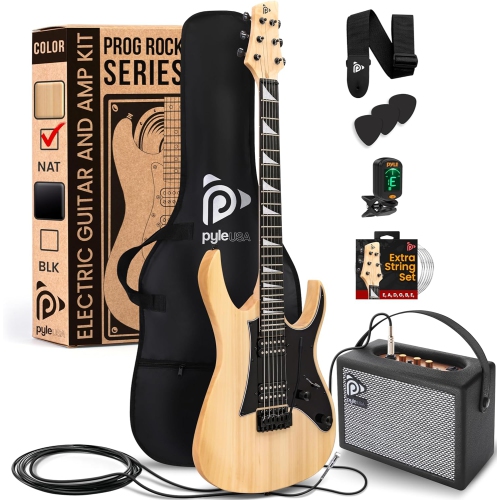

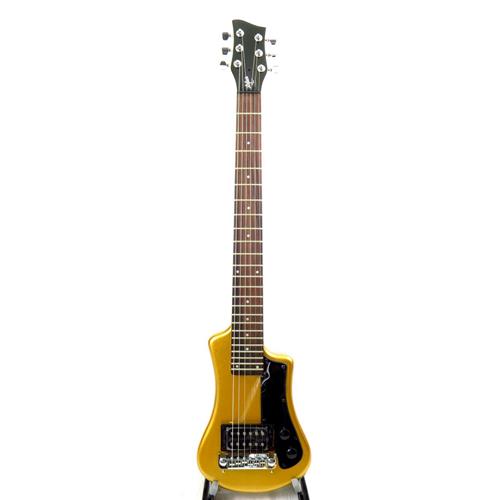
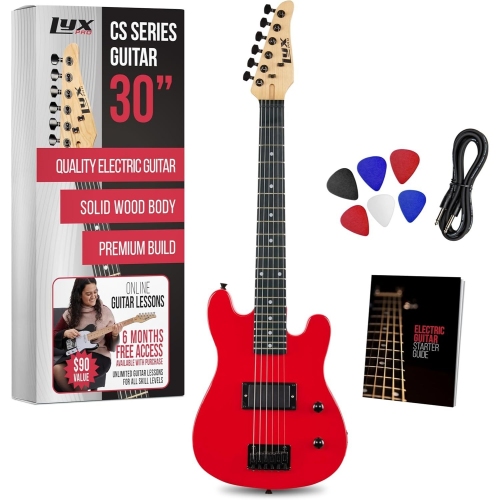
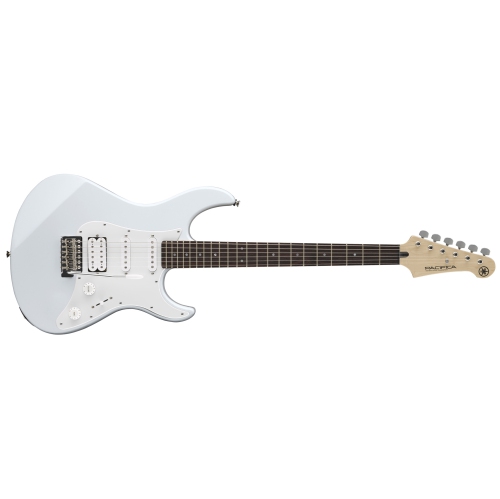
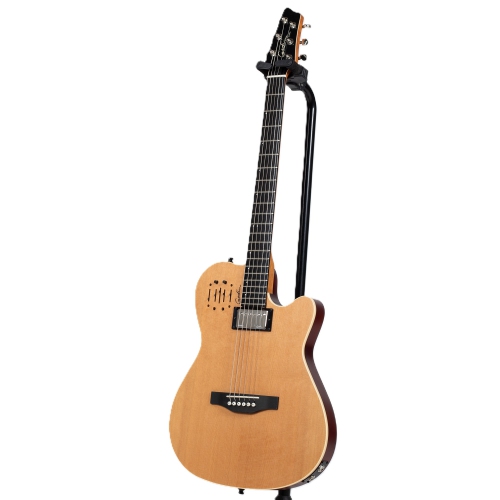
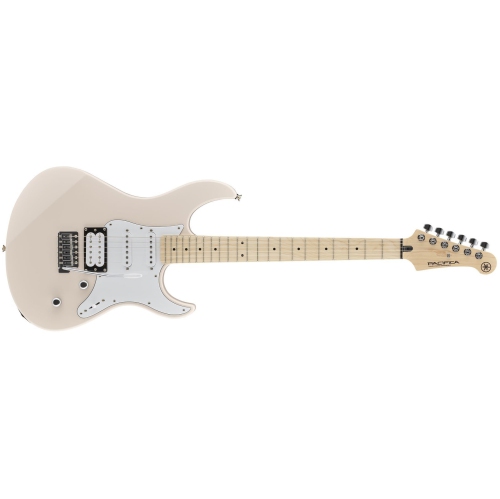
What to know about tone, condition, and authenticity
Vintage electric guitars bring together the feel of a working instrument and the character of a well-kept piece of music history. In most collecting circles, “vintage” commonly refers to guitars made from the 1950s through the 1970s, a period when solid-body, semi-hollow, and hollow-body designs established many of the shapes, sounds, and playing styles still familiar today. Instruments from the 1950s are often associated with the early development of solid-body construction, straightforward controls, bright single-coil tones, and lightweight designs. During the 1960s, broader interest in amplified music helped hollow-body and semi-hollow guitars become popular for rhythm work, blues, jazz, rock, and studio playing. By the 1970s, manufacturers were experimenting with heavier bodies, different neck joints, higher-output pickups, and more elaborate electronics. That variety makes vintage electric guitars appealing to a wide range of players: a guitarist may want the responsive feel of an older neck, a collector may value unusual construction details, and a home musician may simply enjoy the visual presence and unmistakable character of a period-inspired instrument. Some shoppers look for genuinely older guitars with documented histories, while others prefer new instruments built with vintage styling and familiar specifications. Both approaches can be rewarding, depending on whether the priority is historical authenticity, everyday reliability, ease of maintenance, or a particular sound.
When comparing vintage electric guitars, begin with the instrument’s intended role. A solid-body guitar is often a practical choice for amplified rock, blues, country, pop, and home recording, while a semi-hollow or hollow-body design can offer a more open response that suits jazz, roots music, classic rock, and chord-focused playing. Pickup type has a major effect on the experience. Single-coil pickups are often recognised for crisp attack, clear upper frequencies, and touch-sensitive dynamics, whereas humbuckers typically deliver a fuller sound with more output and a smoother response at higher volume. Controls, scale length, neck profile, fret size, bridge design, and tuning stability also deserve attention, particularly for anyone planning to play regularly rather than display the instrument. With older guitars, condition can matter as much as age. Check for neck movement, fret wear, repaired cracks, loose hardware, altered wiring, corrosion, and signs that the finish has been changed. Serial numbers, component dates, solder joints, pickup windings, and original case details can help establish whether an instrument retains its period-correct parts. A well-documented repair is not necessarily a flaw, but unrecorded modifications can affect both value and future service needs. It is also worth considering the cost of professional setup work, replacement strings, amplifier compatibility, and safe storage. A guitar that feels comfortable in the hands and stays in tune will usually see more playing time than one chosen solely for appearance.
Vintage electric guitars can make memorable gifts for an experienced player, a collector, or someone building a first serious setup. They also suit musicians who enjoy the ritual of playing: the weight of a wooden body against the shoulder, the soft click of a selector switch, and the way small changes in picking position alter the sound through an amplifier. A guitarist working in a compact apartment may use one for quiet practice with headphones, while a songwriter may keep it beside a desk for capturing chord ideas before they disappear. During the cooler months, an instrument can become a natural centrepiece for indoor rehearsals, recording sessions, and informal evenings with friends, provided it is protected from sudden temperature and humidity changes. Players who want period-inspired looks without the maintenance demands of an older instrument may appreciate modern builds with aged-style finishes, familiar control layouts, and updated hardware. Those seeking a different kind of historic character can also explore Vintage Acoustic Guitars for unplugged playing and warmer, naturally projected tones. Whether selected as a thoughtful gift or as a personal addition to a growing collection, the best choice balances visual appeal, playing comfort, electronics, condition, and the kind of music the guitarist wants to make.
Top selling and popular products
-
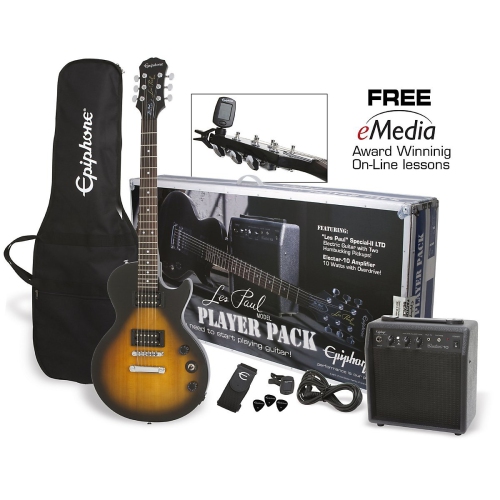 Your price for this item is $494.49
-
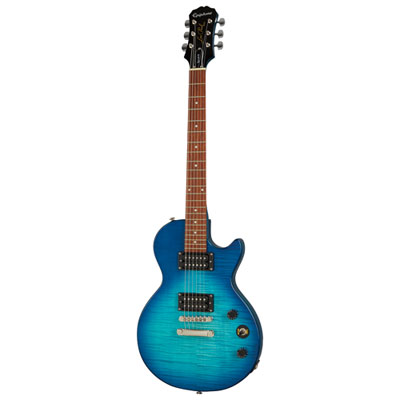 Your price for this item is $379.99
-
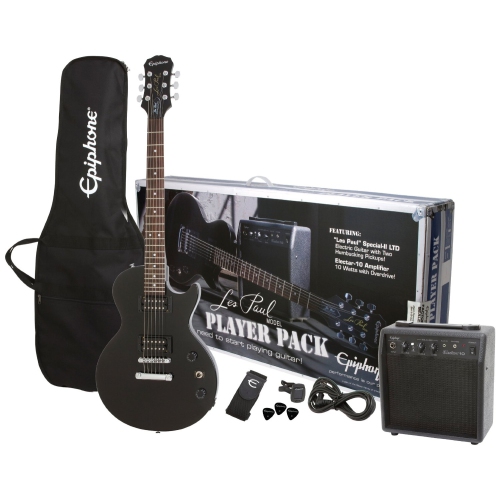 Your price for this item is $494.49
-
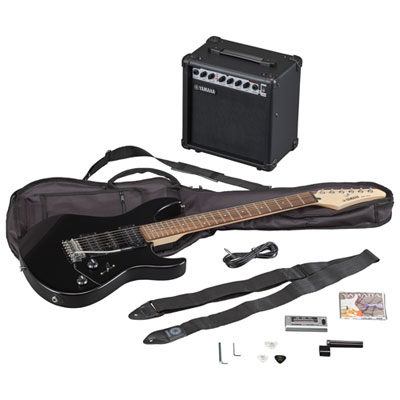 Your price for this item is $349.99
-
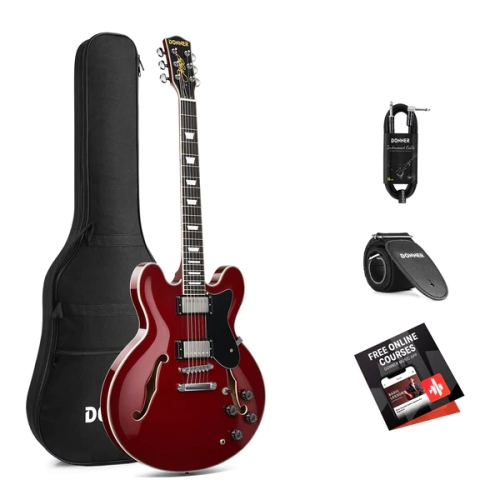 Your price for this item is $395.99
-
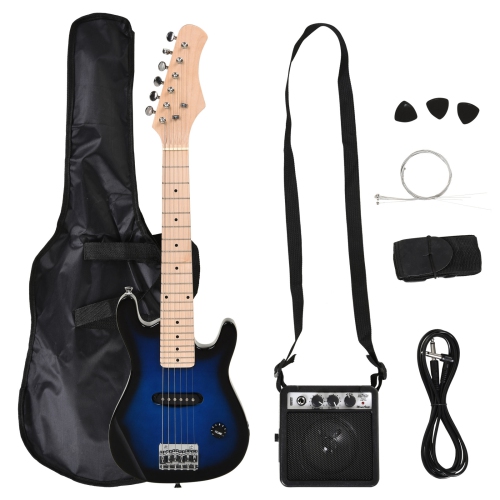 Your price for this item is $124.99
-
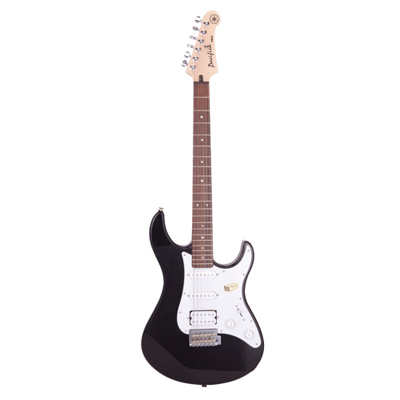 Your price for this item is $299.99
-
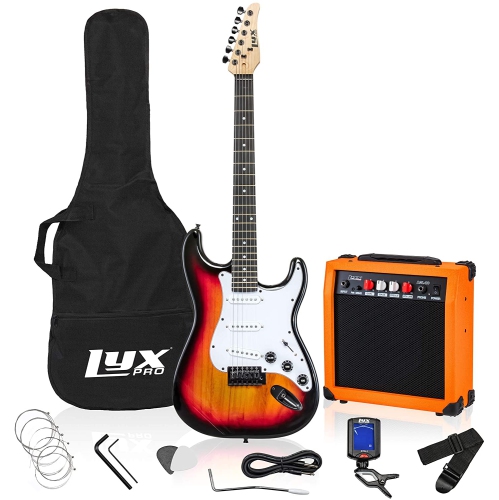 Your price for this item is $239.99
Discover more categories related to Vintage Electric Guitars
Top Collections:
Pokemon Centers, Best Cameras for Sports Photography, Kindle Devices, Samsung Galaxy Phones, Canon G7X Cameras, Pokémon 30th Celebration Cards, Refurbished Apple Laptops, iPhone 15 Apple, Laptops for Students, Budget Smartphones
Some products may be subject to Environmental Handling Fees
(EHF) depending on your province.
Learn more about EHFs.