Digital Music Instruments
Looking to unleash your musical creativity? Look no further than our collection of digital music instruments. Whether you're a seasoned musician or just starting your musical journey, these cutting-edge instruments offer endless possibilities for creating and performing music like never before. From digital keyboards and synthesizers to electronic drum sets and MIDI controllers, our range of digital music instruments will help you unlock your true musical potential. Get ready to explore a world of sounds and rhythms that will inspire you to create music that moves hearts and minds.
Sort
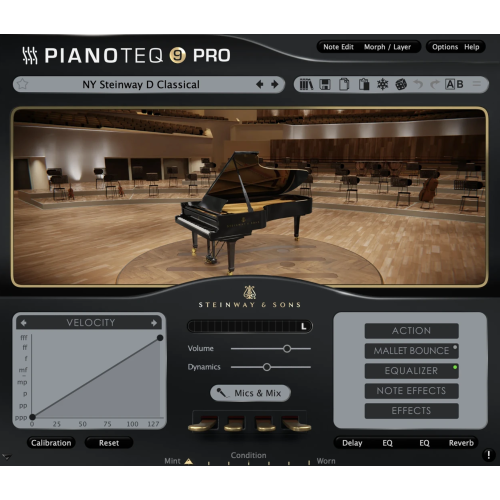
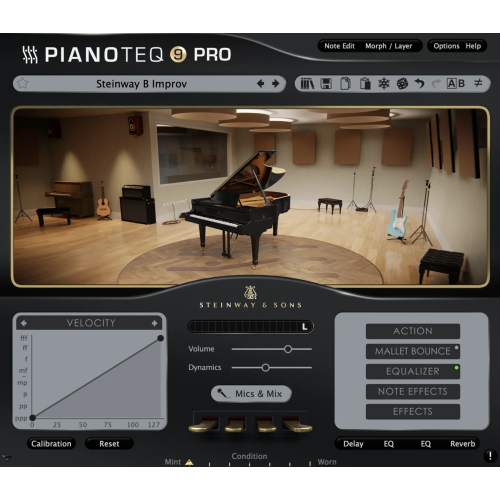
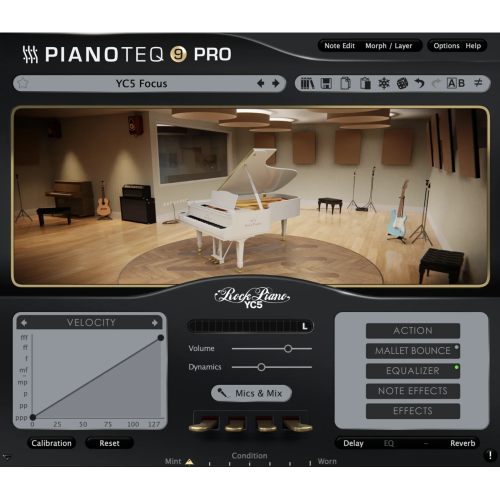
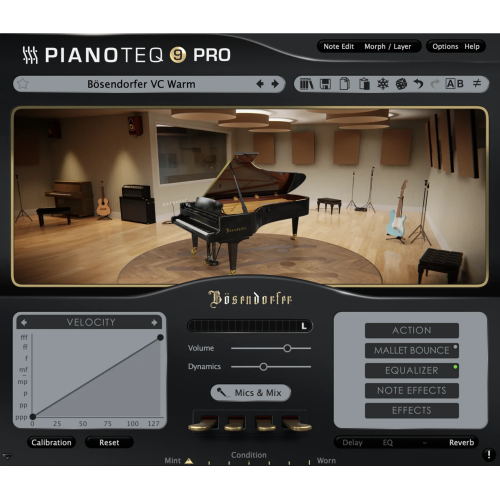

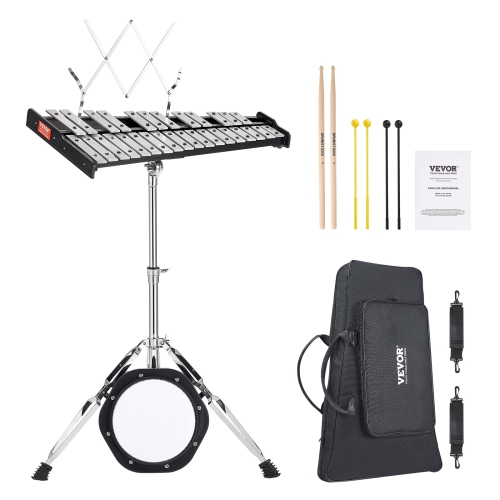
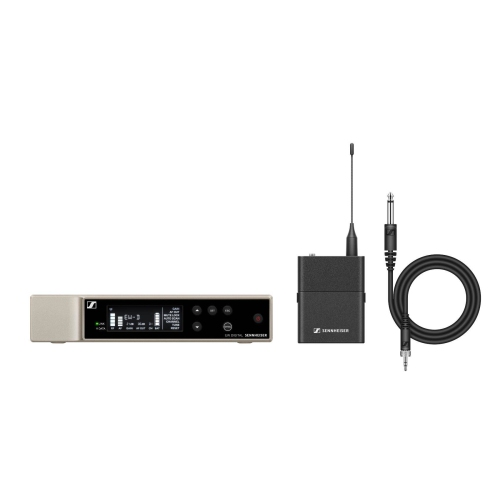
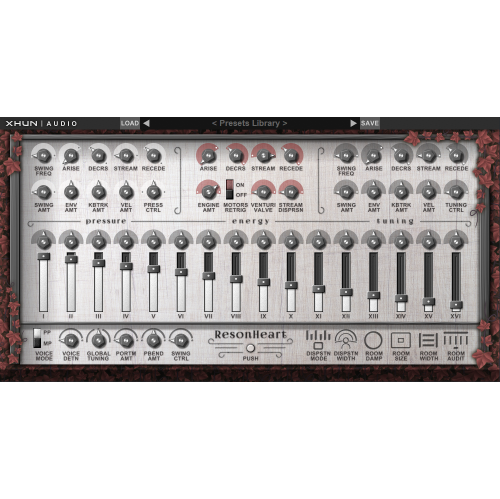
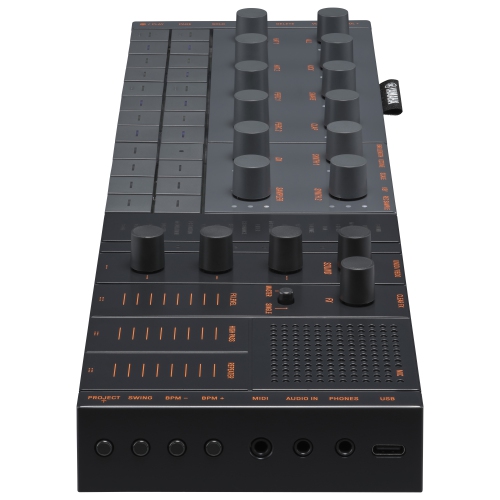
How digital instruments shape sound and support practice
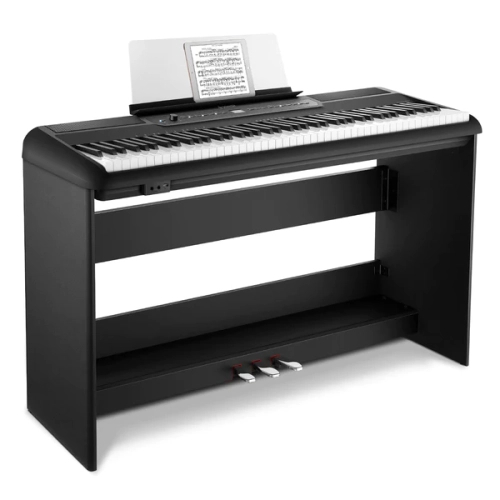
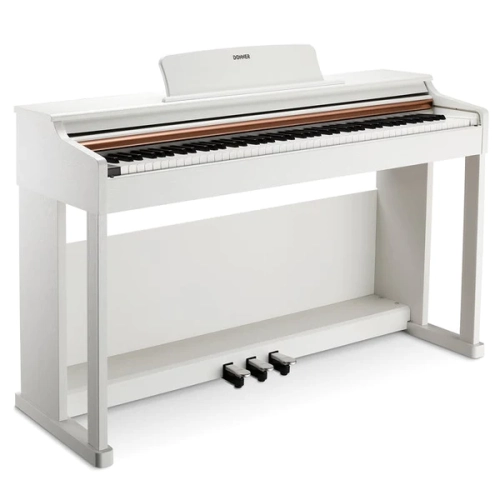
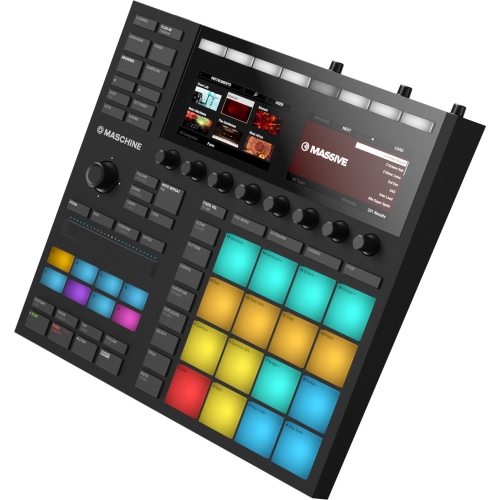
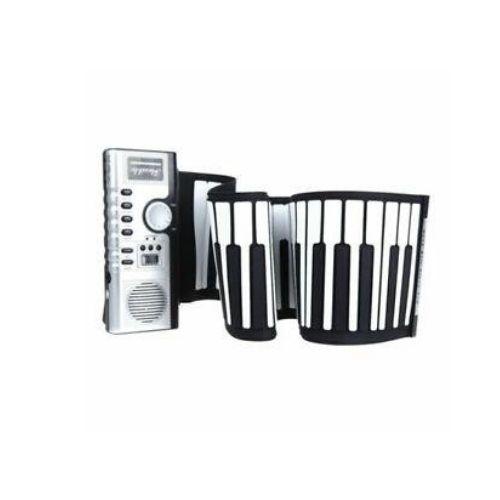
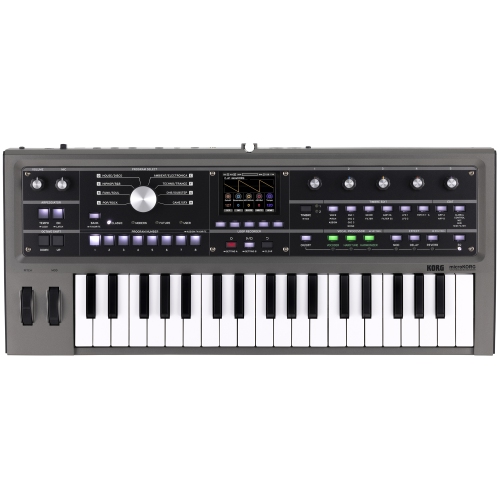
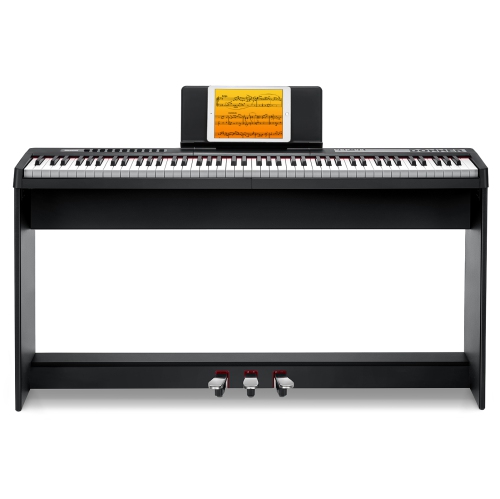
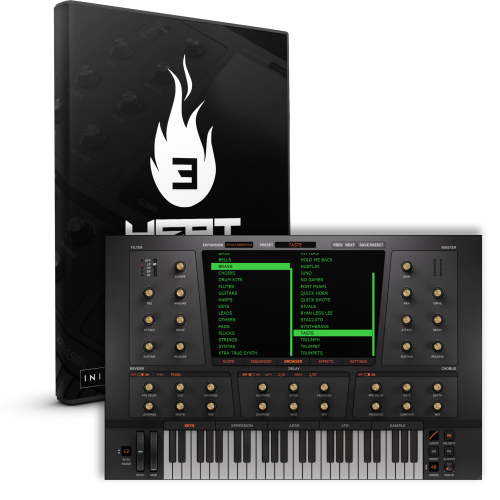
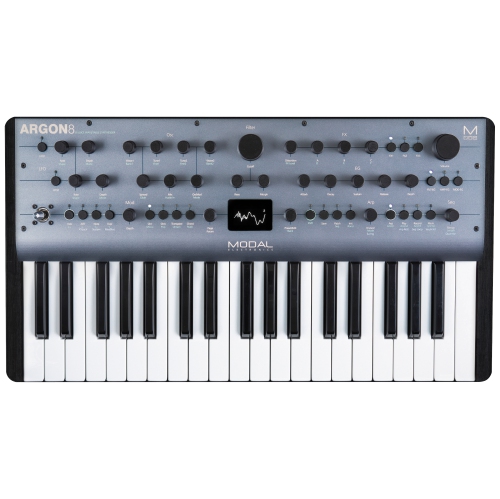
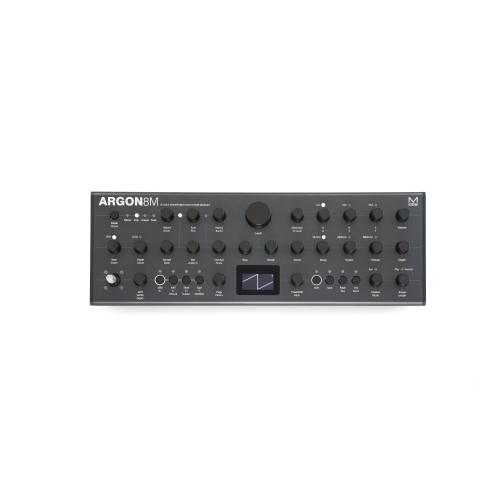
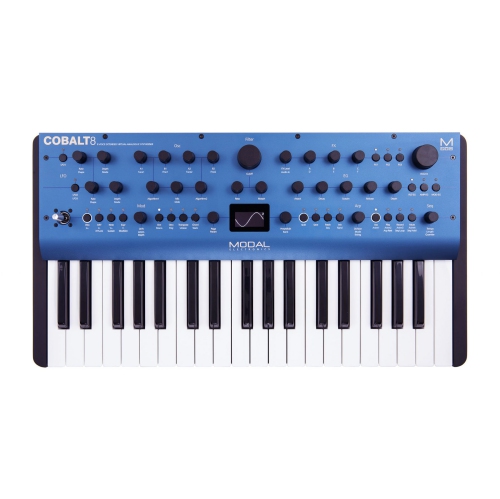
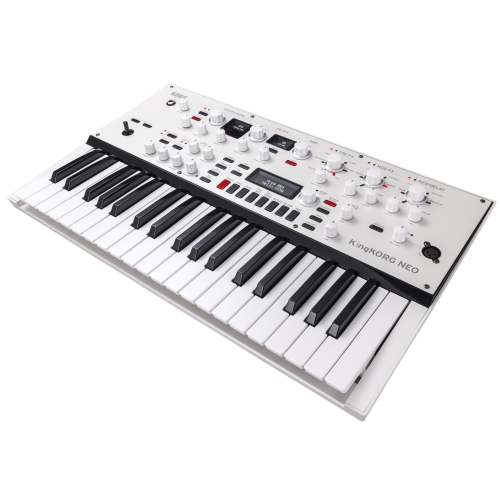
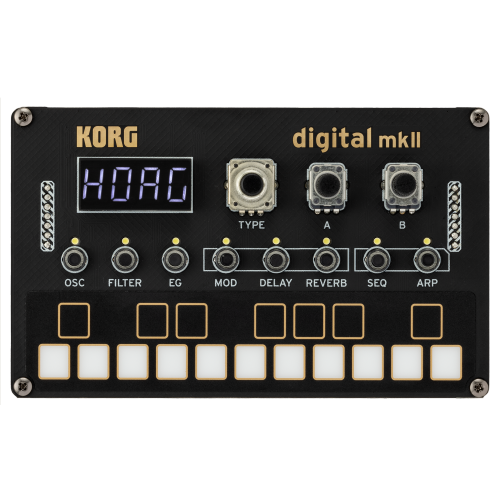
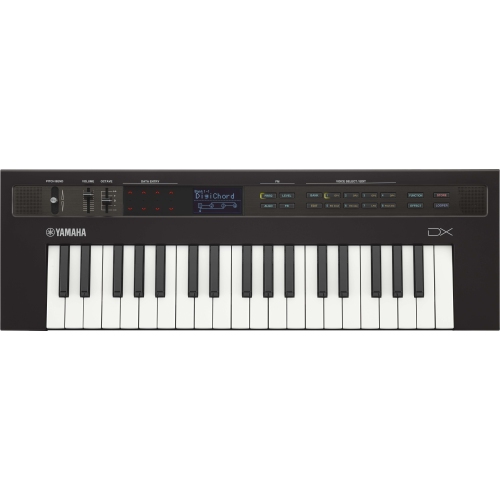
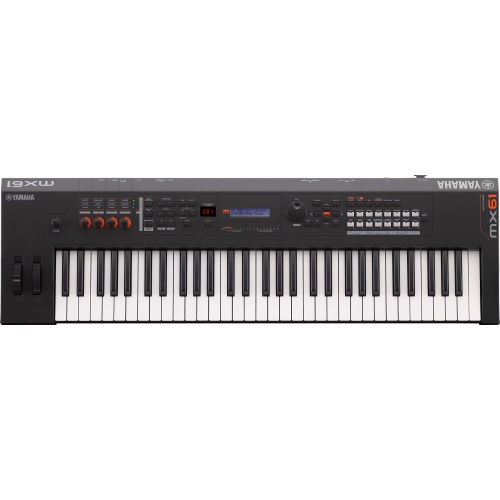
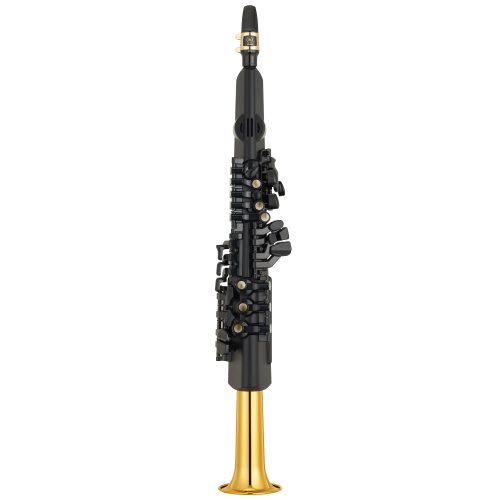
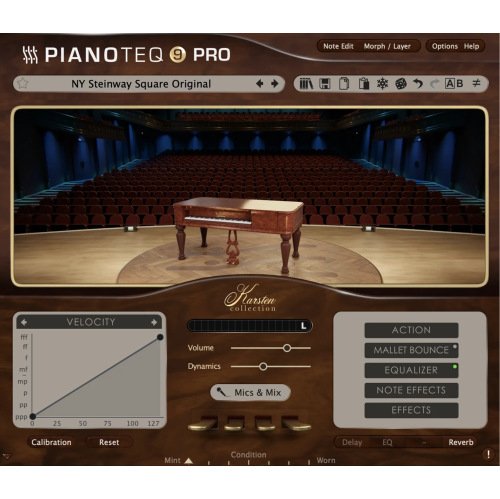
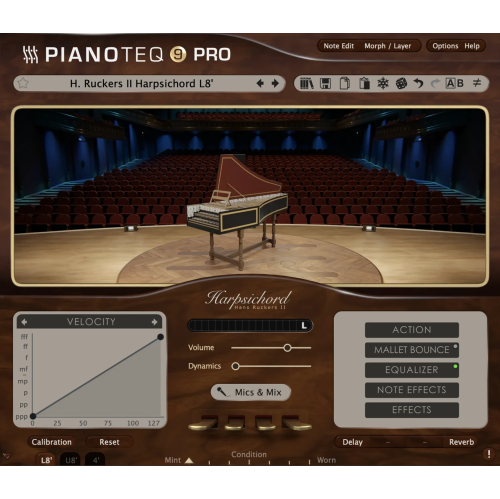
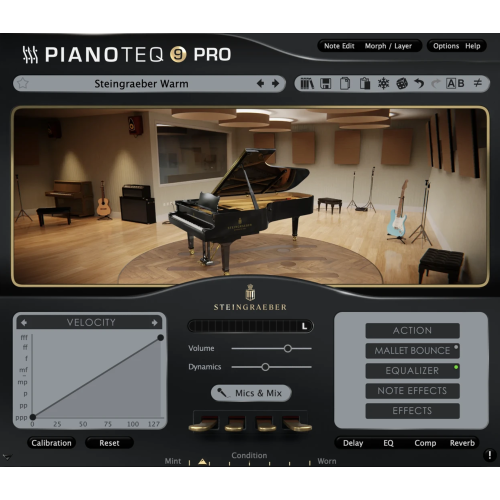
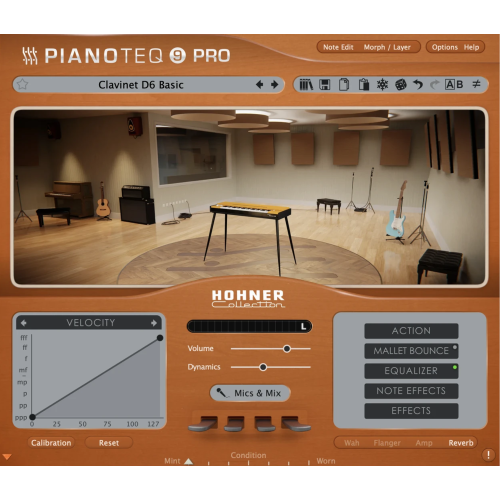
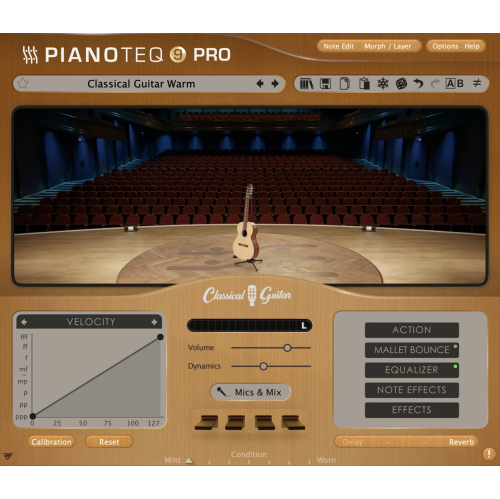
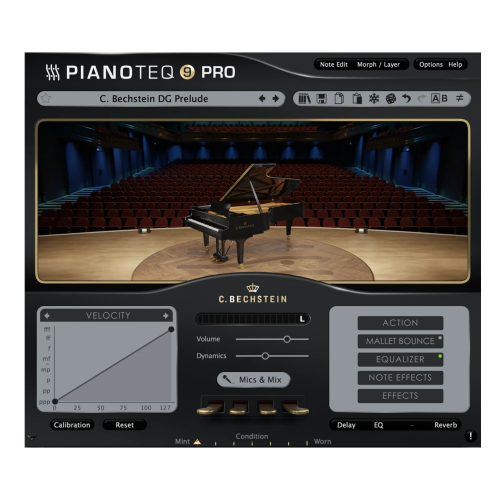
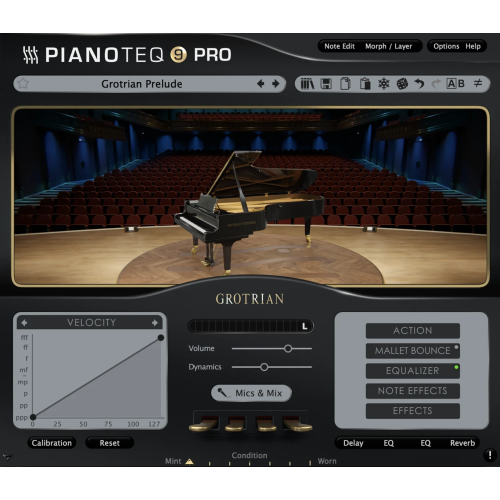
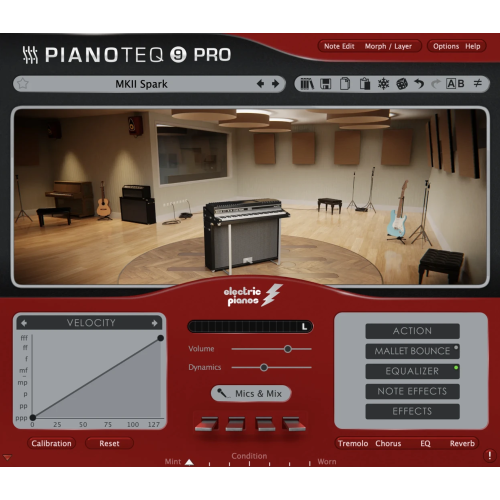
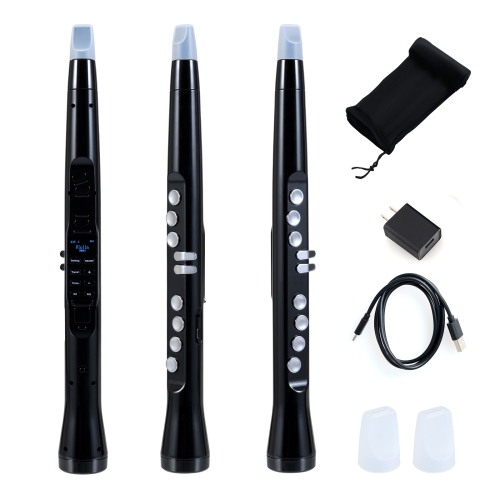
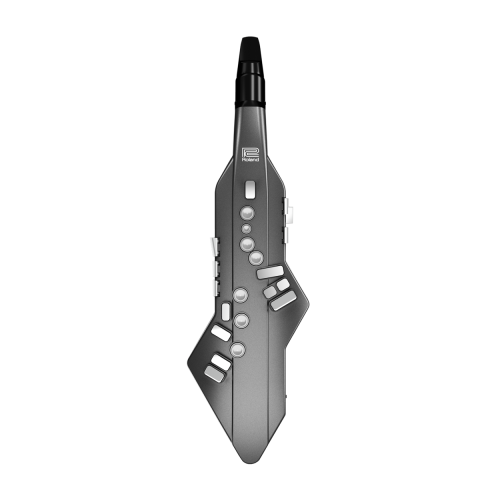
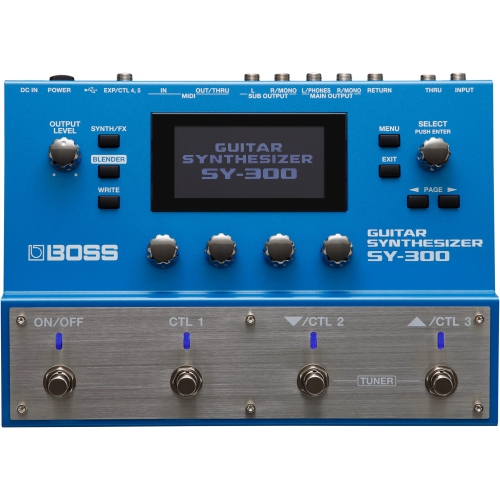
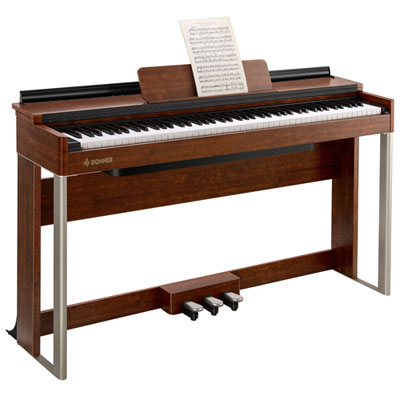
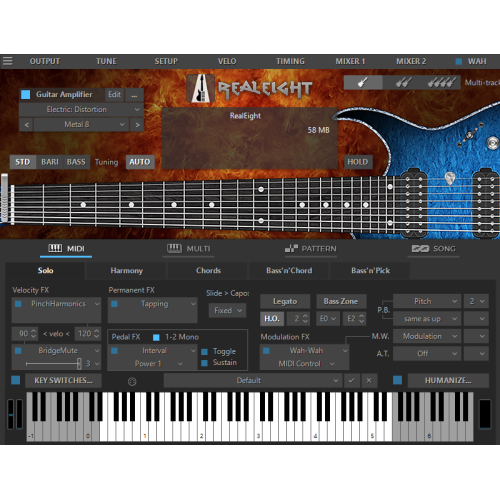
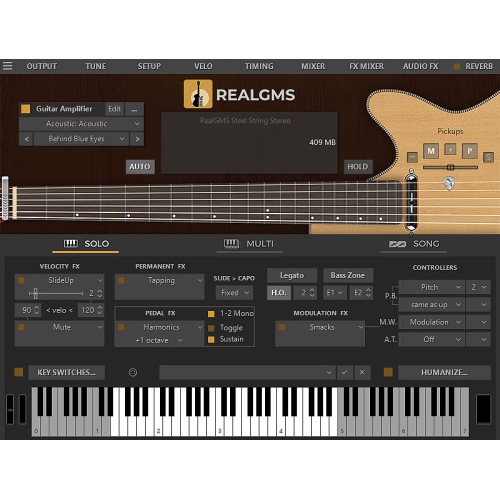
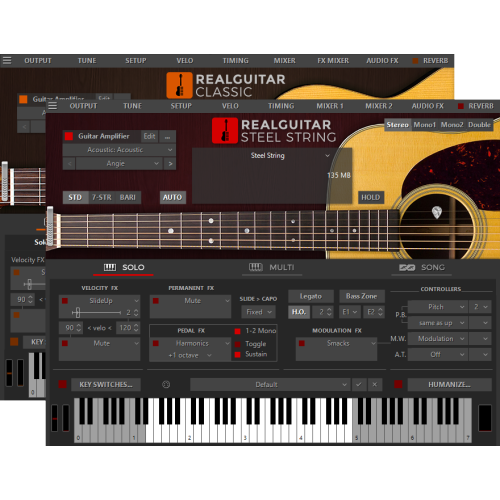
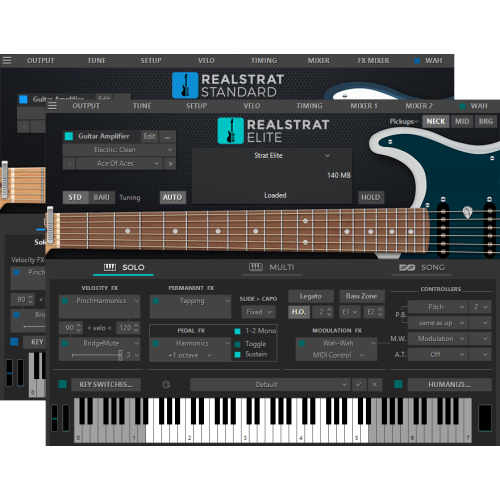
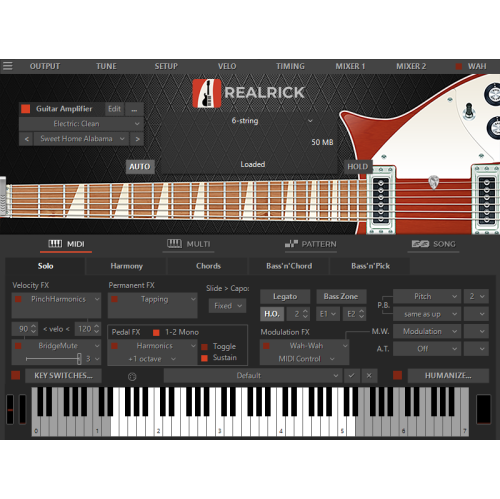
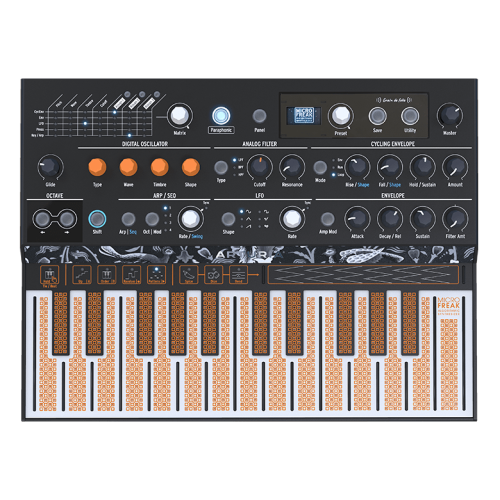
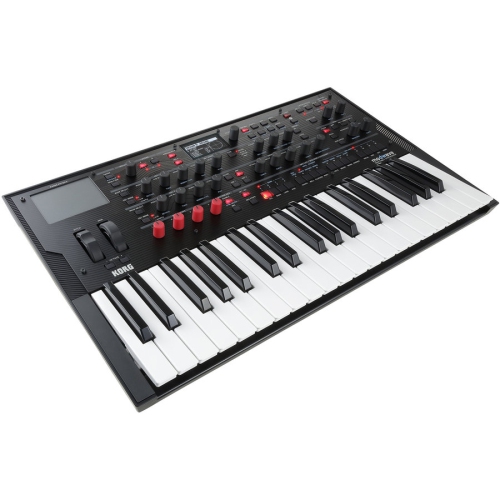
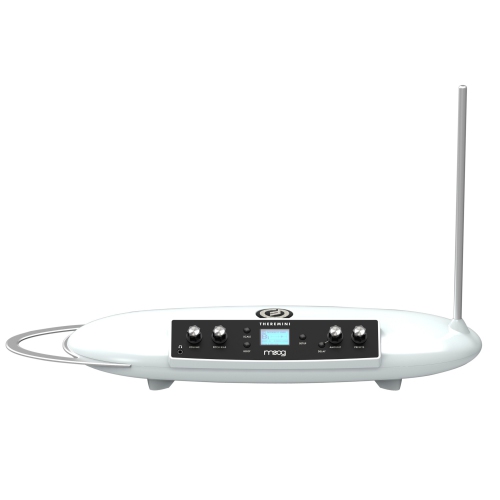
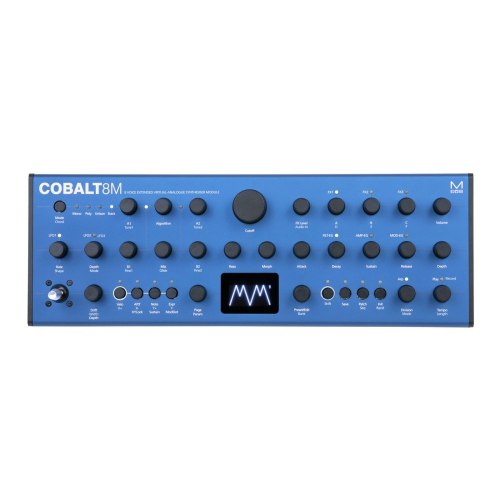
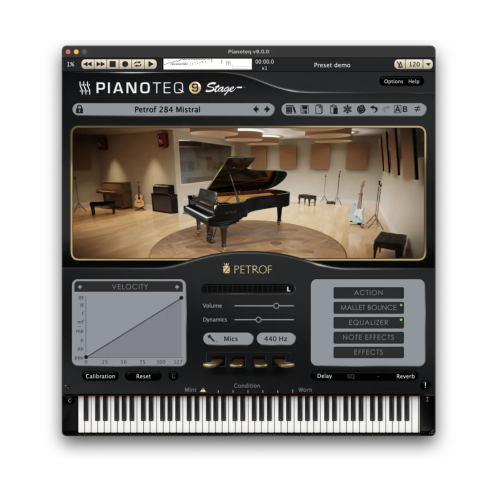
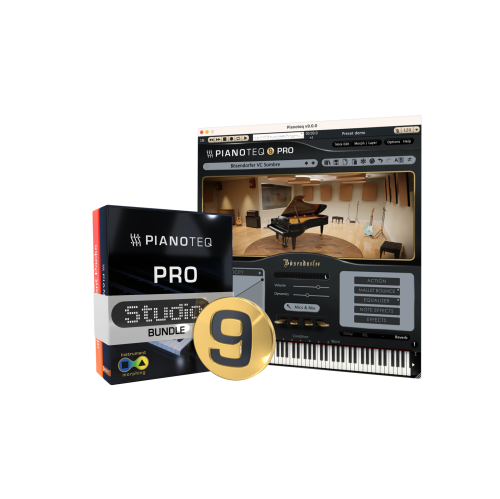
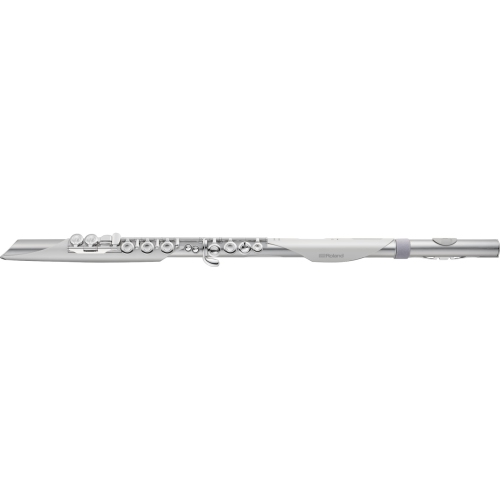
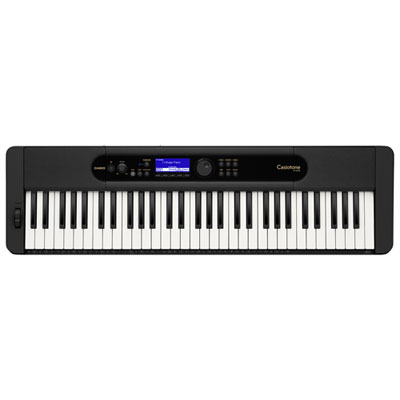
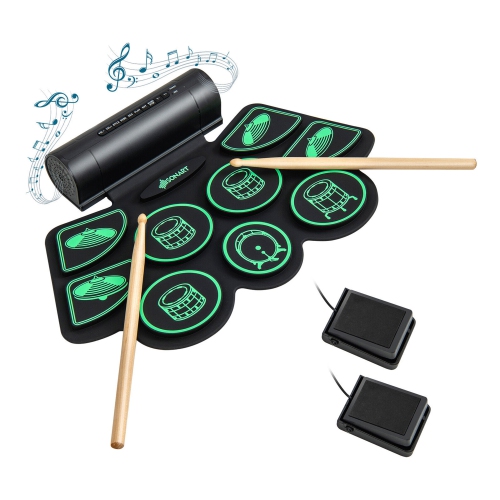
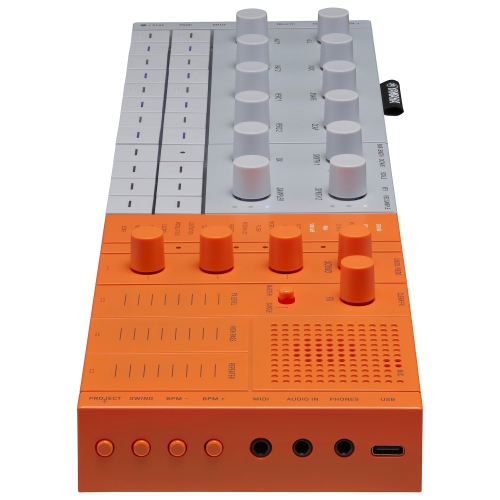
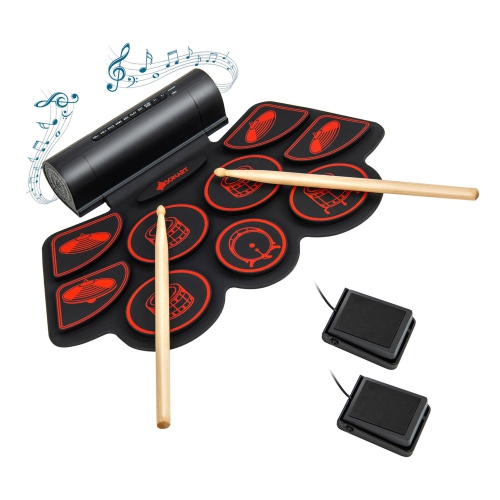
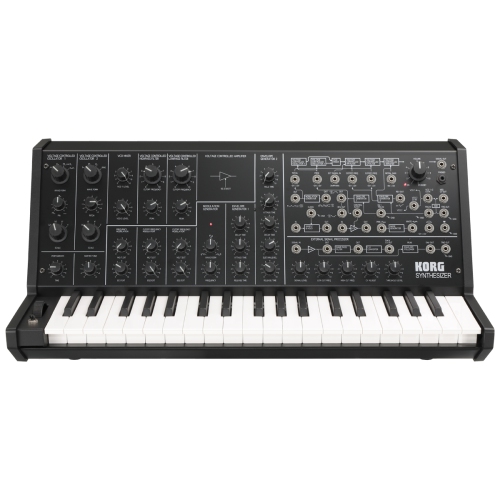
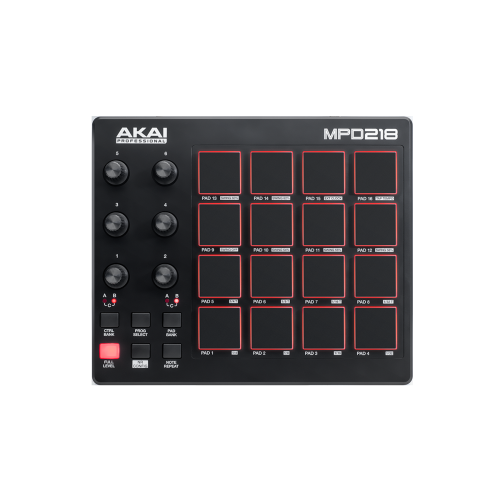
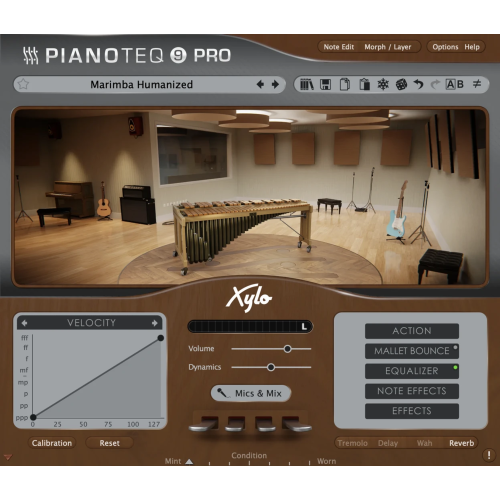
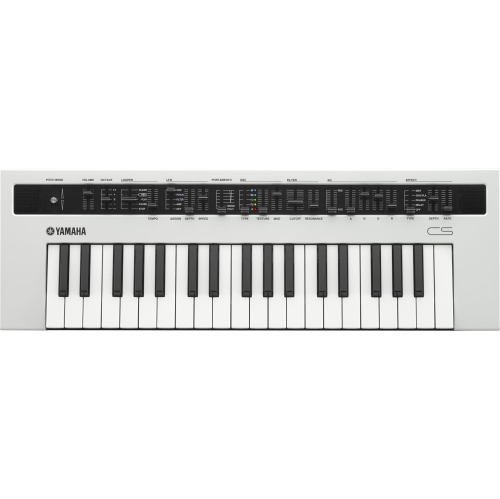
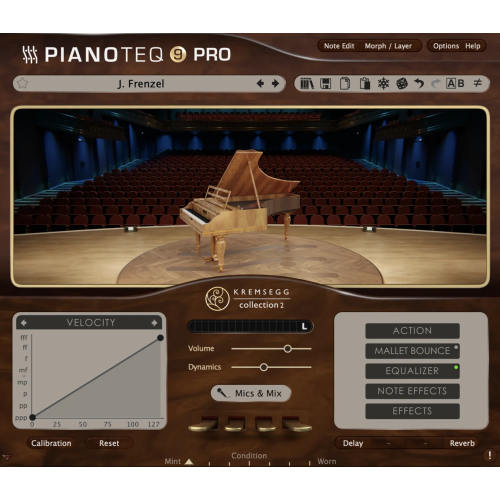
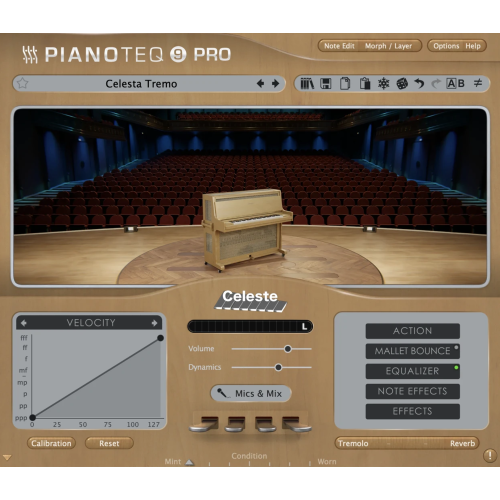
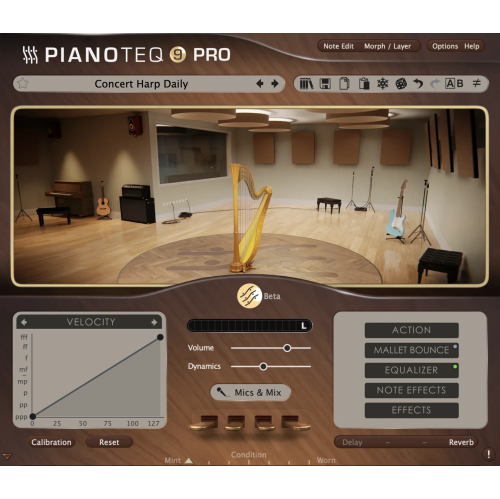
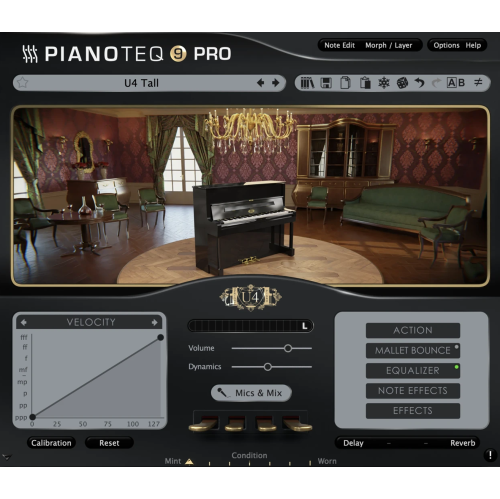
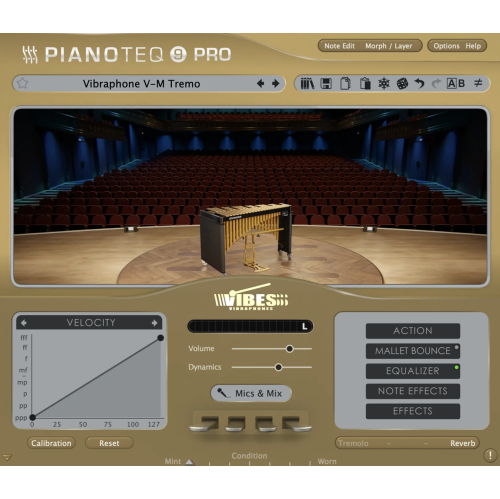
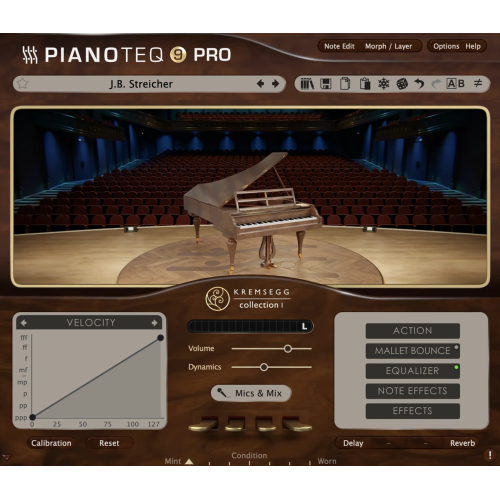
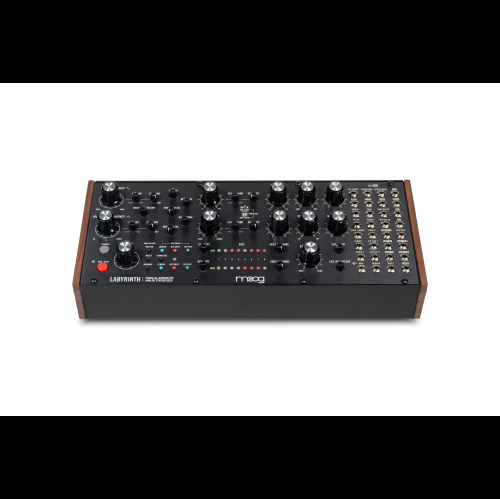
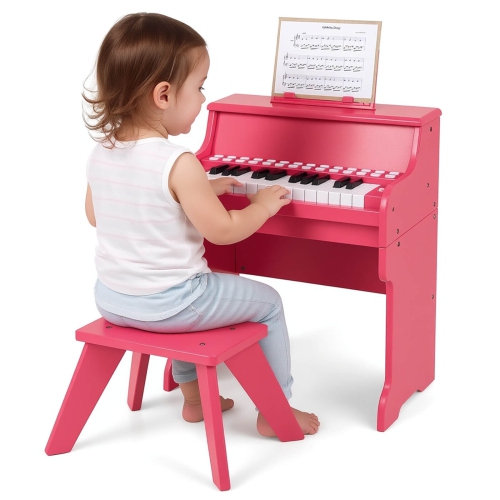
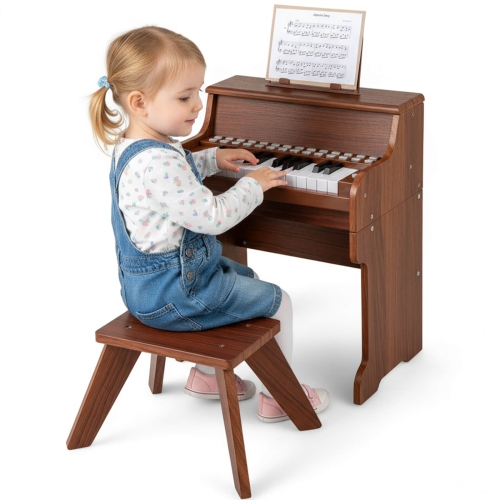
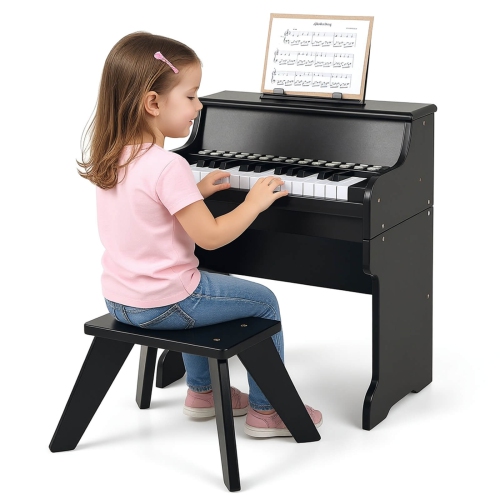
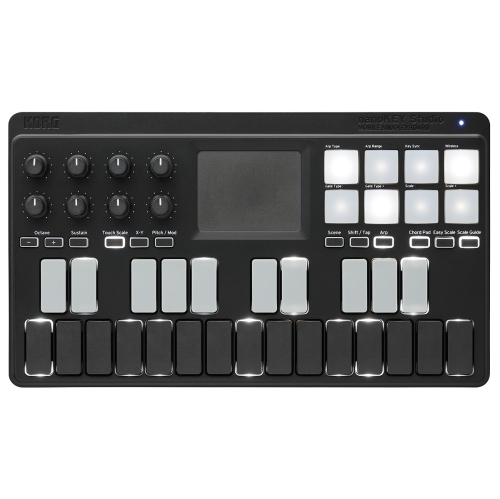
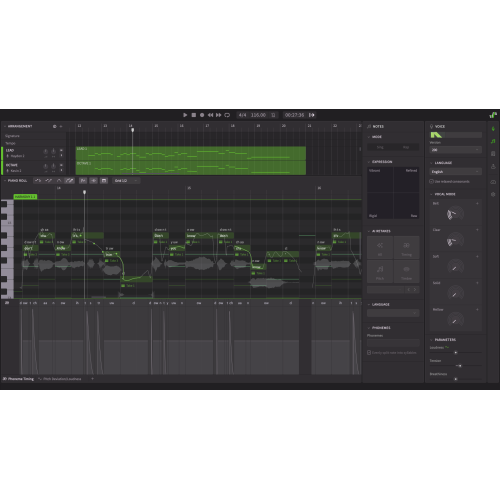
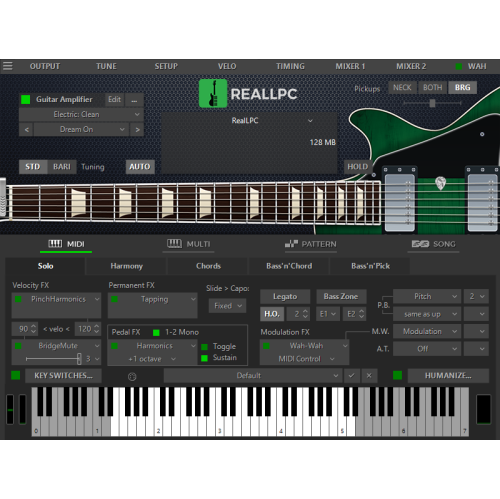
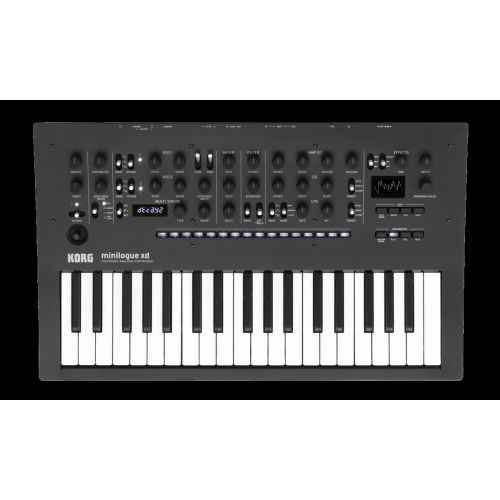
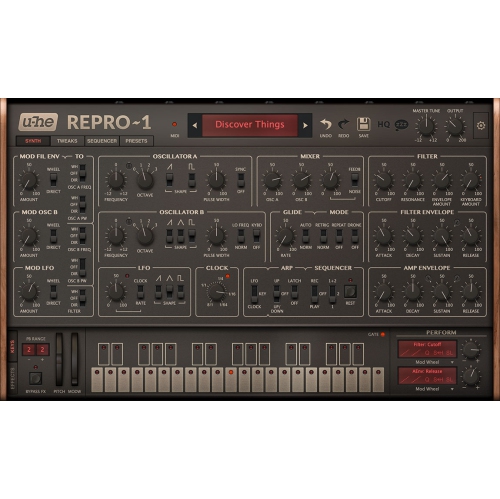
Digital music instruments create, shape, or control sound through electricity, computer code, and digital signal processing. This broad category includes digital pianos, synthesizers, MIDI controllers, drum machines, grooveboxes, and virtual instruments that run through a computer or compatible mobile device. A digital piano is designed to recreate the playing experience and sound of an acoustic piano, often using recorded piano samples, built-in speakers, headphone output, and a choice of weighted or unweighted keys. Weighted keys offer resistance that feels closer to an acoustic instrument and can help players develop finger control, while lighter keys may suit beginners, performers who value portability, or musicians who want to play fast electronic parts. Synthesizers take a different approach by generating tones with digital oscillators, filters, envelopes, and effects. Instead of simply reproducing one traditional instrument, a synthesizer can create deep basses, bright leads, atmospheric pads, percussive sounds, and unusual textures from the ground up. Many include preset sounds for immediate playing as well as controls for shaping a sound one step at a time. MIDI controllers do not usually produce sound independently. They send performance information such as notes, velocity, pitch, modulation, and control changes to music software, virtual instruments, or compatible hardware. This makes them useful for home recording, live performance, beat-making, and arranging music on a computer. Virtual instruments are software-based tools that operate inside a digital audio workstation or another compatible program, allowing a computer keyboard, MIDI controller, or touch interface to trigger pianos, strings, drum kits, synthesizers, and other sounds. For a straightforward setup, a digital piano or self-contained keyboard with built-in speakers can provide an inviting place to practise without assembling a full studio. For more flexible sound design, a synthesizer or MIDI controller paired with software can open up a much wider palette, from gentle background chords to energetic rhythmic patterns. Someone beginning lessons may appreciate simple controls, guided learning features, a comfortable key action, and a headphone connection for quiet practice. A more experienced player may place greater importance on polyphony, expressive controls, recording functions, extensive sound editing, and reliable connections for pedals or other equipment.
Choosing among digital music instruments starts with thinking about how and where the instrument will be used. Measure the available space before selecting a keyboard, especially if it will share a desk, bedroom, living room, or compact creative workspace. Portability matters for musicians who move between rooms, rehearsals, lessons, and performances, while a larger keyboard with a sturdy stand may be preferable for someone creating a dedicated playing area. Check the type and number of connections, including USB, MIDI, audio outputs, sustain-pedal inputs, and connections for headphones or external speakers. Compatibility is equally important when using software: confirm that the controller or instrument works with the computer, tablet, operating system, and music applications intended for the setup. A low-latency connection helps notes respond promptly, which is especially valuable when playing fast passages or recording several parts. Players who plan to build arrangements should consider the number of keys, touch sensitivity, octave range, recording functions, and the ability to layer or split sounds. Those focused on production may prefer drum pads, assignable knobs, faders, transport controls, and easy access to software instruments. Beginners often benefit from clear layouts and controls that encourage regular practice rather than requiring a complicated setup every time they sit down. A child exploring music, a student preparing for lessons, or a family member discovering songwriting can receive a digital piano, compact keyboard, or beginner-friendly controller as a thoughtful gift, particularly when the instrument fits comfortably into the recipient’s living space. During the cooler months, a keyboard with headphones can turn a quiet corner into a personal practice room, while a portable controller can accompany creative sessions at a desk or on the move. For shoppers comparing MIDI equipment, the selection of Midi Musical Instruments can help clarify the difference between controllers that send performance data and instruments that generate sound themselves. Before choosing, consider whether the recipient wants to play immediately, learn traditional keyboard technique, experiment with electronic sound, record original music, or control software on a computer. The best fit is the instrument that matches those habits, feels comfortable under the hands, and makes it easy to return to music whenever inspiration arrives.
Choosing among digital music instruments starts with thinking about how and where the instrument will be used. Measure the available space before selecting a keyboard, especially if it will share a desk, bedroom, living room, or compact creative workspace. Portability matters for musicians who move between rooms, rehearsals, lessons, and performances, while a larger keyboard with a sturdy stand may be preferable for someone creating a dedicated playing area. Check the type and number of connections, including USB, MIDI, audio outputs, sustain-pedal inputs, and connections for headphones or external speakers. Compatibility is equally important when using software: confirm that the controller or instrument works with the computer, tablet, operating system, and music applications intended for the setup. A low-latency connection helps notes respond promptly, which is especially valuable when playing fast passages or recording several parts. Players who plan to build arrangements should consider the number of keys, touch sensitivity, octave range, recording functions, and the ability to layer or split sounds. Those focused on production may prefer drum pads, assignable knobs, faders, transport controls, and easy access to software instruments. Beginners often benefit from clear layouts and controls that encourage regular practice rather than requiring a complicated setup every time they sit down. A child exploring music, a student preparing for lessons, or a family member discovering songwriting can receive a digital piano, compact keyboard, or beginner-friendly controller as a thoughtful gift, particularly when the instrument fits comfortably into the recipient’s living space. During the cooler months, a keyboard with headphones can turn a quiet corner into a personal practice room, while a portable controller can accompany creative sessions at a desk or on the move. For shoppers comparing MIDI equipment, the selection of Midi Musical Instruments can help clarify the difference between controllers that send performance data and instruments that generate sound themselves. Before choosing, consider whether the recipient wants to play immediately, learn traditional keyboard technique, experiment with electronic sound, record original music, or control software on a computer. The best fit is the instrument that matches those habits, feels comfortable under the hands, and makes it easy to return to music whenever inspiration arrives.
Top selling and popular products
-
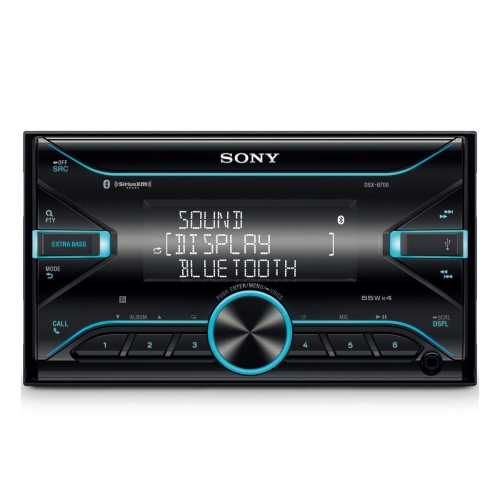 Your price for this item is $198
 -
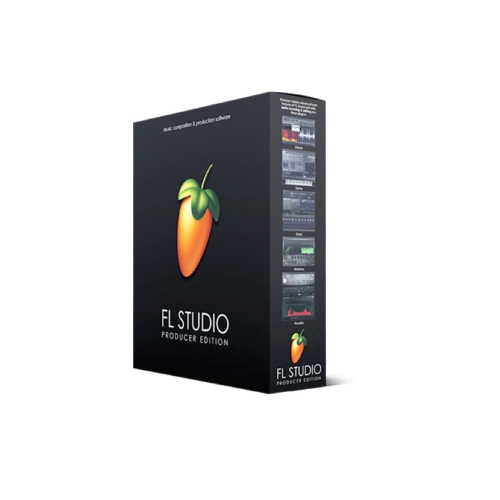 Your price for this item is $329.99
 -
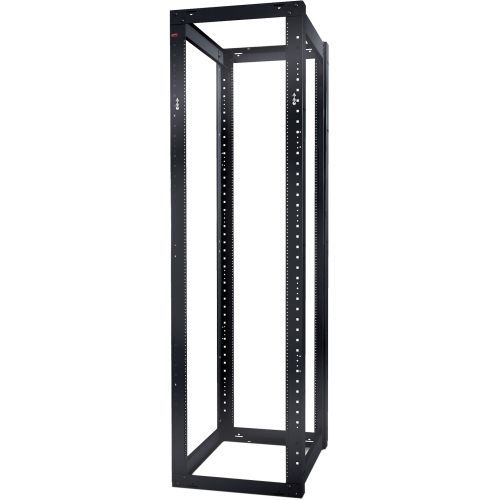 Your price for this item is $1085.61
 -
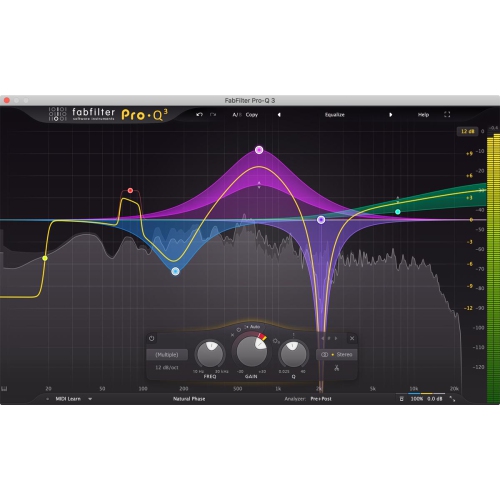 Your price for this item is $329.99
 -
 Your price for this item is $469
 -
 Your price for this item is $65
 -
 Your price for this item is $275
 -
 Your price for this item is $279
Discover more categories related to Digital Music Instruments
Top Collections:
Pokemon Centers, Kindle Devices, Best Budget Office Chairs, Apple iPhones 16, Canon G7X Cameras, iPhone 15 Apple, Alarm Clock, Refurbished Apple Laptops, Flip Phones, Best Laptops for Writers
Some products may be subject to Environmental Handling Fees
(EHF) depending on your province.
Learn more about EHFs.