Music Synthesizers
Looking to create your own unique sound? Look no further than our collection of music synthesizers. With their ability to generate a wide range of tones and effects, these powerful instruments are perfect for musicians, producers, and enthusiasts alike. Whether you're a seasoned professional or just starting out, our selection of music synthesizers offers endless possibilities for creating captivating melodies and exploring new sonic landscapes. From analog to digital, modular to portable, we have a variety of options to suit every musician's needs. Get ready to unleash your creativity and take your music production to the next level with our top-notch music synthesizers.
Sort
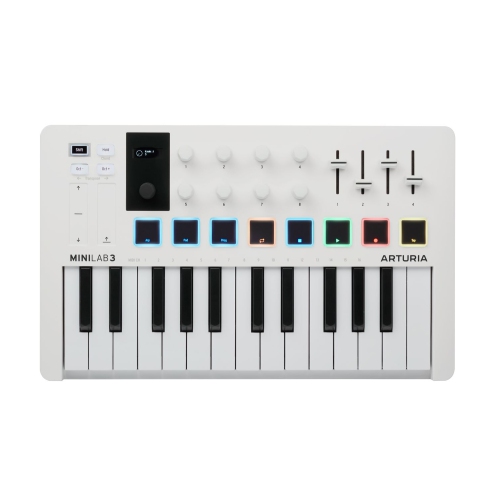
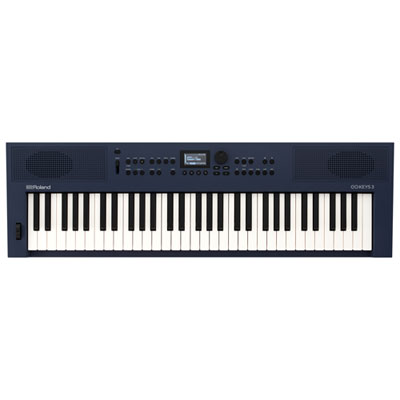
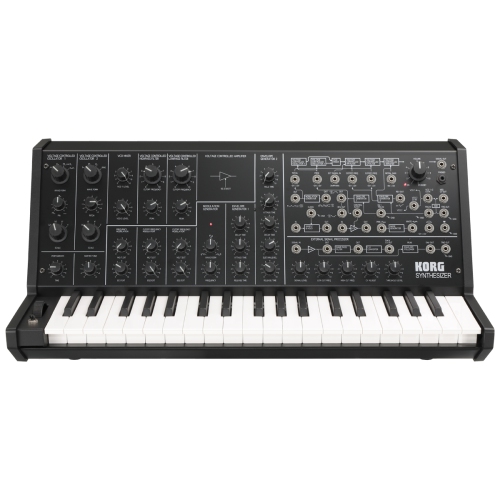

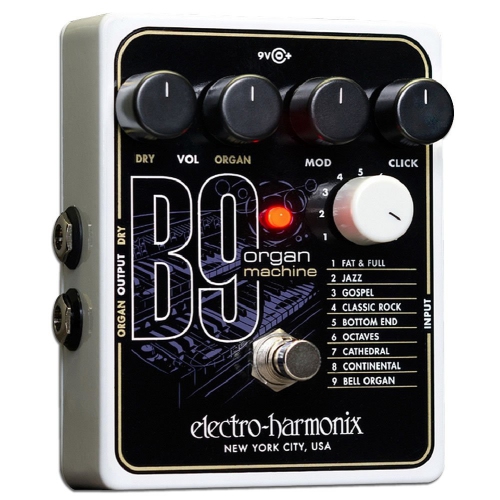
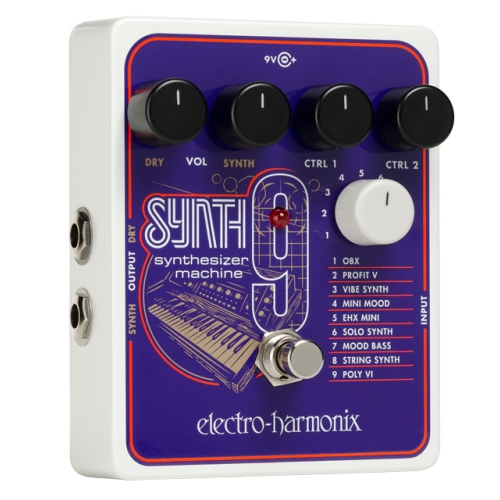
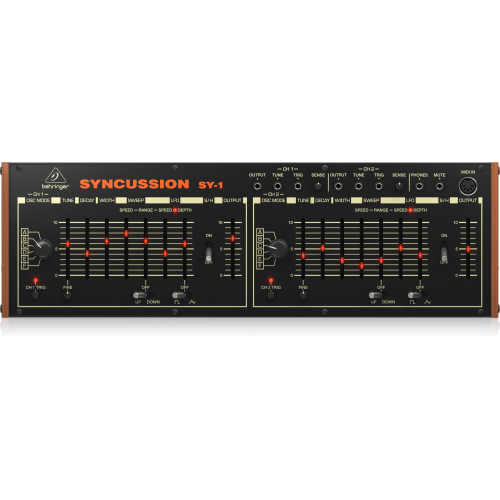
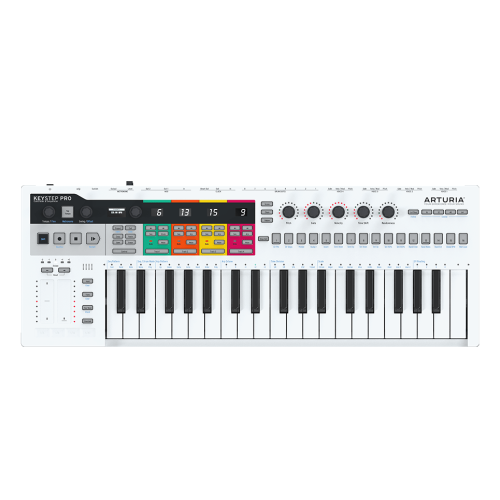
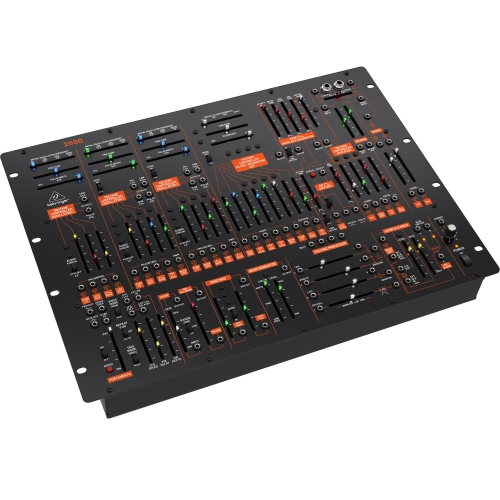
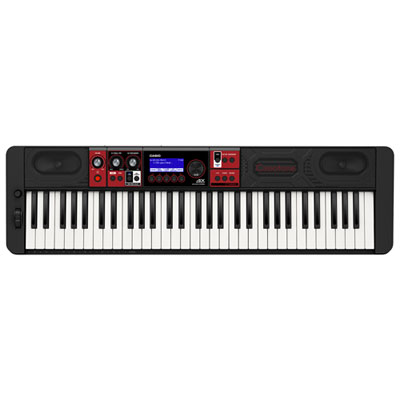

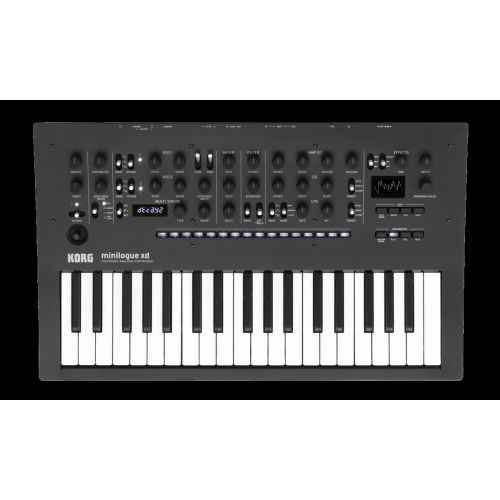
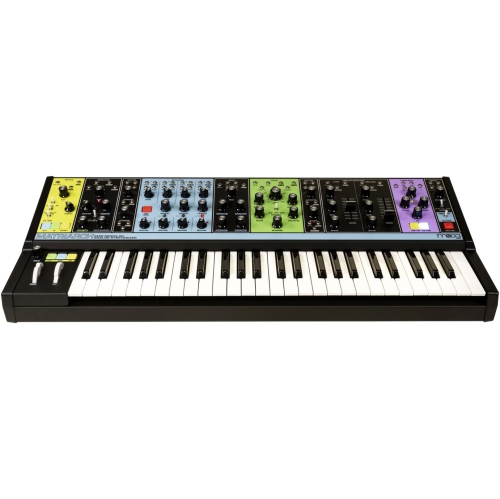
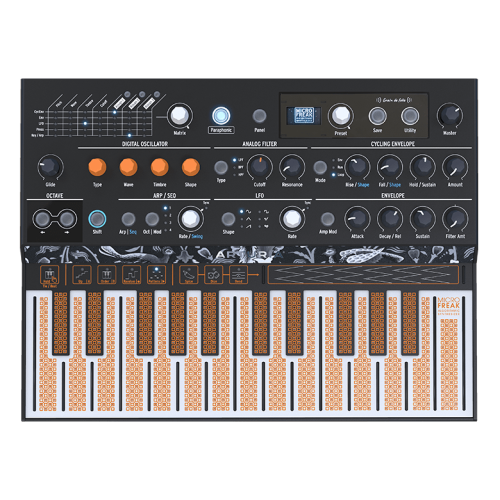
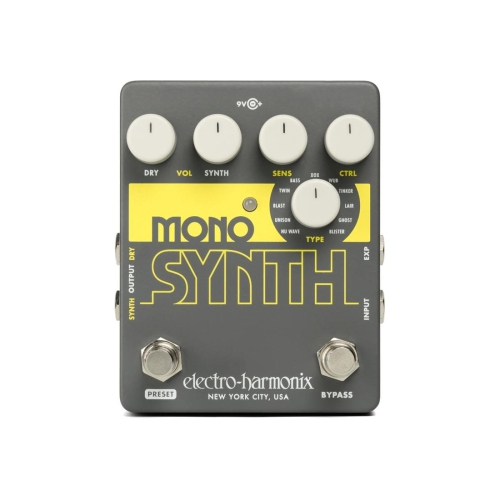

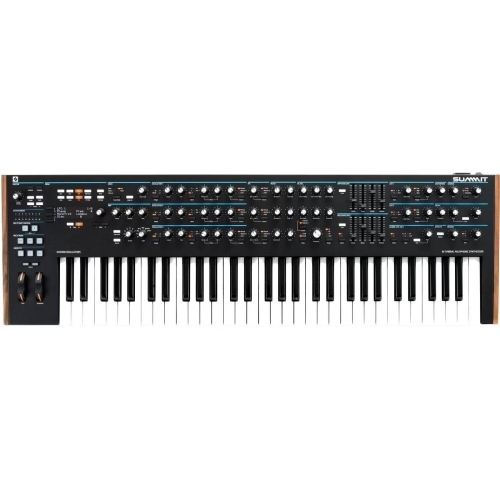

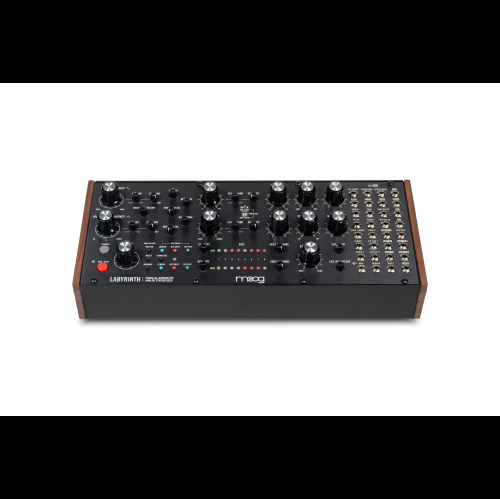
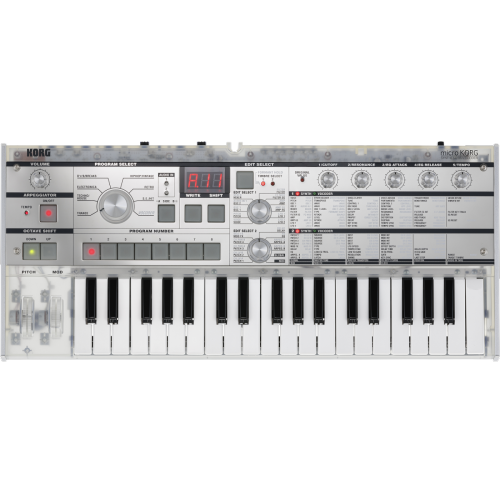
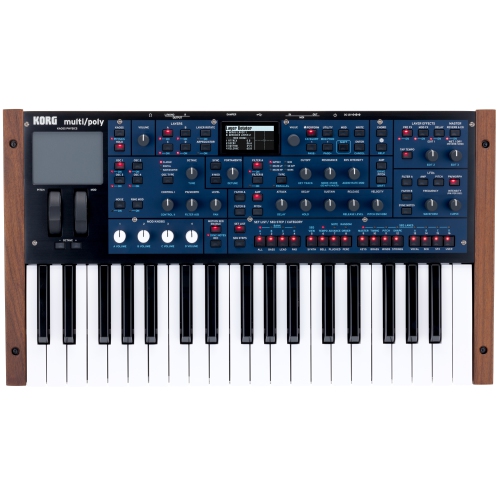
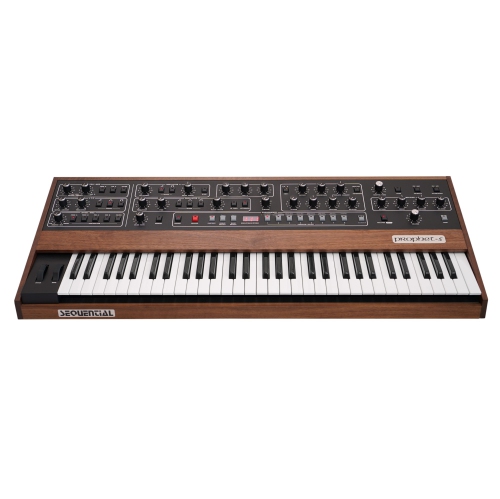
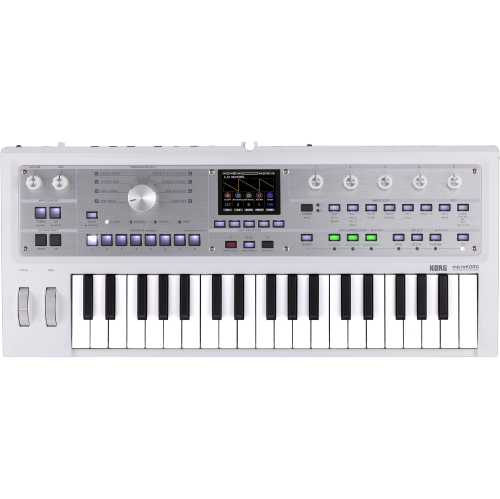
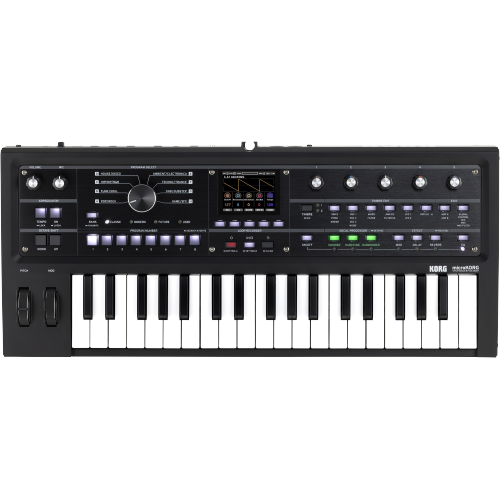
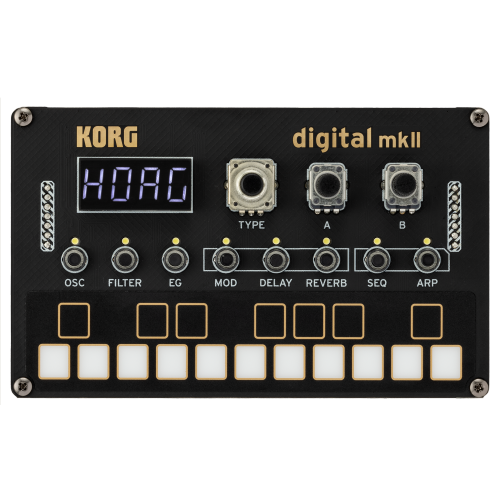
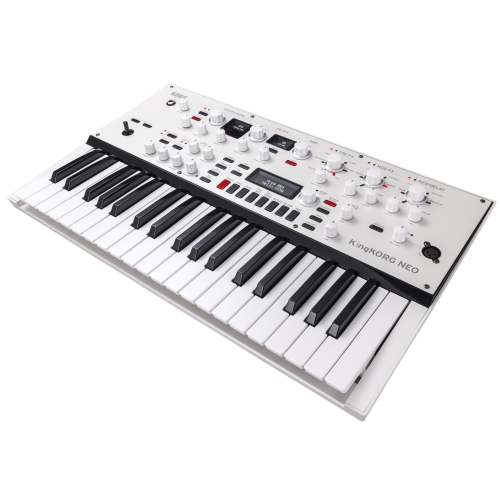
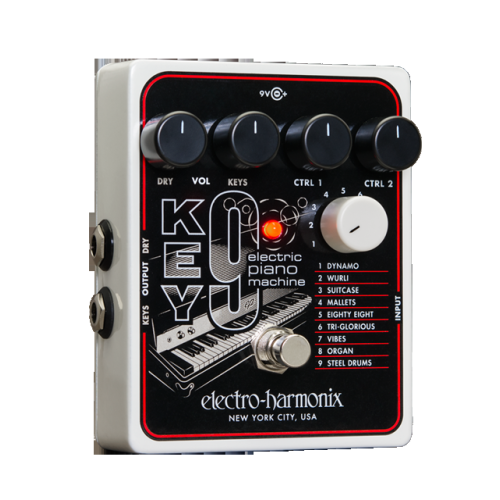

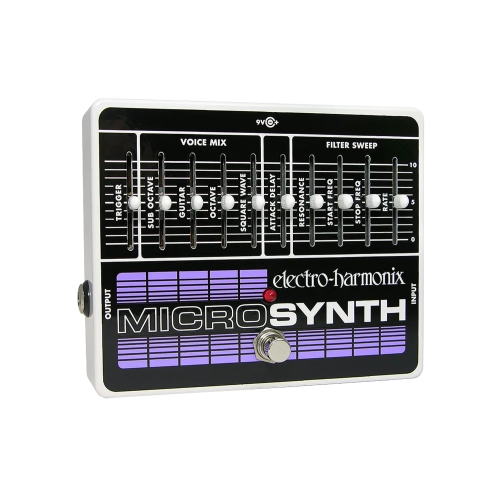
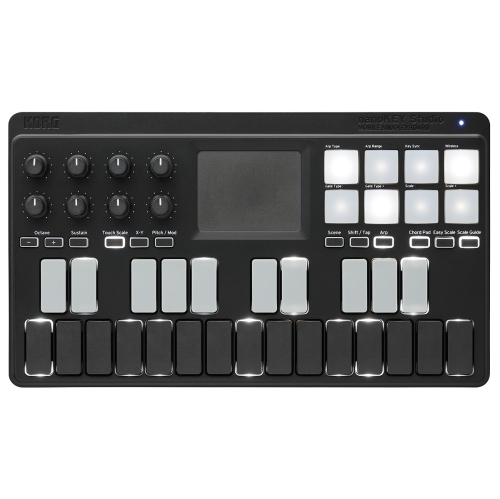
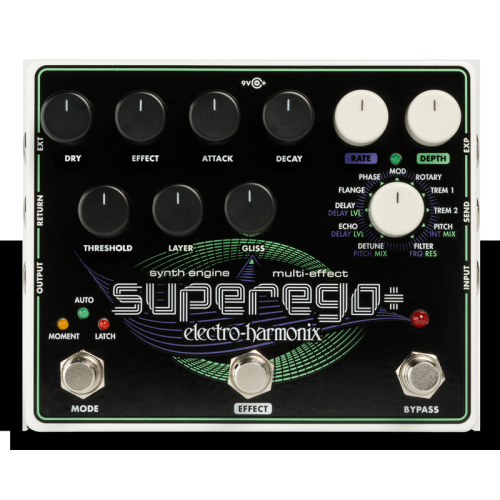
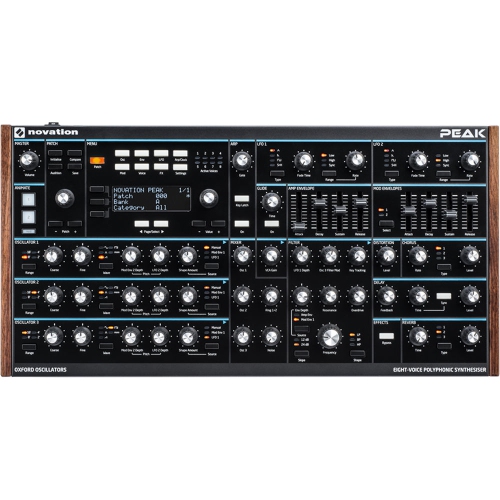
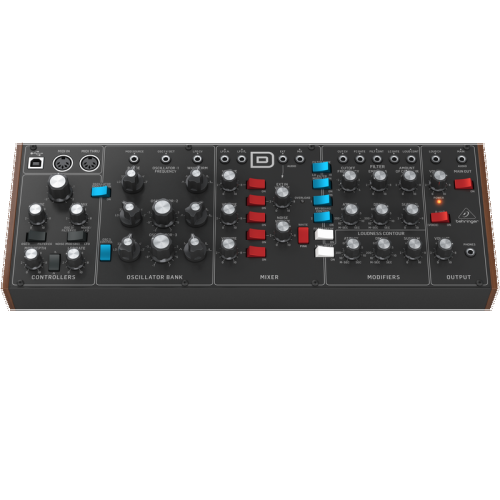
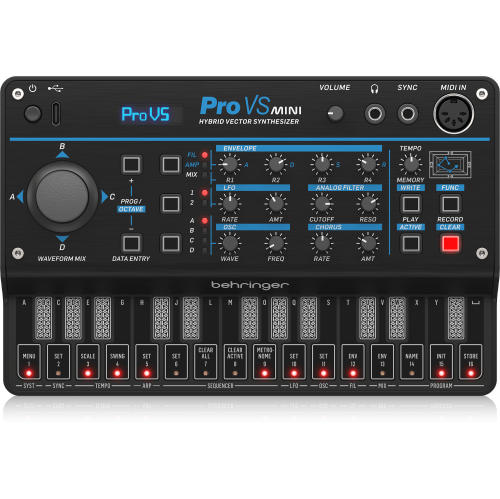
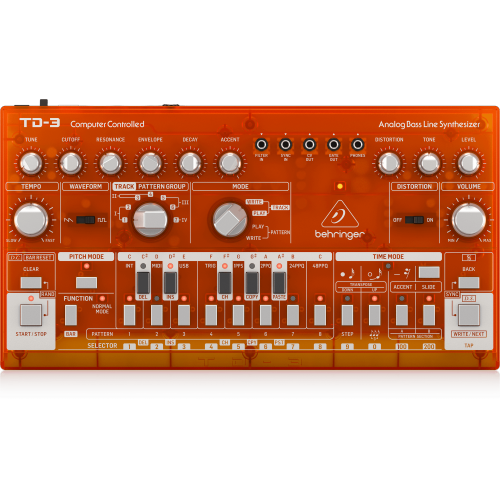
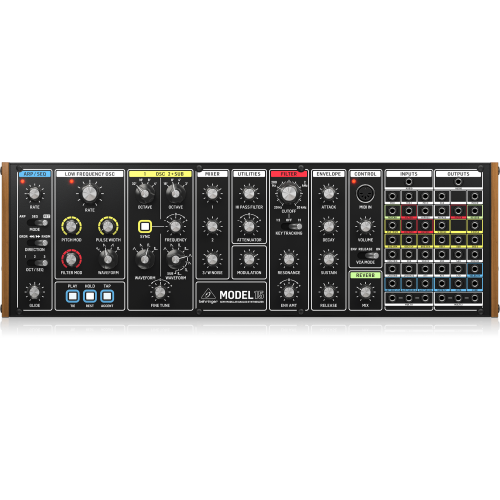
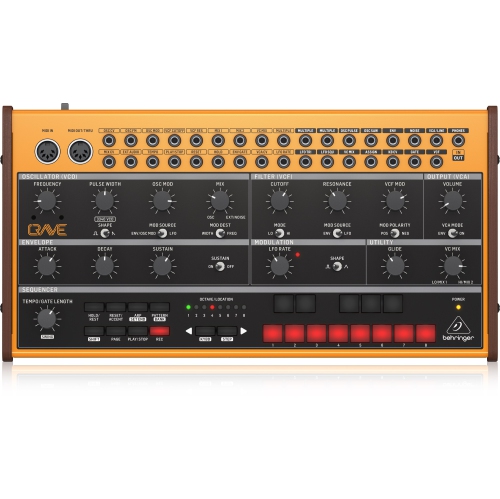
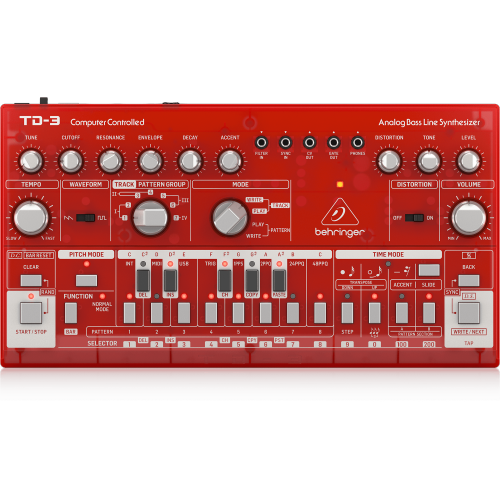
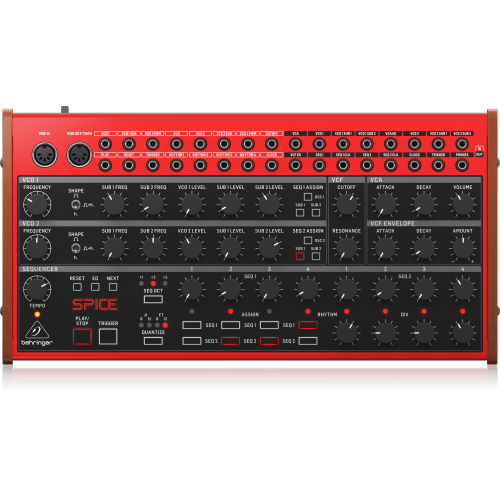
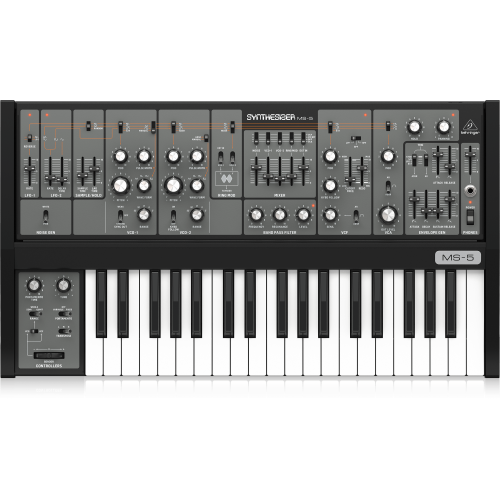
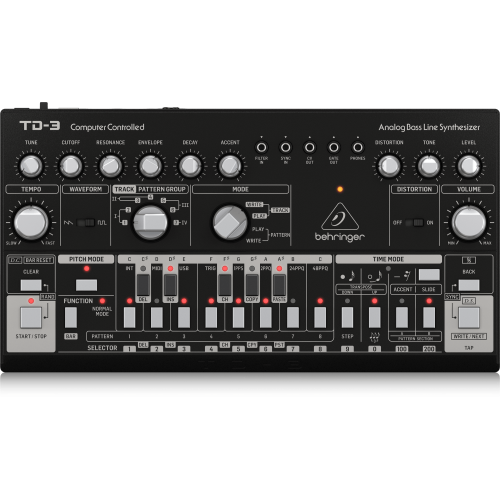
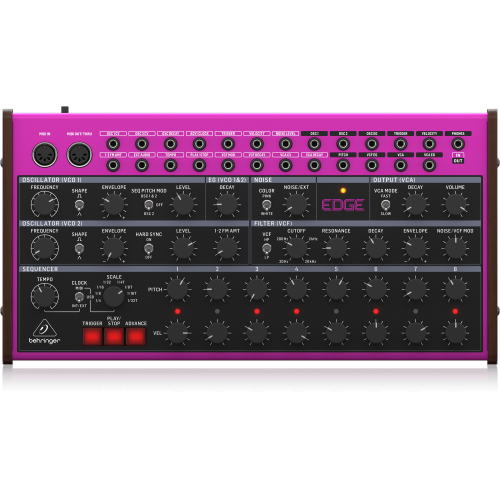
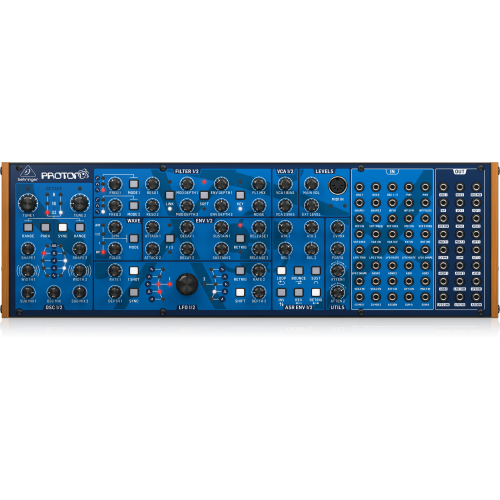
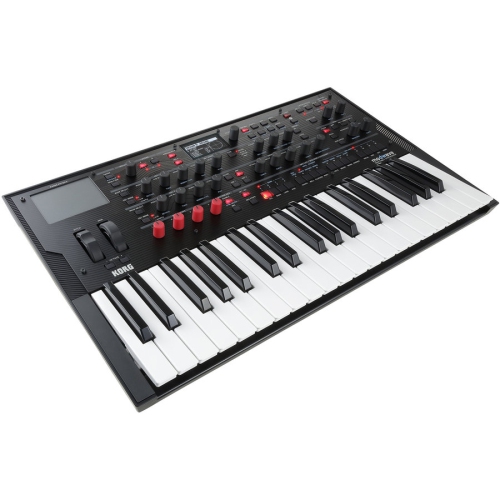
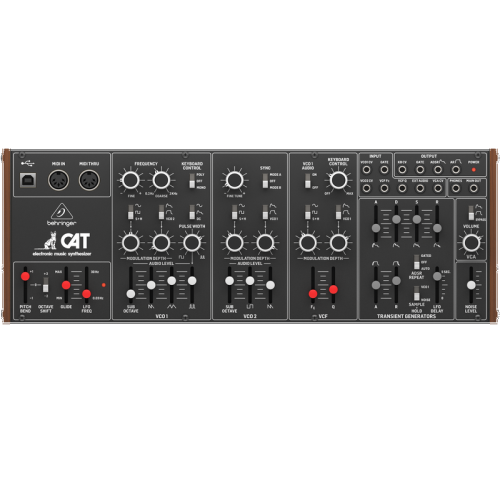
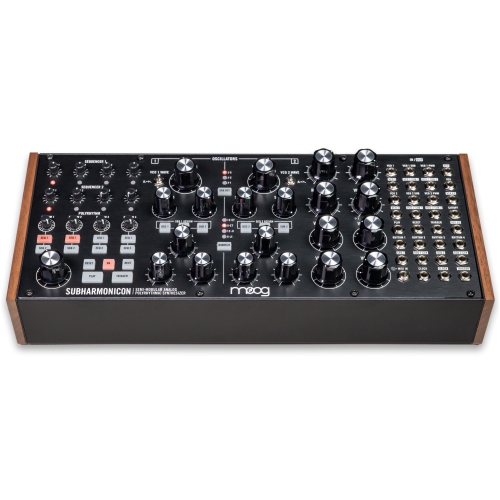
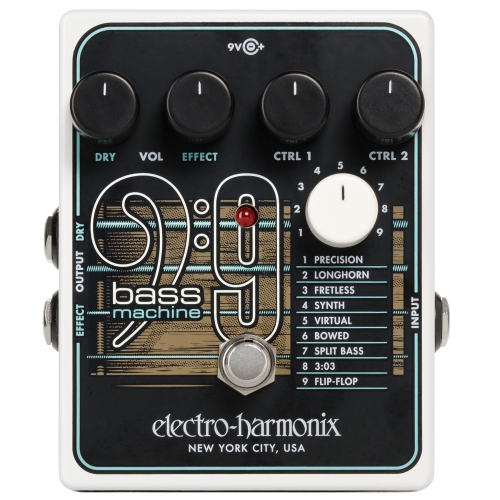
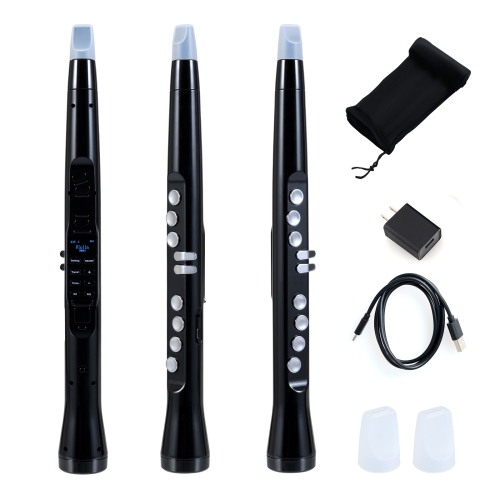
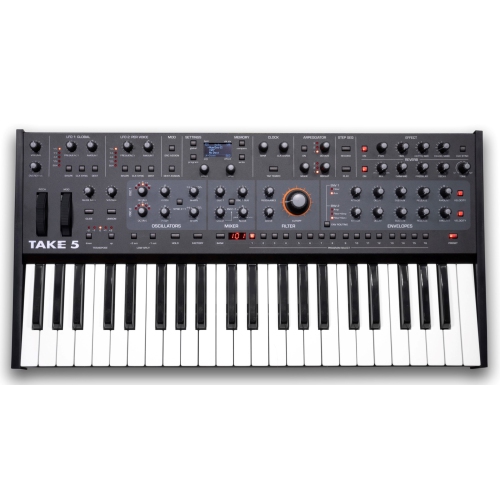
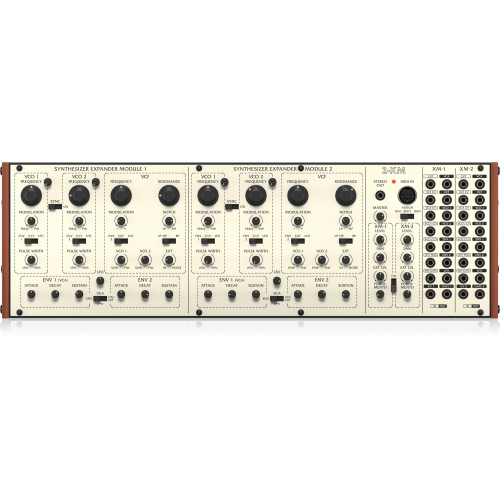
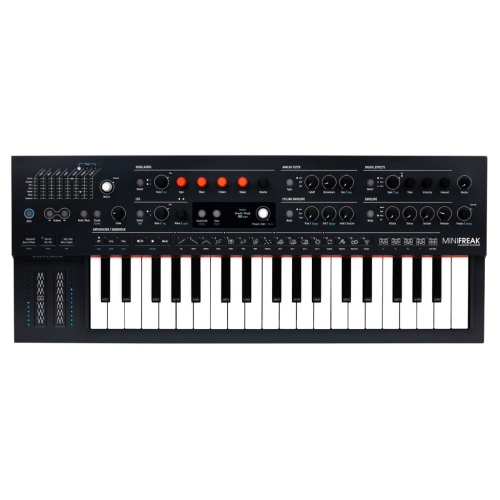
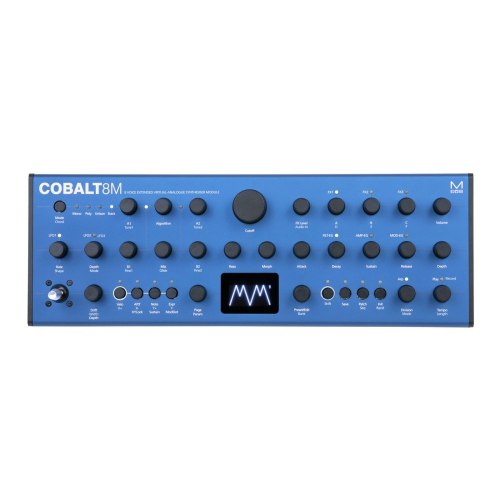
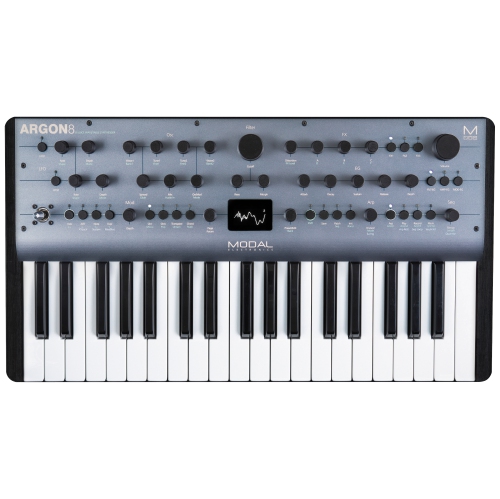
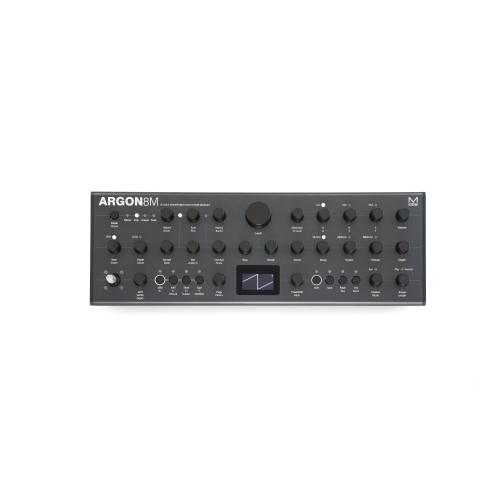
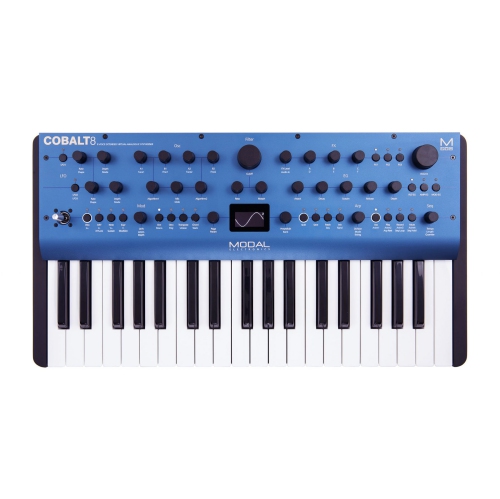
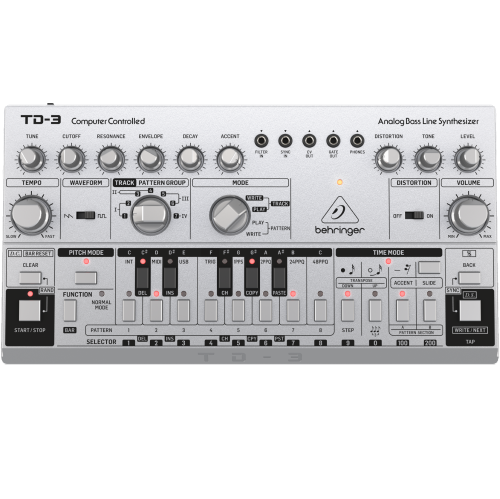
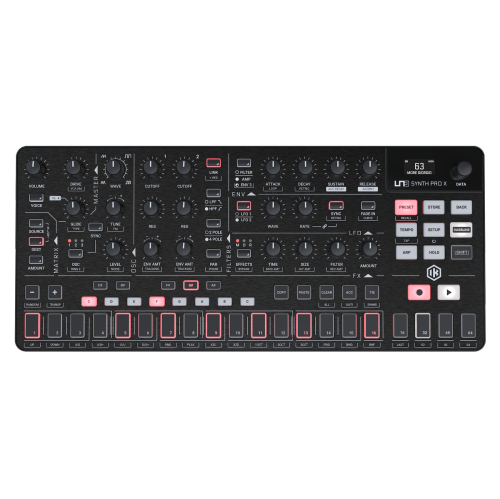

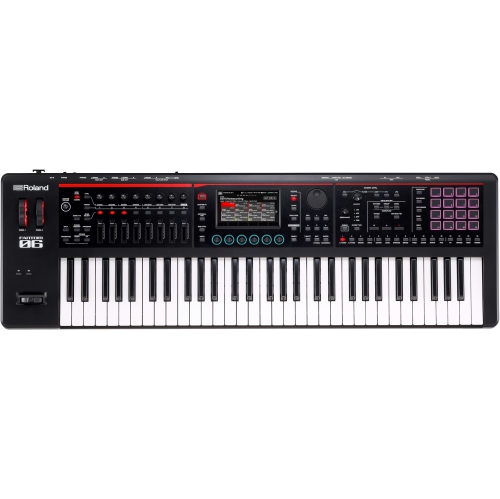
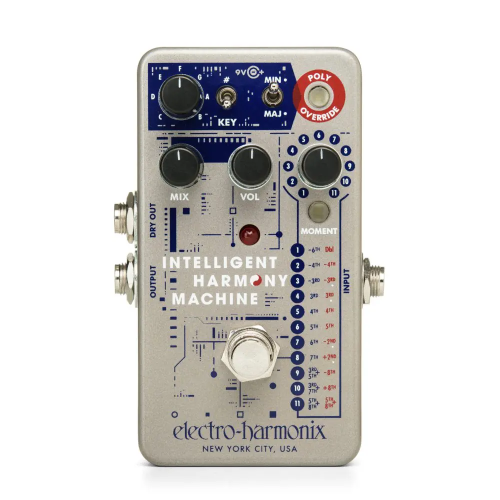
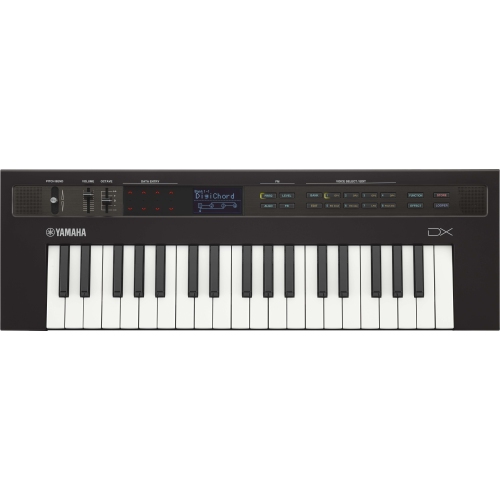
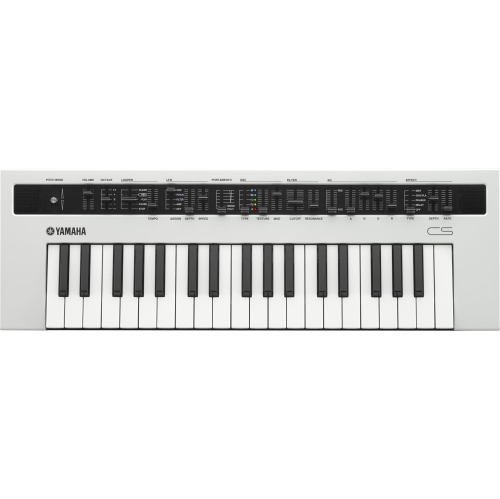
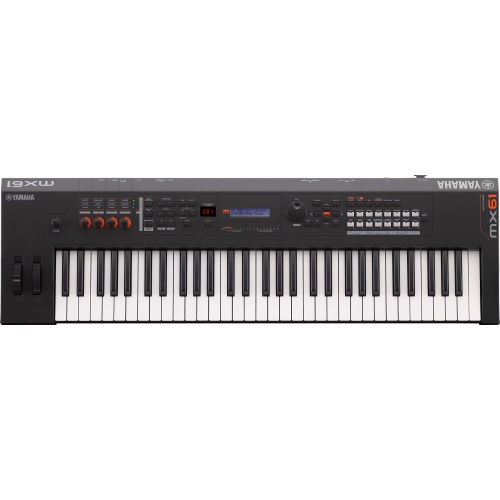
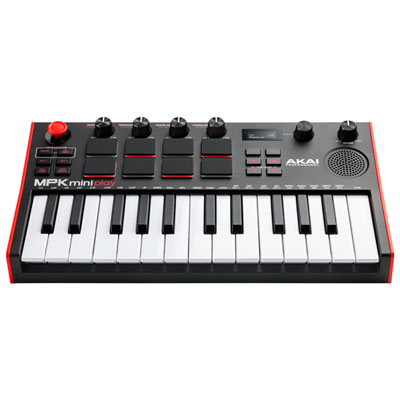
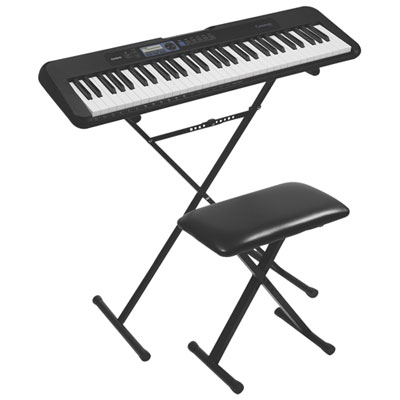
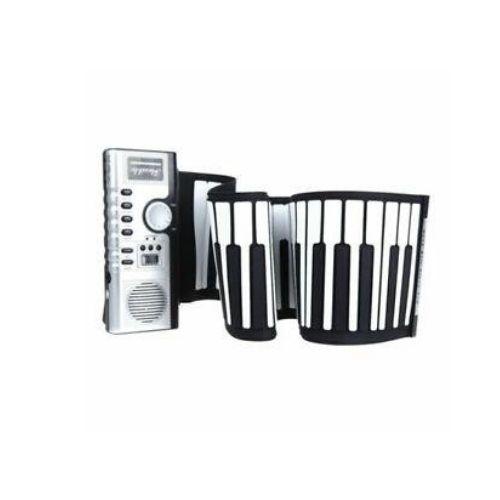
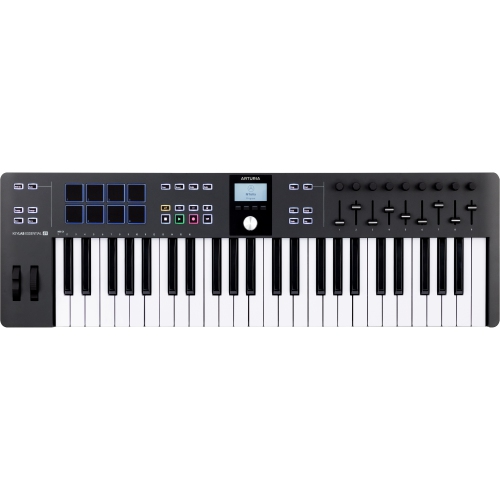
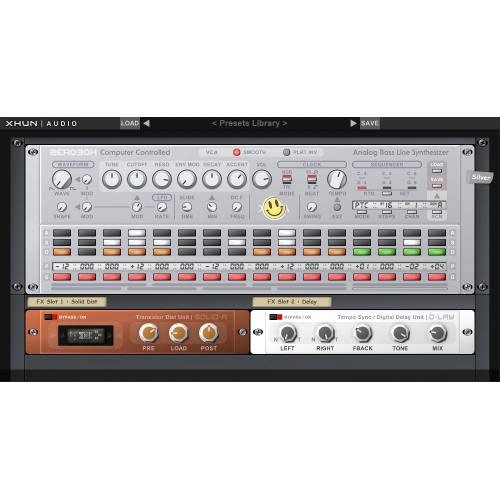
From simple waveforms to expressive, evolving musical arrangements
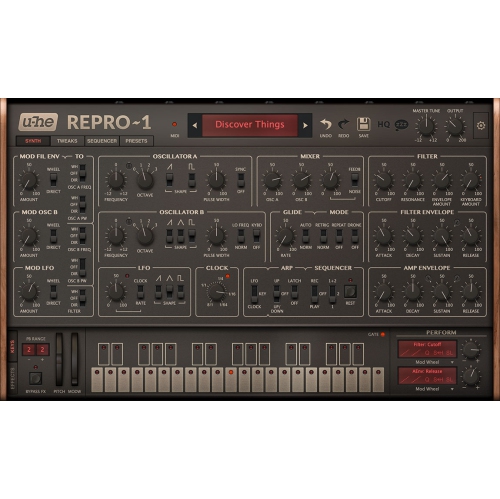
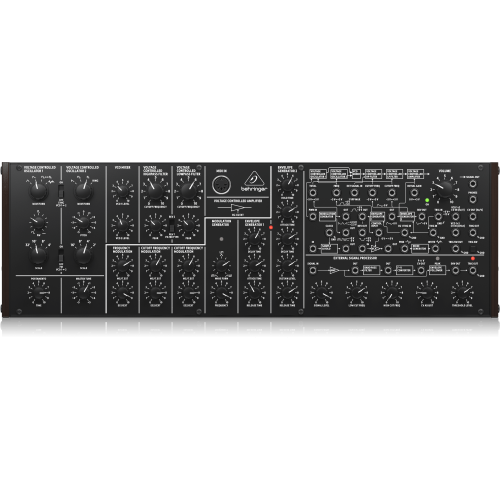
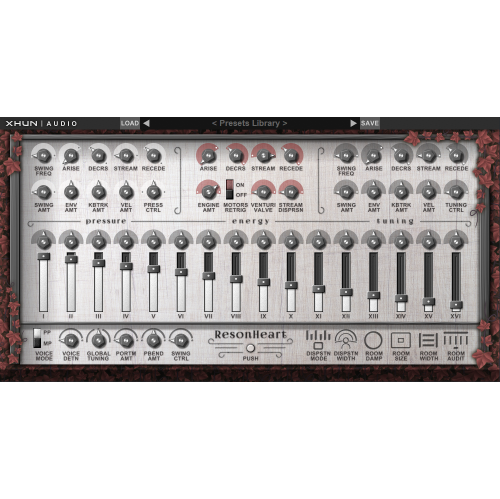
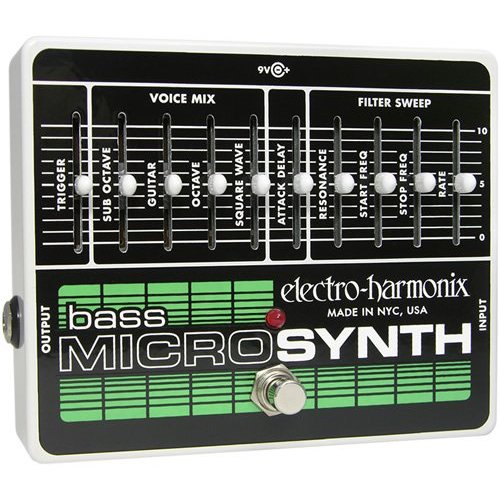
Music synthesizers are electronic instruments that generate and shape audio signals, giving musicians a flexible way to create basslines, melodies, chords, sound effects, pads, leads, and atmospheric textures. Unlike an acoustic instrument, which has a more fixed tonal character, a synthesizer can be adjusted to sound warm and rounded, bright and cutting, metallic, percussive, airy, or entirely otherworldly. At the heart of most music synthesizers are a few core sound-shaping stages. Oscillators generate the initial waveform, such as a sawtooth, square, sine, or triangle wave, which establishes the basic pitch and tone. Filters then carve away selected frequencies; a low-pass filter can soften a sharp sound by reducing high frequencies, while resonance can emphasize a narrow area of the spectrum for a more pronounced, expressive character. Amplifiers control the final level, and envelopes shape how a note changes over time. The familiar ADSR envelope—attack, decay, sustain, and release—can make a sound begin with a sharp strike, fade gradually into a steady tone, or trail off with a long, spacious tail. Learning these controls often feels like discovering that a simple musical note is made from many moving parts. A beginner may start by adjusting one filter knob and hearing a static tone open into a sweeping, vocal-like sound; with practice, those small changes become the foundation for distinctive patches and complete arrangements.
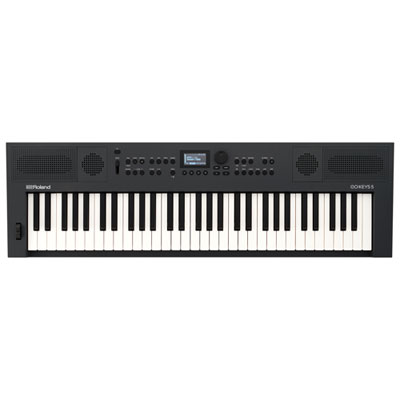
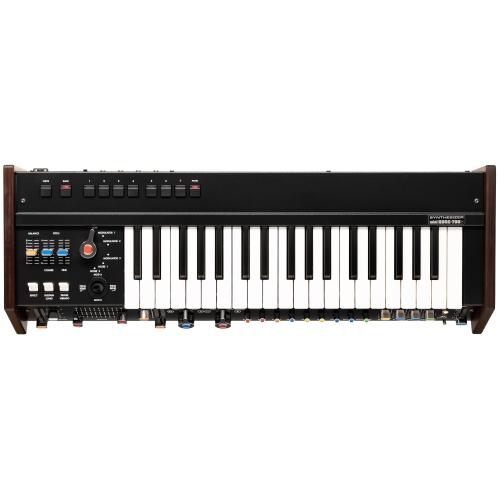
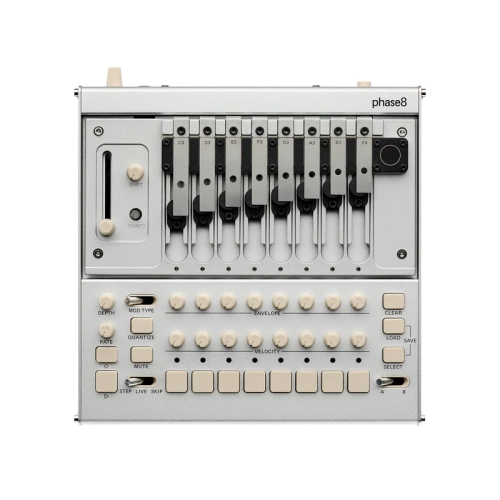
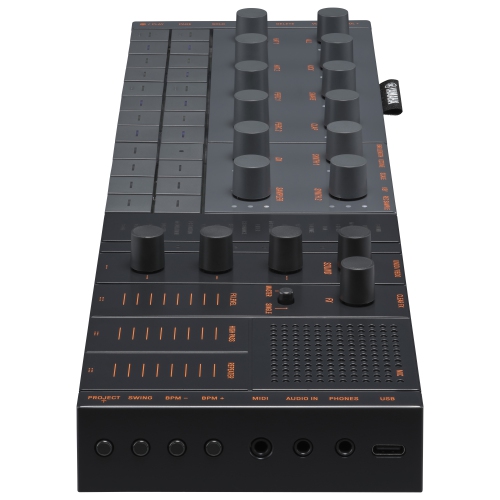
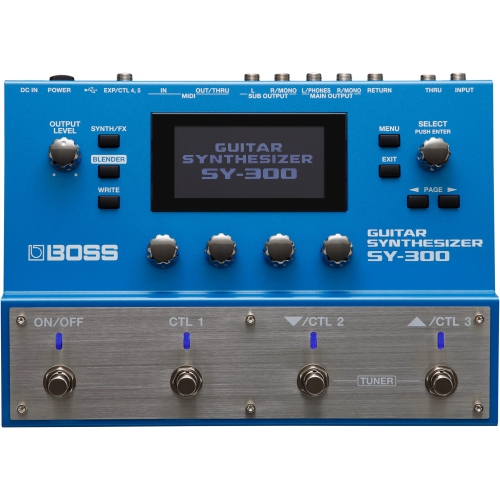
When choosing among music synthesizers, start by considering how and where the instrument will be used. Hardware models offer hands-on controls, dedicated keys or pads, and the immediacy of making a change with a turn of the wrist. They can be a strong fit for a home studio, live performance setup, or musician who enjoys building sounds without relying on a computer screen. Some are designed for one note at a time, making them especially effective for focused basslines, lead melodies, and rhythmic sequences. Others support several notes at once, which is useful for chords, layered harmonies, and fuller arrangements. The number of keys, the feel of the keyboard, velocity sensitivity, pitch and modulation controls, built-in speakers, and the availability of a headphone output can all affect the playing experience. Compact units are convenient for smaller desks, travel, and portable jam sessions, while larger keyboards may provide a more familiar piano-style layout and greater range. A model with a built-in sequencer can record and repeat note patterns, helping a player develop a groove or sketch a song without additional equipment. Arpeggiators automatically arrange held notes into repeating patterns, while onboard effects such as delay, reverb, and chorus can add depth without requiring separate pedals or software. Connectivity matters as well: USB, MIDI, audio outputs, and sync connections can help a synthesizer work with a computer, drum machine, recording interface, or other instruments. Software synthesizers are another option for musicians who prefer an in-the-box setup, since they can offer extensive sound libraries and automation through a digital audio workstation. For piano players who want keyboard familiarity with electronic sound design, Piano Synthesizers can be a natural area to explore.
Music synthesizers suit a wide range of experience levels and musical interests. A first-time player may appreciate clearly labelled controls, presets, a straightforward signal path, and guided features that make it easy to understand what each section does. More experienced musicians may look for multiple oscillators, deeper modulation, flexible routing, drum and percussion sounds, extensive sequencing, or the ability to save and recall custom patches. The best choice also depends on the kind of music being made. Electronic, dance, hip-hop, pop, ambient, film scoring, rock, and experimental music each make different demands on an instrument, although a versatile synthesizer can move comfortably between genres. Before buying, consider whether the main goal is recording, live performance, sound design, learning, or casual experimentation, then match the instrument’s controls and connections to that setting. A small headphone-friendly synthesizer can turn a quiet corner into a late-evening creative space, while a full-size keyboard can anchor a studio and invite longer playing sessions. These instruments can also make thoughtful gifts for aspiring producers, keyboard players, home-recording enthusiasts, and curious musicians who enjoy exploring sound as much as writing melodies. For a gift, practical details such as available space, existing equipment, preferred playing style, and comfort with technology are worth considering. A player who already owns a keyboard may value synthesis controls and connectivity, while someone building a first setup may benefit from an all-in-one instrument that provides sounds, sequencing, and performance features in one place. During the warmer and cooler parts of the year alike, a synthesizer can offer an engaging indoor creative outlet, from shaping a soft pad while rain moves across the windows to programming a steady bass pattern for a weekend recording session. With time, the instrument becomes more than a collection of knobs and keys: it becomes a way to translate ideas, moods, and imagined spaces into sound.
When choosing among music synthesizers, start by considering how and where the instrument will be used. Hardware models offer hands-on controls, dedicated keys or pads, and the immediacy of making a change with a turn of the wrist. They can be a strong fit for a home studio, live performance setup, or musician who enjoys building sounds without relying on a computer screen. Some are designed for one note at a time, making them especially effective for focused basslines, lead melodies, and rhythmic sequences. Others support several notes at once, which is useful for chords, layered harmonies, and fuller arrangements. The number of keys, the feel of the keyboard, velocity sensitivity, pitch and modulation controls, built-in speakers, and the availability of a headphone output can all affect the playing experience. Compact units are convenient for smaller desks, travel, and portable jam sessions, while larger keyboards may provide a more familiar piano-style layout and greater range. A model with a built-in sequencer can record and repeat note patterns, helping a player develop a groove or sketch a song without additional equipment. Arpeggiators automatically arrange held notes into repeating patterns, while onboard effects such as delay, reverb, and chorus can add depth without requiring separate pedals or software. Connectivity matters as well: USB, MIDI, audio outputs, and sync connections can help a synthesizer work with a computer, drum machine, recording interface, or other instruments. Software synthesizers are another option for musicians who prefer an in-the-box setup, since they can offer extensive sound libraries and automation through a digital audio workstation. For piano players who want keyboard familiarity with electronic sound design, Piano Synthesizers can be a natural area to explore.
Music synthesizers suit a wide range of experience levels and musical interests. A first-time player may appreciate clearly labelled controls, presets, a straightforward signal path, and guided features that make it easy to understand what each section does. More experienced musicians may look for multiple oscillators, deeper modulation, flexible routing, drum and percussion sounds, extensive sequencing, or the ability to save and recall custom patches. The best choice also depends on the kind of music being made. Electronic, dance, hip-hop, pop, ambient, film scoring, rock, and experimental music each make different demands on an instrument, although a versatile synthesizer can move comfortably between genres. Before buying, consider whether the main goal is recording, live performance, sound design, learning, or casual experimentation, then match the instrument’s controls and connections to that setting. A small headphone-friendly synthesizer can turn a quiet corner into a late-evening creative space, while a full-size keyboard can anchor a studio and invite longer playing sessions. These instruments can also make thoughtful gifts for aspiring producers, keyboard players, home-recording enthusiasts, and curious musicians who enjoy exploring sound as much as writing melodies. For a gift, practical details such as available space, existing equipment, preferred playing style, and comfort with technology are worth considering. A player who already owns a keyboard may value synthesis controls and connectivity, while someone building a first setup may benefit from an all-in-one instrument that provides sounds, sequencing, and performance features in one place. During the warmer and cooler parts of the year alike, a synthesizer can offer an engaging indoor creative outlet, from shaping a soft pad while rain moves across the windows to programming a steady bass pattern for a weekend recording session. With time, the instrument becomes more than a collection of knobs and keys: it becomes a way to translate ideas, moods, and imagined spaces into sound.
Top selling and popular products
-
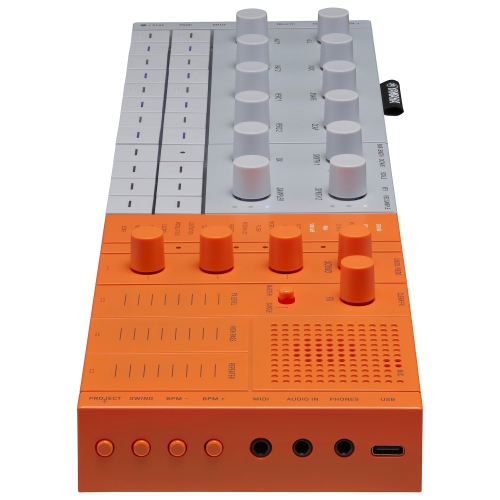 Your price for this item is $599.99
 -
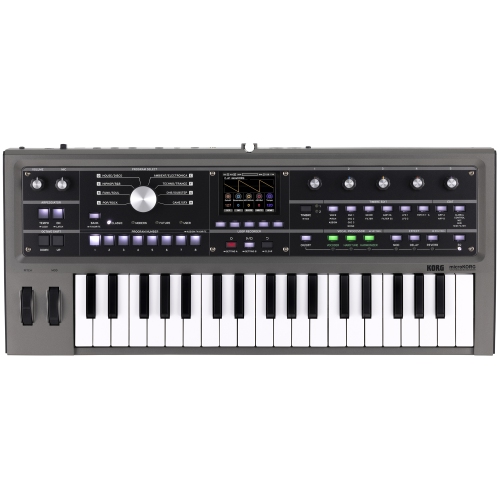 Your price for this item is $849.99
 -
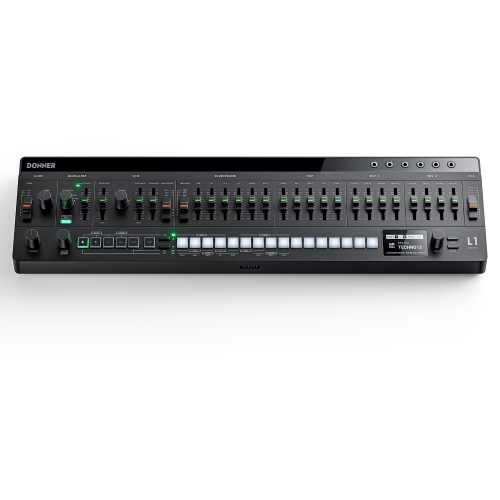 Your price for this item is $259.99
 -
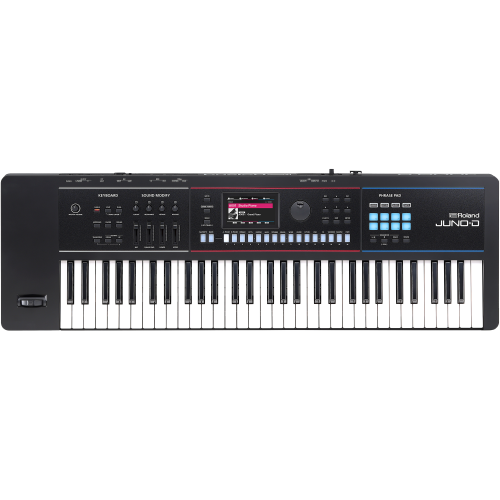 Your price for this item is $1299.99
 -
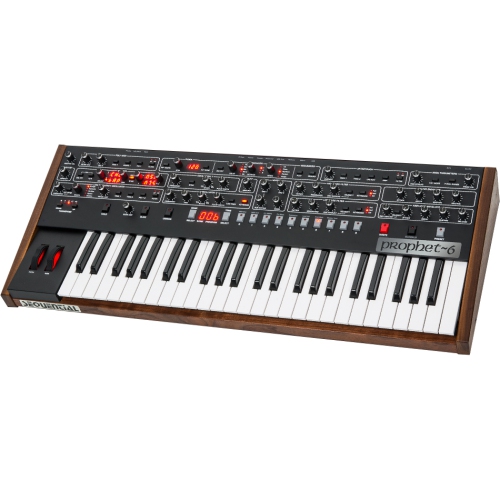 Your price for this item is $5069.99
 -
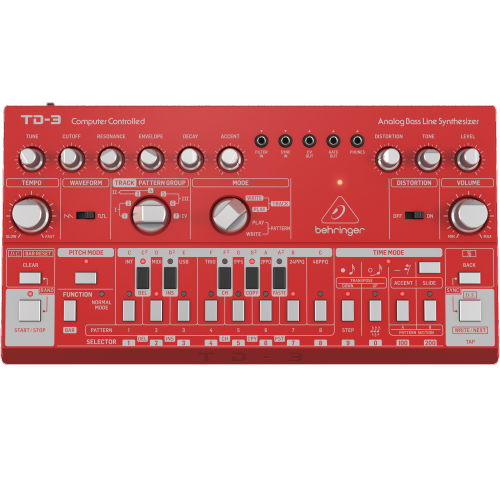 Your price for this item is $169
 -
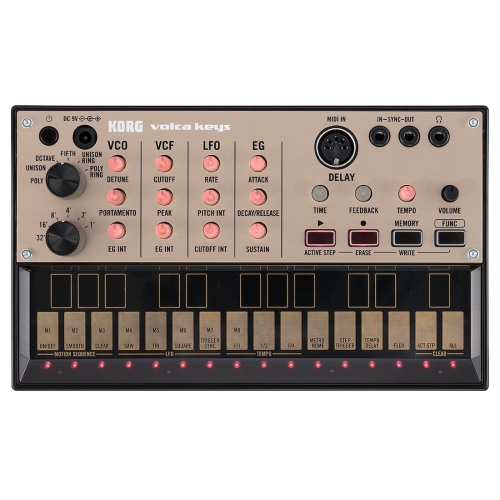 Your price for this item is $225
 -
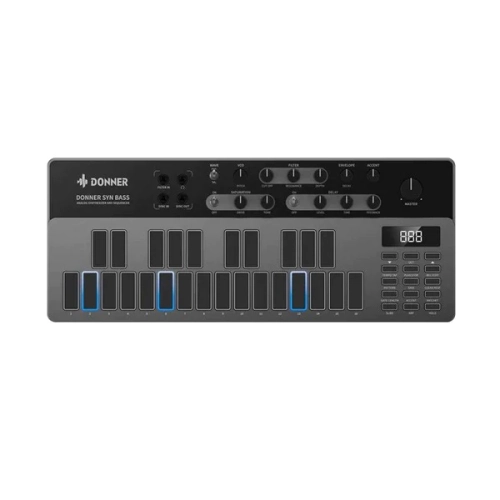 Your price for this item is $149.99
Discover more categories related to Music Synthesizers
Top Collections:
Pokemon Centers, Kindle Devices, Best Budget Office Chairs, Apple iPhones 16, Best Laptops for Writers, iPhone 15 Apple, Canon G7X Cameras, Refurbished Apple Laptops, Alarm Clock, Motorola Razr Phones
Some products may be subject to Environmental Handling Fees
(EHF) depending on your province.
Learn more about EHFs.