Drum Kit Packages
Unleash your inner rhythm with our diverse selection of drum kit packages, perfect for drummers of all skill levels. Whether you're just starting out or looking to upgrade your current setup, you'll find a range of options that cater to every musical style and budget. From compact kits ideal for home practice to more elaborate setups designed for stage performances, our collection ensures you can create the perfect beat. Explore versatile configurations and high-quality components that deliver exceptional sound and durability, helping you make every performance unforgettable. Dive into the world of percussion and discover the drum kit package that resonates with your unique sound at Best Buy Canada.



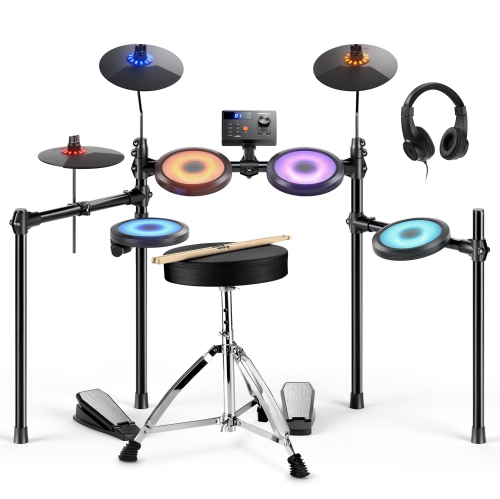


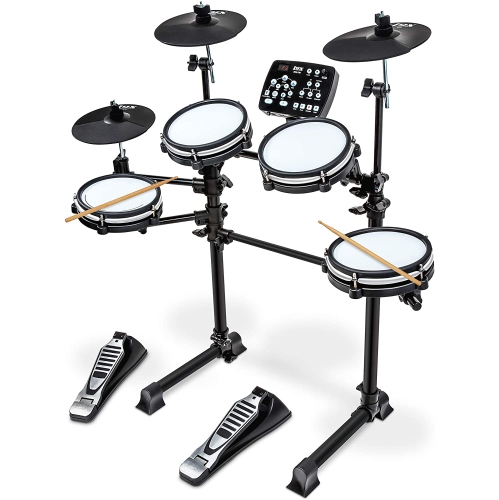
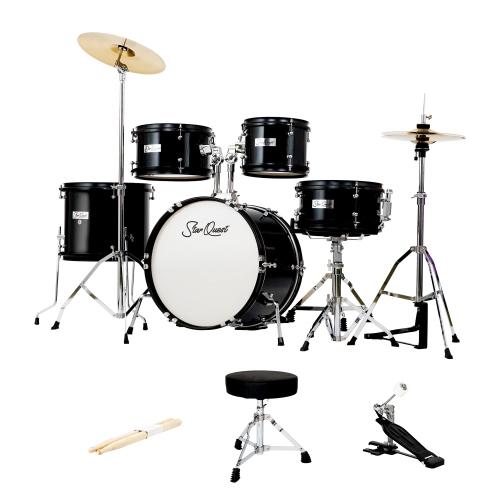
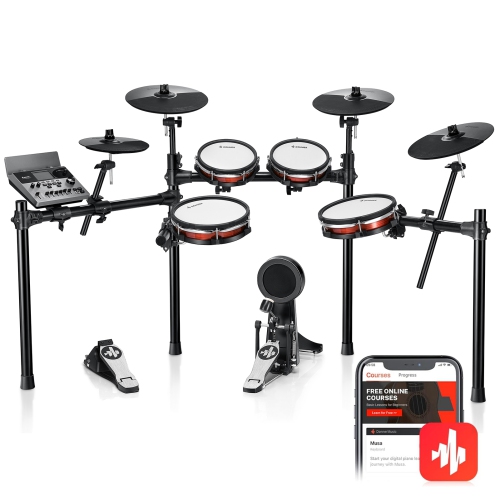

















What’s included matters as much as the drums
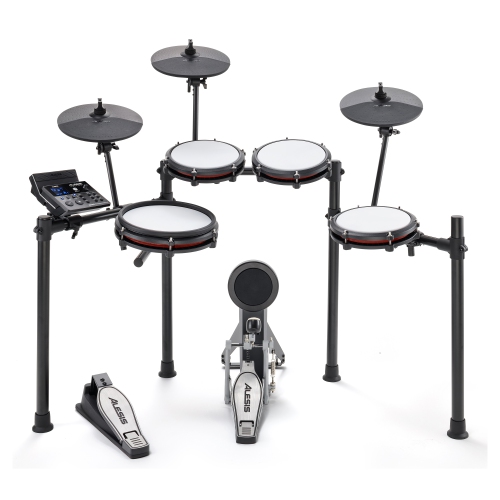
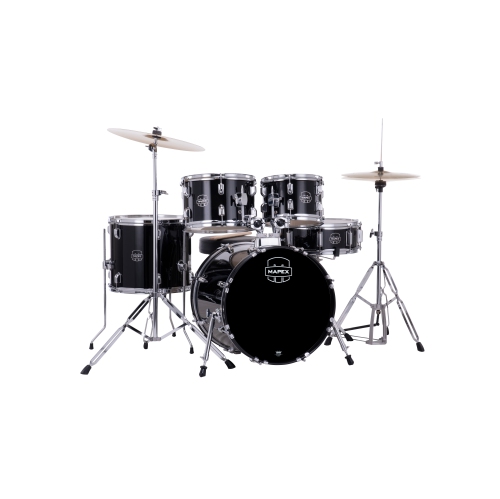
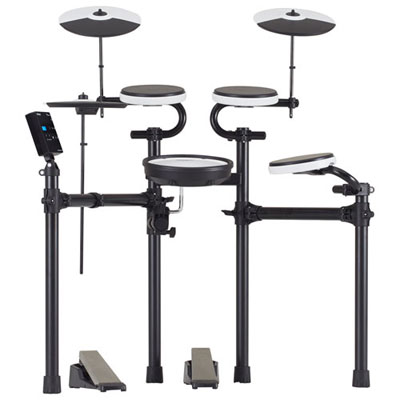
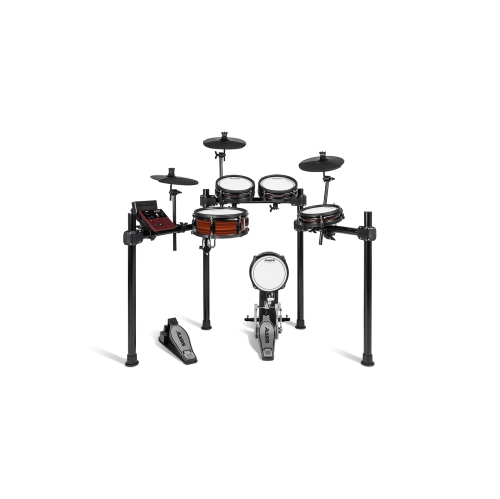
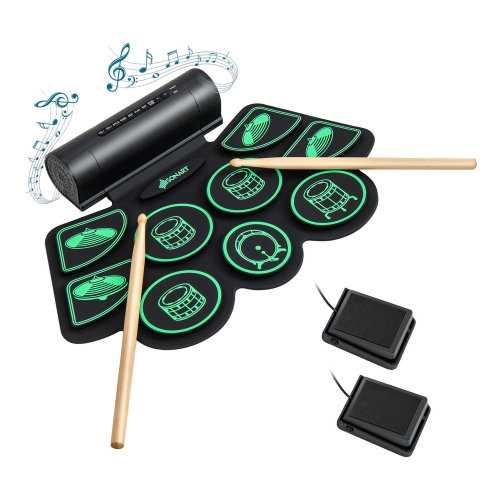
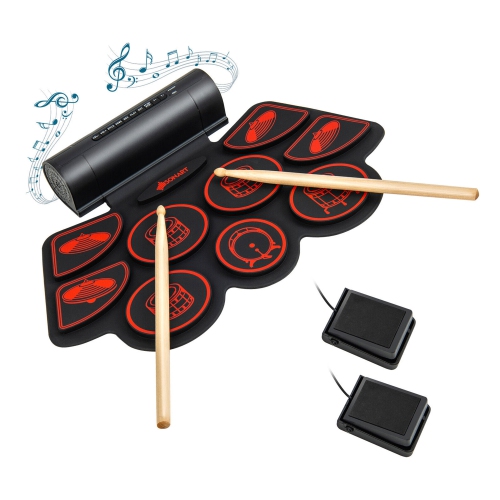
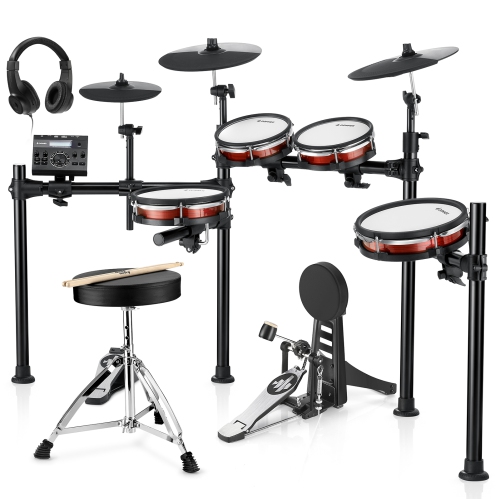
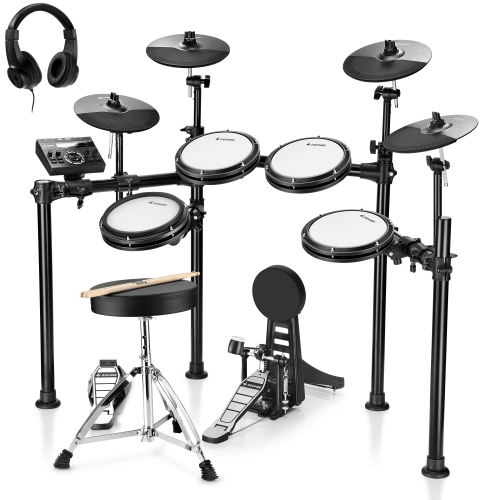
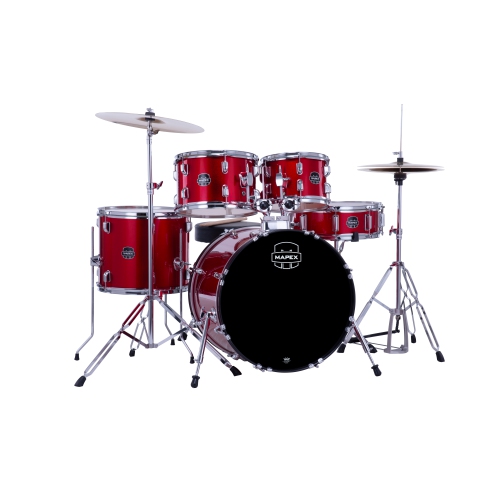
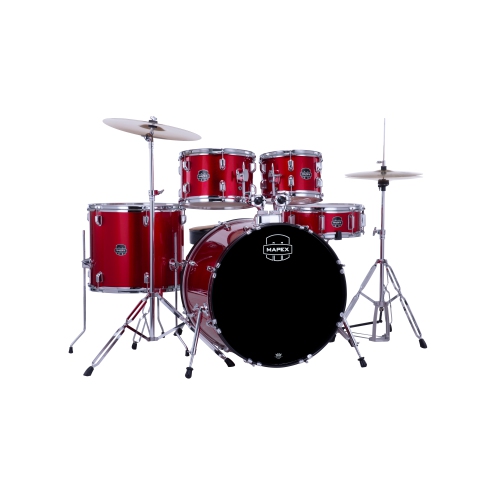
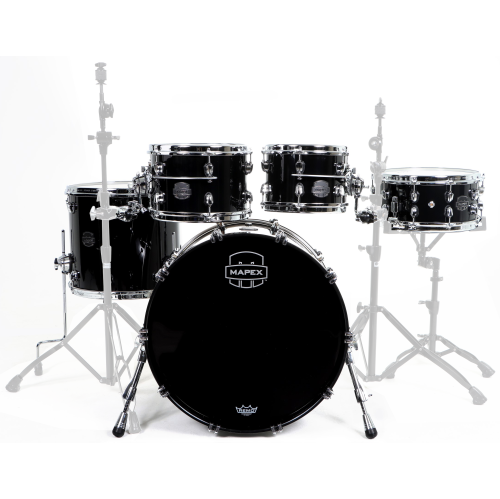
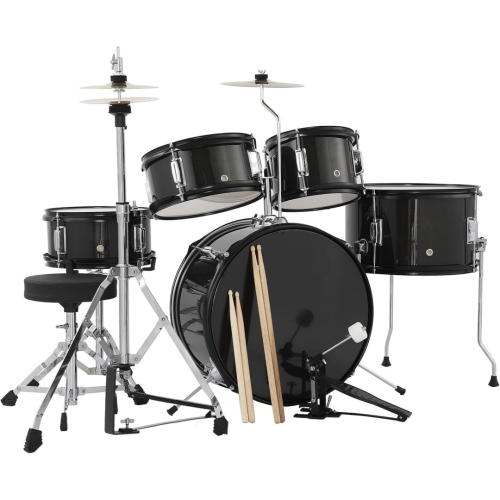
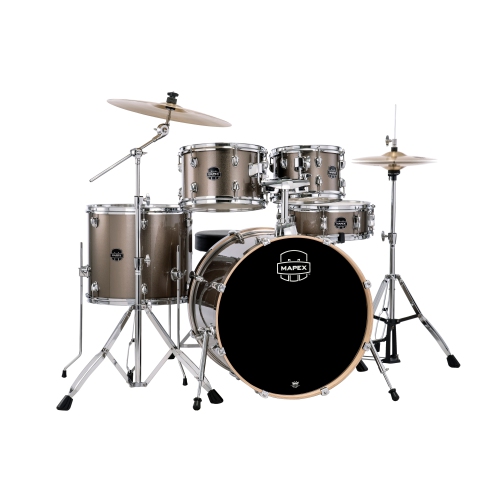
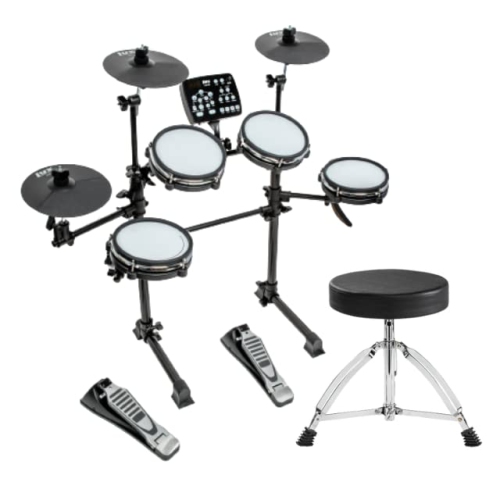
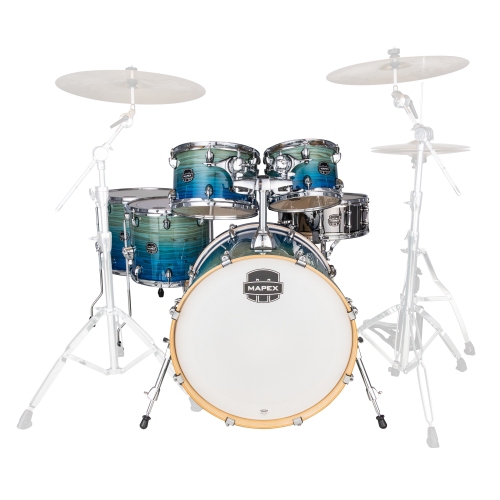
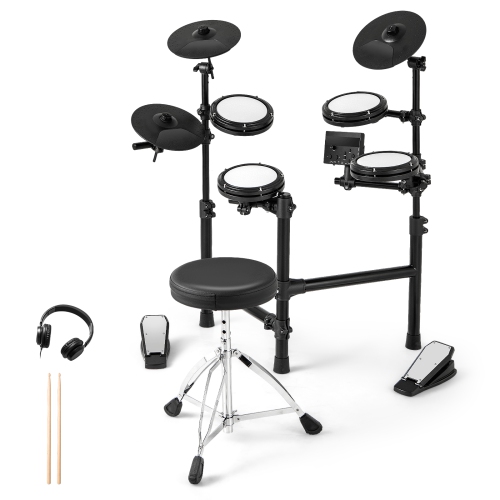
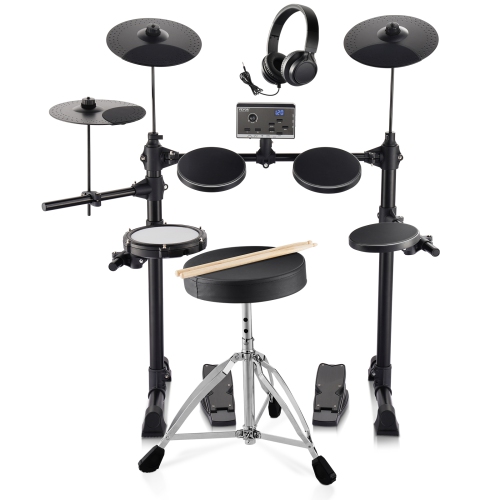
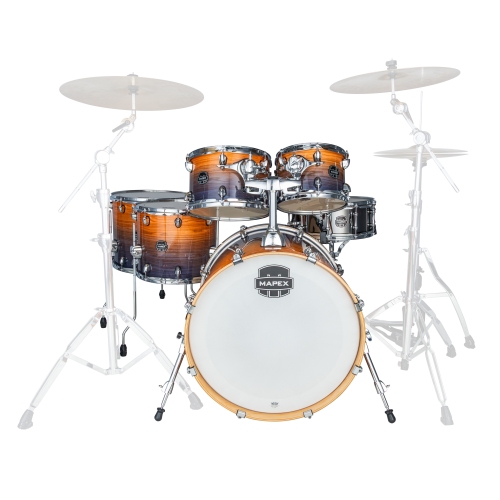
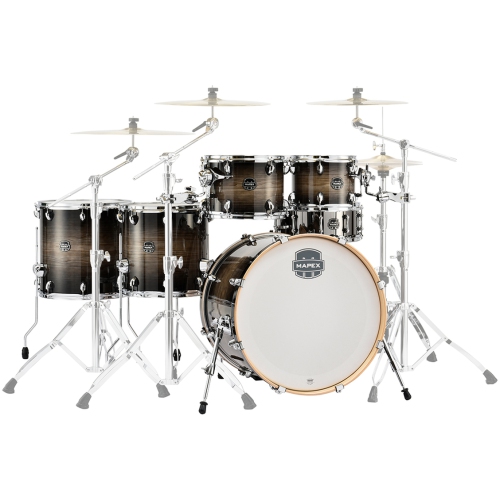
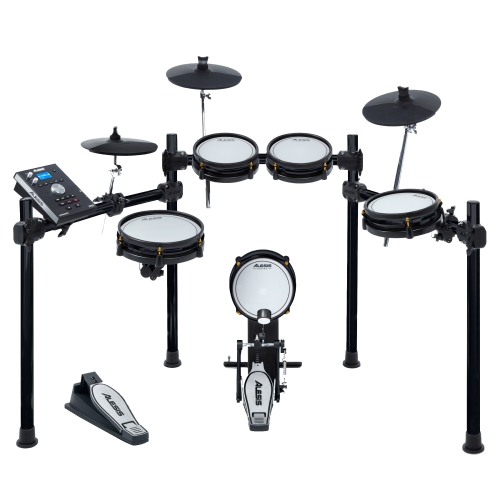
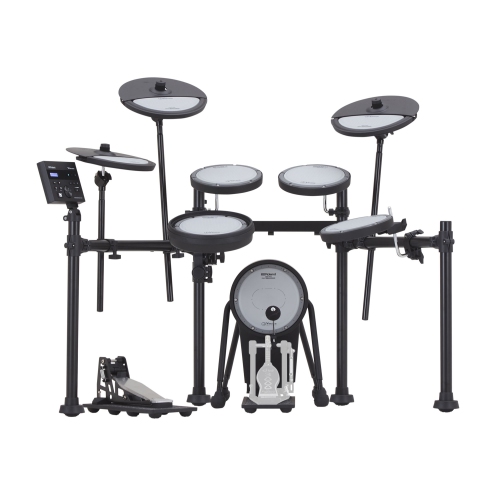
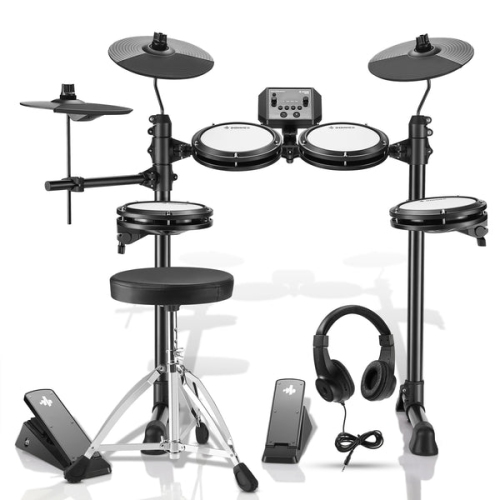
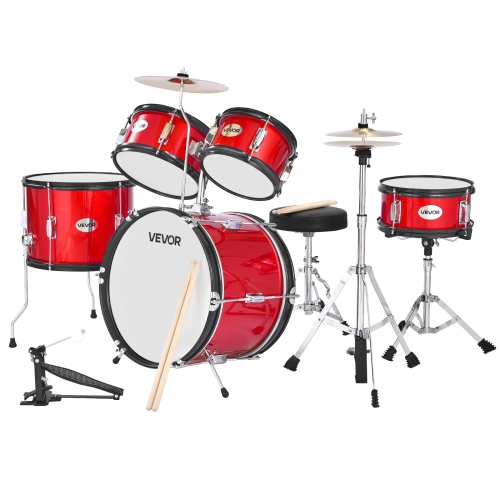
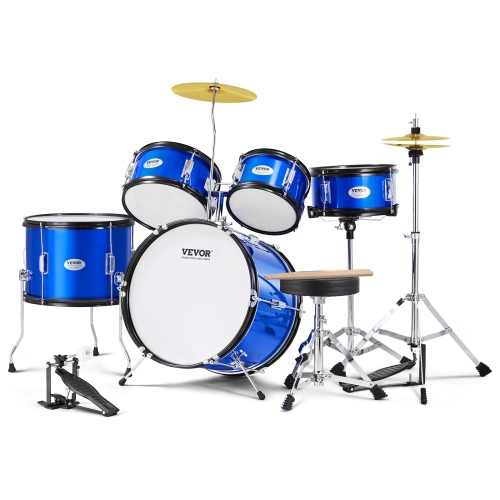
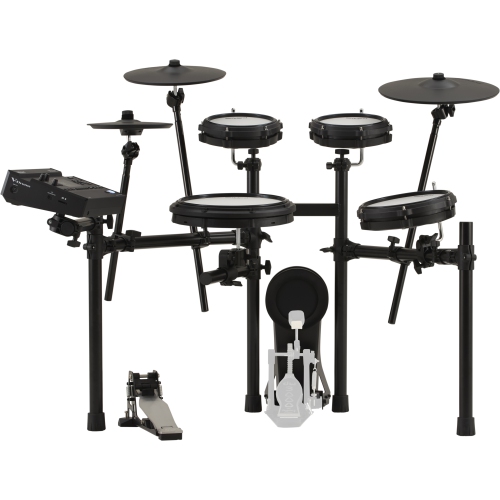
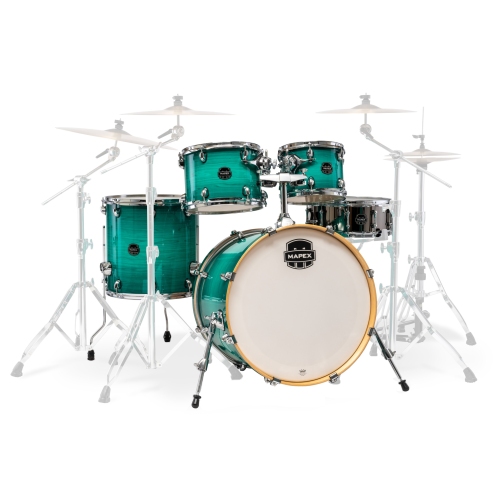
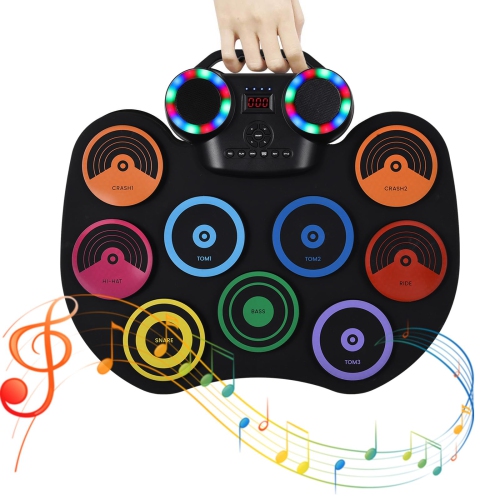
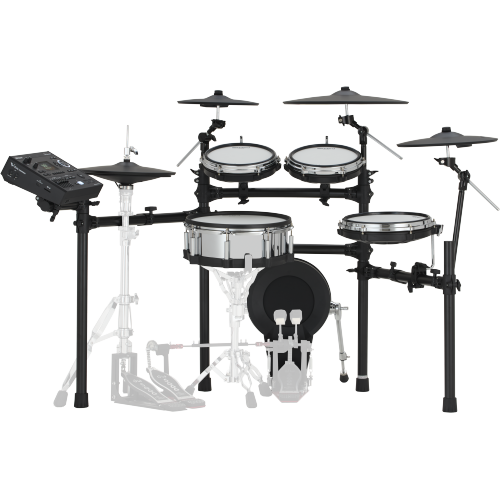
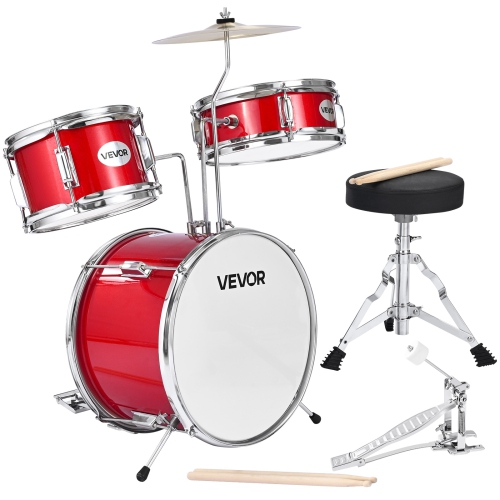
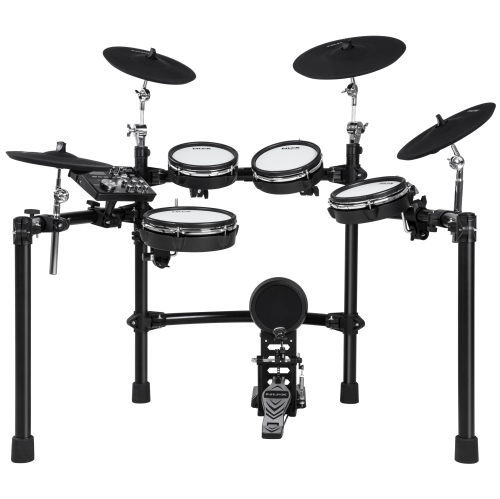
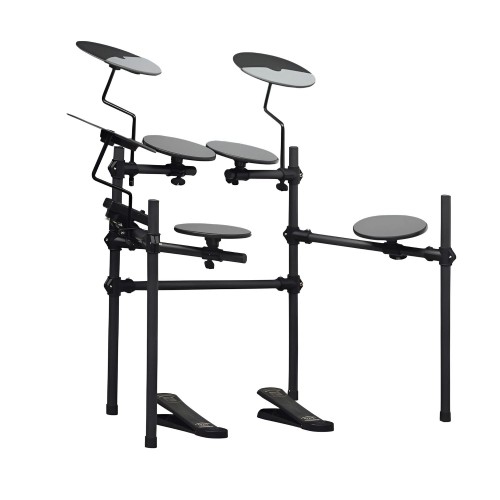
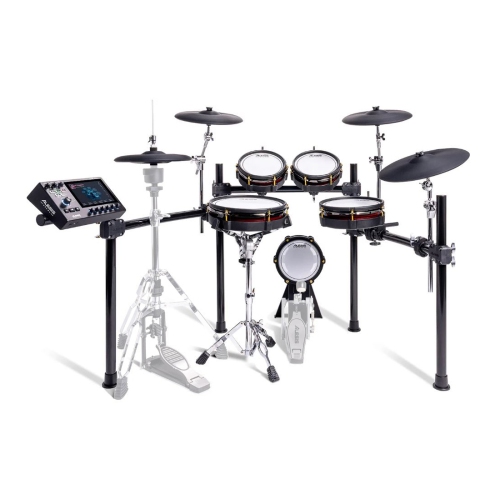
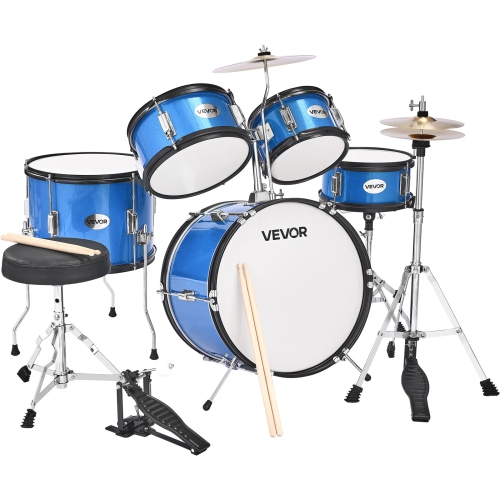
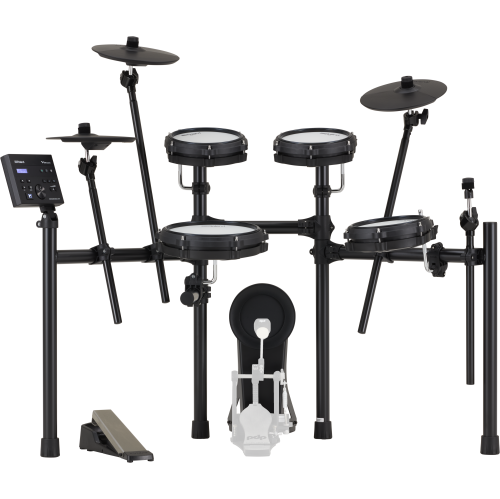
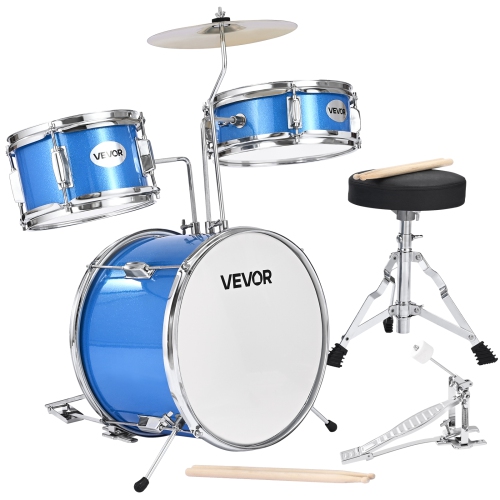
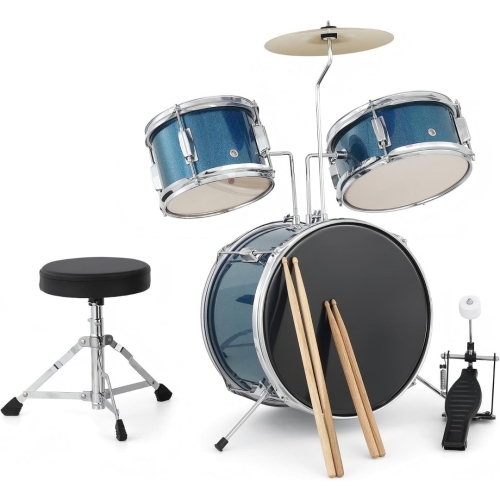
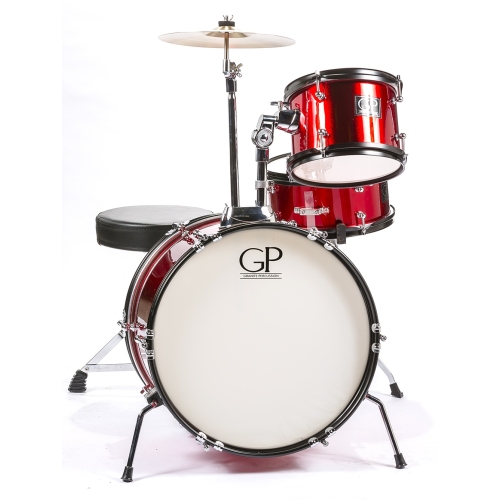
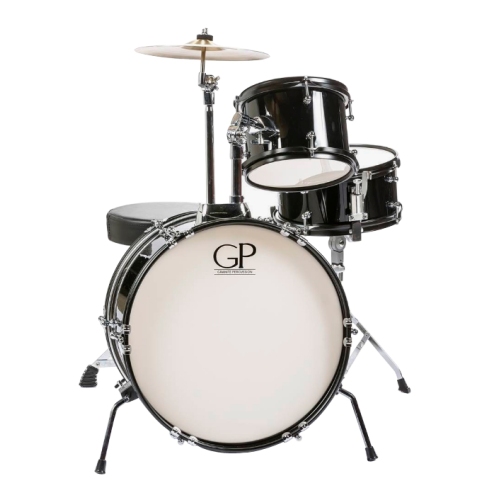
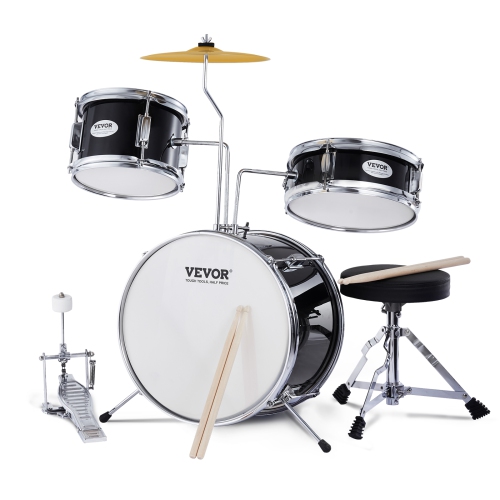
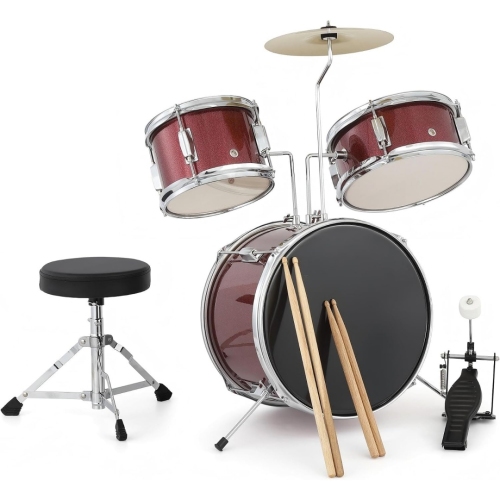
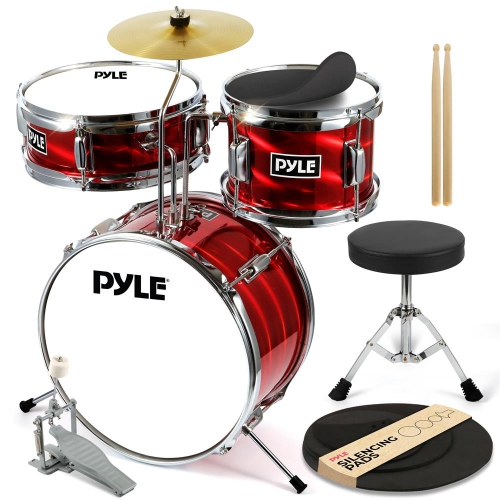
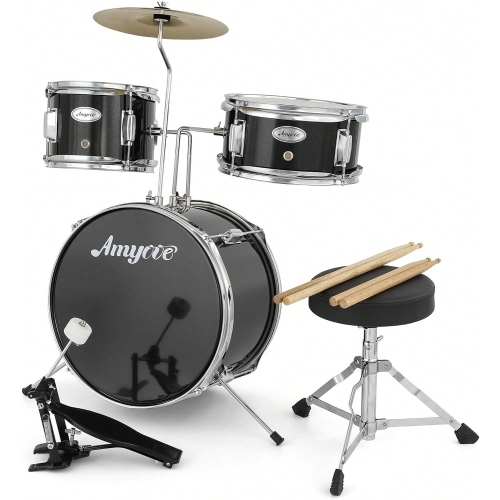
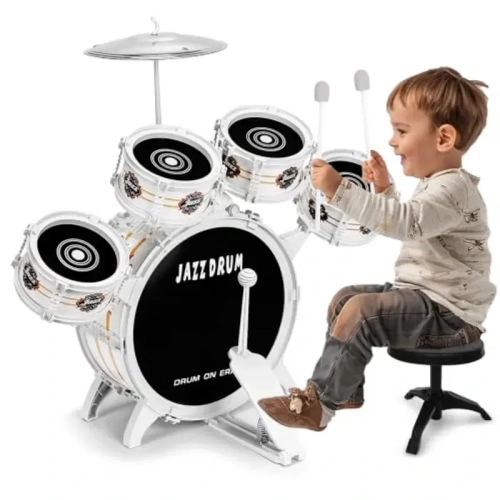
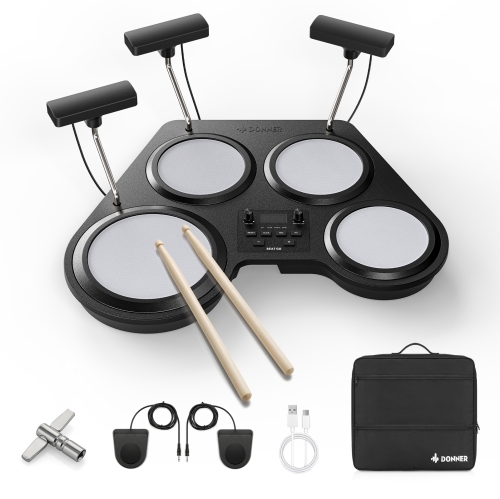
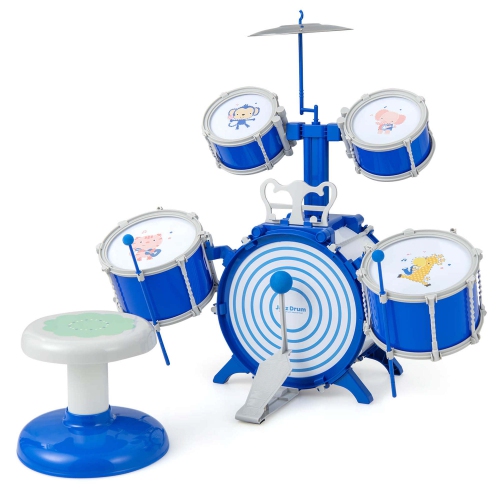
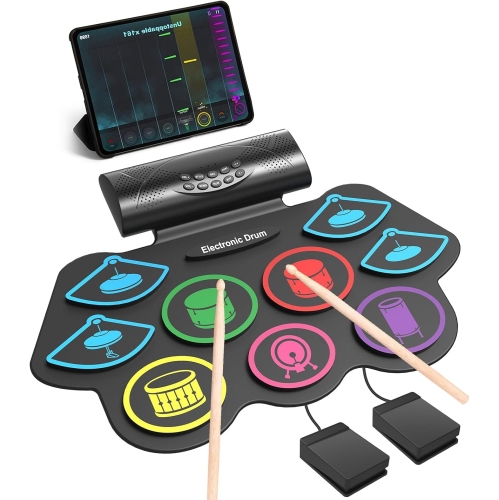
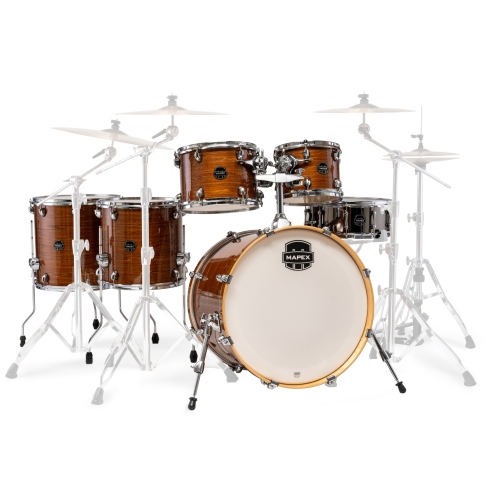
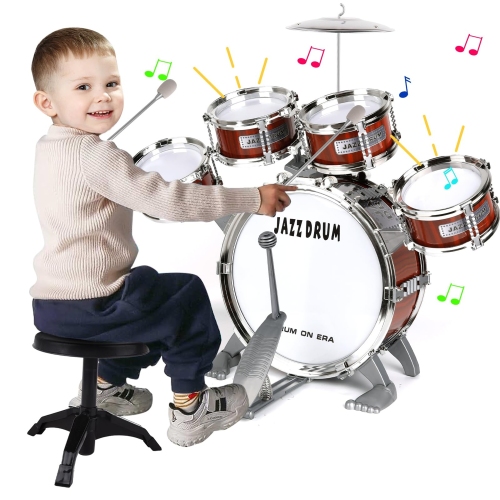
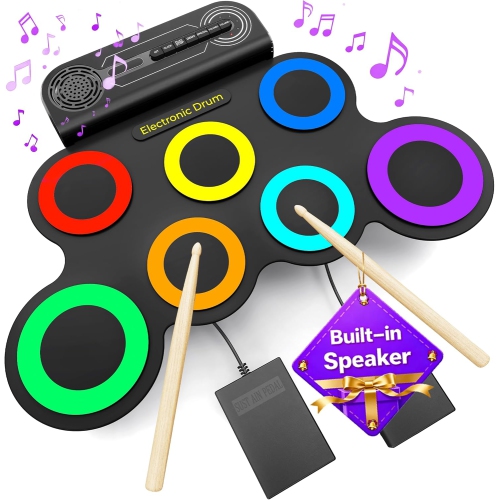
Materials and construction help shape how a drum kit sounds, feels, and stands up to repeated use. Acoustic shells are commonly made from layered wood, with species such as poplar, birch, and maple contributing different tonal characteristics. Shell dimensions, drumheads, tuning, and the room itself also have a substantial influence, so wood type alone does not determine the final sound. Smaller drums often produce a more focused voice, while larger diameters generally support a lower tuning range; depth can also affect response and projection. Drumheads are especially important to the playing experience. Coated heads can soften the attack and provide texture for brush playing, while clear heads often emphasize a more defined initial strike. Single-ply and double-ply constructions offer different balances of sensitivity, control, and durability. Cymbals add another layer of character: hi-hats carry patterns and accents, a crash provides emphasis, and a ride supports a steady pulse with a different texture. Their sizes, profiles, and alloys influence how quickly they respond and how long they ring. Hardware deserves equal attention because a comfortable kit depends on stable support. Adjustable stands, secure clamps, and a supportive throne help keep playing surfaces within easy reach, while the bass drum pedal should move smoothly underfoot. For younger drummers, the ability to lower the snare and toms can matter more than having extra drums. A player should be able to sit comfortably, reach the pedals, and strike the heads without stretching or lifting the shoulders excessively. Electronic kits introduce different considerations, including the feel of rubber or mesh playing surfaces, pad dimensions, and the responsiveness of the sound module. Mesh heads can provide adjustable rebound, while multiple trigger zones may allow different sounds from a pad’s head and rim. For lessons and expressive playing, consistent response across softer strokes and stronger accents is more useful than an impressive sound count on its own.
The space around a drum kit is part of its everyday practicality. An acoustic setup needs room for the player, the throne, and the outward spread of stand legs, not just the footprint of the bass drum. A rug can help keep pedals and stands from creeping across a smooth floor, and a layout that leaves clear access makes it easier to sit down for a short practice session. Acoustic drums can produce substantial sound, making hearing protection and consideration for nearby listeners important. Practice pads, drum mutes, and lower-volume cymbals can reduce output, although they change the feel or response to varying degrees. Electronic kits allow headphone listening and control over the amplified sound, but stick impacts and pedal vibration remain audible and can travel through floors. For shared spaces, that distinction is worth keeping in mind. Where storage or frequent transport is a priority, Portable Drum Kits offer another format to consider alongside a full-size setup. Regular care helps any package stay dependable: dust can be removed with a soft cloth, shell finishes benefit from gentle cleaning suited to their surface, and cymbals need care appropriate to their finish rather than a general household cleaner. Drumheads gradually wear and may need replacement when dents, reduced tuning stability, or a dull response become noticeable. Periodic checks of stand fittings, pedal connections, and mounting points can catch looseness before it interrupts playing. Electronic pads and modules also benefit from tidy cable routing that avoids pulling on sockets or trapping leads beneath stand feet. For a gift, the recipient’s height, available space, lessons, and preferred music provide useful context, especially when choosing between acoustic response and headphone-based practice. A well-matched drum kit package supports the routines that build confidence: repeating a groove until it settles, moving a fill smoothly around the toms, or playing along with a favourite song. Comfortable positioning, dependable hardware, and a suitable configuration help make those sessions rewarding without unnecessary complexity.
Top selling and popular products
-
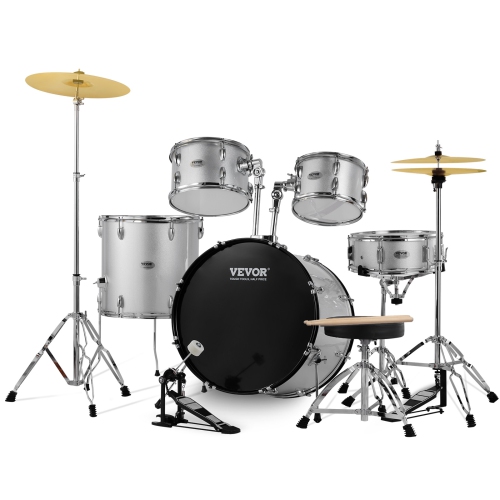
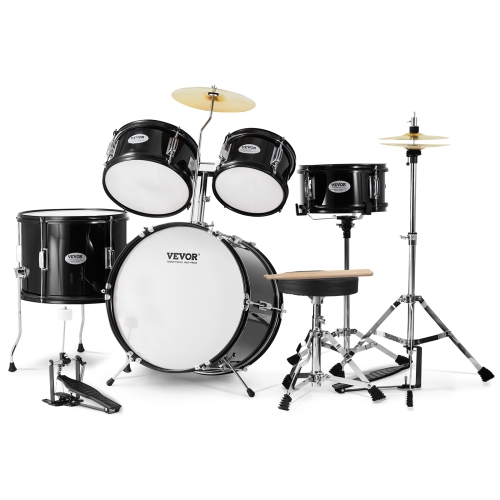 Your price for this item is $214.9
-
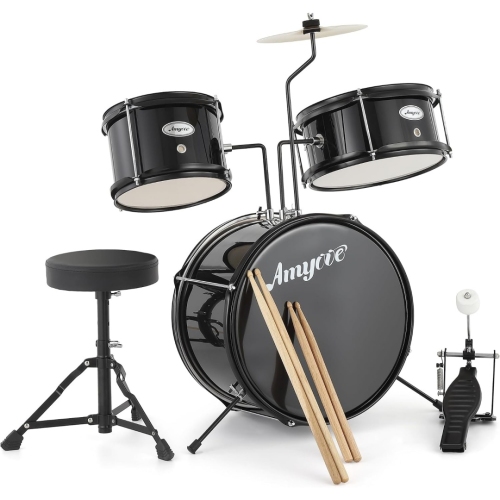
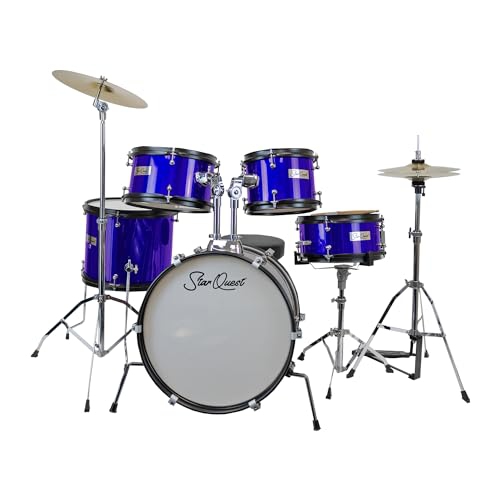 Your price for this item is $299.99
-
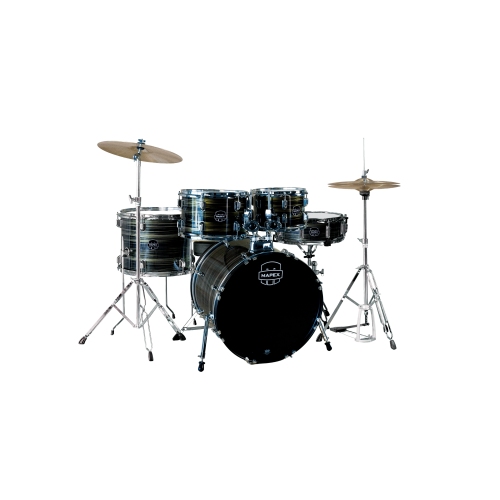
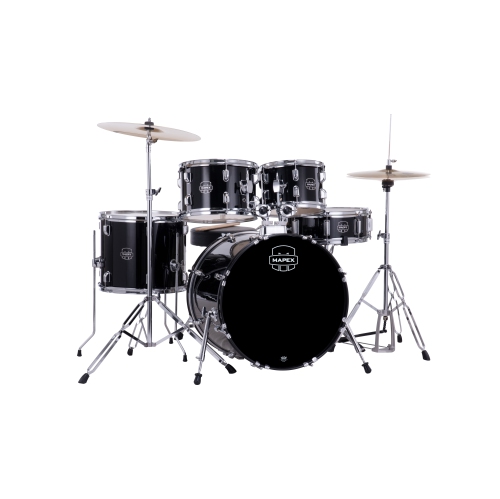 Your price for this item is $679.99
-
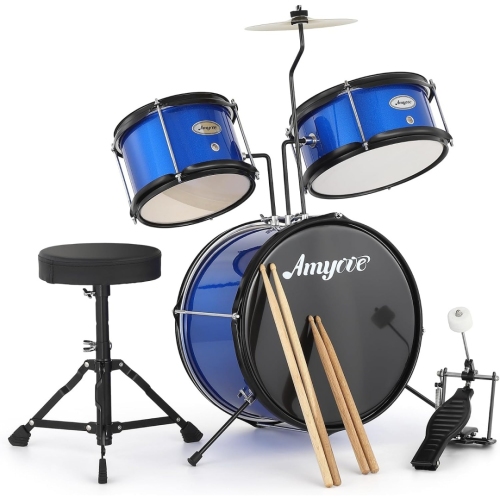
 Your price for this item is $299.99
-
 Your price for this item is $396.9
-
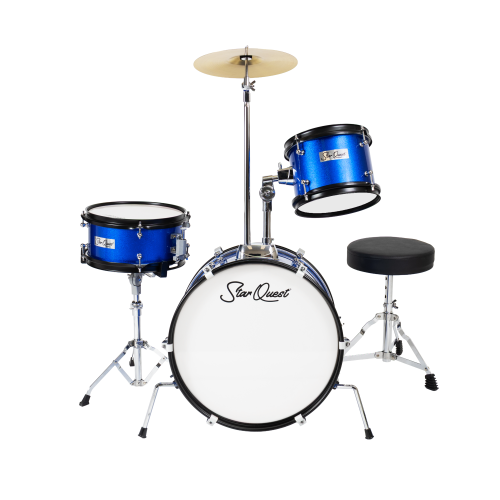 Your price for this item is $189.99
-
 Your price for this item is $1499.99
-
 Your price for this item is $3749
