Practice Drum Kits
Looking to unleash your inner rockstar? Look no further than our extensive collection of practice drum kits. Whether you're a beginner looking to learn the basics or an experienced drummer wanting to refine your skills, we have the perfect kit for you. Our practice drum kits offer a realistic and immersive drumming experience, allowing you to practice your beats and fills with precision. With a range of options available, you can find the right kit that suits your style and budget. Get ready to rock out and take your drumming to new heights with our top-notch practice drum kits.
Sort
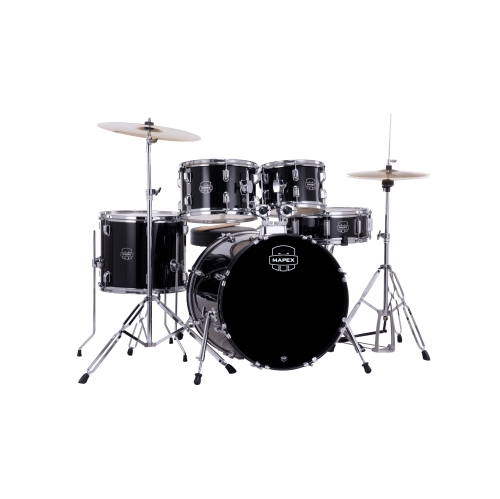
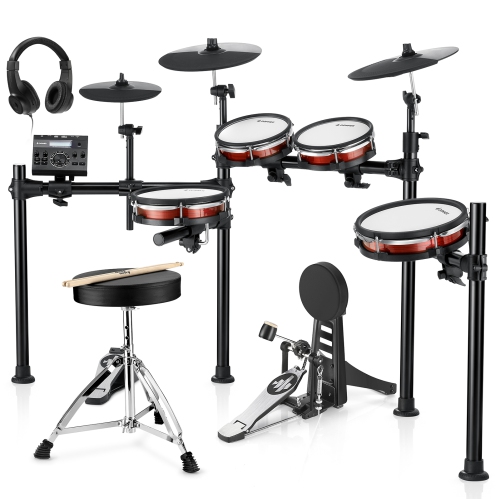
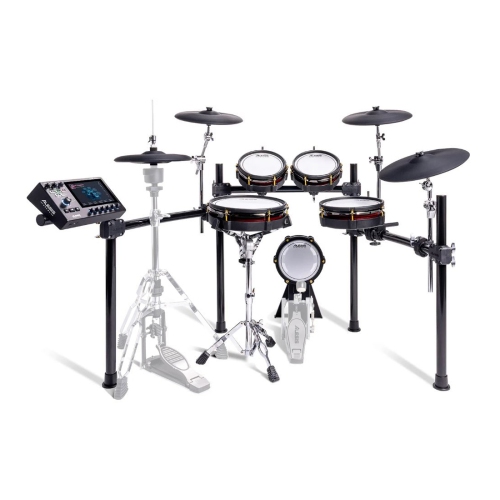
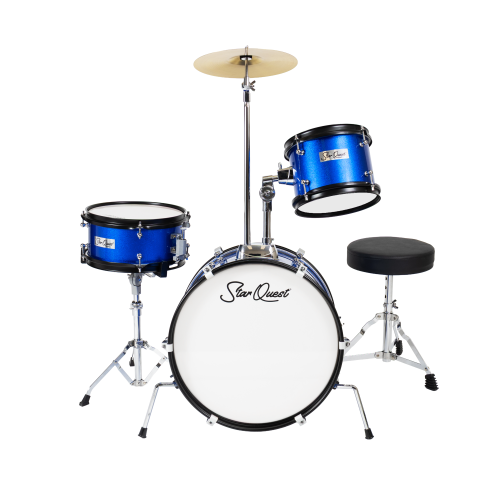
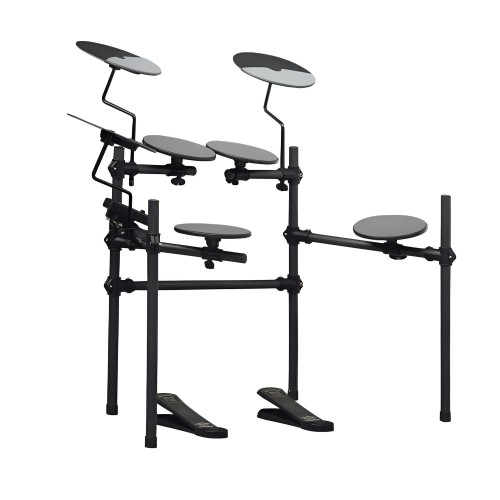
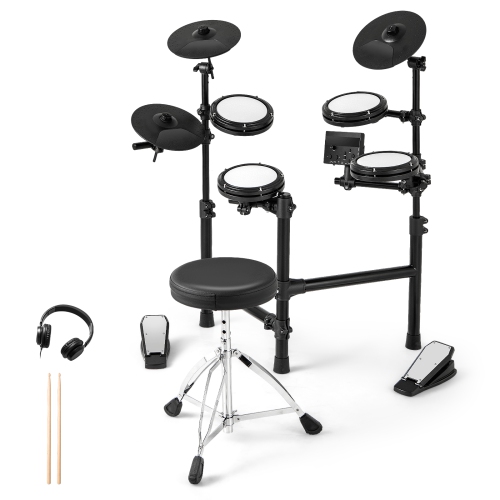
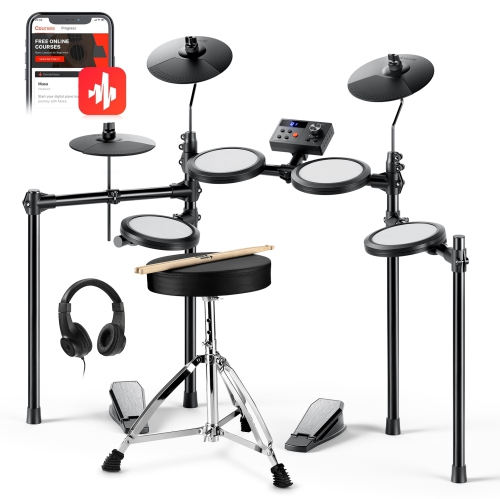
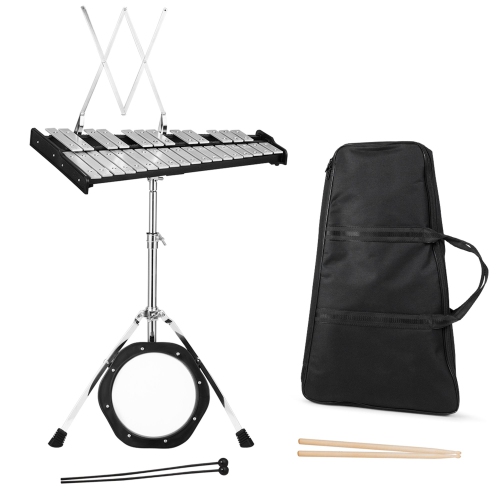
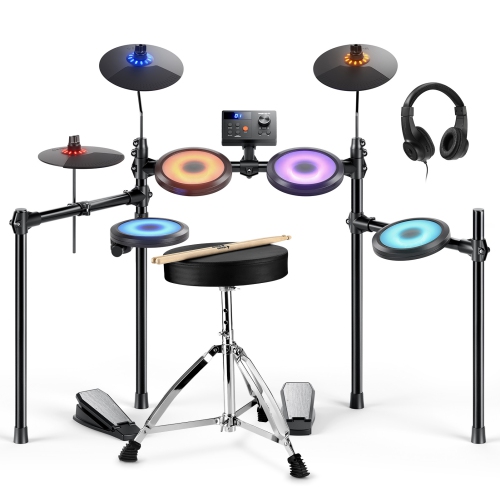
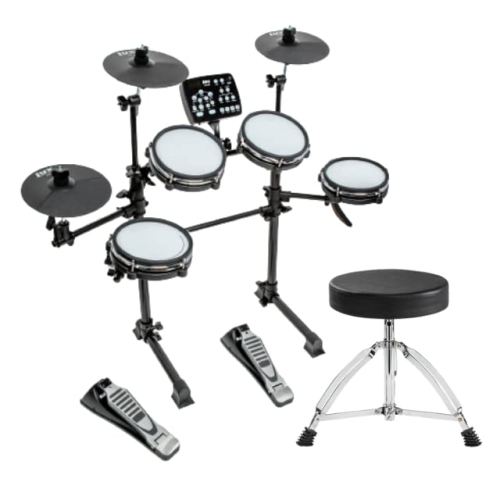
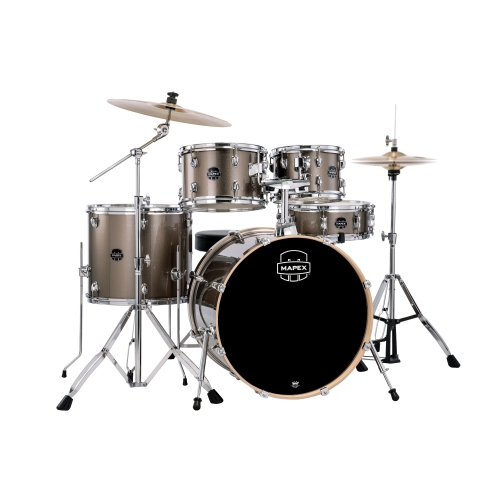
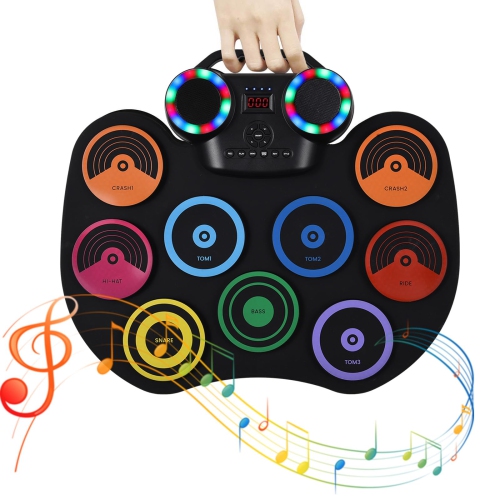
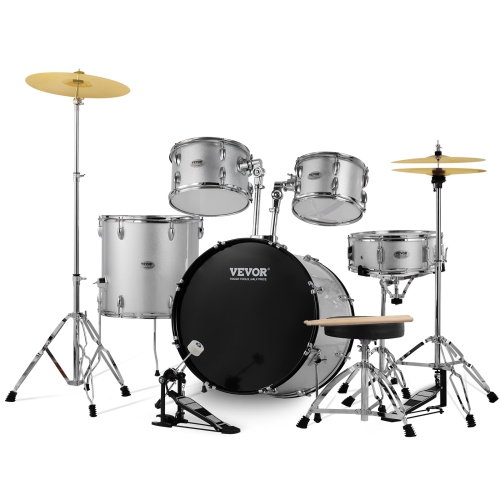
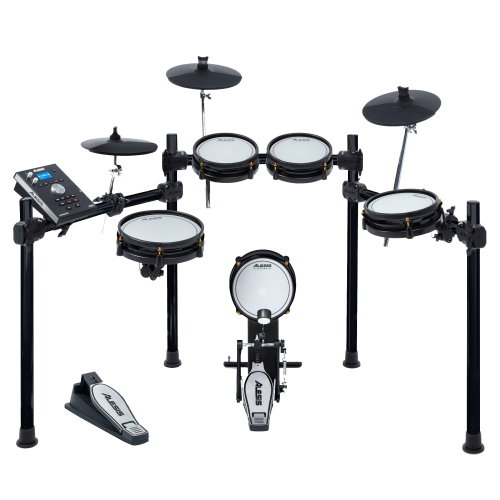
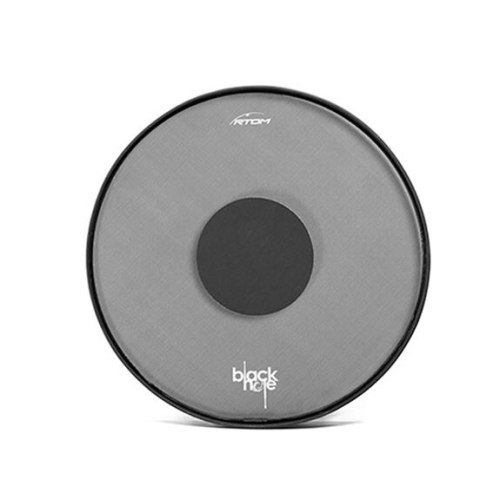
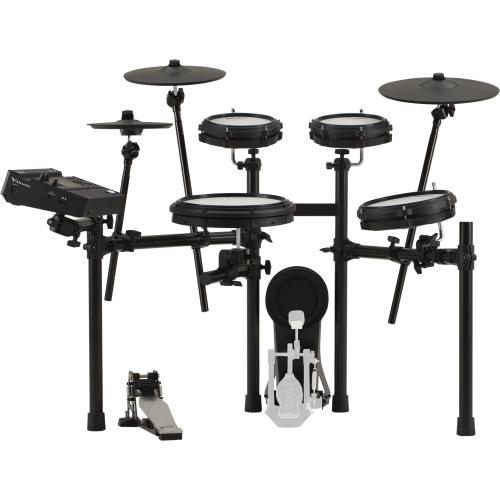
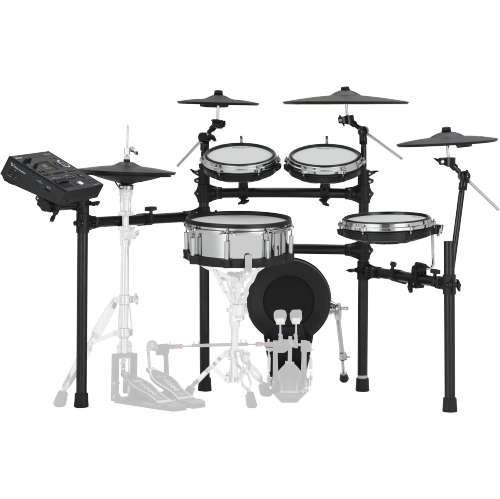
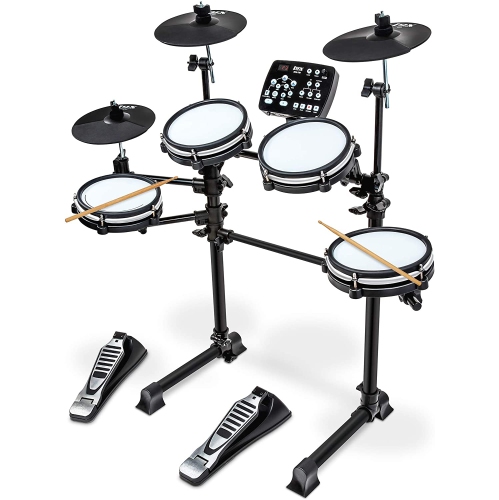
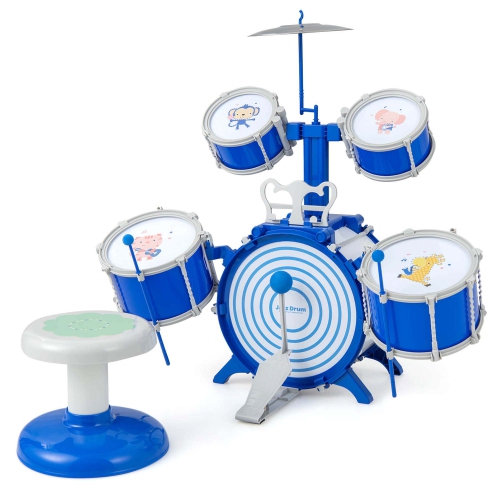

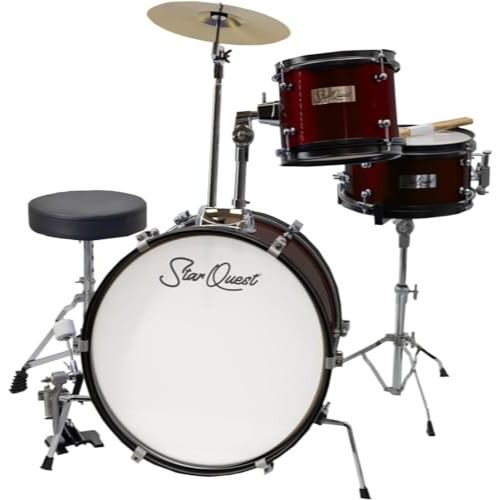
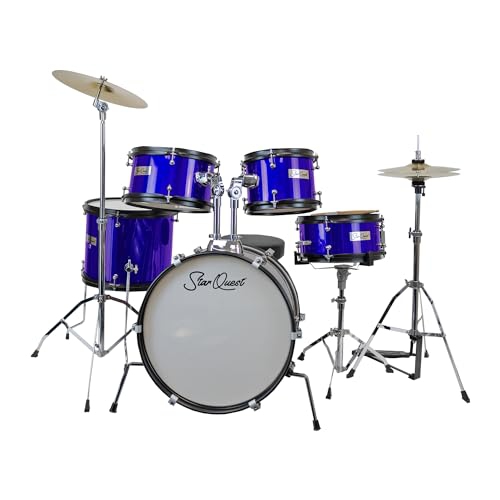
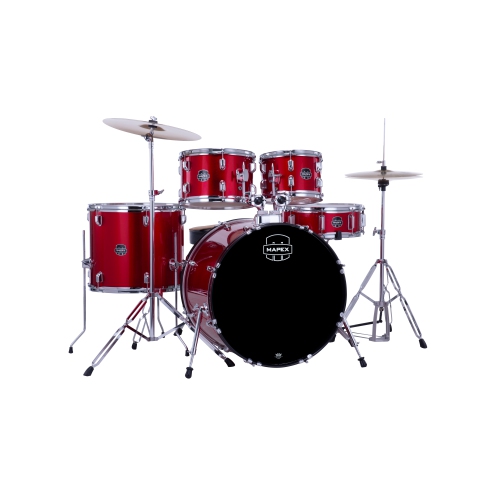
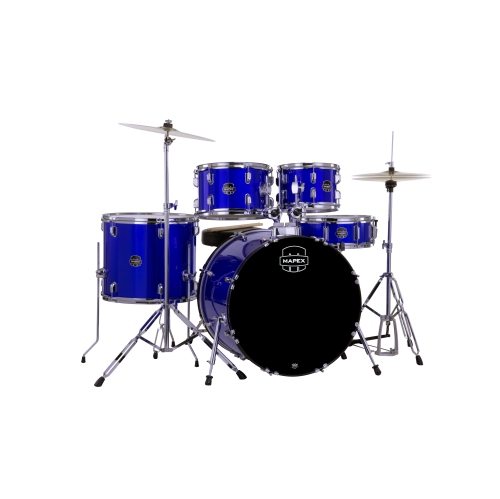
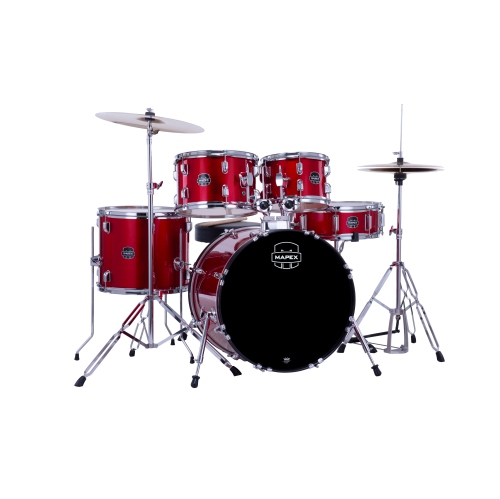
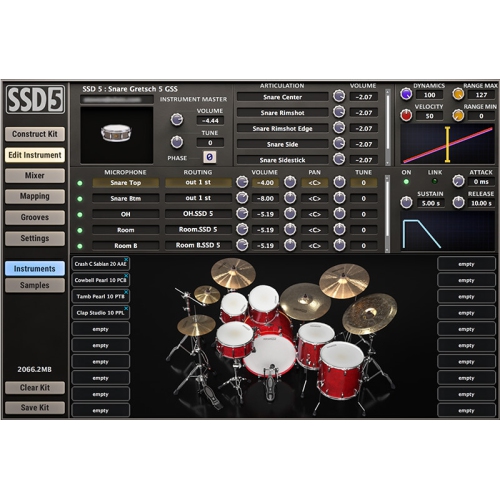
Quiet, flexible practice for building timing and control
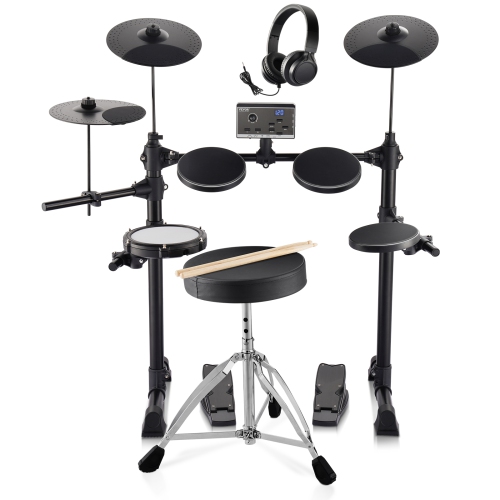
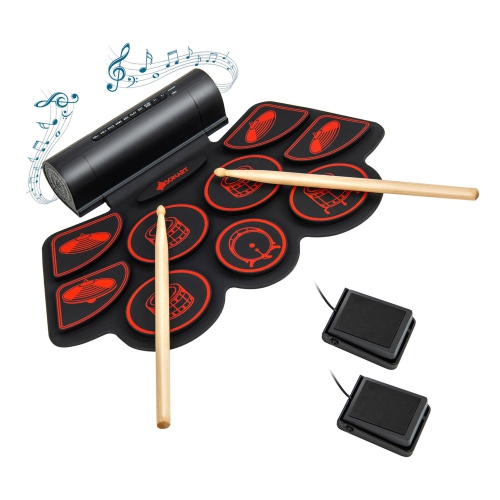
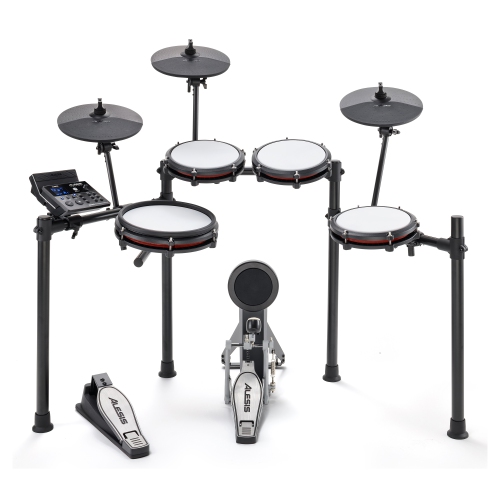
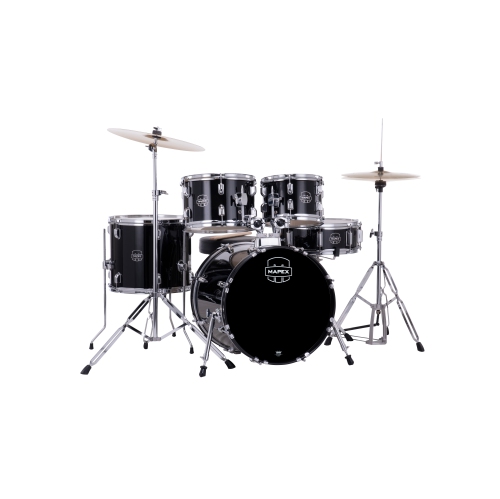
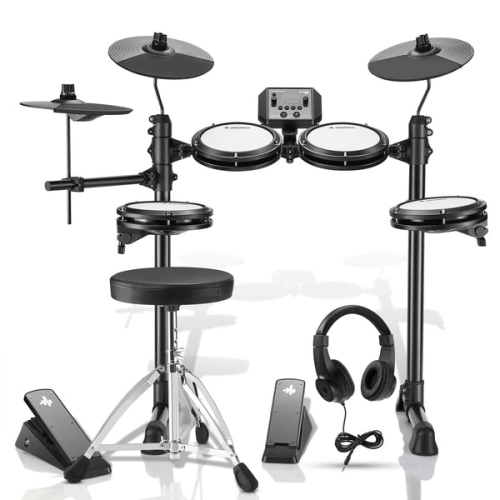
Practice drum kits are designed to help drummers develop timing, coordination, control and confidence without the volume of a full acoustic drum set. They may take the form of compact multi-pad systems, electronic drum kits with headphones and built-in sounds, or quiet practice pads mounted on a stand. Each type offers a practical way to work on rudiments, grooves, fills and foot coordination at home, making them useful for beginners, returning musicians and experienced drummers who want to keep their hands active between rehearsals. A practice kit can fit into a bedroom, office, basement or shared living space, and many setups can be folded, moved or stored when the room needs to serve another purpose. For apartment living or homes with sleeping children, an electronic kit with headphones can make focused practice easier to schedule, while a set of low-volume pads can provide a simple, dependable surface for stick work without requiring a complete drum setup. When space and portability are priorities, explore Portable Drum Kits for compact options that are easier to carry between rooms, lessons and rehearsals. Practice drum kits can also make thoughtful gifts for young musicians, music students or anyone who has recently discovered a love of rhythm. They offer an inviting way to begin learning without immediately committing to the size and complexity of an acoustic kit, while giving more advanced players a convenient place to warm up, maintain technique or develop new ideas.
When choosing a practice drum kit, begin with the way it will be used and the amount of room available. A single-stand pad arrangement may suit someone who wants a focused setup for rudiments and hand exercises, while a multi-pad or electronic configuration can provide a more complete playing experience with separate surfaces for snare, toms, cymbals and other parts of a standard arrangement. Check the overall footprint, stand design and adjustment range so the kit can be positioned comfortably for the player’s height. Good posture matters during even a short session: the seat should allow relaxed knees, the playing surfaces should sit at a natural height, and the drummer should be able to reach each pad without twisting the shoulders. Consider how the kit responds to different strokes as well. Softer surfaces can reduce the sharp impact of a stick, while firmer pads may provide a more familiar rebound for practising fast single strokes, doubles and rolls. Electronic practice kits can add adjustable volume, metronomes, recording functions, built-in lessons and a variety of drum sounds, which can make routine exercises more engaging. Headphone connectivity is especially useful when the player wants to hear a full backing track or detailed tone without filling the room with sound. Some players may prefer speakers for casual playing, but it is worth checking connection options, power requirements and whether the kit can accommodate accessories such as a kick pedal, hi-hat pedal or additional pads. For a simple practice routine, a reliable metronome and a clear playing surface may be all that is needed; for structured learning, interactive features and recording tools can help track progress over time.
The most effective practice drum kit supports consistent, relaxed playing rather than encouraging the drummer to strike as hard as possible. Start with a few minutes of easy alternating strokes, keeping the stick height low and the motion smooth, then move into accents, paradiddles, flams and other rudiments at a controlled tempo. A metronome can help build a steady internal pulse, but it is equally important to practise without it occasionally so the player can listen closely to spacing, touch and balance. Quiet practice should not mean reducing every stroke to the same soft level. Work on dynamic range by combining gentle notes with clear accents, then apply those changes to simple grooves and fills. Players should also remember that practice pads and electronic surfaces do not respond exactly like acoustic shells and cymbals. Rebound, spacing and the feel of a kick pedal can vary, so time on a full acoustic kit remains valuable when available. A useful routine might include rudiments at the beginning, coordination exercises in the middle and a few minutes of playing along with music at the end. During the cooler months, a practice kit can make it easier to keep playing indoors, whether that means a quiet morning session before the day begins or a focused evening routine after work and school. With the right fit, a practice drum kit becomes more than a compact substitute for a full set: it is a convenient training space where new players build foundational habits, experienced drummers maintain precision and music lovers can enjoy the satisfying rhythm of regular practice.
When choosing a practice drum kit, begin with the way it will be used and the amount of room available. A single-stand pad arrangement may suit someone who wants a focused setup for rudiments and hand exercises, while a multi-pad or electronic configuration can provide a more complete playing experience with separate surfaces for snare, toms, cymbals and other parts of a standard arrangement. Check the overall footprint, stand design and adjustment range so the kit can be positioned comfortably for the player’s height. Good posture matters during even a short session: the seat should allow relaxed knees, the playing surfaces should sit at a natural height, and the drummer should be able to reach each pad without twisting the shoulders. Consider how the kit responds to different strokes as well. Softer surfaces can reduce the sharp impact of a stick, while firmer pads may provide a more familiar rebound for practising fast single strokes, doubles and rolls. Electronic practice kits can add adjustable volume, metronomes, recording functions, built-in lessons and a variety of drum sounds, which can make routine exercises more engaging. Headphone connectivity is especially useful when the player wants to hear a full backing track or detailed tone without filling the room with sound. Some players may prefer speakers for casual playing, but it is worth checking connection options, power requirements and whether the kit can accommodate accessories such as a kick pedal, hi-hat pedal or additional pads. For a simple practice routine, a reliable metronome and a clear playing surface may be all that is needed; for structured learning, interactive features and recording tools can help track progress over time.
The most effective practice drum kit supports consistent, relaxed playing rather than encouraging the drummer to strike as hard as possible. Start with a few minutes of easy alternating strokes, keeping the stick height low and the motion smooth, then move into accents, paradiddles, flams and other rudiments at a controlled tempo. A metronome can help build a steady internal pulse, but it is equally important to practise without it occasionally so the player can listen closely to spacing, touch and balance. Quiet practice should not mean reducing every stroke to the same soft level. Work on dynamic range by combining gentle notes with clear accents, then apply those changes to simple grooves and fills. Players should also remember that practice pads and electronic surfaces do not respond exactly like acoustic shells and cymbals. Rebound, spacing and the feel of a kick pedal can vary, so time on a full acoustic kit remains valuable when available. A useful routine might include rudiments at the beginning, coordination exercises in the middle and a few minutes of playing along with music at the end. During the cooler months, a practice kit can make it easier to keep playing indoors, whether that means a quiet morning session before the day begins or a focused evening routine after work and school. With the right fit, a practice drum kit becomes more than a compact substitute for a full set: it is a convenient training space where new players build foundational habits, experienced drummers maintain precision and music lovers can enjoy the satisfying rhythm of regular practice.
Top selling and popular products
-
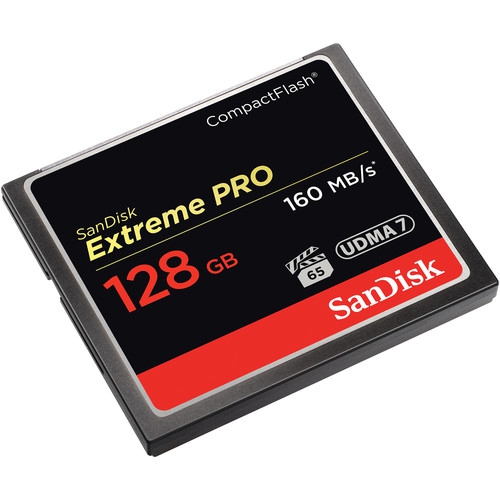 Your price for this item is $240.64
 -
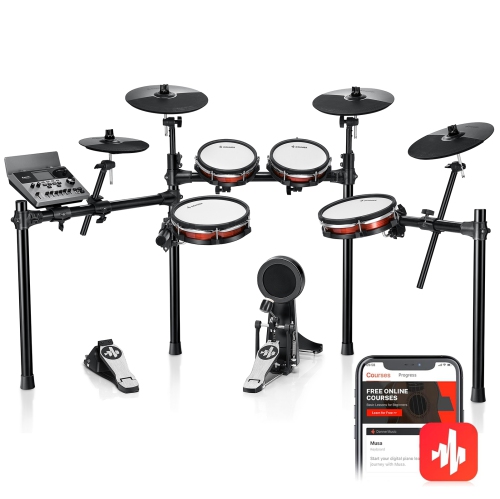 Your price for this item is $785.99
 -
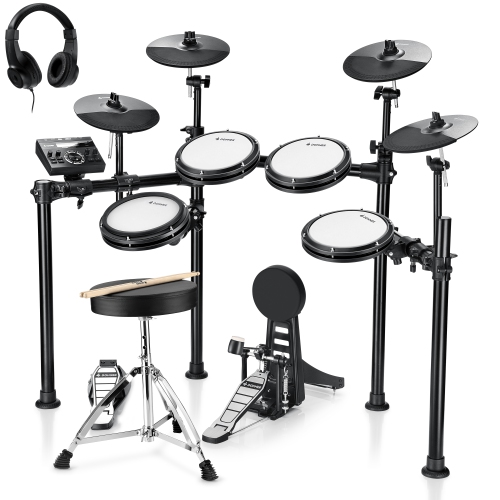 Your price for this item is $605.99
 -
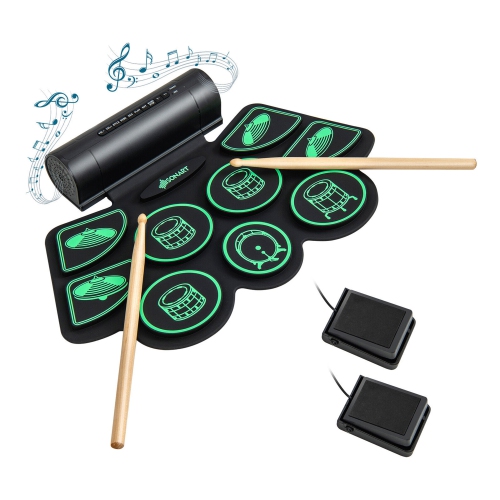 Your price for this item is $99.99
 -
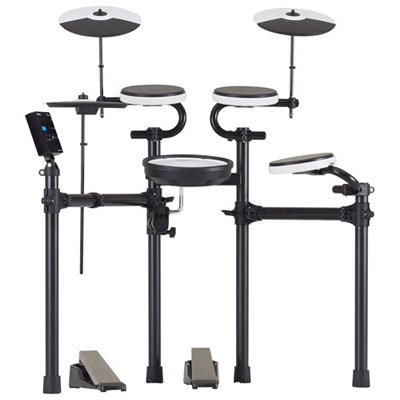 Your price for this item is $719.99
 -
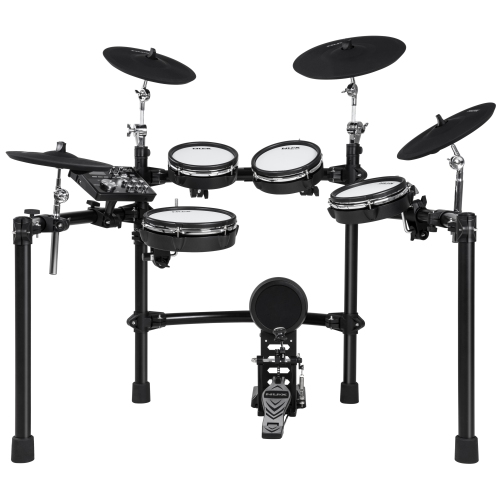 Your price for this item is $459
 -
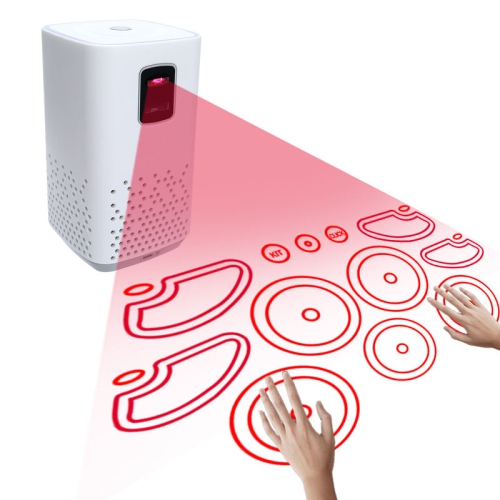 Your price for this item is $248.88
 -
 Your price for this item is $309.99
Discover more categories related to Practice Drum Kits
Top Collections:
Pokemon Centers, Kindle Devices, Best Budget Office Chairs, Apple iPhones 16, Best Laptops for Writers, iPhone 15 Apple, Canon G7X Cameras, Refurbished Apple Laptops, Alarm Clock, Motorola Razr Phones
Some products may be subject to Environmental Handling Fees
(EHF) depending on your province.
Learn more about EHFs.