Dusting Cloths
Discover the perfect solution for keeping your home spotless with our wide selection of dusting cloths. Whether you're tackling everyday dust or embarking on a deep cleaning mission, these versatile cloths are designed to make your cleaning routine more efficient and effective. Crafted from high-quality materials, they effortlessly capture dust and debris, leaving surfaces gleaming without the need for harsh chemicals. Ideal for use on a variety of surfaces, from delicate electronics to sturdy furniture, these dusting cloths are an essential addition to any cleaning arsenal. Embrace a cleaner, healthier home environment with tools that make tidying up a breeze.
Sort
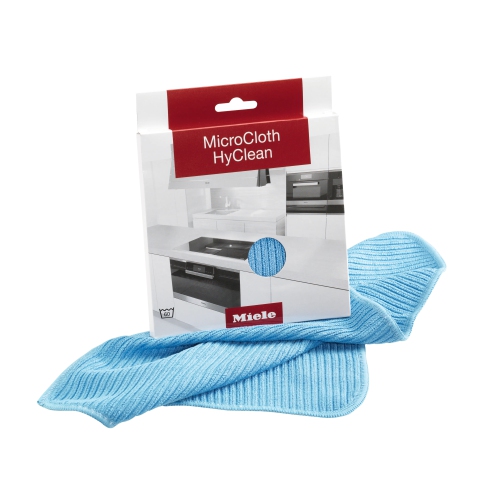
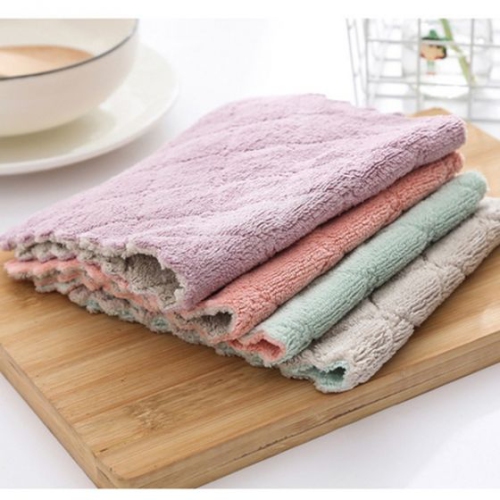
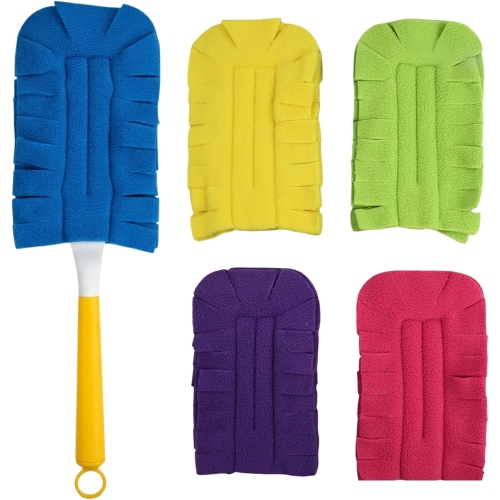
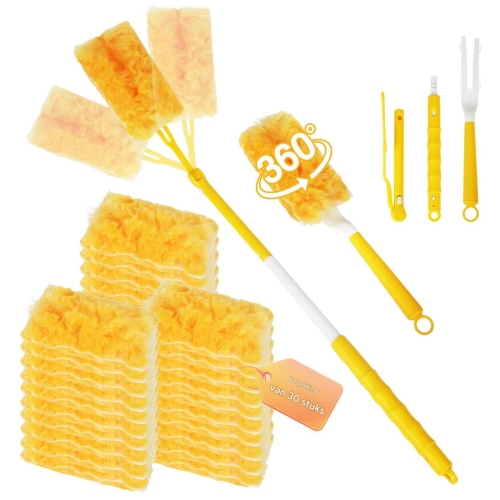
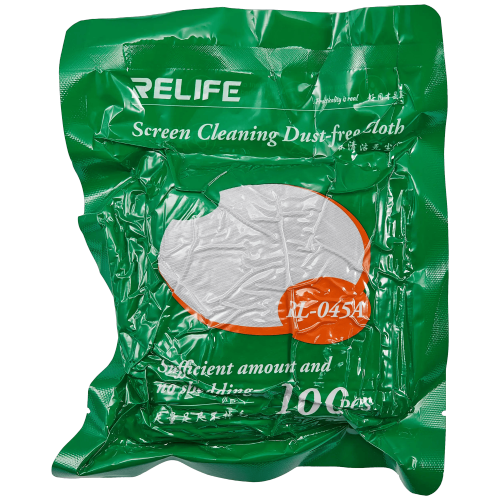
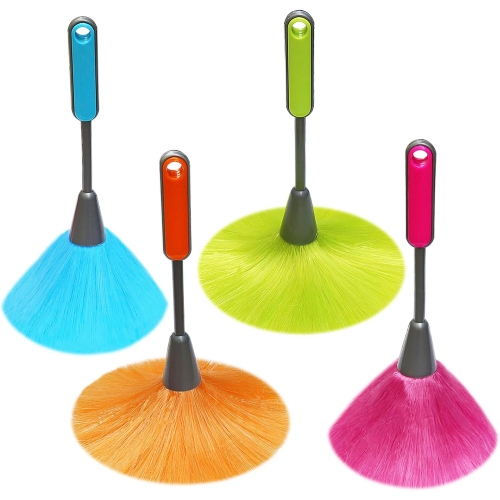





How cloth materials affect dust pickup and surface care
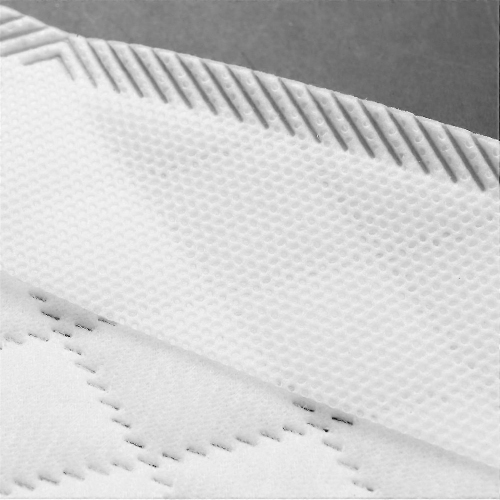
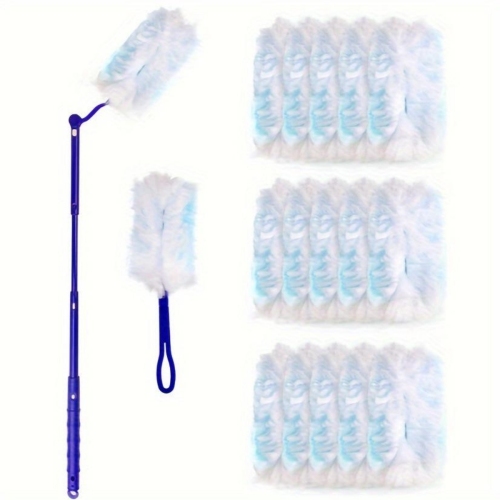
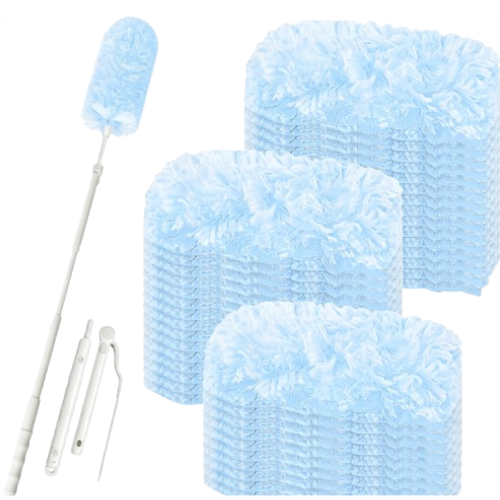
Dusting cloths help collect the fine particles that settle on furniture, shelving, electronics, and other household surfaces. Common types include reusable microfibre cloths, cotton dusters, disposable sheets, and cloths treated with mineral oil to help hold loose dust. The main differences lie in how they pick up particles, how much lint they leave behind, and whether they suit a particular finish. Microfibre is made from very fine synthetic fibres, often a blend of polyester and polyamide, and can collect dust when used dry or lightly dampened, depending on the surface and care instructions. Cotton cloths offer a familiar, soft feel, although their weave and construction influence absorbency and lint release. Disposable dusting sheets can be convenient for occasional tasks or situations where laundering is impractical; some are designed for hand use, while others fit a compatible holder. Oil-treated dusting cloths are intended to capture loose particles rather than simply push them around, but suitability depends on the treatment and the surface being cleaned. They are not interchangeable with untreated cloths for every task, particularly around screens, unfinished wood, or finishes that may show residue. For everyday dusting, the most useful cloth is one that holds particles effectively, feels manageable in the hand, and matches the surfaces it will touch. A cloth for a broad tabletop may need a different size or texture from one used around a picture frame or between closely spaced objects on a shelf. A lightly textured cloth can help gather dust from sturdy surfaces, while a smooth, low-lint weave may be preferable where stray fibres would be noticeable. Dusting cloths are useful in apartments, family homes, home offices, and shared workspaces, with different formats suited to everything from a quick pass over a bedside table to a more thorough tidy-up of shelves and cabinets. Their simple appearance can conceal meaningful differences in texture, construction, and care, making those details worth considering alongside the intended task.
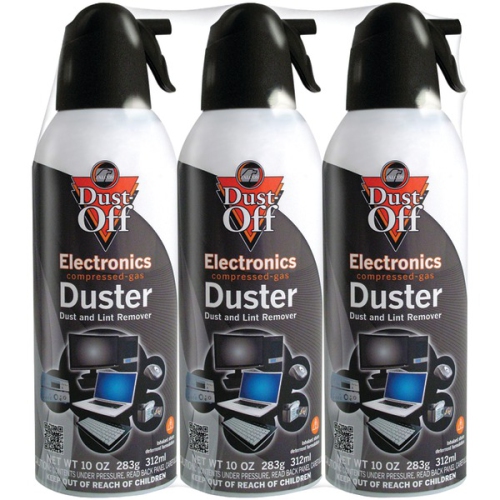
Surface compatibility matters as much as the cloth material. A glossy cabinet door, a painted bookcase, and a television screen may all collect visible dust, but they do not necessarily tolerate the same pressure, moisture, or cleaning treatment. A soft cloth can still mark a surface if grit becomes trapped in its fibres, so cleanliness is an important part of gentle dusting. For electronics, the device manufacturer’s cleaning directions should determine which cloth and method are appropriate. A general-purpose dusting cloth is not automatically suitable for coated displays, camera lenses, or other optical surfaces, and treated cloths may leave an unwanted film. Around keyboards, monitor stands, and desktop accessories, a flexible cloth can reach exposed surfaces without needing a large amount of moisture. Liquids should not enter openings or collect around controls. Wood furniture also calls for attention to the finish: sealed, painted, waxed, and unfinished surfaces can have different care requirements, and a dusting treatment that works on one may be unsuitable for another. Size and shape affect handling, especially in detailed areas. A smaller cloth folds neatly around the fingers for narrow ledges, while a larger one offers more clean surface area for dining tables and wide shelves. Folding creates several usable faces, helping keep collected dust away from the next area being wiped. Cloth thickness is another practical distinction. A plush pile can hold loose particles well on suitable surfaces, while a flatter weave may fit more easily beneath the edge of a small appliance or around a slim shelf support. Edges and labels deserve attention too, particularly where a raised seam could drag across a delicate finish. For dust lodged in corners, upholstery seams, or other areas that a flat cloth cannot easily reach, Vacuum Dusting Brushes can complement hand dusting when matched to a compatible vacuum and an appropriate surface. Cloths remain useful for the exposed areas where controlled contact and a clear view of the finish are helpful.
Care requirements influence how well a reusable dusting cloth performs over time. Microfibre can lose effectiveness when its fibres become coated with fabric softener, dryer-sheet residue, or an unsuitable cleaning treatment, so the care label is a useful reference for washing and drying. Washing it separately from lint-shedding fabrics can also help prevent fibres from becoming caught in the cloth. Cotton cloths have their own washing requirements, particularly when colourfastness, shrinkage, or a stitched border affects their shape. Treated cloths may require different handling from untreated fabrics, and laundering can remove the treatment that gives them their intended dust-holding properties. Disposable formats are designed for use according to their packaging rather than repeated washing. Durability depends on more than thickness: a stable weave, securely finished edges, and fibres that remain intact through the recommended care routine all contribute to useful service. Fraying, persistent lint, embedded debris, or a texture that has become stiff are signs that a cloth may no longer suit delicate surfaces. Keeping cloths for different tasks separate can make household care more straightforward. One colour might be reserved for shelves and furniture, another for suitable electronics, and another for areas that collect heavier debris. This helps avoid transferring residue from a utility shelf to a polished tabletop. Cloths used damp should dry fully before storage, rather than remaining bundled in a cleaning caddy. A compact stack in an accessible cupboard is practical for someone maintaining a small space, while a larger household may find it helpful to keep separate sets near frequently cleaned areas. People who enjoy a tidy desk, care for display shelves, or maintain furniture with particular finishes may value a cloth chosen for that purpose rather than a single fabric used everywhere. Material, weave, size, treatment, and washability together determine how a dusting cloth fits into everyday care. The right combination makes it easier to lift visible dust, work around household details, and keep the cloth ready for its next use.
Top selling and popular products
-
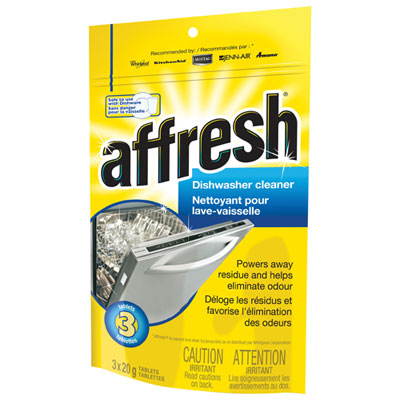 Your price for this item is $10.99
-
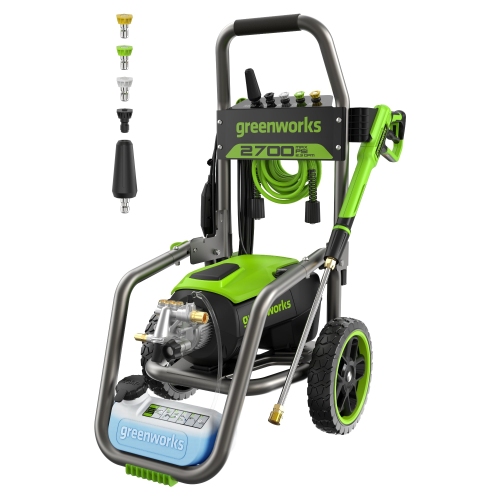 Your price for this item is $649.99
-
 Your price for this item is $70
-
 Your price for this item is $65
-
 Your price for this item is $70
-
 Your price for this item is $90
-
 Your price for this item is $75
-
 Your price for this item is $43.99
Discover more categories related to Dusting Cloths
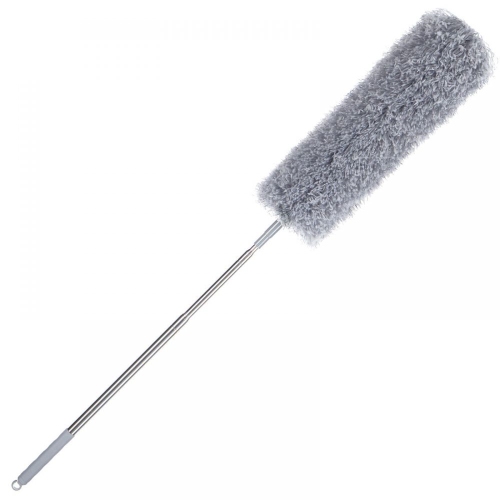

Top Collections:
Best Black Friday Deals This Year, Best Black Friday Deals On Electronics, Kindle Devices, Pokemon Centers, Best Black Friday Deals On Apple Products, Best Cameras for Sports Photography, Dyson Airwrap, Pokémon 30th Celebration Cards, Apple iPhone 17 Pro, Canon G7X Cameras
Some products may be subject to Environmental Handling Fees
(EHF) depending on your province.
Learn more about EHFs.