Electric Guitar Effect Pedals
Explore a world of sonic possibilities with our diverse selection of electric guitar effect pedals. Whether you're looking to add depth with reverb, create crunch with distortion, or experiment with modulation effects, these pedals are essential tools for shaping your unique sound. Elevate your guitar playing experience and unlock new creative avenues with our range of top-quality pedals designed to inspire musicians of all genres and skill levels.
Sort
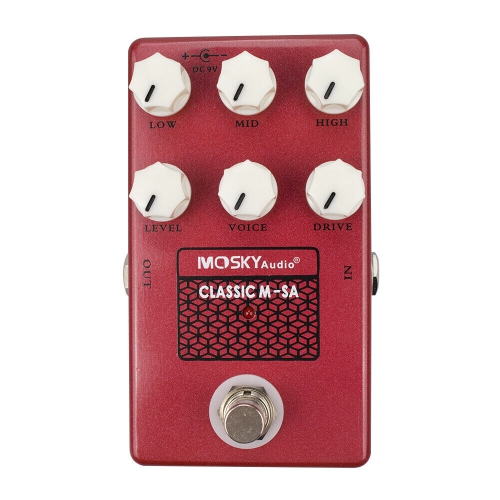
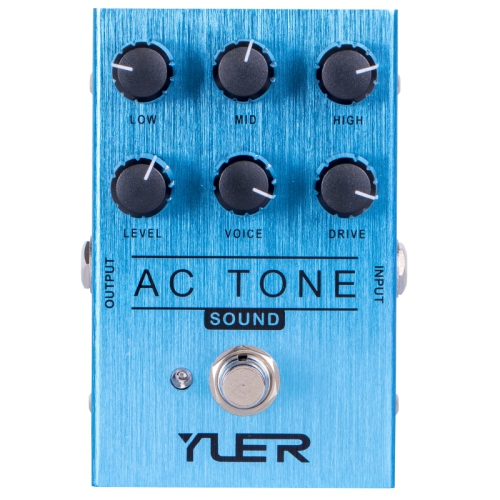
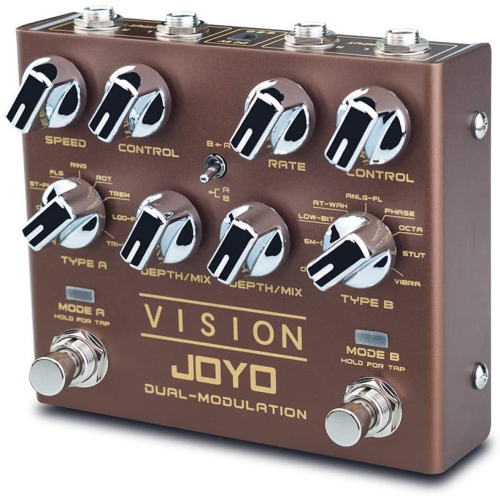
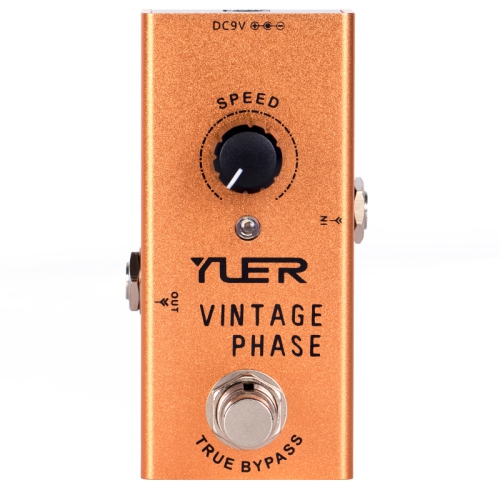

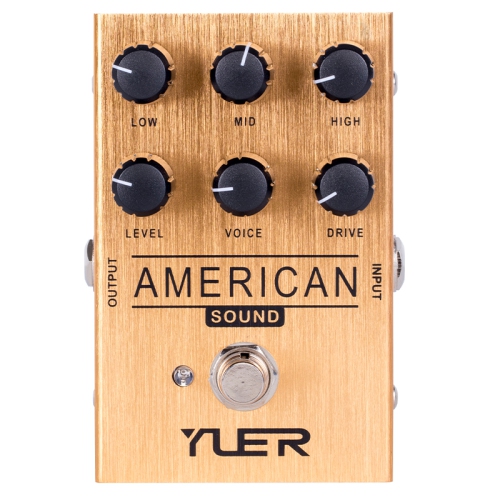
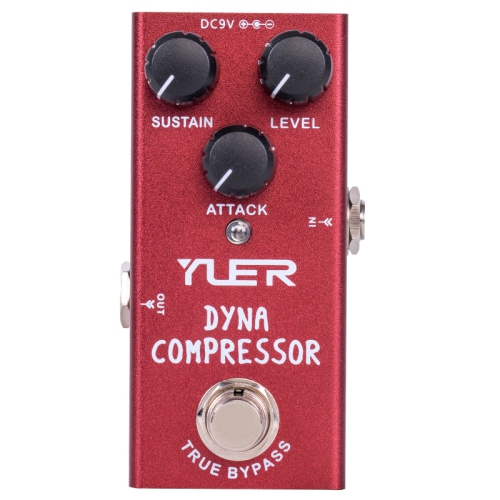

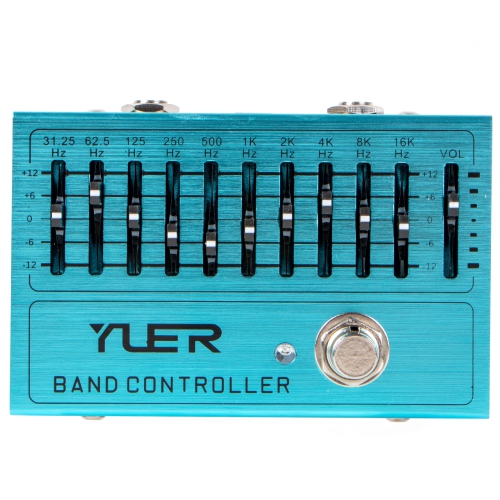
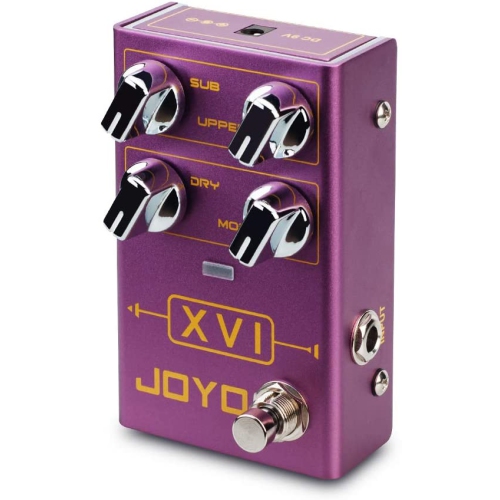
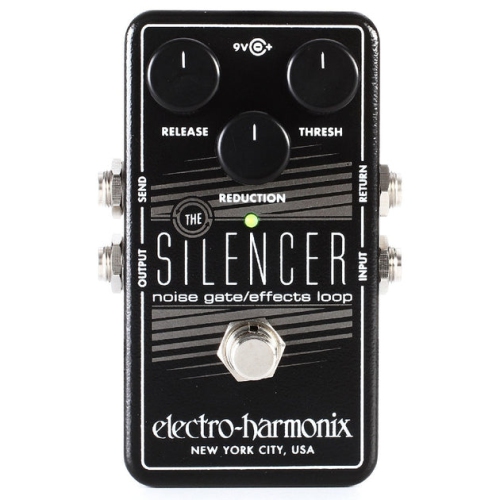
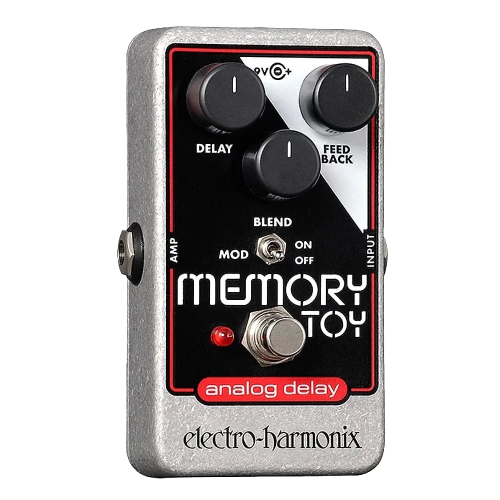
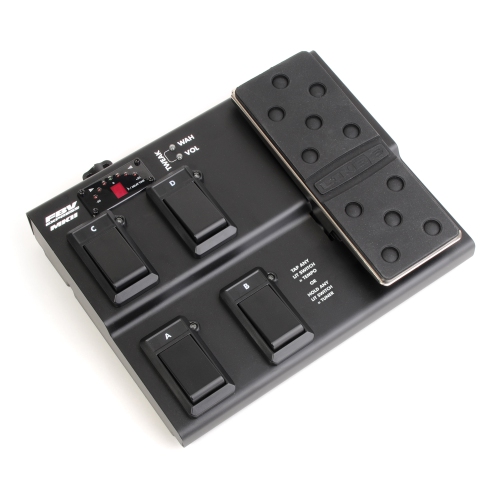
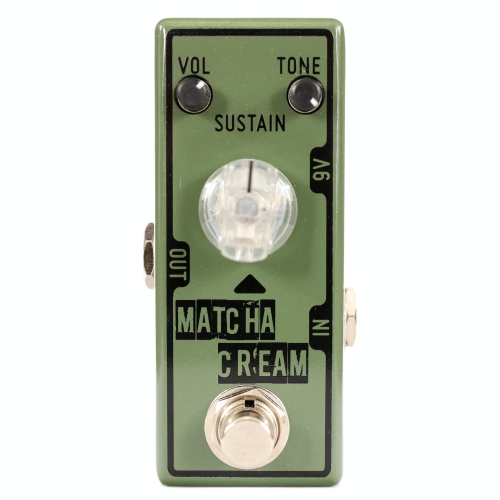
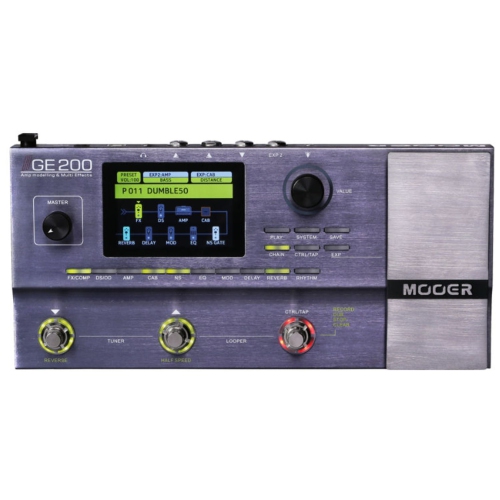

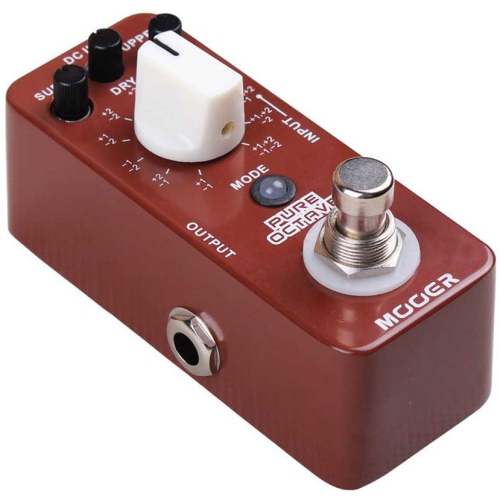
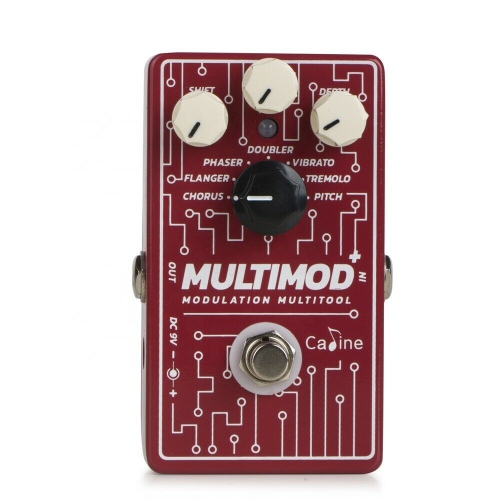
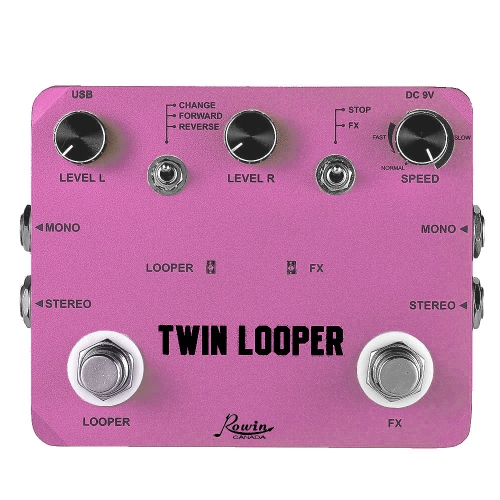
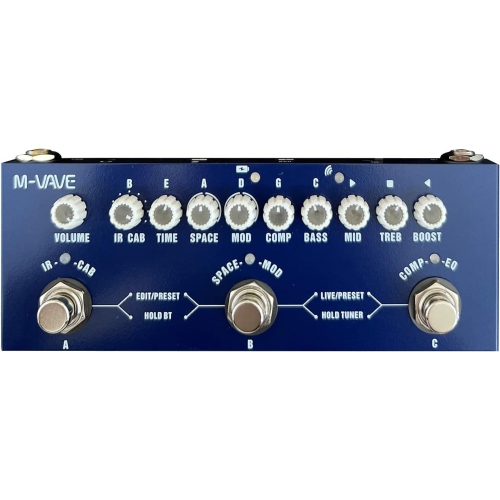
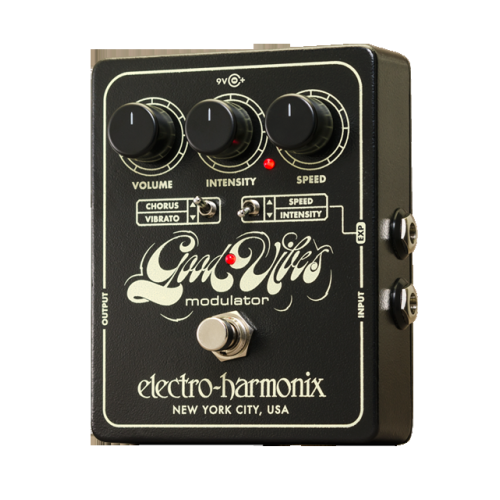
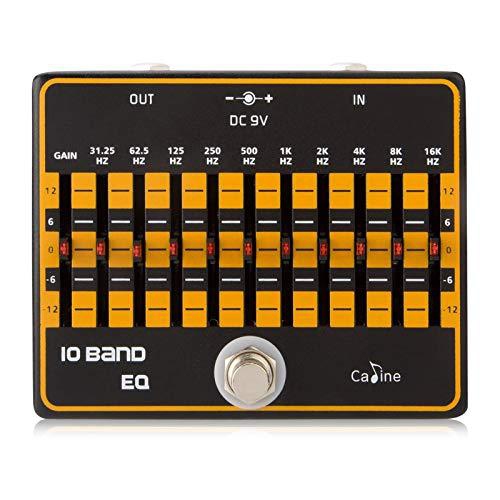
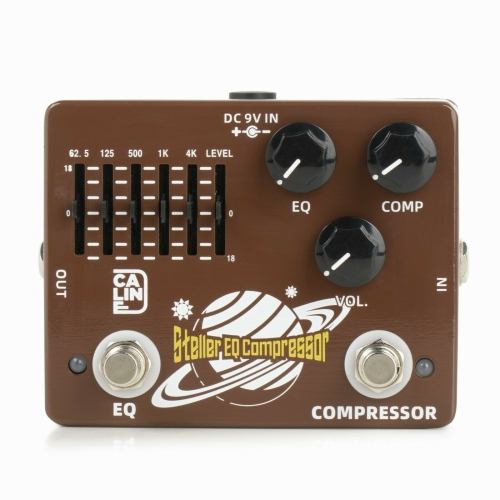
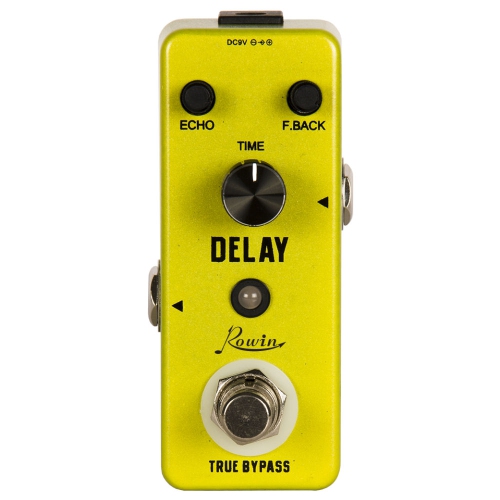
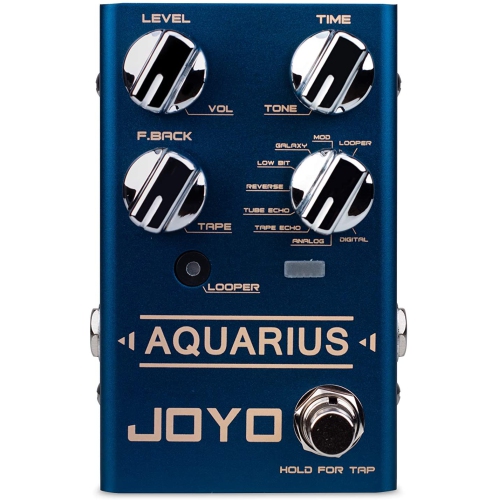
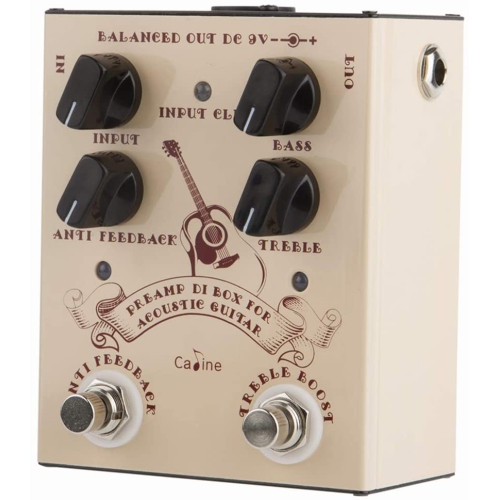
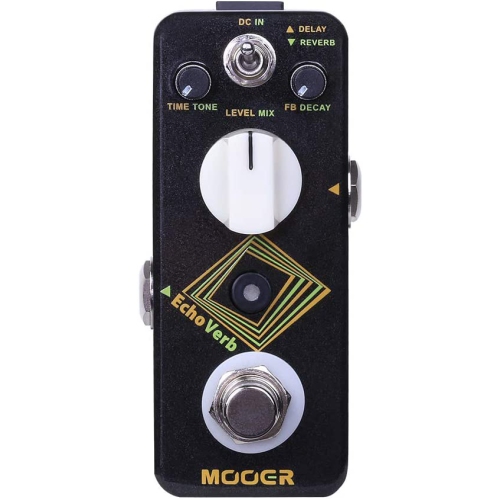
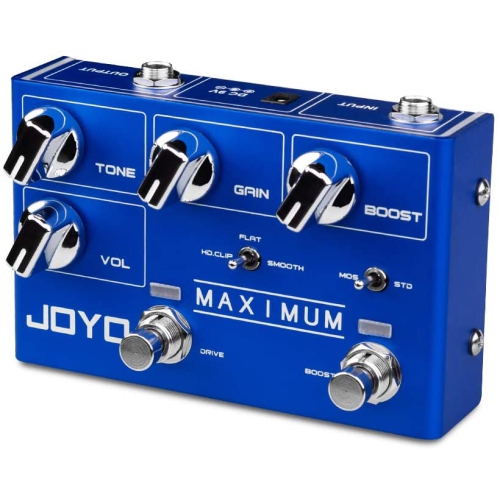
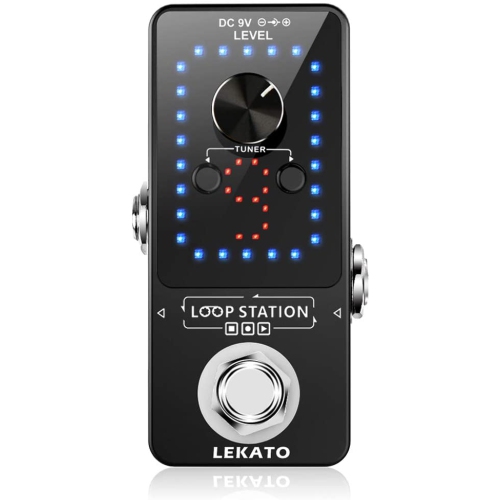
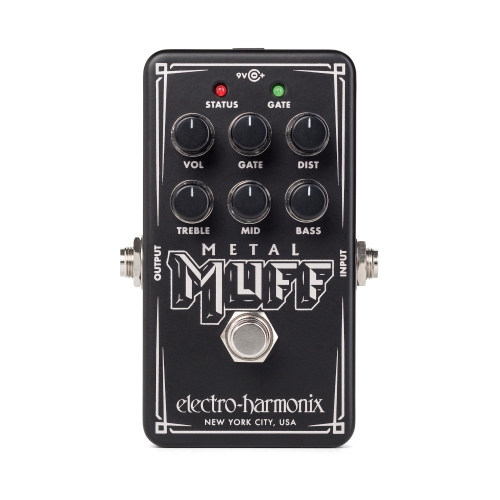

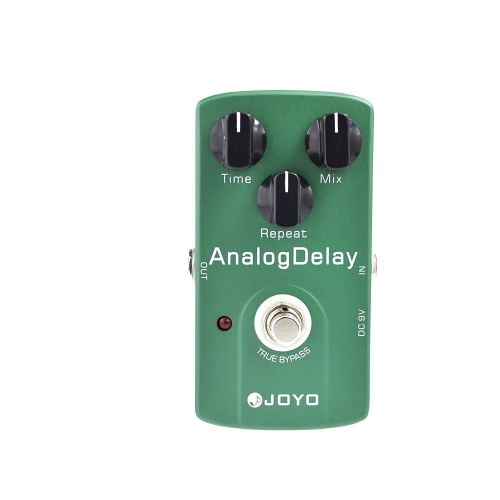
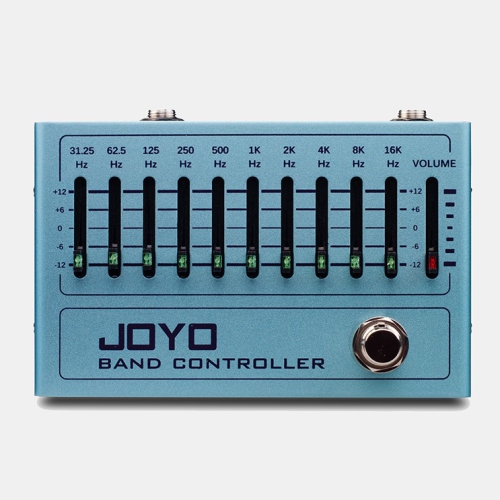
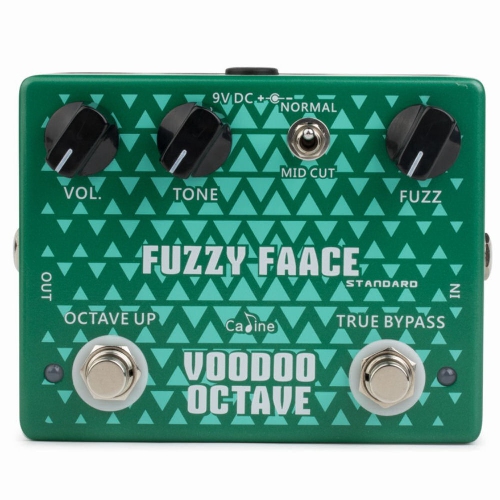
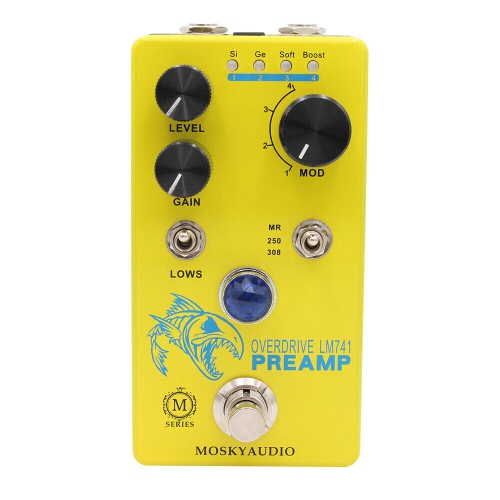

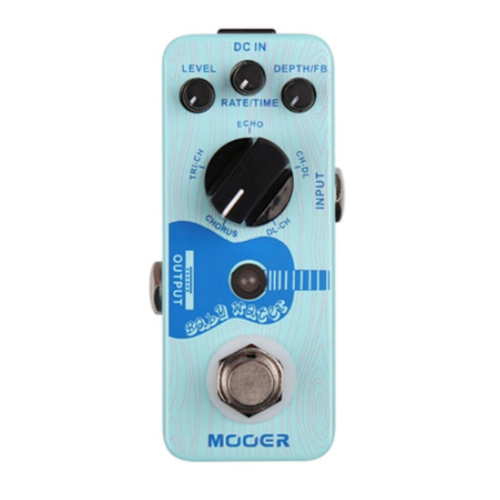
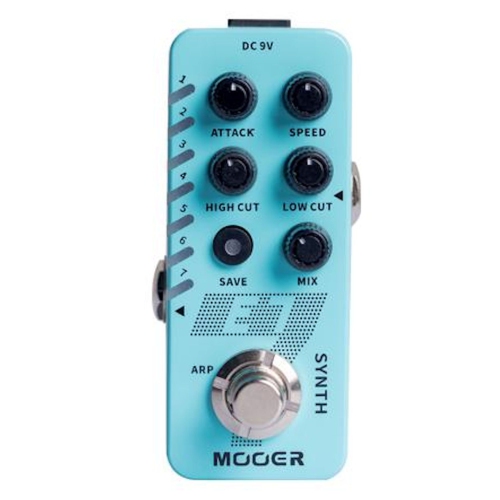
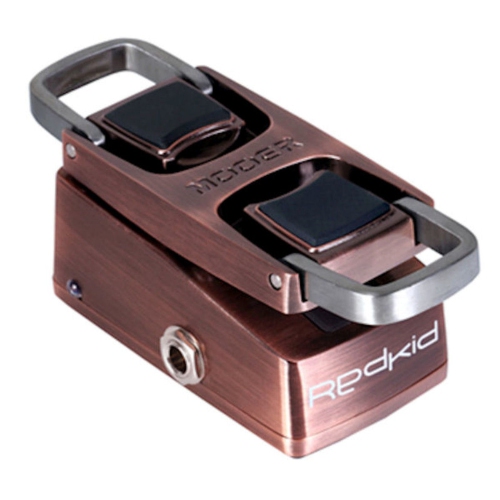
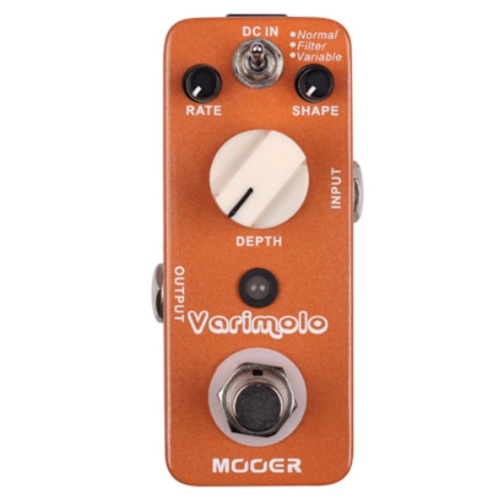
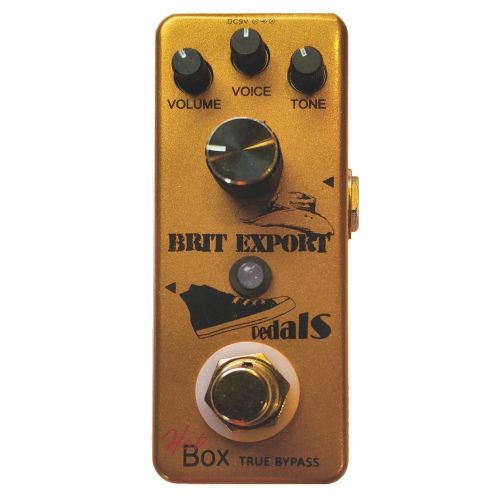
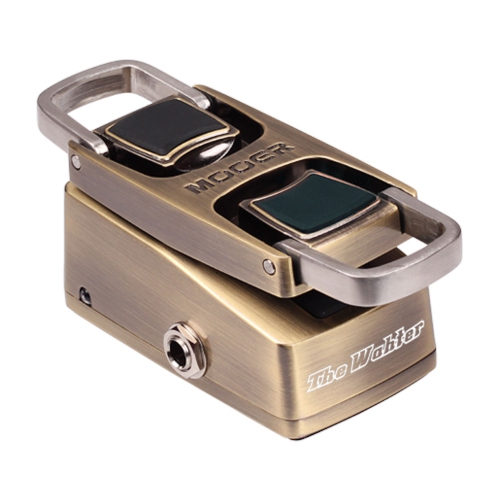
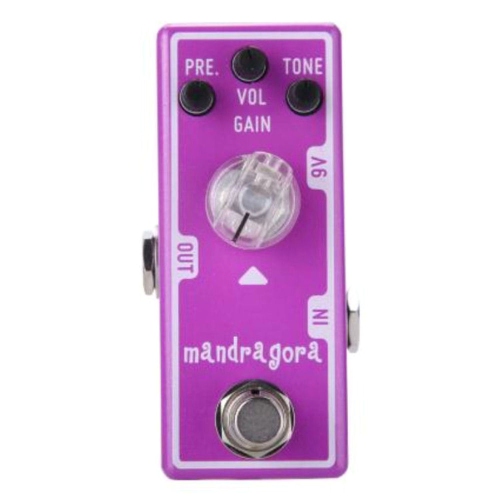

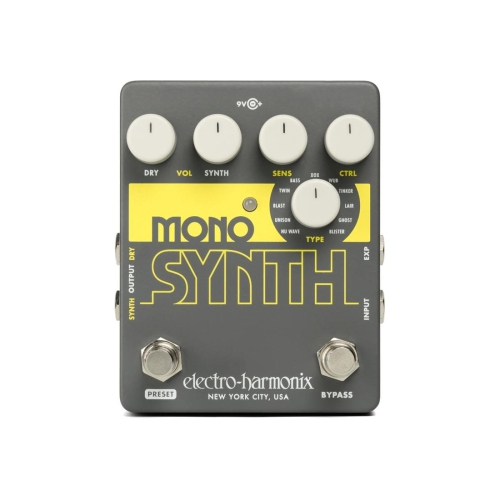

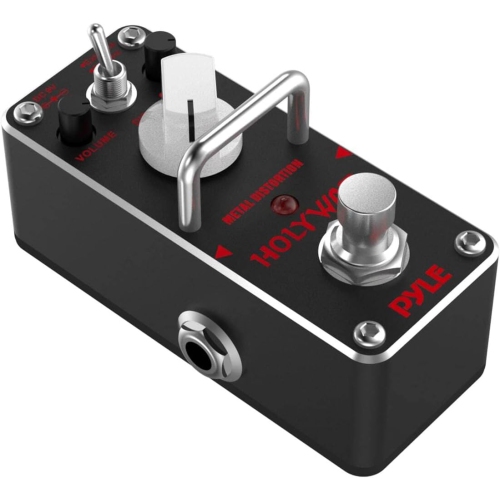
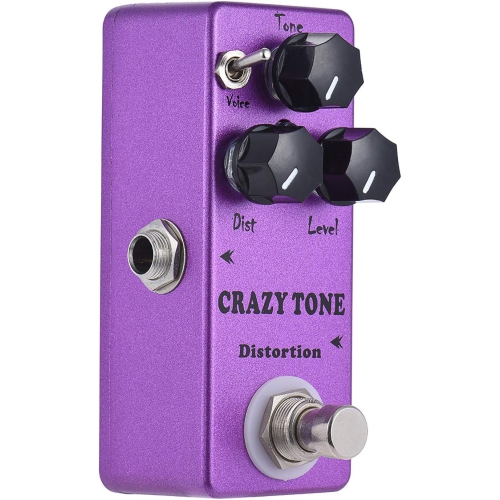
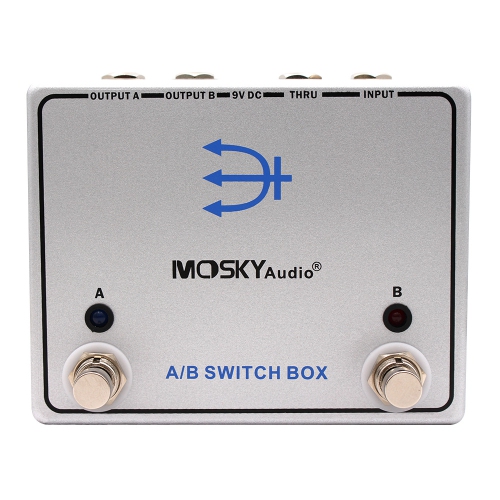
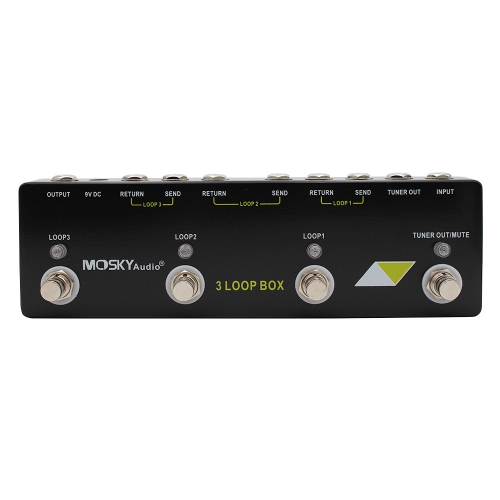
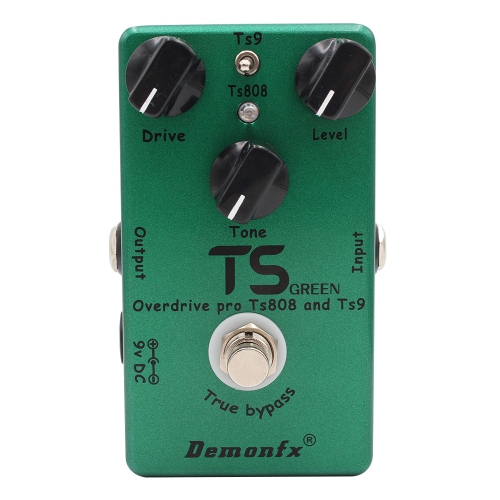
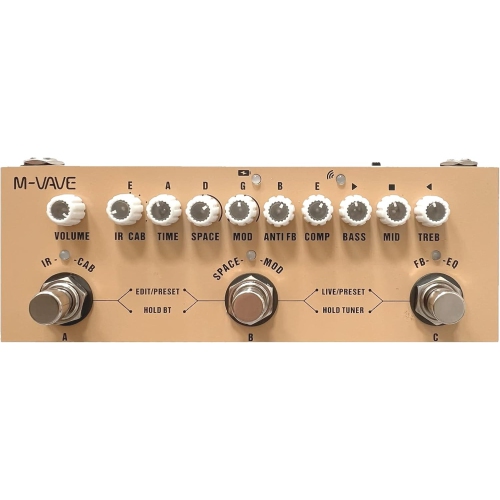
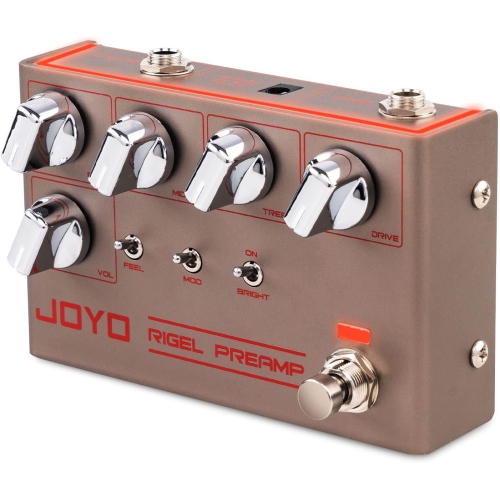
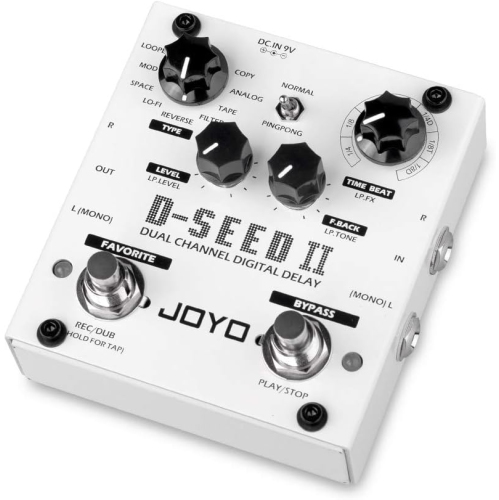
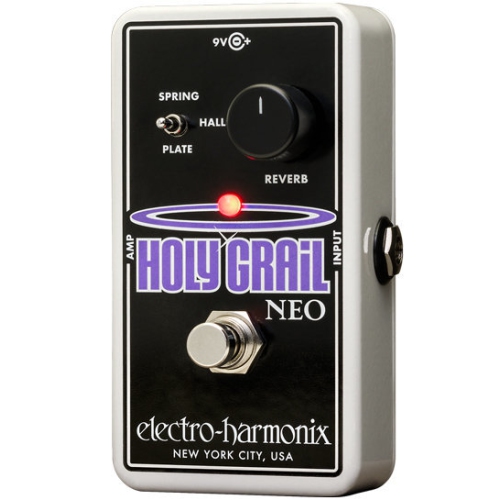
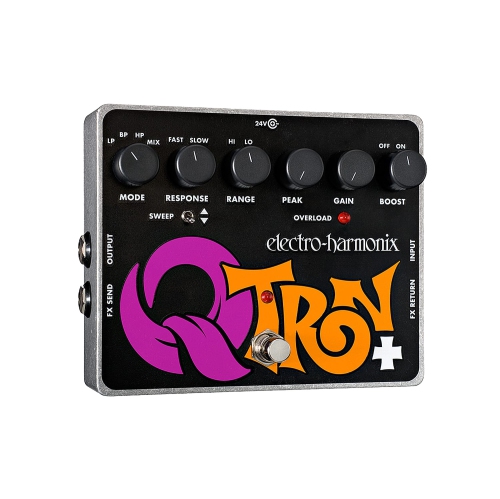
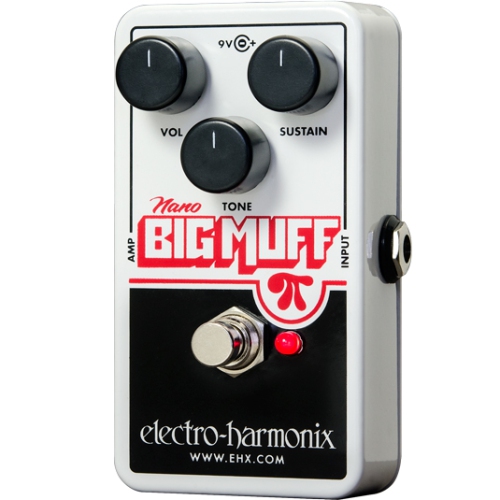

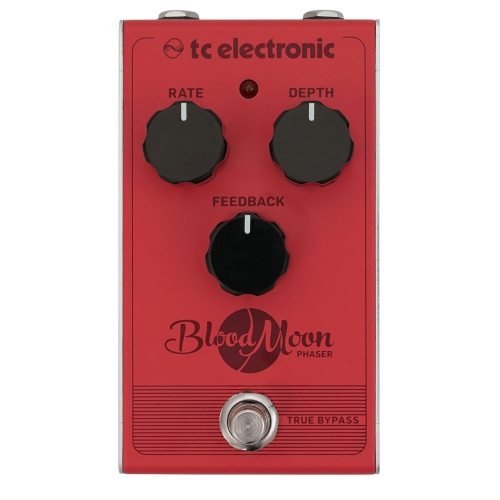
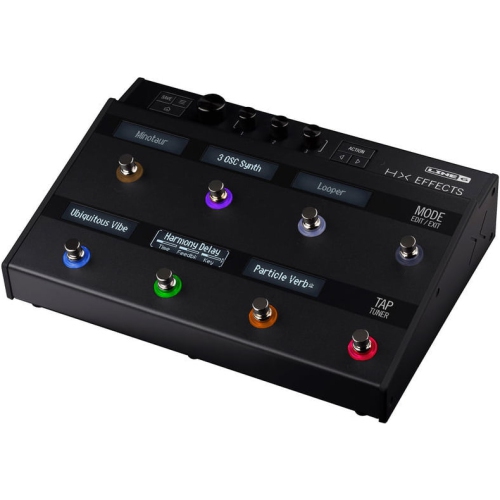

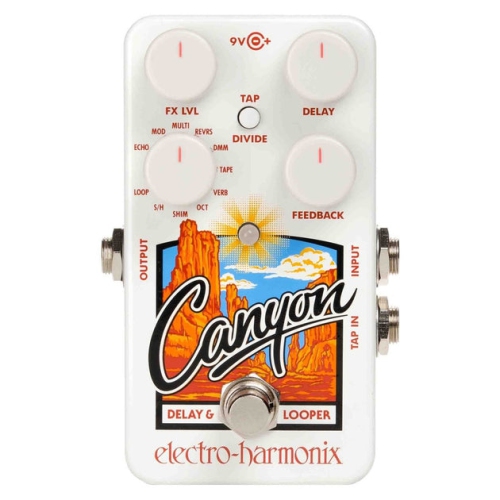
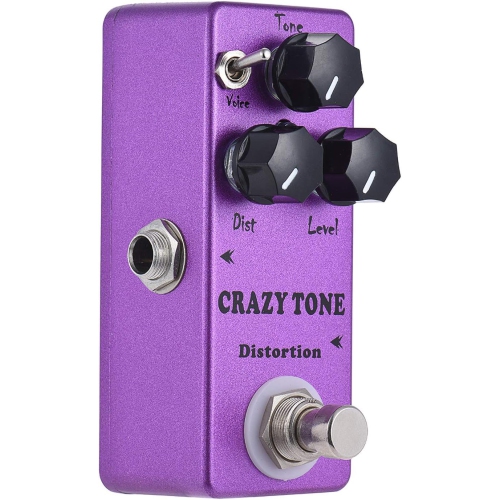
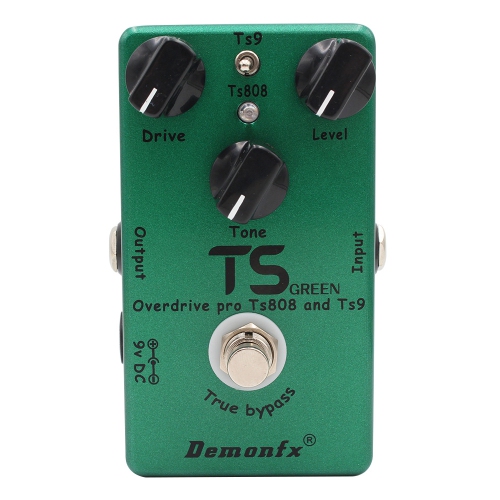
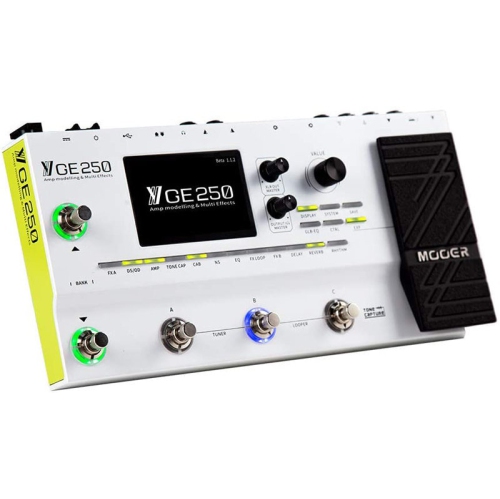
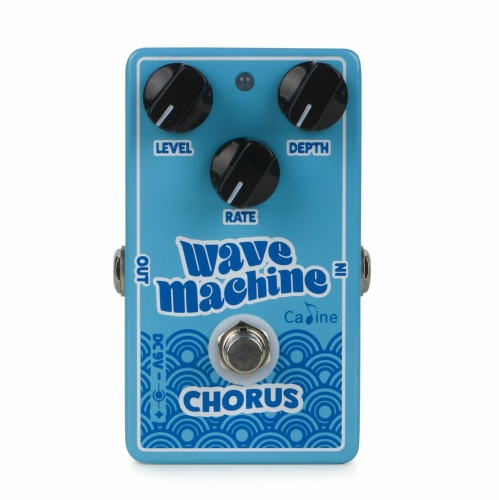
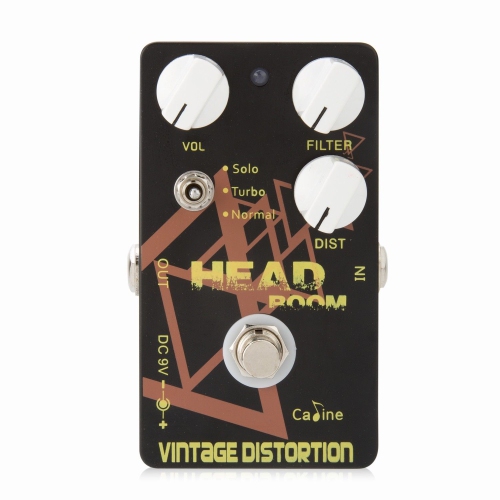
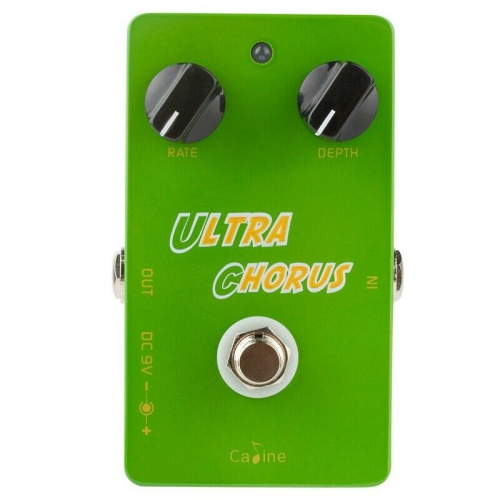
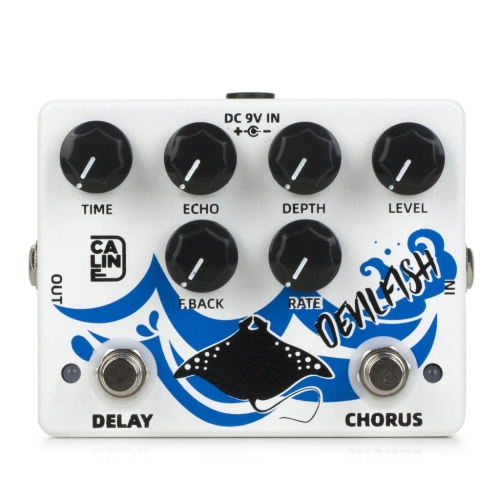
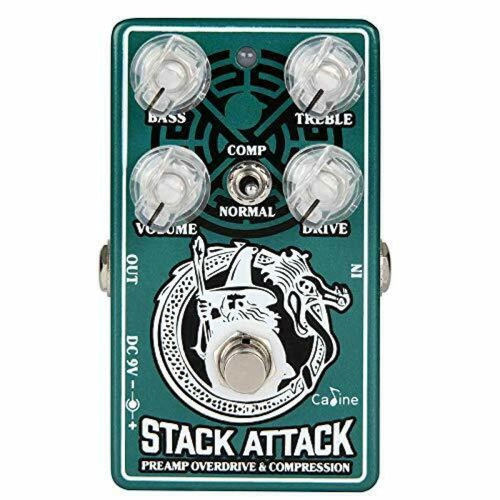
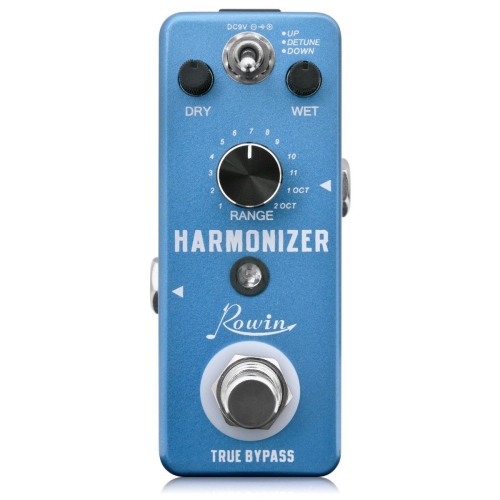
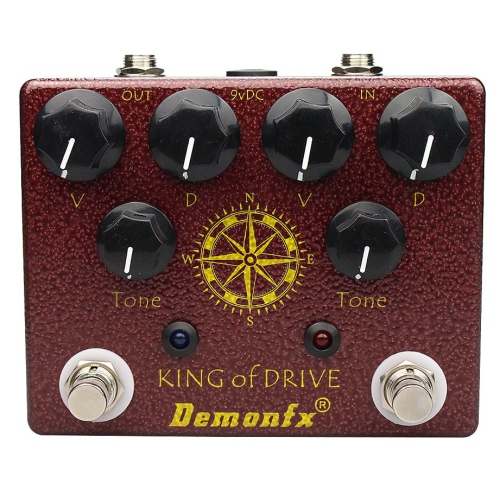
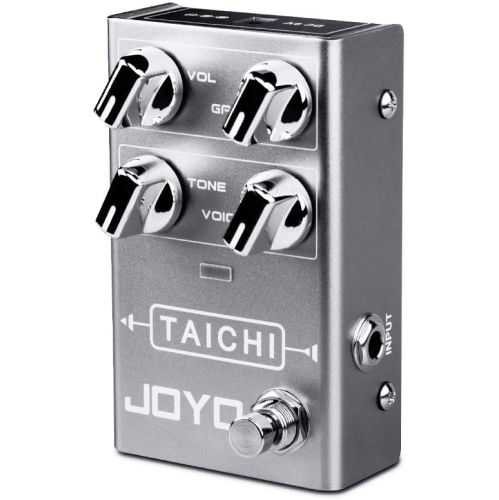
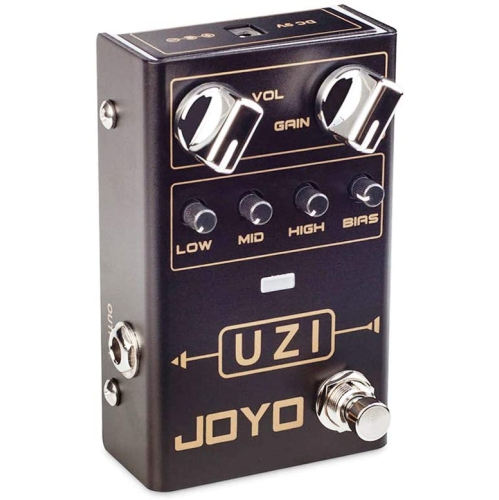
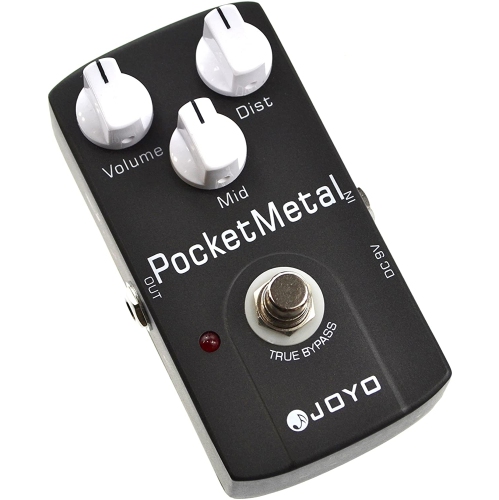
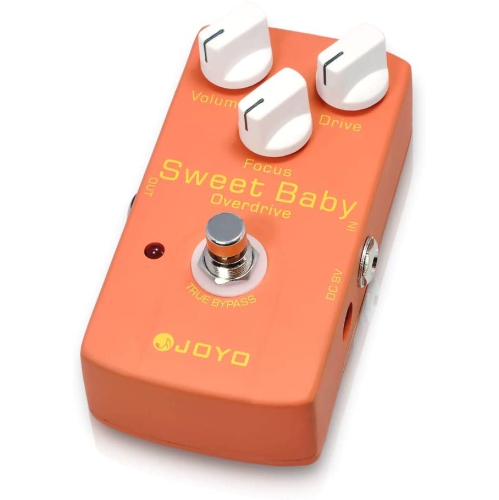
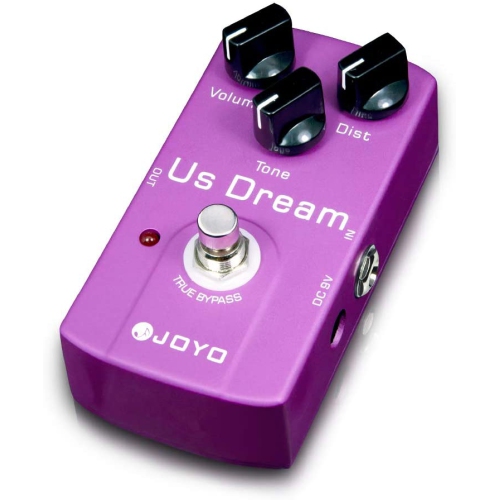
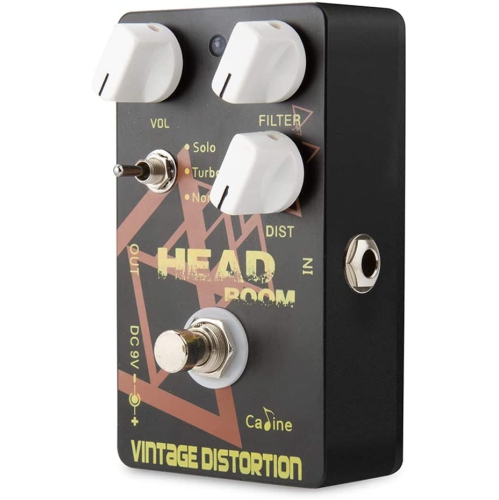
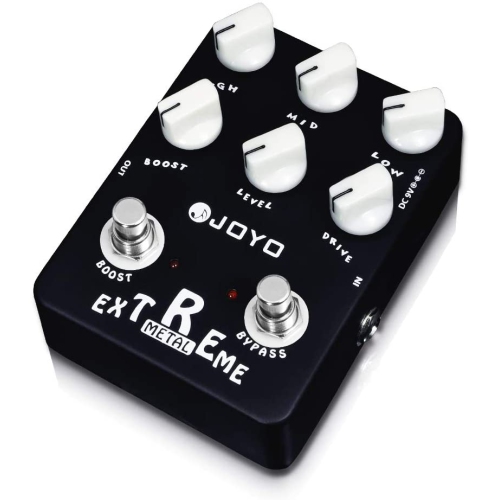

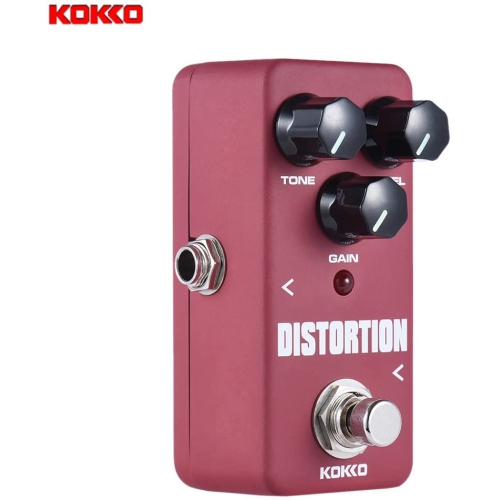
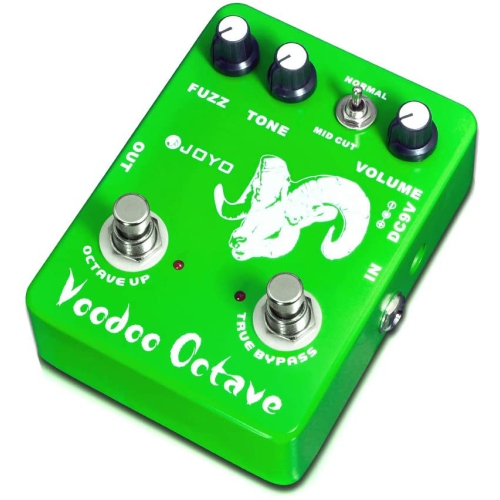
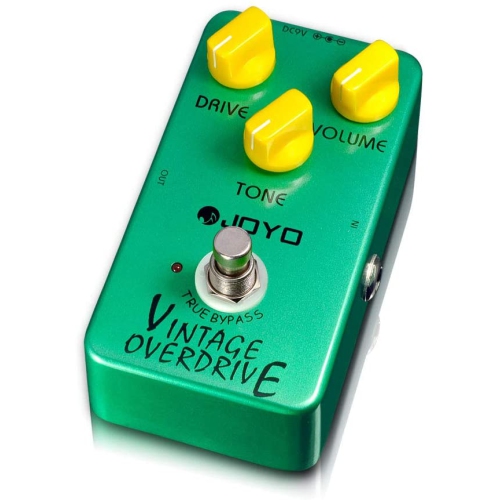
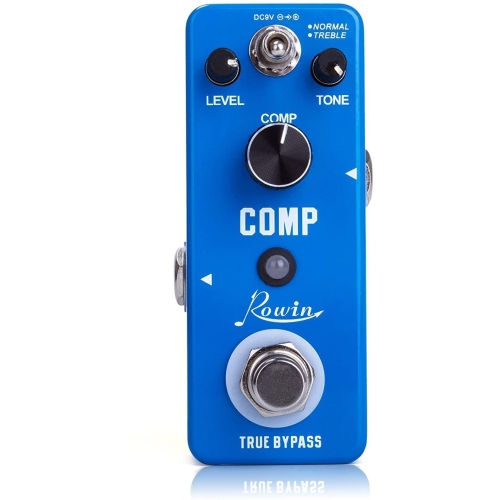
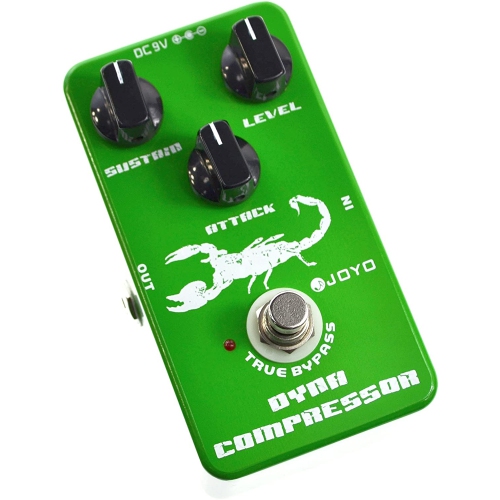
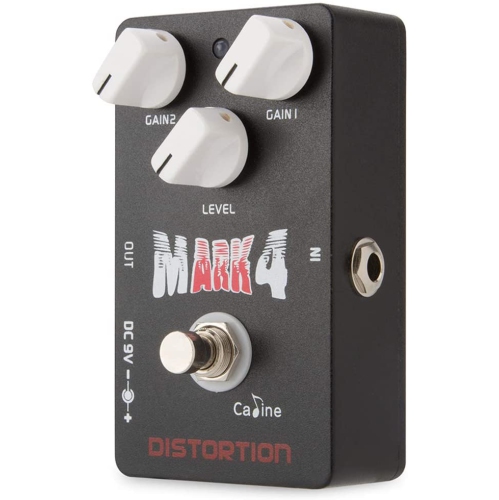
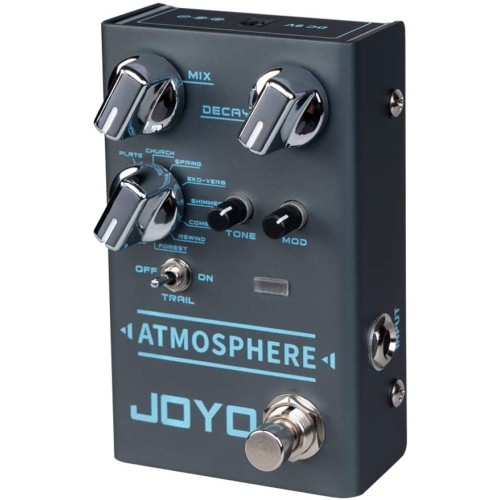
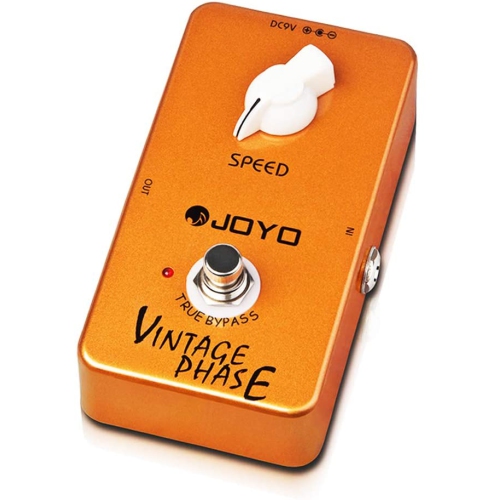
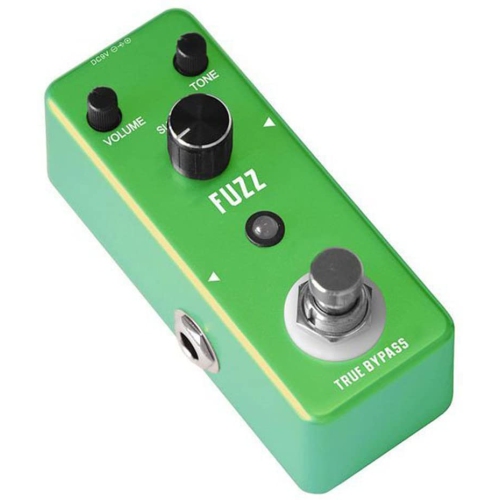
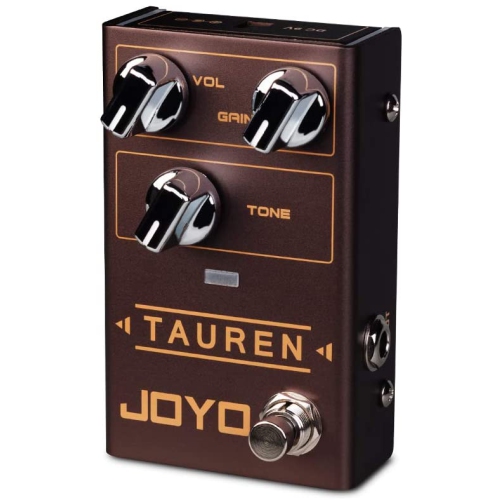
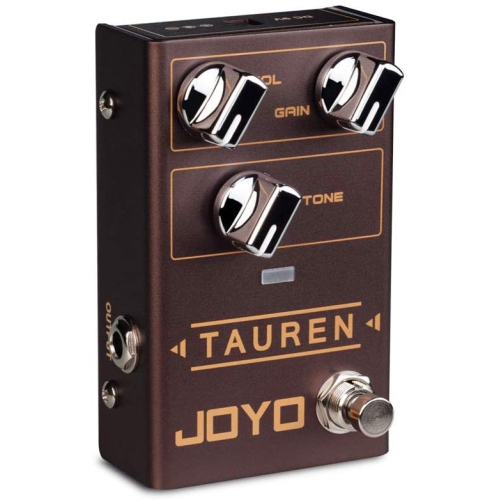
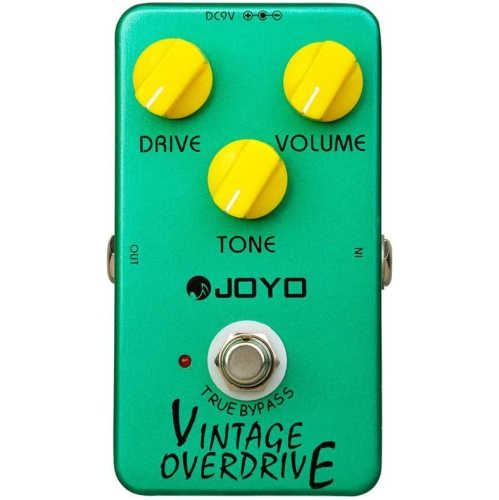
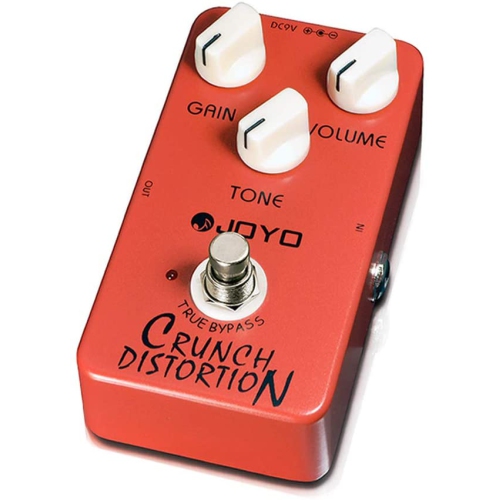
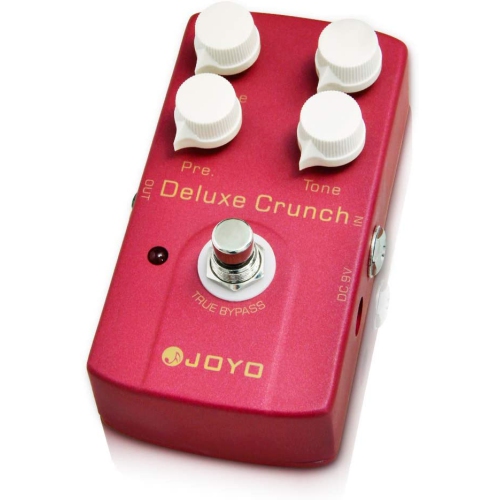
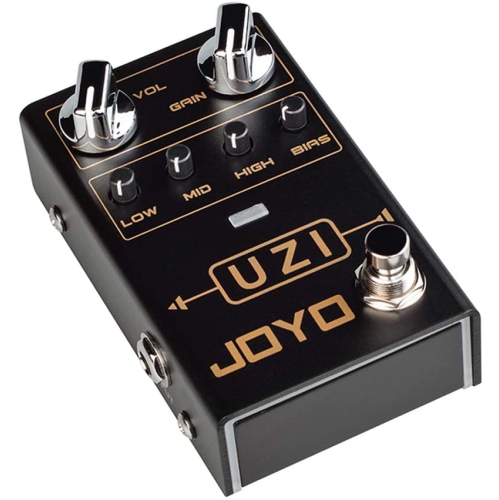
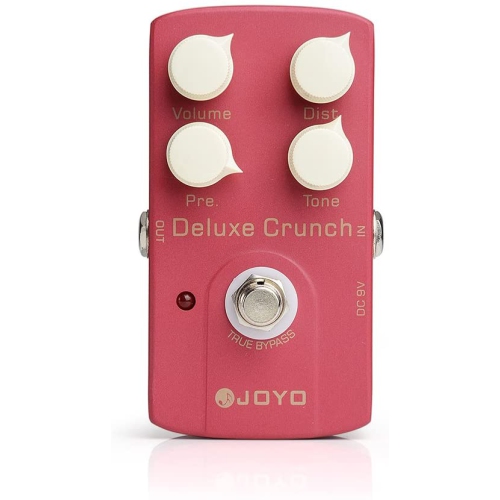
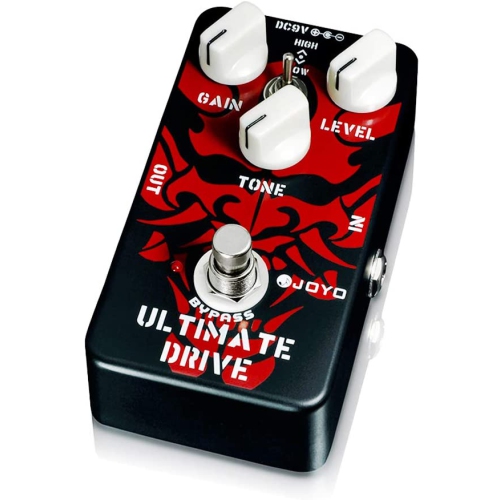
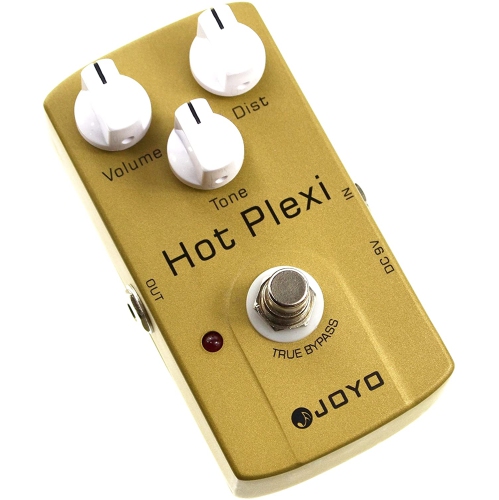
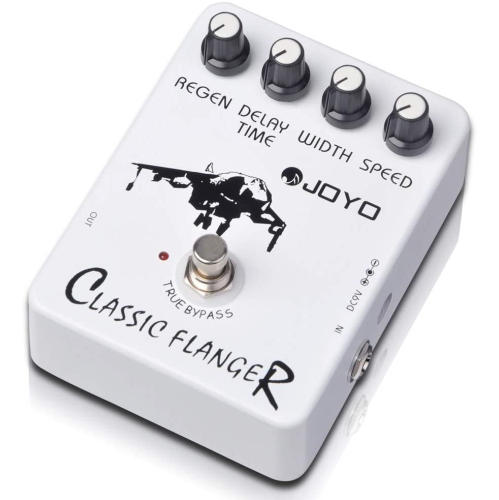
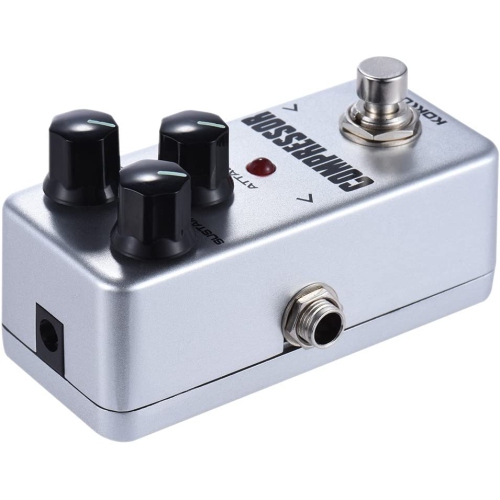
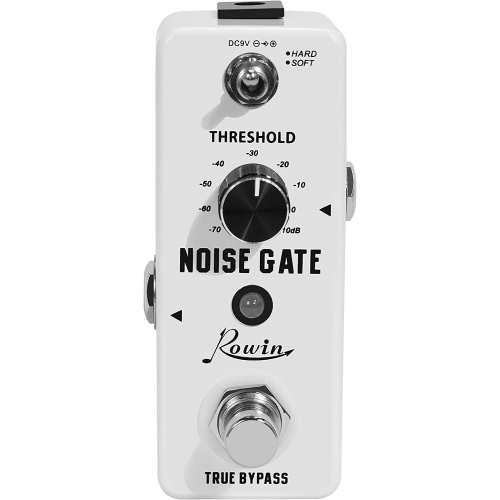

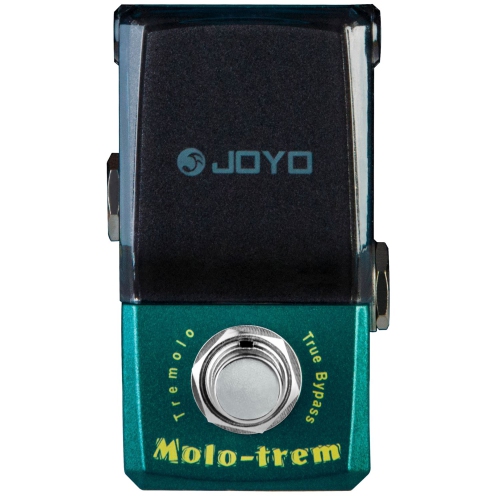
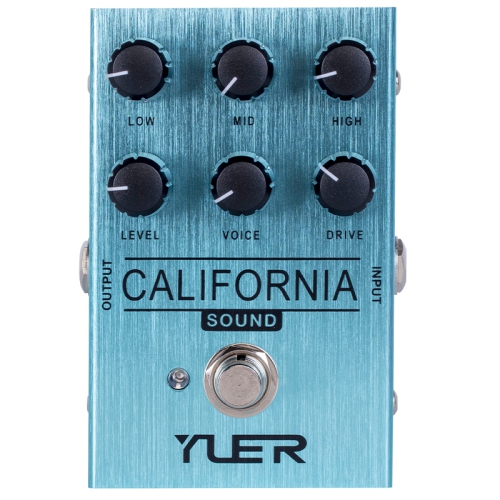
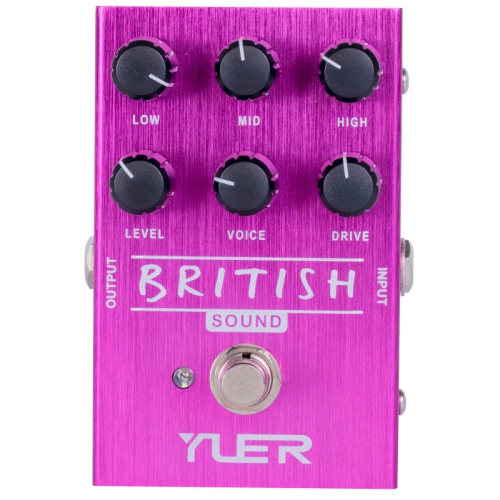
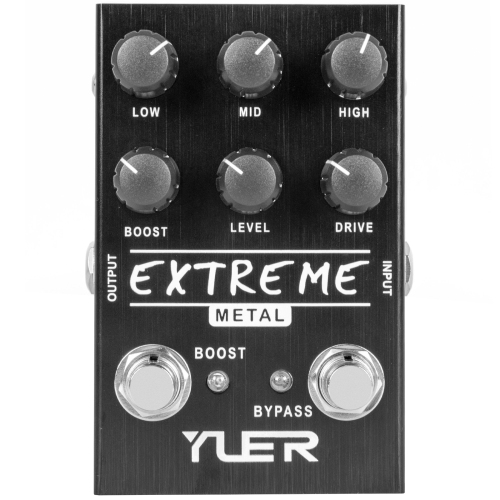
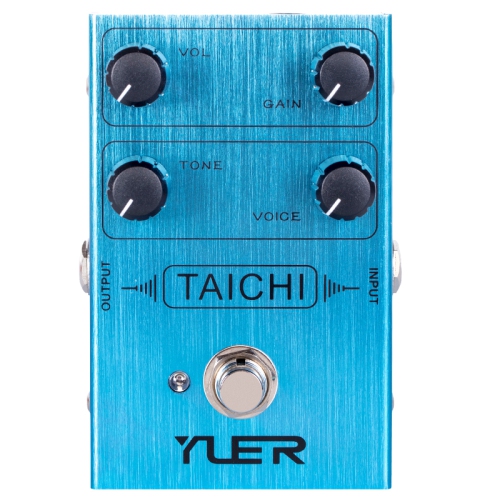
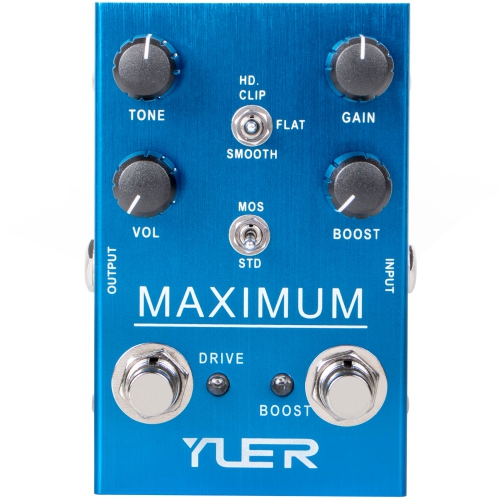
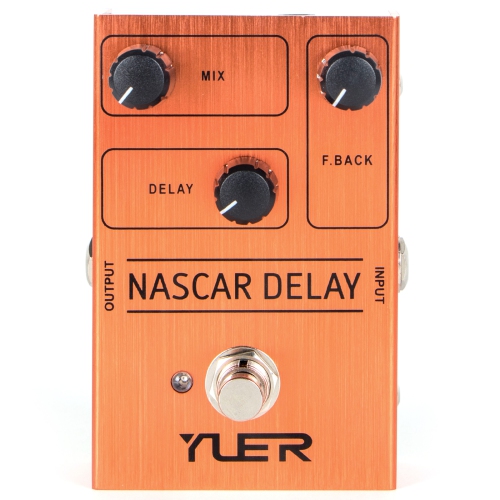
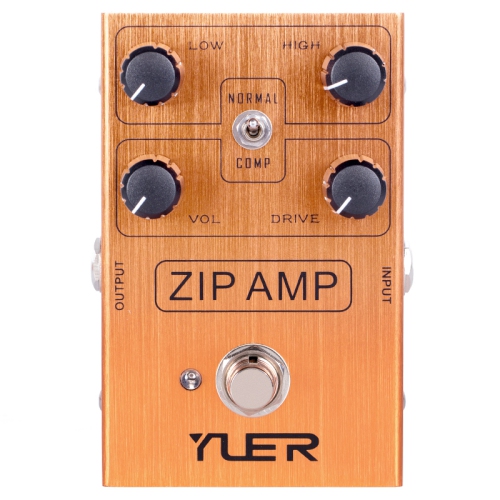
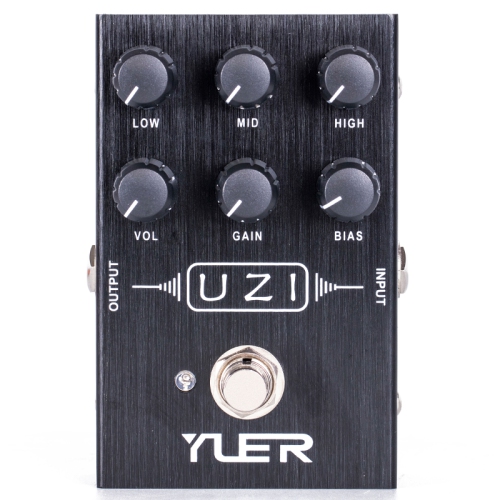
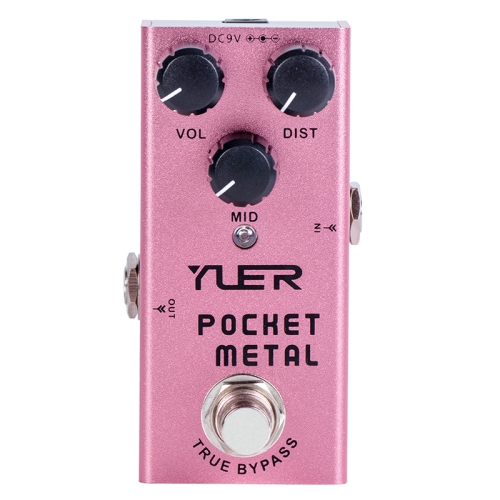
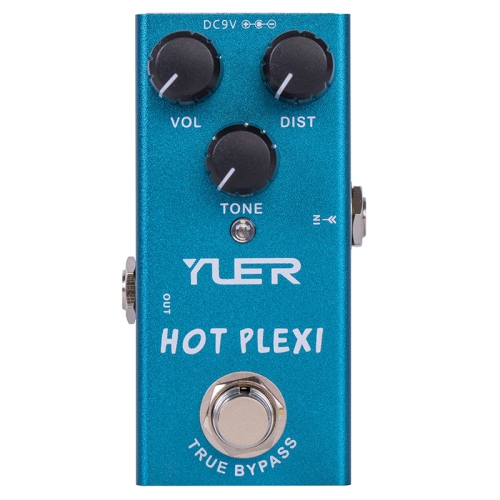
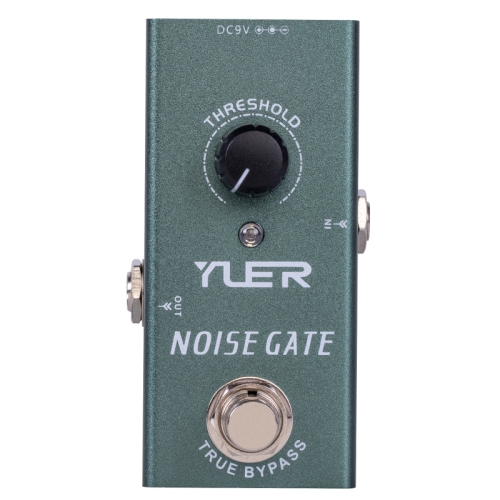
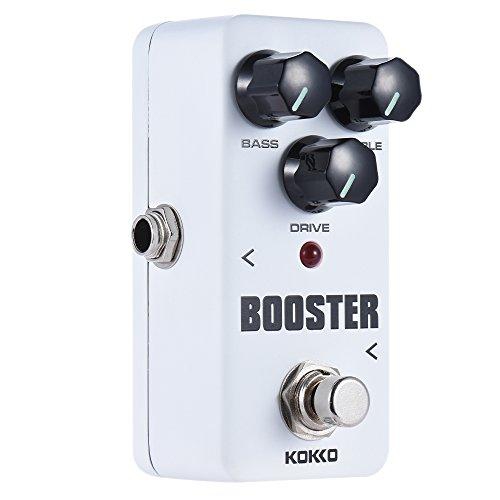
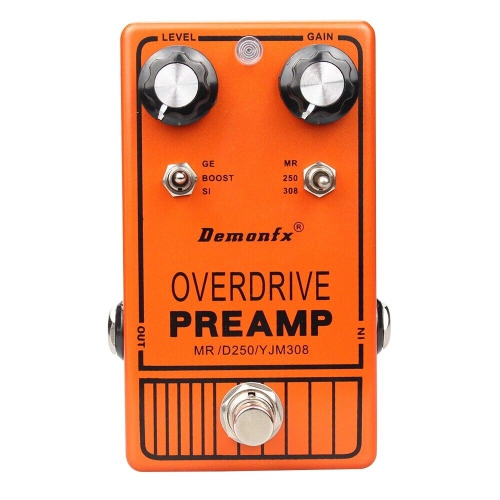
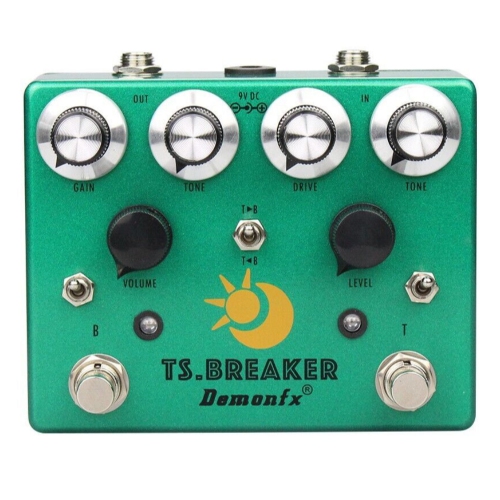
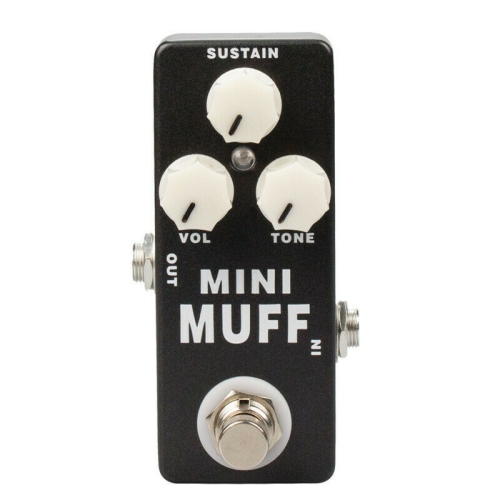
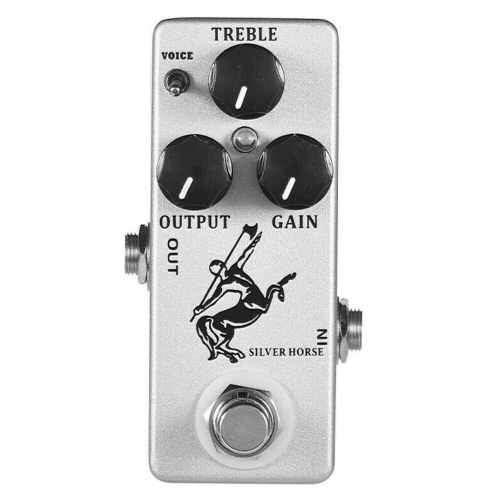
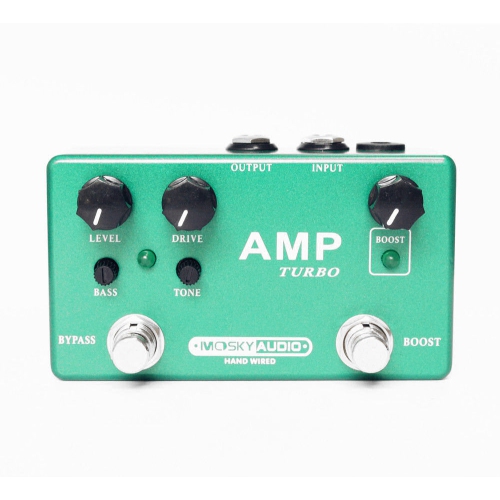
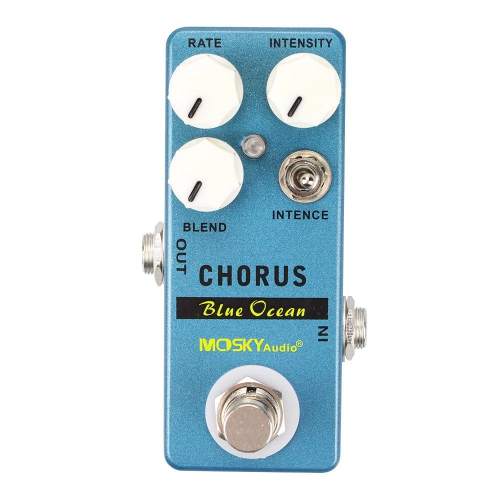
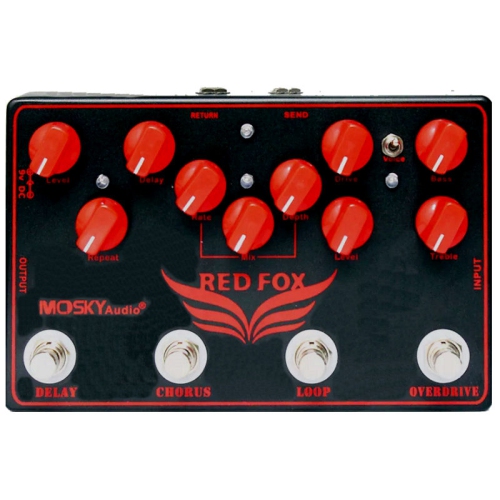
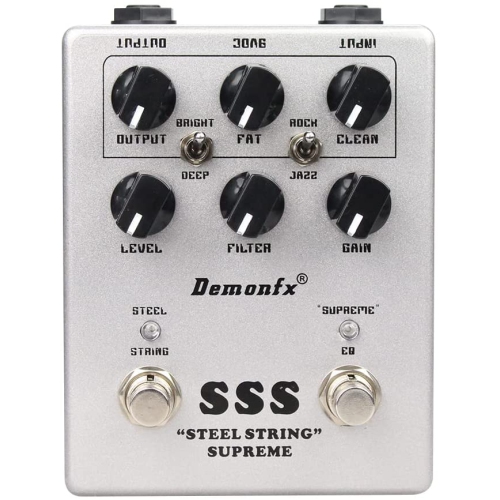
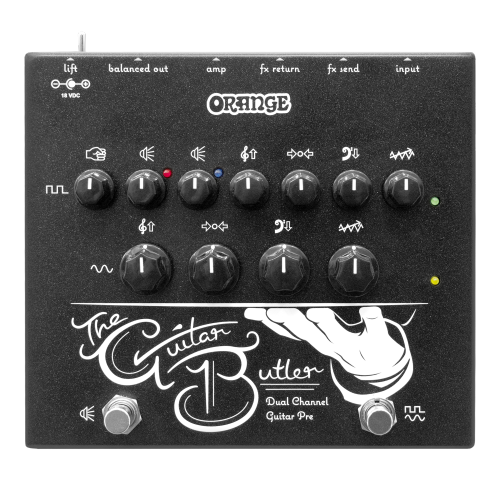
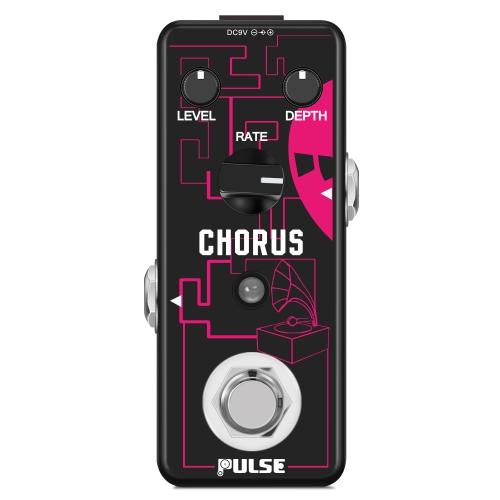
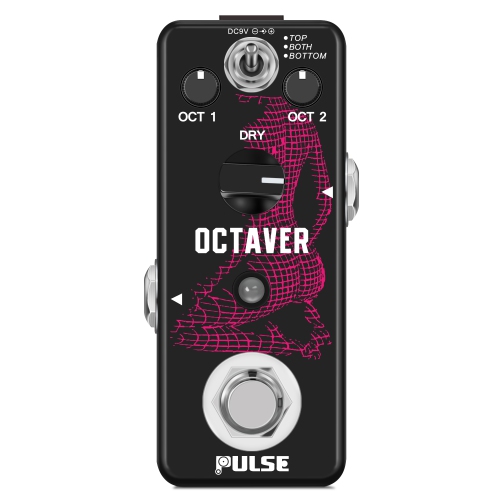
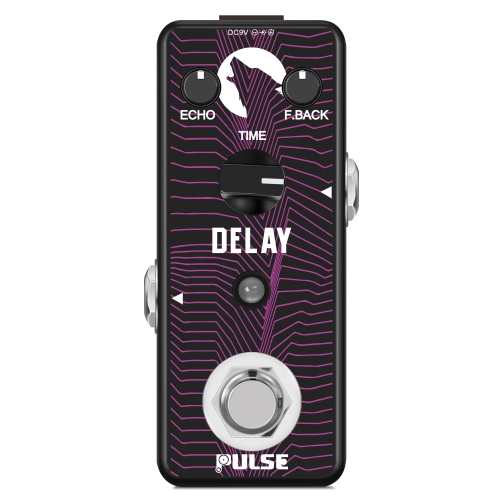
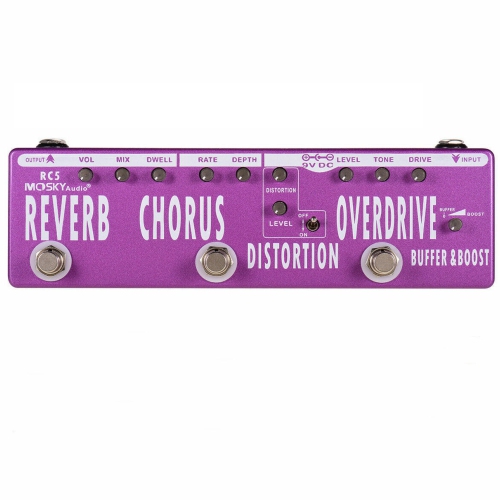
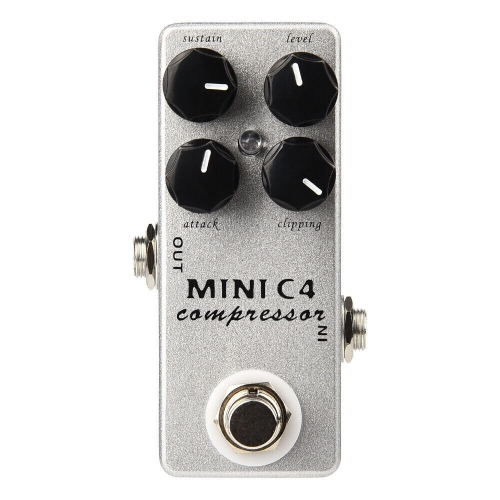
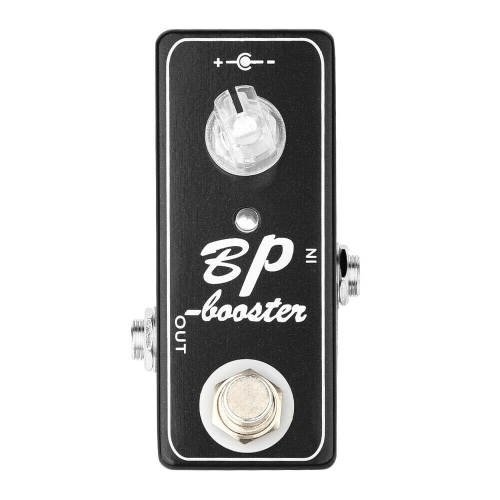
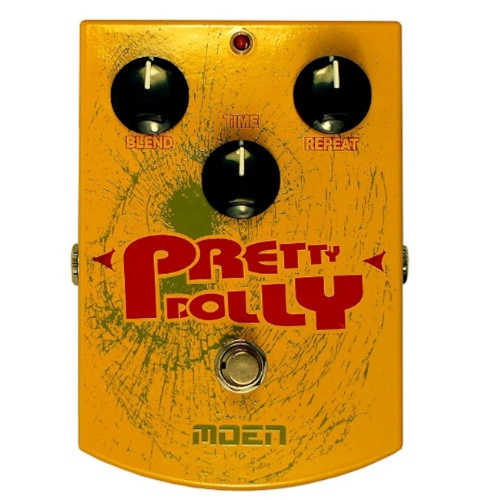
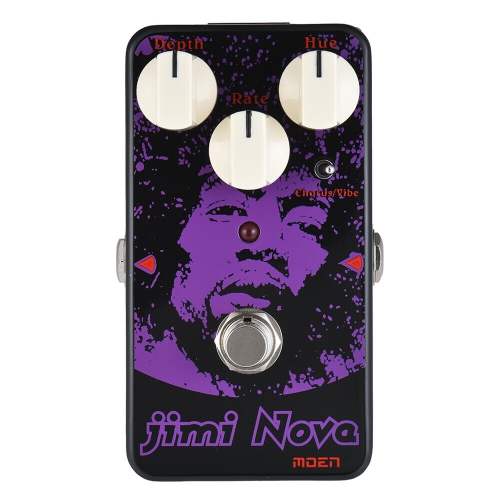
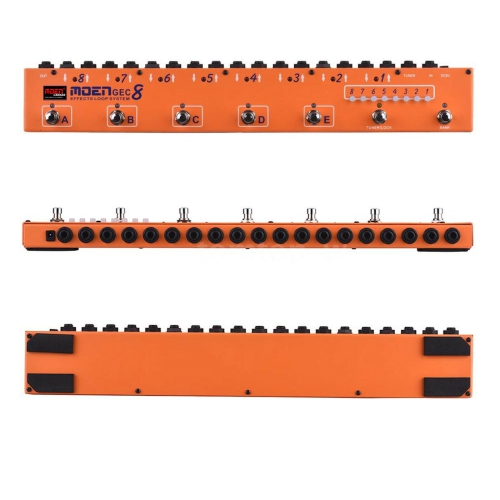
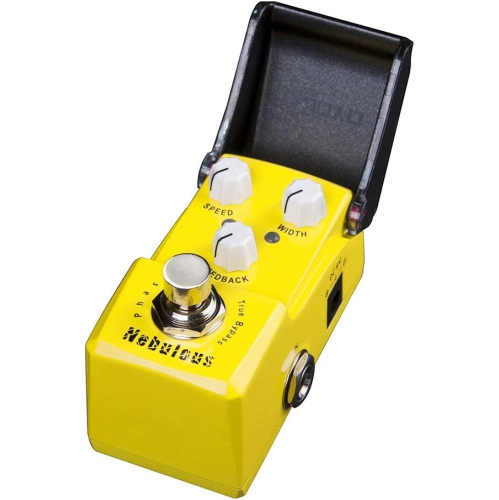
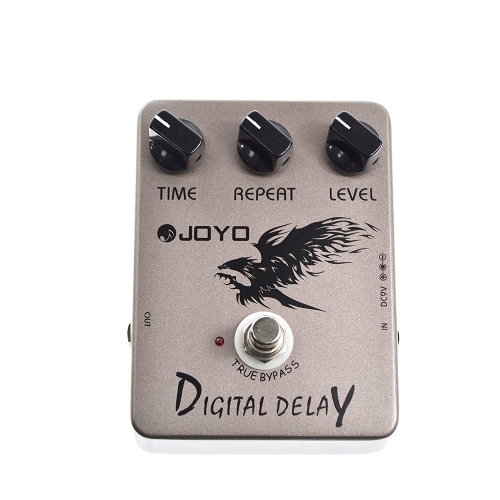
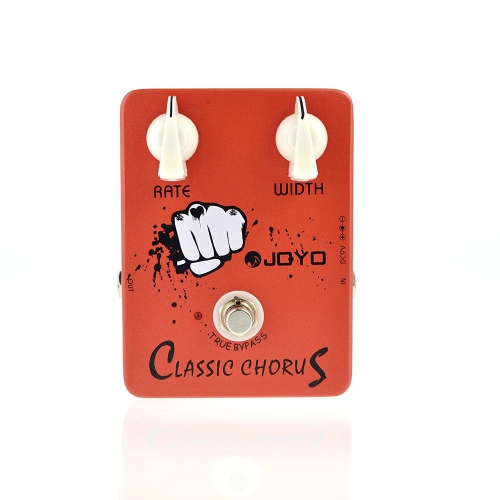
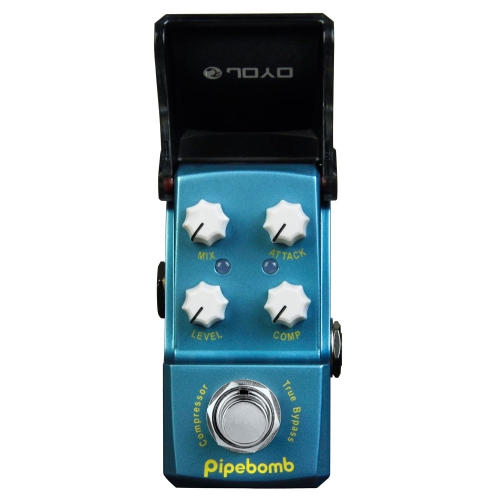

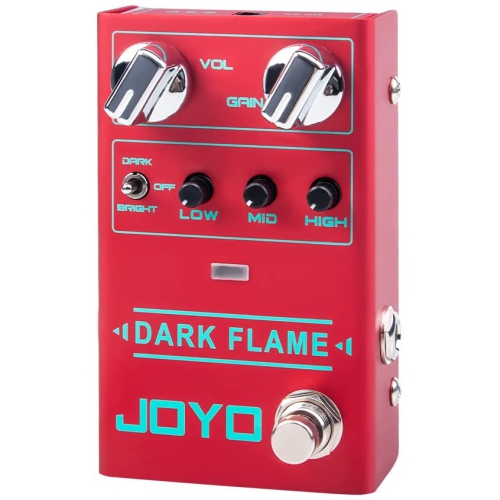
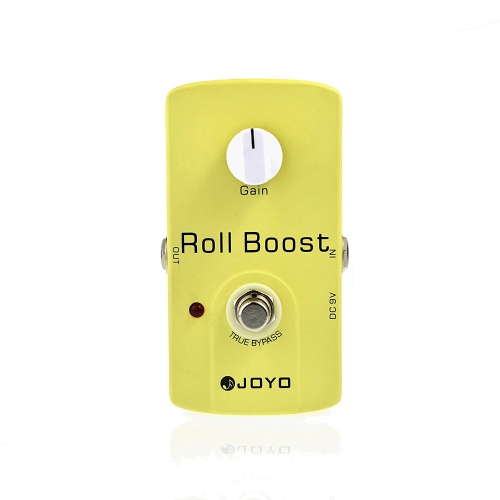
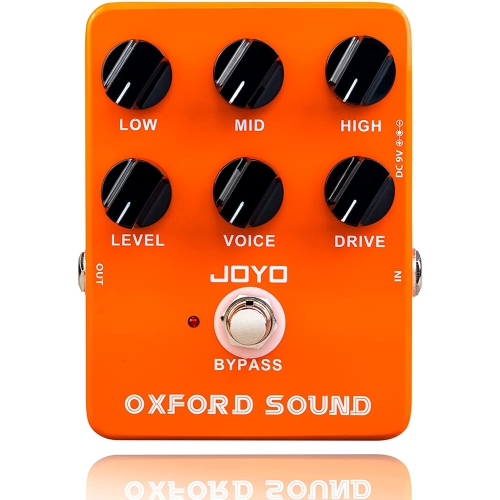
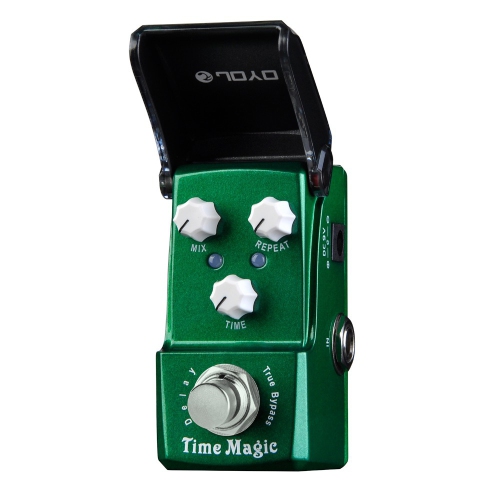
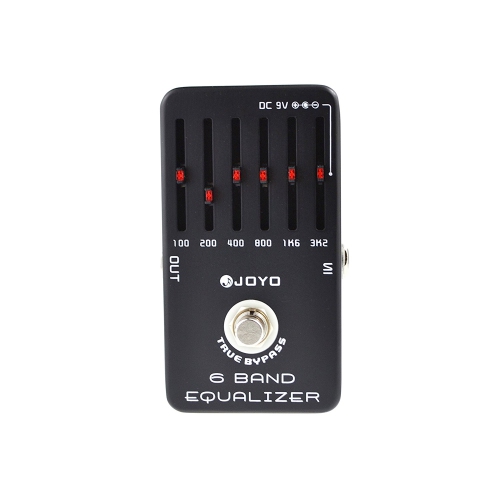
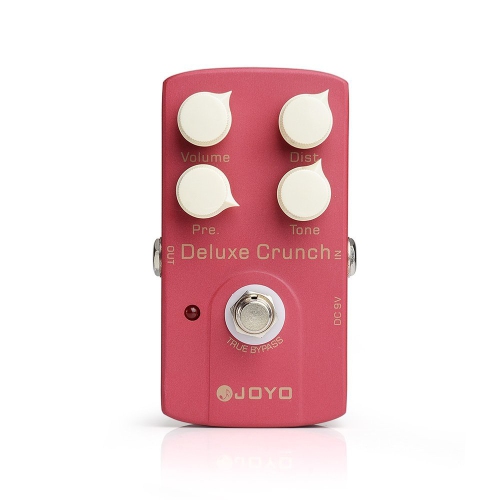
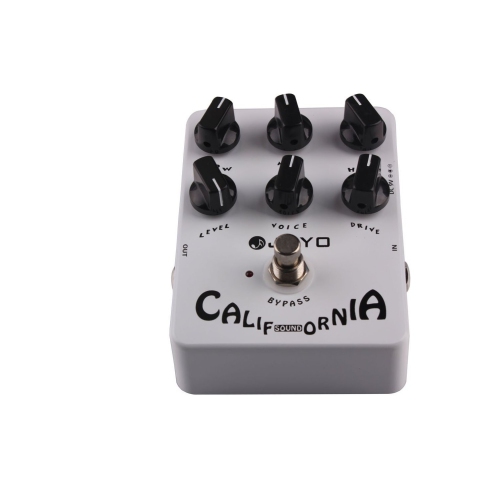
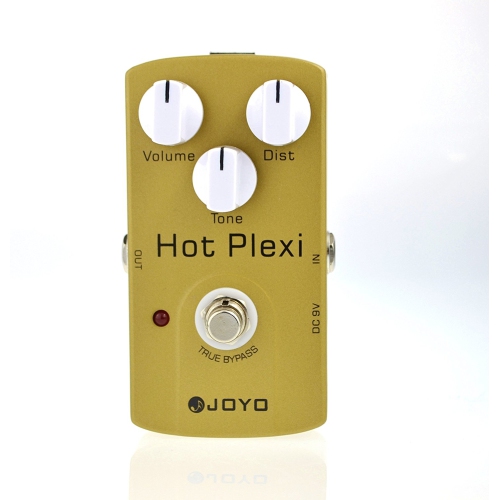
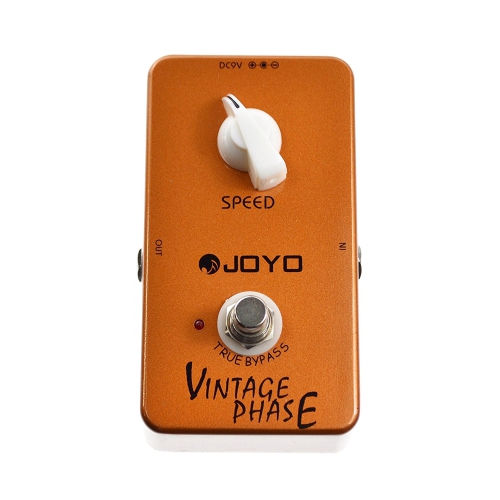
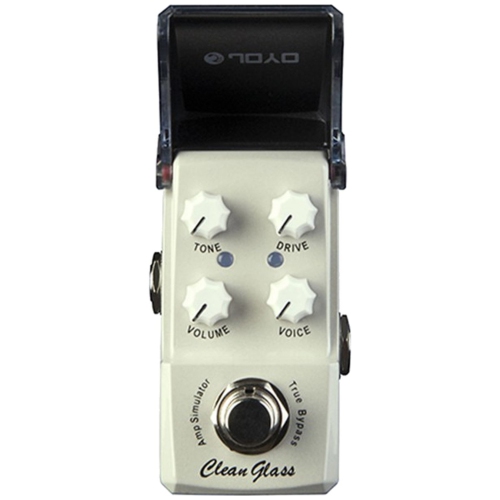
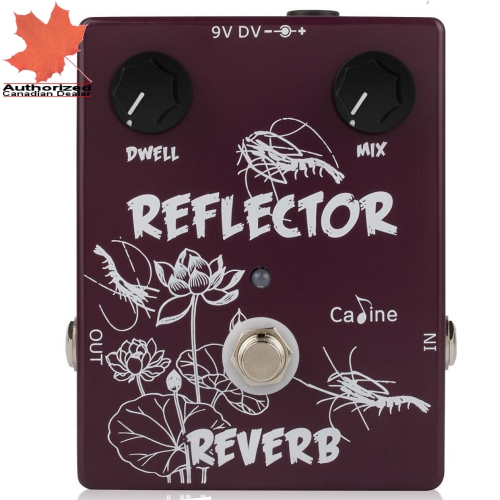

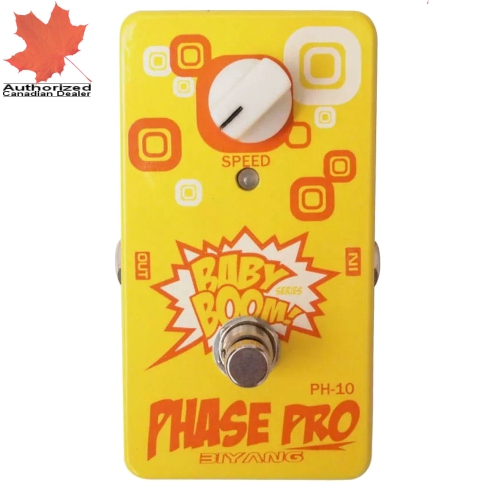
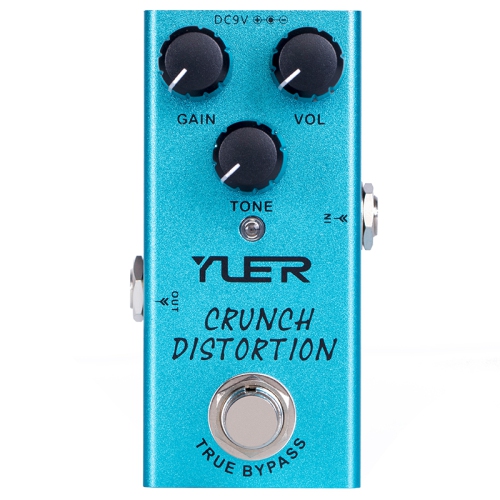
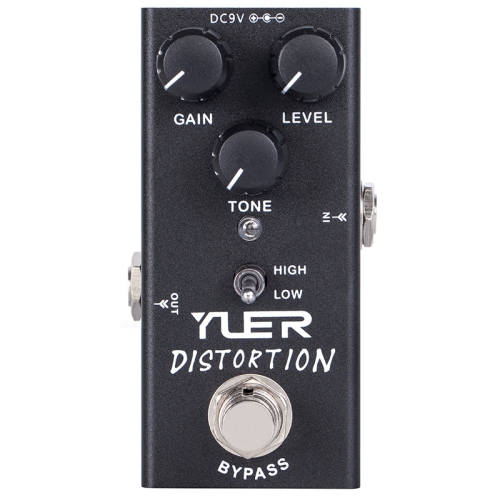
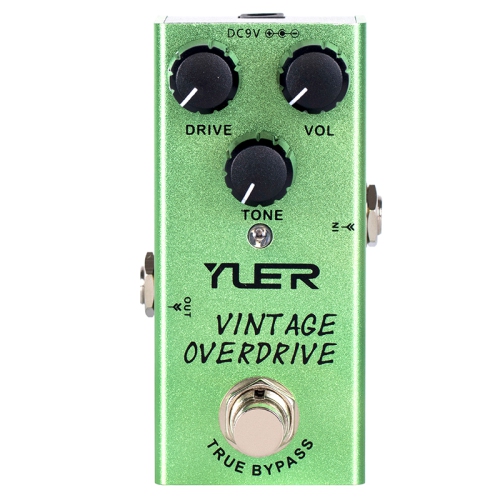
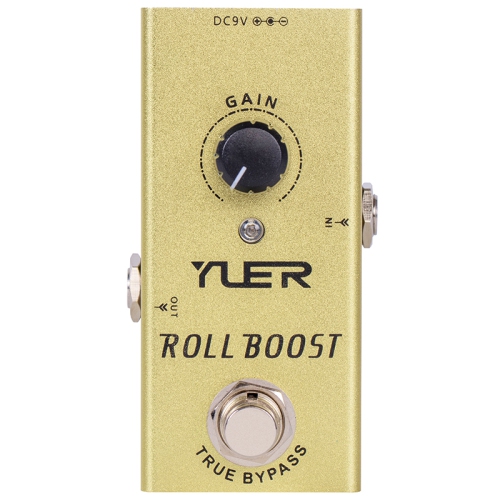
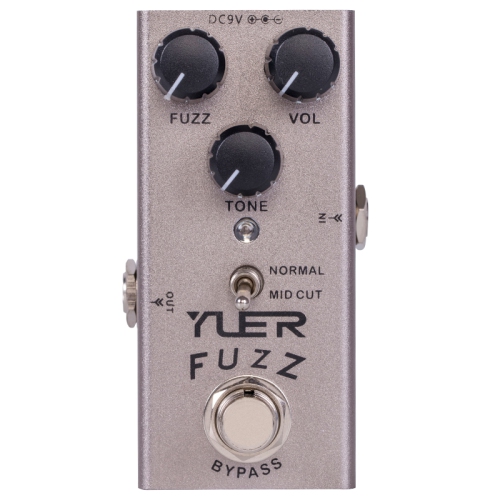
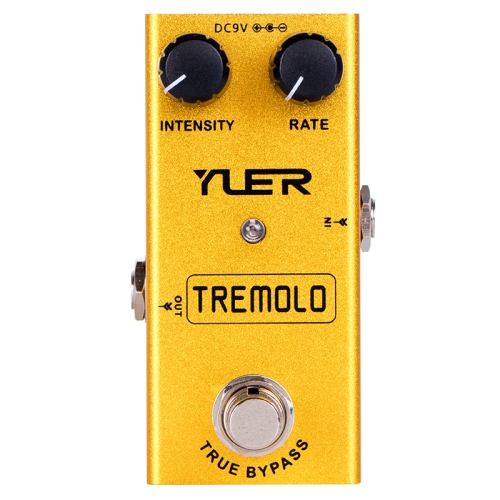
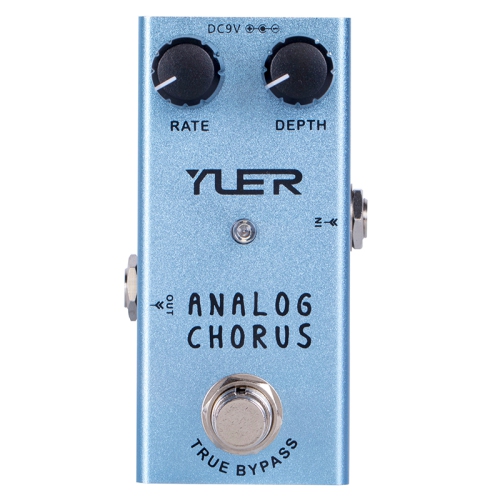
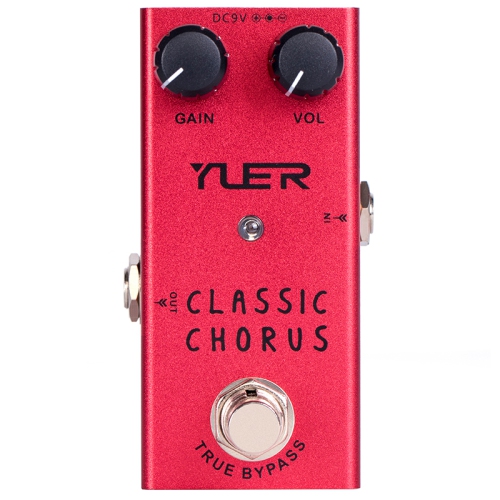
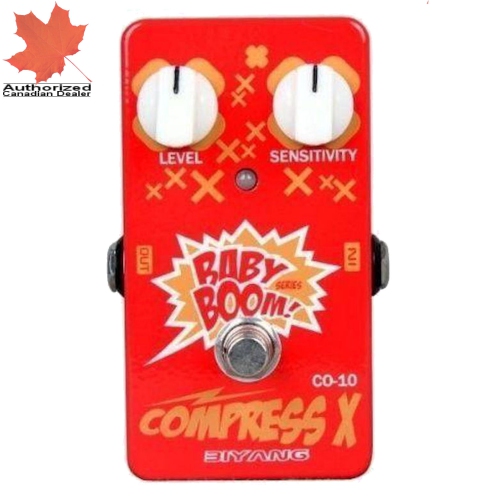
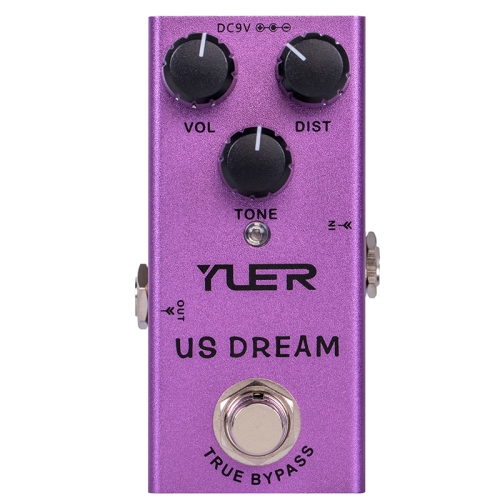
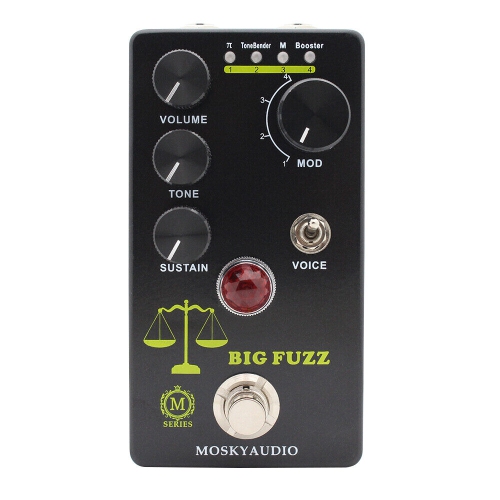
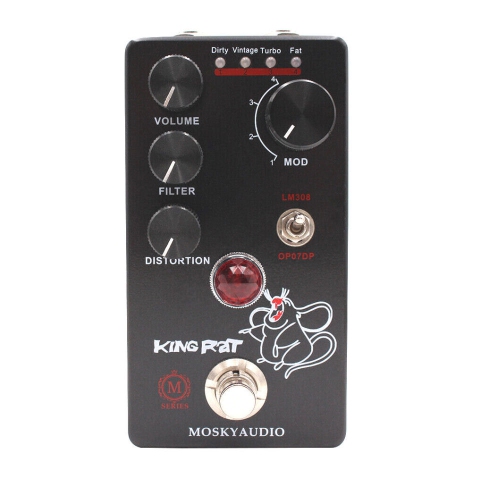
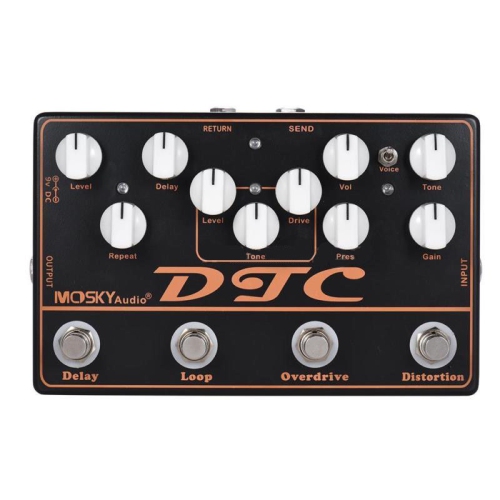
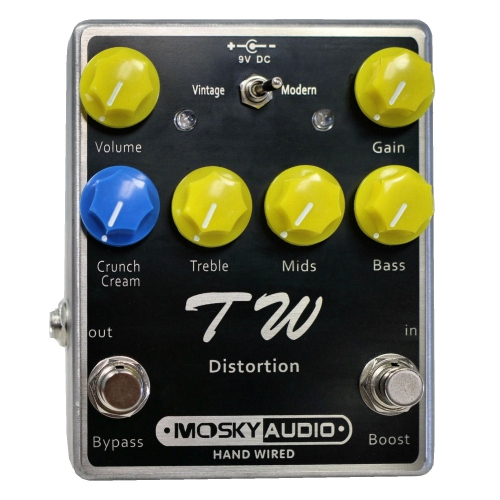
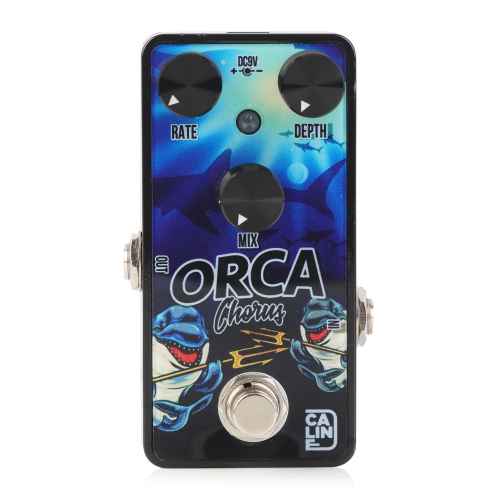
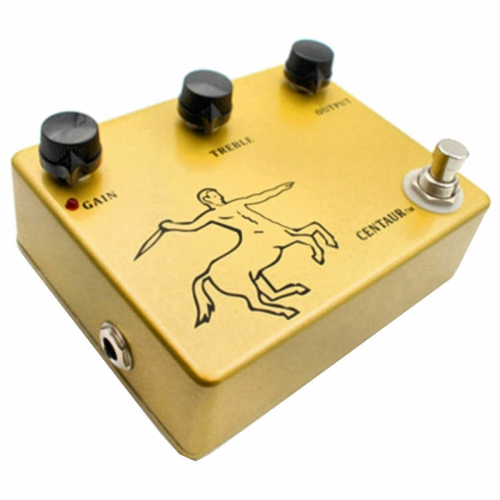
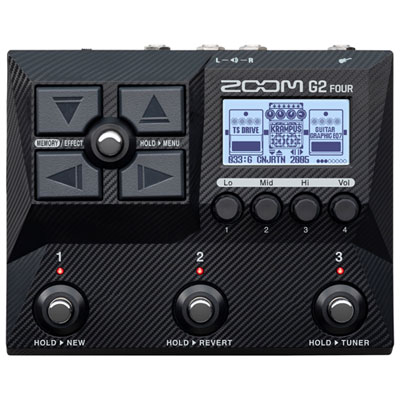


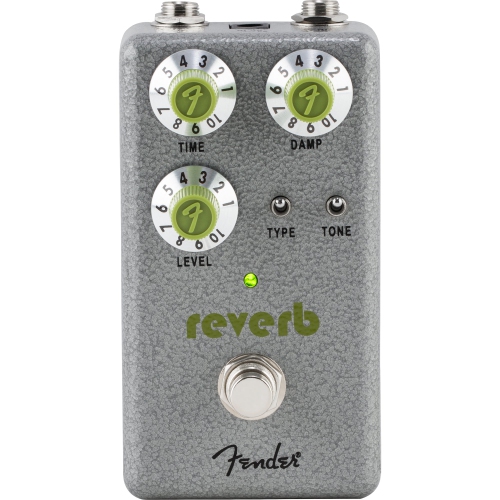
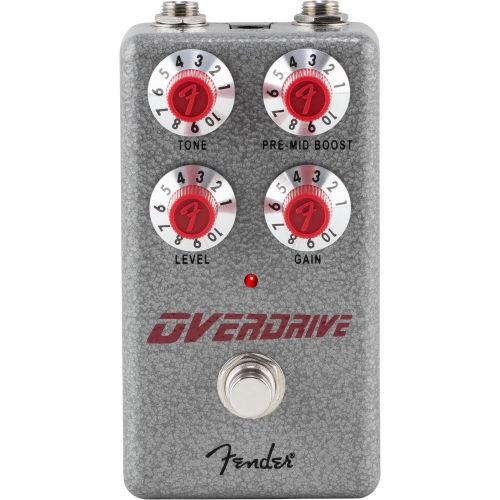
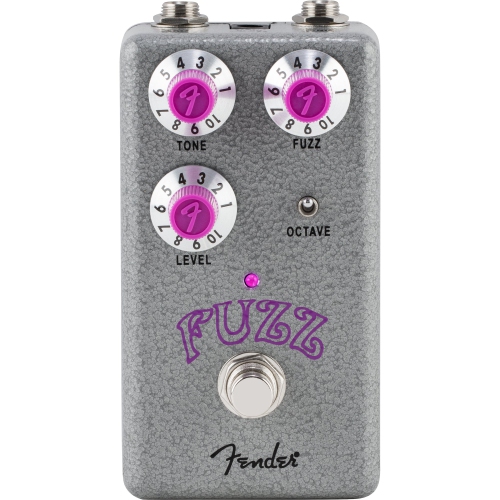
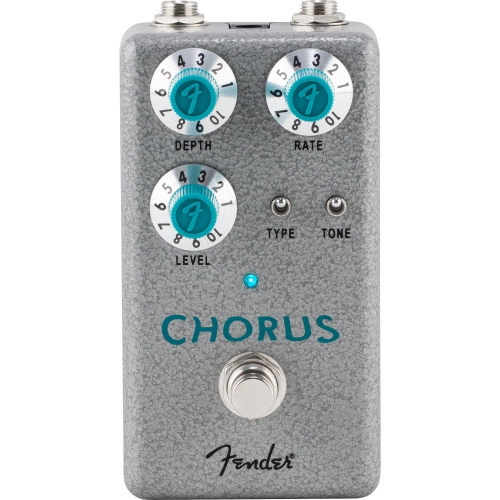
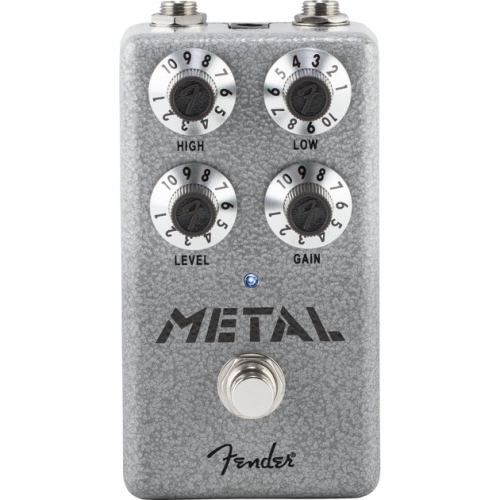
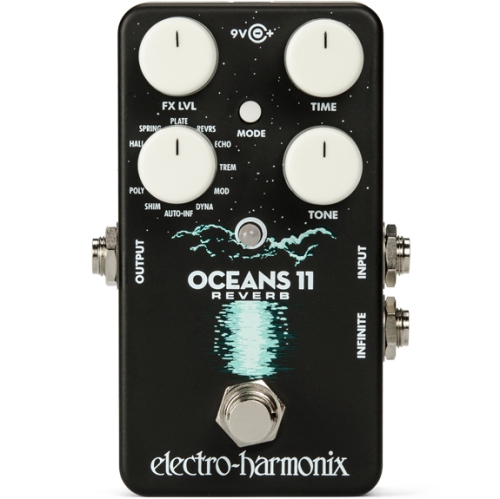
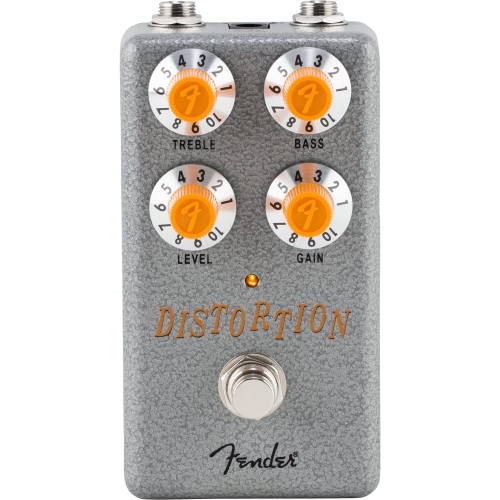
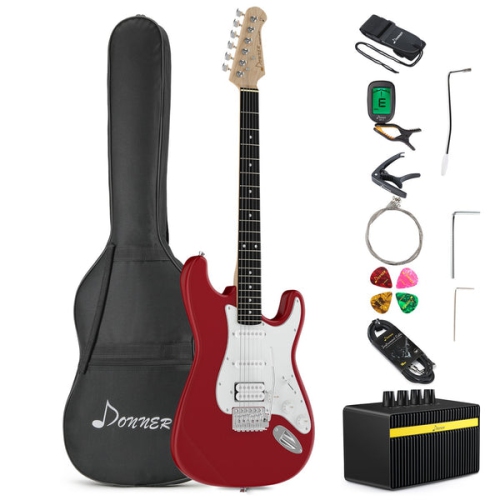
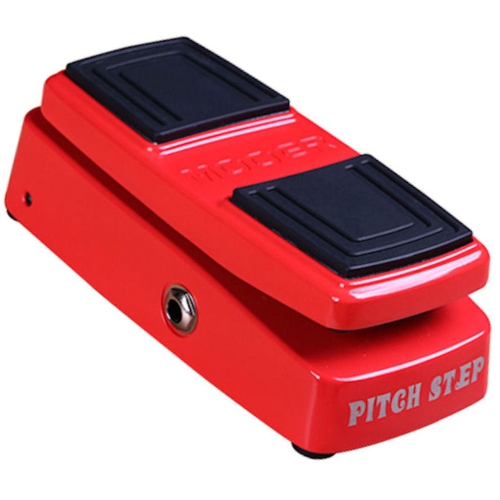
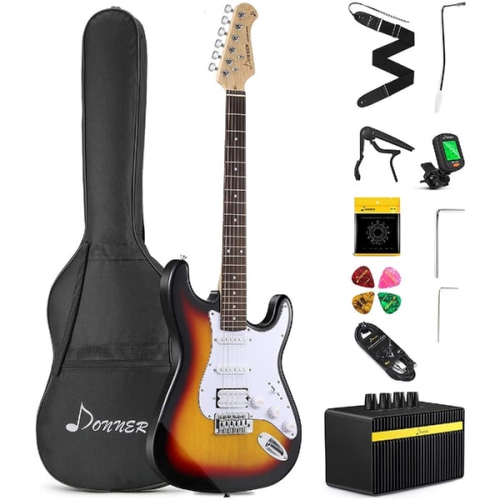

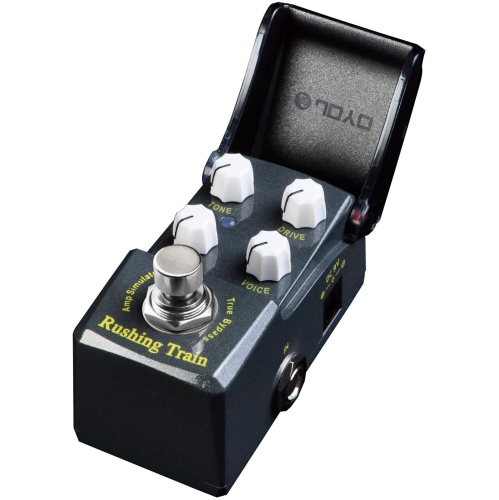

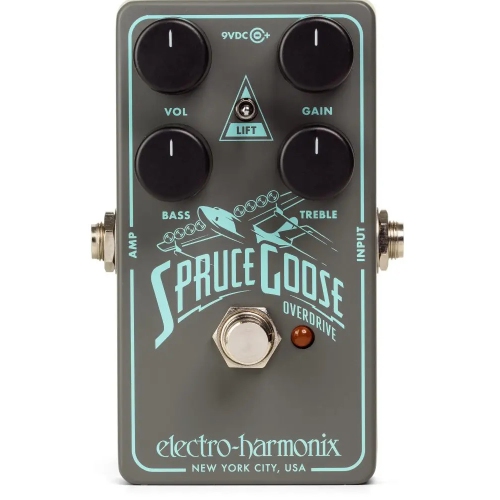
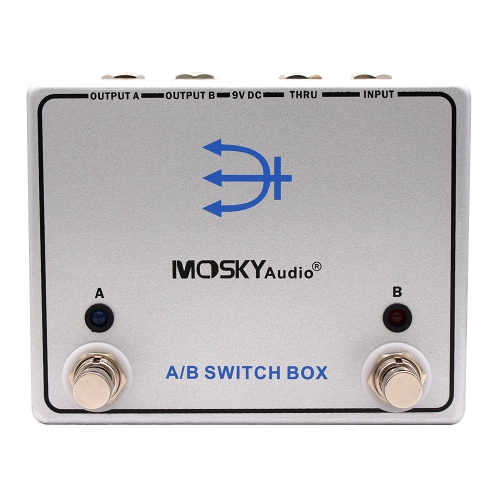
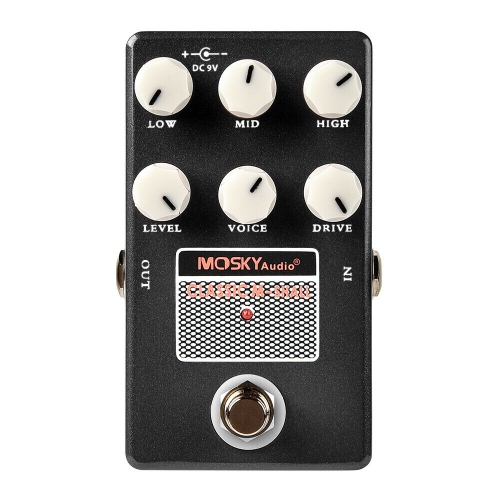
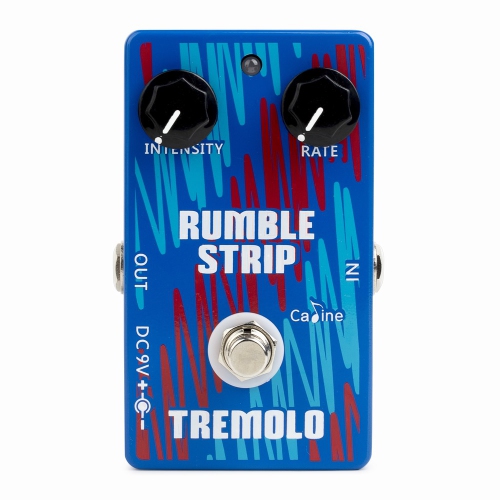
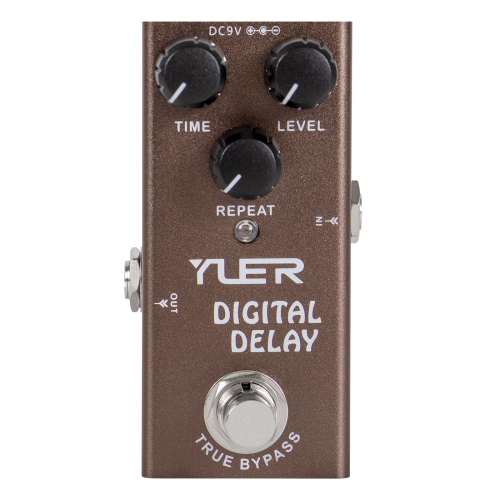
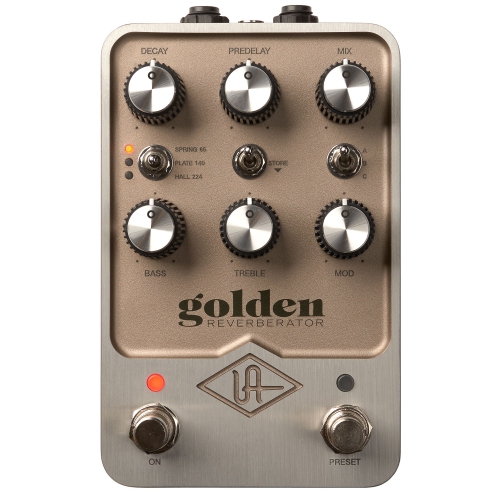
Shape your tone with gain, modulation, delay, and reverb
Electric guitar effect pedals are compact electronic devices that alter the sound of an electric guitar before the signal reaches an amplifier. They can make a clean tone louder and fuller, add controlled grit, create dramatic distortion, or surround individual notes with movement and space. For a player building a first pedalboard, a single effect can open up an entirely new side of familiar songs; for an experienced guitarist, adding one carefully chosen pedal can refresh a well-established setup. Gain pedals include boost, overdrive, distortion, and fuzz, each offering a different approach to increasing intensity. A boost can push an amplifier or another pedal without radically changing the character of the guitar, while overdrive often provides a responsive, touch-sensitive breakup that reacts to picking strength. Distortion tends to deliver a more pronounced, compressed sound, and fuzz can produce a thick, saturated texture with plenty of character. Modulation pedals such as chorus, phaser, flanger, and tremolo introduce movement, from a subtle widening effect to a pronounced rhythmic pulse. Time-based effects, including delay and reverb, add repeats, ambience, and depth, helping a dry guitar sound feel larger in a bedroom, rehearsal space, or recording. Filter and pitch effects shape frequencies or shift notes, with wah-wah and octave effects being familiar examples. Utility pedals can also make a rig easier to manage: tuners support accurate setup, compressors help even out dynamics, equalizers shape specific frequency ranges, and loopers let players layer parts for practice or solo performances. Browsing a selection of Guitar Effects Pedal options makes it easier to compare the type of effect, available controls, footprint, power requirements, and intended use before choosing a match for a particular guitar and amplifier.
The best pedal depends on the sound a player wants to create, the music they enjoy, and the rest of their signal chain. A guitarist who plays blues, classic rock, or roots-inspired styles may appreciate the expressive response of boost and overdrive, while a metal or hard rock player may prioritize higher-gain distortion with strong sustain and defined control over tone. Chorus and tremolo can bring a spacious, shimmering quality to clean passages, whereas phaser and flanger create a more noticeable sweep that can make riffs and chord patterns feel animated. Delay settings range from a short slapback that adds snap to a long, repeating echo that turns a simple melody into a wide soundscape. Reverb can provide a restrained room feel or a much larger atmospheric trail, depending on the controls and playing environment. When connecting pedals, follow the signal direction carefully: plug the guitar into the input of the first pedal, then run the output of that pedal into the input of the next, continuing through the chain before connecting the final output to the amplifier. Many players place tuners, compressors, boosts, overdrives, and distortions near the beginning so they can shape the core guitar signal. Modulation effects are often placed in the middle, where chorus, phaser, flanger, and tremolo can colour an already formed tone. Delay and reverb are commonly positioned near the end, allowing repeats and ambience to sit naturally over the finished sound. This is a useful starting point rather than a strict rule; moving a pedal can produce a different response, and experimenting is part of finding a personal sound. Check whether a pedal uses a compatible power supply, batteries, or both, and consider the number and arrangement of controls if it will be used on a dark stage or adjusted quickly between songs. Size matters as well, particularly when a compact board must accommodate several effects, cables, and a power solution.
Electric guitar effect pedals can suit beginners, hobbyists, performers, recording musicians, and anyone who enjoys exploring sound. A new player may start with a tuner or a straightforward overdrive to learn how small changes in settings affect picking, volume, and tone. Someone practising at home during the cooler months might use delay, reverb, or modulation to keep routine exercises engaging, while a songwriter can use a looper or ambient effect to build layers and discover unexpected arrangements. Pedals are also thoughtful gifts for guitarists because they offer a personal way to expand an existing instrument without replacing the guitar or amplifier they already know. For a gift, it helps to consider the recipient’s musical style, whether they prefer clean or heavily driven tones, and whether their current setup has room for another pedal. Players who perform with a band may value dependable controls and easy access to a repeatable sound, while those who record may look for nuanced adjustment and quiet operation. A simple pedal can be approachable for someone learning the basics, whereas a multi-effect unit can offer several categories in one setup for players who want to explore without assembling a larger board. Before buying, check connector placement, input and output configuration, power needs, dimensions, and whether extra cables or a dedicated power supply will be required. Starting with one effect, listening closely to how it interacts with the guitar and amplifier, and saving settings that feel useful can turn a collection of pedals into a practical creative toolkit. Whether the goal is a warm edge on a clean chord, a focused lead tone, a swirling texture, or a spacious backdrop for improvisation, the right pedal can make practice sessions more inviting and help a familiar instrument feel newly expressive.
The best pedal depends on the sound a player wants to create, the music they enjoy, and the rest of their signal chain. A guitarist who plays blues, classic rock, or roots-inspired styles may appreciate the expressive response of boost and overdrive, while a metal or hard rock player may prioritize higher-gain distortion with strong sustain and defined control over tone. Chorus and tremolo can bring a spacious, shimmering quality to clean passages, whereas phaser and flanger create a more noticeable sweep that can make riffs and chord patterns feel animated. Delay settings range from a short slapback that adds snap to a long, repeating echo that turns a simple melody into a wide soundscape. Reverb can provide a restrained room feel or a much larger atmospheric trail, depending on the controls and playing environment. When connecting pedals, follow the signal direction carefully: plug the guitar into the input of the first pedal, then run the output of that pedal into the input of the next, continuing through the chain before connecting the final output to the amplifier. Many players place tuners, compressors, boosts, overdrives, and distortions near the beginning so they can shape the core guitar signal. Modulation effects are often placed in the middle, where chorus, phaser, flanger, and tremolo can colour an already formed tone. Delay and reverb are commonly positioned near the end, allowing repeats and ambience to sit naturally over the finished sound. This is a useful starting point rather than a strict rule; moving a pedal can produce a different response, and experimenting is part of finding a personal sound. Check whether a pedal uses a compatible power supply, batteries, or both, and consider the number and arrangement of controls if it will be used on a dark stage or adjusted quickly between songs. Size matters as well, particularly when a compact board must accommodate several effects, cables, and a power solution.
Electric guitar effect pedals can suit beginners, hobbyists, performers, recording musicians, and anyone who enjoys exploring sound. A new player may start with a tuner or a straightforward overdrive to learn how small changes in settings affect picking, volume, and tone. Someone practising at home during the cooler months might use delay, reverb, or modulation to keep routine exercises engaging, while a songwriter can use a looper or ambient effect to build layers and discover unexpected arrangements. Pedals are also thoughtful gifts for guitarists because they offer a personal way to expand an existing instrument without replacing the guitar or amplifier they already know. For a gift, it helps to consider the recipient’s musical style, whether they prefer clean or heavily driven tones, and whether their current setup has room for another pedal. Players who perform with a band may value dependable controls and easy access to a repeatable sound, while those who record may look for nuanced adjustment and quiet operation. A simple pedal can be approachable for someone learning the basics, whereas a multi-effect unit can offer several categories in one setup for players who want to explore without assembling a larger board. Before buying, check connector placement, input and output configuration, power needs, dimensions, and whether extra cables or a dedicated power supply will be required. Starting with one effect, listening closely to how it interacts with the guitar and amplifier, and saving settings that feel useful can turn a collection of pedals into a practical creative toolkit. Whether the goal is a warm edge on a clean chord, a focused lead tone, a swirling texture, or a spacious backdrop for improvisation, the right pedal can make practice sessions more inviting and help a familiar instrument feel newly expressive.
Top selling and popular products
-
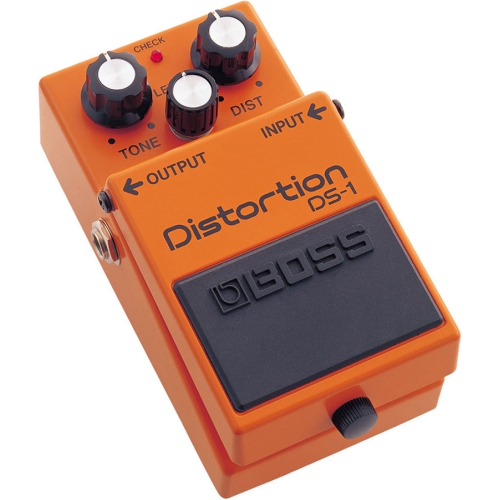 Your price for this item is $89.99
 -
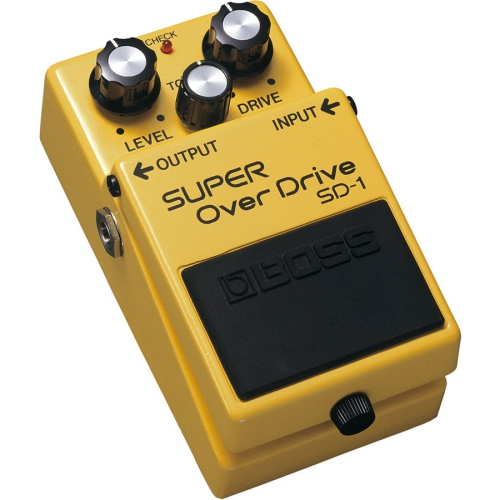 Your price for this item is $89.99
 -
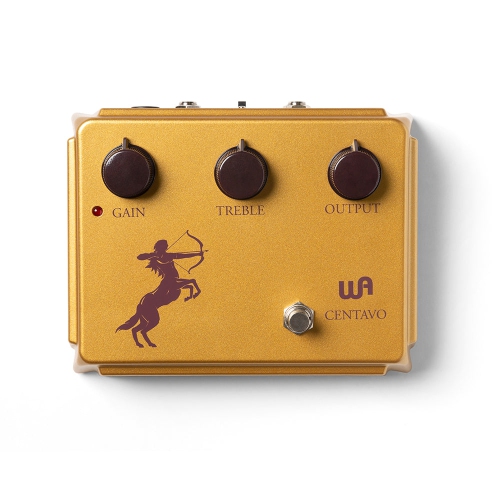 Your price for this item is $289
 -
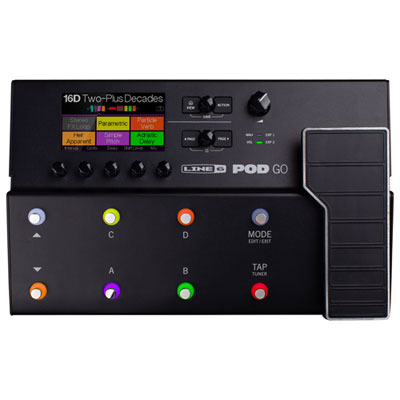 Your price for this item is $589.99
 -
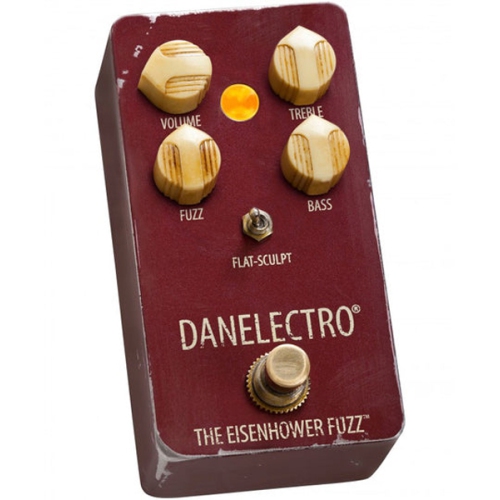 Your price for this item is $164.99
 -
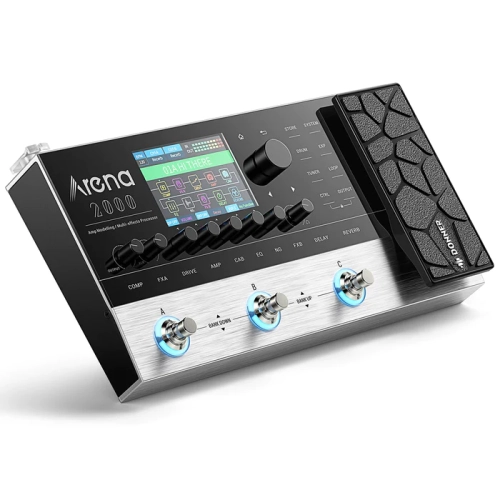 Your price for this item is $209.99
 -
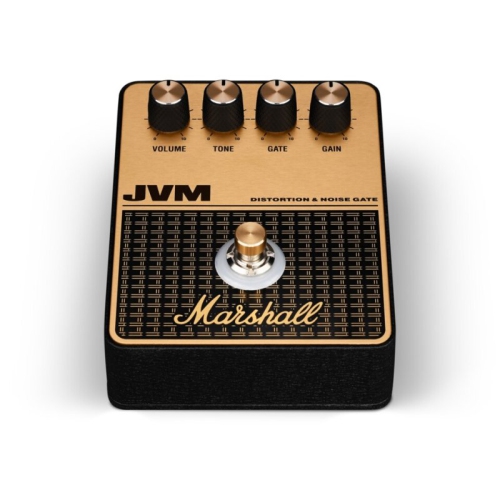 Your price for this item is $249.99
 -
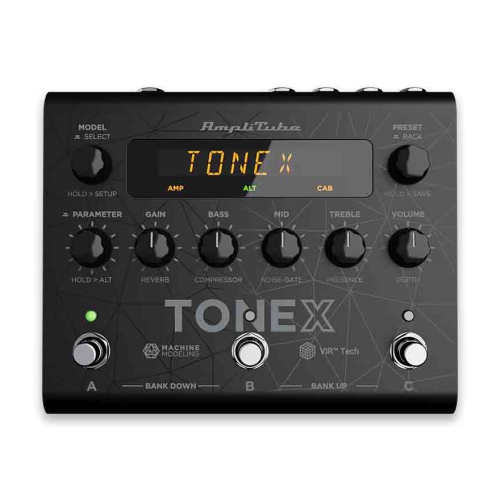 Your price for this item is $599.99
Discover more categories related to Electric Guitar Effect Pedals
Top Collections:
Pokemon Centers, Kindle Devices, Best Budget Office Chairs, Apple iPhones 16, Best Laptops for Writers, iPhone 15 Apple, Canon G7X Cameras, Refurbished Apple Laptops, Alarm Clock, Motorola Razr Phones
Some products may be subject to Environmental Handling Fees
(EHF) depending on your province.
Learn more about EHFs.