Electric Guitar Distortion Pedals
Looking to take your electric guitar playing to the next level? Look no further than our collection of electric guitar distortion pedals. Whether you're a seasoned shredder or just starting out, these pedals are designed to add that extra punch and grit to your sound. From classic rock tones to heavy metal crunch, these pedals offer a wide range of distortion options to suit any style of music. With their versatile features and high-quality construction, these pedals are a must-have for any guitarist looking to unleash their inner rock god. So get ready to unleash the power of distortion and elevate your guitar playing to new heights with our selection of electric guitar distortion pedals.
Sort
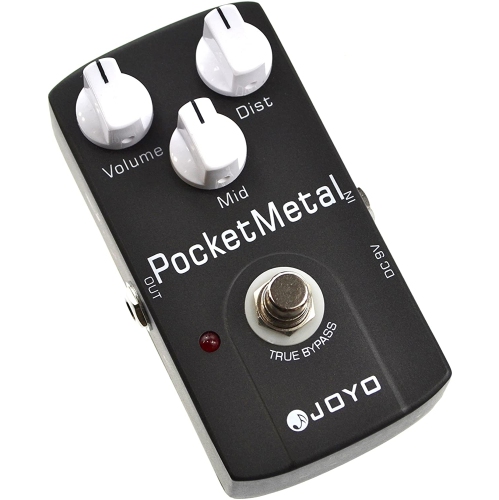
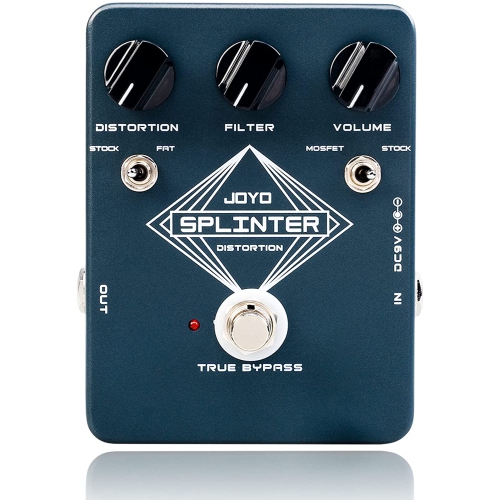
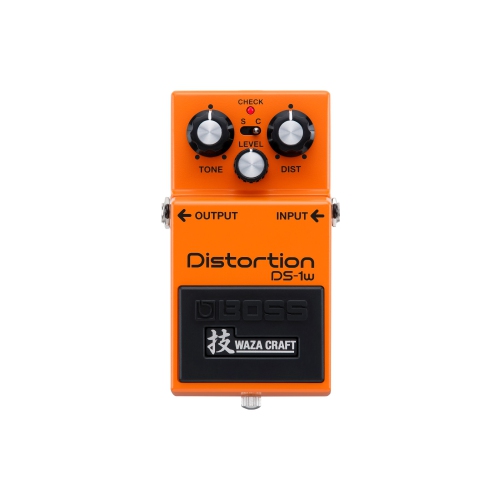
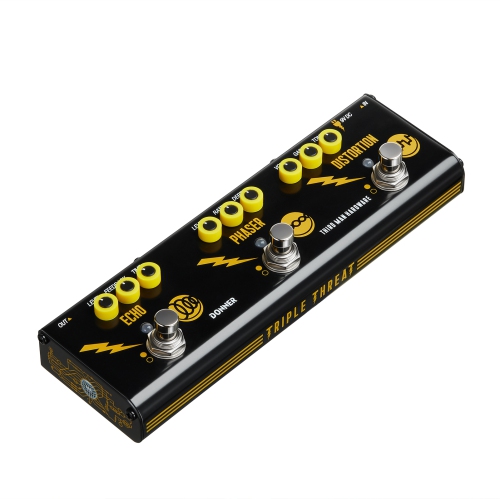
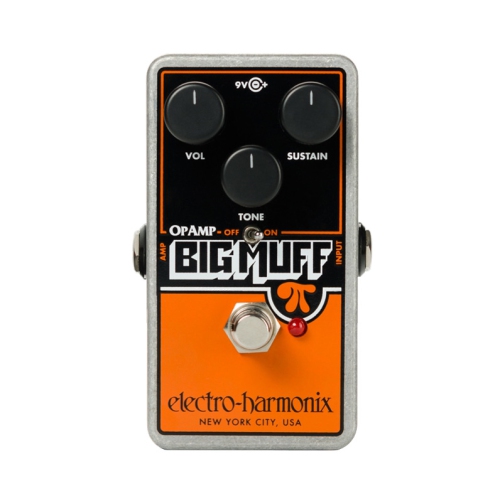
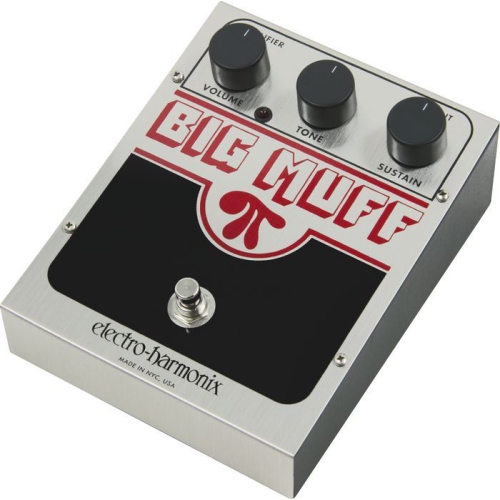
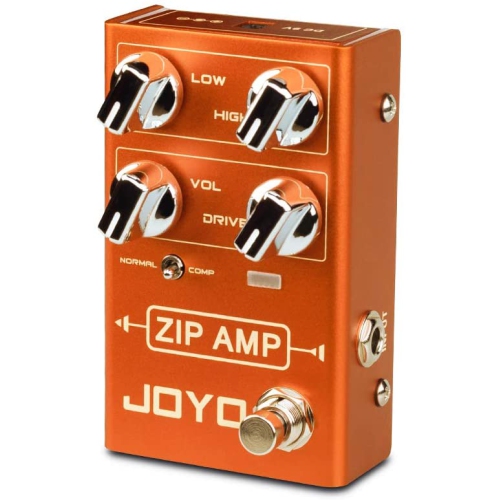
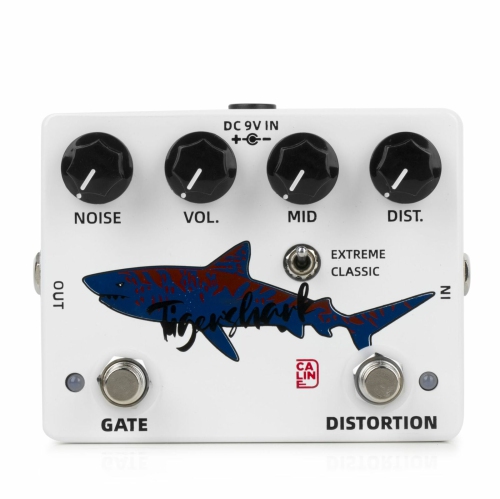
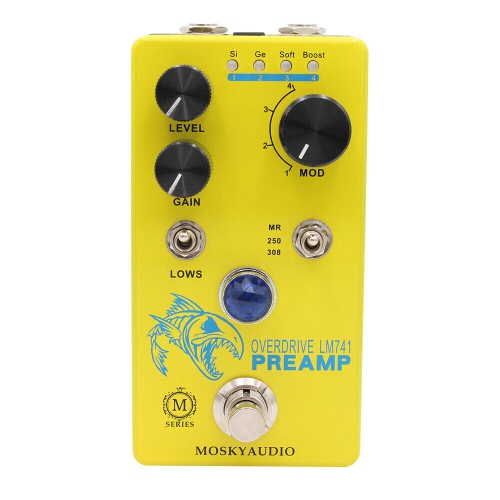
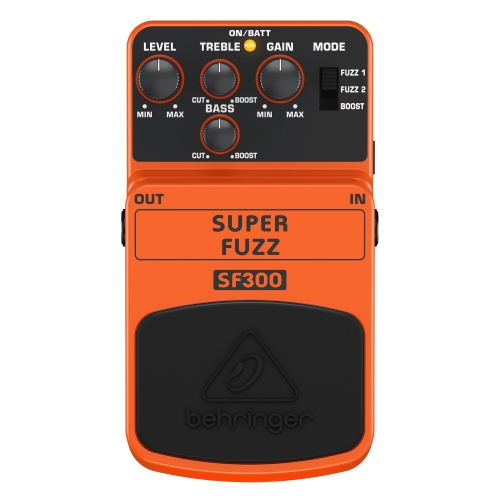
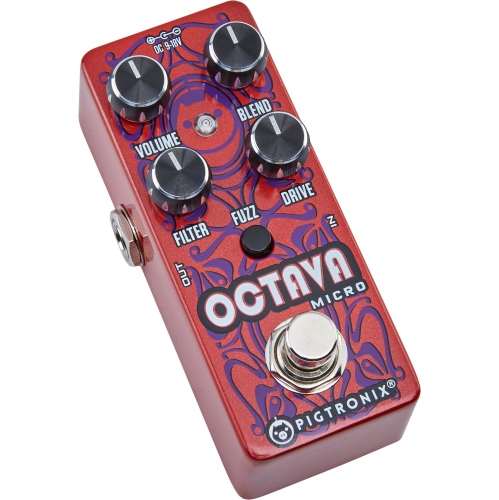
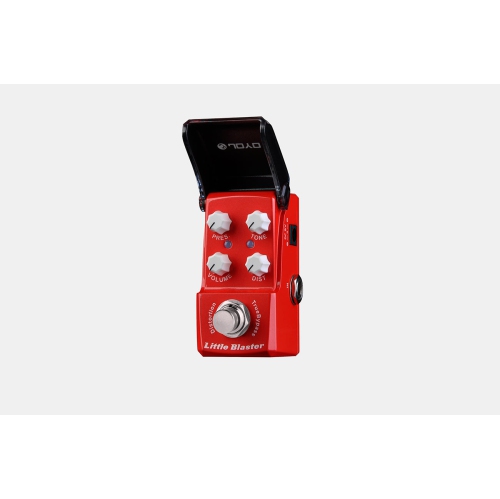
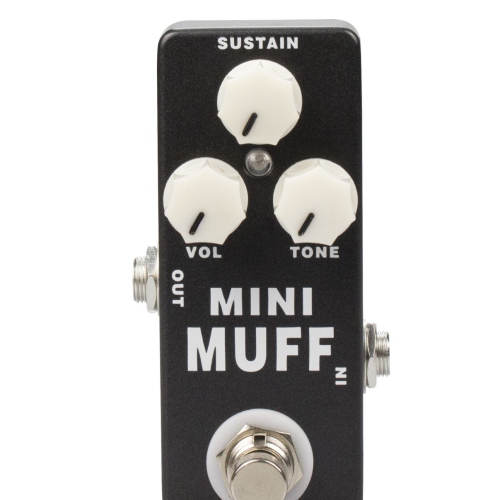
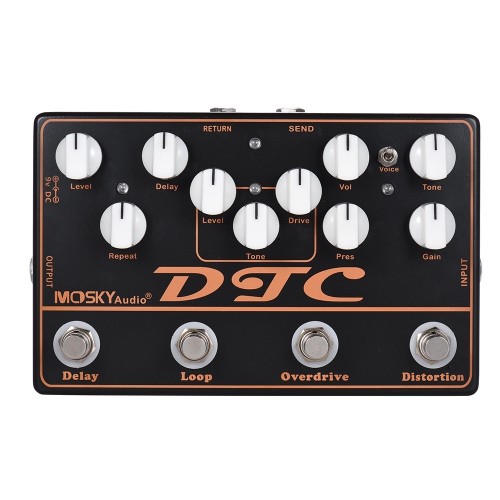
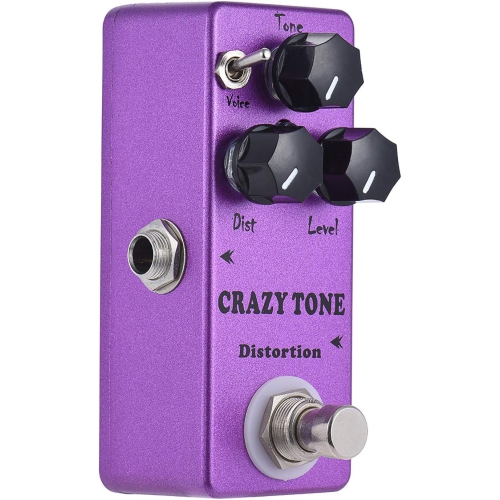
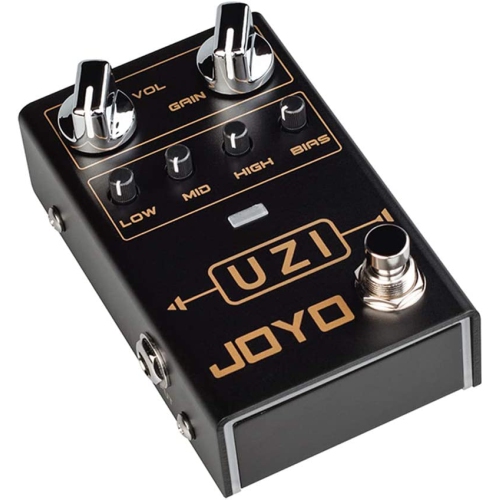
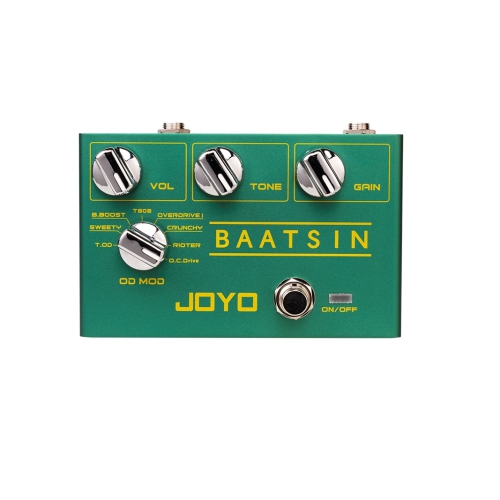
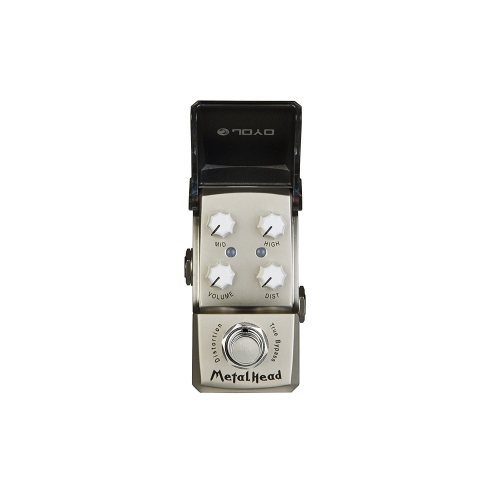
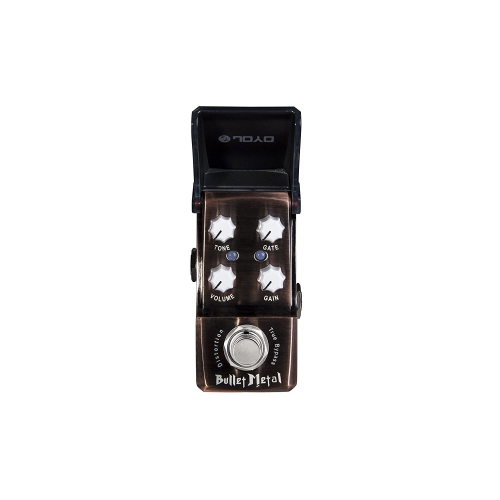
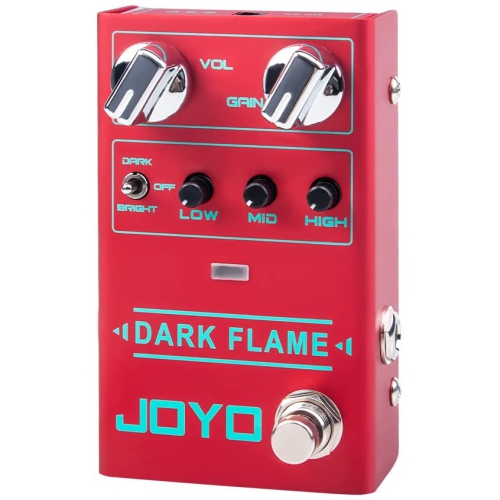
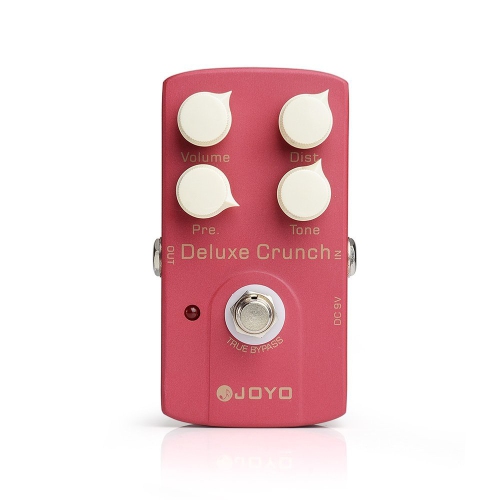
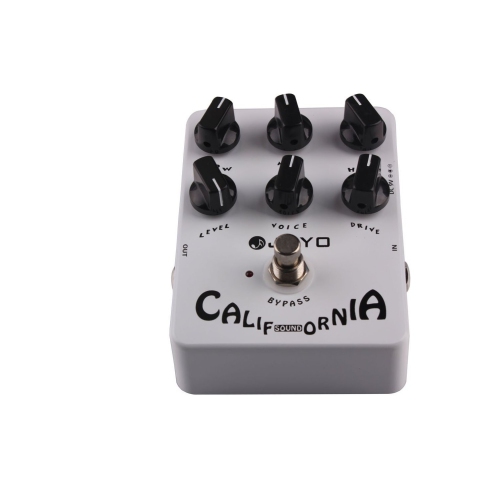
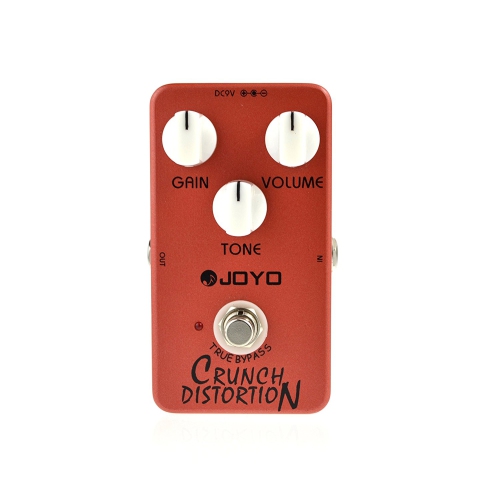
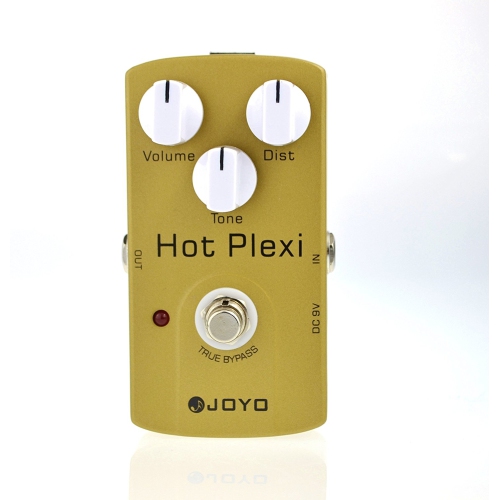

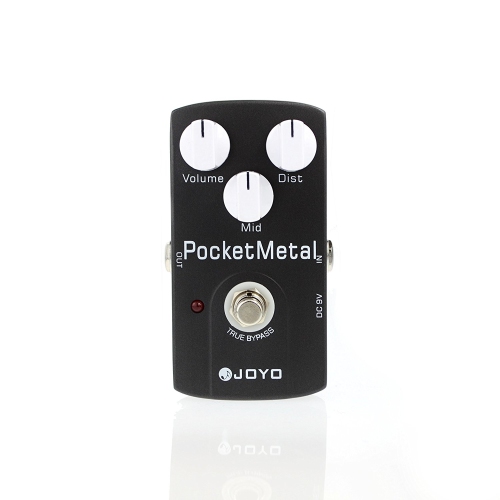
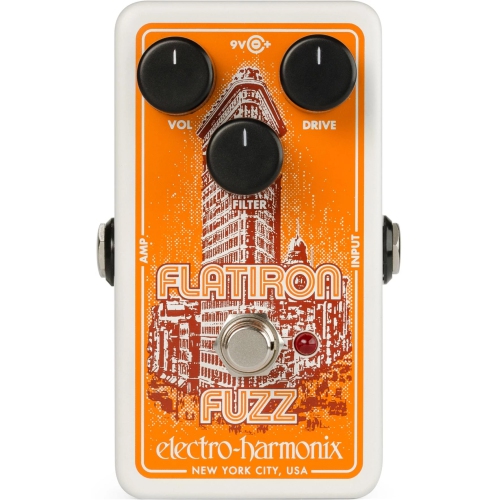
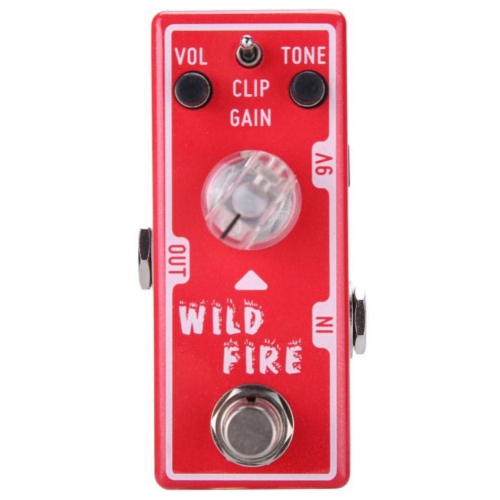
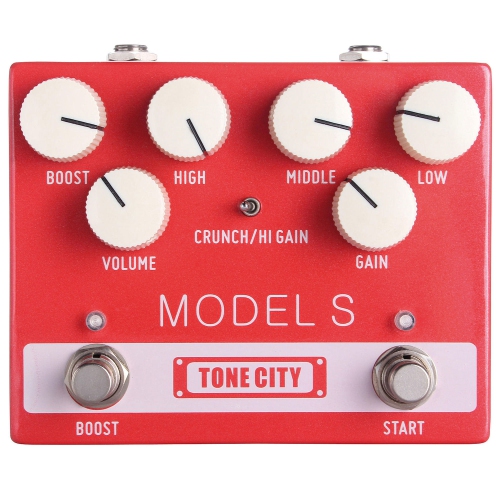

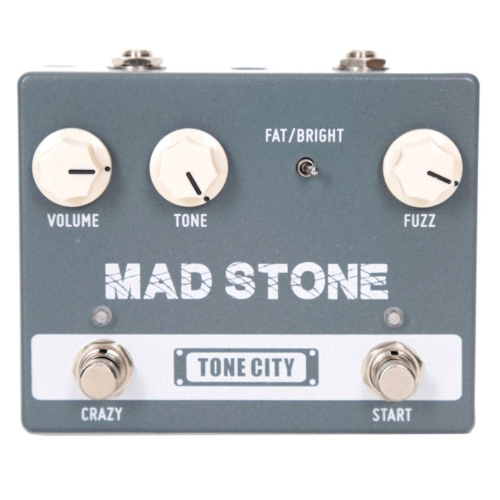
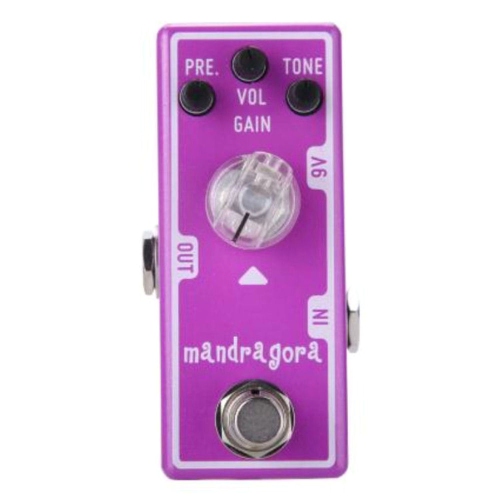
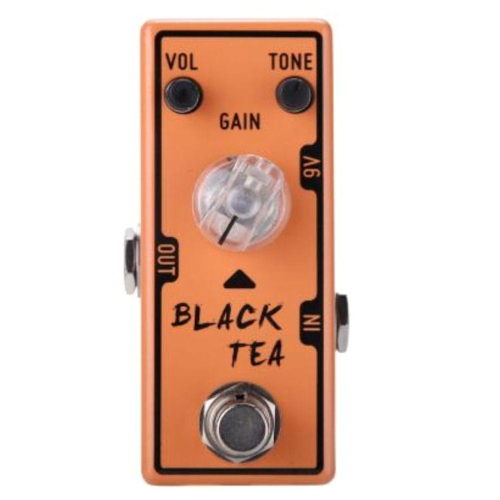
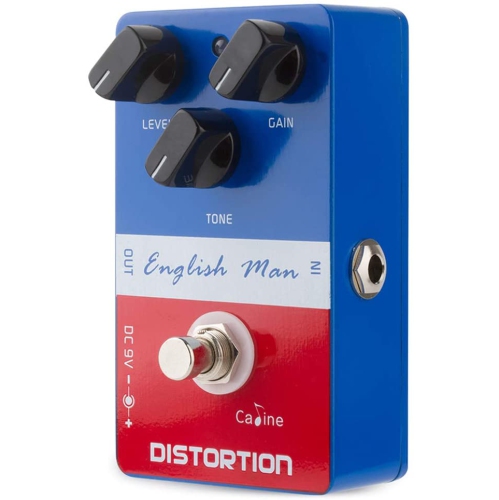
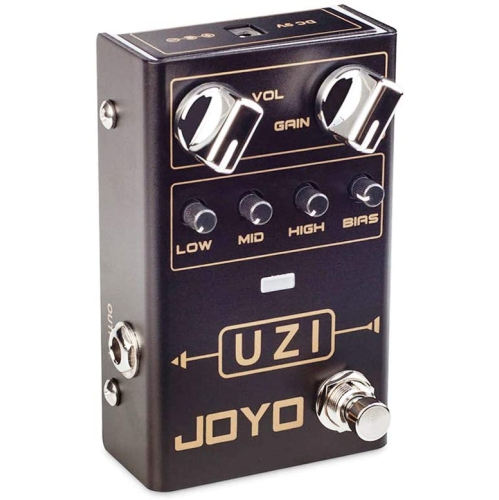
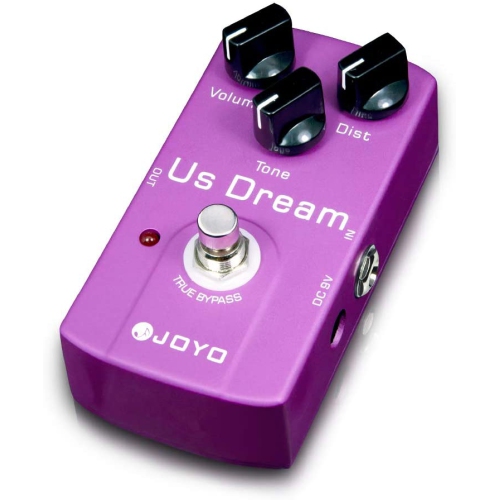
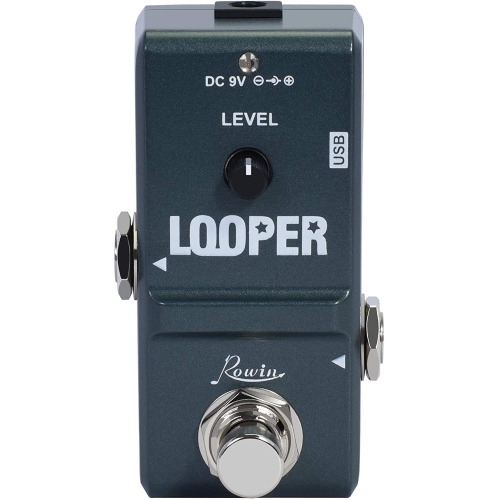
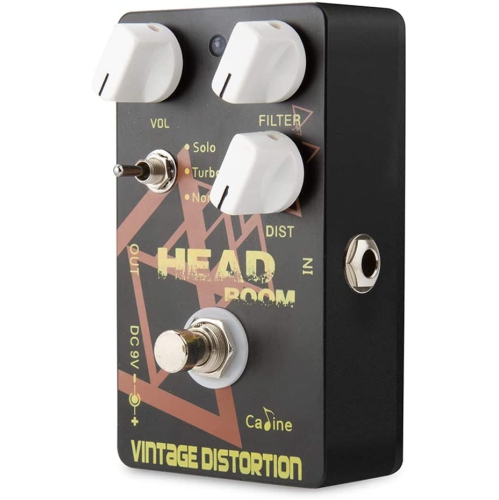
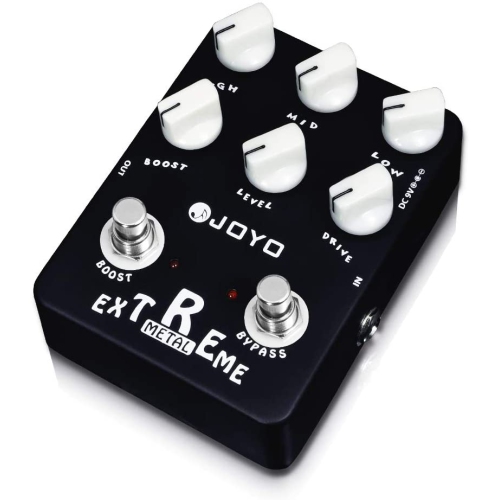
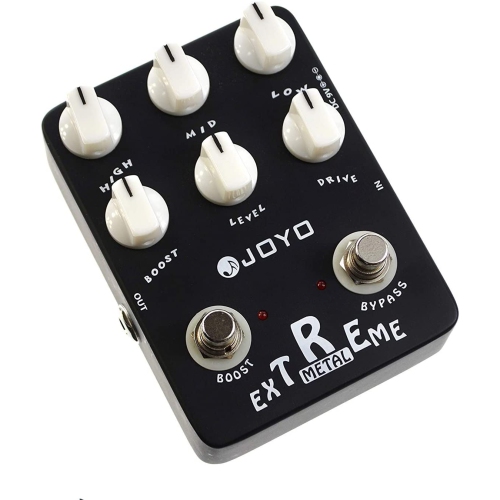
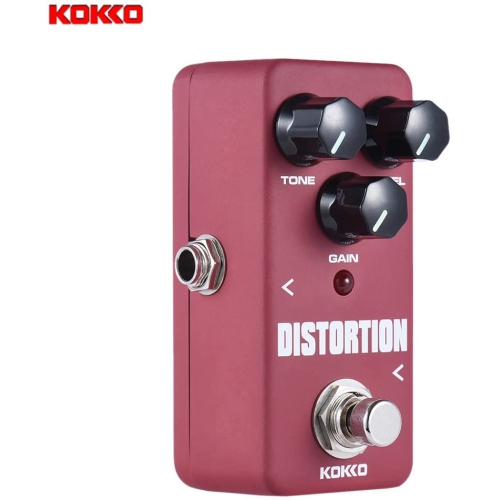
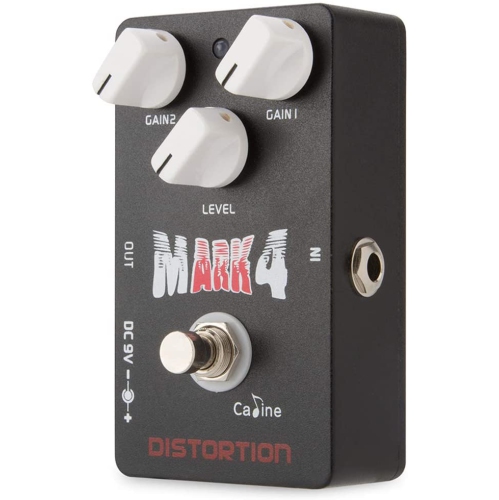
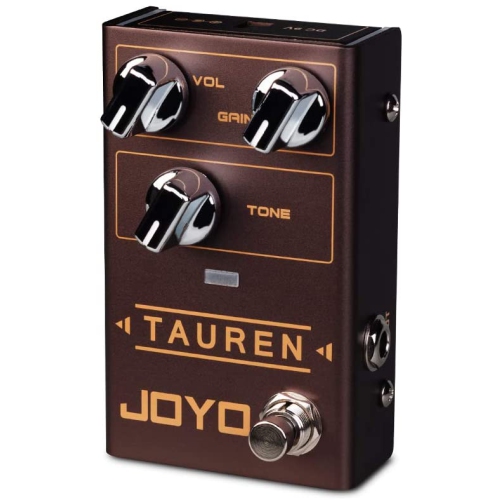
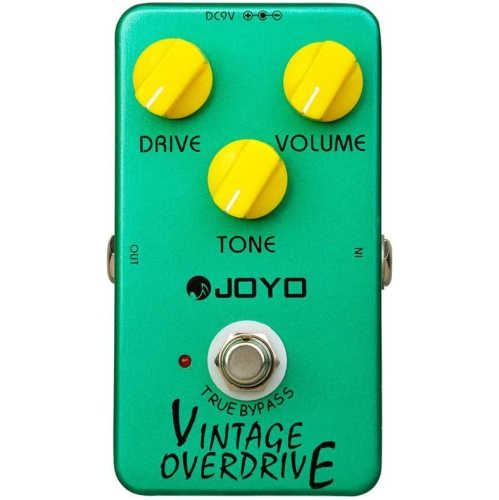
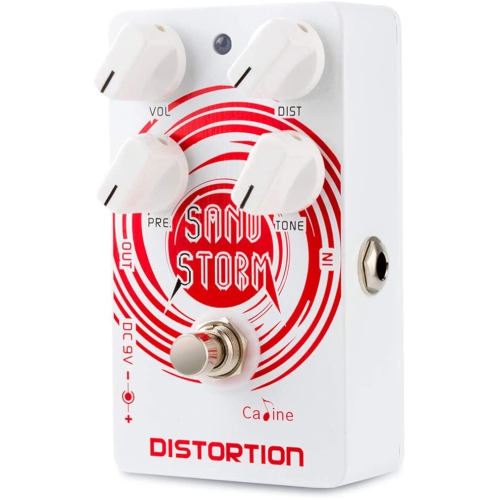
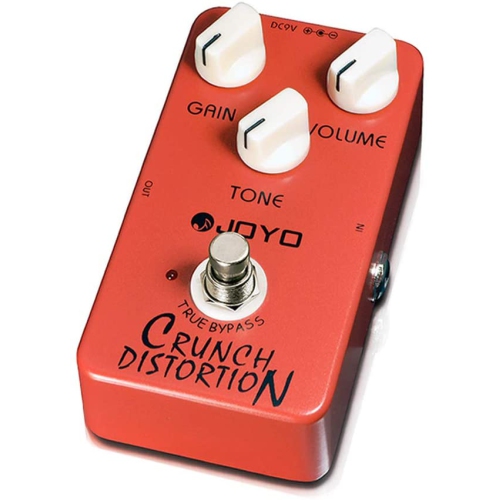
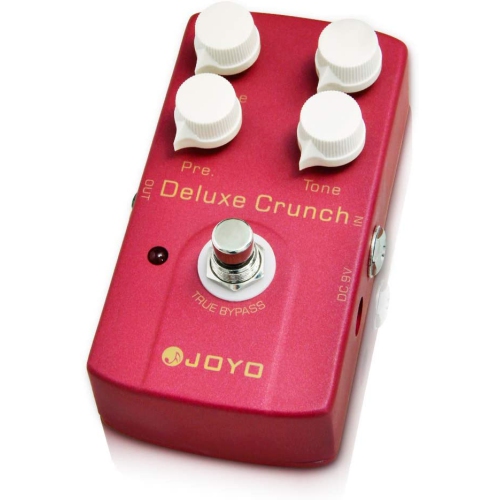
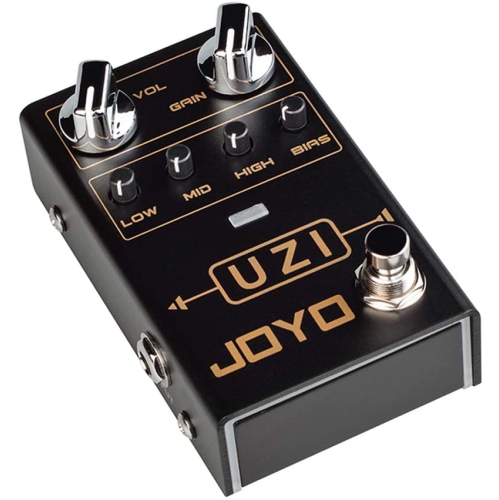
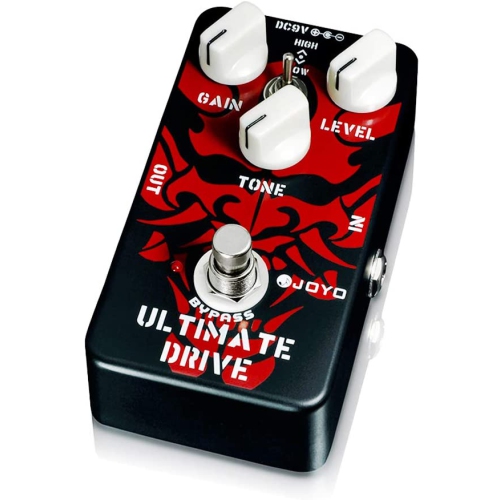
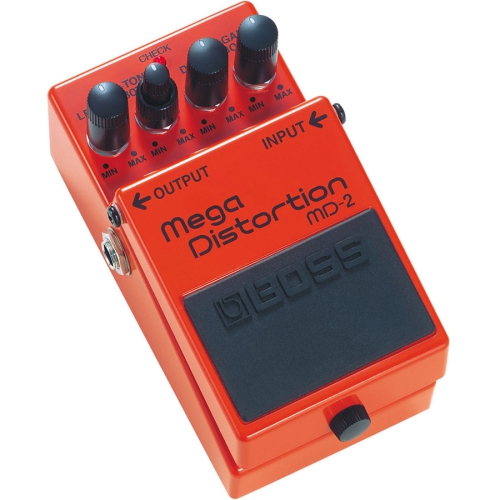
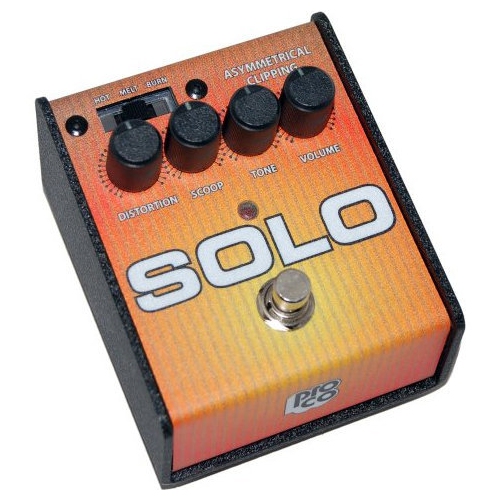
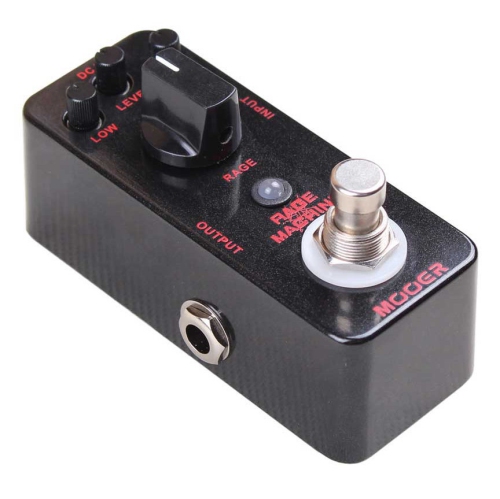
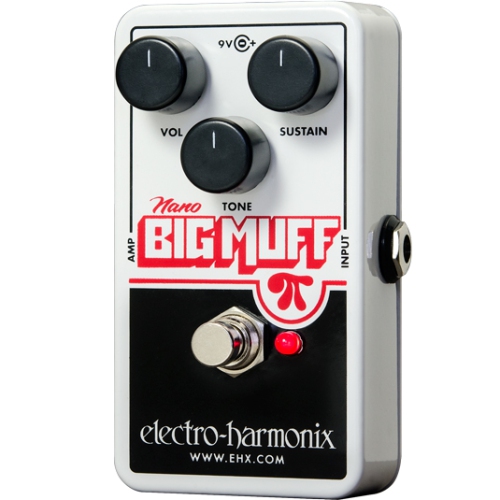
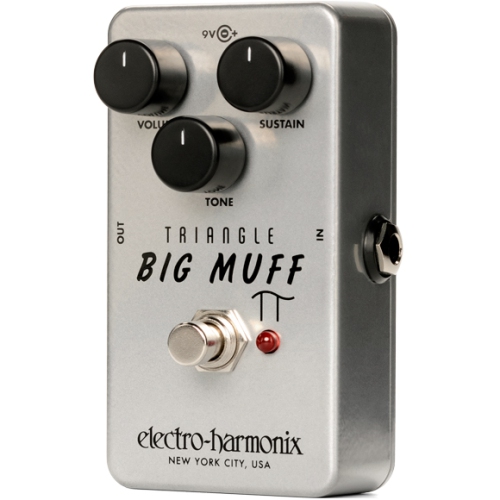
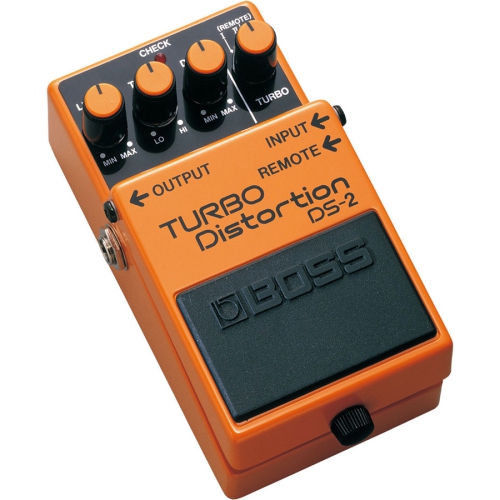
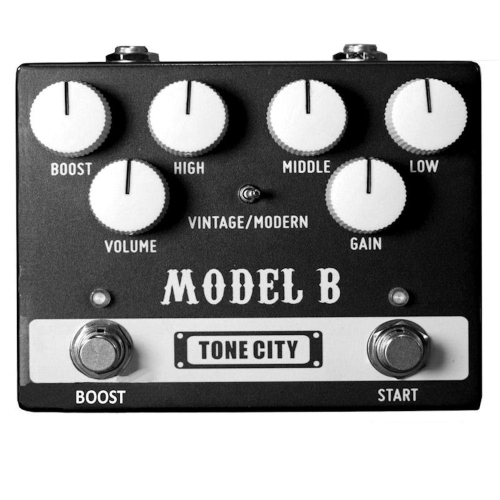
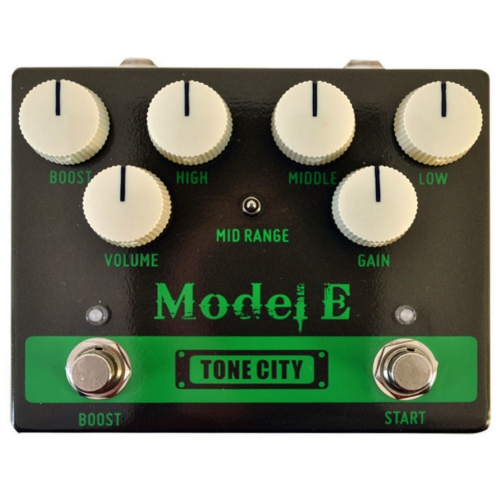
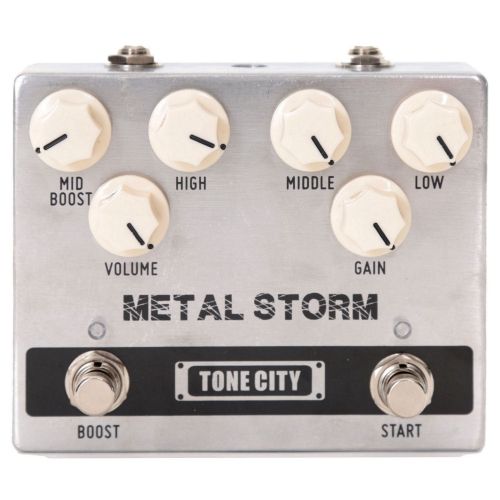
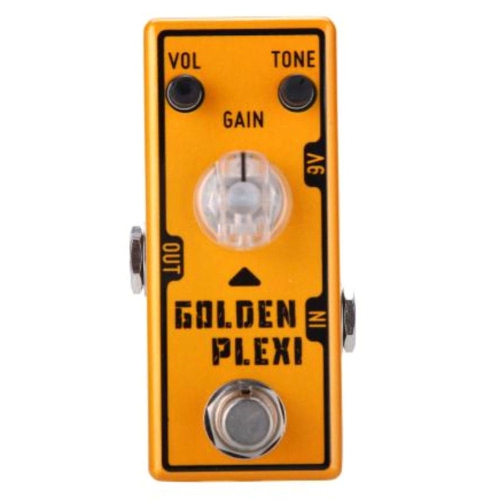
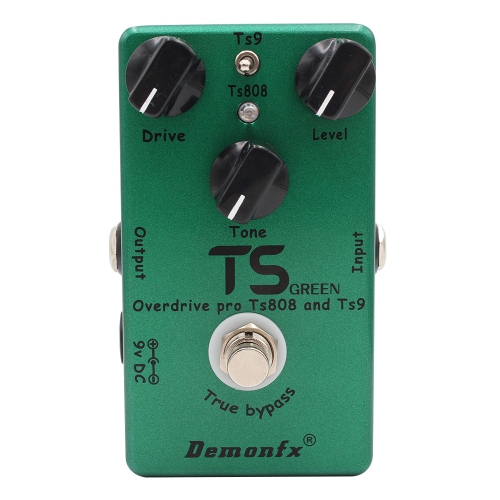
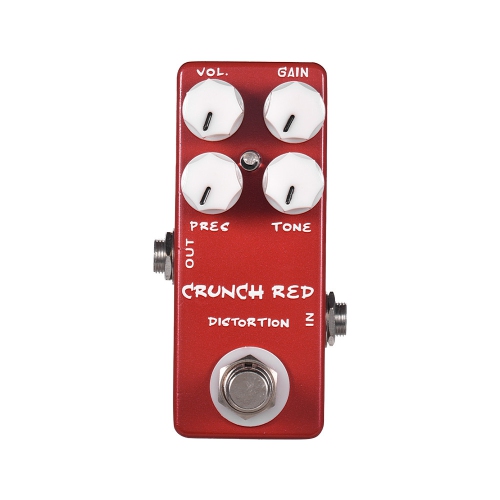
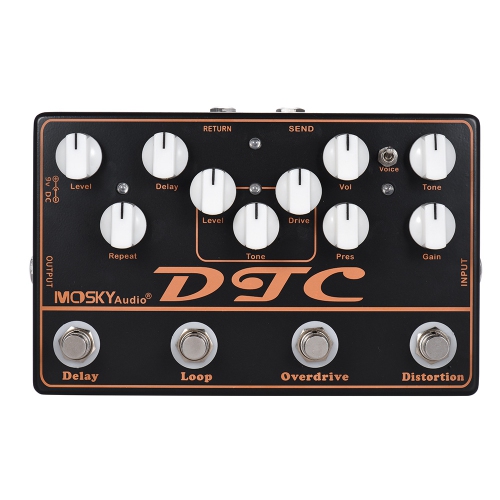
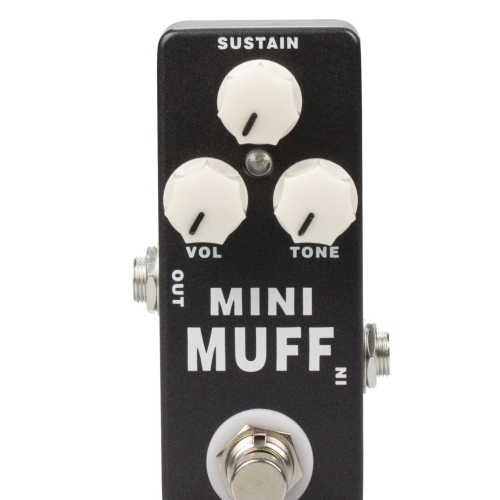
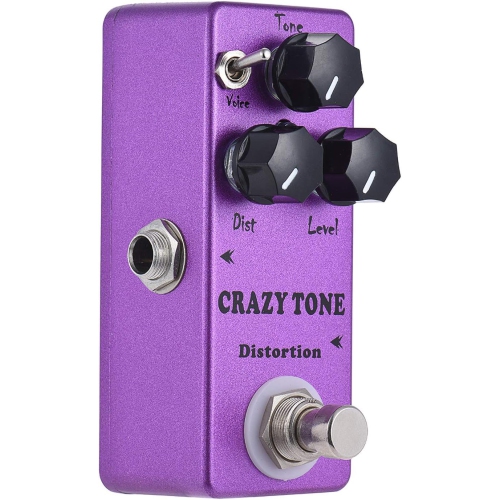
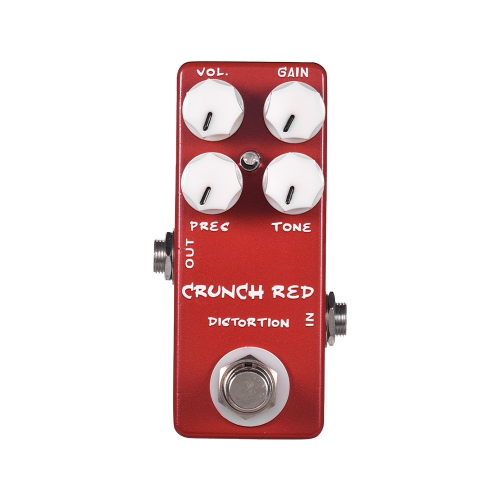
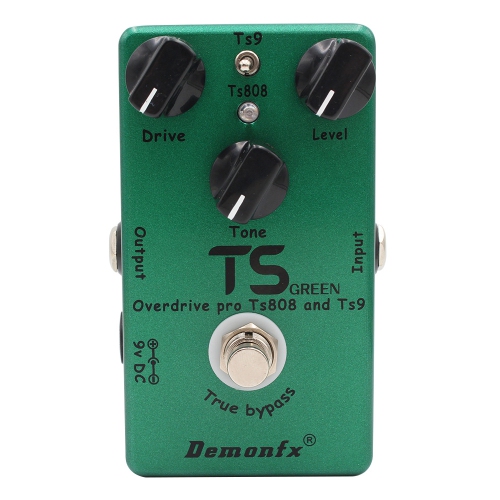
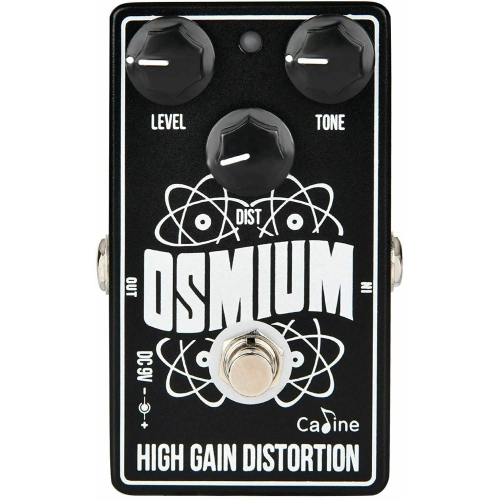
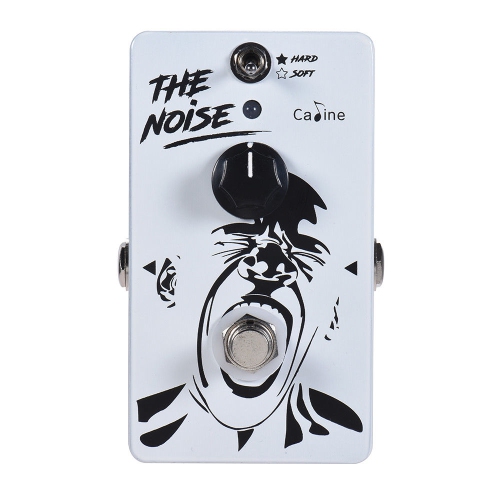
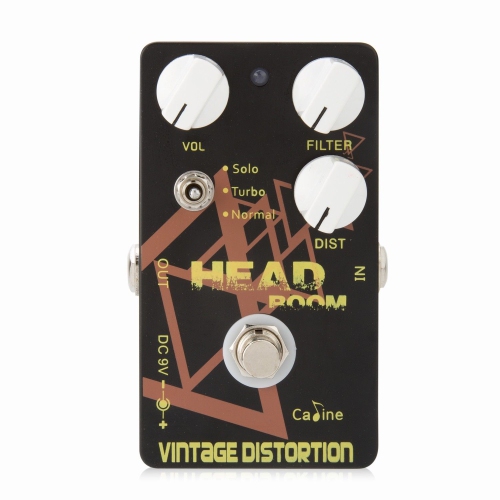
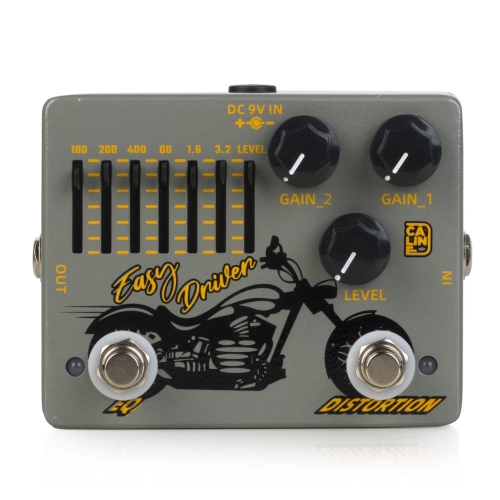
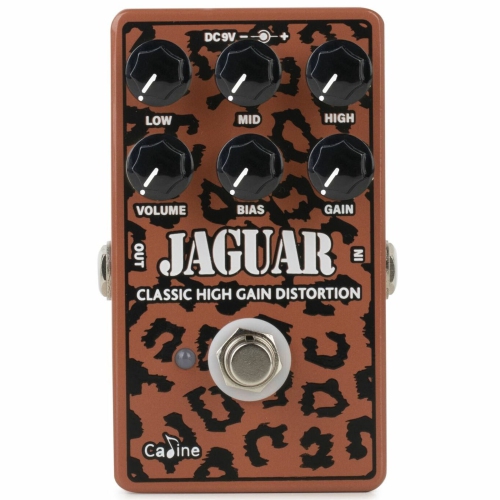
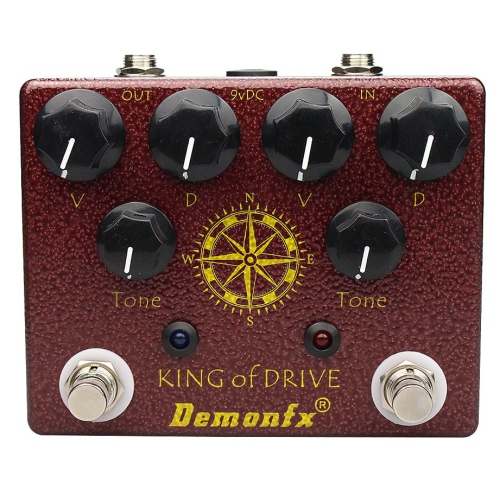

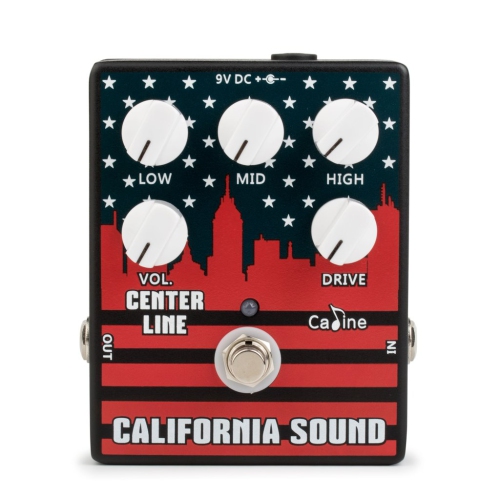
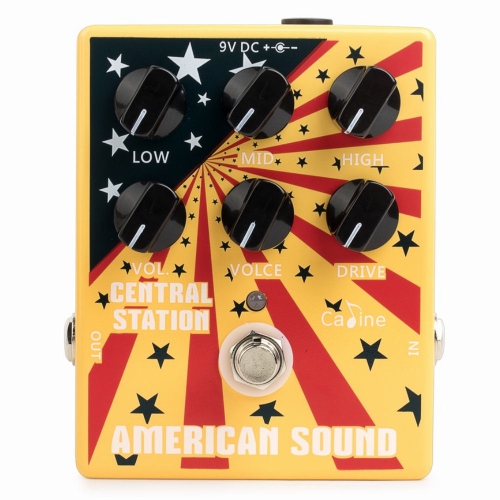
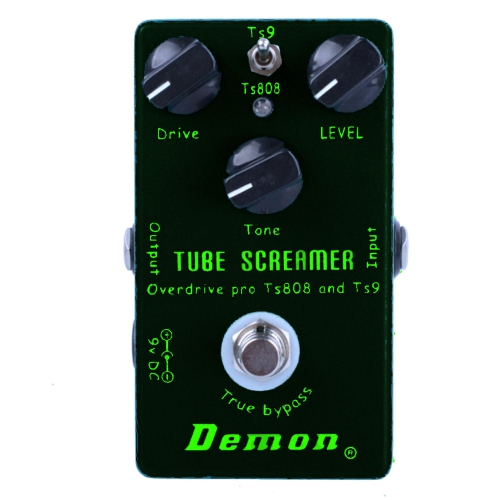
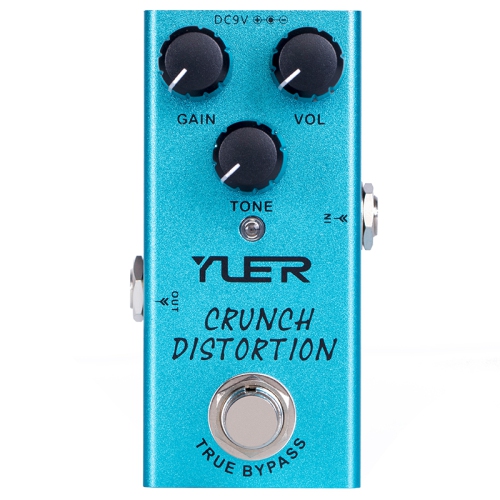
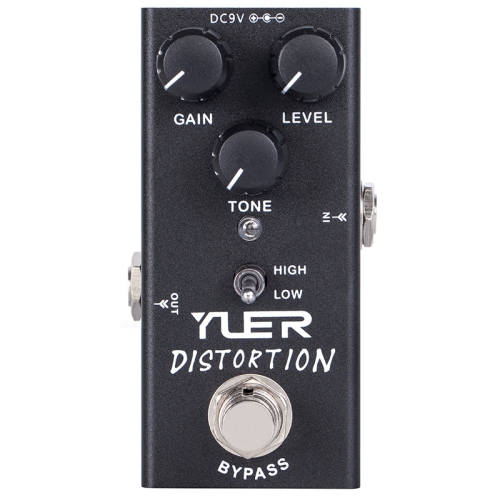
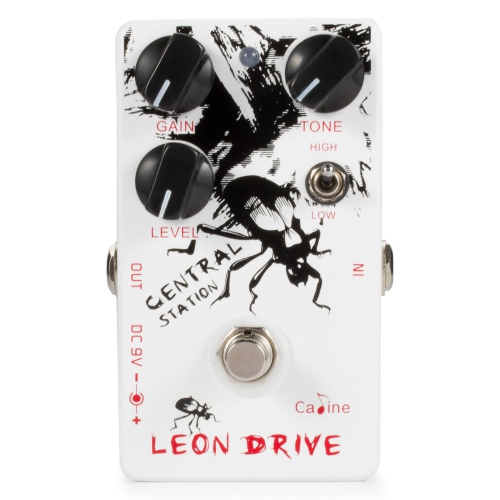
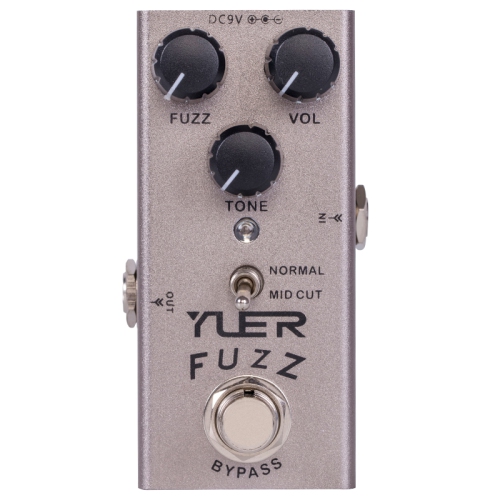
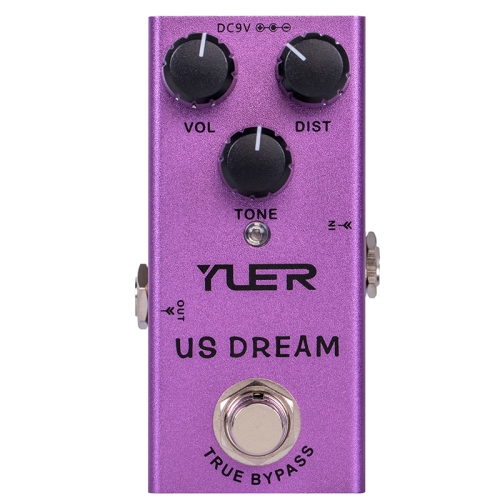
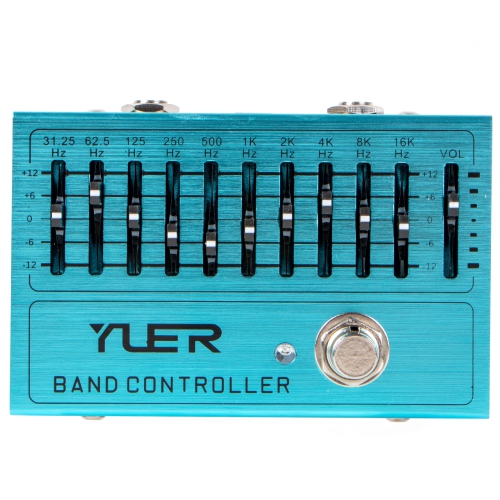
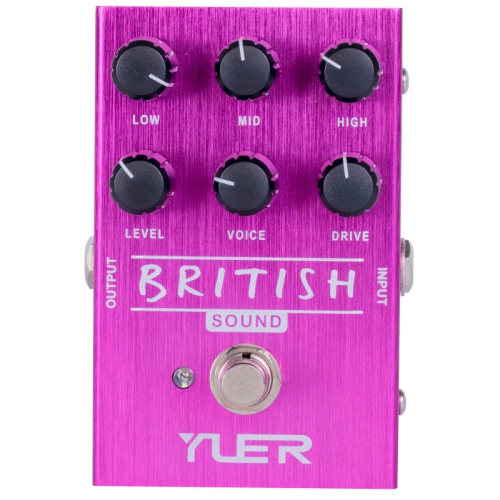
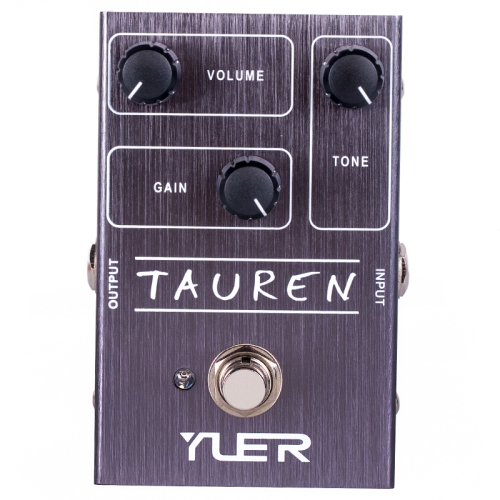
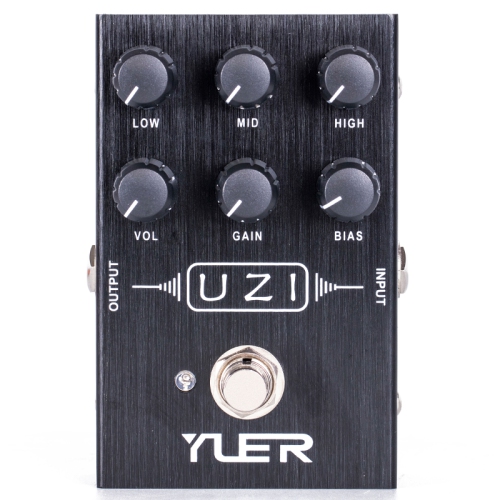
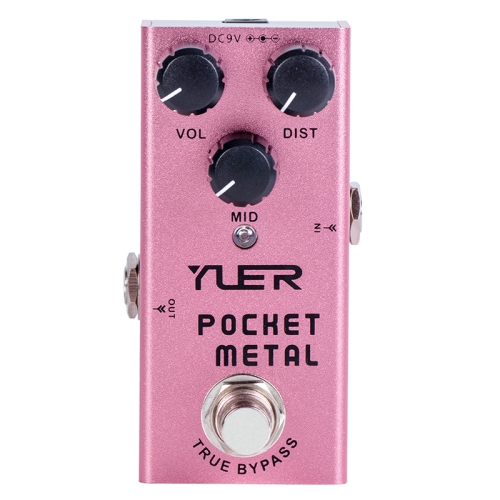
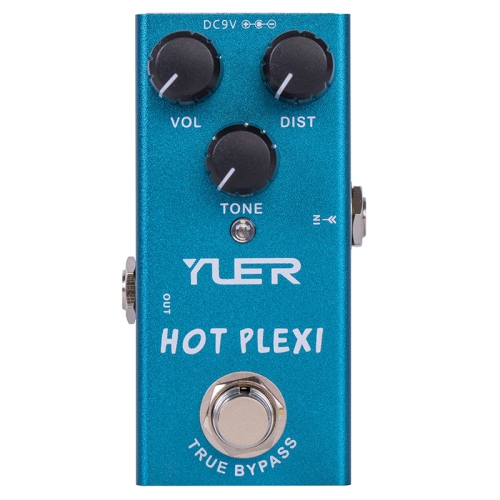

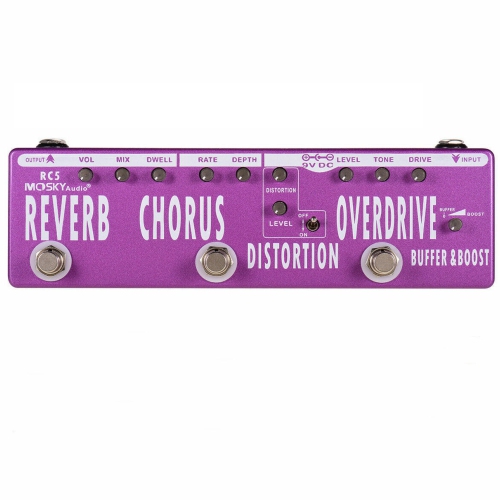
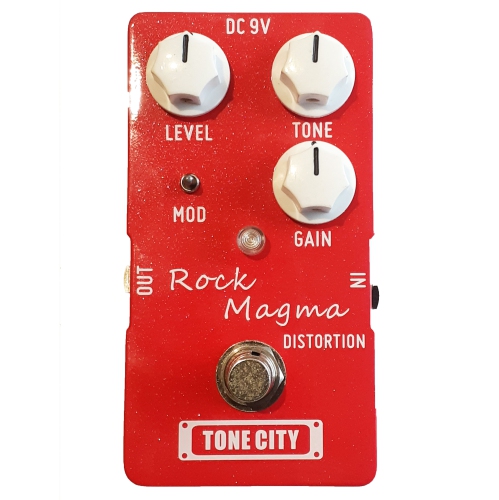
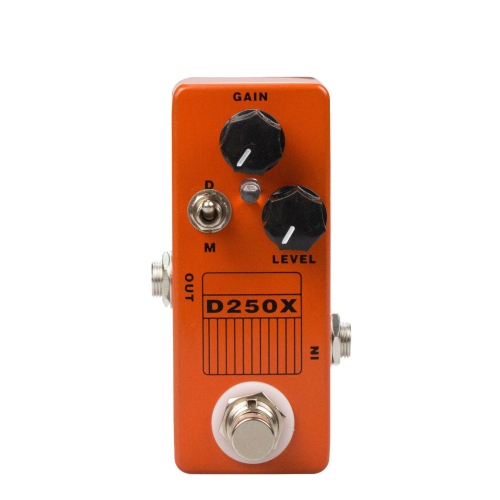
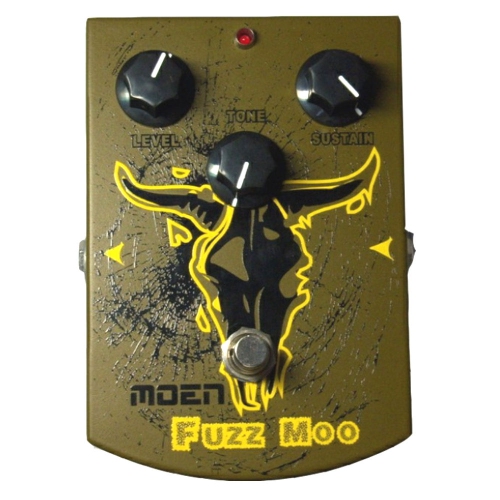
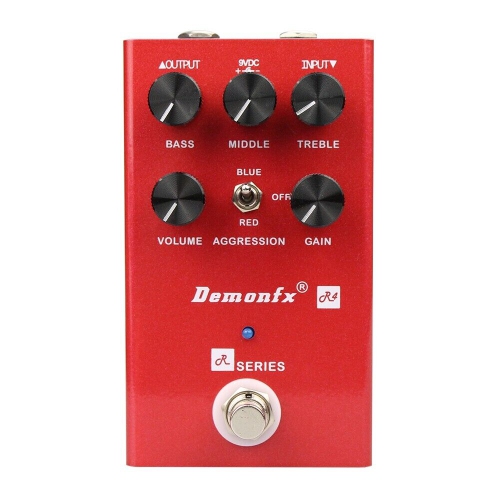
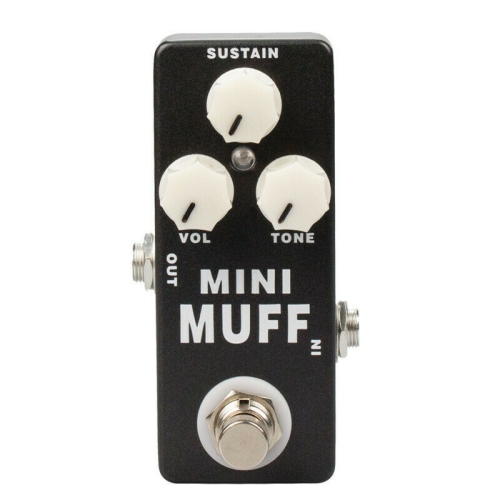
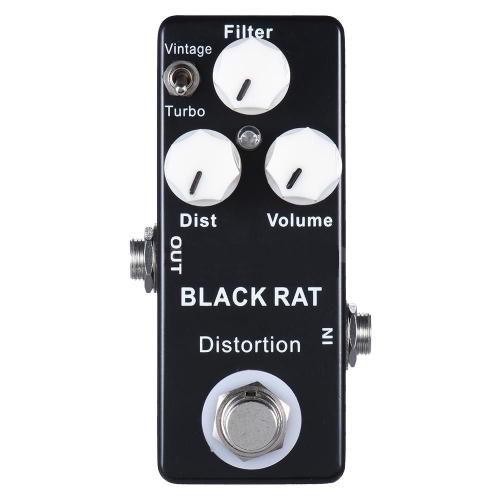
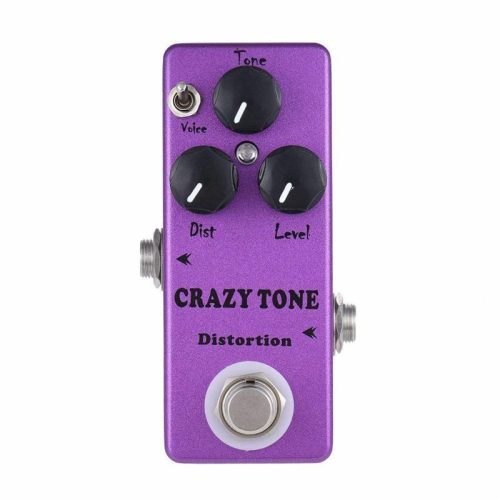
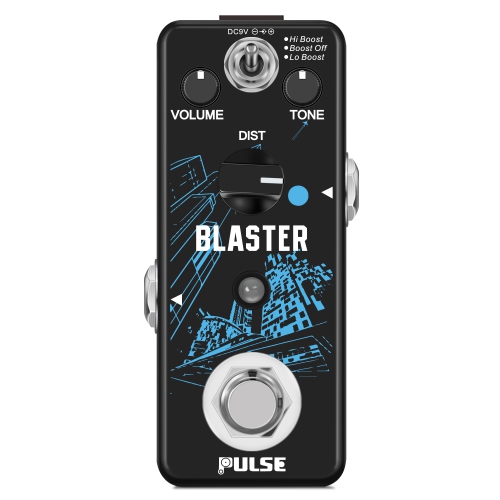
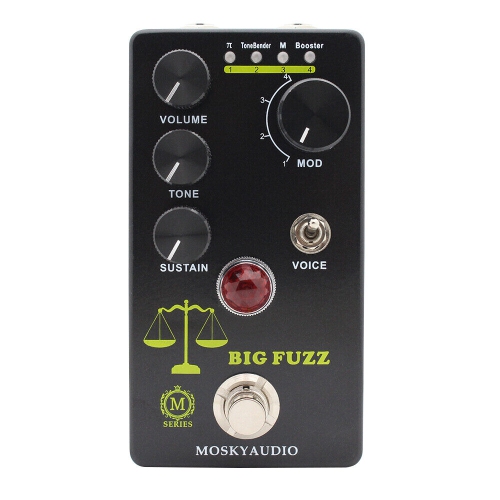
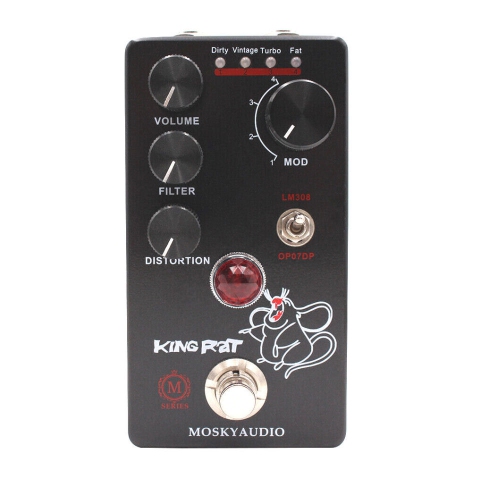
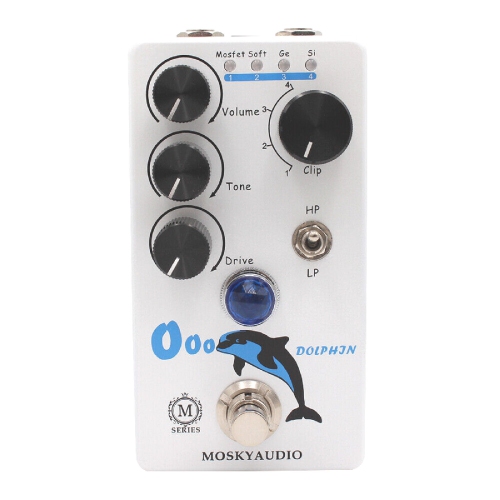
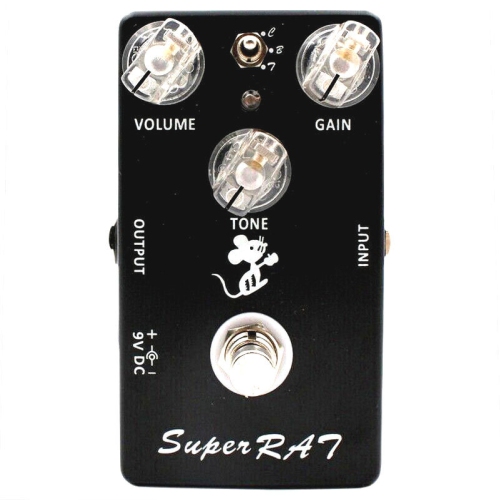
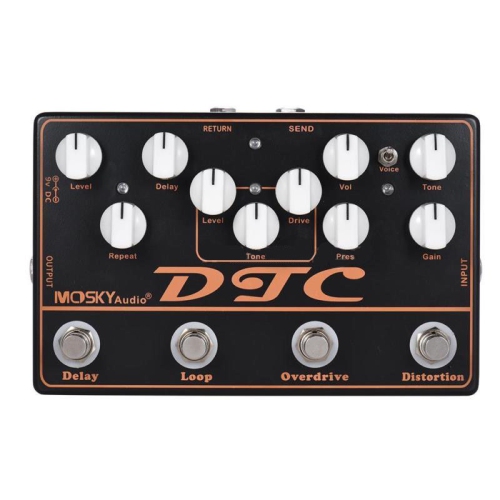
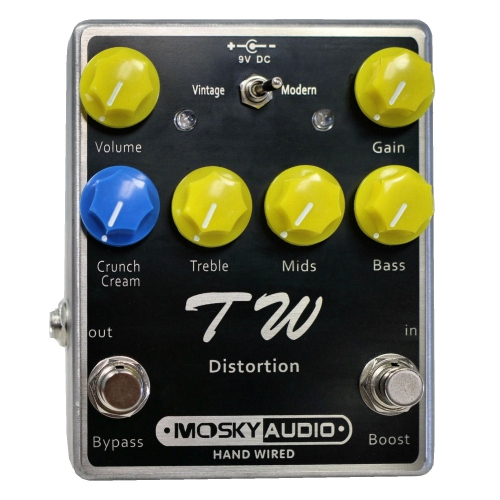
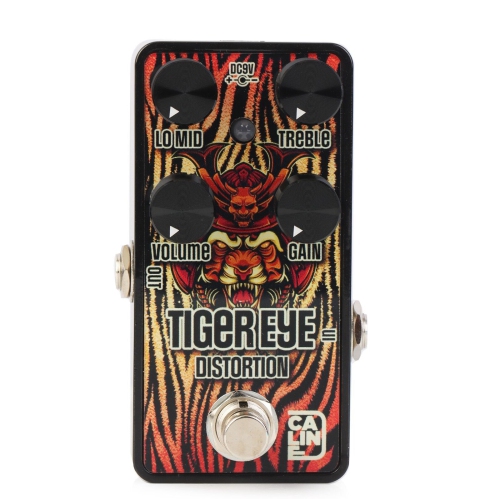
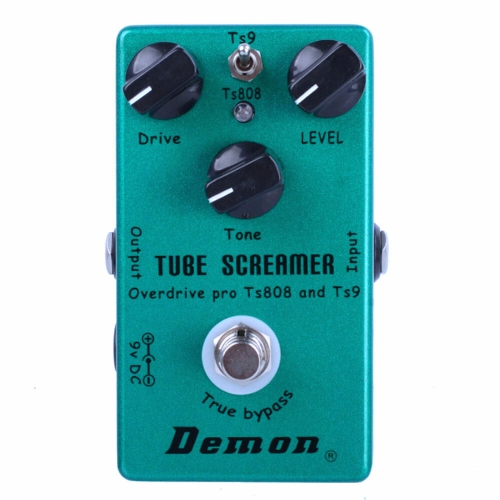
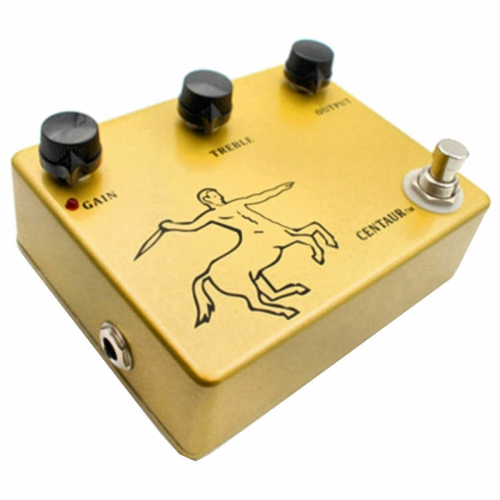
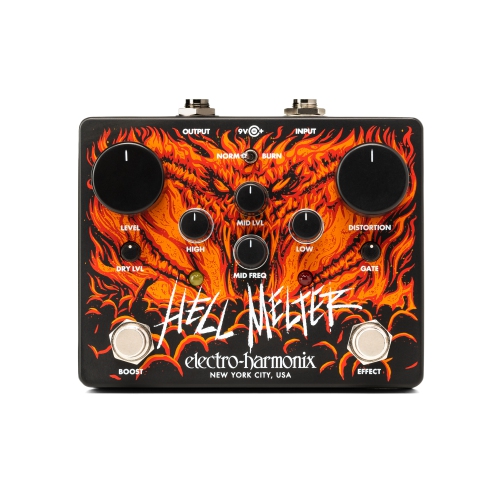
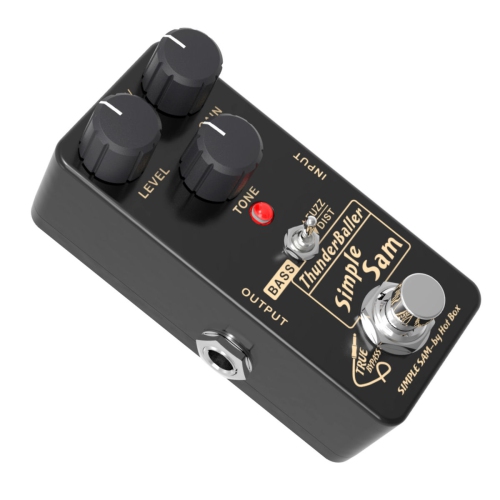
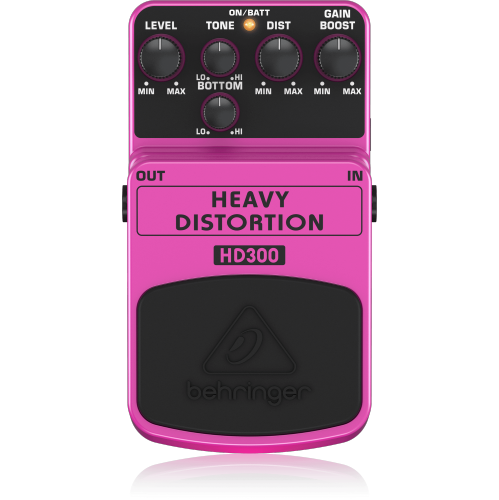
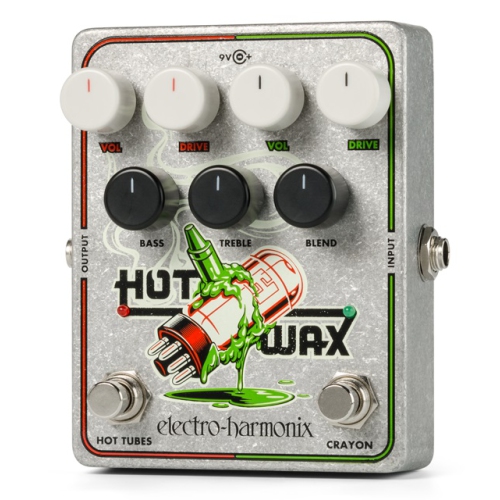
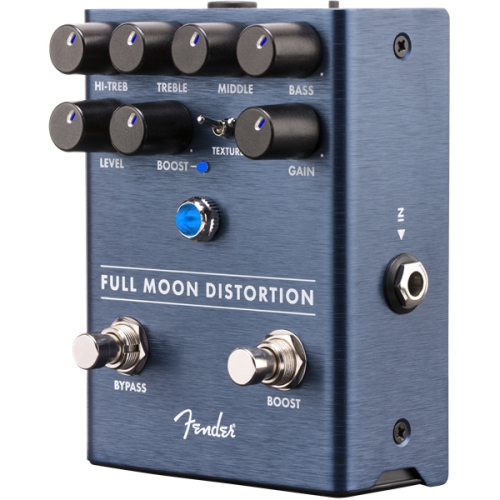
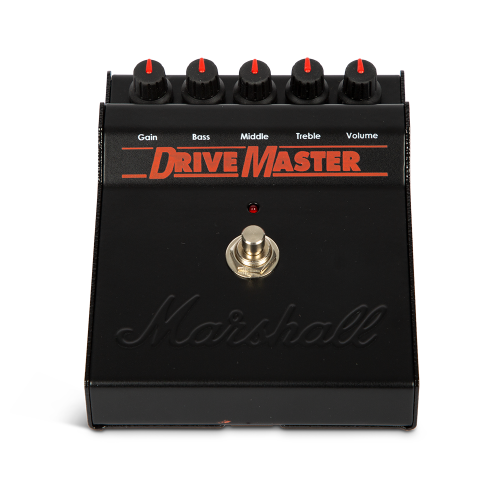
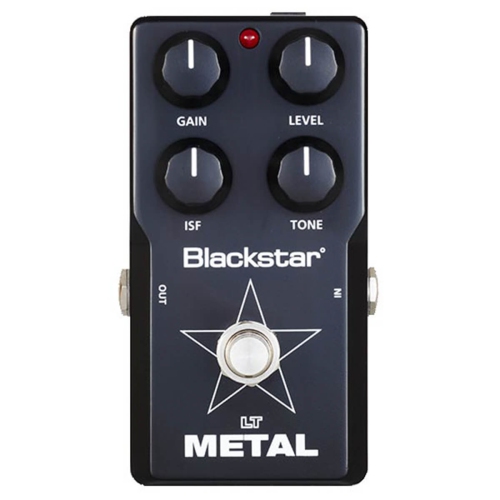
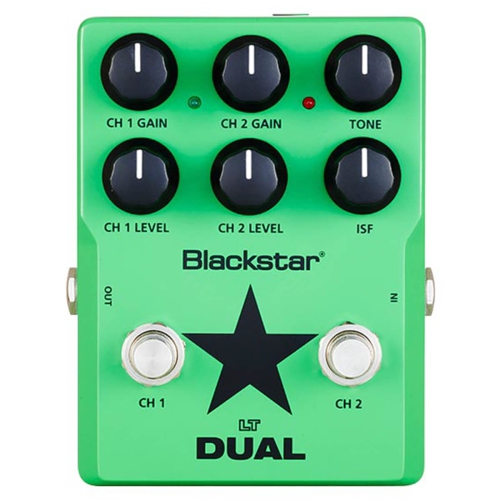
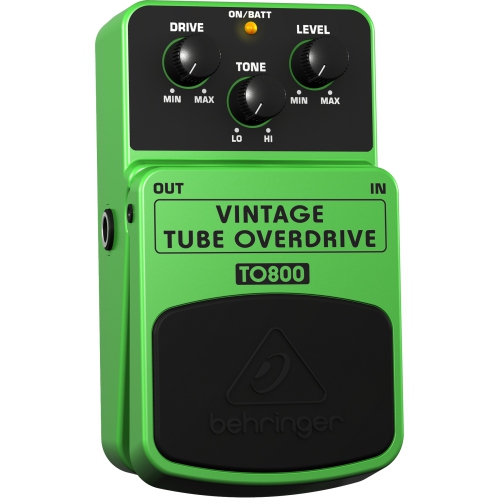
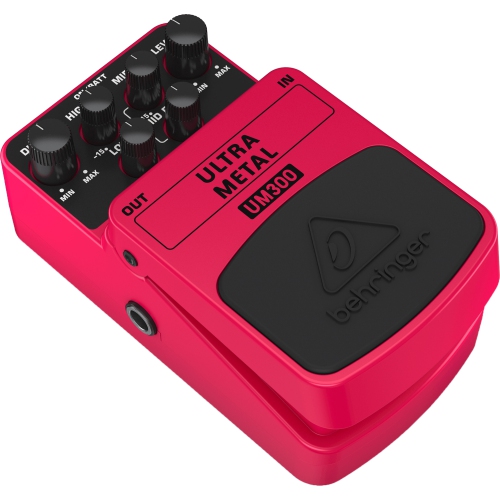
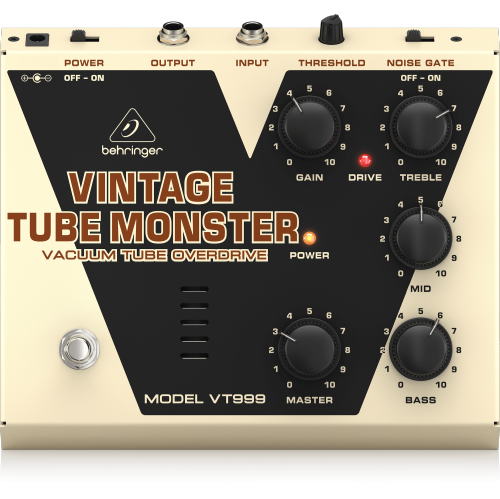
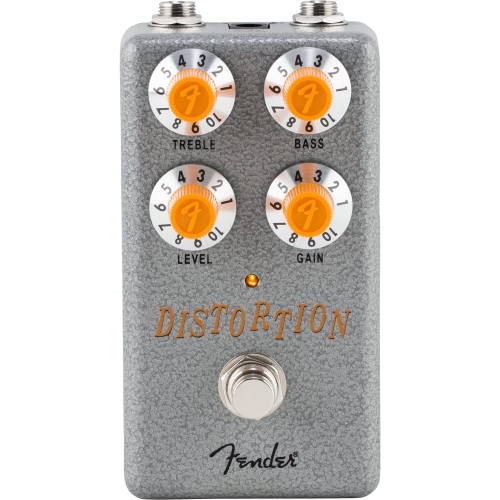
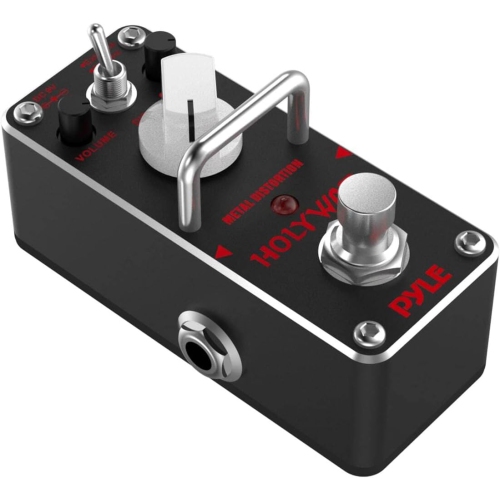
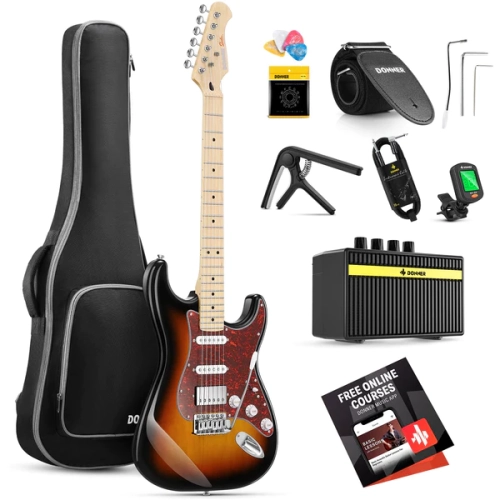
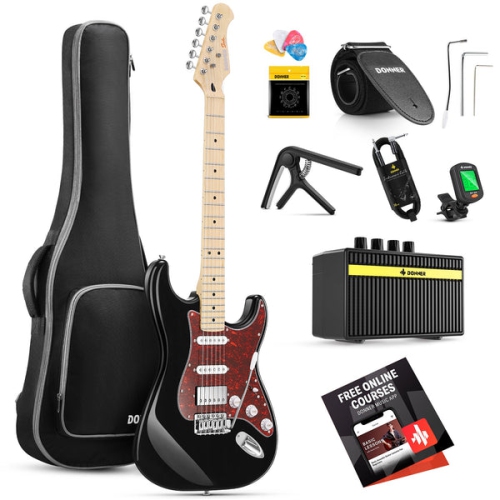
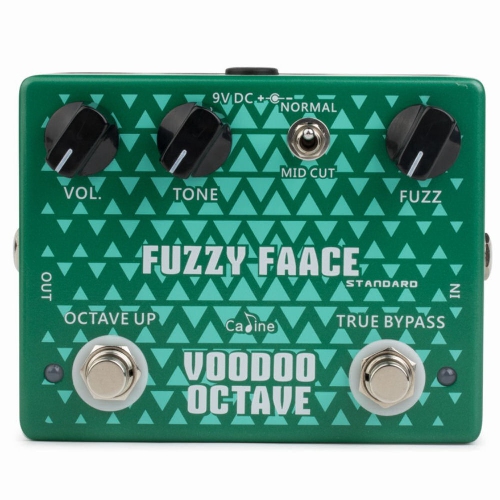

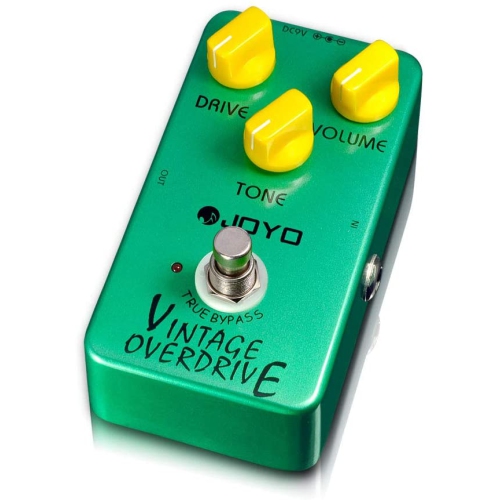
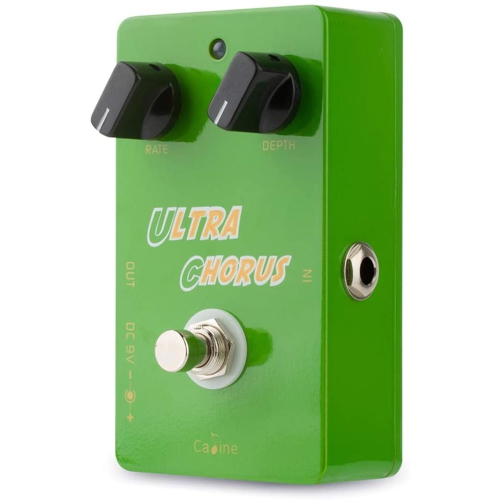
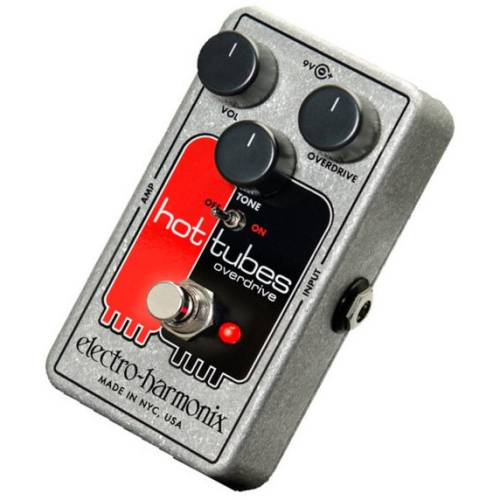
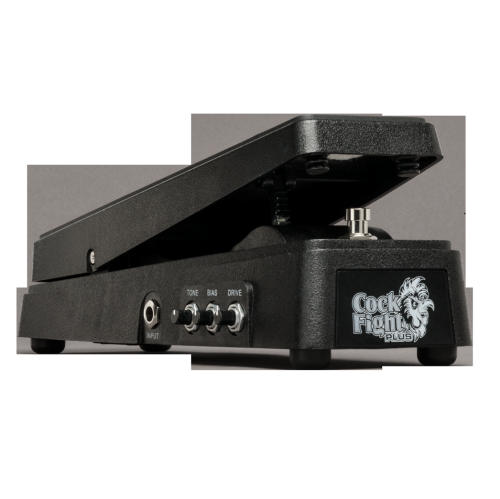
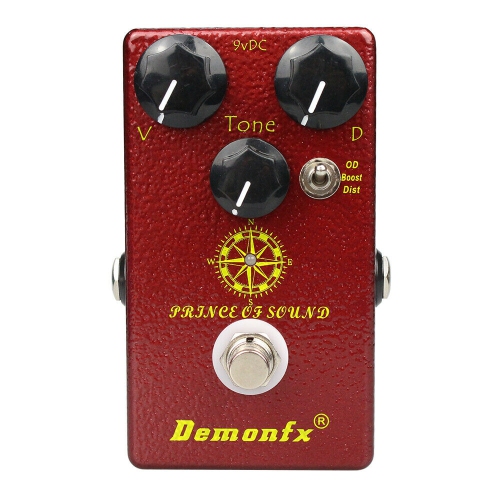
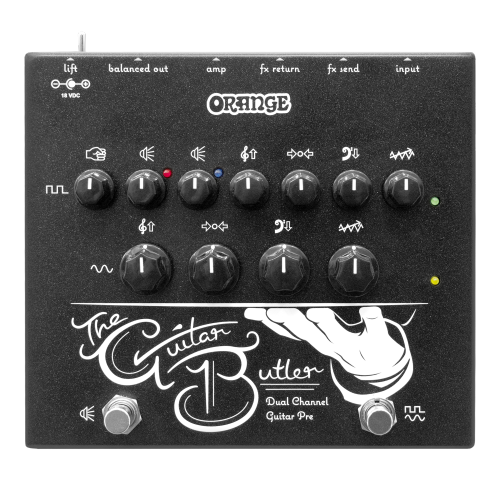
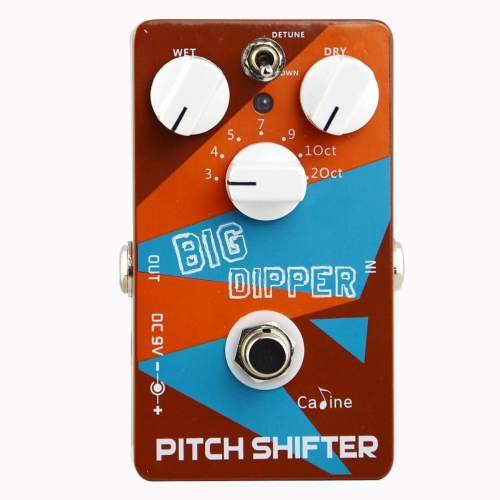
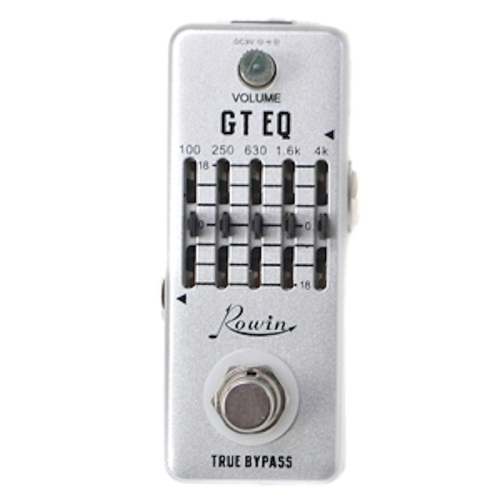
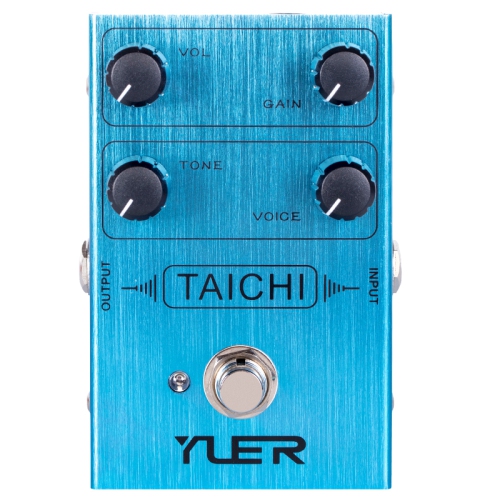
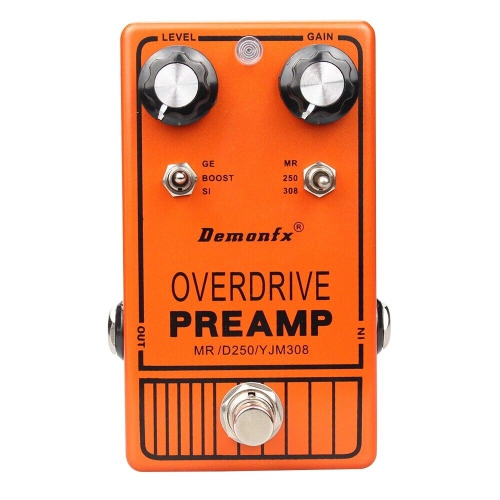
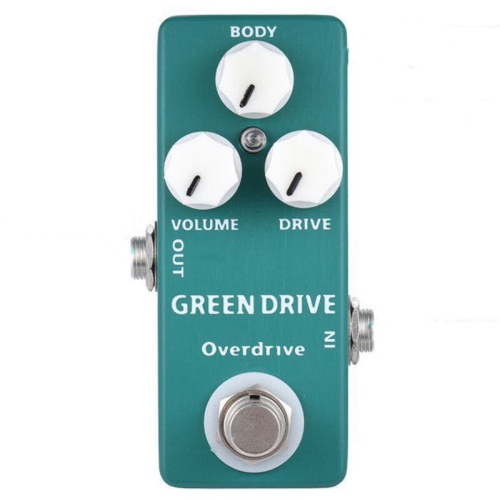

From clean verses to saturated solos, gain shapes every passage
Electric guitar distortion pedals reshape a guitar’s clean signal into the gritty, compressed and harmonically rich sound associated with rock, punk, hard rock, metal and many modern alternative styles. When the footswitch is engaged, the pedal increases the signal’s gain until the waveform breaks up, adding crunch, sustain and bite before the sound reaches the amplifier. The result can range from a lightly textured edge for rhythm parts to a thick, saturated tone for heavy riffs and singing lead lines. Distortion pedals are especially useful for players whose amplifiers have limited built-in gain, but they can also add a second voice to an amp that already delivers overdriven tones. A guitarist may use one sound for clean verses, another for crunchy chord work and a more intense setting for choruses or solos, switching between them without reaching for the amplifier’s controls. They are also practical in shared spaces, rehearsal rooms and home studios, where a compact pedal can provide a fuller, more expressive sound at a manageable volume. For players exploring different ways to shape their signal, the wider selection of Electric Guitar Effect Pedals includes other effects that can be combined with distortion to create a complete pedalboard setup. A distortion pedal can make a thoughtful gift for a guitarist who is building a first pedalboard, refining a home recording rig or looking for a fresh sound after years of playing through the same amplifier. It is also a practical choice for a student, hobbyist or experienced musician because the effect is immediately audible and easy to experiment with: plug in, set a moderate level, play a few familiar chords and adjust the controls while listening to how the notes respond.
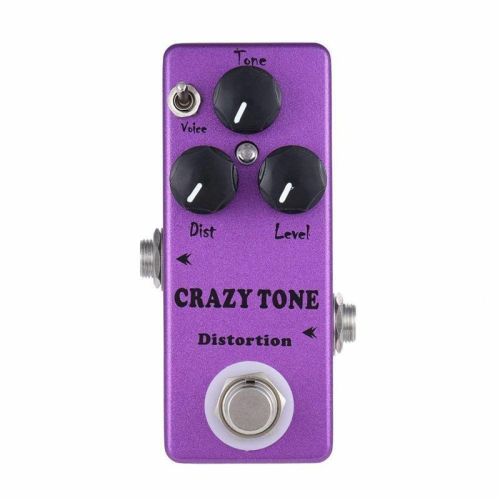
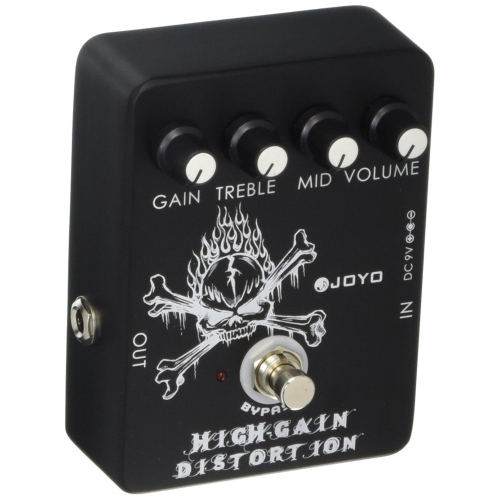
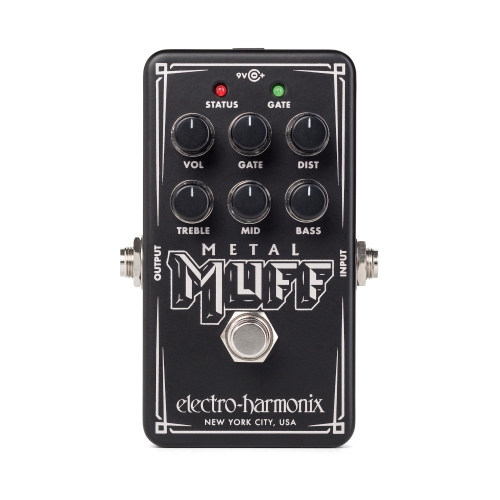
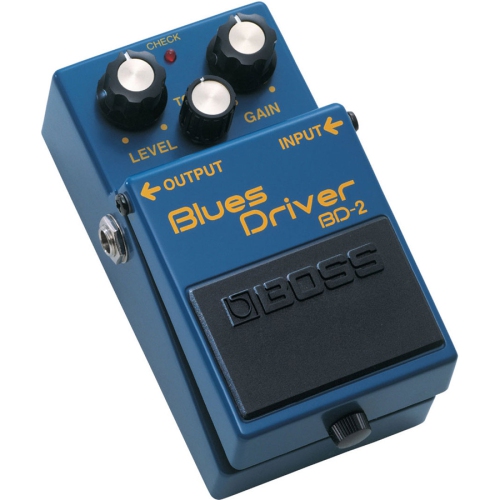
The most important purchase consideration is the style of distortion you want to create. Lower-gain settings can add warmth and a roughened edge while preserving the character of open chords, making them suitable for classic rock, blues-rock and expressive rhythm playing. Medium-gain settings generally offer more crunch and sustain for power chords, garage rock and punchy lead parts. High-gain designs produce a denser, more aggressive sound with extended sustain, which can suit hard rock and heavy metal when paired with the right guitar and amplifier. Many pedals include gain, tone and level controls, but their ranges can vary significantly. Gain determines how much the signal is driven and how compressed or saturated the notes become. Tone changes the balance of treble and bass, helping you tame a sharp top end or add definition to a dark-sounding setup. Level controls the pedal’s output volume, and it should be adjusted so the engaged and bypassed signals remain close in loudness unless you specifically want a boost. Some models add separate bass, middle and treble controls, giving you more precise control over the frequencies that define palm-muted riffs, full chords and lead melodies. Midrange adjustment is particularly valuable when playing with a band because the guitar’s presence in a busy mix often depends on finding the right space between bass and cymbals. Consider whether you want one flexible distortion sound or several distinct modes, such as a warmer rhythm setting and a sharper lead voice. It is also worth checking the pedal’s power requirements, input and output connections, enclosure size and footswitch layout, especially if it will be used on a crowded board. A compact design may leave room for delay, reverb or tuner pedals, while a larger enclosure may provide easier access to multiple controls during a performance.
Your amplifier, guitar pickups and playing technique all influence how a distortion pedal behaves. A bright single-coil guitar can deliver crisp attack and articulate chords, while higher-output humbuckers tend to push the pedal harder and produce a thicker, more forceful sound. An amp set clean will usually reveal the pedal’s character clearly, while an already overdriven amp can make the result more compressed and harmonically complex. For a clear starting point, set the amplifier clean, place the pedal between the guitar and amp, turn the gain down, and bring up the level until the sound is just slightly louder or equal to the bypassed signal. From there, increase the gain gradually and play single notes, open chords and palm-muted passages. Listen for whether the low end stays tight, whether chords remain understandable and whether the sustain supports your phrasing instead of masking it. Distortion and overdrive are related but not identical: overdrive often responds more dynamically to picking strength and guitar volume, while distortion typically provides a more pronounced, compressed and consistently saturated effect. Some musicians use a lower-gain pedal to push an already distorted amplifier, tightening the response for heavier passages; others prefer a dedicated high-gain pedal into a clean channel for a more direct and controlled sound. Neither approach is universal, so the best match depends on your existing equipment and the way you play. During the cooler months, a distortion pedal can be an enjoyable addition to a home practice space, recording corner or rehearsal setup, giving familiar songs a new character when outdoor activities slow down. Whether it is selected as a first effect, a gift for a developing guitarist or an upgrade for an established pedalboard, focus on the desired gain range, available tone shaping and compatibility with the rest of the signal chain. A well-matched pedal should make it easier to move from a clean passage to a confident, full-bodied guitar sound with a simple tap of your foot.
The most important purchase consideration is the style of distortion you want to create. Lower-gain settings can add warmth and a roughened edge while preserving the character of open chords, making them suitable for classic rock, blues-rock and expressive rhythm playing. Medium-gain settings generally offer more crunch and sustain for power chords, garage rock and punchy lead parts. High-gain designs produce a denser, more aggressive sound with extended sustain, which can suit hard rock and heavy metal when paired with the right guitar and amplifier. Many pedals include gain, tone and level controls, but their ranges can vary significantly. Gain determines how much the signal is driven and how compressed or saturated the notes become. Tone changes the balance of treble and bass, helping you tame a sharp top end or add definition to a dark-sounding setup. Level controls the pedal’s output volume, and it should be adjusted so the engaged and bypassed signals remain close in loudness unless you specifically want a boost. Some models add separate bass, middle and treble controls, giving you more precise control over the frequencies that define palm-muted riffs, full chords and lead melodies. Midrange adjustment is particularly valuable when playing with a band because the guitar’s presence in a busy mix often depends on finding the right space between bass and cymbals. Consider whether you want one flexible distortion sound or several distinct modes, such as a warmer rhythm setting and a sharper lead voice. It is also worth checking the pedal’s power requirements, input and output connections, enclosure size and footswitch layout, especially if it will be used on a crowded board. A compact design may leave room for delay, reverb or tuner pedals, while a larger enclosure may provide easier access to multiple controls during a performance.
Your amplifier, guitar pickups and playing technique all influence how a distortion pedal behaves. A bright single-coil guitar can deliver crisp attack and articulate chords, while higher-output humbuckers tend to push the pedal harder and produce a thicker, more forceful sound. An amp set clean will usually reveal the pedal’s character clearly, while an already overdriven amp can make the result more compressed and harmonically complex. For a clear starting point, set the amplifier clean, place the pedal between the guitar and amp, turn the gain down, and bring up the level until the sound is just slightly louder or equal to the bypassed signal. From there, increase the gain gradually and play single notes, open chords and palm-muted passages. Listen for whether the low end stays tight, whether chords remain understandable and whether the sustain supports your phrasing instead of masking it. Distortion and overdrive are related but not identical: overdrive often responds more dynamically to picking strength and guitar volume, while distortion typically provides a more pronounced, compressed and consistently saturated effect. Some musicians use a lower-gain pedal to push an already distorted amplifier, tightening the response for heavier passages; others prefer a dedicated high-gain pedal into a clean channel for a more direct and controlled sound. Neither approach is universal, so the best match depends on your existing equipment and the way you play. During the cooler months, a distortion pedal can be an enjoyable addition to a home practice space, recording corner or rehearsal setup, giving familiar songs a new character when outdoor activities slow down. Whether it is selected as a first effect, a gift for a developing guitarist or an upgrade for an established pedalboard, focus on the desired gain range, available tone shaping and compatibility with the rest of the signal chain. A well-matched pedal should make it easier to move from a clean passage to a confident, full-bodied guitar sound with a simple tap of your foot.
Top selling and popular products
-
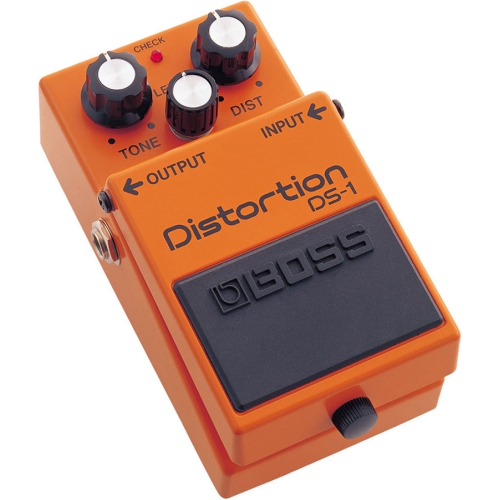 Your price for this item is $89.99
 -
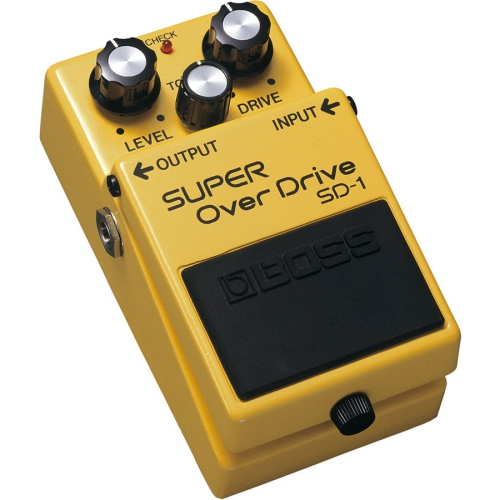 Your price for this item is $89.99
 -
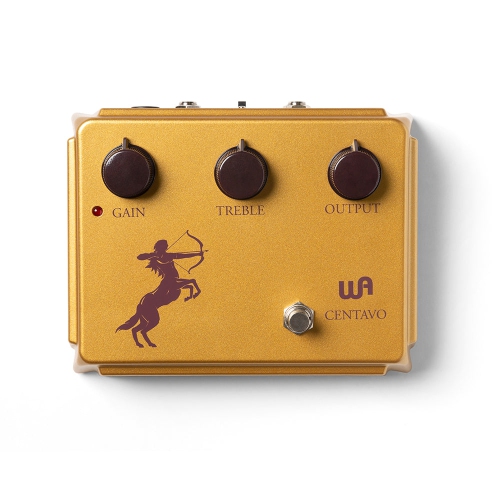 Your price for this item is $289
 -
 Your price for this item is $589.99
 -
 Your price for this item is $164.99
 -
 Your price for this item is $209.99
 -
 Your price for this item is $249.99
 -
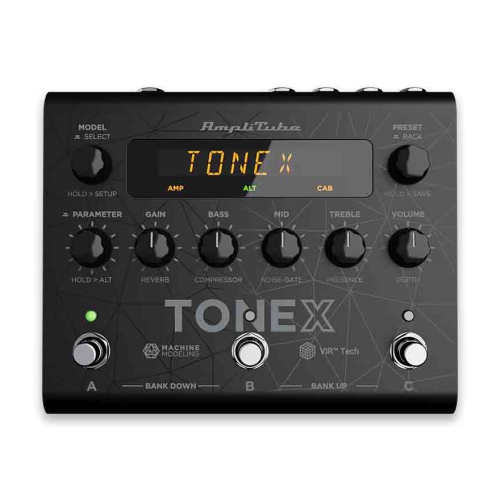 Your price for this item is $599.99
Discover more categories related to Electric Guitar Distortion Pedals
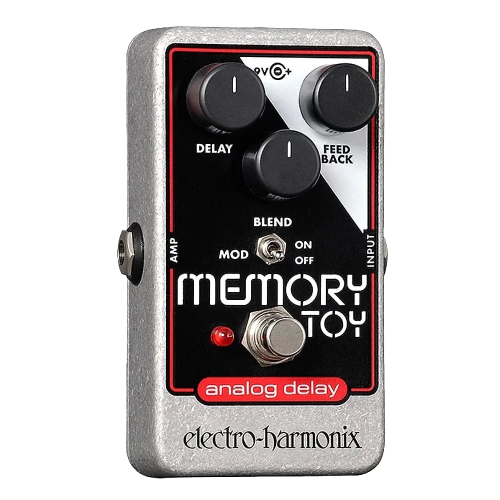
Top Collections:
Pokemon Centers, Kindle Devices, Best Budget Office Chairs, Apple iPhones 16, Best Laptops for Writers, iPhone 15 Apple, Canon G7X Cameras, Refurbished Apple Laptops, Alarm Clock, Motorola Razr Phones
Some products may be subject to Environmental Handling Fees
(EHF) depending on your province.
Learn more about EHFs.