Guitar Effects
Explore a world of sonic possibilities with our wide selection of guitar effects. From distortion and overdrive to modulation and delay, these pedals are the secret sauce for crafting your signature sound. Whether you're a seasoned pro looking to expand your sonic palette or a beginner eager to experiment, our collection offers something for every guitarist. Elevate your performance and unleash your creativity with the power of guitar effects.
Sort
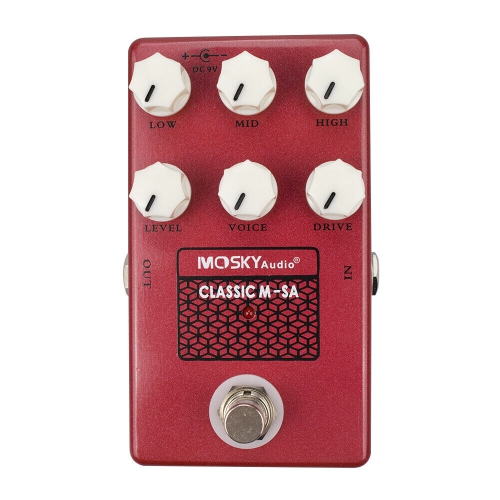
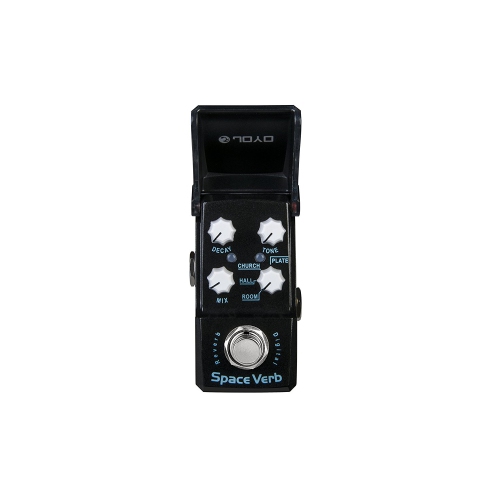
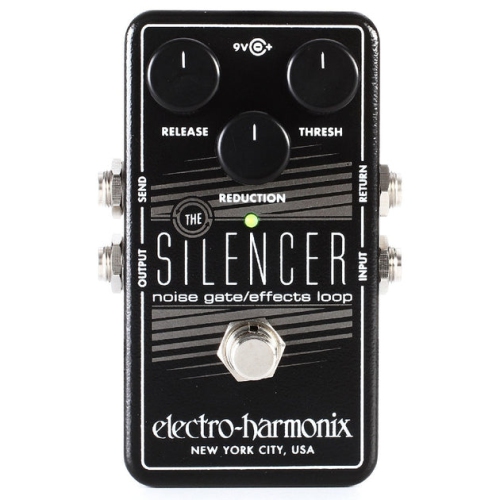
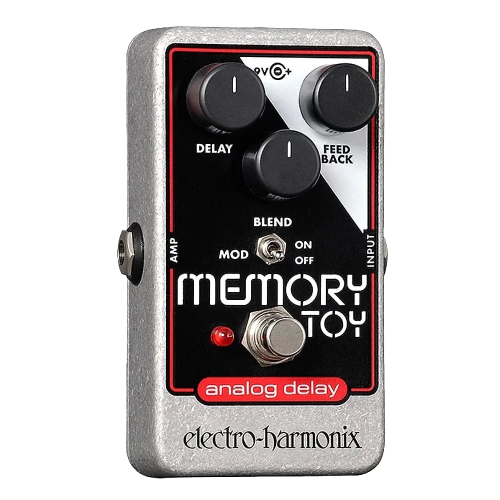














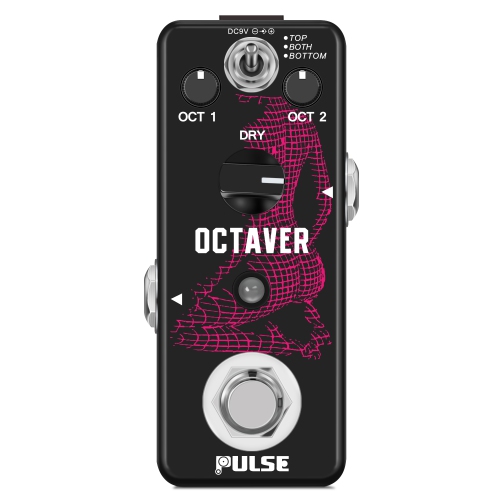

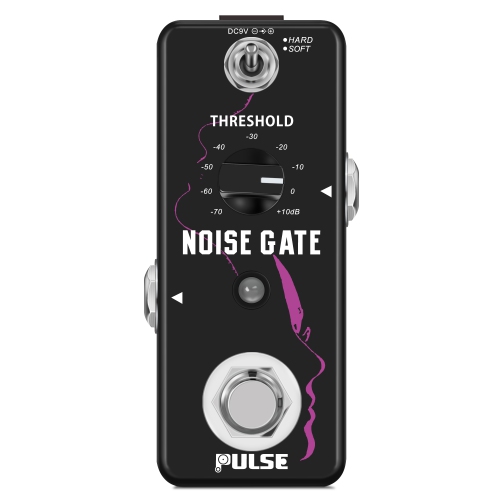
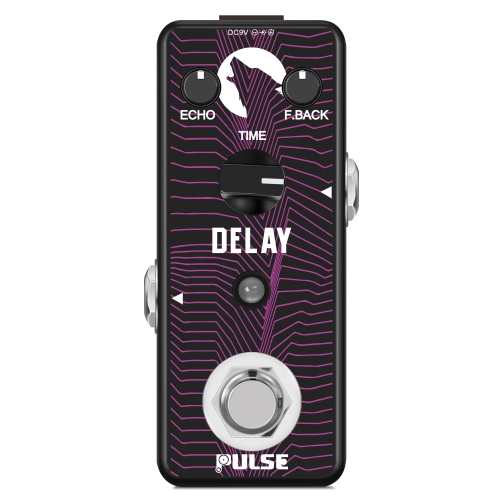
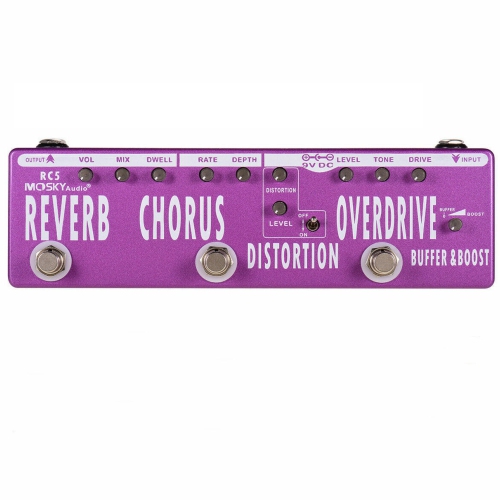

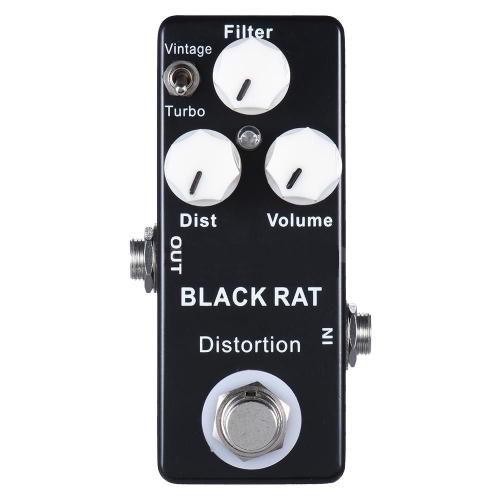
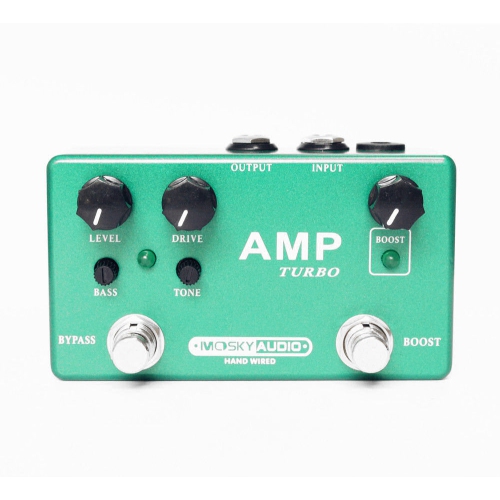
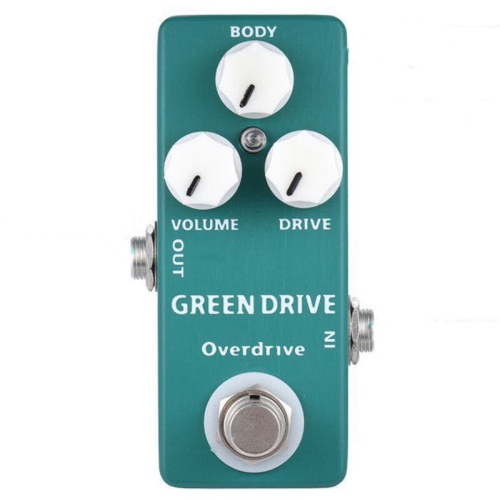
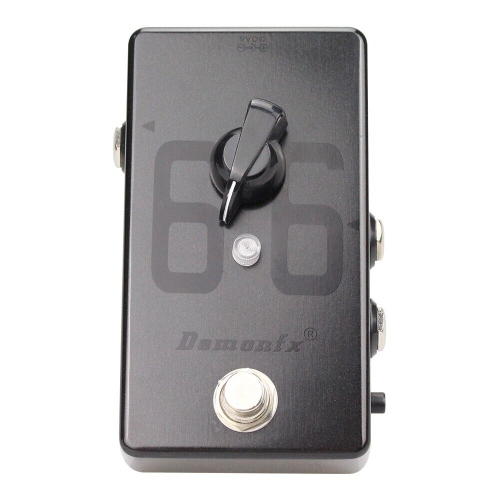
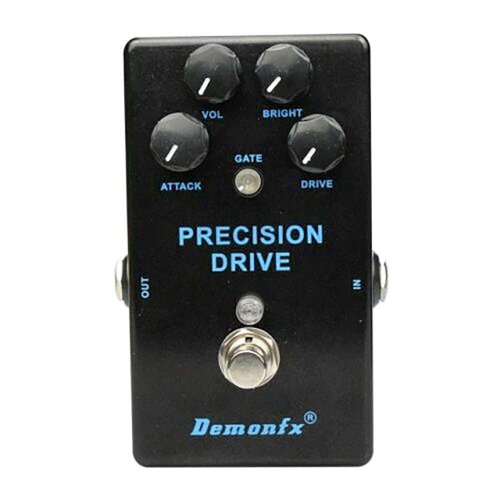
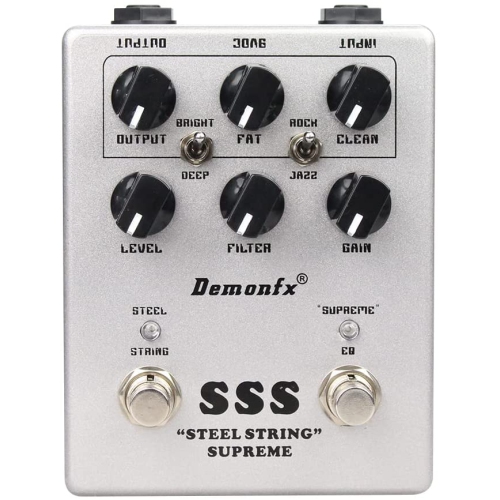
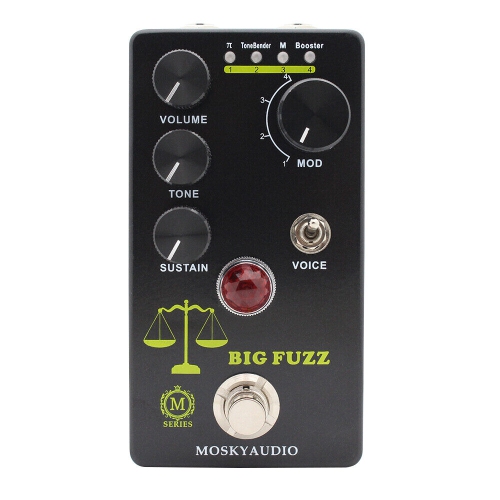
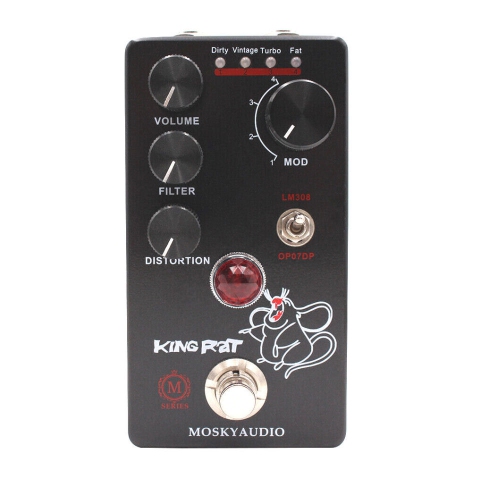



How a single effect can reshape your guitar’s voice
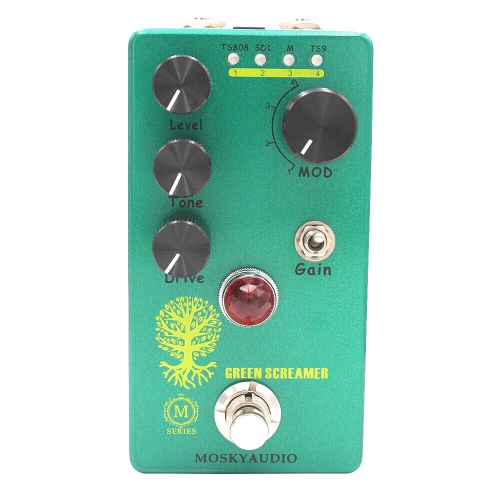
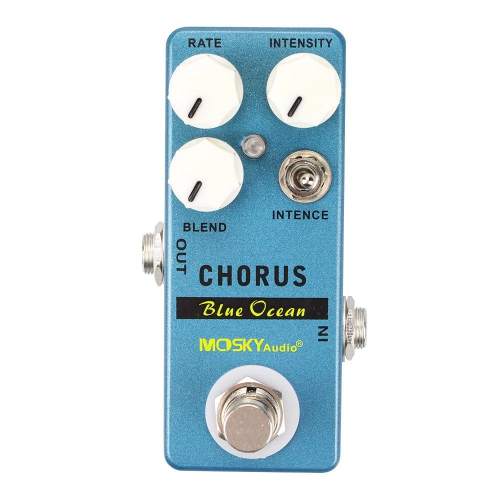
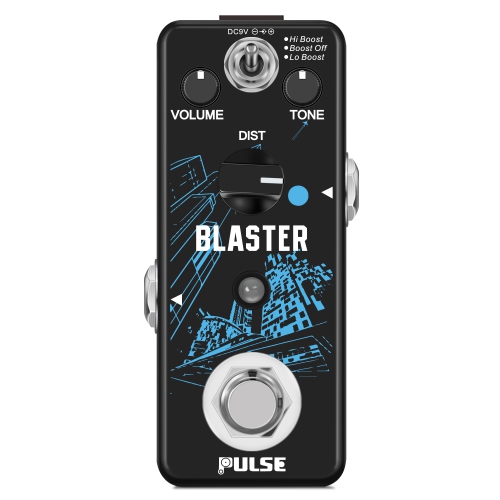
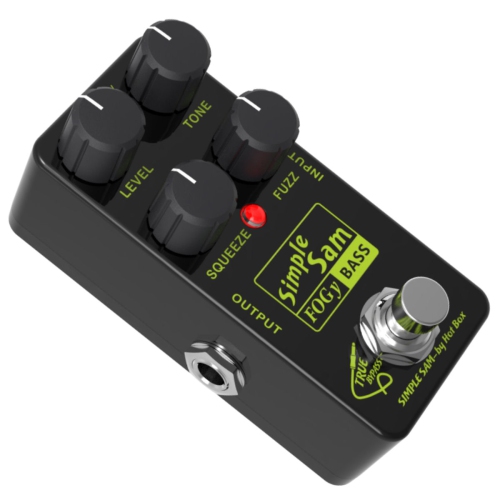
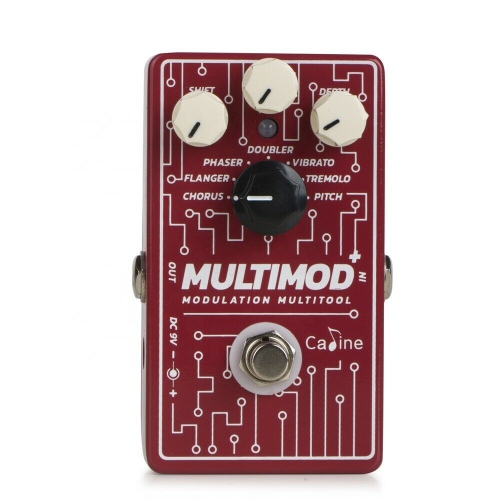
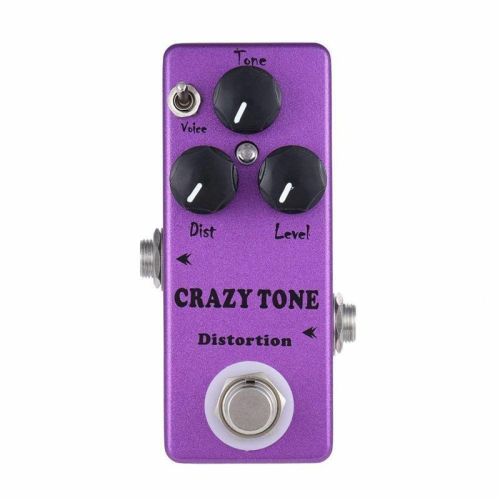
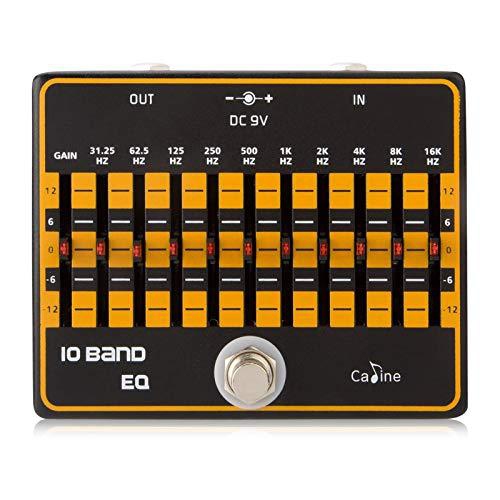
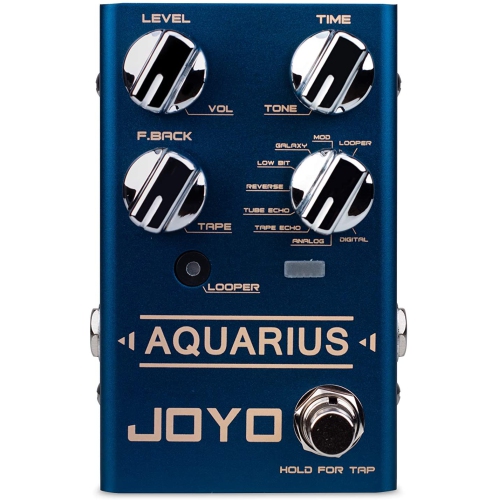
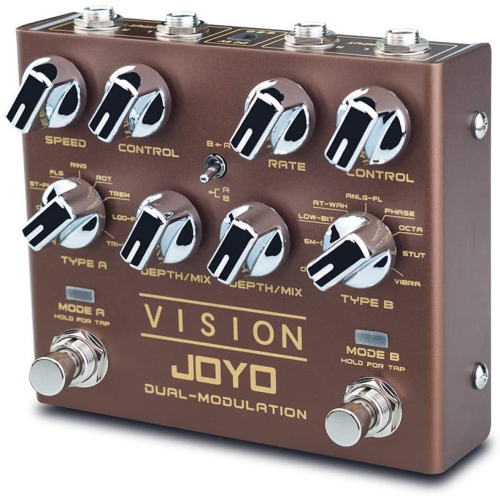
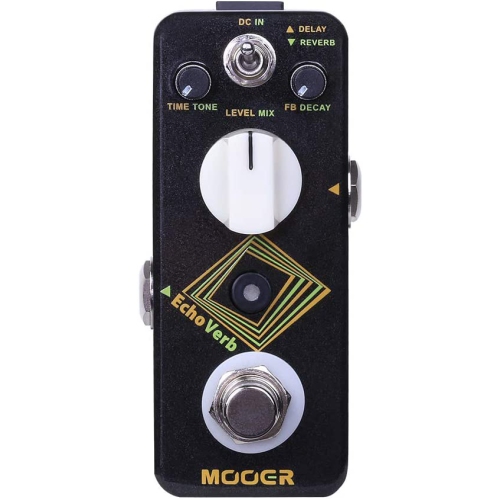
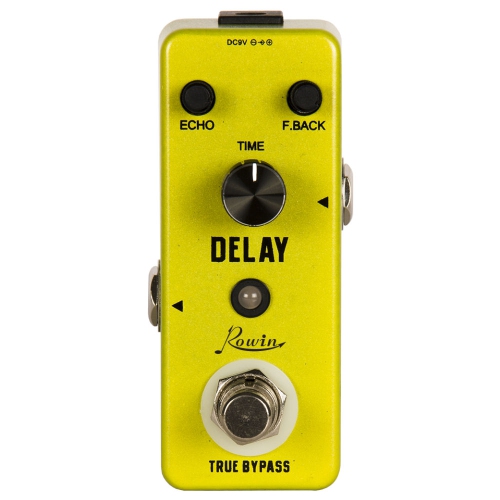
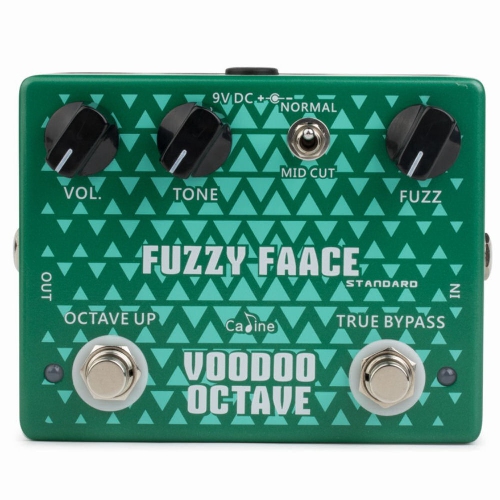
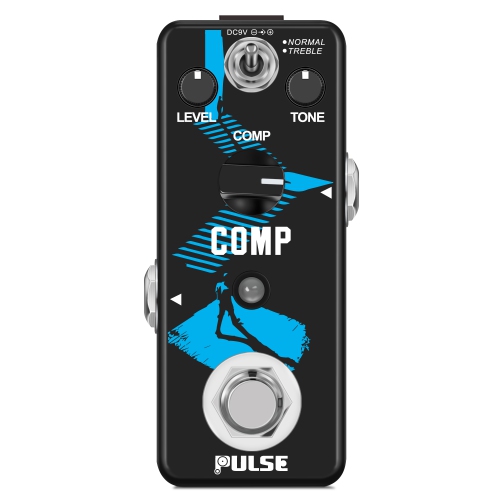
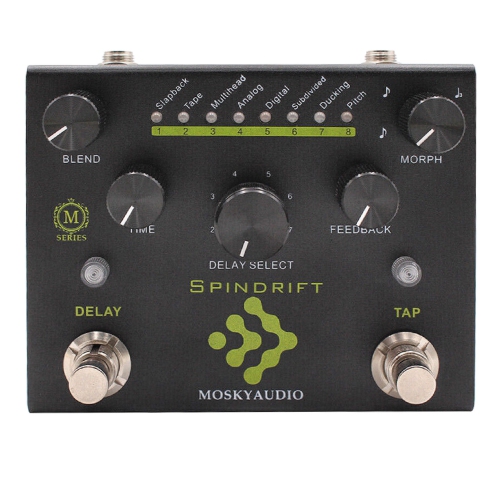
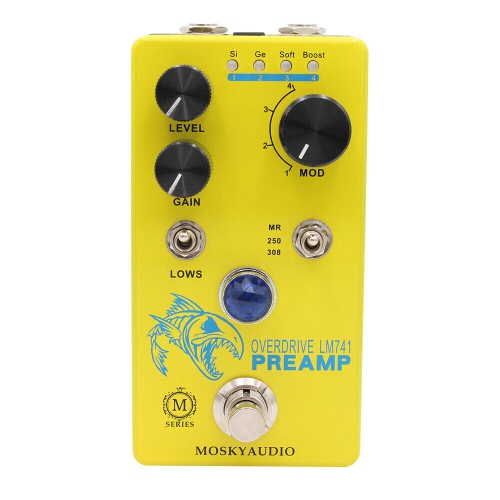
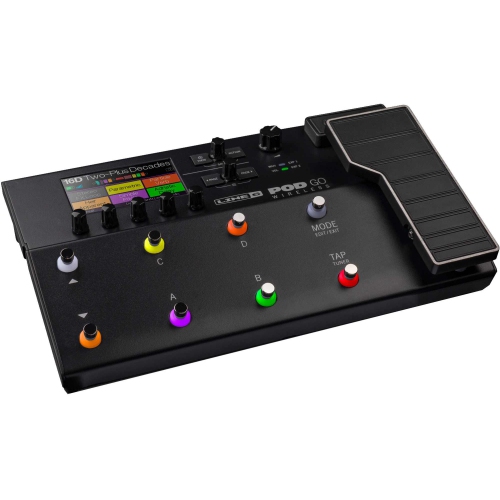
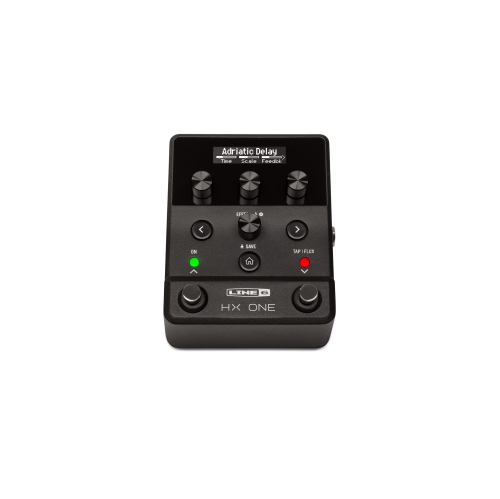
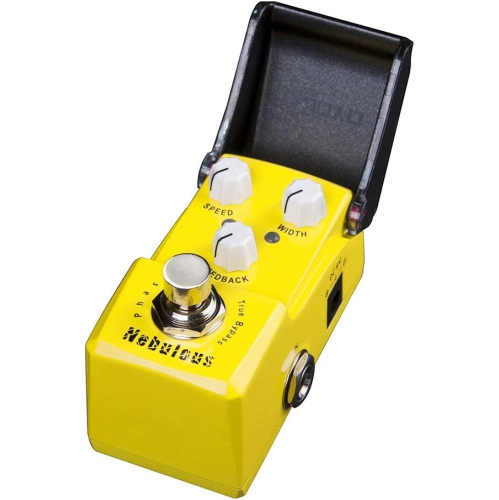
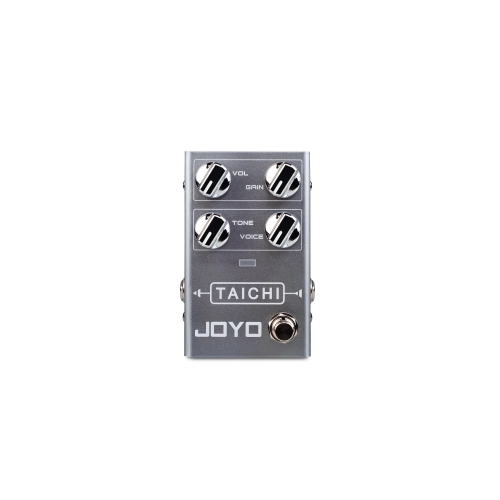
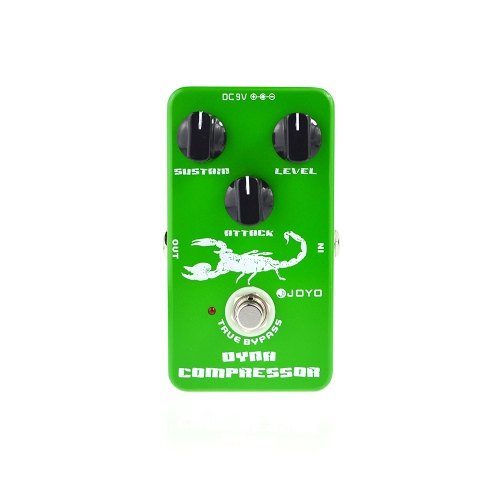
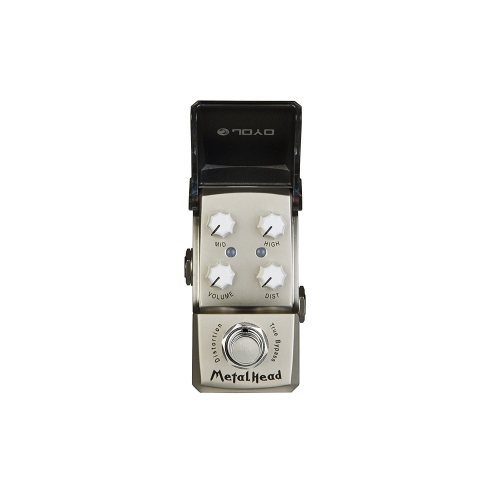
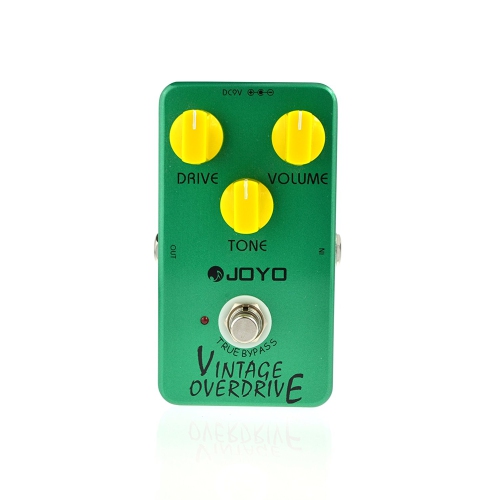
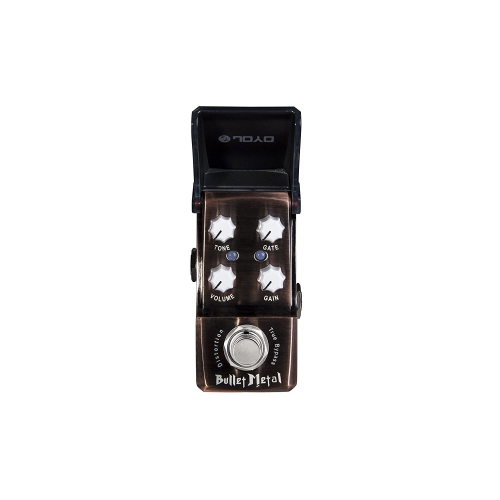
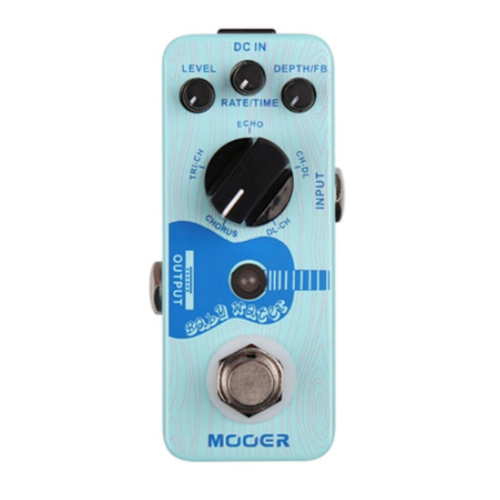
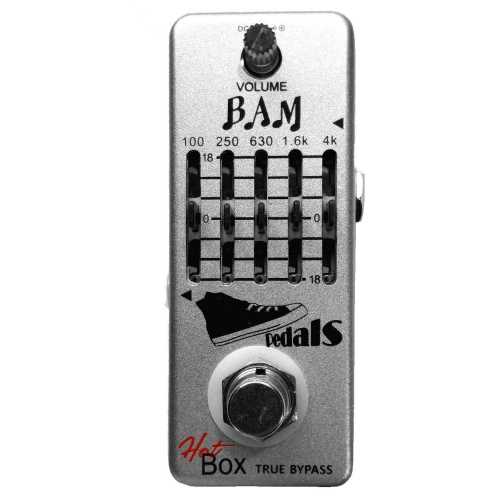
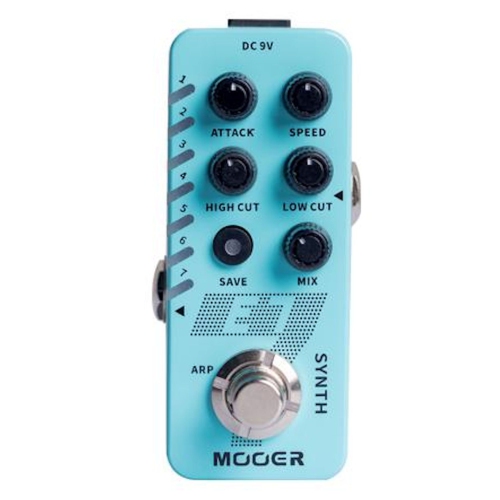
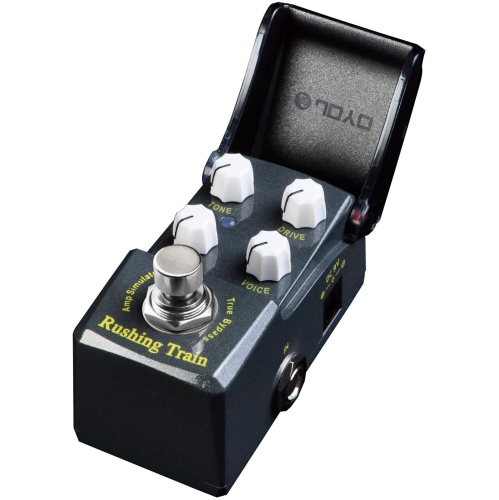
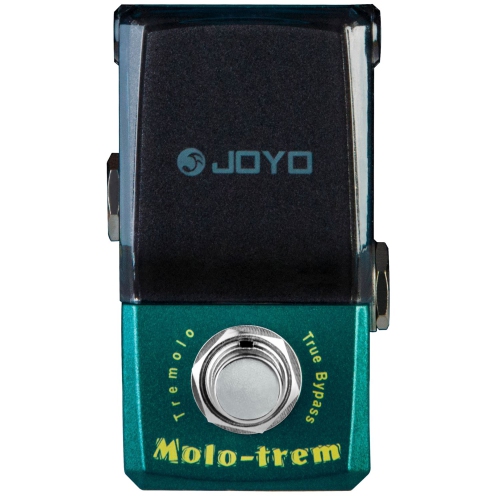
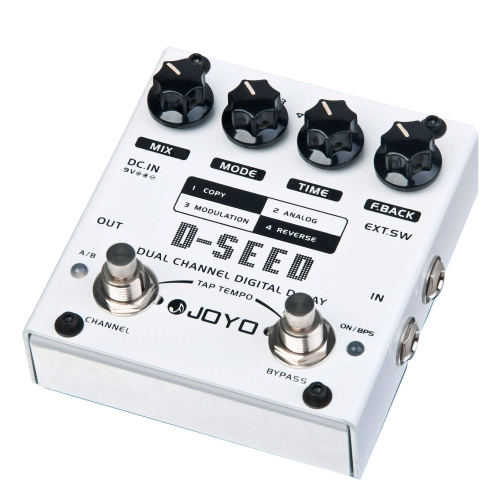
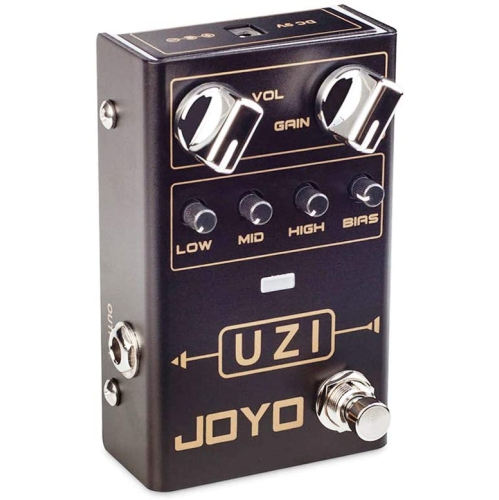
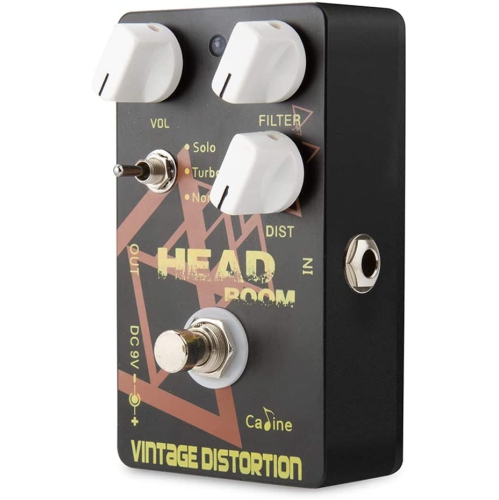
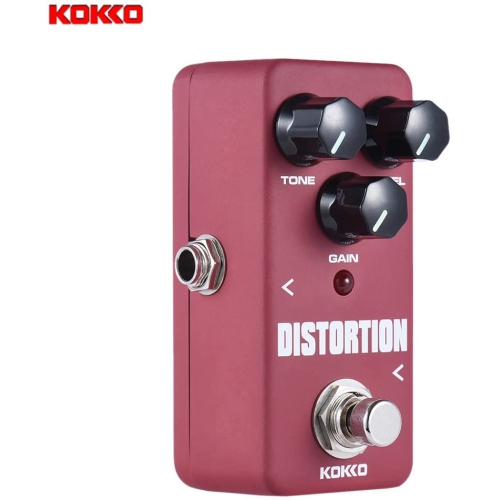
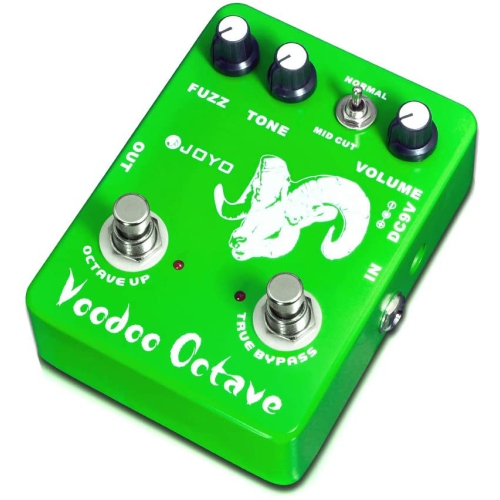
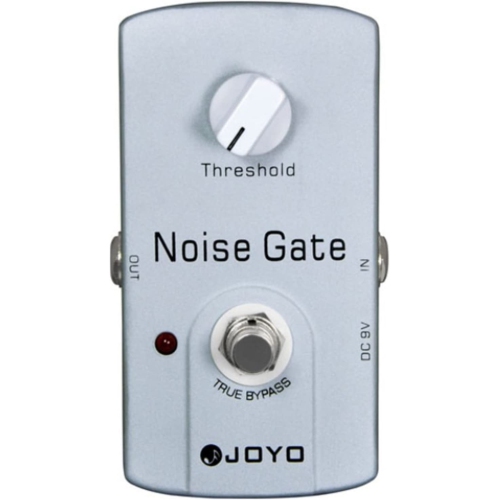
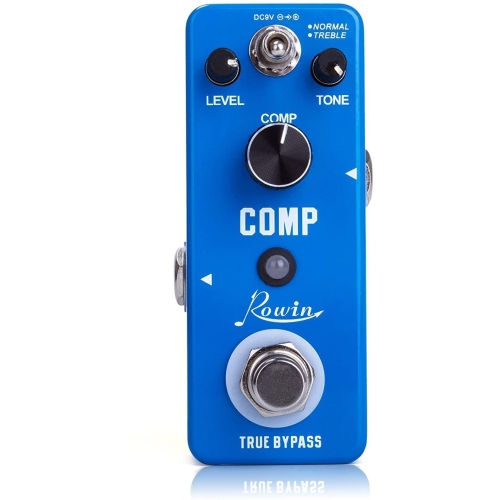
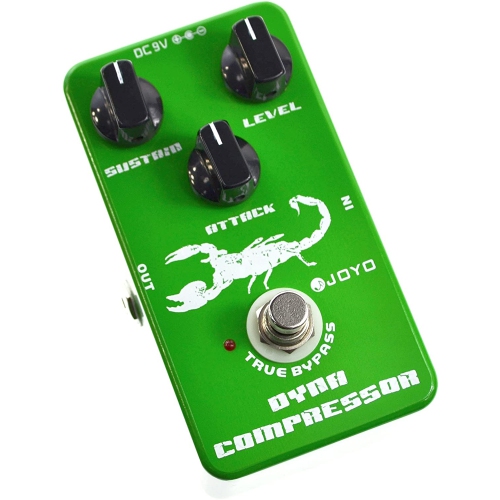
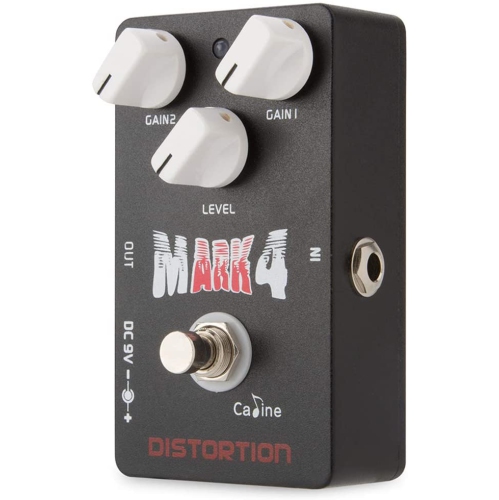
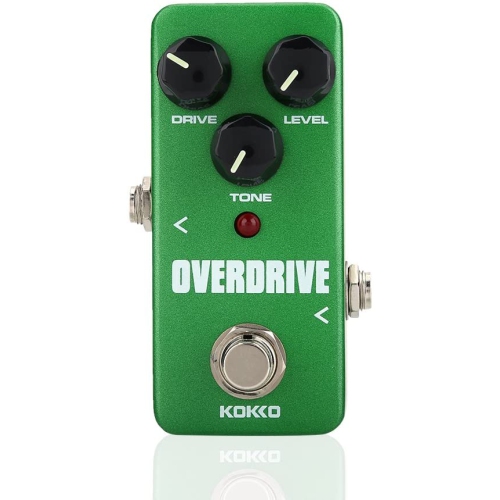
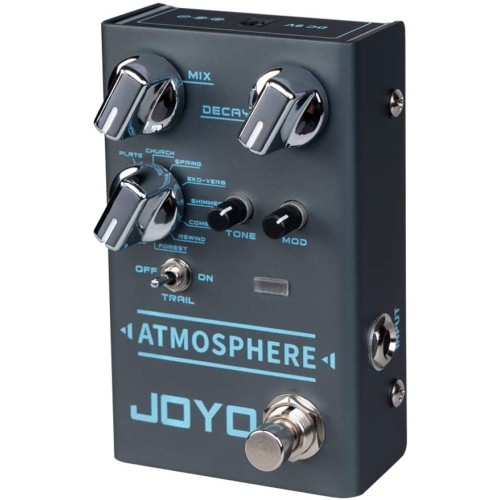
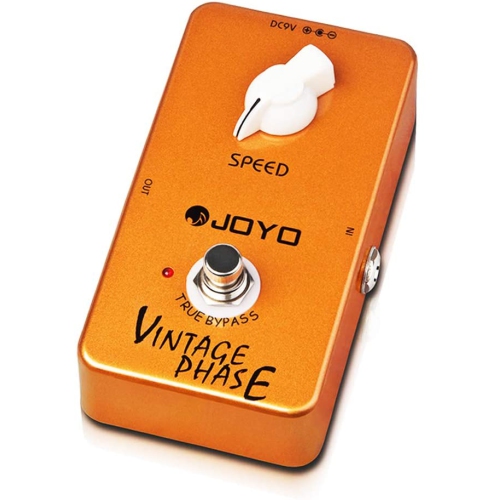
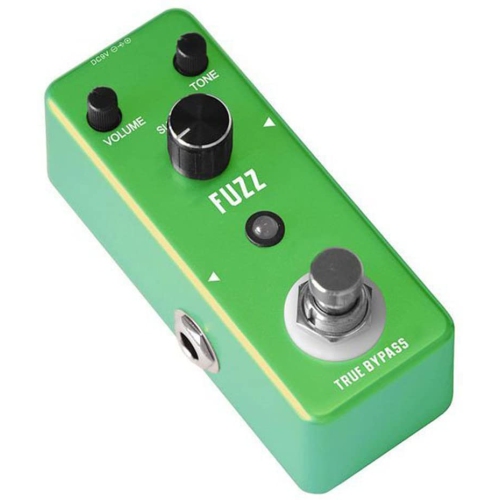
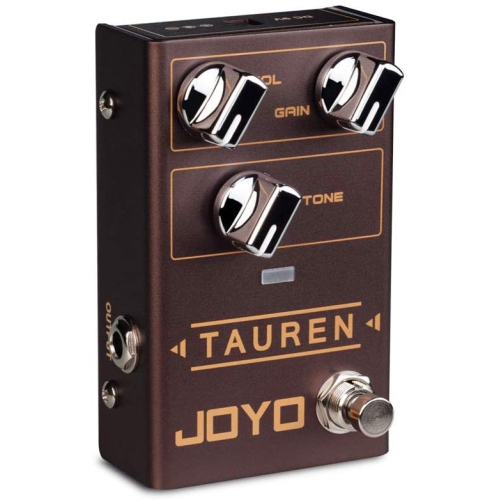
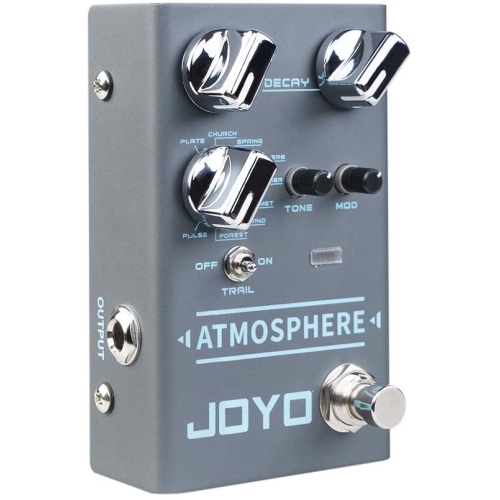
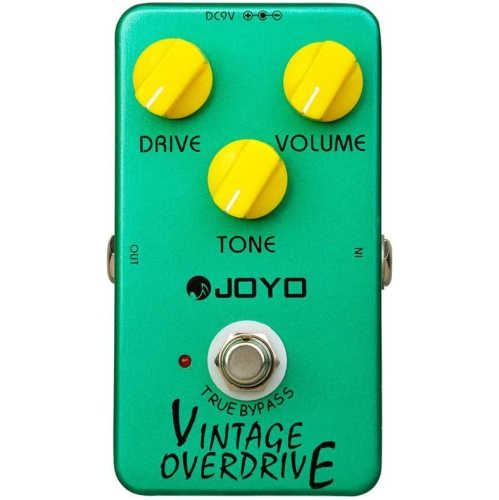
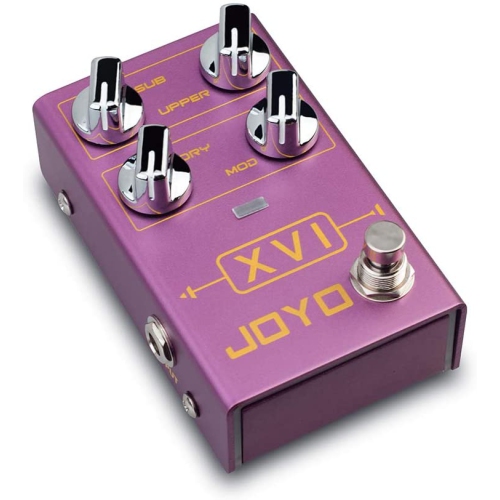
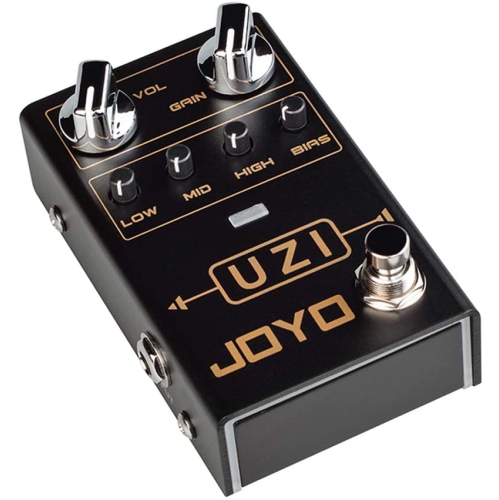
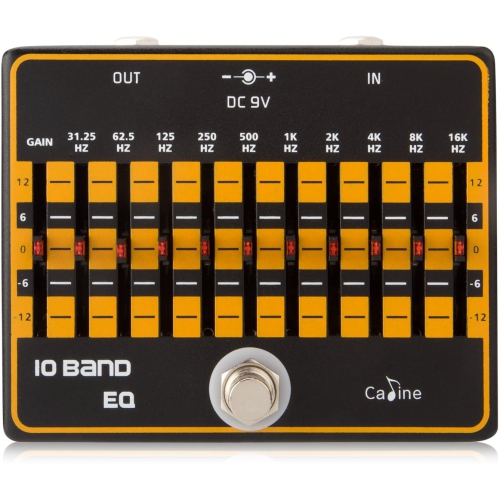
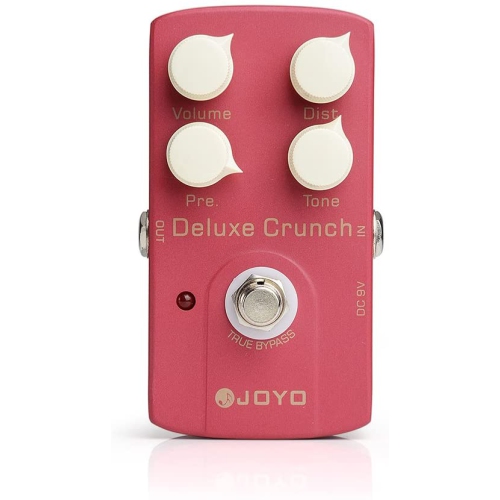
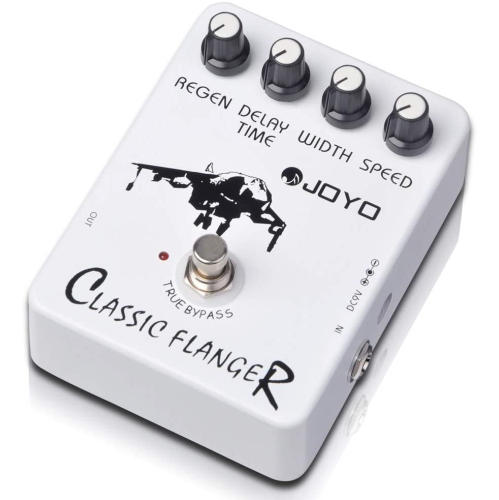
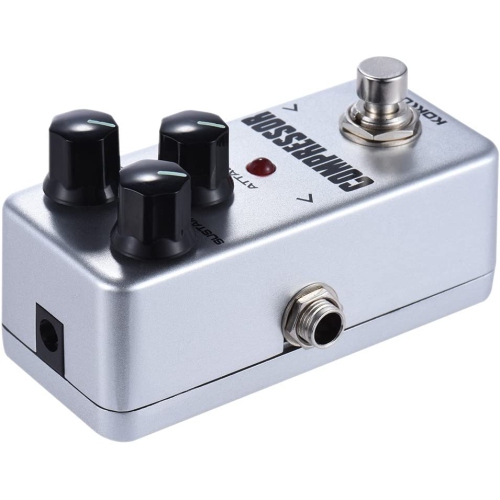
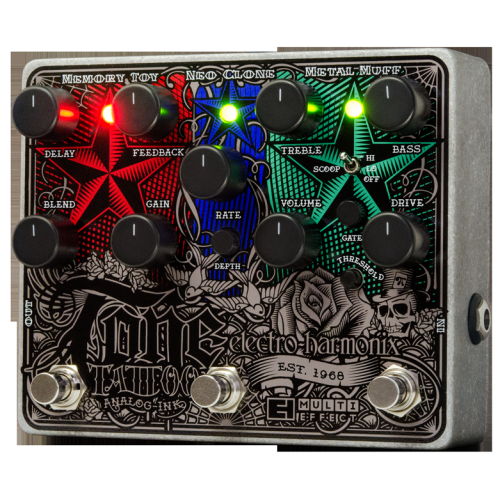
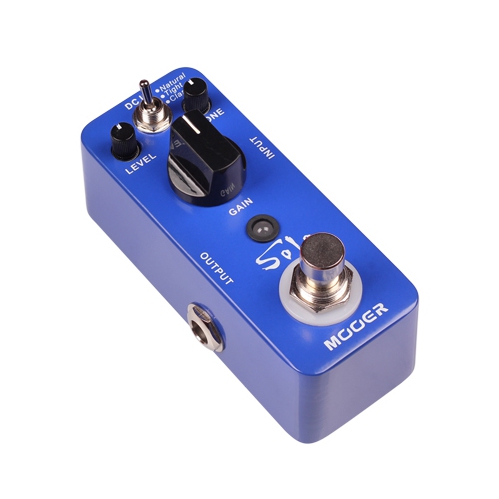
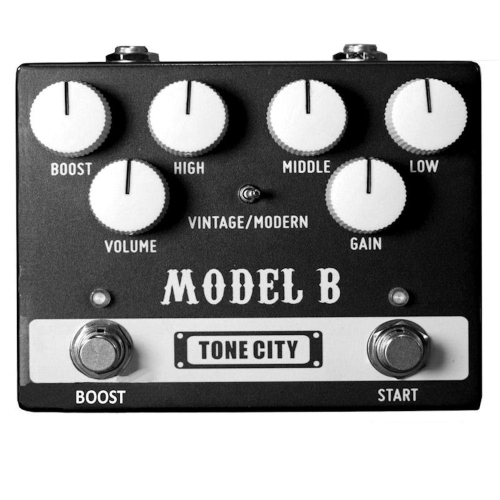
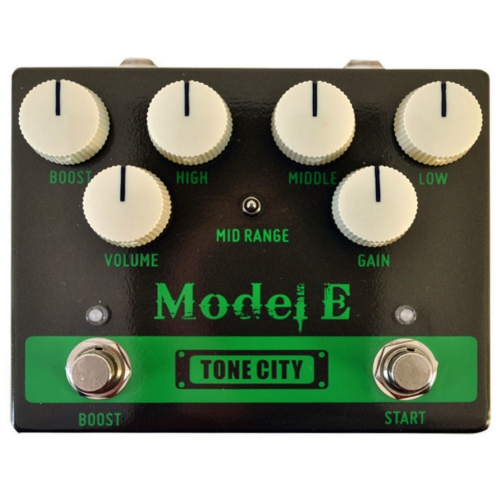
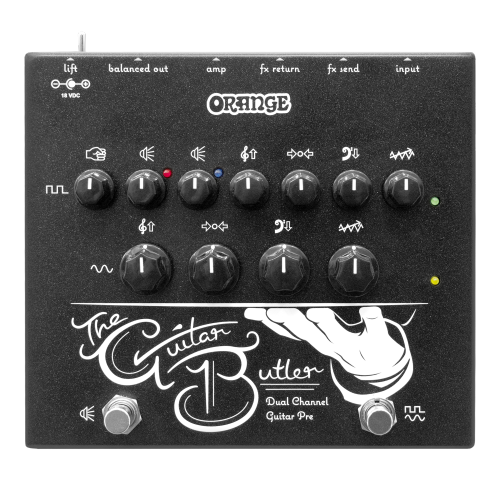
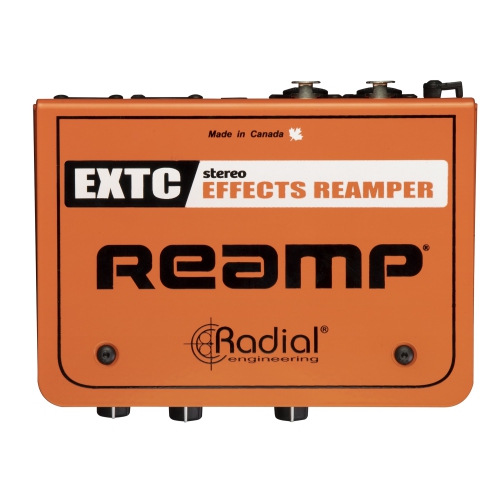
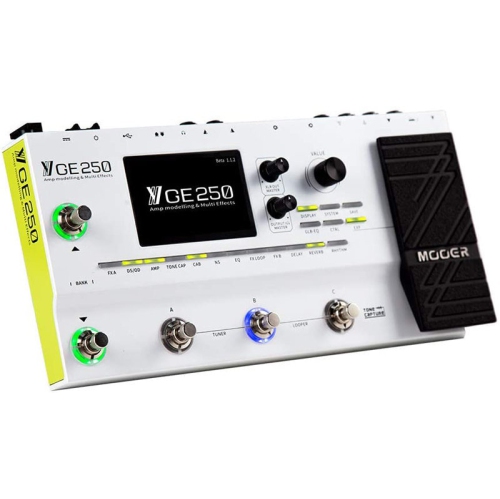
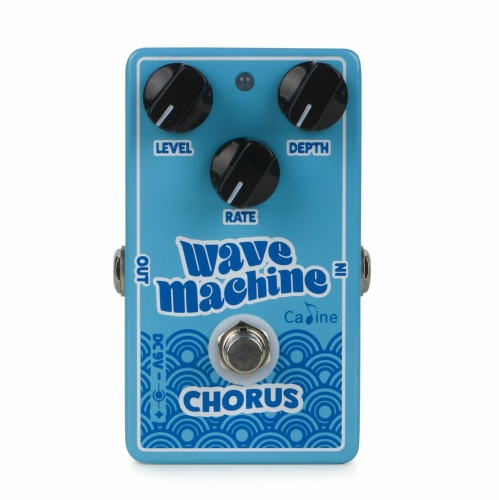
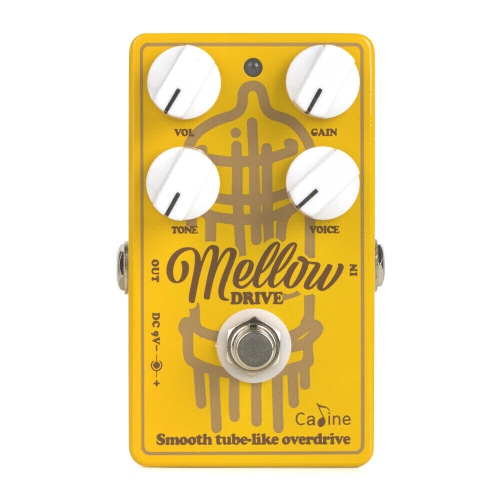
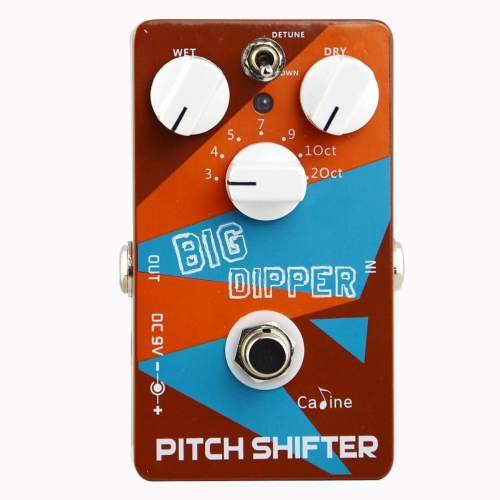
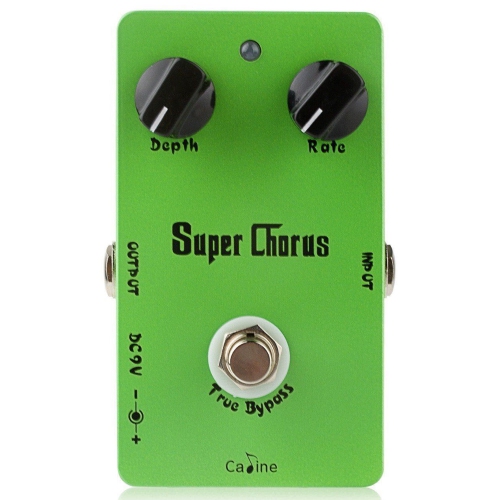
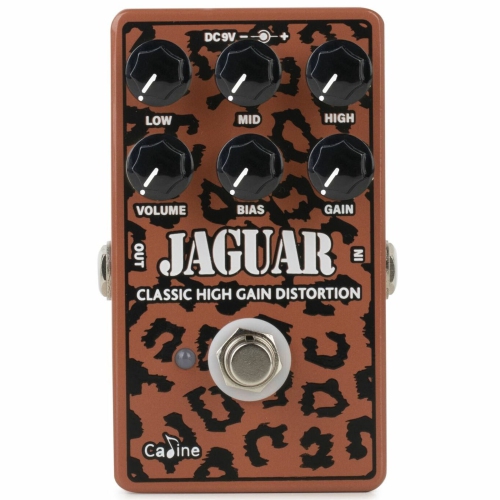
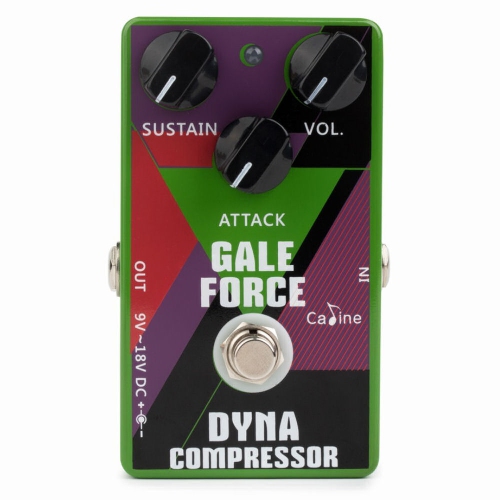
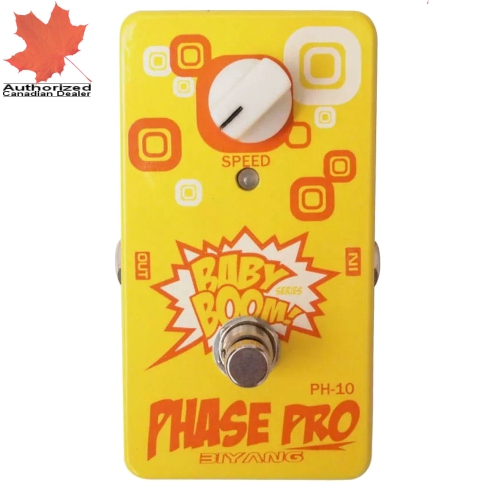
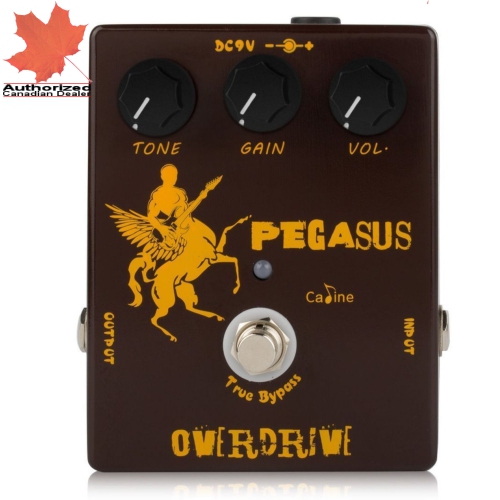
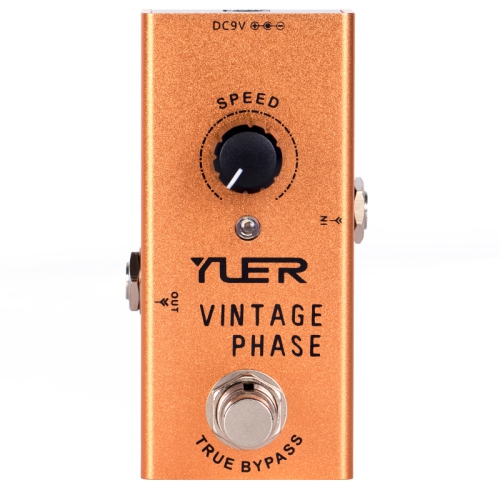
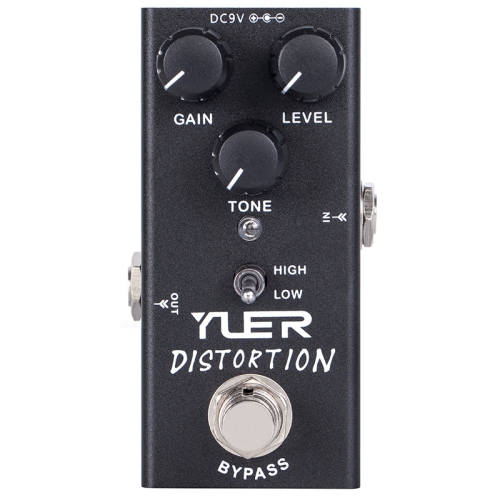
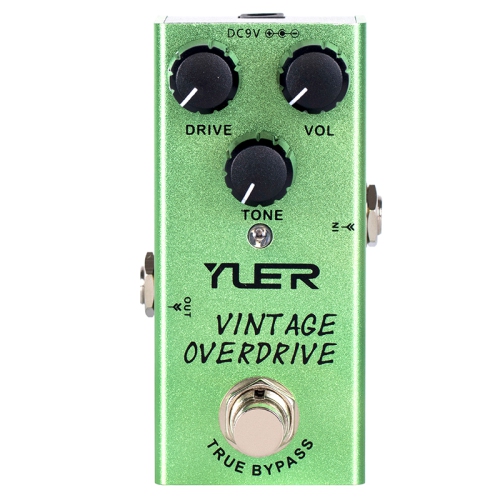
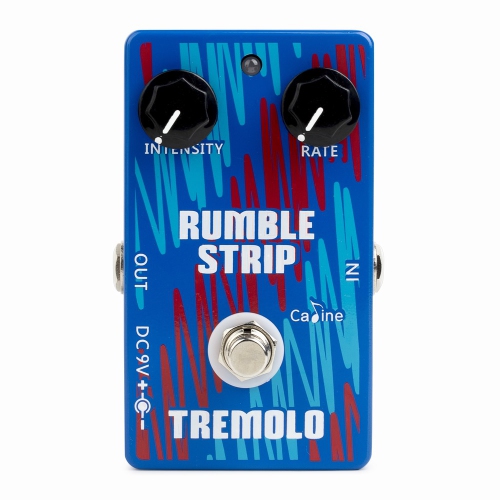
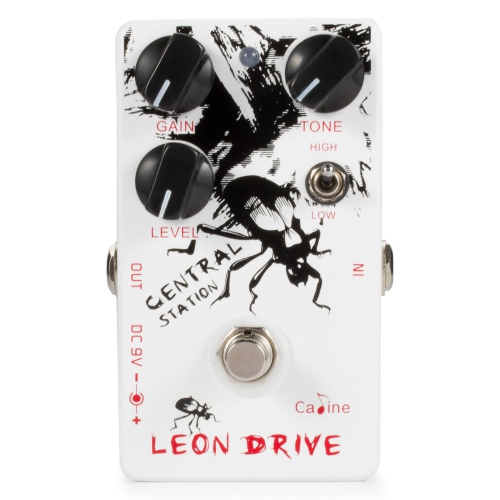
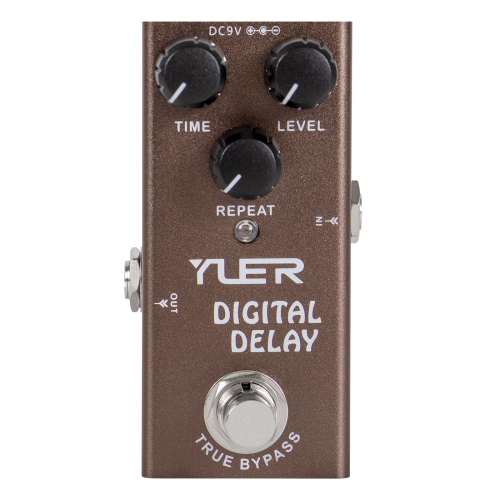
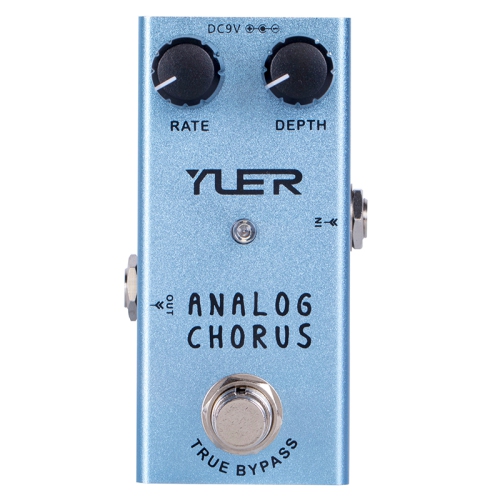
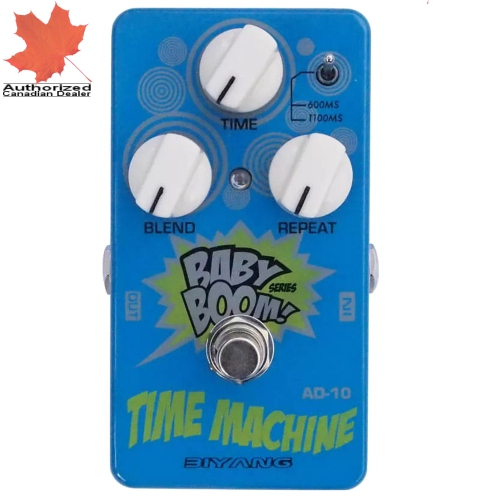
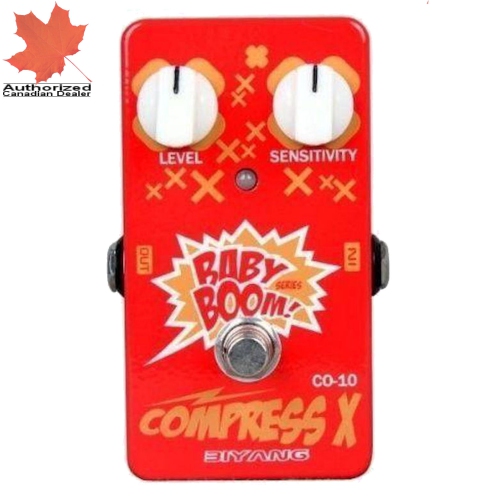
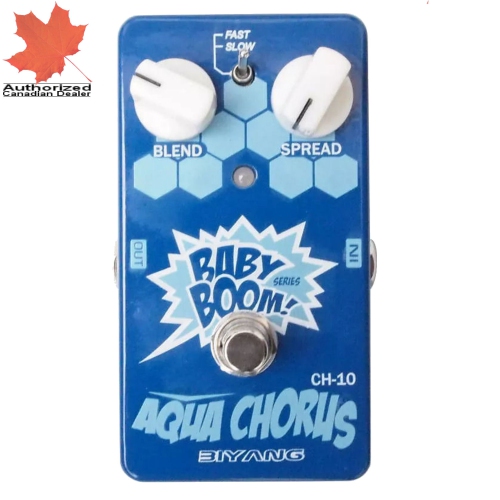
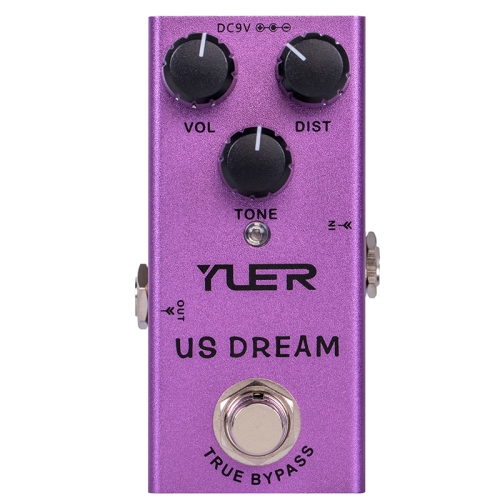
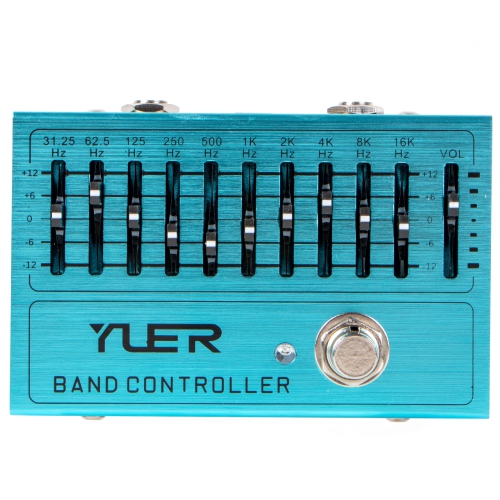
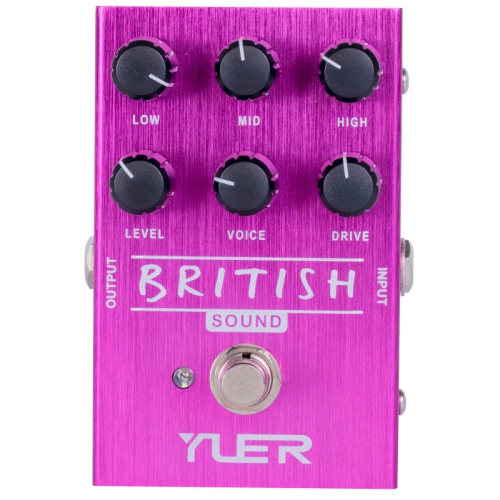
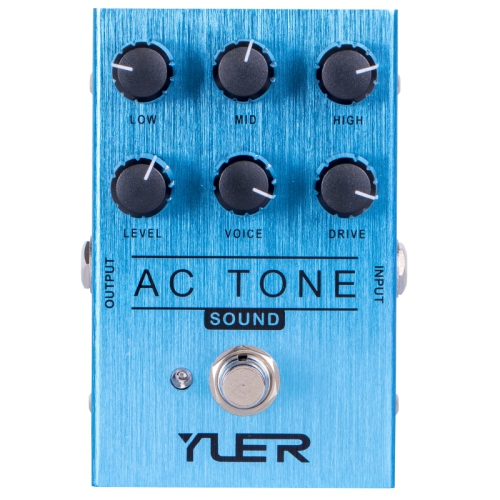
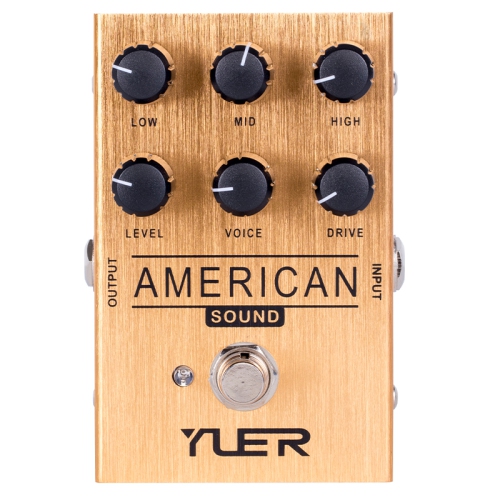
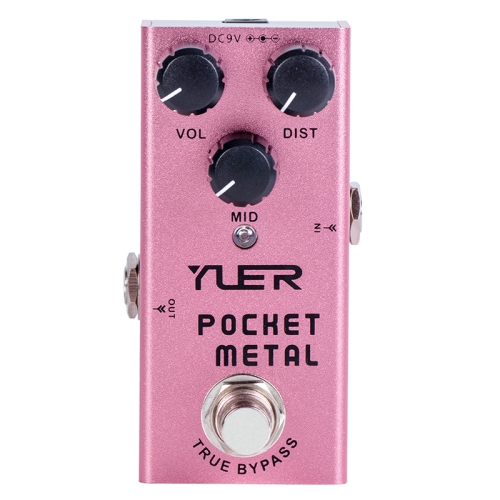
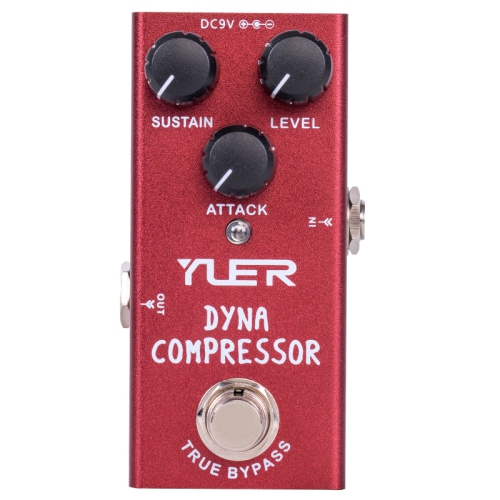
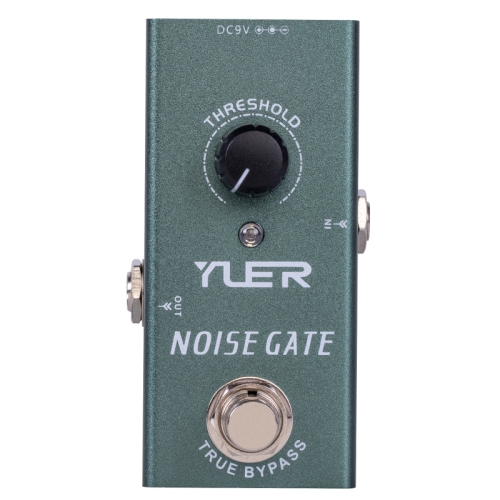
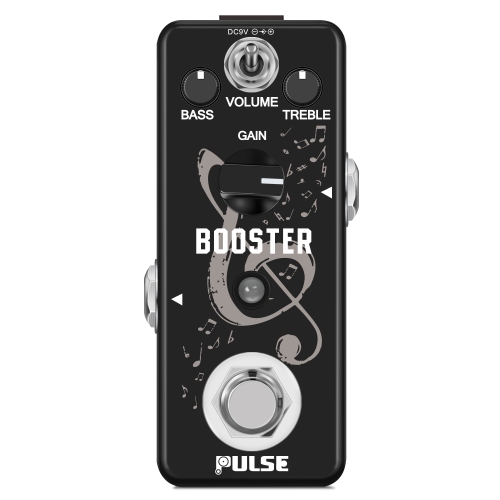
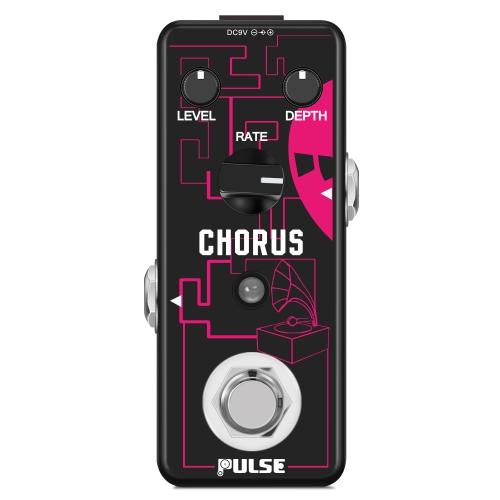
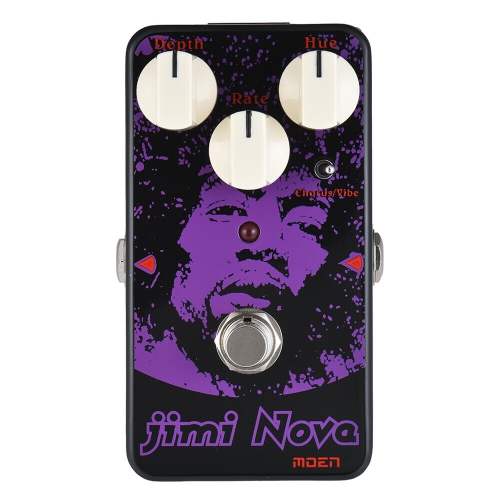
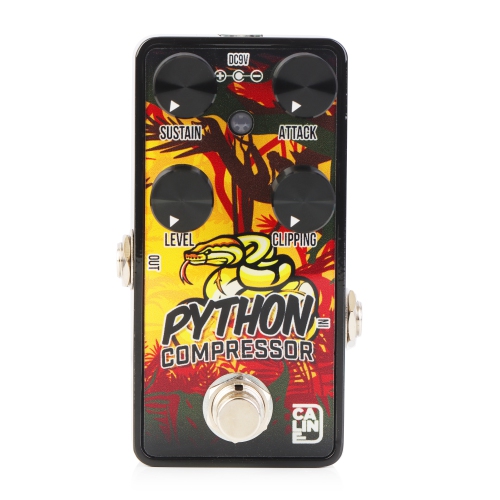
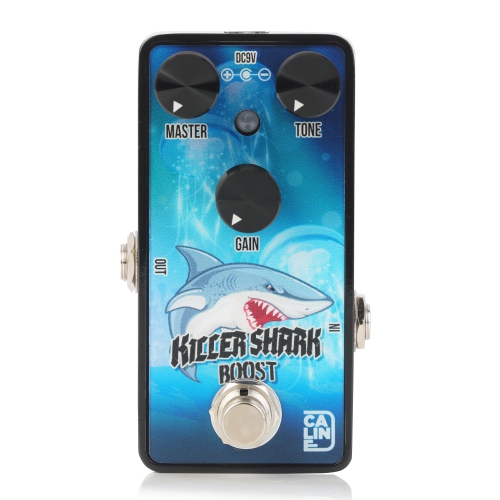
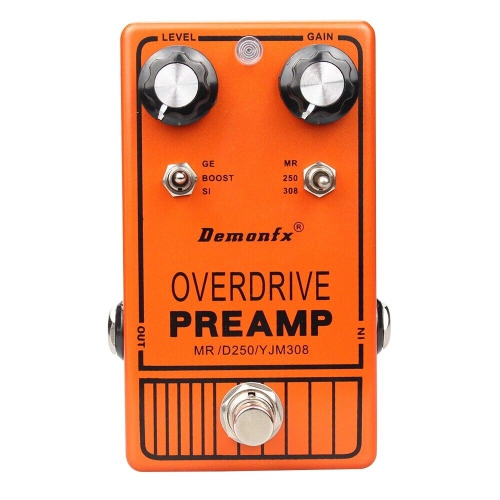
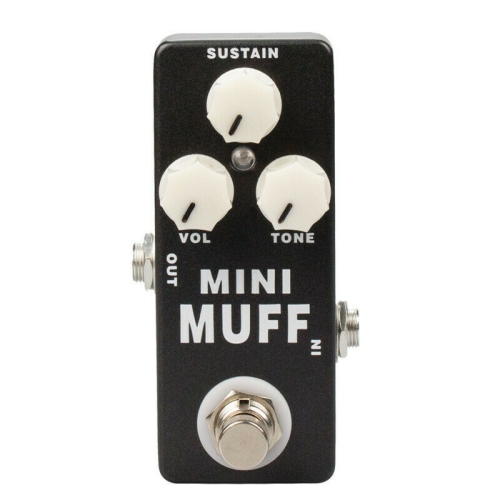
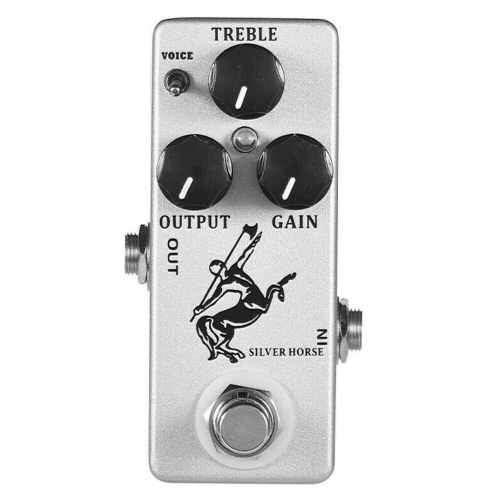
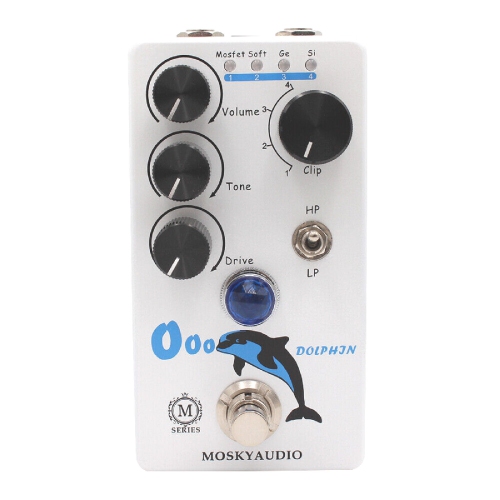
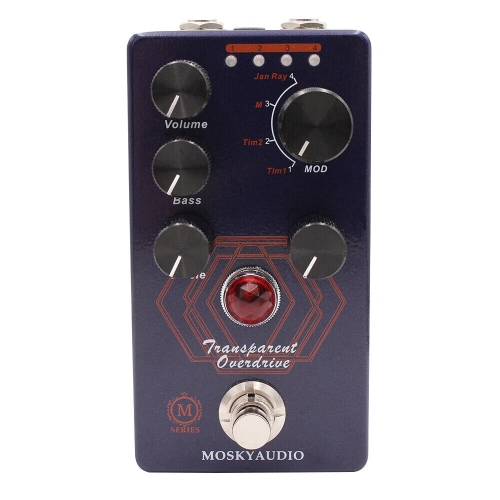
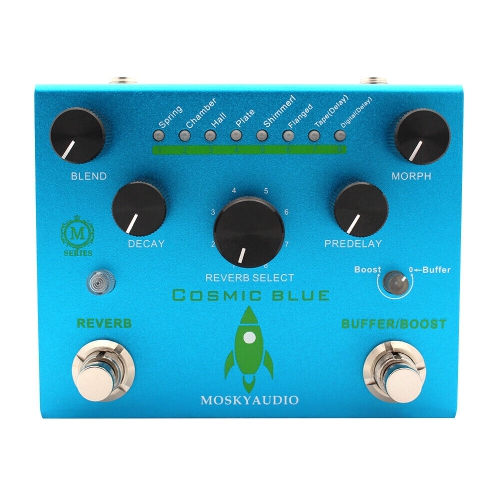
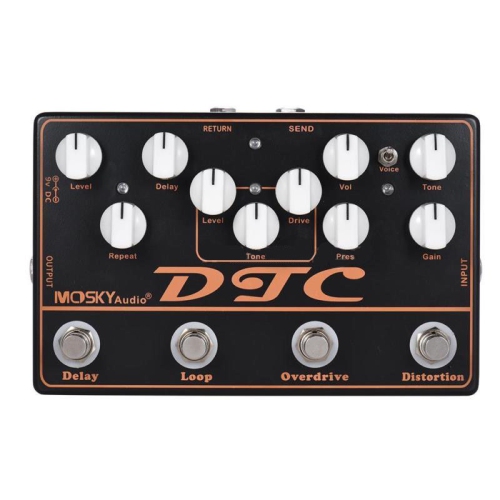
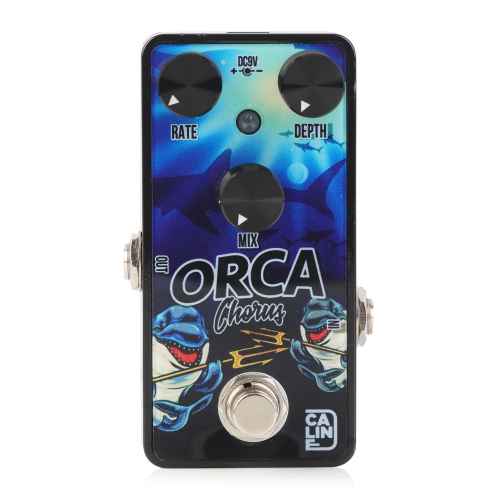
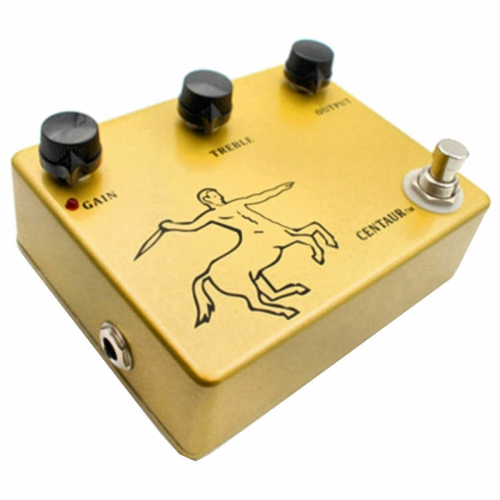
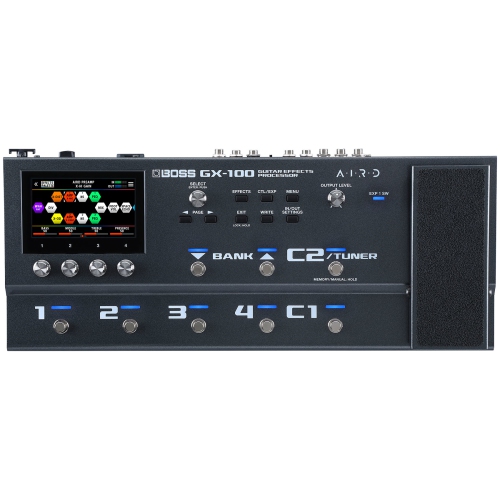
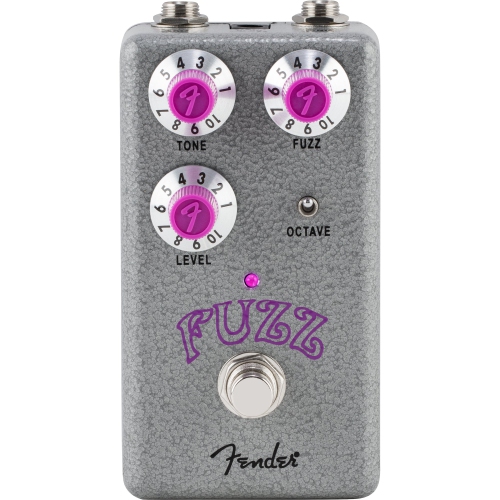
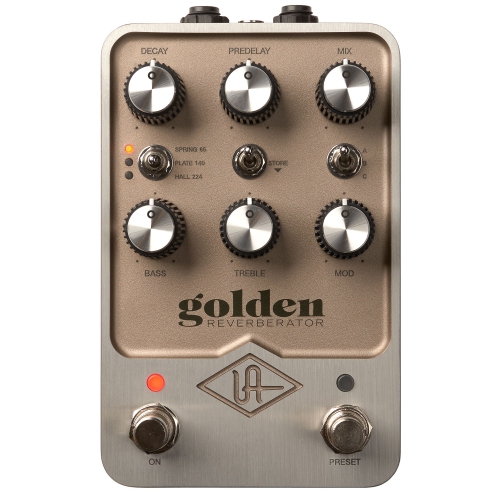
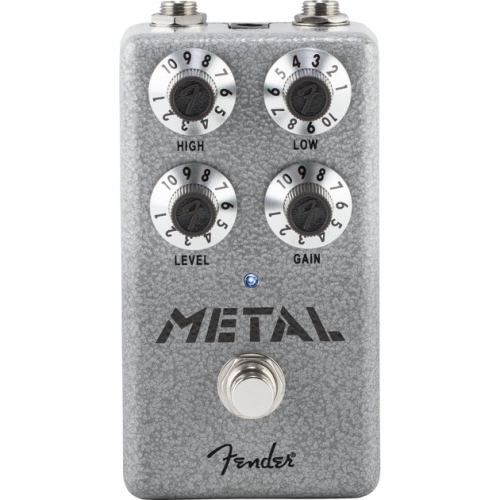
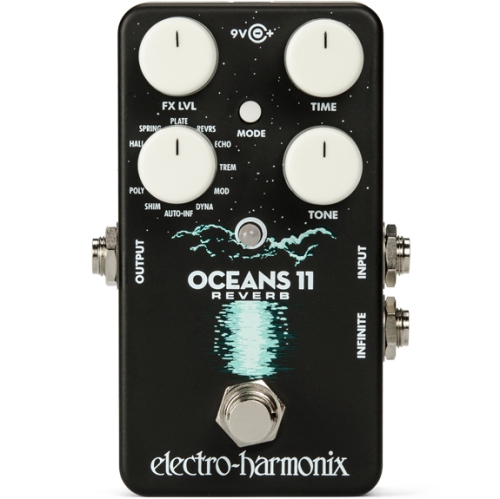
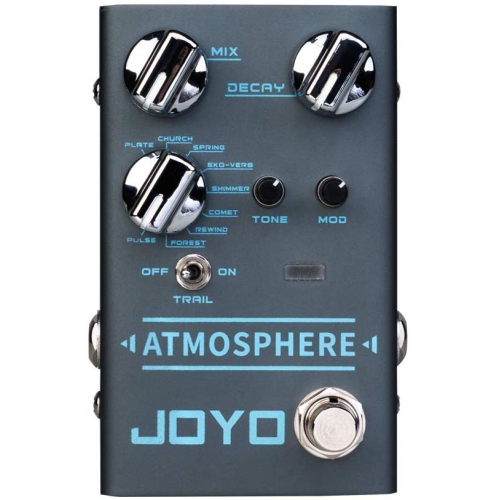
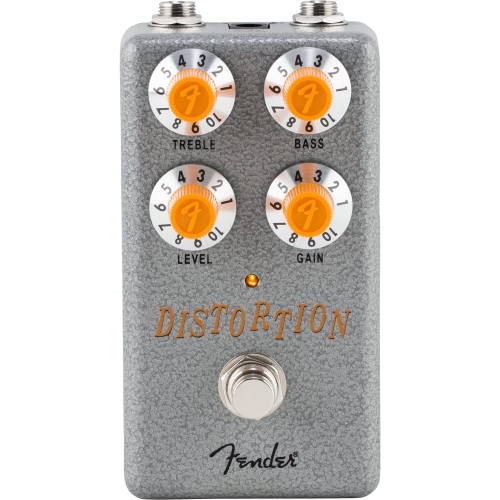
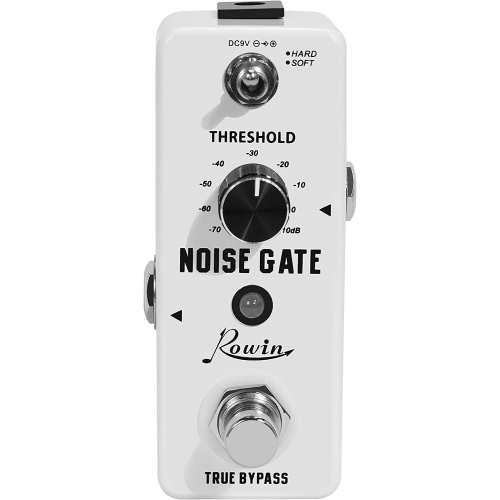
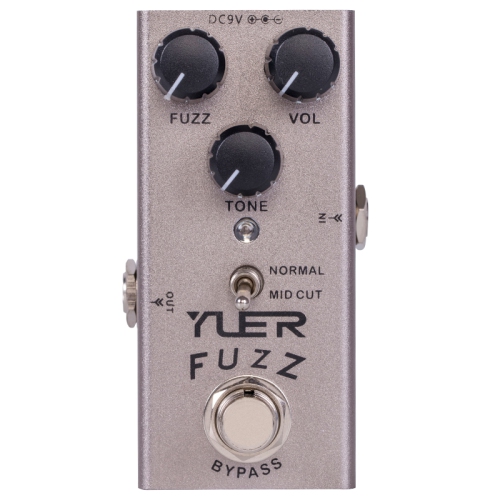
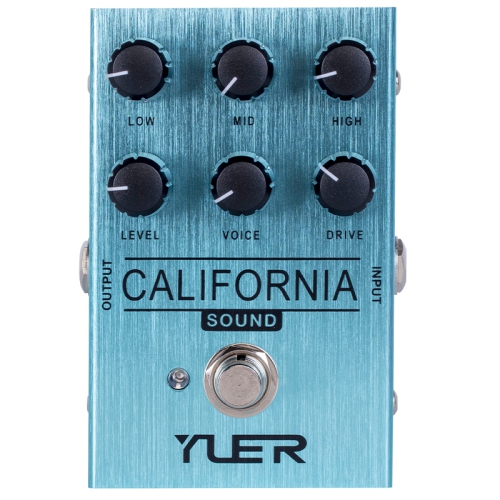
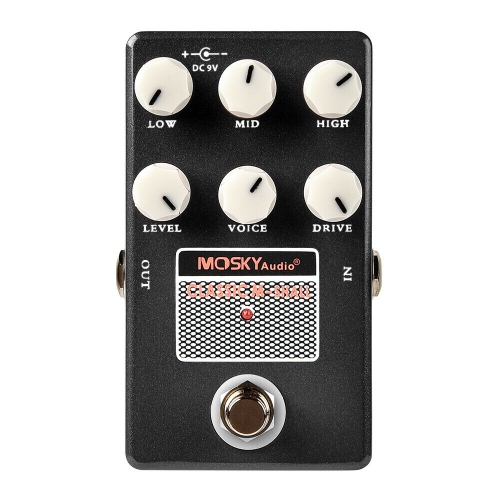
Guitar effects are electronic or digital devices that alter a guitar’s sound by changing its gain, tone, volume, pitch, or sense of space. They can add a slight edge to a clean chord, turn a single-note melody into a thick lead line, or surround a picked pattern with spacious echoes. Effects are commonly housed in individual stompboxes, multi-effects processors, and rack-mounted units, with different formats suited to different playing habits. Their appeal extends from beginners discovering how their favourite sounds are made to experienced musicians shaping a distinctive voice for rehearsals, performances, and recording sessions. Overdrive, distortion, and fuzz all add grit, but their character varies: overdrive often preserves more of the player’s picking dynamics, distortion generally delivers a more saturated sound, and fuzz can produce a dense, raspy texture. Delay repeats notes at adjustable intervals, while reverb creates the impression of sound reflecting through a room, hall, or other space. Chorus, phaser, and flanger add movement through different forms of modulation, ranging from gentle shimmer to sweeping, dramatic textures. Compression controls dynamic range and can make quiet notes more noticeable, helping fingerpicked passages and rhythmic parts sit more evenly. Equalization adjusts selected frequency ranges, which can bring out articulation or reduce an overly sharp edge. Pitch effects create harmonies, octave layers, and other changes in register, while wah and filter effects reshape the frequency emphasis for expressive, vowel-like sounds. These categories are useful reference points, though the result also depends on the guitar, pickups, amplifier, and the player’s touch. A lightly driven rhythm sound may feel open and responsive through one setup and thicker through another. For someone playing country, blues, metal, pop, or experimental music, guitar effects offer different ways to support the part rather than simply make it louder. A short delay can give a sparse phrase extra presence, while a restrained chorus can widen clean chords without obscuring their individual notes. Even one carefully matched effect can make a familiar guitar feel more expressive.
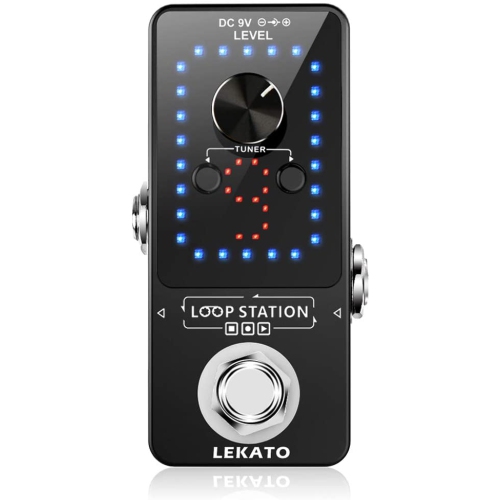
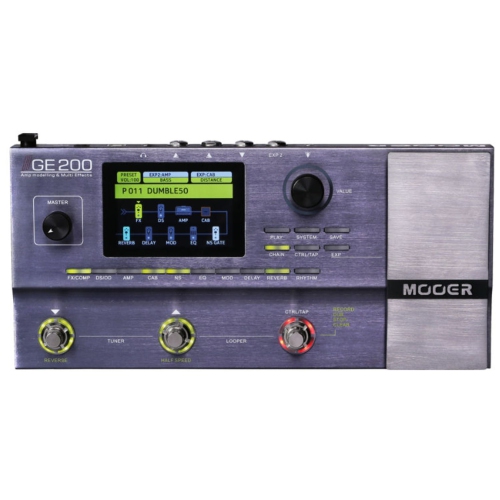
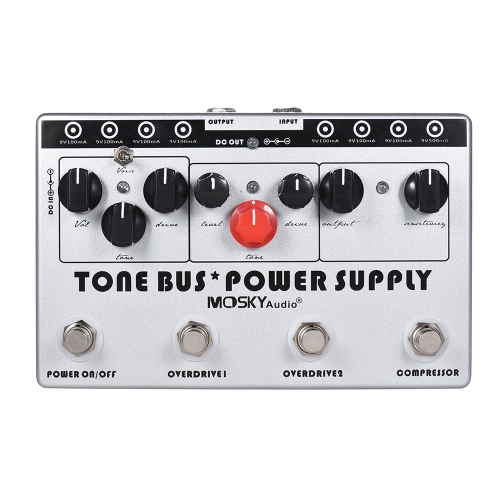
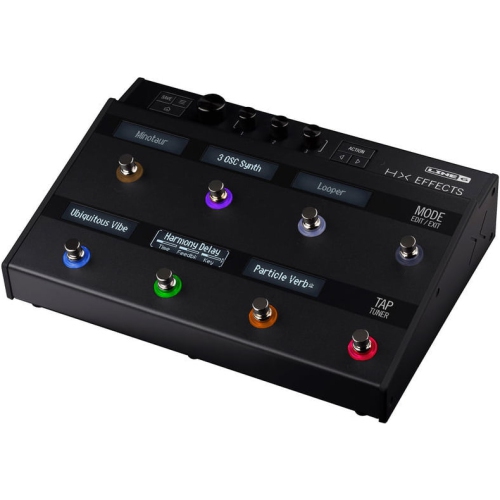
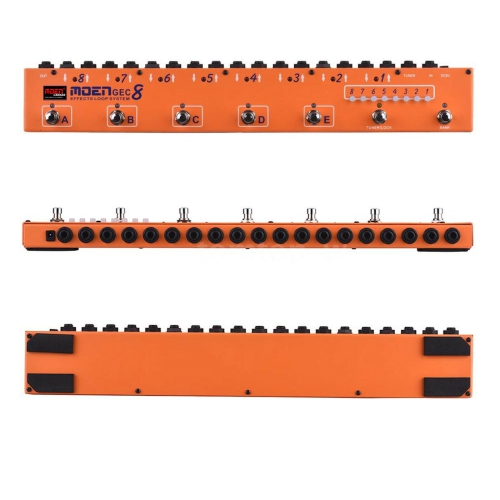
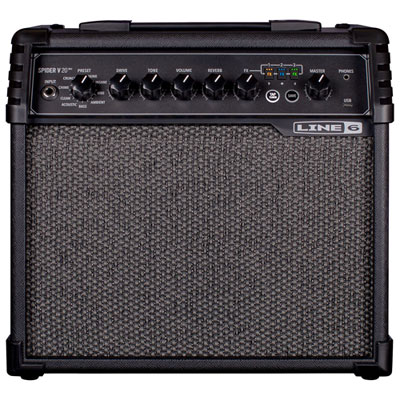
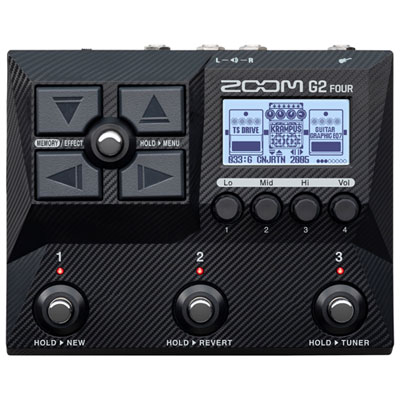
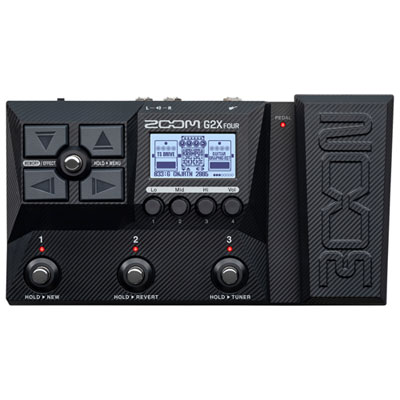
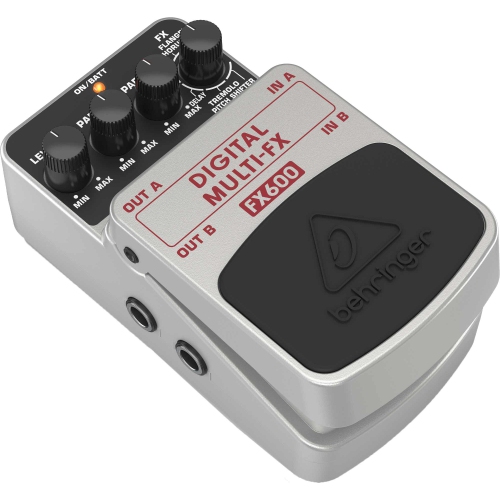
The choice between separate effects and a multi-effects unit often comes down to how a guitarist likes to interact with their equipment. Individual guitar pedals put dedicated sounds underfoot, usually with physical controls that make small changes easy to see and hear. That direct approach suits players who prefer a few familiar settings and want to switch effects independently during a song. A multi-effects processor combines several effect types in one housing and may store presets, making it practical for moving between a dry rhythm tone, a driven lead sound, and a spacious clean passage. Depending on the unit, additional functions can include amplifier modelling, cabinet simulation, a tuner, looping, or a USB audio connection. These functions serve different purposes and are not present in every processor. Cabinet simulation, for example, can be important when sending an electric guitar signal directly to a mixer or audio interface instead of through a guitar speaker. A headphone output can support private practice, but an ordinary effects output is not necessarily designed to drive headphones. Physical fit matters just as much as the range of sounds. A compact enclosure leaves more room on a pedalboard, although closely spaced switches may be harder to operate cleanly while standing. Larger footswitch spacing, readable labels, and a clear display can be helpful when a player needs to change sounds without interrupting a performance. Connections also affect how comfortably an effect fits an existing setup. Mono and stereo inputs and outputs, expression-pedal support, and compatibility with an amplifier’s effects loop can all shape its intended use. Power requirements deserve particular attention because voltage, polarity, and current draw must match the device’s specifications; a connector that fits does not establish compatibility. Some effects accept batteries, while others require an external supply. For a shared rehearsal space or a home recording desk, straightforward connections and easily recalled settings may be more useful than a large collection of sounds that rarely get used.
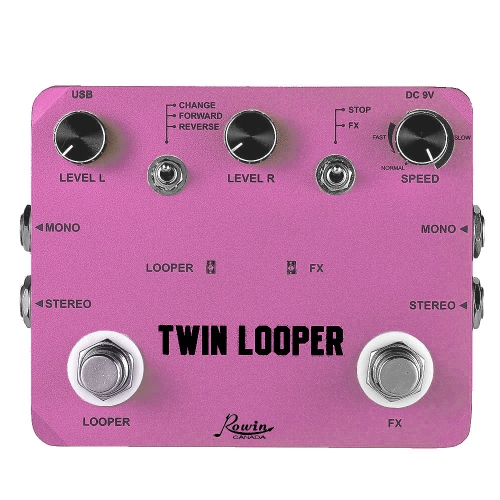
Materials, construction, and control design influence how well guitar effects stand up to everyday handling. Metal housings are common on stompboxes intended for regular foot operation, while lighter housings can reduce the weight of a portable setup. Enclosure material alone does not determine durability: secure jacks, firmly mounted controls, dependable footswitches, and protected displays also matter. A pedal that travels between lessons, rehearsals, and performances benefits from a fitted case or padded bag that keeps knobs and connectors from taking the impact of other equipment. On a pedalboard, secure mounting and sensible cable routing help prevent movement and reduce strain on sockets. Patch cables need enough slack to avoid pulling at the jacks, without leaving large loops where a foot could catch them. Routine care is generally simple: disconnect power before cleaning, use a soft, dry cloth, keep liquids away from openings, and follow the manufacturer’s directions for storage and maintenance. For battery-powered devices, removing the battery before extended storage can help protect against leakage. Sound quality and ease of use are equally important parts of long-term satisfaction. Some analogue circuits respond strongly to changes in playing intensity and guitar volume, while digital processing can provide detailed control, preset recall, and combinations of effects that would otherwise require several devices. Neither approach is automatically better for every player. A guitarist accompanying a singer may value subtle compression and a small amount of reverb that leaves room for the vocal. Someone building layered instrumental passages may prefer delay controls, a looper, and hands-free access to several textures. Acoustic-electric players often benefit from effects voiced to preserve clarity, with suitable input connections and level handling for their pickup system. Guitar effects can also make thoughtful gifts for musicians who enjoy experimenting, particularly when the recipient’s existing equipment and power setup are known. An expressive effect can open up new musical ideas, but familiar controls and practical compatibility are often what make it a lasting part of a player’s setup. The most useful choice is one that fits naturally into the way that person practises, creates, and performs.
The choice between separate effects and a multi-effects unit often comes down to how a guitarist likes to interact with their equipment. Individual guitar pedals put dedicated sounds underfoot, usually with physical controls that make small changes easy to see and hear. That direct approach suits players who prefer a few familiar settings and want to switch effects independently during a song. A multi-effects processor combines several effect types in one housing and may store presets, making it practical for moving between a dry rhythm tone, a driven lead sound, and a spacious clean passage. Depending on the unit, additional functions can include amplifier modelling, cabinet simulation, a tuner, looping, or a USB audio connection. These functions serve different purposes and are not present in every processor. Cabinet simulation, for example, can be important when sending an electric guitar signal directly to a mixer or audio interface instead of through a guitar speaker. A headphone output can support private practice, but an ordinary effects output is not necessarily designed to drive headphones. Physical fit matters just as much as the range of sounds. A compact enclosure leaves more room on a pedalboard, although closely spaced switches may be harder to operate cleanly while standing. Larger footswitch spacing, readable labels, and a clear display can be helpful when a player needs to change sounds without interrupting a performance. Connections also affect how comfortably an effect fits an existing setup. Mono and stereo inputs and outputs, expression-pedal support, and compatibility with an amplifier’s effects loop can all shape its intended use. Power requirements deserve particular attention because voltage, polarity, and current draw must match the device’s specifications; a connector that fits does not establish compatibility. Some effects accept batteries, while others require an external supply. For a shared rehearsal space or a home recording desk, straightforward connections and easily recalled settings may be more useful than a large collection of sounds that rarely get used.
Materials, construction, and control design influence how well guitar effects stand up to everyday handling. Metal housings are common on stompboxes intended for regular foot operation, while lighter housings can reduce the weight of a portable setup. Enclosure material alone does not determine durability: secure jacks, firmly mounted controls, dependable footswitches, and protected displays also matter. A pedal that travels between lessons, rehearsals, and performances benefits from a fitted case or padded bag that keeps knobs and connectors from taking the impact of other equipment. On a pedalboard, secure mounting and sensible cable routing help prevent movement and reduce strain on sockets. Patch cables need enough slack to avoid pulling at the jacks, without leaving large loops where a foot could catch them. Routine care is generally simple: disconnect power before cleaning, use a soft, dry cloth, keep liquids away from openings, and follow the manufacturer’s directions for storage and maintenance. For battery-powered devices, removing the battery before extended storage can help protect against leakage. Sound quality and ease of use are equally important parts of long-term satisfaction. Some analogue circuits respond strongly to changes in playing intensity and guitar volume, while digital processing can provide detailed control, preset recall, and combinations of effects that would otherwise require several devices. Neither approach is automatically better for every player. A guitarist accompanying a singer may value subtle compression and a small amount of reverb that leaves room for the vocal. Someone building layered instrumental passages may prefer delay controls, a looper, and hands-free access to several textures. Acoustic-electric players often benefit from effects voiced to preserve clarity, with suitable input connections and level handling for their pickup system. Guitar effects can also make thoughtful gifts for musicians who enjoy experimenting, particularly when the recipient’s existing equipment and power setup are known. An expressive effect can open up new musical ideas, but familiar controls and practical compatibility are often what make it a lasting part of a player’s setup. The most useful choice is one that fits naturally into the way that person practises, creates, and performs.
Top selling and popular products
-
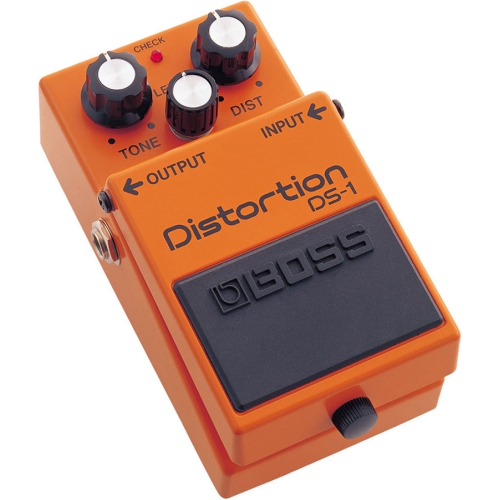 Your price for this item is $89.99
 -
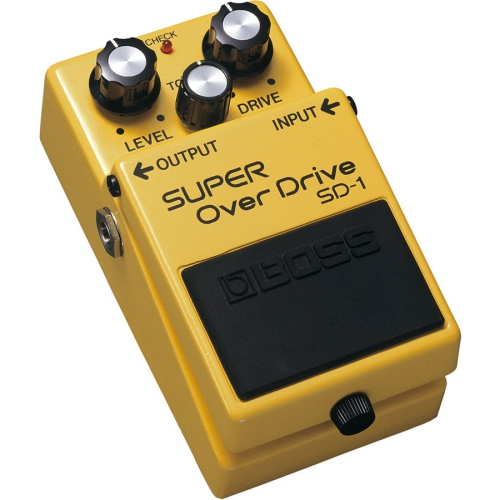 Your price for this item is $89.99
 -
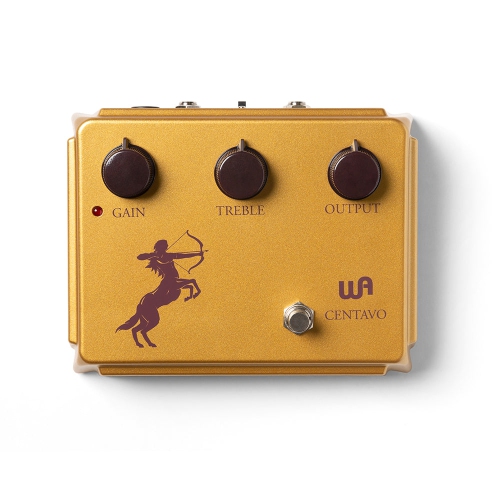 Your price for this item is $289
 -
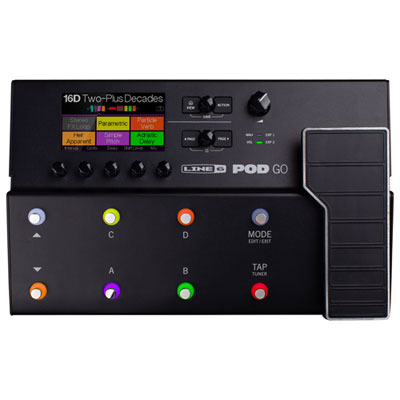 Your price for this item is $589.99
 -
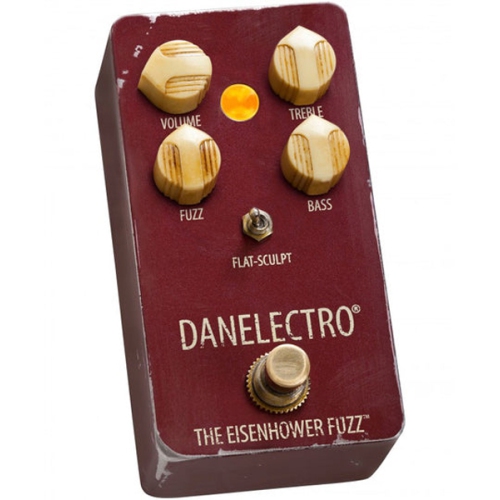 Your price for this item is $164.99
 -
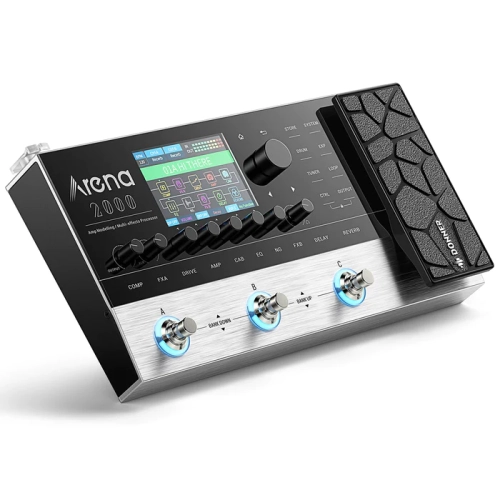 Your price for this item is $209.99
 -
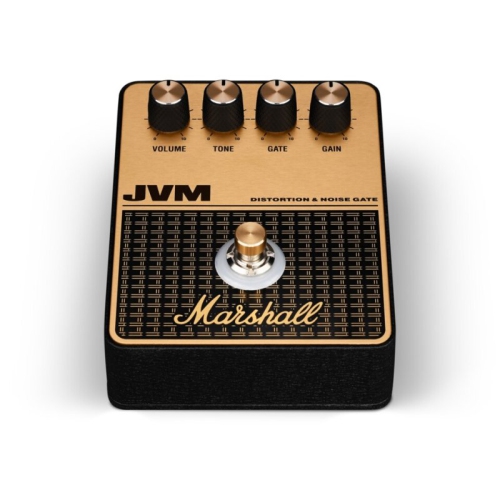 Your price for this item is $249.99
 -
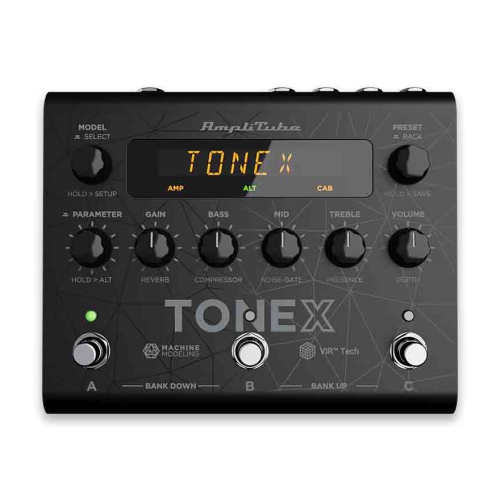 Your price for this item is $599.99
Discover more categories related to Guitar Effects
Top Collections:
Pokemon Centers, Kindle Devices, Best Budget Office Chairs, Apple iPhones 16, Best Laptops for Writers, iPhone 15 Apple, Canon G7X Cameras, Refurbished Apple Laptops, Alarm Clock, Motorola Razr Phones
Some products may be subject to Environmental Handling Fees
(EHF) depending on your province.
Learn more about EHFs.