Guitar Sound Effects
Enhance your guitar playing experience with our wide range of guitar sound effects. Whether you're a seasoned musician looking to add a new dimension to your music or a beginner seeking to experiment with different tones, our collection has something for everyone. From distortion pedals that bring out the raw power of your riffs to delay and reverb effects that create lush and atmospheric sounds, we have all the tools you need to take your guitar playing to the next level. Explore our selection of guitar sound effects and unleash your creativity today.
Sort
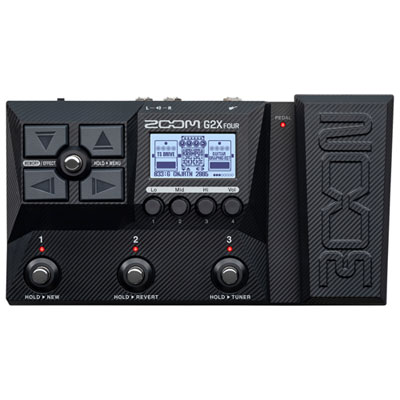
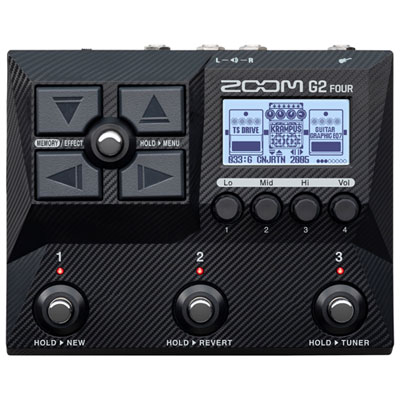
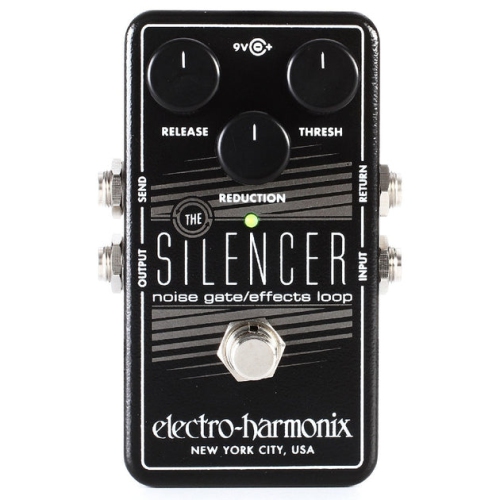
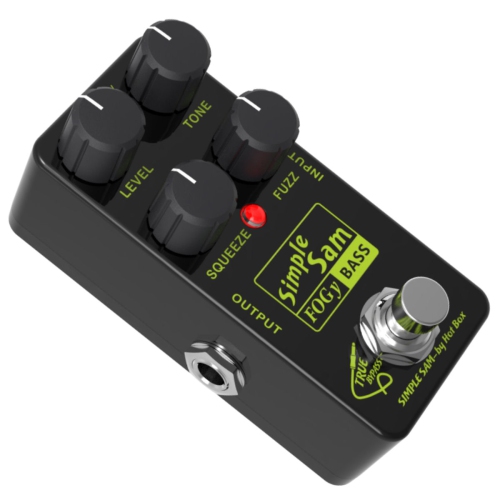
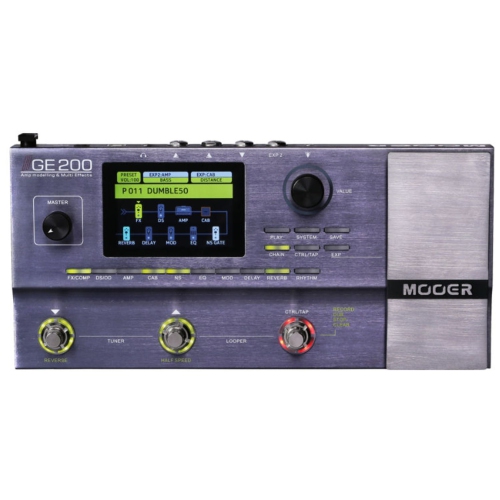

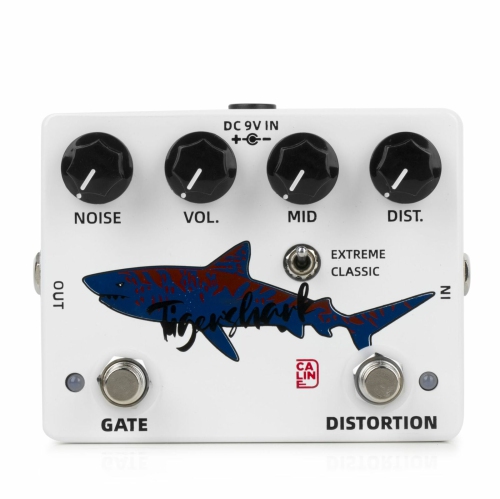
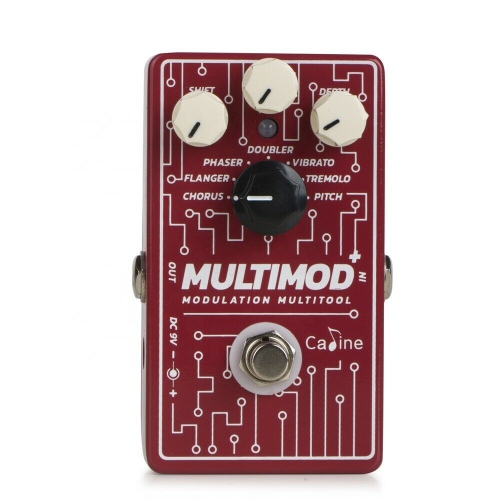

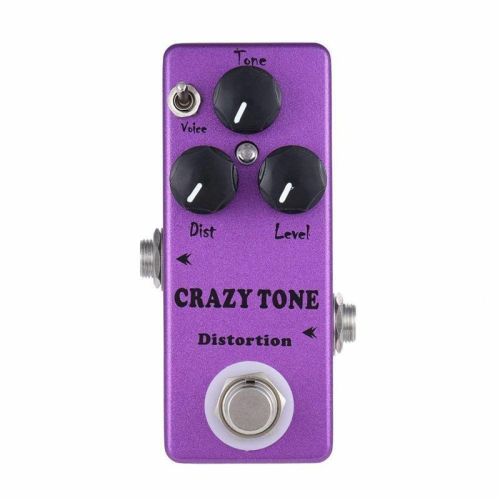
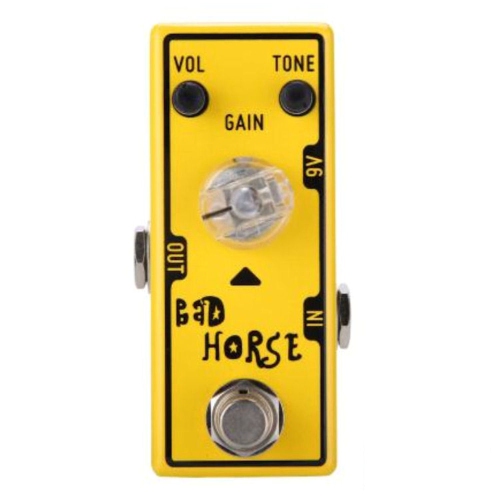
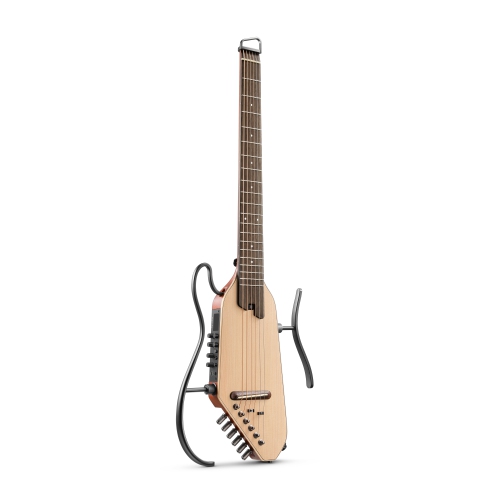
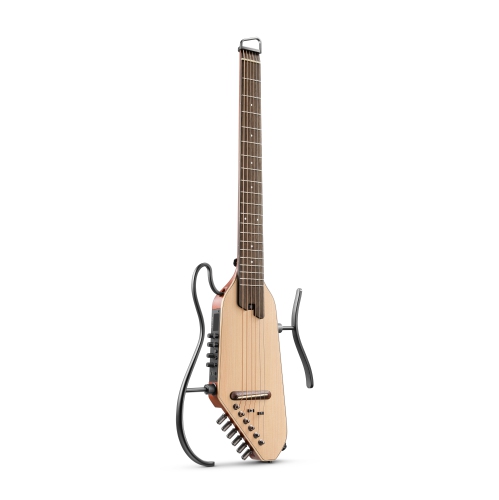
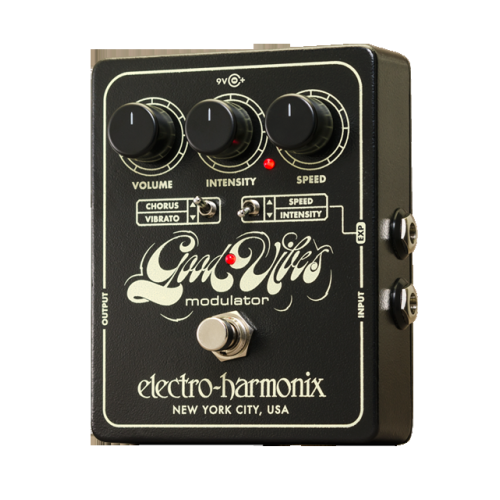
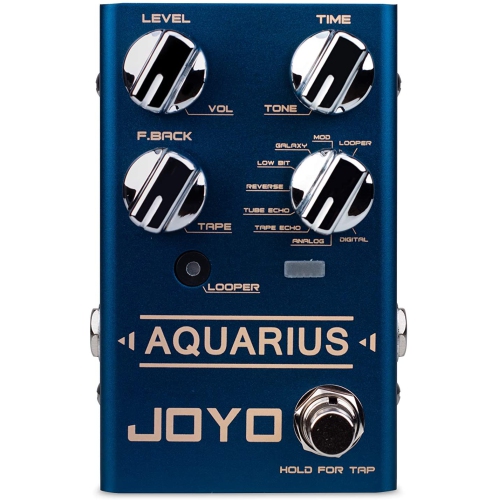
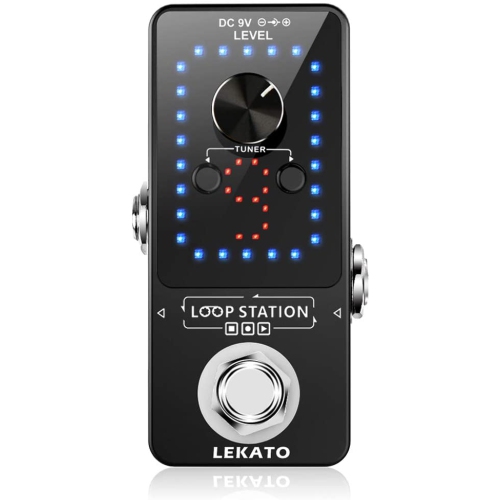

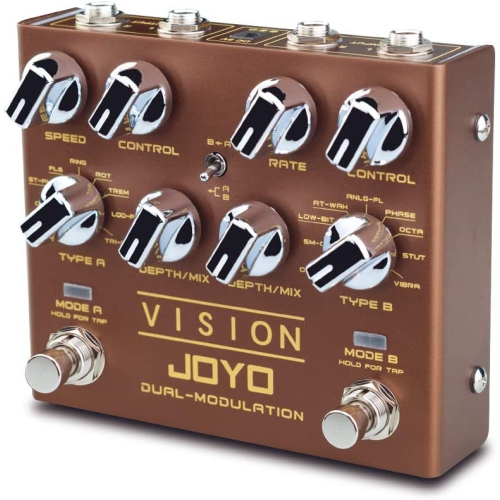
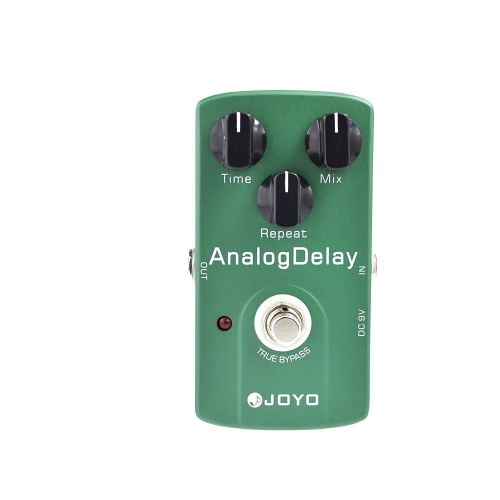
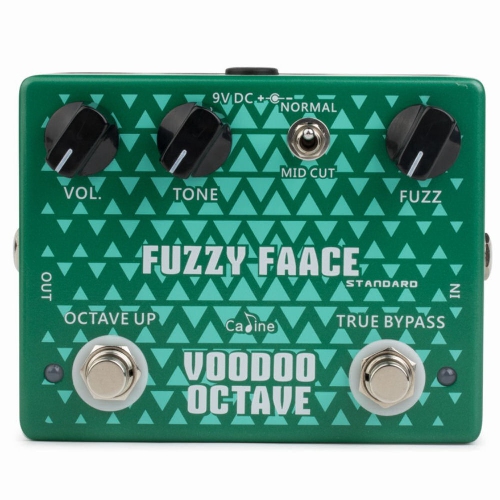
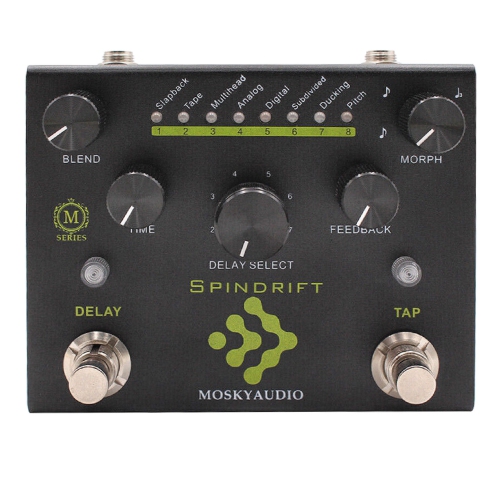
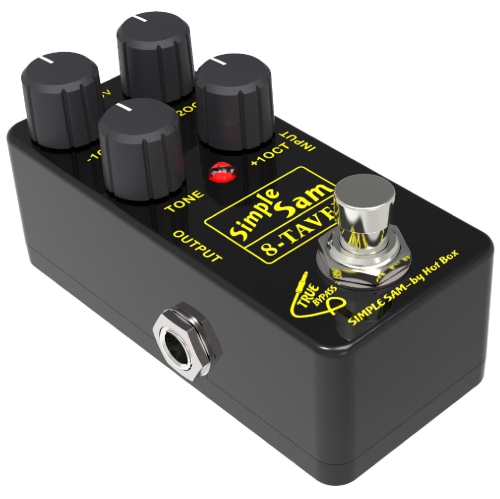
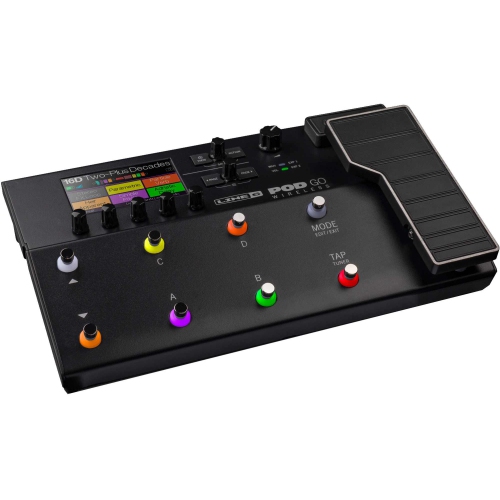
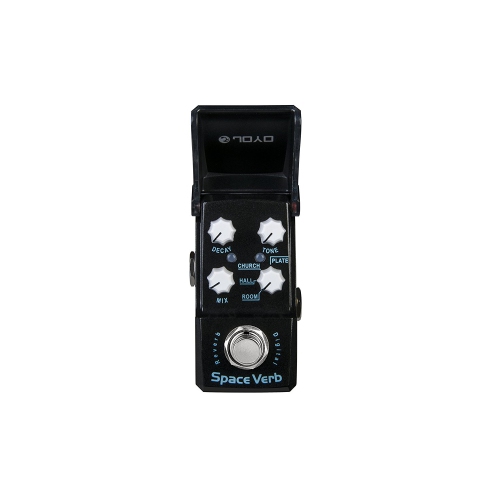

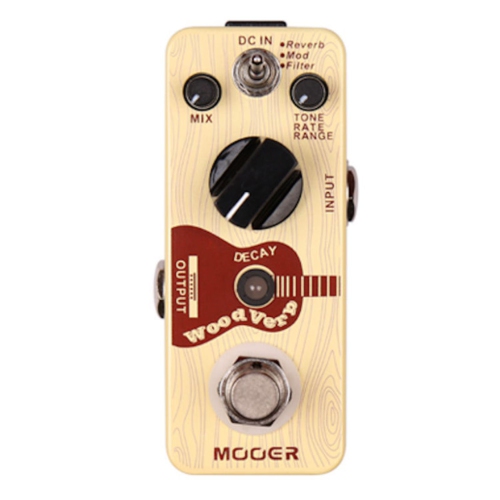

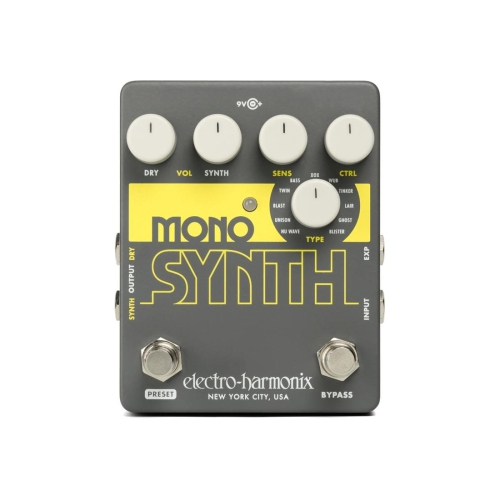
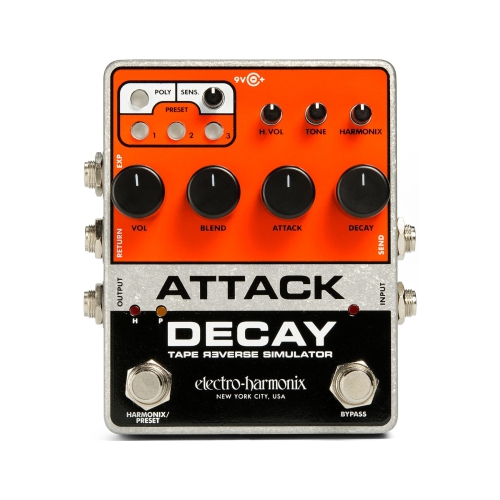

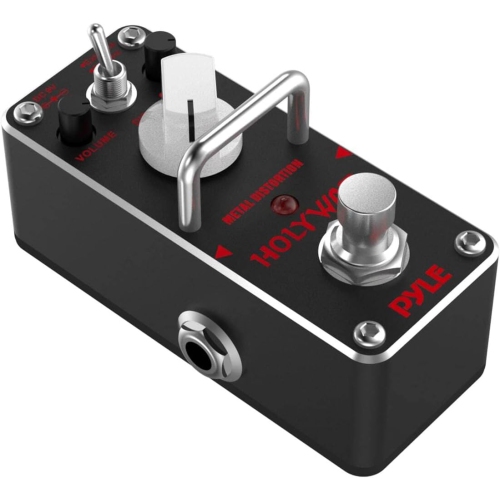
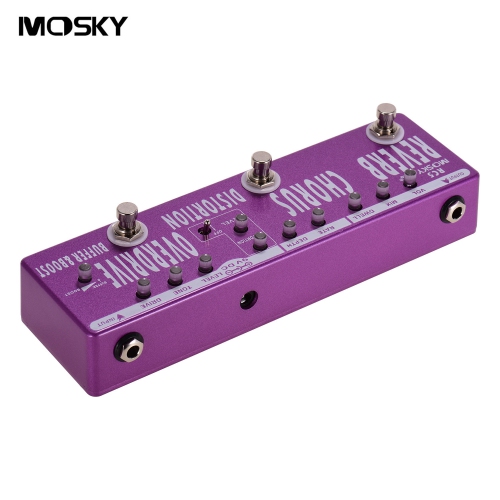
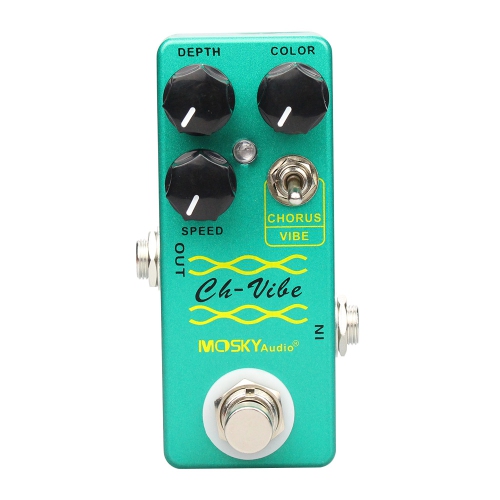
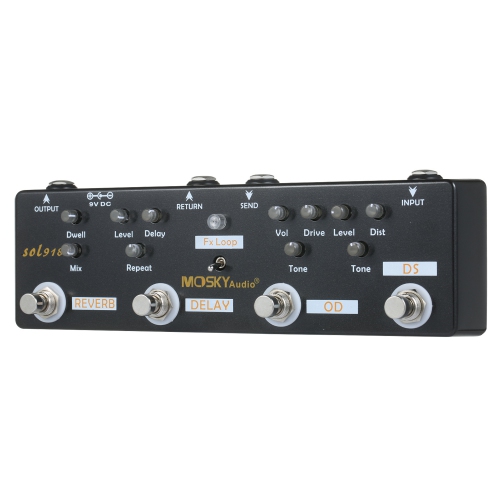
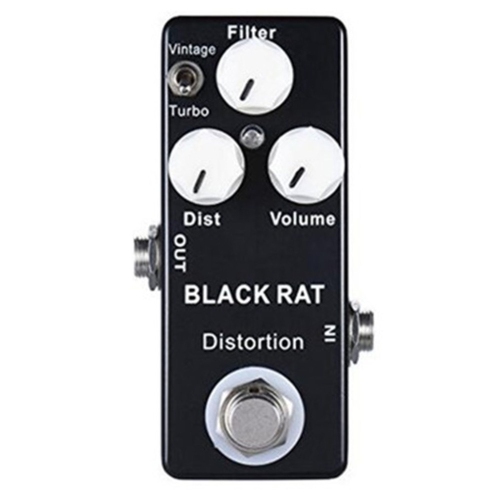
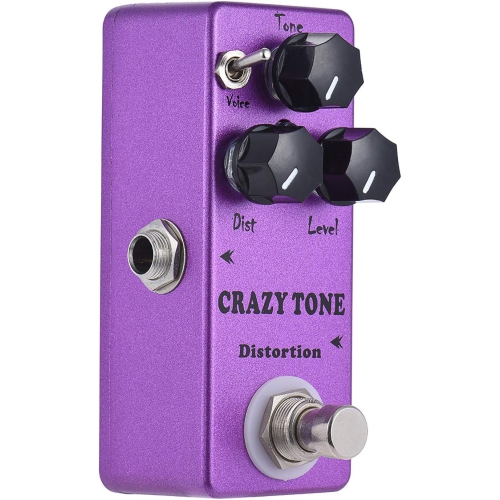
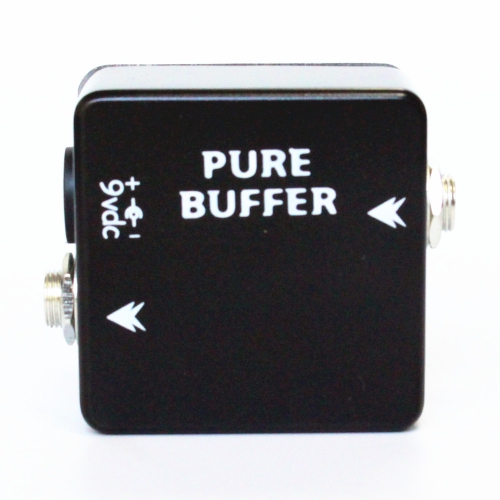
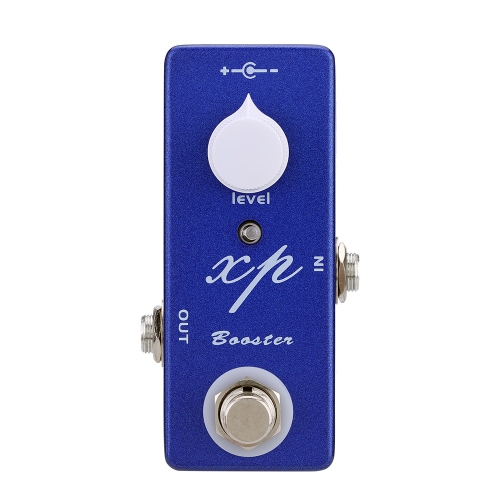
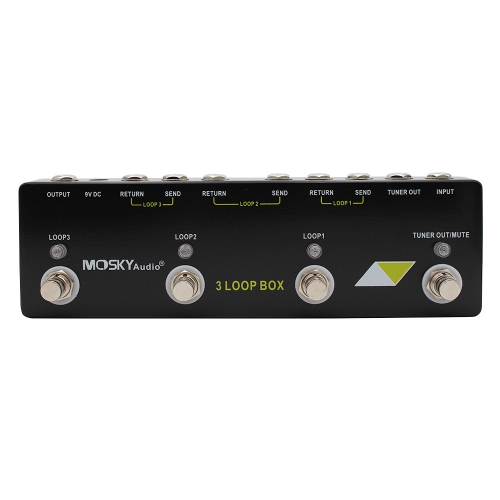
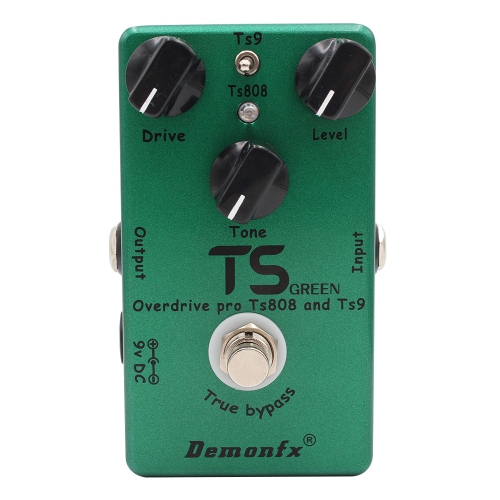

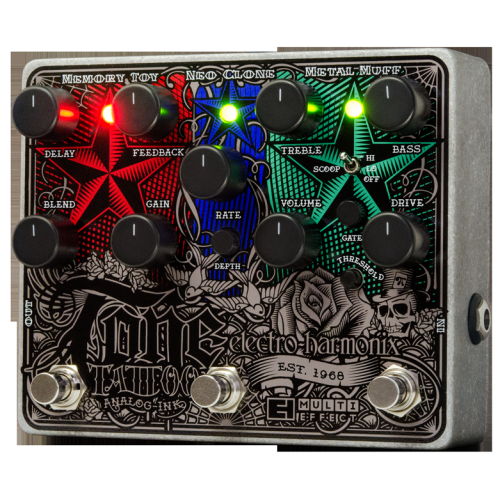

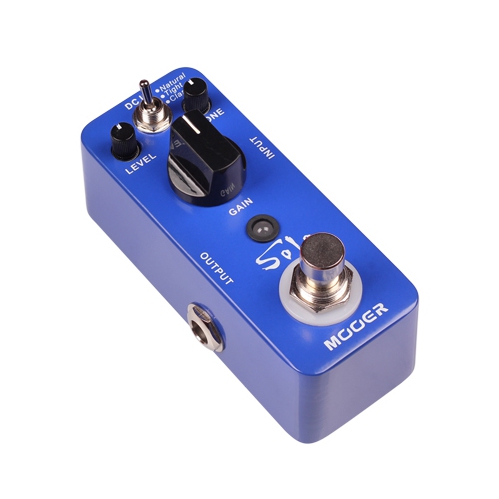
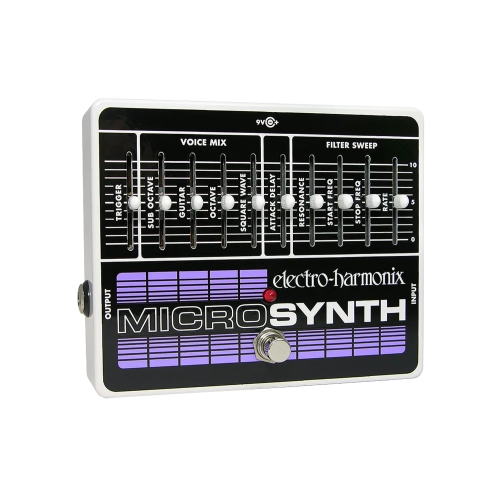

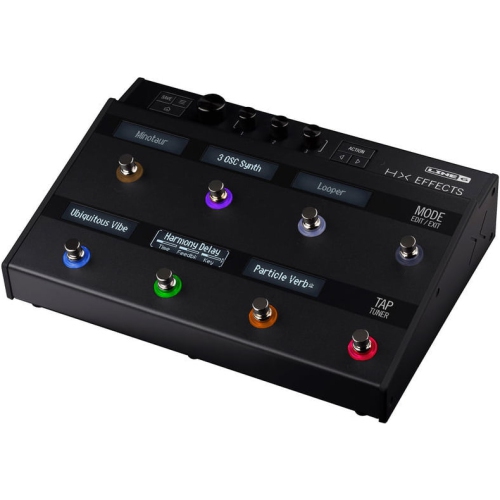
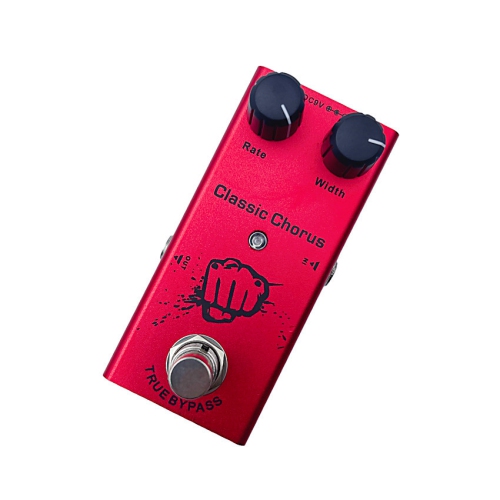
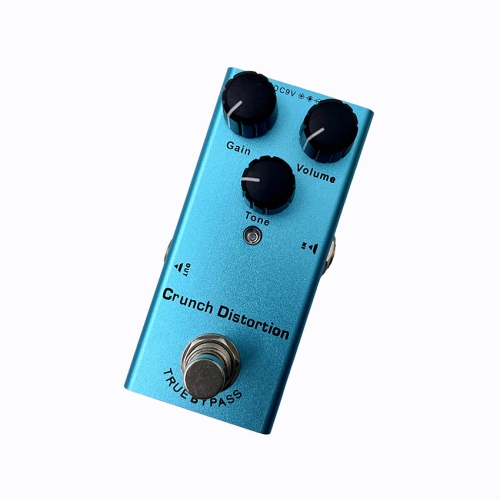
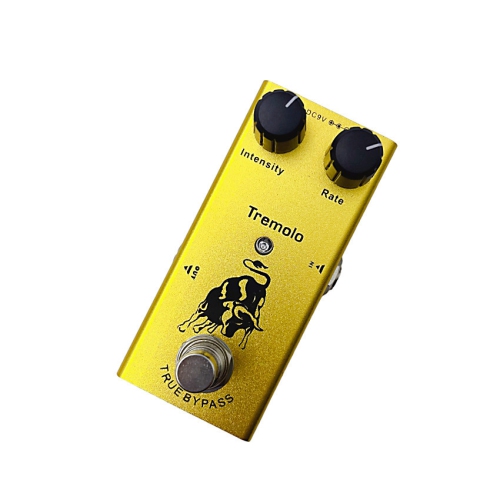
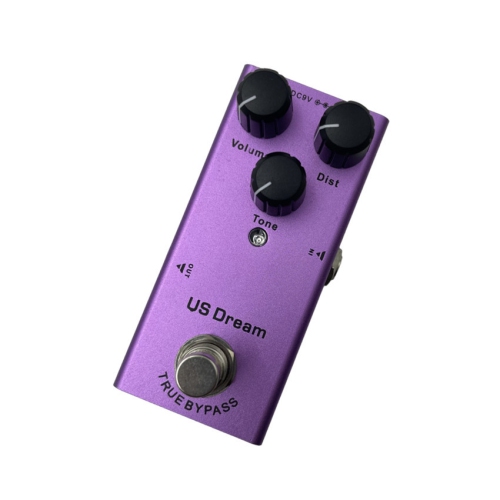
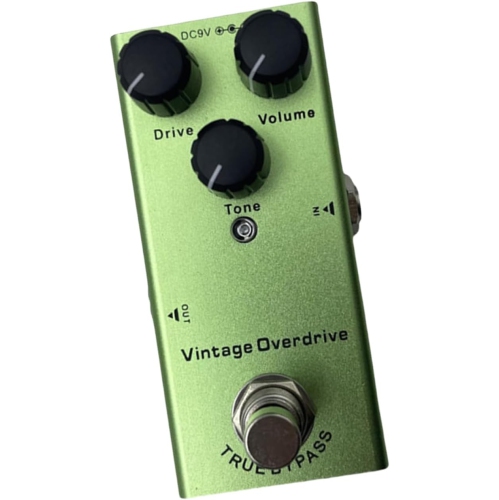
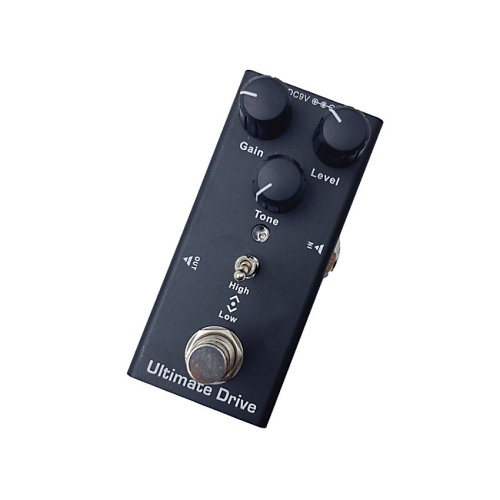
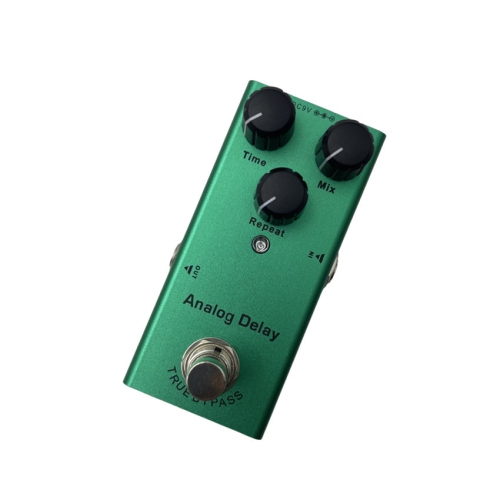
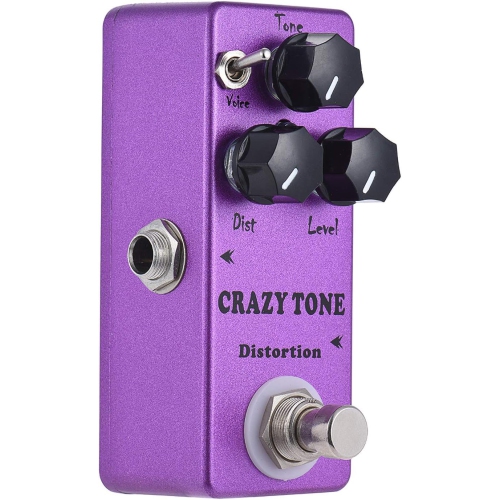
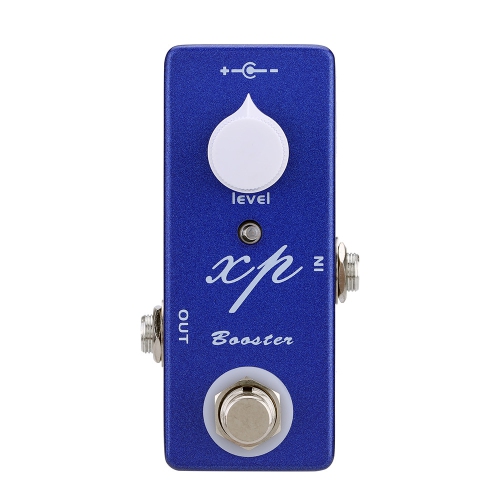
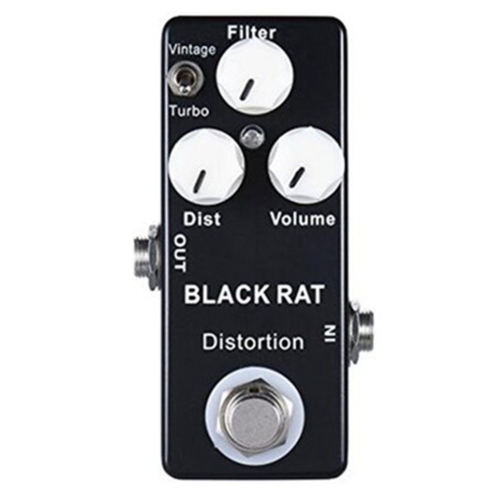
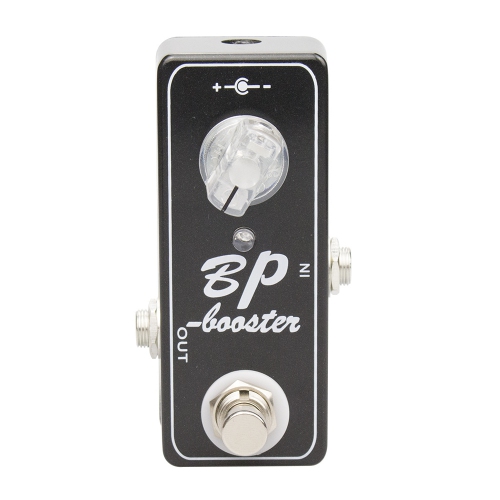
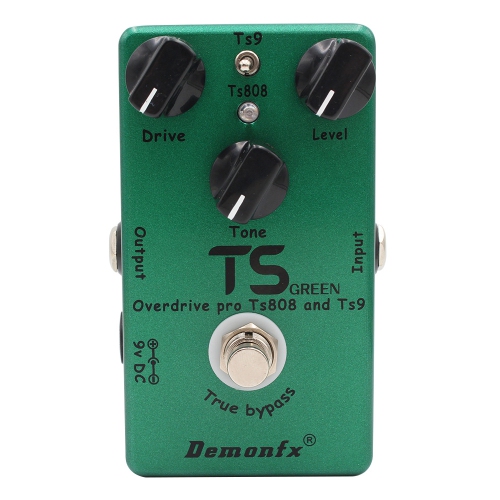
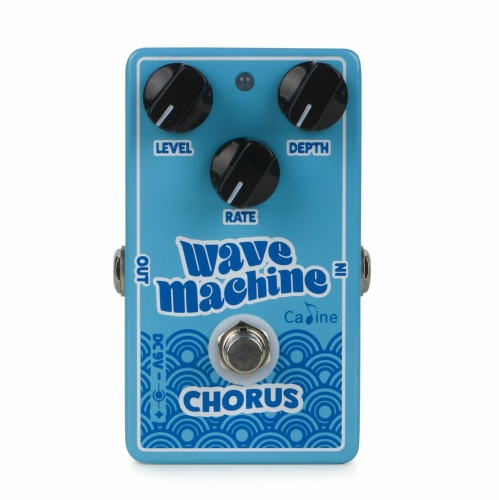
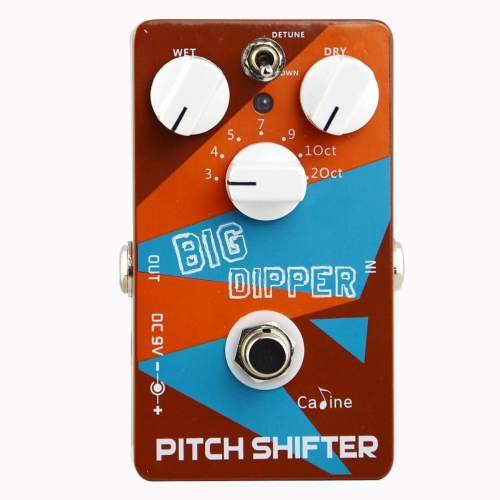
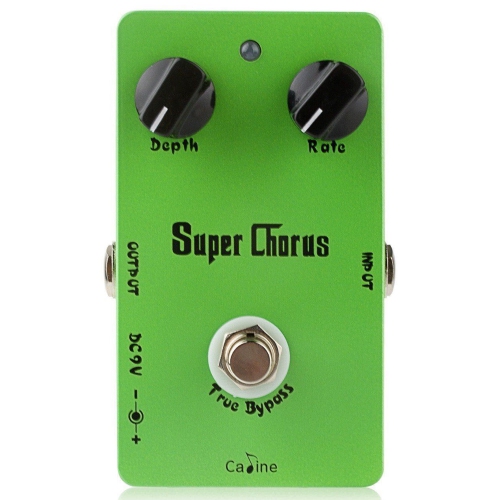
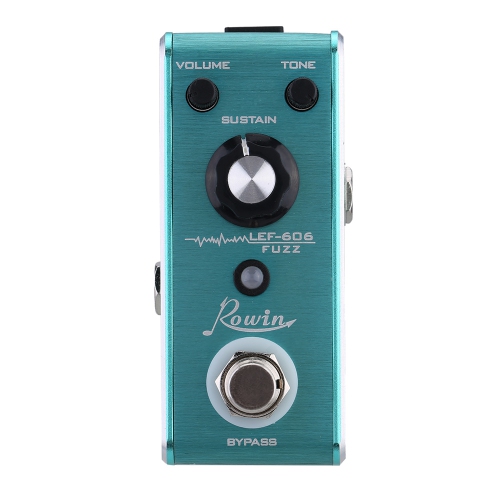
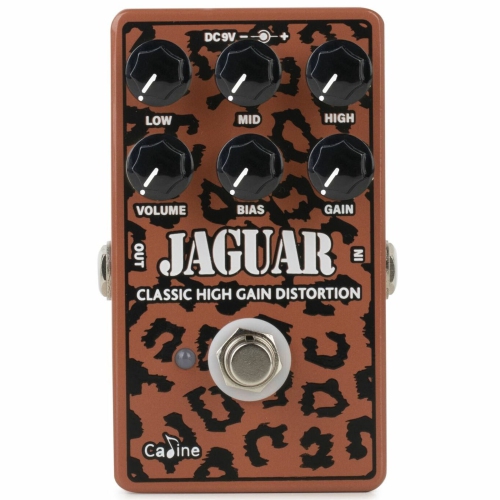
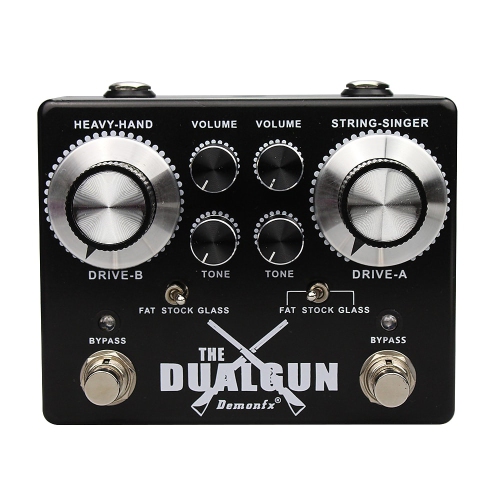
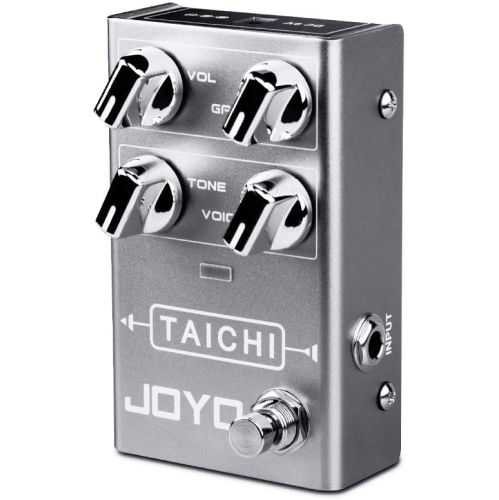
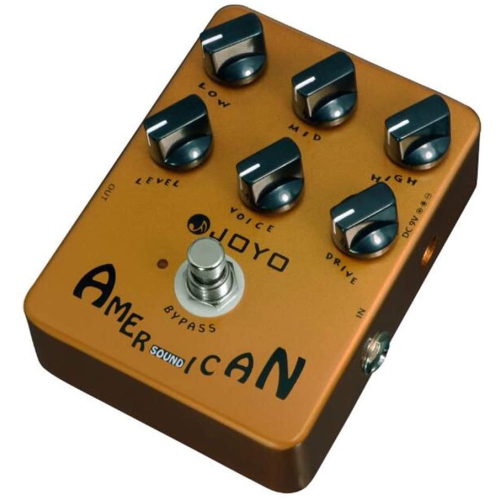
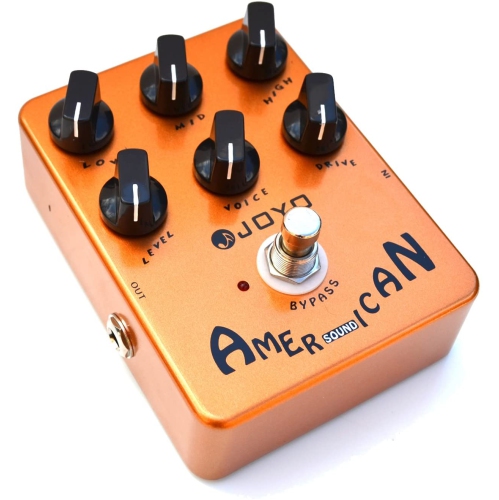
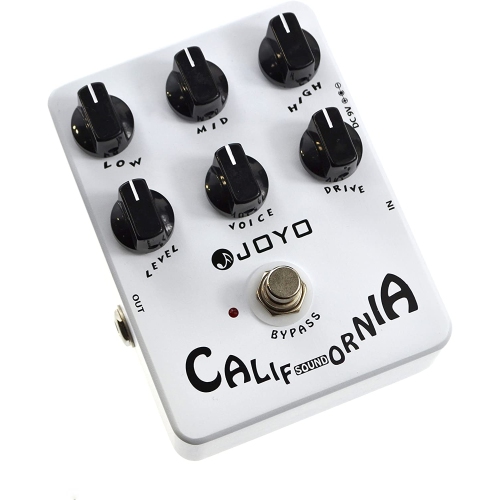
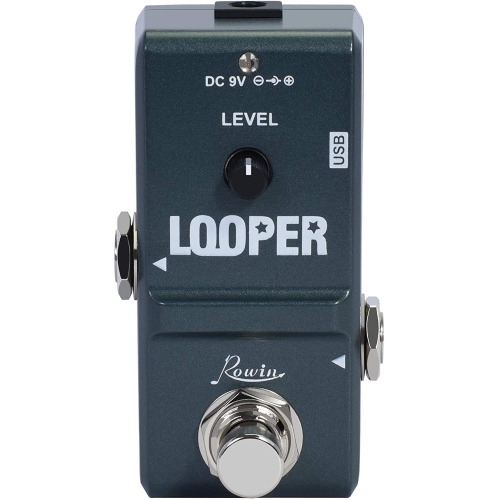
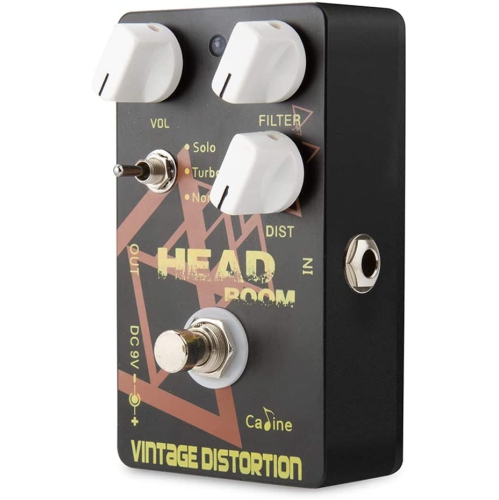

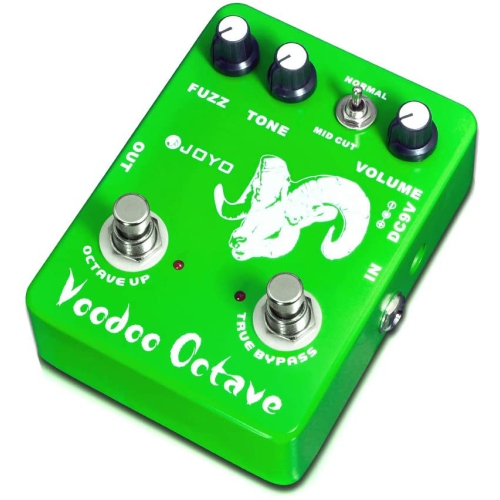
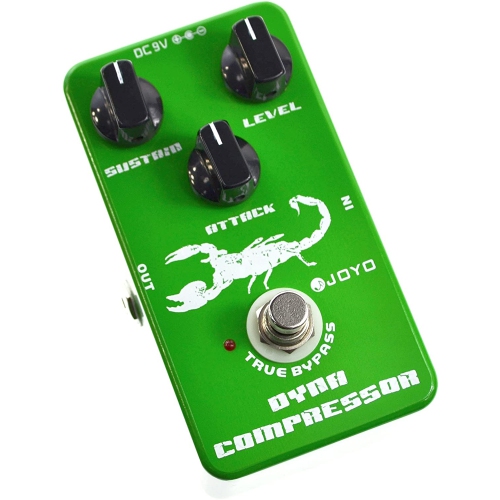
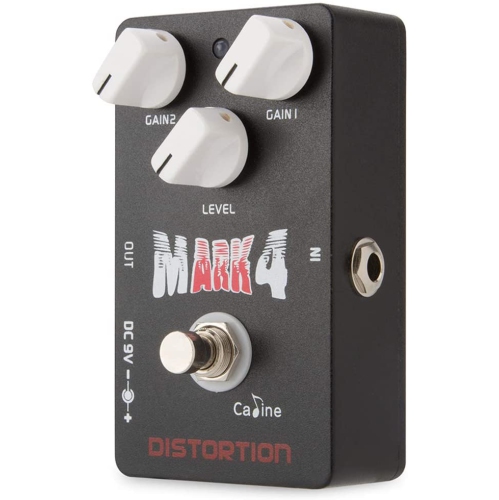
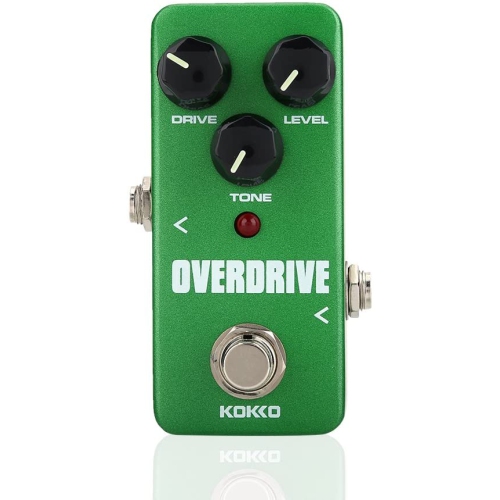
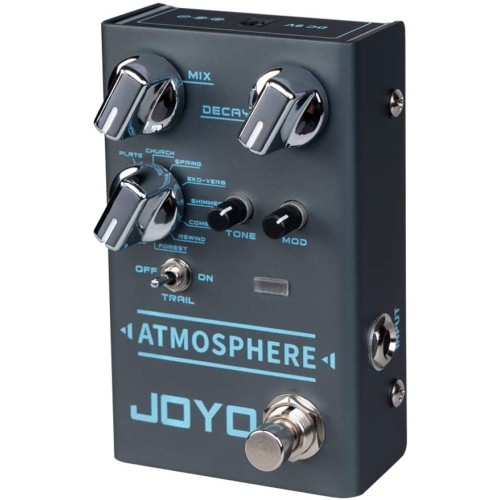
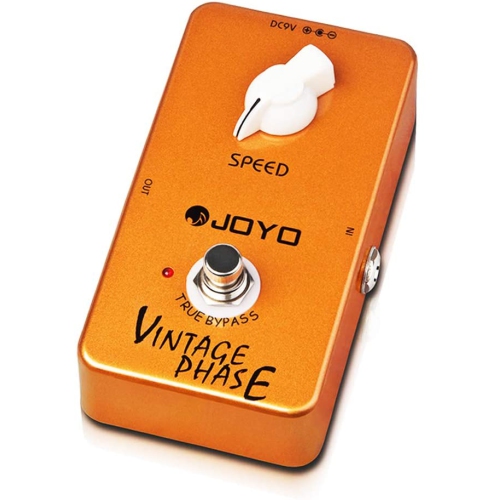
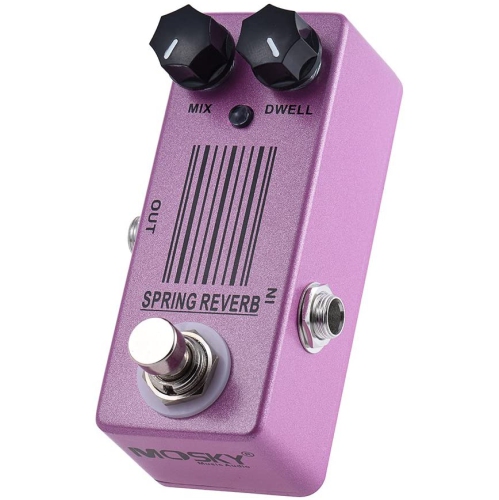
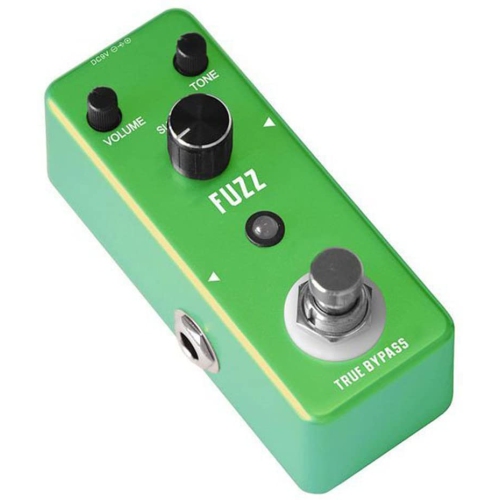
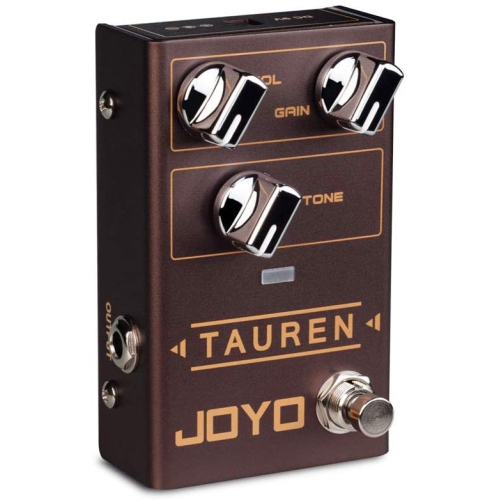
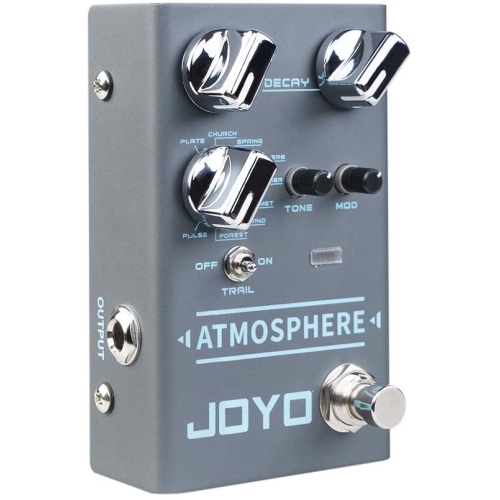
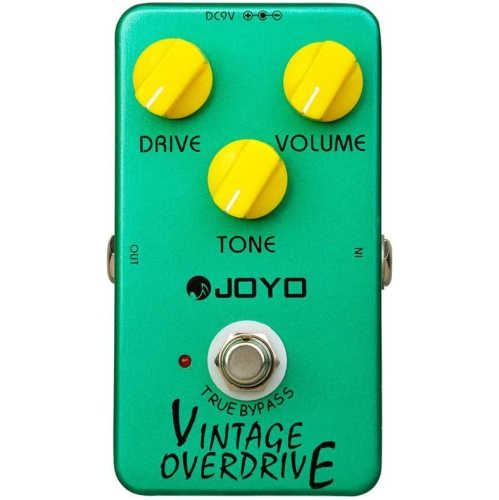
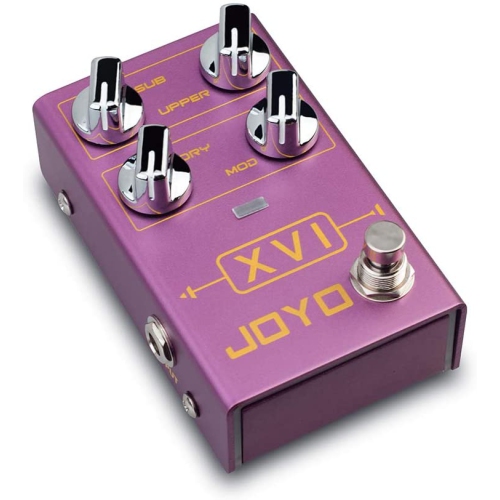
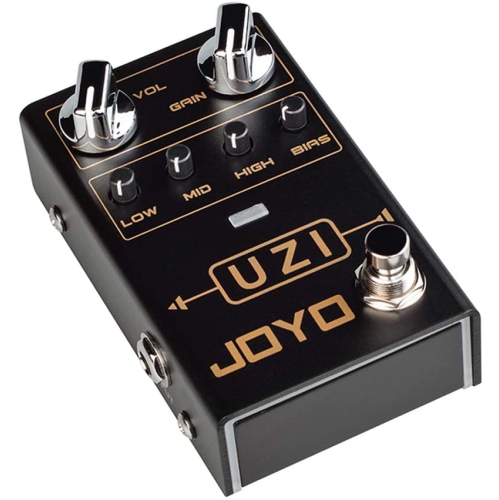
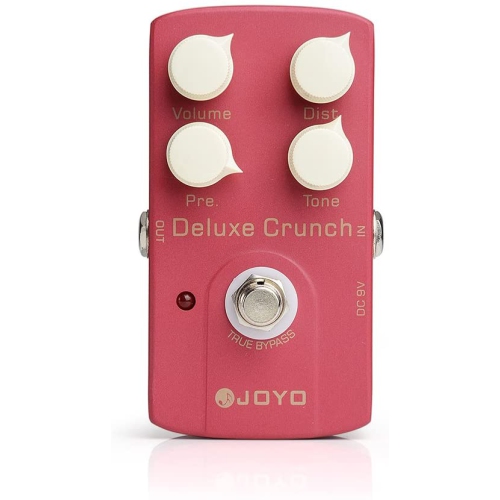

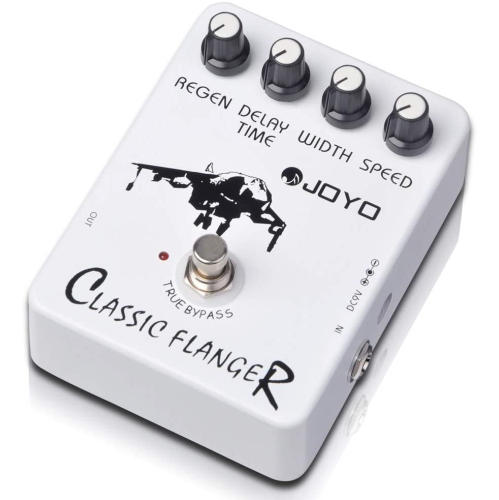
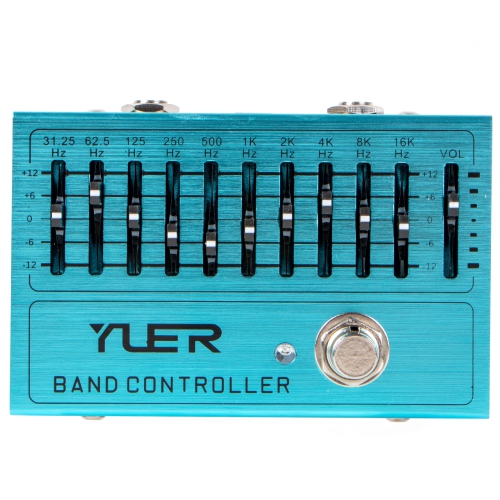
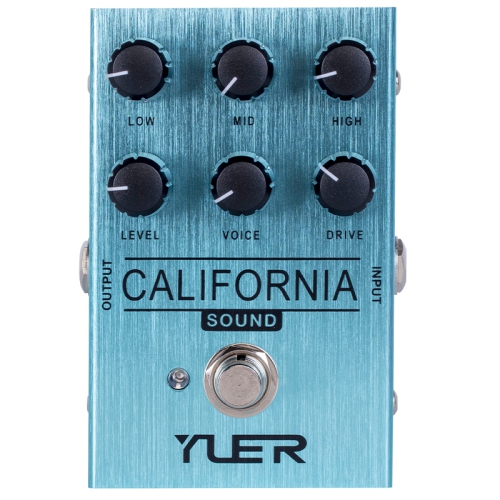
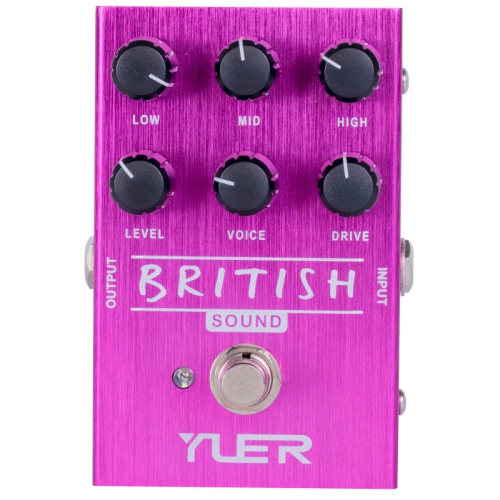
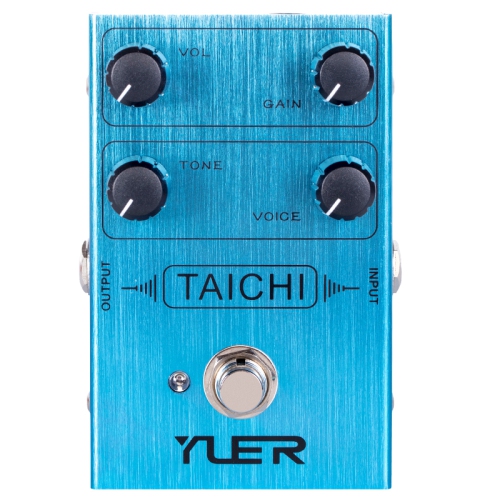
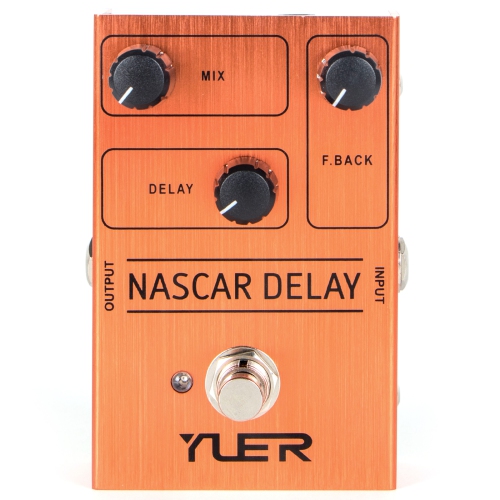
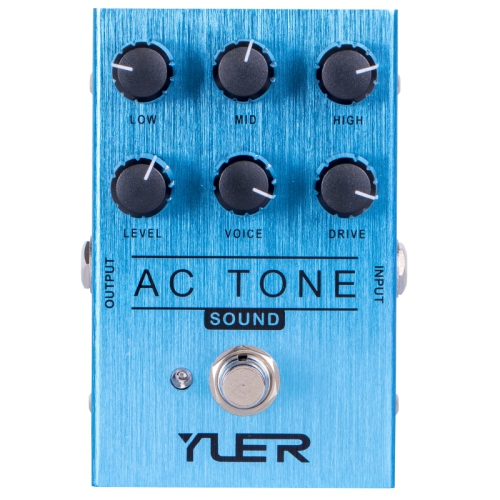
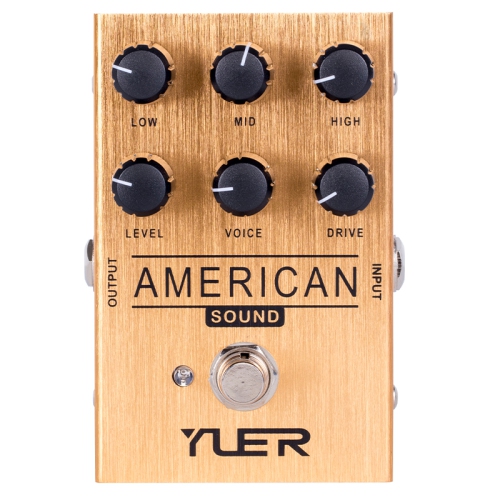
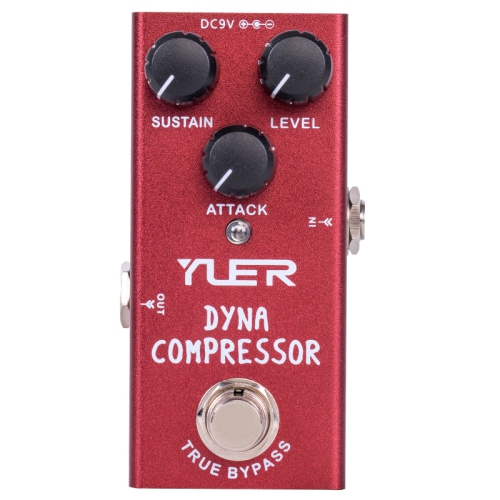
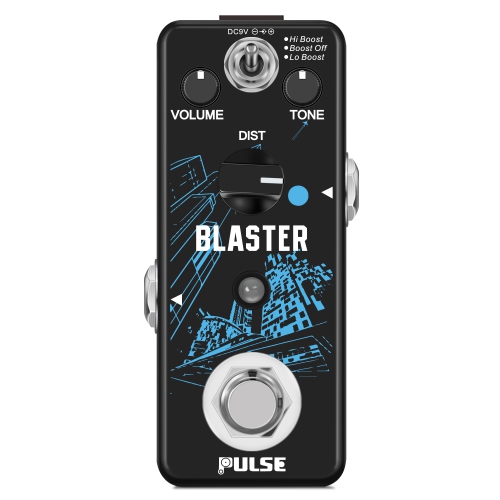
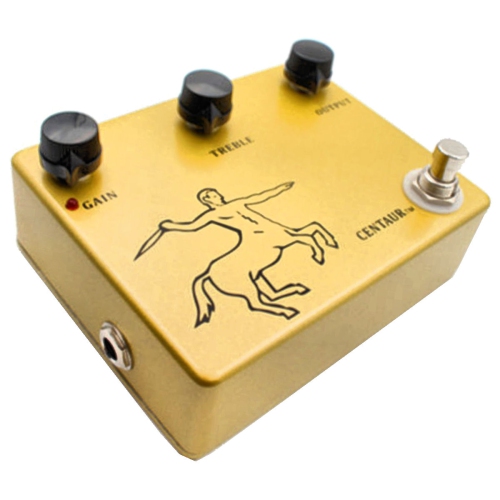
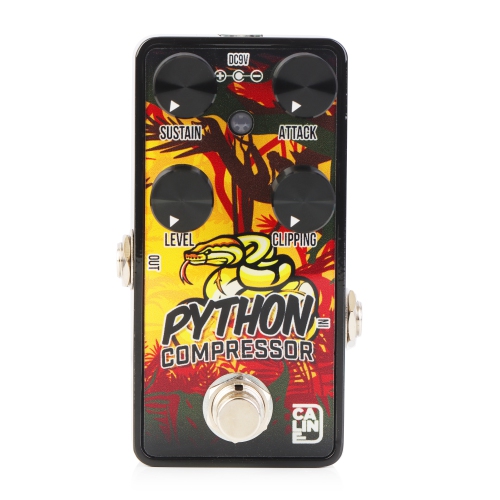
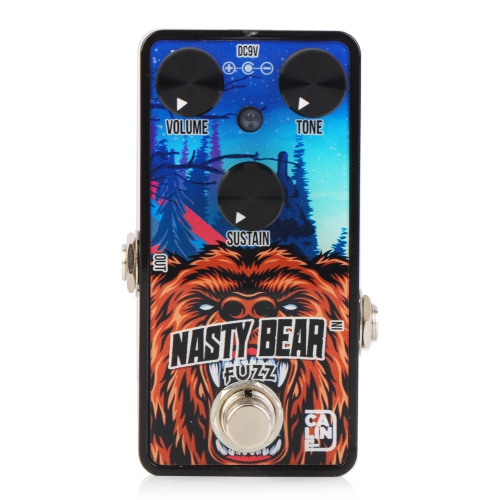
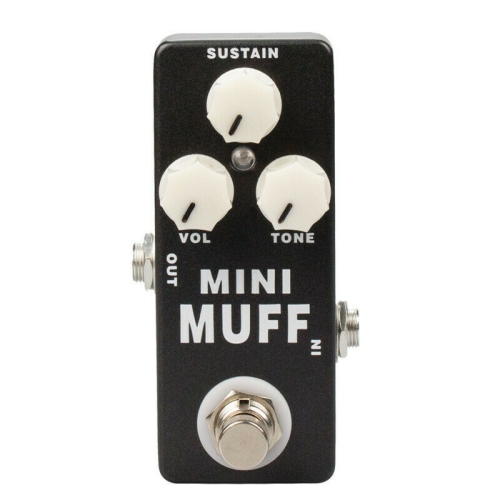
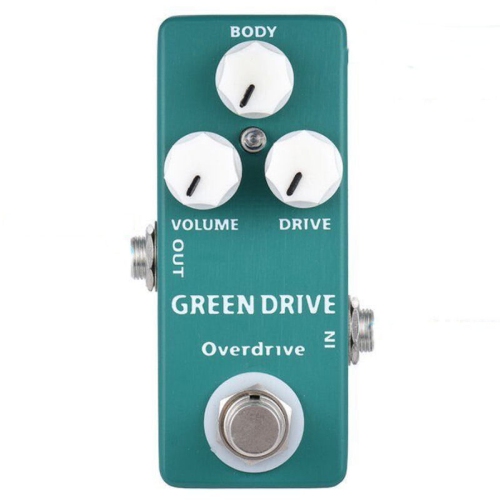
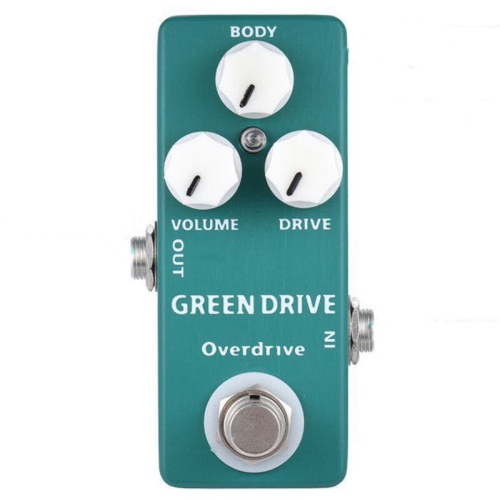
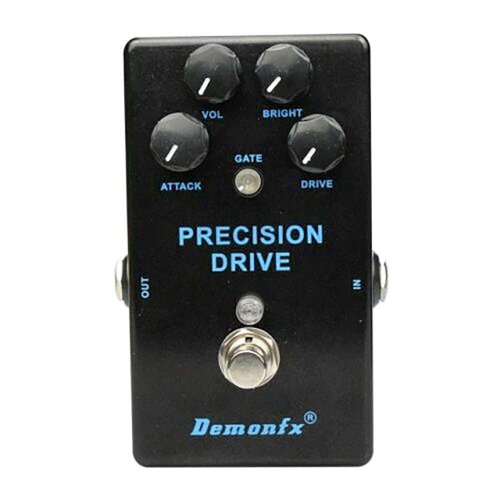
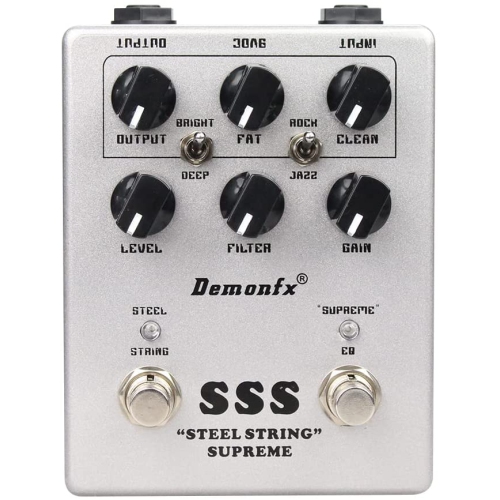
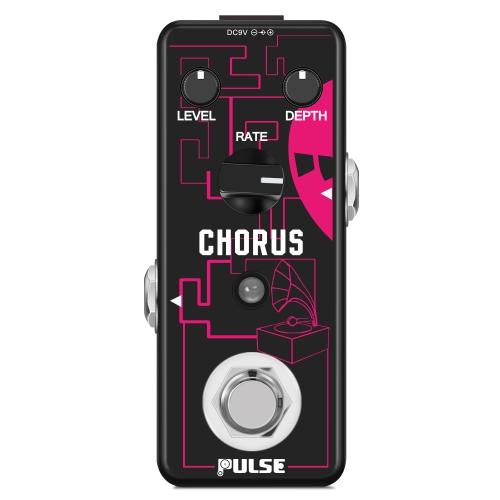
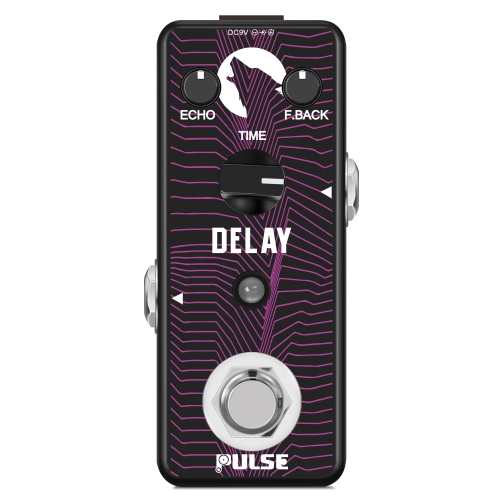
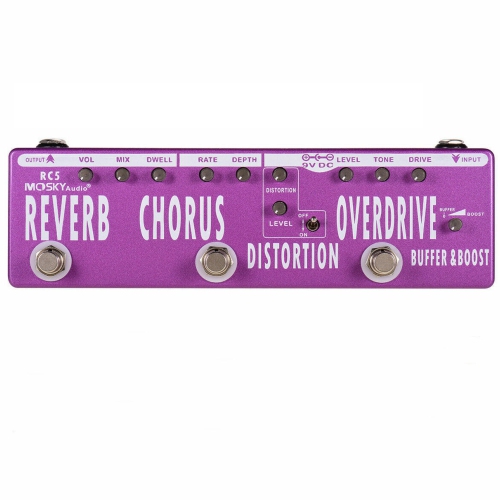
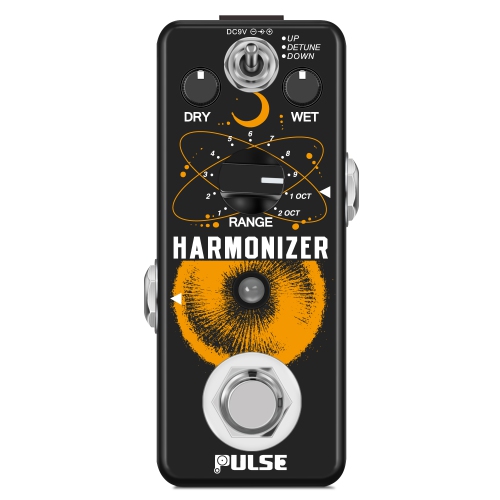
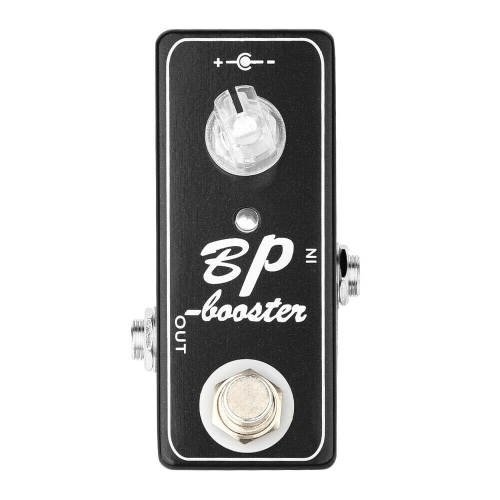
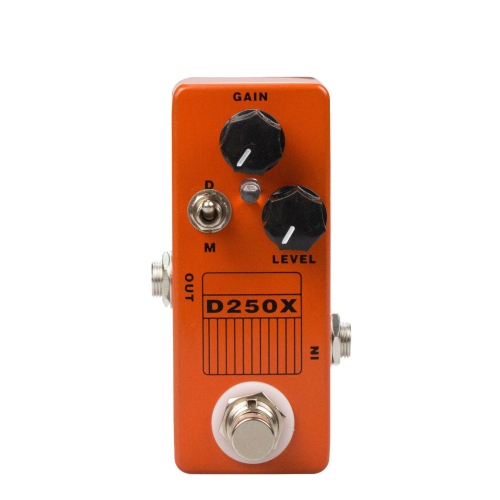
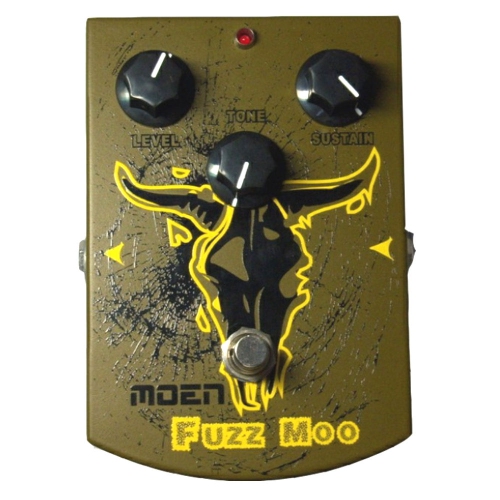
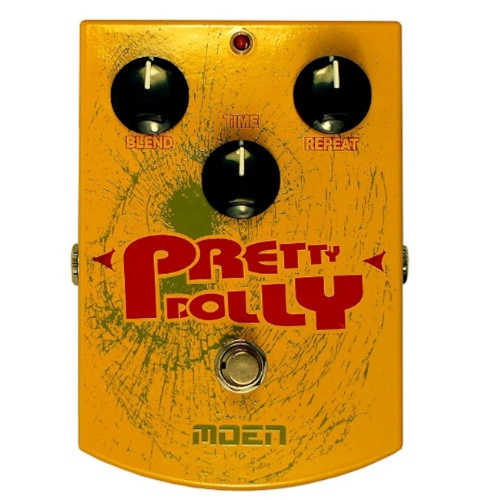
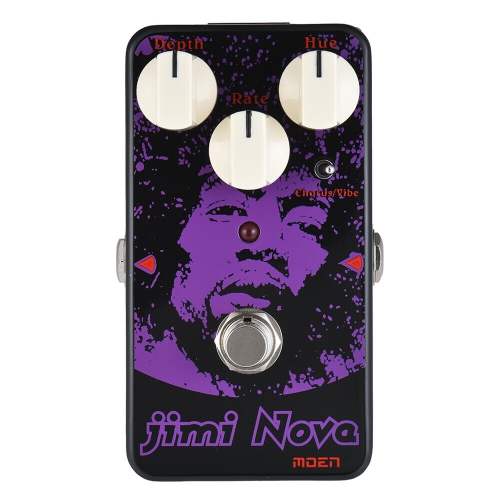
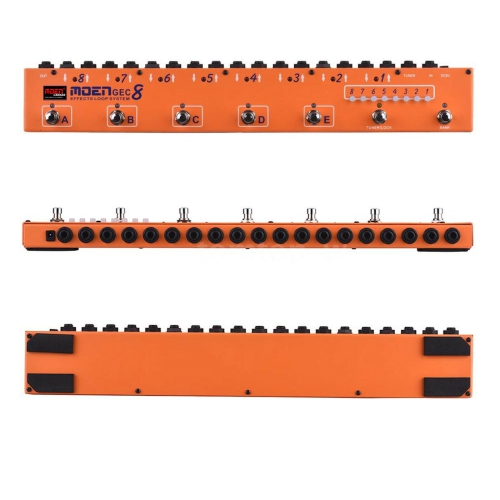
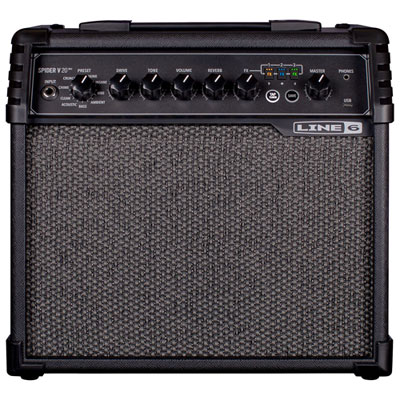
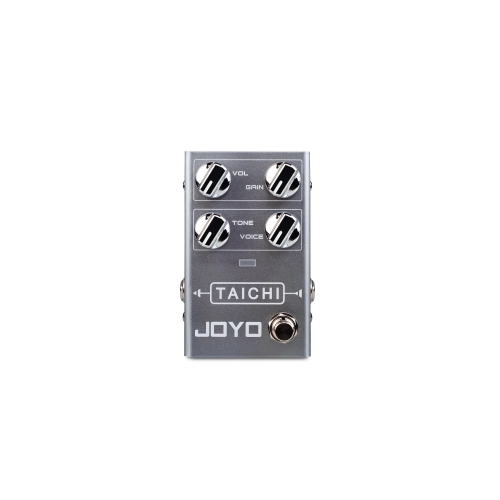
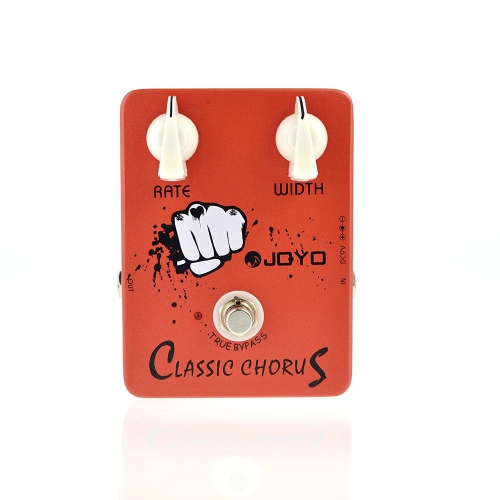
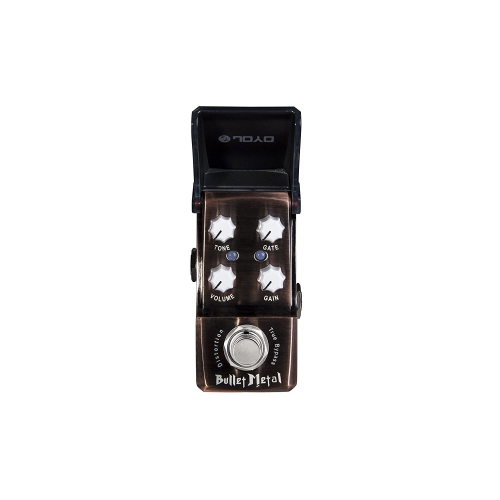
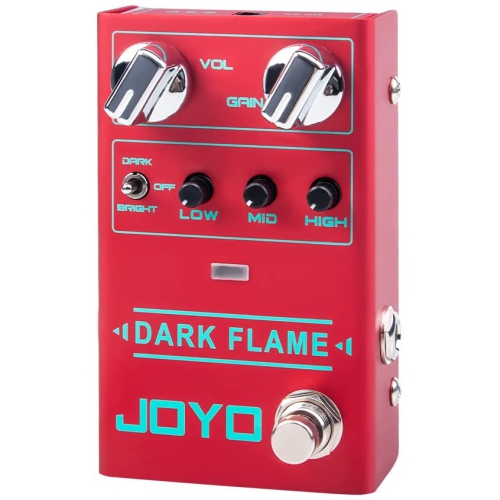
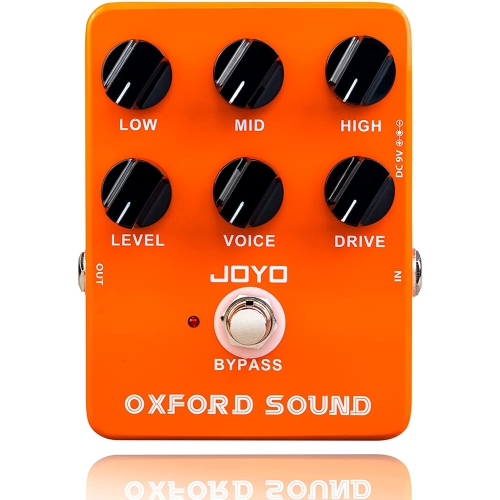
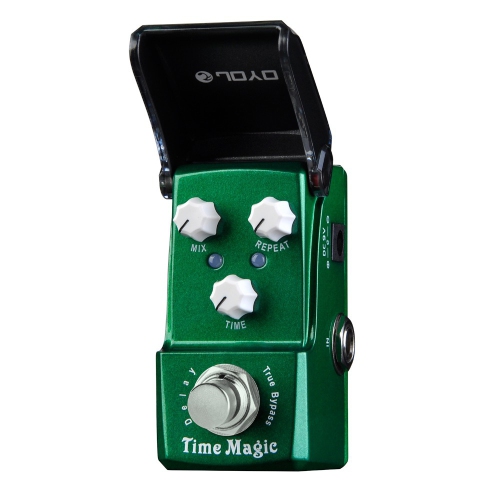
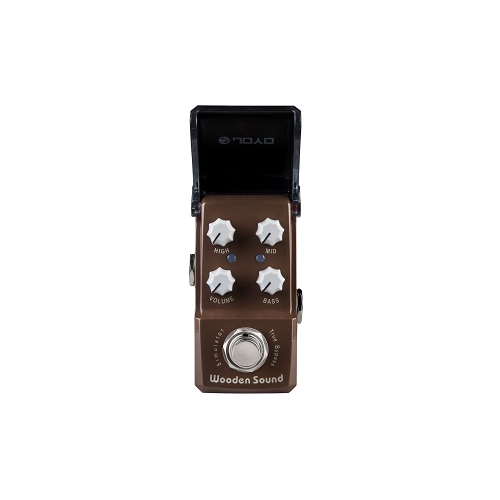
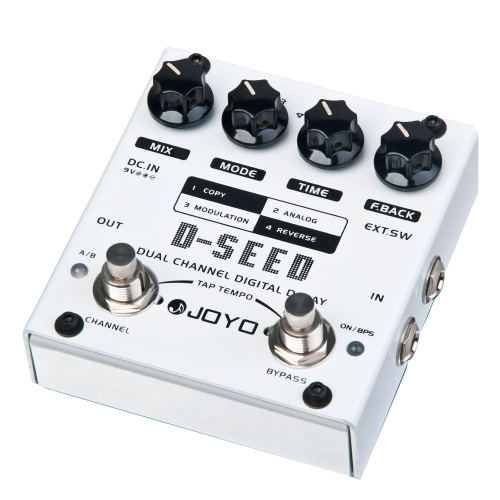
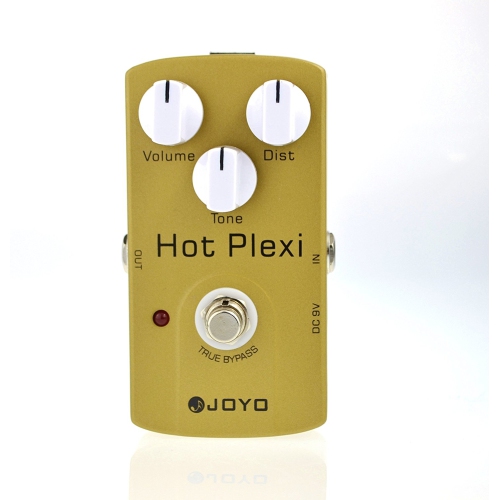
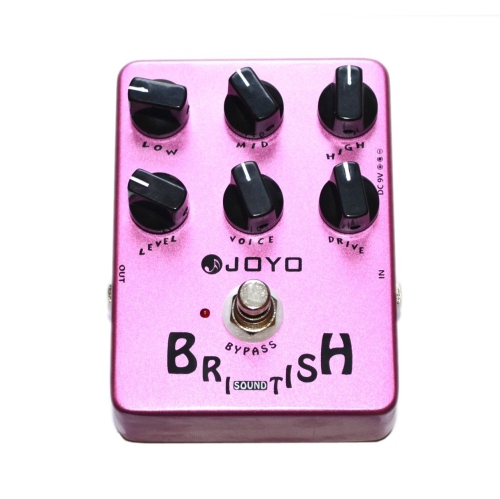
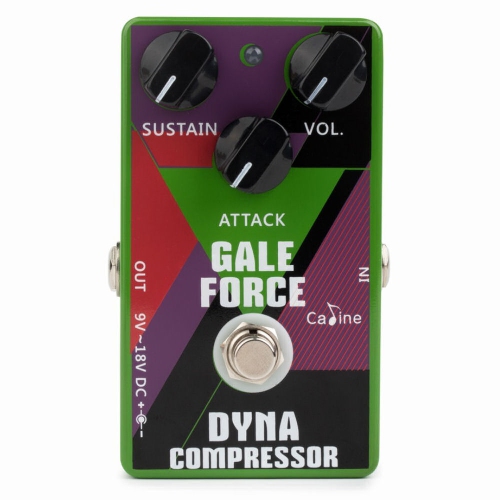

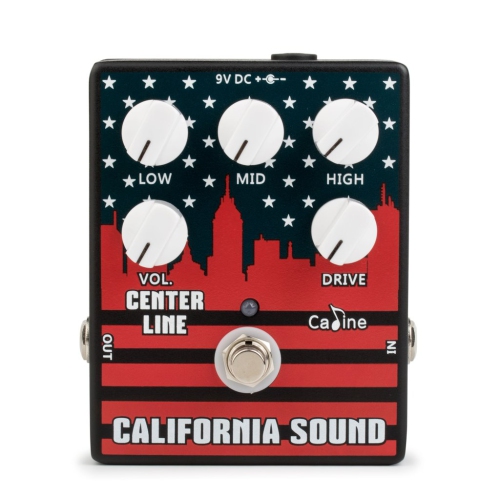
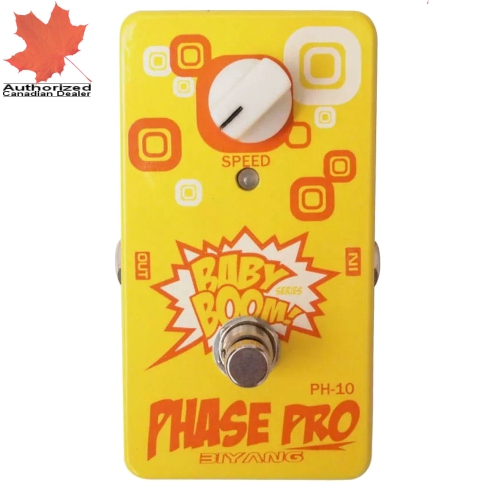
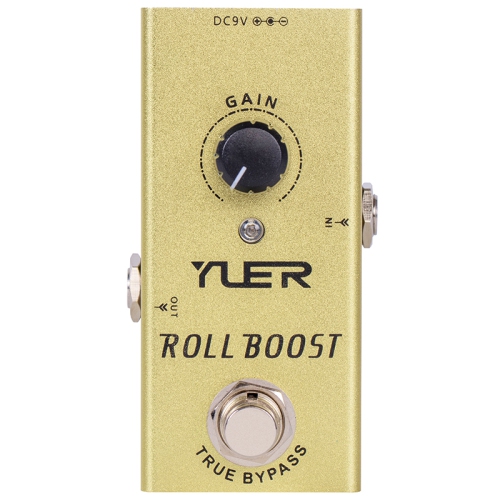
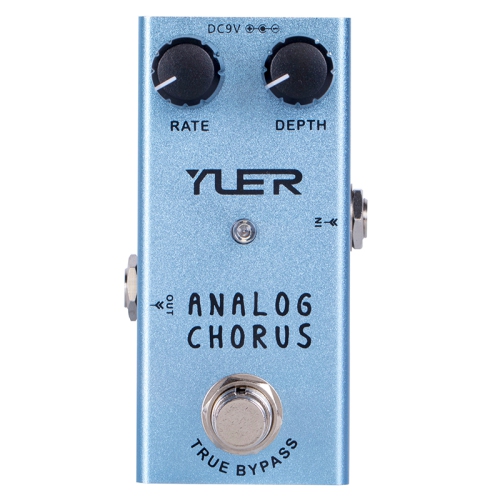
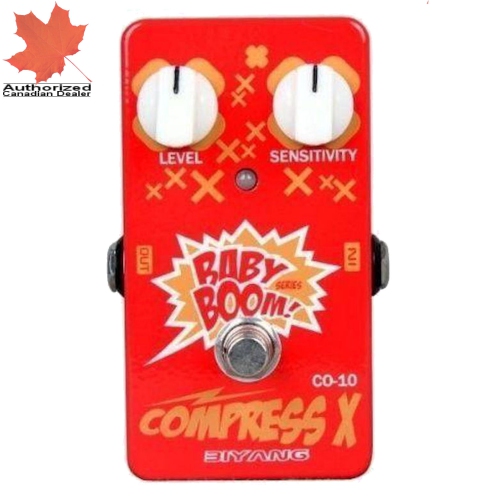
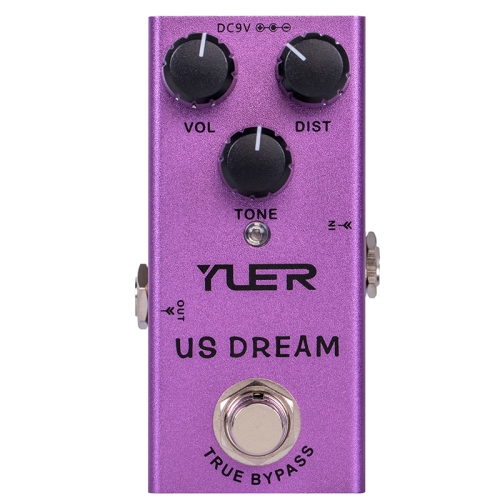
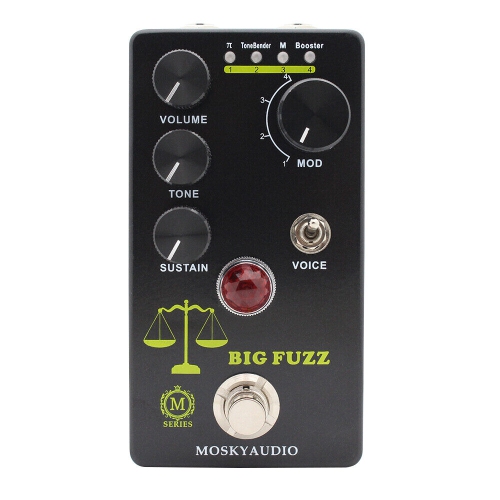
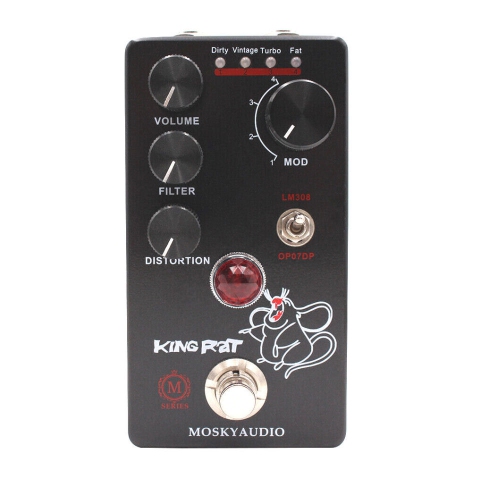
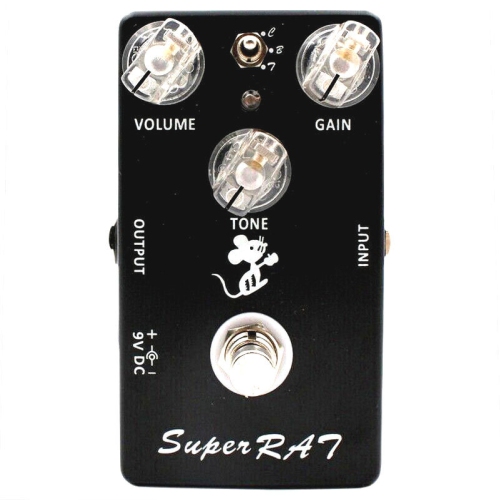
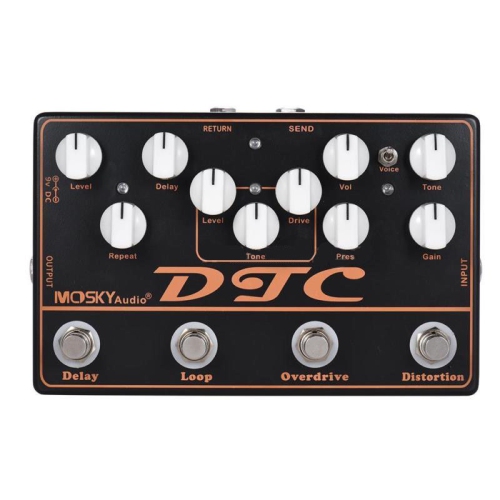
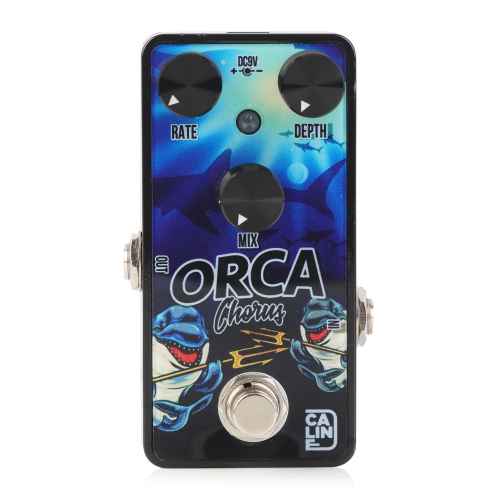
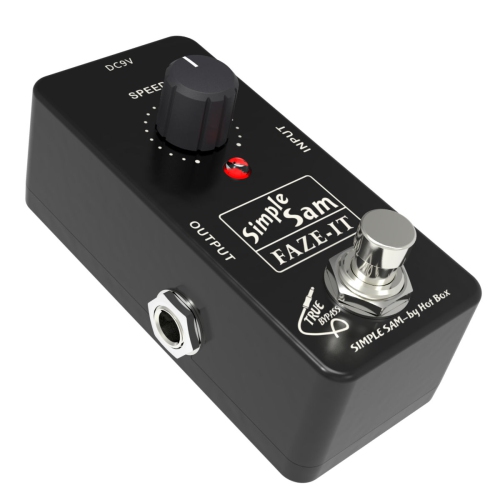


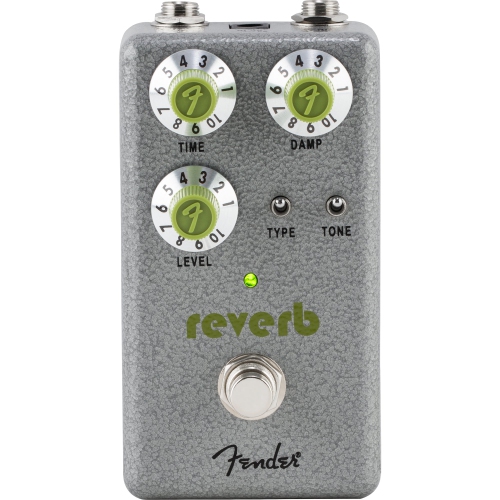
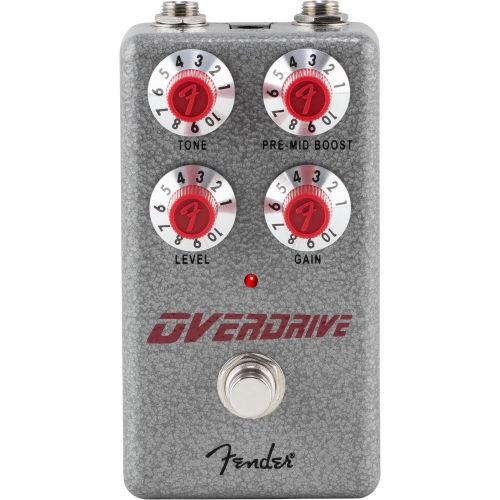
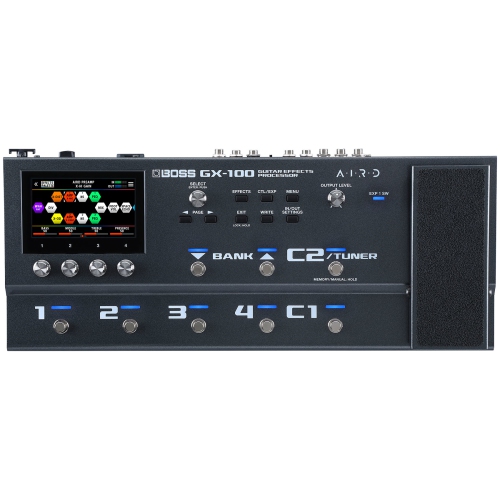
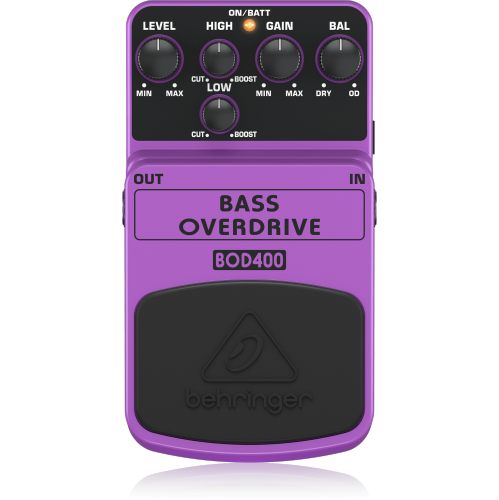
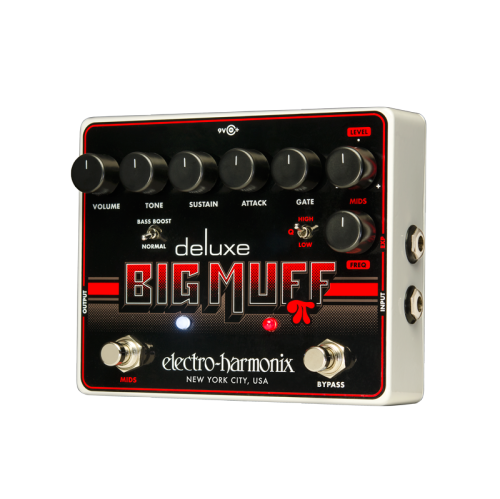
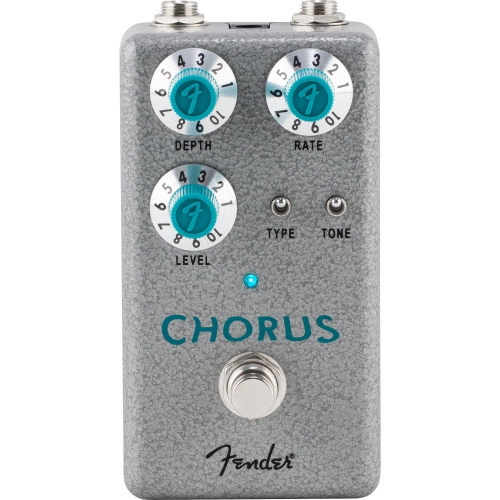
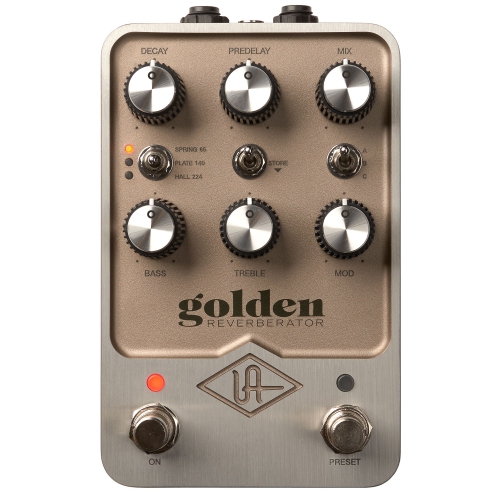
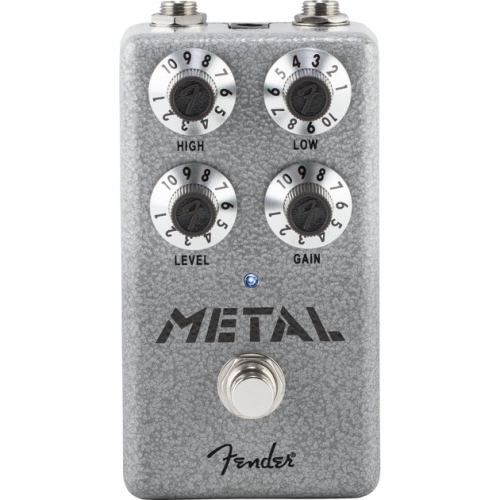
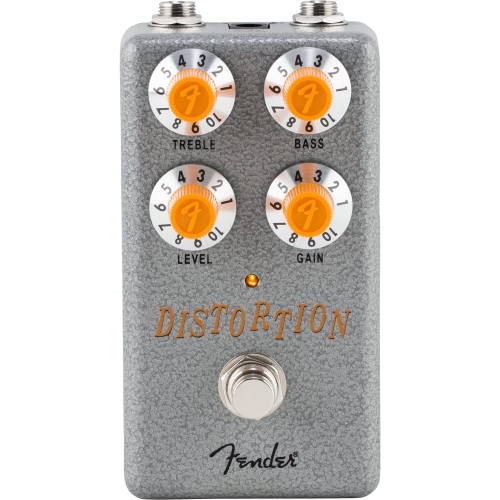
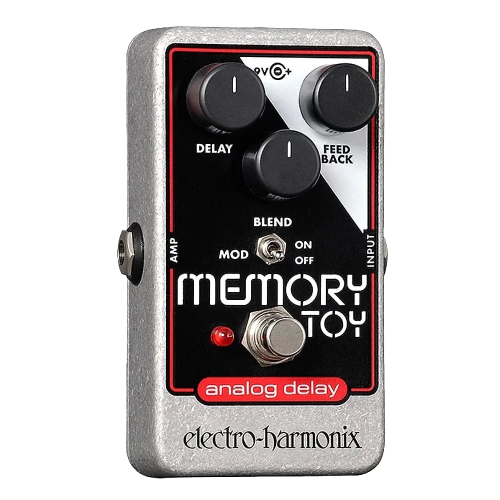
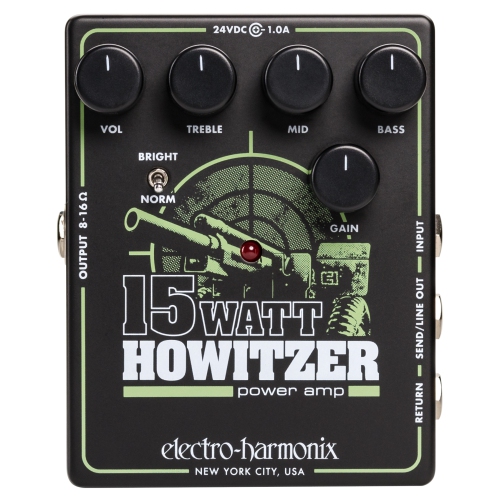
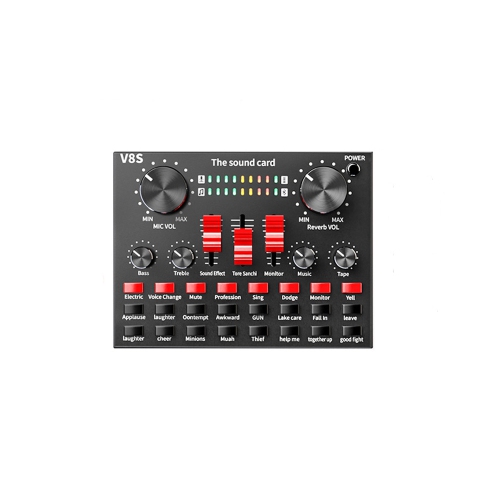
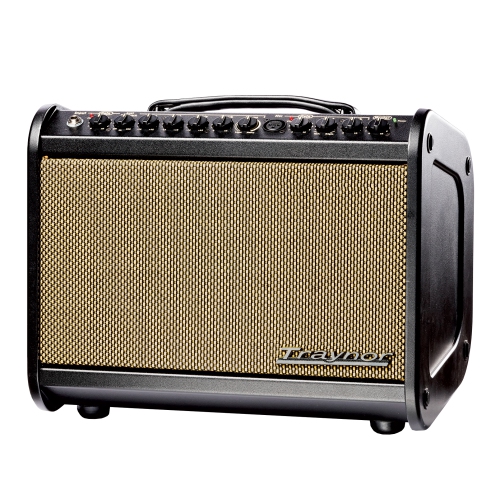
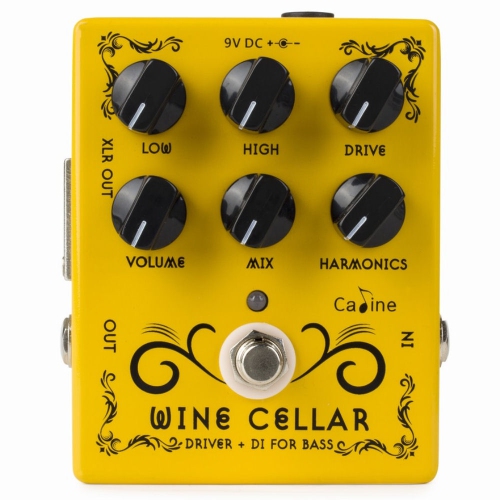
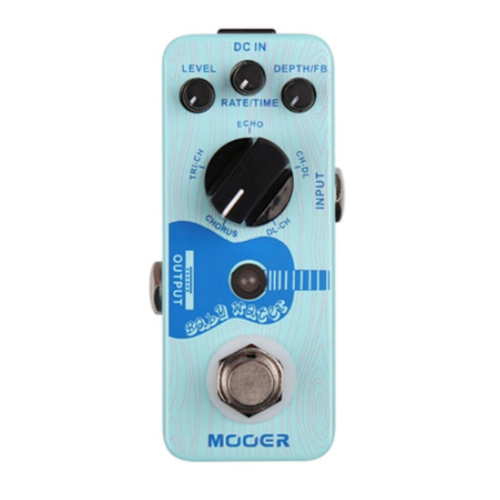
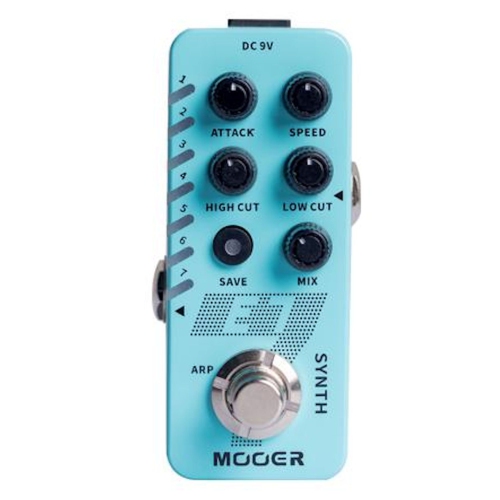
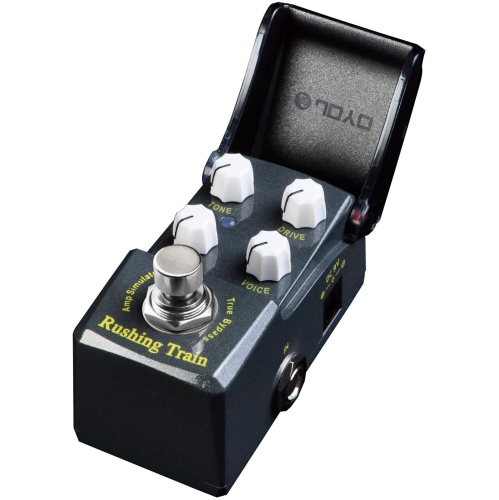
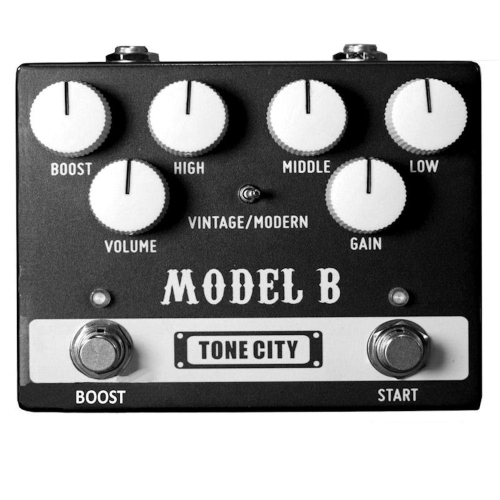
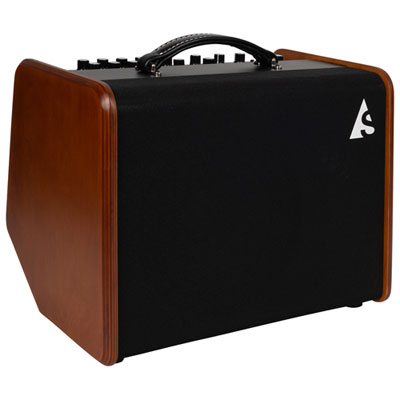
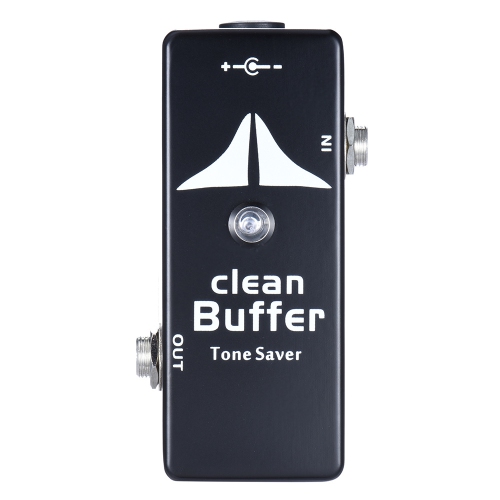
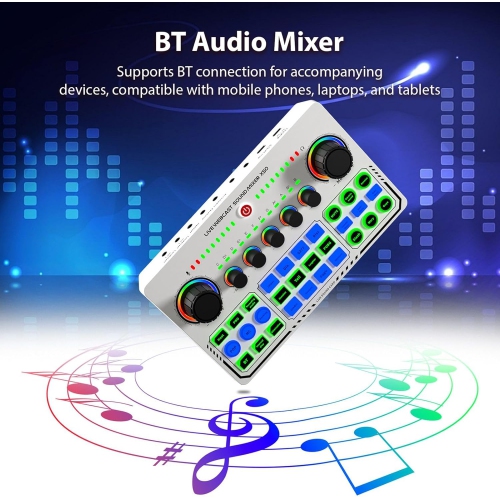
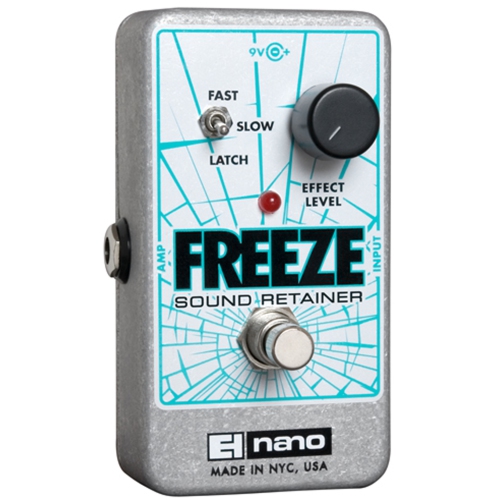
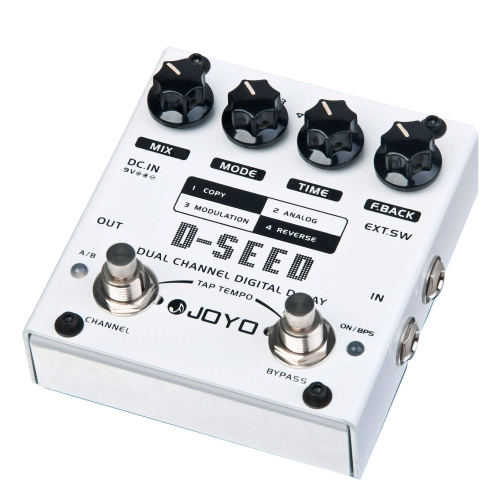
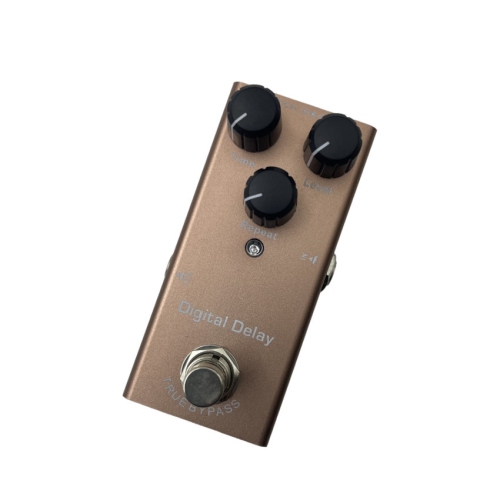
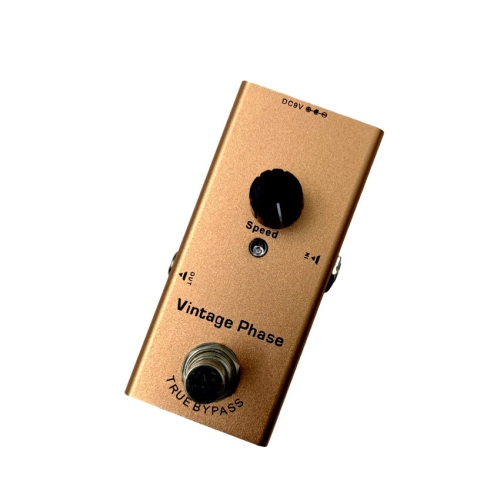
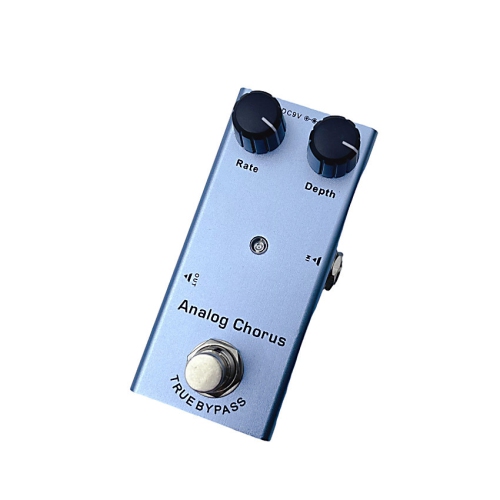
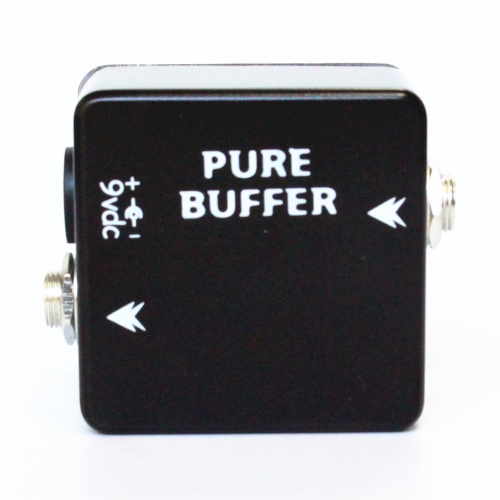
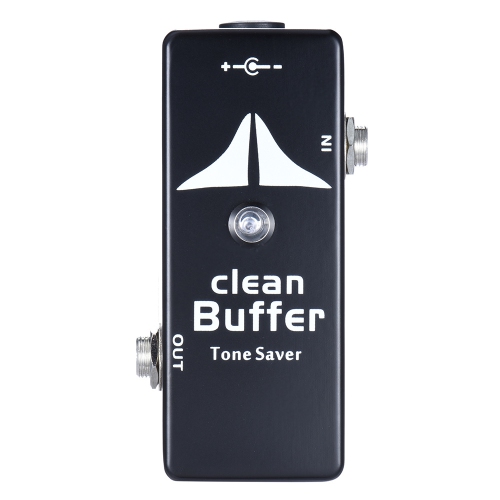
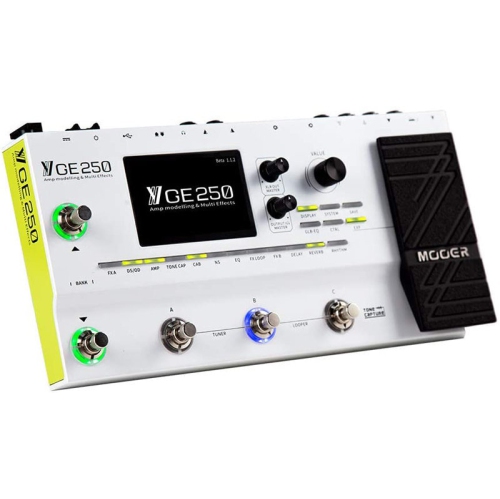
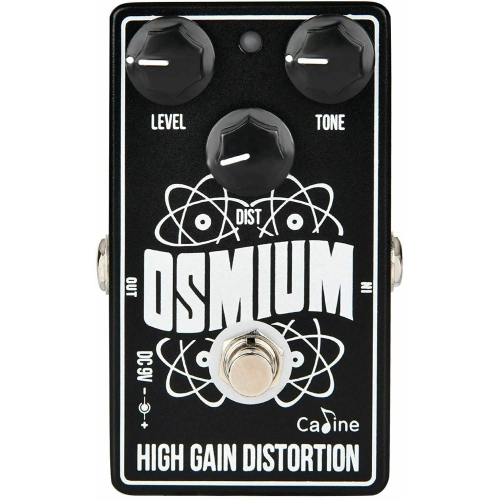
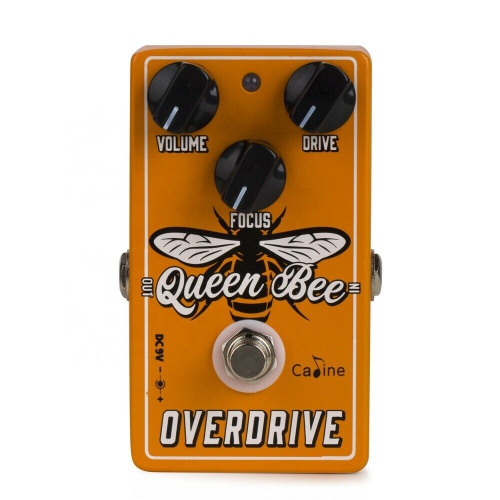
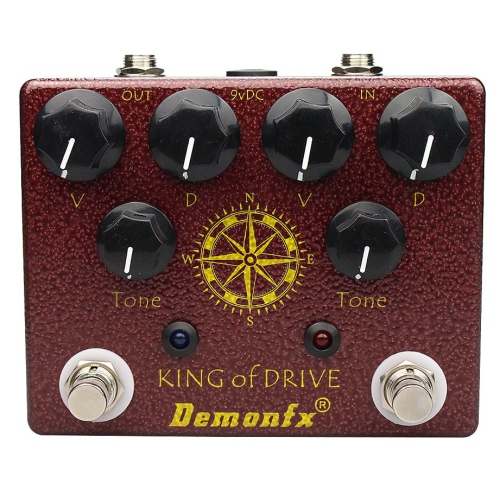
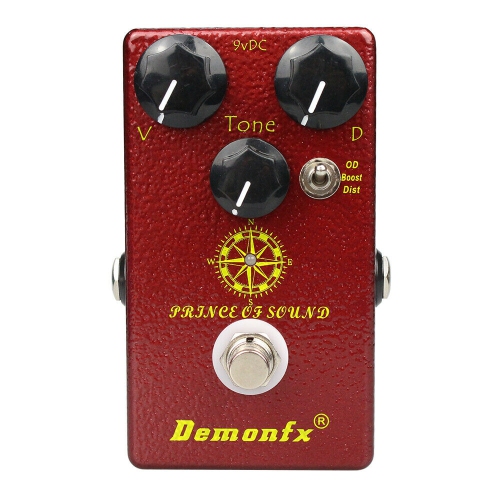
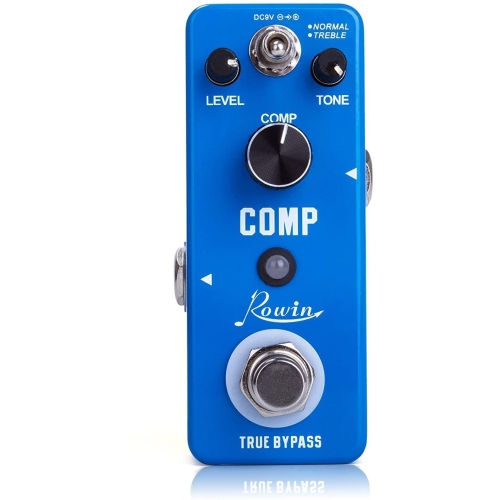
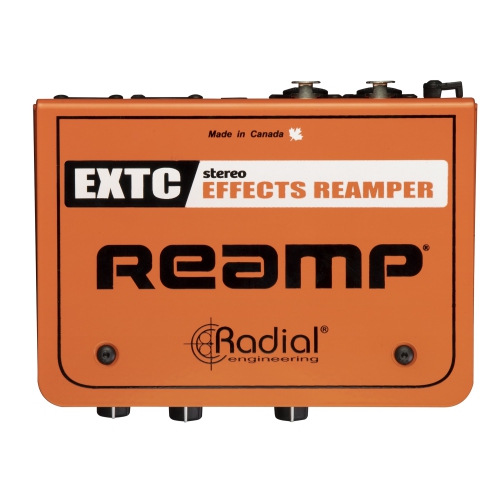
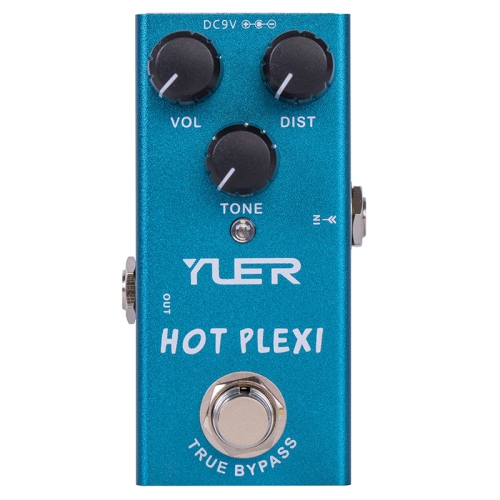
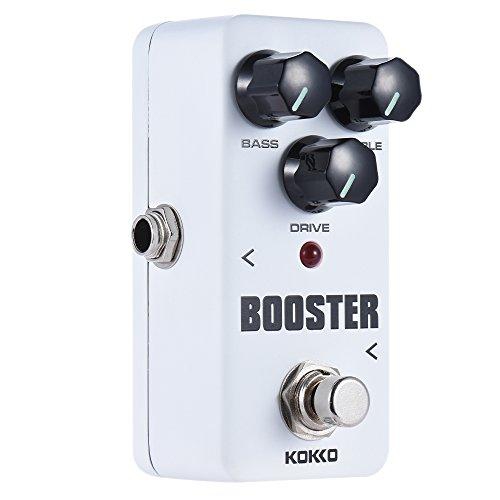
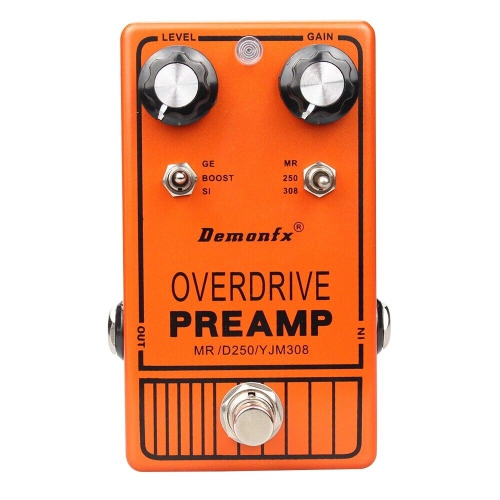
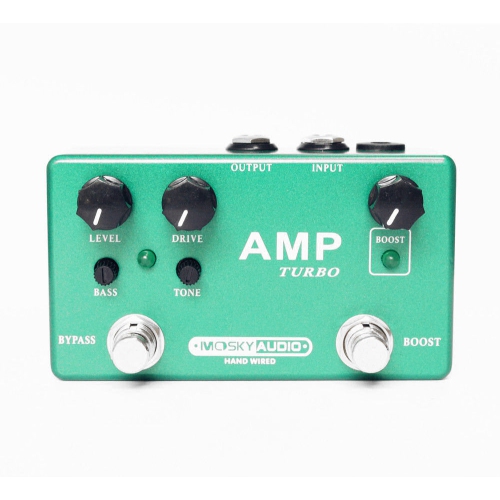
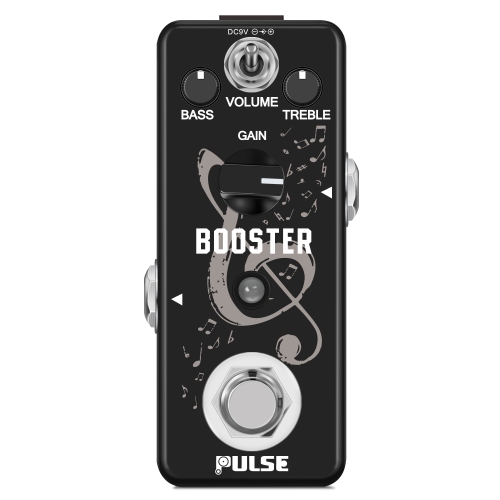
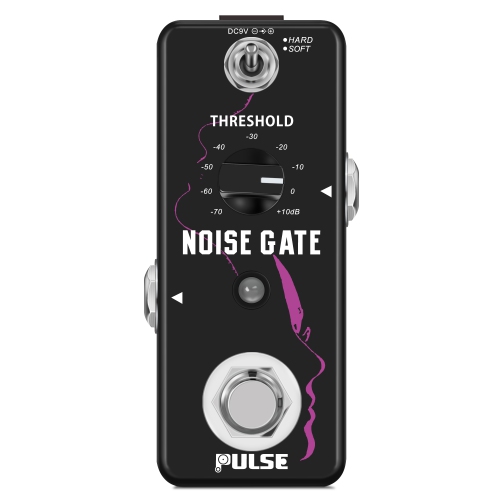
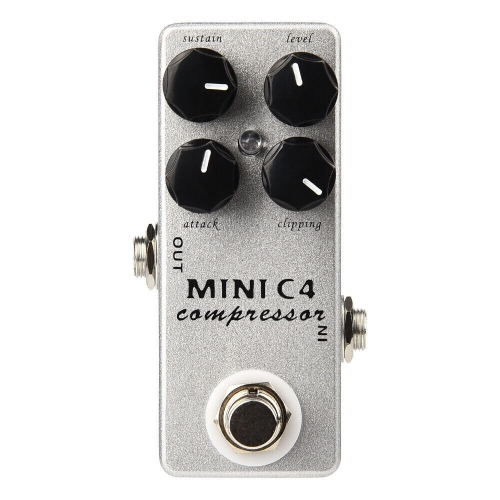
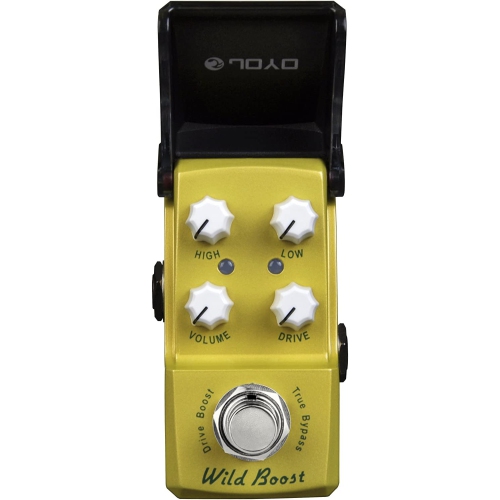
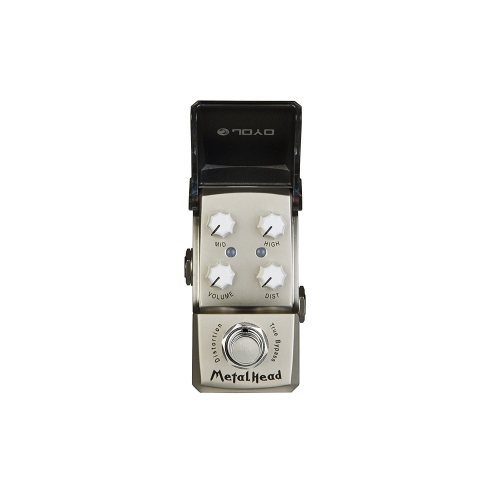

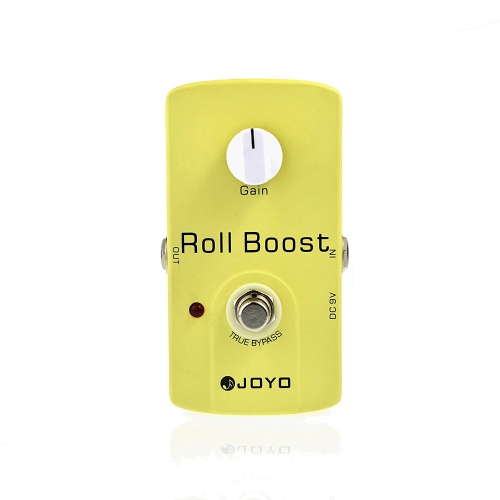
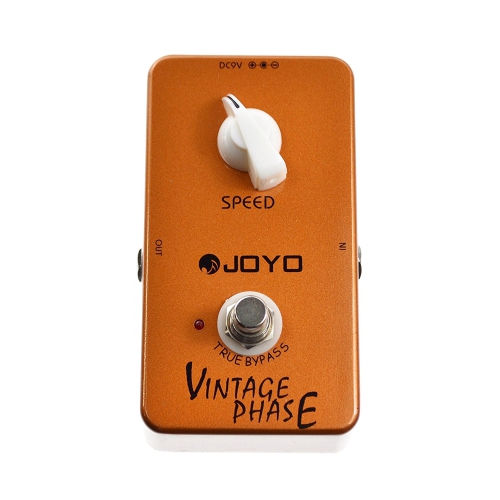
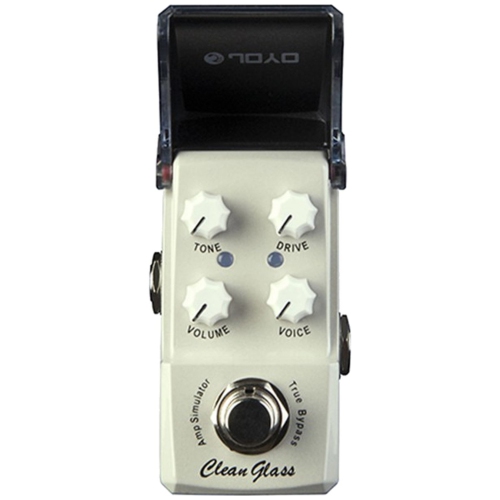
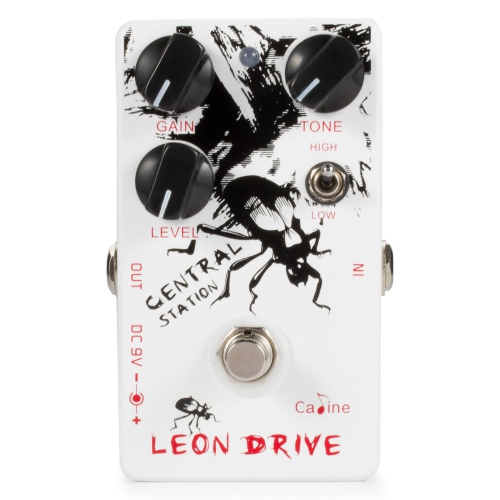
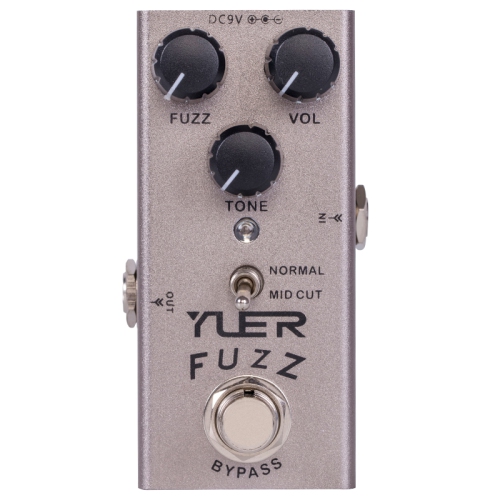
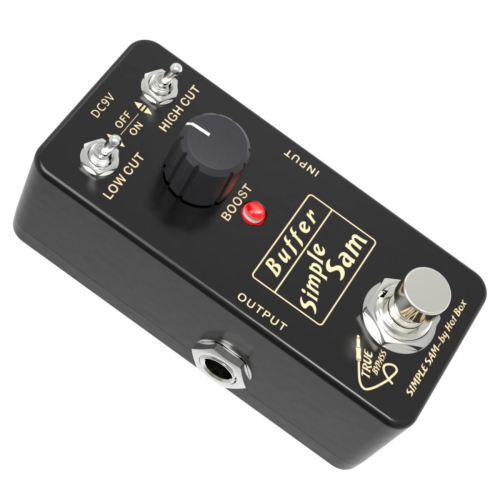
Gain, ambience, and movement for expressive guitar tone
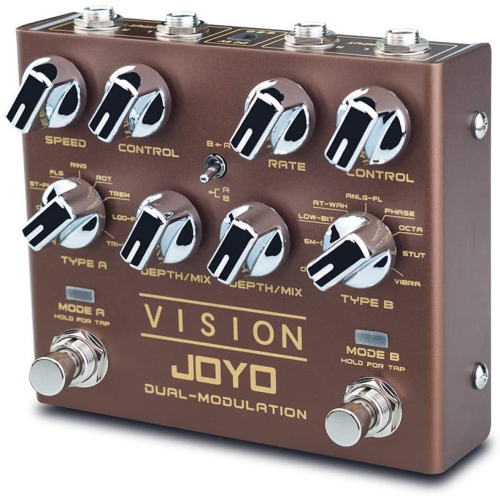
Guitar sound effects give players a way to shape the character, movement, and atmosphere of their instrument beyond the natural sound of the strings and amplifier. A clean guitar tone can become warm and spacious with reverb, repeat in rhythmic patterns with delay, or take on a gritty edge with overdrive, distortion, or fuzz. Modulation effects such as chorus, flanger, and phaser add movement by blending the original signal with carefully altered copies, while wah, equalization, octave, and pitch effects emphasize or shift selected parts of the sound. These effects are available in several formats, including individual stompbox-style pedals, multi-effects units, and digital tools designed for use with recording software. Choosing between them often comes down to playing habits, available space, and the level of control a guitarist wants at their feet. Individual pedals are straightforward to place in a signal chain and can make it easy to adjust one sound at a time, while multi-effects units combine numerous sounds, amp simulations, presets, and performance controls in one setup. Digital effects can be useful for home recording, songwriting, and quiet practice, particularly when a player wants to explore tones without setting up a full live rig. Whether you are building your first effects setup or adding a new colour to an established collection, browsing Guitar Effects can help you compare the different ways these sounds are created and controlled.
The most important consideration is the kind of sound you want to make and where you plan to use it. Gain effects are often a natural starting point for electric guitarists because they respond directly to picking strength and can range from a subtle boost to thick, compressed sustain. Overdrive can add warmth and bite while allowing the notes to remain expressive, distortion can provide a stronger and more pronounced edge, and fuzz can produce a fuller, more textured character that stands out in heavier or experimental music. Delay and reverb belong to the time-based family, but they create distinctly different impressions. Delay repeats the original note after a chosen interval, making it useful for rhythmic patterns, spacious lead lines, and layered parts. Reverb creates the impression of a room, hall, plate, or other acoustic environment, helping an otherwise dry guitar sound feel more open. Modulation effects are especially effective when you want motion: chorus can create a wide, shimmering quality; flanger can produce a pronounced sweeping effect; and phaser can add a swirling, vocal-like pulse. Filter and pitch effects serve more targeted purposes. A wah effect lets the player sweep through frequencies with an expression pedal, an equalizer can refine bass, midrange, and treble, and an octave effect can add a note above or below the one being played. Players using acoustic-electric guitars may prefer effects that preserve the natural detail of the instrument, while electric guitarists may be looking for more dramatic changes. It is also worth checking input and output connections, power requirements, expression-pedal compatibility, true bypass or buffered operation, stereo support, preset storage, and whether the unit is intended for guitar, bass, vocals, or several instruments. A setup that is easy to reach and understand is more likely to become part of regular playing rather than sit unused beside the amplifier.
Guitar sound effects can suit a wide range of players, from someone learning how different tones respond to the picking hand to an experienced musician refining a live or recording setup. They can help a beginner discover the difference between clean, driven, ambient, and modulated sounds without needing to change instruments, and they give songwriters a practical way to find the mood of a new part. A player working in a small room might use a compact setup with headphones or a recording interface, while a performing guitarist may value quick access to presets, tap-tempo controls, footswitches, and expression controls during a set. Effects can also be useful for acoustic guitar, keyboard, bass, and home recording when the connections and signal levels are suitable, although the final result depends on the instrument, amplifier, speakers, and order of the effects in the chain. Many players begin with the instrument, connect gain effects earlier in the chain, place modulation and filter effects around them, and use delay and reverb later so the ambience remains clear; experimentation is part of finding a personal sound. These products can make thoughtful gifts for a guitarist who is expanding a practice space, preparing for performances, recording at home, or simply curious about new textures. During the cooler months, an effects unit can add variety to indoor practice sessions, help a player build arrangements without a full band, and provide an engaging way to spend time developing timing and technique. Before choosing, consider the recipient’s instrument, amplifier or recording equipment, preferred styles, and comfort with menus or multiple controls. The best fit is one that complements the way the guitarist already plays while leaving room to explore tones that feel fresh, expressive, and genuinely their own.
The most important consideration is the kind of sound you want to make and where you plan to use it. Gain effects are often a natural starting point for electric guitarists because they respond directly to picking strength and can range from a subtle boost to thick, compressed sustain. Overdrive can add warmth and bite while allowing the notes to remain expressive, distortion can provide a stronger and more pronounced edge, and fuzz can produce a fuller, more textured character that stands out in heavier or experimental music. Delay and reverb belong to the time-based family, but they create distinctly different impressions. Delay repeats the original note after a chosen interval, making it useful for rhythmic patterns, spacious lead lines, and layered parts. Reverb creates the impression of a room, hall, plate, or other acoustic environment, helping an otherwise dry guitar sound feel more open. Modulation effects are especially effective when you want motion: chorus can create a wide, shimmering quality; flanger can produce a pronounced sweeping effect; and phaser can add a swirling, vocal-like pulse. Filter and pitch effects serve more targeted purposes. A wah effect lets the player sweep through frequencies with an expression pedal, an equalizer can refine bass, midrange, and treble, and an octave effect can add a note above or below the one being played. Players using acoustic-electric guitars may prefer effects that preserve the natural detail of the instrument, while electric guitarists may be looking for more dramatic changes. It is also worth checking input and output connections, power requirements, expression-pedal compatibility, true bypass or buffered operation, stereo support, preset storage, and whether the unit is intended for guitar, bass, vocals, or several instruments. A setup that is easy to reach and understand is more likely to become part of regular playing rather than sit unused beside the amplifier.
Guitar sound effects can suit a wide range of players, from someone learning how different tones respond to the picking hand to an experienced musician refining a live or recording setup. They can help a beginner discover the difference between clean, driven, ambient, and modulated sounds without needing to change instruments, and they give songwriters a practical way to find the mood of a new part. A player working in a small room might use a compact setup with headphones or a recording interface, while a performing guitarist may value quick access to presets, tap-tempo controls, footswitches, and expression controls during a set. Effects can also be useful for acoustic guitar, keyboard, bass, and home recording when the connections and signal levels are suitable, although the final result depends on the instrument, amplifier, speakers, and order of the effects in the chain. Many players begin with the instrument, connect gain effects earlier in the chain, place modulation and filter effects around them, and use delay and reverb later so the ambience remains clear; experimentation is part of finding a personal sound. These products can make thoughtful gifts for a guitarist who is expanding a practice space, preparing for performances, recording at home, or simply curious about new textures. During the cooler months, an effects unit can add variety to indoor practice sessions, help a player build arrangements without a full band, and provide an engaging way to spend time developing timing and technique. Before choosing, consider the recipient’s instrument, amplifier or recording equipment, preferred styles, and comfort with menus or multiple controls. The best fit is one that complements the way the guitarist already plays while leaving room to explore tones that feel fresh, expressive, and genuinely their own.
Top selling and popular products
-
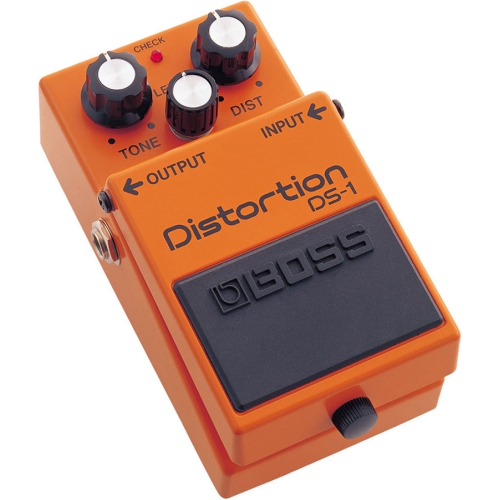 Your price for this item is $89.99
 -
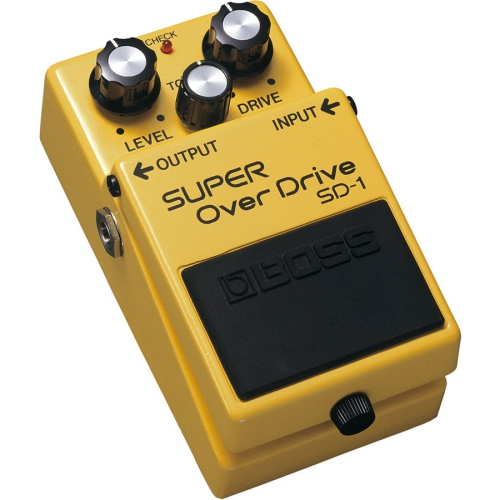 Your price for this item is $89.99
 -
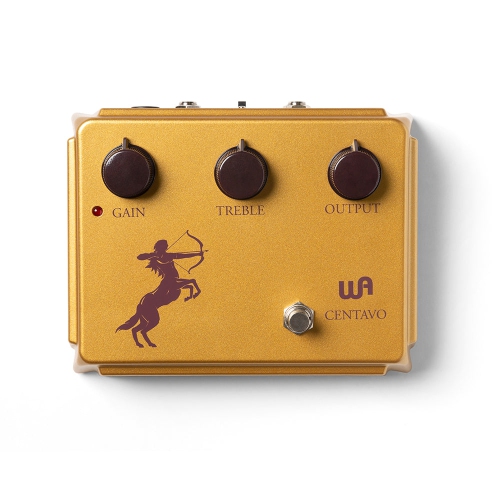 Your price for this item is $289
 -
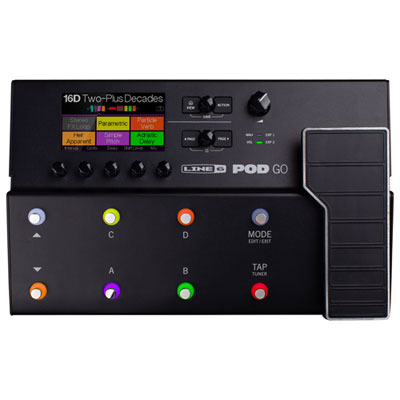 Your price for this item is $589.99
 -
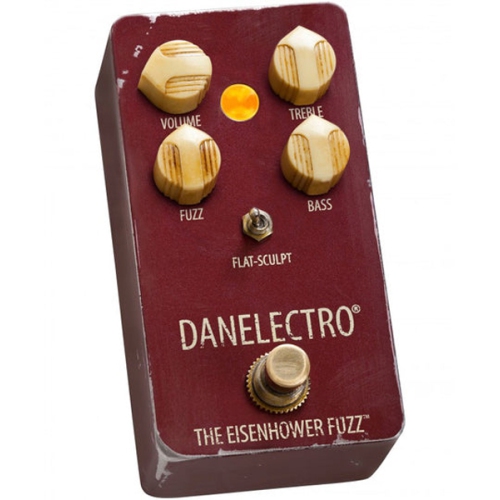 Your price for this item is $164.99
 -
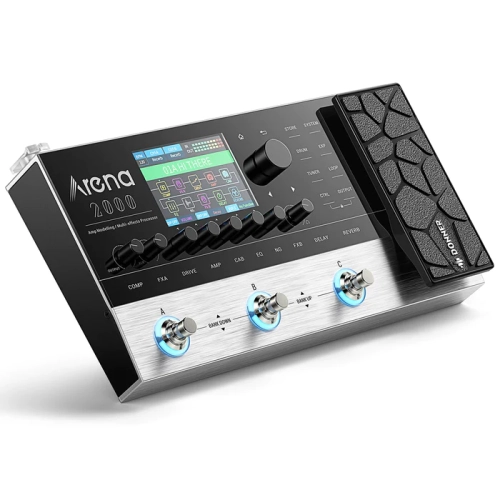 Your price for this item is $209.99
 -
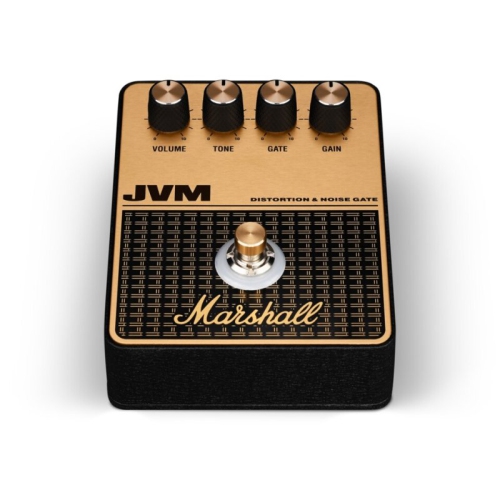 Your price for this item is $249.99
 -
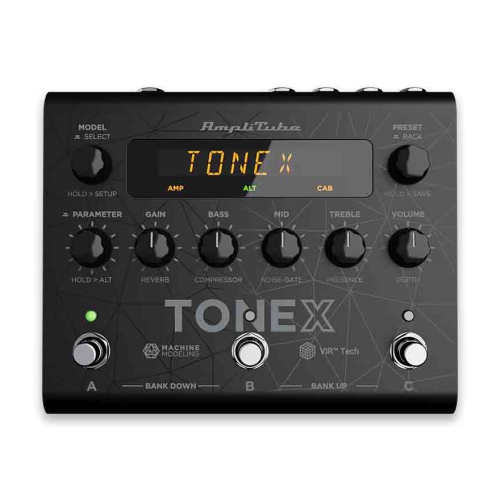 Your price for this item is $599.99
Discover more categories related to Guitar Sound Effects
Top Collections:
Pokemon Centers, Kindle Devices, Best Budget Office Chairs, Apple iPhones 16, Best Laptops for Writers, iPhone 15 Apple, Canon G7X Cameras, Refurbished Apple Laptops, Alarm Clock, Motorola Razr Phones
Some products may be subject to Environmental Handling Fees
(EHF) depending on your province.
Learn more about EHFs.