Hammer Action Keyboards
Looking for a keyboard that can recreate the feel and response of a traditional piano? Look no further than hammer-action keyboards. These innovative instruments are designed to deliver an authentic piano-playing experience, with keys that mimic the weight and resistance of acoustic pianos. Whether you're a professional musician, an aspiring pianist, or simply someone who appreciates the nuanced touch of a real piano, hammer action keyboards offer an unparalleled level of realism and expression.
Sort
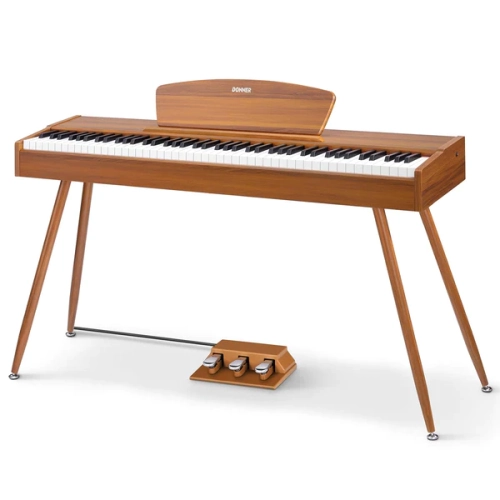

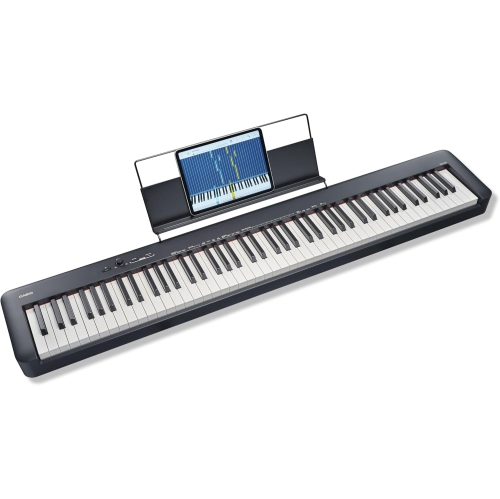
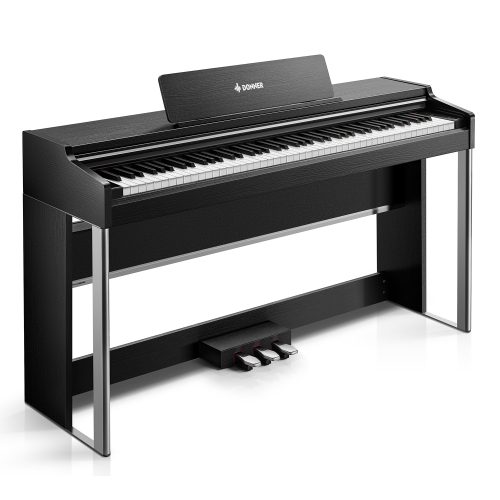
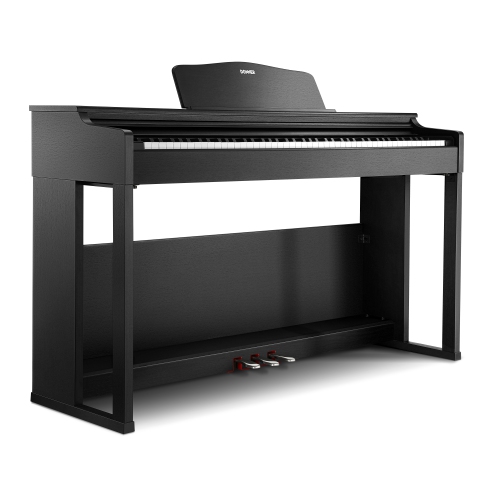

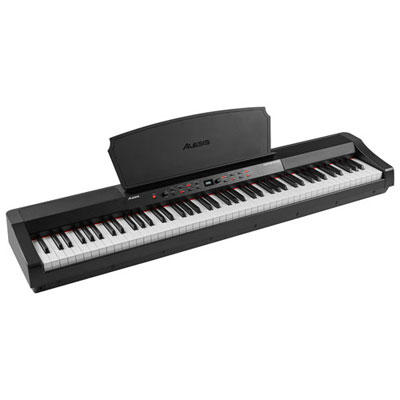
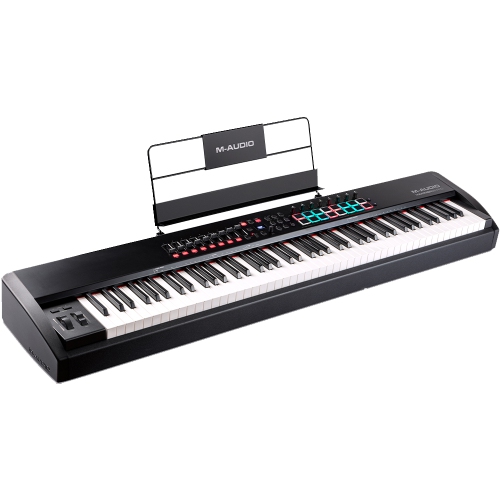
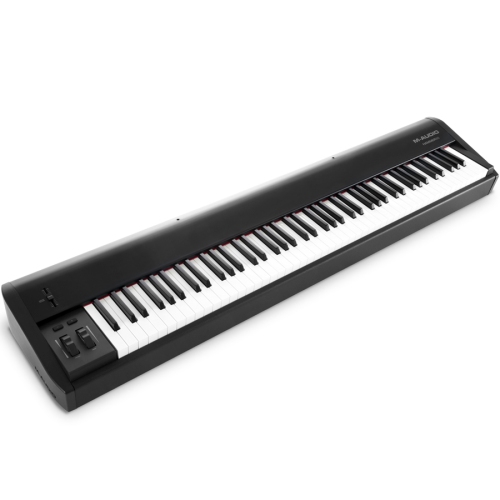
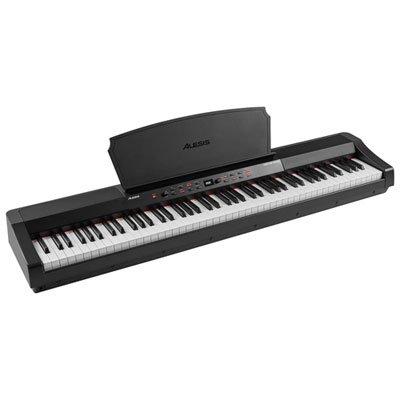
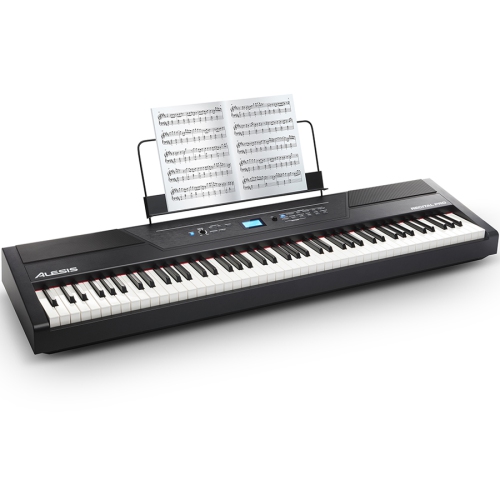
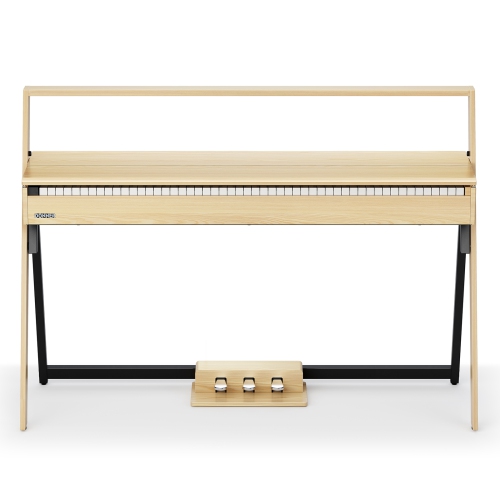
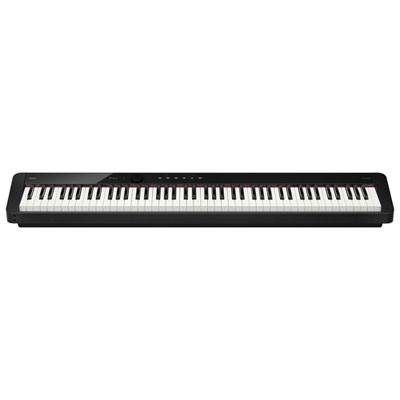
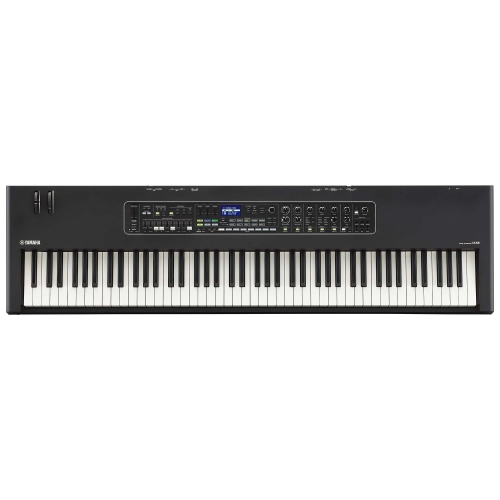
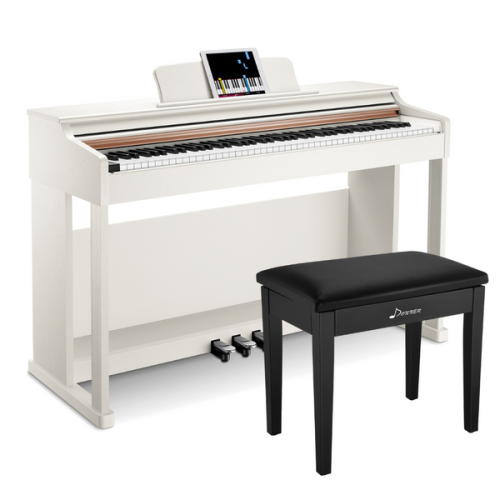
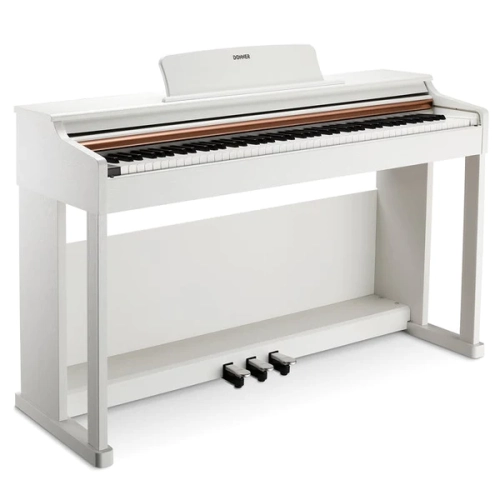
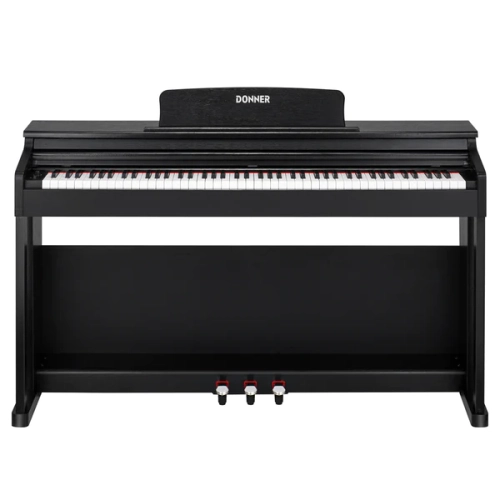
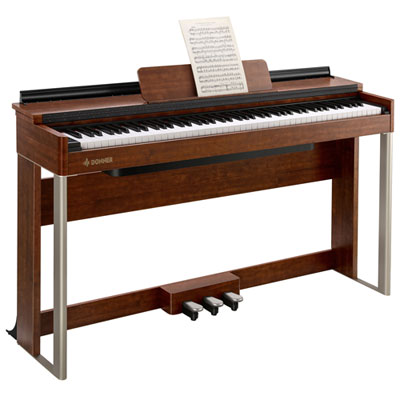
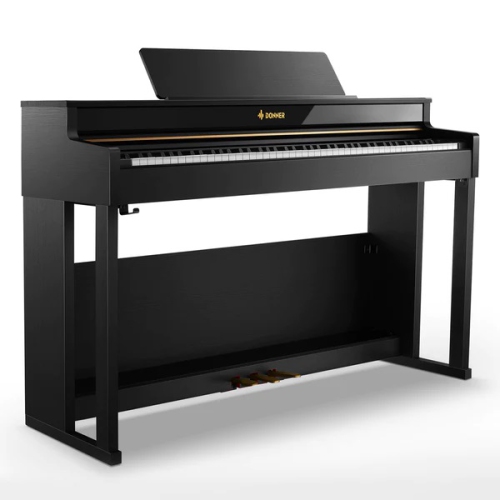
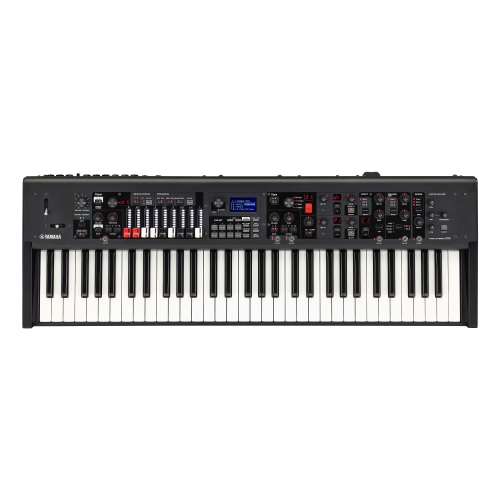
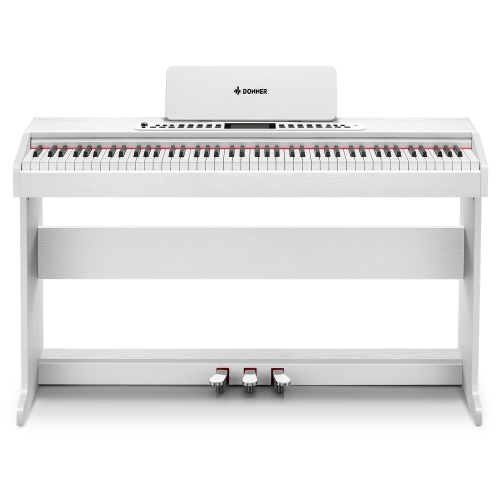
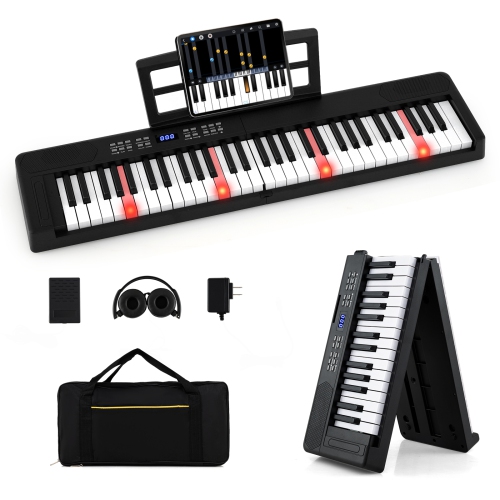
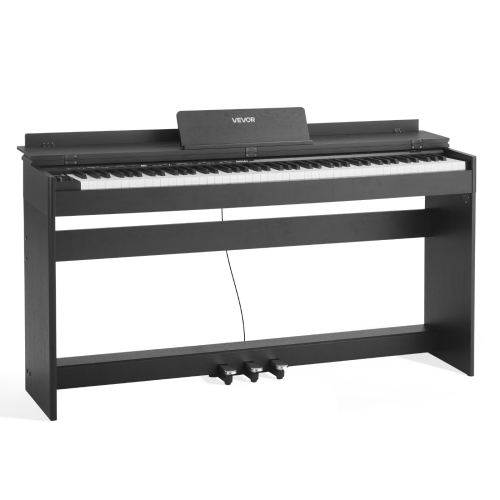
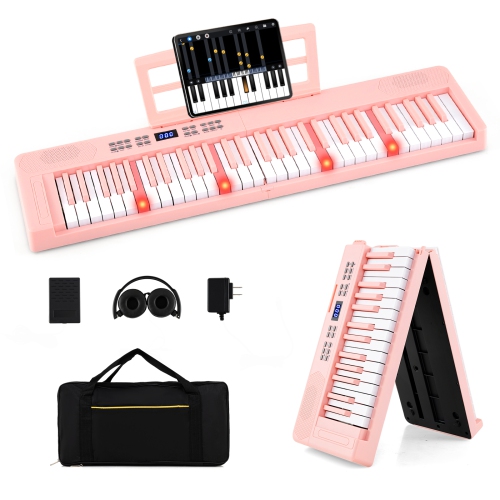
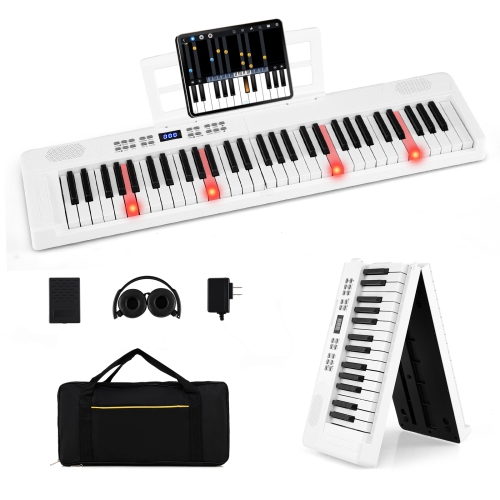
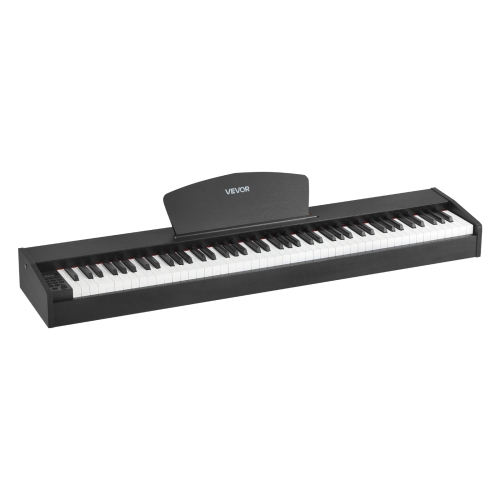
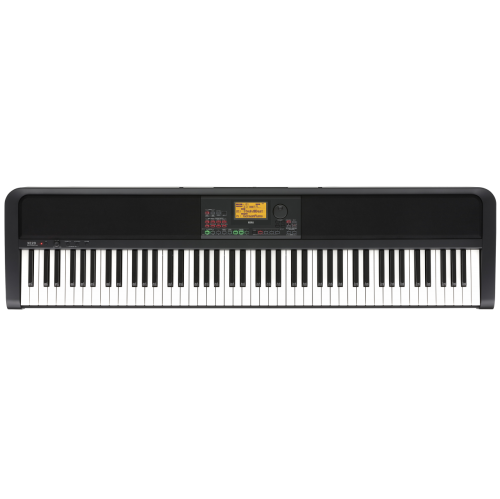
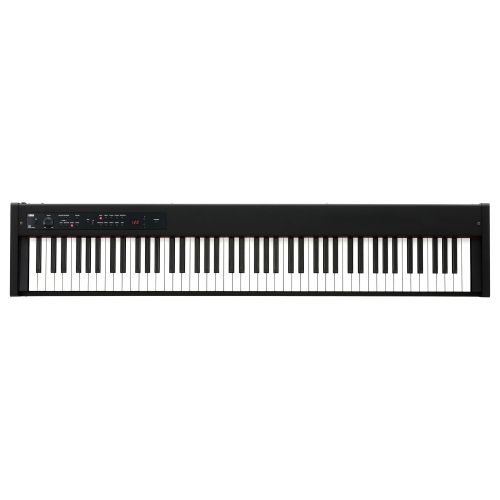
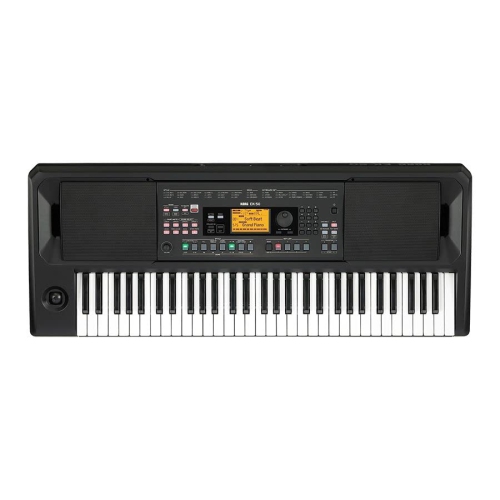
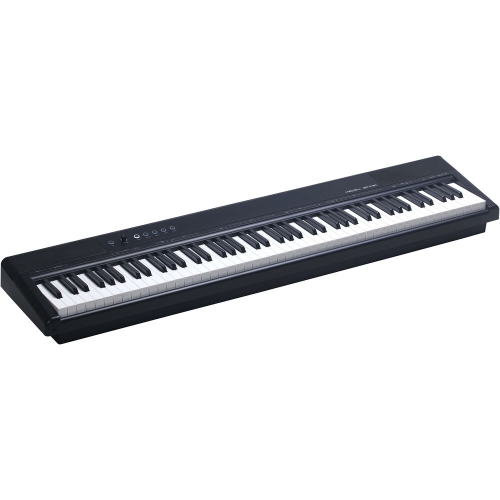
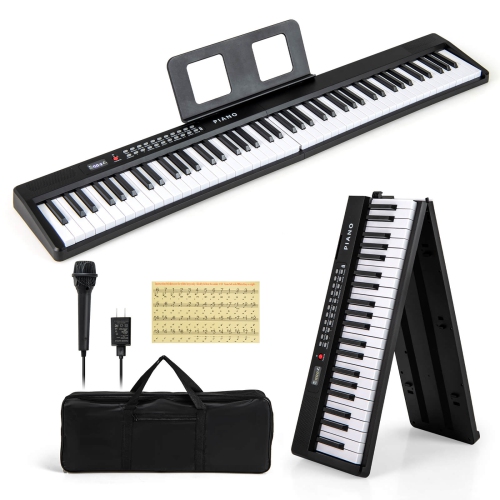
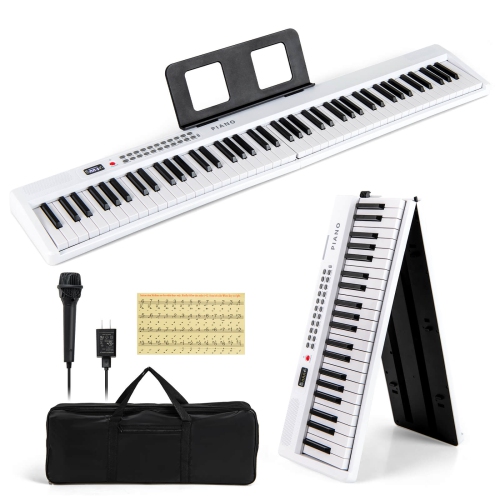
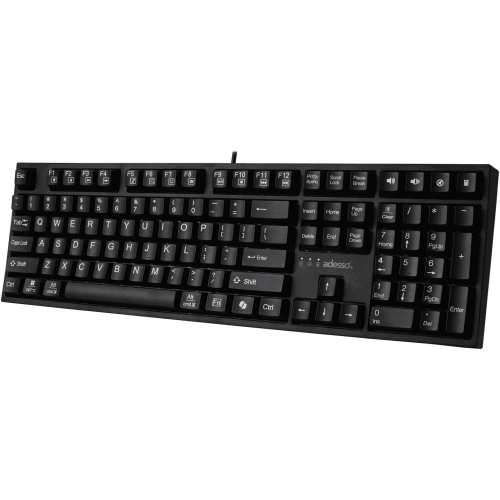
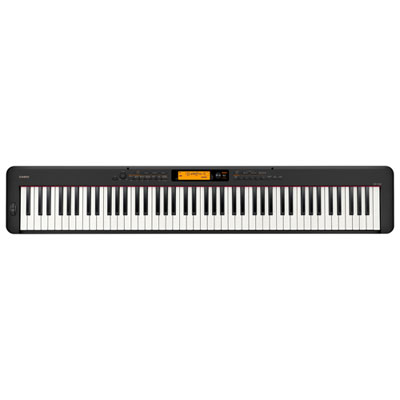
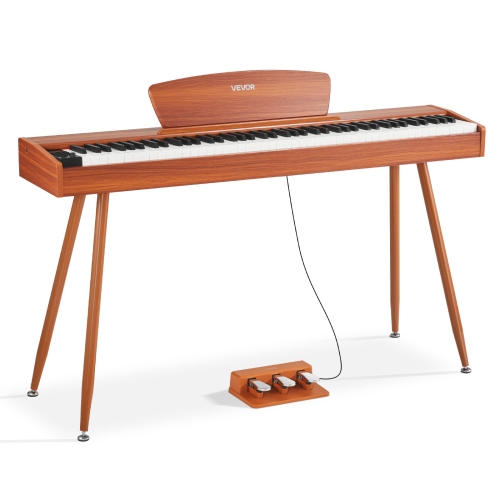
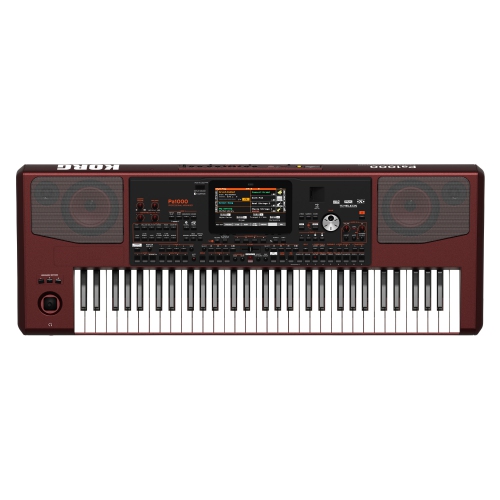
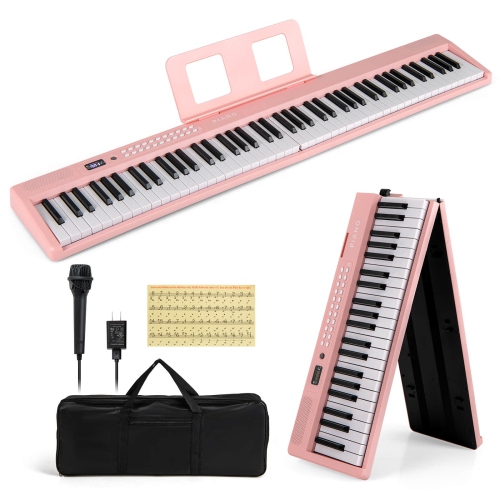
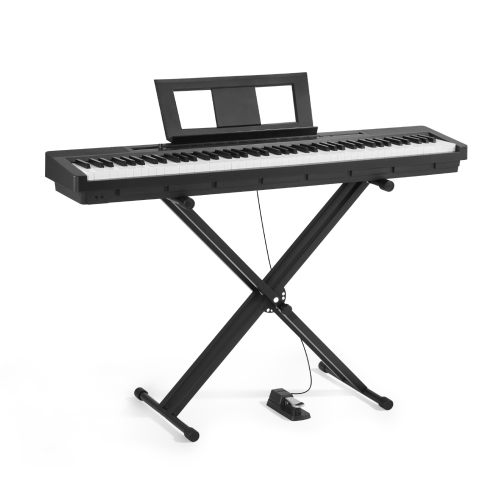
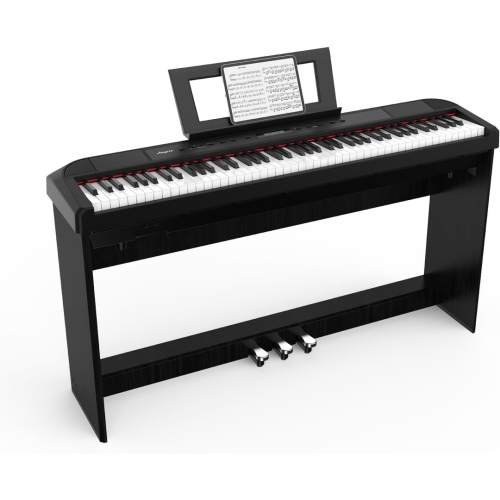
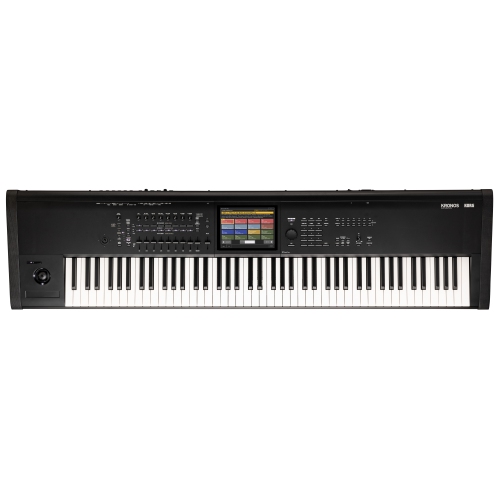
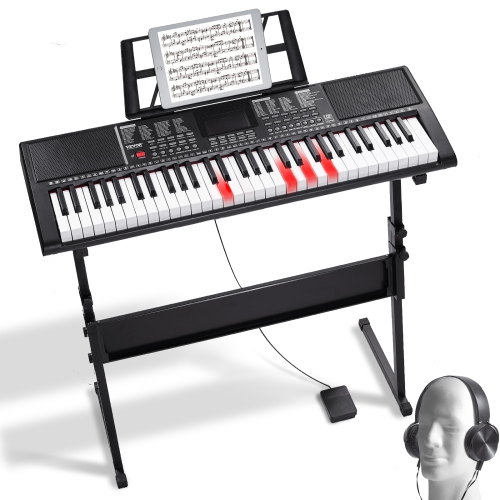
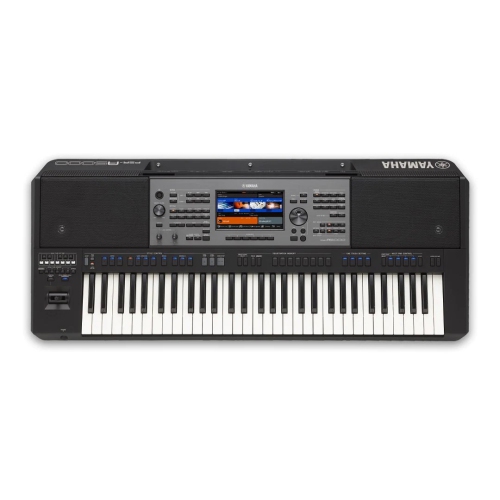
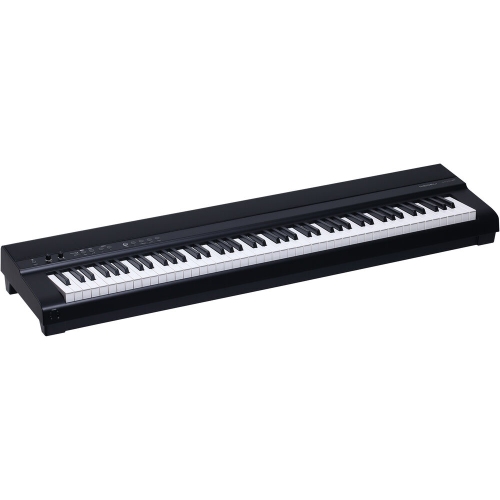
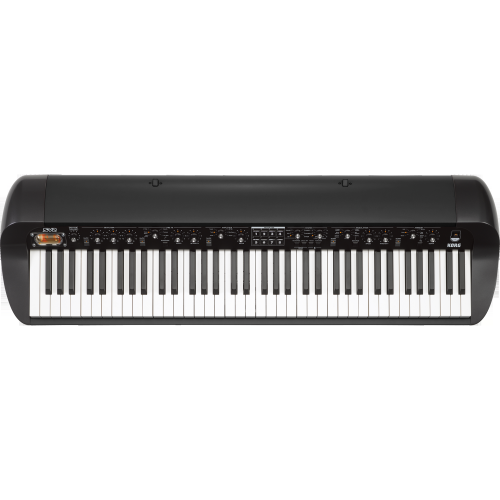

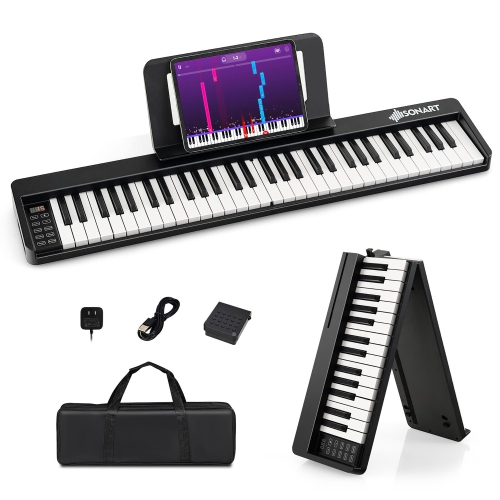
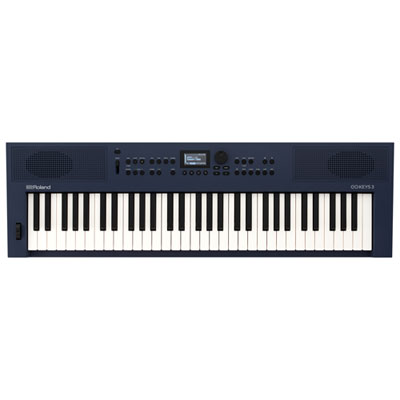
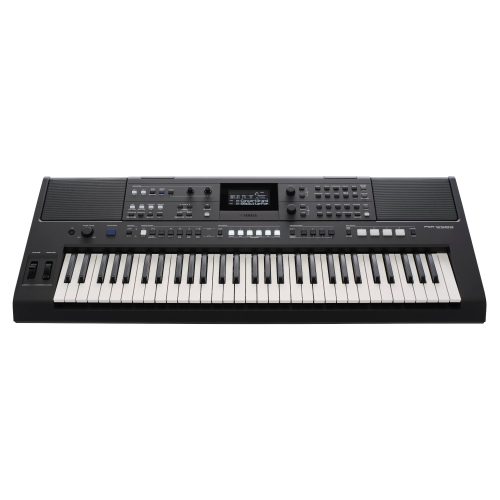
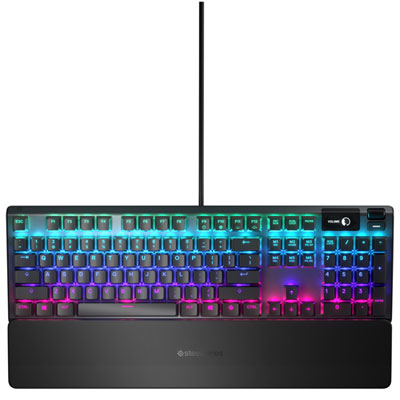
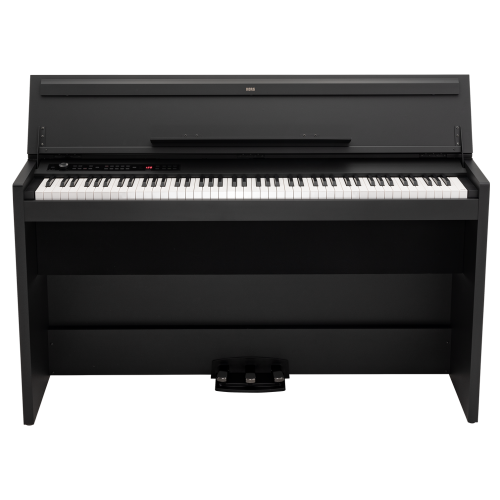
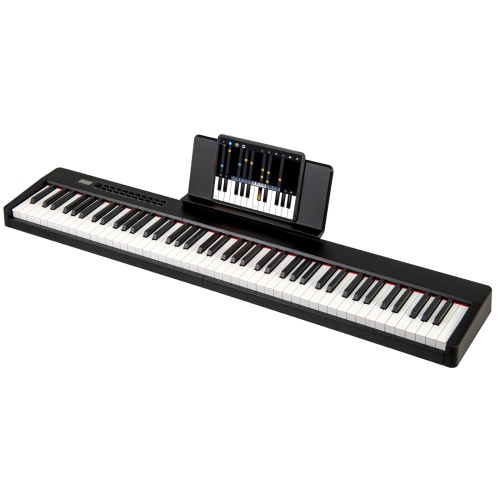
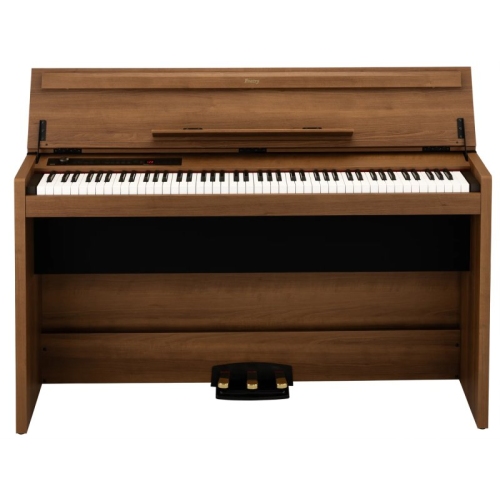
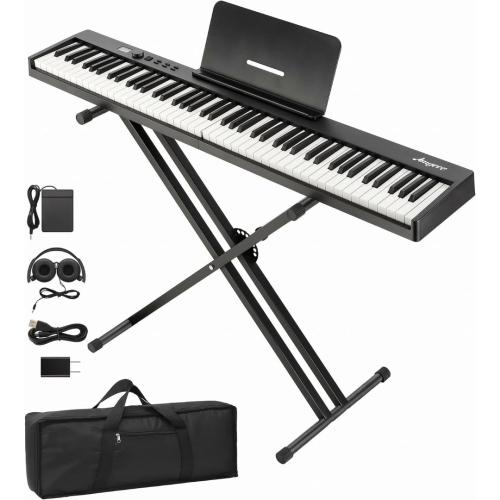
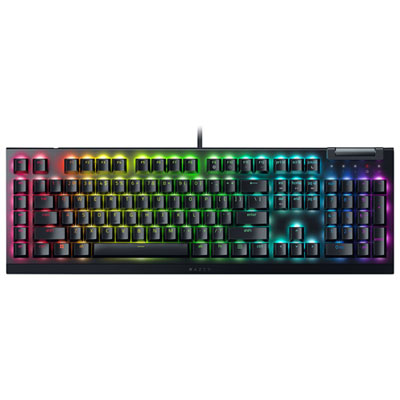
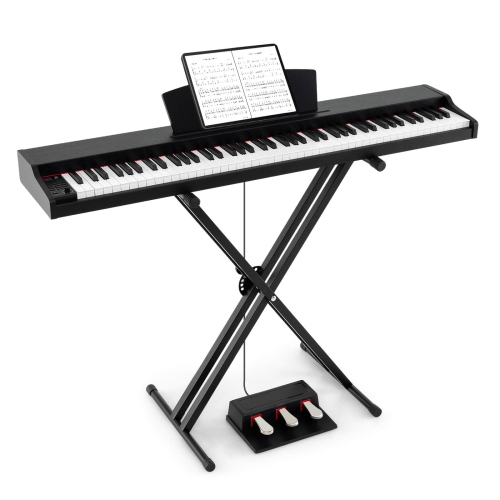
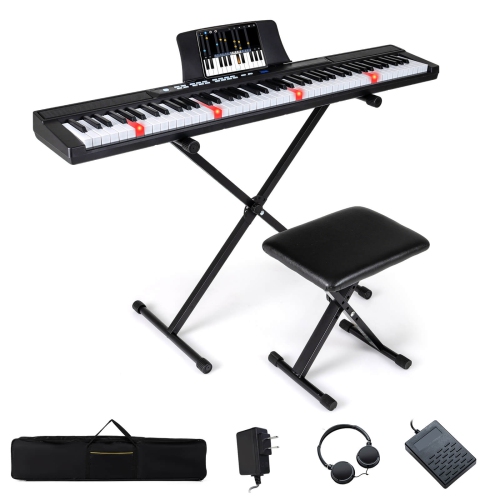
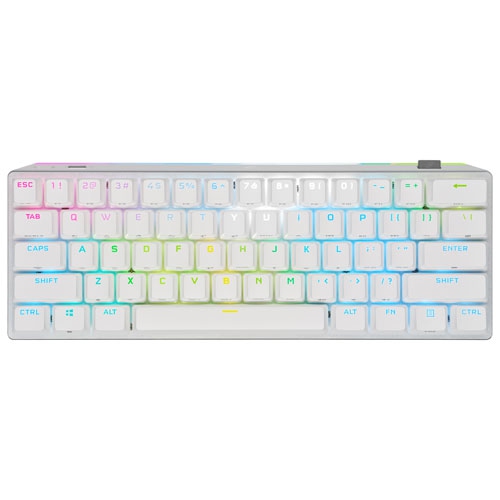
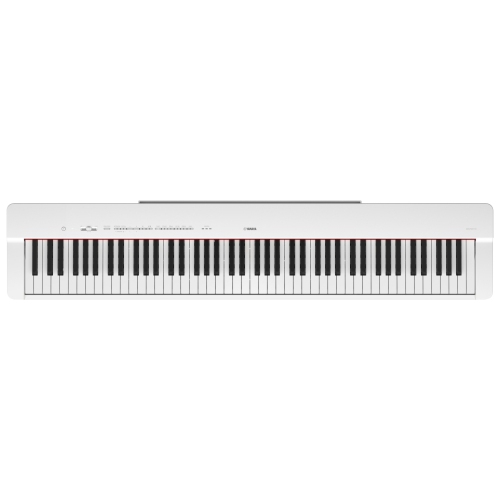
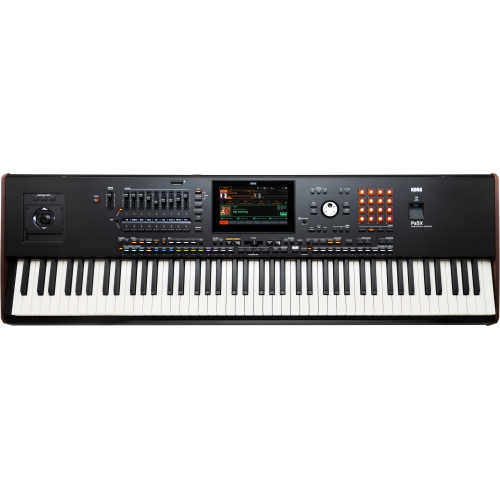

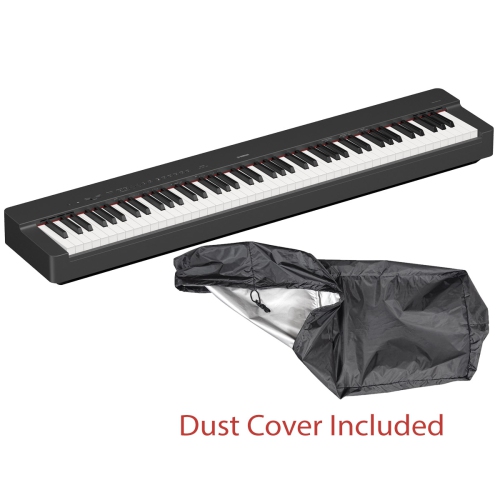
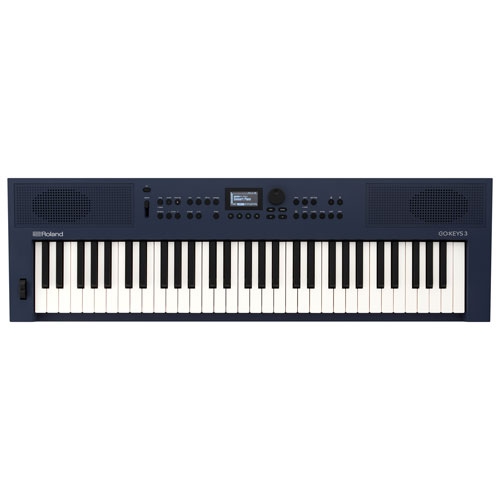
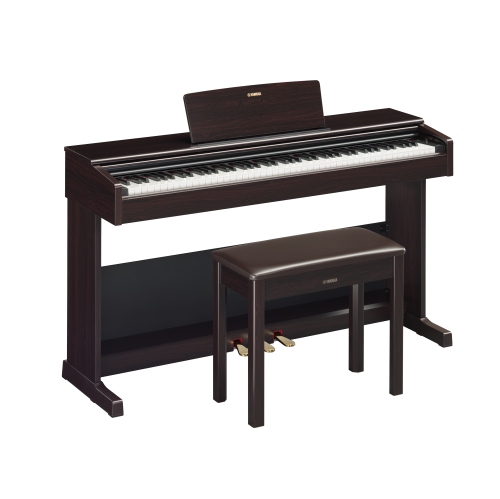
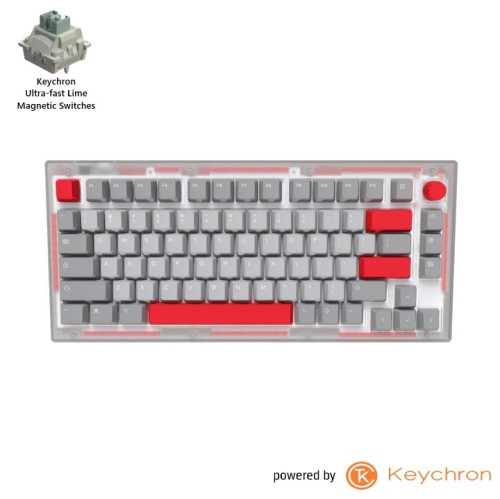
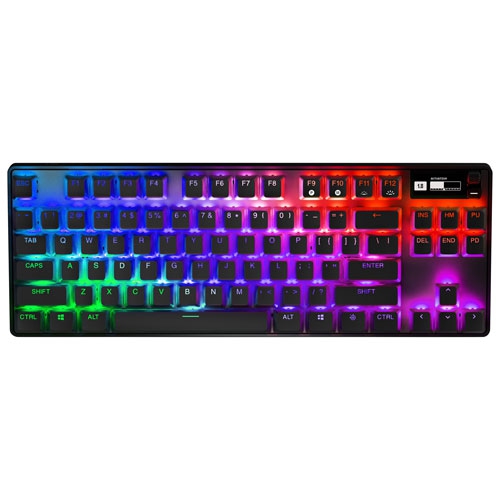
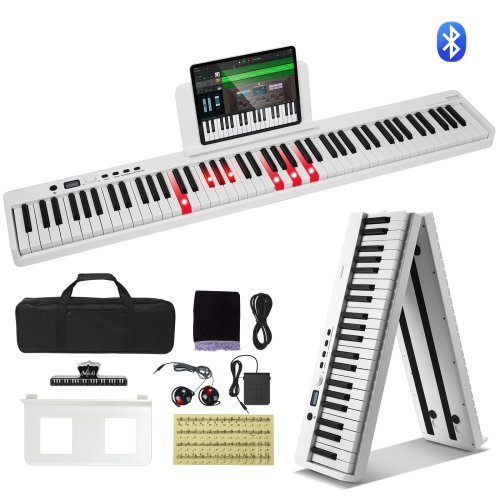
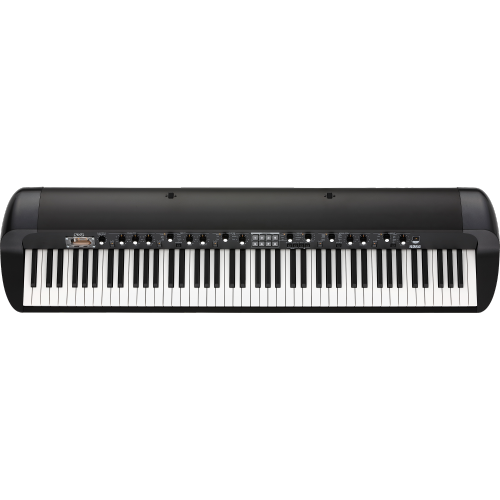
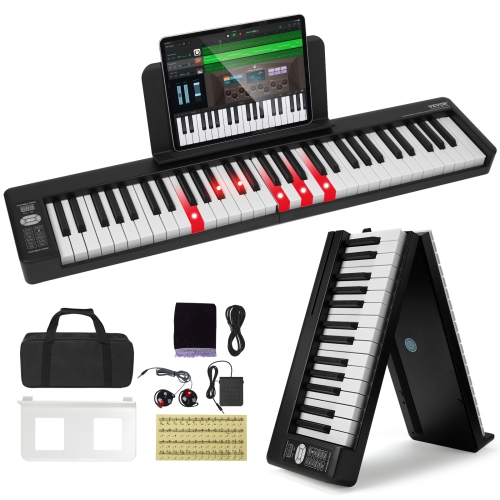
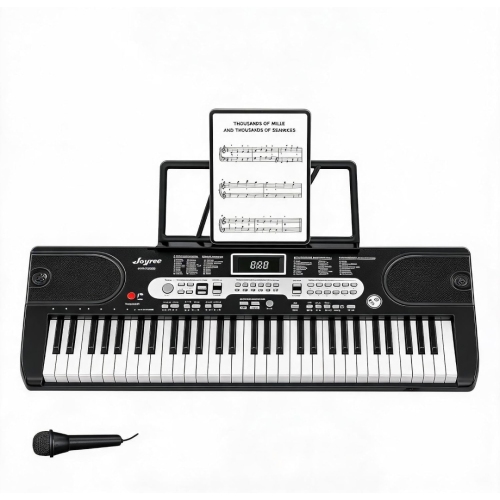
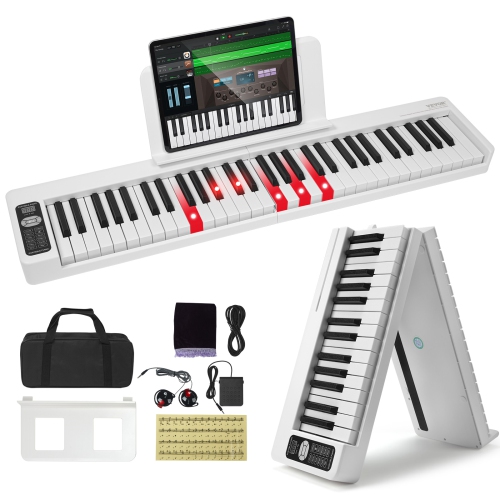
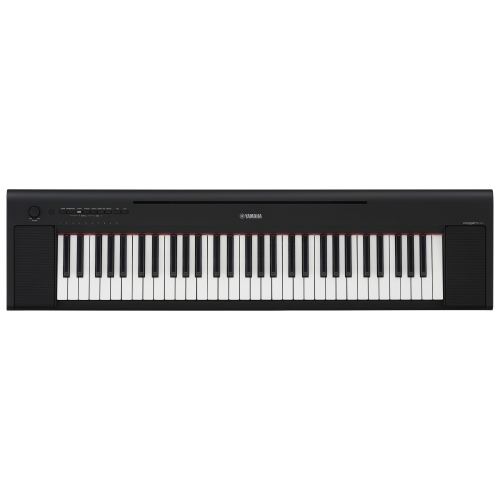
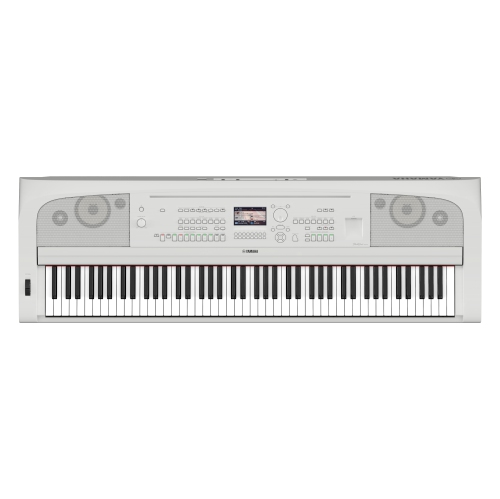
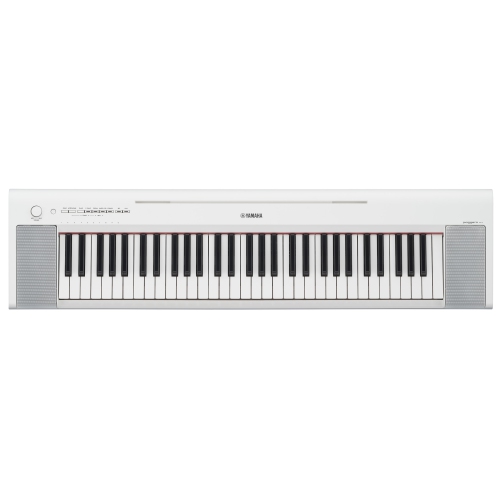
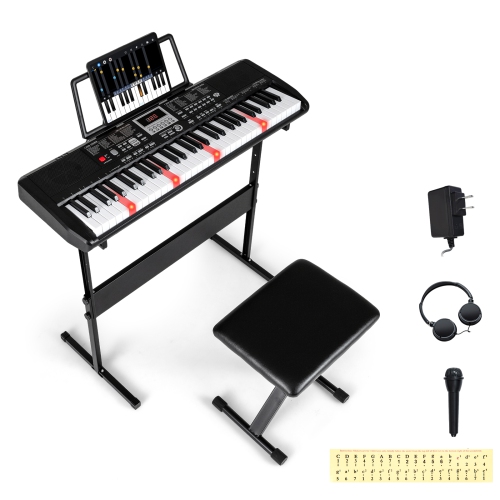
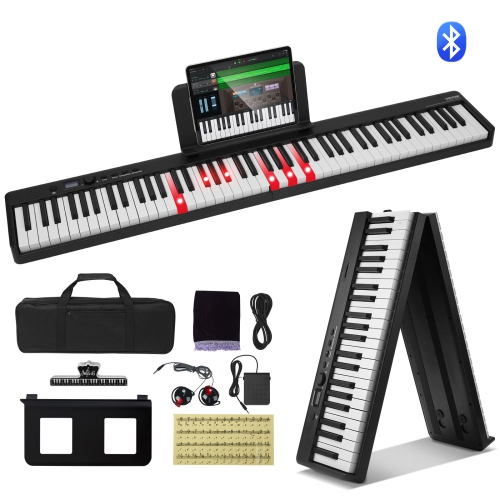
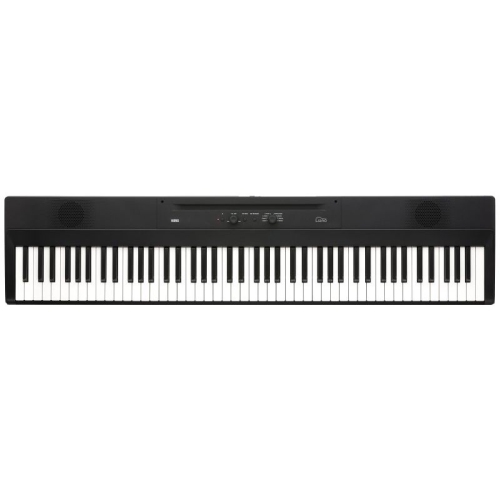
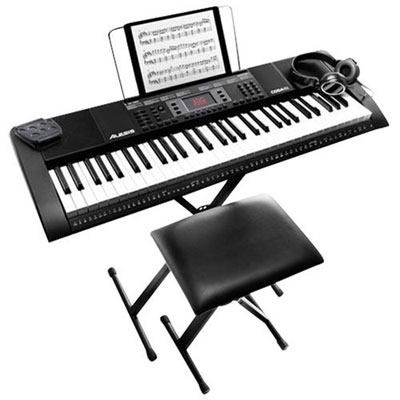
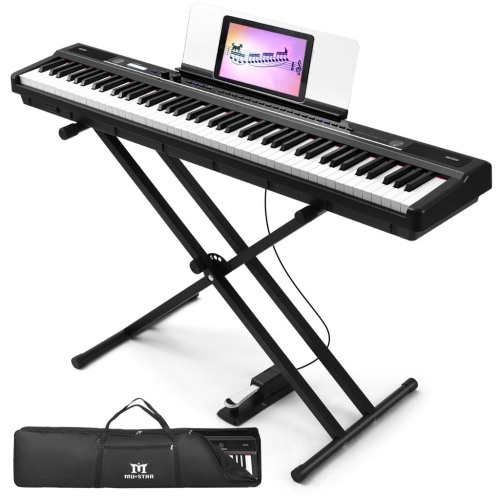
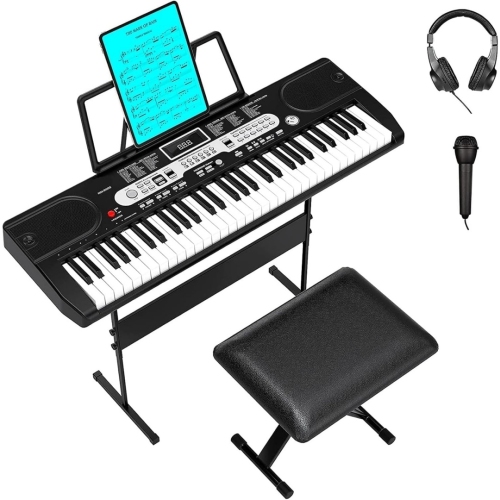
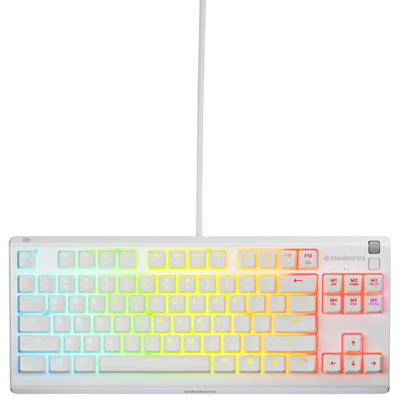
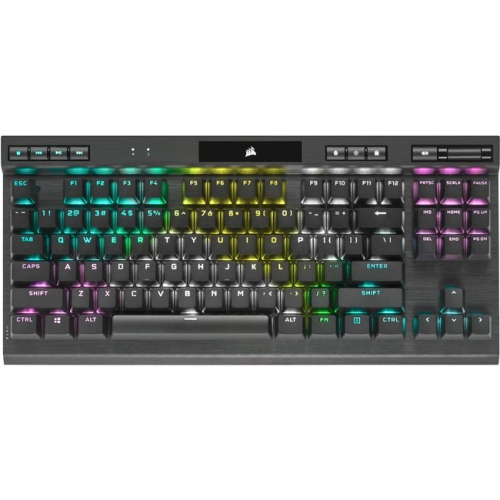
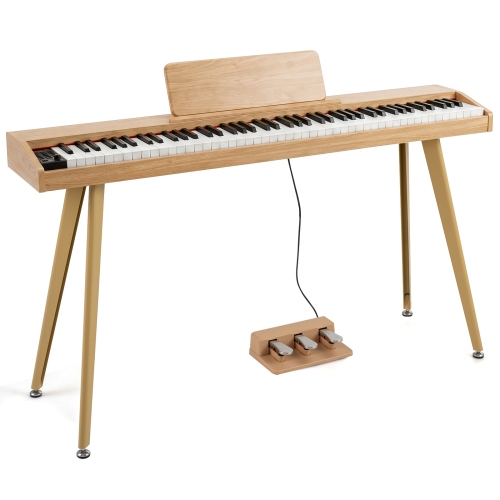
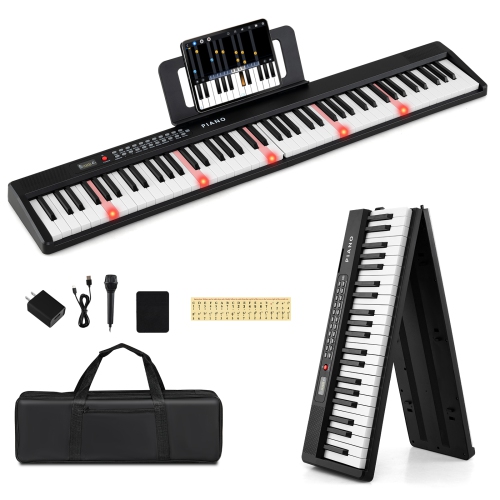
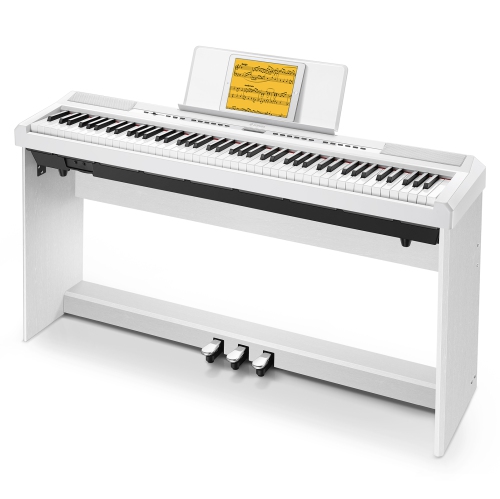

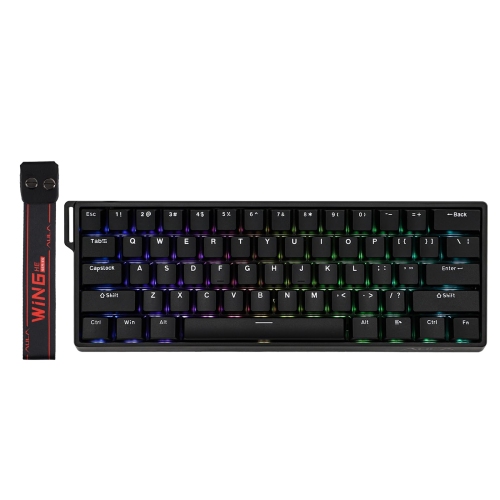
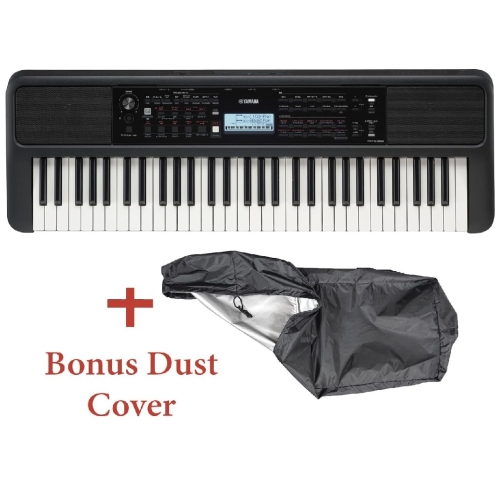
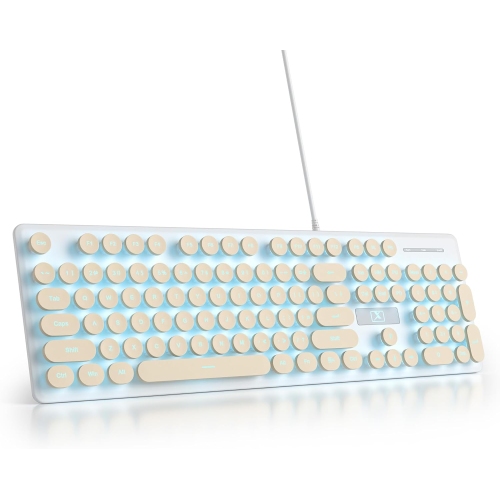
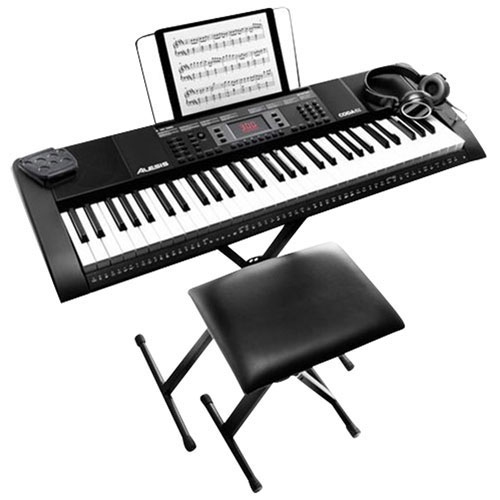

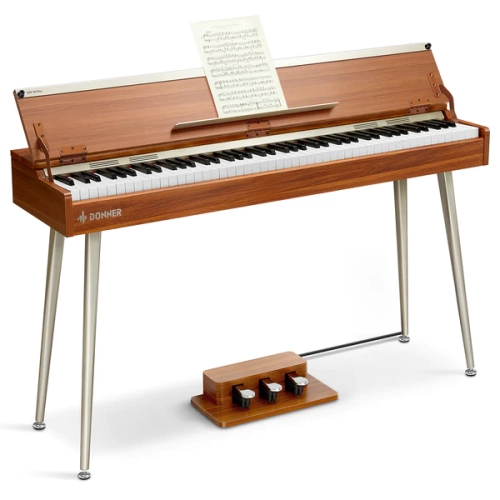
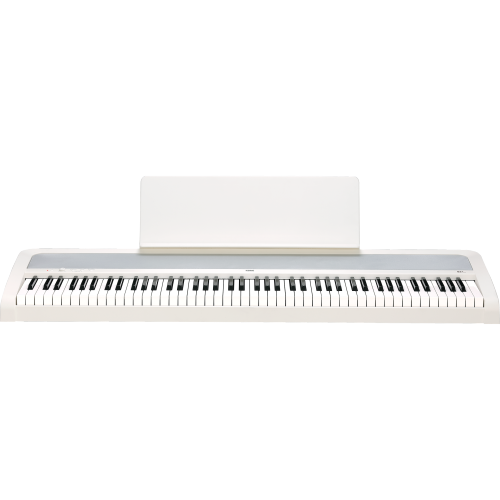
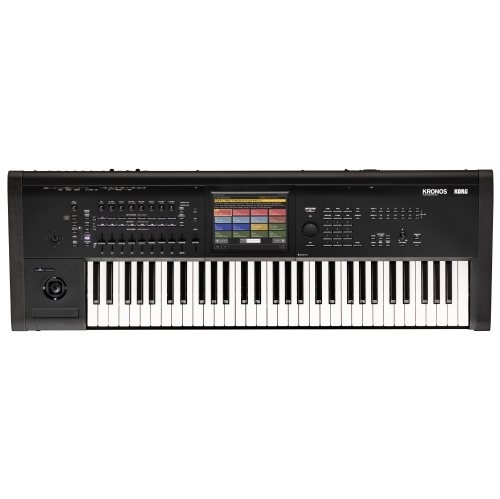
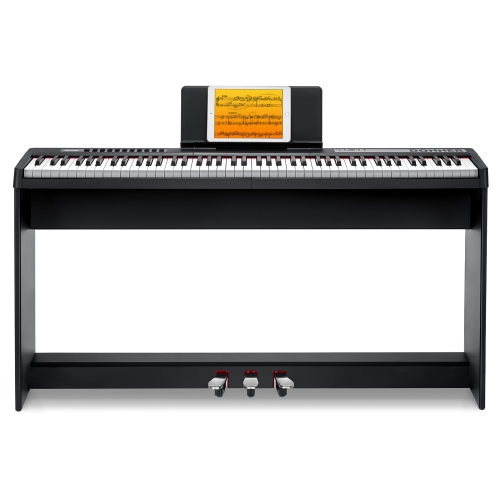
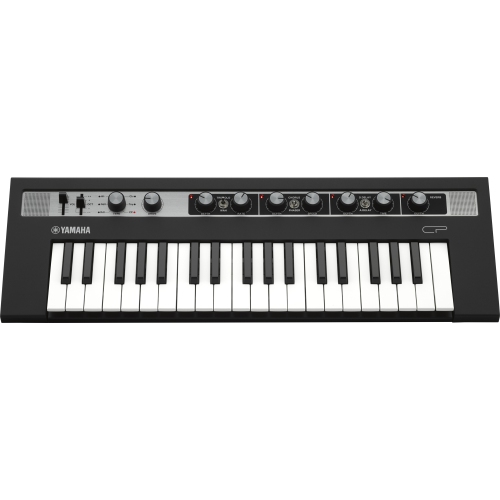

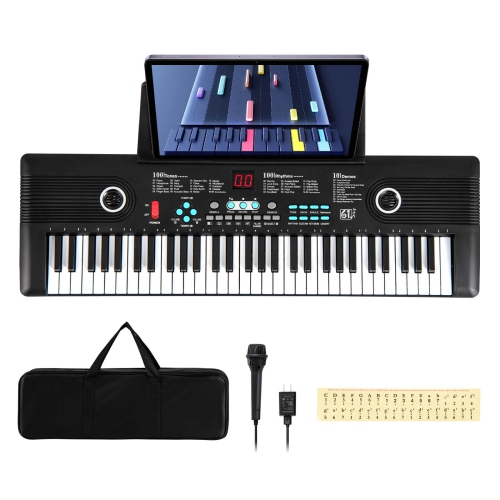
Realistic key response for practice, performance, and studio work
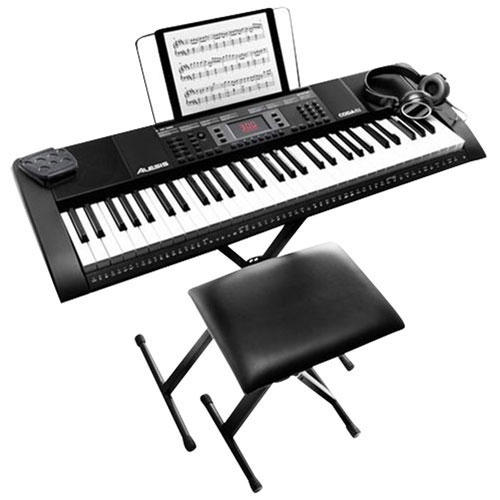
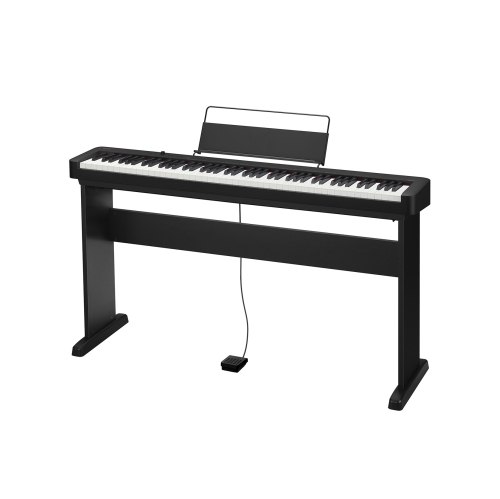
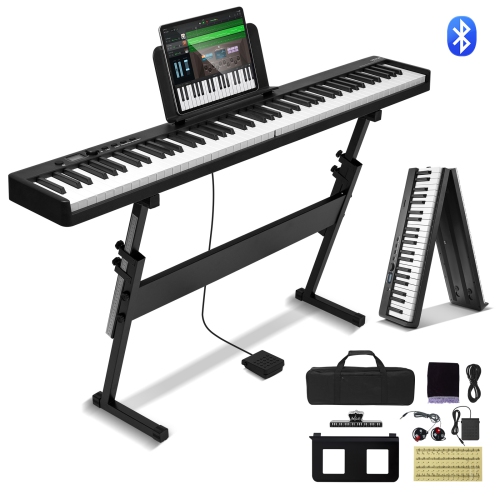
Hammer action keyboards are digital instruments designed to recreate the feel and response of an acoustic piano in a more compact, flexible format. Inside each key, a mechanical hammer mechanism creates resistance and physical feedback as you play, giving your fingers a sensation that is much closer to pressing the keys of a traditional piano than using a light, spring-loaded keyboard. Many models also use graded hammer action, with heavier-feeling keys in the bass register and lighter-feeling keys in the treble register, reflecting the natural design of a grand piano. This gradual change in resistance can make scales, chords, and expressive passages feel more intuitive, particularly for players who are learning proper piano technique or moving between a digital instrument and an acoustic piano. Hammer action also responds to playing velocity, allowing a gentle touch to produce a softer sound and a firmer press to create greater volume and intensity. That dynamic control is useful for classical repertoire, film and game music, pop ballads, jazz, worship arrangements, and any style where the character of each note matters. Compared with unweighted or semi-weighted keys, hammer action generally feels more substantial and deliberate, so it may take a short adjustment period for players accustomed to synthesizer-style keyboards. In return, the added resistance can encourage more controlled finger movement, strengthen playing habits, and help develop the touch needed for nuanced piano performance.
When choosing a hammer action keyboard, start by considering where and how it will be used. A home practice instrument may benefit from built-in speakers, a straightforward control panel, a music rest, and a comfortable layout that makes it easy to sit down and play without additional equipment. If the keyboard will be used in a bedroom, apartment, or shared living space, a headphone output can provide private practice during the evening, while a compact cabinet or streamlined stand can make placement easier. Players who plan to perform may give greater priority to portability, durable construction, clear connections, and controls that are easy to reach between songs. For studio work, look for MIDI or USB connectivity so the keyboard can communicate with music software, virtual instruments, recording applications, and digital audio workstations. Hammer action keyboards can serve as MIDI controllers, but it is worth checking how the instrument handles velocity, sustain, expression, and pedal input before making a choice. Polyphony is another useful specification: higher polyphony allows more notes to continue sounding at once, which can be important when using the sustain pedal, playing layered tones, or performing pieces with broad chords and long resonances. A sustain pedal can add realism and musical expression, while additional pedals may support soft playing and sostenuto techniques. Also consider the number of keys, available instrument voices, built-in recording features, metronome functions, lesson tools, and the overall footprint. A full-length keyboard can provide the range expected by advanced players, while a more compact design may suit beginners, smaller rooms, or musicians who need to transport their instrument. Players seeking a wider range of stage and studio features may also wish to explore Professional Keyboards when comparing their options.
A hammer action keyboard can be a thoughtful choice for beginning musicians, returning players, music students, songwriters, accompanists, and experienced pianists who want a dependable instrument for practice. It can also make a memorable gift for someone taking lessons, preparing for examinations, composing at home, or rediscovering a love of piano after time away. For a beginner, realistic key resistance can make the transition to an acoustic piano feel more natural later, while lesson functions, adjustable tones, and headphone listening can make regular practice more approachable. For an experienced player, a digital keyboard can offer convenient volume control, easy placement, and access to sounds beyond a traditional piano, including electric piano, organ, strings, and layered combinations. Songwriters may use one to sketch melodies and chord progressions, then connect it to recording software to build a fuller arrangement. Families often appreciate the flexibility of an instrument that can support quiet practice during cooler months, when more time may be spent indoors, without requiring the space or maintenance associated with a full acoustic piano. Before buying, check the available floor or tabletop space, the height of the intended bench or seat, the weight of the instrument, and whether a stand, pedal, bench, or protective cover is included. It is also helpful to think about the player’s preferred touch: some people enjoy a firmer, more piano-like action, while others may prefer a lighter response for extended sessions or faster contemporary playing. The best match will provide enough resistance to support expressive technique while fitting comfortably into the player’s routine, room, and musical goals.
Top selling and popular products
-
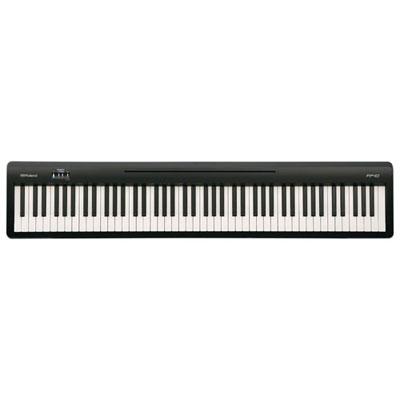 Your price for this item is $799.99
-
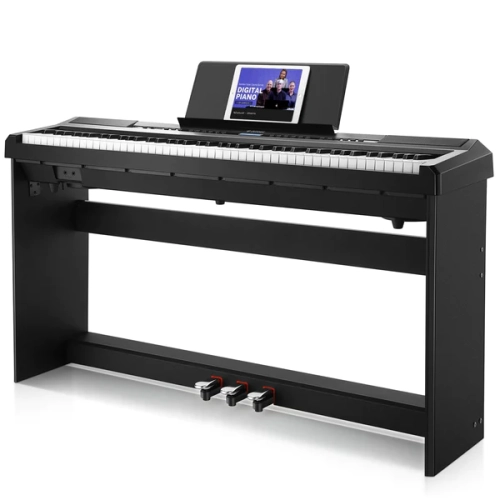 Your price for this item is $479.99
-
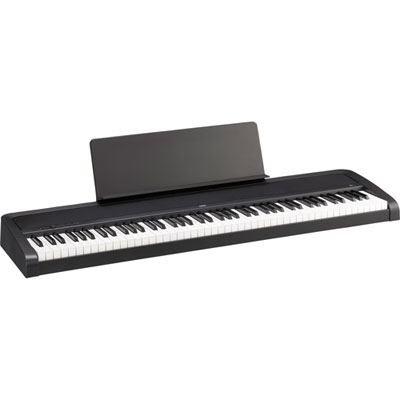 Your price for this item is $699.98
-
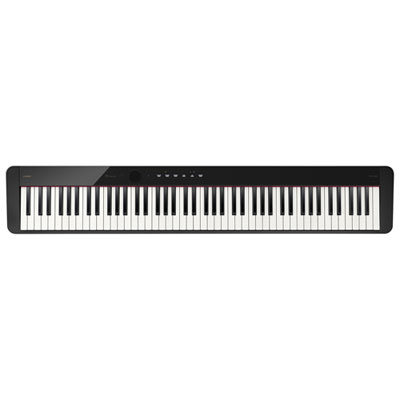 Your price for this item is $849.99
-
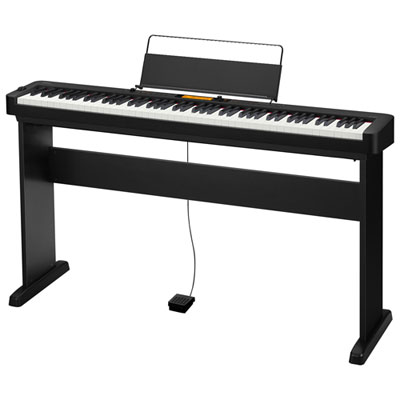 Your price for this item is $869.95
-
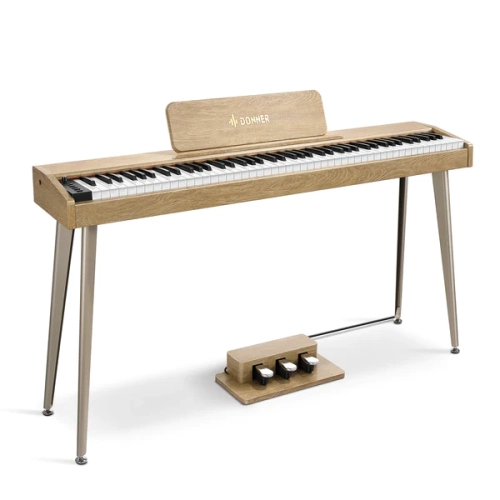 Your price for this item is $415.99
-
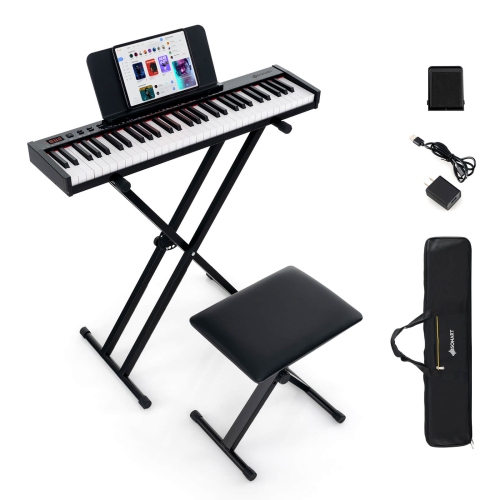 Your price for this item is $189.99
-
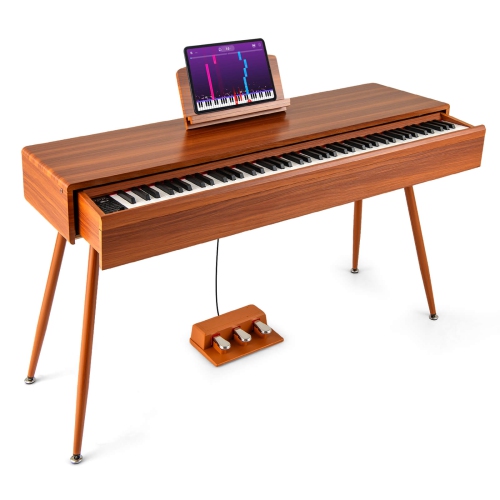 Your price for this item is $571.99
Discover more categories related to Hammer Action Keyboards

Top Collections:
Pokemon Centers, Best Cameras for Sports Photography, Kindle Devices, Samsung Galaxy Phones, Canon G7X Cameras, Pokémon 30th Celebration Cards, Refurbished Apple Laptops, iPhone 15 Apple, Laptops for Students, Budget Smartphones
Some products may be subject to Environmental Handling Fees
(EHF) depending on your province.
Learn more about EHFs.