Metal Distortion Pedals
Looking to take your guitar playing to the next level? Look no further than our collection of metal distortion pedals. These powerful tools are designed to give your guitar that signature heavy and aggressive sound that is synonymous with metal music. Whether you're a seasoned shredder or just starting out, our range of metal distortion pedals offers a variety of options to suit your style and budget. From classic analog pedals to cutting-edge digital models, we have almost everything you need to unleash your inner metal god. Get ready to crank up the volume and melt faces with our selection of metal distortion pedals.
Sort
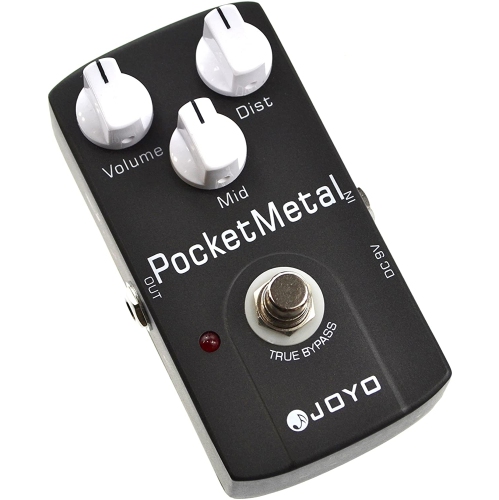
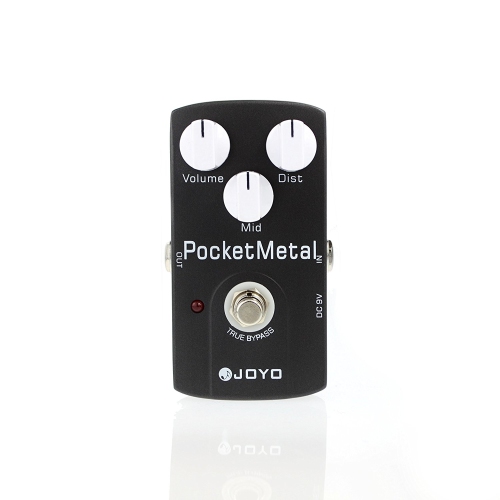
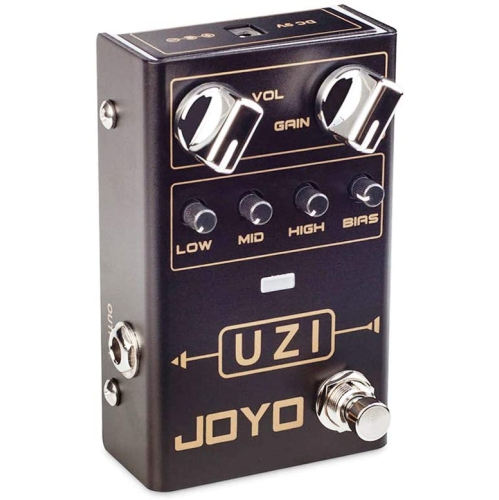
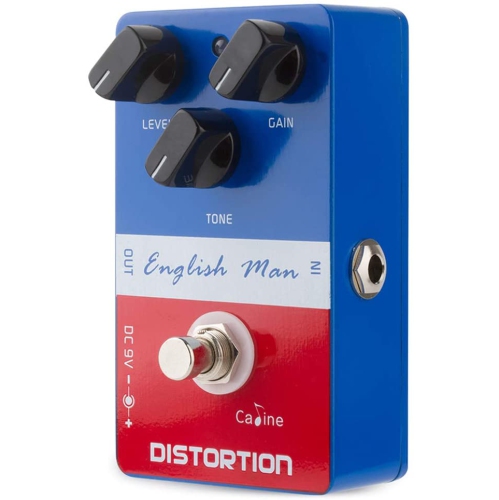

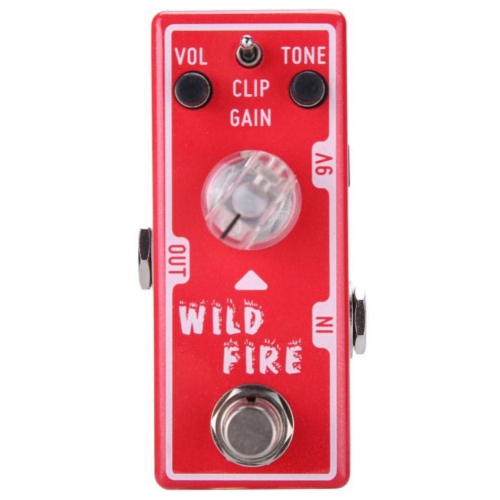
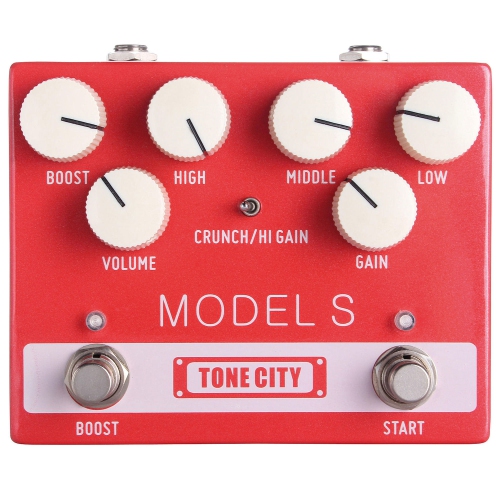
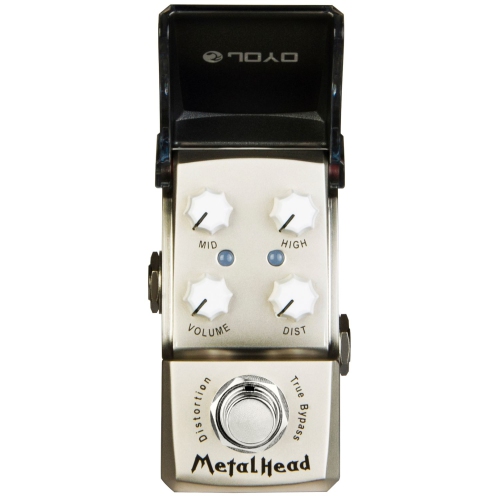

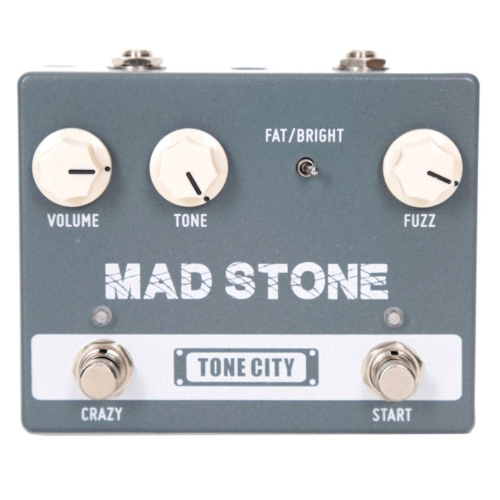
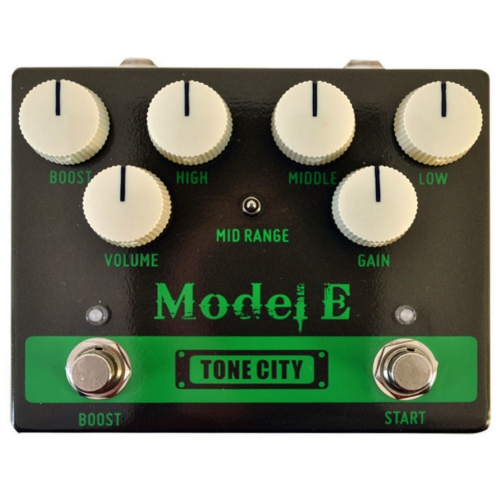
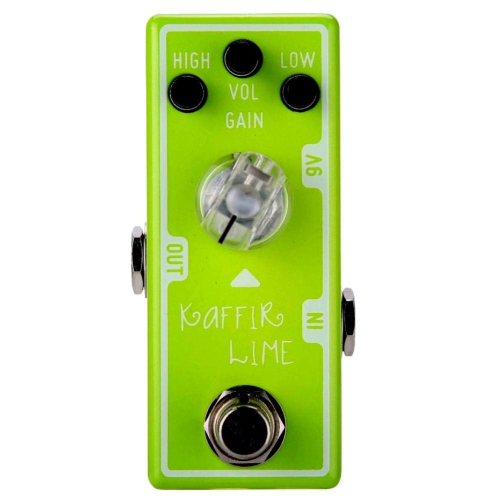
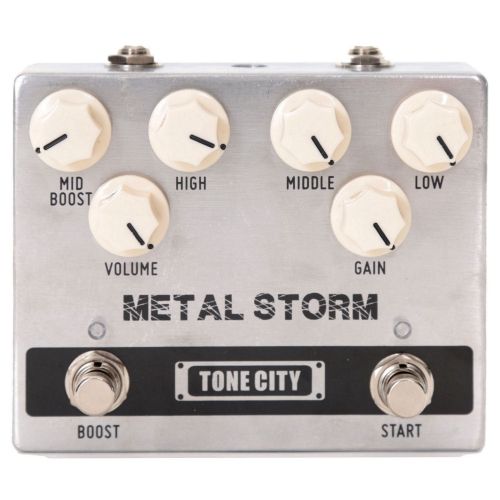
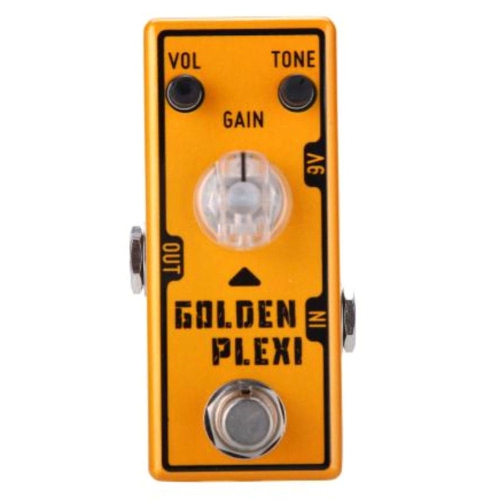
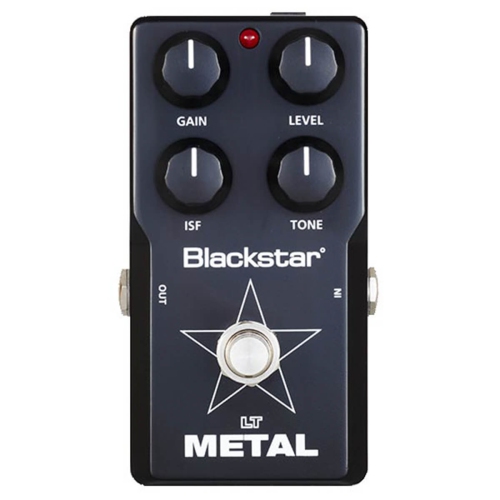
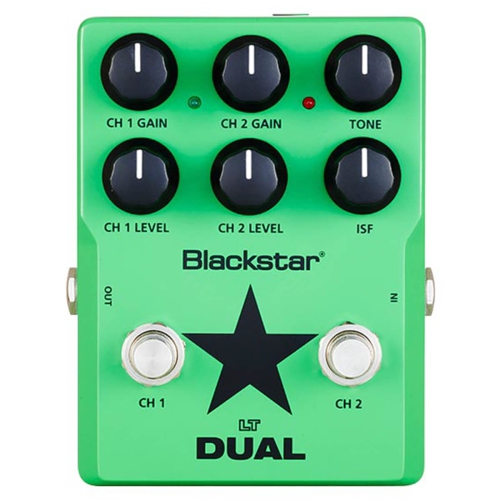
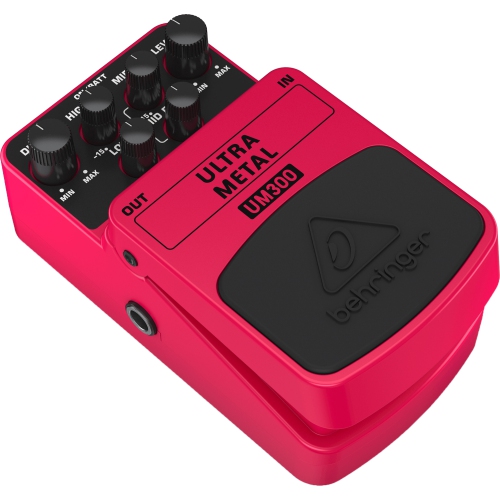
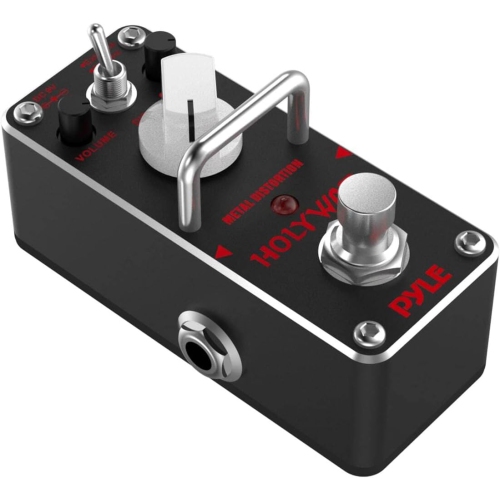
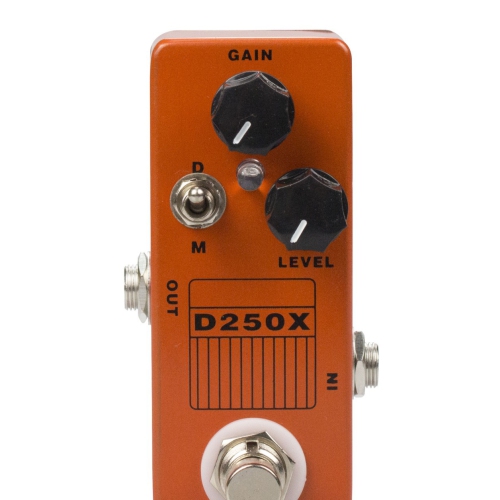
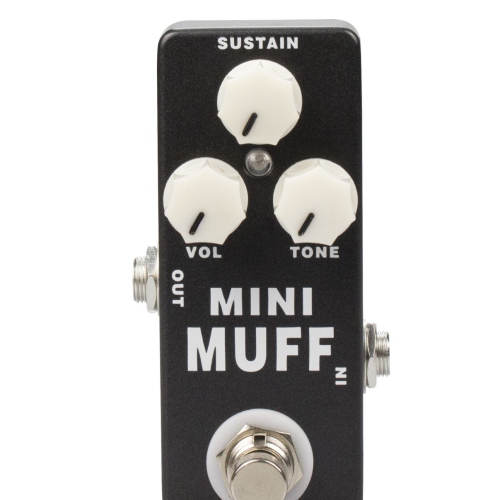
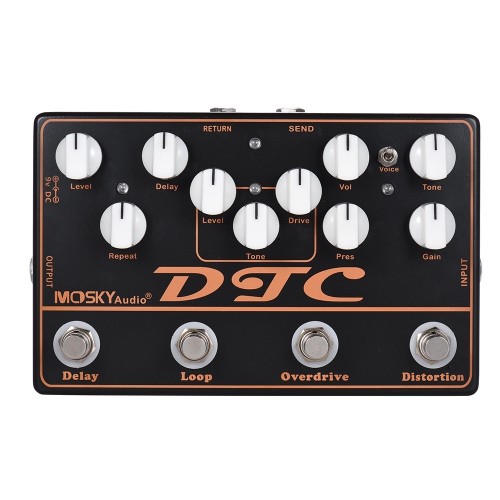
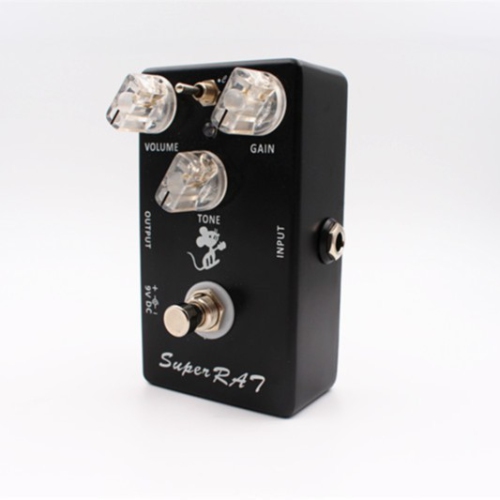
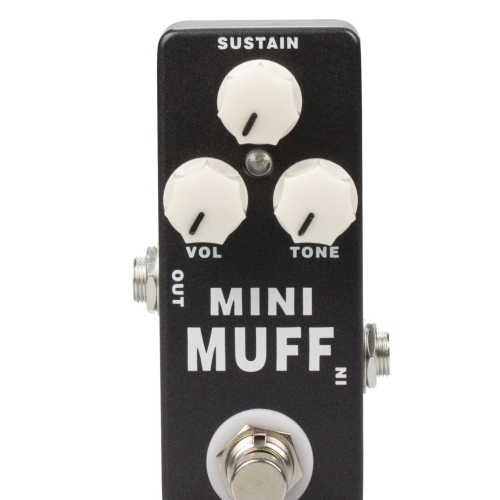
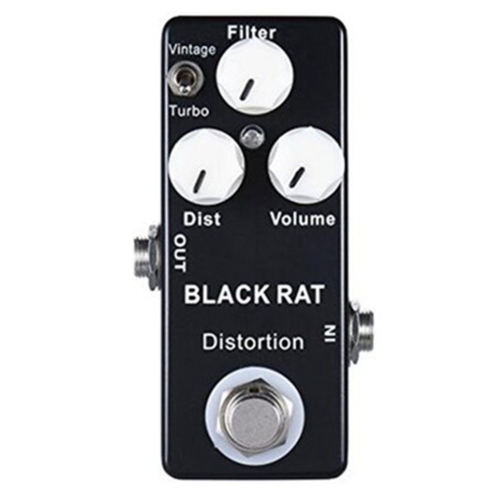
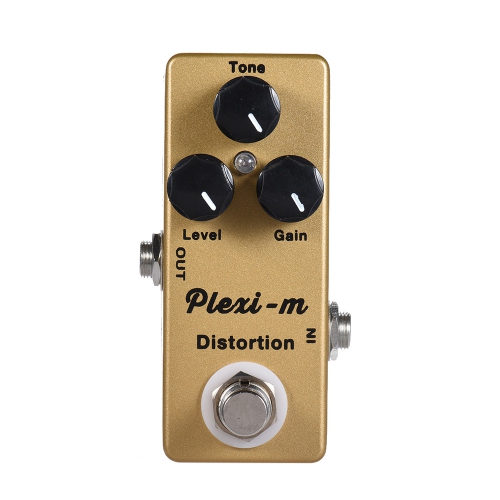
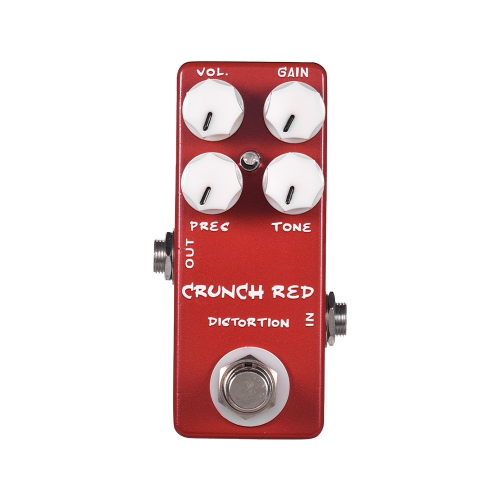
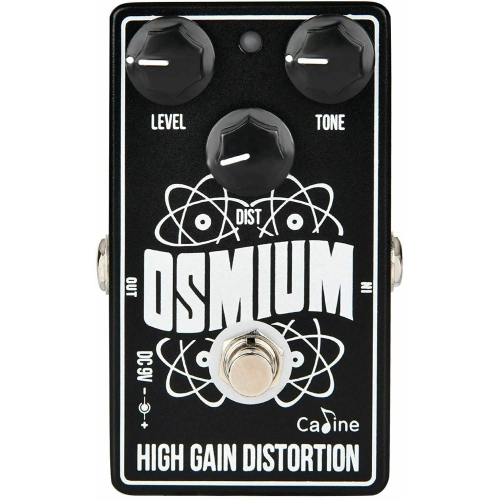
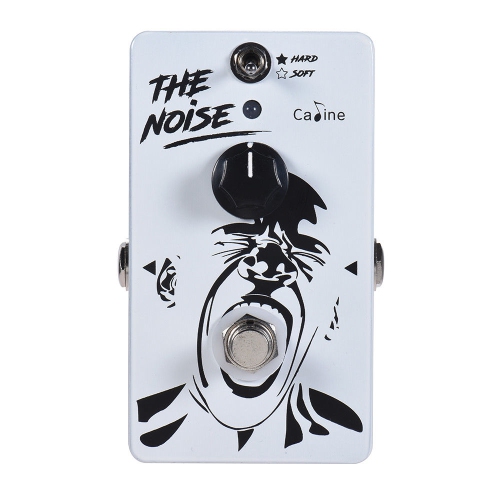
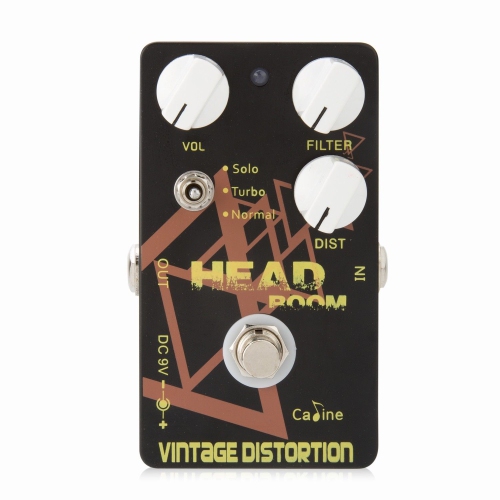
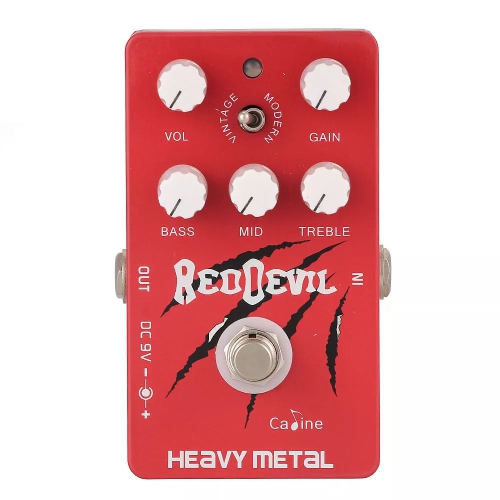
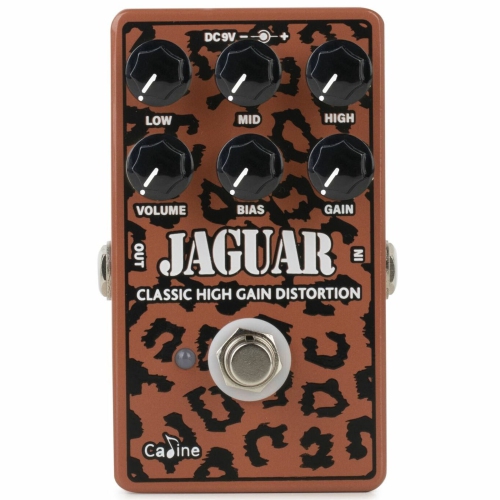
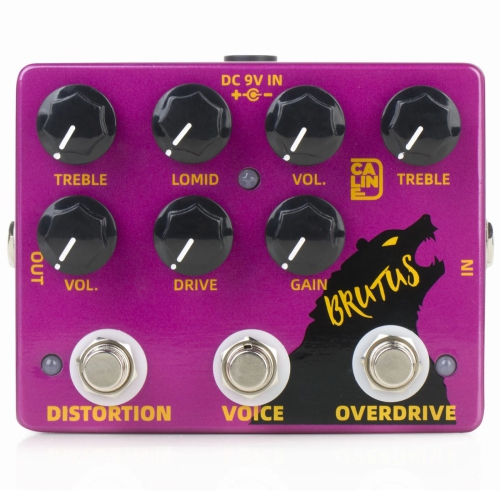
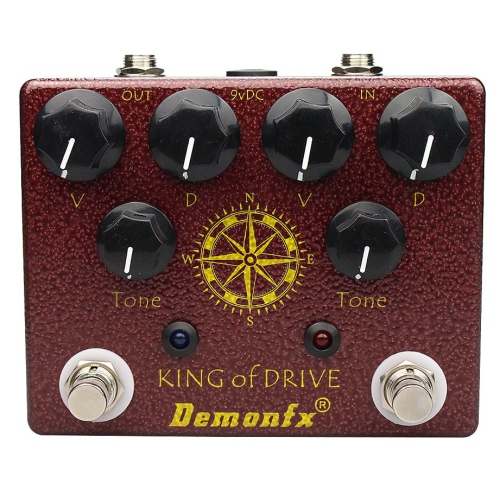
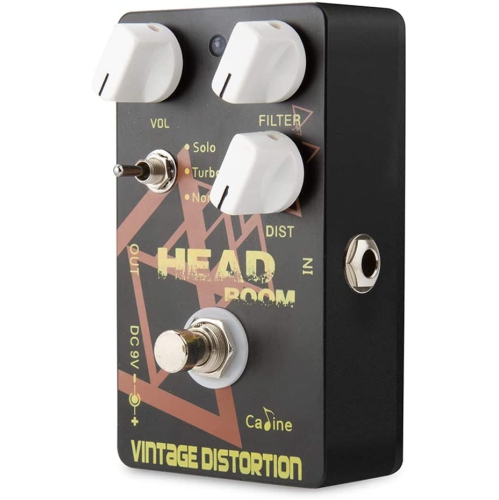
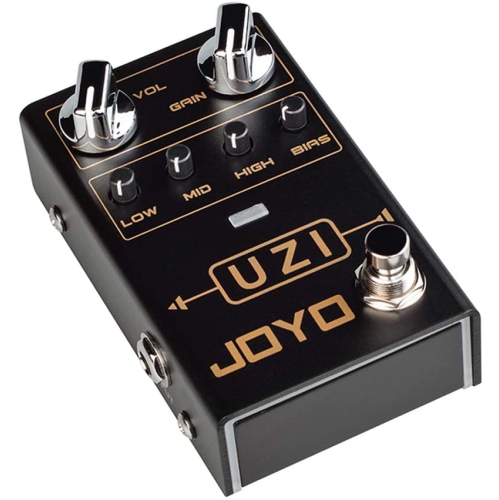
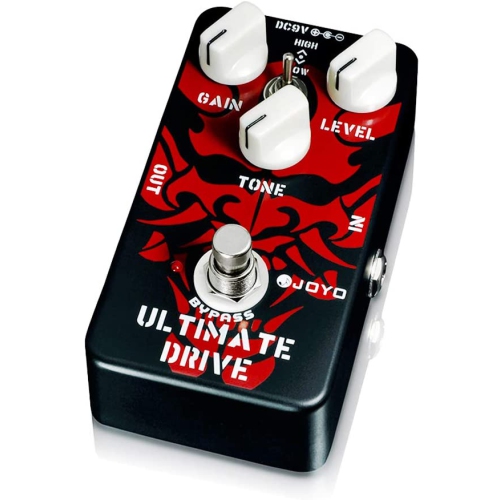
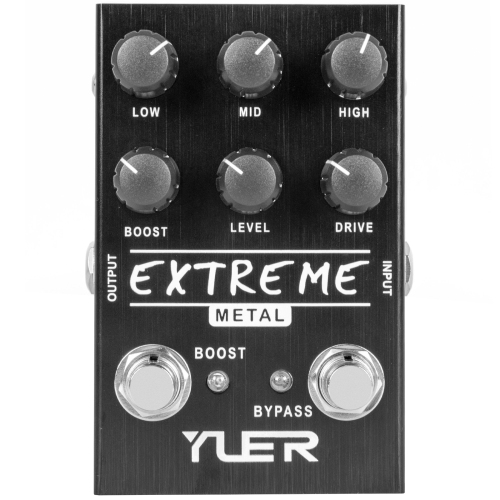
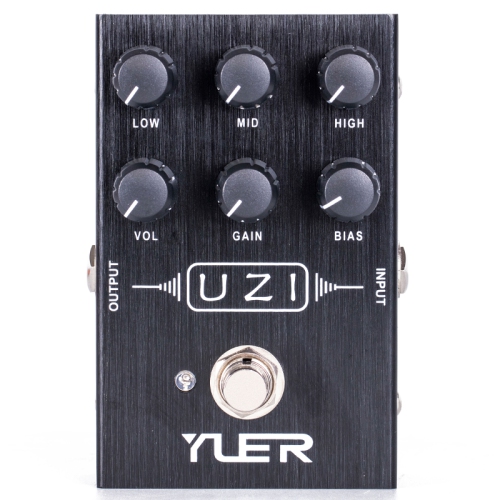
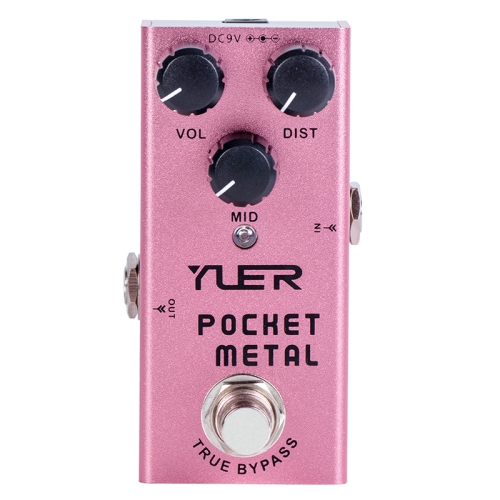
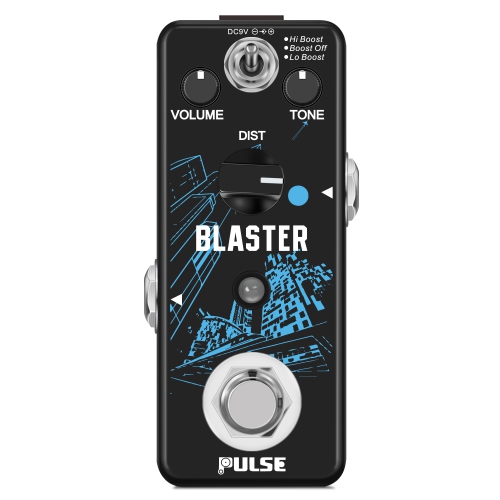
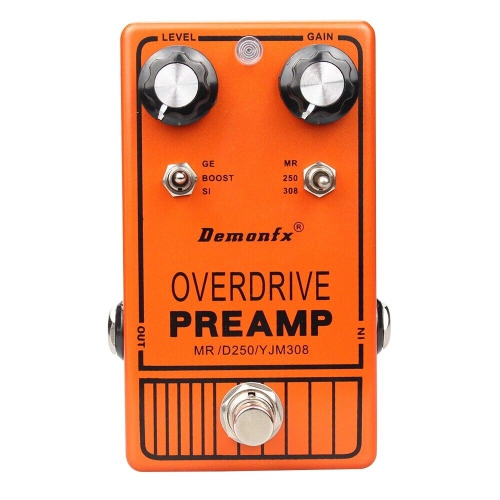
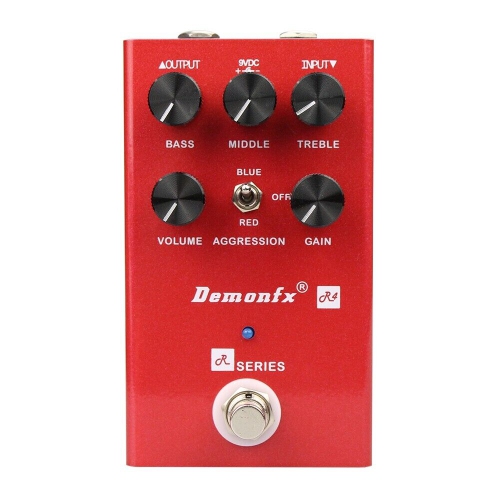
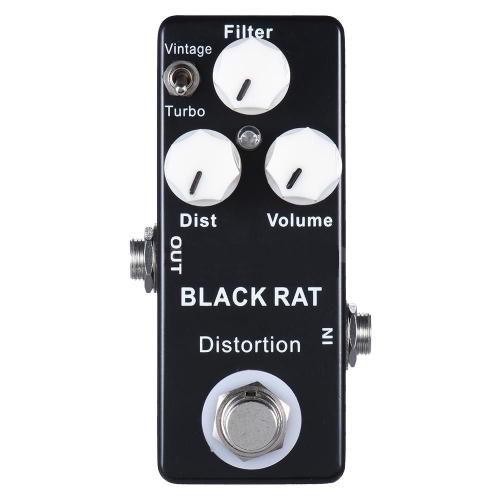
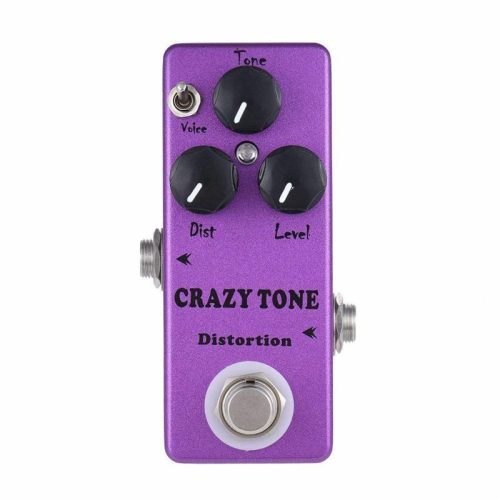
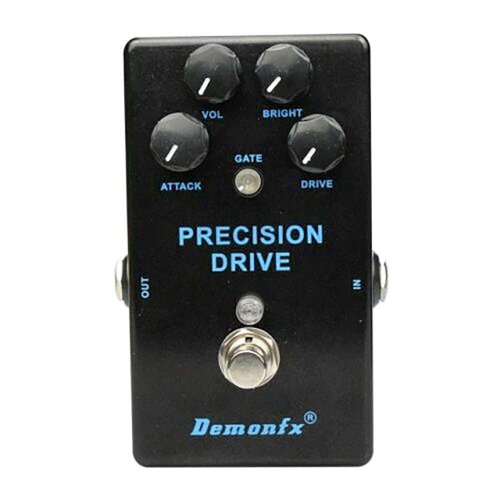
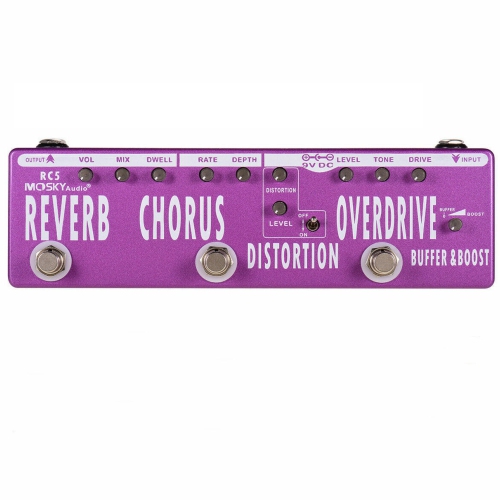
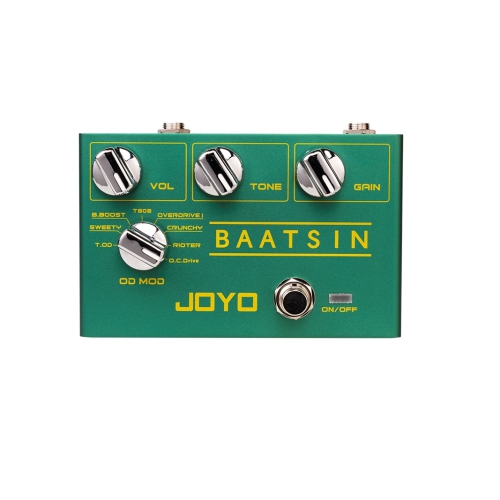
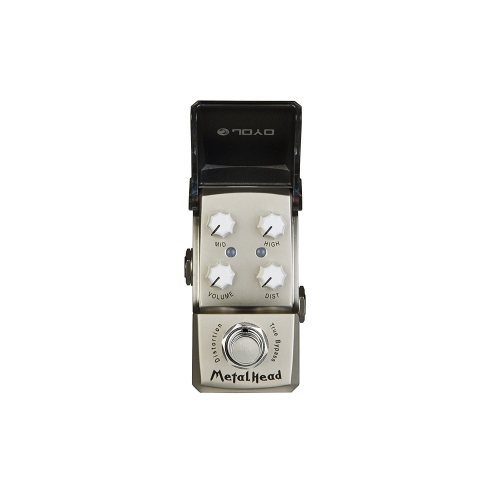
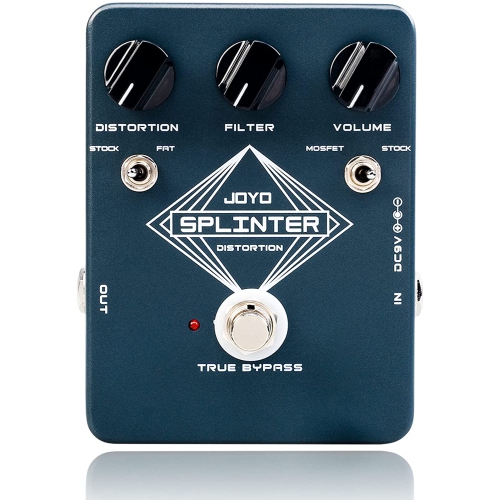
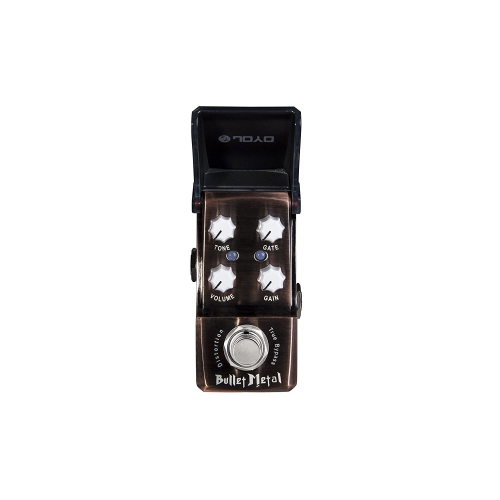
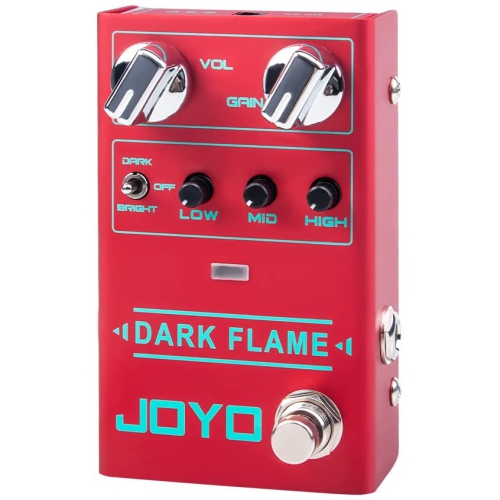
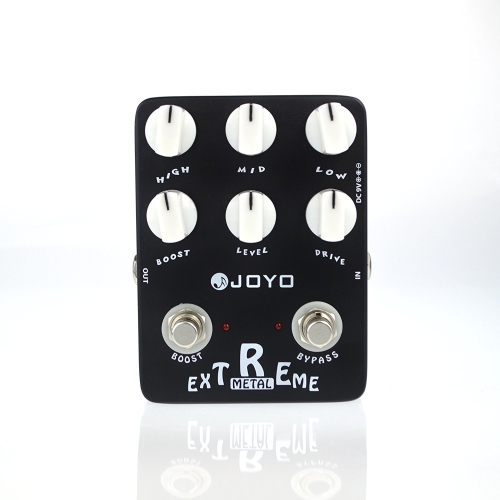
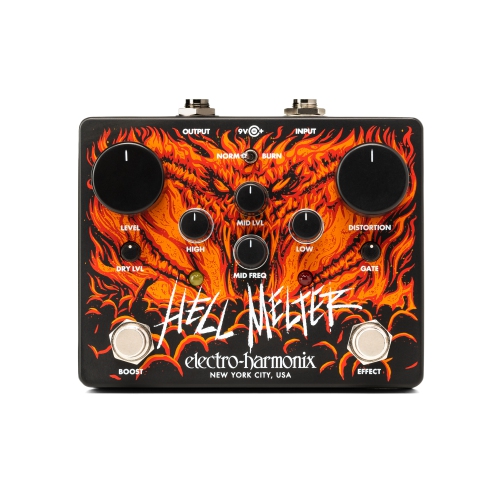
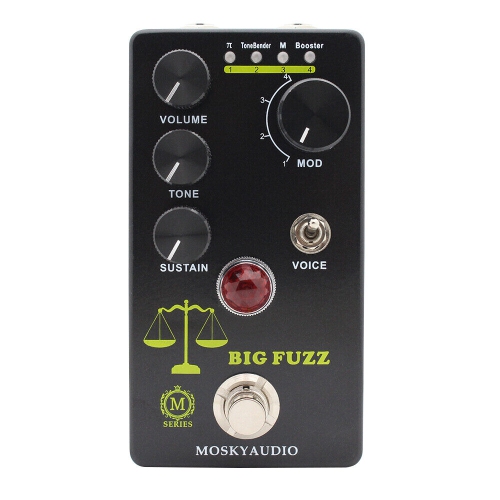
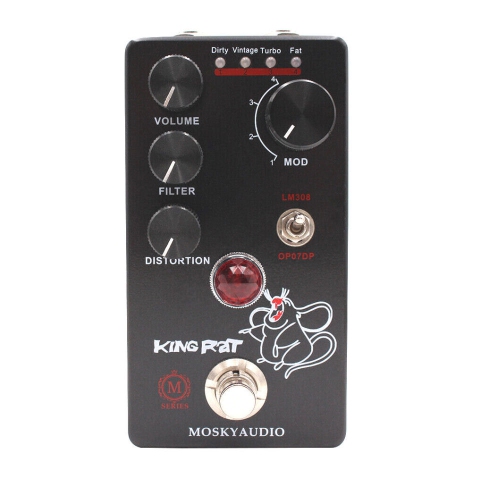
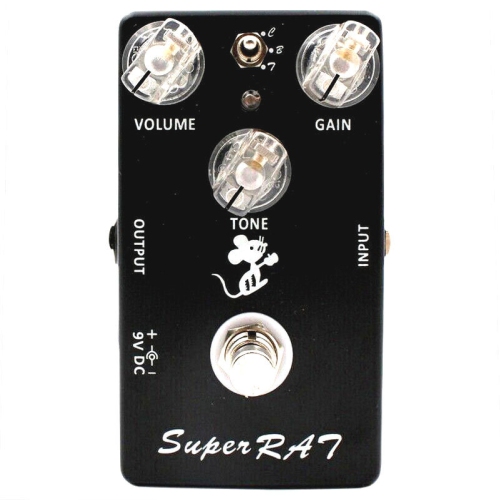
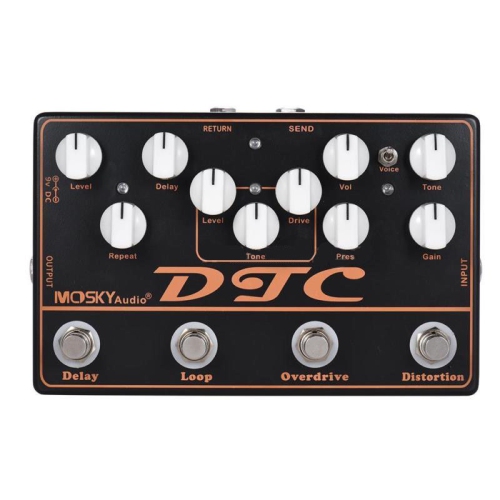
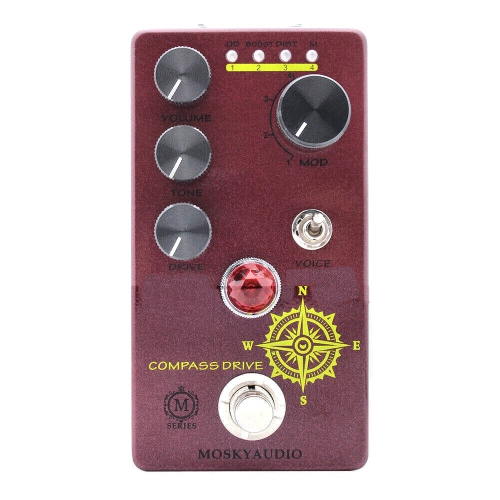
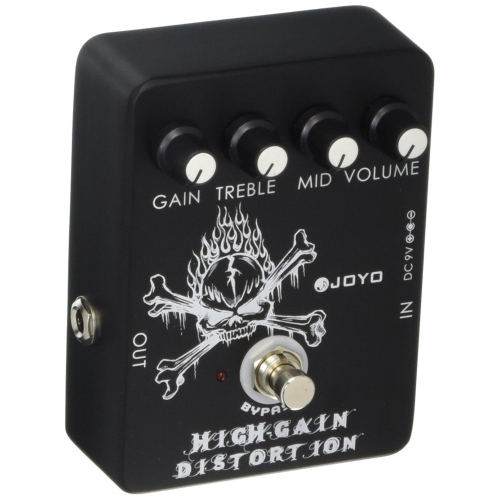
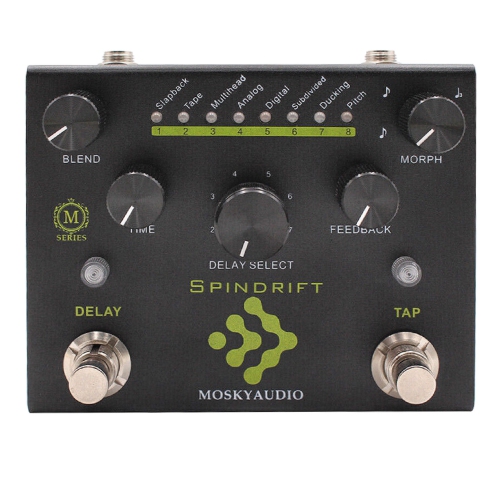
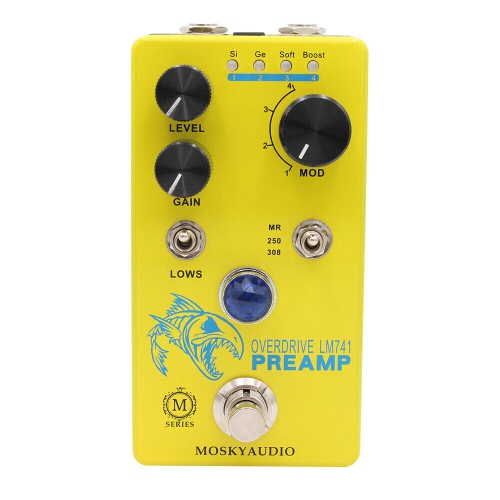
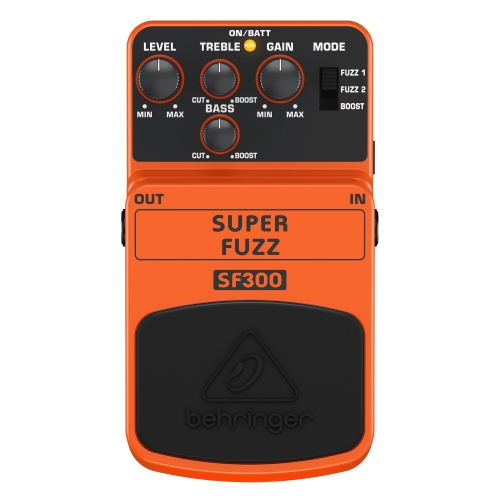
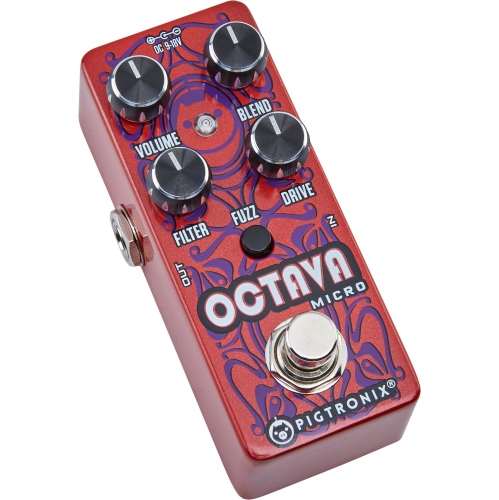
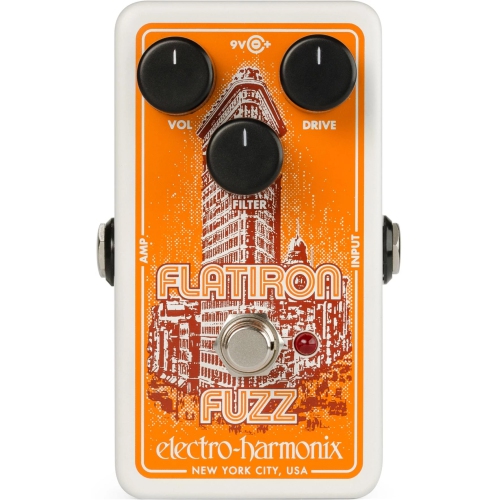
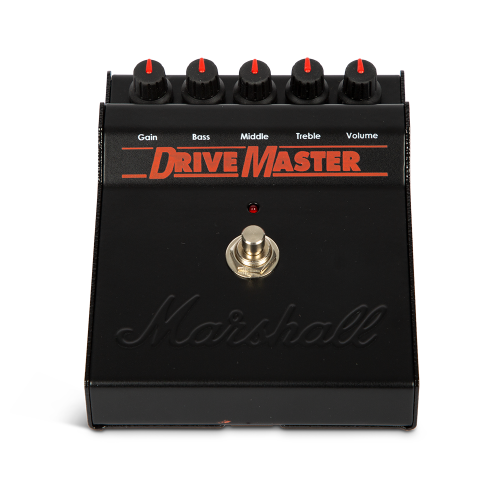
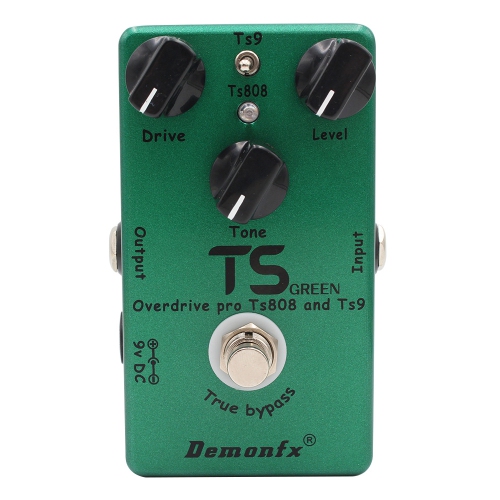
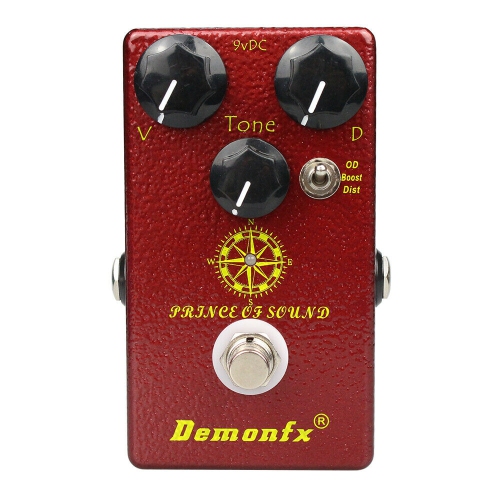
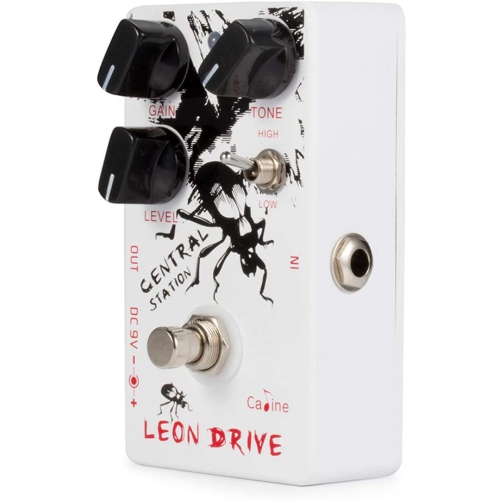
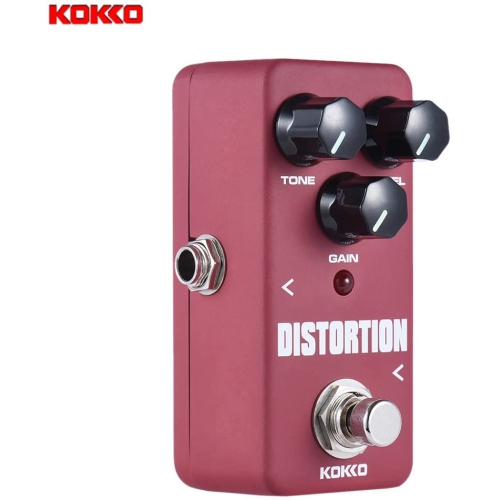

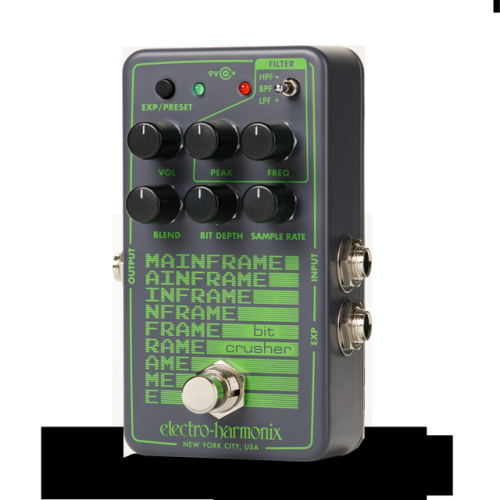
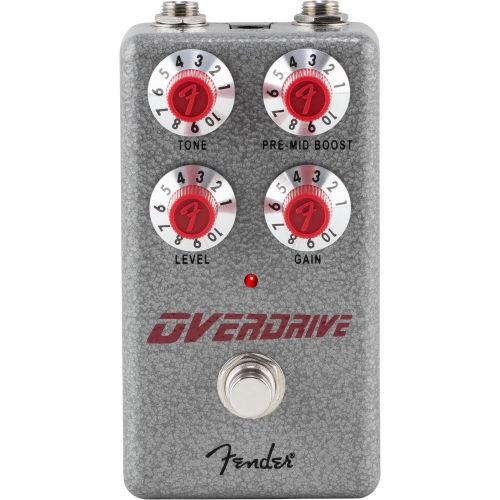
Heavy guitar tone takes more than maximum gain
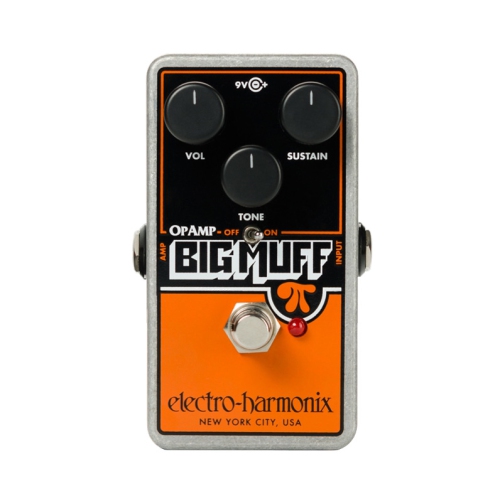
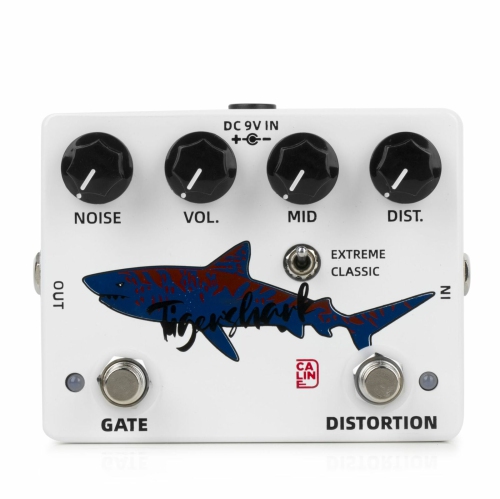
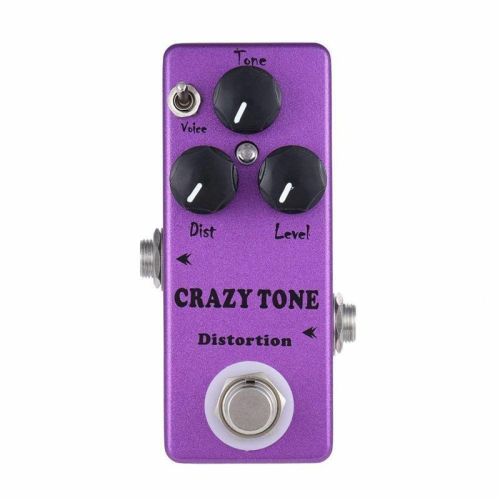
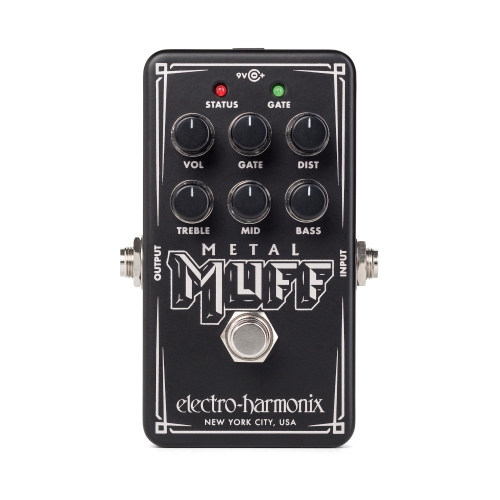
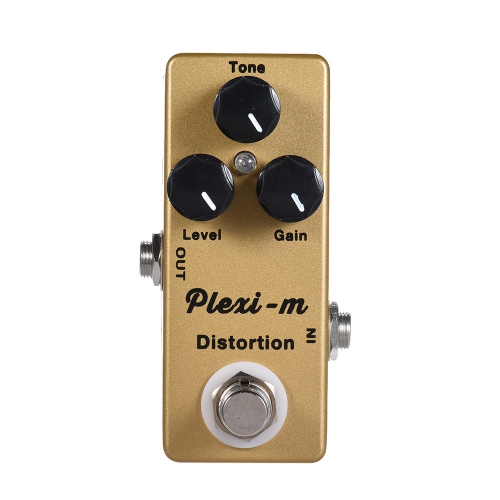
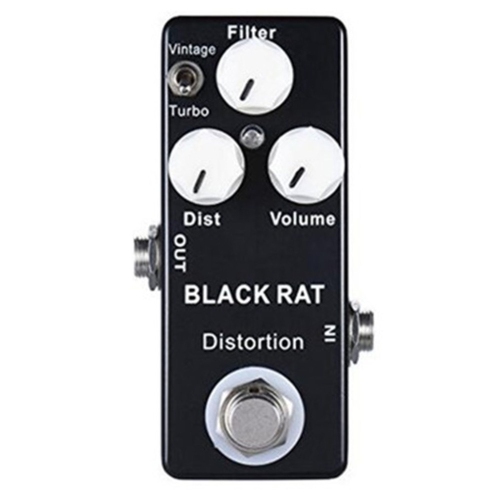
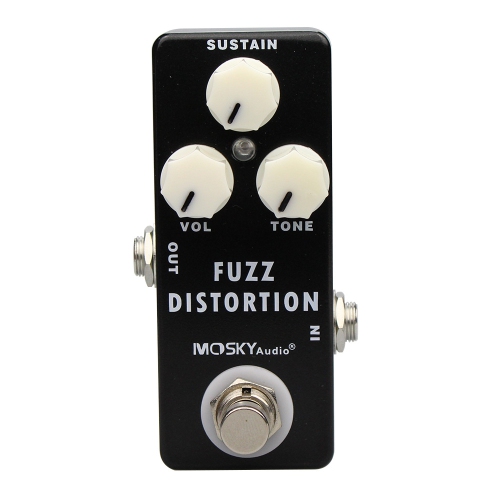
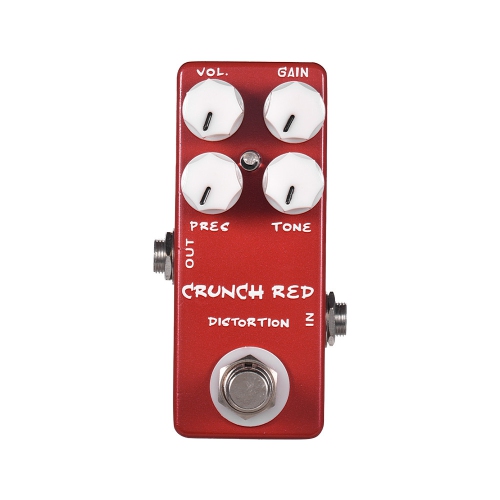
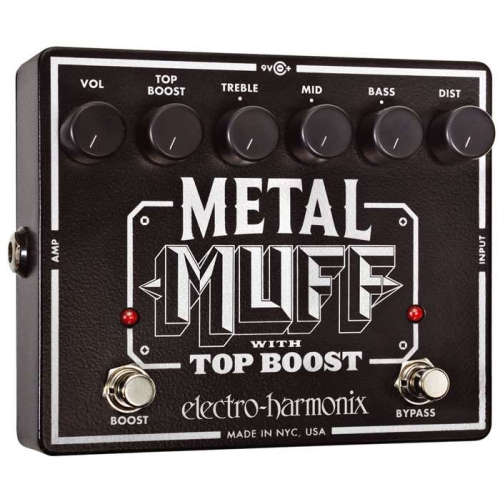
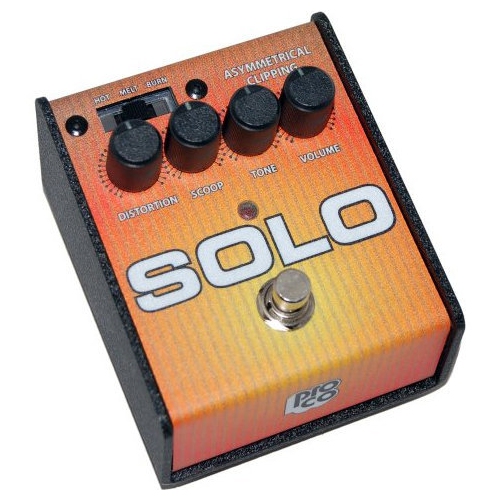
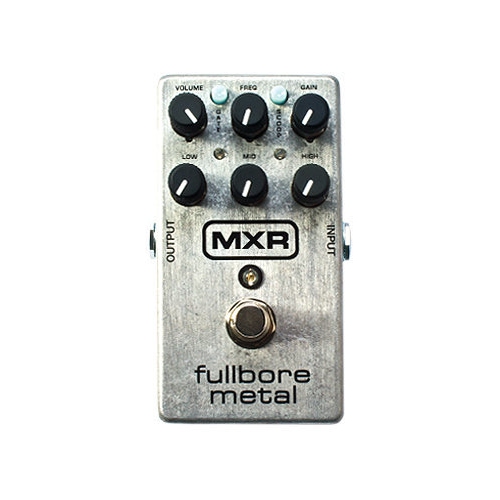
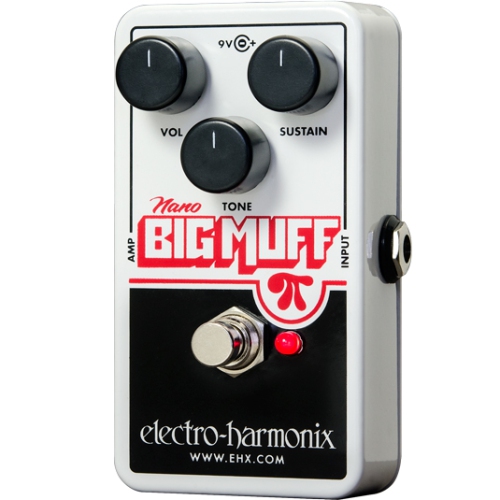
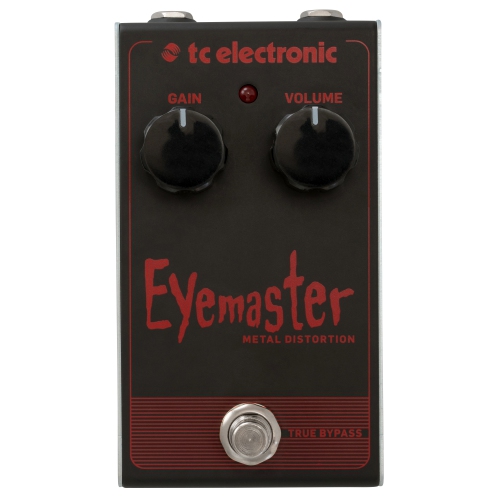
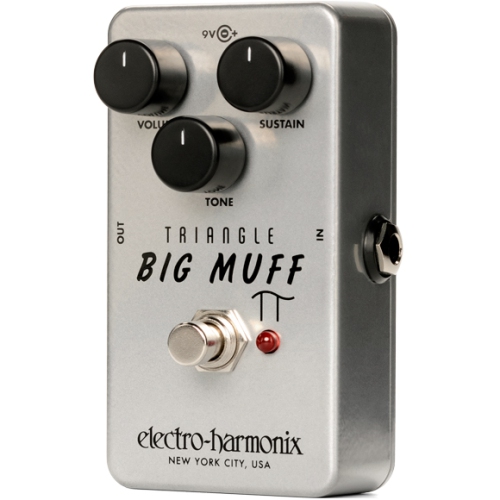
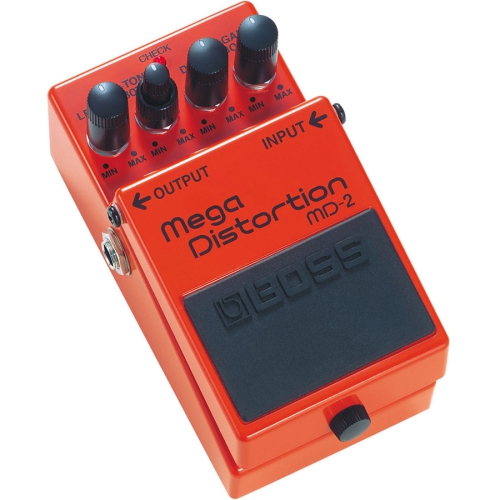
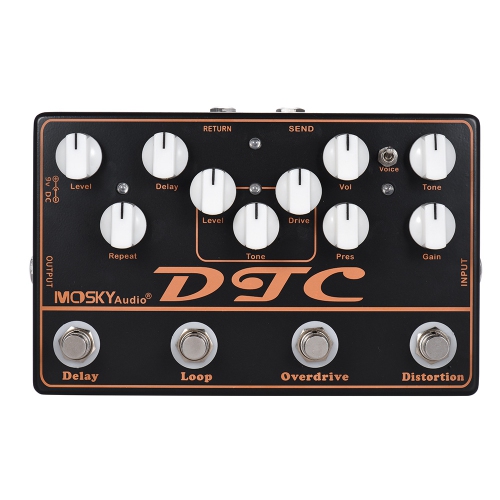
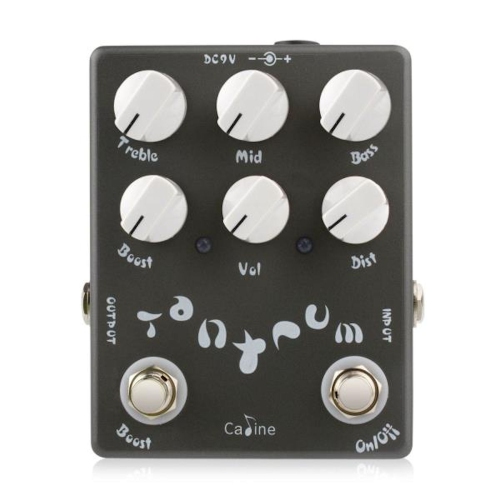
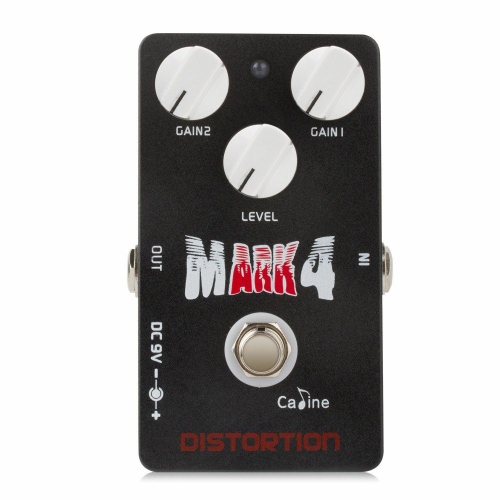
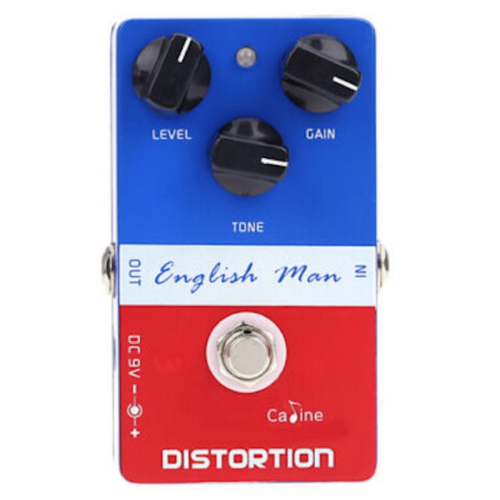
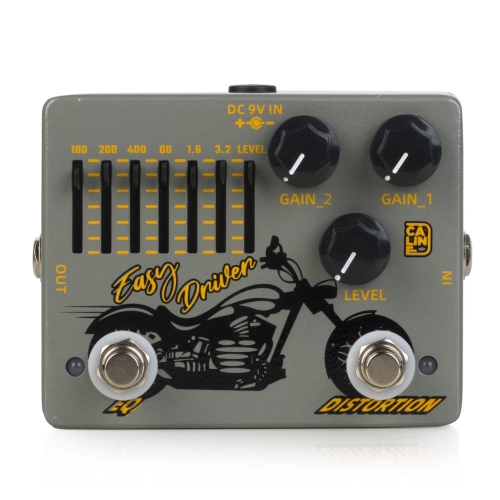
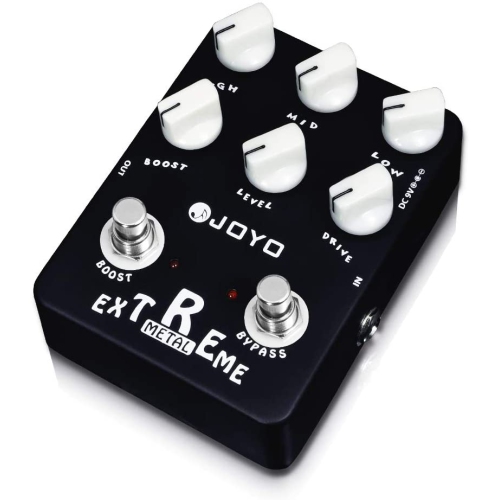
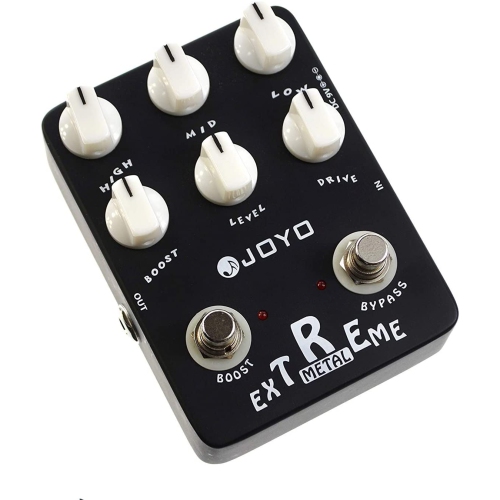
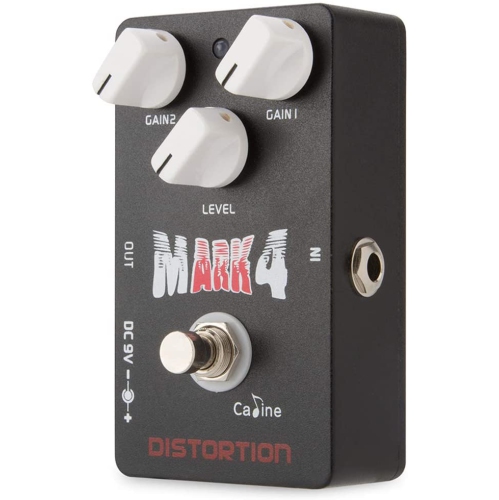
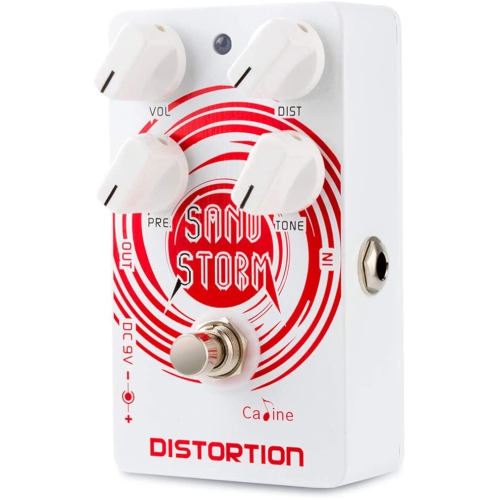
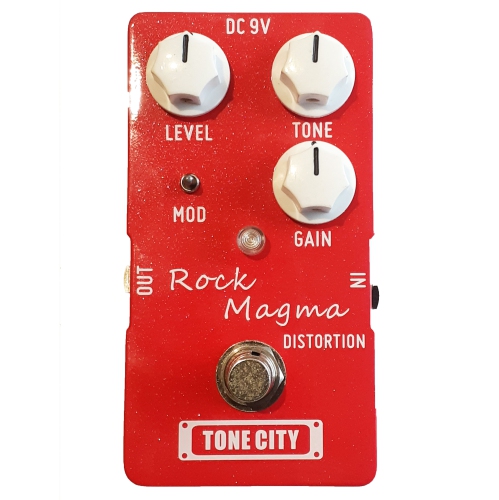
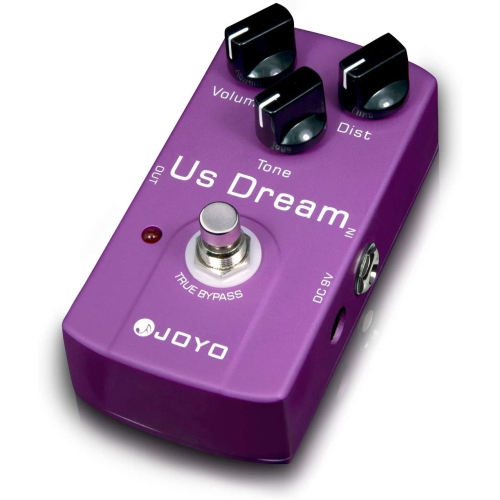
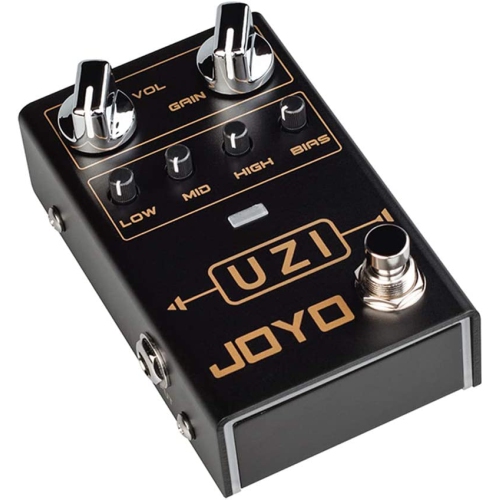
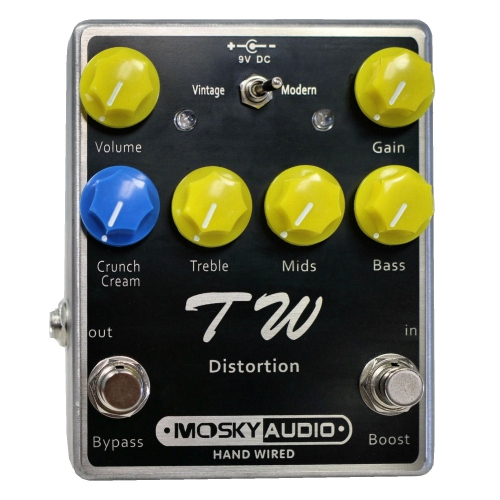
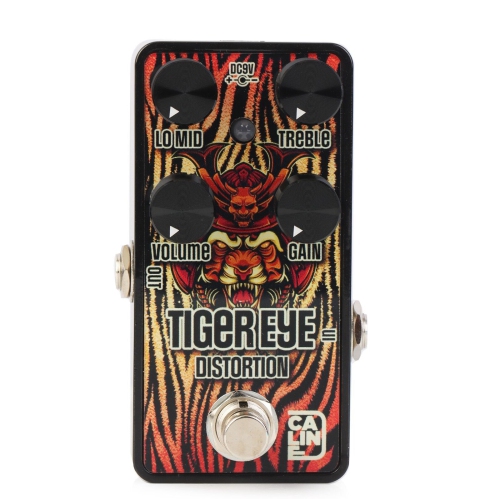
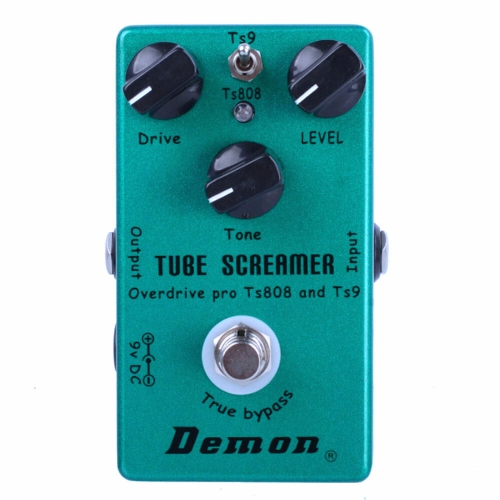
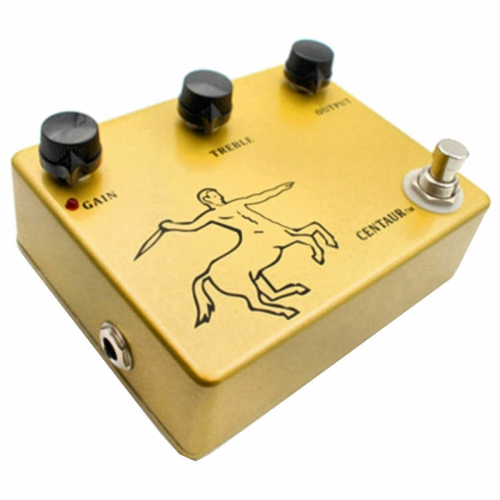
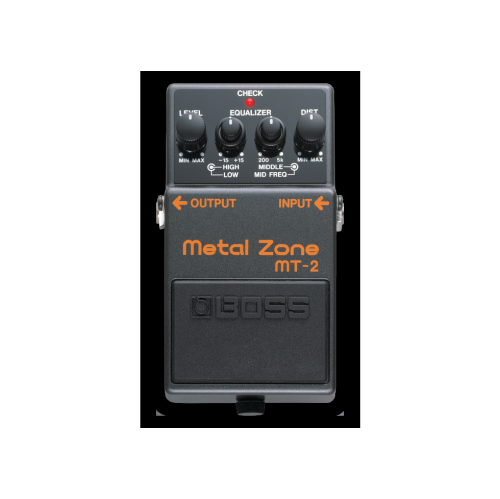
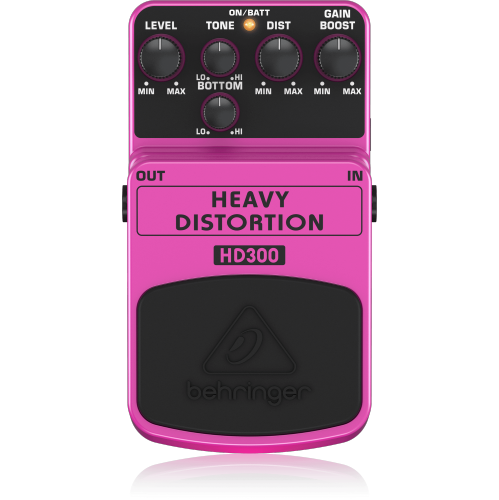
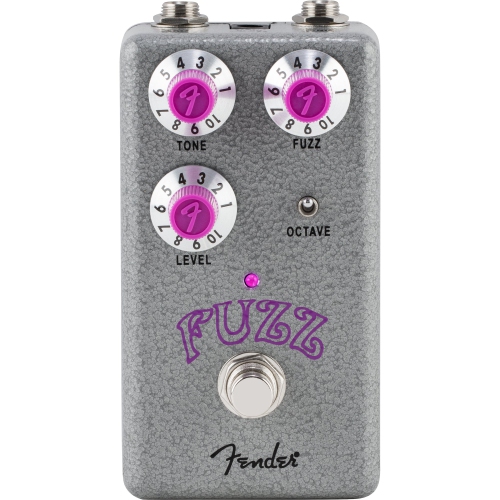
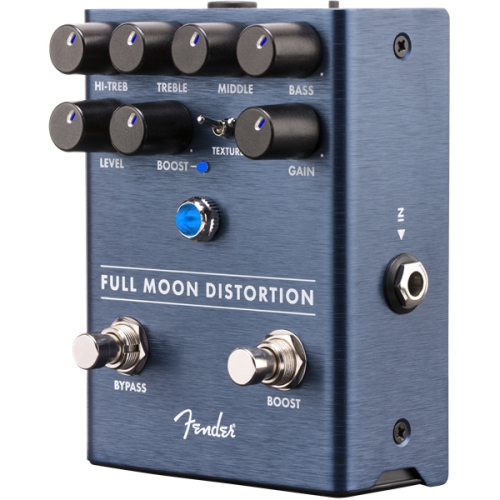
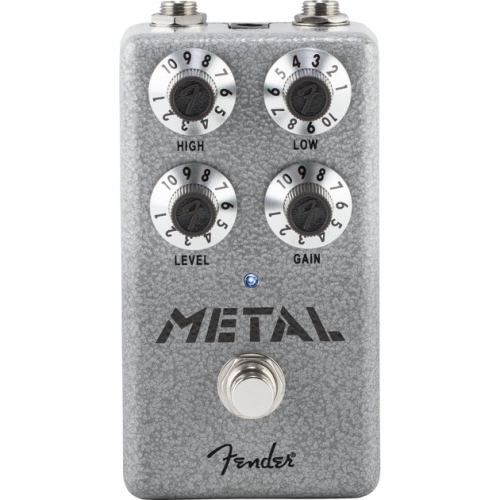
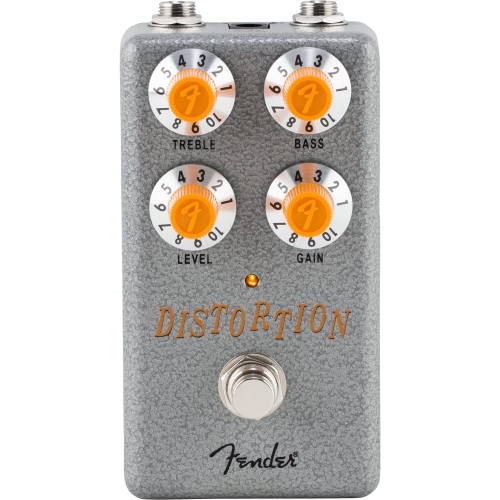
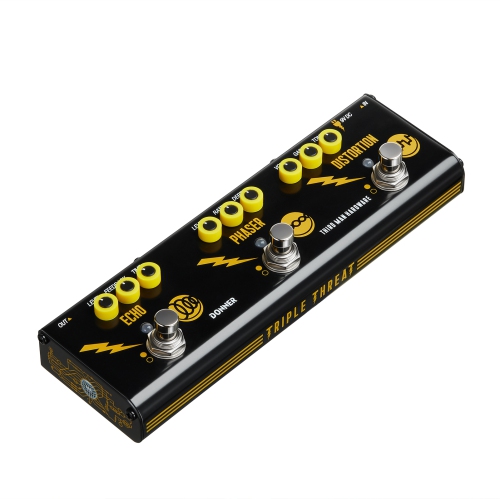
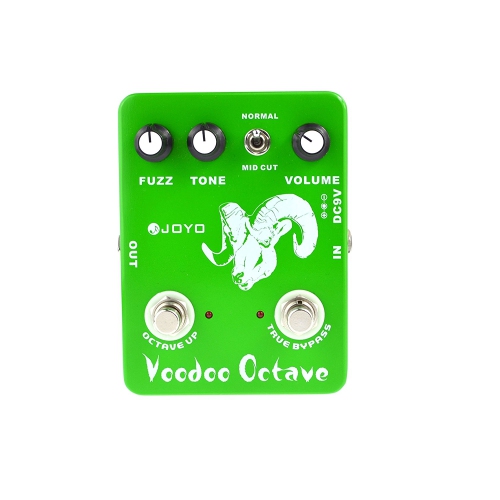
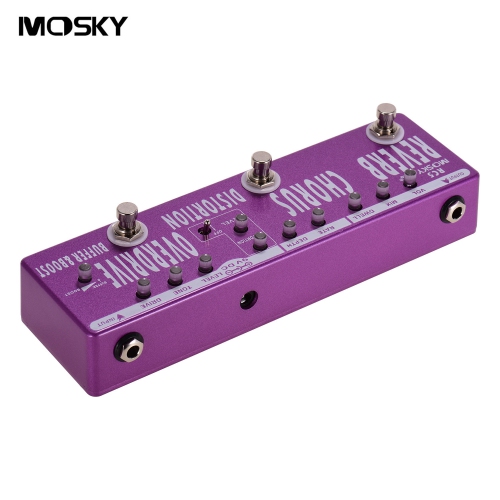
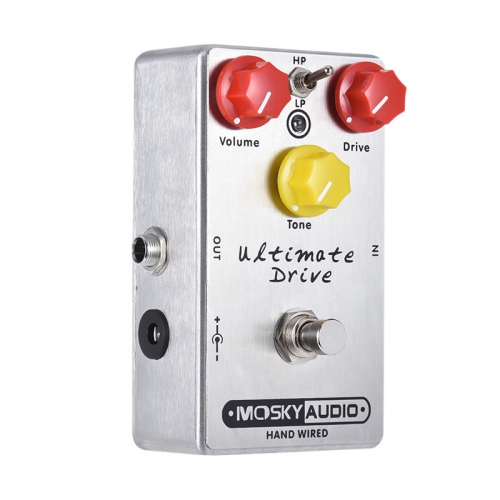
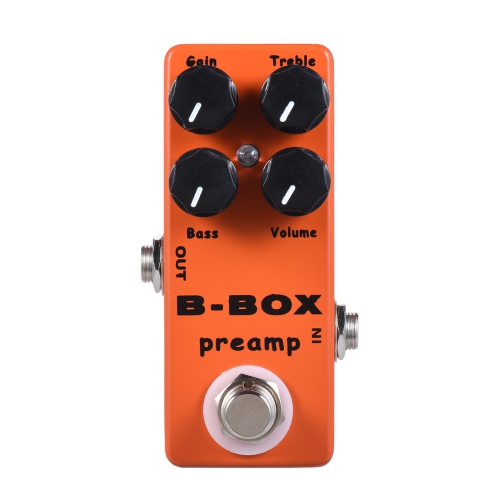
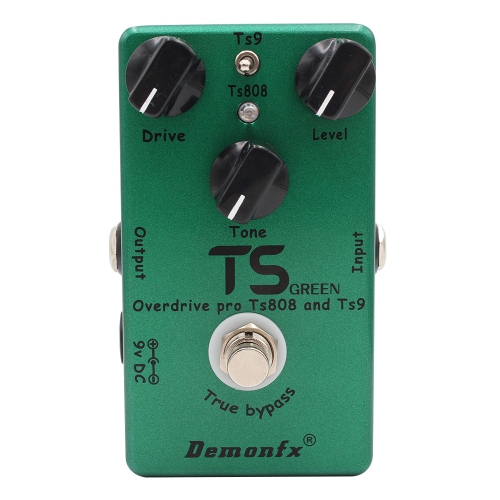
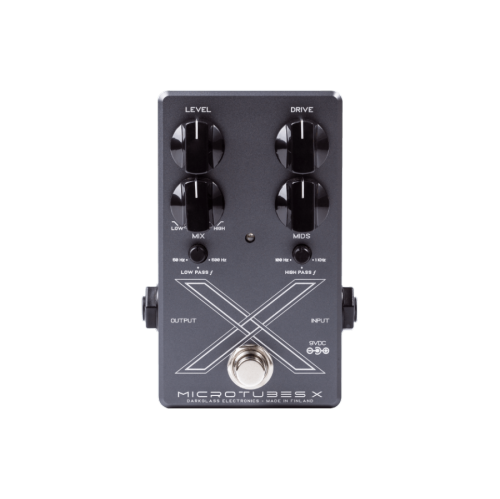
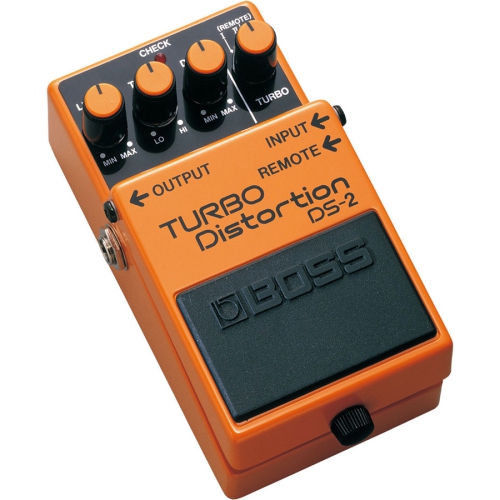
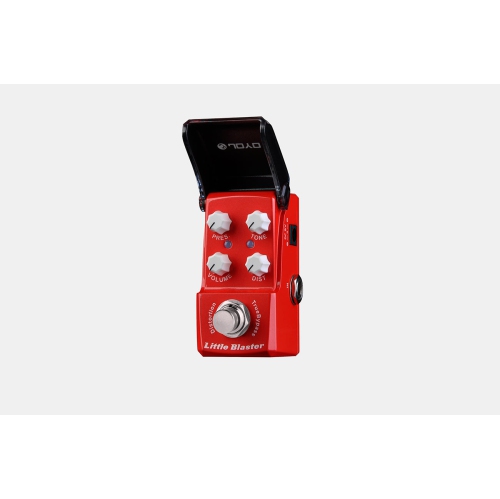
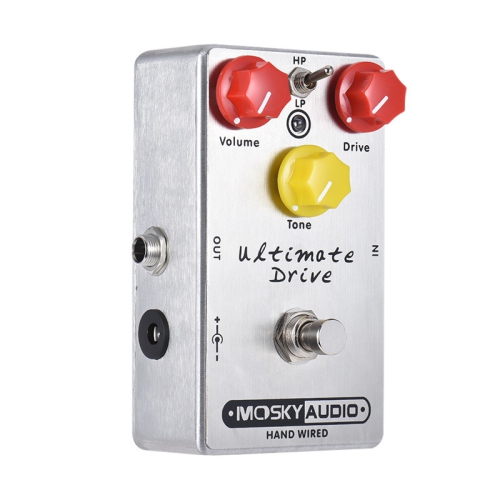
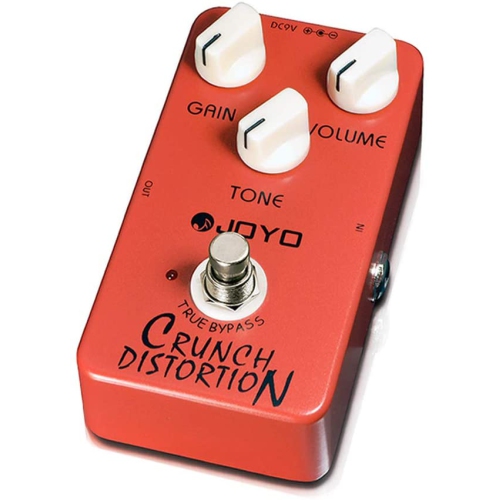
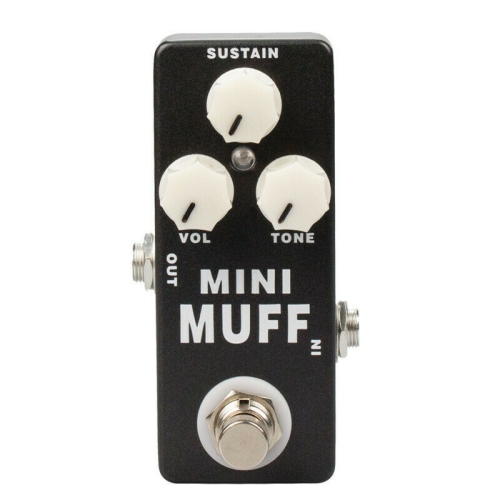
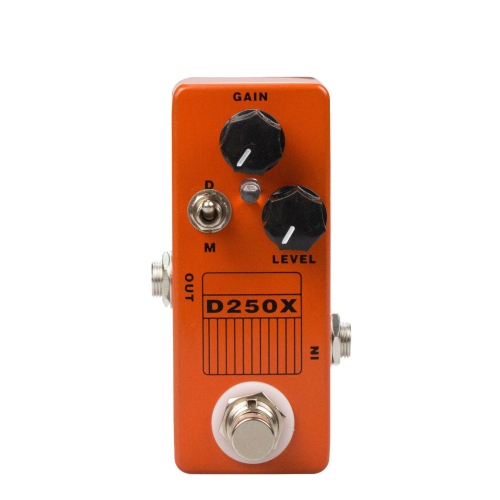
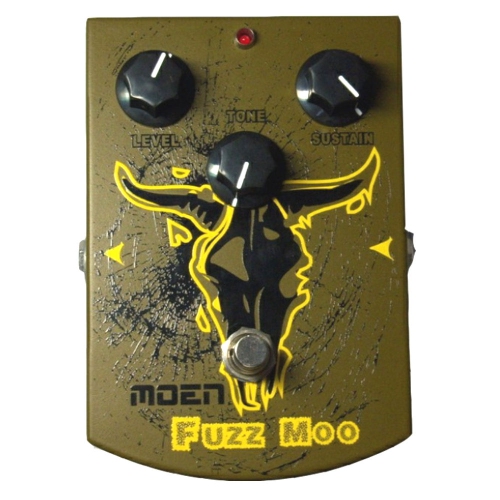
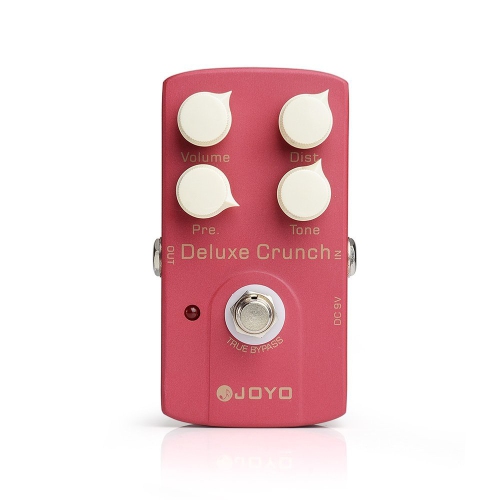
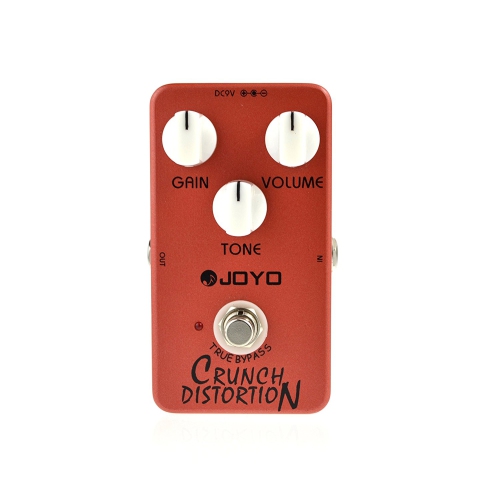
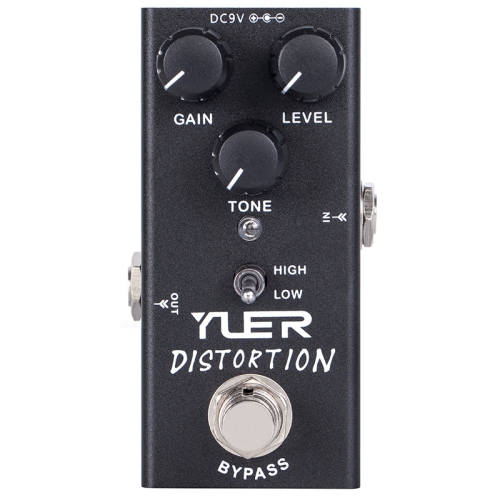
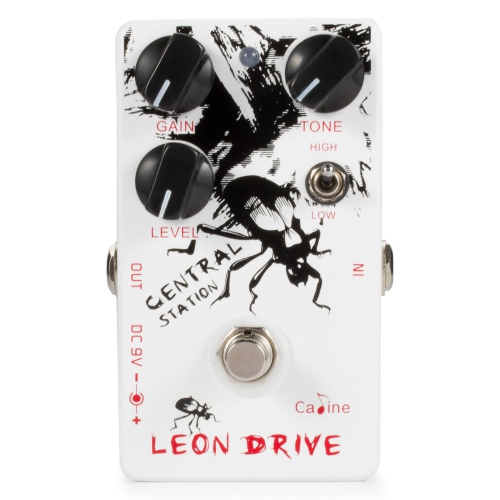
Metal distortion pedals are guitar effects designed to produce the saturated, aggressive sound associated with heavy metal, from the sharp attack of thrash riffs to the dense sustain of doom and the tightly controlled low end of modern progressive metal. They reshape an electric guitar’s signal through clipping and tone filtering, adding harmonic complexity, compression, and sustain before the sound reaches an amplifier or another compatible device. Compared with many lower-gain overdrive effects, a metal-focused distortion pedal generally offers more saturation and stronger control over the frequencies that give heavy guitar its weight and definition. The character varies considerably: some circuits have a dry, percussive response that keeps rapid palm-muted notes distinct, while others create a thicker, grainier texture suited to broad chords and sustained leads. Gain, output level, and equalization are common controls, though their range and interaction differ between designs. Gain determines the amount of distortion, while output level controls the strength of the signal leaving the pedal; turning one up does not necessarily serve the same purpose as turning up the other. Bass, midrange, and treble controls help shape the overall voice, and some designs include a sweepable midrange frequency for more precise adjustment. A reduced midrange can create a spacious, scooped sound when playing alone, but stronger mids often help guitar remain audible alongside bass, drums, and another guitarist. For players comparing heavy textures with a broader range of driven sounds, Electric Guitar Distortion Pedals provides a related category spanning different approaches to guitar distortion. Within metal itself, the most useful distinction is often not how much gain a pedal can produce, but how clearly it preserves the intended performance. The scrape of a pick, the stop after a muted chord, and the separation between notes in a fast passage all contribute to a convincing heavy sound. A pedal that keeps those details intact can feel powerful without requiring every control to sit at its maximum setting.
The fit between a metal distortion pedal and the rest of a guitar setup matters as much as its individual sound. High-output humbuckers can push a circuit harder than lower-output pickups, while single-coil pickups may bring a brighter attack and more noticeable hum under heavy gain. Seven-string guitars, extended-range instruments, and drop tunings place particular demands on low-frequency definition. Extra bass can make a riff sound imposing on its own, yet too much can blur fast picking or compete with the bass guitar during rehearsal. A tighter response leaves room for the lowest notes to hit with impact rather than spreading into a loose rumble. Amplifier settings also influence the result. Into a relatively clean channel, a distortion pedal can supply most of the saturation and tonal character; into an already driven channel, it adds another layer of clipping and compression that may feel thicker but less distinct. Some pedals are designed to function as preamps or support routing beyond a conventional amplifier input, but that capability should not be assumed for every distortion circuit. Direct recording and headphone use usually need appropriate amplification, cabinet simulation, or an impulse response somewhere in the signal path to avoid the harshness of an unfiltered distorted guitar signal. This makes connection options and intended routing important considerations for home players as well as performers. A compact pedal may suit a small practice setup, while a larger enclosure can provide more space between footswitches and easier access to detailed tone controls. Dual-channel designs, where offered, can keep separate rhythm and lead settings ready for a song that moves from tightly muted verses to sustained melodic lines. Noise gates, whether built in or used separately, can reduce hiss and pickup noise between phrases, although an aggressive threshold can shorten quieter notes or cut off a fading chord. For expressive playing, enough gain to support sustain, paired with controlled noise and a clear attack, often feels more responsive than a heavily compressed setting that masks differences in picking strength.
Construction and everyday usability help determine how comfortably a metal distortion pedal fits into repeated practice, recording, and live performance. Metal enclosures are common because they protect the circuitry and provide a solid housing for footswitches and sockets, but durability also depends on component mounting, switch construction, and careful handling. A stable base and securely attached pedalboard mounting help prevent movement when a player switches sounds mid-riff. Closely spaced controls can be useful on a crowded board, though larger knobs and clear markings may be easier to adjust quickly on a dim stage. Socket placement affects the space a pedal occupies once cables are attached: top-mounted connections can simplify some layouts, while side-mounted connections require room beside the enclosure. Power requirements deserve equal attention. Many guitar pedals use a 9-volt DC supply, but voltage, polarity, connector size, and required current must match the individual unit’s specifications. Battery operation is not universal, and a compatible isolated power supply can help reduce certain types of unwanted noise in a multi-pedal setup. Reliable patch cables and strain-free connections protect sockets from unnecessary stress when equipment is packed away or moved between sessions. Routine care is straightforward: disconnect power before cleaning, wipe the enclosure with a soft, dry cloth, and keep liquids and cleaning sprays away from knobs, switches, and openings. A protective case helps prevent controls from being knocked during transport, while checking cable connections before playing can catch crackles or intermittent signal loss before they interrupt a performance. These practical details matter to beginners developing their first heavy guitar sound, experienced musicians building a dedicated metal pedalboard, and home players seeking a repeatable tone without relying entirely on amplifier distortion. A metal distortion pedal can also be a thoughtful gift for a guitarist whose preferred music centres on heavy riffs, provided its connections and power needs suit their equipment. Whether the intended use is precise rhythm work, sustained solos, layered guitar tracks, or slow, crushing chord progressions, the right combination of tonal character, control layout, and dependable construction makes the effect a useful part of an instrument setup rather than simply another source of gain.
The fit between a metal distortion pedal and the rest of a guitar setup matters as much as its individual sound. High-output humbuckers can push a circuit harder than lower-output pickups, while single-coil pickups may bring a brighter attack and more noticeable hum under heavy gain. Seven-string guitars, extended-range instruments, and drop tunings place particular demands on low-frequency definition. Extra bass can make a riff sound imposing on its own, yet too much can blur fast picking or compete with the bass guitar during rehearsal. A tighter response leaves room for the lowest notes to hit with impact rather than spreading into a loose rumble. Amplifier settings also influence the result. Into a relatively clean channel, a distortion pedal can supply most of the saturation and tonal character; into an already driven channel, it adds another layer of clipping and compression that may feel thicker but less distinct. Some pedals are designed to function as preamps or support routing beyond a conventional amplifier input, but that capability should not be assumed for every distortion circuit. Direct recording and headphone use usually need appropriate amplification, cabinet simulation, or an impulse response somewhere in the signal path to avoid the harshness of an unfiltered distorted guitar signal. This makes connection options and intended routing important considerations for home players as well as performers. A compact pedal may suit a small practice setup, while a larger enclosure can provide more space between footswitches and easier access to detailed tone controls. Dual-channel designs, where offered, can keep separate rhythm and lead settings ready for a song that moves from tightly muted verses to sustained melodic lines. Noise gates, whether built in or used separately, can reduce hiss and pickup noise between phrases, although an aggressive threshold can shorten quieter notes or cut off a fading chord. For expressive playing, enough gain to support sustain, paired with controlled noise and a clear attack, often feels more responsive than a heavily compressed setting that masks differences in picking strength.
Construction and everyday usability help determine how comfortably a metal distortion pedal fits into repeated practice, recording, and live performance. Metal enclosures are common because they protect the circuitry and provide a solid housing for footswitches and sockets, but durability also depends on component mounting, switch construction, and careful handling. A stable base and securely attached pedalboard mounting help prevent movement when a player switches sounds mid-riff. Closely spaced controls can be useful on a crowded board, though larger knobs and clear markings may be easier to adjust quickly on a dim stage. Socket placement affects the space a pedal occupies once cables are attached: top-mounted connections can simplify some layouts, while side-mounted connections require room beside the enclosure. Power requirements deserve equal attention. Many guitar pedals use a 9-volt DC supply, but voltage, polarity, connector size, and required current must match the individual unit’s specifications. Battery operation is not universal, and a compatible isolated power supply can help reduce certain types of unwanted noise in a multi-pedal setup. Reliable patch cables and strain-free connections protect sockets from unnecessary stress when equipment is packed away or moved between sessions. Routine care is straightforward: disconnect power before cleaning, wipe the enclosure with a soft, dry cloth, and keep liquids and cleaning sprays away from knobs, switches, and openings. A protective case helps prevent controls from being knocked during transport, while checking cable connections before playing can catch crackles or intermittent signal loss before they interrupt a performance. These practical details matter to beginners developing their first heavy guitar sound, experienced musicians building a dedicated metal pedalboard, and home players seeking a repeatable tone without relying entirely on amplifier distortion. A metal distortion pedal can also be a thoughtful gift for a guitarist whose preferred music centres on heavy riffs, provided its connections and power needs suit their equipment. Whether the intended use is precise rhythm work, sustained solos, layered guitar tracks, or slow, crushing chord progressions, the right combination of tonal character, control layout, and dependable construction makes the effect a useful part of an instrument setup rather than simply another source of gain.
Top selling and popular products
-
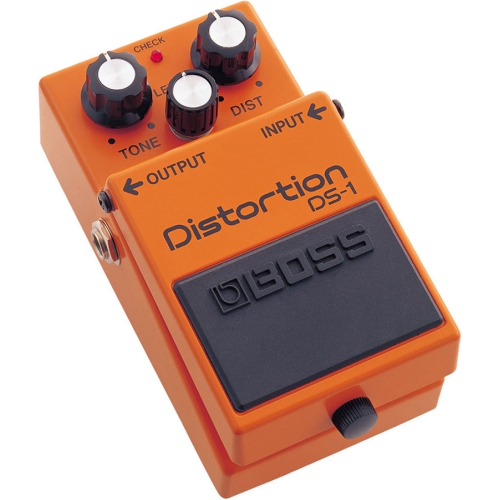 Your price for this item is $89.99
 -
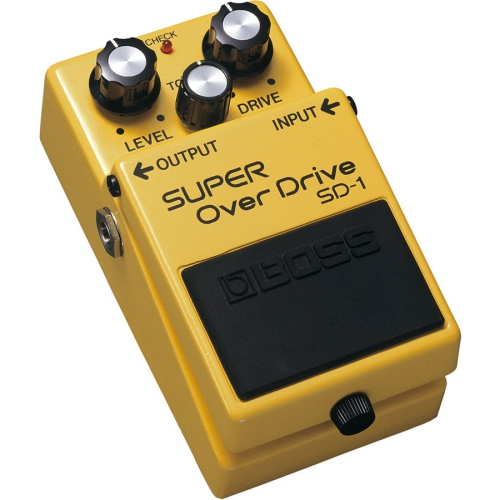 Your price for this item is $89.99
 -
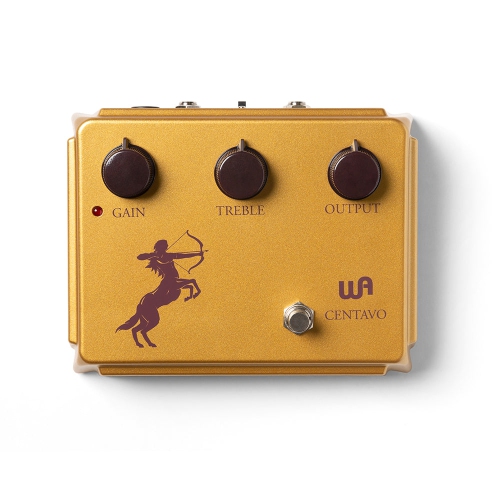 Your price for this item is $289
 -
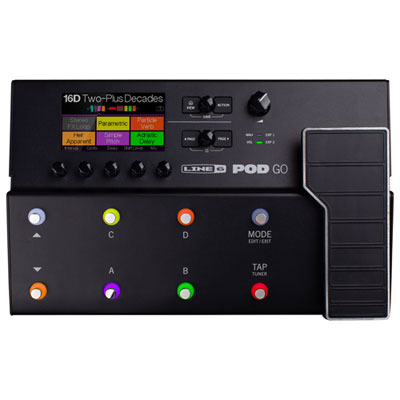 Your price for this item is $589.99
 -
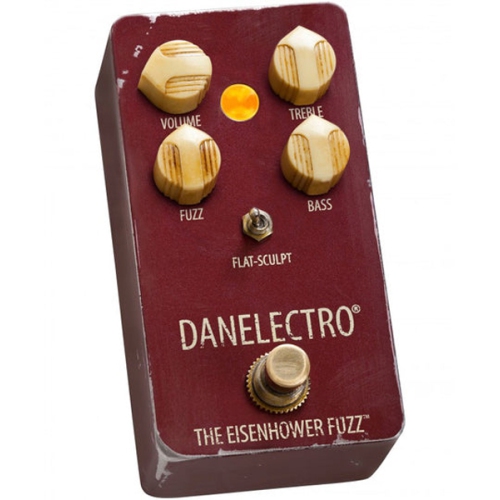 Your price for this item is $164.99
 -
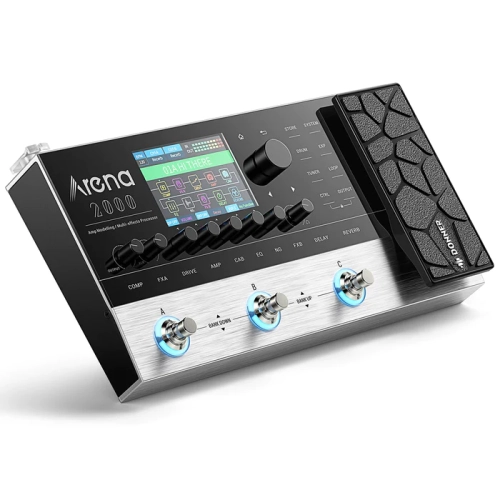 Your price for this item is $209.99
 -
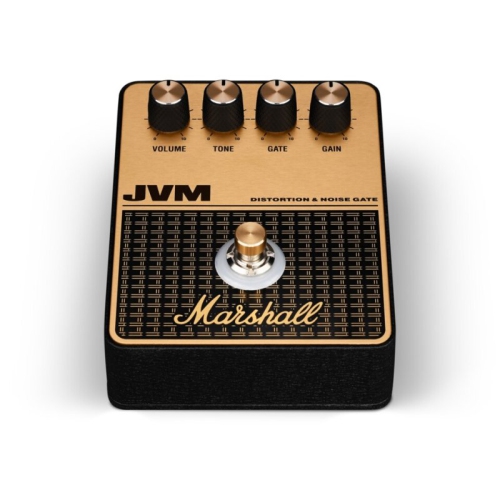 Your price for this item is $249.99
 -
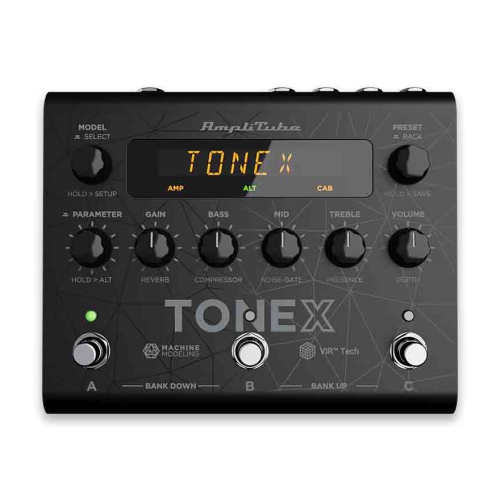 Your price for this item is $599.99
Discover more categories related to Metal Distortion Pedals
Top Collections:
Pokemon Centers, Kindle Devices, Best Budget Office Chairs, Apple iPhones 16, Best Laptops for Writers, iPhone 15 Apple, Canon G7X Cameras, Refurbished Apple Laptops, Alarm Clock, Motorola Razr Phones
Some products may be subject to Environmental Handling Fees
(EHF) depending on your province.
Learn more about EHFs.