Live Sound Mixing Consoles
Live Sound Mixing Consoles are essential for creating a balanced and professional audio experience at concerts, events, and venues of all sizes. With a wide range of options available, finding the right console can help you achieve clear sound and precise control over every aspect of your live audio setup. Explore our selection of Live Sound Mixing Consoles to discover solutions designed to meet the needs of audio engineers, performers, and event organizers alike.
Sort
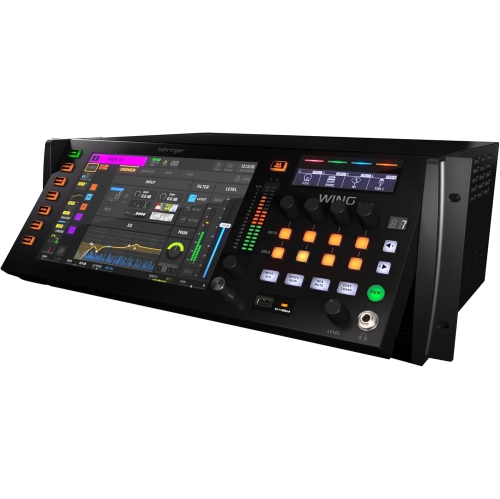
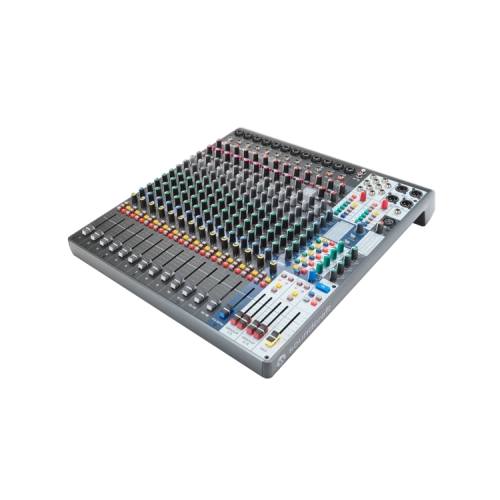
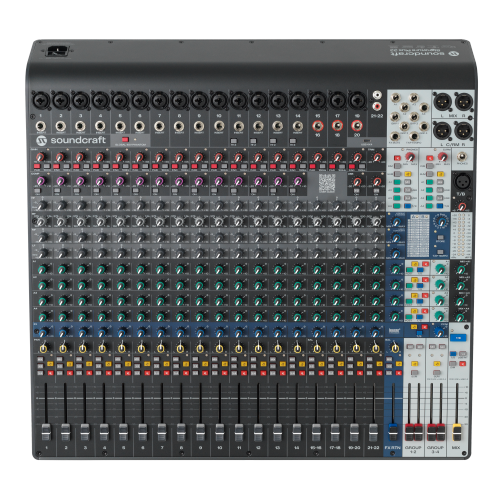
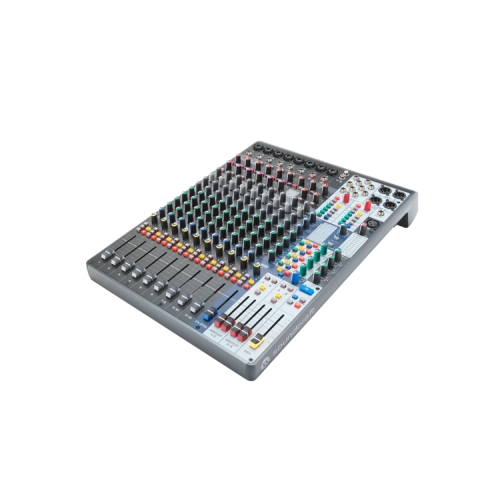
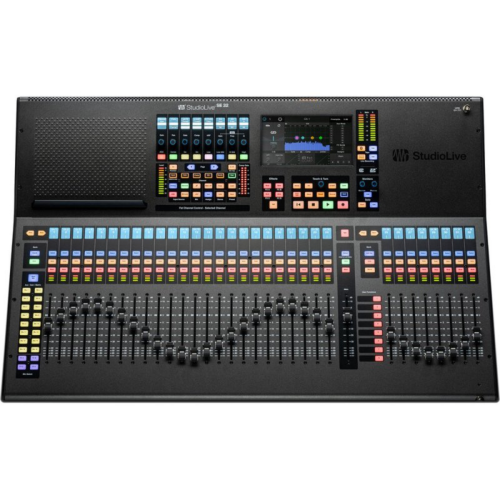
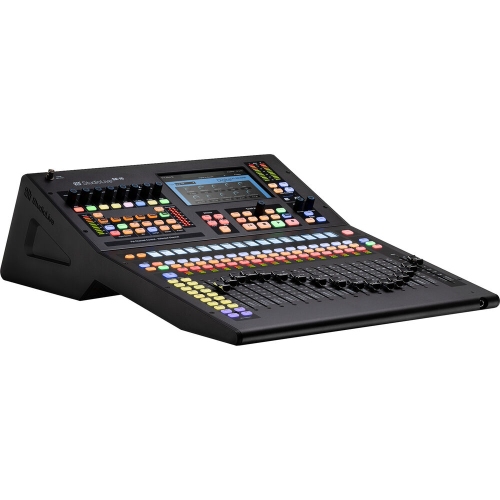
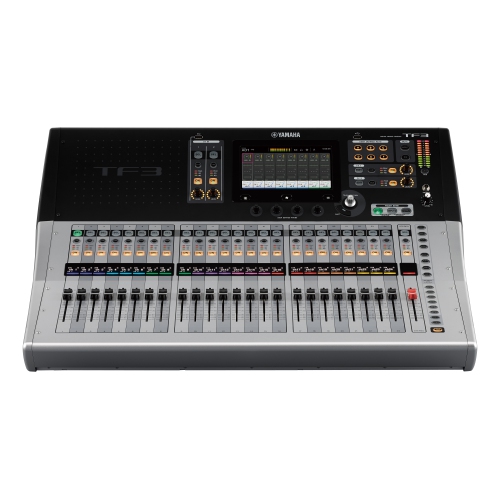
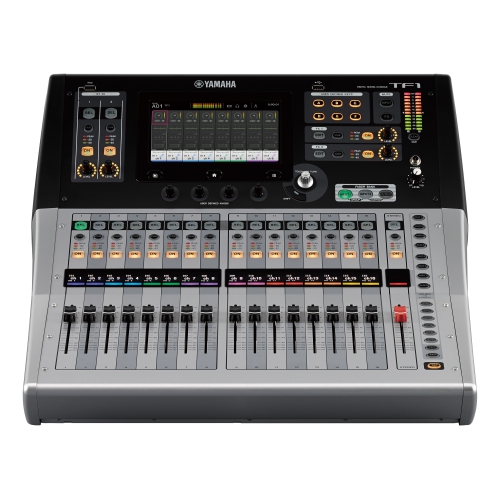
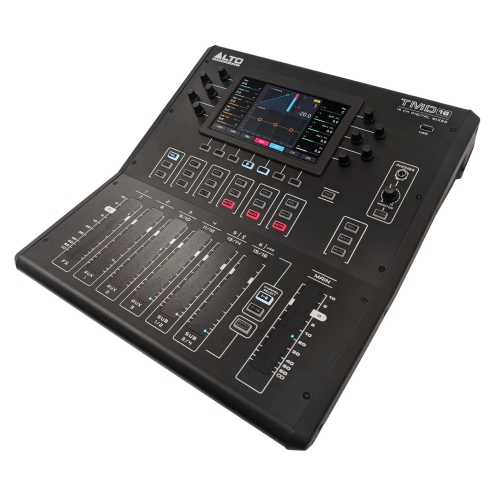
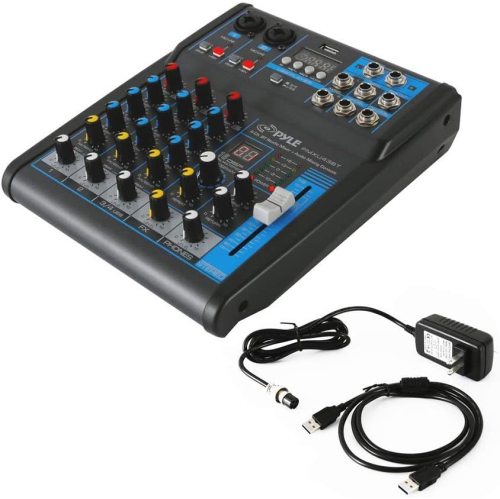
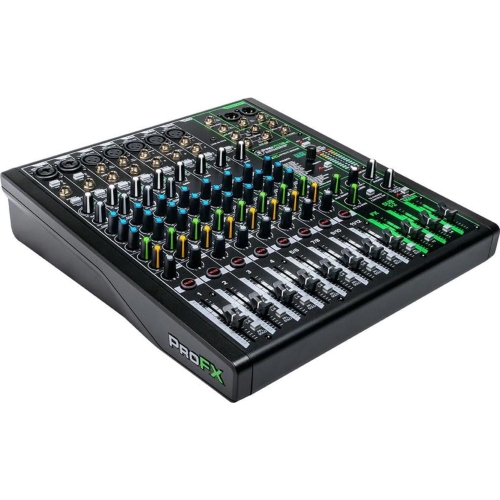
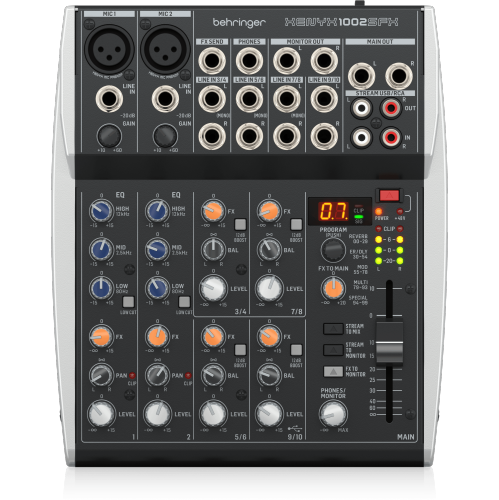
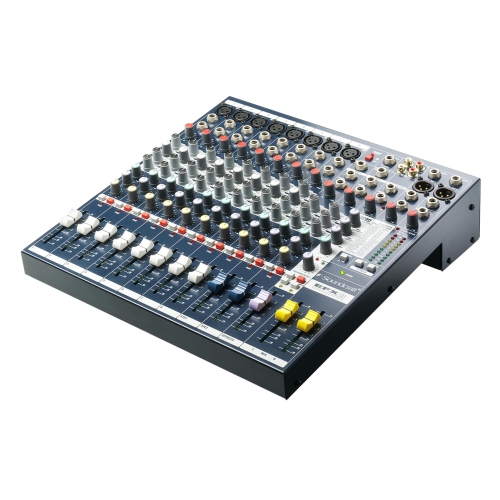
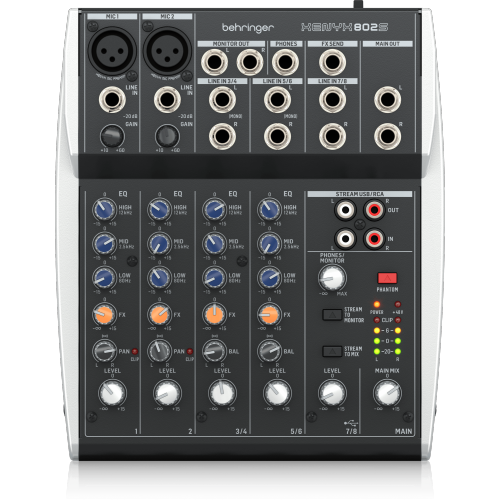


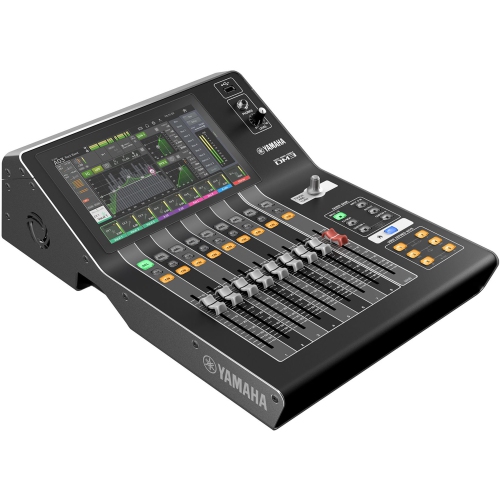
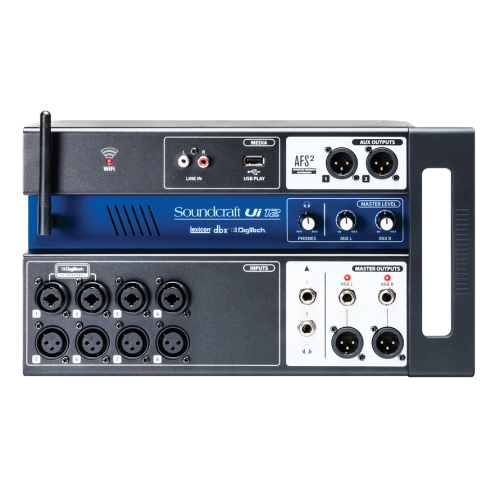
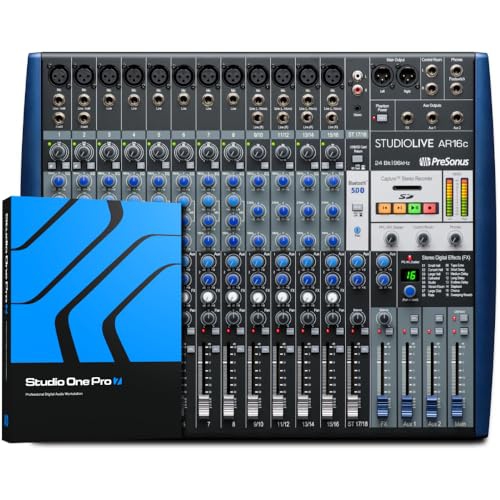
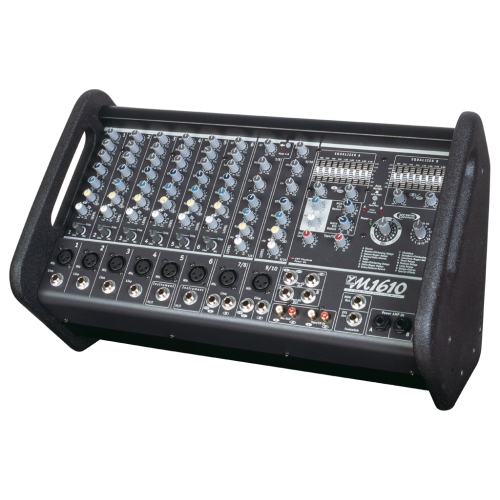
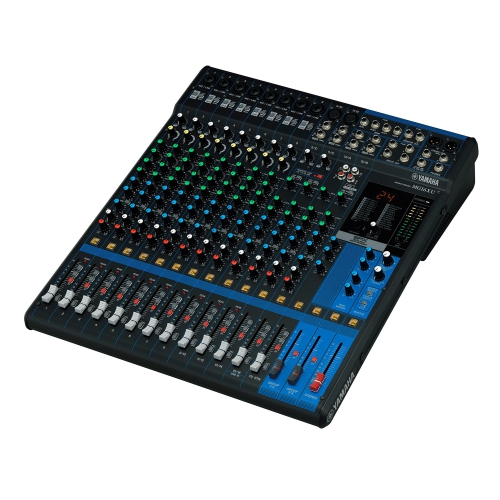
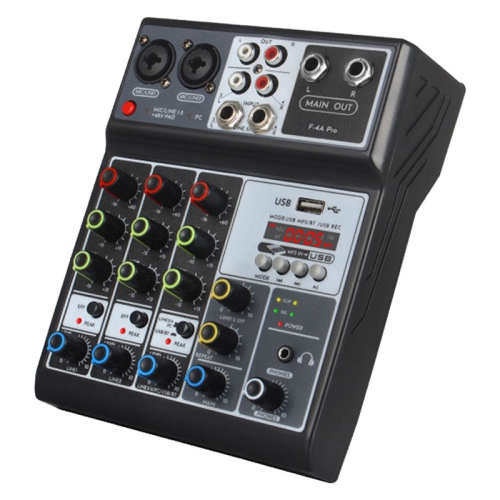
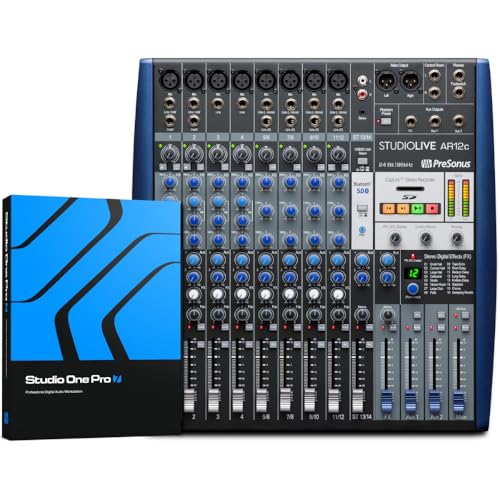
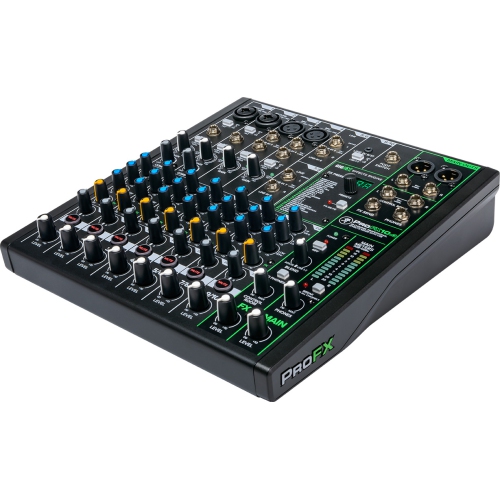
The connections and controls behind a balanced performance
Live sound mixing consoles bring microphones, instruments, playback devices, and other audio sources together so their levels and tone can be balanced for an audience. They are central to sound systems in music venues, theatres, schools, community halls, houses of worship, and mobile event setups. A singer’s voice can sit clearly above a guitar, an announcement can cut through background music, and a drummer’s microphones can feed both the main speakers and the performers’ monitors. Live sound mixers generally fall into two main types: analogue and digital. Analogue consoles typically provide dedicated physical controls for core channel functions, making the signal path easy to follow at a glance. That hands-on layout suits straightforward performances and shared spaces where different operators need to make quick adjustments without navigating menus. Digital consoles combine audio processing with software-based control, often offering flexible routing, built-in effects, and saved settings within a smaller physical footprint. Depending on the console, those settings may include channel names, equalization, monitor mixes, and scene recall for repeat performances. Neither type is automatically the better fit for every stage; the useful distinction is how its connections, controls, and processing support the event. Channel count matters, but the number of physical microphone inputs is just as important as the advertised total. A stereo keyboard or playback source needs a stereo input or two appropriately routed mono channels, while each separately miked vocal or instrument needs its own input. A small acoustic act might need only a handful of connections, whereas a full band can quickly fill a console once drum microphones and backing vocals are included. For smaller systems, Compact Analog Mixing Consoles offer a related format centred on accessible controls and a manageable footprint. Larger productions often need additional inputs, more independent mixes, and enough spare capacity for a guest microphone or a last-minute instrument change.
Beyond the input count, a console’s routing determines how comfortably it supports the people on stage and the audience in front of them. The main mix feeds the audience system, while auxiliary sends can create separate monitor mixes or feed effects processors. A vocalist may need more voice in a floor monitor, while a drummer may want a stronger keyboard or bass reference through an in-ear monitoring system. Each independent monitor mix needs suitable routing and outputs; a stereo monitor mix generally uses two buses rather than one. Pre-fader sends can keep monitor levels independent of adjustments to the main channel faders, while post-fader sends are commonly useful for effects that should follow the channel level. Subgroups can bring related channels under shared control, such as several drum microphones, although their implementation varies between consoles. Clear metering and microphone preamps with sufficient headroom help operators manage a quiet speaker and a powerful singer without pushing the input into distortion. Gain controls establish the incoming signal level, while faders shape its place in the mix. Equalization adjusts tonal balance, and high-pass filters can reduce unwanted low-frequency rumble where appropriate. Compression can help manage level changes, but it cannot restore audio that has already clipped at the input. Built-in reverbs and delays can add space to vocals without separate effects hardware, provided their levels suit the room and performance. For digital consoles, saved scenes can simplify repeat setups, though recall options and protected settings vary. Connectivity also deserves close attention: a USB connection may support only stereo audio, multitrack recording, playback, control, or some combination of those functions. Compatible digital stageboxes can move microphone connections closer to performers, reducing the need for long individual cable runs. Their audio protocols must match the console, even when the connectors resemble ordinary network connections. Remote mixing, where supported, lets an operator hear the balance from different audience positions, with dependable network configuration remaining important to that workflow.
Physical design makes a noticeable difference when a mixer moves between rehearsal rooms, stages, and storage, or stays installed in a busy venue. A sturdy chassis, secure connectors, clearly printed labels, and well-spaced controls can make regular handling easier. Metal construction is common on consoles built for frequent transport, but overall durability also depends on the quality of the faders, knobs, sockets, and internal mounting. Compact desktop designs suit limited work surfaces, while rack-mountable formats can keep equipment organized in an installation or mobile rack. A wide control surface may give an operator immediate access to more channels, whereas a smaller digital surface may use fader layers to control a larger mix. Screen readability, visible mute indicators, headphone monitoring, and a practical place for channel labels all become valuable when a performance is underway and attention is divided. A theatre production with repeated cues has different control needs from an open-mic night with unfamiliar performers arriving throughout the evening. Likewise, a school assembly may favour an understandable layout, while a touring act may place greater value on repeatable routing and transport protection. Connections should match the rest of the system, including balanced outputs for compatible equipment, suitable microphone inputs, and phantom power for microphones or devices that require it. A conventional unpowered console needs powered speakers or a separate amplifier and passive speakers; line-level outputs cannot drive passive loudspeakers directly. Powered mixers include amplification, but their speaker connections and load requirements still need to match the speakers. Care is mostly practical: keep drinks away from controls, remove dust gently using methods approved by the manufacturer, and avoid spraying cleaning liquid into fader slots or connectors. Ventilation openings need clearance, cables need support rather than tension at the sockets, and external power supplies should be secured against accidental disconnection. A fitted cover or protective case helps limit dust and transport damage. Together, suitable connections, an understandable layout, and careful handling support reliable use across rehearsals, presentations, and live performances.
Top selling and popular products
-
 Your price for this item is $989
-
 Your price for this item is $699
-
 Your price for this item is $329.99
-
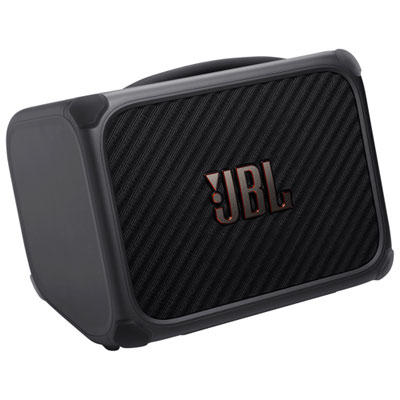 Your price for this item is $799.99
-
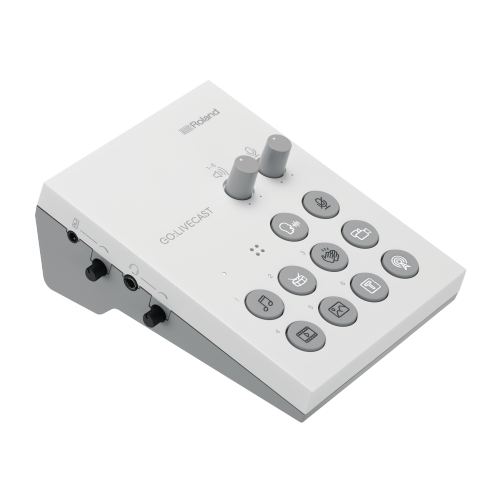 Your price for this item is $69
-
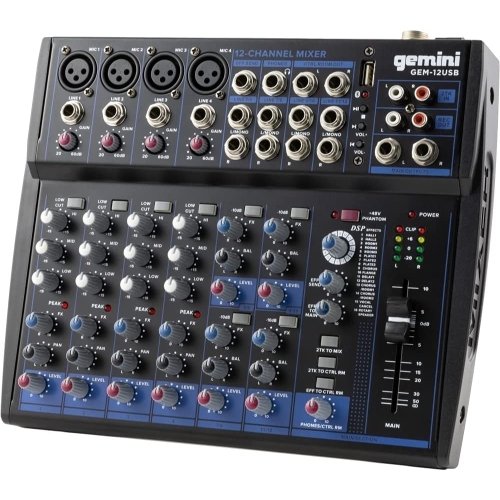 Your price for this item is $205.95
-
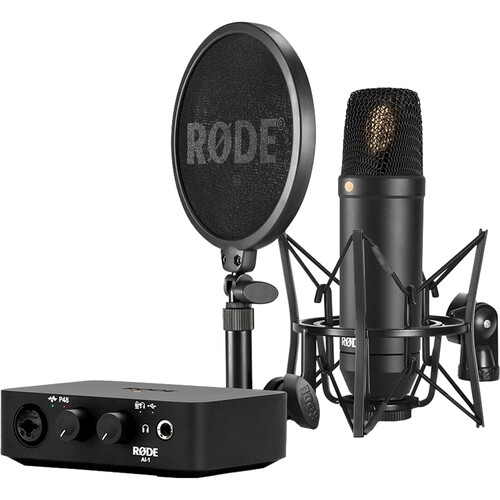 Your price for this item is $199
-
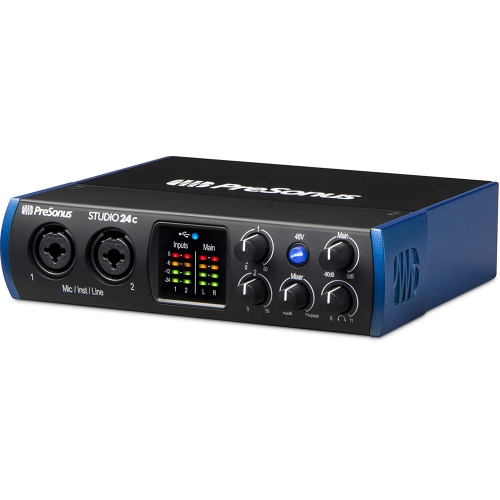 Your price for this item is $241.49
Discover more categories related to Live Sound Mixing Consoles
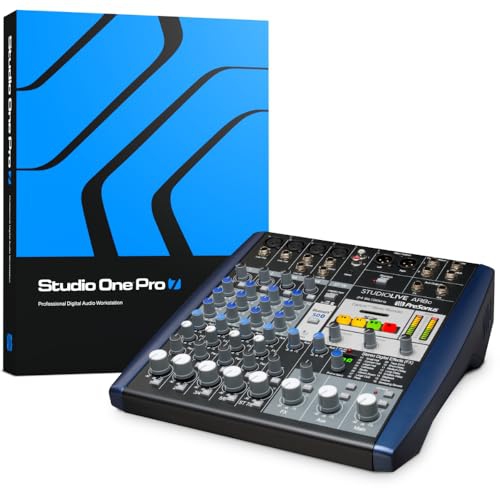
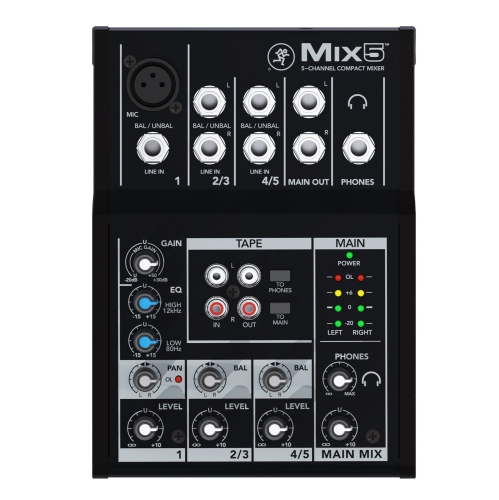
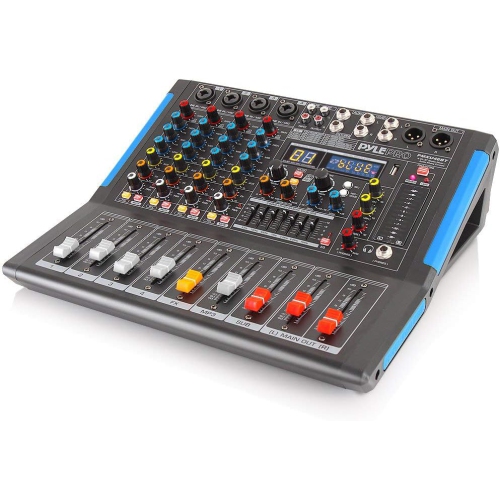
Top Collections:
Best Black Friday Deals This Year, Best Black Friday Deals On Electronics, Kindle Devices, Pokemon Centers, Best Black Friday Deals On Apple Products, Best Cameras for Sports Photography, Dyson Airwrap, Pokémon 30th Celebration Cards, Apple iPhone 17 Pro, Canon G7X Cameras
Some products may be subject to Environmental Handling Fees
(EHF) depending on your province.
Learn more about EHFs.