Compact Analog Mixing Consoles
Compact Analog Mixing Consoles offer versatile solutions for audio professionals and enthusiasts seeking streamlined control in smaller spaces. Designed to fit easily into home studios, live performance setups, and portable rigs, these consoles provide essential mixing capabilities without taking up excessive room. Explore a wide selection of Compact Analog Mixing Consoles to find the right fit for your creative workflow and audio needs.
Sort
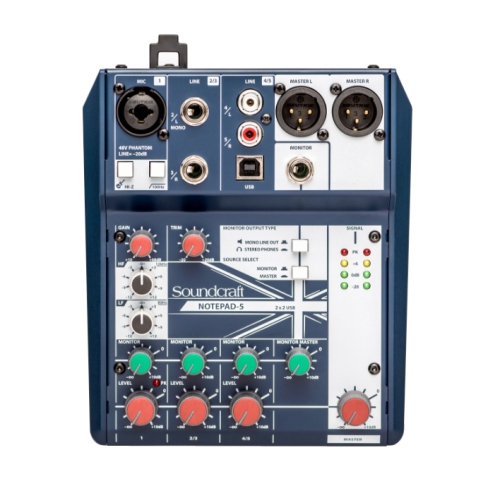
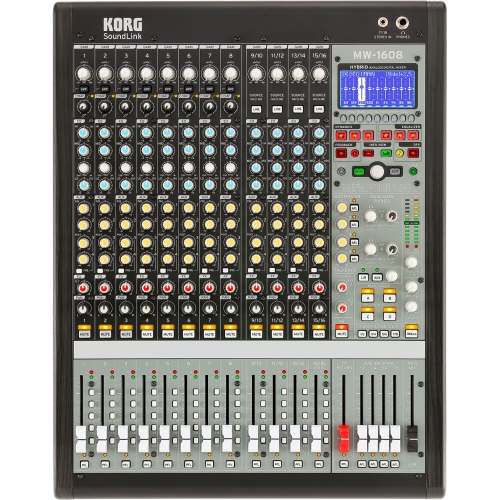
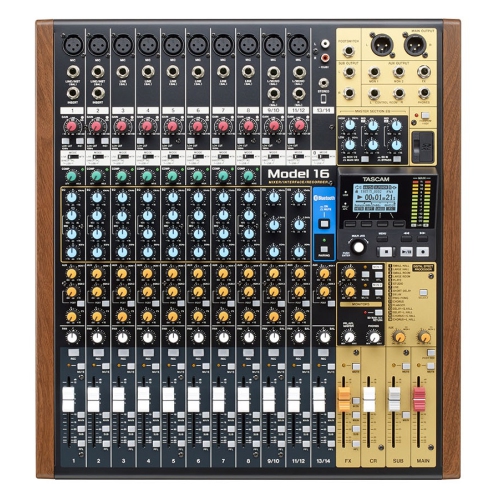
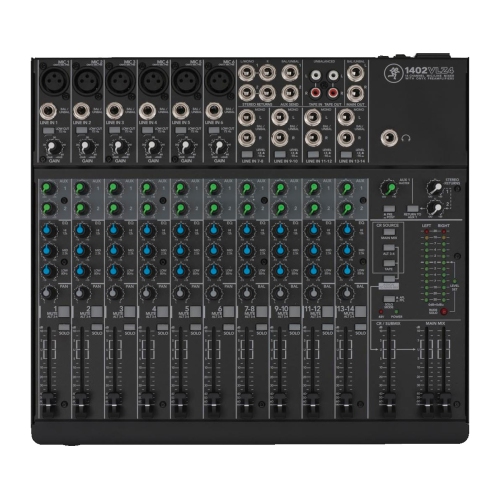
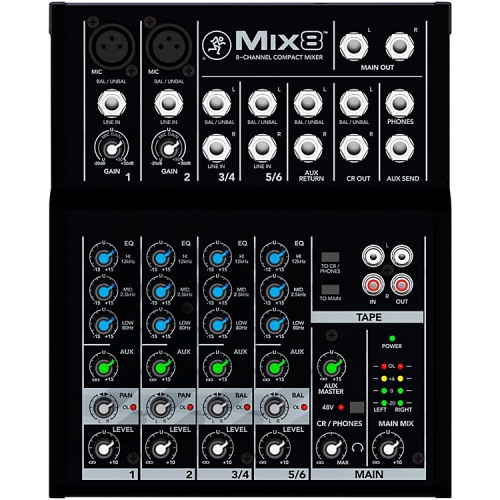
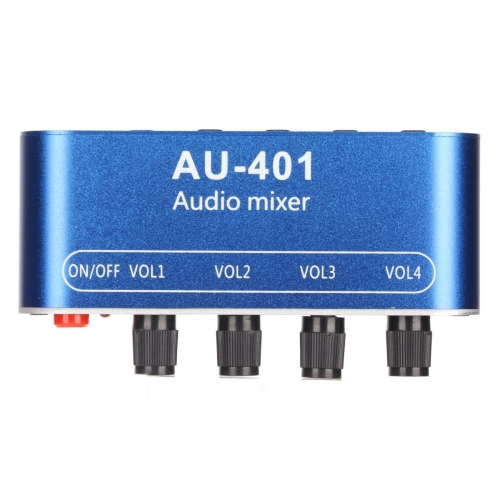
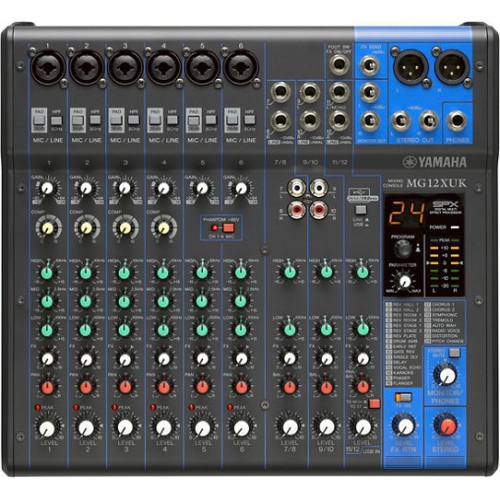
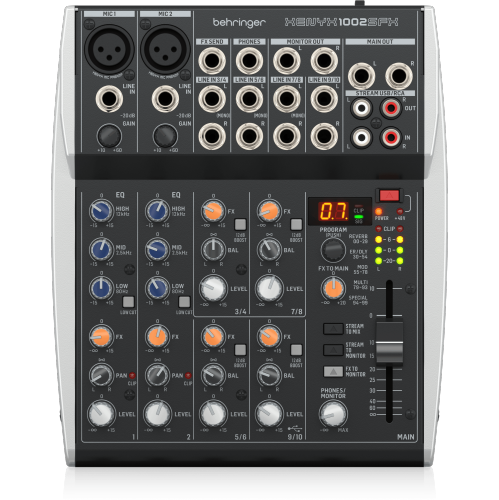
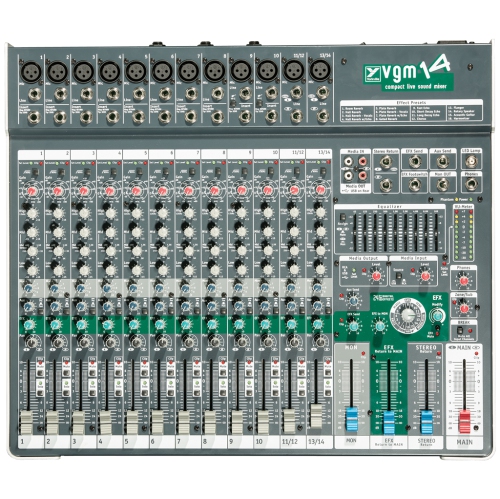
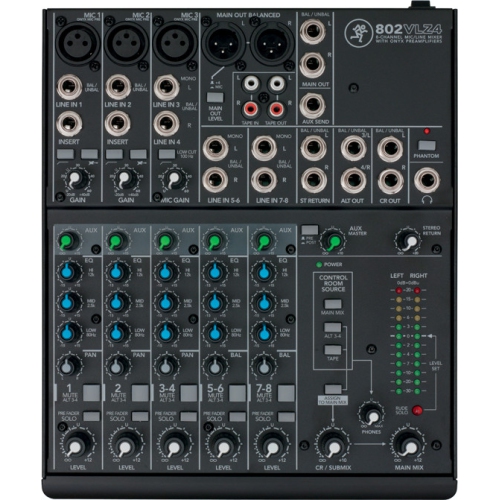
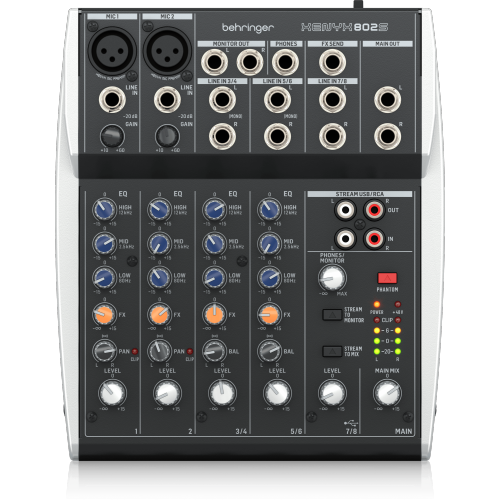
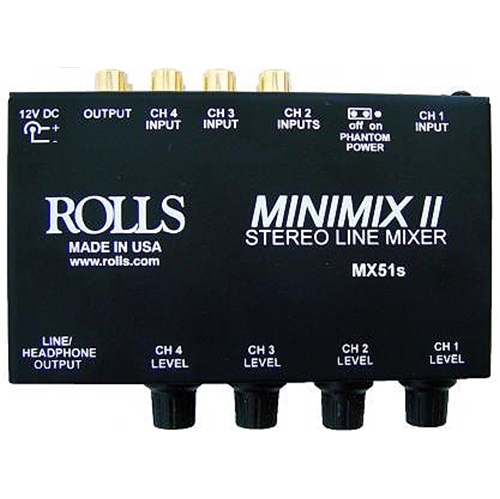
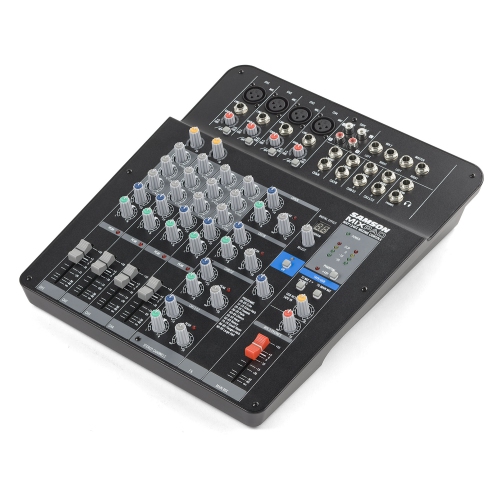
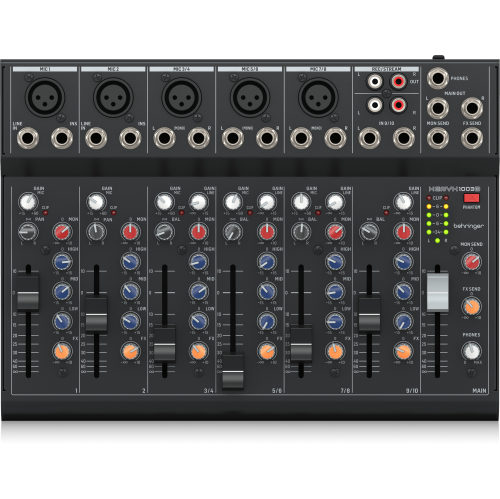

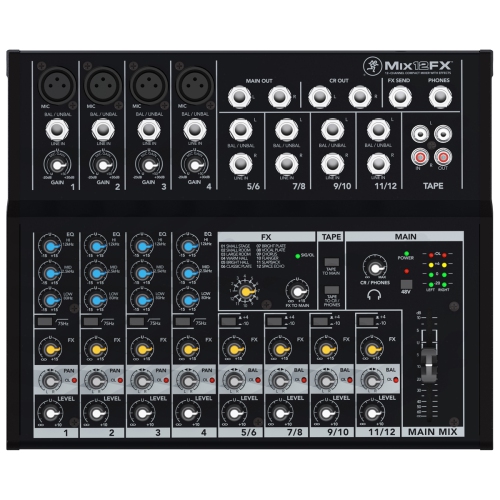
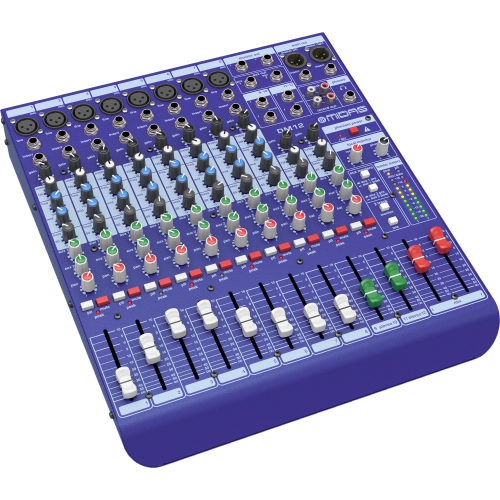
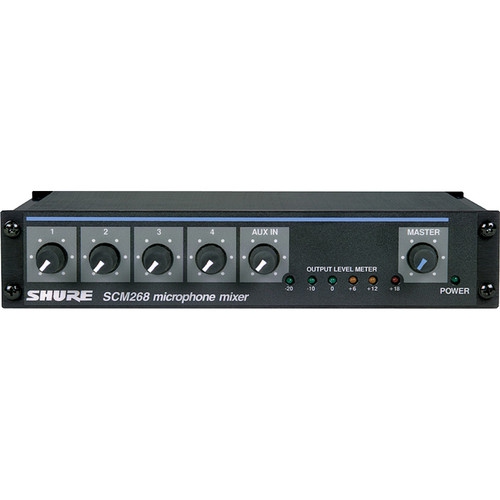
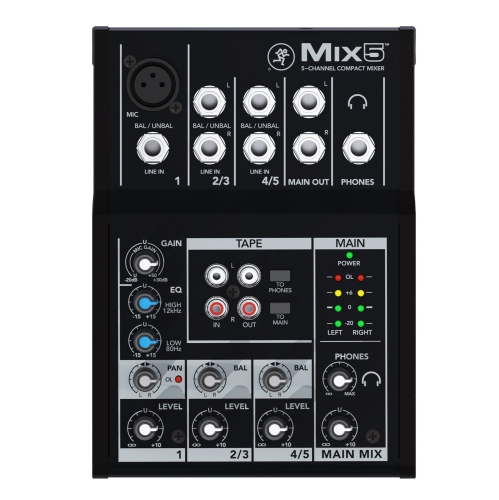
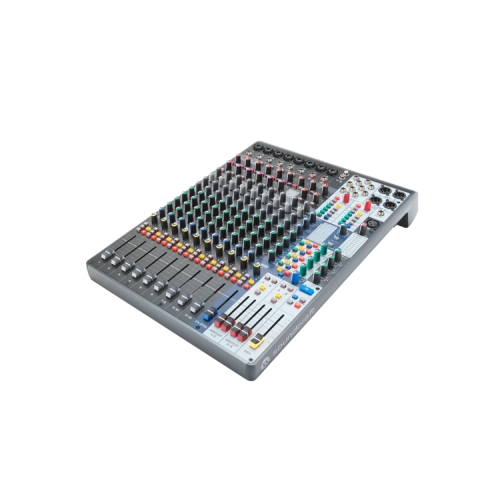
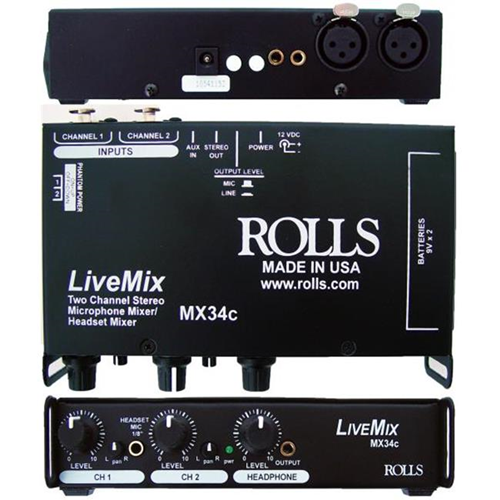
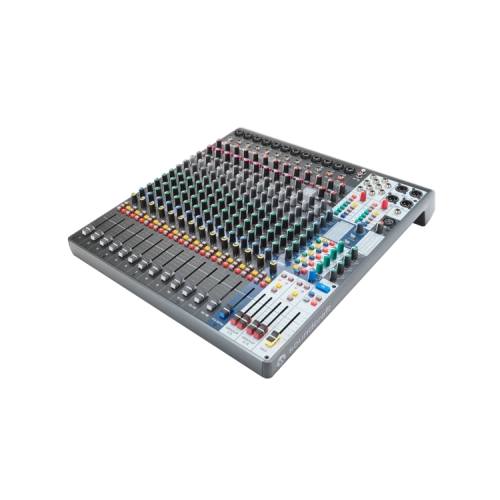
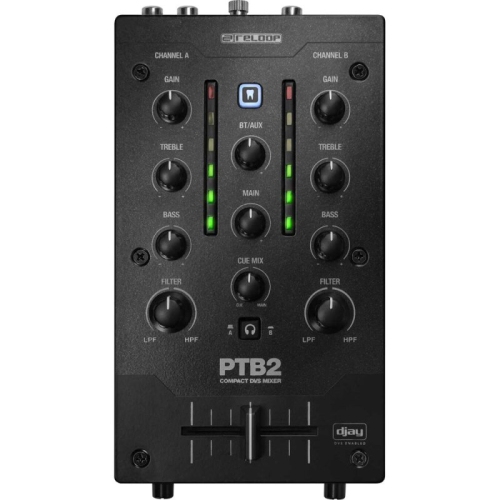
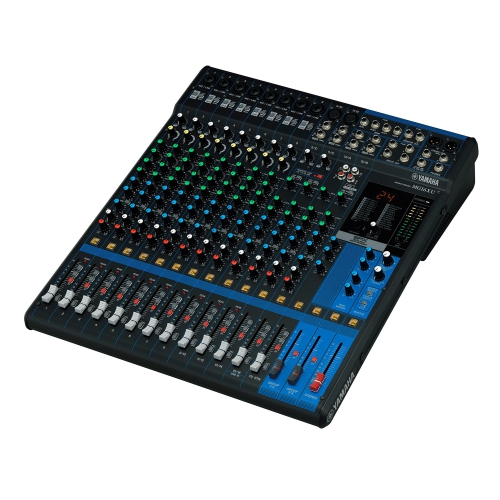
Hands-on sound control without a full-size mixing desk
Compact analogue mixing consoles combine several audio sources into a controlled mix for speakers, headphones, or recording equipment. Their defining feature is an analogue audio signal path with physical controls for functions such as input gain, equalization, and output level. Some also include digital effects or USB connectivity, so an analogue mixer can still support computer-based recording. These small-format consoles suit singer-songwriters, podcast hosts, keyboard players, rehearsal spaces, and presenters who need hands-on control without a large mixing desk. Within the wider family of Live Sound Mixing Consoles, compact designs make practical use of limited space beside a microphone stand, on a desktop, or at the edge of a small performance area. Channel count provides a starting point, but the types of inputs matter just as much as the total. A stereo channel generally handles two related signals, such as the left and right outputs from a keyboard, while a mono microphone channel usually provides its own microphone preamplifier. Consequently, a console described as having eight channels does not necessarily accommodate eight microphones. A vocalist accompanying a stereo keyboard has different connection needs from a discussion group using several individual microphones. XLR inputs commonly accept microphones, while quarter-inch line inputs accommodate suitable instruments, playback equipment, and other audio devices. An electric guitar or bass may need a direct box unless the mixer has an input specifically designed for that instrument’s signal. Turntables likewise require an appropriate phono preamplifier or dedicated phono input rather than an ordinary line connection. The most useful layout leaves enough suitable inputs for the sources used together, rather than relying on a channel total alone. Space for an additional guest microphone or playback source can also make a small console more adaptable as a performance, practice session, or recording setup develops.
Sound control on a compact analogue mixer centres on making each source clear and keeping the combined output manageable. Input gain sets the level entering a channel, while its level control determines how prominently that source sits in the mix. Clear peak indicators and readable meters help reveal signals approaching overload, particularly when a quiet sound check gives way to a louder performance. Headroom is the margin before a signal clips; it matters when a singer projects more strongly or a percussion instrument produces a sharp transient. Equalization can adjust tonal balance, helping a voice sound less boomy or reducing excess brightness from an instrument. A high-pass filter, where included, can reduce low-frequency rumble that is not needed from a speech microphone. These controls support clearer sound, but they do not replace suitable microphone placement or correct persistent feedback caused by the relationship between microphones and loudspeakers. Routing features determine how comfortably a mixer fits a particular task. An auxiliary send can feed a stage monitor or an external effects processor, depending on the console’s design. A pre-fader send can keep a performer’s monitor level independent of changes to the main channel level, while a post-fader effects send follows those changes. Built-in reverb or delay can add space to a vocal without a separate processor, although effects types and adjustment options vary. For podcasting and home recording, USB functionality deserves particular attention: some mixers send only the main stereo mix to a computer, whereas others support separate channel recording. A stereo USB connection does not, by itself, provide an independently editable track for every microphone. Computer playback routing also matters when a host needs to hear a remote guest without sending that guest’s voice back to them. Headphone level controls, monitoring options, and clear routing labels can therefore be as important as the number of effects. Suitable recording software, operating-system compatibility, and the required cables complete that connection.
Physical design has a direct effect on how a compact mixing console feels during regular use. Rotary level controls can keep a surface small, while sliding faders offer an easily visible indication of relative levels; neither layout alone determines audio quality. Clearly spaced knobs are easier to adjust without disturbing neighbouring settings, especially when several cables enter along the top edge. Overall fit includes more than the console’s stated dimensions: rear or side connections, cable bends, ventilation space, and access to the power connection all affect its footprint. A shallow desktop may accommodate the mixer itself but leave little room for plugged-in connectors. Metal enclosures can provide useful rigidity for equipment that travels, while well-designed polymer housings can help keep carrying weight manageable. Durability also depends on secure sockets, supported controls, and protection during transport, rather than enclosure material alone. A padded bag or fitted case helps shield knobs and connectors from knocks between rehearsals or performances, and cables stored separately are less likely to press against the control surface. For a fixed setup, tidy cable runs reduce strain on connections and keep frequently used controls accessible. Care is generally straightforward: disconnect power before cleaning, use a soft, dry cloth, keep liquids away, and follow the manufacturer’s instructions for ventilation and maintenance. Cleaning fluid sprayed into faders or sockets can cause damage. Power requirements also influence portability, since a compact mixer may still require its own external adapter and a nearby outlet. Switchable phantom power supports compatible condenser microphones and certain active devices, but compatibility should be confirmed for every connected source, particularly when several inputs share one switch. For a musician balancing vocals and instruments, a presenter managing speech and playback, or a creator recording conversation, the appeal is a tactile control surface with the right connections close at hand. A well-matched compact analogue console makes everyday audio adjustments visible and accessible while fitting comfortably into the space where it will be used.
Top selling and popular products
-
 Your price for this item is $989
-
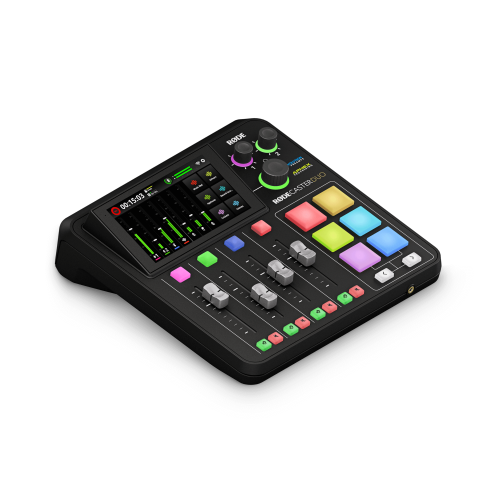 Your price for this item is $699
-
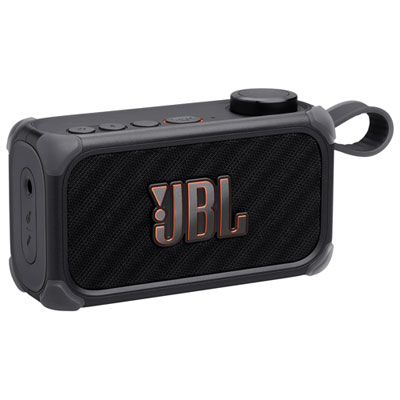 Your price for this item is $329.99
-
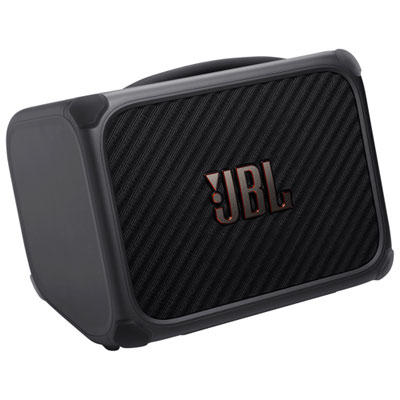 Your price for this item is $799.99
-
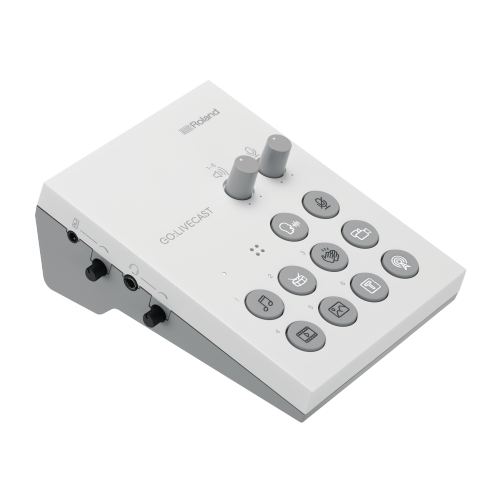 Your price for this item is $69
-
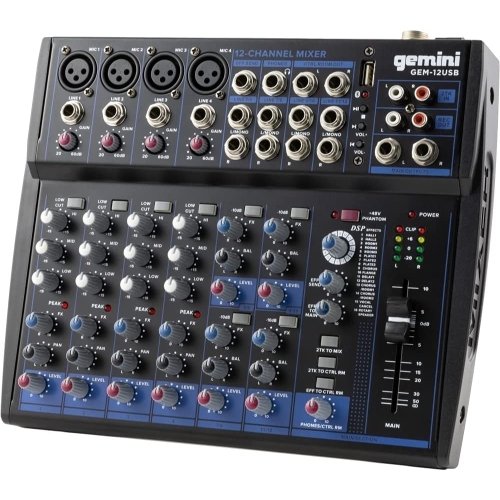 Your price for this item is $205.95
-
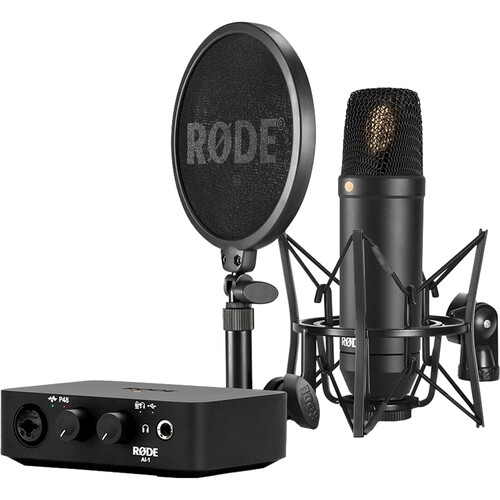 Your price for this item is $199
-
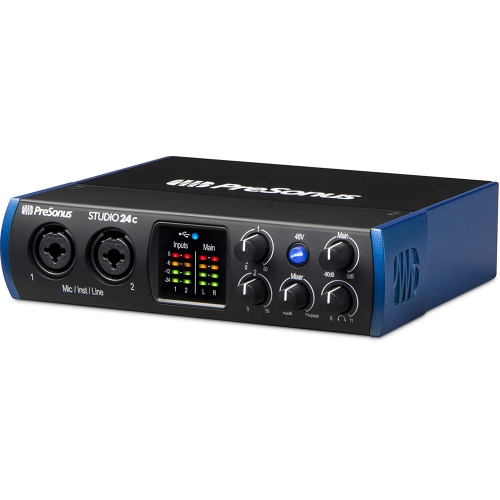 Your price for this item is $241.49
Discover more categories related to Compact Analog Mixing Consoles
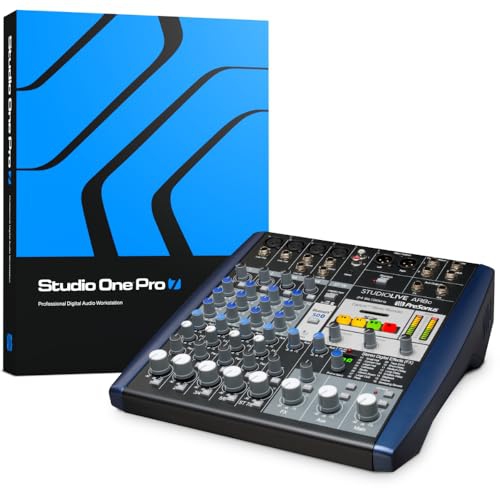
Top Collections:
Best Black Friday Deals This Year, Best Black Friday Deals On Electronics, Kindle Devices, Pokemon Centers, Best Black Friday Deals On Apple Products, Best Cameras for Sports Photography, Dyson Airwrap, Pokémon 30th Celebration Cards, Apple iPhone 17 Pro, Canon G7X Cameras
Some products may be subject to Environmental Handling Fees
(EHF) depending on your province.
Learn more about EHFs.