Microphone Shock Mounts
Looking to enhance the audio quality of your recordings? Explore our selection of microphone shock mounts designed to minimize unwanted vibrations and noise for crisp and clear sound. Whether you're a podcaster, musician, or content creator, a microphone shock mount is an essential accessory to ensure professional-grade audio production. With various options available to fit different microphone types, you can find the perfect shock mount to elevate your recording setup and achieve studio-quality results.
Sort
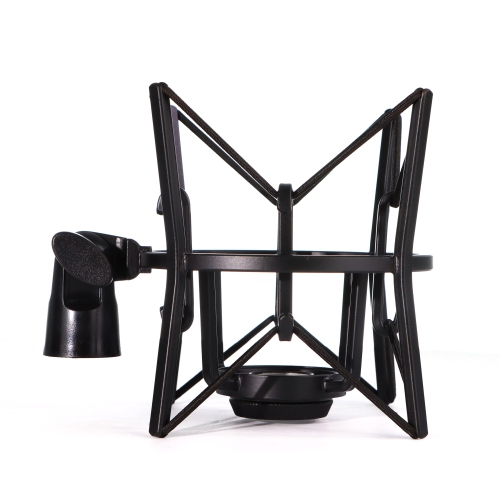
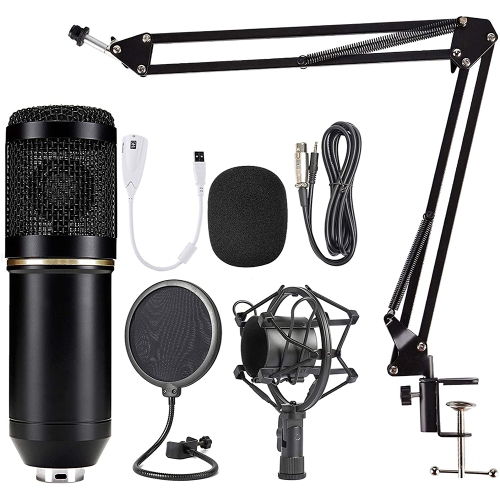
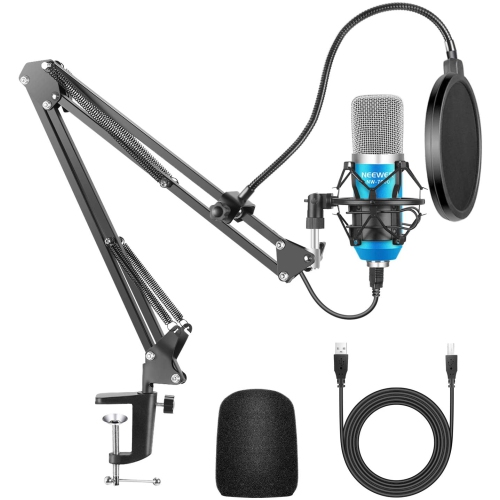
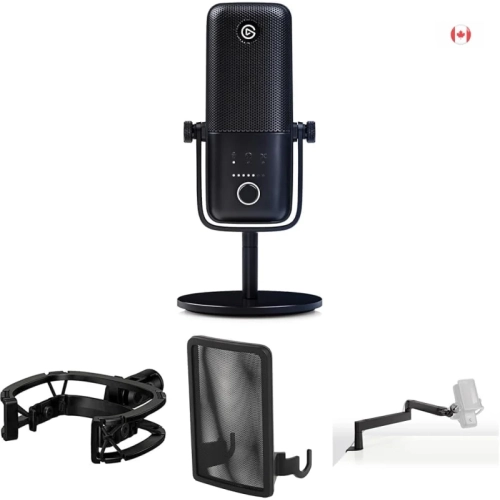

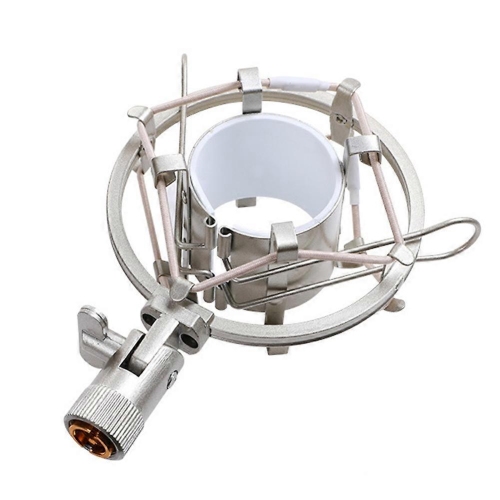
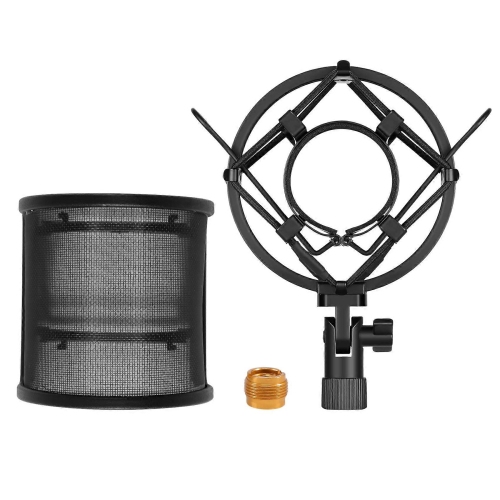
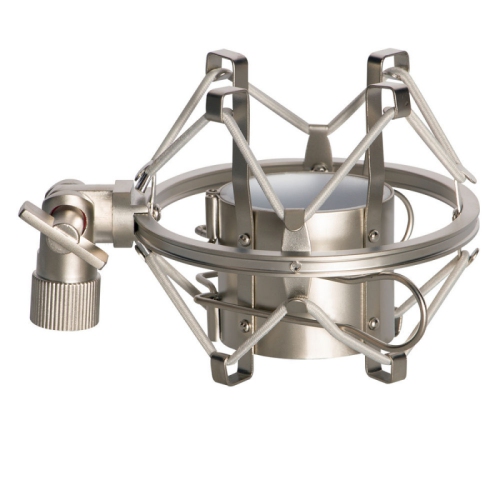
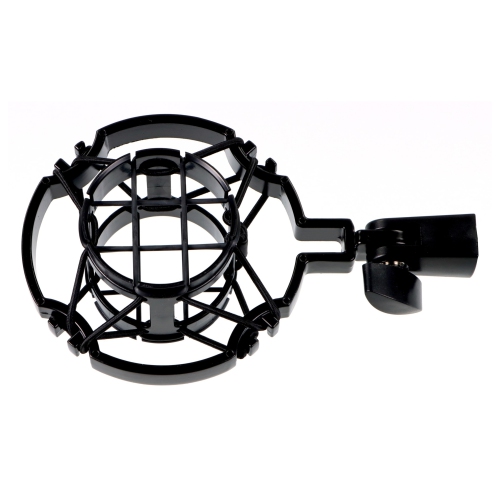
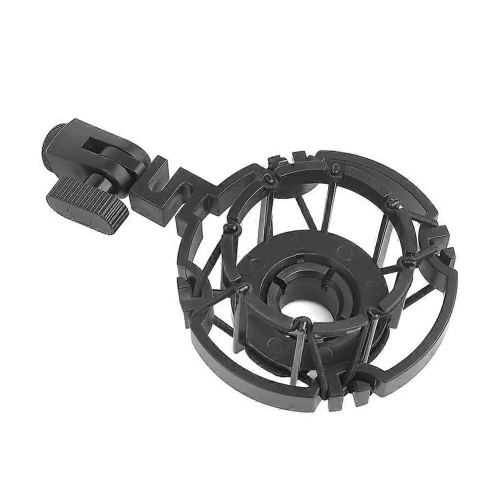
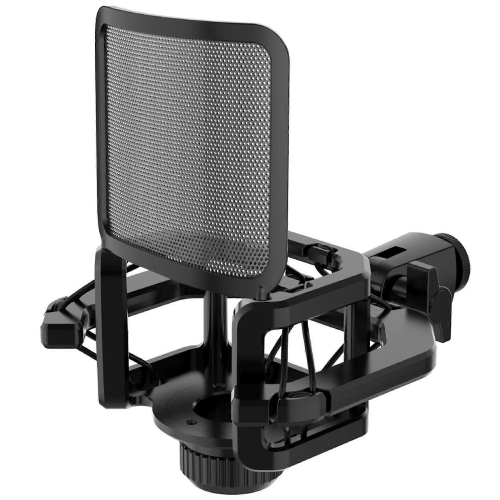
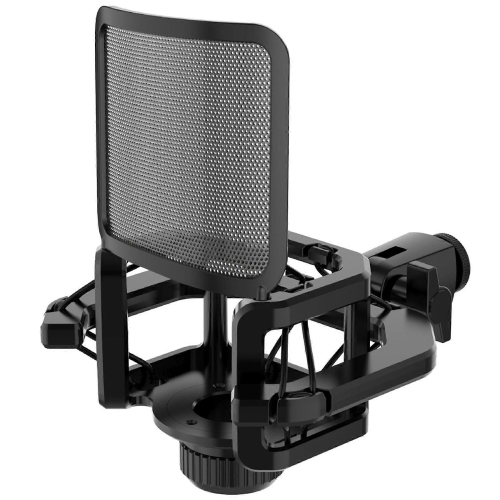
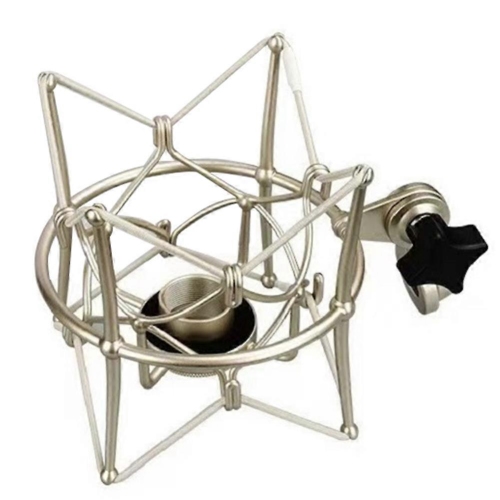

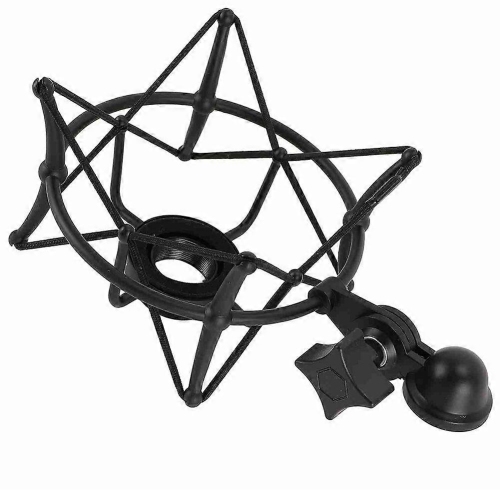
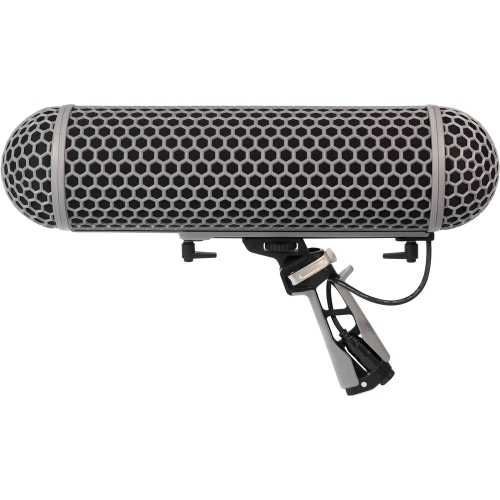
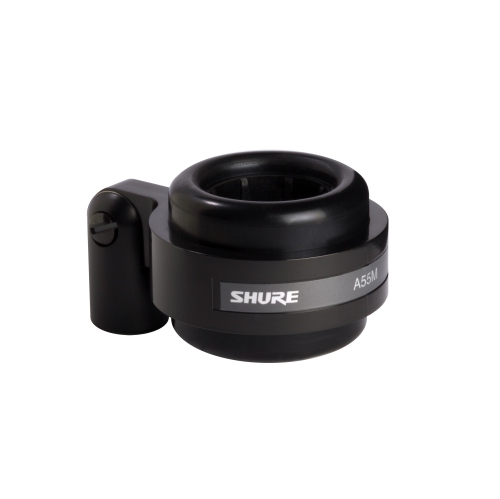
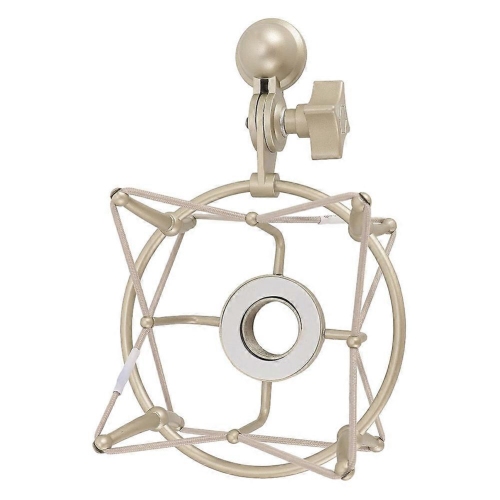
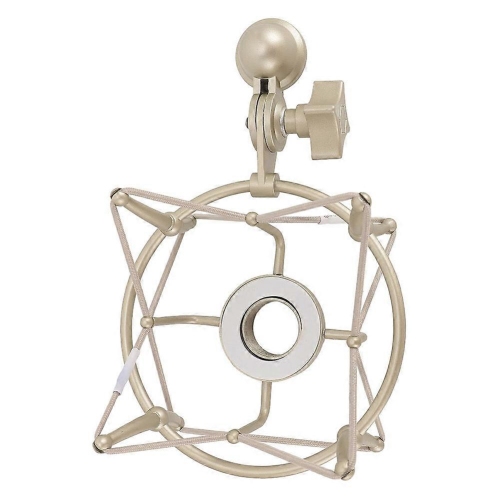
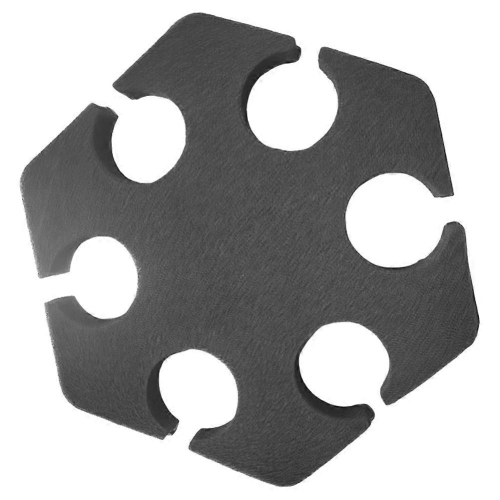
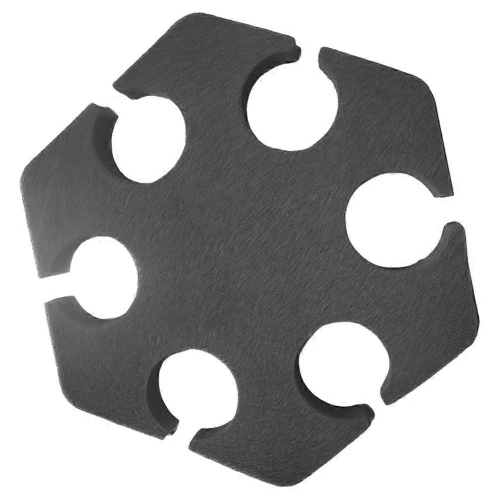
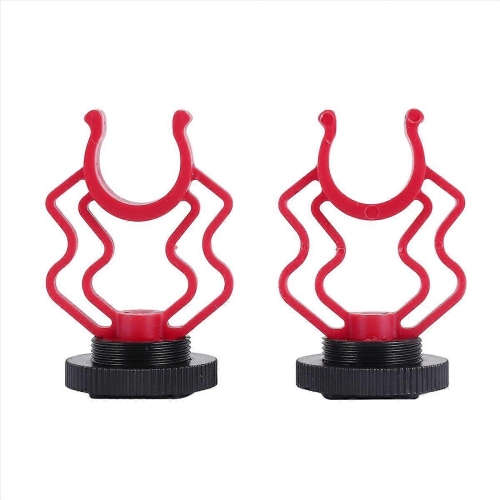
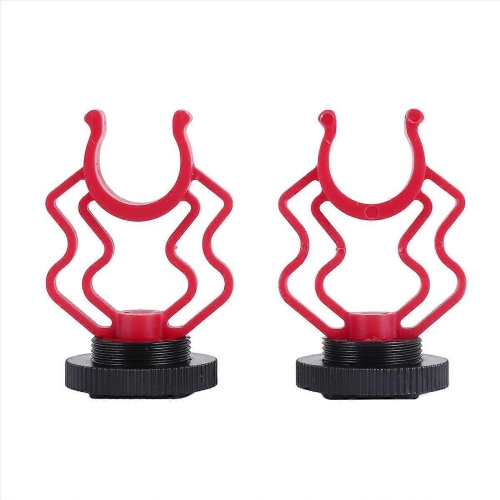
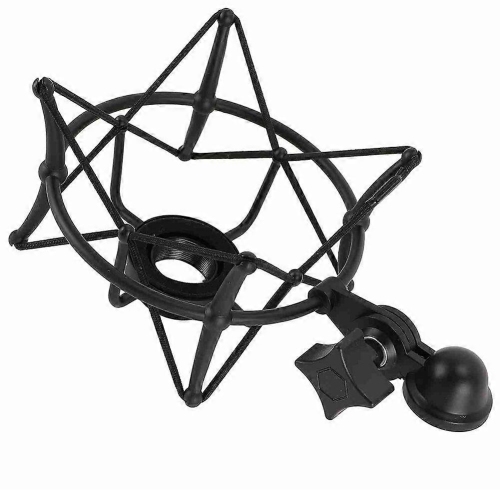
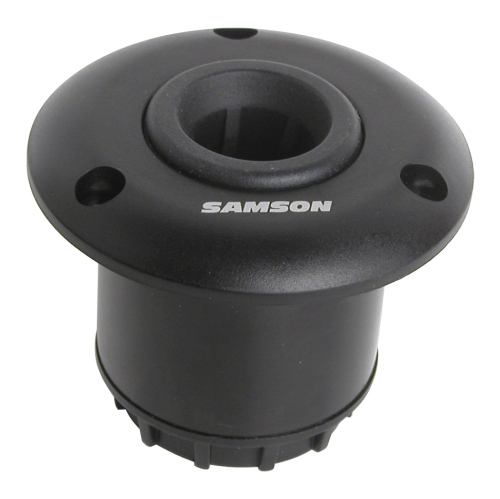
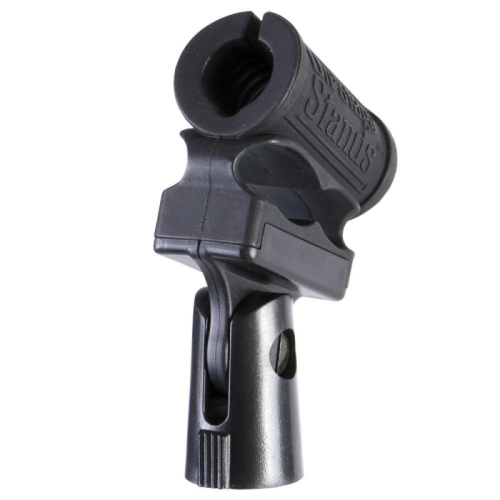
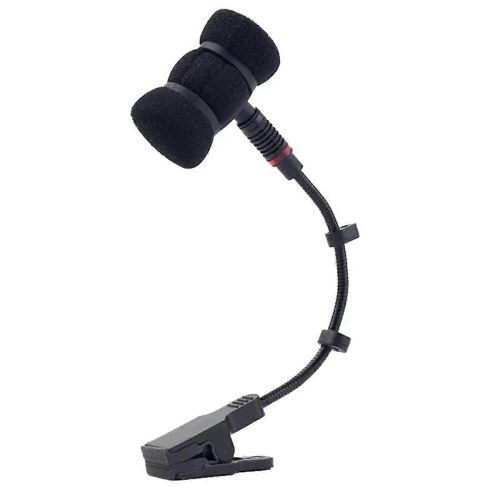
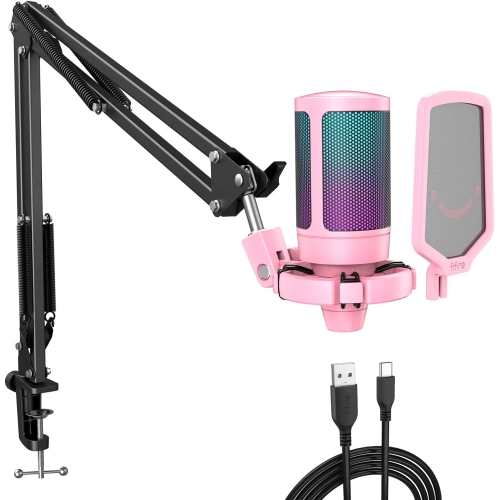
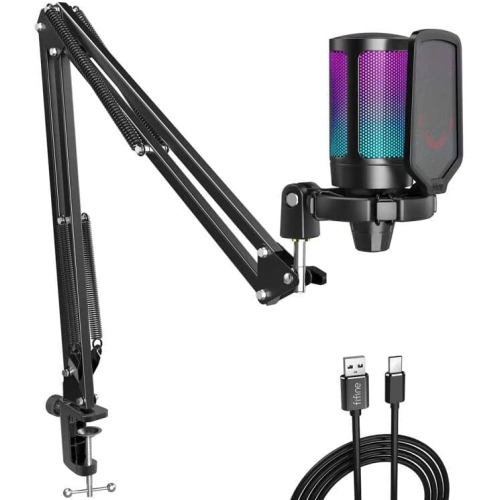
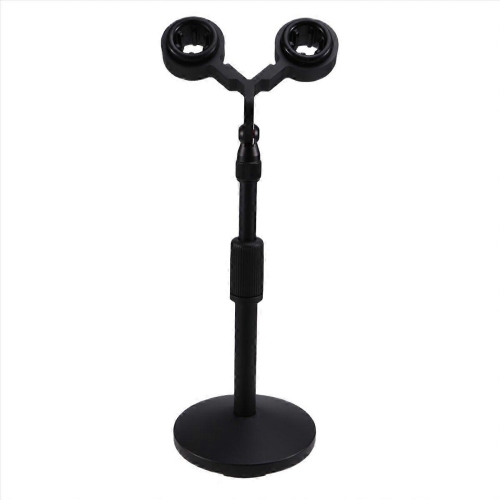
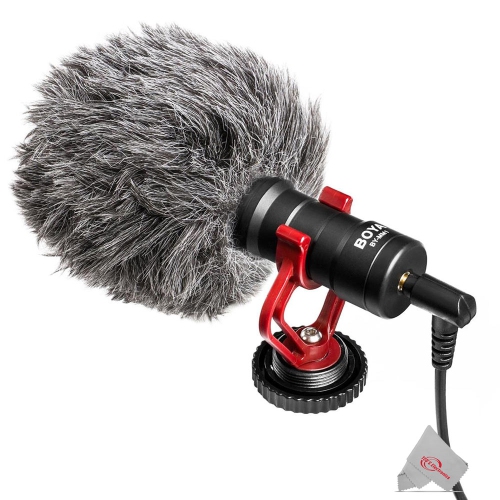
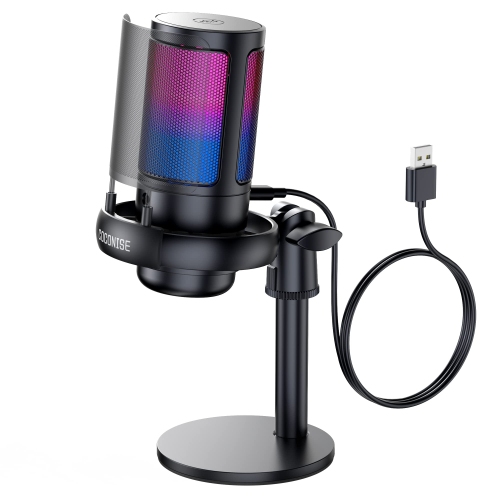
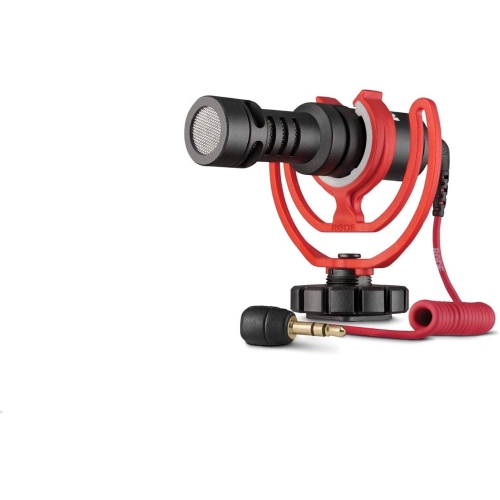
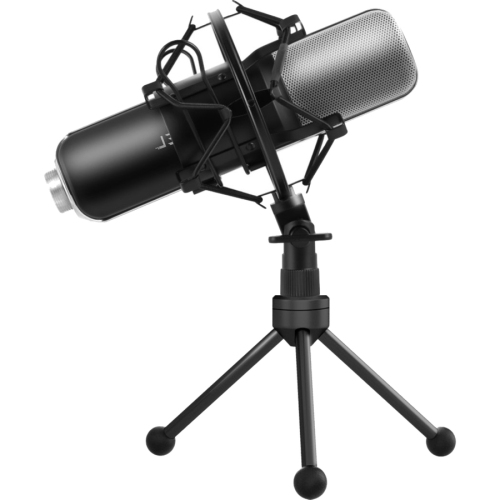
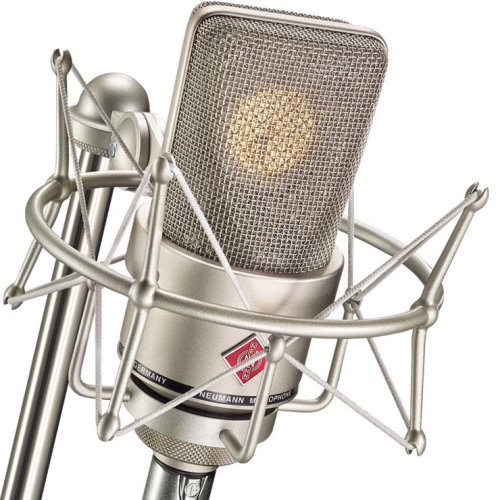
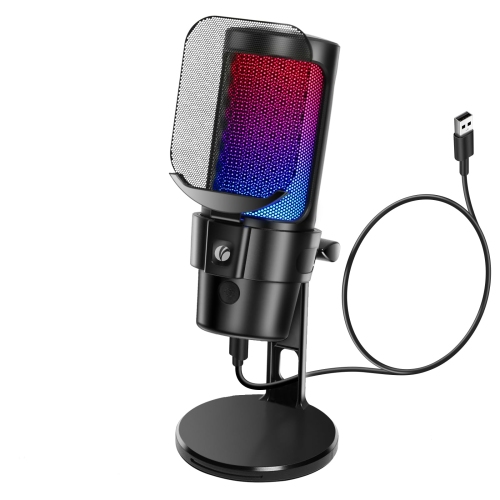
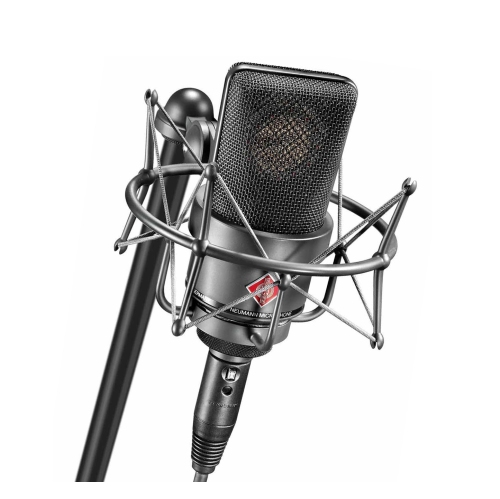
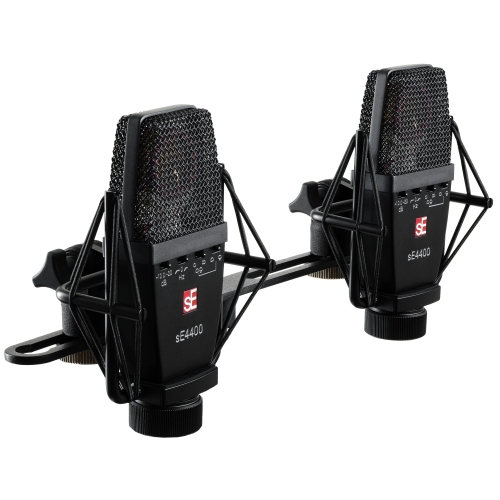
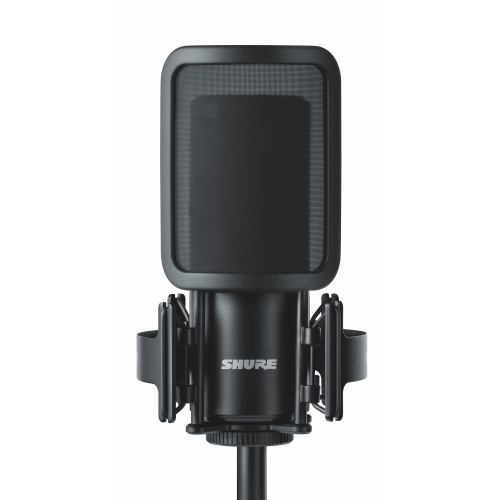
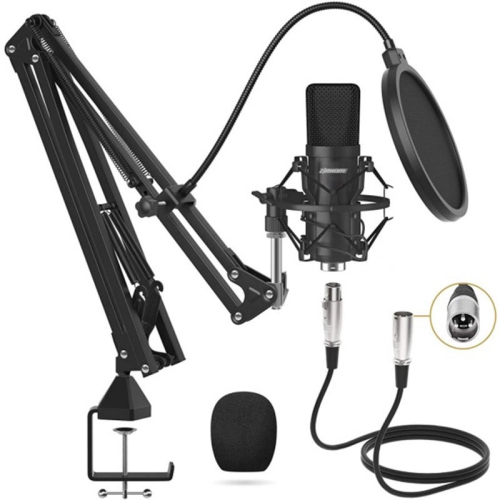
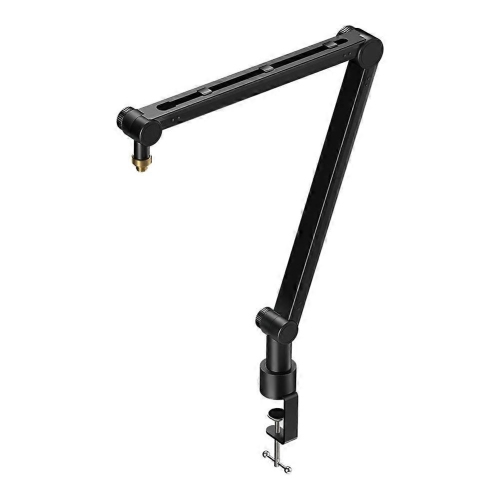
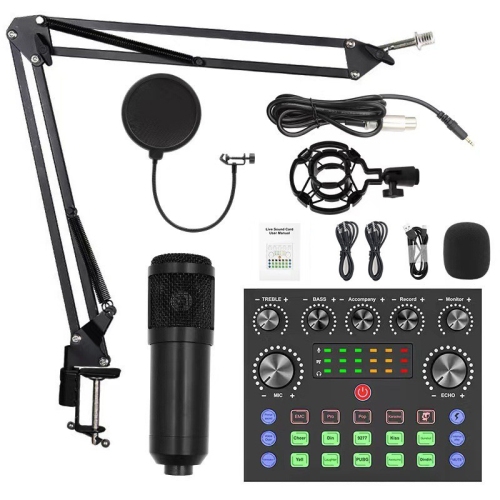
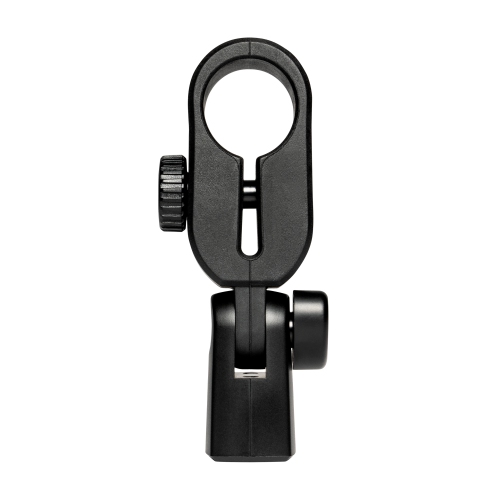
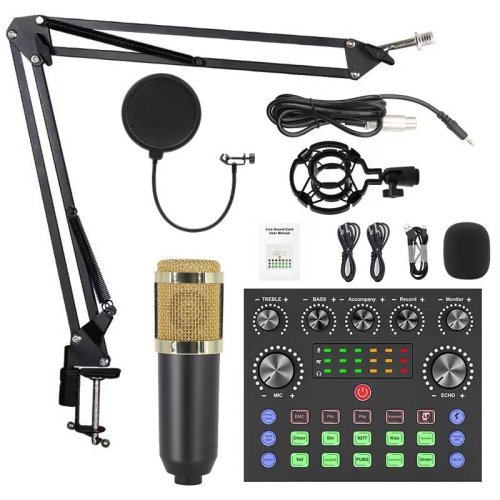
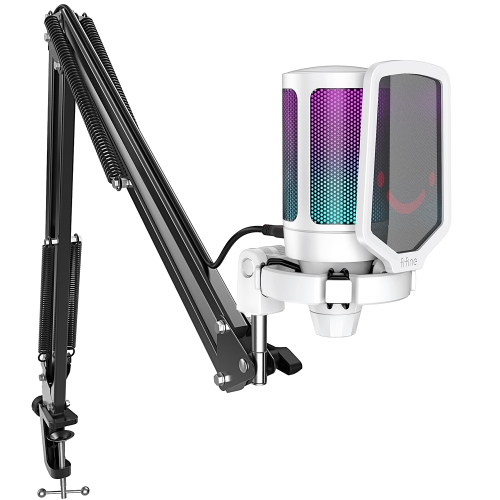
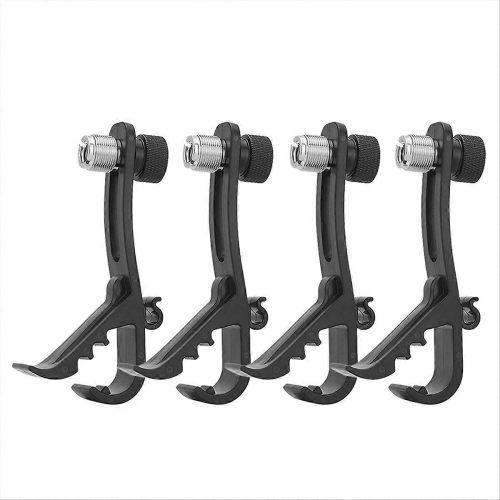
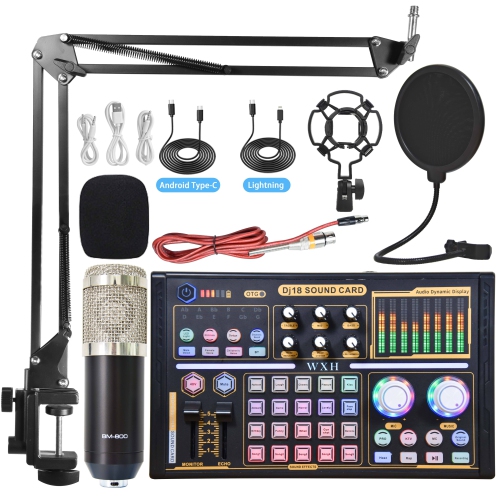
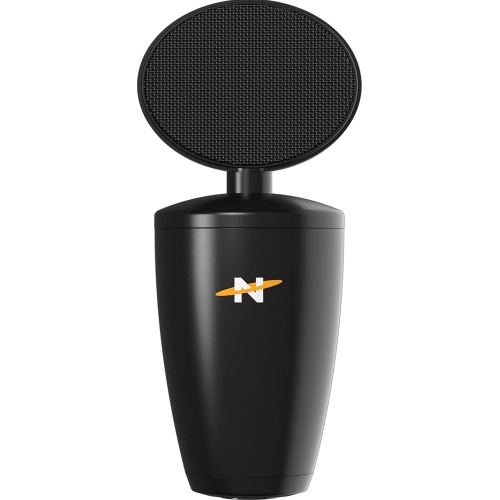
Reduce vibration for clearer, steadier microphone recordings
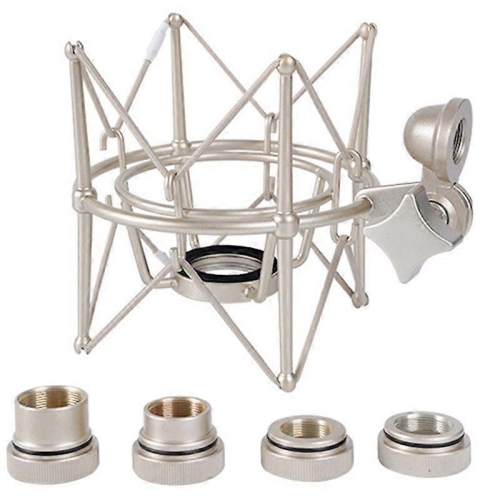
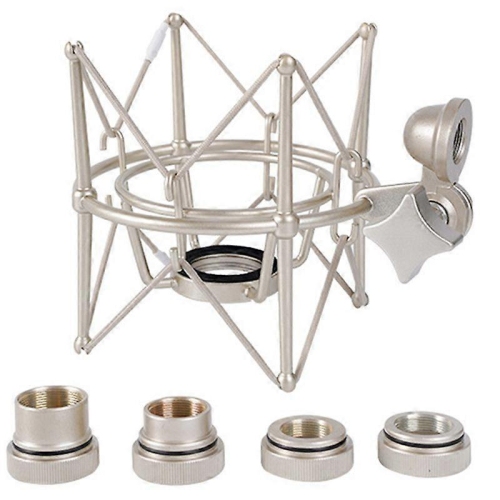
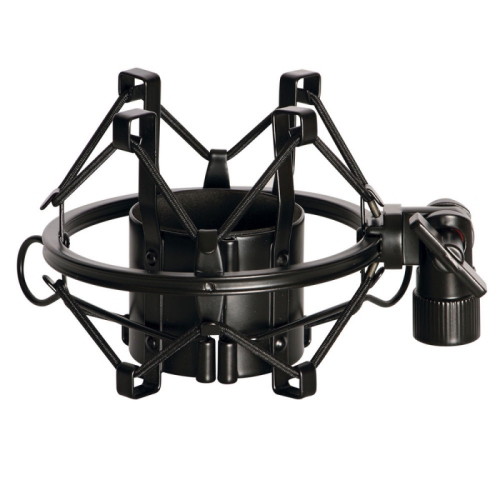
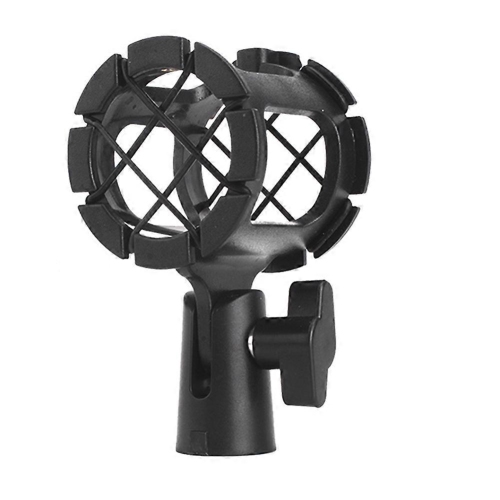
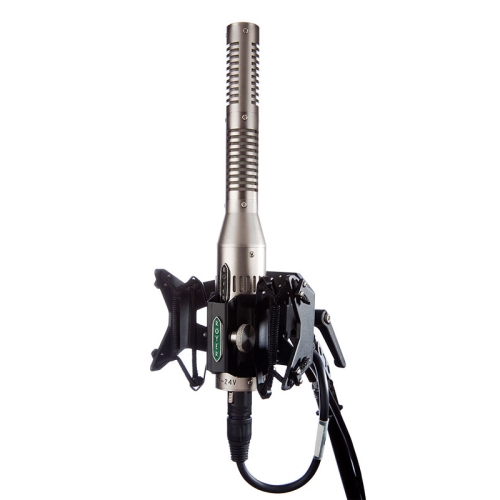
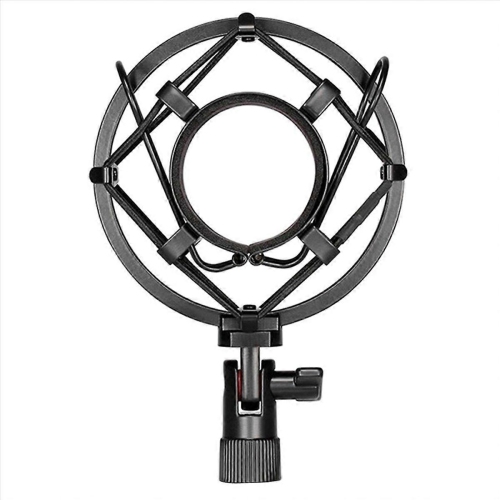
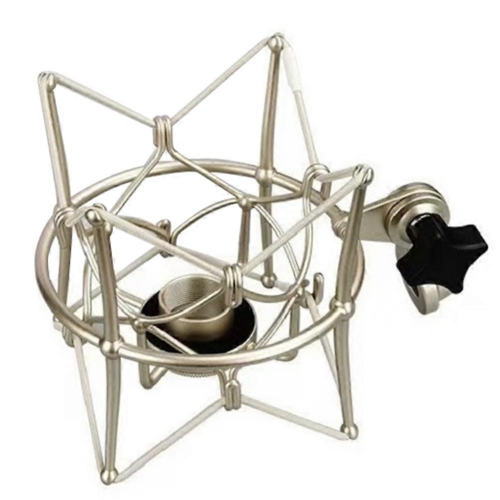
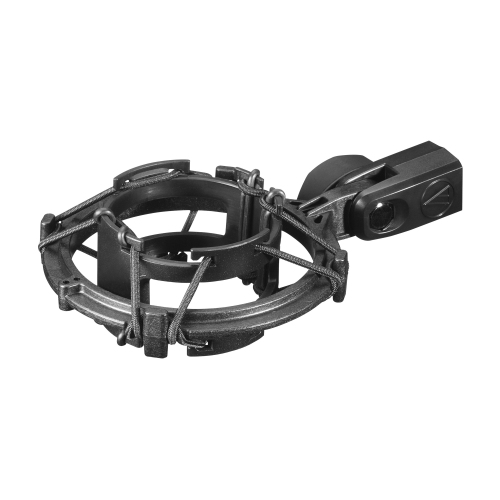
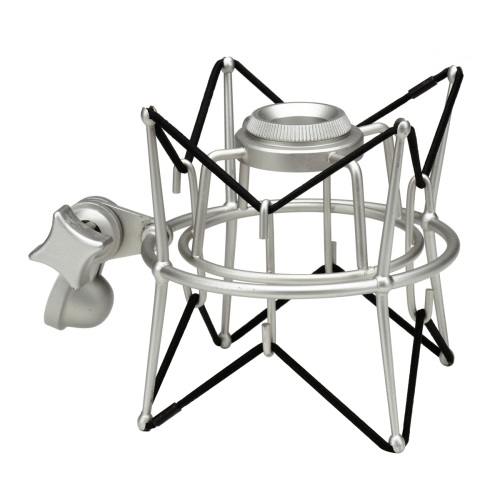
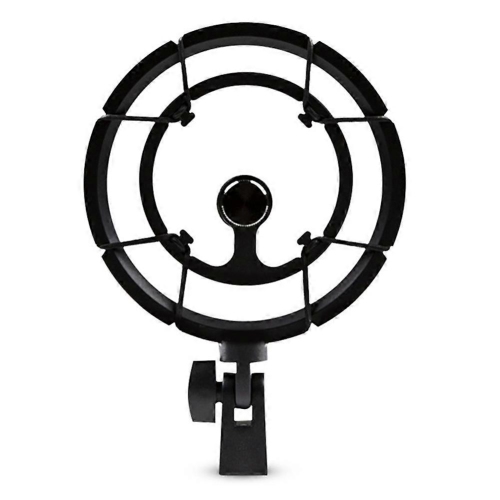
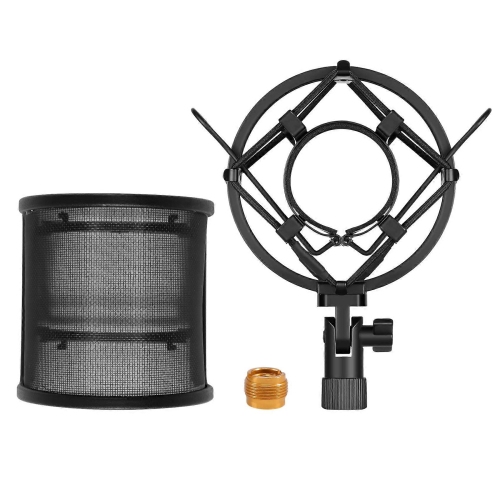
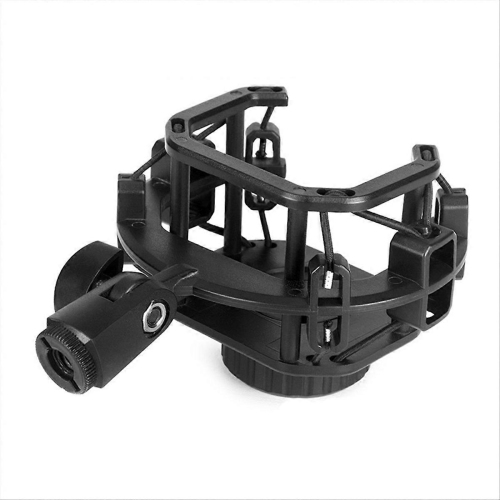
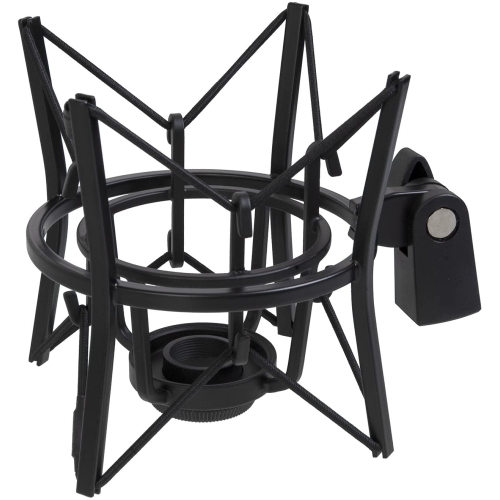
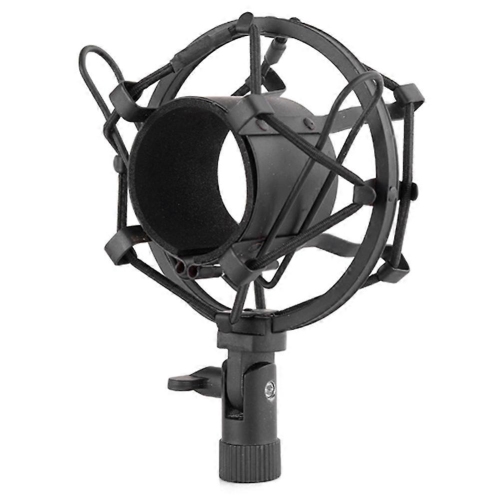
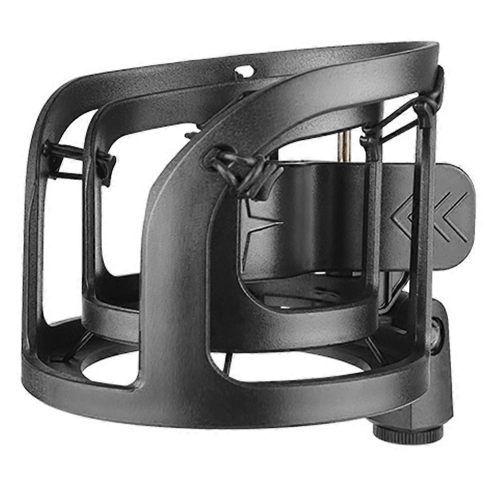
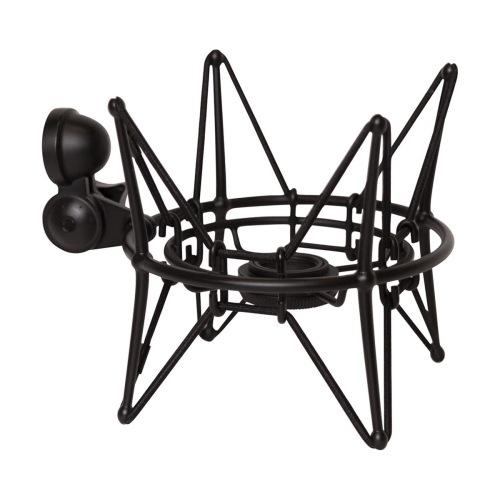
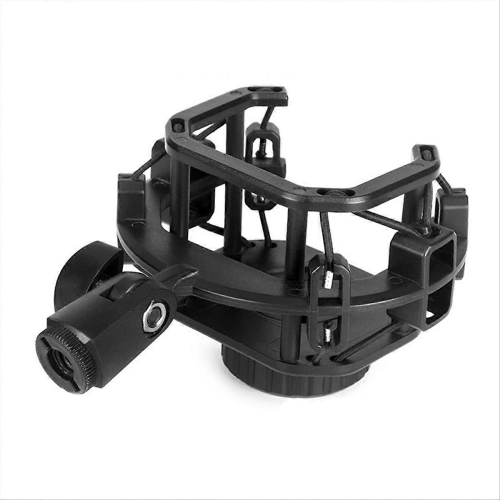
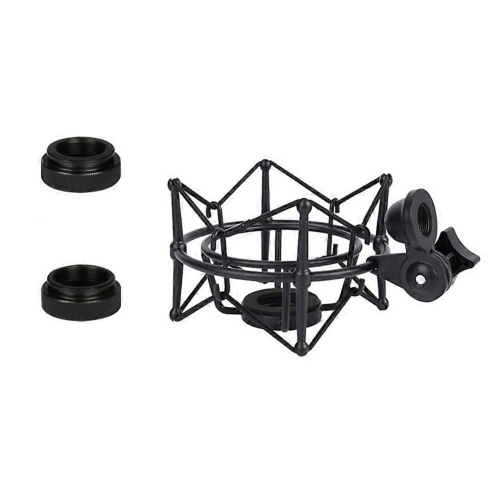
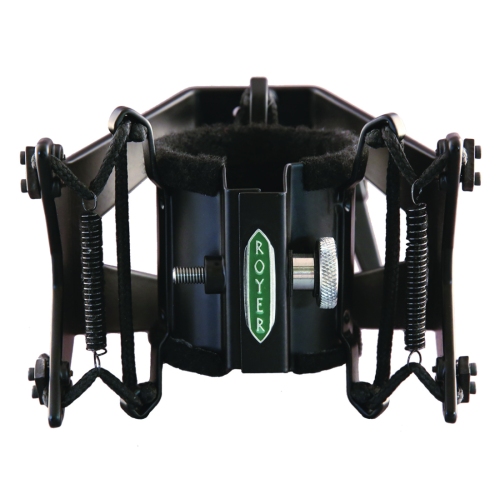
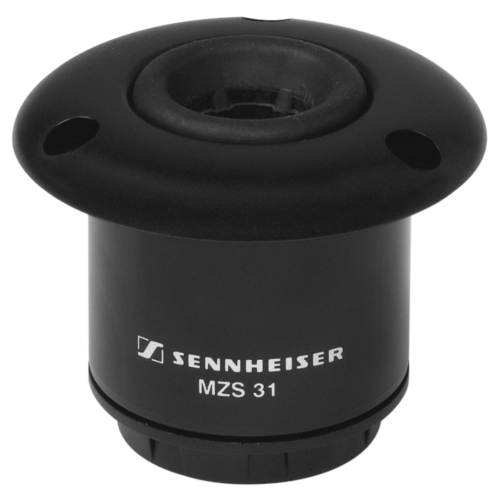
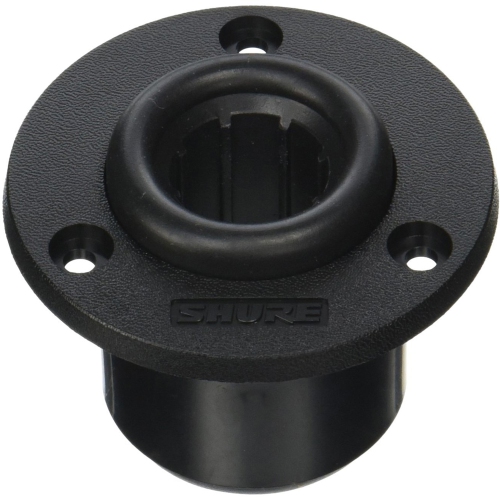
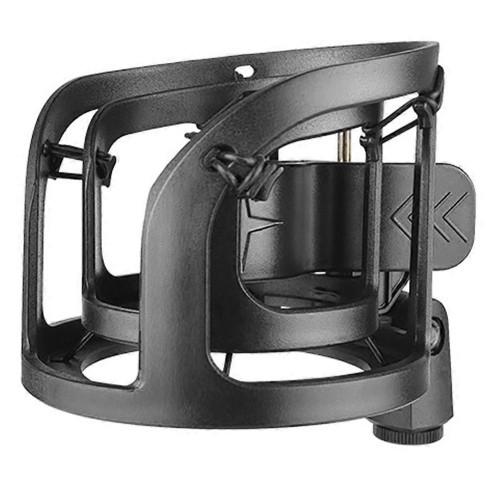
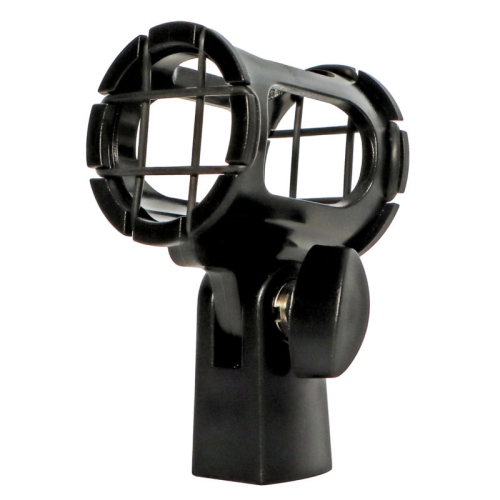
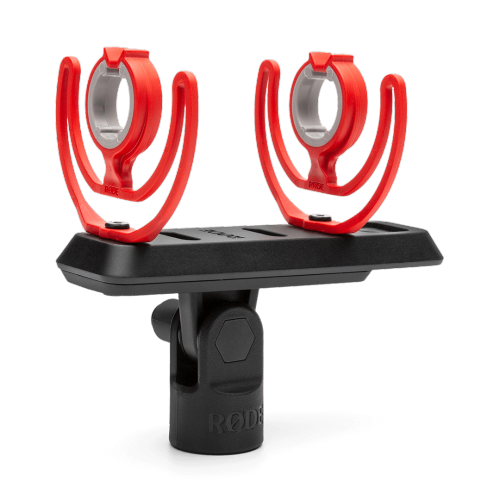
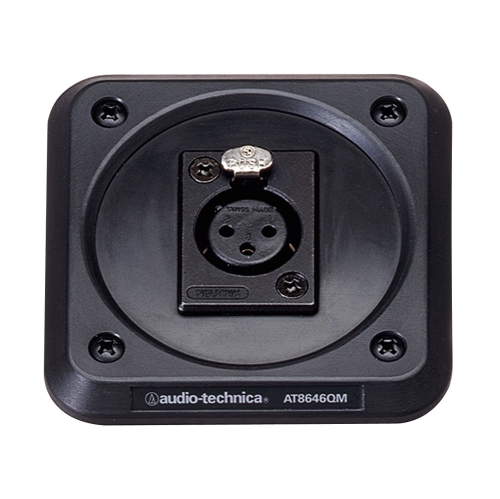
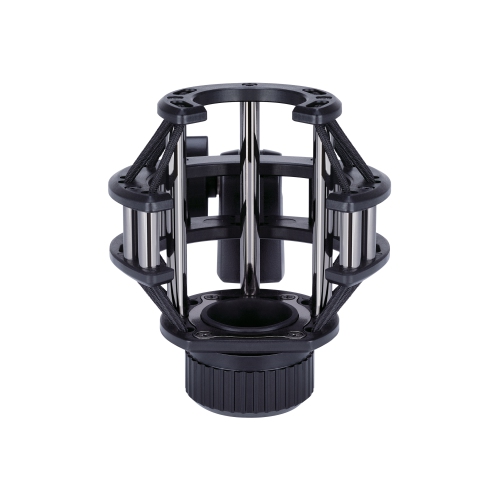
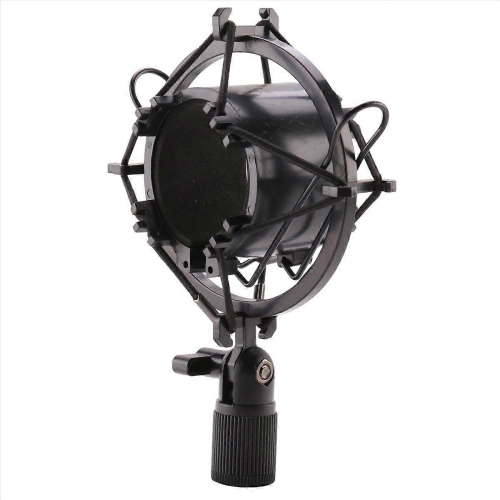
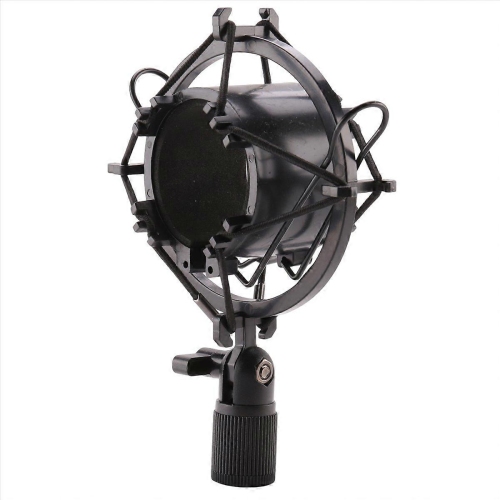
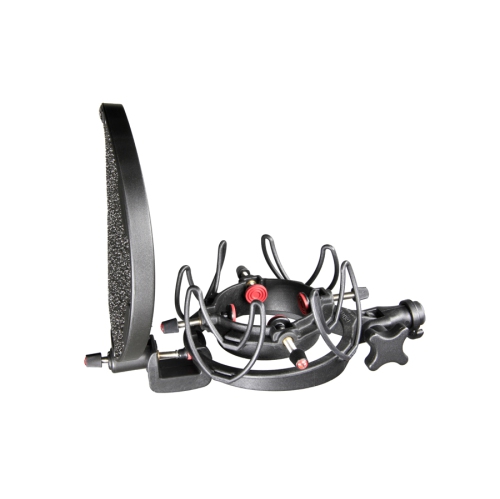
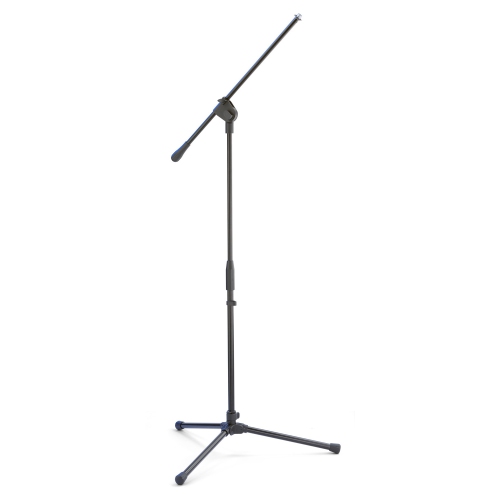
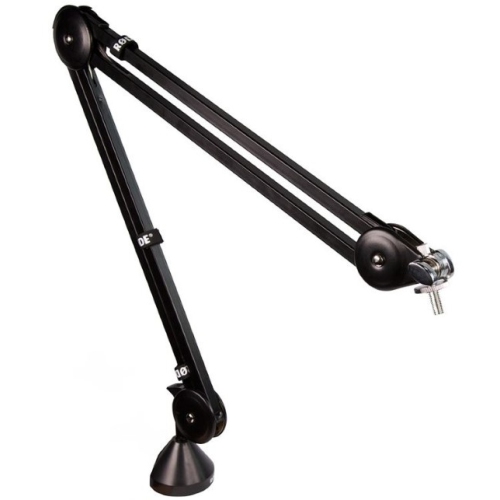
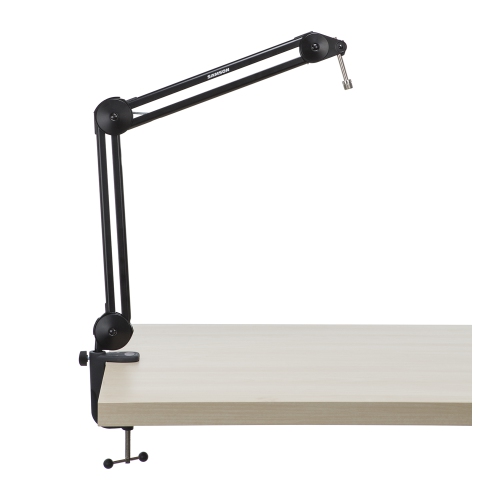
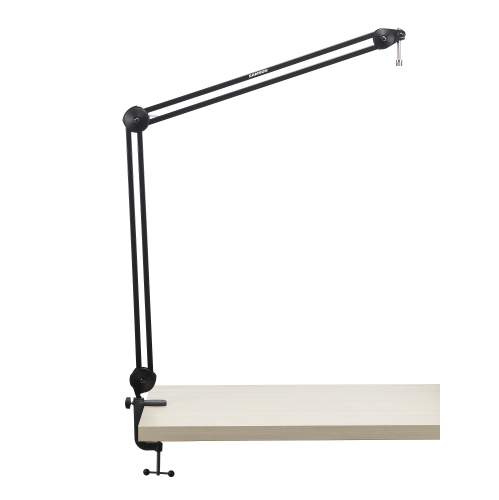
Microphone shock mounts are suspension accessories designed to isolate a microphone from physical vibrations before those vibrations become part of a recording. A desk bump, a hand brushing against a stand, footsteps across a hard floor, or the low rumble of a boom arm being adjusted can travel through the stand and into the microphone. That movement may be barely noticeable in the room, yet it can appear in a recording as a dull thud, low-frequency rumble, or handling noise that is difficult to remove without affecting the voice or music around it. A shock mount uses a cradle and flexible suspension elements, often elastic bands, to hold the microphone while creating a buffer between the microphone body and the stand or mounting surface. This can be especially useful with condenser microphones, which are commonly used for podcasts, voice-over work, streaming, vocals, instruments, online lessons, and home recording. It is also a practical addition for anyone who has built a recording corner at home and wants cleaner, steadier sound without changing the room or replacing the microphone. For a setup with a floor stand, desk arm, or other support, browse Microphone Mic Stands to find a suitable foundation for the rest of the equipment. Used together, a stable stand and a compatible shock mount can help keep the microphone in position while reducing the small vibrations caused by everyday movement.
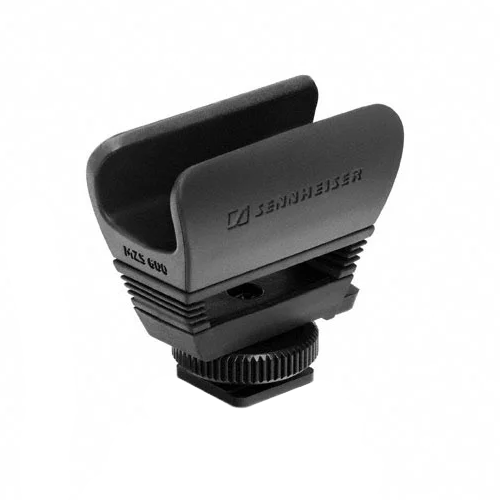
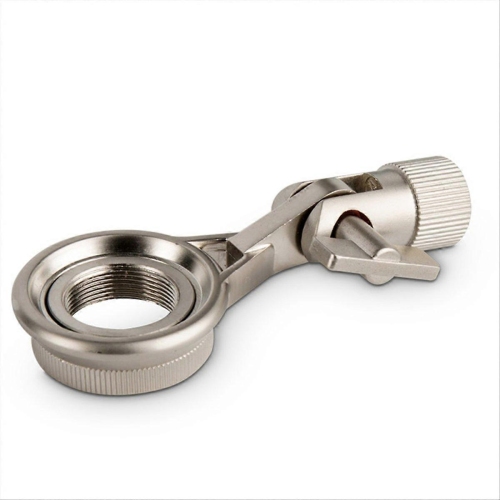
Compatibility is the most important consideration when choosing a microphone shock mount. Check the microphone’s shape, diameter, weight, and mounting connection before making a selection, since a cradle that is too large may allow the microphone to shift, while one that is too small may place pressure on the housing or fail to hold it securely. Many general-purpose mounts are made for cylindrical condenser microphones and use adjustable elastic bands to create a snug suspension. These bands should be firm enough to keep the microphone centred, but not stretched or twisted in a way that interferes with installation. It is also worth checking the thread size and the included adapter, particularly when connecting the mount to a desk boom arm, camera, tripod, or boom pole. Some compact designs include a cold shoe connection for camera-based recording, while others provide a 1/4-inch thread for common camera and support accessories. A mount intended for a camera or portable boom setup may have a different profile from one designed for a studio microphone, so matching the mounting hardware to the recording environment helps prevent awkward positioning. Consider the microphone’s controls and cable connection as well: the suspension should not block gain dials, switches, ports, or the path of the cable. In a busy home studio, these details make a noticeable difference. A mount that holds the microphone securely, leaves room for adjustments, and fits the chosen support can make recording feel calmer, especially when a speaker is settling into a long interview or a musician is concentrating on a quiet passage.
Shock mounts are useful for a wide range of listeners, creators, and performers. A podcaster may use one to reduce desk vibrations when taking notes or moving a drink nearby. A gaming streamer can benefit from less noise when adjusting a keyboard, leaning toward the microphone, or shifting in a chair during an intense match. Voice actors, teachers, remote workers, and video creators may appreciate the added isolation when recording in a room where every small sound seems to carry. Musicians can use a compatible mount for vocals, acoustic instruments, or demonstrations where a steady microphone position helps keep the performance consistent. They can also make a thoughtful gift for someone setting up a first recording space, especially during the cooler months when more creative time may be spent indoors. A shock mount is compact, easy to add to an existing setup, and useful even when the recipient already owns a microphone and stand. Installation generally involves placing the microphone into the cradle, securing the suspension bands evenly, attaching the mount to the chosen support, and checking that the microphone remains balanced. Keep the microphone cable from pulling against the mount, and leave enough space for the suspension to move without touching the stand or nearby equipment. A shock mount cannot remove every sound from a recording, and it will not replace good microphone technique, a quiet room, or careful positioning, but it can reduce the mechanical vibrations that are otherwise easy to overlook. Whether the goal is a smoother podcast, clearer live commentary, more controlled voice-over work, or a dependable home music setup, selecting the right size and connection helps the microphone perform at its best through changing recording spaces and routines.
Compatibility is the most important consideration when choosing a microphone shock mount. Check the microphone’s shape, diameter, weight, and mounting connection before making a selection, since a cradle that is too large may allow the microphone to shift, while one that is too small may place pressure on the housing or fail to hold it securely. Many general-purpose mounts are made for cylindrical condenser microphones and use adjustable elastic bands to create a snug suspension. These bands should be firm enough to keep the microphone centred, but not stretched or twisted in a way that interferes with installation. It is also worth checking the thread size and the included adapter, particularly when connecting the mount to a desk boom arm, camera, tripod, or boom pole. Some compact designs include a cold shoe connection for camera-based recording, while others provide a 1/4-inch thread for common camera and support accessories. A mount intended for a camera or portable boom setup may have a different profile from one designed for a studio microphone, so matching the mounting hardware to the recording environment helps prevent awkward positioning. Consider the microphone’s controls and cable connection as well: the suspension should not block gain dials, switches, ports, or the path of the cable. In a busy home studio, these details make a noticeable difference. A mount that holds the microphone securely, leaves room for adjustments, and fits the chosen support can make recording feel calmer, especially when a speaker is settling into a long interview or a musician is concentrating on a quiet passage.
Shock mounts are useful for a wide range of listeners, creators, and performers. A podcaster may use one to reduce desk vibrations when taking notes or moving a drink nearby. A gaming streamer can benefit from less noise when adjusting a keyboard, leaning toward the microphone, or shifting in a chair during an intense match. Voice actors, teachers, remote workers, and video creators may appreciate the added isolation when recording in a room where every small sound seems to carry. Musicians can use a compatible mount for vocals, acoustic instruments, or demonstrations where a steady microphone position helps keep the performance consistent. They can also make a thoughtful gift for someone setting up a first recording space, especially during the cooler months when more creative time may be spent indoors. A shock mount is compact, easy to add to an existing setup, and useful even when the recipient already owns a microphone and stand. Installation generally involves placing the microphone into the cradle, securing the suspension bands evenly, attaching the mount to the chosen support, and checking that the microphone remains balanced. Keep the microphone cable from pulling against the mount, and leave enough space for the suspension to move without touching the stand or nearby equipment. A shock mount cannot remove every sound from a recording, and it will not replace good microphone technique, a quiet room, or careful positioning, but it can reduce the mechanical vibrations that are otherwise easy to overlook. Whether the goal is a smoother podcast, clearer live commentary, more controlled voice-over work, or a dependable home music setup, selecting the right size and connection helps the microphone perform at its best through changing recording spaces and routines.
Top selling and popular products
-
 Your price for this item is $120.99
 -
 Your price for this item is $199
 -
 Your price for this item is $39.99
 -
 Your price for this item is $149
 -
 Your price for this item is $99.99
 -
 Your price for this item is $149.99
 -
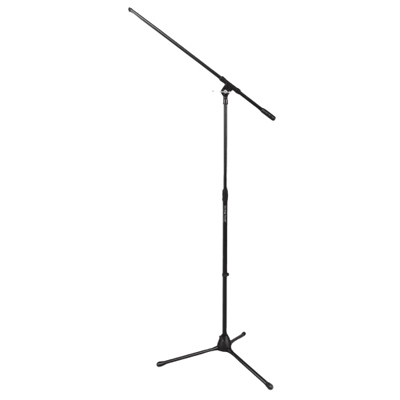 Your price for this item is $49.99
 -
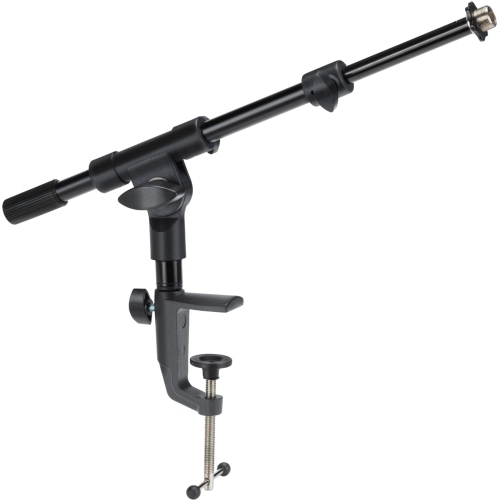 Your price for this item is $64.99
Discover more categories related to Microphone Shock Mounts
Top Collections:
Pokemon Centers, Best Cameras for Sports Photography, Kindle Devices, Samsung Galaxy Phones, Canon G7X Cameras, Pokémon 30th Celebration Cards, Refurbished Apple Laptops, iPhone 15 Apple, Laptops for Students, Budget Smartphones
Some products may be subject to Environmental Handling Fees
(EHF) depending on your province.
Learn more about EHFs.