Midi Guitar Controllers
Looking to take your music production to the next level? Look no further than our extensive selection of midi guitar controllers. These innovative devices combine the versatility of a MIDI controller with the familiarity and playability of a guitar, allowing you to create and control electronic music with ease. Whether you're a seasoned musician or just starting, these midi guitar controllers offer an intuitive and expressive way to unleash your creativity and bring your musical ideas to life. Explore our range of midi guitar controllers today and elevate your music production game like never before.
Sort

Turn guitar technique into expressive digital instrument control
MIDI guitar controllers bring familiar guitar techniques into digital music-making, allowing players to use string movement, fretting, picking, and other performance gestures to control virtual instruments, synthesizers, samplers, and digital audio workstations (DAWs). Unlike a traditional guitar, which sends an audio signal that is shaped by amplifiers, effects, and recording equipment, a MIDI guitar controller sends performance data that software can interpret as notes, pitch, velocity, bends, slides, or other control information. This makes it possible to play a piano, organ, orchestral sound, drum kit, bass patch, or electronic texture from a guitar-style interface. The category generally includes three types of setups. Hardware conversion systems use a specialised pickup, often mounted on an electric guitar, to detect each string separately and translate the information into MIDI data. Software conversion uses the audio from a standard guitar and processes it through an audio interface and compatible software, offering a flexible way to explore MIDI without changing the instrument itself. Dedicated guitar-shaped controllers use built-in sensors, touch-sensitive fretboards, or other digital tracking systems, giving players an instrument designed specifically for electronic performance. Each approach can be useful, but the playing experience, tracking method, setup requirements, and compatibility may differ considerably.
When choosing among MIDI guitar controllers, start by considering how you plan to create music and what equipment you already have. A player who owns a favourite electric guitar may prefer a hardware pickup or software-based conversion that works with an existing instrument, while someone who wants a streamlined electronic setup may appreciate a dedicated controller with its own sensors and connection options. Check whether the controller requires a computer, mobile device, audio interface, MIDI adapter, USB connection, or additional software, and confirm that the included or compatible software works with your operating system and preferred DAW. Tracking performance is another important consideration. MIDI conversion has to interpret the timing and pitch of a vibrating string, so clean fretting, controlled picking, and accurate technique can help produce more reliable results. Some systems respond to each string independently, which can be useful for chords and layered arrangements, while others may be better suited to single-note lines, bass parts, melodies, or experimental sound design. Latency, or the short delay between playing a note and hearing the resulting sound, can also affect the feel of an instrument. Lower latency is especially valuable for live performance and expressive parts, while a small delay may be less noticeable when recording carefully arranged tracks. Look for adjustable sensitivity, string configuration, alternate tuning support, pitch-bend response, and the ability to customise MIDI channels or note ranges if you want greater control over your setup. It is also worth considering the physical design: a familiar neck and fret layout may feel natural to a guitarist, while a lighter or compact format may be more convenient for a desk, studio, classroom, or travel bag.
MIDI guitar controllers can suit a wide range of musicians, from guitarists exploring synthesizers to producers who want a more expressive alternative to a keyboard. Songwriters can use them to sketch arrangements with guitar in hand, then switch from a natural guitar sound to strings, brass, keys, pads, or unusual electronic voices without changing their playing position. Studio musicians may use one to create layered parts, trigger virtual instruments, or add melodic textures that would be difficult to perform with a mouse. Live performers can benefit from guitar-style access to backing sounds and effects, although a reliable connection, comfortable playing position, and responsive tracking are particularly important on stage. They can also be a thoughtful gift for a guitarist who already has recording equipment and wants to experiment with new sounds, as well as for a producer, music student, home-recording enthusiast, or experienced player interested in expanding beyond conventional amplification. During the cooler months, a MIDI guitar controller can provide an engaging indoor creative project, whether that means learning how MIDI works, building a first DAW session, or developing a complete recording routine. Before buying, consider the recipient’s playing experience, existing devices, software preferences, and comfort with setup. Beginners may value a straightforward connection and clearly supported software, while experienced users may prioritise detailed control, multi-string tracking, wireless operation, or advanced customisation. Accessories such as cables, adapters, mounting hardware, audio interfaces, headphones, and compatible software may be needed depending on the design. Exploring related MIDI Devices can also help place a guitar controller within a broader digital music setup, including keyboards, pad controllers, interfaces, and other tools for shaping performances.
When choosing among MIDI guitar controllers, start by considering how you plan to create music and what equipment you already have. A player who owns a favourite electric guitar may prefer a hardware pickup or software-based conversion that works with an existing instrument, while someone who wants a streamlined electronic setup may appreciate a dedicated controller with its own sensors and connection options. Check whether the controller requires a computer, mobile device, audio interface, MIDI adapter, USB connection, or additional software, and confirm that the included or compatible software works with your operating system and preferred DAW. Tracking performance is another important consideration. MIDI conversion has to interpret the timing and pitch of a vibrating string, so clean fretting, controlled picking, and accurate technique can help produce more reliable results. Some systems respond to each string independently, which can be useful for chords and layered arrangements, while others may be better suited to single-note lines, bass parts, melodies, or experimental sound design. Latency, or the short delay between playing a note and hearing the resulting sound, can also affect the feel of an instrument. Lower latency is especially valuable for live performance and expressive parts, while a small delay may be less noticeable when recording carefully arranged tracks. Look for adjustable sensitivity, string configuration, alternate tuning support, pitch-bend response, and the ability to customise MIDI channels or note ranges if you want greater control over your setup. It is also worth considering the physical design: a familiar neck and fret layout may feel natural to a guitarist, while a lighter or compact format may be more convenient for a desk, studio, classroom, or travel bag.
MIDI guitar controllers can suit a wide range of musicians, from guitarists exploring synthesizers to producers who want a more expressive alternative to a keyboard. Songwriters can use them to sketch arrangements with guitar in hand, then switch from a natural guitar sound to strings, brass, keys, pads, or unusual electronic voices without changing their playing position. Studio musicians may use one to create layered parts, trigger virtual instruments, or add melodic textures that would be difficult to perform with a mouse. Live performers can benefit from guitar-style access to backing sounds and effects, although a reliable connection, comfortable playing position, and responsive tracking are particularly important on stage. They can also be a thoughtful gift for a guitarist who already has recording equipment and wants to experiment with new sounds, as well as for a producer, music student, home-recording enthusiast, or experienced player interested in expanding beyond conventional amplification. During the cooler months, a MIDI guitar controller can provide an engaging indoor creative project, whether that means learning how MIDI works, building a first DAW session, or developing a complete recording routine. Before buying, consider the recipient’s playing experience, existing devices, software preferences, and comfort with setup. Beginners may value a straightforward connection and clearly supported software, while experienced users may prioritise detailed control, multi-string tracking, wireless operation, or advanced customisation. Accessories such as cables, adapters, mounting hardware, audio interfaces, headphones, and compatible software may be needed depending on the design. Exploring related MIDI Devices can also help place a guitar controller within a broader digital music setup, including keyboards, pad controllers, interfaces, and other tools for shaping performances.
Top selling and popular products
-
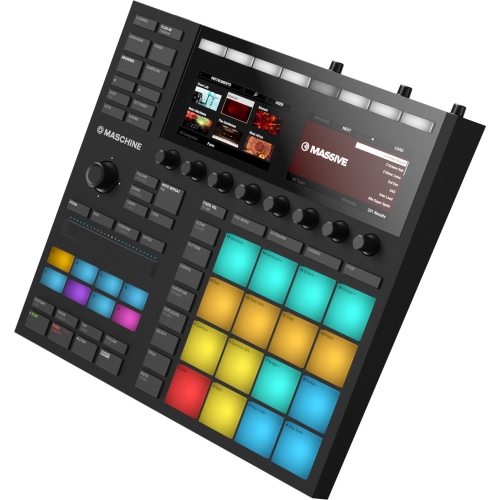 Your price for this item is $609
 -
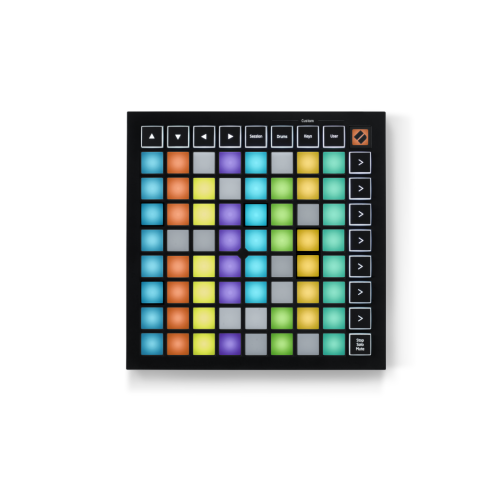 Your price for this item is $129.99
 -
![NOVATION Launchkey 25 [Mk3] Midi Keyboard Controller for Ableton Live](https://multimedia.bbycastatic.ca/multimedia/products/500x500/175/17552/17552265.png) Your price for this item is $169
Your price for this item is $169 -
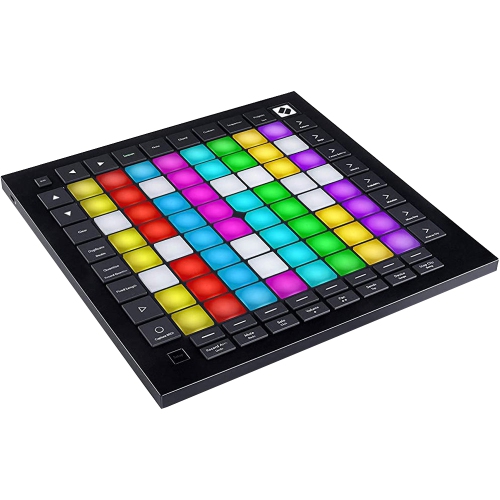 Your price for this item is $399.99
 -
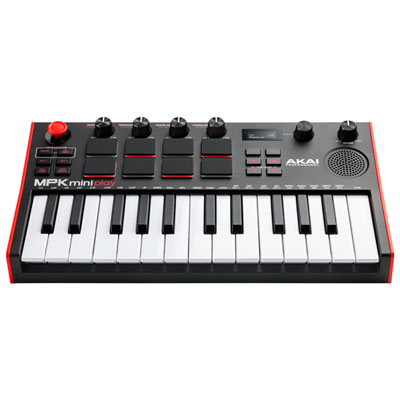 Your price for this item is $189.99
 -
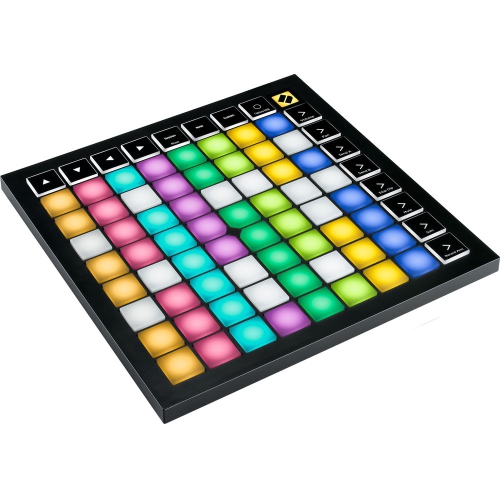 Your price for this item is $219.99
 -
![NOVATION Launchkey Mini 37 [Mk4] — Portable 37 Mini-Key, USB, Midi Keyboard Controller w Daw Integration. Chord Mode, Scale Mode, Drum Pads, And](https://multimedia.bbycastatic.ca/multimedia/products/500x500/196/19623/19623149.jpeg) Your price for this item is $229
Your price for this item is $229 -
![NOVATION Launchkey 61 [Mk4] – 61 Key Semi-Weighted, USB, Midi Keyboard Controller w Daw Integration. Chord & Scale Modes, 8 Drum Pads, &](https://multimedia.bbycastatic.ca/multimedia/products/500x500/196/19623/19623154.jpeg) Your price for this item is $399.99
Your price for this item is $399.99
Discover more categories related to Midi Guitar Controllers
Top Collections:
Pokemon Centers, Kindle Devices, Best Budget Office Chairs, Apple iPhones 16, Best Laptops for Writers, iPhone 15 Apple, Canon G7X Cameras, Refurbished Apple Laptops, Alarm Clock, Motorola Razr Phones
Some products may be subject to Environmental Handling Fees
(EHF) depending on your province.
Learn more about EHFs.