Music Studio Equipment
Transform your music production dreams into reality with this extensive music studio equipment. Whether you're a budding musician, a seasoned producer, or simply someone who loves creating music, we have everything you need to build the perfect studio setup. From high-quality microphones and headphones to versatile MIDI controllers and powerful software, our range of music studio equipment is designed to enhance your creativity and take your musical journey to new heights.
Sort
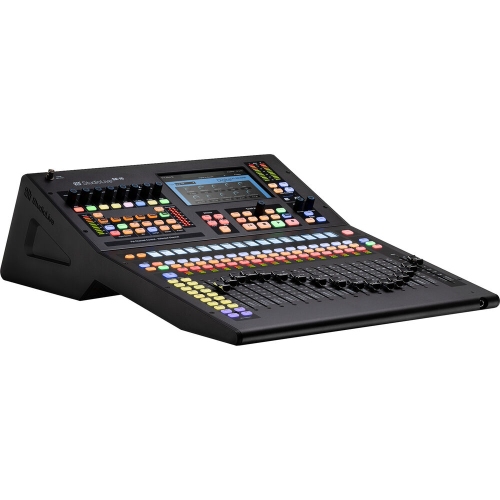
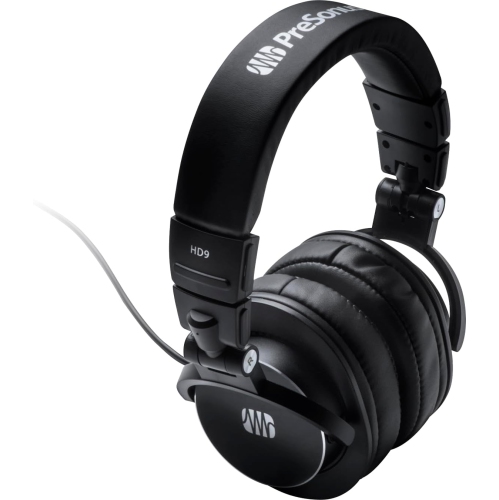
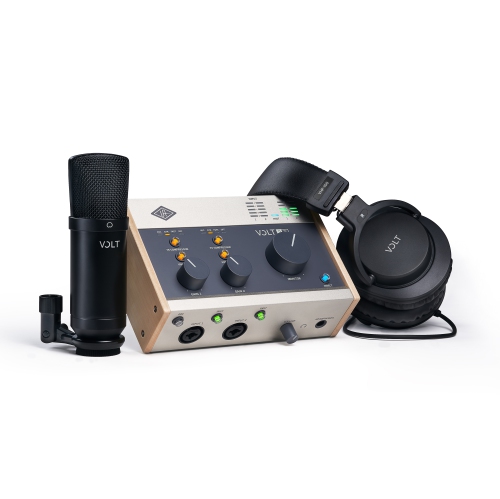
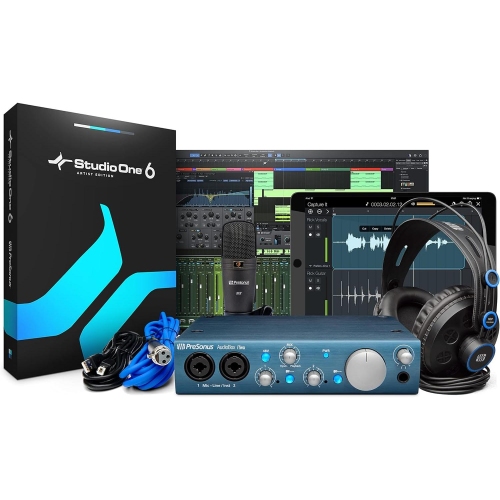
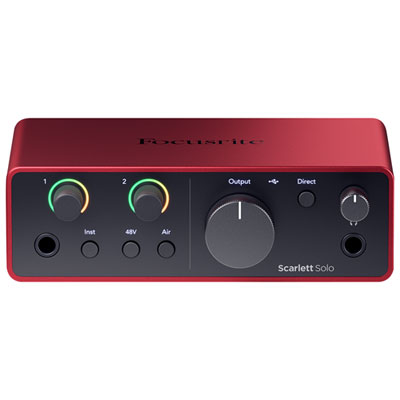
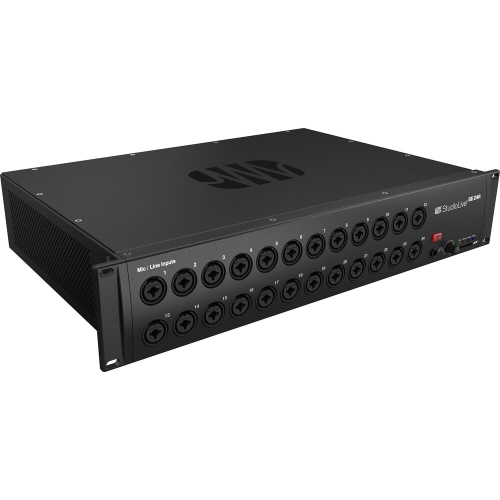
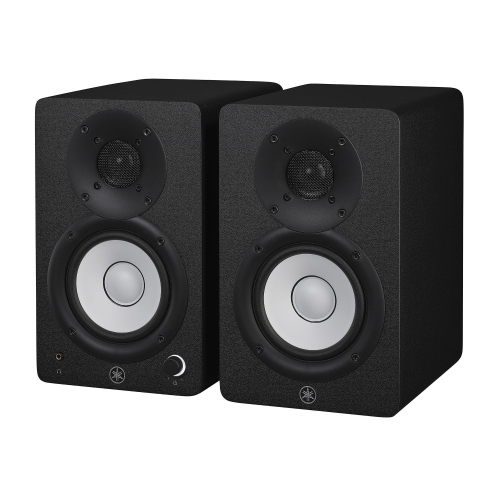

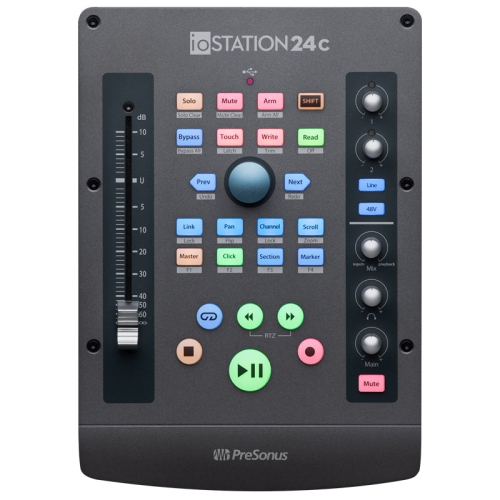
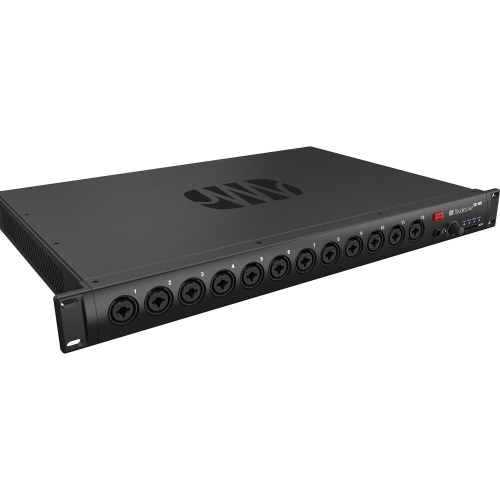
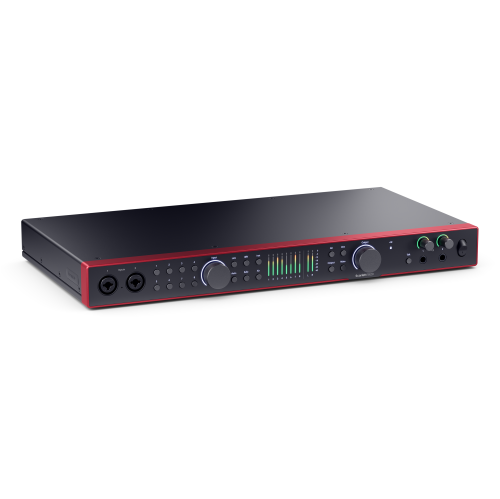

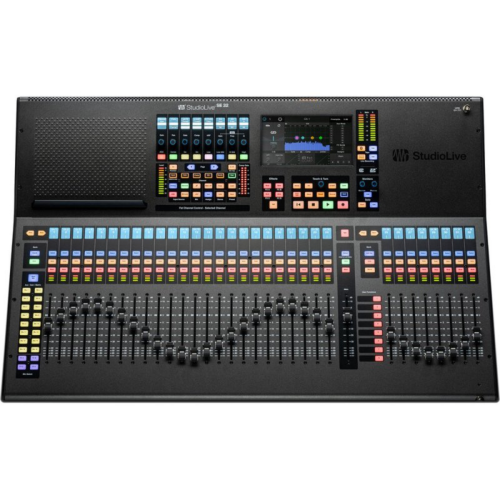
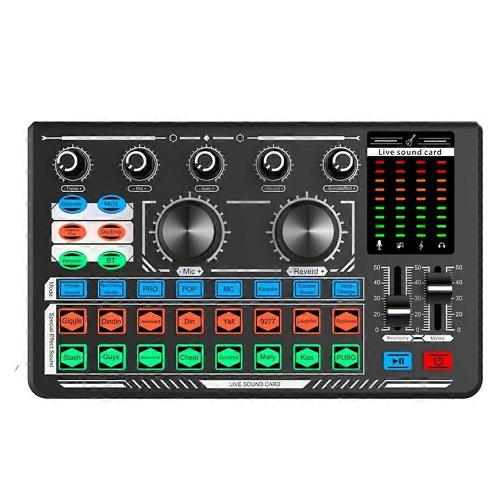
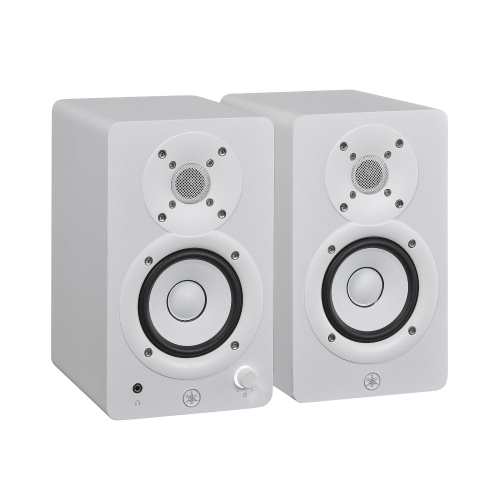

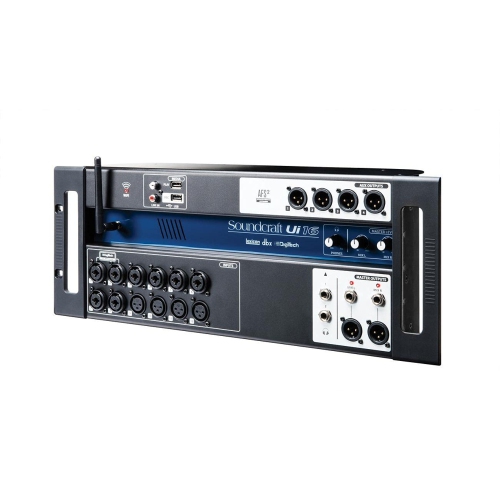
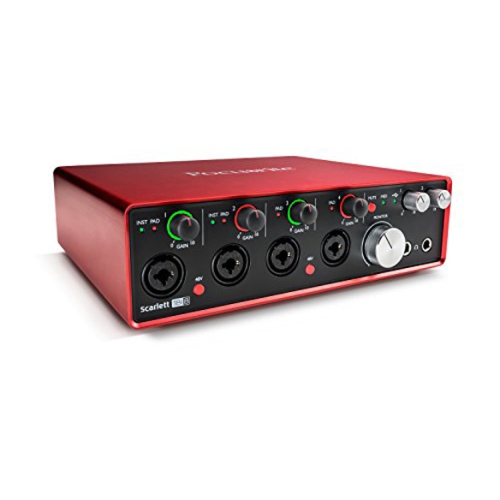
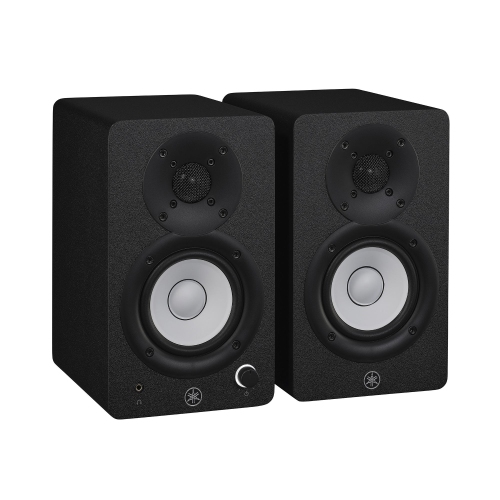
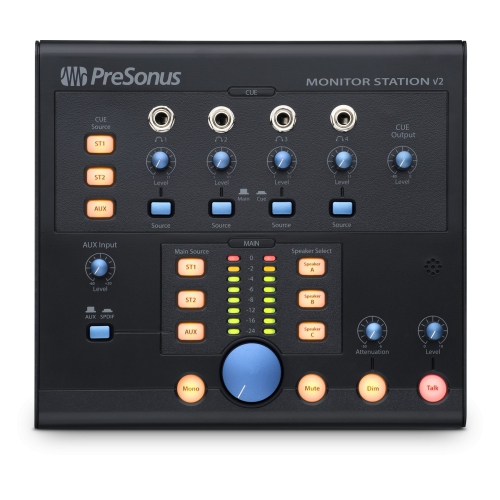
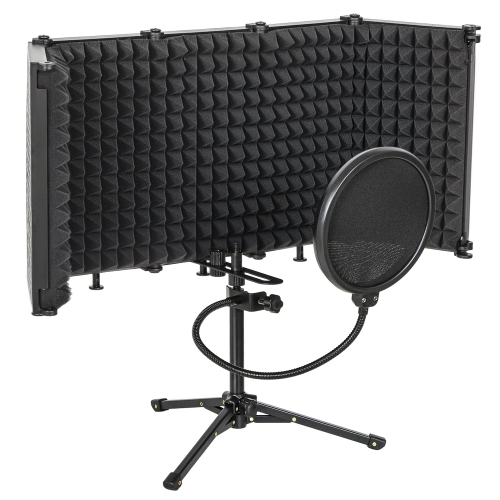
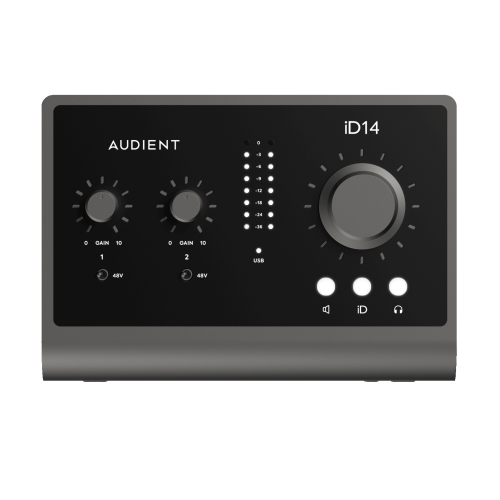
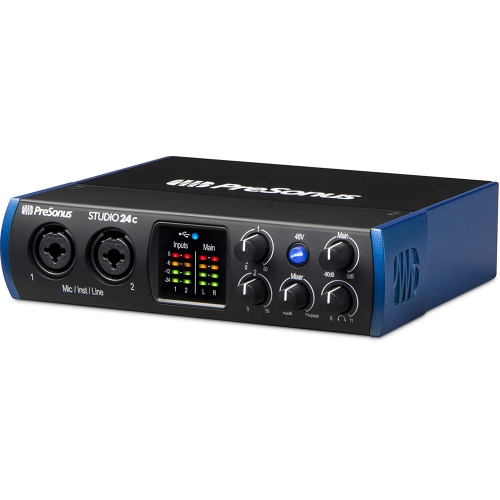
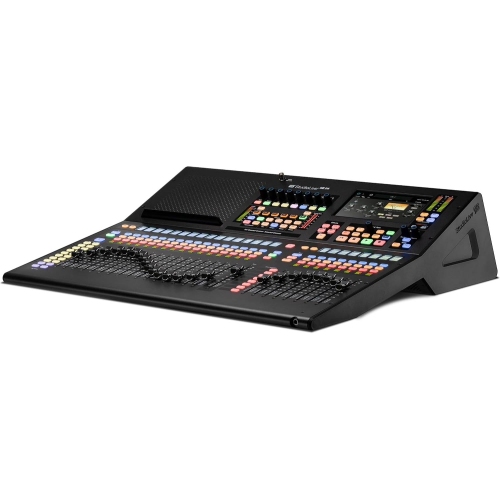
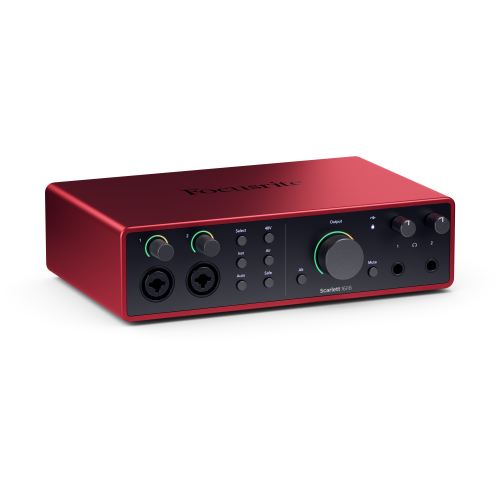
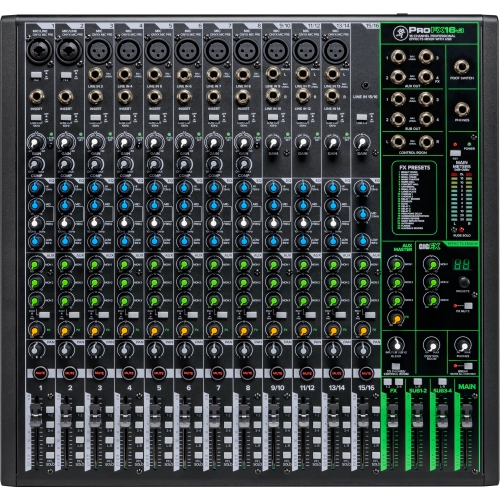
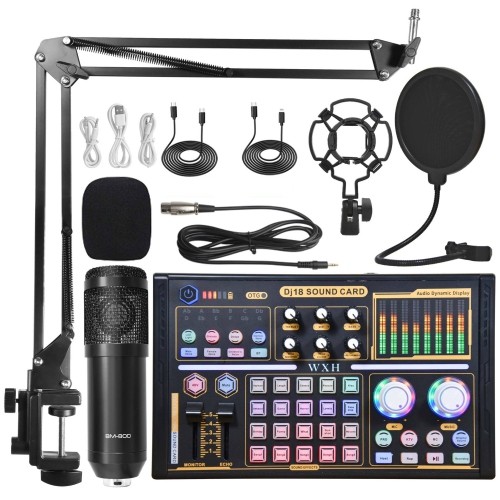
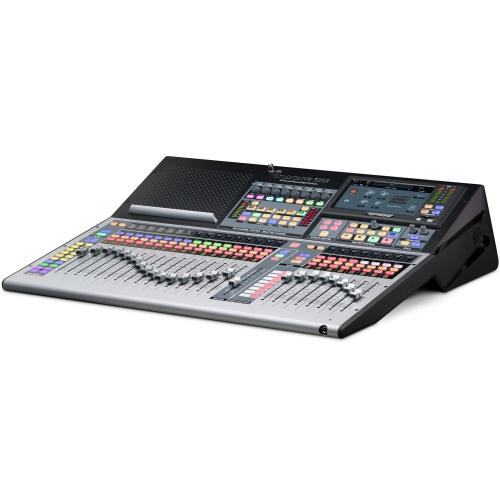
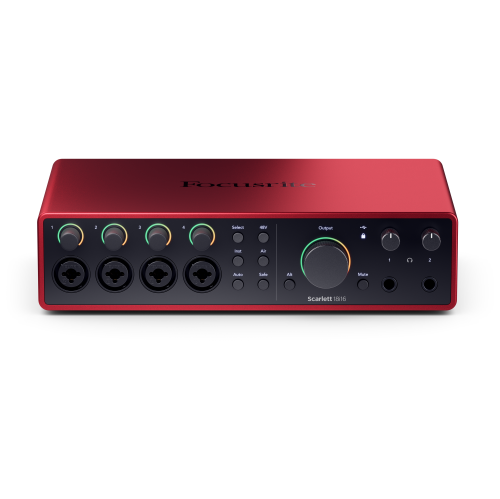
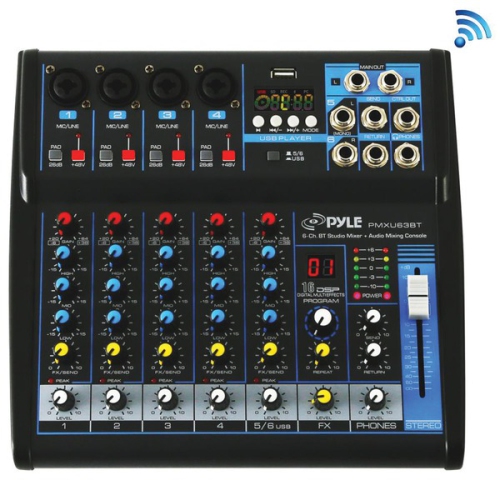
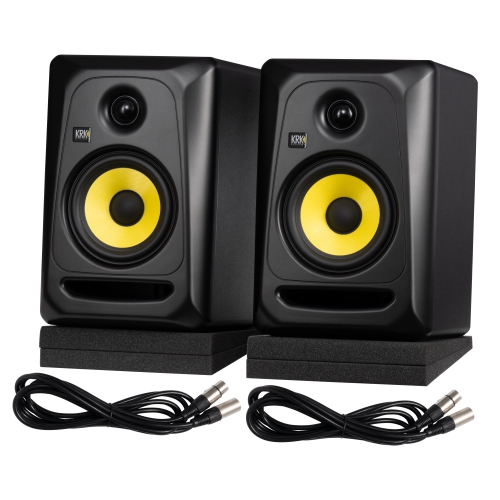
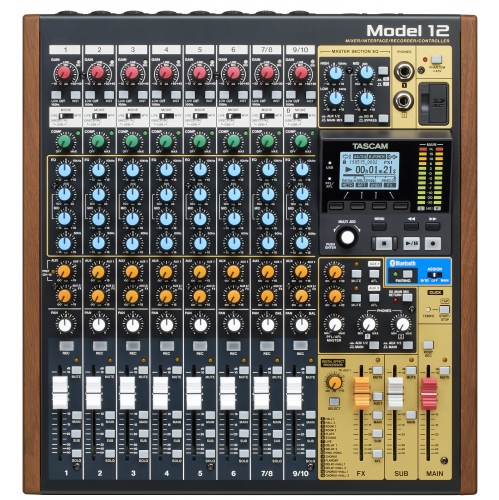
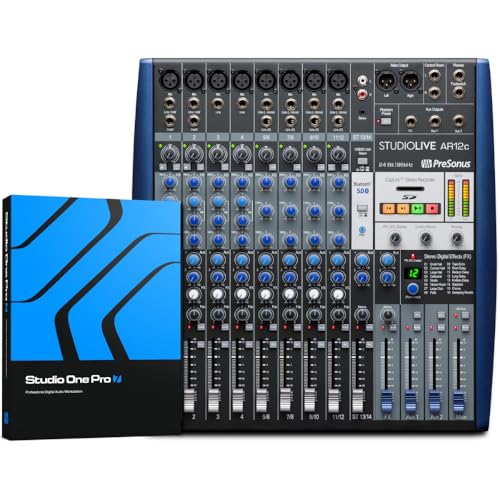
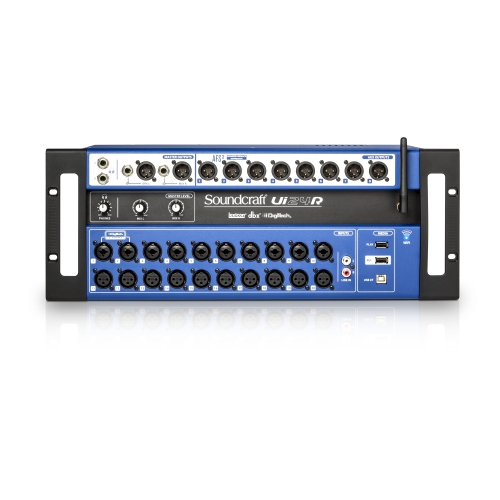
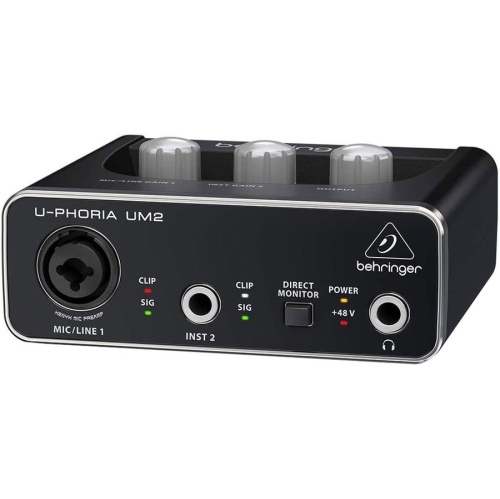
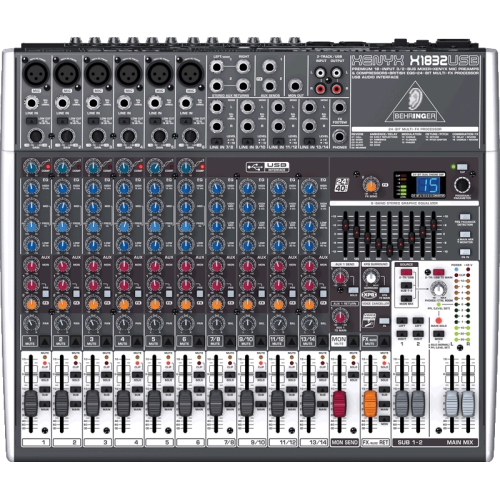
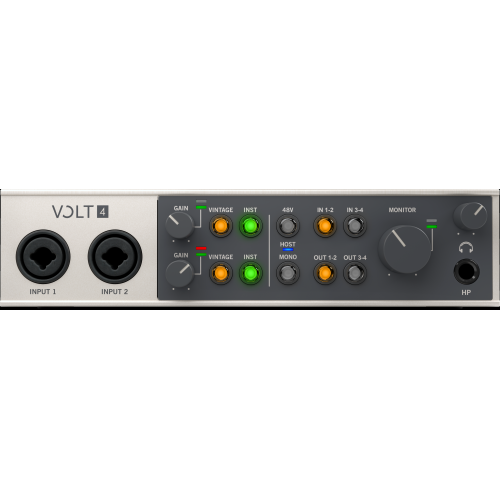
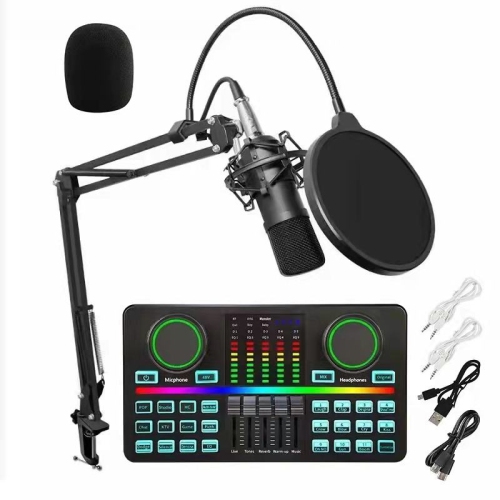
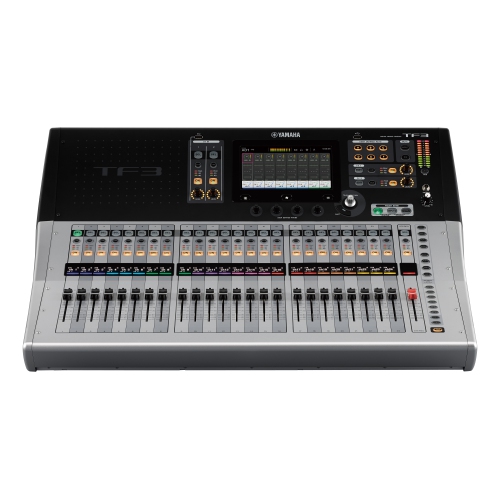
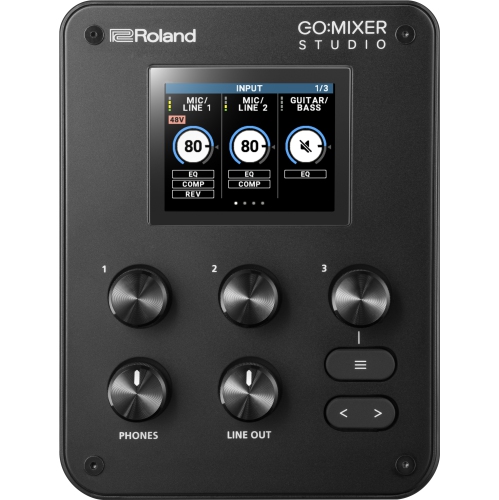
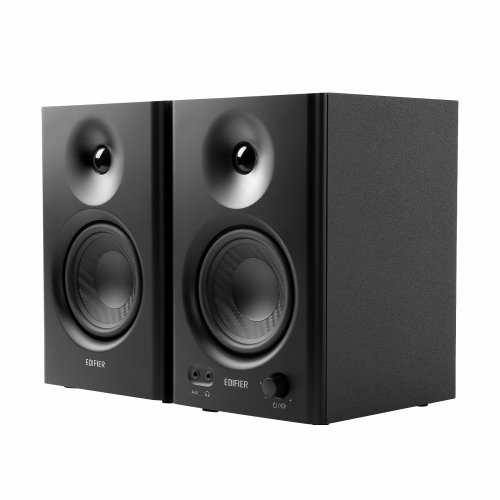
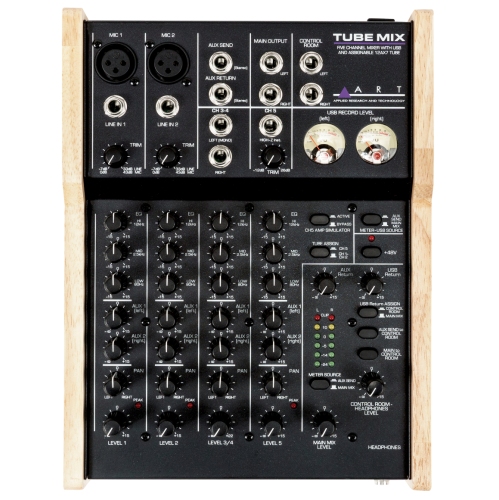
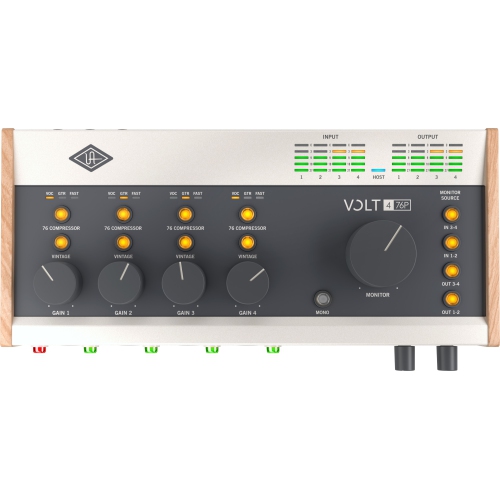
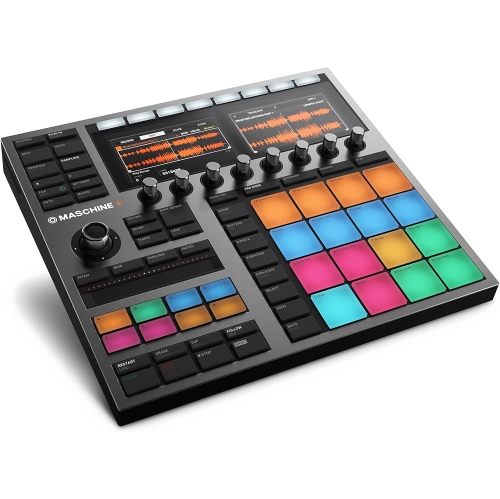
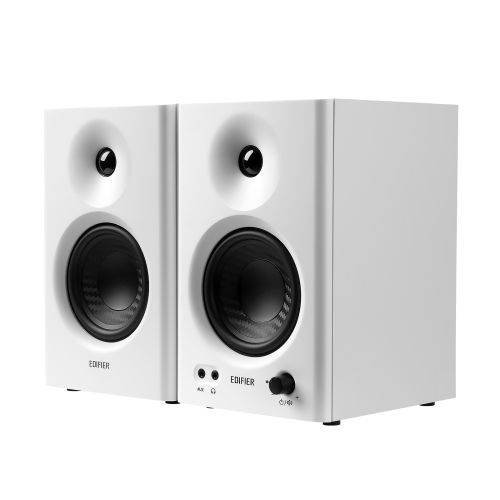

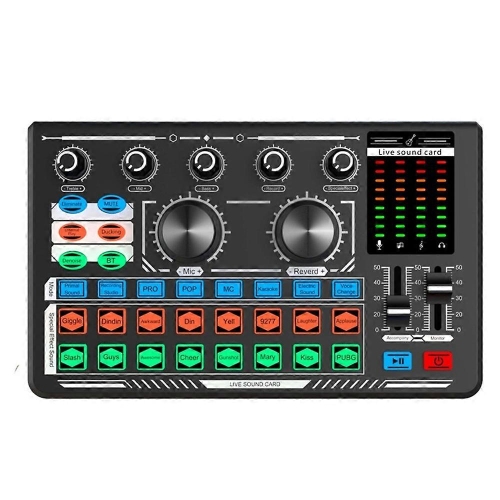
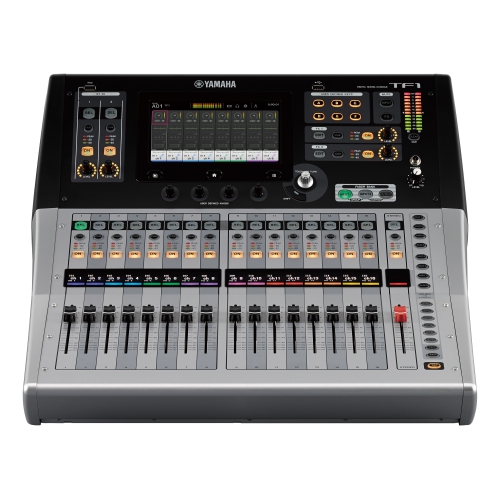
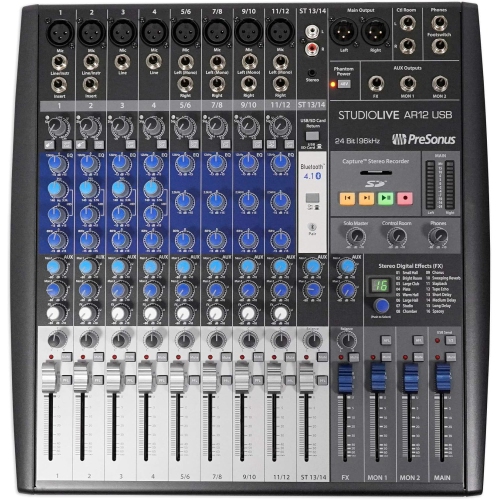
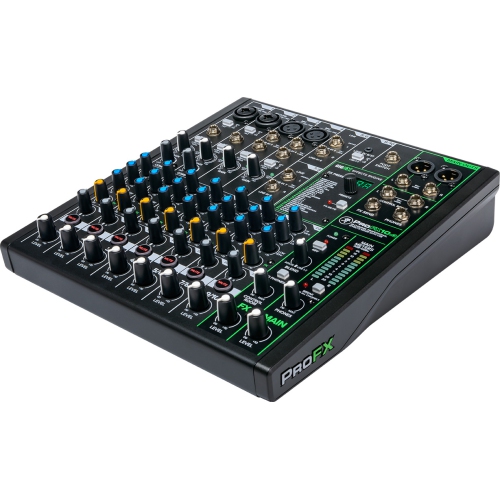
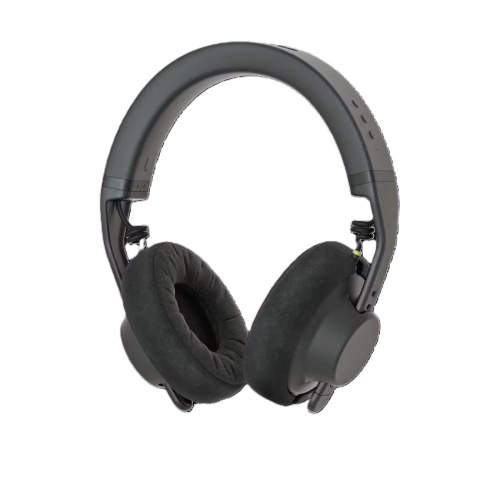
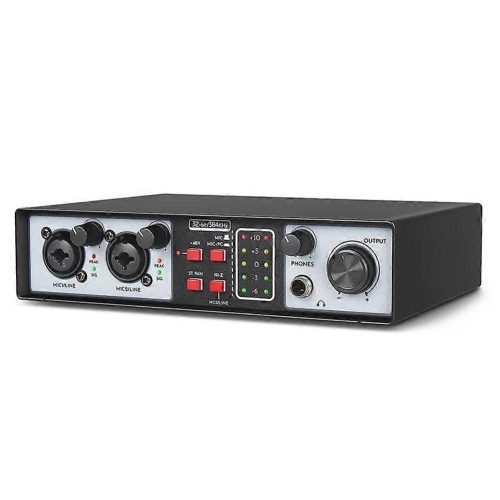

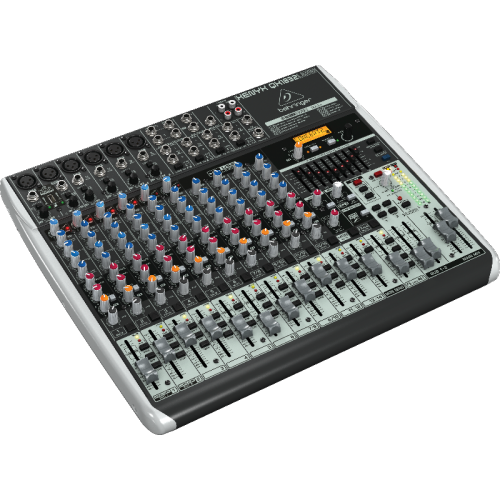
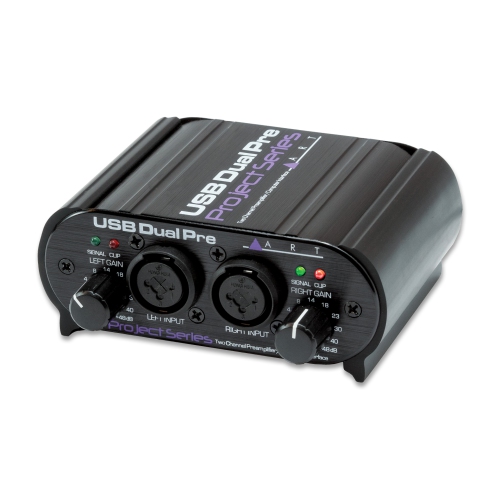
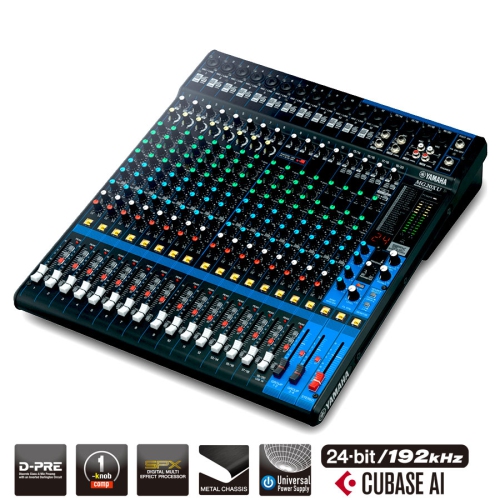
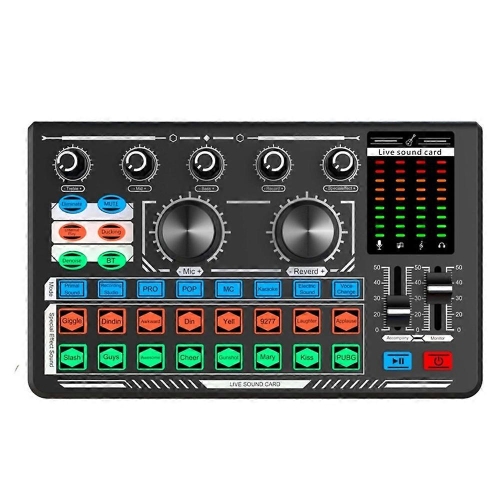
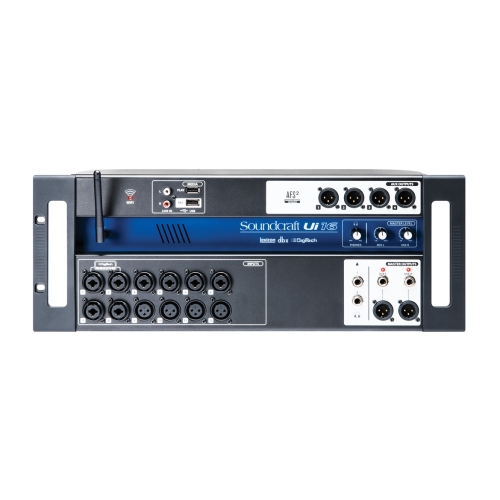
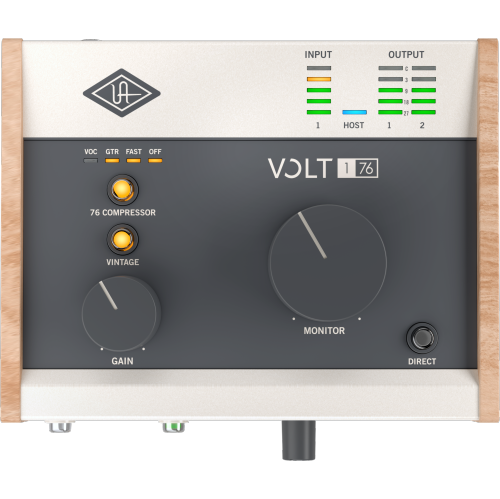
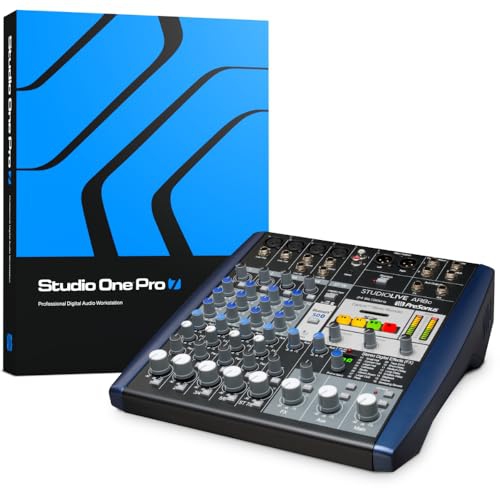
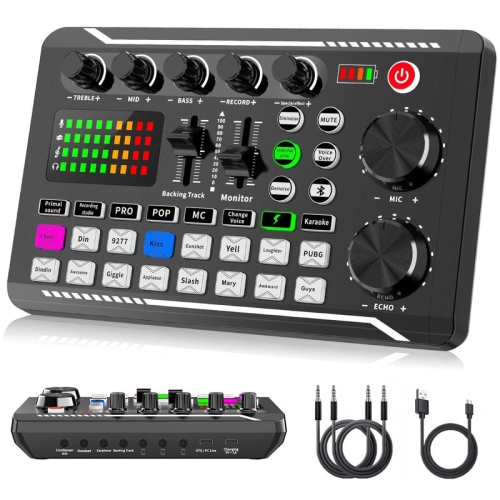
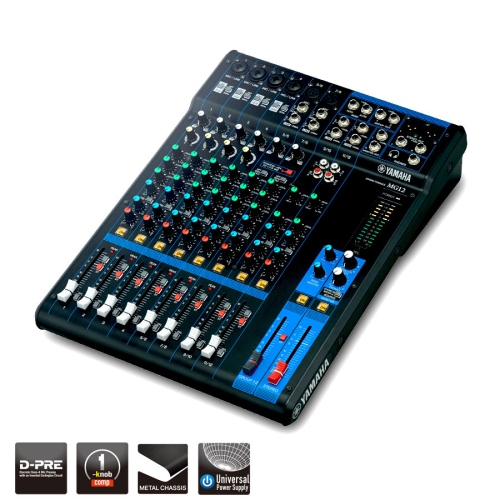
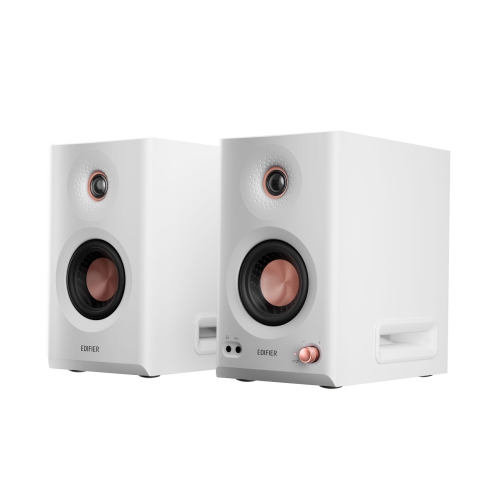
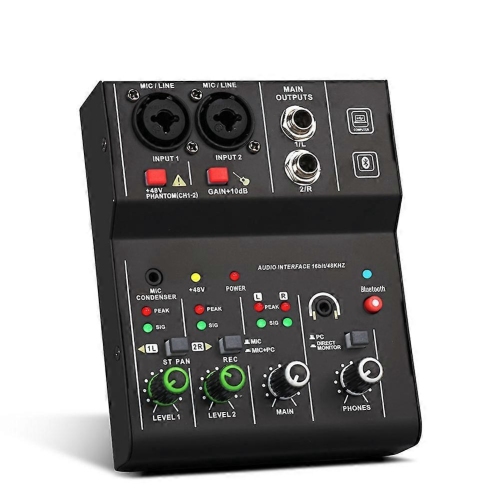

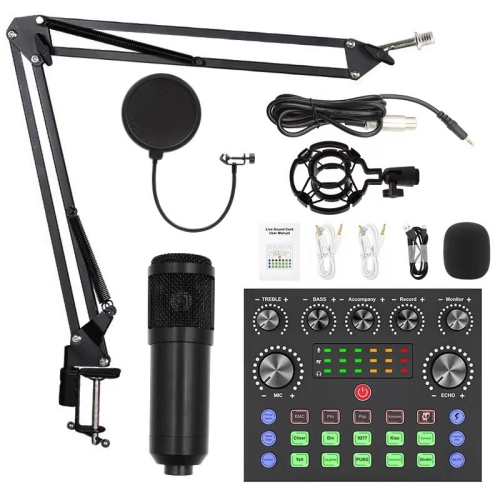
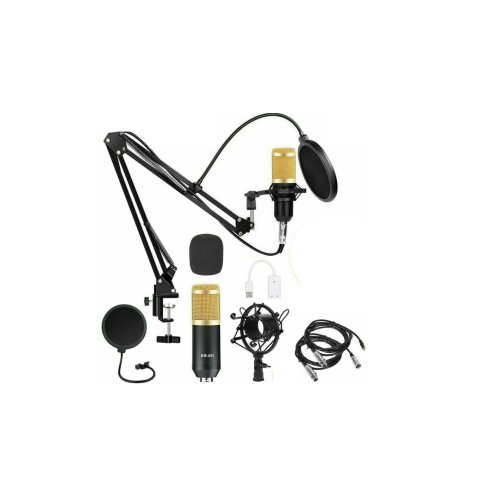
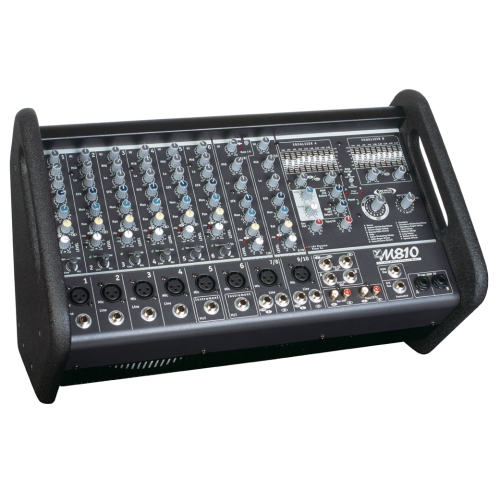
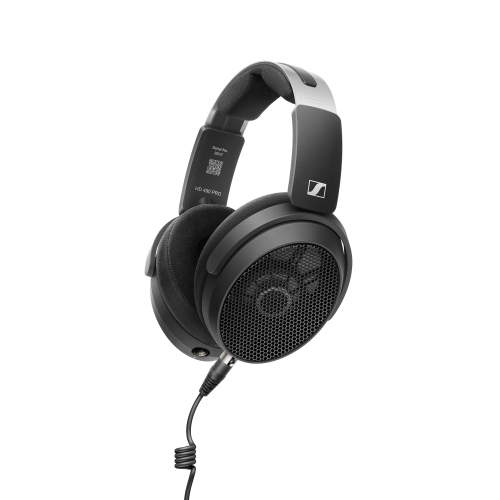
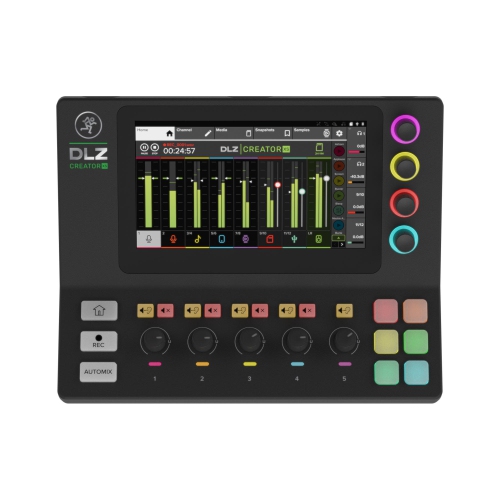
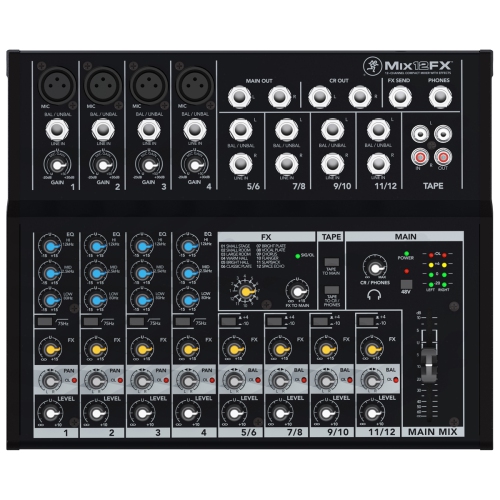
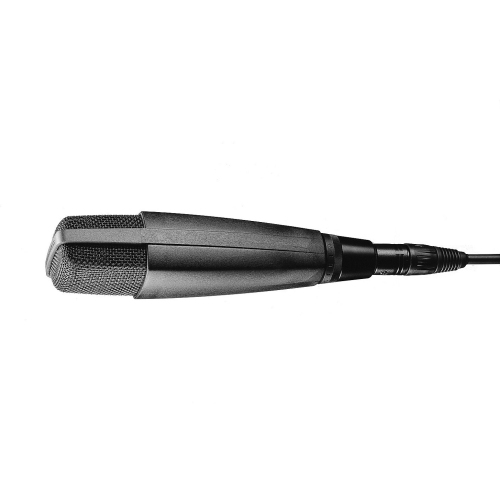
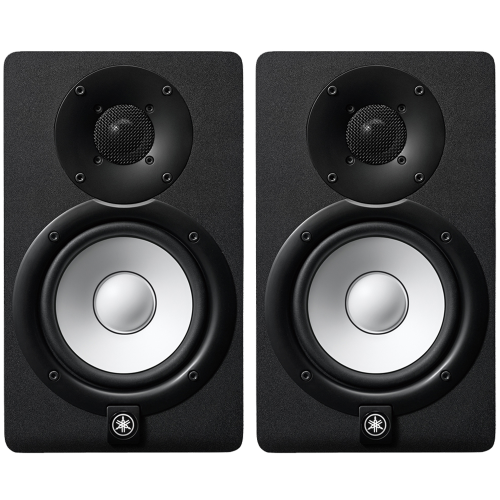
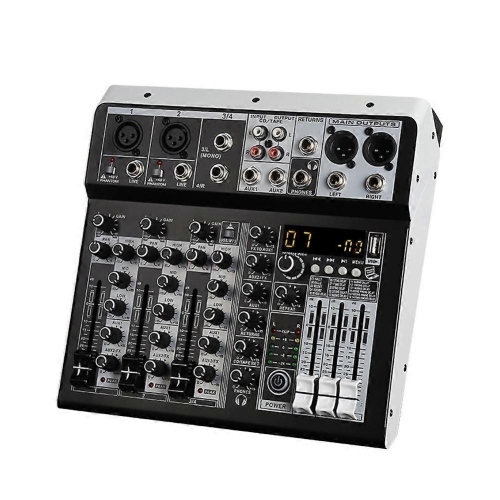
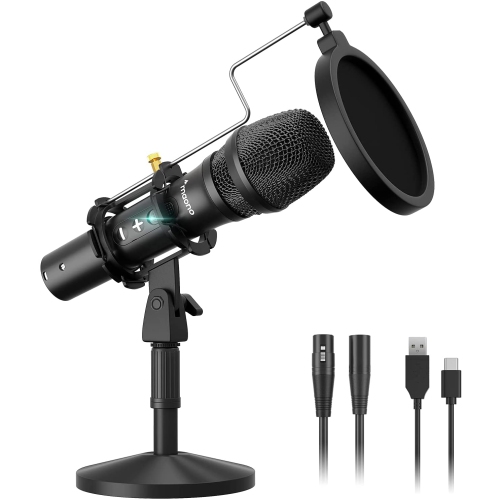
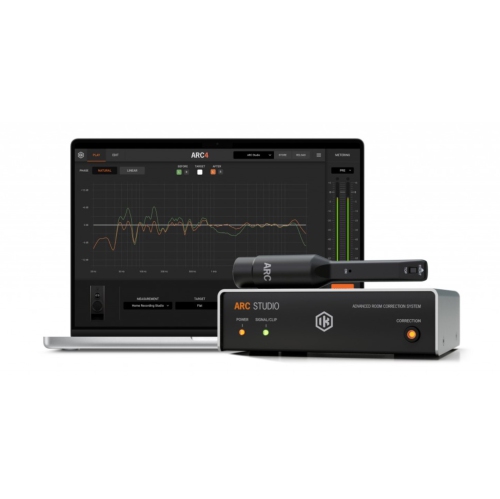
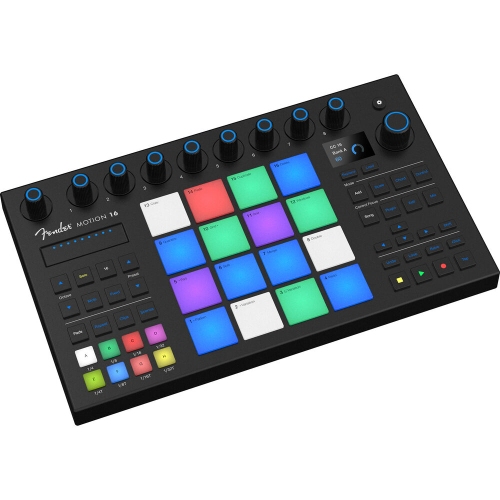
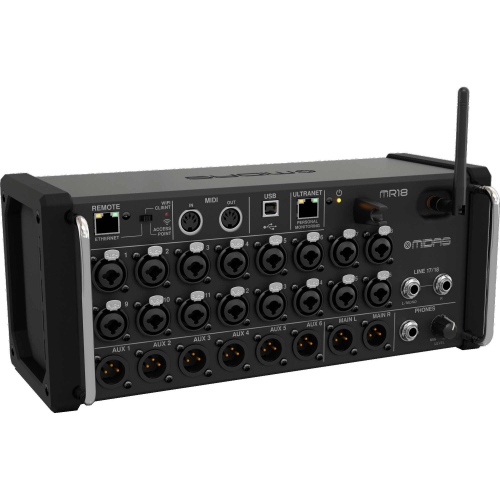
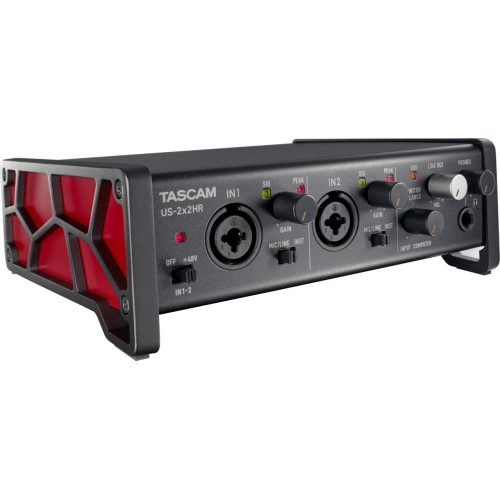

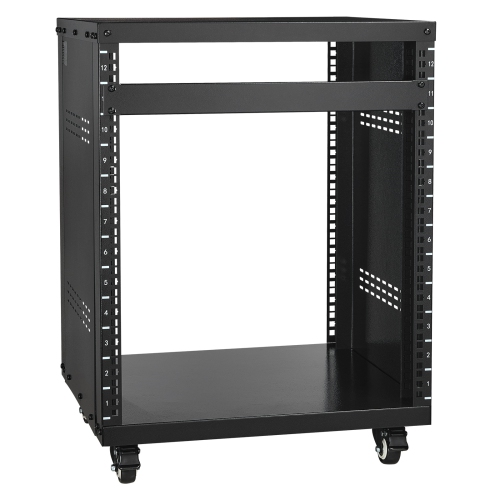
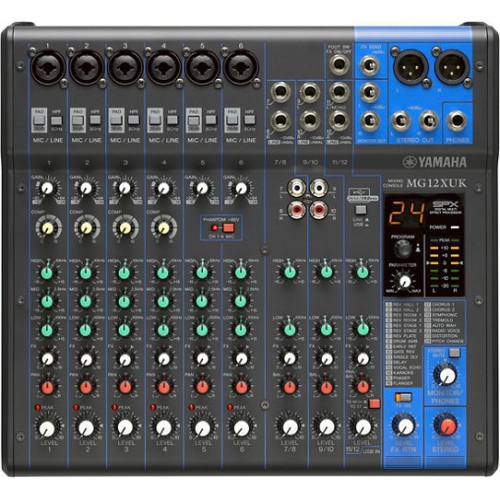
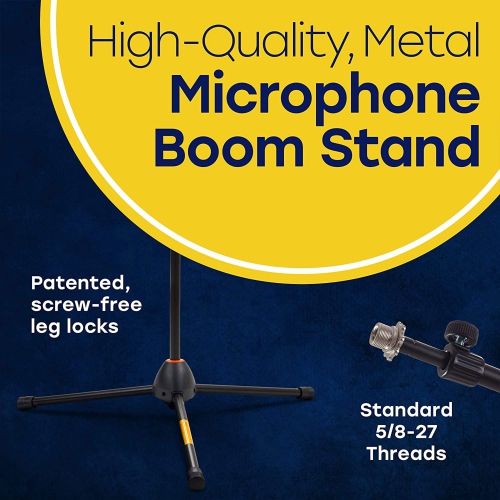
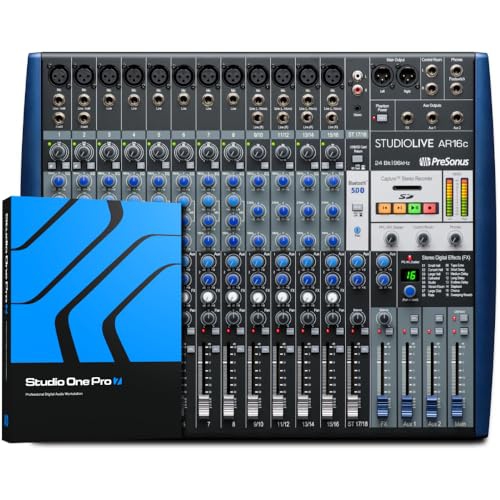
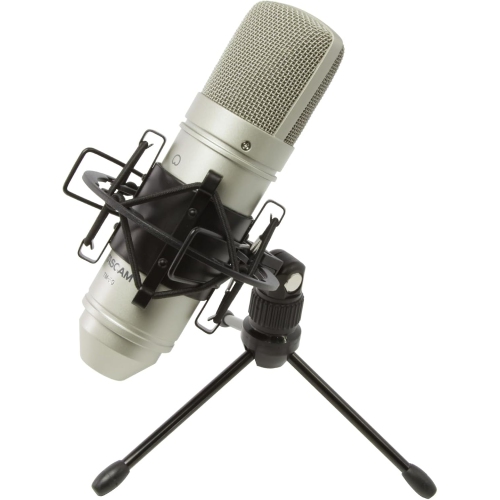
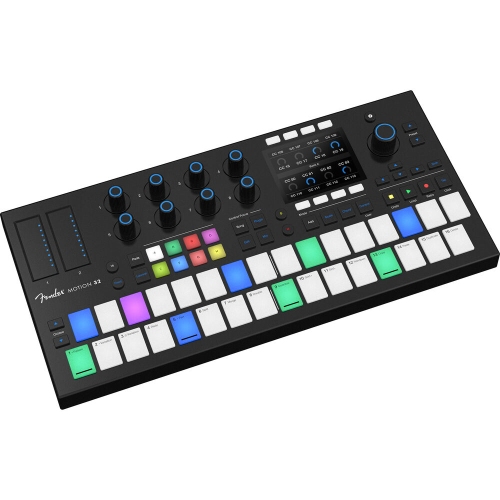
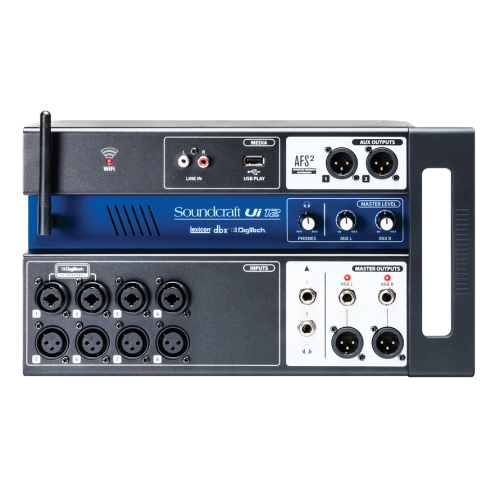
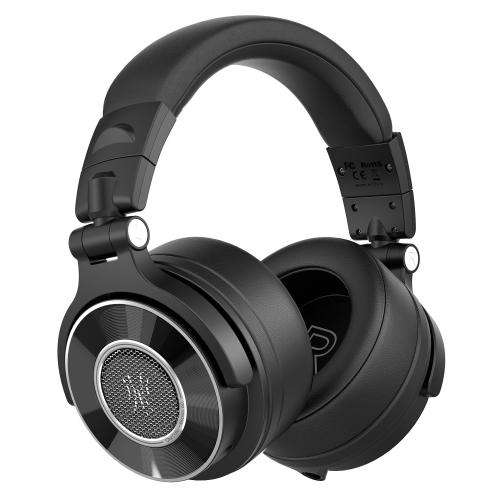
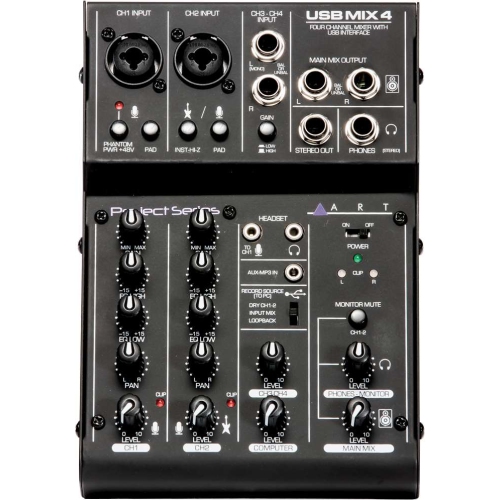

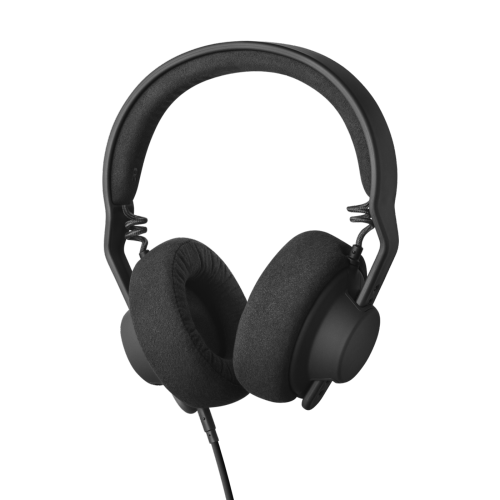

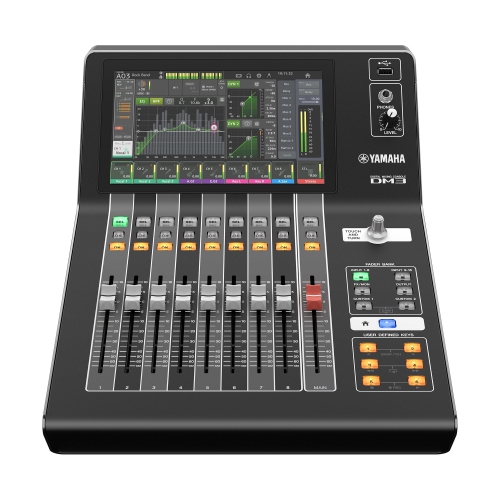
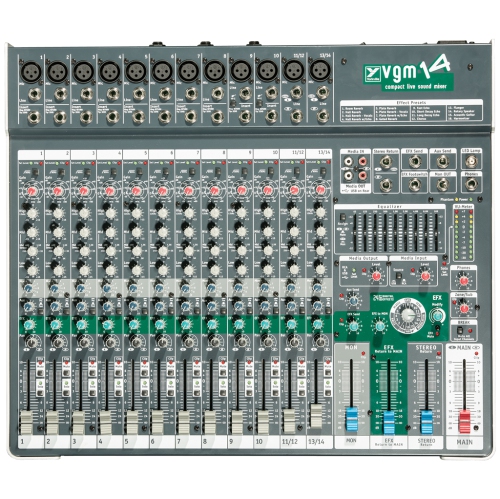
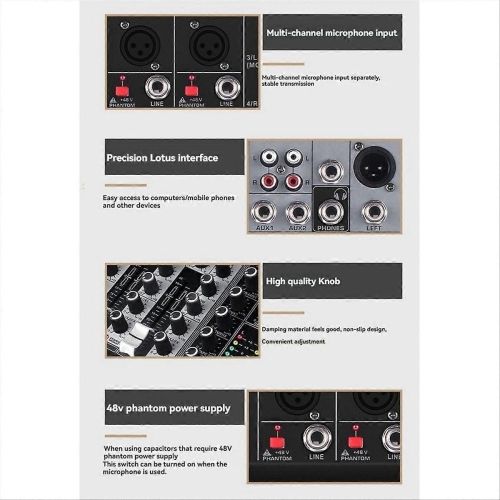
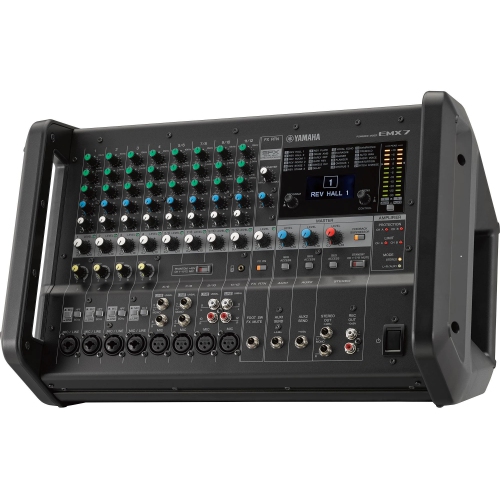
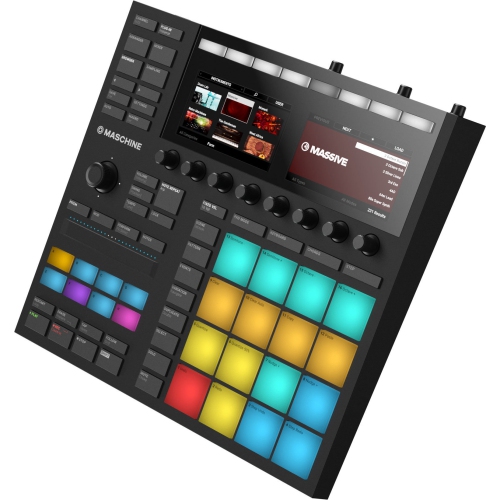
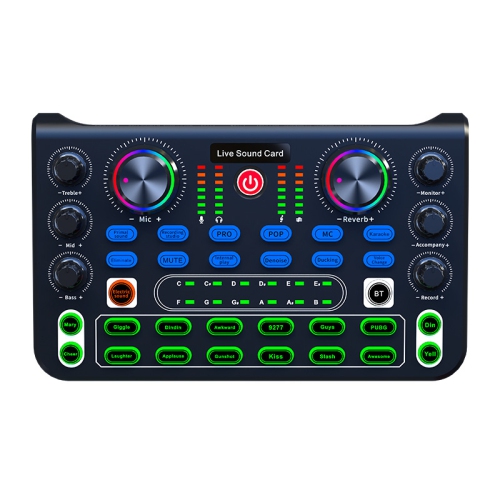
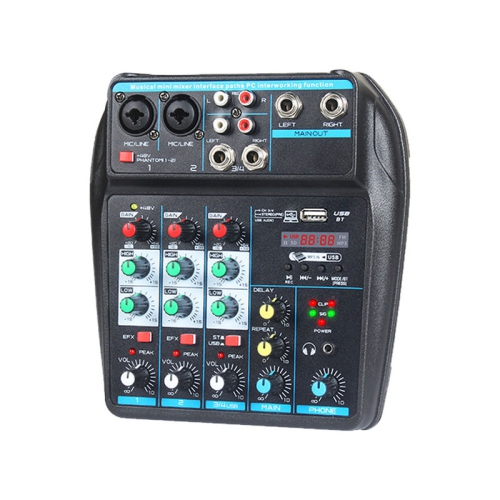
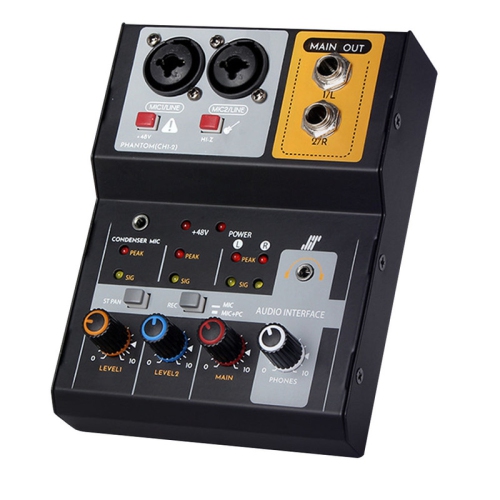
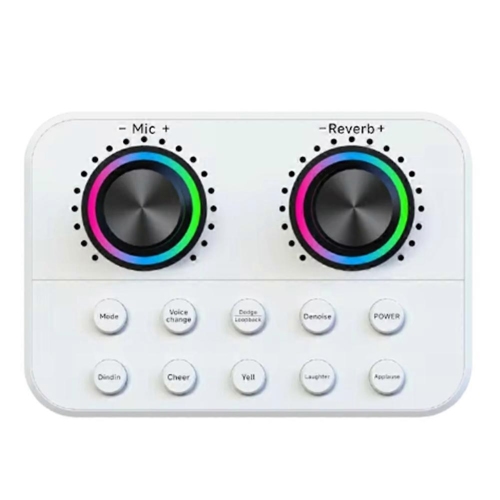

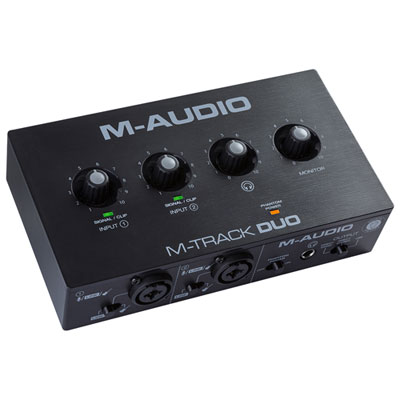

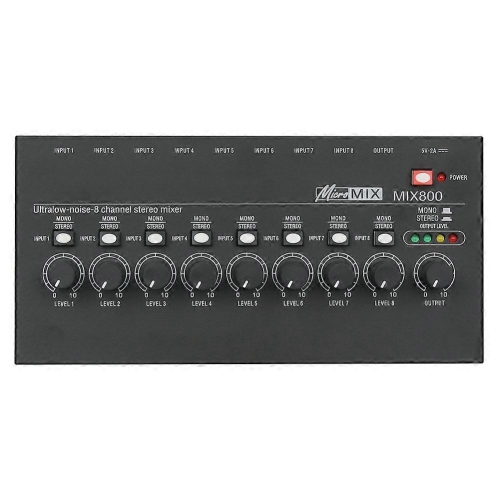
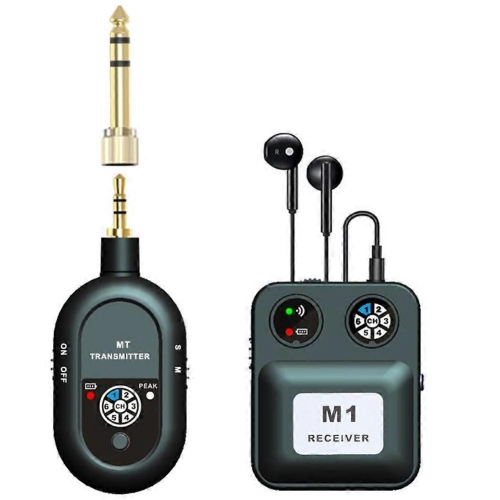
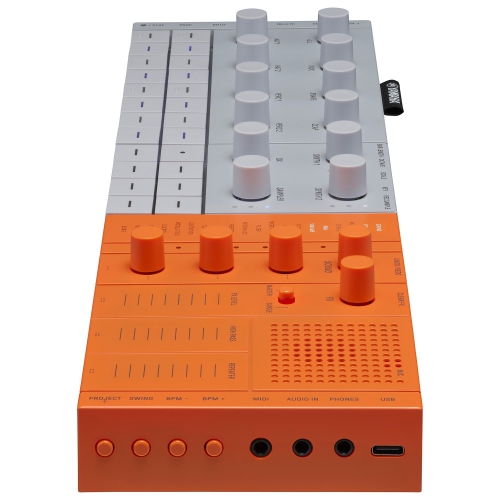
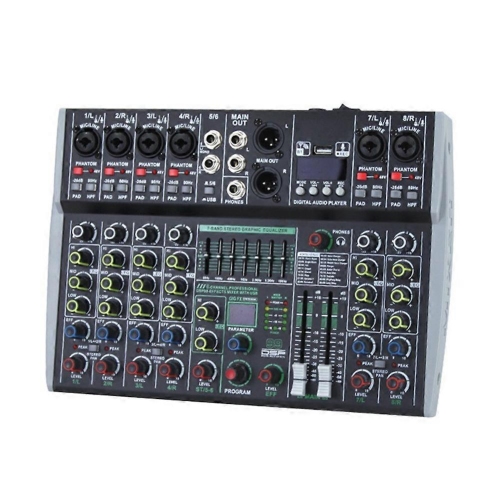
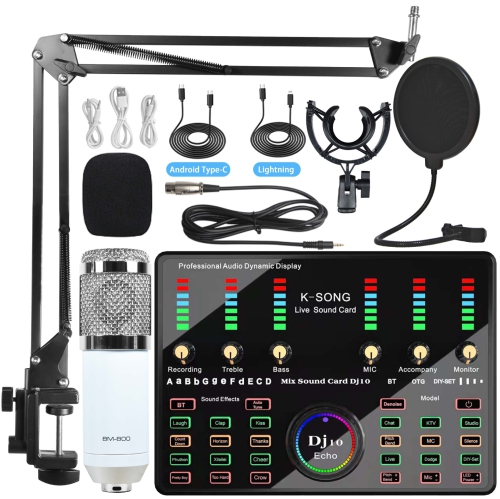
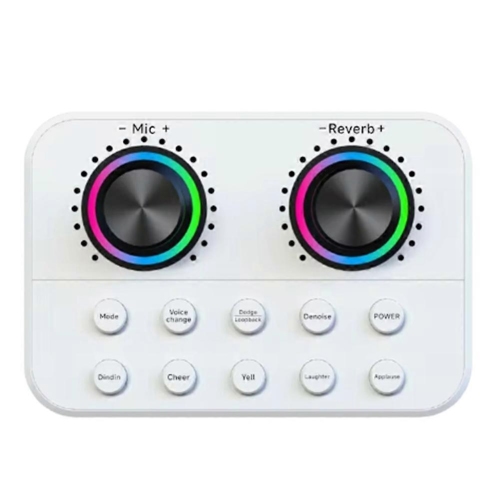
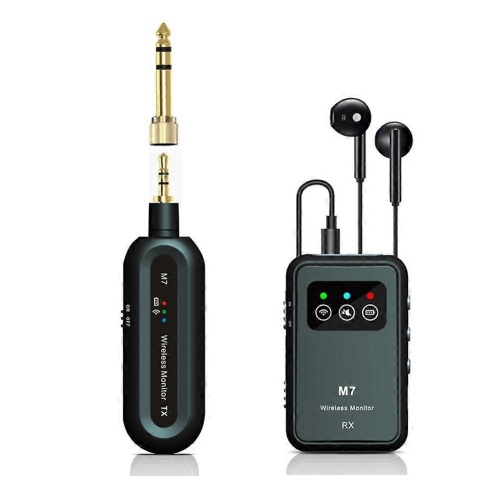
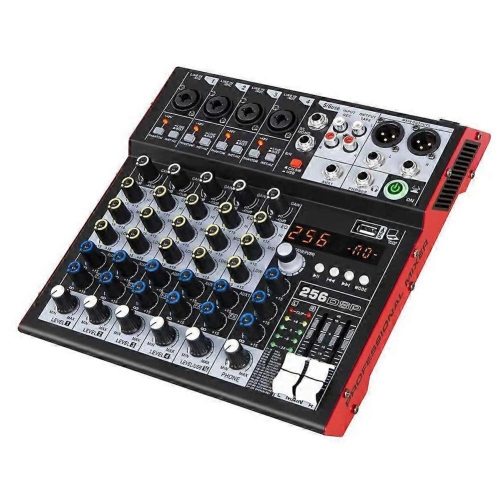
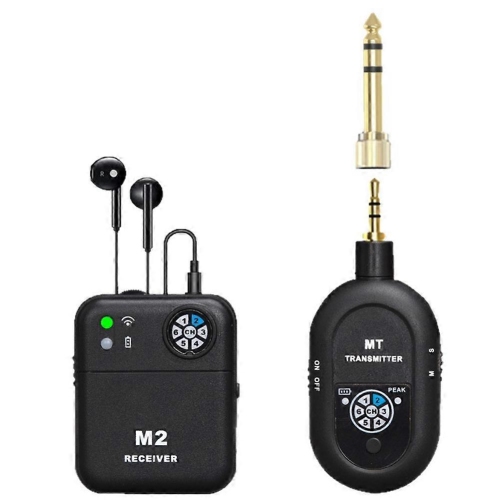
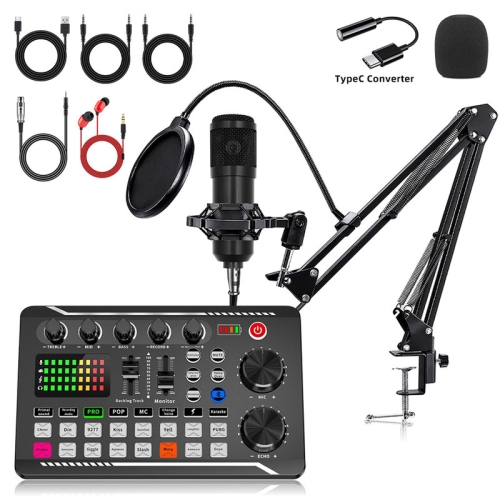
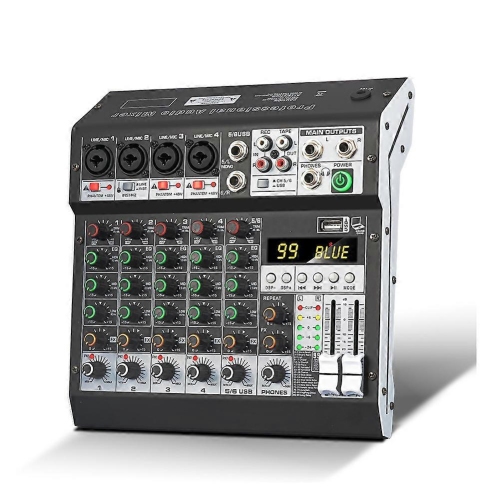
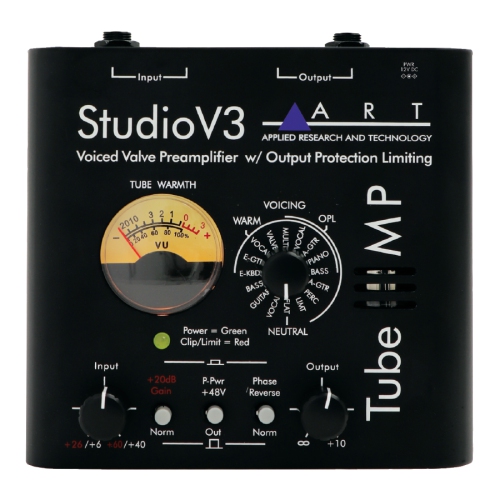
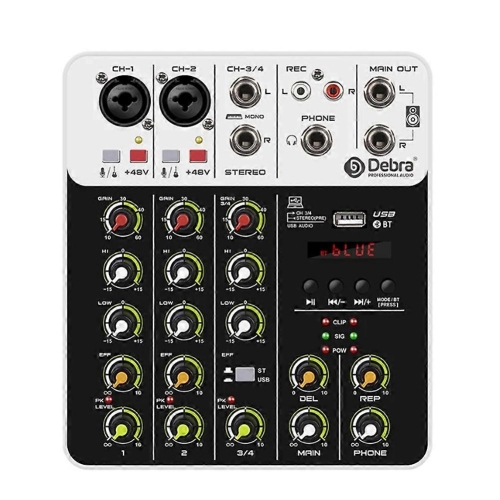
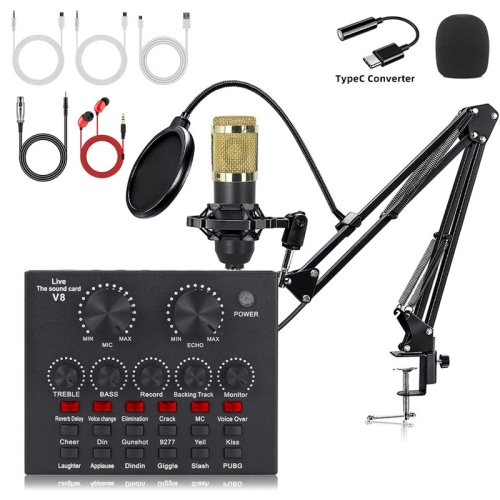
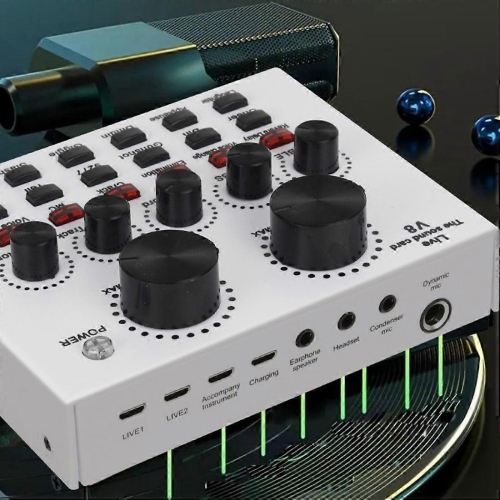
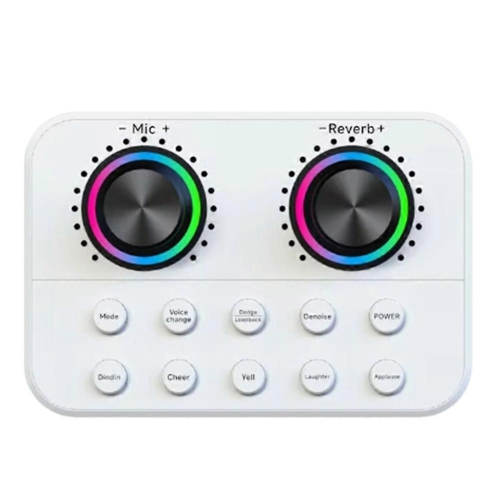
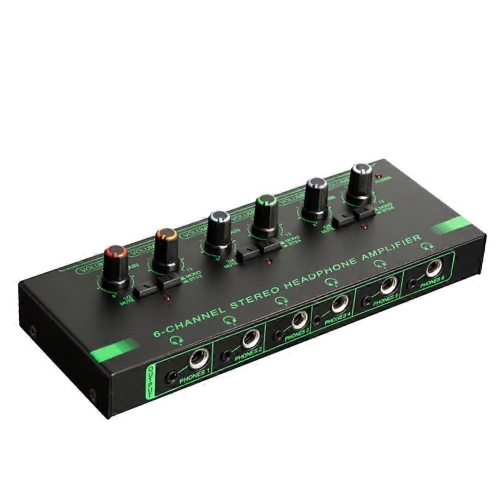
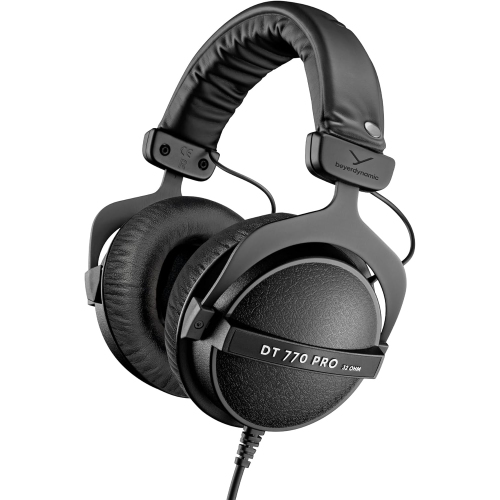
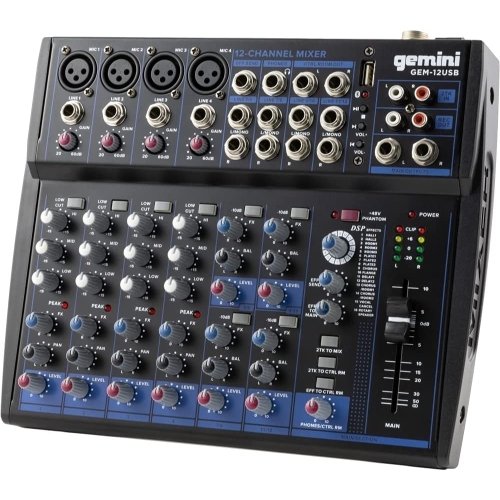


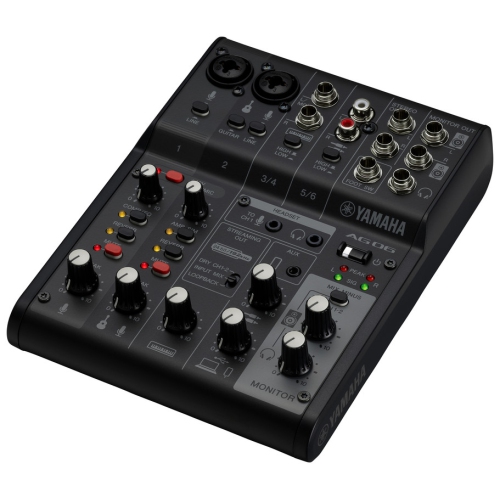
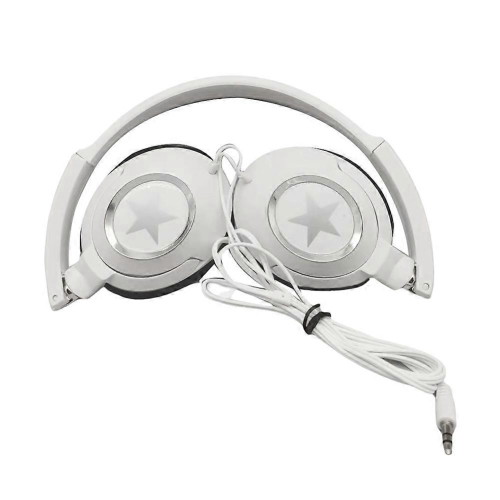
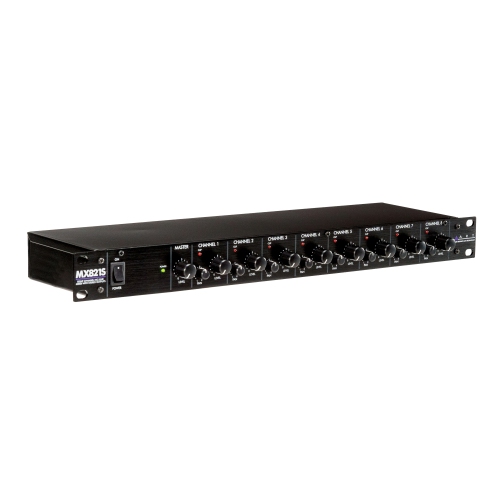
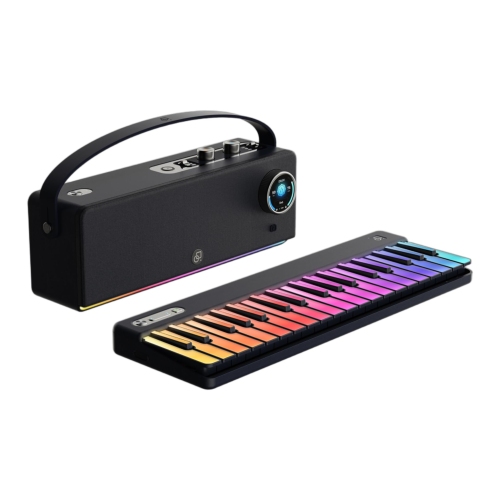
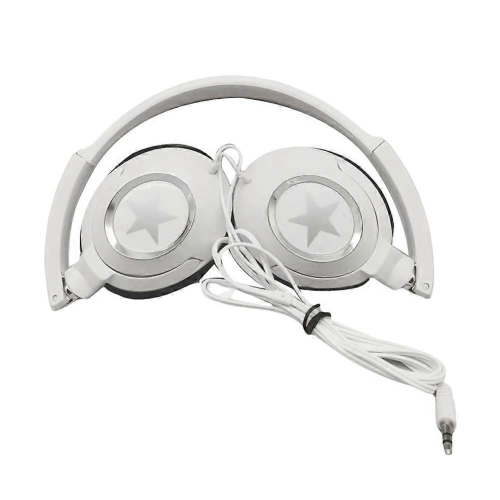
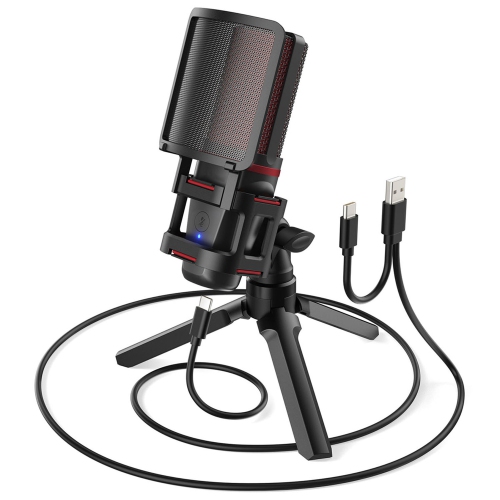
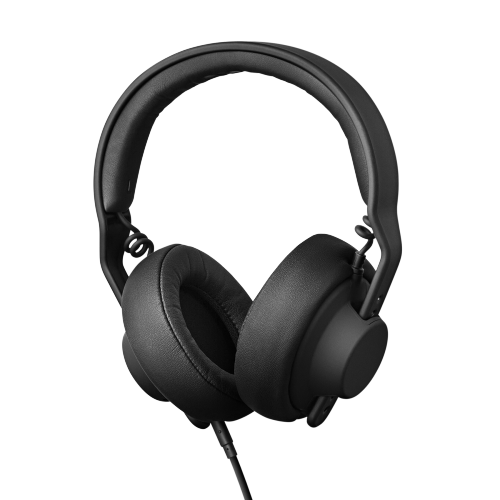
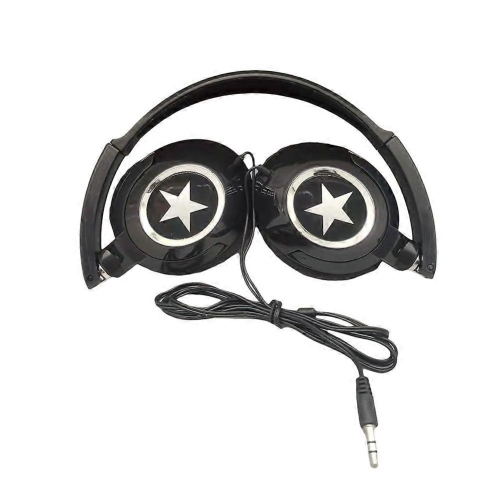

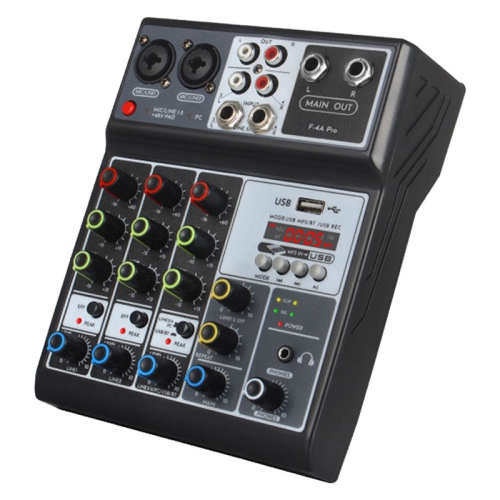
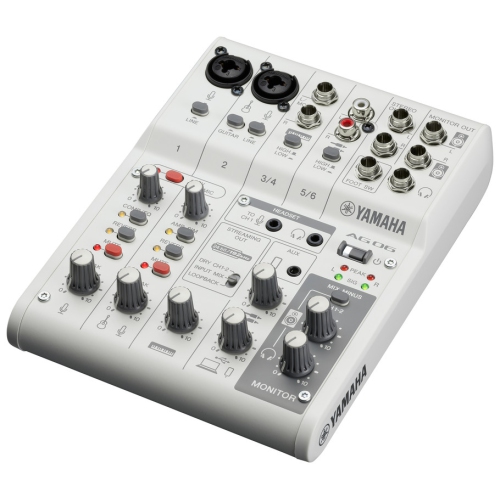
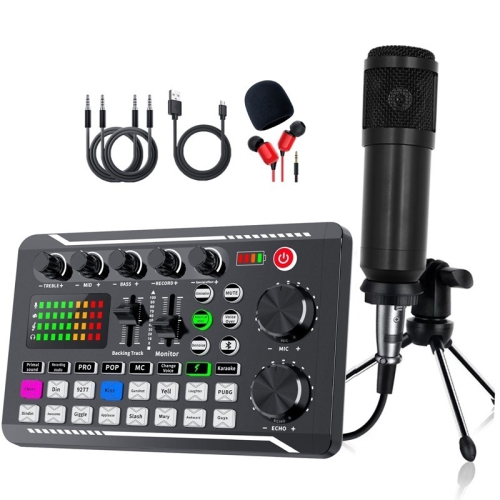
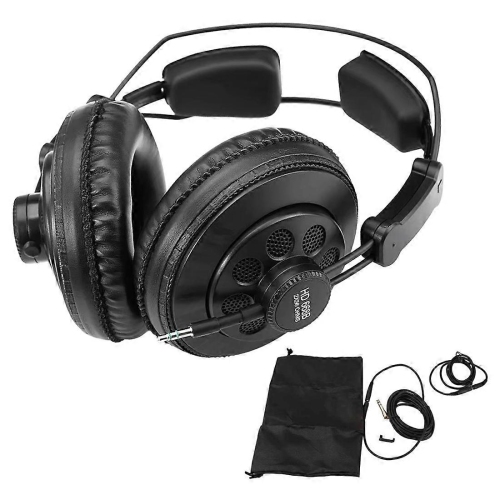

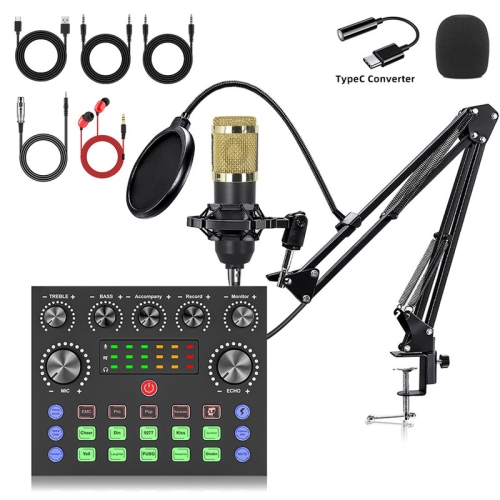

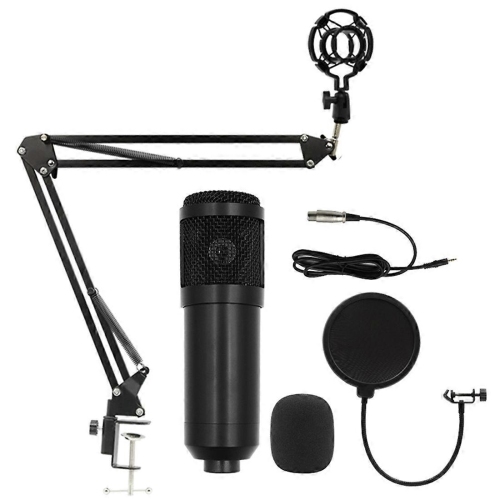
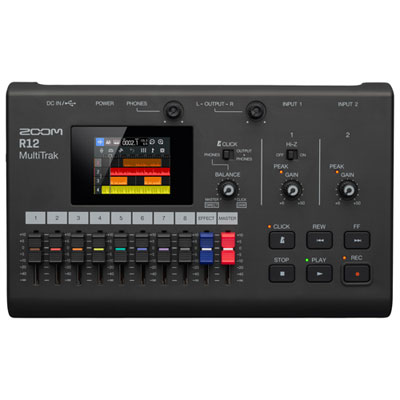
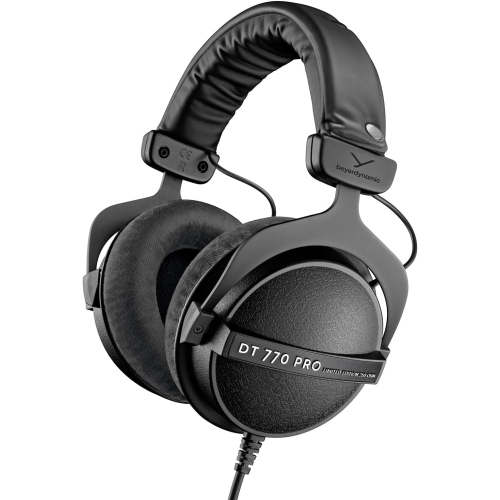
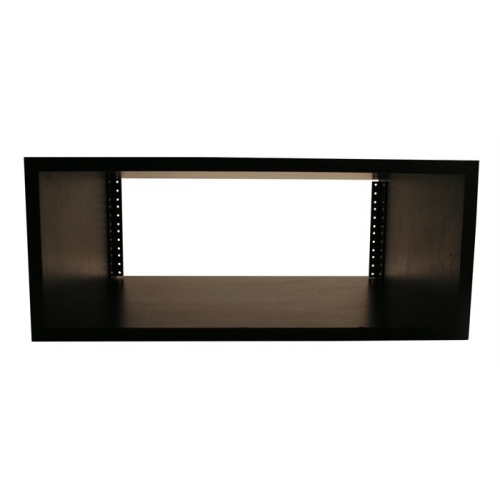
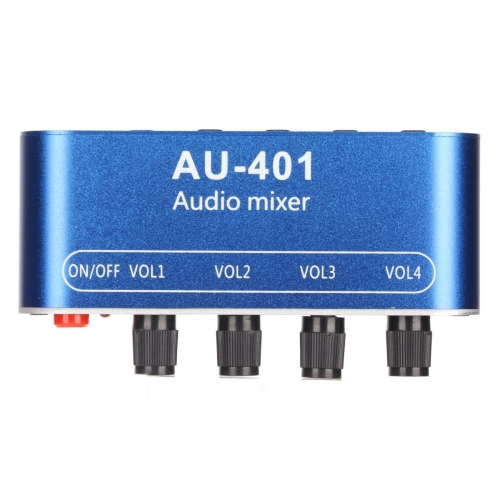
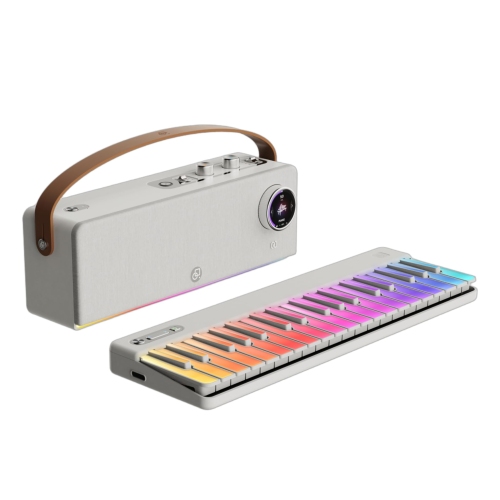
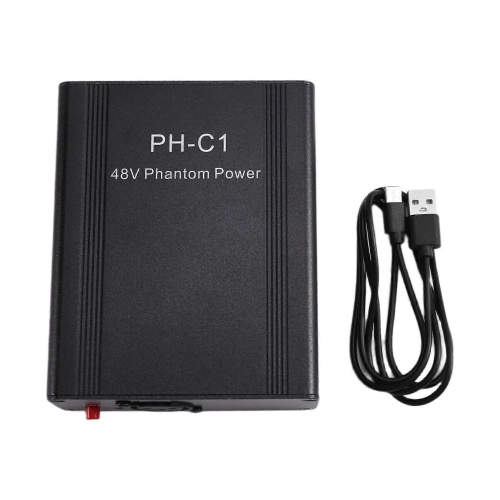
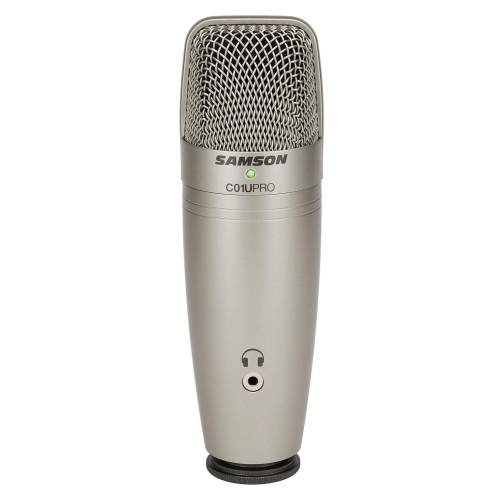
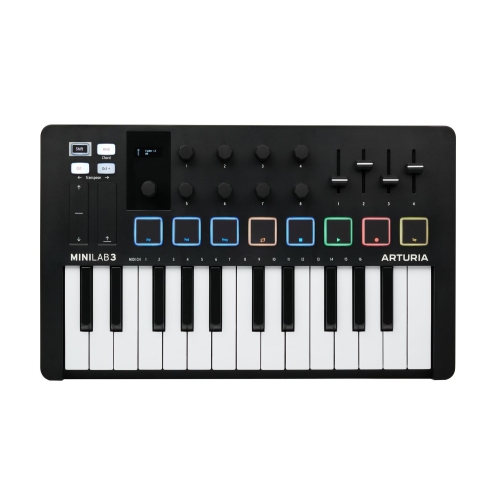
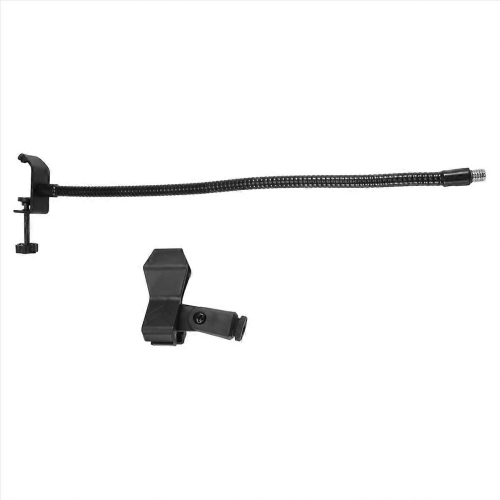
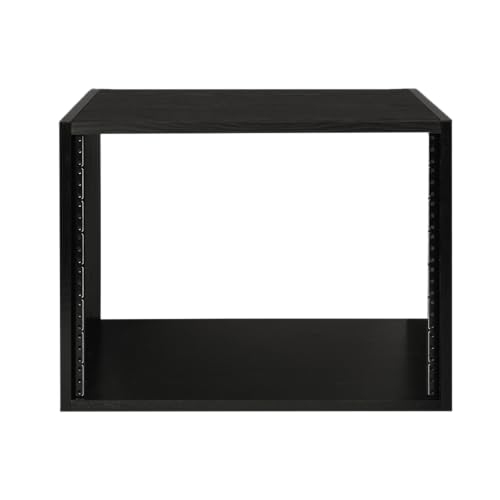
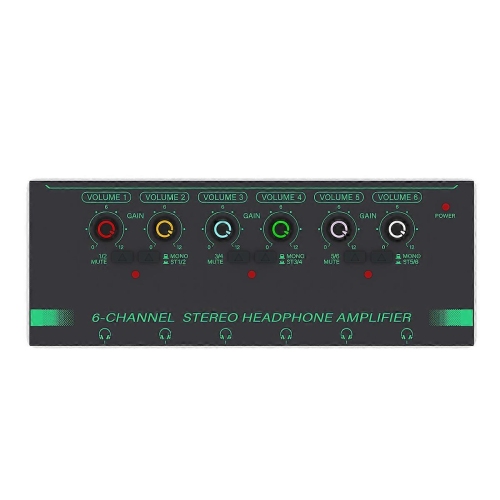
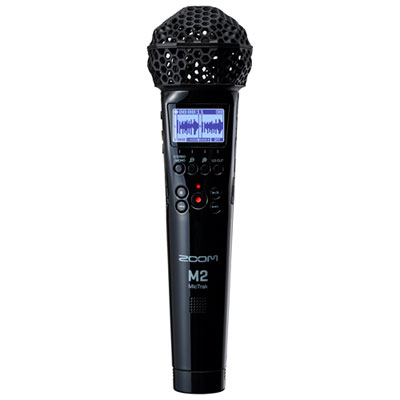
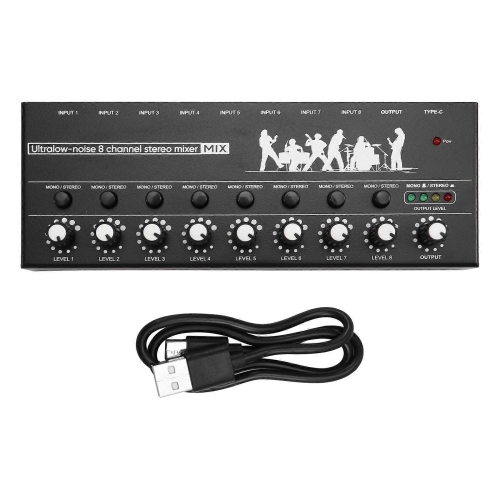
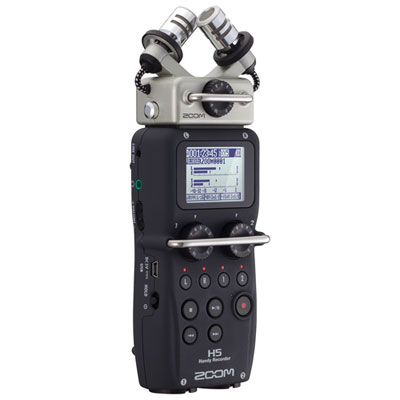
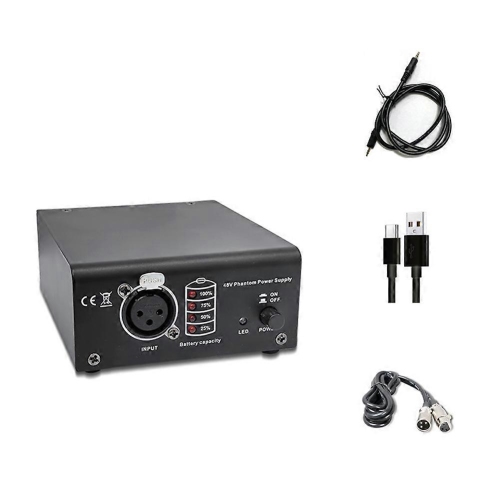
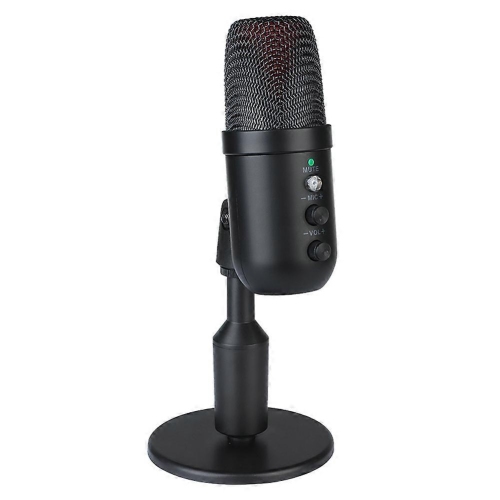
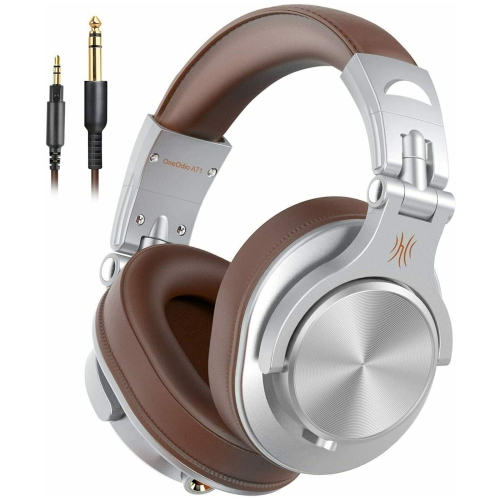
How studio components work together from idea to recording
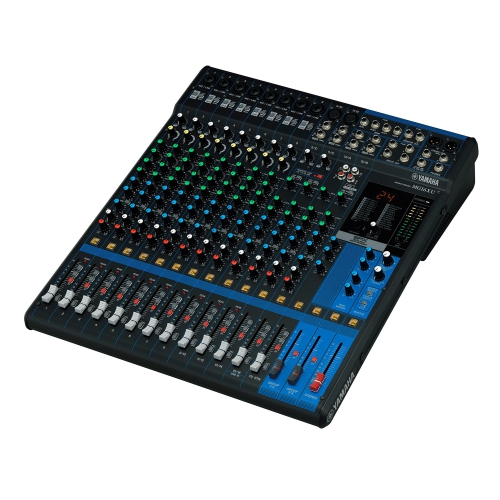
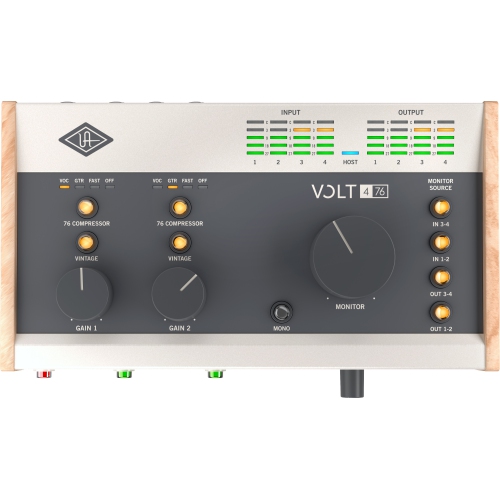
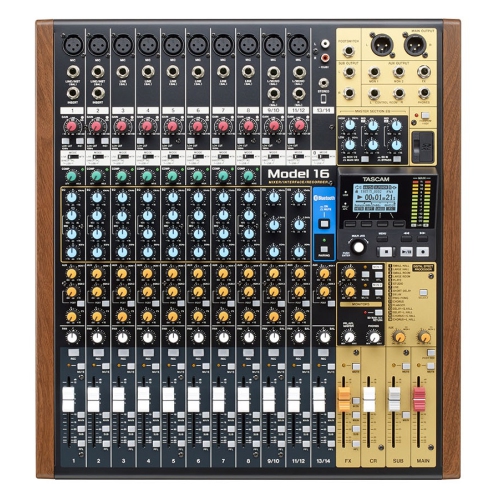
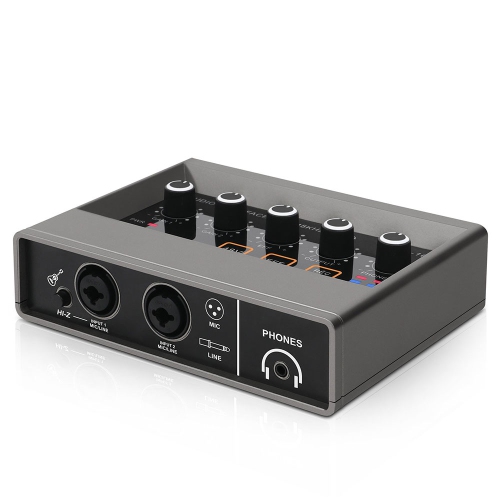
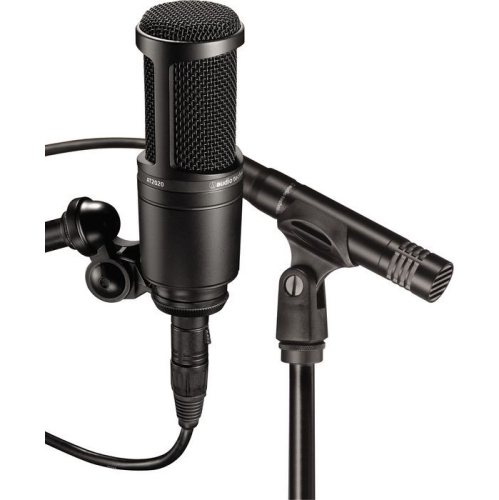
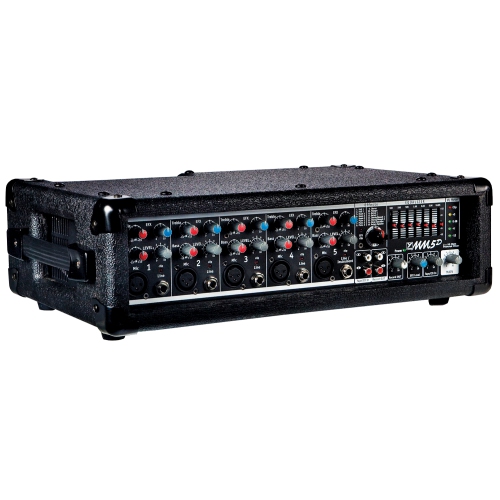
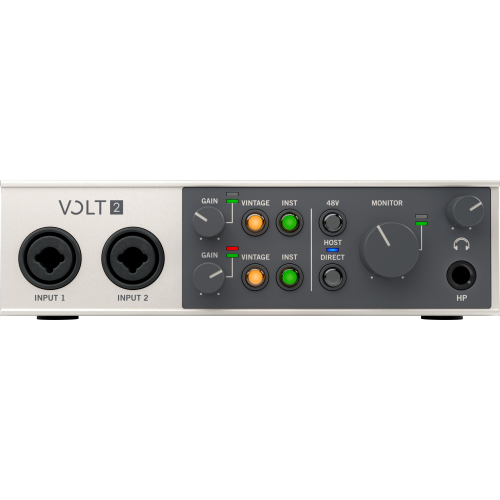
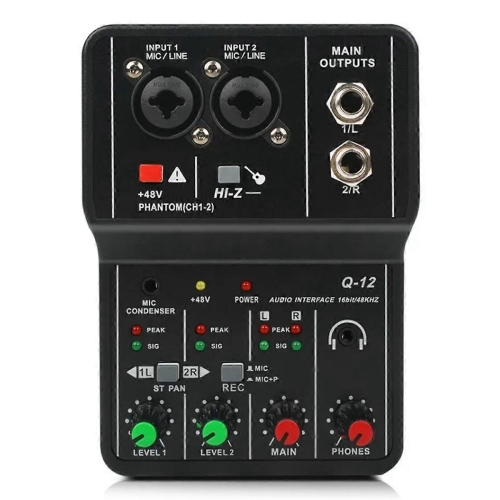
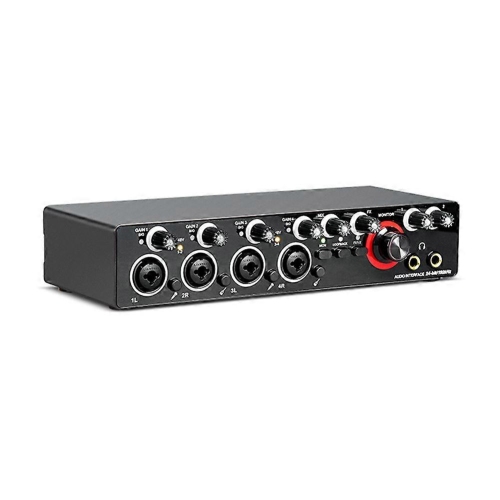
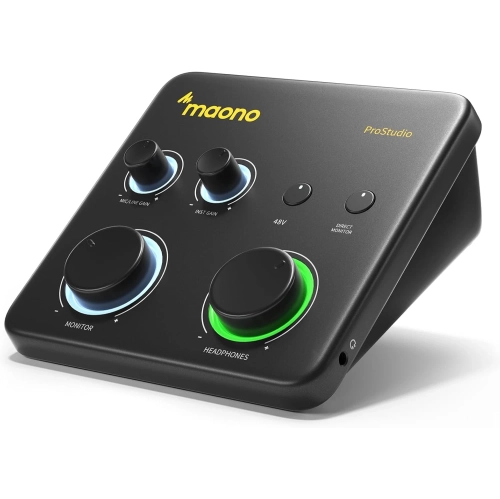
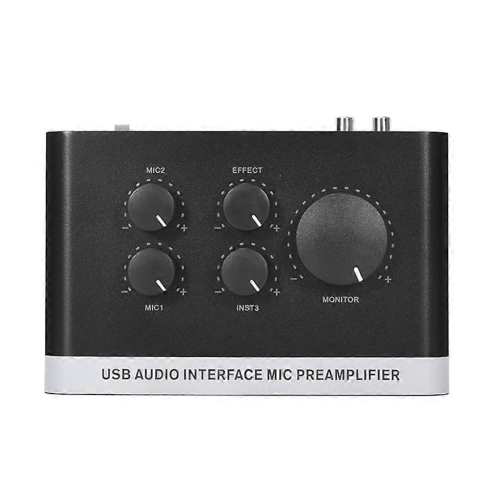
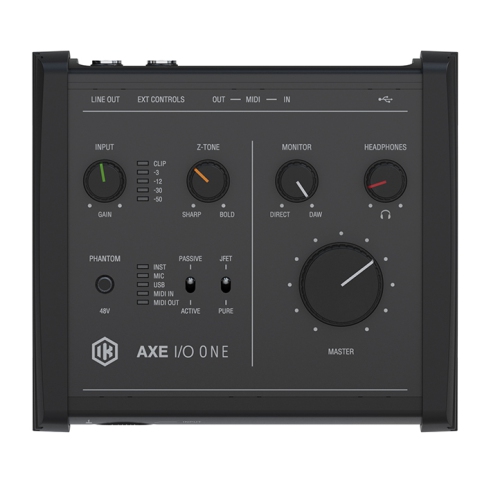
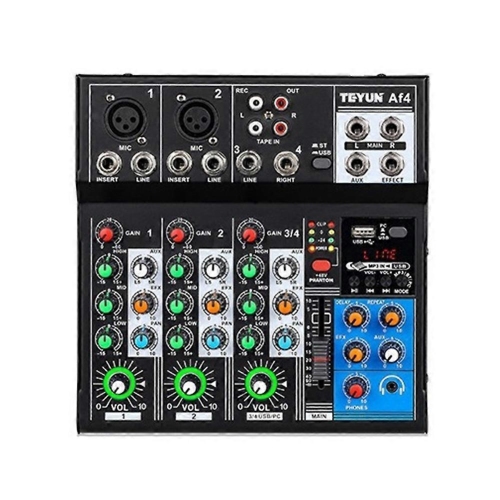
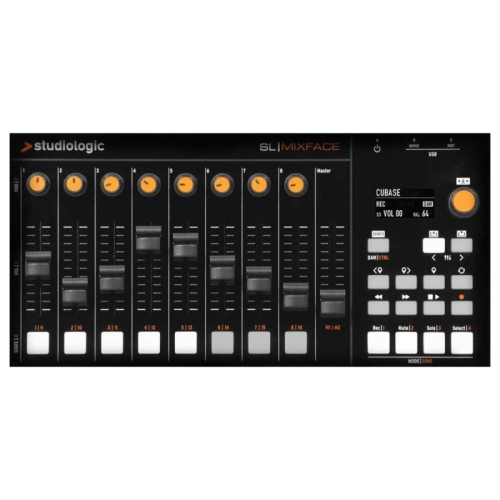
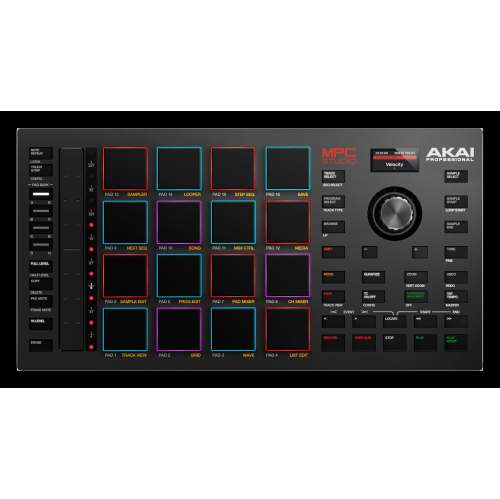
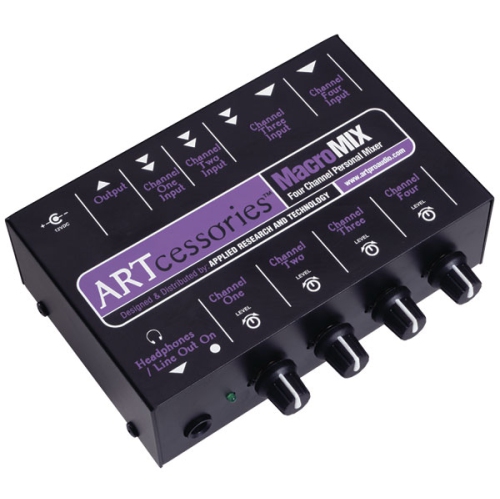
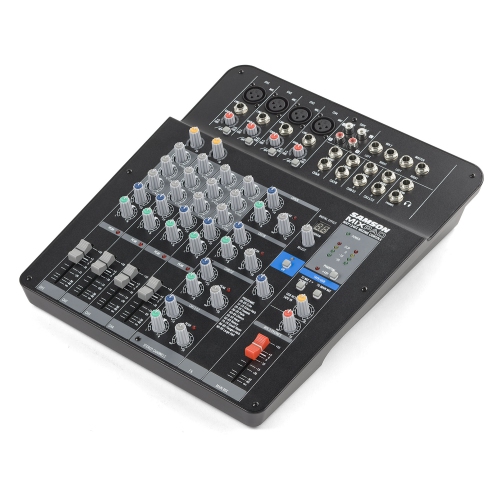
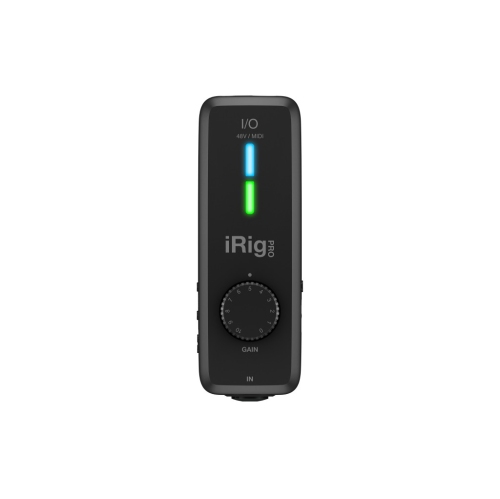
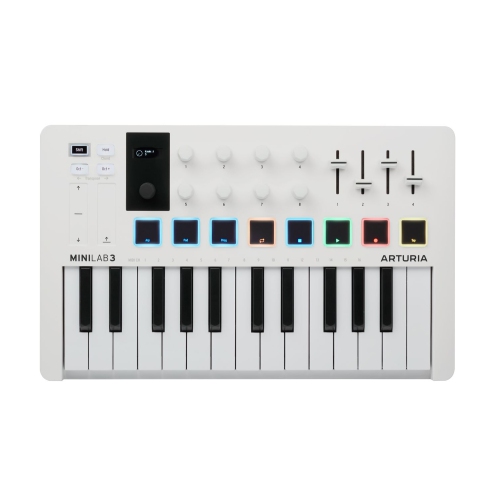
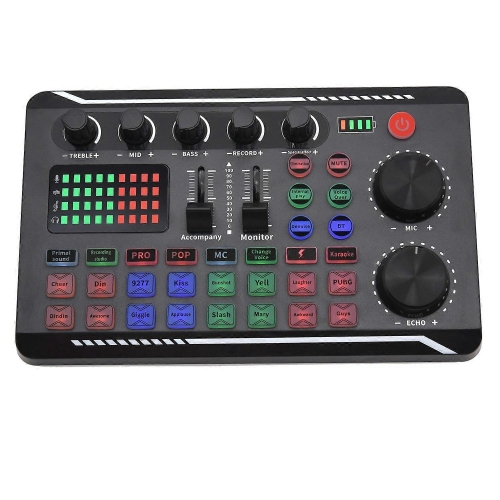
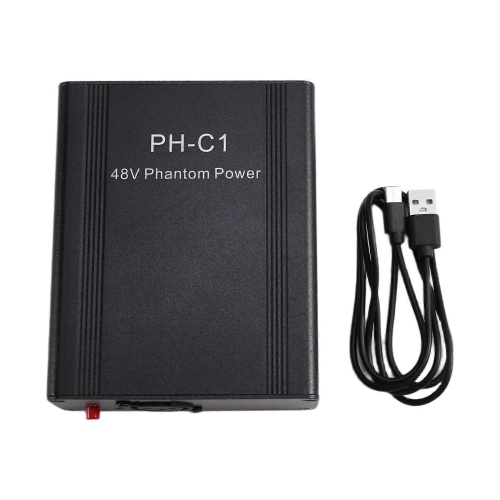
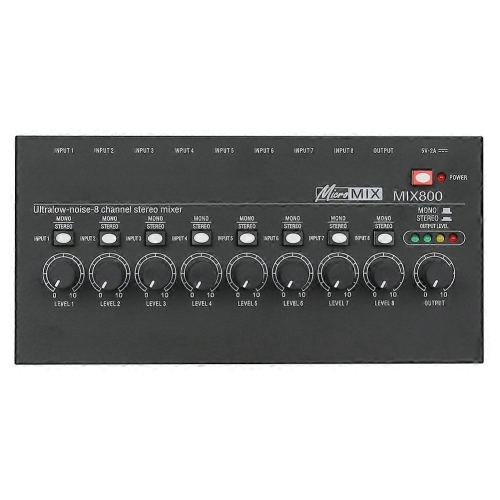
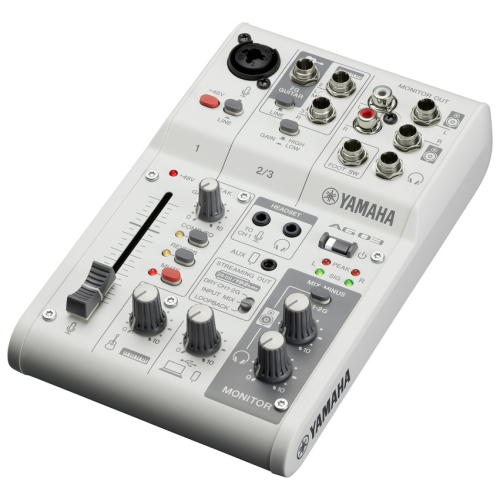
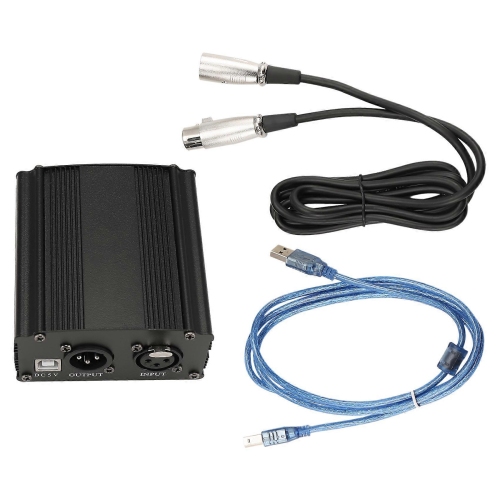
Music studio equipment brings together the tools used to capture performances, create sounds, arrange songs, and hear a mix clearly. A typical computer-based music studio includes a computer, a digital audio workstation, an audio interface, microphones, and monitoring headphones or speakers. Each part has a different role: the computer runs the software, the digital audio workstation records and edits tracks, and the audio interface connects microphones and instruments while converting their analogue signals into digital audio. Headphones and studio monitors reveal the result, helping musicians hear timing, tone, balance, and unwanted noise. The right combination depends on the music being made and how many people perform at once. A singer recording vocals over a guitar part may need only a few inputs, while a group capturing several instruments together needs enough connections for every source. Microphone inputs, instrument inputs, and line inputs serve different purposes, so connection types matter as much as the total number of sockets. Many condenser microphones require phantom power from a compatible interface or preamp, while an electric guitar or bass generally benefits from a dedicated high-impedance instrument input. MIDI keyboards and pad controllers serve another role, sending performance information to software instruments rather than necessarily producing audio themselves. For producers building layered arrangements, responsive controls and a comfortable playing surface can make it easier to sketch a melody or tap out a drum pattern. Computer memory, processor capability, storage space, and software compatibility also affect how smoothly a session runs, especially when it contains many tracks and effects. Low-latency monitoring is particularly valuable during recording because a noticeable delay between playing a note and hearing it can disrupt a performance. Direct monitoring, where supported, lets performers hear an incoming signal without waiting for it to pass through the recording software. Together, these elements form a connected workspace rather than a set of isolated accessories, with each connection supporting the path from an initial idea to a finished recording.
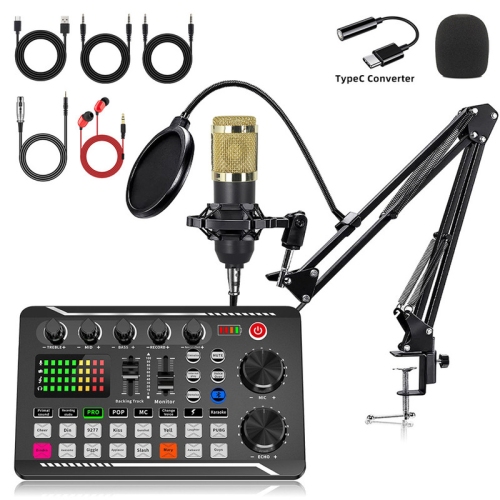
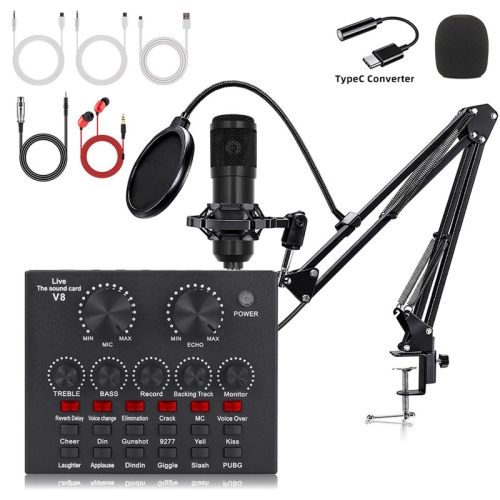
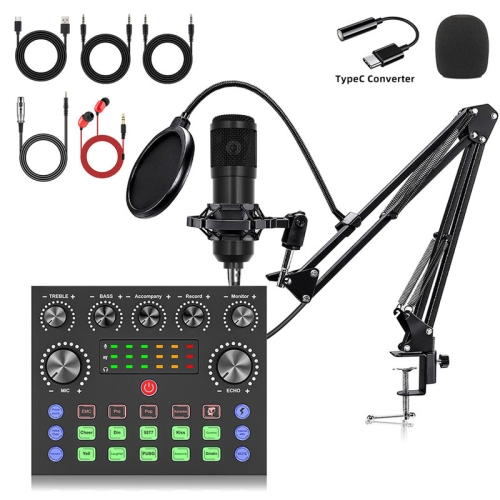
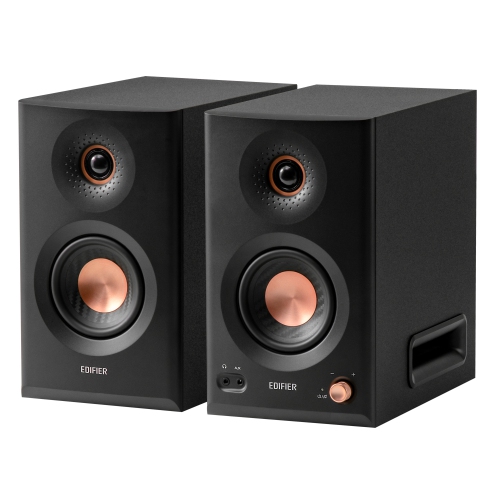
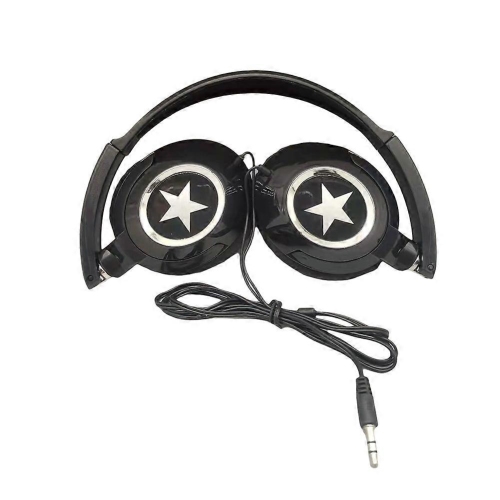
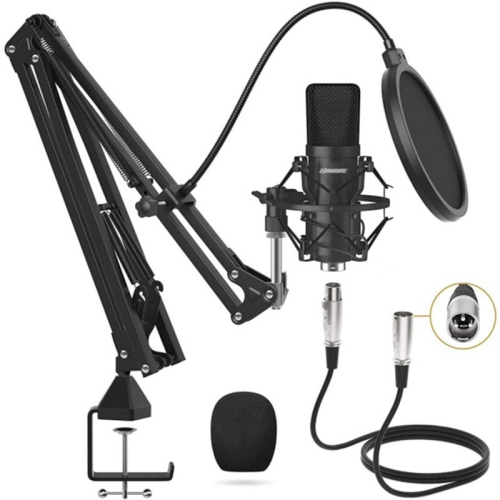
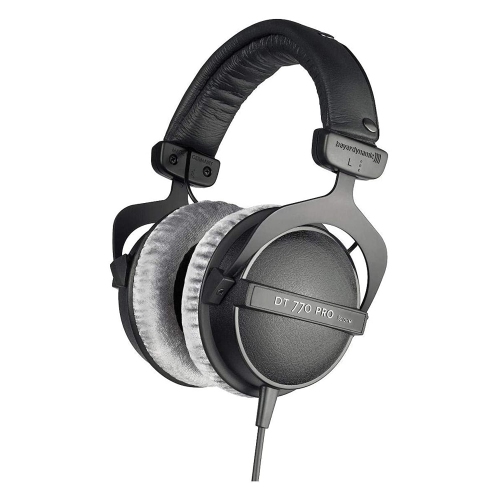
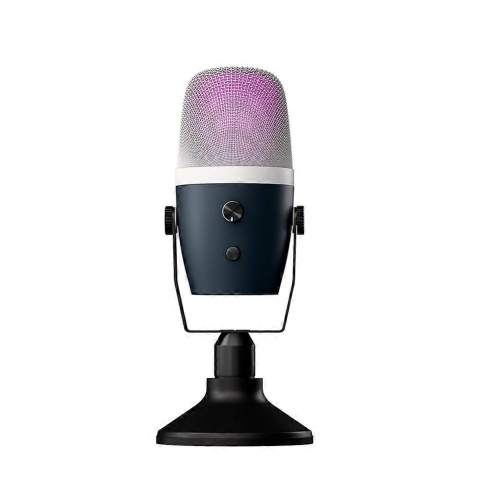
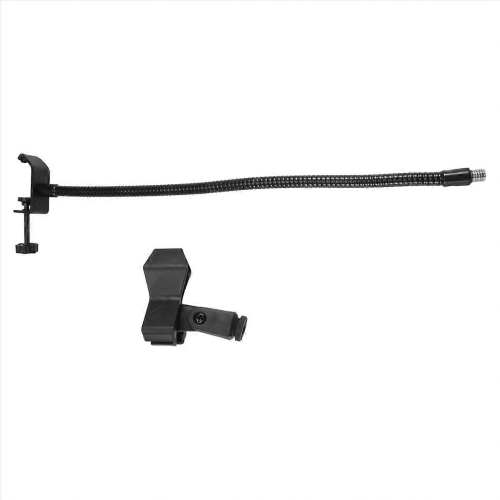
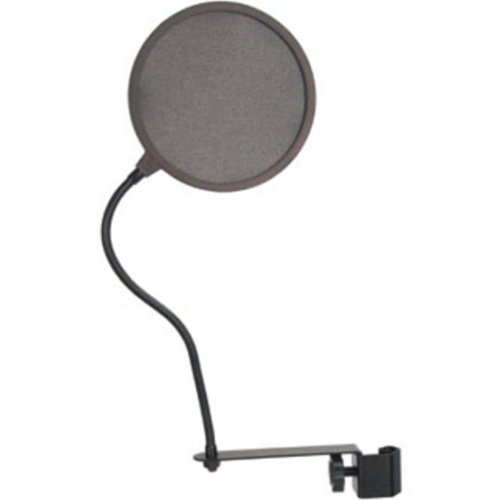
Microphones shape the character of a recording before any editing begins. Dynamic microphones often suit close vocals, amplified instruments, and lively performance spaces, while condenser microphones can capture fine detail in voices, acoustic instruments, and quieter passages. Neither type is automatically better; the sound source, room, placement, and microphone design all influence the result. A cardioid pickup pattern is useful when the aim is to favour sound from the front and reduce pickup from behind, although it does not eliminate room noise. In a small home recording space, moving a microphone away from a computer fan or adjusting its distance from a bare wall can make a meaningful difference. A pop filter helps control bursts of air on vocal consonants, and a suitable shock mount can reduce vibration transmitted through a stand. Secure stands and reliable cables also help keep a good take from being interrupted by a slipping microphone or an intermittent connection. Monitoring equipment serves a different purpose from speakers chosen mainly for casual listening: it helps reveal what is happening in the recording without deliberately flattering the sound. Closed-back studio headphones reduce sound escaping into a nearby microphone and are commonly used while tracking vocals or instruments. Open-back designs allow more sound to pass in and out, making them better suited to listening tasks where leakage is not a concern. Studio monitors let both ears hear both speakers in the room, offering a different perspective on placement and balance within a mix. Their performance depends partly on positioning, listening distance, and the surfaces around them. Acoustic treatment can reduce troublesome reflections and improve clarity, but it should not be confused with soundproofing, which addresses sound travelling between spaces. A bedroom producer working beside a shared wall may rely heavily on headphones, while a dedicated recording room may accommodate monitors, treatment, and several performers. Having monitoring that suits the space makes subtle details easier to notice, from a distracting background hum to a vocal that disappears when the full arrangement plays.
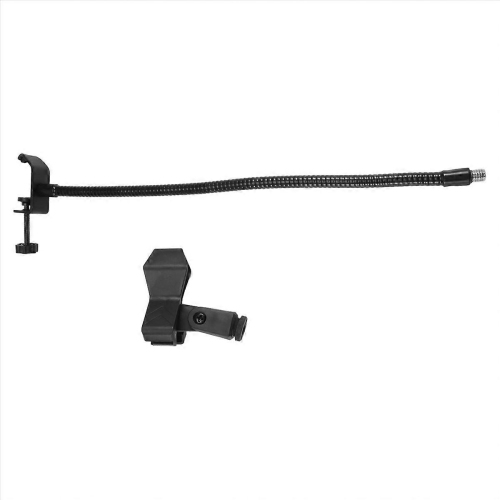
Across the Studio Equipment category, physical comfort and dependable construction matter alongside audio performance. A compact workspace benefits from equipment that leaves room for hands, cables, and a comfortable seated position, rather than filling every surface. Keyboard width, controller layout, microphone stand reach, and headphone fit all influence how naturally a session flows. Someone recording a long vocal session may appreciate an adjustable headphone headband and replaceable ear cushions, while a musician moving between rooms may value a sturdy enclosure and controls that are protected during transport. Metal housings can withstand frequent handling, but weight, joint design, connector quality, and overall construction also affect durability. On microphone stands, a stable base and secure adjustment points help support the microphone safely; the stand and any mount must be appropriate for its weight. Cable length deserves similar attention: enough reach allows comfortable placement, while excessive slack can clutter a floor or pull against a connection. Balanced audio connections can help reduce interference between compatible devices, particularly over longer cable runs. Routine care keeps a workspace ready for the next idea. Dry, soft cloths are suitable for many exterior surfaces, while cleaning around microphone capsules, controls, and headphone cushions should follow the manufacturer's directions. Covered storage helps limit dust, and loosely coiled cables are less likely to develop damage from repeated tight bends. These practical details matter whether the space belongs to a student learning arrangement, a guitarist developing demos, a vocalist recording harmonies, or an experienced producer refining a mix. Music studio equipment can also make a thoughtful gift for someone with an established creative routine, provided the connections, software requirements, and intended use fit the equipment they already use. A useful addition supports a real task, such as hearing a performance more clearly, capturing an acoustic instrument, or controlling software with greater expression. The strongest setups are not necessarily the most elaborate; they are the ones that make recording comfortable, repeatable, and responsive to the musician's way of working.
Top selling and popular products
-
 Your price for this item is $989
-
 Your price for this item is $699
-
 Your price for this item is $329.99
-
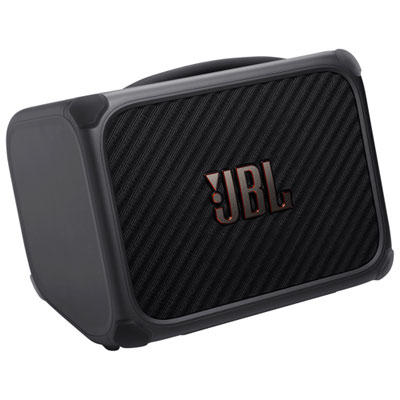 Your price for this item is $799.99
-
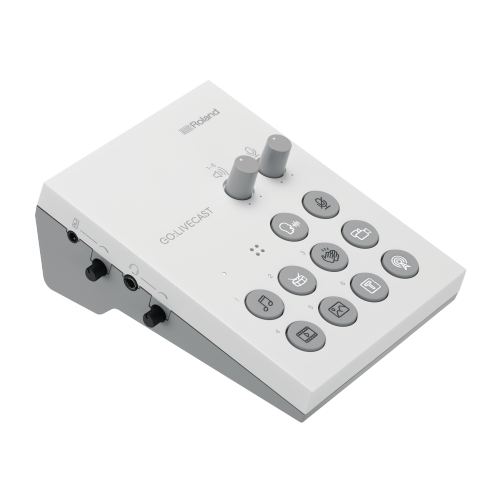 Your price for this item is $69
-
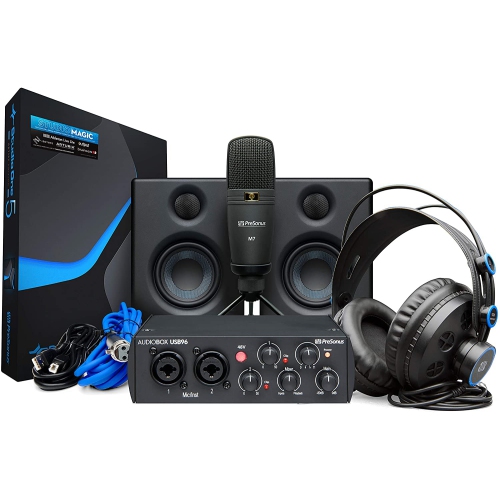 Your price for this item is $459.99
-
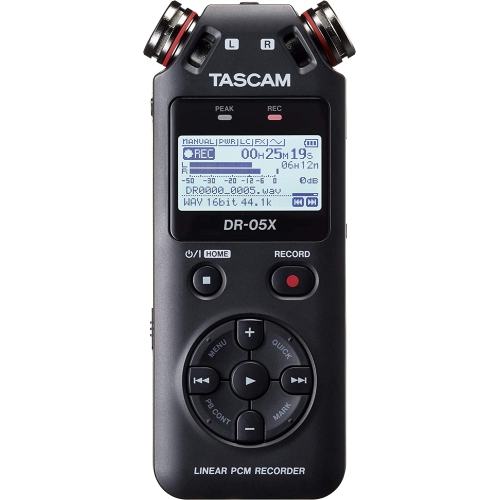 Your price for this item is $299
-
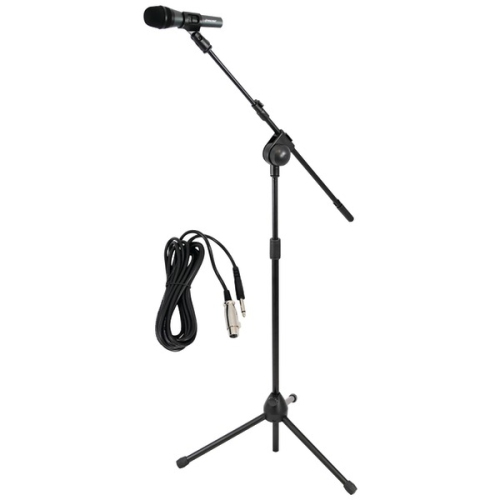 Your price for this item is $59.99
Discover more categories related to Music Studio Equipment
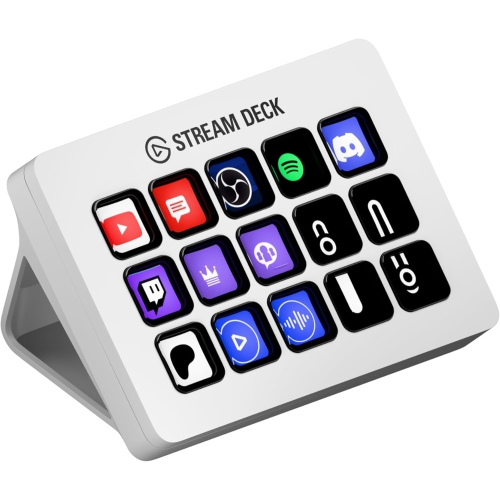
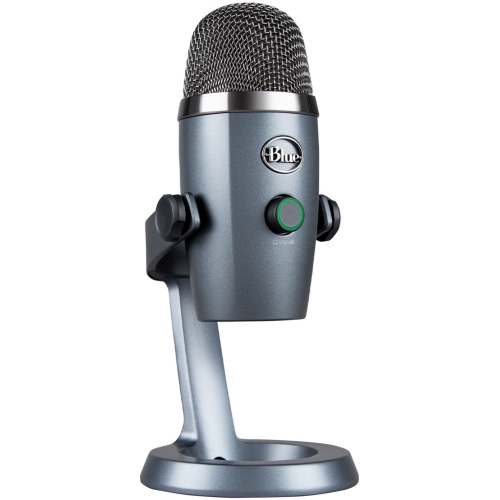
Top Collections:
Pokemon Centers, Kindle Devices, Best Budget Office Chairs, Canon G7X Cameras, Apple iPhones 16, Samsung Galaxy Phones, Refurbished Apple Laptops, Laptops for Students, iPhone 15 Apple, Budget Smartphones
Some products may be subject to Environmental Handling Fees
(EHF) depending on your province.
Learn more about EHFs.