Home Studio Equipment
Creating a professional and inspiring home studio is an exciting endeavor for any aspiring musician, podcaster, or content creator. With the right equipment, you can transform any space into a creative sanctuary where your ideas come to life. From high-quality microphones and headphones to versatile audio interfaces and studio monitors, our collection of home studio equipment has everything you need to take your craft to the next level. Whether you're a seasoned professional or just starting out, our wide range of options ensures that you'll find the perfect tools to unleash your creativity and produce exceptional audio content.
Sort



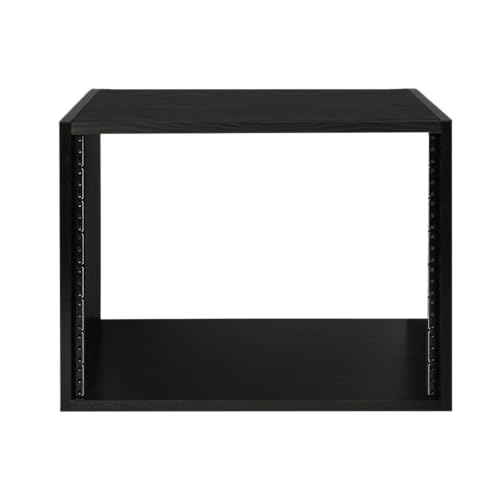
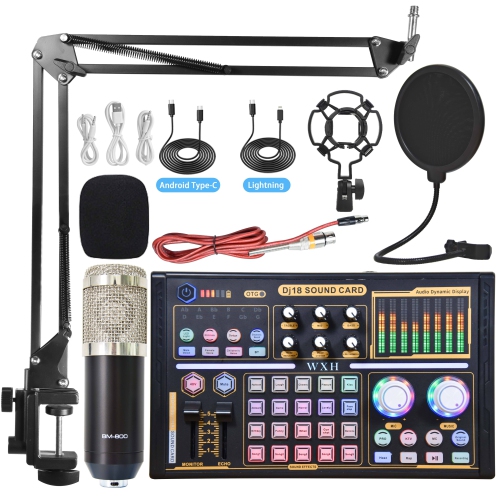
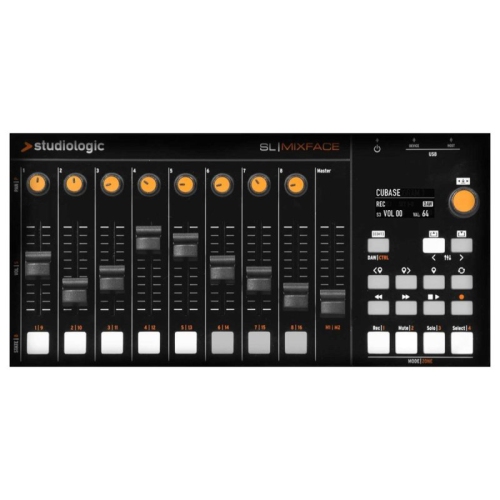
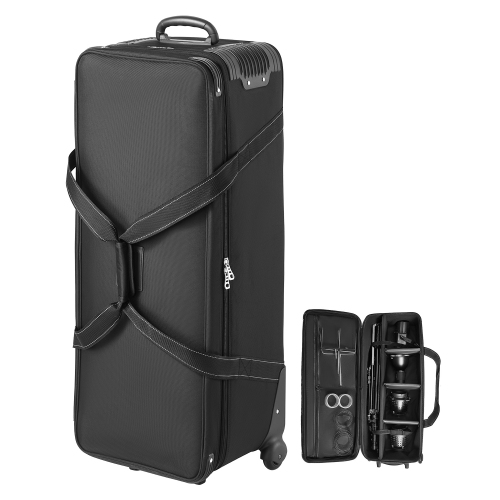



![SPEEDIANCE Smart Home Gym Monster 2 [Family Plus Bundle], Multifunctional Smith Machine Power Cage, Portable Cable Machine for Full Body Strength I love this machine](https://multimedia.bbycastatic.ca/multimedia/products/500x500/192/19205/19205372.png)
![SPEEDIANCE Smart Home Gym Monster 2 [Works Plus Bundle], Upgraded Ai-Powered Home Workout Machine, Multi-Functional Full Body Strength Training](https://multimedia.bbycastatic.ca/multimedia/products/500x500/192/19205/19205371.jpeg)
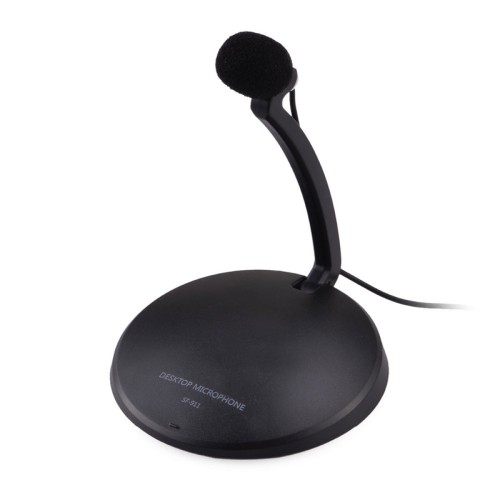
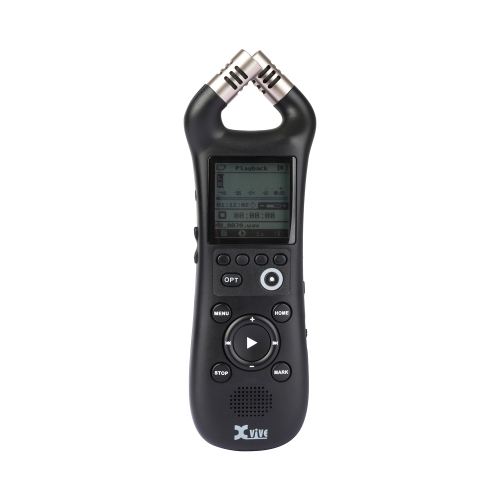
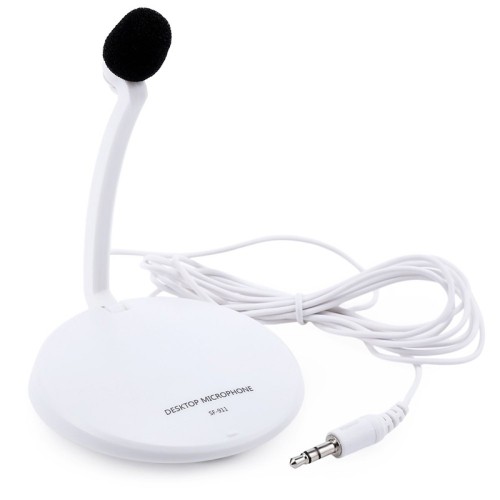
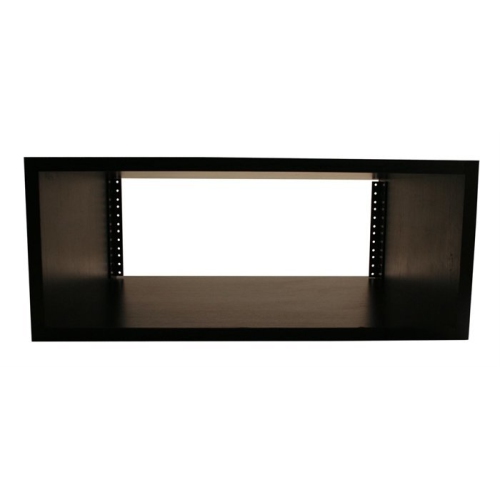
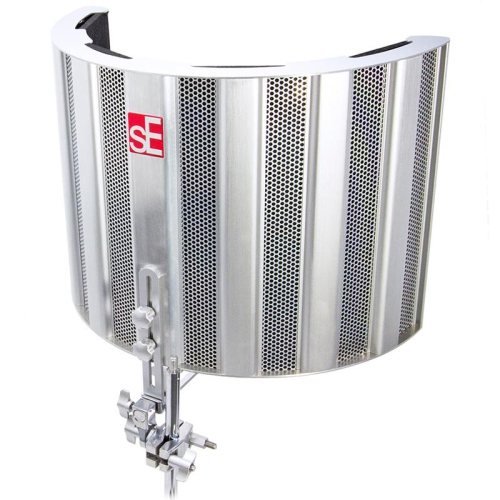
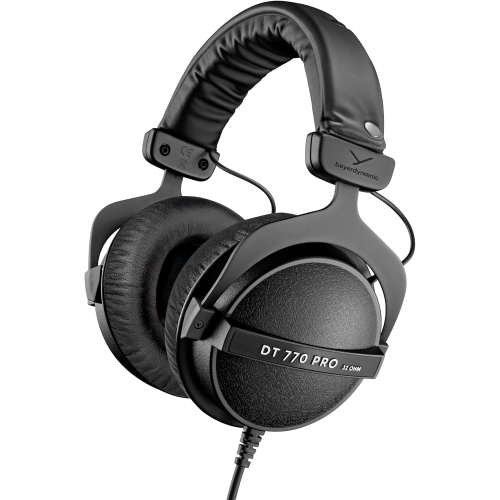
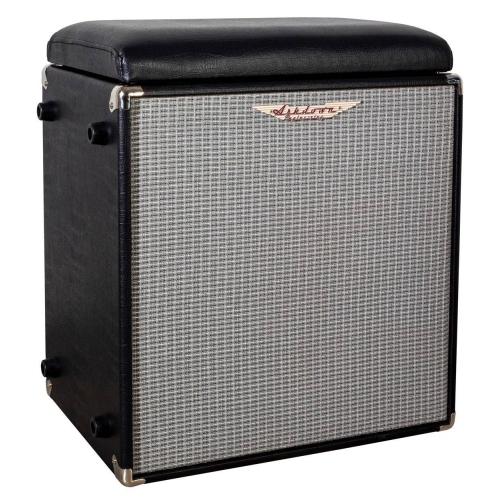
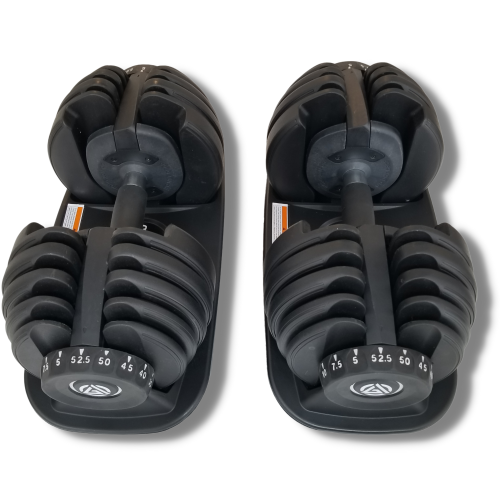
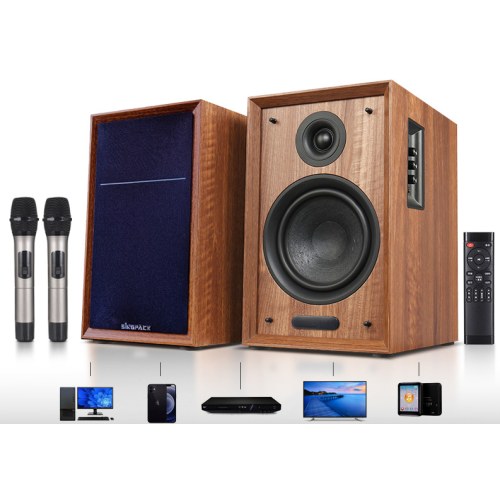
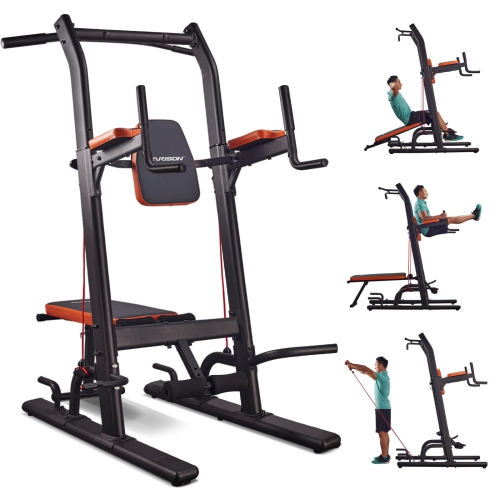
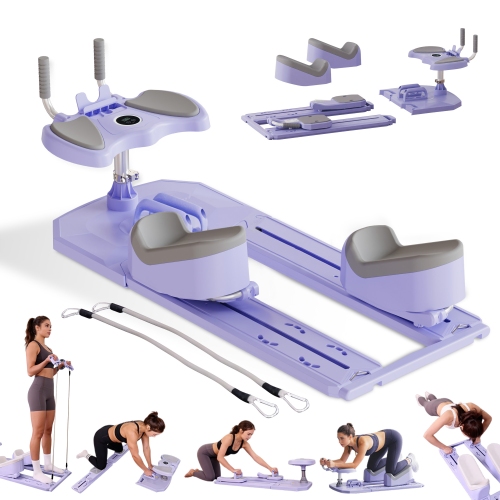
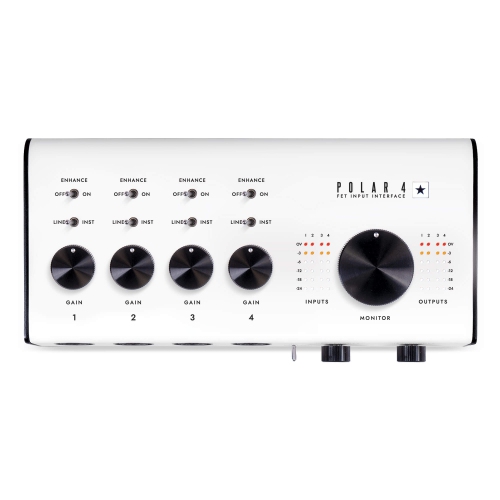
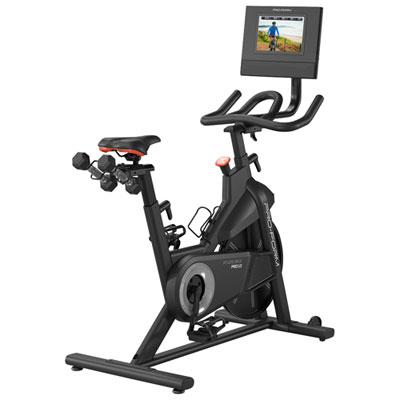
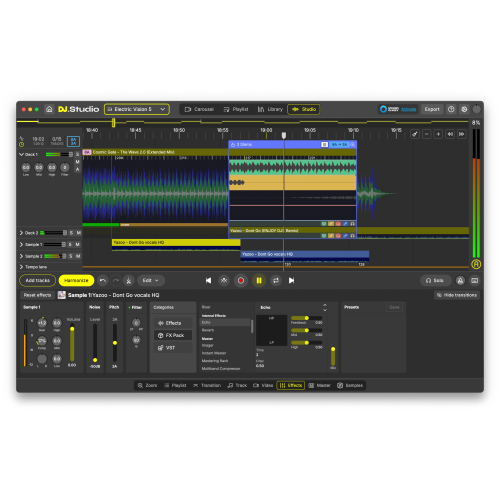
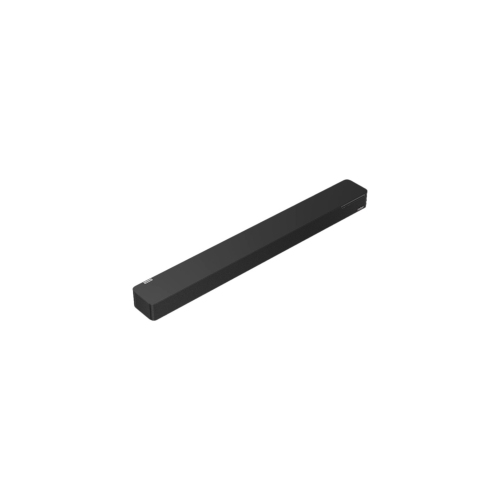
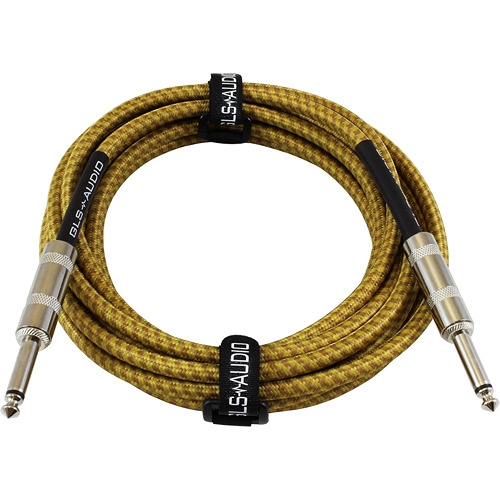
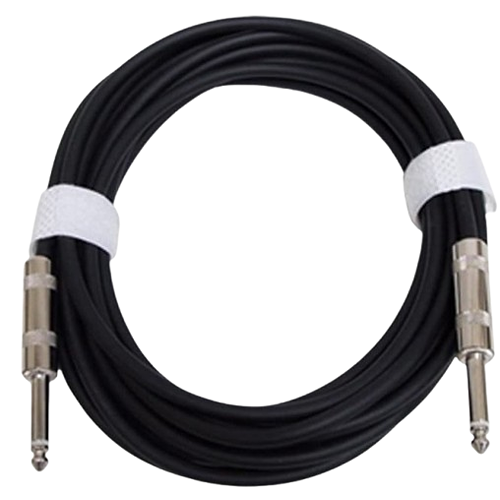
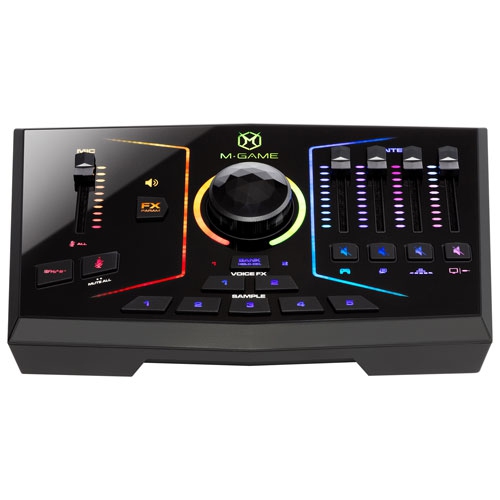
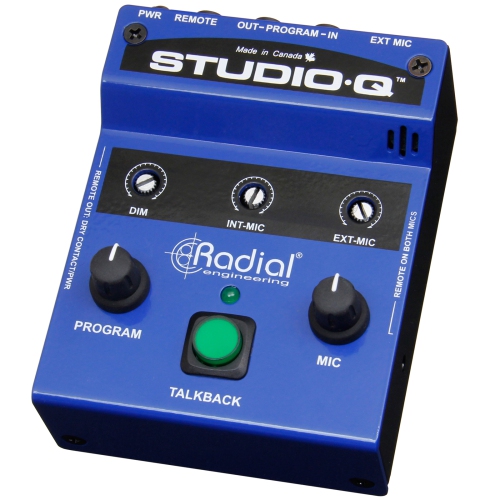
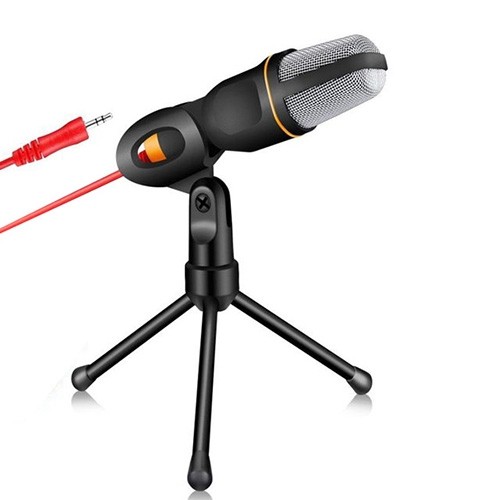
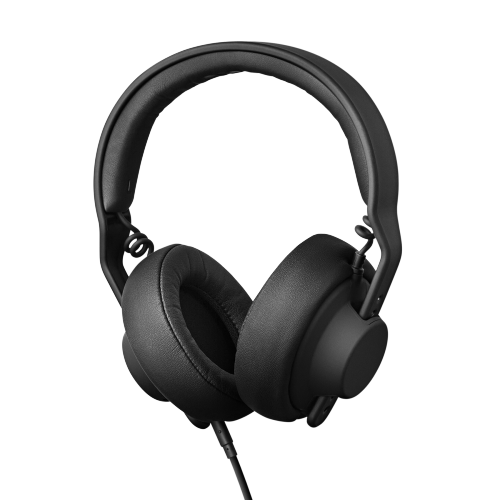
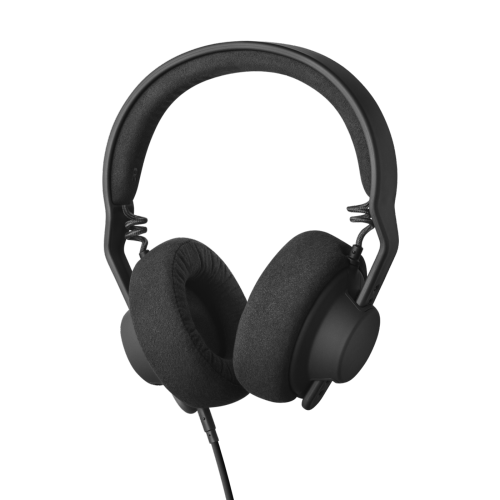

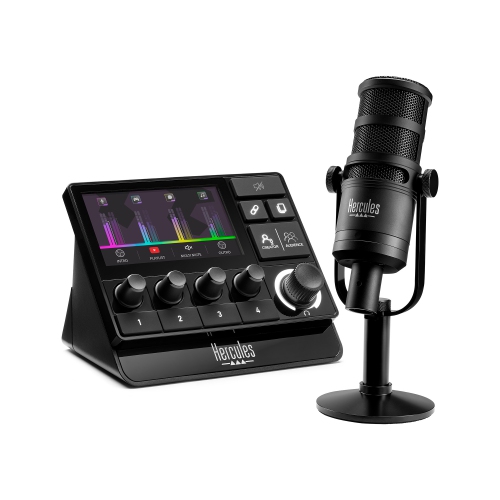
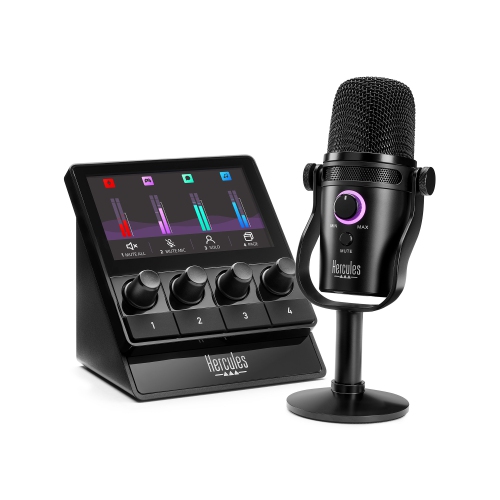
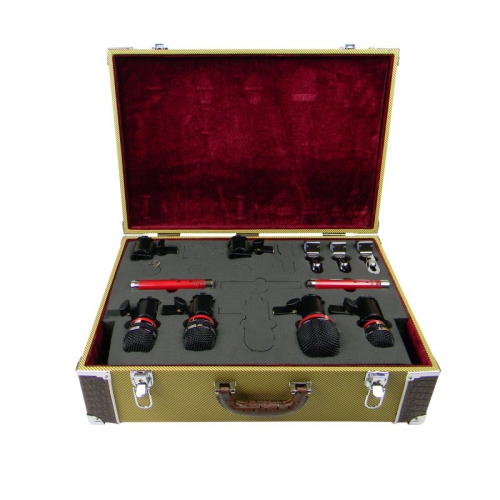
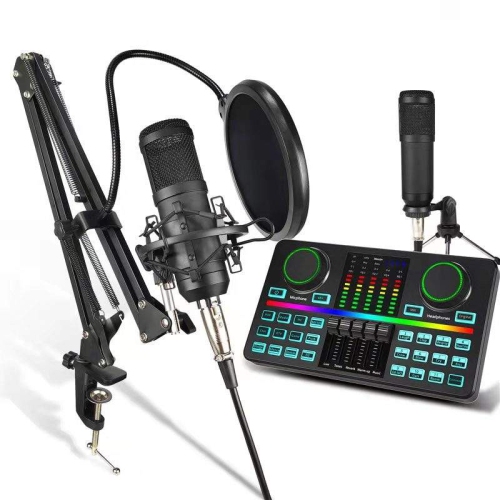
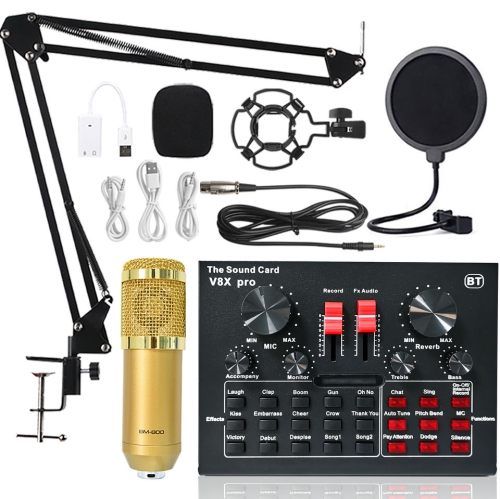
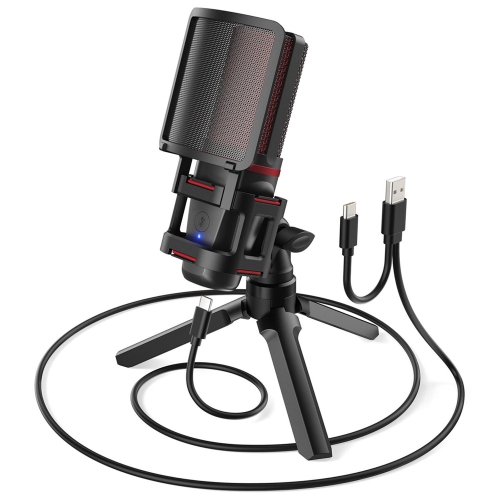
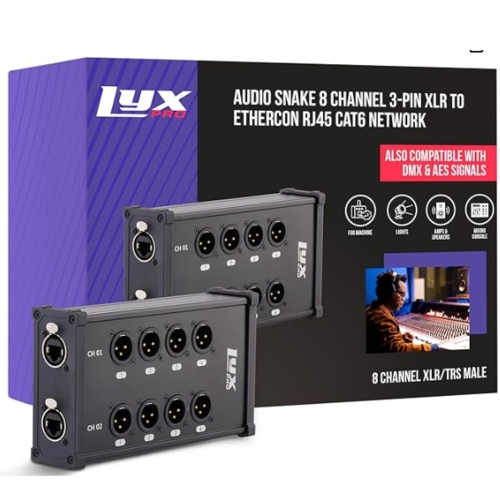
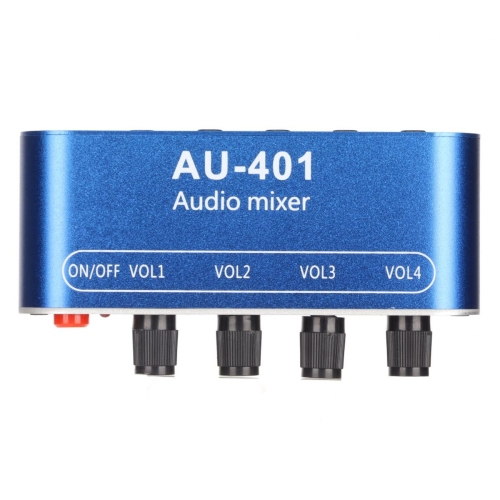
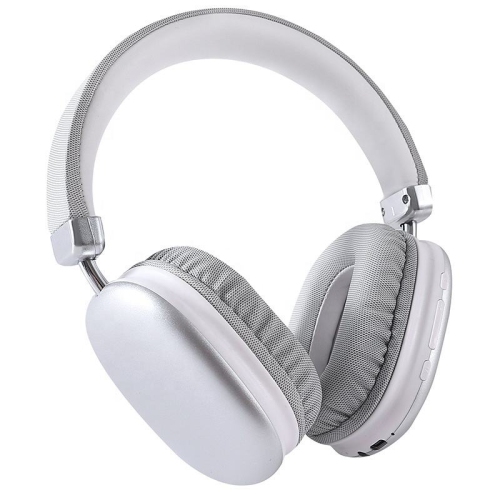
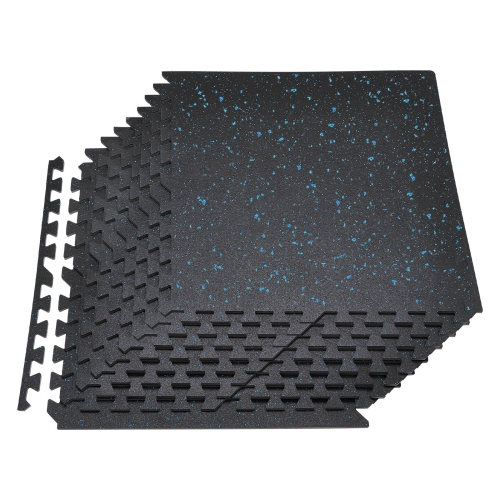
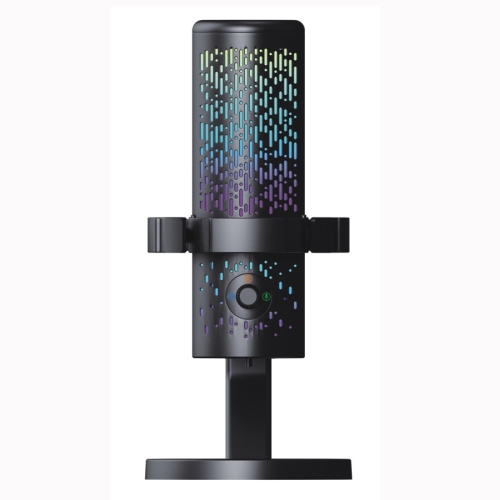
The right setup turns a quiet corner into a studio
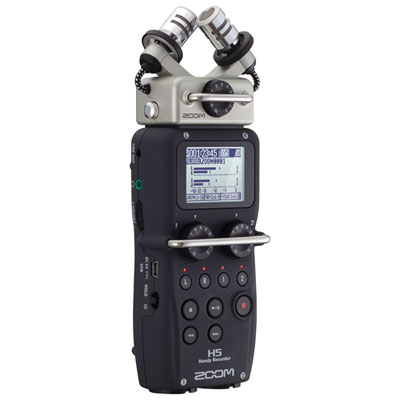
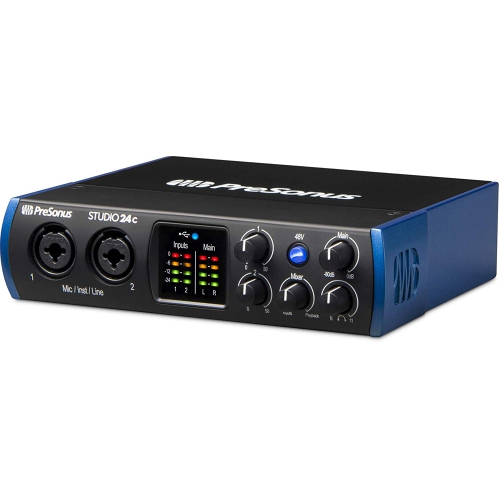
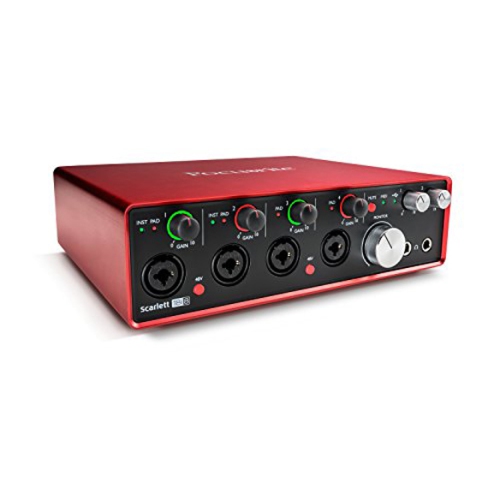
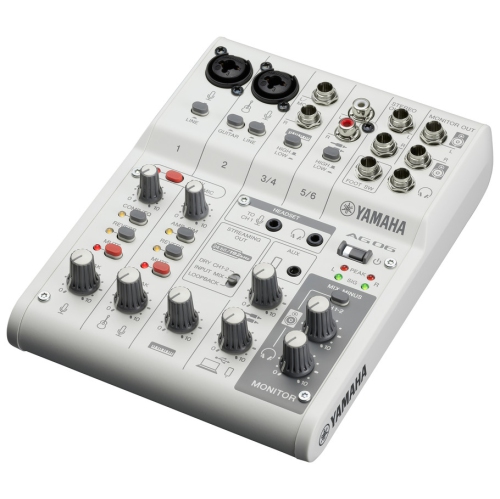
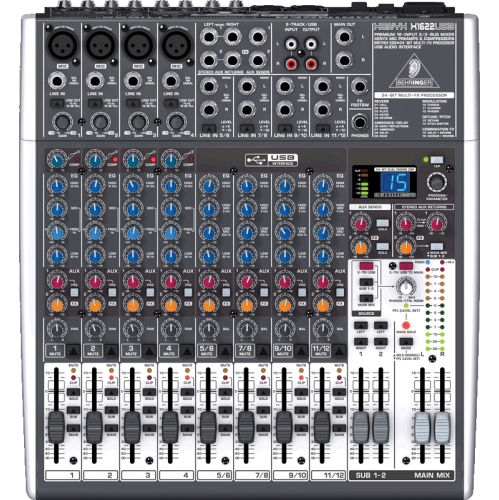
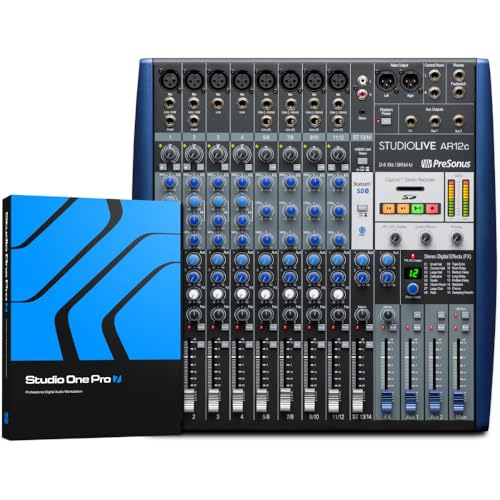
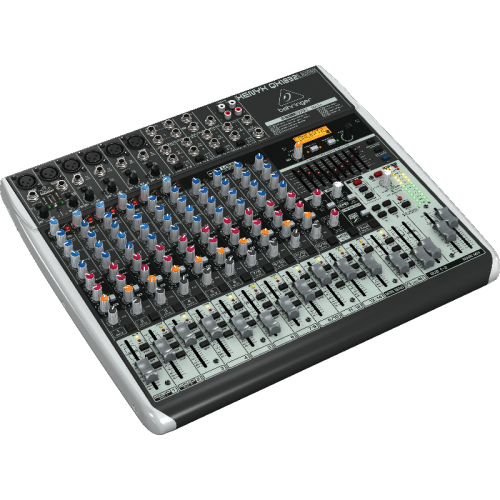
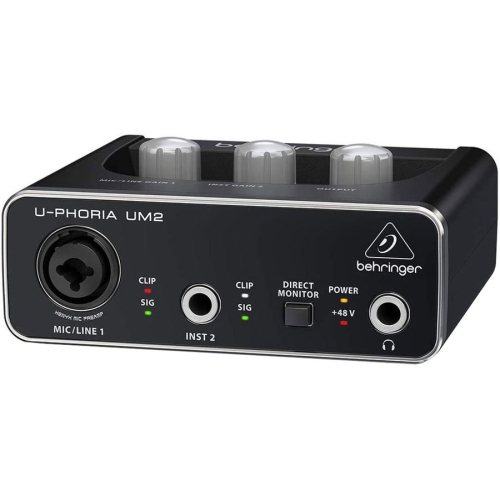
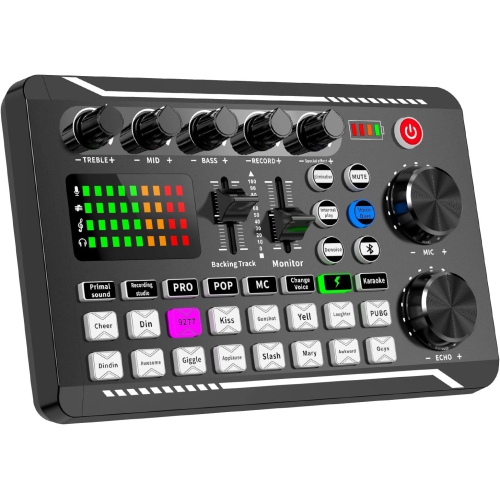
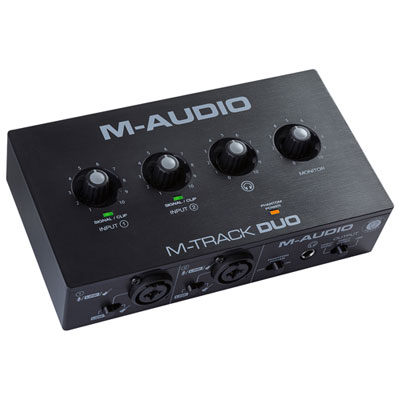
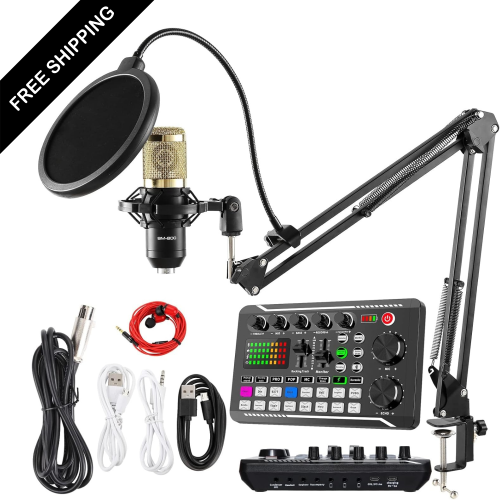
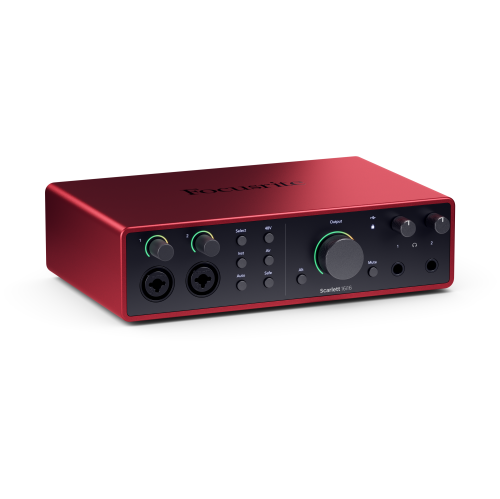
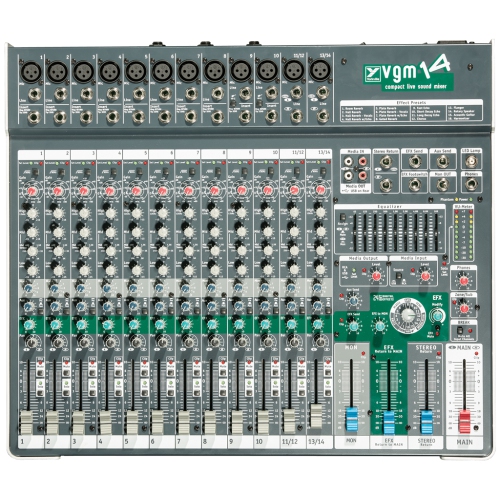
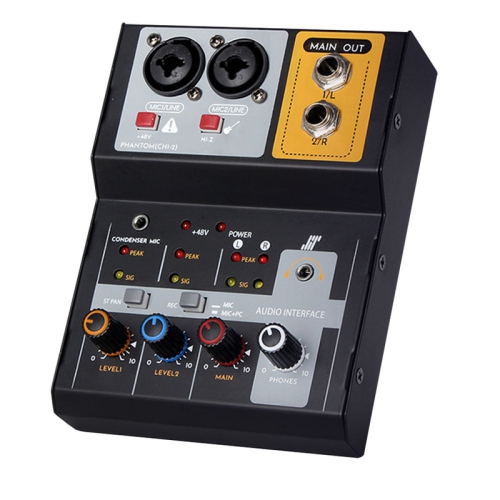
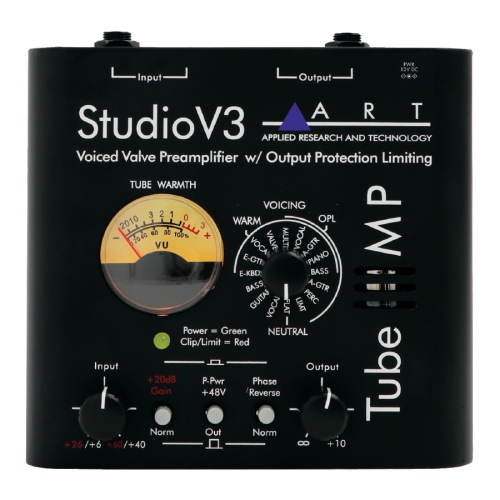
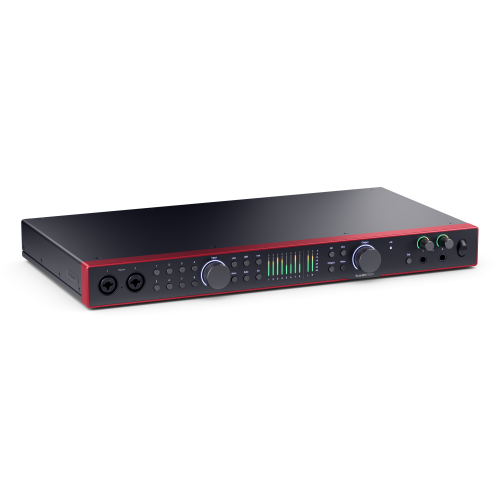
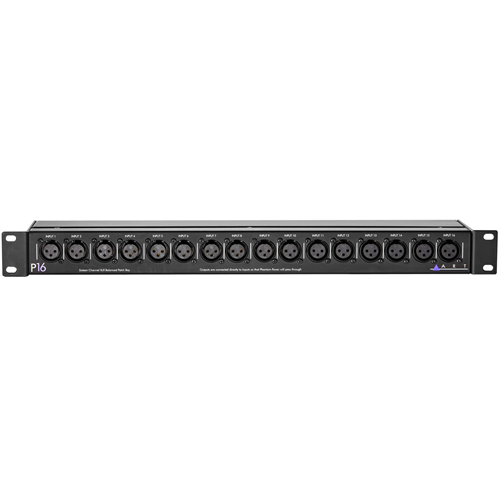
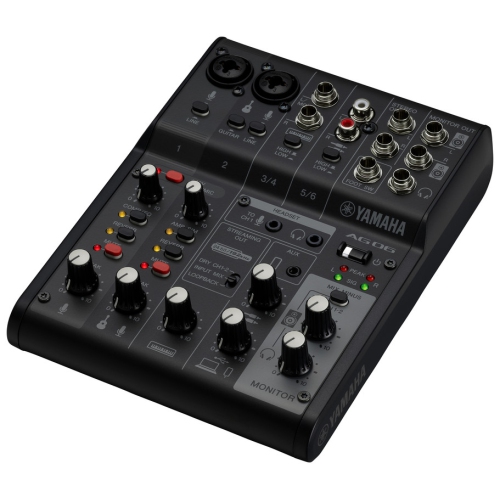
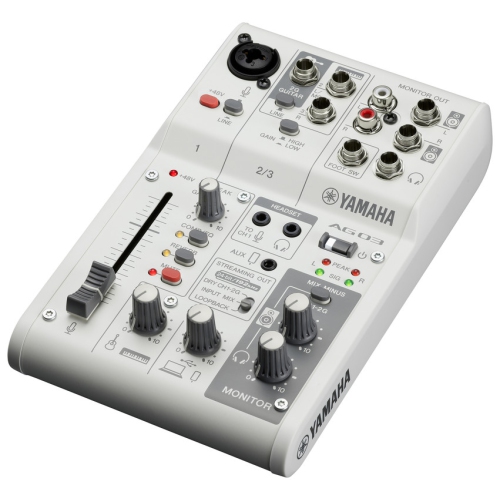
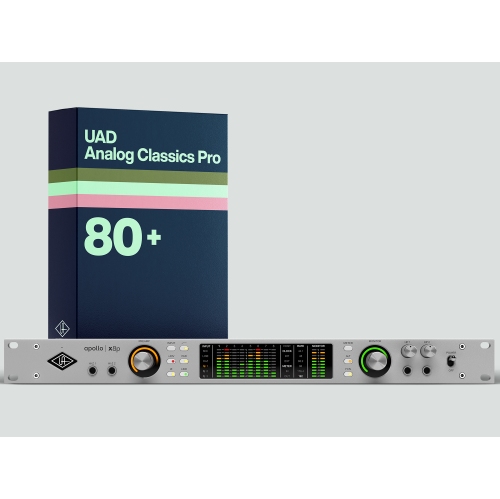
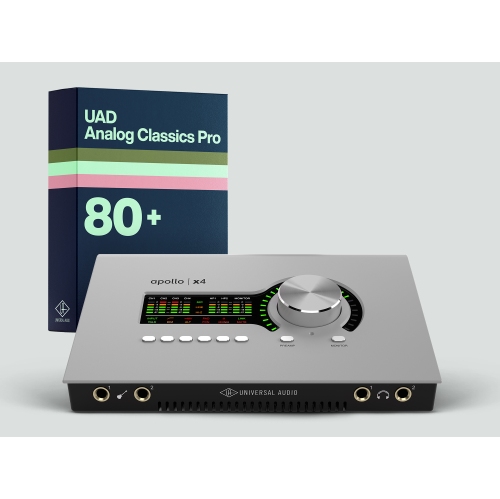
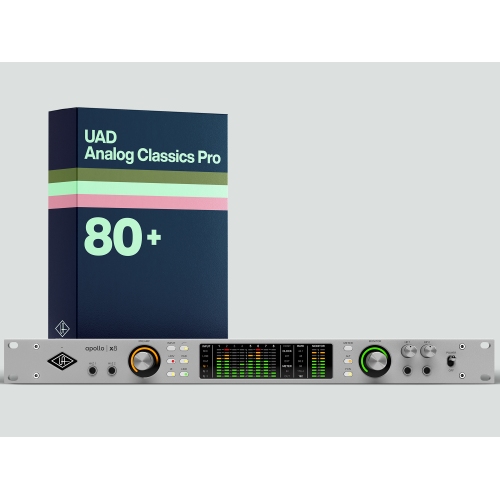
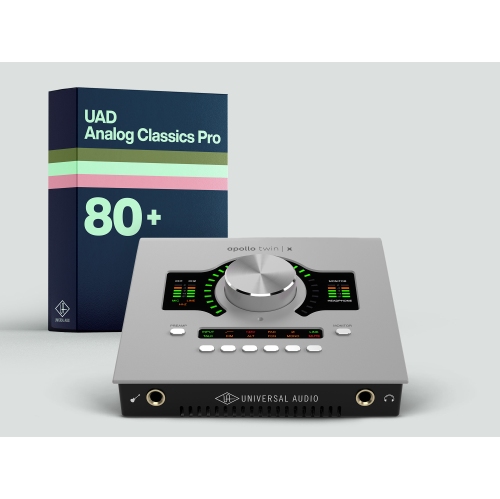
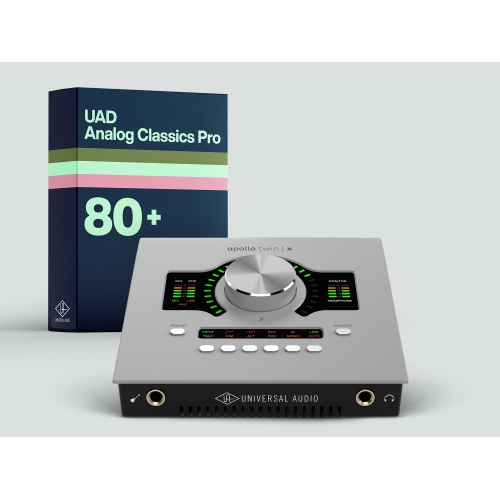
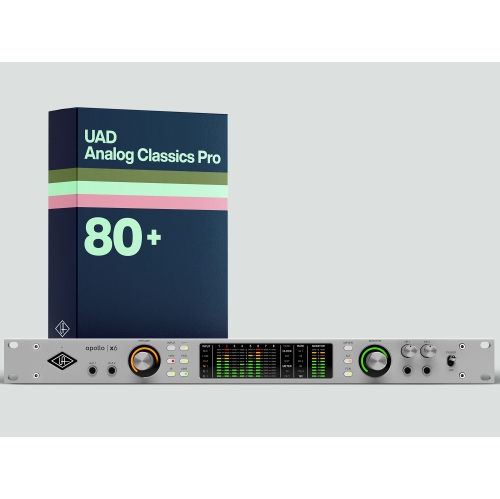
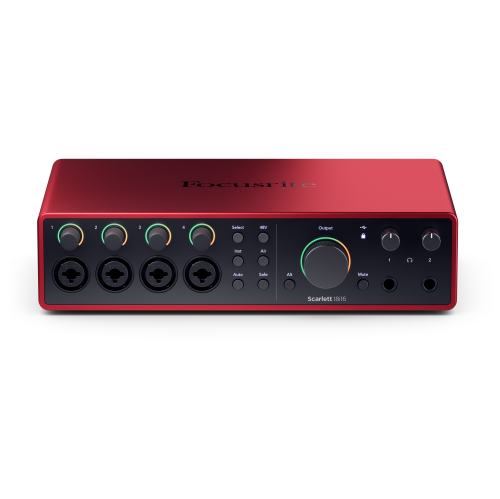
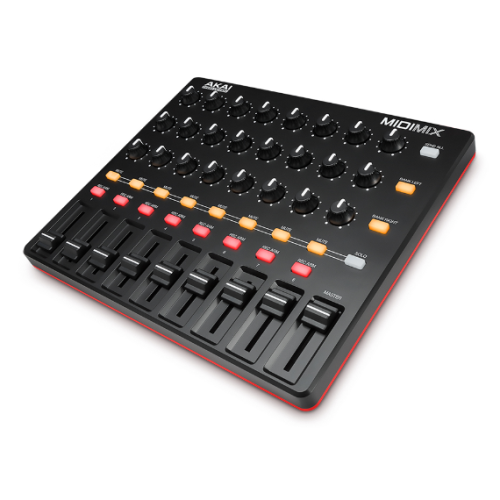
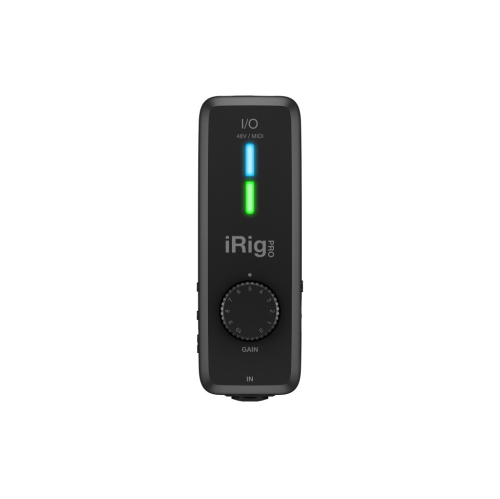
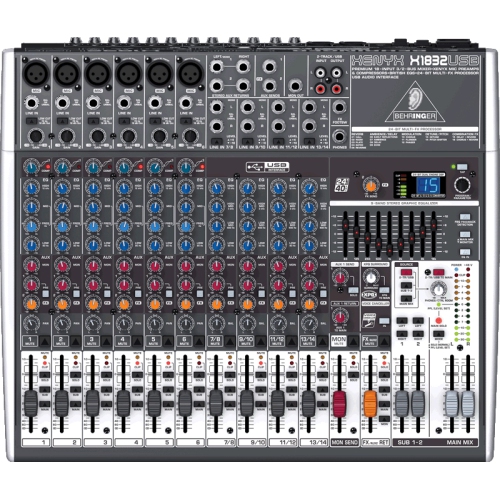
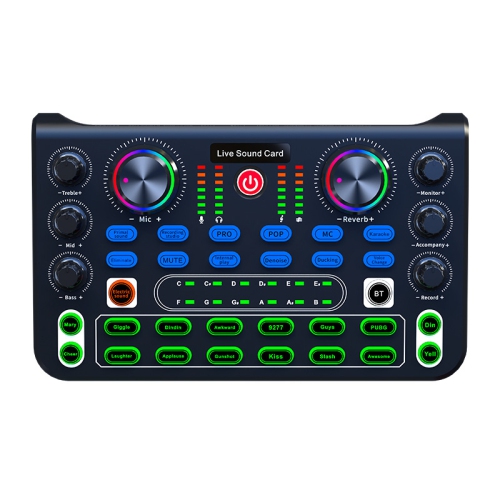
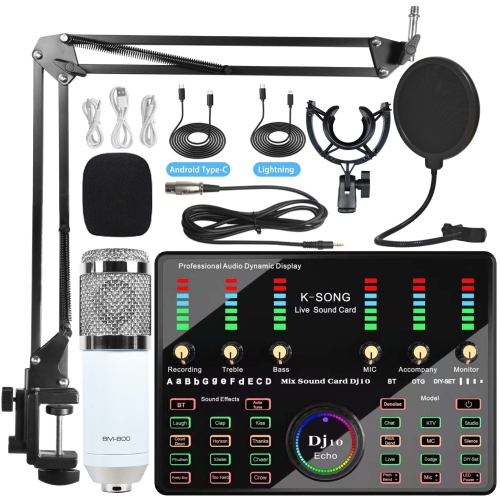
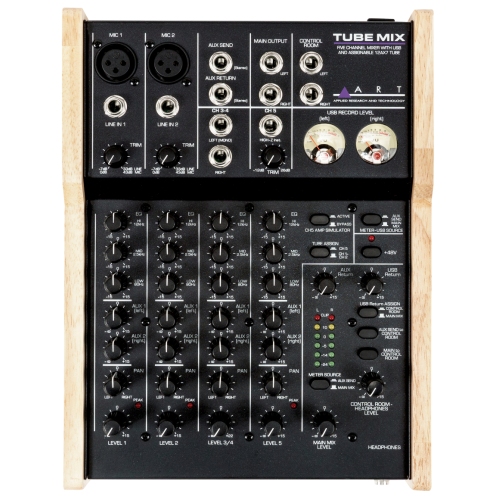
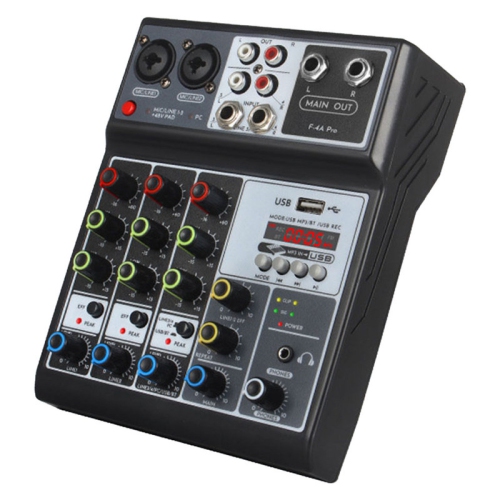
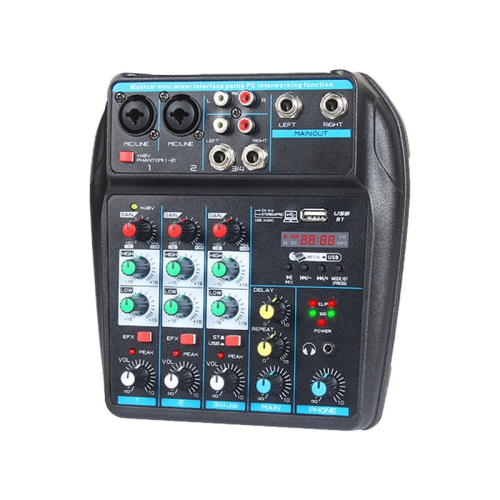
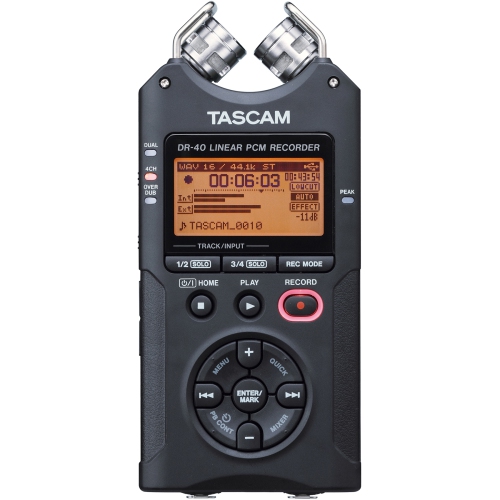
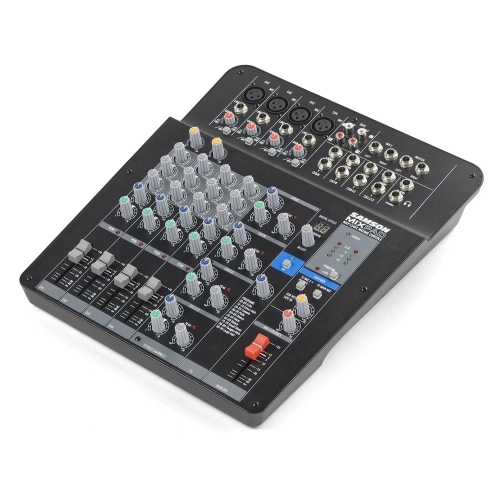
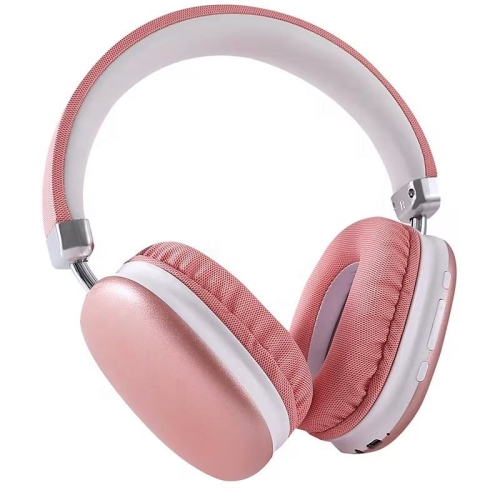
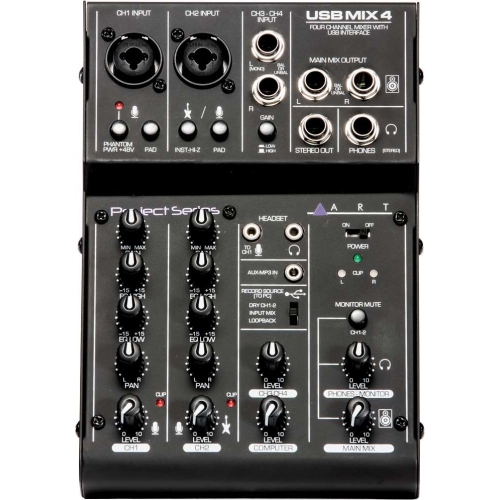
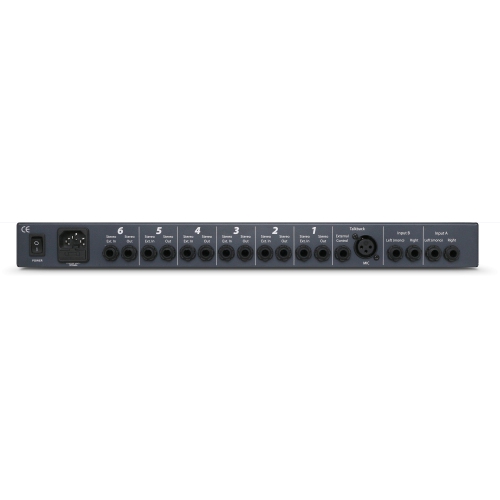
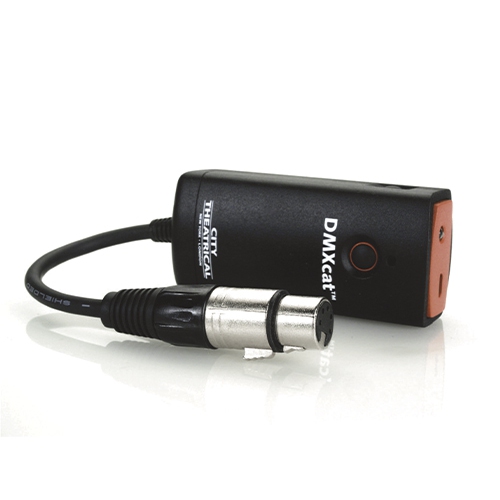
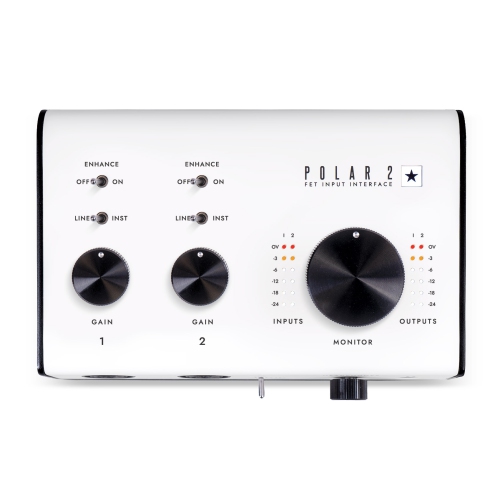
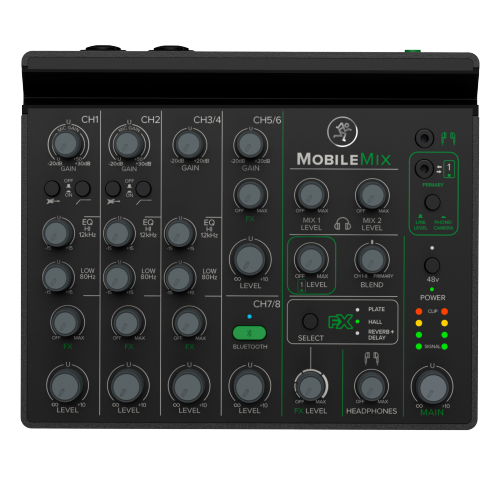
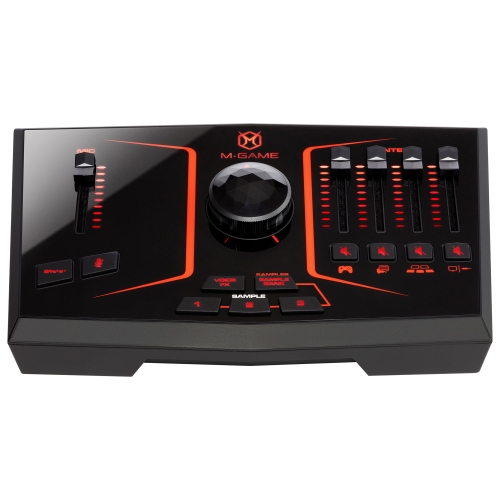
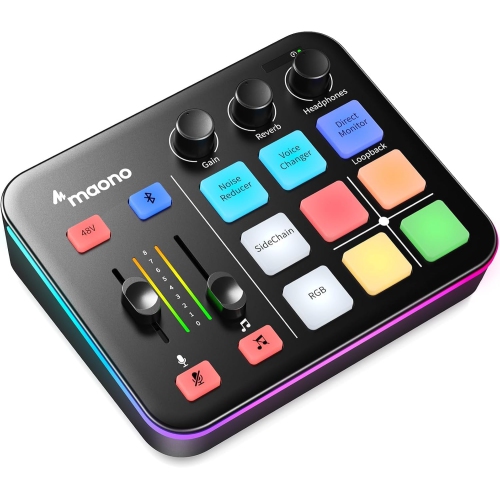
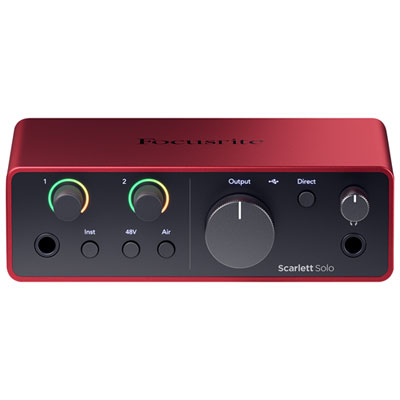
Home studio equipment brings the essential tools for recording, producing, mixing, streaming, podcasting and practising music into one creative space. Whether the setup is tucked into a spare bedroom, arranged beside a living-room desk or built around a dedicated studio area, the right combination of gear can make recording feel more comfortable and results more consistent. A computer paired with Digital Audio Workstation (DAW) software forms the centre of most home studios, providing the workspace for recording tracks, editing performances, arranging songs, applying effects and mixing finished projects. When choosing a computer for studio use, look for enough processing power, memory and storage to manage multiple audio tracks and software instruments without distracting delays. A DAW should suit the user’s experience and creative plans, from simple voice recording and beat-making to more involved music production. An audio interface connects microphones, instruments and other sound sources to the computer, while also converting sound between analogue and digital formats. The number of inputs matters: a solo vocalist may only need a compact interface, while a band, keyboard player or multi-instrumentalist may appreciate several inputs for recording more than one source at a time. Built-in headphone outputs, input controls and low-latency monitoring can also make a noticeable difference during recording sessions. For anyone comparing home studio equipment, it helps to think about the complete signal path, beginning with the sound source and ending with the headphones or speakers used to hear it. This approach reduces compatibility surprises and makes it easier to build a setup that can grow with changing interests.
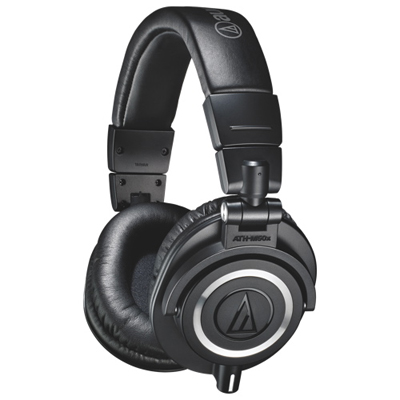
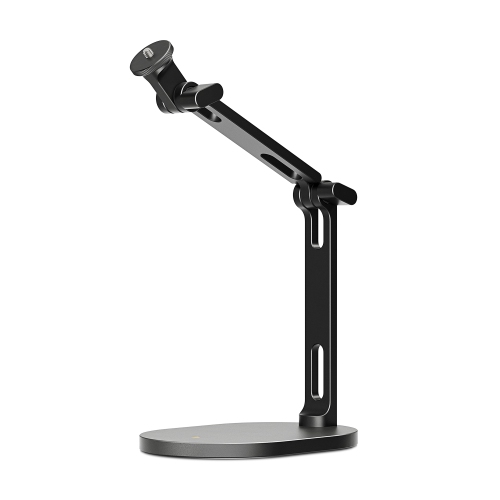
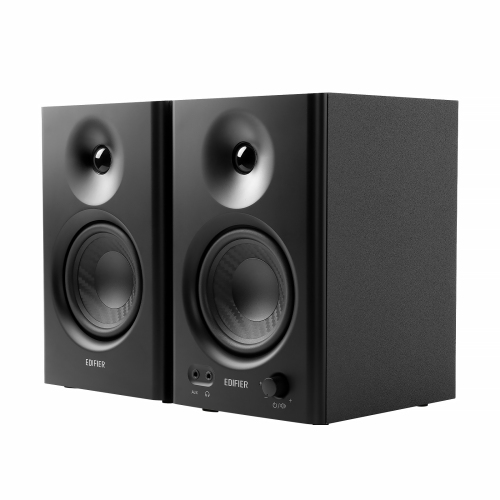
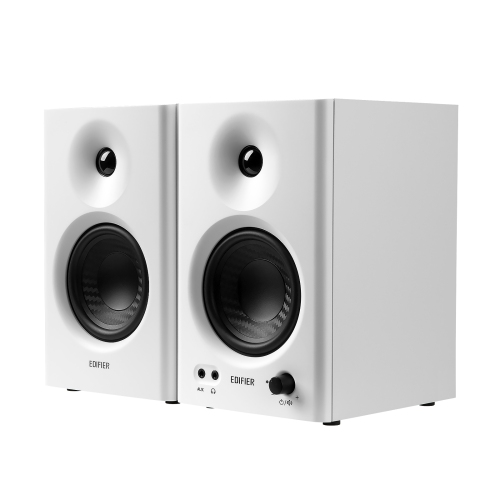
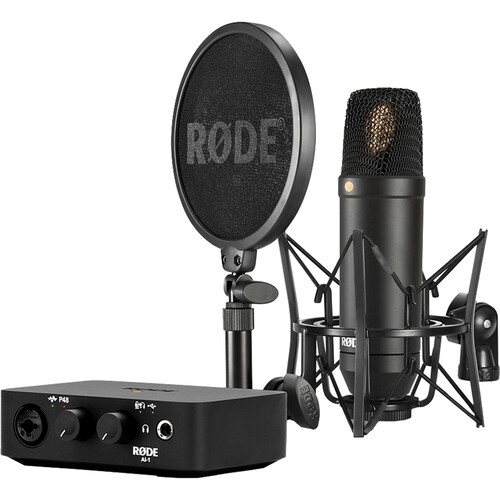
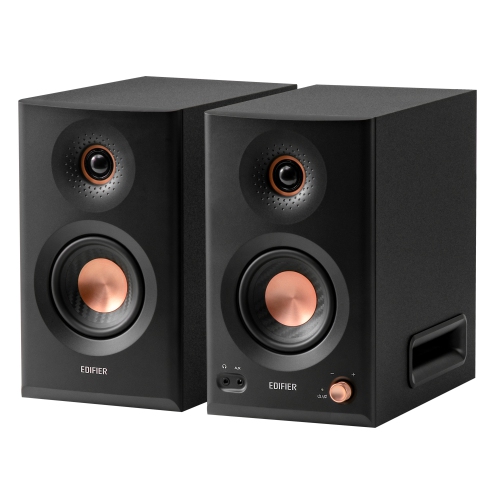
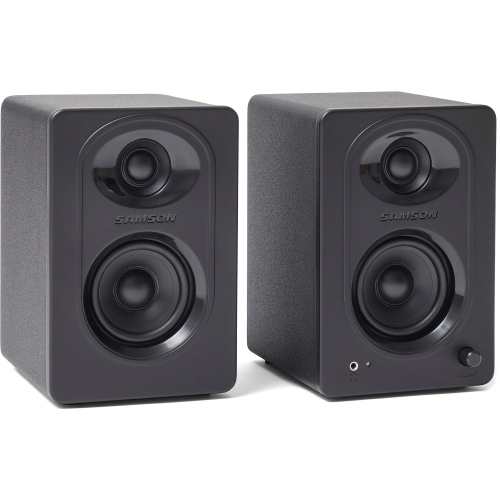
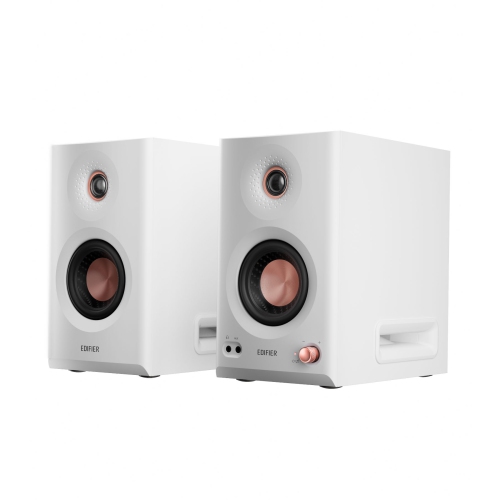
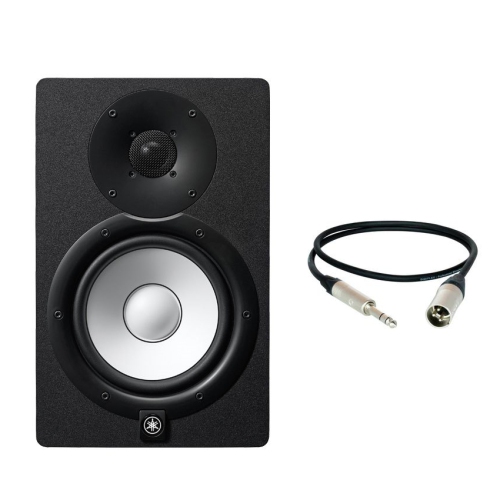
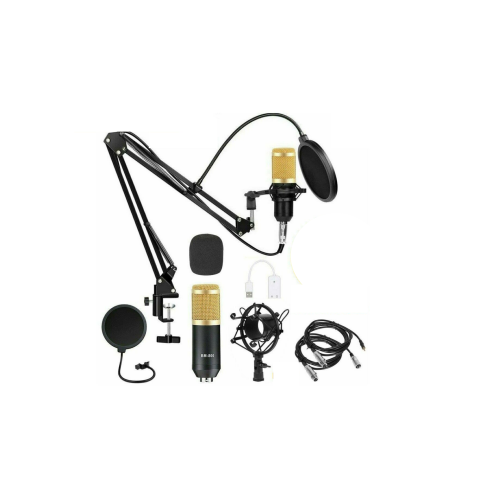
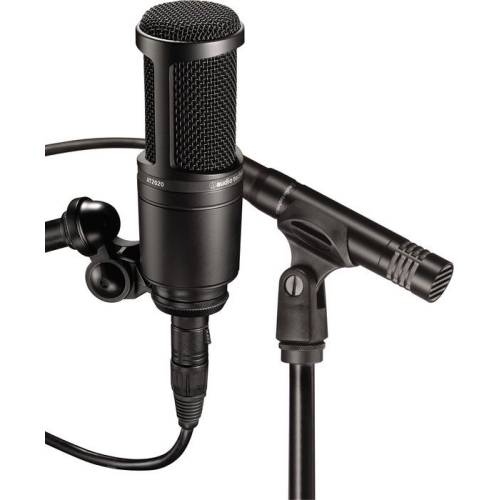
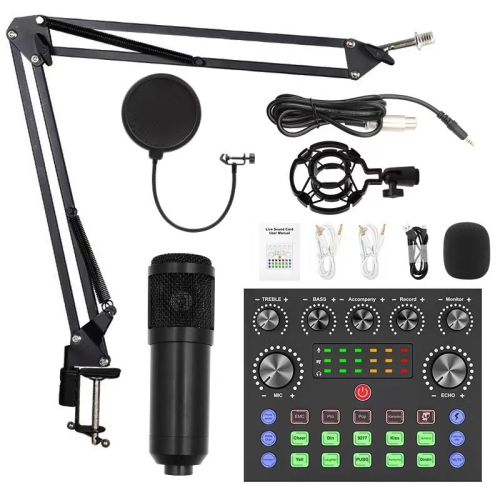
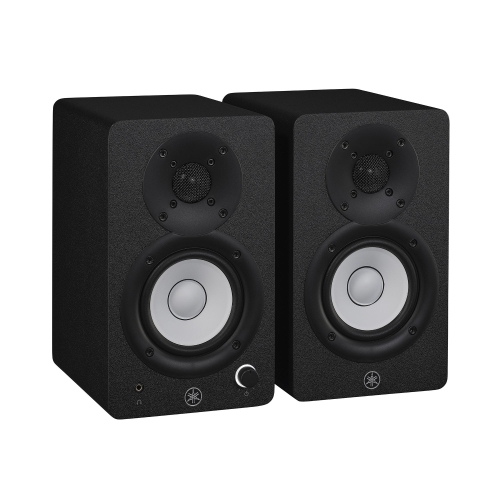
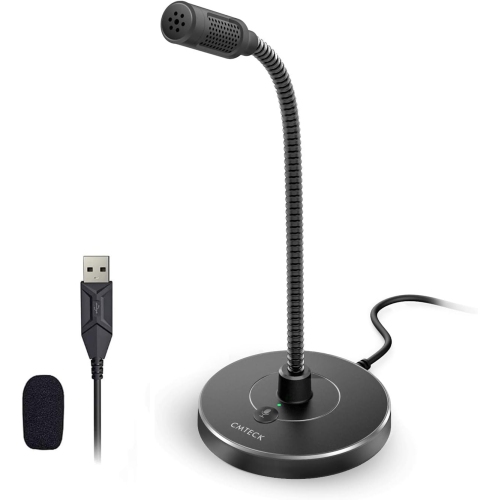
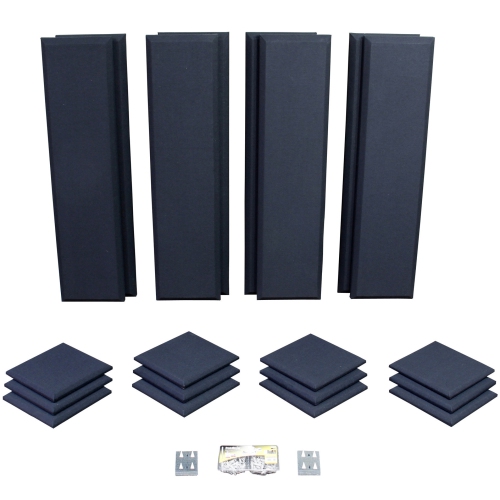
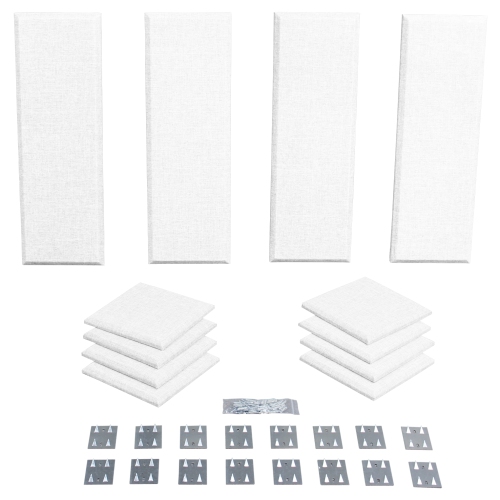
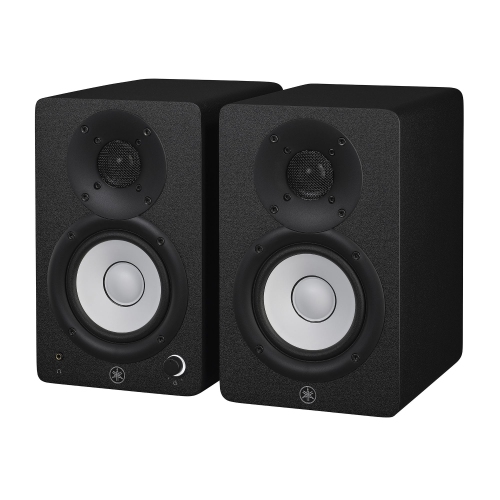
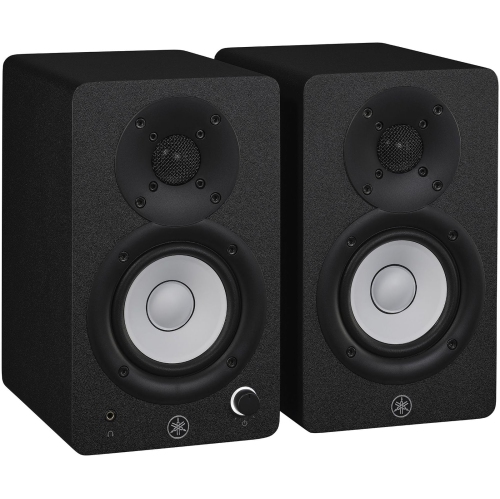
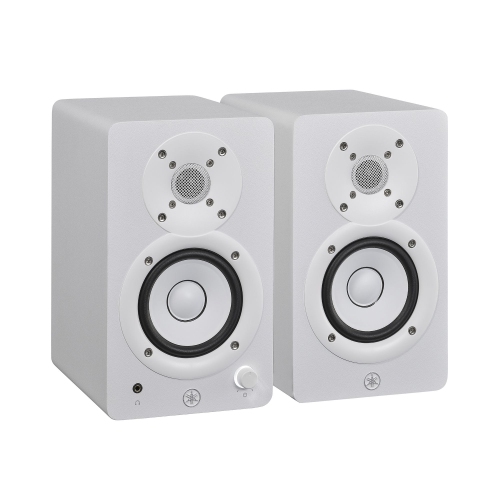
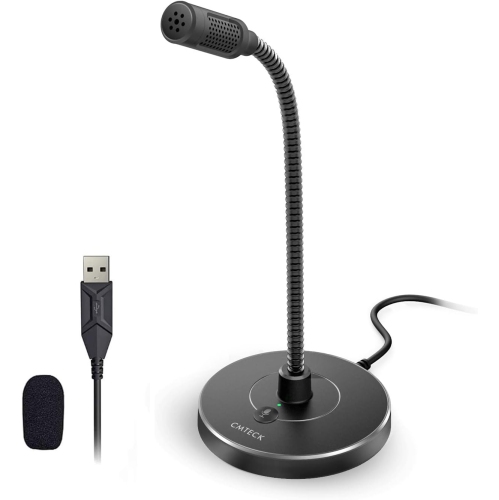
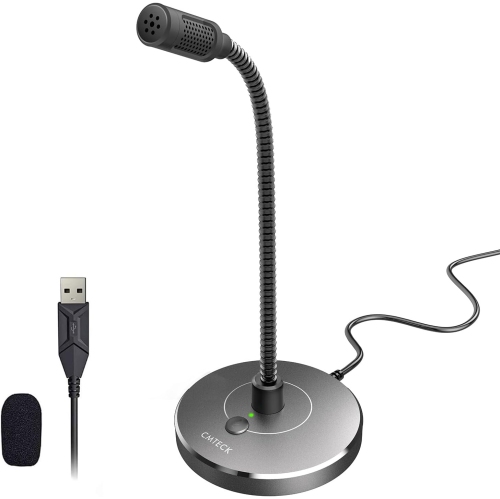
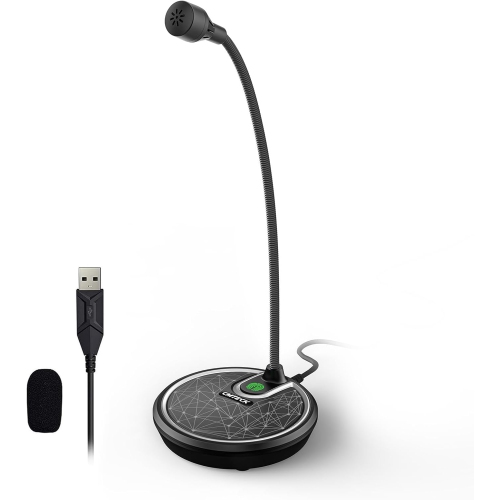
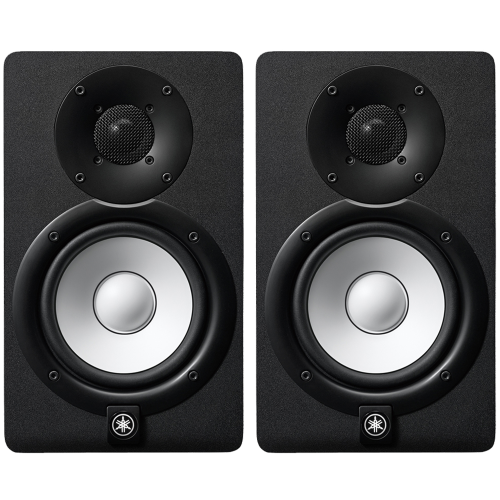
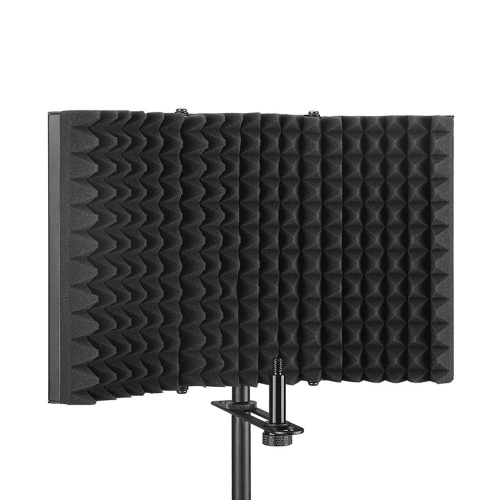
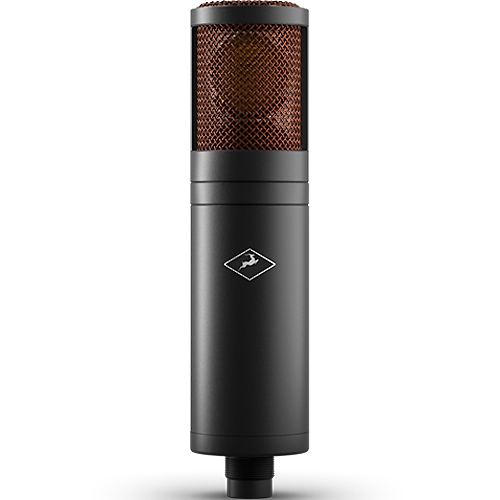
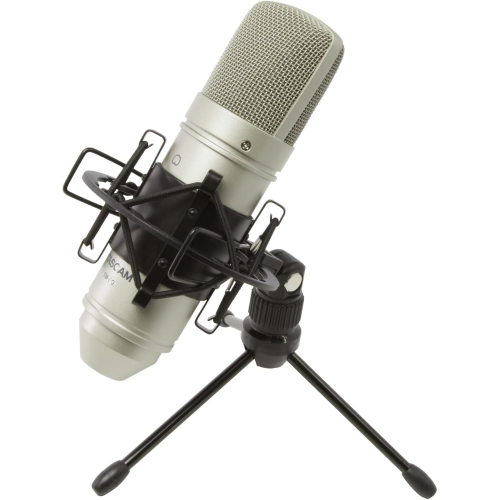
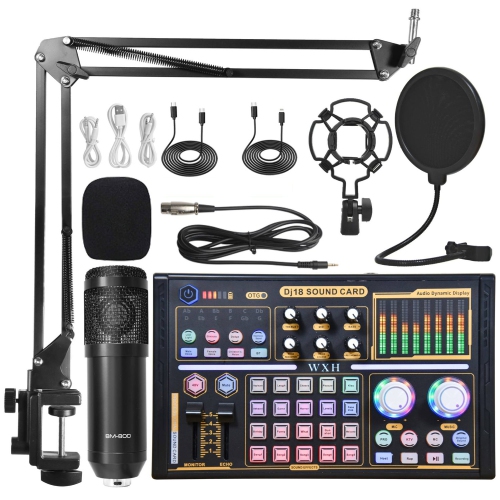
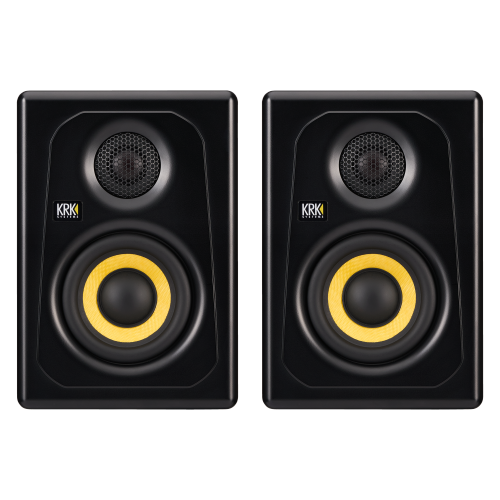
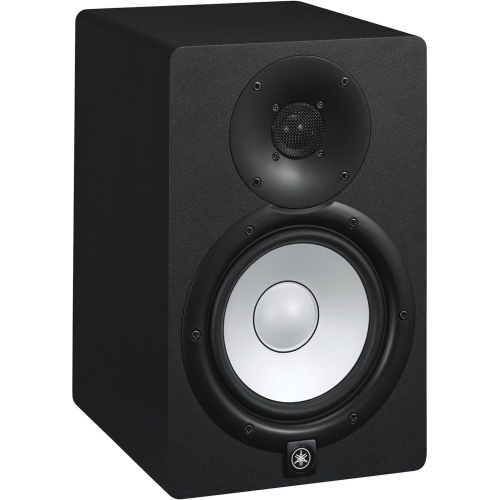
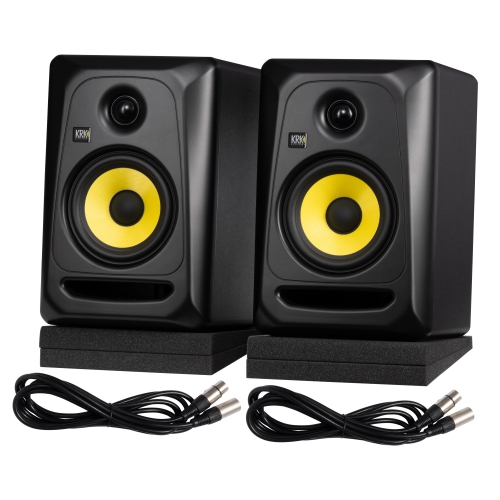
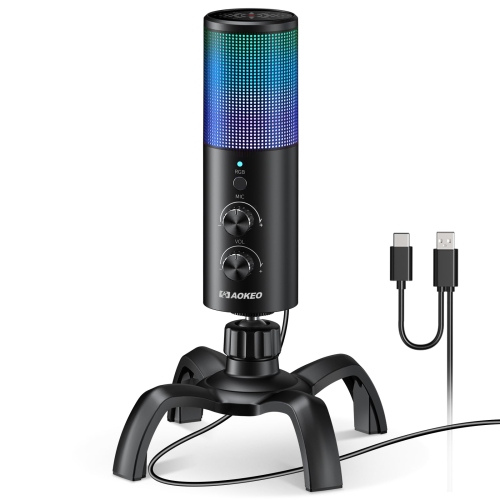
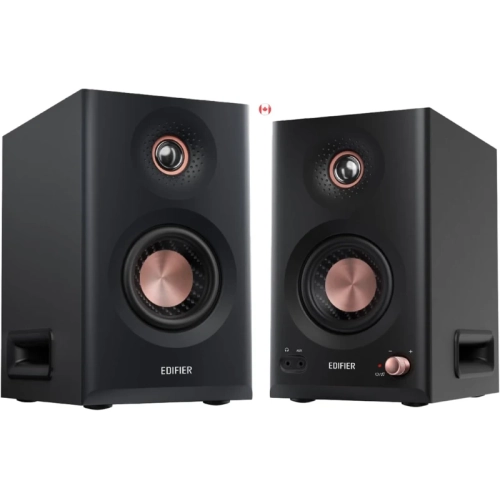
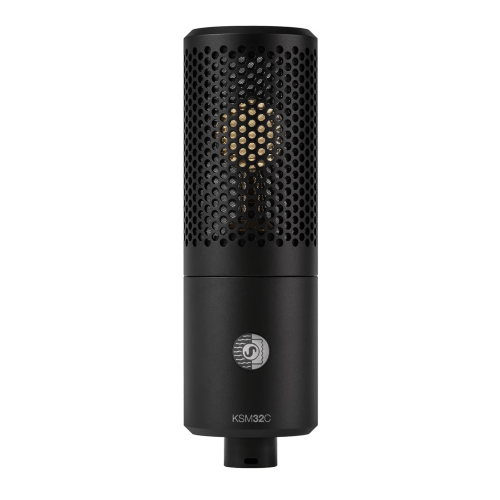
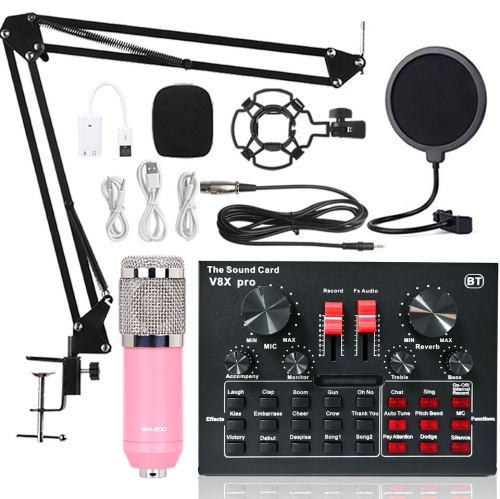
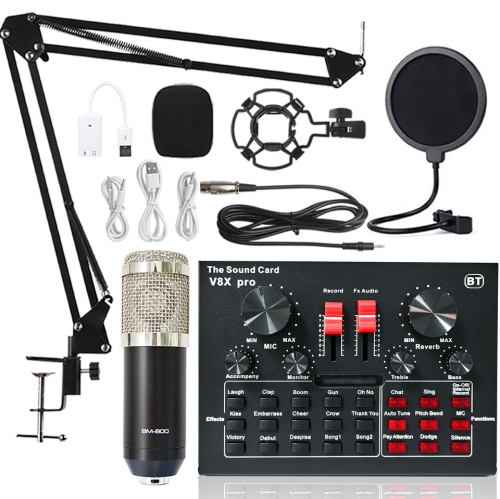
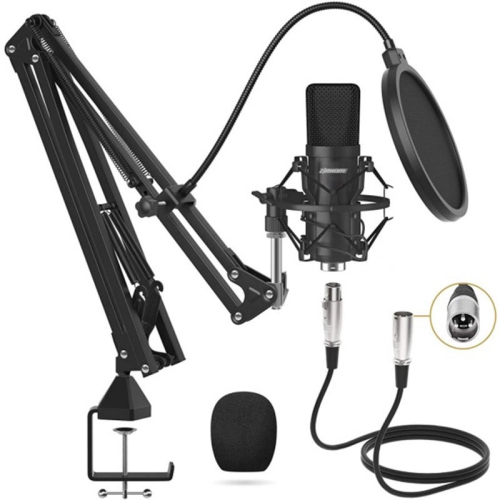
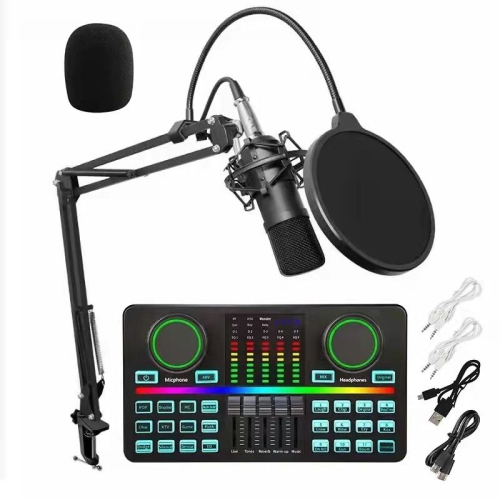
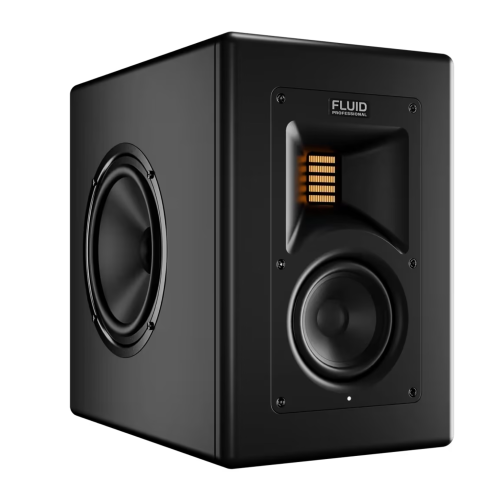
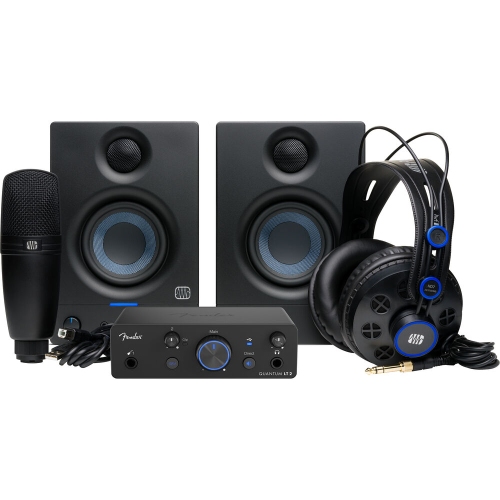
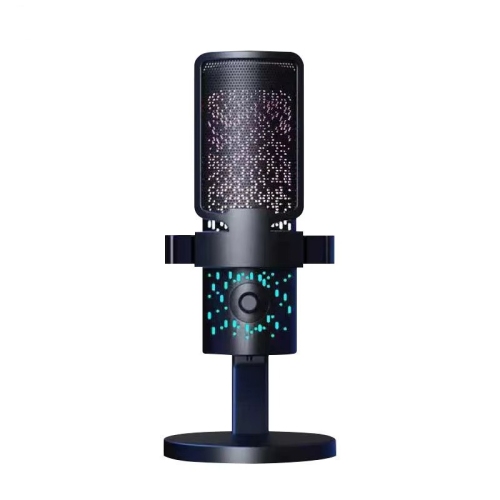
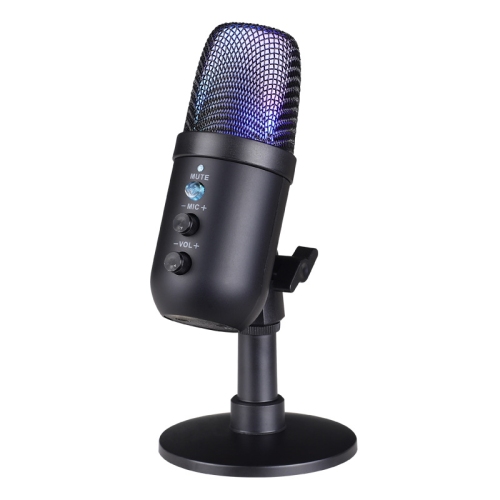
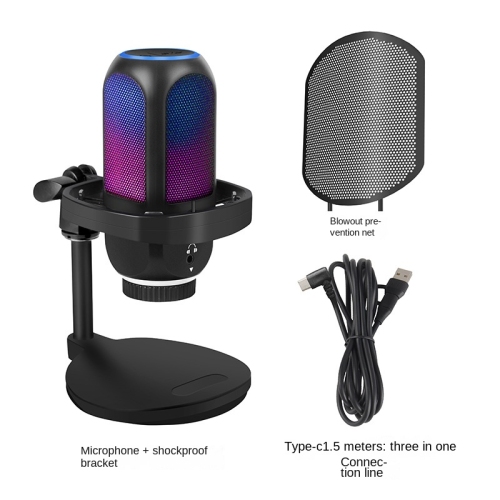
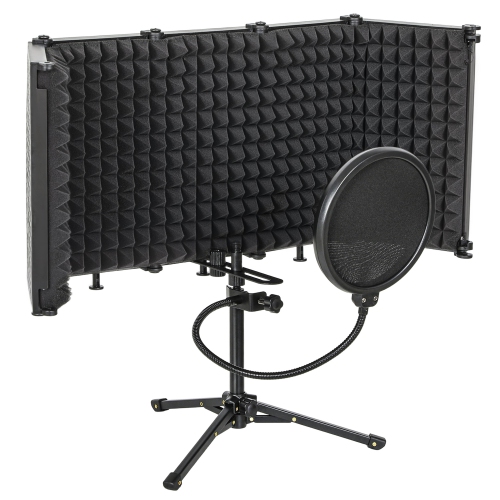
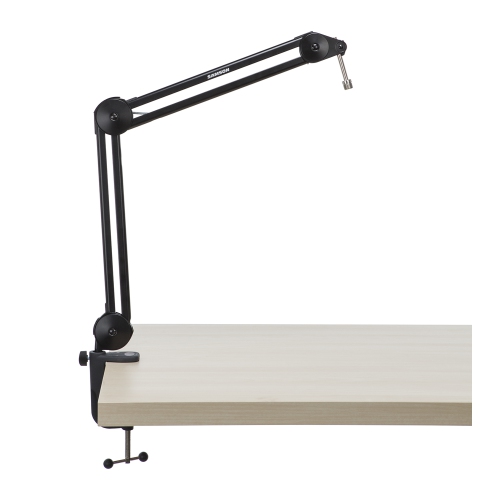
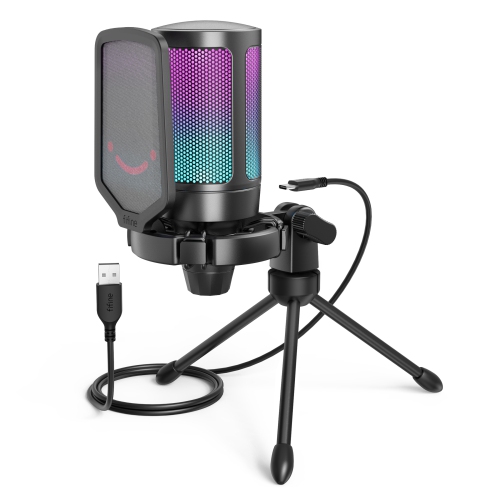
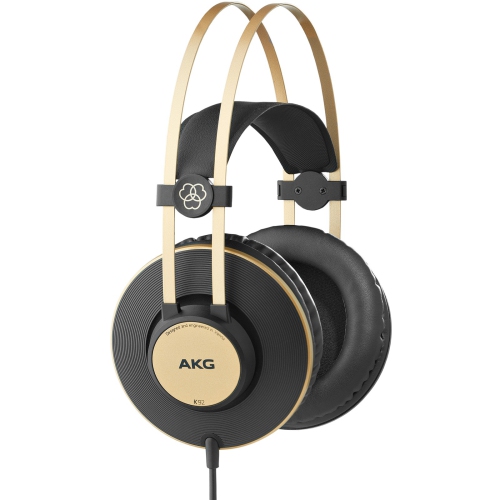
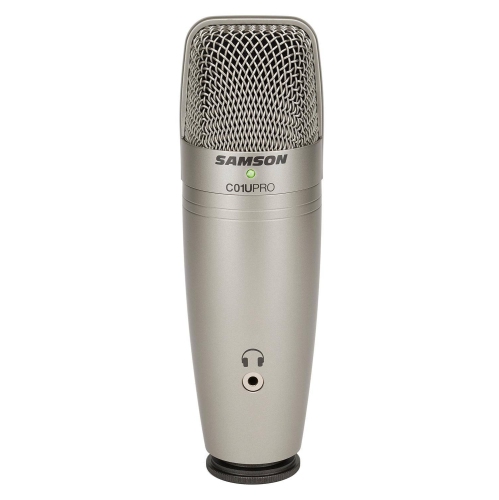
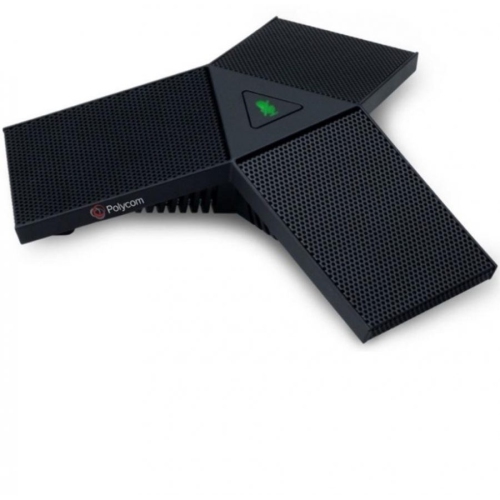
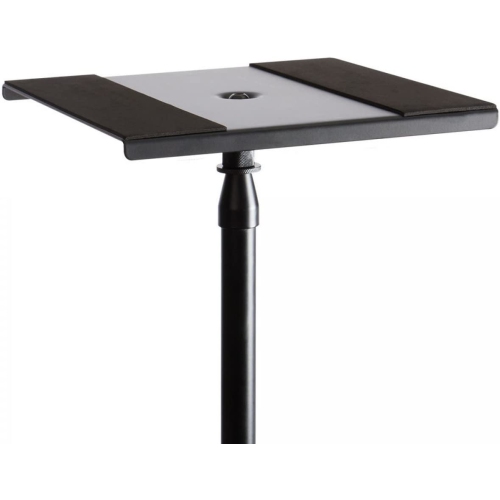
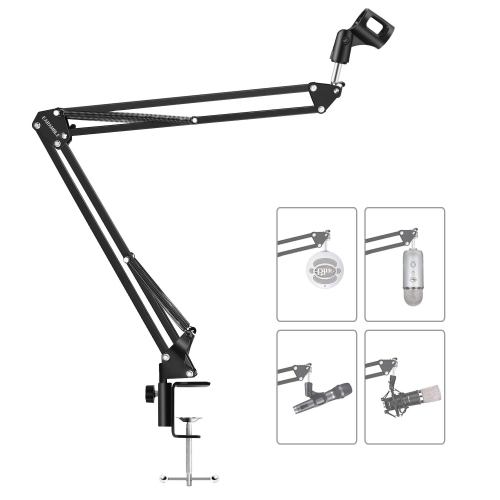
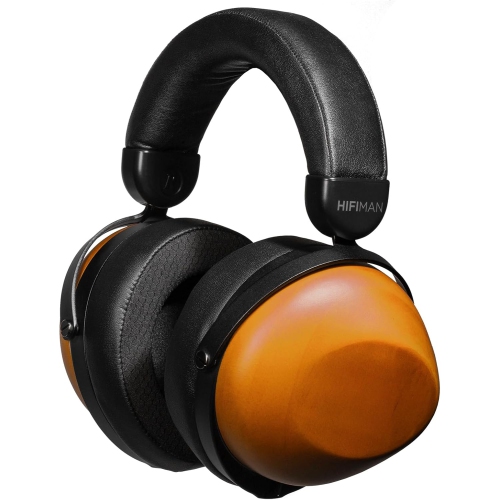
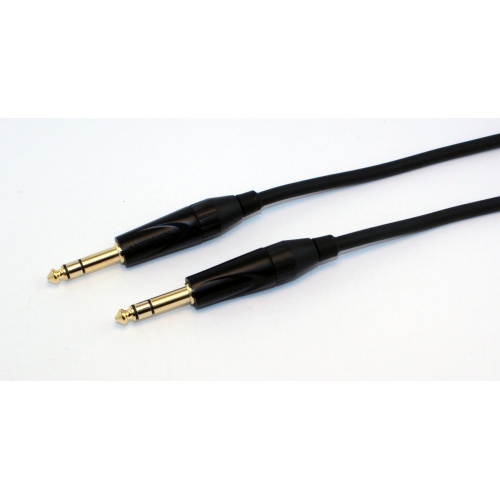
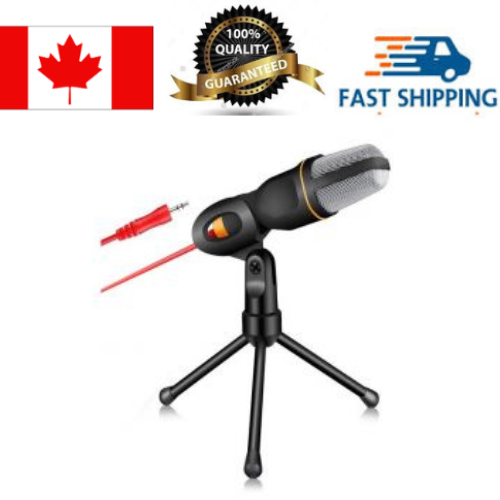
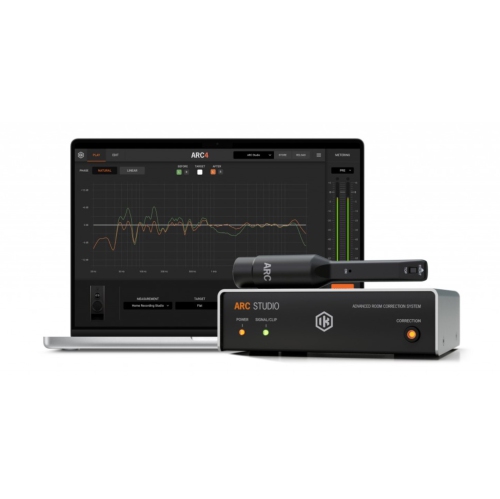
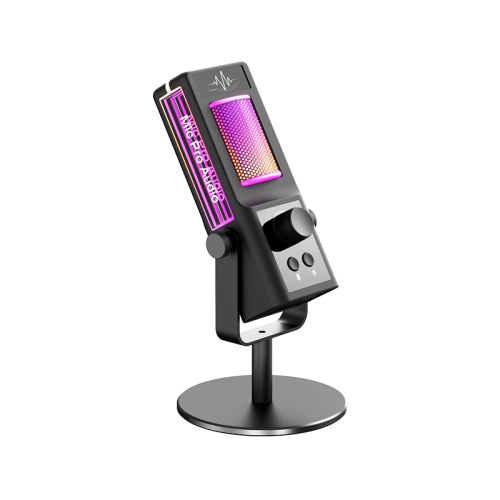
Microphones are another key part of a home recording studio, and different microphone designs suit different recording situations. Condenser microphones are often chosen for their sensitivity and detailed response when capturing vocals, acoustic instruments, narration and other quieter sources in a controlled room. Dynamic microphones are typically less sensitive to room noise and can be a practical choice for louder sources, live-style vocals, amplifiers, drums and spoken-word recording. The best microphone is not simply the most advanced option; it is the one that matches the room, the performer and the intended sound. A microphone stand keeps the microphone stable and positioned consistently, while a pop filter can help soften bursts of air from certain vocal sounds. XLR cables are commonly used to connect microphones to an audio interface, and instrument or TRS cables can link compatible instruments and studio devices. Closed-back headphones are useful while tracking because they help reduce sound bleeding into the microphone, allowing the performer to hear a backing track without it being recorded again. Open-back or studio-style headphones may be preferred for extended listening and mixing, depending on the room and the user’s priorities. Studio monitors can provide a wider listening perspective for mixing, with a more balanced presentation than many consumer speakers. Placement is important: monitors should sit securely at an appropriate listening height and be arranged symmetrically where possible. Room acoustics also influence what the user hears. Bare walls, hard floors and nearby surfaces can create reflections or echo that make a recording sound less clear, so acoustic panels, bass treatment, rugs, curtains and sensible speaker placement may help create a more controlled listening environment. These details are especially valuable in smaller rooms, where sound can gather in corners and make bass seem stronger than it really is. Browse the selection of Home Music Studio Setup options to compare equipment that can help bring these essential parts of a recording space together.
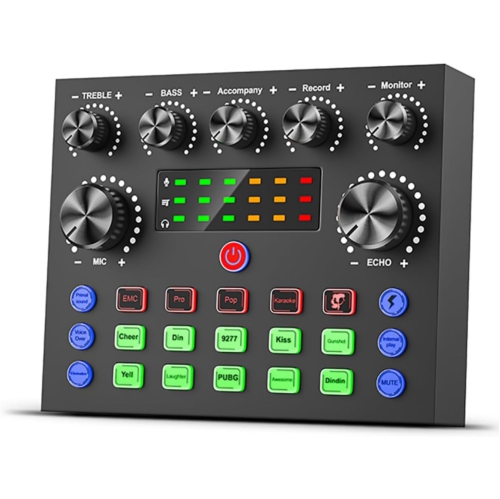
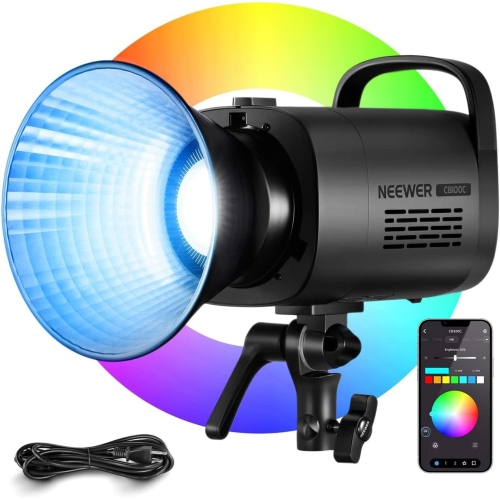
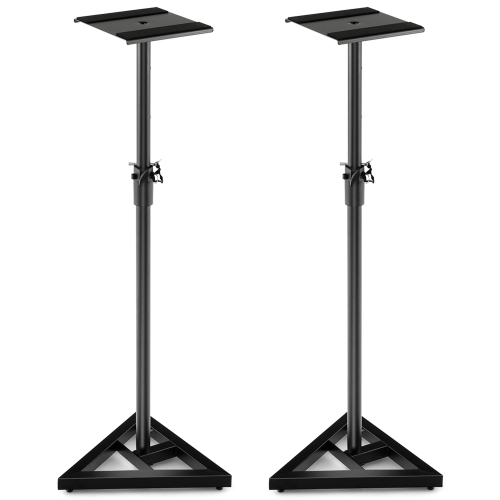
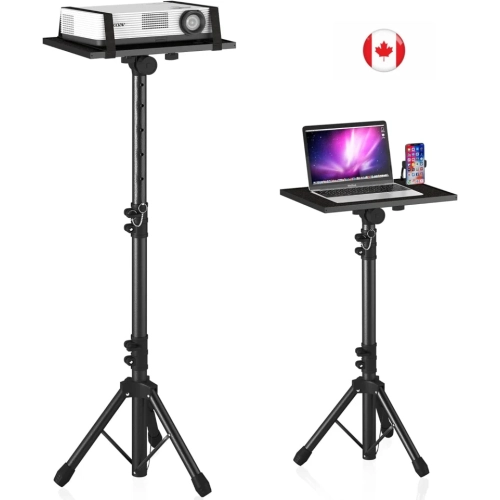
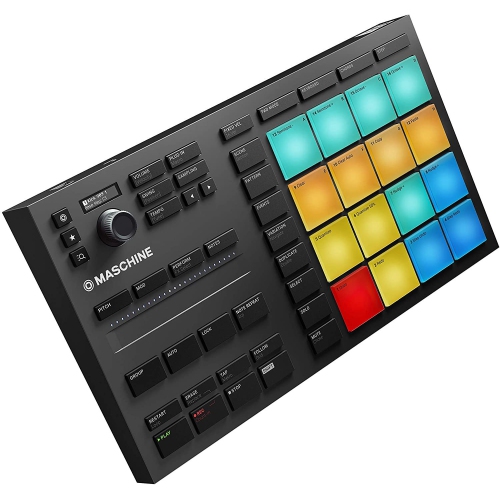
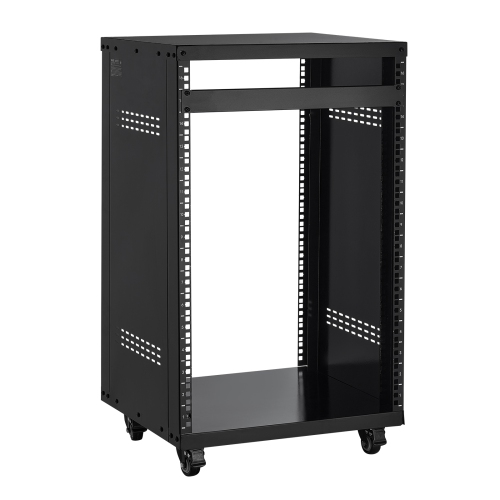
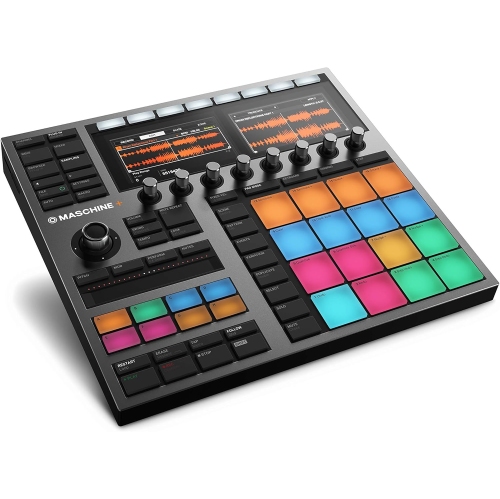
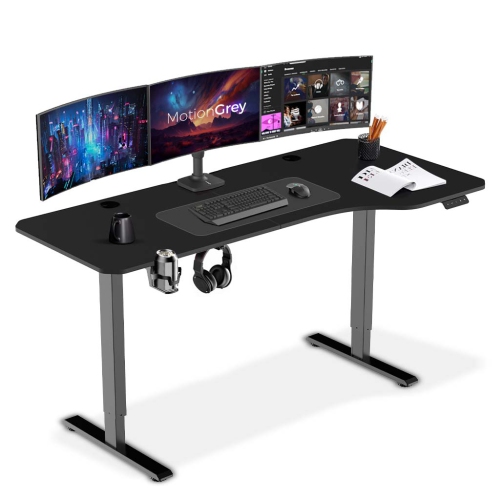
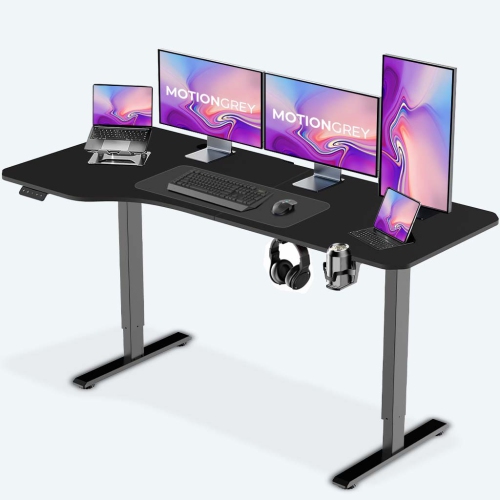
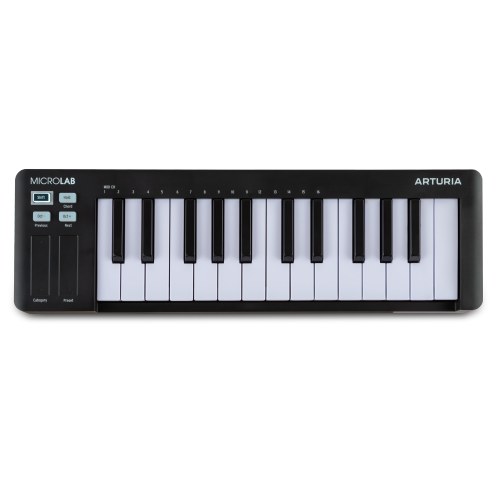
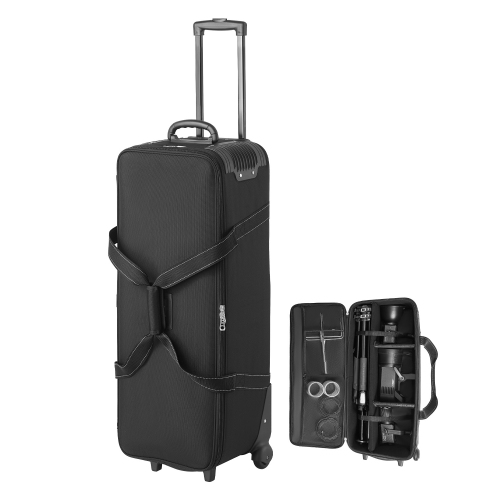
Home studio equipment can suit a wide range of users, from first-time creators learning the basics to experienced musicians refining a personal workflow. A singer-songwriter may use a microphone, interface and headphones to record vocal and guitar ideas after work, while a podcaster can build a dependable speaking setup with a clear microphone, monitoring headphones and recording software. Producers may prioritize a computer with room for software instruments, a responsive keyboard controller and accurate monitoring, while DJs, beat-makers and electronic musicians may look for equipment that supports sample creation, looping and hands-on control. Video creators, voice actors, teachers and livestreamers can also benefit from a dedicated audio setup that makes speech sound more polished than a built-in computer microphone. For families, a compact collection of recording essentials can be a thoughtful gift for someone who spends time writing songs, learning an instrument or experimenting with audio. It can also be a practical choice for students and hobbyists creating projects at home during the cooler months, when indoor creative time becomes part of the weekly routine. Before buying, consider the room available, the number of people who will record at once, the instruments or microphones that need to connect, and whether the user plans to expand later. Checking connector types, operating-system compatibility, software requirements and available desk space can help ensure that each piece works smoothly with the rest. Accessories such as cable organizers, storage solutions, microphone stands and monitor stands can keep the workspace easier to use, while a comfortable chair and sensible lighting can encourage longer sessions without making the room feel crowded. A home studio does not need to be elaborate to be inspiring; a carefully matched setup can turn a quiet corner into a place for capturing ideas while they are fresh, developing creative skills and sharing finished recordings with others.
Microphones are another key part of a home recording studio, and different microphone designs suit different recording situations. Condenser microphones are often chosen for their sensitivity and detailed response when capturing vocals, acoustic instruments, narration and other quieter sources in a controlled room. Dynamic microphones are typically less sensitive to room noise and can be a practical choice for louder sources, live-style vocals, amplifiers, drums and spoken-word recording. The best microphone is not simply the most advanced option; it is the one that matches the room, the performer and the intended sound. A microphone stand keeps the microphone stable and positioned consistently, while a pop filter can help soften bursts of air from certain vocal sounds. XLR cables are commonly used to connect microphones to an audio interface, and instrument or TRS cables can link compatible instruments and studio devices. Closed-back headphones are useful while tracking because they help reduce sound bleeding into the microphone, allowing the performer to hear a backing track without it being recorded again. Open-back or studio-style headphones may be preferred for extended listening and mixing, depending on the room and the user’s priorities. Studio monitors can provide a wider listening perspective for mixing, with a more balanced presentation than many consumer speakers. Placement is important: monitors should sit securely at an appropriate listening height and be arranged symmetrically where possible. Room acoustics also influence what the user hears. Bare walls, hard floors and nearby surfaces can create reflections or echo that make a recording sound less clear, so acoustic panels, bass treatment, rugs, curtains and sensible speaker placement may help create a more controlled listening environment. These details are especially valuable in smaller rooms, where sound can gather in corners and make bass seem stronger than it really is. Browse the selection of Home Music Studio Setup options to compare equipment that can help bring these essential parts of a recording space together.
Home studio equipment can suit a wide range of users, from first-time creators learning the basics to experienced musicians refining a personal workflow. A singer-songwriter may use a microphone, interface and headphones to record vocal and guitar ideas after work, while a podcaster can build a dependable speaking setup with a clear microphone, monitoring headphones and recording software. Producers may prioritize a computer with room for software instruments, a responsive keyboard controller and accurate monitoring, while DJs, beat-makers and electronic musicians may look for equipment that supports sample creation, looping and hands-on control. Video creators, voice actors, teachers and livestreamers can also benefit from a dedicated audio setup that makes speech sound more polished than a built-in computer microphone. For families, a compact collection of recording essentials can be a thoughtful gift for someone who spends time writing songs, learning an instrument or experimenting with audio. It can also be a practical choice for students and hobbyists creating projects at home during the cooler months, when indoor creative time becomes part of the weekly routine. Before buying, consider the room available, the number of people who will record at once, the instruments or microphones that need to connect, and whether the user plans to expand later. Checking connector types, operating-system compatibility, software requirements and available desk space can help ensure that each piece works smoothly with the rest. Accessories such as cable organizers, storage solutions, microphone stands and monitor stands can keep the workspace easier to use, while a comfortable chair and sensible lighting can encourage longer sessions without making the room feel crowded. A home studio does not need to be elaborate to be inspiring; a carefully matched setup can turn a quiet corner into a place for capturing ideas while they are fresh, developing creative skills and sharing finished recordings with others.
Top selling and popular products
-
 Your price for this item is $989
 -
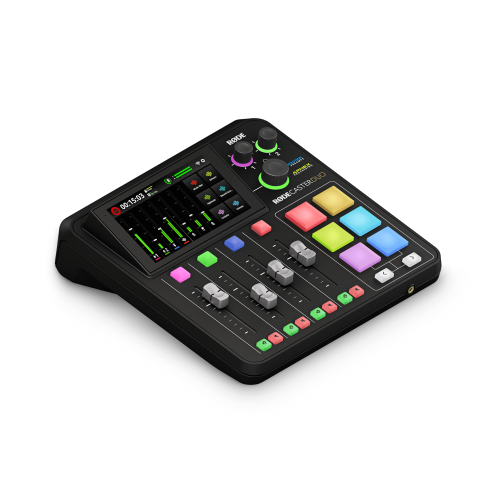 Your price for this item is $699
 -
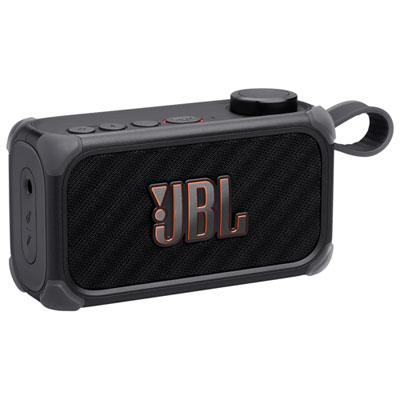 Your price for this item is $329.99
 -
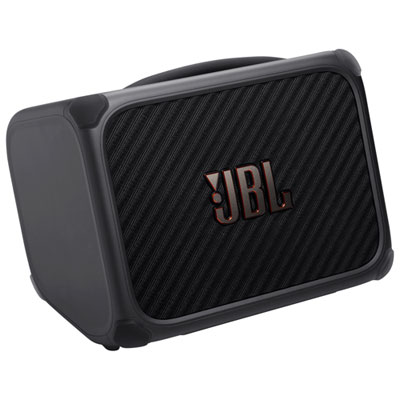 Your price for this item is $799.99
 -
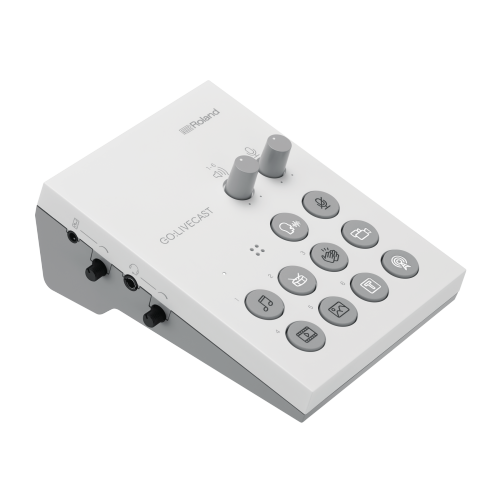 Your price for this item is $69
 -
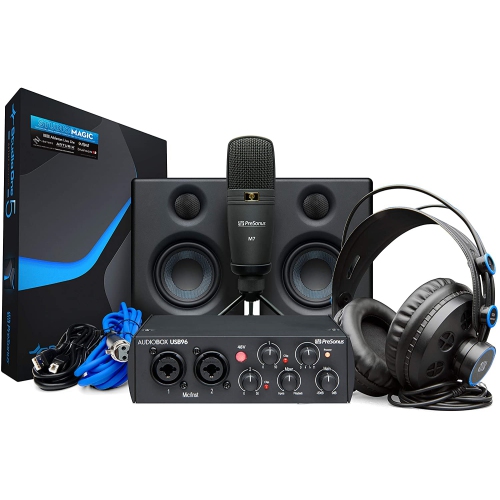 Your price for this item is $459.99
 -
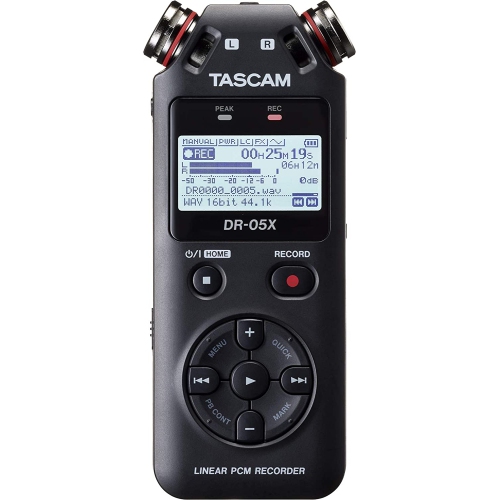 Your price for this item is $299
 -
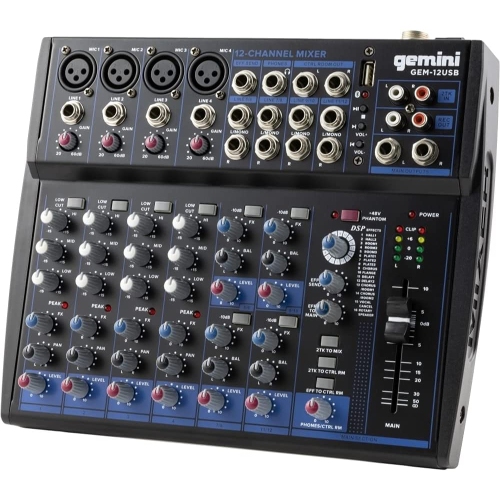 Your price for this item is $205.95
Discover more categories related to Home Studio Equipment
Top Collections:
Pokemon Centers, Kindle Devices, Best Budget Office Chairs, Apple iPhones 16, Best Laptops for Writers, iPhone 15 Apple, Canon G7X Cameras, Refurbished Apple Laptops, Alarm Clock, Motorola Razr Phones
Some products may be subject to Environmental Handling Fees
(EHF) depending on your province.
Learn more about EHFs.