Musical Instrument Tuners
Whether you're a professional musician, an aspiring artist, or simply enjoy playing music as a hobby, having a reliable and accurate tuner is essential for keeping your instruments in perfect pitch. At Best Buy, we understand the importance of staying in tune, which is why we offer a wide selection of musical instrument tuners to suit every musician's needs. From clip-on tuners to pedal tuners and everything in between, our collection features top-quality options that will help you achieve the best sound possible. Explore our range of musical instrument tuners and take your musical performances to the next level.
Sort

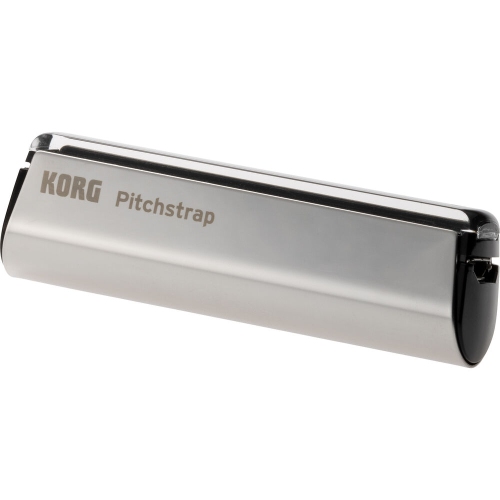
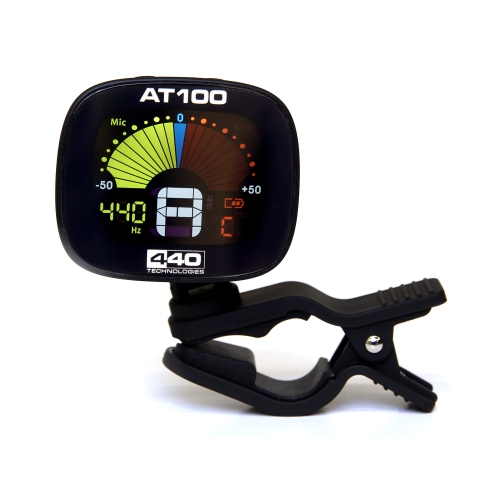
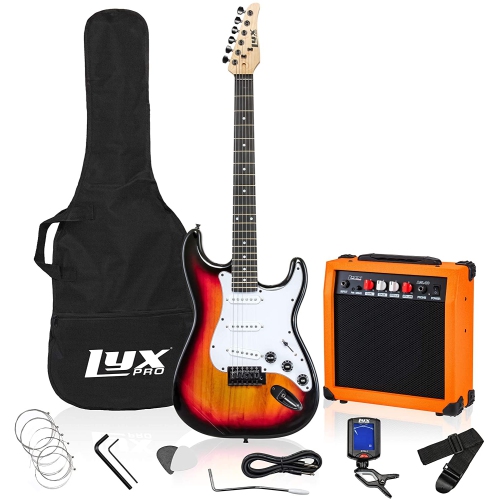
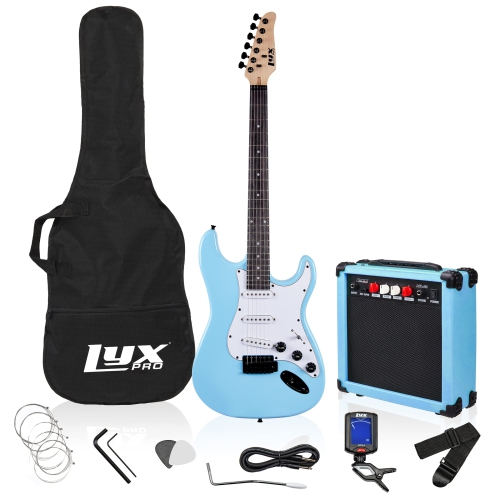
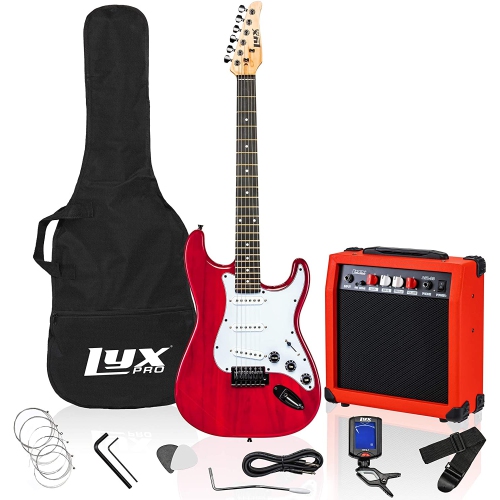

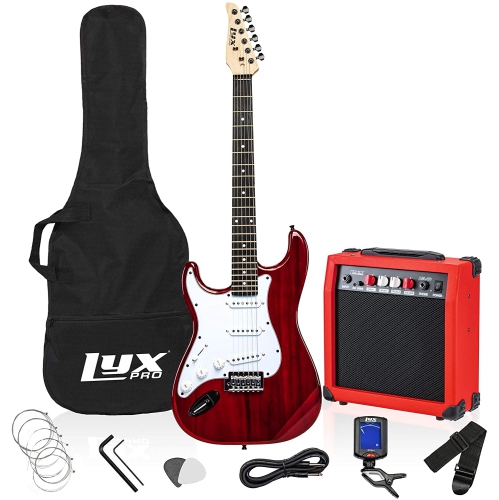
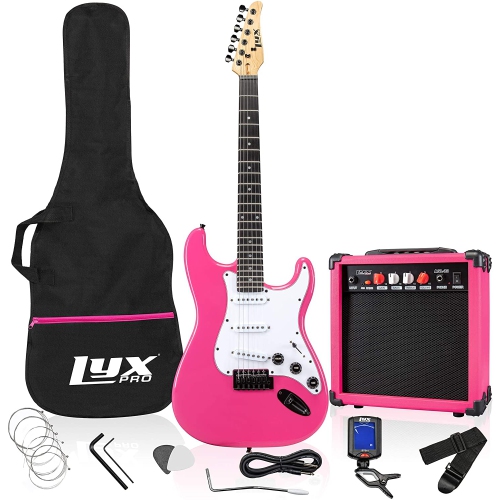
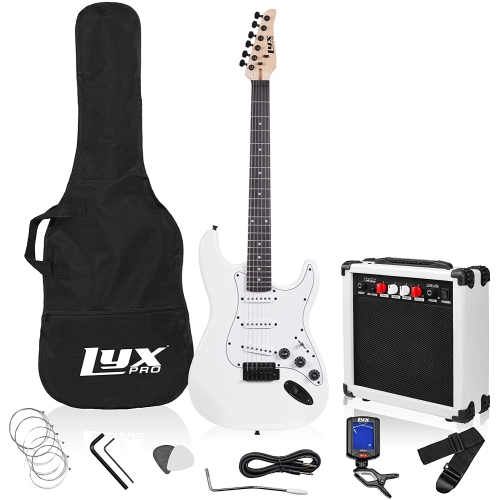
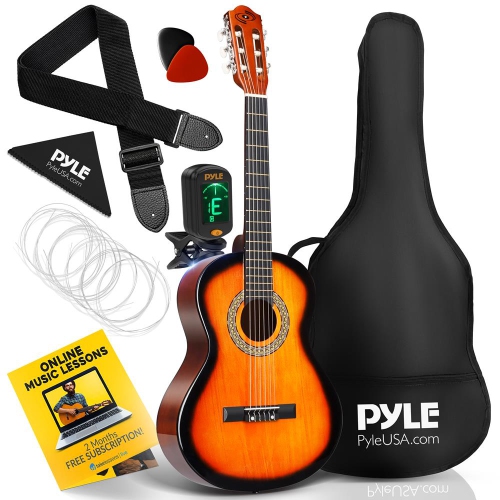
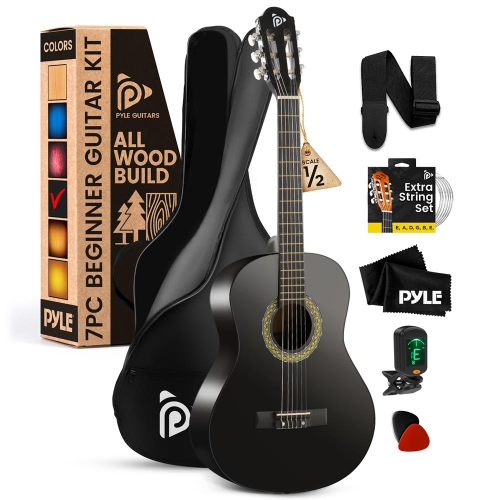
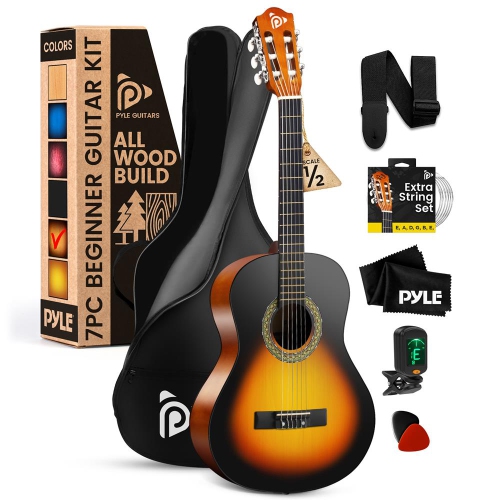

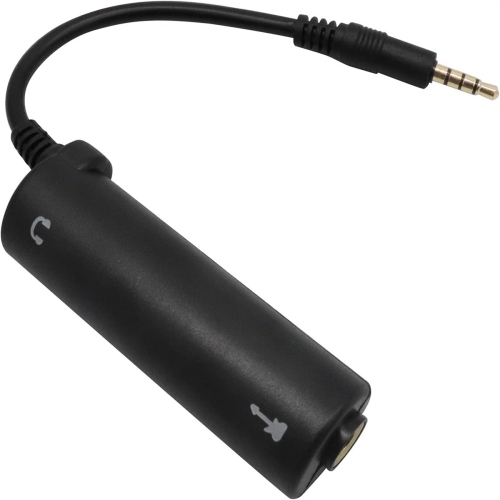
Reliable pitch checks for practice, rehearsals and performances
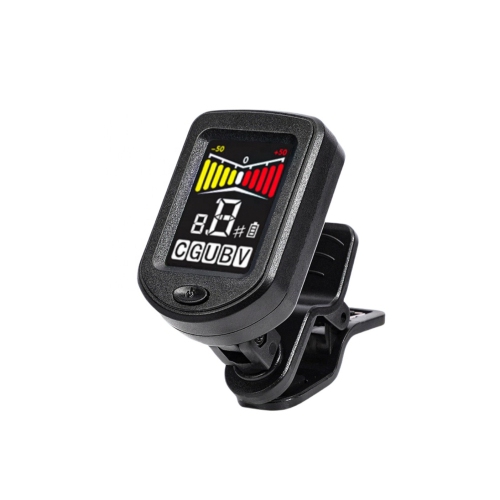
Musical instrument tuners help players check pitch quickly and make precise adjustments before rehearsals, lessons, recording sessions or performances. A properly tuned instrument gives every note a clear foundation, whether you are strumming a guitar around a campfire, practising violin in a quiet room, warming up on a brass instrument or working through scales on a woodwind instrument. Most modern electronic tuners are chromatic, meaning they recognize all 12 notes in the musical scale rather than being limited to one instrument or a particular tuning. Their displays typically indicate whether a note is sharp, meaning the pitch is too high, or flat, meaning it is too low, with a centre marker showing when the note is close to the target. This simple visual feedback is useful for beginners who are learning how tuning works and for experienced musicians who want a dependable reference between songs. Many players make tuning part of their regular routine: check each string or note before playing, make a small adjustment, then check again after the instrument has settled. Changes in temperature, humidity, string age and playing intensity can all affect pitch, so keeping a tuner nearby can help an instrument sound more consistent during the warmer and cooler parts of the year.
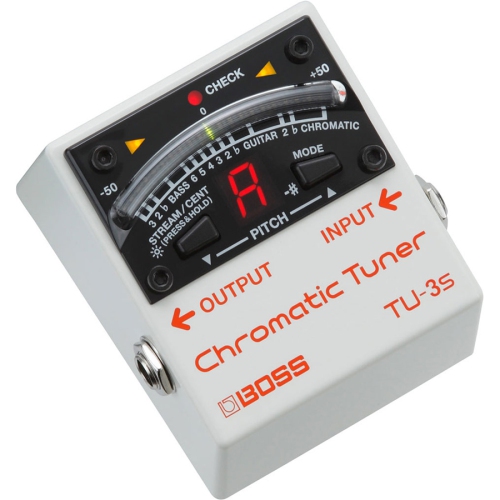
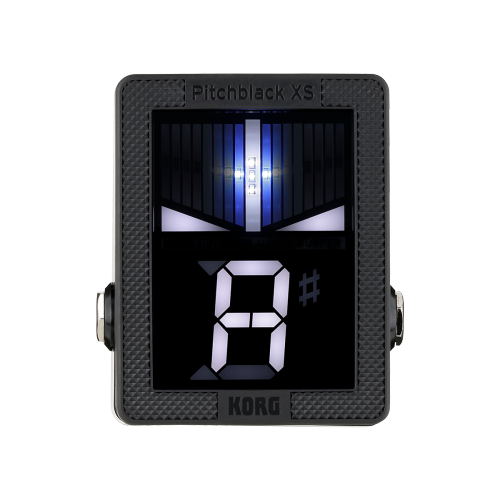
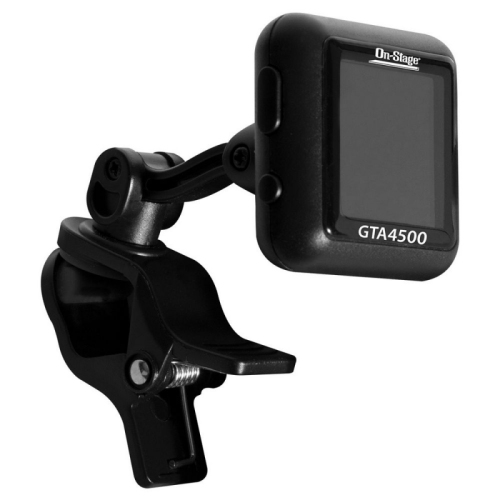
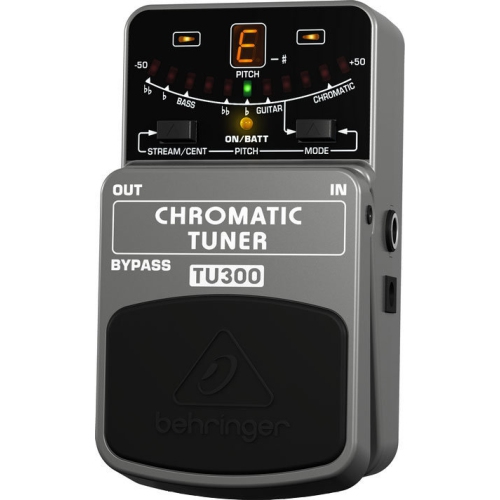
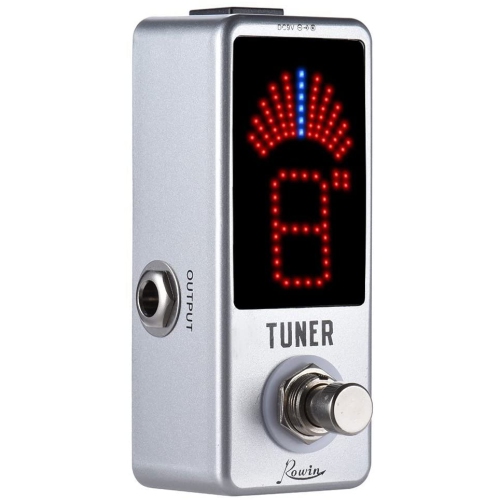
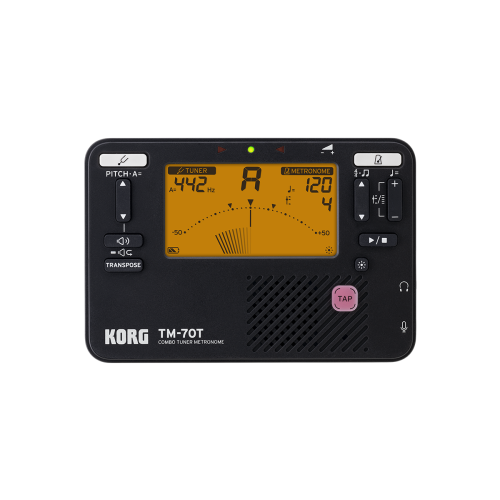
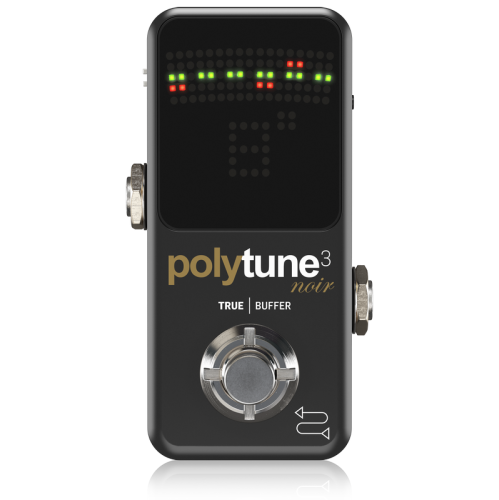
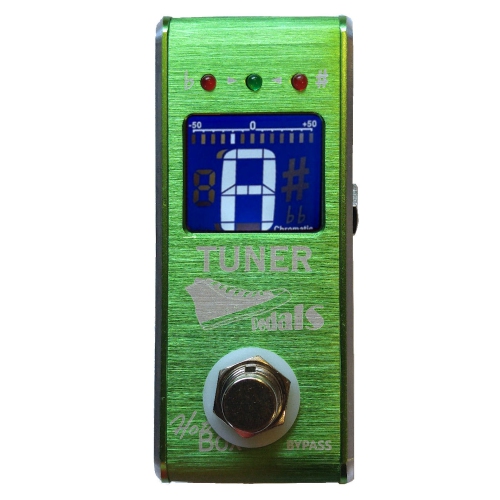
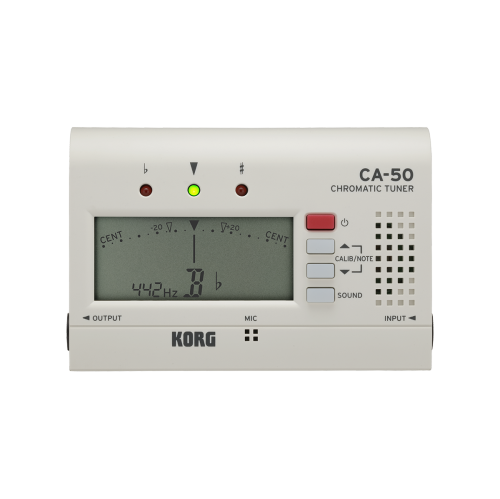
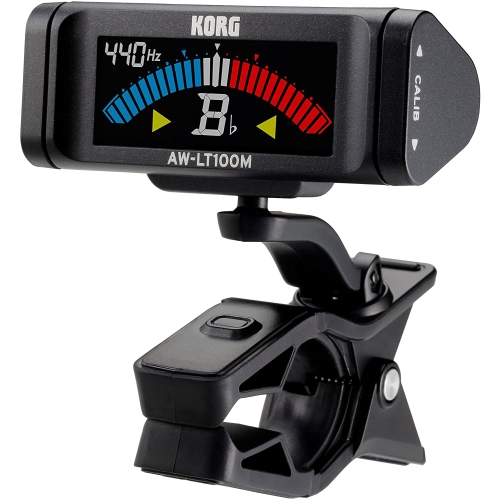
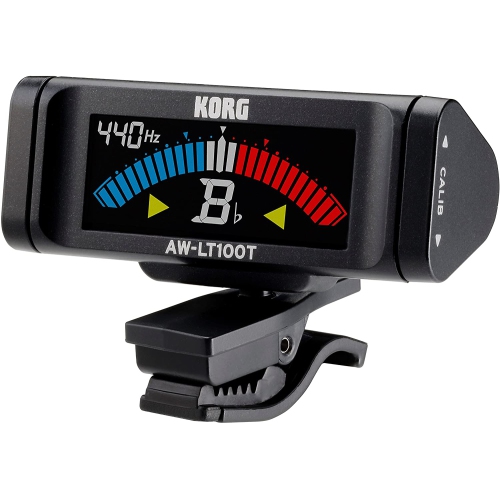
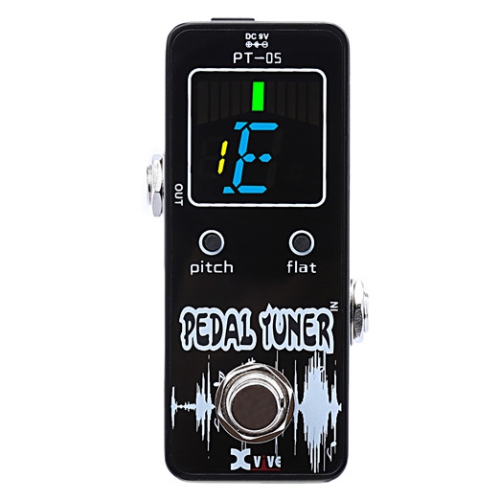
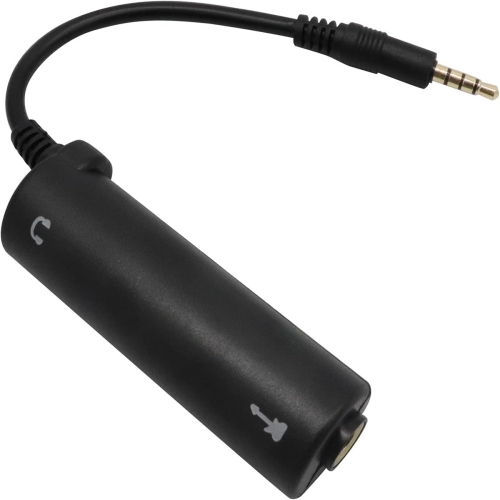
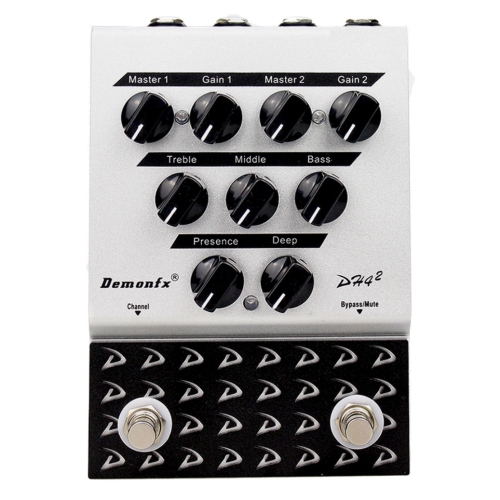
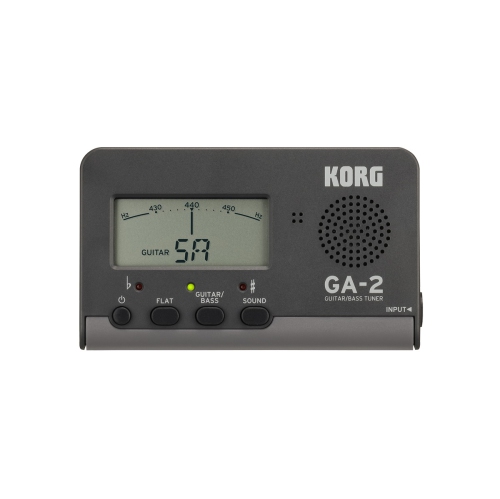
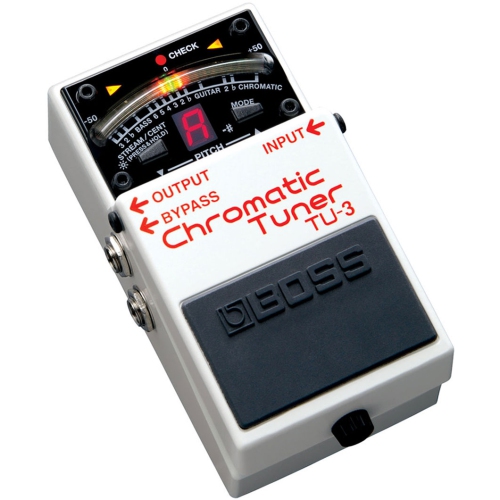
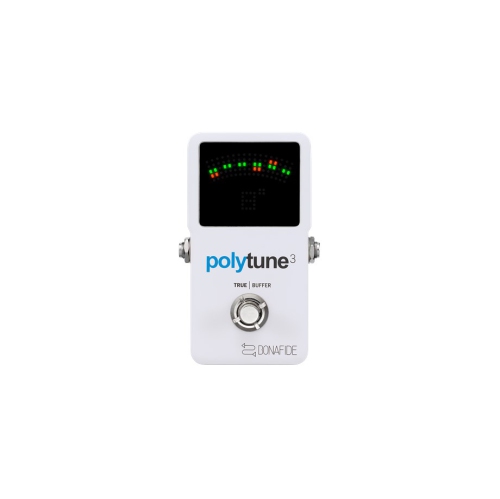
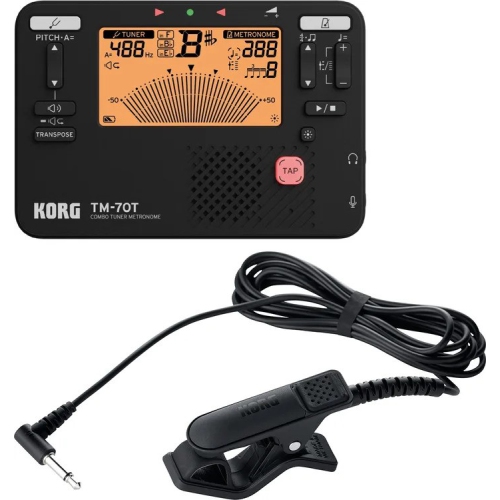
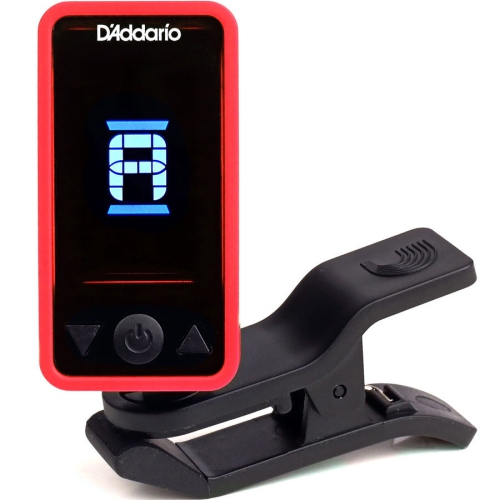
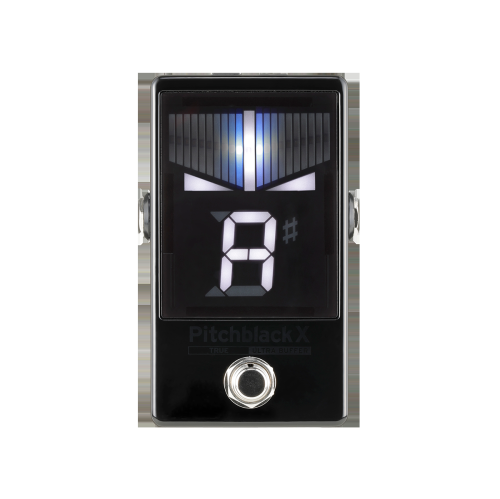
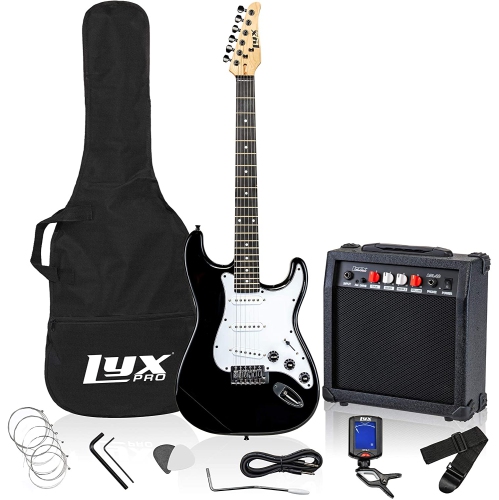
The best style of tuner depends on the instrument, playing environment and way you prefer to practise. Clip-on tuners attach to the headstock of a guitar, ukulele, violin or similar stringed instrument and detect vibrations through the instrument itself. Since they do not rely only on a built-in microphone, they can be especially convenient in a busy rehearsal room, backstage area or classroom where other sounds make tuning by ear more difficult. Pedal tuners are designed for electric guitar and bass setups, sitting on the floor as part of a pedalboard and often allowing the player to mute the instrument while tuning during a performance. This keeps tuning quiet for the audience and gives the musician a clear, easy-to-read display under stage lighting. Handheld and pocket tuners can be a practical choice for band and orchestra students, families with several instruments, or players who want one compact tuner to carry between lessons and rehearsals. Depending on the design, they may use a built-in microphone, a line-in connection or both. A microphone can be convenient for acoustic instruments in a reasonably quiet space, while a cable connection can provide a direct signal for electric instruments and reduce interference from surrounding sound. Players comparing options for a six-string or electric setup can also browse Electronic Tuners for Guitar to find a style that suits their instrument and routine. Look for a display that is bright and readable from your normal playing position, controls that are straightforward to operate, and a size that fits comfortably in an instrument case, gig bag or practice-room drawer.
Tuning accuracy is often described using hertz and cents. Hertz, written as Hz, measures the frequency of a sound wave; standard concert pitch commonly uses A4 at 440 Hz as the reference. Cents describe very small differences in pitch within a semitone, helping a tuner show whether a note is just slightly above or below its target. For everyday practice, a clear needle, bar or coloured indicator is usually enough to guide small adjustments, while advanced players may appreciate finer resolution, alternate calibration settings or a strobe display that shows pitch movement with exceptional detail. Some tuners support multiple tuning modes, transposition settings or alternate reference pitches, which can be helpful for orchestral instruments, ensembles and musicians who work with non-standard tunings. Battery life, automatic shutoff and easy access to the power control also matter when a tuner is used regularly. Musical instrument tuners can make thoughtful gifts for a student beginning lessons, a guitarist building a first accessory kit, a family preparing for school-band rehearsals or a performer assembling equipment for live playing. They are small enough to add to a case without taking up much room, yet useful often enough to become part of a musician’s everyday habits. A tuner will not replace careful listening, but it provides a reliable starting point so players can spend more time developing tone, rhythm and confidence. Whether it clips to an acoustic instrument, connects directly to an electric setup or travels as a compact handheld accessory, the right tuner makes it easier to begin each practice session with notes that are balanced, dependable and ready to play together.
The best style of tuner depends on the instrument, playing environment and way you prefer to practise. Clip-on tuners attach to the headstock of a guitar, ukulele, violin or similar stringed instrument and detect vibrations through the instrument itself. Since they do not rely only on a built-in microphone, they can be especially convenient in a busy rehearsal room, backstage area or classroom where other sounds make tuning by ear more difficult. Pedal tuners are designed for electric guitar and bass setups, sitting on the floor as part of a pedalboard and often allowing the player to mute the instrument while tuning during a performance. This keeps tuning quiet for the audience and gives the musician a clear, easy-to-read display under stage lighting. Handheld and pocket tuners can be a practical choice for band and orchestra students, families with several instruments, or players who want one compact tuner to carry between lessons and rehearsals. Depending on the design, they may use a built-in microphone, a line-in connection or both. A microphone can be convenient for acoustic instruments in a reasonably quiet space, while a cable connection can provide a direct signal for electric instruments and reduce interference from surrounding sound. Players comparing options for a six-string or electric setup can also browse Electronic Tuners for Guitar to find a style that suits their instrument and routine. Look for a display that is bright and readable from your normal playing position, controls that are straightforward to operate, and a size that fits comfortably in an instrument case, gig bag or practice-room drawer.
Tuning accuracy is often described using hertz and cents. Hertz, written as Hz, measures the frequency of a sound wave; standard concert pitch commonly uses A4 at 440 Hz as the reference. Cents describe very small differences in pitch within a semitone, helping a tuner show whether a note is just slightly above or below its target. For everyday practice, a clear needle, bar or coloured indicator is usually enough to guide small adjustments, while advanced players may appreciate finer resolution, alternate calibration settings or a strobe display that shows pitch movement with exceptional detail. Some tuners support multiple tuning modes, transposition settings or alternate reference pitches, which can be helpful for orchestral instruments, ensembles and musicians who work with non-standard tunings. Battery life, automatic shutoff and easy access to the power control also matter when a tuner is used regularly. Musical instrument tuners can make thoughtful gifts for a student beginning lessons, a guitarist building a first accessory kit, a family preparing for school-band rehearsals or a performer assembling equipment for live playing. They are small enough to add to a case without taking up much room, yet useful often enough to become part of a musician’s everyday habits. A tuner will not replace careful listening, but it provides a reliable starting point so players can spend more time developing tone, rhythm and confidence. Whether it clips to an acoustic instrument, connects directly to an electric setup or travels as a compact handheld accessory, the right tuner makes it easier to begin each practice session with notes that are balanced, dependable and ready to play together.
Top selling and popular products
-
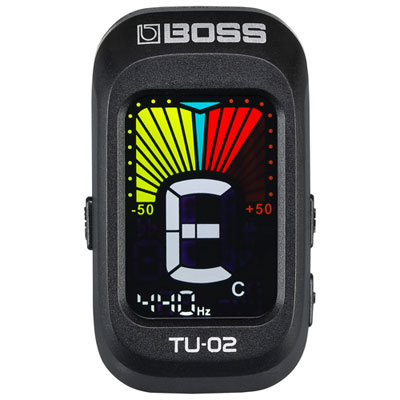 Your price for this item is $19.99
 -
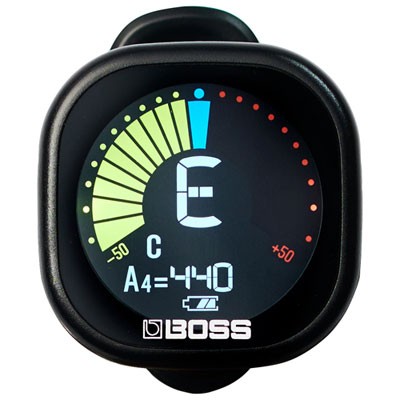 Your price for this item is $29.99
 -
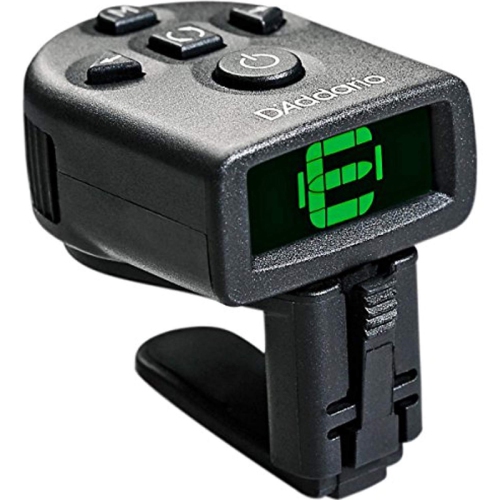 Your price for this item is $27.49
 -
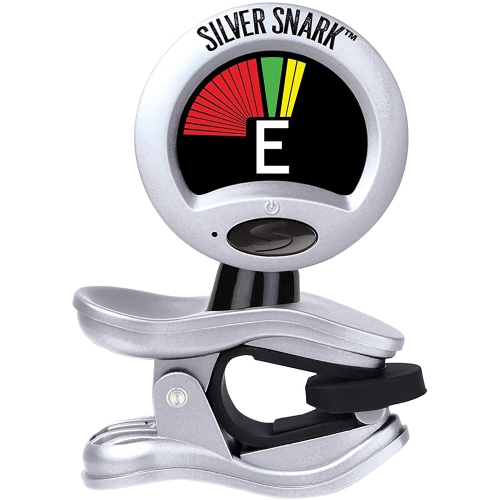 Your price for this item is $26.99
 -
 Your price for this item is $20.99
 -
 Your price for this item is $139.99
 -
 Your price for this item is $119
 -
 Your price for this item is $92.99
Discover more categories related to Musical Instrument Tuners
Top Collections:
Pokemon Centers, Kindle Devices, Best Budget Office Chairs, Apple iPhones 16, Best Laptops for Writers, iPhone 15 Apple, Canon G7X Cameras, Refurbished Apple Laptops, Alarm Clock, Motorola Razr Phones
Some products may be subject to Environmental Handling Fees
(EHF) depending on your province.
Learn more about EHFs.